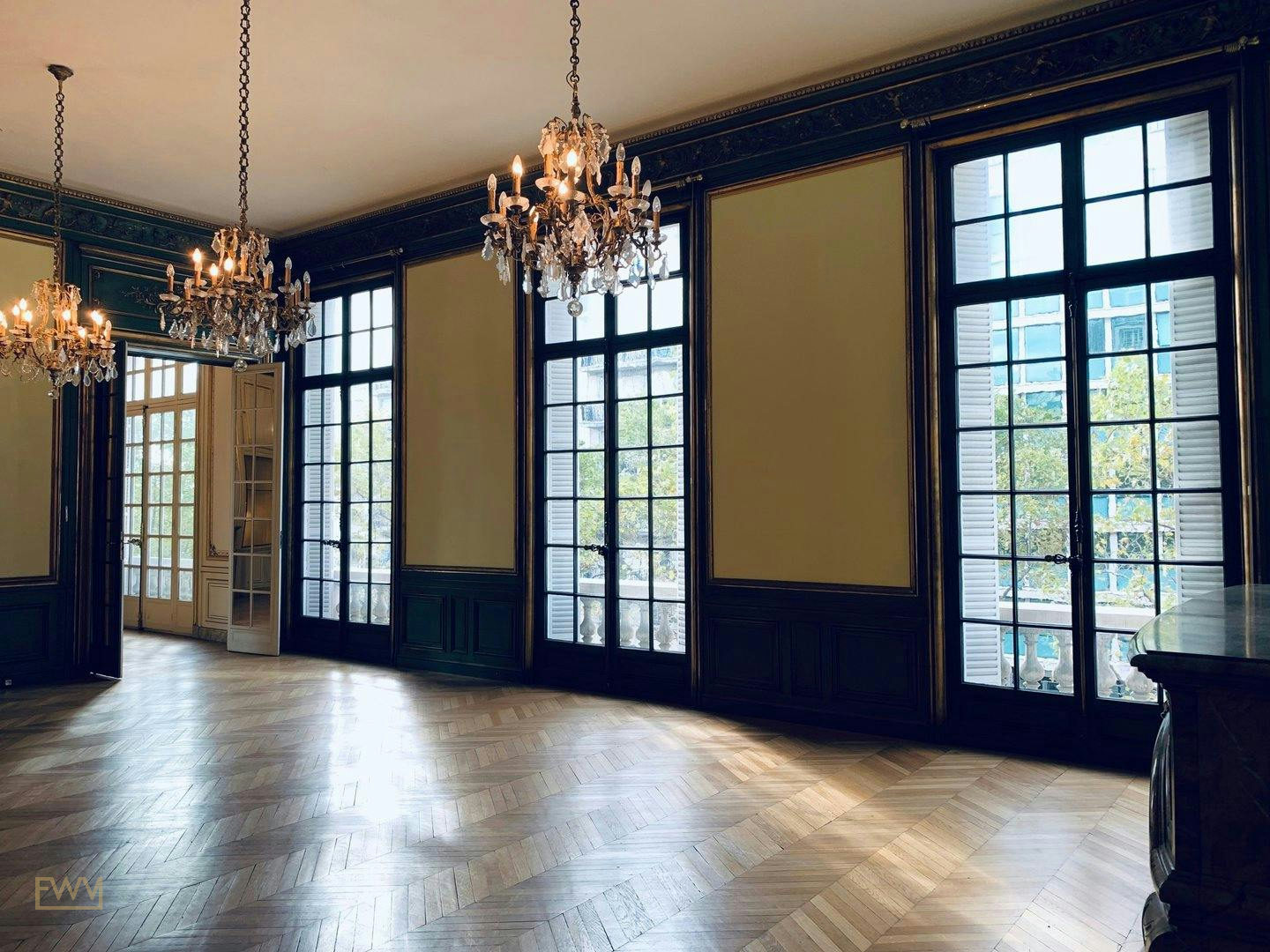
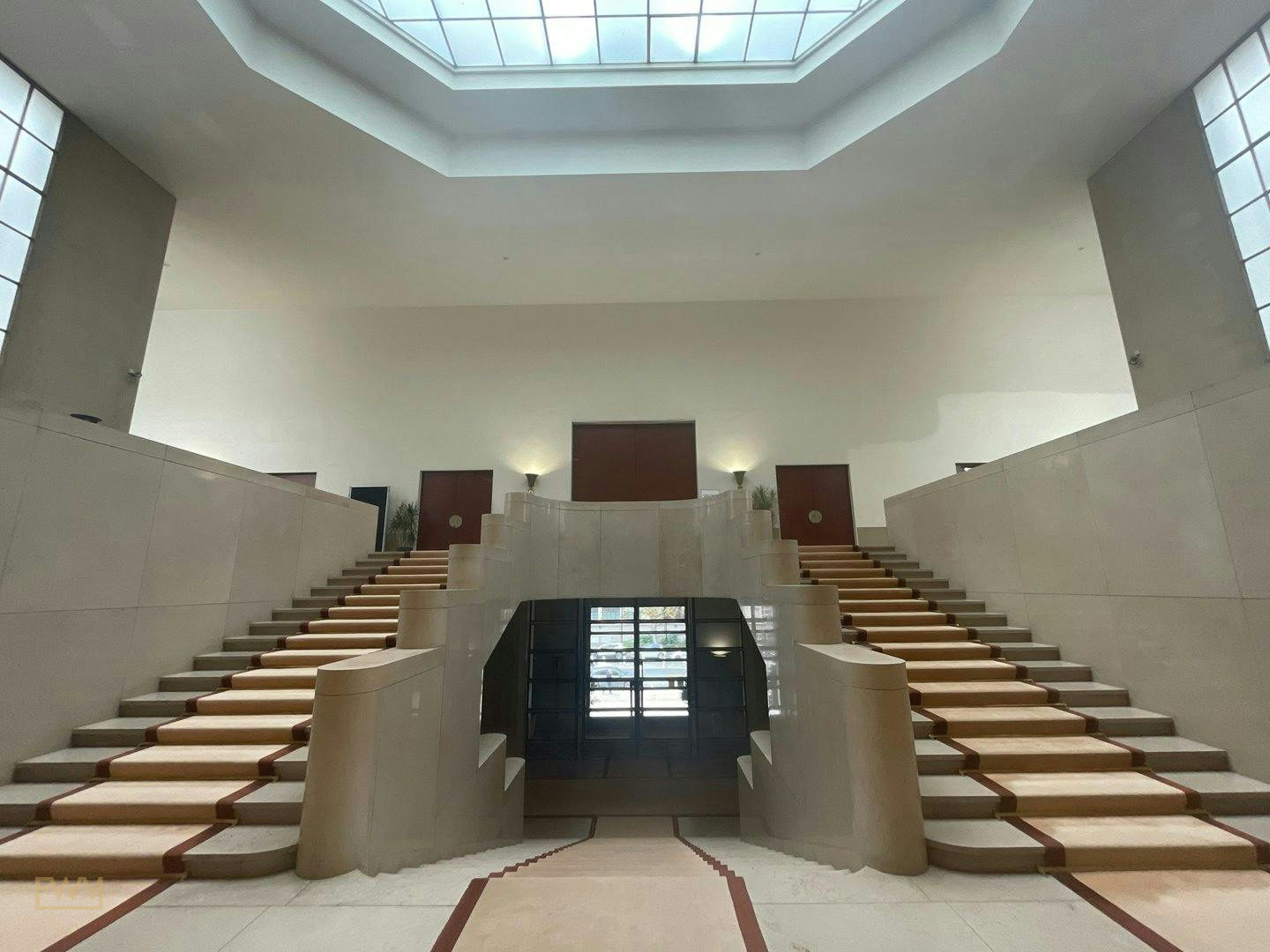
Fashion Week Venues provide an essential platform for brands looking to engage audiences during the prestigious fashion weeks around the world, particularly in Paris. These venues are pivotal for brands aiming to showcase their collections, host exclusive events, or operate pop-up stores in strategic locations that draw both industry insiders and media attention. With the right venue, fashion brands can heighten their visibility and engage deeply with target audiences. This exhaustive guide details how Fashion Week Venues helps brands navigate logistics, select strategic spaces, and maximize impact through our marketplace and services.
Identifying the Right Fashion Week Venue for Your Brand
Choosing the right venue for Fashion Week involves understanding your brand's specific needs, target audience, and budget. The venue you select reflects your brand identity, impacts guest perception, and influences media coverage. Brands often weigh factors such as location prestige, capacity, and logistical support when selecting venues. Paris, with its iconic fashion districts like Le Marais and Rue Saint-Honoré, offers diverse options from grand historic settings to modern minimalist spaces.
Understanding the nuances of each neighborhood and aligning them with your brand's narrative is crucial. For instance, a luxury brand might seek to position itself near Place Vendôme, known for its high fashion and luxury. In contrast, a younger, more avant-garde brand might opt for the vibrant, edgy vibes of Canal Saint-Martin.
Quick answer: Identifying the right venue involves aligning the location with brand values, target demographic, and logistical capacities to maximize impact during Fashion Week.
To effectively choose a venue, brands can utilize Fashion Week Venue's marketplace where options are filtered by district, style, and event type, allowing for a tailored search that meets specific strategic needs. This deliberate alignment is not just about aesthetics or prestige; it's about ensuring that every element from accessibility to spatial appropriateness supports the event's goals.
KEY TAKEAWAY: Selecting the right venue requires a meticulous balance of practicality and brand representation, which can be efficiently managed using Fashion Week Venues' marketplace tools for informed decision-making.
With clear objectives, informed choices can be made that not only fit within the brand's budget but also offer operational advantages that ensure a seamless experience for both attendees and organizers.
Understanding Paris as a Fashion Hub
Paris stands as an undisputed global fashion epicenter, revered for its historic contributions to haute couture and its annual spotlight events like Paris Fashion Week. The city's distinct neighborhoods provide unique atmospheres and logistical benefits. Understanding these districts aids in aligning venue selection with strategic brand goals.
Le Marais, for example, is an area rich in culture with a vibrant mix of contemporary fashion boutiques, ideal for brands looking to emphasize creativity and trend-setting designs. Meanwhile, Saint-Germain-des-Prés offers more historical charm, perfect for luxury labels that wish to highlight sophistication and tradition. The dynamic locale of Opéra offers high foot traffic and proximity to major department stores like Galeries Lafayette, which can be advantageous for brands aiming to maximize visibility to a diverse array of international visitors.
| Neighborhood | Characteristics | Ideal For |
|---|---|---|
| Le Marais | Trendy, culturally diverse, artsy | Contemporary and emerging brands |
| Saint-Germain-des-Prés | Historic, intellectual, upscale | Luxury brands, traditional events |
| Opéra | Central, commercial, vibrant | High-traffic activations |
DID YOU KNOW: The arrondissement of Paris can significantly affect the cost and compliance requirements of a fashion event, influencing both budgeting and planning processes.
Quick answer: Paris's diverse neighborhoods offer distinct venues, each characterized by their unique benefits aligned to different brand strategies and audience engagement levels.
KEY TAKEAWAY: Leveraging the unique characteristics of Parisian neighborhoods can align venue choices more closely with brand ethos and marketing objectives, optimizing the impact of your Fashion Week initiatives.
As you proceed in planning, use fashion history and present-day market trends to guide venue selection that aligns with brand messaging, operational goals, and audience engagement. Fashion Week Venues can assist by providing comprehensive tools and city guides on Paris as a fashion hub to streamline this process.
Event Planning and Execution for Fashion Week
When it comes to event planning and execution during Fashion Week, precise attention to every detail is necessary to ensure a seamless operation and the real-world realization of brand concepts. The preparation phase typically involves multi-faceted coordination including logistics, design, permits, and staffing, each bearing unique challenges in a bustling city like Paris.
Execution requires collaboration with local vendors and specialists who understand the unique demands of the fashion and events industry, ensuring that each component from lighting, security, to special effects complements the overall aesthetic and operational requirements.
Quick answer: Effective Fashion Week event planning involves comprehensive logistics, creative design, and staffing, all meticulously aligned with the brand's goals and audience expectations.
A crucial step in planning is the securing of all necessary permits and compliance documentation, which can vary significantly depending on the space type and specific arrondissement in Paris. Brands must navigate processes such as obtaining a bail dérogatoire for short-term leases which differ from standard leases and ensuring all health and safety regulations are met.
IMPORTANT: Brands should always verify permit and compliance requirements with a French legal advisor to avoid potential pitfalls or local government penalties. The permit guidance tool offered by Fashion Week Venues can help navigate these complexities.
KEY TAKEAWAY: Comprehensive planning, informed by local insights and regulatory considerations, is key to executing successful Fashion Week events, ensuring every detail aligns with brand objectives and audience expectations.
Ultimately, precise execution can foster memorable brand experiences that enhance reputation and promote further engagement across industry networks and beyond.
Logistical Considerations for Paris Pop-Up Shops
Planning a pop-up shop in Paris involves several logistical considerations, each critical to the success of temporary retail events. Key factors include securing the appropriate venue, ensuring timely delivery and setup of merchandise, and coordinating local staffing and security measures.
Given Paris's dense urban environment, location logistics such as transportation accessibility to and from venues, storage solutions, and foot traffic patterns play a major role in pop-up success. By working with vendors who understand local conditions, brands can navigate physical constraints and leverage optimal schedules for deliveries and setup—typically requiring coordination with city permits for loading zones.
Quick answer: Successful Paris pop-up shops depend on strategic logistics planning, covering venue selection, material logistics, staffing, and compliance with local regulations.
Special consideration must be given to temporary retail laws such as the Occupation Temporaire (AOT), which regulates the use of public spaces and temporary occupations within urban settings. Expertise in complying with these regulations is imperative to avoid disruption by local authorities.
Fashion Week Venues provides a wide array of logistics tools and services, such as their locator tool, helping brands pinpoint ideal neighborhoods while considering logistical attributes such as consumer accessibility and surrounding proximity to competitor events.
KEY TAKEAWAY: Thoughtful logistical planning is crucial to operating a successful pop-up shop, ensuring compliance with temporary regulations while optimizing operational capacity and visibility.
Concisely managing logistics ensures seamless operations and elevates brand experiences, positioning them effectively amidst the competitive bustle of Paris Fashion Week.
Maximizing Impact Through Creative Event Design
Incorporating strong creative elements into event design can significantly elevate audience engagement and brand perception during Fashion Week. Through visual storytelling and immersive experiences, brands can forge emotional connections with their audience, increasing the memorability and impact of their events.
Creative concepts should align with brand identity while being scalable to the chosen venue's capacities. Engaging visual merchandising, tantalizing soundscapes, and interactive installations are just a few methods brands can use to capture attention and inspire interaction.
Quick answer: Creative design in fashion events leverages the interplay of visual, auditory, and interactive elements to enhance brand storytelling and audience engagement.
For brands unsure of where to start, Fashion Week Venues offers concept and creative services to aid in the conception and execution of innovative designs. These services couched within professional guidance help ensure that creative concepts are not only compelling but also feasible within logistical constraints and budgetary considerations.
KEY TAKEAWAY: Integrating creative elements into event design is essential for maximizing engagement and brand perception, driving home your message with flair and substance.
Ultimately, well-executed creative design reflects positively on the brand, fostering peer recognition and media attention on international stages.
Budgeting and Financial Planning for Fashion Week Events
Finance is a cornerstone of any successful Fashion Week presentation, demanding a pragmatic approach to budgeting and cost management. Expenses range from venue hire and decor to staffing and marketing. Understanding these costs relative to expected returns is critical for strategic planning.
The budgeting process should include both fixed and variable costs, allowing room for unforeseen expenses— a common characteristic of Fashion Week volatility. Including a contingency fund within the budget helps turn unexpected challenges into manageable situations.
Quick answer: Effective budgeting for Fashion Week events entails understanding and allocating funds toward critical areas, factoring in fixed and variable costs, while maintaining flexibility for unexpected expenses.
Brands are advised to use Fashion Week Venues' budget estimation tool to gain clear insights into potential costs, facilitating aligned spending with strategic outcomes. This includes leveraging data analytics services for tracking expense against KPIs, guiding adjustments to maximize ROI.
KEY TAKEAWAY: Financial viability requires meticulous budgeting with room for adjustments, ensuring resources are focused on high-impact areas that drive overall event success.
A disciplined approach to financial planning secures the sustainability of branded events, influencing legacy and future opportunities for activation across the global stage.
Staffing and Operations for Fashion Week Pop-Ups
Efficient staffing and operations are imperative for the success of Fashion Week pop-up stores. Brands must not only staff locations adequately but also ensure that staff understand brand ethos, products, and customer service expectations to create a memorable shopper experience.
The hiring process should incorporate training schedules and role definitions that reflect brands' strategic goals. Whether hiring locally or deploying staff internationally, teams should be equipped with soft skills for engagement and flexibility for dynamic in-store interactions.
Quick answer: Successful staffing involves robust recruitment and training processes aligned with brand goals, ensuring exemplary customer service and operational efficiency.
Fashion Week Venues provides retail staffing solutions designed to streamline operations, offering end-to-end management of recruiting, training, and HR logistics, ensuring the pop-up environment aligns with the desired brand experience.
KEY TAKEAWAY: Quality staff selection and training underpin operational efficiency, contributing significantly to the success of pop-up activations and customer satisfaction.
An efficiently managed team with aligned objectives can significantly influence the perception of brands, positioning them effectively within competitive markets.
How Fashion Week Venues Supports Brand Activation
At Fashion Week Venues, we understand that successful brand activation during Fashion Week requires an integrated approach. From activation management to venue sourcing and creative direction, our services are tailored to meet diverse needs. Our team assists brands from concept ideation through to execution, offering a suite of marketplace tools and expert support.
Our platform provides access to some of the most coveted spaces in Paris and guides clients through pre-emptive planning stages, aligning logistical requirements with creative vision. By utilizing our comprehensive tool offerings, brands can control budgets, evaluate ROI, and ensure permit compliance with precision.
Quick answer: Fashion Week Venues streamlines brand activations through integrated service offerings and strategic tools, facilitating seamless, impactful operations.
We're committed to understanding brand-specific objectives, ensuring that activations resonate on all levels—from styling and design to experiential delivery. By partnering with leading industry professionals, Fashion Week Venues ensures each event is executed with utmost precision and alignment with brand expectations.
KEY TAKEAWAY: Fashion Week Venues elevates brand presentations by facilitating the navigation of logistics, creativity, and compliance, providing a cohesive approach to successful activations.
Maximizing impact requires not only creativity and operational excellence but also leveraging the right partnerships that focus on outcome-driven results in the bustling landscape of global Fashion Weeks.
Common Myths Debunked
MYTH: You need a French legal entity to rent a space in Paris.
FACT: While having a local legal presence can simplify transactions, it's not a prerequisite. Many international brands successfully secure temporary spaces with the help of agencies that manage local compliance and vendor interactions on their behalf.
MYTH: Paris Fashion Week is the only viable calendar window.
FACT: While Paris Fashion Week offers prime visibility, alternative periods such as Men's Fashion Week and Couture Week also provide excellent opportunities for showcasing collections. These alternatives can offer less competition for space and more niche audience targeting.
MYTH: Commission brokers are the only way to find a space.
FACT: The rise of digital marketplaces has revolutionized how brands find pop-up venues. Platforms like the Fashion Week Venues marketplace offer direct access to diverse spaces without broker fees.
MYTH: Short-term leases are legally straightforward without specialist help.
FACT: Temporary leases, including bail dérogatoire and AOT, involve complex regulations that require specialist knowledge. Engaging experienced professionals ensures compliance with local laws and optimizes lease terms.
Frequently Asked Questions
What are the key factors in choosing a Fashion Week venue?
When selecting a venue for Fashion Week, key factors include location prestige, capacity, logistical support, and alignment with brand identity. Accessibility to target audiences and compliance with city regulations are also critical considerations.
How do pop-up spaces differ across Paris neighborhoods?
Each neighborhood in Paris offers distinct ambiance and benefits for pop-up spaces. For example, Le Marais is trendy and vibrant, appealing to contemporary brands, while Rue Saint-Honoré offers luxurious surroundings that suit high-end fashion labels. Strategic choice of location can enhance brand storytelling and audience reach.
What steps are involved in obtaining temporary permits in Paris?
Securing temporary permits involves understanding specific regulations for short-term events, submitting applications to appropriate authorities, and ensuring compliance with safety and zoning laws. Consulting with French legal experts or using tools like the Fashion Week Venues permit guidance tool can facilitate this process.
What creative elements should be included in event design?
Creative event design should feature elements like visual merchandising, soundscapes, interactive installations, and narrative storytelling. These components help to engage audiences and reinforce brand messages, fostering memorable experiences at Fashion Week activations.
Why is financial planning critical for Fashion Week events?
Effective financial planning ensures that every aspect of the event is funded appropriately and adjusted as necessary to achieve desired outcomes. This involves carefully managing expenses such as venue, staffing, and marketing, as well as monitoring ROI and financial metrics.
How does staffing impact the success of a pop-up shop?
Staffing directly impacts the consumer experience. Properly trained staff that understand and embody the brand ethos can enhance service quality and operational efficiency, contributing to successful activations and increased consumer satisfaction.
What services does Fashion Week Venues offer to aid brand activations?
Fashion Week Venues offers venue sourcing, concept direction, production and build services, activation management, and retail staffing. Additional tools such as budget calculators and permit guidance help brands strategically plan and execute successful events. Explore all these at Fashion Week Venues services.
Can international brands set up temporary shops in Paris without local registration?
Yes, international brands can set up pop-up shops in Paris without local registration by working with agencies that manage necessary compliance and logistics. Using platforms like Fashion Week Venues connects brands to service providers who specialize in these processes.
What are common challenges in hosting a Fashion Week pop-up?
Challenges include securing appropriate venues within budget, ensuring timely permit approvals, managing logistics for supplies and setup, and staffing. Thorough planning and using expert services can mitigate these challenges.
Why use a digital marketplace for finding Fashion Week venues?
Digital marketplaces provide a streamlined venue selection process, offering a broad range of choices and removing the intermediary cost associated with traditional brokers. They enhance transparency and convenience in venue sourcing.
Conclusion
Fashion Week presents unique opportunities for brands to engage directly with their audience through carefully planned and executed events. From understanding Paris's iconic neighborhoods to unraveling complex logistics and financial preparations, successful activations hinge on detailed strategy and expert support. Fashion Week Venues simplifies this journey, offering comprehensive services and tools that streamline each phase from inception to execution. With our support, brands can navigate the intricacies of space rental, compliance, and creative direction to achieve standout performances during these pivotal fashion events. To move from research to activation, start exploring available spaces on the Fashion Week Venues marketplace and build a focused brief for your target neighborhood, space type, and calendar window.