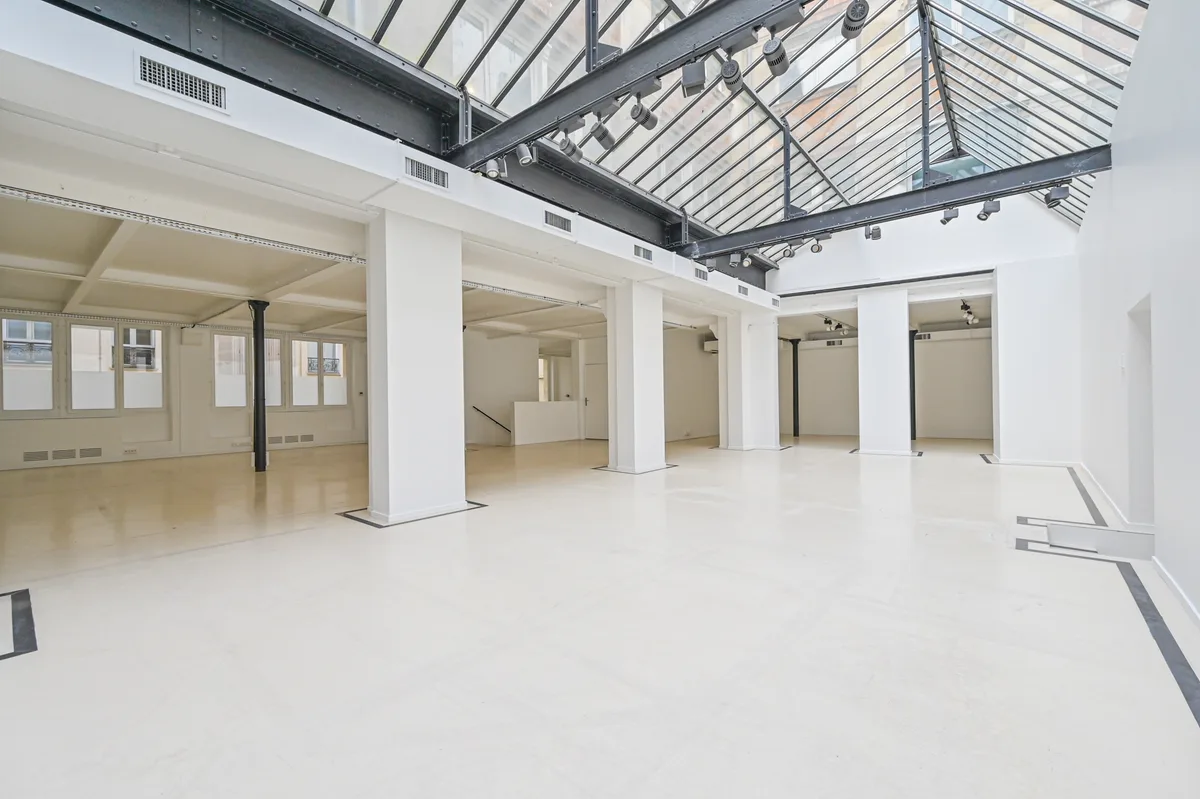
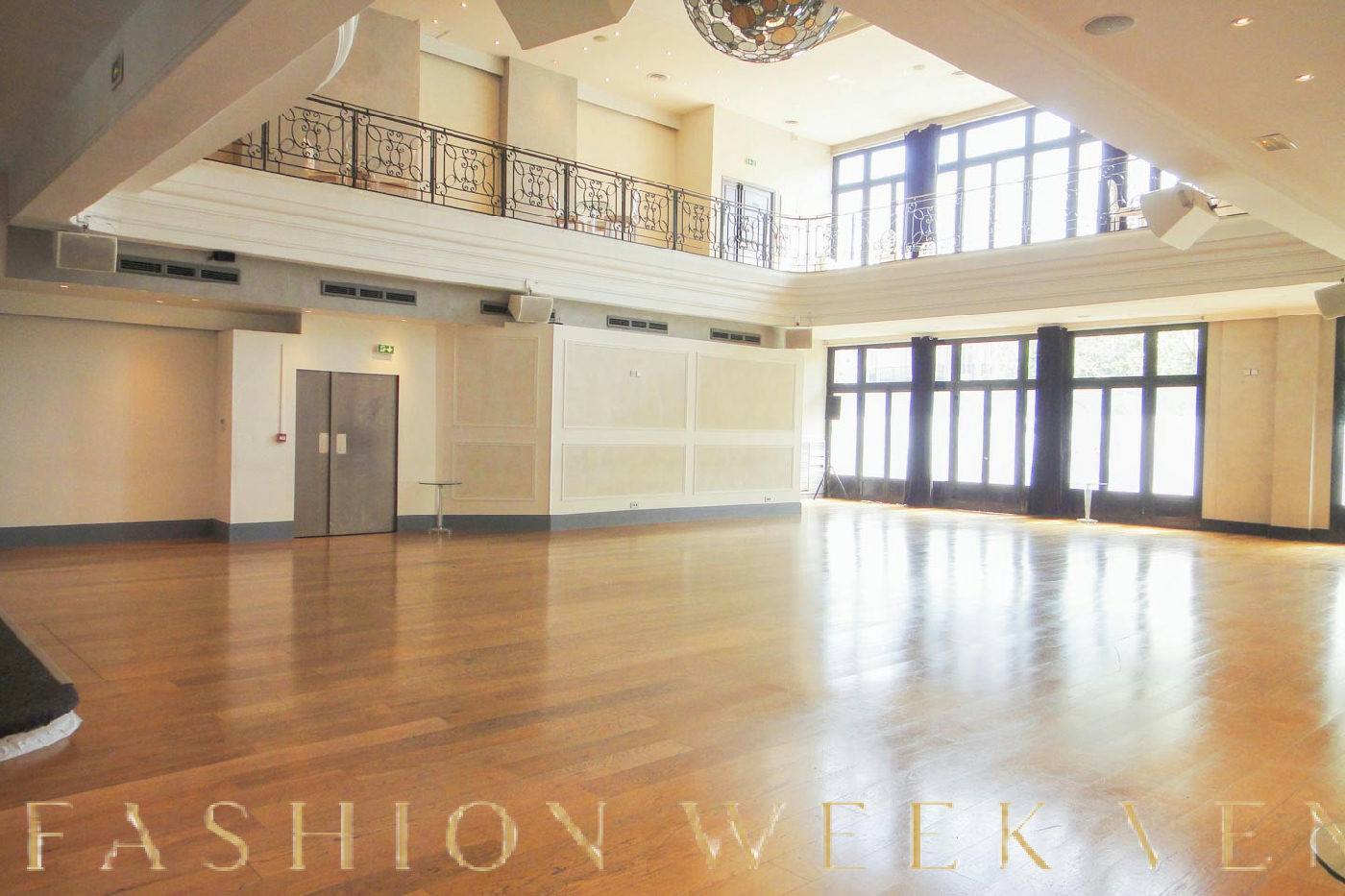
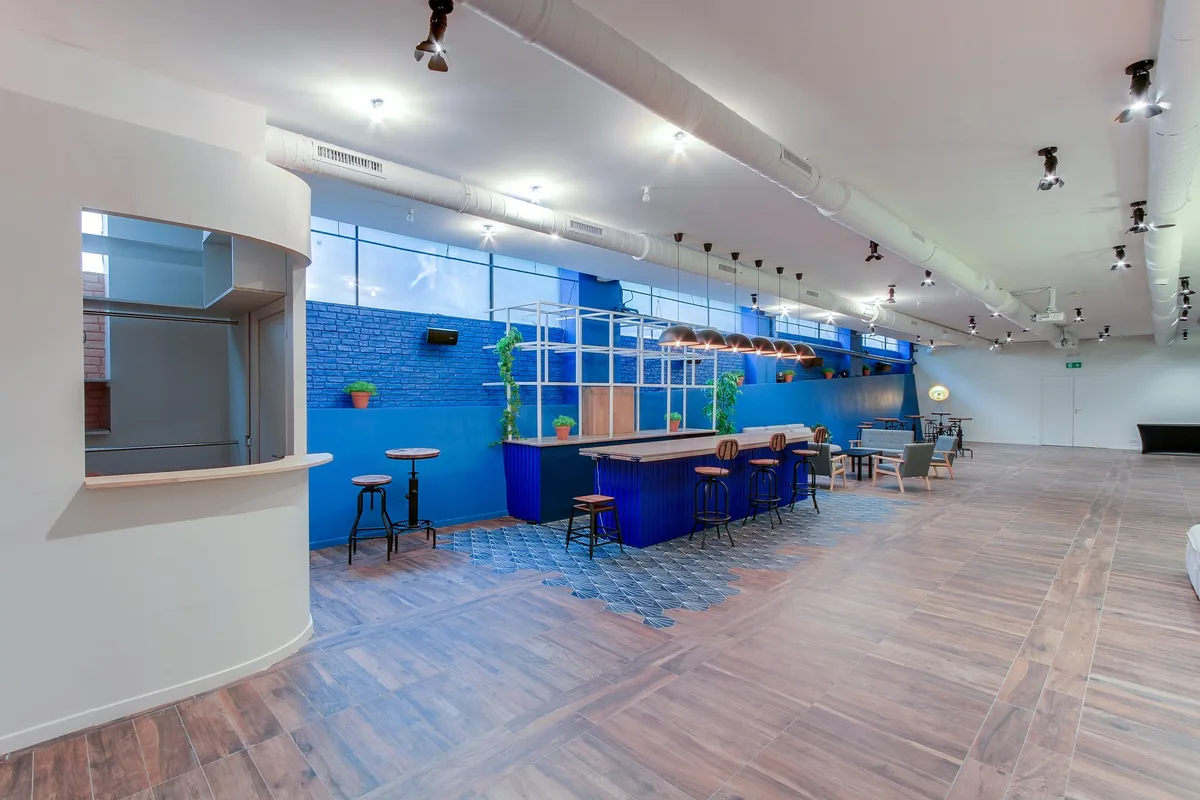
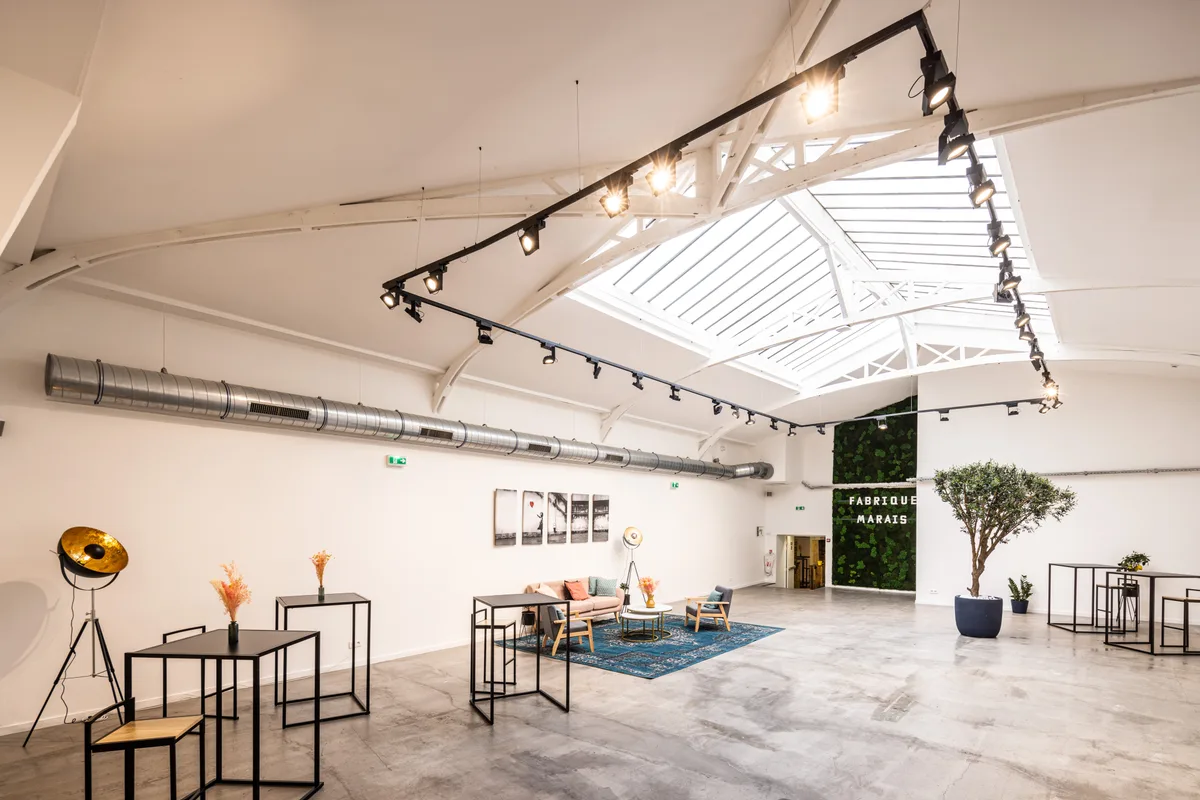
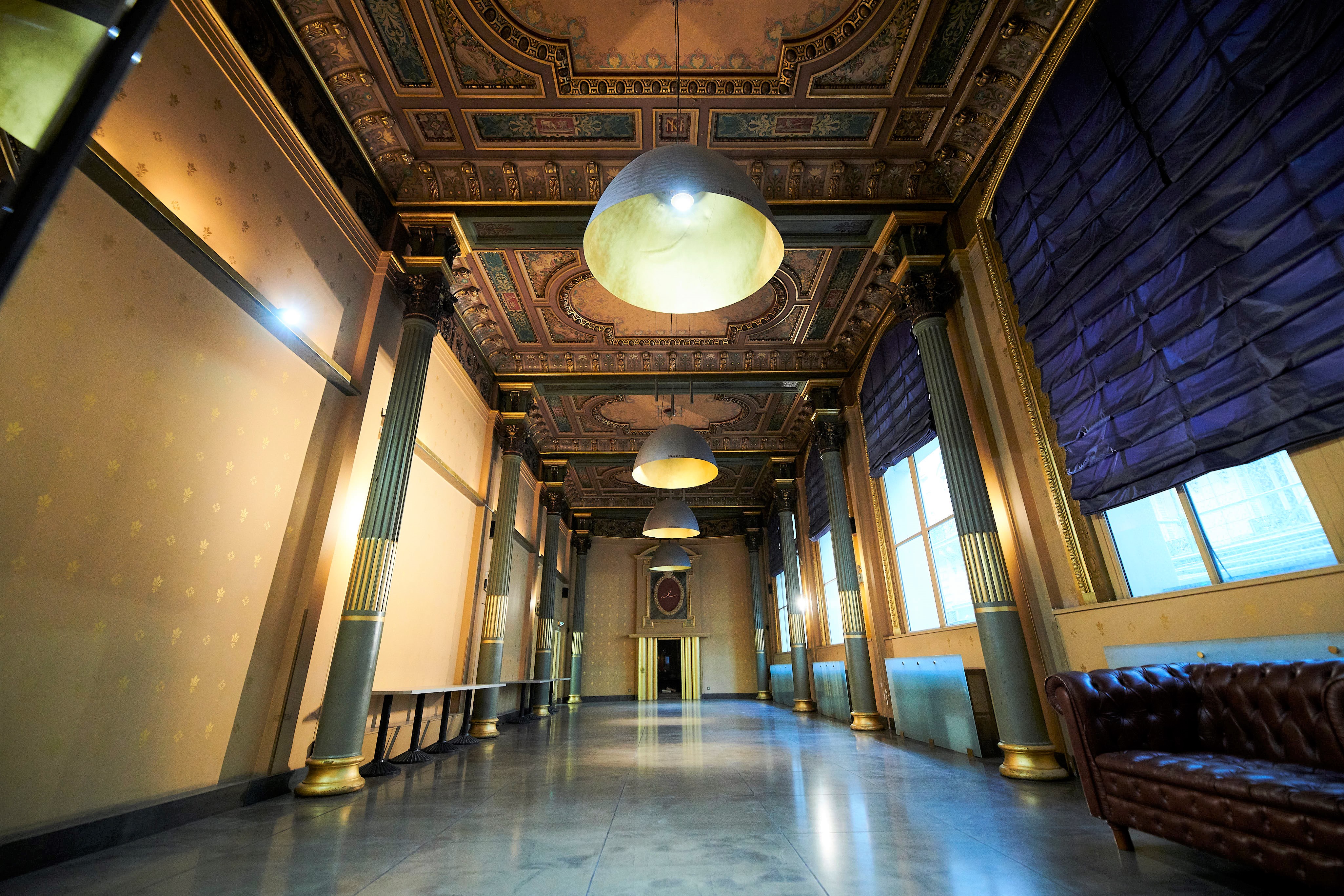
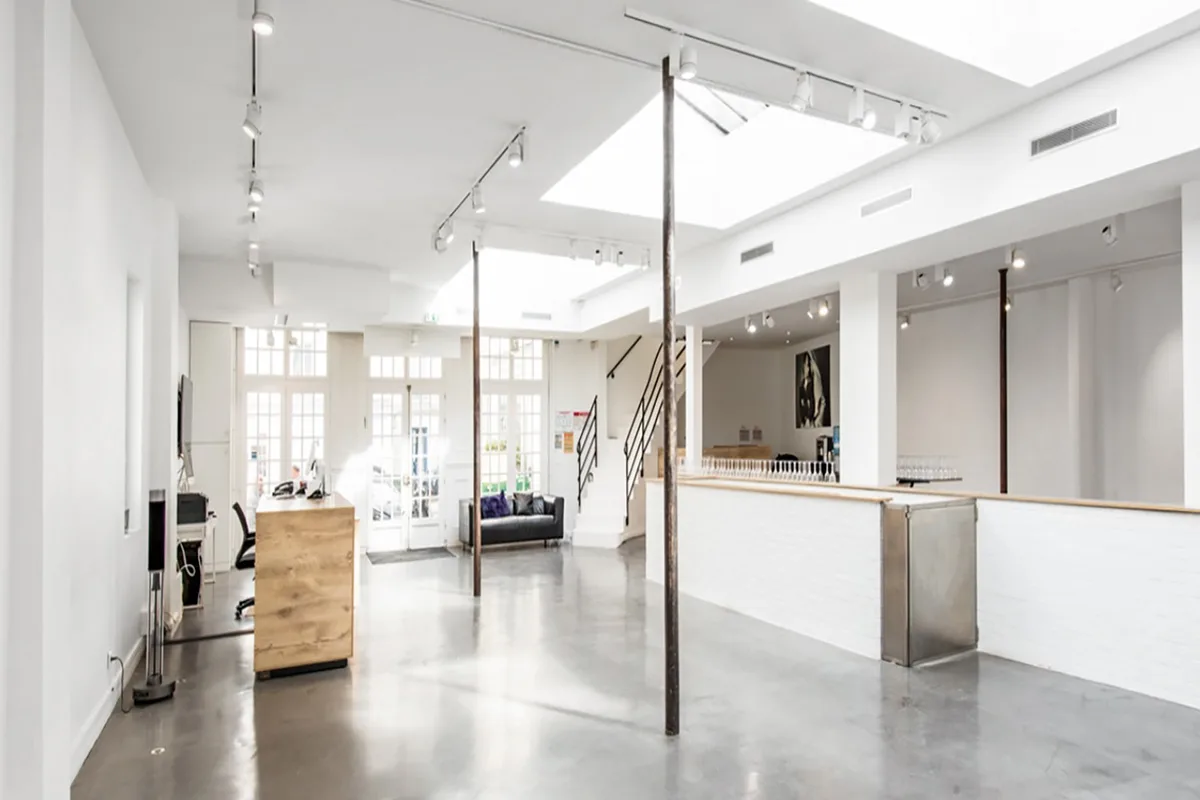
Securing a boutique rental near Louvre Paris places your brand at the intersection of the most visited cultural district on earth and the most concentrated luxury retail corridor in France. The 1st arrondissement, anchored by the Musée du Louvre, Palais Royal, Jardin des Tuileries, and Rue Saint-Honoré, delivers a footfall profile that no other Parisian neighbourhood can match, combining global tourists with high-net-worth Parisian residents and the international fashion and art community. Whether your team is planning a seasonal retail pop-up, a press showroom during Paris Fashion Week, a private product launch, or a filming activation, the spaces surrounding the Louvre offer a combination of architectural heritage, cultural authority, and commercial visibility that few locations anywhere in the world can replicate. Fashion Week Venues provides sourcing, production, and full-service activation management for brands seeking short-term retail and event spaces in this neighbourhood and across Paris.
Why the Louvre District Is a Premier Location for Brand Activations and Retail Pop-Ups
Quick answer: The Louvre district in Paris occupies the 1st arrondissement and sits adjacent to Rue Saint-Honoré, Place Vendôme, the Palais Royal, and the Jardin des Tuileries. Its mix of elite pedestrian footfall, luxury retail density, and world-class cultural institutions makes it one of the highest-value short-term rental locations in Europe for fashion, beauty, and lifestyle brands.
The Musée du Louvre is the most visited museum on earth, drawing approximately nine million visitors annually according to the Louvre's own public attendance records. That visitor volume does not stay inside the museum. It radiates outward across the Place du Carrousel, through the Jardin des Tuileries, along the arcades of the Palais Royal, and onto the commercial streets that run parallel to the Seine River. For a brand renting a boutique or retail space in this catchment area, the exposure to an international, culturally engaged, high-spending audience is structural rather than seasonal.
The cultural density of the district amplifies brand positioning in ways that purely commercial districts cannot. Within walking distance of any boutique rental near the Louvre, visitors encounter the Palais Royal gardens, the Bourse de Commerce with its Pinault Collection, the historic La Samaritaine department store, Sainte-Chapelle on the Île de la Cité, the Musée d'Orsay a short walk along the Seine, and the Pont Neuf connecting both banks. Montmartre and Sacré-Cœur are accessible by Métro, and the Champs-Élysées extends westward from the Tuileries. This is not background scenery. For brands, it is positioning infrastructure.
The luxury retail context of the neighbourhood is equally significant. Rue Saint-Honoré and its extension, Rue du Faubourg Saint-Honoré, host flagship stores for the majority of the world's foremost luxury fashion houses. Place Vendôme is the global anchor for high jewellery and watchmaking. Galeries Lafayette on Boulevard Haussmann is reachable in minutes by Métro, and the Opéra Garnier district extends northward through the 9th arrondissement. A brand renting a boutique space near the Louvre is contextually embedded in this ecosystem from the moment it opens its doors.
The 1st arrondissement is also one of the most filmed and photographed urban environments in Europe. Brands seeking filming rights for campaign content, editorial shoots, or social media activations benefit from the visual authority of these backgrounds. The Napoleon III-era architecture, the formal geometry of the Jardin des Tuileries, the glass pyramid of Le Louvre, and the colonnades of the Palais Royal all serve as identifiable visual shorthand for France, Paris, and European luxury culture. This is why so many international fashion brands, beauty houses, and lifestyle companies target this specific arrondissement for their Paris debut activations.
DID YOU KNOW: The Louvre was originally a medieval fortress built under King Charles V and later transformed into a Renaissance palace under Francis I and Catherine de' Medici. King Louis XIV moved the royal court to Versailles in the 17th century, and the Louvre became one of the world's first public museums in 1793. The architectural and historical weight of the building is inseparable from the commercial and cultural prestige of renting a space in its immediate vicinity.
KEY TAKEAWAY: A boutique rental near the Louvre delivers cultural prestige, luxury retail adjacency, elite international footfall, and exceptional visual context for brand campaigns in a single location. No other arrondissement in Paris combines all four factors at the same intensity.
Understanding the specific geography of the neighbourhood helps brands make sharper decisions about exactly where to position a rental space, and that is the focus of the next section.
Neighbourhood Geography: Understanding the 1st Arrondissement and Its Surrounding Zones
Quick answer: The Louvre sits at the heart of the 1st arrondissement. The most commercially relevant zones for boutique rentals extend across Palais Royal, Rue Saint-Honoré, Place Vendôme, the Tuileries Estate, and the northern bank of the Seine toward Pont Neuf and the Île de la Cité.
Paris is divided into 20 arrondissements, and the 1st is the oldest and most central. Its boundaries encompass the Louvre, the Palais Royal, the Jardin des Tuileries, the Place de la Madeleine to the northwest, and extend south to the Seine River. This arrondissement is bounded to the east by Les Halles and the 2nd arrondissement, and to the south by the 6th arrondissement of Saint-Germain-des-Prés across the river. Understanding these boundaries matters practically because permit requirements, commercial zoning classifications, and landlord profiles can differ meaningfully from one street to the next.
Palais Royal and Louvre Core Zone
The Palais Royal gardens at 8 Rue de Richelieu in the 1st arrondissement represent one of the most architecturally distinctive retail corridors in the world. The arcades that line the gardens have housed boutiques, galleries, and specialist retailers for more than two centuries. Spaces in this corridor attract brands seeking an intimate, heritage-rich environment rather than mass high-street exposure. The footfall is selective and tends toward culturally informed, high-spending visitors. This zone connects directly to the Louvre through the Rue de Rivoli, making it an extension of the museum's cultural catchment.
Rue Saint-Honoré and Place Vendôme
Rue Saint-Honoré is one of the most commercially valuable streets in France. It runs from the Louvre westward toward the Champs-Élysées, passing through Place Vendôme and connecting to Rue du Faubourg Saint-Honoré. Retail spaces on this axis attract the highest average transaction values in Parisian fashion retail. A boutique rental on or adjacent to Rue Saint-Honoré carries an implicit brand positioning statement. Place Vendôme itself, with its central column and surrounding jewellery and watchmaking houses, is one of the most recognisable urban spaces in the world. Private events and brand launches held in apartments or venues overlooking the square command significant prestige among press, buyers, and influencers.
Tuileries Garden Periphery and Rivoli Corridor
The Jardin des Tuileries stretches from the Louvre to the Place de la Concorde, and the Rue de Rivoli runs along its northern edge. The Tuileries Garden is a primary pedestrian route for the millions of visitors moving between the Louvre and the Champs-Élysées. Spaces fronting or adjacent to this route benefit from exceptional east-west pedestrian traffic. The Tuileries Estate concept, referenced in several short-term rental contexts, reflects the appetite among international visitors and brands for addresses that connect them visually and physically to this historic garden.
Saint-Germain-des-Prés and Luxembourg Gardens Adjacency
Across the Seine, Saint-Germain-des-Prés in the 6th arrondissement provides a complementary environment for brands that want intellectual and cultural positioning without the tourist intensity of the 1st. The Luxembourg Gardens anchor the southern end of this neighbourhood, and the Musée Eugène-Delacroix sits in the heart of it. For brands running simultaneous activations, the Relais Christine and similar boutique hotel venues in this neighbourhood complement a Louvre-district flagship with a more residential, editorial atmosphere. Brands planning a twin activation strategy across two Parisian neighbourhoods often pair the 1st arrondissement with Saint-Germain-des-Prés to cover both the luxury tourist audience and the Parisian creative community.
| Zone | Character | Best For | Typical Space Size |
|---|---|---|---|
| Palais Royal Arcades | Heritage, intimate, selective | Editorial showrooms, niche retail | 30 to 120 sqm |
| Rue Saint-Honoré | Luxury, high-footfall, commercial | Flagship pop-ups, brand launches | 60 to 400 sqm |
| Place Vendôme Surrounds | Ultra-prestige, private, jewellery | Private events, VIP launches | 50 to 200 sqm |
| Tuileries Rivoli Corridor | Tourist-heavy, panoramic, public | Consumer activations, experiential | 80 to 500 sqm |
| Saint-Germain-des-Prés | Cultural, residential, editorial | Showrooms, press events, studios | 40 to 250 sqm |
KEY TAKEAWAY: The 1st arrondissement is not a single commercial environment. Each zone within the Louvre district has a distinct footfall profile, architectural character, and brand positioning implication. Matching your space to the right sub-zone is as important as confirming your calendar window.
To compare neighbourhoods and space types across these zones, explore the Paris city hub on Fashion Week Venues and shortlist spaces that match your brief, budget, and calendar window.
Types of Boutique Rental Spaces Available Near the Louvre
Quick answer: Boutique rental spaces near the Louvre range from ground-floor duplex apartments and studio spaces used as showrooms, to dedicated retail spaces with street frontage, private event venues in Haussmann buildings, and serviced commercial units in heritage arcades. Each type serves different activation purposes and carries different permit and compliance requirements.
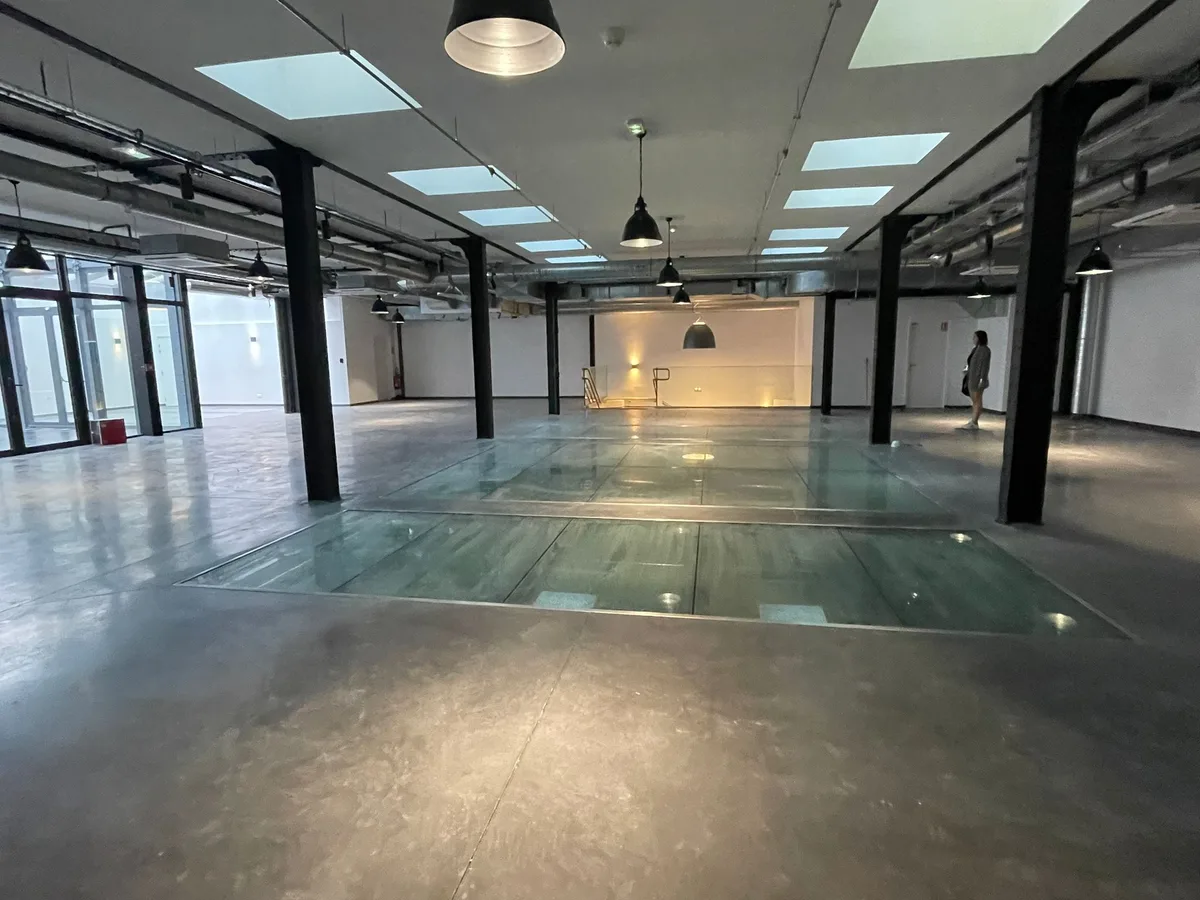
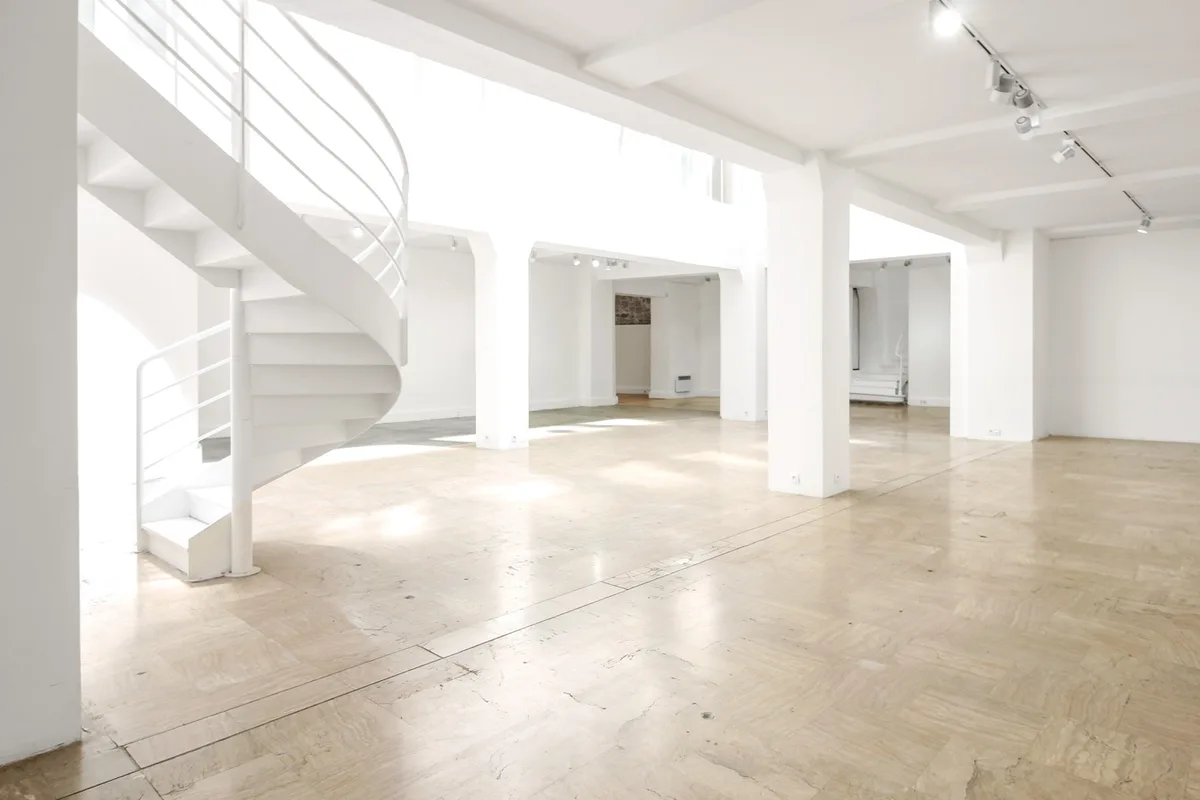
The variety of space formats available in the 1st arrondissement reflects the historical layering of the neighbourhood. Unlike purpose-built commercial districts, the Louvre zone evolved over centuries, and its building stock includes everything from medieval basement vaulting to Second Empire apartments to 20th-century commercial units. This creates a genuinely diverse supply of short-term rental options for brands.
Serviced Apartments and Residential Spaces Adapted for Activations
Several serviced apartment concepts in the district, including HIGHSTAY Louvre Serviced Apartments and Pied A Terre Tuileries, offer furnished residential units that can be adapted for small showrooms, press events, or intimate brand experiences. These units typically include a modern living room, full bathroom with either a shower or bathtub, flat-screen television, Bluetooth speakers, and in some cases a minibar or kitchenette. A 3rd-floor unit with a Parisian rooftop view, described in some listings as a suite mansardée, provides a cinematic backdrop for editorial content, campaign photography, or intimate buyer appointments. Ground floor duplex units are better suited to small retail activations requiring direct street-level access for deliveries and foot traffic.
Dedicated Retail Spaces
Traditional retail spaces with shopfront access are available along Rue Saint-Honoré, in the Palais Royal arcades, and on the smaller streets radiating outward from the Louvre's perimeter. These spaces typically range from compact studio-sized formats suited to a curated product presentation to larger ground-floor units capable of hosting a full branded retail environment with display fixtures, POS systems, and staffing positions. Rental structures for dedicated retail spaces are governed by the bail dérogatoire framework in French commercial law, which allows short-term leases of between one and three years without the full protections of the standard commercial lease. For activations shorter than this, individual space agreements and temporary occupancy licences apply.
Private Event and Filming Venues
Haussmann-era apartments overlooking Place Vendôme, the Palais Royal gardens, or the Jardin des Tuileries are actively marketed for private events and filming rights. These venues provide the visual architecture of Paris as a set, and brands using them for campaign shoots or press dinners gain immediate association with French luxury heritage. The Nolinski Paris, Hôtel de La Tamise, and Le Roch Hotel and Spa all sit within or adjacent to the 1st arrondissement and offer private hire options for events and productions that require both the amenity level of a five-star hotel and the visual authority of the Louvre district.
Pop-Up Showrooms Within Boutique Hotels
Several boutique hotels in the neighbourhood, including the Hôtel du Louvre, Hotel Clarisse, and properties affiliated with the Parisian palaces category, offer in-hotel showroom and pop-up concession arrangements. These arrangements allow brands to operate a curated retail or display environment within a hotel lobby, corridor, or dedicated event space, benefiting from the hotel's own resident and guest footfall in addition to external visitors. Le Meurice on Rue de Rivoli, one of the definitive Parisian luxury hotels, is a reference point for this type of activation in its highest-prestige form.
| Space Type | Typical Use Case | Key Amenities | Permit Framework |
|---|---|---|---|
| Serviced Apartment | Showroom, press event, intimate launch | Wi-Fi, flat-screen TV, living room, bathroom | Residential use licence or usage mixte |
| Dedicated Retail Unit | Pop-up shop, product launch, seasonal store | Shopfront, storage, staff facilities | Bail dérogatoire or licence agreement |
| Private Event Venue | Campaign shoot, press dinner, VIP event | Heritage interiors, rooftop views, filming rights | AOT or event licence |
| Hotel Concession Space | In-hotel pop-up, display installation | Hotel services, security, guest footfall | Commercial agreement with hotel operator |
| Heritage Arcade Unit | Niche retail, gallery, editorial showroom | Protected architecture, pedestrian access | Bail dérogatoire, potential ABF conditions |
KEY TAKEAWAY: The format of the space determines the activation model, the permit pathway, and the brand experience you can create. Choosing between a residential showroom, a retail unit, and a hotel concession is a strategic decision, not only a logistics one.
The wide variety of space types in this neighbourhood also means that the compliance and permit requirements vary considerably, which the next section addresses in detail.
Permits, Compliance, and Legal Frameworks for Short-Term Rentals Near the Louvre
Quick answer: Short-term commercial rentals in Paris are governed primarily by the bail dérogatoire for leases between one and three years, and by the autorisation d'occupation temporaire (AOT) for shorter-term or public space occupancy. The specific requirements depend on the space type, duration, intended use, and arrondissement. Brands should always verify requirements with a qualified French legal advisor before signing any agreement.
Paris commercial property law is distinct from the residential sector and from commercial leases in most other European jurisdictions. International brands entering the French market for the first time frequently underestimate the complexity of the compliance landscape, and this underestimation can result in significant delays, unexpected costs, or activations that cannot legally proceed as planned.
Bail Dérogatoire: The Short-Term Commercial Lease
The bail dérogatoire, also referred to as a convention d'occupation précaire in some contexts, allows landlords and tenants to agree short-term commercial occupancy outside the standard nine-year commercial lease framework governed by the French Commercial Code. Under a bail dérogatoire, the maximum cumulative duration is three years. If the tenant continues to occupy the space after this period without a new agreement, the occupancy automatically converts to a standard commercial lease, which carries significantly greater tenant protections and landlord obligations. For brands running seasonal activations or pop-ups of a few days to several months, the bail dérogatoire is the most commonly used instrument, but it must be structured correctly to avoid unintended lease conversion.
Autorisation d'Occupation Temporaire (AOT)
For activations that use public space, terraces, courtyards shared with other occupants, or parts of heritage buildings administered by public authorities, an autorisation d'occupation temporaire may be required. The AOT is issued by the relevant public authority, which may be the city of Paris, a museum administration, or a heritage body depending on the specific location. The AOT framework is frequently relevant for activations in or adjacent to the Palais Royal gardens, the Tuileries garden periphery, or spaces within buildings that are classified as monuments historiques. Processing times for AOT applications vary and should not be assumed to be rapid. Brands planning activations in spaces that may require an AOT should allow for a minimum of several weeks for administrative processing, and should verify current timelines directly with the relevant authority or through a specialist advisor.
Commercial Zoning and Change of Use
Using a residential apartment for a commercial activation, even a temporary one, requires the space to be classified for usage mixte or for a specific temporary use permission to have been obtained. Many short-term rental platforms list residential properties that have not been formally adapted for commercial use. Brands that proceed with a commercial activation in a purely residential space without the appropriate authorisation expose themselves to complaints from co-owners in the building, potential fines, and the risk of having the activation terminated. This is a materially different risk profile from booking the same space for a private party or personal stay.
Heritage Building and ABF Conditions
A significant proportion of the building stock near the Louvre falls under the jurisdiction of the Architectes des Bâtiments de France, the French authority responsible for protecting the architectural character of heritage zones. Any physical modification to a space in a heritage building, including the installation of temporary signage, display fixtures anchored to walls, or exterior branding elements, may require prior ABF approval. This is particularly relevant in the Palais Royal arcades and along Rue Saint-Honoré, where the street-level and facade appearance of buildings is strictly regulated.
IMPORTANT: Permit requirements for boutique rentals near the Louvre vary by space type, intended use, duration, and specific location. Fashion Week Venues does not guarantee permit approval, and all compliance obligations should be verified with a qualified French legal advisor before committing to a space. Use the permit guidance tool to understand the framework relevant to your specific activation type and location.
KEY TAKEAWAY: The legal framework for short-term commercial rentals in Paris is multi-layered and location-specific. Bail dérogatoire, AOT, zoning, and ABF conditions can each apply simultaneously to a single activation. Expert guidance from the outset is not optional; it is a practical necessity for brands operating on tight timelines.
The Visitor and Tourist Context: Why the Louvre's Cultural Gravity Drives Commercial Opportunity
Quick answer: The Louvre Museum's nine million annual visitors represent a global cross-section of high-spending cultural tourists, art collectors, fashion buyers, and media professionals. This visitor base creates a commercial opportunity for brands that is unmatched in density, international diversity, and cultural alignment in the Paris market.
The Musée du Louvre is not merely a tourist attraction. It is the world's most authoritative art institution and a primary destination for the international cultural elite. The museum's permanent collection contains more than 35,000 works on display, including the Mona Lisa, the Venus de Milo, the Winged Victory of Samothrace, and thousands of Renaissance paintings, sculptures, and decorative objects that trace French history from the Middle Ages through the 19th century. Visitors who come to Paris specifically for the Louvre are disproportionately likely to also visit the Bourse de Commerce, the Fondation Cartier pour l'art contemporain, and the Musée d'Orsay, creating a cultural itinerary that moves through several of the neighbourhoods most relevant to brand activations.
The Exhibition Calendar as a Commercial Driver
The Louvre runs a programme of major temporary exhibitions throughout the year, each of which drives incremental visitor traffic above the museum's baseline. Brands that align their boutique rental activation with a major Louvre exhibition, or with concurrent exhibitions at the Bourse de Commerce or La Samaritaine's cultural spaces, position themselves to capture a heightened footfall window with a specific cultural theme that can inform the creative direction of their activation. The Opéra Garnier season, Galeries Lafayette exhibition programmes, and the broader Paris museum calendar all contribute to the rhythm of cultural tourism in the 1st arrondissement and adjacent neighbourhoods.
Fashion Week as the Highest-Value Calendar Window
Paris Fashion Week occurs twice annually, with the womenswear editions typically held in late February to early March and late September to early October. During Fashion Week, the concentration of buyers, press, influencers, photographers, and brand executives in the 1st arrondissement and adjacent neighbourhoods reaches its annual peak. Brands that secure a boutique rental near the Louvre for Fashion Week benefit from a footfall profile that is the most commercially dense and media-aware of any calendar window in the Paris year. The Palais Royal and Rue Saint-Honoré in particular become informal hubs for editorial activity during this period. Planning and booking timelines for spaces during Fashion Week must be initiated significantly earlier than for off-peak periods.
Tourist Attractions as Footfall Generators for Retail
Beyond the Louvre itself, the pedestrian routes connecting major tourist attractions in central Paris flow directly through the commercial zones most relevant to boutique rentals. Visitors moving from Notre Dame on the Île de la Cité across Pont Neuf toward the Louvre, or walking from the Eiffel Tower along the Seine to the Musée d'Orsay and onward to the Louvre, all pass through or adjacent to the commercial streets of the 1st and 6th arrondissements. Brands that understand these pedestrian flows and position their activation accordingly can generate organic discovery traffic without relying solely on programmed events or marketing campaigns to drive visitors through the door.
DID YOU KNOW: Sainte-Chapelle, one of the finest examples of Gothic architecture in France, sits on the Île de la Cité fewer than 15 minutes' walk from the Louvre. Visitors combining these two landmarks pass directly through the commercial heart of the 1st arrondissement, creating an organic pedestrian route that benefits retail and hospitality spaces along the Rue de Rivoli and its side streets.
KEY TAKEAWAY: The Louvre's visitor base is not generic tourist traffic. It is a self-selecting population of culturally engaged, internationally mobile, high-spending individuals who are precisely the audience that most luxury and contemporary fashion brands are trying to reach. A boutique rental in this district is, at its best, a brand experience designed specifically for this audience.
Brand Activation Formats: Retail Pop-Up, Showroom, Private Event, and Filming
Quick answer: The four primary brand activation formats used in boutique rentals near the Louvre are consumer-facing retail pop-ups, trade and press showrooms, private launch events, and campaign filming productions. Each format has a different operational model, staffing requirement, permit pathway, and commercial objective.
Selecting the correct activation format before committing to a space is one of the most consequential decisions in the planning process. A space that is ideal for a consumer retail pop-up may be entirely unsuitable for a film production. A venue that works beautifully for a private press dinner may lack the floor area and storage access required for a branded retail operation. The following breakdown describes each format in the context of the Louvre district specifically.
Consumer Retail Pop-Up
A consumer retail pop-up near the Louvre is designed to serve the visiting public directly, converting foot traffic from the museum, the Tuileries, and Rue Saint-Honoré into sales and brand encounters. This format requires a street-facing or easily discoverable space, adequate display area for product, a functioning POS and payments system, staffing for customer service and transactions, and typically some form of window or facade visibility that can carry external branding within the constraints of heritage building regulations. The experience of visiting the pop-up should be coherent with both the brand's identity and the cultural context of the neighbourhood. A brand presenting a collection inspired by French history, Renaissance craft traditions, or Parisian artisanal production will find the Louvre district's visual and cultural environment actively supportive of its narrative.
Trade and Press Showroom
A showroom activation near the Louvre serves buyers, press, stylists, and brand partners rather than the general public. It typically operates by appointment and requires a space that projects brand authority without the commercial urgency of a retail environment. The Palais Royal arcades and the upper-floor apartments of Haussmann buildings on Rue Saint-Honoré and Place Vendôme are well-suited to this format. Serviced apartment options with a modern living room, green leafy courtyard access, and Parisian rooftop views provide the atmospheric context that international buyers associate with the ideal Paris showroom experience. Amenities such as Wi-Fi, a minibar, and presentation-quality décor with noble materials and period-style furniture contribute to the warmth and professionalism of the appointment experience.
Private Launch Event
Private events in boutique rentals near the Louvre combine the prestige of the address with an intimate, curated guest experience. These events may take the form of a product launch, a collection preview, an art-brand collaboration celebration, or a press dinner. The art de l'accueil à la française, the characteristically warm and gracious French approach to hospitality, is a reference point for how these events are expected to feel from the guest's perspective. Venues that deliver an expérience chaleureuse with classic décor, noble materials, and period furniture provide the physical context for this experience. The Hôtel du Louvre, Nolinski Paris, and Le Meurice each represent this category at its highest level, while smaller boutique hideaways and private apartments offer a more intimate version of the same quality of experience.
Campaign Filming and Content Production
The visual environment of the Louvre district makes it one of the most sought-after filming locations in France. Campaign shoots, editorial productions, and social media content created in this neighbourhood carry the immediate visual authority of Paris as a backdrop, without requiring separate location permissions for iconic outdoor spaces in many cases. However, filming in public spaces adjacent to the Louvre, in the Palais Royal gardens, or in the Jardin des Tuileries does require permissions from the relevant authority, and these should be arranged in advance through the appropriate Parisian administrative channels. Private venues with Parisian rooftop views, interior details of noble materials and period décor, and green leafy courtyard access can often serve as filming locations without the administrative complexity of public space permissions. Confirming filming rights with the space owner or operator before booking is essential.
KEY TAKEAWAY: The activation format determines every downstream decision, from the space size and type to the staffing model, permit pathway, and creative direction. Brands that define their format with precision before beginning the space search save significant time and cost in the process.
Planning Timeline and Booking Calendar for Louvre District Activations
Quick answer: The planning timeline for a boutique rental near the Louvre depends on the space type, activation format, and target calendar window. Fashion Week windows require the longest lead time, typically six to twelve months for prime spaces. Off-peak activations may be achievable in eight to twelve weeks from initial brief to opening day.
One of the most consistent errors made by international brands planning a Paris activation is underestimating the lead time required for the 1st arrondissement specifically. The neighbourhood's commercial desirability means that the highest-quality spaces are booked far in advance, particularly for Fashion Week, the summer peak tourist season, and the December holiday period. Brands that approach the market with a six-week timeline for a Fashion Week space are likely to find that only second-tier or poorly configured spaces remain available.
| Activation Type | Recommended Lead Time | Key Planning Milestones |
|---|---|---|
| Paris Fashion Week Pop-Up | 6 to 12 months | Brief, sourcing, permit, fit-out, staffing, launch |
| Summer Tourist Season Retail | 4 to 6 months | Brief, sourcing, fit-out, staffing, opening |
| Private Launch Event (1 to 3 days) | 8 to 16 weeks | Brief, venue, catering, permits, production |
| Campaign Filming Production | 6 to 12 weeks | Location scouting, permissions, call sheet, shoot |
| Off-Peak Showroom (4 to 8 weeks) | 8 to 12 weeks | Brief, sourcing, fit-out, press outreach, appointments |
The permit timeline is often the variable that compresses or extends the overall planning schedule most severely. If the space requires an AOT application or ABF review, these administrative processes run on their own schedule and cannot be accelerated by the brand or the landlord. Building the permit timeline into the overall project schedule from week one, rather than treating it as a late-stage item, is one of the most practical pieces of advice any brand team can receive.
The timeline planning tool allows brands to work backward from a target opening date and identify the specific milestones that need to be completed to make that date achievable. For brands considering a Paris activation for the first time, this tool provides a realistic picture of what the planning process actually involves.
TIP: If your target calendar window is Paris Fashion Week and you are reading this more than four months before the event, begin your space search immediately. If you are reading this fewer than four months before Fashion Week, be prepared for reduced availability in the most competitive locations and consider whether an adjacent window, such as the week before or after the official schedule, might deliver comparable exposure with better space access.
KEY TAKEAWAY: Timeline is a competitive advantage in the Louvre district. Brands that commit to a space search early secure better spaces, have more time for permit processing, and arrive at their activation opening day with less operational pressure.
Budget Considerations for Boutique Rentals Near the Louvre
Quick answer: Boutique rental costs near the Louvre are among the highest in Europe for short-term commercial spaces. Budget planning must account for space rental, production and fit-out, permits and compliance, staffing, technology and POS, marketing, and operational contingency. The specific figures vary significantly by space size, format, duration, and season.
Budget planning for a Paris activation in the 1st arrondissement is a discipline that requires honesty about the full cost of a professional brand presence in one of the world's most expensive commercial districts. Many brands approach the market with a rental budget and discover too late that the rental cost represents only a portion of the total investment required to operate a genuinely credible activation. The following categories represent the primary cost lines that should be planned from the outset.
Space Rental
The rental cost for a boutique space near the Louvre depends on the size, location, duration, season, and landlord profile. Prime street-level retail spaces on Rue Saint-Honoré and Place Vendôme represent the upper end of the Paris market. Palais Royal arcade units and upper-floor spaces command lower rents but carry their own character and footfall dynamics. Serviced apartment-style spaces used as showrooms typically have different pricing structures from dedicated retail units, often including base rates plus service and operational costs. All rental figures should be treated as directional until a specific space has been identified and a formal offer has been made. Use the budget estimation tool to build a realistic cost model for your specific activation parameters before committing to a space search.
Production, Fit-Out, and Branded Store Design
A professional branded interior for a retail pop-up or showroom in the Louvre district requires investment in furniture and fixture design, wall treatments, signage, lighting, and technology infrastructure. The standard of interior design expected in this neighbourhood is high, reflecting the ambient luxury of the surrounding area. A poorly designed or under-invested interior will communicate negatively for the brand regardless of the quality of the product or the prestige of the address. Production costs include not only the physical build but also the deconstruction and reinstatement at the end of the rental period, which heritage building owners and operators routinely require to a specified standard.
Staffing, Operations, and Technology
Consumer-facing retail activations require multilingual staff capable of engaging effectively with an international tourist audience. Showroom activations require presenters and appointment coordinators with relevant industry knowledge. Private events require event management personnel and hospitality staff. POS and payments systems, inventory management tools, and data capture technology add further operational costs. Each of these cost lines should be confirmed in advance as part of a comprehensive activation budget.
KEY TAKEAWAY: The total investment for a professional boutique activation near the Louvre is substantially higher than the rental cost alone. Brands that build a comprehensive budget from the outset, covering all cost lines from space to staffing to permits to production, are far better positioned to deliver an activation that performs commercially and represents the brand appropriately.
How Fashion Week Venues Supports Brands Seeking Boutique Rentals Near the Louvre
Quick answer: Fashion Week Venues provides end-to-end support for brands seeking boutique rental spaces near the Louvre, covering venue sourcing, concept direction, production and build, activation management, staffing, POS, data analytics, and influencer marketing. The agency and marketplace model means brands can access curated spaces and full-service production support through a single point of contact.
Fashion Week Venues was built specifically for the short-term brand activation market in fashion capitals, with Paris as the primary market. The agency's depth of experience in the 1st arrondissement and adjacent Parisian neighbourhoods means that brand teams can access expertise in Parisian commercial property, heritage building compliance, permit navigation, and luxury retail production without needing to build that expertise internally or assemble it from multiple independent suppliers.
Venue Sourcing and the Space Marketplace
The venue sourcing service connects brands with spaces that match their brief, budget, calendar window, and brand positioning requirements in the Louvre district and across Paris. The space marketplace provides a curated database of available spaces that brands can browse, compare, and shortlist before engaging the agency team to progress a specific enquiry. Spaces are assessed for commercial suitability, permit status, technical specification, and brand positioning fit before being listed. This pre-qualification reduces the time and cost of the space search for brand teams working to tight timelines.
Concept Direction and Branded Store Design
For brands that want to create a genuinely distinctive interior environment, the concept and creative direction service develops a spatial and visual concept that reflects the brand's identity and communicates effectively to the target audience in the specific context of the Louvre district. The Imagine tool allows brands to visualise how a space might look before committing to a production build, reducing the risk of costly revisions during the physical fit-out phase.
Production, Build, Staffing, and Operations
The production and build service covers the full physical realisation of the activation, from furniture specification and fixture fabrication to installation and reinstatement. The agency manages all aspects of the build process in compliance with the heritage and commercial building regulations that apply in the 1st arrondissement. Retail staffing, POS and payments, and data and analytics services complete the operational picture, allowing brand teams to focus on the commercial and creative goals of the activation rather than its operational logistics.
Tools for Independent Planning
Brand teams that want to develop their own planning framework before engaging the agency can use the full suite of planning tools, including the ROI calculator, the budget estimation tool, the space comparison tool, the locator, and the permit guidance tool. These tools are designed to support brand-side decision-making and to help teams arrive at their first agency conversation with a clearer brief, a more realistic budget, and a better understanding of the permit landscape.
TIP: Brands considering a boutique rental near the Louvre for the first time benefit significantly from reviewing the agency selection guide before engaging any supplier. Understanding what a full-service pop-up agency does, how the fee structure typically works, and what to expect from a first briefing call makes the entire process more efficient and reduces the risk of misaligned expectations.
KEY TAKEAWAY: Fashion Week Venues operates as a single point of accountability for every aspect of a Louvre district boutique activation, from space sourcing through to post-activation data reporting. Brand teams that engage the agency early in their planning process benefit from access to spaces and expertise that are not accessible through standard short-term rental platforms or individual service providers.
Common Myths About Boutique Rentals Near the Louvre Debunked
MYTH: You need a French legal entity to rent a boutique space near the Louvre.
FACT: International brands can rent commercial spaces in Paris without establishing a French company, provided the lease or licence agreement is structured appropriately and compliance obligations are addressed. Many brands use a bail dérogatoire or temporary occupancy licence that can be executed by a foreign entity with appropriate representations. However, VAT registration, local tax obligations, and employment law for French-based staff do require specialist advice, and these should be addressed before the activation opens. Working with an agency that understands the French commercial and legal environment reduces this complexity considerably.
MYTH: Paris Fashion Week is the only commercially viable calendar window for a Louvre district activation.
FACT: While Paris Fashion Week generates the highest concentration of industry professionals in the neighbourhood, the Louvre district operates as a commercially active environment throughout the year. The summer tourist peak from June through August delivers exceptional footfall from international visitors. The December holiday period generates high consumer spending from both tourists and Parisian residents. Major Louvre exhibition openings and concurrent cultural events at the Bourse de Commerce, Opéra Garnier, and Fondation Cartier pour l'art contemporain create additional footfall spikes throughout the calendar. Brands with the right product and concept can achieve strong commercial and brand results in any season.
MYTH: Commission-based brokers are the only way to find a boutique space near the Louvre.
FACT: Commission-based brokers represent one route to market, but they typically present only the spaces for which they hold a commission arrangement, which means the brand may not see the full range of available options. A curated marketplace model, such as the one operated by Fashion Week Venues, lists spaces based on brand fit and operational suitability rather than commission alignment. Full-service agencies that combine space sourcing with production and operational support provide a structurally different value proposition from a pure broker model, and are often more cost-effective for brands running complex activations.
MYTH: Short-term leases in Paris are legally straightforward and need no specialist support.
FACT: Short-term commercial leases in Paris operate within a specific and complex legal framework that includes the bail dérogatoire, AOT requirements, heritage building conditions, zoning classifications, and employment law implications for staff. An agreement that appears simple on its face may contain provisions that expose the brand to significant financial or legal risk if not reviewed by a specialist in French commercial property law. Brands that proceed without specialist legal and compliance support frequently encounter issues that could have been anticipated and managed with appropriate advice from the outset.
MYTH: Any apartment listed on a short-term rental platform near the Louvre can be used for a commercial brand activation.
FACT: Residential short-term rental listings, including those on Airbnb and similar platforms, are typically licensed for personal residential use. Using a residential space for a commercial brand activation, including a showroom, press event, or product launch, without the appropriate commercial use permission may violate the terms of the rental agreement, the building's co-ownership rules, and Parisian commercial zoning regulations. Brands that convert residential rentals into commercial spaces without proper authorisation risk having their activation terminated and may face financial penalties. Always confirm the permitted use of any space before committing to a commercial activation within it.
Frequently Asked Questions About Boutique Rentals Near the Louvre in Paris
Why rent a retail space near the Musée du Louvre in Paris?
Renting a retail space near the Musée du Louvre places your brand in the most visited cultural and luxury retail district in France. The neighbourhood attracts approximately nine million Louvre visitors annually, alongside regular traffic from Rue Saint-Honoré, Place Vendôme, the Palais Royal, and the Jardin des Tuileries. This combination of culturally engaged international tourists, Paris-based high-net-worth consumers, and the fashion and art industry community creates a commercially dense and brand-aligned audience that is difficult to access through any other single Parisian location. The cultural authority of the Louvre district also elevates the perceived positioning of any brand operating within it.
How much does it cost to rent a boutique space near the Louvre?
Rental costs for boutique spaces near the Louvre vary significantly based on the space size, location, format, duration, and season. Prime street-level retail units on Rue Saint-Honoré and adjacent streets represent the upper end of the Paris market. Serviced apartment showroom formats, heritage arcade units, and off-street private event venues offer a range of entry points. The total activation budget must also account for production, fit-out, staffing, permits, technology, and operational costs, which together often represent a substantial multiple of the rental cost alone. Use the budget estimation tool on Fashion Week Venues to build a realistic cost model for your specific brief before committing to a space search.
What permits or licences are required for a commercial activation near the Louvre?
The permits required depend on the space type, the intended use, the duration, and the specific location within the 1st arrondissement. Common frameworks include the bail dérogatoire for short-term commercial leases, the autorisation d'occupation temporaire for public or shared space use, heritage building conditions from the Architectes des Bâtiments de France, and commercial zoning permissions for spaces originally licensed for residential use. Filming in public spaces adjacent to the Louvre or the Tuileries requires separate location permissions from the relevant authority. Requirements should always be verified with a qualified French legal advisor before any agreement is signed.
Can international brands without a French company rent a space near the Louvre?
Yes, international brands can typically rent commercial spaces in Paris without a French legal entity, provided the rental agreement is structured to accommodate a foreign contracting party and the relevant compliance obligations, including VAT and employment law for French staff, are addressed separately. The bail dérogatoire framework is available to international entities in many cases. However, the specific structure of each arrangement depends on the landlord's requirements, the type of space, and the duration of the activation. Expert legal and agency support is strongly recommended for brands entering the Paris market for the first time.
What is the best calendar window for a boutique activation near the Louvre?
The optimal calendar window depends on your brand's objectives and target audience. Paris Fashion Week in February to March and September to October offers the highest concentration of industry professionals, press, and buyers. The summer period from June through August delivers peak international tourist footfall from visitors to the Louvre, Tuileries, and the broader Paris cultural circuit. December combines high consumer spending with a strong Parisian and international tourist presence. The Louvre's temporary exhibition calendar and concurrent cultural programmes at the Bourse de Commerce and Opéra Garnier create additional footfall opportunities throughout the year. There is no single best window; the right one is the one that aligns with your audience and commercial goals.
What is the difference between a bail dérogatoire and a standard commercial lease in France?
A bail dérogatoire is a short-term commercial lease framework that sits outside the standard nine-year commercial lease governed by the French Commercial Code. It allows landlords and tenants to agree occupancy for a maximum cumulative duration of three years without granting the tenant the statutory protections and renewal rights that apply to a standard commercial lease. For pop-up activations and temporary retail spaces, the bail dérogatoire is the most commonly used instrument. However, if the tenant remains in occupation after the maximum period expires without a new agreement, the occupancy may automatically convert to a standard commercial lease, which carries significantly different obligations for both parties.
What types of spaces are available for short-term rental near the Louvre?
Space types available in the Louvre district include dedicated street-level retail units with shopfront access, serviced apartment formats adapted for showrooms or intimate events, heritage arcade units in the Palais Royal, upper-floor Haussmann apartments suitable for press events and campaign filming, private event venues within boutique hotels such as the Nolinski Paris and Le Roch Hotel and Spa, and in-hotel concession spaces in properties including the Hôtel du Louvre and Le Meurice. Each format has different operational characteristics, amenity levels, permit requirements, and brand positioning implications. Brands should define their activation format before beginning the space search to avoid wasting time on unsuitable options.
How early should I start planning a boutique rental near the Louvre for Paris Fashion Week?
For Paris Fashion Week, the recommended lead time for prime spaces in the 1st arrondissement is six to twelve months. The most desirable spaces in the Palais Royal, on Rue Saint-Honoré, and around Place Vendôme are booked far in advance by experienced brands and agencies. Starting the space search fewer than four months before the event typically means accepting reduced availability and less optimal configurations. Beyond the space itself, permit processing, production scheduling, staffing arrangements, and press outreach all require adequate lead time to execute professionally. Brands new to Paris should allow for the longer end of the recommended window.
Can I use a residential Airbnb near the Louvre as a showroom or event space?
Using a residential short-term rental listing for a commercial brand activation carries significant compliance and legal risks. Residential properties in Paris are typically licensed for personal accommodation use, and converting them to commercial purposes without the appropriate permissions may violate the rental agreement terms, the building's co-ownership rules, and Parisian commercial zoning regulations. This applies even to temporary activations lasting a single day. Brands that proceed without confirming the commercial use permissions of a space risk having their activation shut down and may face financial penalties. Always engage a space that has been confirmed as suitable for commercial use before committing to any brand activation.
What neighbourhoods near the Louvre are best for brand activations?
The most commercially relevant neighbourhoods for brand activations near the Louvre include the Palais Royal arcade zone for heritage-rich intimate formats, Rue Saint-Honoré and Place Vendôme for luxury retail positioning, the Tuileries garden periphery for high-footfall consumer activations, and the surrounding streets of the 1st arrondissement for a range of showroom and event formats. Across the Seine, Saint-Germain-des-Prés in the 6th arrondissement complements a Louvre-district activation with a more residential and editorial atmosphere, and many brands run twin activations across both neighbourhoods to maximise both audience breadth and brand positioning depth.
What amenities should I look for in a boutique rental near the Louvre?
The amenities required depend on the activation format. A retail pop-up requires street-level access, display-quality lighting, storage, a functioning POS system, and staff facilities. A showroom requires a well-presented reception area, meeting or presentation space, Wi-Fi, and a décor standard consistent with the brand's positioning. A private event venue requires catering infrastructure, flexible layout options, and if applicable, filming or photography rights confirmed in writing. Residential-style spaces used for brand purposes often include flat-screen televisions, Bluetooth speakers, minibars, and bathroom facilities, but these amenities do not substitute for the commercial use permissions that must be in place before any brand activation can proceed.
What is the Autorisation d'Occupation Temporaire (AOT) and when do I need one?
The autorisation d'occupation temporaire is a permission issued by a public authority that allows temporary use of public or publicly administered space. It is typically required for activations that use terraces, courtyards, or spaces within buildings administered by the city of Paris or a heritage body. It may also be required for activations in or immediately adjacent to the Palais Royal gardens, the Tuileries, or buildings classified as monuments historiques. AOT applications are processed by the relevant authority on their own schedule and cannot be fast-tracked by the applicant. Brands should factor the AOT processing timeline into their overall project schedule from the outset and seek guidance on whether their specific location requires one.
Does Fashion Week Venues work with brands outside of Fashion Week calendar windows?
Yes. While Fashion Week Venues specialises in the Fashion Week calendar windows in Paris and other major fashion capitals, the agency supports brands seeking boutique rental spaces and full-service activations throughout the year. The Louvre district's commercial and cultural activity is not limited to Fashion Week, and brands seeking to activate during the summer tourist peak, the December holiday season, or around specific cultural events can access the same venue sourcing, production, staffing, and operational services that Fashion Week activations use. The agency's Paris city hub covers year-round space availability and planning support.
How do I compare multiple spaces near the Louvre before making a decision?
The most effective approach to comparing spaces is to define your brief precisely before beginning the search, including your target zone within the 1st arrondissement, your required space size and format, your budget range, your calendar window, and your activation type. Once you have a shortlist of spaces that meet these criteria, compare them against a consistent set of evaluation criteria including commercial use permissions, permit status, structural suitability for your fit-out, heritage building conditions, footfall dynamics, and landlord flexibility. The space comparison tool on Fashion Week Venues provides a structured framework for this evaluation. Visiting shortlisted spaces in person before committing is strongly recommended wherever the timeline allows.
What is the process for booking a boutique rental near the Louvre through Fashion Week Venues?
The process typically begins with a brief submitted through the Fashion Week Venues website, describing the activation format, target calendar window, budget range, and brand context. The agency team reviews the brief and proposes a shortlist of spaces from the marketplace that match the stated requirements. Once a preferred space is identified, the team supports the negotiation of the rental agreement, the permit and compliance review, the production and fit-out planning, and the operational setup including staffing, POS, and data systems. The process page on the Fashion Week Venues website describes the full workflow in detail. Brands are encouraged to engage the agency as early as possible in their planning timeline to maximise the options available to them.
Conclusion: Securing the Right Boutique Rental Near the Louvre Starts with the Right Brief
A boutique rental near the Louvre in Paris represents one of the most powerful commercial and cultural positioning decisions a brand can make in the European market. The 1st arrondissement's combination of the Musée du Louvre's global visitor base, the luxury retail authority of Rue Saint-Honoré and Place Vendôme, the architectural heritage of the Palais Royal and the Jardin des Tuileries, and the proximity of landmarks from Notre Dame and Sainte-Chapelle to the Opéra Garnier and the Bourse de Commerce creates a brand environment that cannot be replicated in any other city in the world. The Eiffel Tower visible from the west, the Musée d'Orsay along the Seine, Montmartre and Sacré-Cœur to the north, and Saint-Germain-des-Prés across the river all contribute to a cultural geography that makes every brand activation in this district a statement about the brand's relationship with Paris, with French history, and with the international cultural conversation.
Getting the activation right requires precision across every dimension: the space type, the neighbourhood zone, the calendar window, the permit framework, the production quality, the staffing model, and the brand narrative. None of these dimensions can be addressed adequately in isolation. They are interdependent, and a weakness in any one of them affects the performance of the whole. This is why the decision to work with an agency that has genuine depth of experience in the Louvre district and the Paris short-term commercial market is not a luxury but a practical necessity for brands that want to achieve a return on a significant investment.
To move from research to activation, start exploring available spaces on the Fashion Week Venues marketplace and build a focused brief for your target neighbourhood, space type, and calendar window. The agency team is available to support every stage of the process, from initial space search through to post-activation data reporting, and the full suite of planning tools is available to help you develop a realistic brief, budget, and timeline before your first conversation.