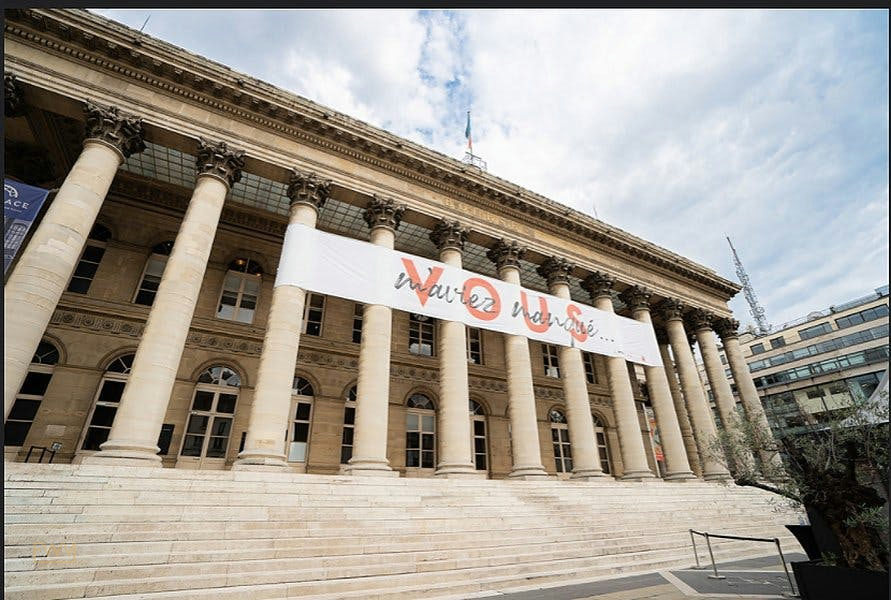

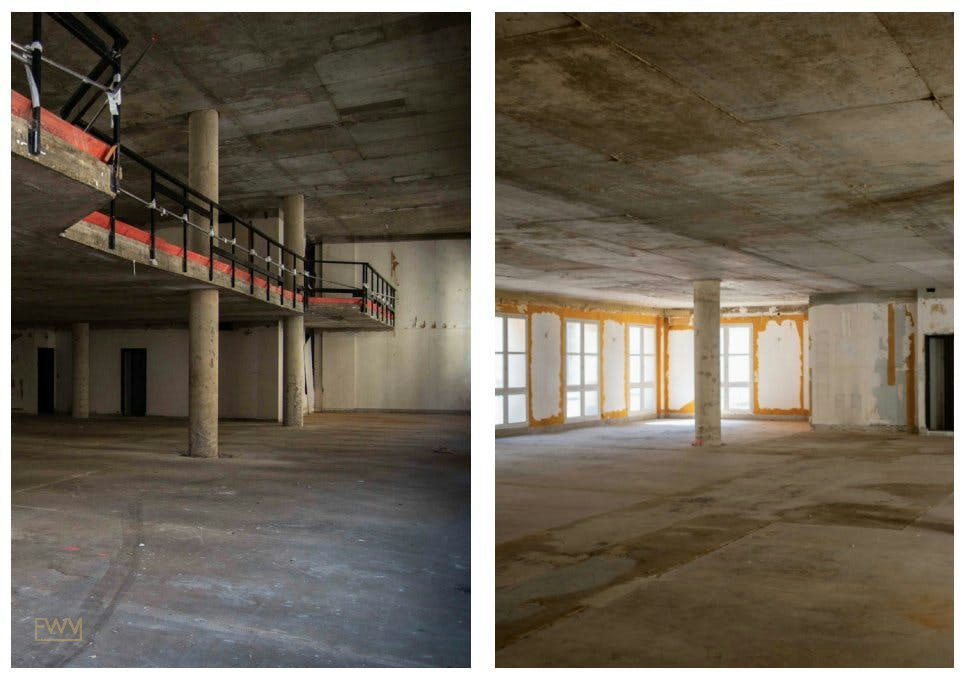
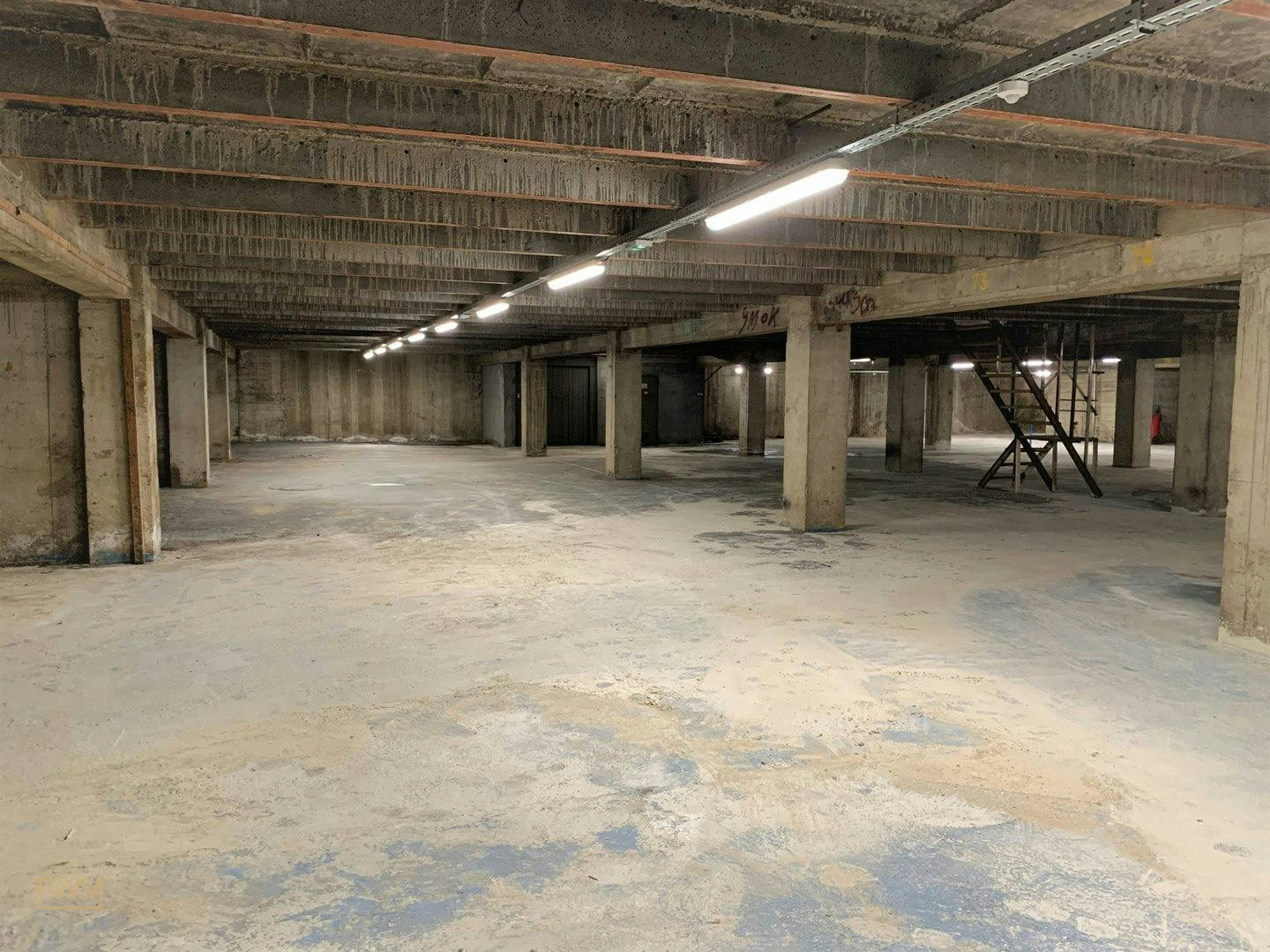
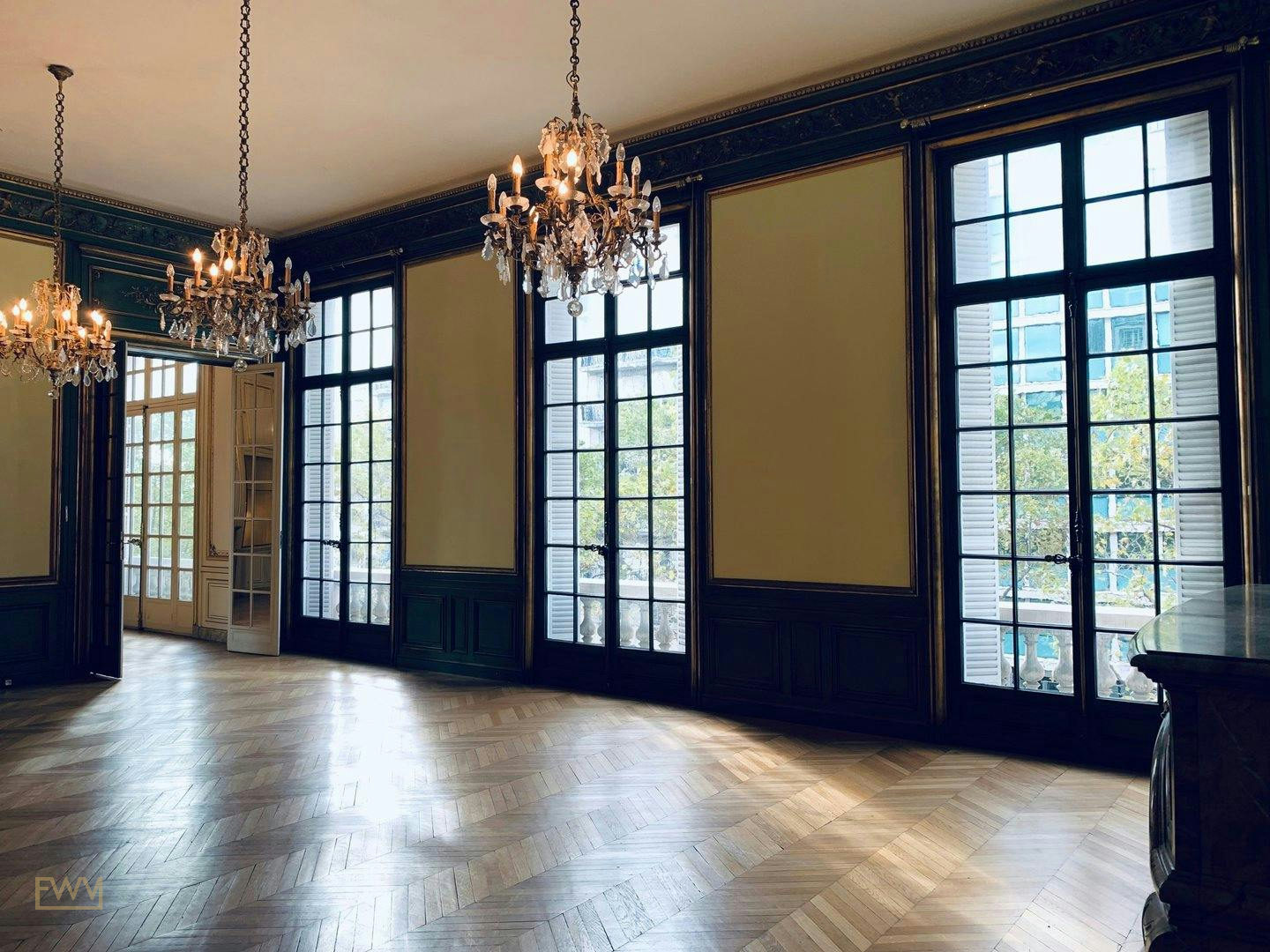
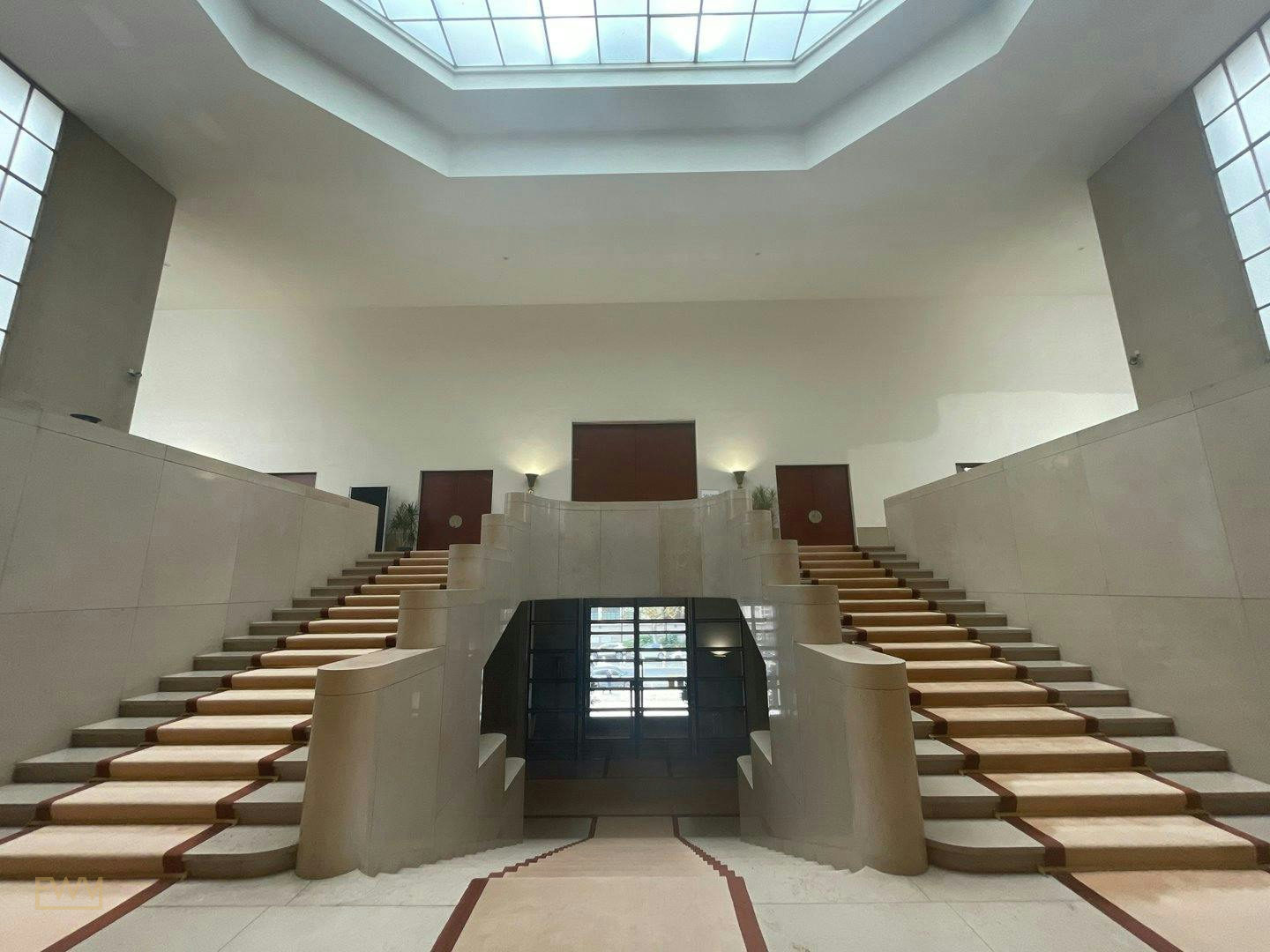
Finding the ideal venue during Fashion Week is more than just securing a space; it is about amplifying brand presence in one of the most competitive arenas. As a trusted agency, Fashion Week Venues offers unparalleled expertise in sourcing and tailoring venues across major fashion capitals. Whether a brand seeks a pop-up shop, a dazzling showroom, or a venue for exclusive events, Fashion Week Venues stands ready with a marketplace and comprehensive services. This guide covers essential considerations and strategic insights for securing the perfect space for your next fashion activation.
The Art of Venue Sourcing for Fashion Week
Venue sourcing is a cornerstone task in planning successful brand activations during Fashion Week. The goal is to find a location that not only accommodates logistical needs but also strengthens brand narratives and objectives through strategic placement and ambiance.
Quick answer: Effective venue sourcing involves matching brand identity with location attributes to create resonance with target audiences, maximizing visibility and engagement.
Essential Factors in Venue Selection
When selecting a venue, visibility, accessibility, and ambiance are key factors to consider. The venue should reflect the brand's image while being conveniently located for press and target audiences. Historical significance and modern amenities can add to the prestige of the event.
Brands like Chanel often choose spaces like Le Palais Galliera, noted for its elegance and historic appeal, whereas others may opt for contemporary spaces like the Palais de Tokyo, renowned for its modern aesthetic and versatility.
KEY TAKEAWAY: The perfect venue aligns with brand identity and audience expectations, while offering logistical feasibility and regulatory compliance.
Comparing Venue Types: Showrooms, Pop-Up Shops, and Event Spaces
| Venue Type | Ideal For | Key Features | Challenges |
|---|---|---|---|
| Showrooms | Private showcases, press events | Controlled environment, exclusive atmosphere | Limited visibility, high setup costs |
| Pop-Up Shops | Product launches, direct sales | High foot traffic, experiential branding | Short duration, regulatory hurdles |
| Event Spaces | Fashion shows, large gatherings | Scalable, versatile layouts | Complex logistics, intensive planning |
DID YOU KNOW: Paris hosts over 300 curated pop-up events during Fashion Week, each uniquely tailored to its hosting brand's vision.
To effectively source a venue, numerous tools and services can assist. Explore the venue sourcing services offered by Fashion Week Venues for expert guidance on options that meet your brand's specific needs.
Moving forward, successful venue sourcing sets the stage for a smooth production and activation process.
Understanding Fashion Calendar: Hitting the Right Week
The fashion calendar, marked by international Fashion Weeks, dictates the cycles of collection launches and pivotal moments for brand visibility. Selecting the right week for brand activation can significantly impact press coverage and audience engagement.
Quick answer: Choose Paris Fashion Week for high-impact exposure in luxury retail, balancing between international and local audience outreach.
Breaking Down the Fashion Week Schedule
Fashion Weeks occur seasonally across major fashion hubs, typically for womenswear in February/March and September/October, and menswear in January and June. The Paris schedule is a highlight in the fashion calendar, attracting global media and industry names.
Besides the traditional scheduling, consider off-season opportunities such as resort, pre-fall, or haute couture shows. These niches often provide fewer competition constraints and fresh audiences.
TIP: Research past attendee lists to gauge audience makeup, which can influence strategic calendar timing for your activation.
Adapting to Fashion Calendar Trends
Brands like Balenciaga, with adaptive show timings, capitalize on emerging market trends and audience behavior shifts, ensuring they maximize reach and relevance. The flexibility to either coincide with or contrast against competitor timings can define a campaign’s success.
The timeline tool available at Fashion Week Venues helps forecast your activation planning against key calendar dates, minimizing conflicts and maximizing potential synergies.
KEY TAKEAWAY: Align fashion strategies with the calendar, not only to boost media presence but to control competitive landscape dynamics.
With this strategic approach to the fashion calendar, the focus turns to logistical preparations, including permits and compliance.
Permits and Compliance: Navigating Regulatory Requirements
Securing the right permits is critical to operating temporary event spaces during Fashion Week in Paris. Understanding the intricacies of compliance and the potential legal ramifications of non-compliance is vital for successful execution.
Quick answer: Permits like the bail dérogatoire and AOT are essential for temporary retail activities in Paris, requiring careful navigation of French legal systems.
Understanding Bail Dérogatoire and AOT
Bail dérogatoire is a short-term lease option differing from standard commercial leases, offering flexibility but necessitating specific conditions. The AOT, or Autorisation d’Occupation Temporaire (Temporary Occupancy Permit), permits using public spaces for events. Each requires rigorous documentation and strict adherence to guidelines.
IMPORTANT: Legal requirements can vary by arrondissement; consulting a legal advisor can prevent costly compliance errors.
Failure to acquire necessary permits can result in legal disputes or event cancellation. The permits tool on Fashion Week Venues provides step-by-step guidance through the permit process, tailored to specific event needs and locations.
Comprehensive Permit Application Process
| Step | Action | Resource |
|---|---|---|
| 1 | Identify required permits | Permit guidance tool |
| 2 | Gather necessary documents | Legal templates |
| 3 | Consult legal advisor | Local French legal experts |
| 4 | Submit application | Municipal offices |
KEY TAKEAWAY: Ensuring compliance is a collaborative effort between legal advisors and strategic planners, mitigating risks associated with Fashion Week activations.
This comprehensive understanding of compliance leads into planning for a financially sound activation, focusing next on budget allocations and financial control.
Optimizing Budgets for Fashion Week Activations
Managing a budget effectively is crucial for a successful Fashion Week activation. Balancing between creative needs and financial constraints can determine the viability and impact of an event.
Quick answer: Develop a detailed budget plan considering all aspects of production, staffing, and marketing to ensure cost efficiency and impact.
Key Considerations in Budget Planning
Several elements influence budget decisions: location-specific costs, production scale, marketing intensity, and unexpected expenditures. Each component requires careful consideration in aligning strategy with financial limits.
DID YOU KNOW: Brands typically allocate 30-40% of their Fashion Week budget on production and venue setup, with a significant focus on unique visual merchandising.
The budget tool from Fashion Week Venues assists in mapping out these costs, offering industry-specific estimates tailored to different scales and scopes of activation.
Building a Sustainable Budget Framework
TIP: Regularly review financial forecasts against actual spent; adjust expenditures accordingly throughout the planning stages.
A sustainable budget accommodates flexibility for unexpected shifts, from last-minute modifications to industry trends adapting to emerging technologies. A breakdown might include 25% on pre-planning & research, 30% on logistics & compliance, 35% on production & build, and 10% reserved for contingencies.
KEY TAKEAWAY: Financial strategy in fashion activations should prioritize adaptability and thorough pre-planning to safeguard against unpredictable deviations in cost.
With financial planning synchronized, strategic next steps involve evaluating brand-specific goals and integrating advanced technologies in retail strategies.
Advanced Technology Integration in Fashion Week Strategy
Today, brands leverage technology to enhance their activation strategies, providing richer customer experiences and improving operational efficiencies in Fashion Week events.
Quick answer: Integration of AI and digital tools offers brands innovative ways to connect with audiences and refine logistical operations during Fashion Week.
Leveraging AI and Digital Tools in Activations
Technologies like AI are transforming the fashion landscape by assisting in data analytics, real-time audience engagement, and personalization of retail experiences. Tools such as virtual fitting rooms and AI-driven inventories enhance shopper interaction and operational logistics.
TIP: Use AI tools to analyze customer trends and make real-time adjustments during activations, enhancing responsiveness and relevance.
The data and analytics services from Fashion Week Venues enable brands to gather insights that can inform strategic decisions and customer engagement plans.
Implementing Virtual and Augmented Reality
Augmented reality (AR) applications can transform the shopping experience by overlaying digital enhancements in physical spaces. Virtual reality (VR) creates immersive environments, engaging customers beyond the traditional retail setup.
Examples include brands like Gucci, which use AR to offer interactive “try-ons” via mobile platforms—simultaneously showcasing products and engaging with a tech-savvy audience.
KEY TAKEAWAY: Digital tools in fashion activations can extend brand reach and deepen consumer interactions, building lasting impressions in competitive markets.
Next, strategies for staffing and operational excellence are explored as vital components of a seamless fashion activation.
Staffing and Operational Excellence for Fashion Events
Accessible and effective staffing is imperative for the smooth operation of Fashion Week events. From front-end service to operational logistics, a dedicated team supports every element of an event.
Quick answer: Optimal staffing ensures comprehensive service coverage, enhances guest experience, and aligns operational logistics with brand goals.
Effective Staffing Models During Fashion Week
Successful events strategically allocate staff across various touchpoints, including guest relations, inventory management, and technical support. Flexible staffing models, often utilizing freelance experts, allow for scalability based on event demands.
Luxury retailers often employ expert retail staff trained in high-touch customer service to deliver an experience in line with brand expectations.
DID YOU KNOW: Over 60% of fashion brands internationally use a combination of permanent and temporary staffing strategies during major events.
The tailored retail staffing services at Fashion Week Venues ensure that staffing solutions meet your brand’s specific demographic and service criteria.
Optimizing for Operational Efficiency
Operational excellence further requires synchronization across logistics, scheduling, and resource allocation. Implementing efficient back-end systems minimizes disruptions and enhances flow, from setup to teardown.
Developing action plans with contingency setups, proactive operational strategies, and accountability frameworks helps maintain event momentum and mitigate risks.
KEY TAKEAWAY: Efficient staffing and operations are foundational, directly influencing the seamless execution and overall success of Fashion Week events.
Last but not least, understanding the broader industry dynamics such as Co-activation and marketing intelligence within strategic contexts will conclude our insights.
Maximizing Success with Co-activations and Market Intelligence
At Fashion Week Venues, the strategy extends beyond venue logistics. By employing co-activations and leveraging market intelligence, brands can achieve higher visibility and engagement during events.
Quick answer: Co-activations enhance networking and exposure by aligning with complementary brands, while market intelligence drives data-informed strategies for tailored brand activities.
Benefits of Co-activations
Brands can share resources and audiences through co-activations, thereby reducing costs and increasing visibility. Collaborating with a complementary brand can introduce an additional layer of storytelling and broaden the consumer base.
Fashion Week Venues offers a unique twin co-activation program that facilitates such partnerships, optimizing space usage and shared audience experiences.
Integrating Market Intelligence
Utilizing market intelligence helps in targeted audience insights, competitor benchmarking, and adapting marketing strategies to emerging consumer trends. These insights are crucial for refining activation elements and promotional efforts.
Brands like Dior employ comprehensive CRM tools to analyze buyer behavior, predicting future outcomes from past engagements and optimizing for real-time adjustments.
KEY TAKEAWAY: Implementing co-activations and market intelligence as part of your strategy offers enhanced competitiveness and opportunity for diversified brand growth.
After addressing all strategic frameworks, debunking common myths provides a clearer understanding of venue selection and activation strategy during Fashion Week.
Common Myths Debunked About Fashion Week Venues
MYTH: A French legal entity is required to rent a space in Paris.
FACT: While beneficial, having a French legal entity is not mandatory. Many foreign brands successfully secure temporary venues through established local partners, such as Fashion Week Venues, which navigate legal requirements on behalf of brands.
MYTH: Paris Fashion Week is the only viable time for brand exposure.
FACT: While Paris Fashion Week is prestigious, brands can leverage other key timeframes, like couture or men’s week, to stand out with lesser market noise.
MYTH: Commission brokers are the only way to find a space.
FACT: Online marketplaces, such as Fashion Week Venues, offer direct access to a curated selection of spaces without hidden brokerage fees, providing transparency and competitive pricing.
MYTH: Short-term leases are legally straightforward without specialist assistance.
FACT: Short-term leases involve complex legal terms and compliance regulations requiring specialist advice to avoid potential pitfalls, particularly in foreign markets like Paris.
Having dealt with common misconceptions, let’s address more tailored information specifics through frequently asked questions.
Frequently Asked Questions
What is the significance of Paris Fashion Week?
Paris Fashion Week is a key event in the global fashion calendar. It serves as a platform for luxury and emerging designers to showcase their collections to a diverse audience of international buyers, media, and influencers, setting trends and establishing brand presence on a prestigious stage.
How can I choose the right venue in Paris?
Selecting the right venue involves understanding your brand’s target audience and the atmosphere you want to create. Consider locations like Le Marais for its bohemian vibe or the luxury districts for an upscale image. Use venue sourcing services like those offered by Fashion Week Venues for tailored recommendations.
Are short-term leases complicated in Paris?
Indeed, short-term leases can be complex due to specific legal frameworks like the bail dérogatoire. It’s advisable to work with experts familiar with Parisian regulations to prevent potential legal issues.
What role does technology play in modern fashion activations?
Technology enhances activations by allowing brands to interact dynamically with audiences through AI, VR, and AR. These tools facilitate personalized engagements, streamline logistics, and provide valuable data analytics to refine brand strategies.
Do I need a local partner for permit applications in Paris?
While it is possible to apply independently, having a local partner with experience in navigating Parisian bureaucracy, such as Fashion Week Venues, significantly simplifies the process and ensures compliance with all regulatory requirements.
What are co-activations in fashion marketing?
Co-activations involve collaborating with complementary brands to share resources and audiences, thereby maximizing visibility and reducing individual costs. This strategic alliance can enhance the narrative and broaden the audience reach for the brands involved.
How do permits affect event planning in Paris?
Permits, such as the AOT, are necessary for legal operation of events in Paris. They affect timeline and operational plans substantially, making early application and expert navigation through municipal processes critical for timely approvals and compliance.
Why is budgeting important for a fashion activation?
A well-managed budget ensures resource allocation aligns with brand objectives while allowing flexibility for unforeseen expenses. Effective budgeting mitigates risks associated with overspending and failure to fund critical activation elements adequately.
How early should I plan for Fashion Week participation?
Preparation should ideally begin 9 to 12 months in advance. This timeframe allows ample opportunity to secure prime venues, tailor marketing campaigns, and conduct thorough permit applications, ensuring all logistical and strategic aspects are in place.
What logistics should be considered for a showroom?
A successful showroom requires thorough logistical planning, including layout designs, stock management, lighting, and tech support. The aim is to create an inviting and smooth-flowing environment that facilitates engagement with each collection piece on display.
Conclusion
Securing the perfect venue during Fashion Week in Paris is a multi-faceted process that involves strategic planning, effective budgeting, and adept logistical execution. Fashion Week Venues stands as a comprehensive service provider, helping brands to streamline every aspect of their activations, from venue sourcing to event staffing. Whether you’re showcasing your collection for the first time or reaffirming your brand’s status, thorough preparation and the right partners can dramatically enhance your event’s success. To move from research to activation, start exploring available spaces on the Fashion Week Venues marketplace and build a focused brief for your target neighbourhood, space type, and calendar window.