
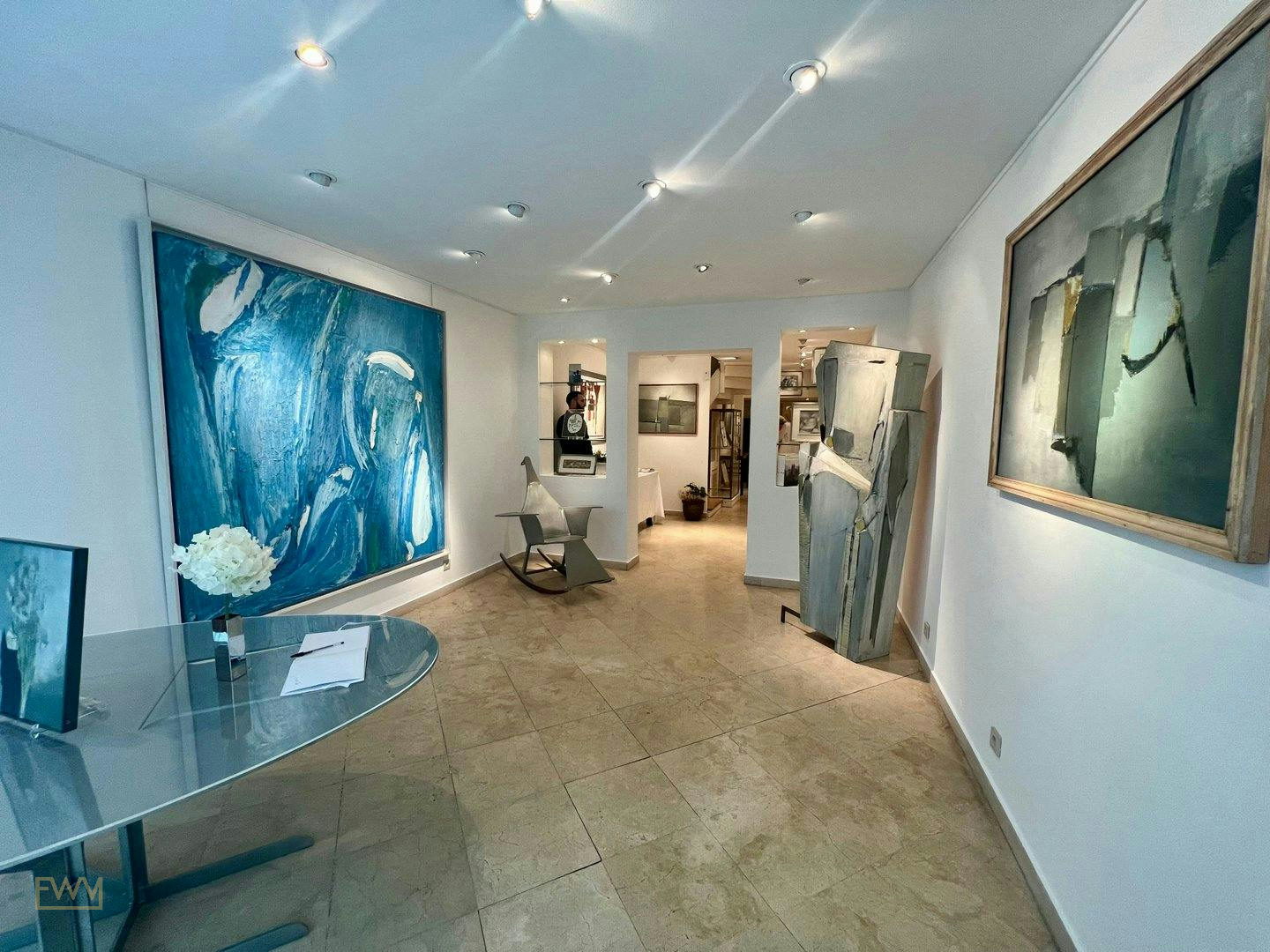
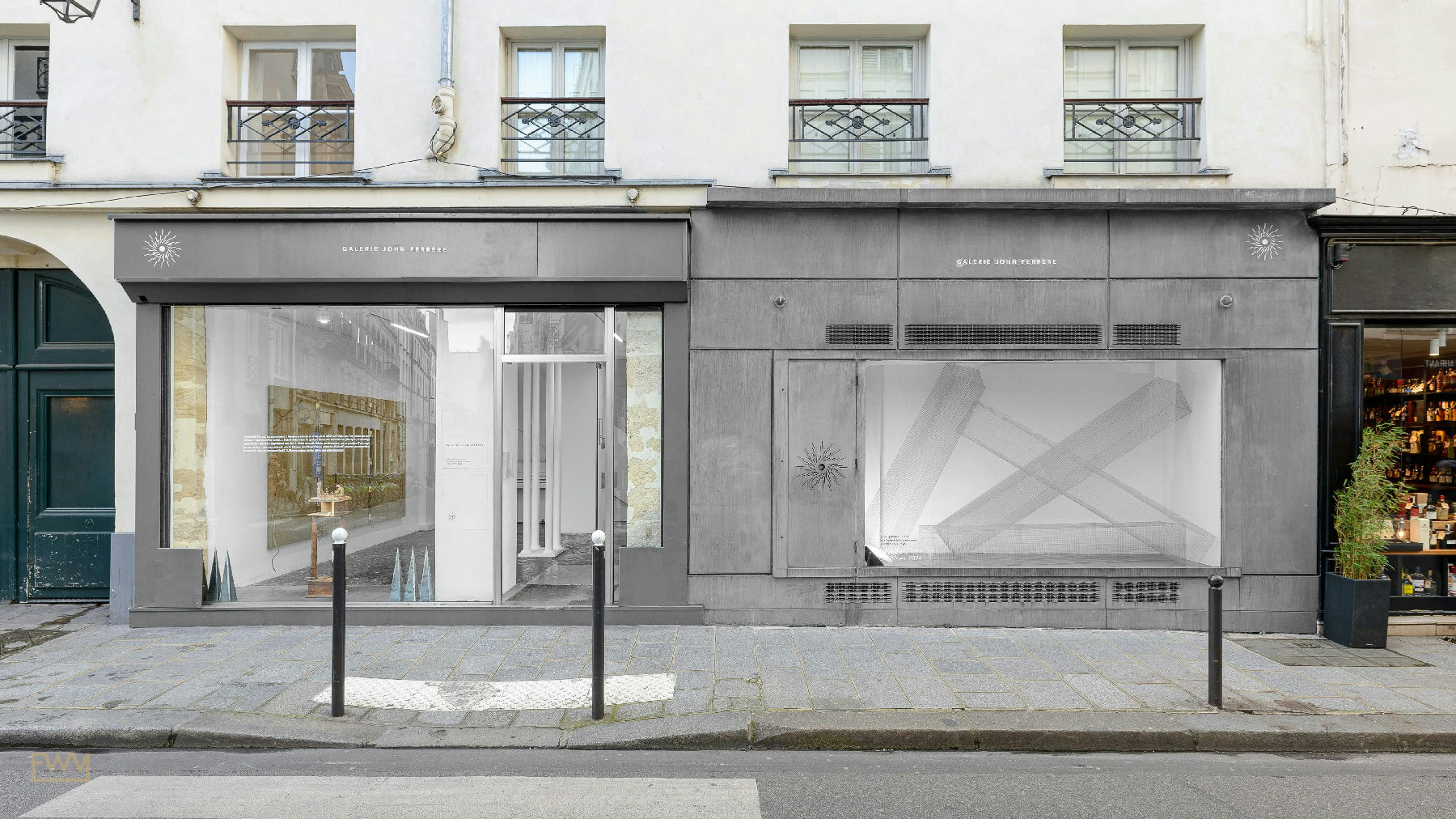
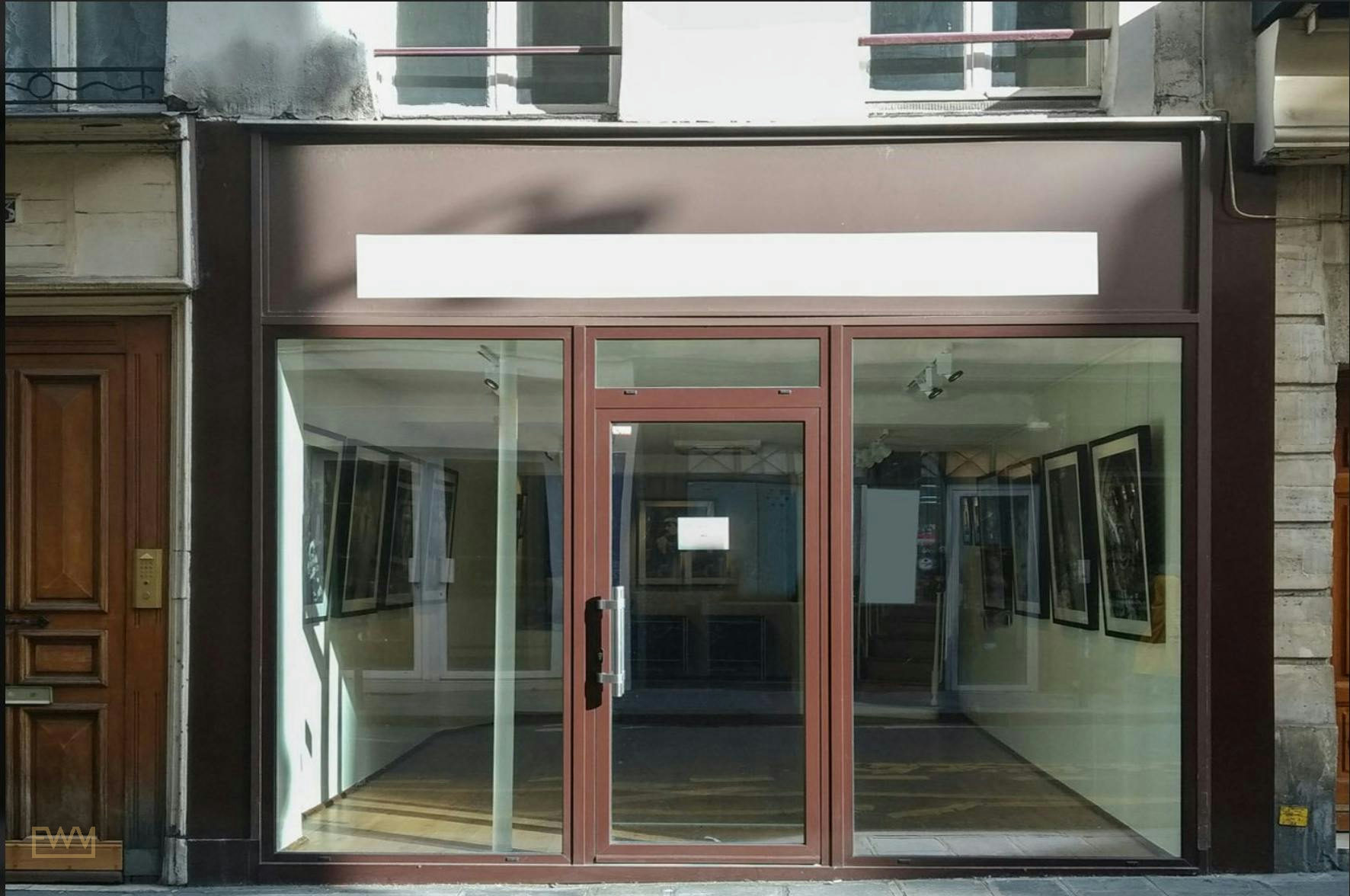
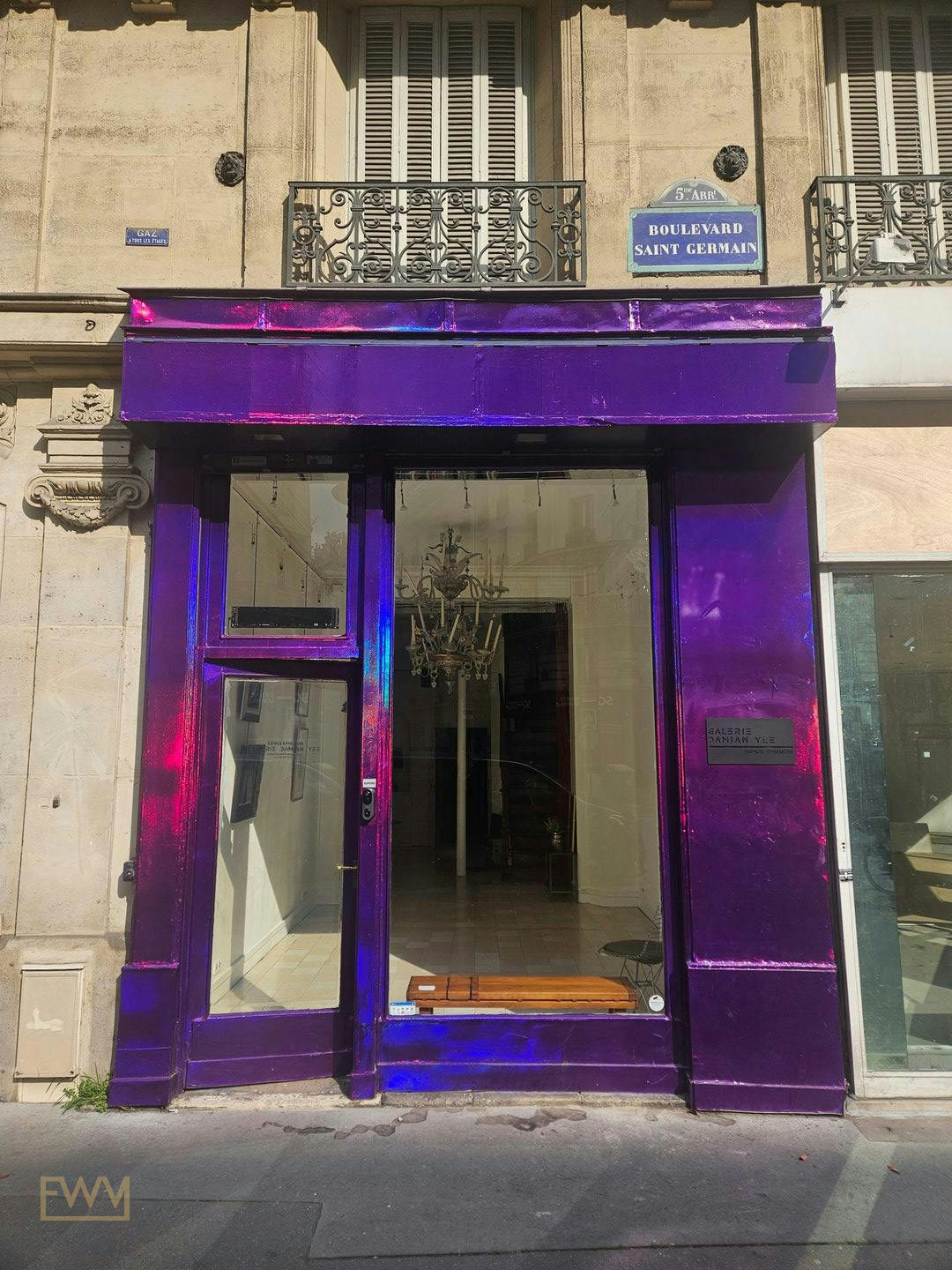
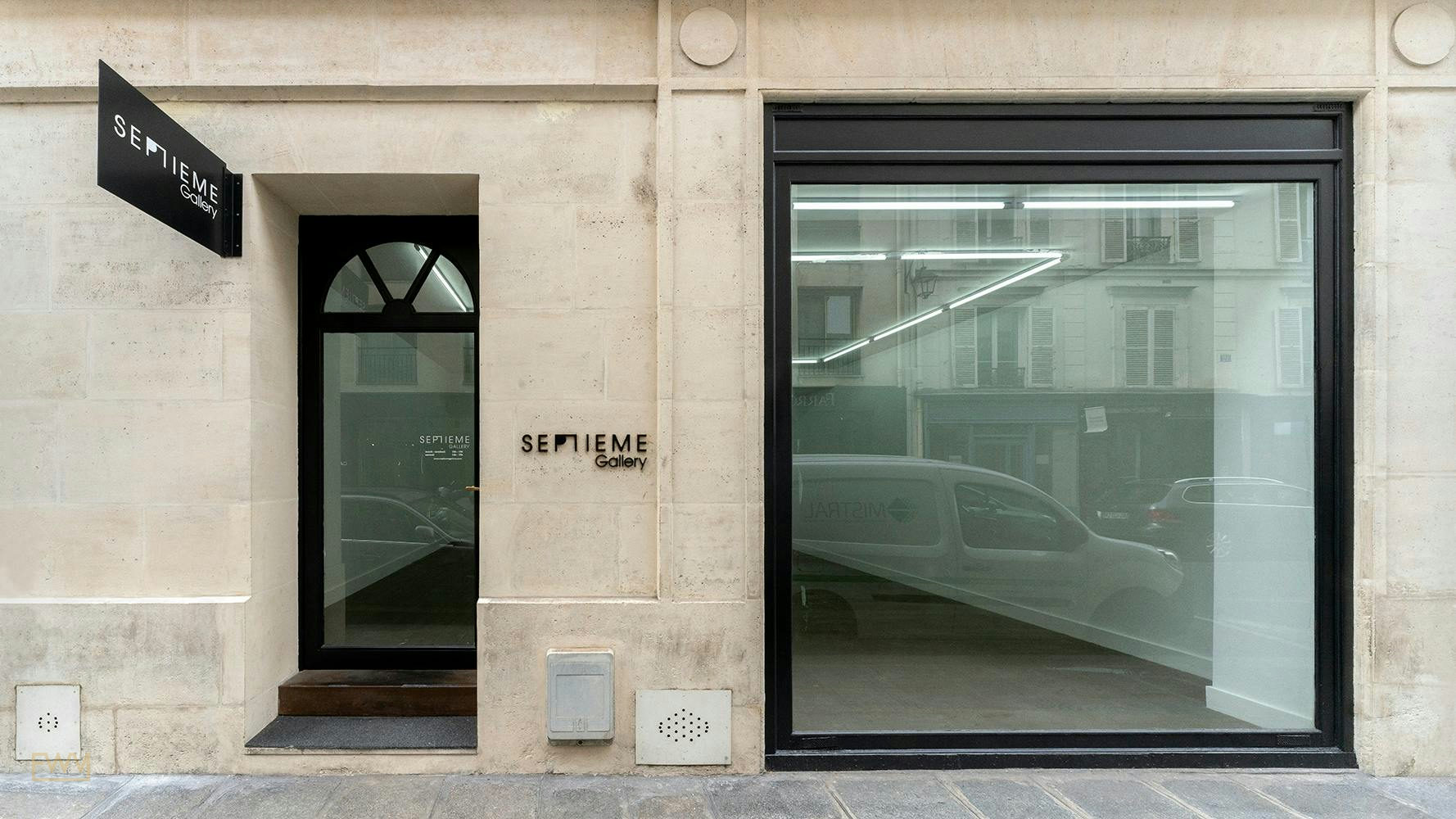
To hire retail space in Saint-Germain, brands need to understand one of Paris's most layered, prestigious, and competitive retail markets. Saint-Germain-des-Prés sits in the 6th arrondissement on the Left Bank, stretching into pockets of the 7th, and it draws a rare overlap of local Parisians, international tourists, gallerists, luxury shoppers, and cultural visitors year-round. For brands planning a pop-up, showroom, or short-term retail activation in Paris, the neighbourhood offers visibility and prestige that few locations in the City of Light can match. Fashion Week Venues supports brands seeking retail and event spaces across Paris, including Saint-Germain, with end-to-end sourcing, production, and activation services.
Why Saint-Germain-des-Prés Is One of Paris's Most Sought-After Retail Destinations
Quick answer: Saint-Germain-des-Prés combines literary heritage, luxury retail, gallery culture, and sustained international footfall into a single Left Bank neighbourhood. Its ground-floor retail corridors on Rue de Sèvres, Rue Jacob, Rue de Furstenberg, and the streets surrounding Café de Flore and Les Deux Magots attract some of the highest average spend per visitor of any Paris retail zone.
Few neighbourhoods in Paris carry as much commercial and cultural weight as Saint-Germain-des-Prés. Anchored by the 6th arrondissement and extending into parts of the 7th, the area has been home to philosophers, publishers, fashion designers, and now a concentrated cluster of luxury and contemporary retail that serves both residents and the millions of visitors who come to experience the intellectual and literary heart of Paris. Standing outside Les Deux Magots or Café de Flore, a brand occupying a nearby retail space draws on 150 years of Parisian cultural gravity.
For brand teams evaluating retail locations, the neighbourhood offers several structural advantages over other Paris districts. Pedestrian footfall is high and broadly consistent across seasons, unlike some tourist-heavy areas that drop sharply outside peak summer. The Jardin du Luxembourg draws families, students from the Sorbonne, and visitors to the Palais du Luxembourg and Fontaine de Médicis, feeding natural foot traffic into the surrounding streets. The area's proximity to the Latin Quarter adds another layer of cultural visitor density, particularly around the Musée de Cluny and the Musée National du Moyen-Âge.
What distinguishes Saint-Germain from more purely commercial retail zones is the mix of customer profiles. Gallerists and art collectors browse alongside international fashion tourists and local residents with strong purchasing power. Hotels like the Relais Christine, Villa des Prés, Pavillon Faubourg Saint Germain, Le Grand Hôtel Cayré, and the Mandarin Oriental Lutetia anchor a hospitality ecosystem that brings affluent overnight visitors directly into the retail corridors. Short-term rental platforms including Airbnb and Highstay have added a further layer of mid-to-high-spend visitors who stay in the neighbourhood for days at a time, creating more repeat exposure opportunities than a single-visit tourist corridor.
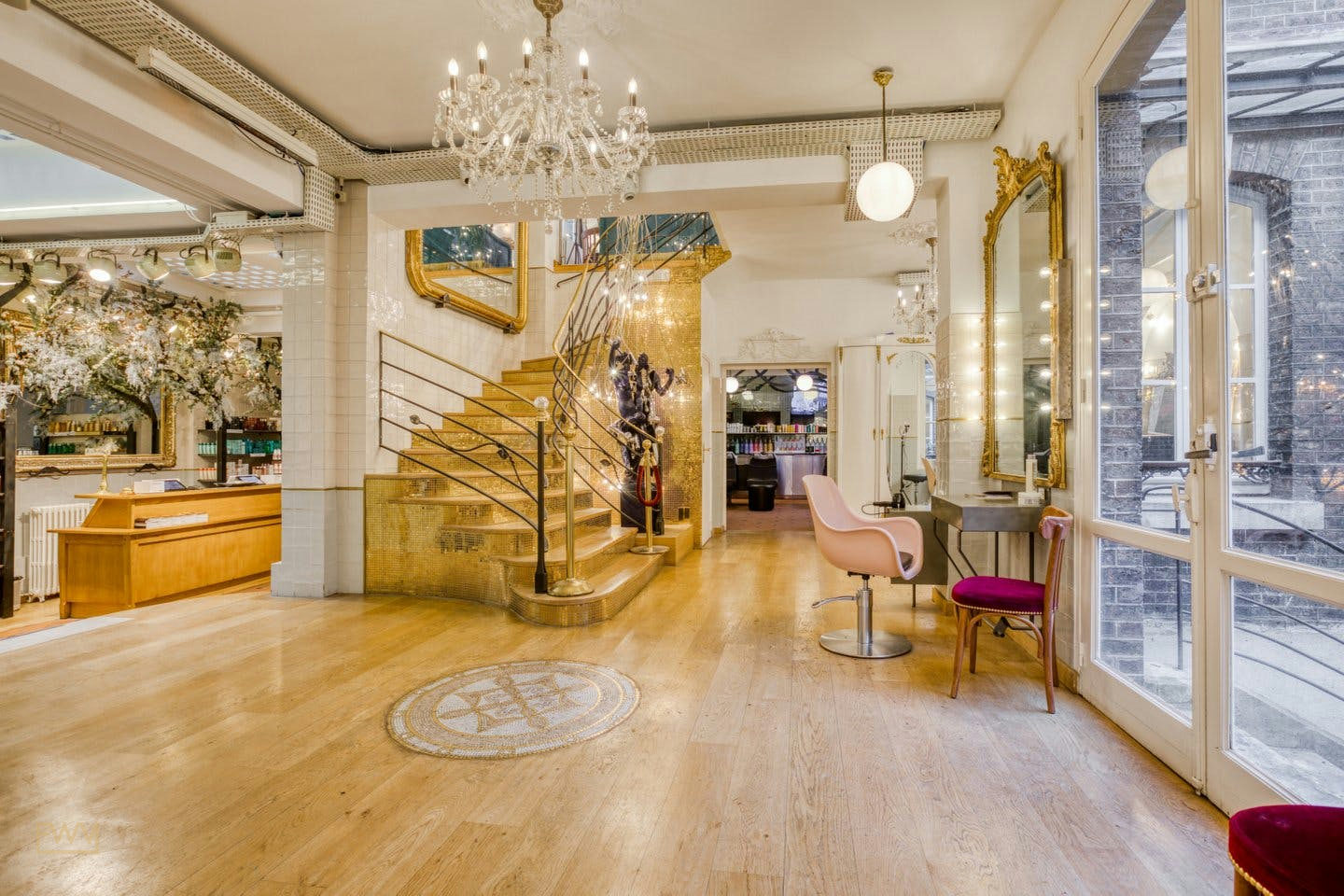
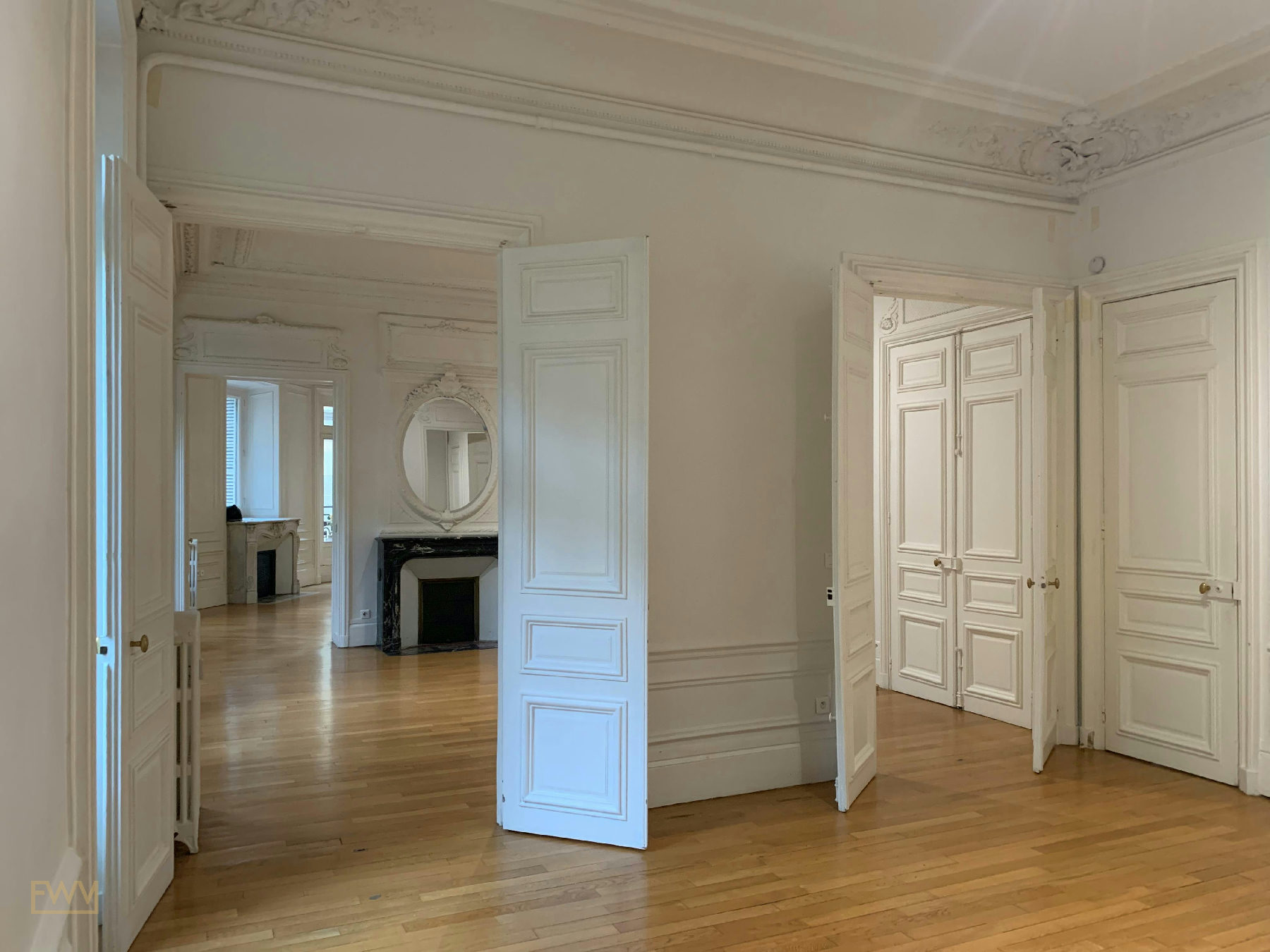
The neighbourhood's physical character also matters for retail. Saint-Germain features a dense stock of Haussmannian ground-floor units, occasional Art Nouveau storefronts, and a handful of more unusual formats including converted courtyards, basement gallery spaces, and upstairs rooms accessible via period staircases. The Marché Saint-Germain, a covered market structure near the centre of the neighbourhood, provides a distinct format for brands seeking a market-hall aesthetic with controlled footfall. Streets such as Rue de Furstenberg, Rue Férou, and Rue Jacob offer quieter, more curated settings that suit concept stores, gallery-style activations, and appointment-only showrooms.
For brands entering Paris for the first time, Saint-Germain also signals quality through association. International press, buyers, and influencers recognise the address immediately, making it a strong choice for brands whose narrative benefits from Left Bank positioning.
DID YOU KNOW: Le Procope, located just off Boulevard Saint-Germain, is considered one of the oldest cafés in Paris and has been trading since 1686, making the surrounding streets among the longest continuously active retail and hospitality corridors in Europe.
KEY TAKEAWAY: Saint-Germain-des-Prés offers brands a combination of prestige address, diverse customer profiles, sustained footfall, and cultural credibility that makes it one of the most effective retail environments in Paris for both short-term activations and longer leases.
Understanding the geography of the neighbourhood in more detail helps brands identify which retail corridors and formats align with their commercial and creative objectives.
Saint-Germain Geography: Retail Clusters, Corridors, and Key Streets
Quick answer: The core retail corridors of Saint-Germain-des-Prés run along Boulevard Saint-Germain, Rue de Rennes, Rue de Sèvres, and the smaller streets threading between them. The 6th arrondissement contains the densest concentration of retail, while the 7th arrondissement adds premium residential streets and proximity to Rue de Sèvres department store anchors.
Saint-Germain-des-Prés does not function as a single retail strip. It is a network of overlapping retail clusters, each with its own character, customer mix, and typical asking rent level. Understanding these clusters is essential before beginning any property search, because the right street for a luxury accessories brand is rarely the right street for a concept bookshop or a contemporary beauty activation.
Boulevard Saint-Germain and the Core Cluster
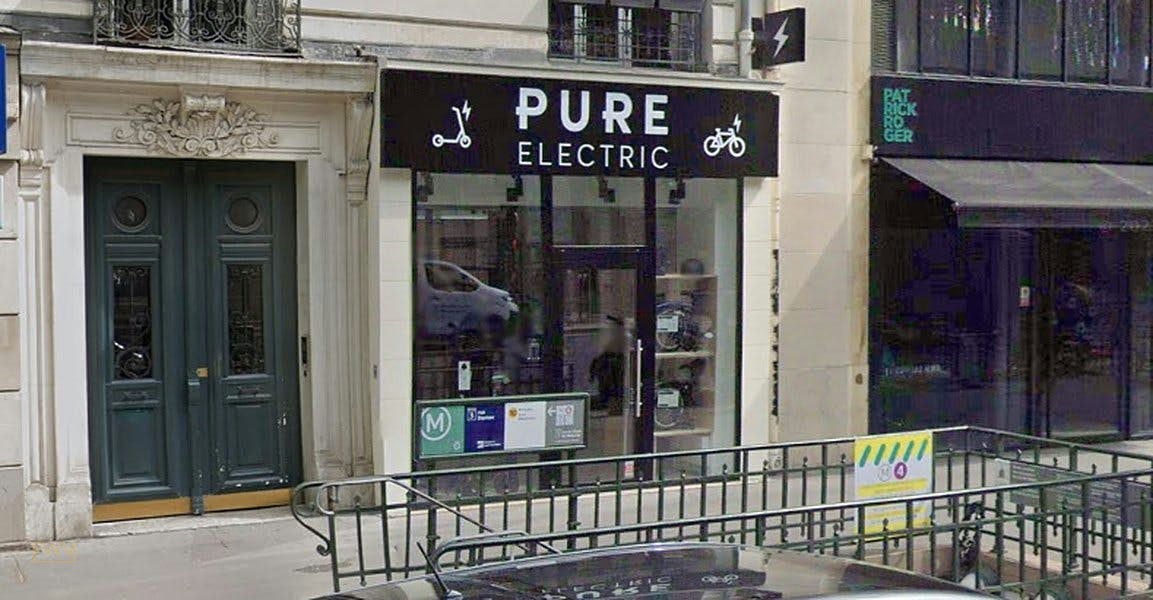
Boulevard Saint-Germain is the neighbourhood's main axis and carries the highest footfall of any single street in the area. Ground-floor retail on the boulevard attracts significant passing trade from both local commuters and tourists navigating between the Seine and the Luxembourg Gardens. Units here are typically Haussmannian in format, with wide shopfronts, generous ceiling heights on the ground floor, and basement storage accessible from a rear staircase. Asking rents on primary positions of the boulevard are among the highest in the 6th arrondissement, and landlords here tend to be institutional investors or long-established Parisian property families with limited appetite for very short lease terms.
Rue Jacob, Rue de Furstenberg, and the Gallery Cluster
Running parallel and perpendicular to the boulevard, Rue Jacob and Rue de Furstenberg represent the neighbourhood's gallery and concept retail cluster. These quieter streets attract an art-buying, design-conscious customer who is specifically seeking out independent and curated retail rather than passing through. Gallerists have anchored this cluster for decades, and the street character, with its cobbled surfaces and narrow fronts, suits brands seeking intimate, appointment-style retail formats. Basement and upstairs spaces are more common here than on the boulevard, and they often suit brands that do not require direct walk-in traffic but benefit from the address and the surrounding neighbourhood narrative.
Rue de Sèvres and the 7th Arrondissement Edge
Rue de Sèvres marks the transition between the 6th and 7th arrondissements and functions as a distinct retail corridor anchored by Le Bon Marché, one of Paris's most prestigious department stores. Ground-floor retail on and around Rue de Sèvres benefits from the department store's customer flow, and the area attracts fashion, beauty, and lifestyle brands seeking proximity to a premium retail anchor. Properties here tend to have higher asking rents than the gallery cluster streets but lower than the primary boulevard positions, and landlords include a mix of private French property holders and institutional investors.
Latin Quarter Edges and Musée de Cluny Surrounds
The eastern edge of the Saint-Germain retail zone blends into the Latin Quarter near the Sorbonne and the Musée de Cluny, also known as the Musée National du Moyen-Âge. Retail properties in this zone are often smaller, with more varied formats including converted Gothic mansion ground floors and narrow medieval frontages. Rents are generally more accessible than in the core cluster, and the customer mix includes students, academic visitors, and cultural tourists. For brands targeting a younger or more culturally positioned customer, this zone can offer strong value relative to the address.
| Retail Corridor | Character | Typical Format | Best For | Arrondissement |
|---|---|---|---|---|
| Boulevard Saint-Germain | High footfall, Haussmannian | Ground floor with basement | Flagship, visible brands | 6th |
| Rue Jacob / Rue de Furstenberg | Quiet, gallery-style | Ground floor, upstairs, basement | Concept stores, showrooms | 6th |
| Rue de Sèvres | Department store adjacent | Ground floor, larger units | Fashion, beauty, lifestyle | 6th / 7th |
| Marché Saint-Germain | Covered market, curated | Market stalls, small units | Emerging brands, pop-ups | 6th |
| Latin Quarter edge | Cultural, academic | Small ground floor, varied | Books, art, youth brands | 5th / 6th |
| Rue Férou / side streets | Residential, very quiet | Upstairs, courtyard | Private showrooms, studios | 6th |
TIP: If you need a marquee corner unit, the intersections around Café de Flore and Café Bonaparte on Place Saint-Germain-des-Prés offer maximum visibility but require lead times of six months or more to source and negotiate, even for short-term activations.
KEY TAKEAWAY: Saint-Germain is not one retail market but several overlapping clusters. Matching your brand's positioning, format needs, and budget to the right corridor will determine whether the activation performs commercially and creatively.
Once you understand the geography, the next critical step is understanding what it actually costs to hire retail space in Saint-Germain and what the key commercial terms look like in practice.
What Does It Cost to Hire Retail Space in Saint-Germain?
Quick answer: Retail space costs in Saint-Germain vary significantly by street, format, size, duration, and lease type. Short-term and pop-up rental costs are typically quoted differently from standard commercial leases, and the total cost of an activation always includes build-out, staffing, and operational expenses beyond the base rent figure.
Providing a single accurate figure for retail space costs in Saint-Germain is not possible without knowing the specific brief, because the variables are too significant to generalise. What is clear from the market is that Saint-Germain consistently ranks among the most expensive retail markets in Paris, with asking rents on prime positions of Boulevard Saint-Germain placing the area alongside the Marais and Rue du Faubourg Saint-Honoré as top-tier Paris retail destinations.
For brands planning short-term or pop-up activations, the cost structure is different from a standard commercial lease. Pop-up and short-term retail rental in Paris is typically priced by the week or month rather than by annual rent per square metre, and the total figure includes services that a standard lease would not cover, such as utilities, cleaning, basic furniture, and sometimes basic Wi-Fi infrastructure. The base space cost is therefore only one component of what a brand will actually spend.
Key cost factors to evaluate when building a budget for a Saint-Germain retail hire include:
- Base space rental cost per week or month, which varies by corridor, size, and landlord
- Build-out and fit-out costs, which range from simple soft furnishing to full bespoke retail installation
- Key money, which is a practice still common in Paris retail leases where an incoming tenant pays a premium to the outgoing tenant for the value of the lease position
- Retail staffing costs for the duration of the activation
- Point of sale and payments infrastructure
- Logistics, loading, and storage, since many Saint-Germain ground-floor units have limited direct loading access
- Permit and compliance costs for temporary retail operations
- Insurance requirements, which French landlords and the relevant arrondissement authority will specify
IMPORTANT: Key money is a significant and often misunderstood cost in the Paris retail market. Unlike a security deposit, key money is a non-refundable payment made to a previous tenant or sometimes to a landlord for the right to enter a lease. It is not universal across all short-term or pop-up formats, but brands taking on longer temporary leases should budget for this possibility and verify terms with a specialist advisor before signing.
For pop-up activations under four weeks, key money is less common, and the commercial terms are typically simpler, though landlords in prime Saint-Germain positions may still require a substantial security deposit alongside the rental fee. Free rent periods, which are negotiated as part of a standard build-out period in longer retail leases, are rarely available in short-term pop-up formats where the landlord is absorbing the risk of a brief occupancy.
The Good Guy Guarantee is a lease protection mechanism more commonly associated with New York retail leases than Paris, but the underlying concept, where a tenant guarantees personal liability for a fixed period rather than the full lease term, has equivalents in French commercial lease negotiations. Brands unfamiliar with French retail lease structures should work with a specialist rather than assuming concepts from other markets translate directly.
To build an accurate budget for your Saint-Germain retail space hire, use the Fashion Week Venues budget calculator, which allows you to model costs across space type, duration, and activation scope before approaching landlords or agents.
KEY TAKEAWAY: The total cost of hiring retail space in Saint-Germain is always higher than the base rent figure. Build-out, staffing, logistics, compliance, and potentially key money must all be factored into a realistic activation budget before any lease or hire agreement is signed.
Understanding costs is closely connected to understanding the types of retail space available and what to check during a viewing, which is addressed in the next section.
Types of Retail Space in Saint-Germain and What to Check Before Signing
Quick answer: Retail spaces in Saint-Germain range from high-visibility ground-floor Haussmannian units on primary boulevards to basement gallery spaces, upstairs rooms in period buildings, covered market units in Marché Saint-Germain, and private courtyard formats. Each format has distinct operational characteristics that affect build-out, staffing, logistics, and customer experience.
Choosing the right format is as important as choosing the right street. A brand that needs direct walk-in traffic from passing pedestrians needs a ground-floor unit with clear frontage and signage rights. A brand running an appointment-only showroom can operate effectively from an upstairs space or a quiet courtyard accessed via a passage, where the address and invitation carry the commercial weight rather than the passing footfall.
Ground Floor Street-Level Units
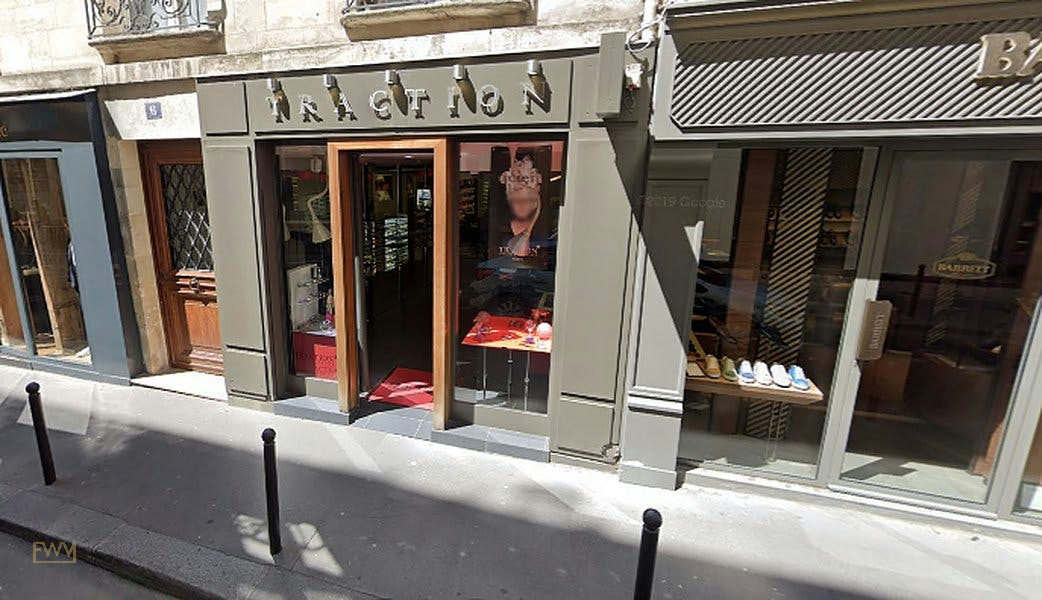
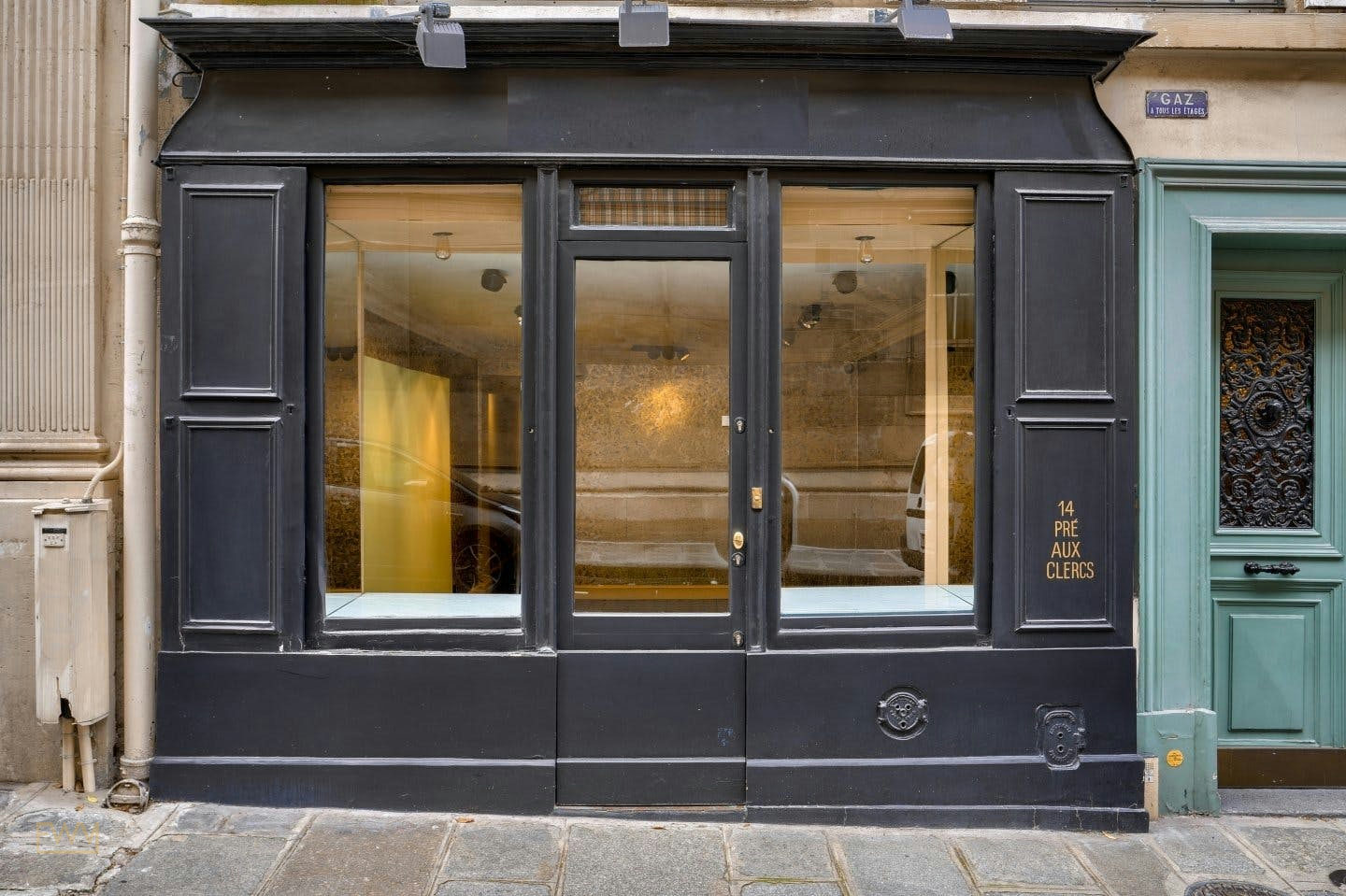
Ground-floor units on primary and secondary streets are the most in-demand format in Saint-Germain. They offer direct visibility, the ability to install window displays that draw passing trade, and typically the most flexible options for retail fit-out. Before signing for a ground-floor unit, brands should verify the following during the viewing:
- Ceiling height and whether it is sufficient for the intended fit-out design
- Electrical load capacity and whether the circuit can support lighting, POS systems, and any event equipment
- Loading access and whether deliveries can be received during operating hours or only at restricted times
- Basement storage availability and whether it is included in the hire or priced separately
- Signage rights and what the building's co-ownership rules or the landlord's agreement permits
- Window display permissions, since some heritage buildings have restrictions on what can be applied to glass
- Toilet facilities and whether they are compliant for staff and customers
Basement and Split-Level Spaces
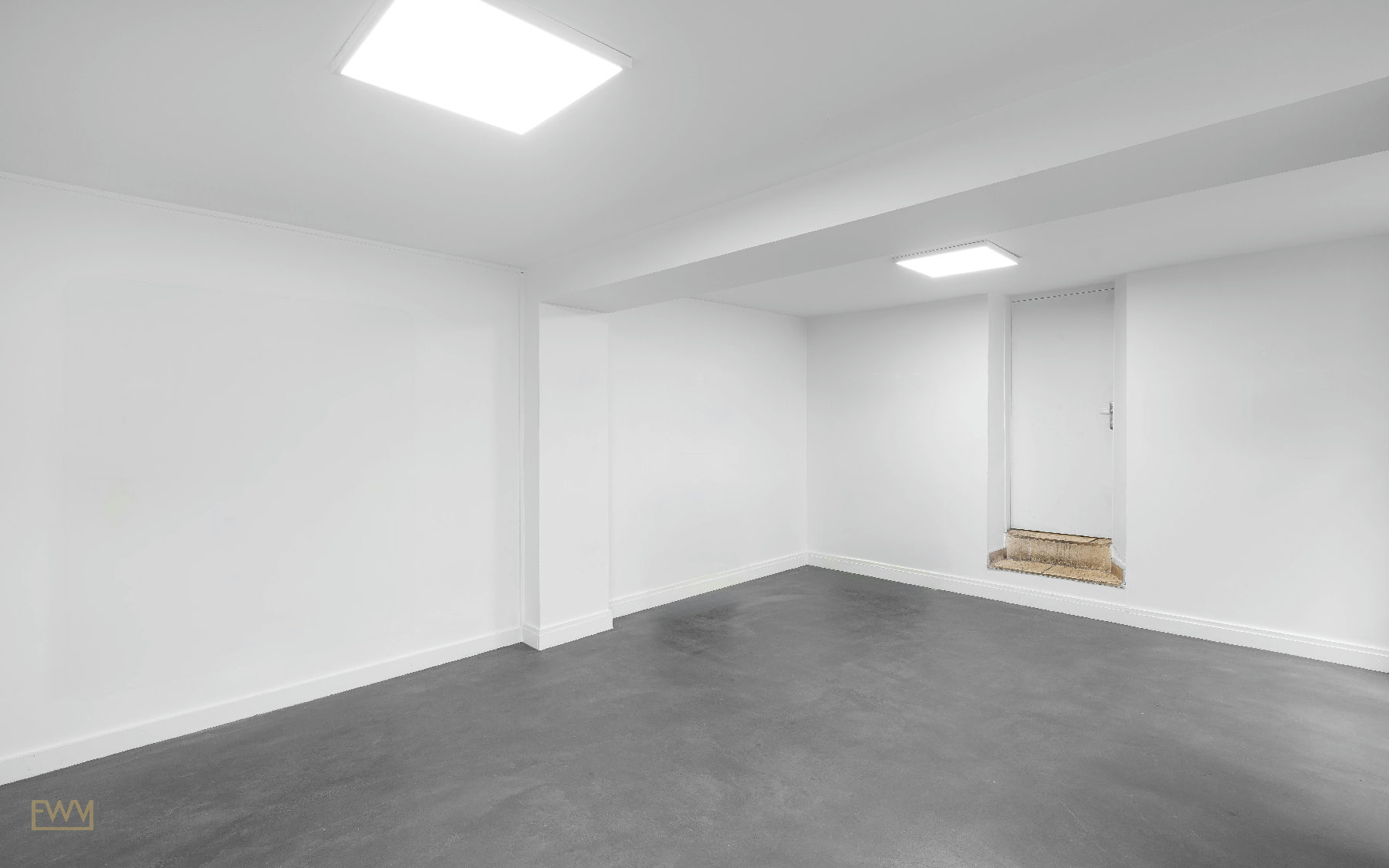
Many Saint-Germain retail units include a basement level, which can function as storage, a secondary sales floor, or an event space depending on the build. Basements in this neighbourhood are often vaulted stone structures, which can be atmospheric for brand activations but create operational challenges including limited natural light, restricted electrical capacity, and in some cases humidity. Brands using basement levels for sales rather than storage need to budget for lighting infrastructure and ensure fire exit compliance under French safety regulations.
Upstairs and Mezzanine Formats
Upstairs spaces in Saint-Germain are typically accessed via period staircases and suit showroom, press office, or private client formats rather than open retail. They are generally less expensive than ground-floor units and can offer generous proportions in older buildings. The key question for any upstairs space is accessibility, specifically whether the staircase and the building's common areas comply with current French accessibility standards for commercial use.
Covered Market Units at Marché Saint-Germain
Marché Saint-Germain is a covered market structure that has hosted a mix of food, retail, and cultural uses over the years. Units within the market offer a distinctive setting and a defined footfall pattern tied to market opening hours and visitor habits. The format suits emerging brands, food and lifestyle concepts, and brands seeking a lower-commitment entry point into the neighbourhood.
| Space Type | Footfall Dependency | Build-Out Complexity | Typical Lease Duration | Best Activation Type |
|---|---|---|---|---|
| Ground floor, boulevard | Very high | Medium to high | 1 week to 12 months | Flagship, pop-up, launch |
| Ground floor, side street | Medium | Low to medium | 1 week to 6 months | Concept, gallery, press |
| Basement | Low independent | Medium (lighting critical) | Often combined with ground floor | Storage, event, private |
| Upstairs / mezzanine | Very low | Low | 1 week to 3 months | Showroom, press office |
| Marché Saint-Germain unit | Medium via market traffic | Low | Daily to monthly | Emerging brand, lifestyle |
| Courtyard / private access | Very low, invitation-based | Low to medium | 1 week to 3 months | Private showroom, VIP |
DID YOU KNOW: Several of the most notable short-term retail activations in Saint-Germain have taken place in spaces that were not listed on any public platform, sourced instead through local agent networks or specialist agencies who maintain direct landlord relationships in the neighbourhood.
KEY TAKEAWAY: The format of the space shapes every operational and creative decision that follows. Brands should define their format requirements, including ground floor versus upstairs, storage needs, and loading access, before beginning any property search in Saint-Germain.
Knowing what to look for in a space is one part of the challenge. Understanding how to actually lease or hire the space, including the permit requirements specific to temporary retail in Paris, is equally critical.
How to Hire Retail Space in Saint-Germain: Process, Permits, and Lease Terms
Quick answer: Hiring retail space in Saint-Germain for a pop-up or short-term activation typically involves a bail dérogatoire or a licence d'exploitation rather than a standard French commercial lease, and may also require an autorisation d'occupation temporaire depending on the space type and planned use. Working with a specialist agency significantly reduces the risk of compliance errors that could delay or end an activation early.
The French commercial property system is notably different from retail lease structures in markets like the United States, the United Kingdom, or Australia, and brands entering Paris for the first time frequently underestimate the complexity. Understanding the framework before you approach landlords or agents will prevent expensive mistakes.
Standard Commercial Leases Versus Short-Term Formats
A standard French commercial lease, known as a bail commercial, is a nine-year minimum lease with built-in tenant protections. For brands seeking short-term or pop-up retail space in Saint-Germain, the bail commercial is rarely the appropriate structure. Instead, the relevant formats are:
- Bail dérogatoire: A short-term commercial lease of up to 36 months that operates outside the standard bail commercial protections. It is the most common legal structure for medium-term pop-up retail in Paris. Both parties must explicitly agree that the bail commercial protections do not apply, and if the tenant remains in occupation beyond the agreed term without a formal extension, the lease may automatically convert to a full bail commercial, which creates significant obligations for both parties.
- Licence d'exploitation or licence commerciale: A licence rather than a lease, which confers a right to use a space for a specific commercial purpose for a defined period. This structure is common for very short-term pop-up activations of a few weeks and is simpler to exit than a bail dérogatoire. It offers fewer tenant protections but also fewer obligations.
- Autorisation d'occupation temporaire (AOT): Required for certain types of temporary use, particularly where the space involves public-facing commercial activity in a building or zone with specific planning conditions. Requirements vary by arrondissement and space type, and obtaining an AOT can take several weeks.
IMPORTANT: The requirements for permits, compliance, and lease structure vary significantly depending on the specific space, its address in the 6th or 7th arrondissement, the planned commercial use, and the duration of the hire. None of the above should be treated as legal advice. Always verify the applicable requirements with a qualified French legal advisor before signing any agreement.
Use the permit guidance tool on Fashion Week Venues to get an initial overview of what permits and compliance steps may apply to your specific type of activation in Paris.
The Property Search and Viewing Process
Finding a suitable retail space in Saint-Germain typically begins with a brief that defines the size, street preference, budget range, duration, and intended use. From that brief, the search can be conducted through several routes:
- Direct approaches to landlords, which is uncommon without local contacts
- Tenant-rep brokers, who represent the incoming tenant's interests rather than the landlord's, and whose fees are typically paid by the landlord or split between parties
- Traditional commercial property agents, who may represent either party and should be asked explicitly about their agency relationship before sharing budget information
- Specialist pop-up and short-term retail agencies with direct landlord relationships in the neighbourhood
- Space marketplace platforms that list available retail properties with key details on availability, size, and format
During a property viewing in Saint-Germain, brands should ask detailed questions about loading and storage access, electrical capacity, signage rights, and the specific lease structure the landlord is willing to offer. It is also worth asking about the building's co-ownership rules, since many Haussmannian buildings in the 6th arrondissement are managed by a syndic de copropriété whose rules may restrict certain uses, hours, or installation types.
Retail Lease Timeline: From Brief to Opening
| Stage | Typical Duration | Key Actions |
|---|---|---|
| Brief definition and budget setting | 1 to 2 weeks | Define size, street, duration, use case, and total budget |
| Space search and shortlisting | 2 to 6 weeks | Review listings, conduct viewings, shortlist 3 to 5 spaces |
| Negotiation and heads of terms | 1 to 3 weeks | Agree rent, duration, key money, break clauses, fit-out period |
| Legal review and lease signing | 1 to 4 weeks | French legal advisor reviews the bail dérogatoire or licence |
| Permit applications | 2 to 6 weeks | AOT and any relevant arrondissement approvals where required |
| Build-out and fit-out | 1 to 4 weeks | Installation, furniture, branding, POS, and staffing setup |
| Activation launch | Day one of trading | Soft launch, press preview, or public opening depending on format |
TIP: For Paris Fashion Week windows, the total lead time from brief to opening is typically 12 to 20 weeks for a first-time Paris activation. Brands that compress this timeline significantly increase the risk of permit delays, build-out overruns, or having to accept a second-choice space rather than their preferred location.
KEY TAKEAWAY: The process of hiring retail space in Saint-Germain involves multiple legal, permit, and operational steps that are different from retail leasing in most non-French markets. Building in sufficient lead time and working with specialists who understand the local system reduces risk significantly.
Understanding the landlord landscape in Saint-Germain is equally important, because different landlord types have very different attitudes to short-term retail and will respond differently to the same brief.
Who Are the Landlords in Saint-Germain and How Do They Work?
Quick answer: Saint-Germain retail landlords include a mix of long-established Parisian private property families, institutional investors, hotel operators, and a small number of cultural institutions. Each type has different priorities, different processes, and different levels of appetite for short-term or pop-up retail tenants.
The landlord landscape in Saint-Germain is more varied and more relationship-driven than in many other major retail districts. Understanding who owns the space and what their priorities are will determine how you approach the negotiation and what terms you are likely to achieve.
Private Parisian property families have owned ground-floor retail units in the 6th arrondissement for generations in some cases. They often prioritise tenant quality and brand reputation over maximum rent, and they are generally more willing to consider unusual formats or short-term arrangements if they trust the incoming tenant to maintain the space and the building's reputation. However, they can be slower to respond and less accessible without an introduction from a local agent or agency. Reaching out via a cold email or a generic online inquiry is unlikely to be effective.
Institutional investors, including French and international real estate investment funds, apply a more commercial framework to leasing decisions. They are generally more transparent about asking rents, more consistent in their process, and more likely to require standard documentation including proof of business registration, financial references, and sometimes a French guarantor. For international brands without a French legal entity, institutional landlords may require additional security, such as a parent company guarantee or an increased deposit.
Hotel operators including the Mandarin Oriental Lutetia and the Relais Christine occasionally make ground-floor or adjacent retail space available to partner brands, particularly during Fashion Week windows. These arrangements are typically negotiated at a senior level and may include cross-promotion or hospitality package elements alongside the retail hire.
IMPORTANT: Many international brands assume they need a French legal entity to rent retail space in Paris. This is not universally true. Some landlords and lease structures allow foreign companies to enter a retail hire agreement directly, provided appropriate guarantees are in place. However, requirements vary significantly by landlord type and space, so verifying the specific conditions with a French legal advisor before any negotiation begins is essential.
Gallerists who own their Saint-Germain spaces and occasionally lease them temporarily to visiting brands or artists represent another category of landlord specific to the neighbourhood. These arrangements are often informal and relationship-based but can offer access to architecturally distinctive spaces that are never listed on any public platform.
KEY TAKEAWAY: In Saint-Germain, the landlord relationship is as important as the lease terms. Brands entering the market through a specialist agency or local agent with established landlord relationships will access opportunities that are invisible to brands searching through standard listings platforms alone.
Fashion Week Venues maintains direct landlord relationships across Saint-Germain and the broader Paris retail market, which is part of how the agency can surface spaces that are not in the public domain. The next section explains exactly how the agency can support a brand's Paris activation from brief through to opening.
How Fashion Week Venues Supports Retail Space Hiring in Saint-Germain
Fashion Week Venues is a full-service pop-up and short-term retail agency with Paris as its primary market and Saint-Germain among its most active retail sourcing zones. The agency works with fashion brands, beauty brands, lifestyle brands, and luxury houses seeking short-term and medium-term retail space in Paris, offering services that cover every stage of an activation from initial brief to post-activation data review.
For brands looking to hire retail space in Saint-Germain, the agency's most relevant services are:
- Venue sourcing, through which the agency identifies, shortlists, and presents retail spaces in Saint-Germain based on the brand's specific brief, including size, street preference, format, duration, and budget range
- Concept and creative direction, helping brands define the spatial concept and customer experience before committing to a specific space type
- Production and build services, covering fit-out, installation, and the management of contractors in compliance with the specific requirements of Parisian buildings
- Activation management, which covers the operational running of the space during the hire period
- Retail staffing, including French-speaking floor staff, brand ambassadors, and management personnel
The agency also operates a suite of planning tools that are directly relevant to a Saint-Germain retail hire. The timeline tool helps brands map the full activation schedule from brief to opening, which is particularly important for brands targeting Paris Fashion Week calendar windows where lead times are compressed. The budget calculator helps model total activation costs across space, build, staffing, and operations. The ROI calculator allows brand teams to evaluate projected returns against activation investment before committing to a space.
For brands considering activating in more than one Paris location simultaneously, the twin concept allows two brands to co-activate in a shared space, splitting costs while maintaining distinct brand territories within a single unit. This format is particularly useful in Saint-Germain, where rental costs on primary corridors can be significant for a single brand to absorb alone.
The agency does not guarantee specific spaces, permit approvals, or activation outcomes. What it provides is deep local knowledge, established landlord relationships, specialist French compliance experience, and integrated production capability that reduces the risk of the many points of failure that can affect a first-time Paris activation.
To compare neighbourhoods and space types across Paris, explore the Paris city hub on Fashion Week Venues and shortlist spaces that match your brief, budget, and calendar window.
KEY TAKEAWAY: Fashion Week Venues offers brands a single-agency route to retail space hiring in Saint-Germain, covering sourcing, concept, build, activation management, staffing, and analytics. This integrated approach is particularly valuable for international brands that do not have existing supplier networks or landlord relationships in Paris.
Logistics, Loading, and Storage: The Operational Reality of Saint-Germain Retail
Quick answer: Loading and storage in Saint-Germain require specific planning because many streets in the 6th arrondissement have pedestrian priority zones, restricted delivery windows, and limited vehicle access. Brands should verify delivery access, storage arrangements, and any applicable mairie restrictions before finalising a space choice.
The operational logistics of a Saint-Germain retail activation are frequently underplanned by brands focusing primarily on the address, the footfall, and the aesthetic. Paris's historic street network, combined with the 6th arrondissement's active pedestrianisation policies, means that getting stock into and out of a retail space is more complex here than in most modern retail destinations.
Key logistical questions to resolve before signing any retail hire agreement in Saint-Germain include:
- What are the permitted delivery hours for the specific street? Many streets in the 6th arrondissement restrict heavy vehicle access to early morning windows, typically before 7am or between specific hours published by the mairie.
- Is there a loading bay or designated unloading area associated with the property, or will deliveries require a temporary parking permit on the street?
- Where does inventory live between deliveries? If the ground-floor unit does not include a basement, brands need a separate storage solution, which adds cost and operational complexity.
- What is the lift situation if the space includes an upstairs sales floor? Period buildings in Saint-Germain rarely have freight lifts, and moving stock via a staircase is slow and creates risk during peak trading periods.
- How does waste disposal work? Paris commercial properties are subject to specific commercial waste regulations, and the arrondissement authority may have requirements for pop-up operations that differ from standard commercial tenants.
For brands shipping stock from outside France, customs clearance and last-mile delivery logistics into central Paris are additional considerations. The combination of customs processing times and restricted delivery windows in the 6th arrondissement means that stock should arrive in France several days before the planned store opening, with a buffer for any clearance delays.
TIP: Brands activating in Saint-Germain during Paris Fashion Week face particularly compressed logistics windows because the area also hosts additional press, buyer, and VIP traffic that can make street access even more restricted during peak days. Planning deliveries and builds outside the Fashion Week core schedule reduces risk significantly.
KEY TAKEAWAY: Logistics, loading, and storage are not secondary considerations in Saint-Germain. They are core operational variables that should be resolved before a space is signed, not after.
Common Myths About Hiring Retail Space in Saint-Germain Debunked
MYTH: You need a French legal entity to rent retail space in Saint-Germain.
FACT: Many international brands hire retail space in Paris, including Saint-Germain, without a French legal entity, particularly for short-term pop-up and licence-based arrangements. The specific requirements depend on the landlord, the lease structure, and the duration of the hire. Some landlords require a parent company guarantee or a larger security deposit in lieu of a French entity, but a French entity is not a universal prerequisite. Always verify the specific requirements with a qualified French legal advisor.
MYTH: Paris Fashion Week is the only viable calendar window for a Saint-Germain retail activation.
FACT: While Paris Fashion Week, held in January, February, September, and October, drives significant footfall and press interest, Saint-Germain operates as a strong retail destination year-round. The neighbourhood's mix of local residents, international hotel guests, cultural visitors, and students at the Sorbonne means that footfall is relatively stable across seasons. Many brands have successfully activated outside Fashion Week windows, particularly in late spring and early autumn, when tourist volumes are high but competition for spaces is lower.
MYTH: A commission broker is the only way to find a short-term retail space in Saint-Germain.
FACT: Commission-based brokers are one route, but they are not the only option and may not always surface the best-matched spaces for a pop-up or short-term activation brief. Specialist agencies with direct landlord relationships in Saint-Germain, curated space marketplace platforms, and hotel partnership routes can all provide access to spaces that brokers do not represent. A tenant-rep broker structure, where the broker represents only the incoming tenant's interests, can be a more aligned approach for brands with complex briefs.
MYTH: Short-term retail leases in Paris are legally straightforward and do not require specialist help.
FACT: French commercial property law is complex, and short-term retail structures including the bail dérogatoire and the licence d'exploitation have specific legal requirements that, if not correctly observed, can create significant liabilities. A bail dérogatoire that is not properly executed or that runs beyond its maximum term without the correct legal steps can automatically convert to a nine-year bail commercial with substantial obligations for both parties. International brands should always engage a qualified French legal advisor and, where relevant, a specialist retail agency to manage the compliance framework around any Paris retail hire.
MYTH: All Saint-Germain retail spaces that are available for hire are listed publicly on property platforms.
FACT: A significant proportion of the best short-term retail opportunities in Saint-Germain are never publicly listed. Private landlords, gallerists, and hotel operators in the neighbourhood frequently prefer direct introductions from trusted agents or agencies rather than open market advertising. Brands that rely solely on public listings will miss a substantial portion of the available market, particularly for the most distinctive and sought-after spaces.
Frequently Asked Questions
What is a bail dérogatoire and how does it apply to a Saint-Germain retail hire?
A bail dérogatoire is a short-term commercial lease in France that can last up to 36 months and operates outside the protections of the standard nine-year bail commercial. It is the most common legal structure for medium-term pop-up and short-term retail activations in Paris, including Saint-Germain. Both the landlord and the tenant must explicitly agree in writing that the standard bail commercial protections do not apply. If the tenant remains in occupation after the bail dérogatoire expires without a formal new agreement, French law may treat the arrangement as a standard bail commercial, creating significant and unintended obligations. Brands should always have the document reviewed by a qualified French legal advisor before signing.
Do I need a French company to hire retail space in Saint-Germain?
Not always. Some landlords and lease structures in Saint-Germain, particularly for short-term pop-up and licence-based arrangements, allow international companies to enter agreements without a French legal entity. However, requirements vary significantly by landlord type, space, and duration. Institutional landlords may require a parent company guarantee or a larger deposit, while private landlords may be more flexible if they trust the brand's reputation. For activations of more than a few weeks, establishing at least a basic French commercial presence or working through a local agency can simplify the process considerably. Always verify the specific requirements early in the negotiation.
How far in advance should I start looking for retail space in Saint-Germain?
For a Paris Fashion Week window, the recommended lead time for a first-time Paris activation is 12 to 20 weeks from brief to opening. For activations outside Fashion Week, 8 to 12 weeks is a more common minimum, though prime positions on Boulevard Saint-Germain can have waiting periods that extend beyond this. The permit and compliance steps, including any required autorisation d'occupation temporaire, can take 2 to 6 weeks alone. Brands that begin their search too late typically face the choice between a compromised space or a delayed opening, both of which affect activation performance.
What is key money and does it apply to short-term retail hires in Saint-Germain?
Key money, known in French as pas-de-porte or droit au bail, is a payment made by an incoming tenant to either the departing tenant or the landlord for the commercial value of a lease position. It is a common feature of the Paris retail market, particularly for prime locations in high-demand neighbourhoods like Saint-Germain. For very short-term pop-up activations of a few weeks, key money is less common, but for medium-term arrangements including a bail dérogatoire of several months, it may be a condition of entry, particularly on the most sought-after streets. Brands should budget for this possibility and negotiate its inclusion carefully.
Can I install a bespoke fit-out in a short-term retail space in Saint-Germain?
Yes, but with important conditions. Most short-term retail hire agreements in Paris, including those structured as a bail dérogatoire or a licence, include specific requirements about the restoration of the space to its original condition at the end of the hire period. Bespoke fit-out is permissible in many cases, but brands should confirm with the landlord in writing what is permitted, what requires prior approval, and what reinstatement work will be required at the end of the term. Heritage building protections apply to many properties in the 6th arrondissement, which may restrict certain types of structural work, drilling, or surface treatment.
What is the difference between hiring a space through a broker and through a specialist agency like Fashion Week Venues?
A traditional commercial property broker sources space and negotiates lease terms, typically earning a commission from the landlord or split between parties. A specialist pop-up and retail agency like Fashion Week Venues provides a broader service that includes not only space sourcing but also concept direction, build management, permits, staffing, POS, and operational support throughout the activation. For brands activating in Paris for the first time, or brands that do not have existing supplier networks in the city, a full-service agency approach reduces the risk of the many coordination failures that can affect a complex activation in a market with specific legal, logistical, and cultural requirements.
Are there spaces in Saint-Germain suitable for a fashion showroom rather than an open retail pop-up?
Yes. Upstairs rooms, quiet side-street ground-floor units, and some courtyard-accessed spaces in Saint-Germain are well suited to appointment-only showroom formats. Streets including Rue Férou, Rue de Furstenberg, and Rue Jacob offer quieter environments where an invitation-driven showroom can operate effectively without the footfall dependency of a boulevard location. These spaces are often less expensive than primary boulevard units and can provide a more intimate setting for press, buyer, or VIP client appointments during Paris Fashion Week.
How do I handle staffing for a short-term retail activation in Saint-Germain?
Staffing a short-term retail activation in Paris requires compliance with French employment law, including contracts, social security contributions, and minimum wage requirements. For brands without a French payroll infrastructure, engaging a staffing agency that operates under French employment law is the most practical route. French-speaking floor staff are essential for most Saint-Germain retail activations given the mix of local and international customers. Brands should also consider whether they need a French-speaking store manager who can handle supplier communications, landlord queries, and any operational issues that arise during the activation period.
What permits might I need for a pop-up retail activation in Saint-Germain?
The permits required for a pop-up retail activation in Saint-Germain depend on the specific space, its planned use, and the duration of the hire. A temporary retail use in a ground-floor space may require an autorisation d'occupation temporaire from the arrondissement authority, particularly if the space involves signage, window installation, or any modification to the building's exterior. Food and beverage elements within a retail activation trigger additional health and hygiene permit requirements. Paris mairie and prefecture have specific processes for temporary commercial uses, and requirements are subject to change. The permit guidance tool on Fashion Week Venues provides an initial overview, and a qualified French legal or compliance advisor should be engaged for the specific application.
What is the typical size range for retail spaces available in Saint-Germain?
Retail spaces available for hire in Saint-Germain range from very small units of around 20 to 30 square metres on quiet side streets to larger ground-floor units of 150 to 300 square metres on primary boulevard positions. The Marché Saint-Germain units are typically small, market-format spaces, while some of the hotel-adjacent and Haussmannian ground-floor units can offer significantly more space including basement levels. The right size depends on the activation format, the number of products or experiences being presented, the staffing model, and the logistics requirements for the specific brand and use case.
Can two brands share a Saint-Germain retail space to reduce costs?
Yes. Co-activation between two complementary brands in a shared Saint-Germain space is an increasingly common approach, particularly for brands where the individual activation budget does not stretch to a prime location independently. The twin concept operated by Fashion Week Venues is specifically designed for this scenario, allowing two brands to co-activate in a shared space while maintaining distinct brand territories and customer experiences. Successful co-activations in Saint-Germain typically involve brands with complementary rather than competing product categories, shared customer demographics, and compatible aesthetic positioning.
How does the Paris Fashion Week calendar affect retail space availability in Saint-Germain?
Paris Fashion Week, held twice annually in February or March for Haute Couture and Ready-to-Wear womenswear, and in September or October for Womenswear, drives significant demand for retail space in Saint-Germain. Availability during Fashion Week windows is more limited, and asking rents for prime positions may be higher during these periods. Brands targeting Fashion Week windows should begin their search significantly earlier than brands activating at other times of year. The Fashion Week calendar also creates specific footfall patterns, with press, buyers, and international visitors concentrating activity in the early days of the week and local consumer traffic building across the full period.
What role does an AOT play in a Saint-Germain retail activation?
An autorisation d'occupation temporaire, or AOT, is a permit issued by a public authority allowing temporary commercial use of a space, typically one that is publicly owned or subject to specific planning conditions. In the context of a Saint-Germain retail hire, an AOT may be required if the space involves any use of public pavement, external signage on a heritage building, or a temporary commercial use in a space that is not permanently zoned for retail. The process for obtaining an AOT involves submitting an application to the relevant authority, and lead times can range from a few weeks to several months depending on the specific use and location. Requirements should be verified early in the process to avoid delays.
Is it possible to include outdoor or pavement elements in a Saint-Germain retail activation?
Outdoor and pavement elements in a Saint-Germain retail activation are possible but subject to specific permissions from the Paris mairie and, in some cases, the building's co-ownership body. Terrasse arrangements, branded pavement furniture, and external product displays all require prior approval and may be restricted on certain streets in the 6th arrondissement based on heritage protection rules or pedestrian priority designations. The application process for outdoor commercial use in Paris is distinct from the indoor retail hire agreement and should be initiated early and in parallel with the space search rather than after the lease has been signed.
Conclusion: Planning a Successful Retail Activation in Saint-Germain
Hiring retail space in Saint-Germain is one of the most rewarding and most complex activation decisions a brand can make in the Paris market. The neighbourhood offers a combination of address prestige, sustained footfall, diverse customer profiles, and cultural credibility that few other Paris districts can match. At the same time, it demands a level of local knowledge, legal preparation, and operational planning that goes significantly beyond what most brands bring to a first Paris activation.
The key principles for a successful Saint-Germain retail hire are: define your format and corridor requirements before beginning any property search; build a realistic total activation budget that includes all cost components beyond the base rent; start the process with sufficient lead time, particularly if your target window is Paris Fashion Week; engage specialist support for the legal, permit, and compliance elements; and verify logistics, loading, and storage practicalities before signing any agreement.
Fashion Week Venues supports brands at every stage of this process, from initial brief and space sourcing through concept direction, production, staffing, and post-activation analytics. For brands that want a structured, risk-reduced approach to a first or returning Paris activation, the agency offers the local relationships, integrated services, and Paris-specific expertise to make the difference between a smooth opening and a costly delay.
To move from research to activation, start exploring available spaces on the Fashion Week Venues marketplace and build a focused brief for your target neighbourhood, space type, and calendar window.