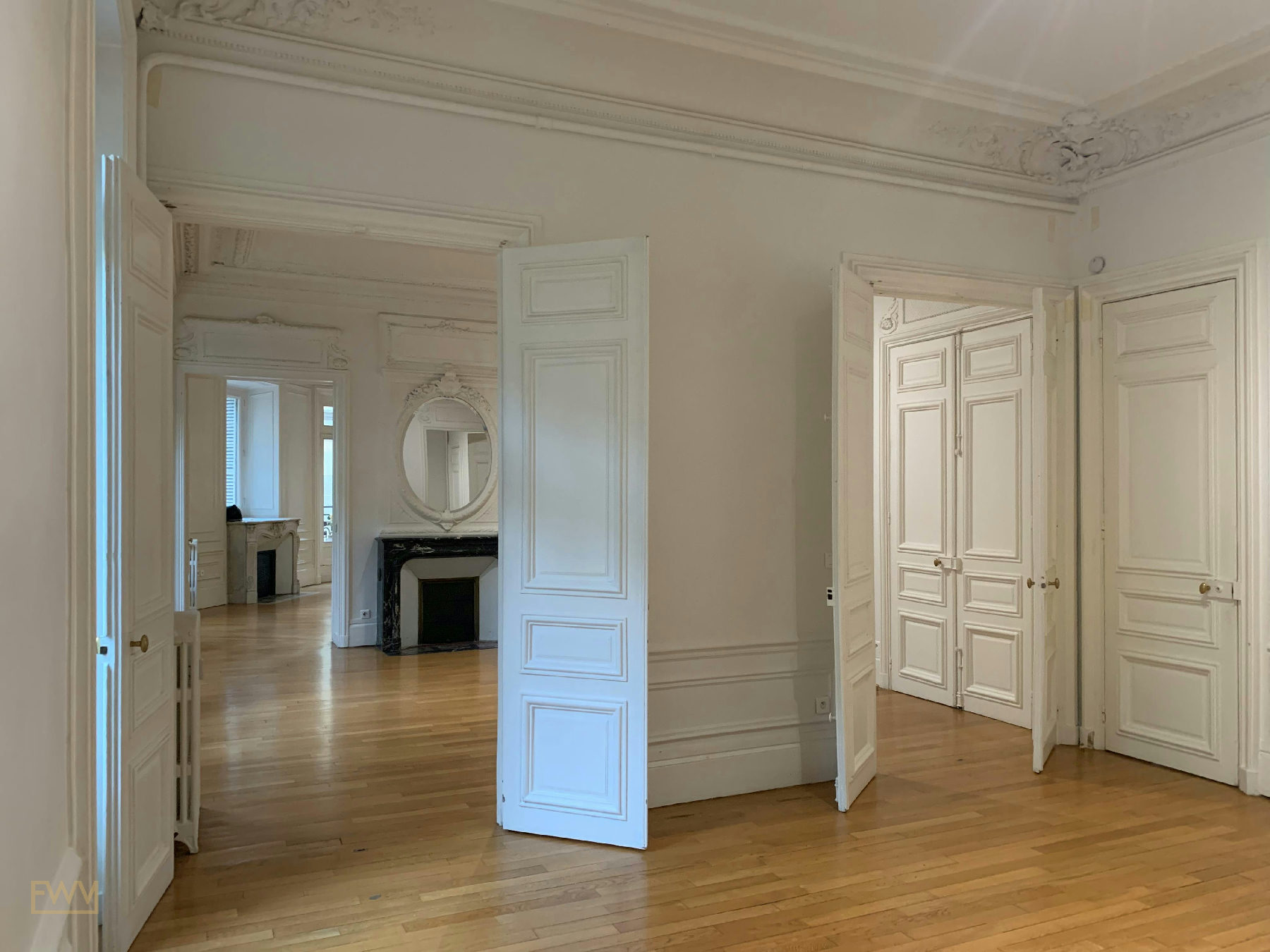
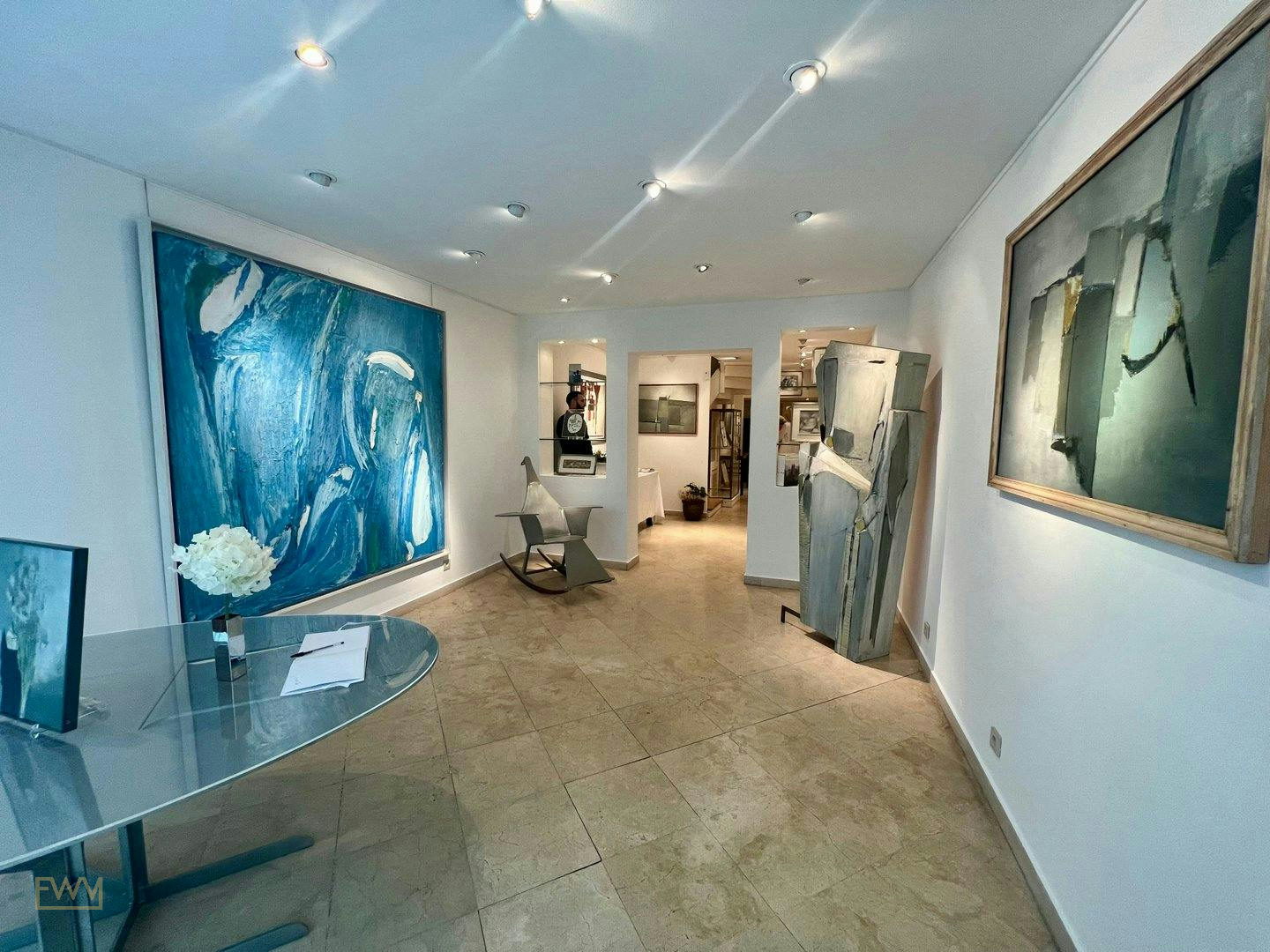
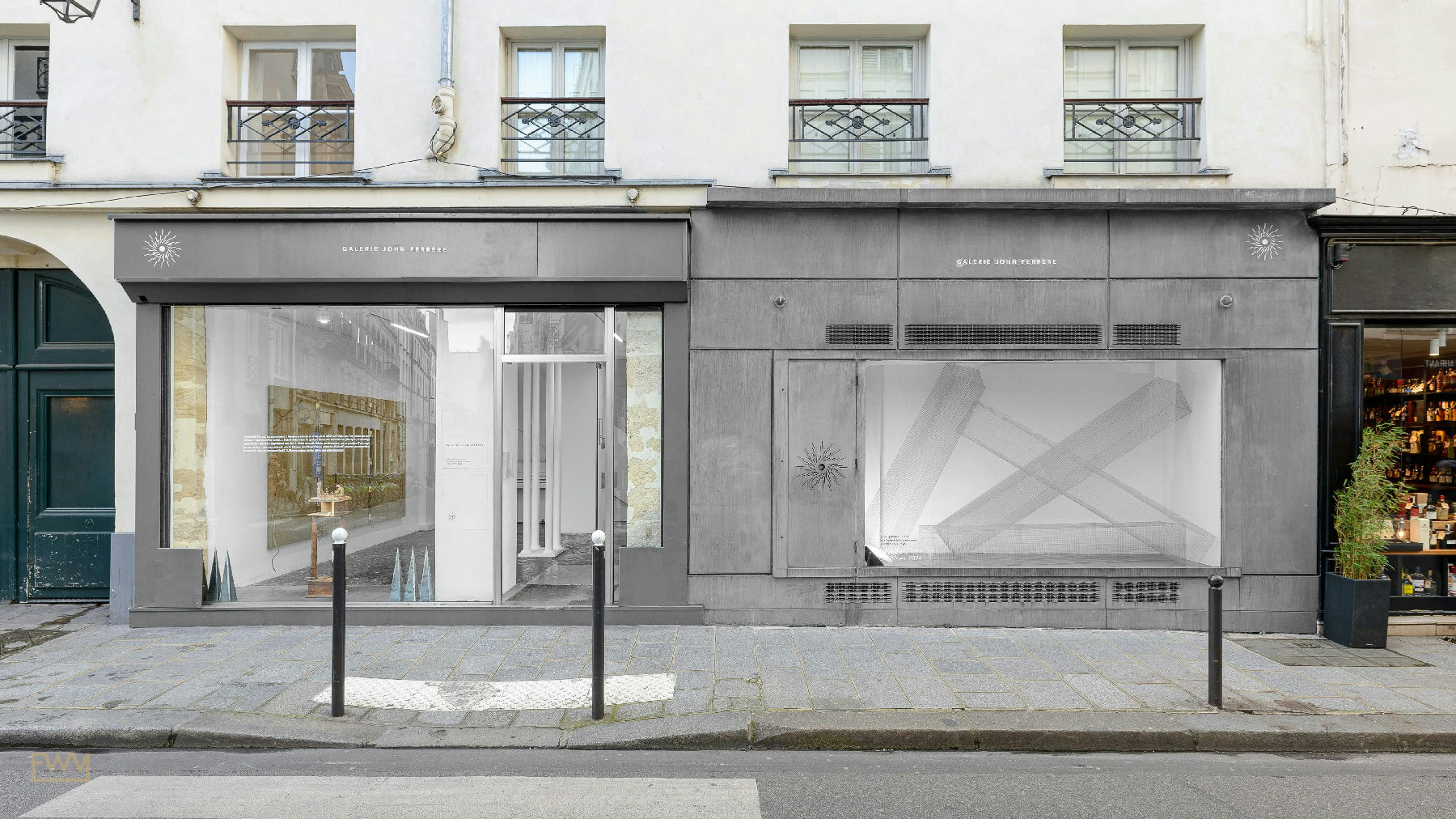
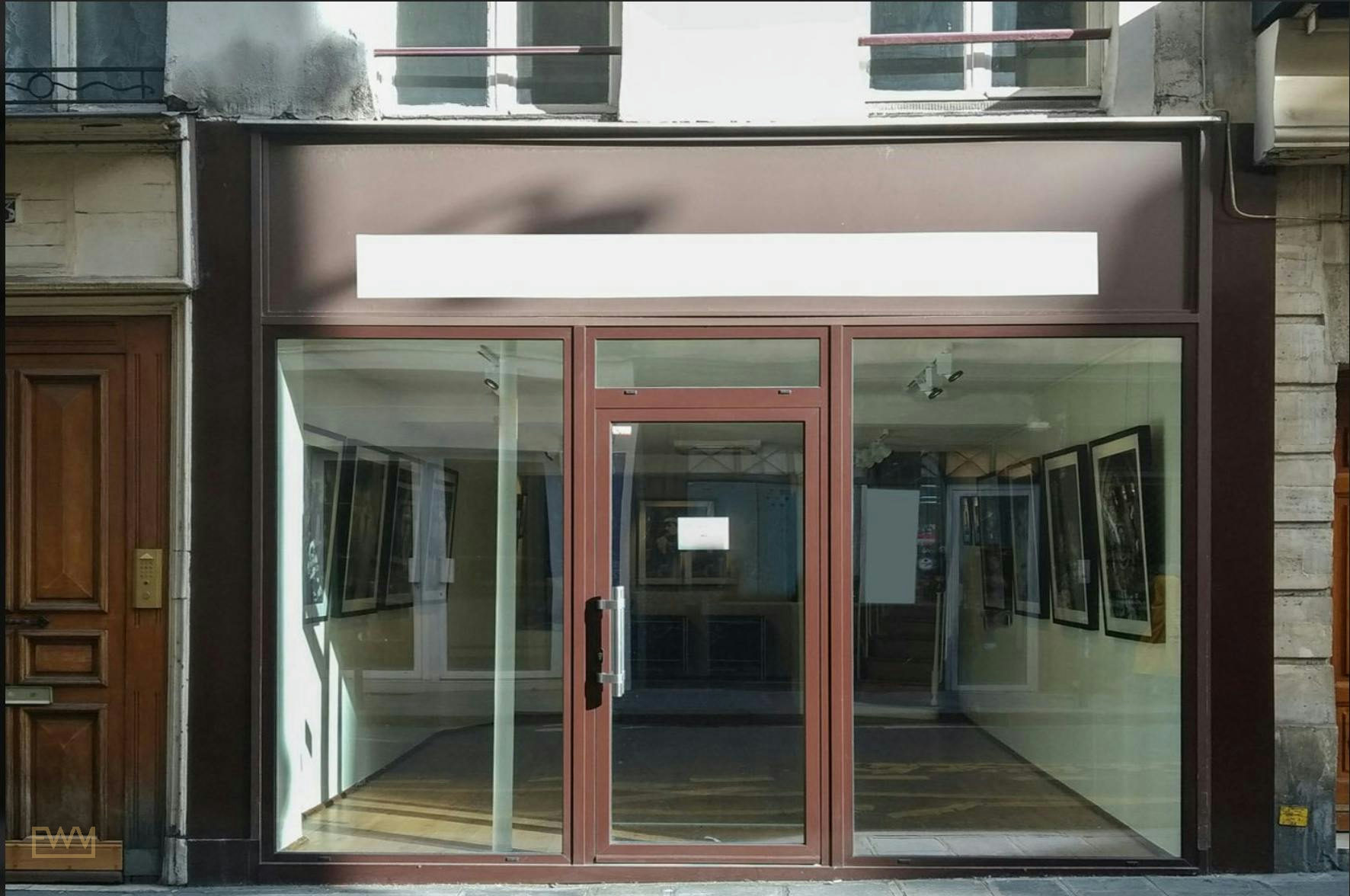
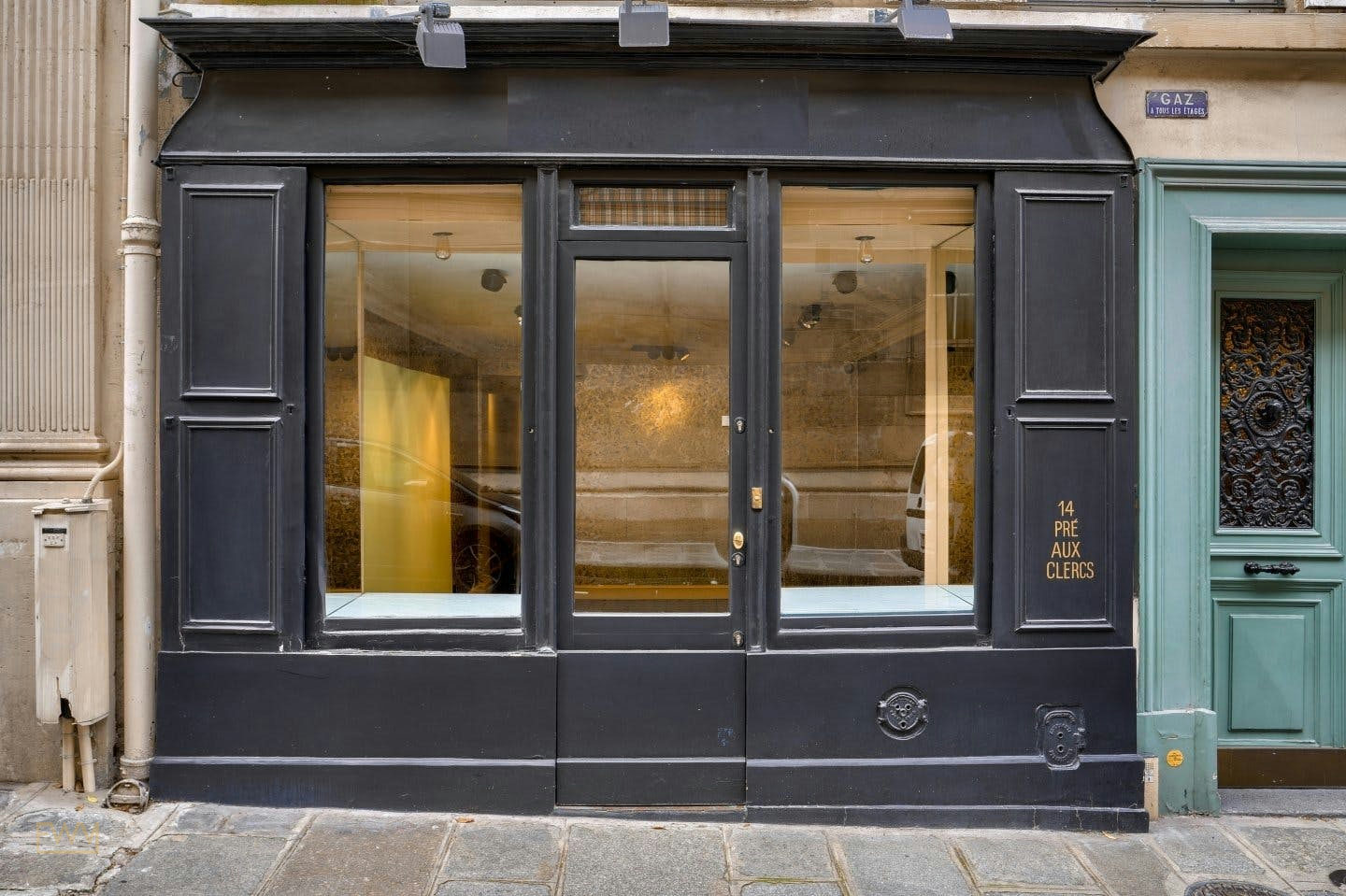
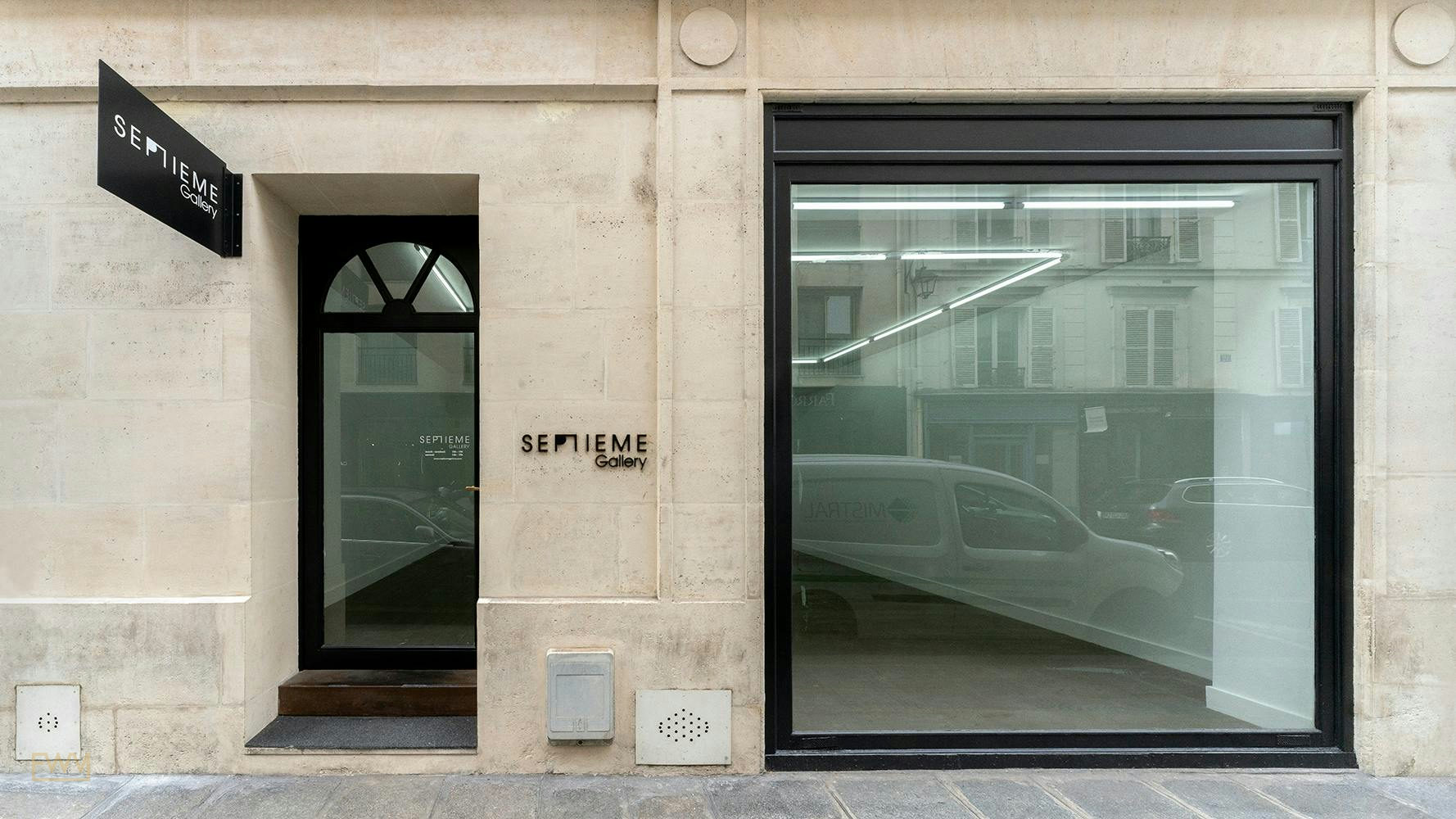
Finding the perfect venue for Fashion Week in Paris can make the difference between a memorable activation and a missed opportunity. Paris, with its iconic fashion heritage, offers a variety of venues that cater to different styles and needs. At the heart of this process is Fashion Week Venues, a full-service agency and space marketplace that streamlines the complex journey from concept to execution. Utilizing our comprehensive venue sourcing and activation management services can transform the daunting task into a seamless experience, ensuring that every brand maximizes its visibility and impact during this prestigious event.
The Importance of Venue Selection in Paris Fashion Week
Venue selection is a critical component of a successful showcase during Paris Fashion Week. The right venue not only sets the stage for a brand's aesthetic and message but also plays a crucial role in logistics, accessibility, and audience engagement. The choice can affect the perception of the brand, influence foot traffic, and determine logistical success.
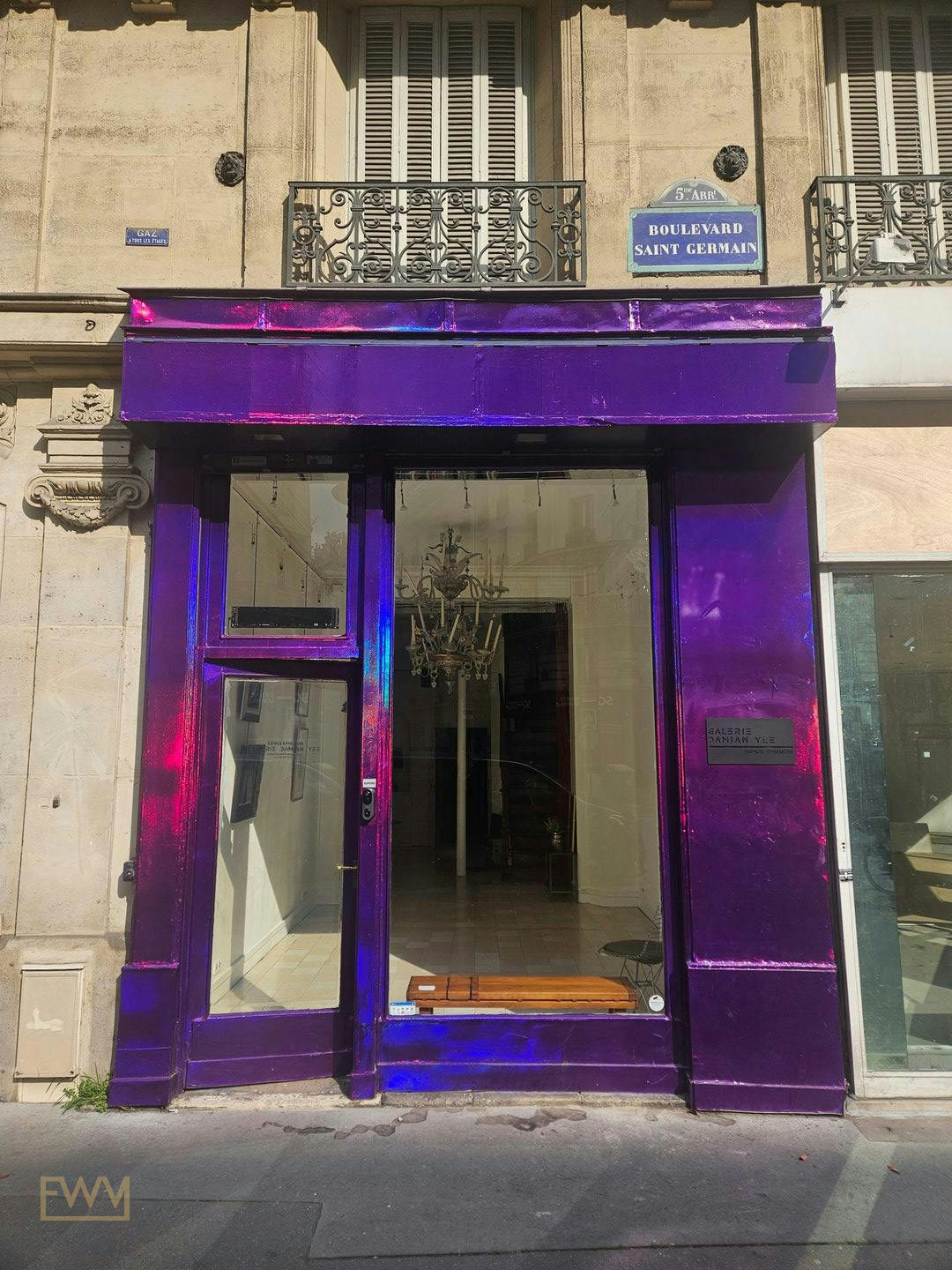
Selecting a venue begins by understanding the specific needs of the brand and the desired atmosphere. A grandiose space in Saint-Germain-des-Prés might suit luxury brands aiming for a high-end feel, while a more contemporary and edgy brand may find an ideal match in a post-industrial space in the Canal Saint-Martin area. Furthermore, logistical considerations such as accessibility, transport links, and capacity requirements are pivotal.
Quick answer: Choosing the right venue for Paris Fashion Week involves matching the venue's ambiance with the brand's personality, considering logistics like capacity and location, and ensuring compliance with local regulations.
The venue should also align with practical considerations—capacity for attendees, technical requirements for lighting, sound, and displays, and potential for customization to enhance brand storytelling. Additionally, understanding the legal and logistical requirements, such as permits and zoning laws, is essential to avoid last-minute disruptions.
| Venue Type | Best For | Examples | Considerations |
|---|---|---|---|
| Historical Landmark | Luxury Brands, Classic Collections | Palais de Tokyo, Opéra Garnier | Permit approval times, heritage regulations |
| Contemporary Gallery | Modern, Avant-garde Brands | Le Marais Art Spaces | Space customization, technical capabilities |
| Industrial Space | Edgy, Innovative Brands | Converted Warehouses in Canal Saint-Martin | Layout adaptability, transportation links |
KEY TAKEAWAY: A well-chosen venue aligns with the brand's image, facilitates logistics, and complies with local regulations, significantly impacting the success of the event.
Next, we'll explore the logistics and timeline considerations that are vital when planning a successful Fashion Week activation.
Logistics and Timeline Planning for Fashion Week Activations
Logistics and timelines are crucial for a seamless execution of Fashion Week events. Understanding the timeline of Paris Fashion Week is vital to ensure timely planning and coordination of all event elements. From venue selection to permits and promotional outreach, each stage requires careful synchronization to align with the larger fashion industry calendar.
Starting preparations at least 12 to 18 months in advance is recommended, allowing for adequate time to navigate permit processes, finalize designs, and coordinate marketing efforts. Each week in this timeline should have targets, like securing permits or finalizing media partnerships, which are crucial for a smooth execution.
IMPORTANT: Delays in any stage of preparation can have a domino effect, impacting everything from venue availability to marketing outreach schedules.
| Activity | Suggested Timeline Before Event | Key Considerations |
|---|---|---|
| Venue Selection | 12-18 months | Event theme, budget constraints |
| Permit Approvals | 8-12 months | Compliance with local laws, AOT requirements |
| Production and Build | 6-9 months | Design finalization, vendor selection |
| Marketing and PR | 4-6 months | Audience targeting, media partnerships |
The use of timeline tools, such as those offered by Fashion Week Venues, can assist brands in visualizing critical stages and deadlines. Accurately mapping out each phase helps prevent oversight and ensures each element is prepared on schedule.
DID YOU KNOW: A comprehensive timeline helps not only in planning but also in managing budget allocations and ensuring that all team members are aligned with the project milestones.
An understanding of logistical planning allows brand managers to mitigate risks, adjust for unforeseen challenges, and adapt to any changes efficiently. Ensuring flexibility without compromising on the quality of execution is a priority.
KEY TAKEAWAY: Effective logistical planning involves maintaining a detailed timeline, allowing enough lead time for all phases, and utilizing tools to track progress and align team members.
After planning logistics, understanding the role of permits and compliance obligations becomes essential in executing Fashion Week events in Paris.
Permits and Compliance for Fashion Week Venues
Securing the necessary permits is a critical step when hosting events during Paris Fashion Week. Each venue type and location can have unique requirements, making guidance from experts and local legal advisors indispensable. The two primary types of permits include the bail dérogatoire and the AOT (Autorisation d’Occupation Temporaire).
The bail dérogatoire is intended for short-term commercial use and requires detailed knowledge of French commercial property laws. Meanwhile, an AOT is often necessary for events located on public land. Both require adherence to specific legal frameworks and may have different compliance timelines.
Quick answer: Ensuring compliance with permit requirements for Paris Fashion Week involves navigating bail dérogatoire and AOT rules, each tailored to the nature of the short-term activation.
While permits like the bail dérogatoire focus on short-term lease flexibility, the AOT concerns temporary occupation rights, often involving more bureaucratic navigation, especially for public spaces. Understanding these distinctions and preparing the appropriate documentation will facilitate smoother operations and avoid costly legal complications.
Consulting with a French legal advisor is recommended to ensure all legal requirements are met. Furthermore, tools like Fashion Week Venues’ permits tool can guide brands through the process with personalized insights based on the chosen venue and intended event duration.
| Permit Type | Description | Application Period | Key Considerations |
|---|---|---|---|
| Bail Dérogatoire | Short-term lease option for commercial venues | 3-6 months | Legal advice recommended, varies by venue |
| AOT | Temporary occupancy for public spaces | 6-12 months | Multiple department approvals |
TIP: Initiating permit applications well in advance helps accommodate any unforeseen regulatory challenges.
KEY TAKEAWAY: Understanding and preparing for permit requirements, aided by expert advice and compliance tools, is essential for legally smooth event execution during Fashion Week.
Next, we'll delve into budget considerations and how to effectively use planning tools to balance creativity with cost management.
Budget Planning for Fashion Week Events
Budgeting for a Fashion Week event requires careful balance between creative aspirations and financial constraints. A clear financial plan enables brands to allocate resources efficiently, ensuring each element of the event can be executed to a high standard without financial strain.
Initial planning involves setting a realistic budget range by estimating potential costs across all event components: venue hire, design and production, marketing, permits, and staffing. Brands can use tools such as the budget calculator provided by Fashion Week Venues to create personalized cost estimates that reflect specific needs and circumstances.
Quick answer: Efficient budget planning involves utilizing calculators and tools to forecast costs realistically and aligning financial plans with brand goals for Paris Fashion Week events.
Budgets can vary widely depending on the scale and objectives of the event. For instance, historical venues may demand higher rental fees, while public spaces might incur additional permit costs. In addition, unexpected expenses such as last-minute logistical changes or increased promotional activities must be considered during the budgeting phase.
| Expense Category | Estimated Percentage of Total Budget | Variable Factors |
|---|---|---|
| Venue Rental | 20-30% | Location, duration, capacity |
| Production and Build | 25-35% | Complexity, custom design needs |
| Marketing and PR | 15-25% | Campaign scope, media reach |
| Staffing | 10-15% | Number of events, management needs |
The use of resourceful planning tools helps maintain a clear view of all expenses while allowing flexibility for creative adjustments. Keeping a percentage of the budget for contingency is a wise strategy to handle unforeseen bump costs.
TIP: Regular budget reviews and updates during the event planning process can prevent overspending and last-minute financial surprises.
KEY TAKEAWAY: Strategic budget planning, supported by tools for accurate forecasting and flexible resource allocation, underpins financial success in managing Fashion Week events.
Next, we'll explore effective marketing and PR strategies to amplify visibility during Fashion Week.
Marketing and PR Strategies for Maximum Impact
Executing a successful marketing and PR strategy during Fashion Week is crucial for amplifying brand visibility and engagement. Effective strategies encompass a blend of traditional and digital media outreach, influencer partnerships, and experiential marketing efforts.
Brands should begin by defining clear objectives for their marketing campaign—whether it's increasing brand awareness, launching a new product, or engaging with a specific demographic. Understanding the target audience informs the strategy and channels used, from social media platforms to exclusive press previews.
Quick answer: Implementing a mixed marketing and PR strategy, including digital outreach and experiential elements, significantly boosts brand exposure during Fashion Week.
Utilizing influential networks, such as partnerships with top industry bloggers and influencers, can extend reach and create buzz. Additionally, experiential marketing activities like pop-up events or interactive installations at the venue itself can create memorable brand experiences that resonate with audiences.
- Identify and partner with relevant influencers to expand reach.
- Develop a cohesive media plan, integrating social, print, and digital channels.
- Organize exclusive events or previews to attract media attention.
- Leverage data analytics to monitor engagement and adjust strategies in real-time.
Furthermore, Fashion Week Venues offers influencer marketing services that can connect brands with influential figures who align with their image and goals. This service helps facilitate meaningful connections that elevate the brand’s profile.
Incorporating these tactics ensures marketing efforts are well-rounded and aligned with both brand objectives and audience expectations. Continuous evaluation of ongoing campaigns helps in adjusting strategies to maximize impact.
DID YOU KNOW: Digital channels offer real-time feedback and analytics, making them invaluable for monitoring the success of marketing campaigns during Fashion Week events.
KEY TAKEAWAY: A strategic blend of influencer partnerships, tailored media plans, and experiential marketing increases engagement and visibility for brands during Fashion Week.
We will now discuss the distinct benefits of using Fashion Week Venues for your event planning and implementation needs.
How Fashion Week Venues Can Facilitate Your Event Success
Fashion Week Venues provides comprehensive solutions designed to streamline the complex process of planning and executing effective Fashion Week activations. Our offerings include a wide range of services from venue sourcing to activation management, ensuring every element is tailored to meet specific brand needs.
Our team specializes in understanding the unique challenges associated with short-term retail and event activations. By leveraging our venue sourcing services, brands can identify the perfect locations that resonate with their image and goals. Our activation management and production build services ensure that the events are executed seamlessly.
Fashion Week Venues also operates various tools that enhance efficiency and decision-making. Tools such as the ROI calculator and permits guide help in planning and maximizing returns, while our compare tool assists brands in evaluating potential venues effectively.
Quick answer: Fashion Week Venues offers full-service solutions, including sourcing, activation, and tools, to facilitate successful Fashion Week events tailored to brand-specific needs.
Brands benefit from our experience in project coordination and our ability to provide insights into the latest retail trends and consumer preferences. Whether launching a new collection or reinforcing market presence, our services equip brands with the tools and expertise necessary to succeed.
Fashion Week Venues operates with a commitment to excellence, recognizing the nuances of luxury market demands. With our guidance, brands can navigate the Paris Fashion Week landscape, capitalizing on opportunities to establish lasting connections with industry influencers and consumers.
KEY TAKEAWAY: Fashion Week Venues empowers brands with comprehensive services, expert guidance, and innovative tools, ensuring high-impact event activations during Fashion Week.
We will now correct some of the common myths associated with hosting events at Fashion Week.
Common Myths Debunked
MYTH: Only brands with a French legal entity can rent spaces in Paris for Fashion Week events.
FACT: While having a local legal entity can simplify the process, it is not a strict requirement. Brands can work with agencies like Fashion Week Venues, which provide guidance and support through the rental process, ensuring compliance with local laws without needing a French entity.
MYTH: Paris Fashion Week is the only meaningful window for launching a fashion event.
FACT: While Paris Fashion Week is a highlight, many other opportunities exist throughout the year. Choosing the right timing depends on the brand's strategy and market presence. Launches outside fashion week can even offer unique advantages such as reduced competition for audience attention.
MYTH: Commission brokers are the only option for securing event venues in Paris.
FACT: Commission brokers are one option, but not the only one. Fashion Week Venues provides a comprehensive marketplace and offers direct venue sourcing services, allowing brands to explore a wide range of venues without the traditional brokerage fees.
MYTH: Short-term leases in Paris are straightforward and require no specialist help.
FACT: Short-term leases can be complex, involving specific rules like bail dérogatoire and other compliance requirements. Engaging specialists like those at Fashion Week Venues ensures that all legal aspects are handled professionally, reducing the risk of compliance issues.
Frequently Asked Questions
What is the best location for a Fashion Week venue in Paris?
The best location for a Fashion Week venue depends on the brand's image and target audience. High-end luxury brands might prefer Saint-Germain-des-Prés or Rue Saint-Honoré, which offer a sophisticated ambiance. In contrast, edgy and innovative brands may find eclectic locations in Le Marais or Canal Saint-Martin more fitting.
How early should I start planning for a Fashion Week event?
It is advisable to begin planning 12 to 18 months in advance. This allows adequate time for finding the right venue, securing permits, finalizing production designs, and orchestrating marketing strategies, ensuring a smooth and successful event execution.
What are the main considerations when selecting a venue?
Key considerations include the venue's alignment with your brand's image, logistical feasibility (such as capacity and accessibility), technical requirements (like lighting and sound capabilities), and compliance with legal regulations such as permits and zoning laws.
Can I use public spaces for Fashion Week events?
Yes, public spaces can be utilized with the appropriate permits such as the AOT. However, events in public spaces often require meticulous planning due to various local authority approvals. Working with a firm like Fashion Week Venues can simplify this process.
How do I manage the budget for a Fashion Week event?
Managing a budget involves understanding all potential cost factors, including venue rental, production, marketing, and unforeseen expenses. Tools such as a budget calculator can assist in planning and maintaining financial control, ensuring allocations align with strategic objectives.
What kind of permits do I need for a Fashion Week event in Paris?
You typically need a bail dérogatoire for short-term rental venues and an AOT for occupying public spaces. Consulting with a French legal advisor is suggested to ensure full compliance. Fashion Week Venues also offers comprehensive permit guidance for brands.
How can I ensure my event stands out during Fashion Week?
To ensure your event stands out, integrate a strong marketing campaign with clear objectives, innovative experiential elements, and partnerships with influencers and media. Fashion Week Venues' influencer marketing services can enhance visibility and engagement effectively.
Are there any hidden costs associated with hosting a Fashion Week event?
Potential hidden costs can include last-minute changes to logistics, additional marketing needs, or unexpected permit fees. Thorough initial planning and maintaining a contingency fund within the budget can mitigate these risks.
What are the advantages of using Fashion Week Venues?
Fashion Week Venues offers a full suite of services tailored to each client's needs, including venue sourcing, creative direction, and bespoke activation management, complemented by innovative tools to streamline event planning and execution.
Is it better to host an event during or outside Fashion Week?
This decision depends on your brand strategy. Hosting during Fashion Week guarantees exposure to a concentrated audience, while hosting outside of it can help capture industry attention without the competition of other large events.
How can I promote my event effectively during Fashion Week?
Effective promotion involves a well-designed marketing strategy that includes digital and traditional media, influencer engagement, and experiential marketing. Fashion Week Venues provides influencer marketing services to facilitate impactful promotional efforts.
What tools does Fashion Week Venues offer to assist with event planning?
Fashion Week Venues offers various tools, including a budget calculator, ROI planner, space comparison tools, and permit guides, each designed to streamline planning and ensure successful event management.
Conclusion
Choosing and utilizing the right venue for Paris Fashion Week requires strategic planning and careful consideration of a myriad of factors, including location, logistics, and compliance issues. By leveraging the expertise and comprehensive service offerings of Fashion Week Venues, brands can navigate these complex requirements seamlessly. From venue sourcing to activation management, our tailored solutions are designed to maximize impact and execution efficiency. To move from research to activation, start exploring available spaces on the Fashion Week Venues marketplace and build a focused brief for your target neighbourhood, space type, and calendar window.