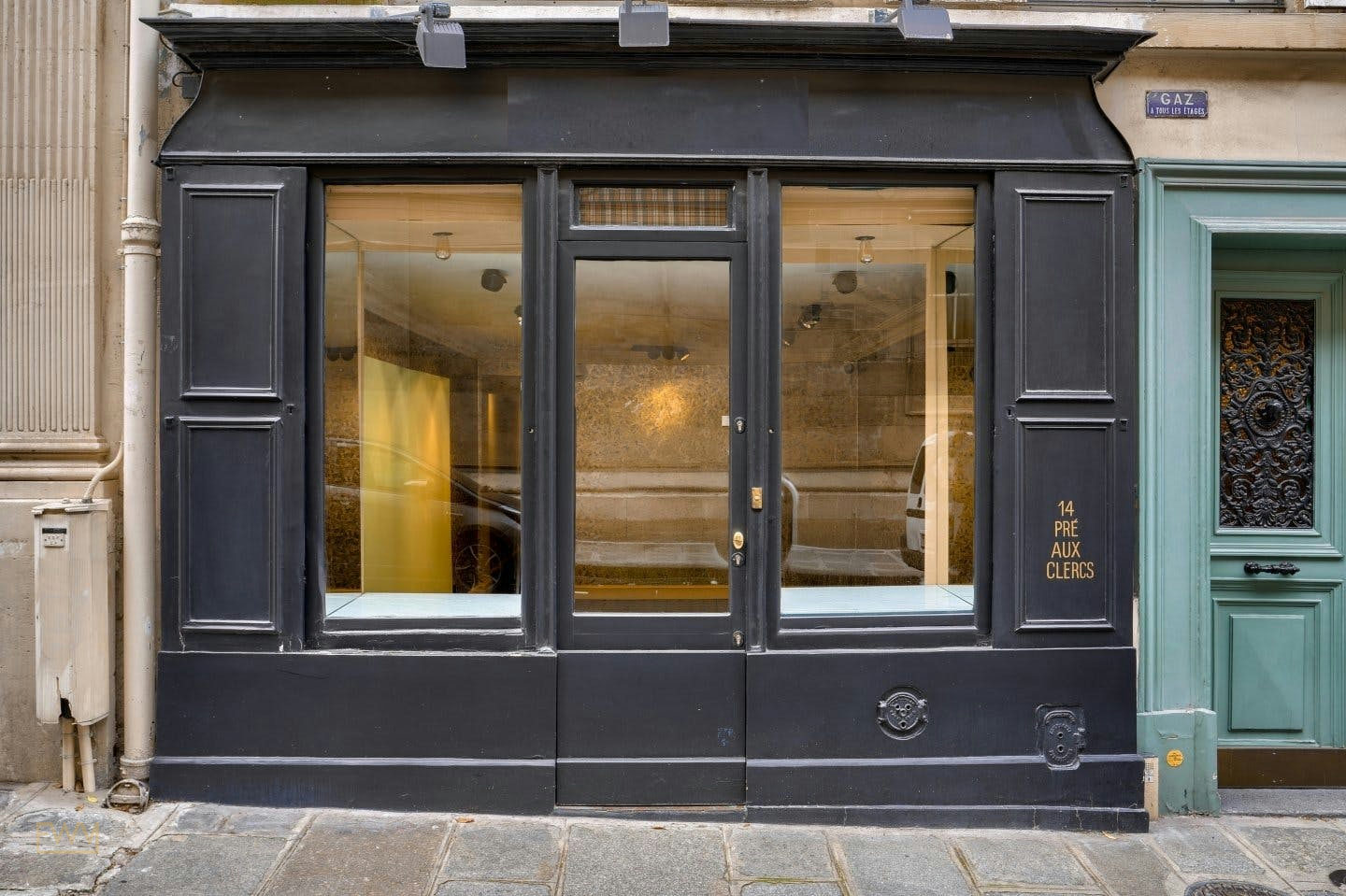
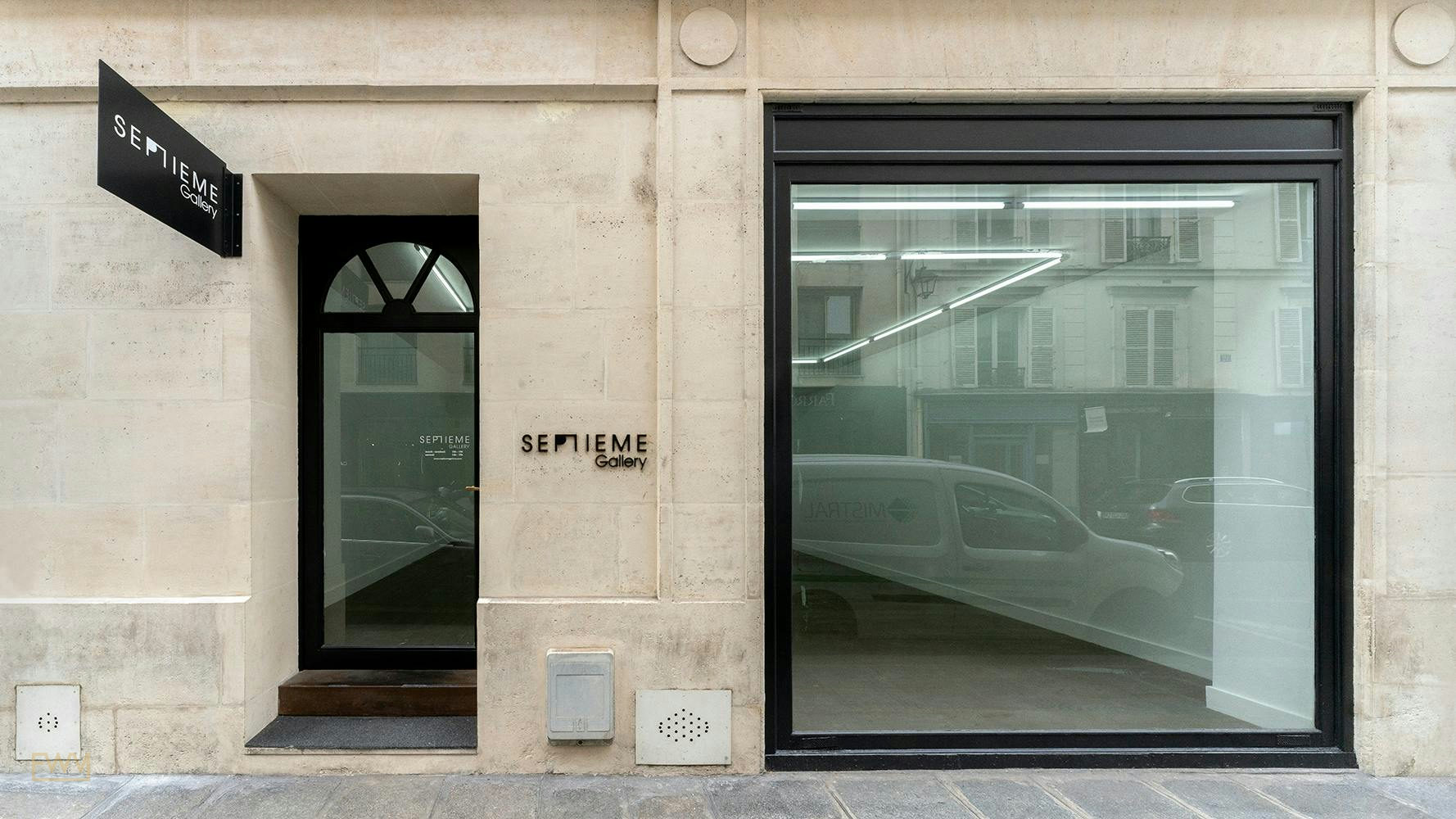
Boutique rental in the 6th arrondissement Paris is one of the most strategically valuable decisions a fashion brand, luxury label, or creative studio can make when planning a Paris activation. The 6th arrondissement, anchored by Saint-Germain-des-Prés and bordered by the River Seine, the Latin Quarter, and the Jardin du Luxembourg, offers a rare combination of cultural prestige, affluent foot traffic, and architectural character that few retail districts in the world can match. Whether you are seeking a short-term commercial space for a pop-up shop, a gallery-style showroom, or a flagship-adjacent activation during Paris Fashion Week, this guide covers everything your brand team needs to know about sourcing, budgeting, permitting, and activating a boutique space in Paris 6. Fashion Week Venues supports brands across the Paris market with end-to-end venue sourcing, production, and activation management.
Why the 6th Arrondissement Is a Premier Destination for Boutique Rentals
Quick answer: The 6th arrondissement, commonly called Paris 6 or Saint-Germain, sits on the Left Bank and combines world-renowned cultural landmarks with one of Paris's most affluent and internationally aware consumer bases, making it an exceptional location for luxury boutique rentals, pop-up shops, and brand showrooms seeking credibility and quality foot traffic.
Paris's 6th arrondissement is not simply a postcode. It is a cultural identifier that communicates sophistication, intellectual heritage, and taste to a global audience. The neighbourhood of Saint-Germain-des-Prés has been synonymous with Parisian elegance since the mid-twentieth century, home to institutions such as Café de Flore and Les Deux Magots, the historic Brasserie Lipp, and the famous literary and artistic cafés that shaped European creative culture. Today, that cultural capital translates directly into commercial value for brands activating in the area.
Boulevard Saint-Germain runs through the heart of the arrondissement, connecting the Seine to the west and the Latin Quarter to the east, passing through dense retail corridors lined with independent boutiques, concept stores, art galleries, and heritage fashion houses. The area attracts a specific type of consumer: educated, affluent, internationally mobile, and genuinely interested in provenance, craft, and cultural context. This is not the mass-market tourist traffic of the Champs-Élysées. It is a discerning clientele with high purchasing intent and strong social media presence.
To the south, the Jardin du Luxembourg and the Luxembourg Gardens provide a civic anchor that draws Parisians from across the city, increasing daily pedestrian flow through the arrondissement's streets, particularly along rue de Rennes, rue Saint-André-des-Arts, and the side streets connecting Boulevard Saint-Germain to the Odéon theatre and the Panthéon. These pedestrian-rich corridors are among the most coveted locations for temporary retail activations in the city.
The 6th is bordered by landmarks that extend its draw beyond its own boundaries. To the north, the Seine and Pont des Arts connect it to the Louvre and the Palais-Royal on the Right Bank. To the east, the Latin Quarter, the Sorbonne, and the historic rue de la Huchette create a zone of continuous cultural activity. To the northwest, the Samaritaine department store and its surroundings continue to attract a mix of luxury and contemporary shoppers. To the west, proximity to the 7th arrondissement and Les Invalides adds a layer of institutional gravity.
Internationally recognisable names have used this arrondissement to establish brand identity. Louis Vuitton, Ladurée, and numerous couture houses have maintained presences within or adjacent to the 6th, and the legacy of Karl Lagerfeld, whose former office and working spaces in Paris were closely associated with the Left Bank's creative culture, continues to influence how international brands perceive the neighbourhood.
DID YOU KNOW: The 6th arrondissement hosts l'École des Beaux-Arts, one of France's most prestigious fine arts institutions, which contributes to the arrondissement's dense concentration of commercial art galleries, Galerie d'art spaces, and design-forward retail environments.
KEY TAKEAWAY: The 6th arrondissement's combination of landmark density, affluent foot traffic, cultural prestige, and architectural stock makes it one of the highest-value locations in Paris for boutique rentals, pop-up shops, and showroom activations for brands seeking international credibility.
Understanding the specific sub-neighbourhoods and streets within Paris 6 is essential before committing to a space, because the character, pricing, and foot traffic profile can vary significantly between a space on Boulevard Saint-Germain and one tucked into a courtyard near rue de Rennes or close to the Lycée Montaigne and Lycée Fénelon.
Key Streets, Sub-Neighbourhoods, and Landmarks in Paris 6 for Commercial Space Planning
Quick answer: Within the 6th arrondissement, the most commercially active corridors for boutique and pop-up rentals include Boulevard Saint-Germain, rue de Rennes, rue Saint-André-des-Arts, and the streets surrounding the Odéon theatre, each offering different foot traffic profiles, space typologies, and neighbourhood associations.
Paris 6 is a compact but layered arrondissement. Its geography rewards brands that understand which specific streets and micro-locations align with their target customer and aesthetic positioning. Below is a breakdown of the key commercial zones within the arrondissement.
Boulevard Saint-Germain and the Saint-Germain-des-Prés Core
The northern section of the 6th arrondissement, centred on the Saint-Germain-des-Prés neighbourhood and its famous boulevard, is the most internationally recognised zone. Spaces here sit alongside heritage cafés, fashion boutiques, and art galleries. Café de Flore and Les Deux Magots are landmarks on this stretch, and a boutique rental in this corridor immediately benefits from the global recognition of the Saint-Germain brand. Floor-level street retail on Boulevard Saint-Germain typically attracts significant pedestrian volume and visibility, though available short-term commercial space can be limited and competitive.
Rue de Rennes and the Southern Retail Corridor
Running south from Saint-Germain-des-Prés toward Montparnasse, rue de Rennes is one of the most commercially dense streets in Paris and carries consistently high foot traffic from a mix of local residents, students from the nearby Sorbonne, and visitors. Spaces on rue de Rennes and its connecting side streets offer a broader range of formats including larger loft-style commercial spaces and ground-floor boutique units suitable for pop-up shops and brand activations with a wider audience remit.
The Odéon Quarter and Rue Saint-André-des-Arts
The area around the Odéon theatre, the historic rue Saint-André-des-Arts, and the connecting streets toward the Latin Quarter has a distinctly literary, gallery-focused character. Spaces here tend to be independent and architecturally interesting, often featuring period features such as stone walls, tiled flooring, and exposed steel pillars or beams, making them particularly well suited to gallery-style activations, art-focused brand experiences, and showroom concepts that benefit from an editorial aesthetic. This zone also connects naturally to the bookstores and theatres that define the cultural identity of Paris 6.
Luxembourg Gardens Perimeter and Rue de Médicis
The streets immediately bordering the Jardin du Luxembourg see a different type of foot traffic: families, students from the Lycée Fénelon and Lycée Montaigne, and local residents using the gardens for leisure. This zone is better suited to experiential pop-ups, brand discovery moments, and community-facing activations than to high-volume transactional retail. The Panthéon and the Fontaine des Quatre Saisons are nearby civic anchors that contribute to the neighbourhood's cultural gravitas.
Pont des Arts and the Seine Embankment Edge
The northern edge of the 6th, where it meets the River Seine at Pont des Arts, offers a different opportunity: proximity to the Louvre Museum, the Musée du Louvre, and the Palais-Royal on the opposite bank, combined with the romantic and photographed identity of the Pont des Arts itself. Short-term commercial spaces near this boundary can benefit from the crossover traffic between the Left Bank and the Right Bank's luxury and museum tourism ecosystem.
| Zone or Street | Foot Traffic Profile | Best Space Types | Neighbourhood Association |
|---|---|---|---|
| Boulevard Saint-Germain core | International tourists, affluent locals, fashion buyers | Street-level boutique, gallery, flagship-adjacent | Café de Flore, Les Deux Magots, Brasserie Lipp |
| Rue de Rennes | High-volume mixed local and visitor flow | Larger loft, pop-up shop, multi-brand space | Montparnasse connection, student traffic |
| Odéon and rue Saint-André-des-Arts | Gallery browsers, cultural visitors, creatives | Art gallery, showroom, editorial boutique | Odéon theatre, Latin Quarter border |
| Luxembourg perimeter | Families, students, local residents | Experiential pop-up, discovery space | Jardin du Luxembourg, Panthéon |
| Pont des Arts and Seine edge | Cross-bank tourists, luxury shoppers | Brand experience, concept showroom | River Seine, Louvre proximity |
KEY TAKEAWAY: Each sub-neighbourhood within Paris 6 has a distinct foot traffic profile and cultural association. Matching your space selection to your target customer and activation concept is as important as the square meterage and rental terms.
With a clear picture of the geography, the next step is understanding the different types of boutique and commercial spaces available within the arrondissement and which formats best serve different brand objectives.
Space Types Available for Boutique Rental in Paris 6th Arrondissement
Quick answer: The 6th arrondissement offers a range of commercial space formats for short-term rental including street-level boutique units, gallery spaces, showroom-style lofts, courtyard concept stores, and mixed-use venues, each suited to different brand activation types, audience profiles, and budget levels.
Understanding the space typology available in Paris 6 helps brand teams align their activation concept with the physical and commercial reality of the market. Short-term commercial space in the arrondissement is not homogeneous. The stock ranges from intimate 30-square-metre ground-floor boutiques on heritage streets to larger first-floor loft spaces with modern design elements, track lighting, and open-plan layouts suitable for showrooms or multi-brand events.
Street-Level Boutique Units
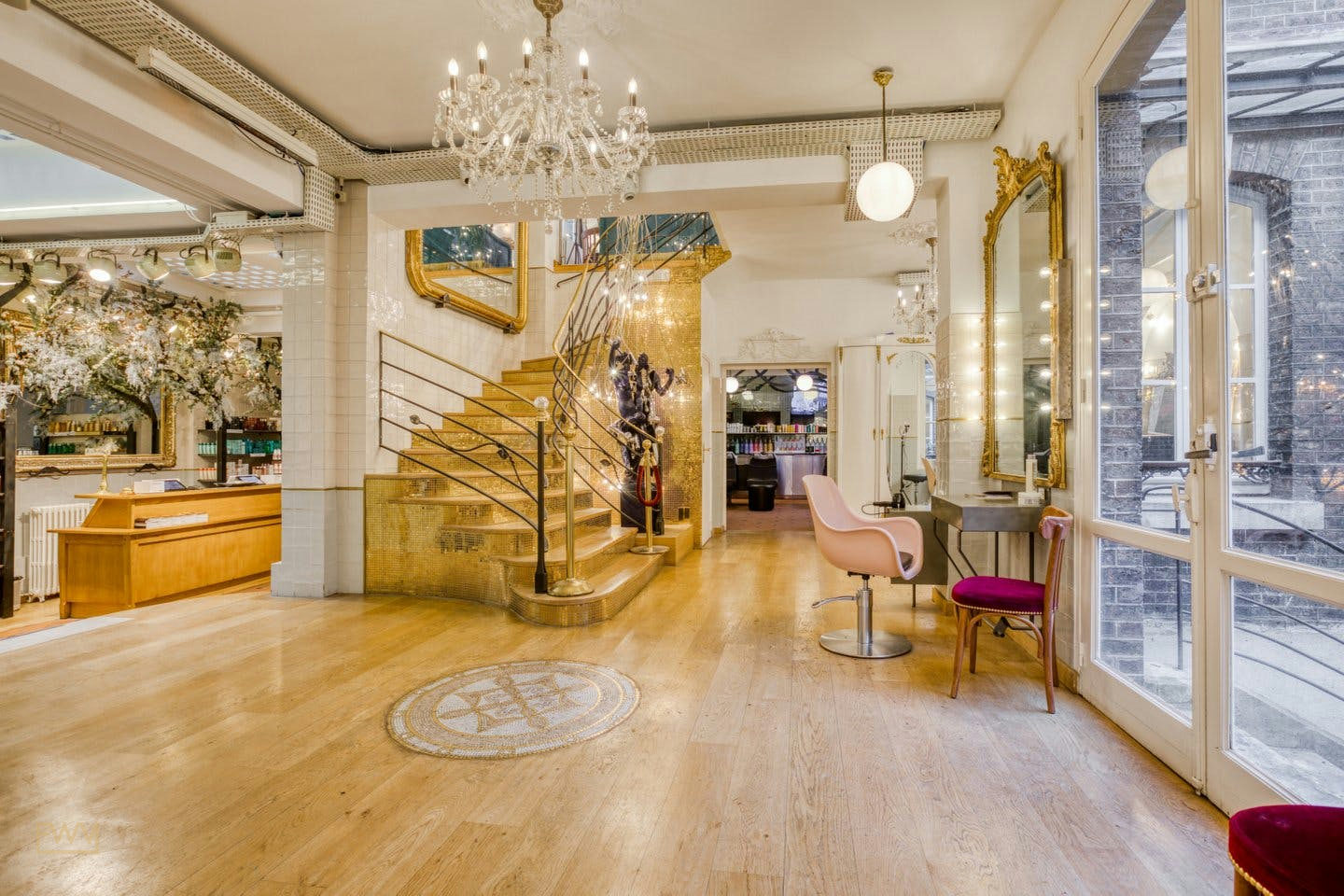
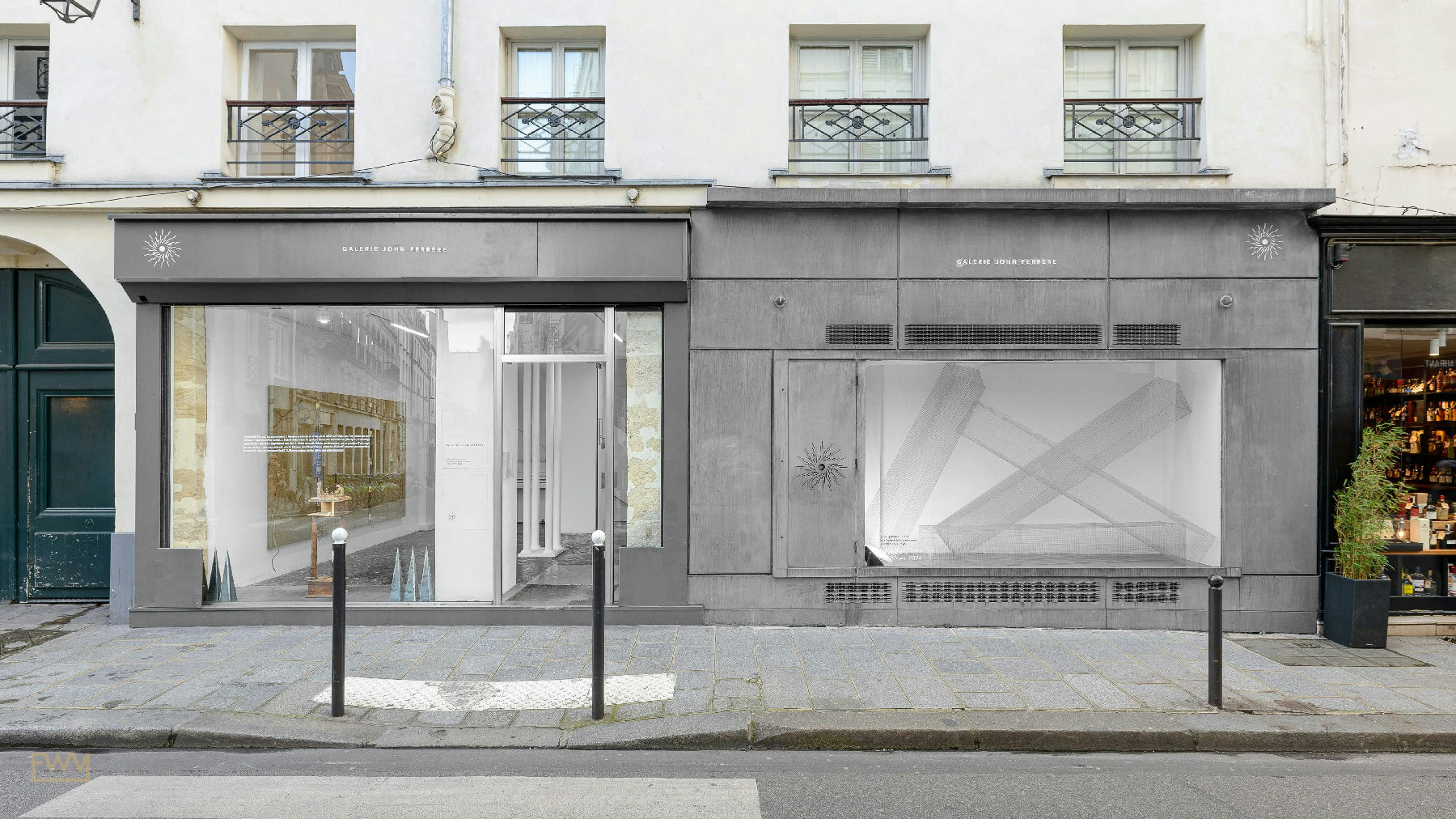
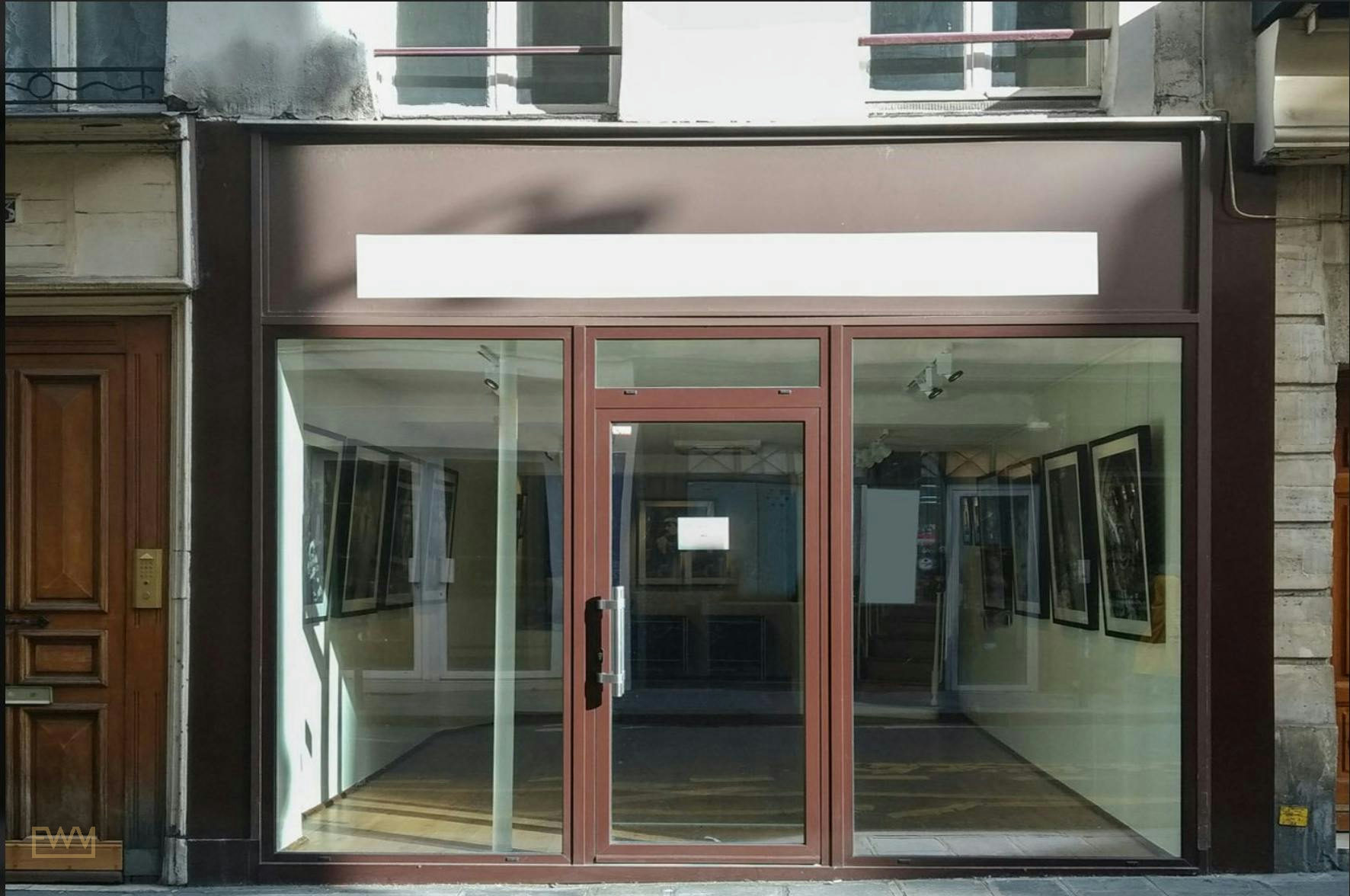
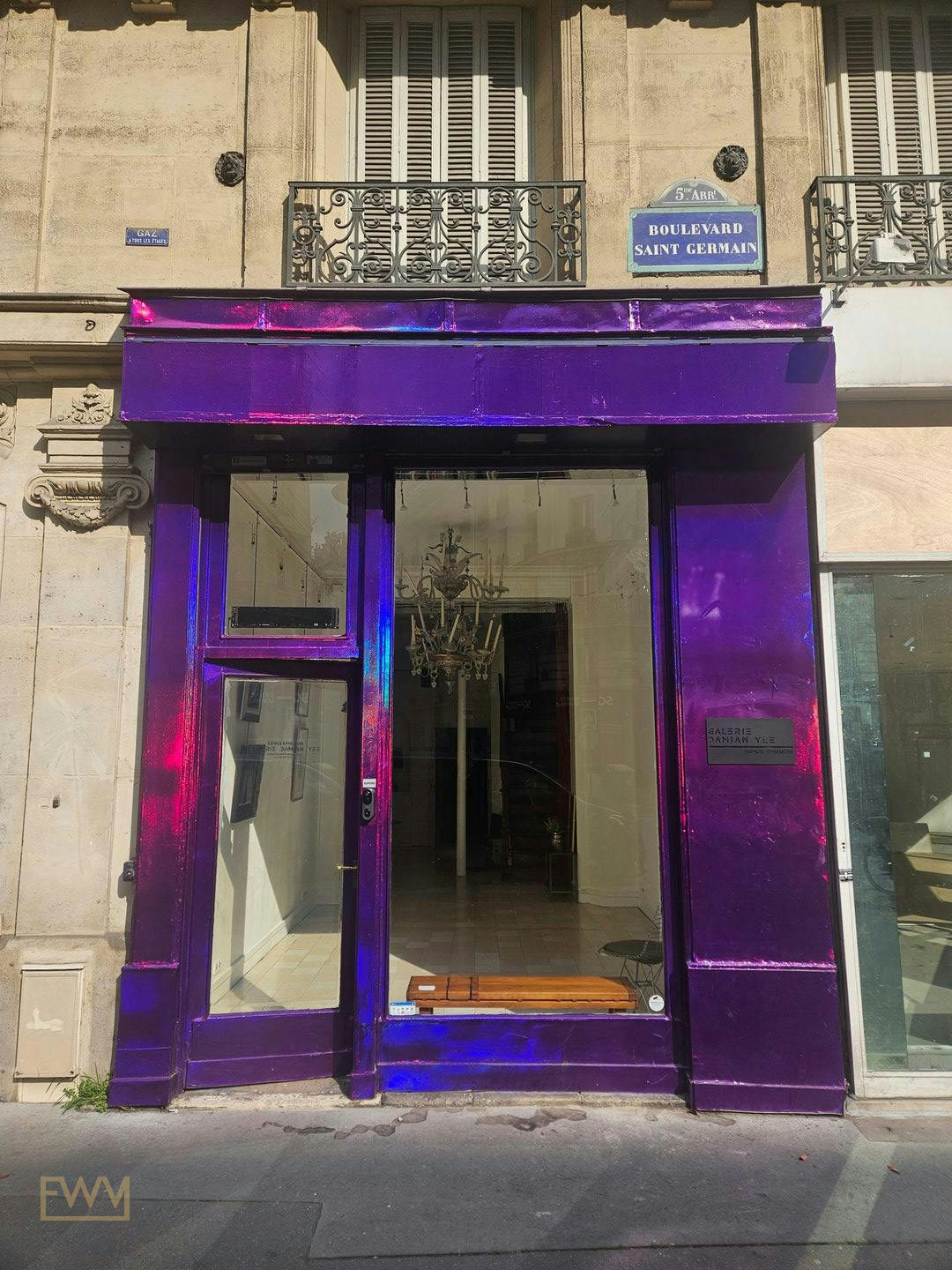
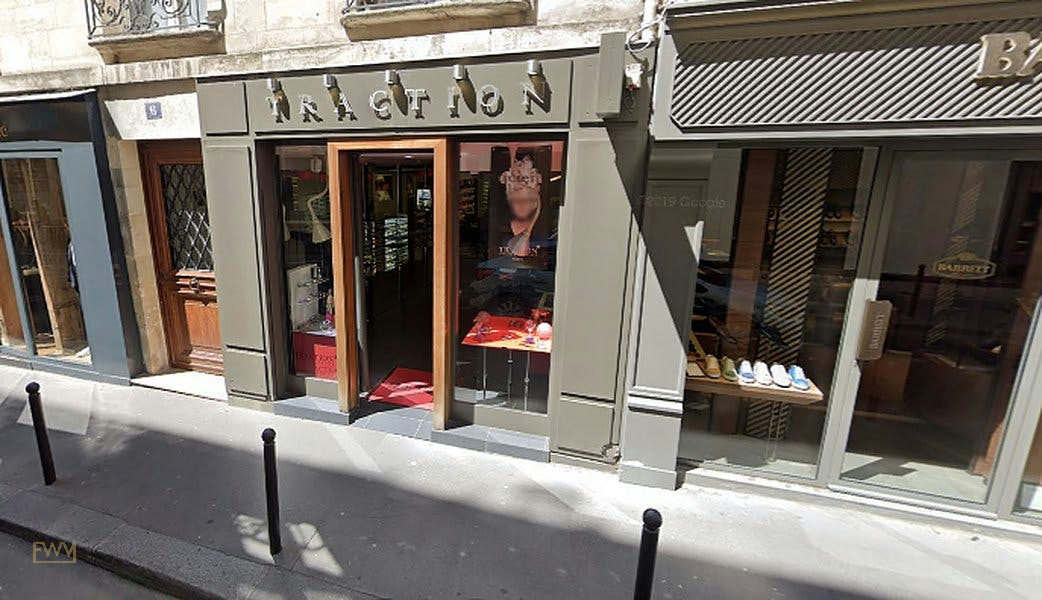
Classic boutique rental in the 6th arrondissement typically refers to a ground-floor, street-facing commercial unit, often with period architectural features including stone facades, display windows, and original tiled flooring. These spaces are highly visible and benefit immediately from pedestrian foot traffic. Many feature traditional French shopfront configurations with large glazed frontage that allows visual merchandising to be seen from the street. Space features such as lighting, floor finish, and ceiling height vary widely, and many require a brand to bring its own furniture and fixtures, which is where furniture rental services become relevant.
Gallery Spaces and Galerie d'Art Formats
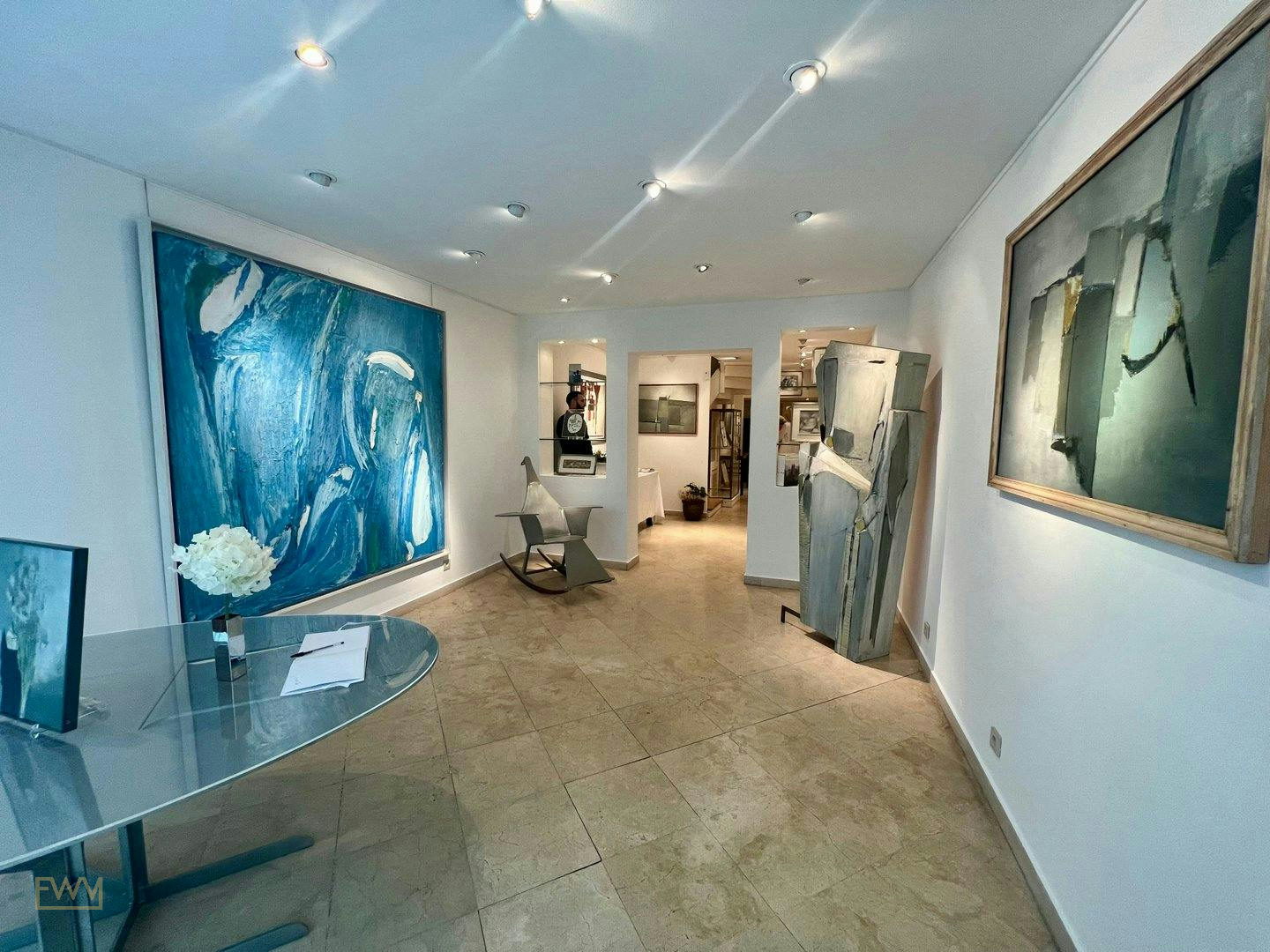
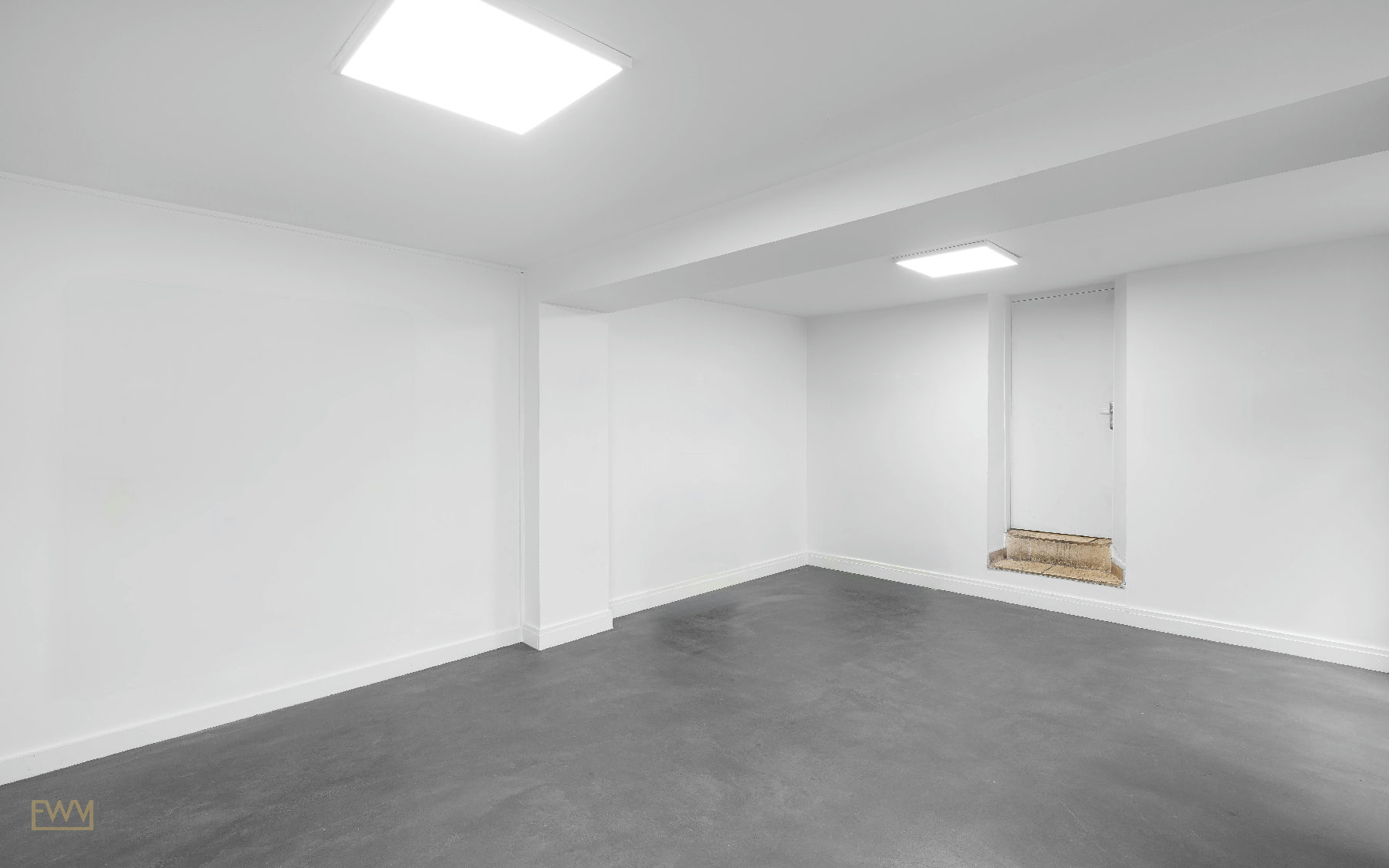
The 6th arrondissement has one of the highest concentrations of commercial art galleries in Paris. Many of these Galerie d'art spaces become available for short-term commercial rental between exhibitions, offering brands a distinctive editorial environment with gallery-standard lighting, white-wall or stone-wall finishes, and polished concrete or parquet flooring. These spaces are particularly effective for luxury brand activations, limited-edition product launches, and experiences that benefit from an art gallery association. The area around l'École des Beaux-Arts has a particularly strong concentration of these formats.
Showroom Spaces
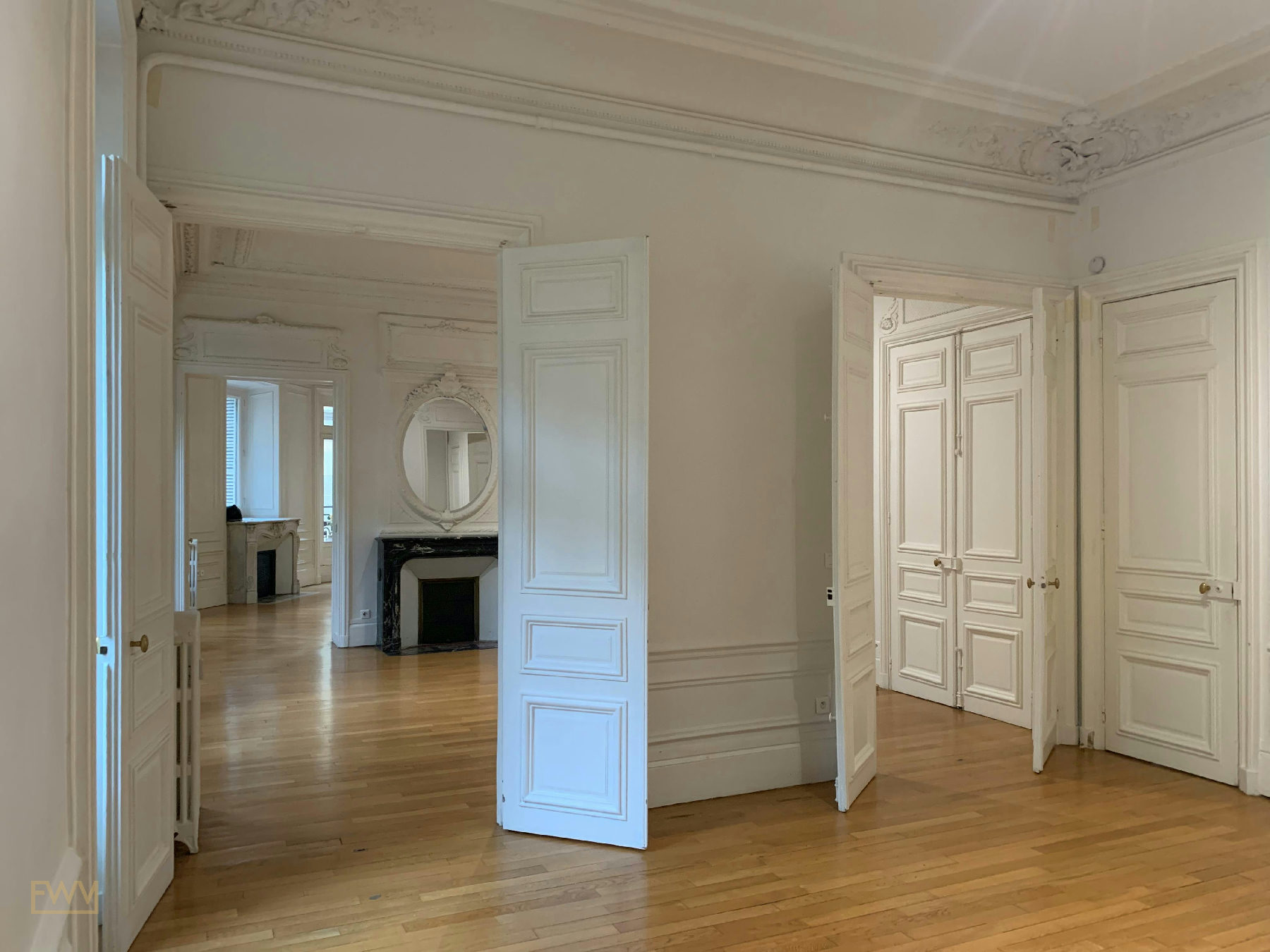
Showroom Space rentals in Paris 6 are typically found on upper floors or in the interior courtyard buildings common to Haussmann-era architecture. These spaces prioritise appointment-based interaction over walk-in foot traffic, making them ideal for wholesale presentations, press days, buyer appointments, and brand storytelling formats. A showroom in the Saint-Germain-des-Prés neighbourhood carries significant cultural weight for international buyers attending Paris Fashion Week or Paris trade weeks.
Loft and Open-Plan Spaces
Larger loft-style commercial spaces in Paris 6 offer flexible configurations for multi-purpose activations. These might include a mix of retail floor, event space, and hospitality zone within a single venue. Loft spaces with features such as exposed steel pillars, industrial track lighting, and open kitchen areas are particularly sought after by brands planning multi-day activations that combine retail, press events, and consumer experiences.
Charming Boutique and Concept Store Formats
A category specific to the 6th arrondissement is what the market refers to as the charming boutique, a smaller, more intimate commercial space that trades on atmosphere and curation rather than volume. These spaces often feature unique architectural details, distinctive lighting, and a sense of discovery that positions them as destination retail rather than passing trade. For brands with a loyal following, a strong editorial identity, and a desire to create a genuinely immersive experience, a charming boutique rental in Paris 6 can deliver extraordinary engagement relative to its size.
| Space Type | Typical Size Range | Key Features | Best Activation Type |
|---|---|---|---|
| Street-level boutique | 30 to 80 sqm | Display window, period facade, tiled flooring | Pop-up shop, product launch, direct retail |
| Gallery space | 50 to 150 sqm | Gallery lighting, white or stone walls, polished floor | Art-forward launch, luxury brand experience |
| Showroom space | 80 to 200 sqm | Upper floor, appointment access, neutral finish | Wholesale, press days, buyer appointments |
| Loft space | 100 to 300 sqm | Open plan, steel pillars, track lighting | Multi-day event, concept store, media activation |
| Charming boutique | 20 to 60 sqm | Distinctive character, intimate scale, unique design | Editorial retail, discovery experience |
KEY TAKEAWAY: Matching the space type to the activation concept is one of the most critical decisions in any Paris 6 boutique rental project. Gallery formats suit editorial and luxury brands; showrooms suit trade-facing activations; street-level boutiques suit direct consumer retail and pop-up shops.
To compare space types and shortlist options that match your specific brief, the space comparison tool on Fashion Week Venues allows brand teams to evaluate multiple spaces side by side across format, size, neighbourhood, and key features.
When to Activate: Calendar Windows for Boutique Rentals in Paris 6
Quick answer: Paris Fashion Week in late September and early October for women's ready-to-wear, and late February and early March for women's autumn-winter collections, are the highest-demand calendar windows for boutique rentals in the 6th arrondissement, but Paris also offers commercially strong windows in January, June, and around key luxury retail events throughout the year.
The Paris calendar creates predictable peaks and troughs in the short-term commercial space market. Brands that plan their boutique rental in Paris 6 with an understanding of the full calendar can often secure better spaces at more competitive rates by targeting secondary windows, or by booking during the peak fashion week periods far enough in advance to access the best available stock.
Paris Fashion Week: The Primary Window
The two main Paris Fashion Week seasons, September to October for spring-summer collections and February to March for autumn-winter, are the highest-demand periods in the entire short-term commercial space market. Demand for boutique rentals in the 6th arrondissement during these windows is intense, with international brands competing for the best street-level and gallery-format spaces from as early as four to six months in advance. The 6th arrondissement is particularly sought after during Fashion Week because its concentration of press, buyers, and international visitors is exceptionally high.
Paris Trade Weeks and Secondary Calendar Peaks
Outside the main Fashion Week calendar, Paris hosts a continuous programme of trade fairs, design events, and cultural moments that create secondary demand windows for boutique rentals. The Maison et Objet fair in January and September, Paris Design Week in September, and the various couture calendar events in January all create periods of elevated demand for short-term commercial space in prestige arrondissements. The 6th arrondissement benefits from all of these due to its proximity to the Seine, the Louvre Museum, and the broader luxury retail ecosystem.
Extended Brand Residencies and Off-Peak Opportunities
Not every activation needs to align with a trade or fashion calendar peak. Extended brand residencies of four to twelve weeks outside the main fashion calendar can offer exceptional value in Paris 6, allowing brands to establish a genuine neighbourhood presence and build relationships with local clientele. The charming boutique formats of the arrondissement are particularly well suited to this model, as they attract regular foot traffic from local residents year-round rather than relying solely on seasonal tourism or fashion industry visitors.
TIP: If your primary objective is reaching Paris-based consumers and local press rather than international fashion buyers, consider activating in May, June, or November in Paris 6. These months offer good foot traffic from affluent local residents, lower competition for prime spaces, and the ability to negotiate more favourable terms on boutique rental agreements.
KEY TAKEAWAY: Paris Fashion Week creates the highest demand for boutique rentals in the 6th arrondissement, but a full-year calendar approach reveals strong opportunities in secondary windows for brands whose primary audience is local consumers, design professionals, or media rather than fashion trade buyers.
Understanding the best calendar window for your activation connects directly to your budget and space availability. The activation timeline planning tool helps brand teams map their Paris project against the full Paris calendar and identify the most appropriate booking window.
Permits, Legal Structures, and Compliance for Short-Term Commercial Space in Paris 6
Quick answer: Short-term commercial space rentals in Paris, including boutique rentals in the 6th arrondissement, typically use either a bail dérogatoire, which is a derogatory commercial lease of up to 36 months, or an autorisation d'occupation temporaire (AOT) for even shorter activations, and neither route is legally straightforward without specialist support. Requirements vary by space type, duration, arrondissement, and specific property circumstances.
One of the most common sources of confusion and risk for international brands seeking boutique rentals in Paris 6 is the French commercial lease framework. Unlike the relatively flexible short-term leasing frameworks in London or New York, the French system has specific legal structures that govern temporary commercial occupation, and navigating them incorrectly can result in delays, additional costs, or legal exposure.
Bail Dérogatoire: The Derogatory Commercial Lease
The bail dérogatoire is the primary legal instrument used for short-term commercial rentals in France. It allows a commercial lease of up to 36 months without triggering the tenant protection rights associated with a standard French commercial lease, known as the bail commercial. For pop-up shops, temporary boutiques, and brand activations, the bail dérogatoire is the standard vehicle used by landlords and commercial agents to accommodate short-term occupations. However, drafting and executing a bail dérogatoire correctly requires legal knowledge of French commercial law, and the process involves specific formalities that must be observed for the lease to remain valid.
Autorisation d'Occupation Temporaire (AOT)
For very short activations, typically less than one month, some spaces operate under an autorisation d'occupation temporaire or AOT, which functions more like a licence than a lease and may carry different obligations around insurance, fit-out permissions, and use restrictions. The AOT route is common for gallery spaces between exhibitions, for courtyard or semi-public spaces, and for activations within larger commercial properties or managed retail environments. The terms and permissions attached to an AOT can vary significantly, and brands should verify the specific conditions of any AOT arrangement before signing.
Operational Permits and Compliance
Beyond the rental instrument itself, a boutique activation in Paris 6 may require additional operational permissions depending on the nature of the activation. Brands planning to host events with music, serve food or drinks, operate outdoor display structures, or conduct filming within or adjacent to their rented space should be aware that additional permissions from the Mairie de Paris or the arrondissement-specific administration may be required. Requirements vary by activation type and space location, and the process can take several weeks.
IMPORTANT: Fashion Week Venues strongly recommends that all brands seeking to execute a commercial lease or short-term rental in Paris verify their specific legal position with a qualified French legal advisor before signing any agreement. The information in this guide is directional and educational only and does not constitute legal advice.
For a practical starting point on understanding the permit and compliance landscape for your specific Paris activation, the permit guidance tool on Fashion Week Venues provides a structured overview of the permit considerations relevant to different space types and activation formats in Paris.
KEY TAKEAWAY: The bail dérogatoire and the AOT are the two primary legal instruments for short-term boutique rentals in Paris. Neither is administratively simple, and both require careful handling to protect the brand's position and ensure the activation can proceed without legal complications.
Budgeting for a Boutique Rental in the 6th Arrondissement Paris
Quick answer: Budgeting for a boutique rental in Paris 6 requires accounting for rental costs, fit-out and production, furniture and fixtures, staffing, insurance, permits, and operational costs, and the total investment can vary substantially depending on the space type, location within the arrondissement, duration, and activation complexity.
Brand teams approaching their first Paris boutique rental frequently underestimate the true total cost of a short-term commercial activation. The rent itself is only one component of a budget that needs to account for the full lifecycle of the project from space identification and legal contracting through to fit-out, operations, and reinstatement.
Rental Costs and What Drives Them
Rental costs for boutique spaces in the 6th arrondissement are among the highest in Paris, reflecting the arrondissement's prestige, foot traffic quality, and demand from international brands. Costs are influenced by the specific street and sub-neighbourhood, the space's size and format, the duration of the rental, and the period within the calendar year. Spaces on Boulevard Saint-Germain or in close proximity to landmark cafés such as Café de Flore or Les Deux Magots command premium rates. Gallery spaces with specialist finishes and infrastructure typically cost more than raw commercial units. Fashion Week activation windows carry a significant premium over off-peak periods.
IMPORTANT: Fashion Week Venues does not publish fixed pricing for individual spaces, as rates are highly variable and are confirmed at the time of enquiry based on current market conditions and space availability. Use the budget estimation tool to build a directional cost model for your specific Paris activation.
Fit-Out, Production, and Furniture
Beyond rental, the fit-out and production of a boutique space in Paris 6 represents a significant proportion of the total project budget. This includes branded store design, furniture rental, installation of POS and payment systems, lighting adjustments, signage, and any structural or decorative modifications permitted under the rental agreement. For a boutique or gallery space in Paris 6, the aesthetic expectations of the neighbourhood are high, and brands that invest in quality design and production see a measurable return in press coverage, social media engagement, and sales conversion.
Staffing and Operational Costs
A staffed boutique activation in Paris requires French-speaking sales and customer service staff who understand both the brand and the expectations of the arrondissement's clientele. Staffing costs include recruitment, training, payroll compliance under French labour law, and management supervision. For shorter activations of one to two weeks, many brands use specialist retail staffing agencies with experience in Paris Fashion Week and the luxury retail sector rather than direct employment.
Insurance, Permits, and Ancillary Costs
Insurance is a non-negotiable requirement for any commercial rental in Paris. Most landlords require proof of public liability and commercial property insurance as a condition of the rental agreement. Additional ancillary costs may include waste management, security, internet connectivity and Wi-Fi infrastructure, air conditioning servicing, and the reinstatement of the space to its original condition at the end of the rental period.
KEY TAKEAWAY: A realistic budget for a boutique rental in Paris 6 during a major calendar window needs to account for all cost categories, not just rent. Brands that budget holistically from the outset avoid the financial surprises that frequently affect underprepared activations in premium Paris locations.
How Fashion Week Venues Supports Boutique Rental in Paris 6
Quick answer: Fashion Week Venues operates as a full-service pop-up agency and space marketplace for brands seeking boutique rentals, showrooms, gallery spaces, and commercial activations in Paris and other major fashion capitals, offering end-to-end support from space sourcing through to production, staffing, and post-activation analytics.
For brand teams approaching a boutique rental in the 6th arrondissement Paris for the first time, or for established brands that want a more efficient and less operationally demanding approach to their Paris activation, Fashion Week Venues provides a structured and experienced alternative to navigating the Paris commercial space market independently.
Venue Sourcing and Space Identification
The starting point for most activations is finding the right space. Fashion Week Venues offers a dedicated venue sourcing service that draws on an established network of landlords, property managers, and space owners in Paris 6 and across the city's major activation neighbourhoods. Rather than relying on commission-based brokers or generic property portals, Fashion Week Venues works directly with the brief provided by the brand team to identify spaces that match the location, size, format, calendar window, and budget requirements.
Concept Direction and Branded Store Design
For brands that want to move beyond a standard boutique rental and create a genuinely distinctive experience in Paris 6, Fashion Week Venues offers concept direction and branded store design services that translate the brand's creative identity into a physical space. The design approach takes into account the specific architectural character of the 6th arrondissement, whether that is the stone-and-parquet heritage of a Saint-Germain boutique, the gallery-white minimalism of a Galerie d'art space, or the open-plan industrial character of a loft space near rue de Rennes.
Production, Build, and Furniture Rental
The physical transformation of a rented space into a branded boutique is managed through the production and build service, which coordinates all installation, fit-out, and de-installation work within the constraints of the rental agreement. Furniture rental is available as a standalone or bundled service, allowing brands to furnish a space with high-quality fixtures and fittings without the cost and logistics of purchasing and transporting furniture for a temporary activation.
Activation Management, Staffing, and POS
On-the-ground management of the activation, including retail staffing, POS and payment systems, customer service protocols, and day-to-day operational oversight, is handled through the activation management service. For international brands activating in Paris without a local team, this end-to-end operational support is particularly valuable, as it ensures the activation runs professionally and in alignment with both the brand's standards and the expectations of the 6th arrondissement's clientele.
Data, Analytics, and ROI Measurement
Understanding the commercial and brand impact of a boutique activation in Paris 6 requires structured data collection and analysis. Fashion Week Venues provides data and analytics services that capture footfall, sales conversion, average transaction value, and customer demographic data during the activation, allowing brands to measure ROI and inform future Paris investment decisions. The ROI calculator tool is available for brands that want to model the potential return on their Paris activation before committing to a space and budget.
Tools, Marketplace, and Process
For brands in the research phase, Fashion Week Venues offers a suite of planning tools including a budget calculator, a timeline planner, a permit guidance tool, a space locator, and a space comparison tool. The space marketplace allows brands to browse available spaces across Paris by neighbourhood, format, and size. The process page explains how Fashion Week Venues works with brand clients from initial brief through to post-activation reporting.
KEY TAKEAWAY: Fashion Week Venues provides brand teams with a single point of coordination for the full range of services required to execute a successful boutique rental and activation in Paris 6, from space identification through to operational management and performance measurement. No results are guaranteed, but the integrated approach reduces the risk, time, and complexity typically associated with independent navigation of the Paris commercial space market.
To explore the full scope of support available for your Paris activation, visit the Fashion Week Venues process page to understand the end-to-end workflow and how the agency engages with brand clients at each stage.
The Twin Concept and Co-Activation Opportunities in Paris 6
Quick answer: For brands seeking to share the cost and amplify the reach of a boutique rental in Paris 6, Fashion Week Venues operates a twin co-activation concept that allows two complementary brands to share a single space, split costs, and reach a combined audience during a shared activation window.
The cost of a boutique rental in the 6th arrondissement Paris during a major calendar window represents a significant investment for most brands, particularly for emerging labels, independent designers, or international brands activating in Paris for the first time. The twin co-activation model addresses this challenge by pairing two brands within a single space in a way that is editorially coherent, operationally managed, and commercially structured.
A twin activation in a Saint-Germain-des-Prés boutique might pair a fashion label with a fragrance or accessories brand, a jewellery designer with an art photography project, or two independent international brands with complementary aesthetic identities and overlapping target audiences. The key requirement is that the pairing makes cultural and commercial sense to the clientele of the 6th arrondissement, whose tastes are sophisticated enough to immediately recognise incongruent brand combinations.
The twin model reduces the per-brand cost of the activation, expands the combined social and press reach of both participants, and creates a more layered visitor experience than a single-brand boutique. For brands planning activations during Paris Fashion Week, a twin concept can also extend the activation window or justify a larger or more prominently located space than either brand could finance independently.
TIP: The twin co-activation model works best when both brands have a clearly defined and complementary identity. Brands considering a co-activation should discuss the concept with the Fashion Week Venues team early in the planning process to ensure the right pairing and space configuration. Explore the twin co-activation concept page for more details.
KEY TAKEAWAY: Co-activation through the twin concept is a practical and commercially intelligent way to access premium boutique rental space in the 6th arrondissement Paris without bearing the full cost of a solo activation, provided the brand pairing is editorially coherent and operationally well planned.
Accommodation Context: What Brands Need to Know About Apartment and Property Rental in Paris 6
Quick answer: Brand teams and visiting executives planning a Paris activation frequently need to secure furnished apartment rentals in the 6th arrondissement alongside their commercial space, and the Saint-Germain-des-Prés neighbourhood offers an exceptional range of high-quality furnished apartments, vacation rentals, and serviced residences for short-term stays.
A boutique rental project in Paris 6 typically involves a visiting team of brand managers, creative directors, production staff, and retail team members who all need accommodation. The 6th arrondissement is one of Paris's most desirable residential areas, and its short-term rental market reflects that, offering everything from intimate studio alcove apartments to spacious multi-bedroom apartments with full kitchen facilities, air conditioning, Wi-Fi, elevator access, and household linen included.
Furnished Apartment Rentals for Brand Teams
Furnished apartment rentals in Saint-Germain-des-Prés are available through multiple channels including specialist services like Paris Attitude, as well as Airbnb and various curated luxury vacation rental platforms. Properties to rent in the arrondissement range from single-bedroom apartments on quiet side streets to large multi-bedroom apartments with views over the Luxembourg Gardens or the River Seine. For brand teams requiring extended business trip accommodation, many properties offer all-inclusive packages with Internet access, household linen, concierge services, and air conditioning as standard features.
Key Accommodation Features to Consider
When selecting accommodation for a brand activation team in the 6th arrondissement, the most practically important features are proximity to the rented commercial space, reliable Wi-Fi for remote working and content uploading, lift or elevator access for teams carrying equipment, air conditioning during summer activations, and a fully equipped kitchen to avoid the cost and time of eating out for every meal during an intensive activation week. Family-friendly vacation rentals and pet-friendly vacation rentals are also available within the arrondissement for teams with specific requirements.
The best practice for brand teams is to secure accommodation at the same time as the commercial space, particularly during Paris Fashion Week when the arrondissement's accommodation stock is under comparable pressure to its commercial space stock. Waiting until the commercial space is confirmed before beginning accommodation search can result in teams staying in less convenient locations further from their activation site.
DID YOU KNOW: The 6th arrondissement has a notably high concentration of family-friendly vacation rentals and longer-term furnished property to rent compared to the more transient tourism-facing arrondissements, because it is a genuinely residential neighbourhood where Parisian families and working professionals live year-round alongside the commercial and cultural activity.
KEY TAKEAWAY: Securing furnished apartment rentals in the 6th arrondissement for the activation team alongside the commercial space is an important logistical step that is best handled in parallel with the space search, particularly during high-demand calendar windows.
Common Myths About Boutique Rental in Paris 6th Arrondissement Debunked
MYTH: You need a French legal entity to rent a boutique space in the 6th arrondissement Paris.
FACT: International brands without a French registered entity can and do rent commercial spaces in Paris 6 through properly structured short-term lease instruments such as the bail dérogatoire or AOT. The process requires careful legal structuring and often benefits from local intermediary support, but the absence of a French company registration is not an automatic barrier to securing a short-term commercial space. Requirements vary by landlord and space type, and specialist advice from a French legal advisor is strongly recommended.
MYTH: Paris Fashion Week in February and September are the only viable windows for a boutique rental in Paris 6.
FACT: While Paris Fashion Week generates the highest demand for short-term commercial space in the 6th arrondissement, Paris operates a year-round calendar of trade fairs, cultural events, and luxury retail moments that create commercially viable activation windows across every season. Brands targeting local Parisian consumers, design professionals, or media often find that off-peak periods deliver better cost-to-impact ratios than the intensely competitive Fashion Week windows.
MYTH: Commission brokers are the only way to find a boutique rental space in the 6th arrondissement.
FACT: Commission-based brokers are one channel among several for identifying short-term commercial space in Paris 6, but they are neither the only option nor always the most efficient one. Specialist pop-up agencies, direct landlord relationships, curated space marketplaces, and full-service activation agencies all provide access to boutique rental inventory in the arrondissement, often with more transparency around pricing, terms, and space suitability than a traditional commission broker arrangement.
MYTH: Short-term leases in Paris are legally straightforward and can be handled without specialist support.
FACT: French commercial lease law is among the more complex in Europe. The bail dérogatoire has specific formalities that must be observed for it to remain legally valid and not convert into a full-length bail commercial. The AOT carries its own set of conditions and restrictions. International brands that attempt to execute short-term commercial leases in Paris 6 without qualified French legal or specialist agency support regularly encounter delays, additional costs, and legal complications. Specialist support is a practical necessity, not a luxury.
MYTH: A boutique rental in the 6th arrondissement is only suitable for established luxury brands.
FACT: While the 6th arrondissement is associated with luxury and prestige, it also has a strong tradition of independent designers, emerging labels, and creative concept stores, particularly in the streets around the Odéon theatre, rue Saint-André-des-Arts, and the areas bordering the Latin Quarter. Brands at various stages of their development have successfully activated in Paris 6 by choosing space types and sub-neighbourhoods that align with their scale, budget, and audience, rather than defaulting to the most expensive Boulevard Saint-Germain locations.
Frequently Asked Questions About Boutique Rental in the 6th Arrondissement Paris
Why should a brand rent a temporary boutique space in the 6th arrondissement Paris?
The 6th arrondissement offers an exceptional combination of cultural prestige, affluent foot traffic, and architectural character that few commercial districts in the world can match. Saint-Germain-des-Prés is internationally recognised as a centre of Parisian taste and creativity, and a boutique activation in this neighbourhood immediately communicates brand quality to both local and international audiences. The arrondissement's mix of independent retail, art galleries, and heritage landmarks creates a retail ecosystem that rewards brands investing in experience, curation, and storytelling over pure transactional volume. For brands targeting press, buyers, or high-spending consumers during Paris Fashion Week or adjacent calendar windows, the 6th arrondissement is one of the most strategically valuable commercial locations in Europe.
What is the difference between a bail dérogatoire and an AOT for a Paris pop-up space?
A bail dérogatoire is a short-form commercial lease that can last up to 36 months and is used when a landlord and tenant want to avoid the tenant protections of a standard French commercial lease. An autorisation d'occupation temporaire, or AOT, is a shorter-term licence arrangement often used for activations of less than one month, particularly in gallery spaces, managed retail environments, or semi-public locations. Both instruments have specific legal requirements and conditions. The bail dérogatoire requires precise drafting to remain valid, while the AOT may carry restrictions on fit-out, trading hours, and use. All brands are advised to verify their specific situation with a qualified French legal advisor before signing any commercial rental agreement in Paris.
When is the best time to activate a boutique rental in the 6th arrondissement?
The highest-demand windows are the two main Paris Fashion Week seasons: late September to early October for women's spring-summer collections, and late February to early March for women's autumn-winter collections. These periods generate the most concentrated audience of international press, buyers, and brand-aware consumers in Paris. Secondary windows with strong commercial potential include January during couture week, September during Paris Design Week and Maison et Objet, and May to June for brands targeting local Parisian consumers and cultural tourists. Off-peak activations often benefit from lower rental rates and less competition for premium space locations within the arrondissement.
How far in advance should a brand book a boutique space in Paris 6 for Fashion Week?
For activations timed to coincide with Paris Fashion Week, the best spaces in the 6th arrondissement are typically committed between four and six months in advance of the activation date. Street-level boutiques in the most prominent locations on Boulevard Saint-Germain or near landmark cafés such as Café de Flore and Les Deux Magots are among the first to be reserved. Gallery spaces between exhibitions can sometimes be secured on shorter notice, but the window for high-quality options is narrow. Brands that begin their space search at least six months before their intended activation date are in the best position to access the widest range of options within the arrondissement.
Do brands need a French company to rent a commercial space in Paris 6?
No. International brands without a French registered entity can access short-term commercial space in Paris 6 through properly structured lease instruments such as the bail dérogatoire or AOT. However, the legal structuring of a commercial rental for a foreign entity is not straightforward, and most landlords in the arrondissement will require proof of insurance, references, and a financial guarantee. Working with a specialist pop-up agency or activation partner with established landlord relationships in Paris significantly simplifies this process. Professional legal advice from a qualified French legal advisor is strongly recommended before signing any commercial lease or licence agreement in Paris.
What space features should a brand prioritise for a boutique rental in Paris 6?
The most commercially important features to assess when selecting a boutique space in the 6th arrondissement include the quality and configuration of the display window for street visibility, the floor finish and ceiling height relative to the planned fit-out, the existing lighting infrastructure and whether track lighting or gallery-standard fixtures are in place, the availability of reliable Wi-Fi and internet access for POS systems and digital content, air conditioning for summer activations, and the floor level and lift or elevator access for teams and customers. Spaces with distinctive architectural character, such as tiled flooring, exposed steel pillars, or stone walls, can be significant assets for brands whose visual identity benefits from an authentic Parisian environment.
Is Karl Lagerfeld's former office in Paris available for short-term rental?
The association between Karl Lagerfeld and the Left Bank creative community of Paris, and the 6th arrondissement in particular, is a significant part of the neighbourhood's cultural narrative. While specific availability of any property previously associated with Karl Lagerfeld or other cultural figures is subject to current ownership and management decisions that change over time, the 6th arrondissement does contain a range of highly distinctive showroom and studio spaces with strong cultural provenance. A specialist venue sourcing service is the most reliable way to identify spaces with genuine heritage character and confirmed short-term rental availability.
What is the typical rental duration for a pop-up shop or boutique activation in Paris 6?
Rental durations for pop-up shops and boutique activations in the 6th arrondissement range from a minimum of three to five days for very short-format brand experiences to four to twelve weeks for extended brand residencies. Fashion Week activations typically run for one to three weeks, timed to the specific buyer and press activity in the Paris calendar. Showroom rentals for wholesale presentations during trade weeks are often shorter, running for three to seven days per session. The bail dérogatoire framework can accommodate durations up to 36 months, making it suitable for brands planning longer-term seasonal or annual activation programmes in Paris 6.
How should a brand budget for a boutique rental in the 6th arrondissement Paris?
A realistic total budget for a boutique activation in the 6th arrondissement needs to cover rental costs, fit-out and production, furniture rental, staffing, insurance, permits and administrative fees, POS and payments infrastructure, internet access and utilities, and reinstatement costs at the end of the rental period. The rental itself is typically only forty to sixty percent of the total project cost, with production, staffing, and operations accounting for the remainder. The budget estimation tool on Fashion Week Venues provides a structured framework for building a directional cost model based on the specific parameters of your planned activation, including space type, duration, and calendar window.
What services does Fashion Week Venues provide for boutique rentals in Paris 6?
Fashion Week Venues provides end-to-end support for boutique rentals and brand activations in the 6th arrondissement Paris, including venue sourcing, concept direction, branded store design, production and build management, furniture rental, retail staffing, POS and payments, data and analytics, and influencer marketing. The agency also operates a space marketplace for brands that prefer to browse and shortlist spaces independently, a range of planning tools including budget, ROI, timeline, permit, and comparison tools, and a twin co-activation concept for brands seeking to share a space with a complementary brand partner. The process page on the Fashion Week Venues website explains how the agency engages with brand clients from initial brief through to post-activation reporting.
What are the key differences between a gallery space and a boutique space in Paris 6?
Gallery spaces in the 6th arrondissement, particularly those in the dense Galerie d'art concentration around l'École des Beaux-Arts and the Odéon quarter, typically feature gallery-standard white or stone wall finishes, polished concrete or parquet flooring, specialist track lighting, and an architectural environment calibrated for visual presentation and contemplative browsing rather than high-volume transactional retail. A boutique space, by contrast, typically has a street-facing facade, display window, and a retail-configured interior designed for customer flow and product interaction. The choice between these formats depends on whether the brand's primary objective is immersive brand experience and press engagement, which favours the gallery format, or direct consumer sales and foot traffic conversion, which favours the boutique format.
Can Fashion Week Venues help with staffing for a boutique activation in Paris 6?
Yes. Fashion Week Venues provides retail staffing services for brand activations in Paris, including French-speaking sales staff, brand ambassadors, and operational supervisors with experience in the luxury retail and fashion sectors. Staffing for a boutique activation in the 6th arrondissement requires team members who are fluent in French, familiar with the expectations of an affluent and discerning clientele, and capable of representing the brand with credibility and authority. For international brands without a Paris-based team, professional local staffing is one of the most operationally critical components of a successful boutique activation, directly affecting customer experience, sales conversion, and brand perception.
How does the 6th arrondissement compare to the Marais for a pop-up shop or boutique rental in Paris?
Both the 6th arrondissement and the Marais are premium locations for pop-up shops and boutique rentals in Paris, but they serve different brand positioning and audience profiles. The 6th arrondissement, particularly Saint-Germain-des-Prés, is associated with intellectual heritage, classical elegance, and an affluent, culturally sophisticated local and international audience. The Marais, centred on the 3rd and 4th arrondissements, has a more contemporary and diverse retail identity, attracting a younger, fashion-forward crowd and a strong international tourism base. The choice between the two locations depends on the brand's aesthetic identity, target customer, and activation objectives, and some brands choose to operate in both during the same Paris visit to reach different audience segments.
What practical steps should a brand take to secure a boutique rental in the 6th arrondissement Paris?
The practical steps for securing a boutique rental in Paris 6 begin with defining a clear brief covering the required space type, size, sub-neighbourhood preference, calendar window, and total project budget. With a clear brief in place, the next step is engaging a specialist venue sourcing service or browsing an available space marketplace to identify candidate spaces. Shortlisted spaces should be assessed against the brief using a structured comparison framework, and site visits or virtual walkthroughs should be conducted before any commitment is made. Legal review of the proposed lease instrument by a qualified French legal advisor should precede signature. Production, staffing, permits, and operational logistics should be planned in parallel with the lease process to avoid delays between signing and activation.
What makes a boutique activation in Paris 6 different from activations in other Paris arrondissements?
A boutique activation in the 6th arrondissement Paris carries a specific cultural positioning that is distinct from activations in other Paris arrondissements. The Saint-Germain-des-Prés neighbourhood's association with intellectual life, the arts, couture heritage, and Parisian elegance creates a context in which brands are evaluated not just on their products but on the appropriateness of their presence in the neighbourhood. The clientele of Paris 6, from the regulars of Café de Flore and Les Deux Magots to the gallery browsers near l'École des Beaux-Arts and the families in the streets around the Jardin du Luxembourg, bring a high level of cultural awareness to their interaction with commercial spaces. Brands that invest in genuinely site-specific, culturally aware activation concepts consistently outperform brands that transplant a generic pop-up format into the arrondissement without adaptation to its specific character.
Conclusion: Making the Most of Boutique Rental in the 6th Arrondissement Paris
The 6th arrondissement Paris offers one of the world's most distinctive and commercially rewarding environments for boutique rentals, pop-up shops, gallery activations, and brand showrooms. Saint-Germain-des-Prés, Boulevard Saint-Germain, the Luxembourg Gardens, the streets around the Odéon theatre, and the Seine-facing edge of the arrondissement each provide a different quality of space, foot traffic, and cultural association that brand teams can match precisely to their activation objectives, target audience, and creative concept.
Successfully executing a boutique rental in Paris 6 requires a thorough understanding of the arrondissement's sub-neighbourhoods, space typologies, legal frameworks, calendar windows, and total cost structures. It also requires either deep local knowledge or a trusted specialist partner who can navigate the complexity of the Paris commercial space market on the brand's behalf, from the initial space search through to the final day of the activation.
Fashion Week Venues supports brands at every stage of this process, from early-stage research and planning through to venue sourcing, concept direction, production, staffing, and post-activation analytics. Whether your brand is planning its first Paris activation or its tenth, the tools, marketplace, and agency services available through Fashion Week Venues reduce the operational risk and complexity of the 6th arrondissement market while maximising the commercial and brand impact of the activation itself.
To move from research to activation, start exploring available spaces on the Fashion Week Venues marketplace and build a focused brief for your target neighbourhood, space type, and calendar window.