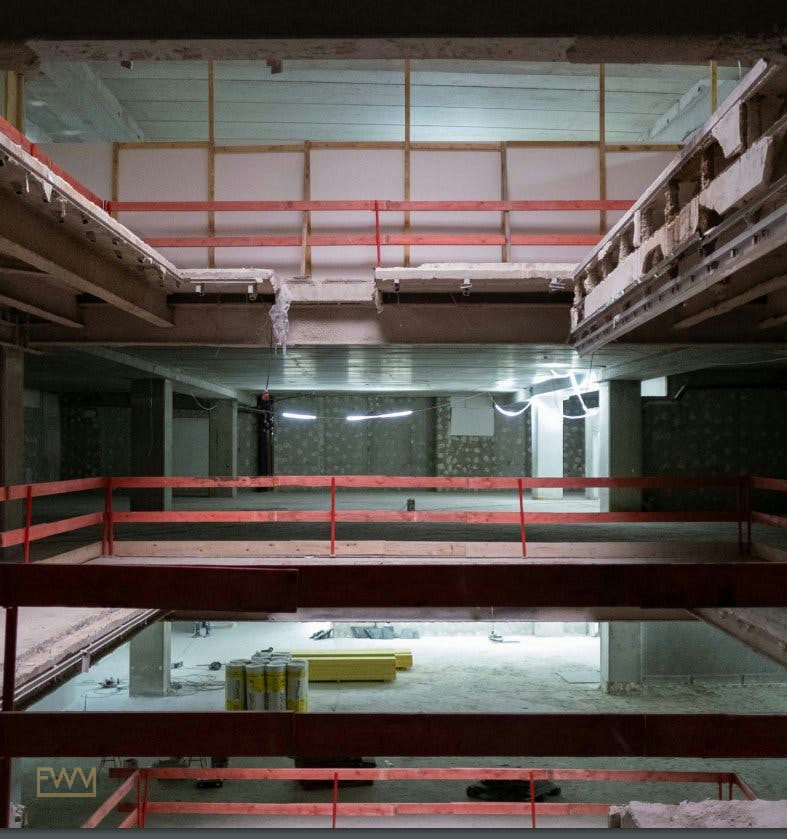
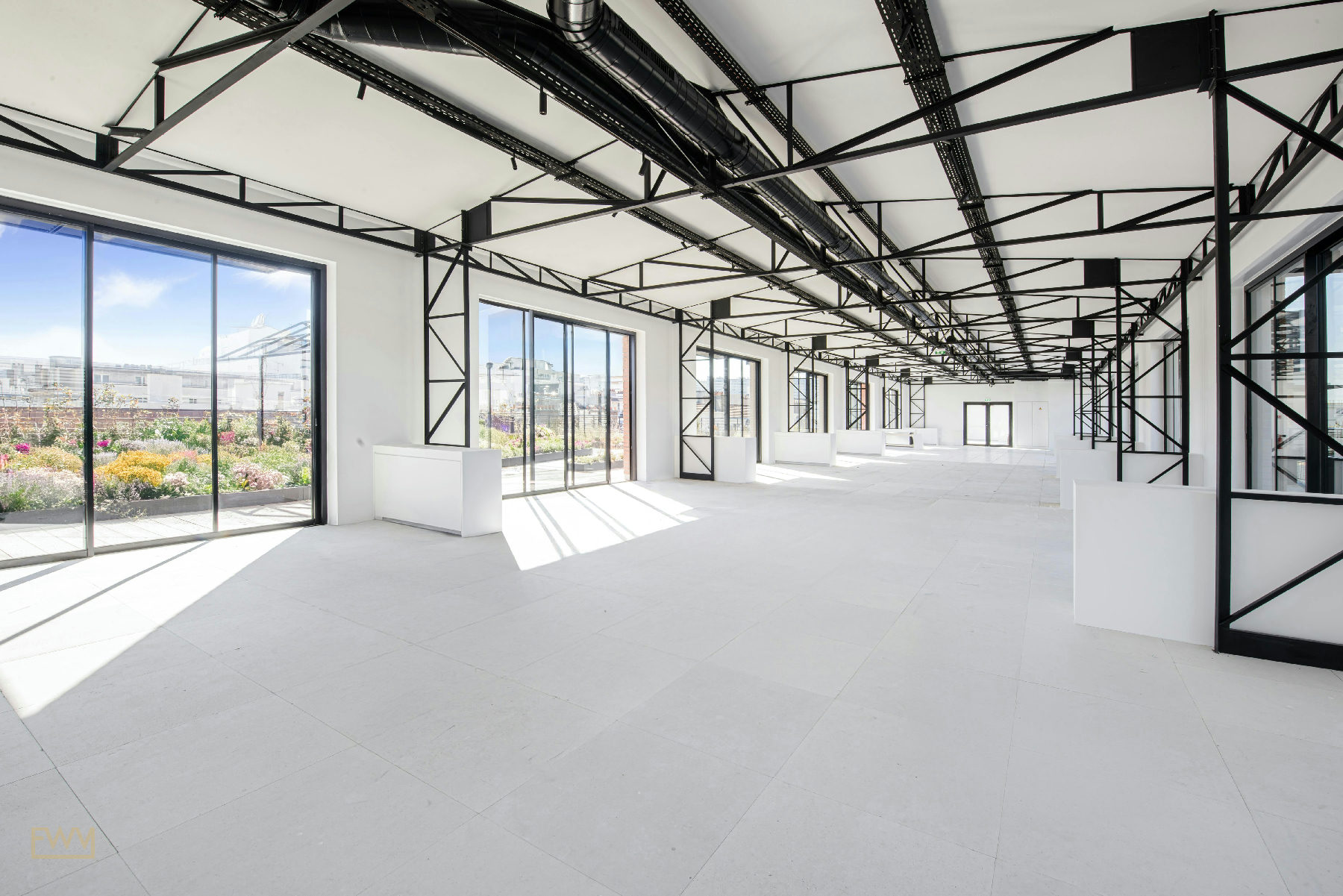
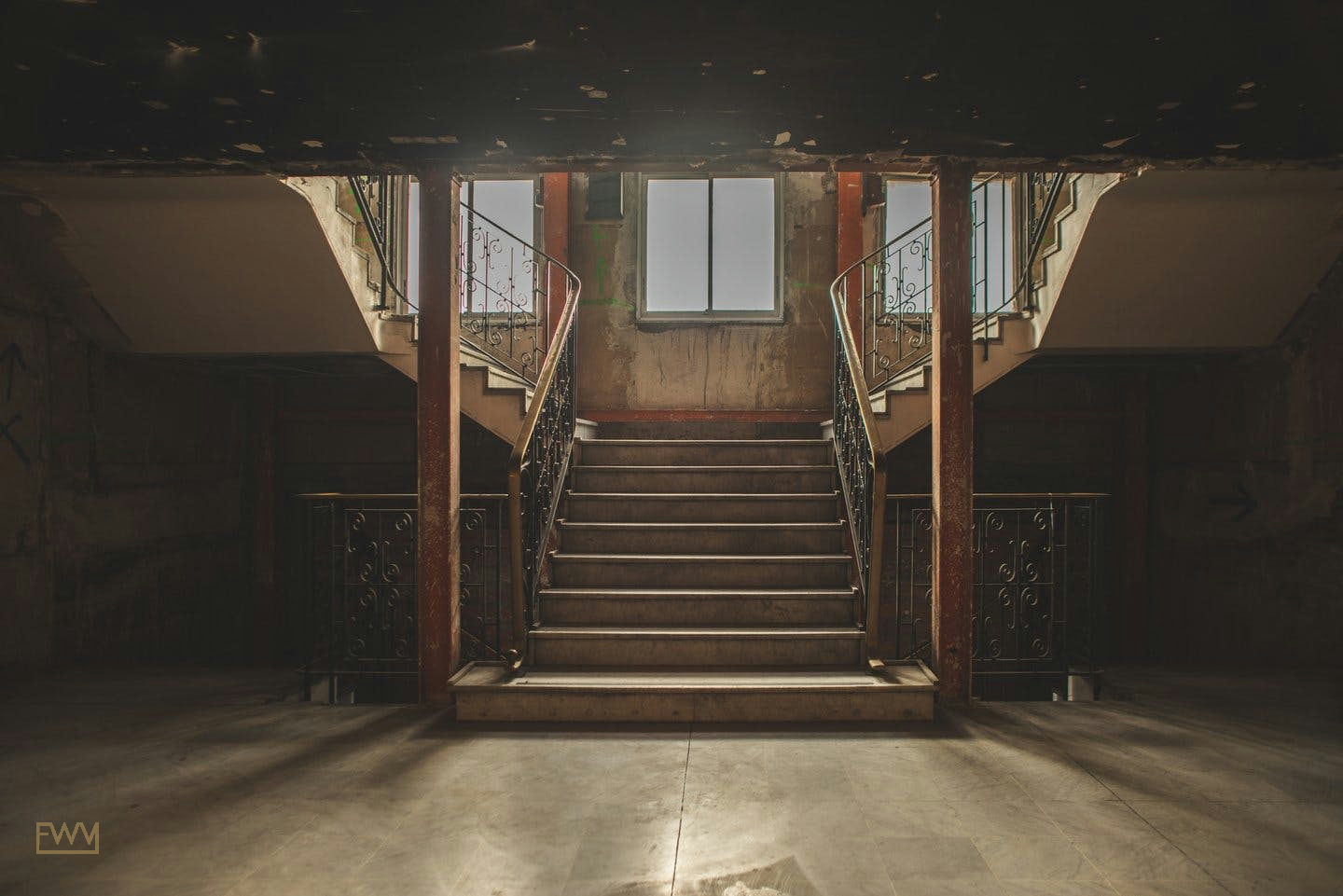
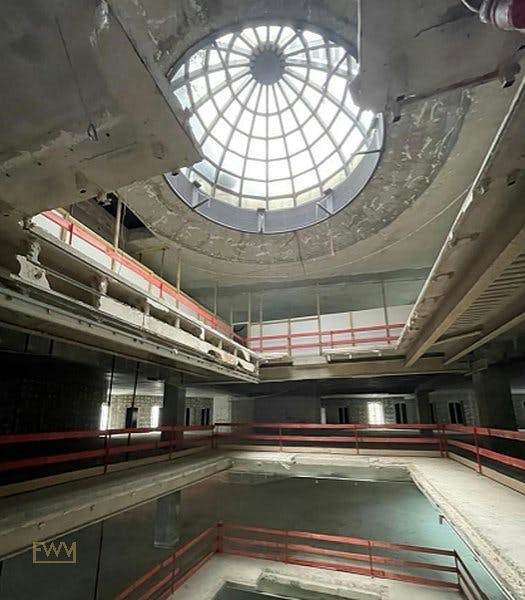
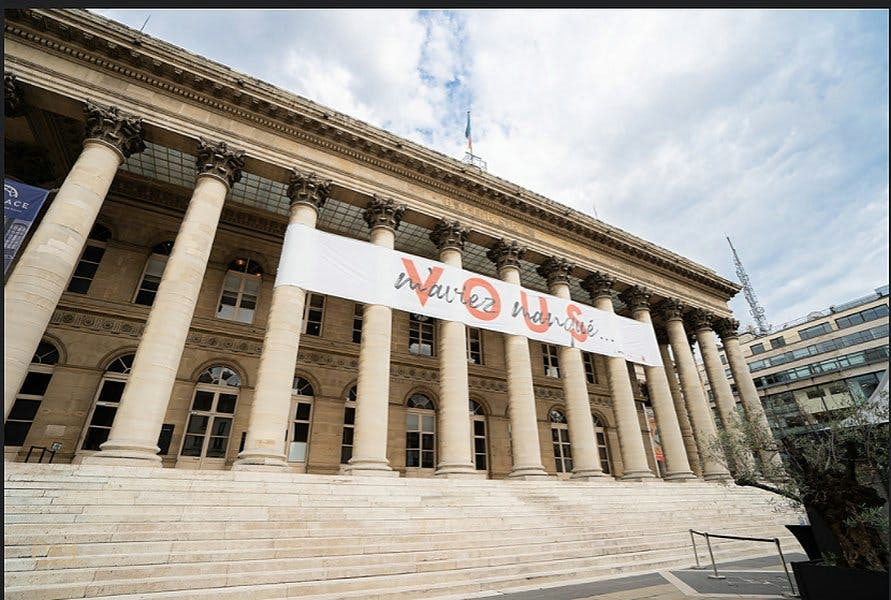
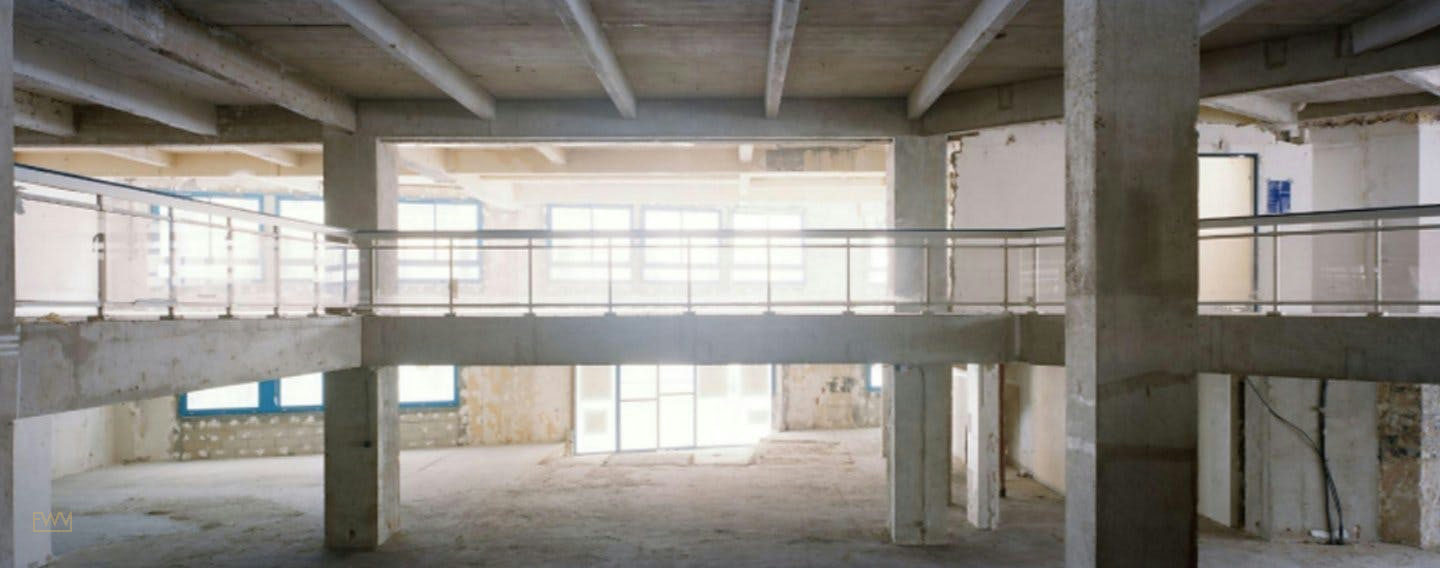
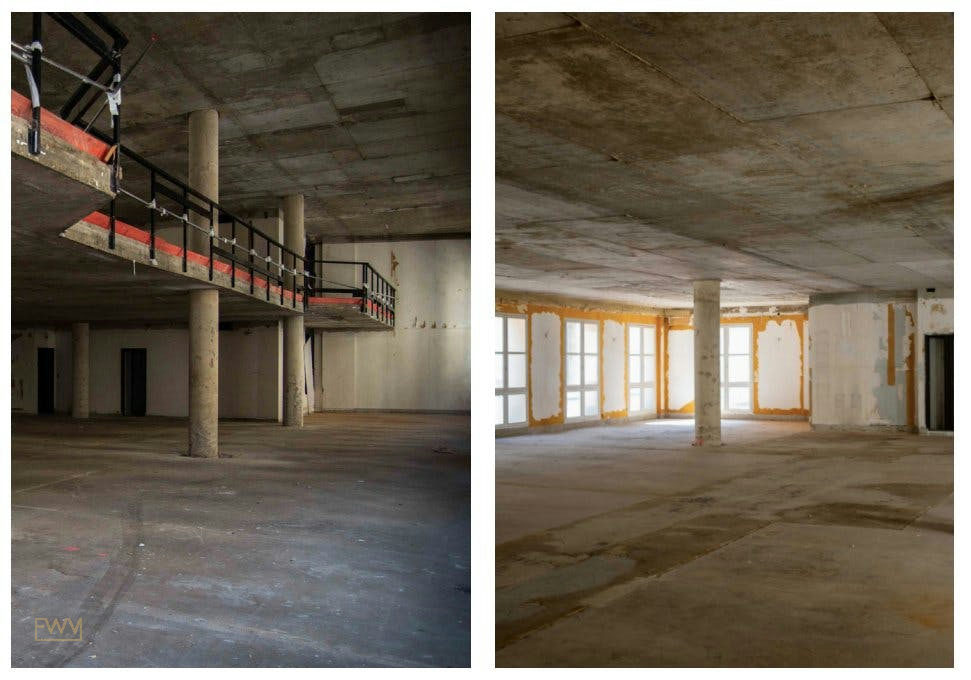
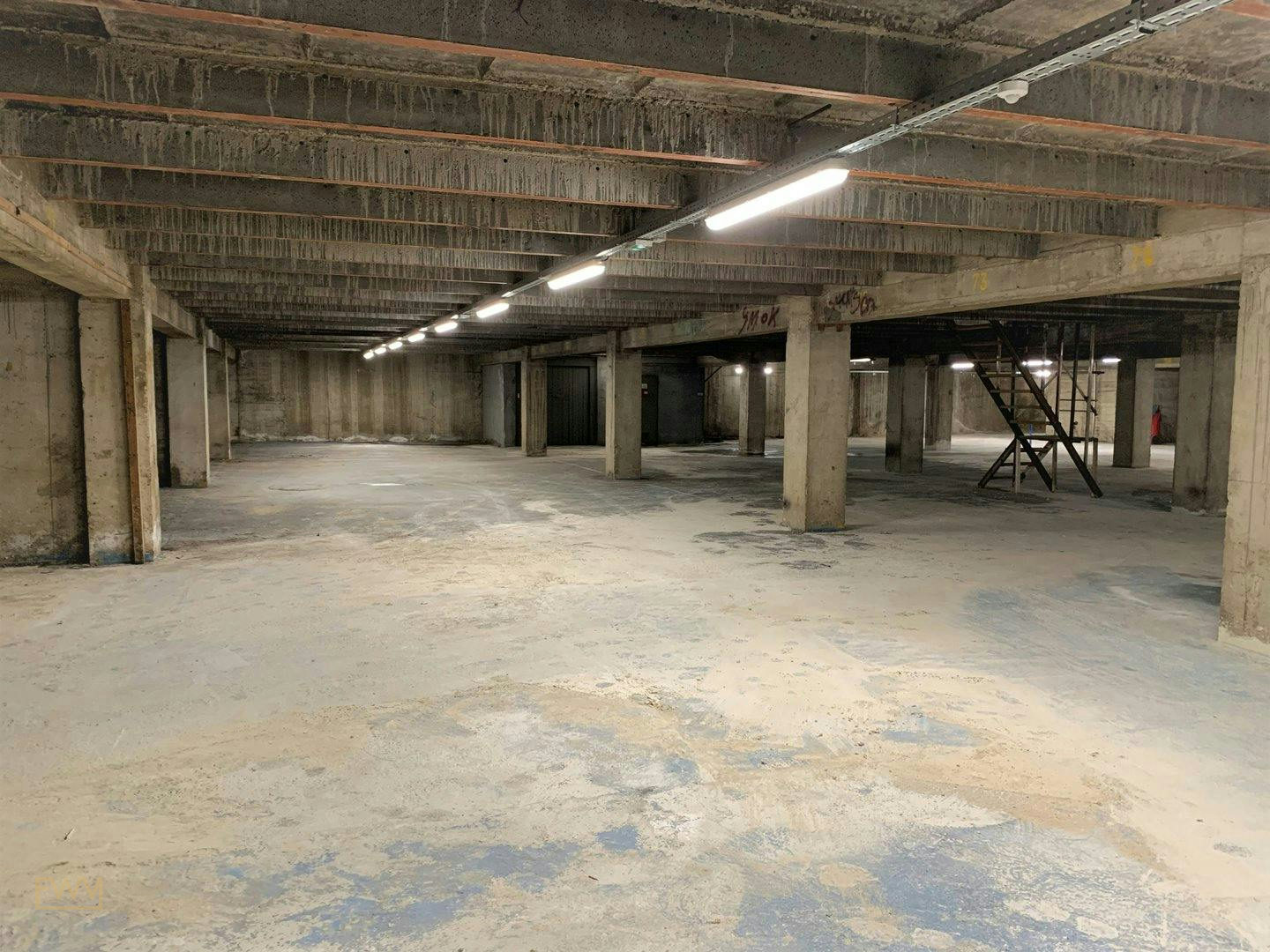
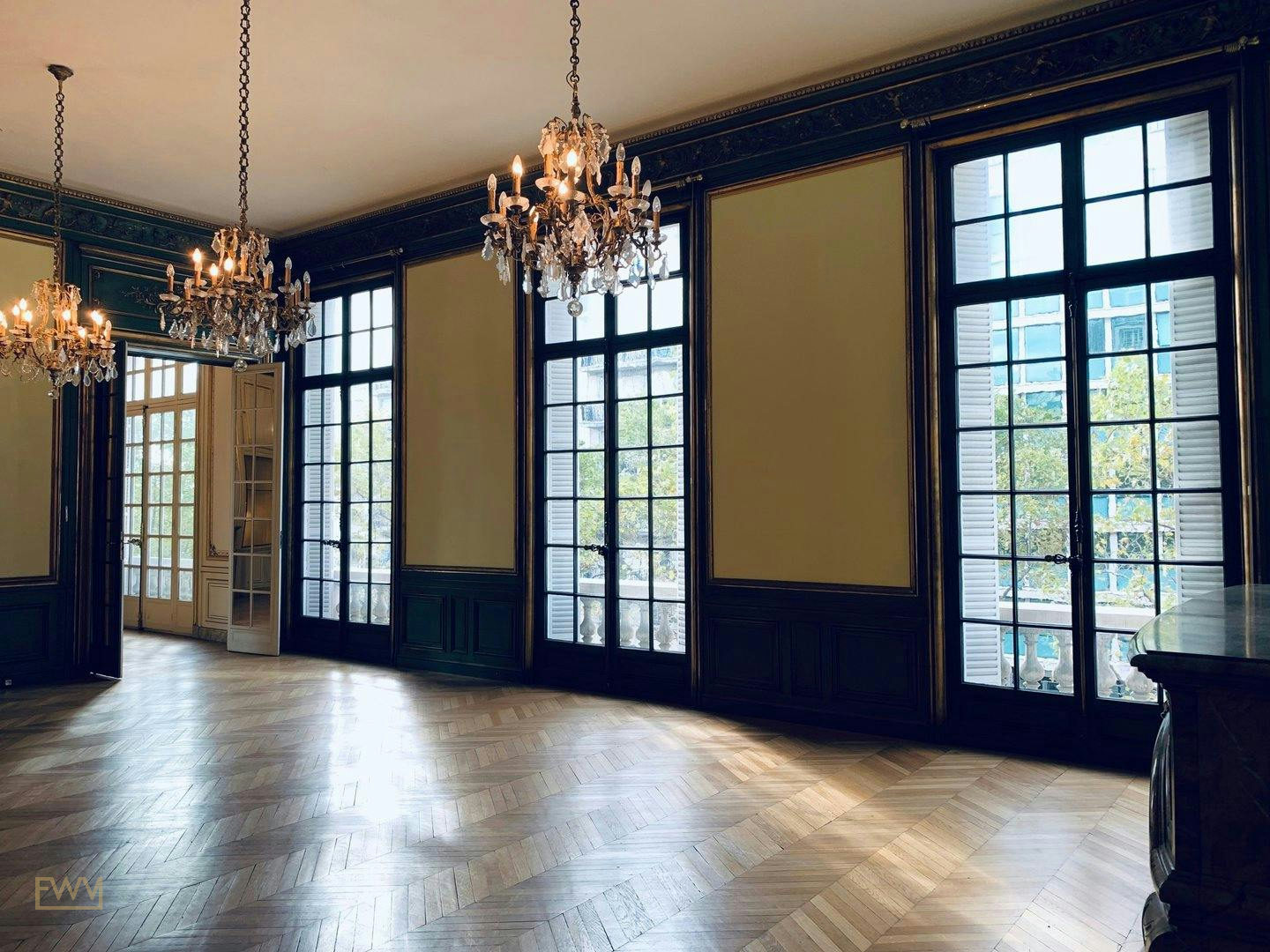
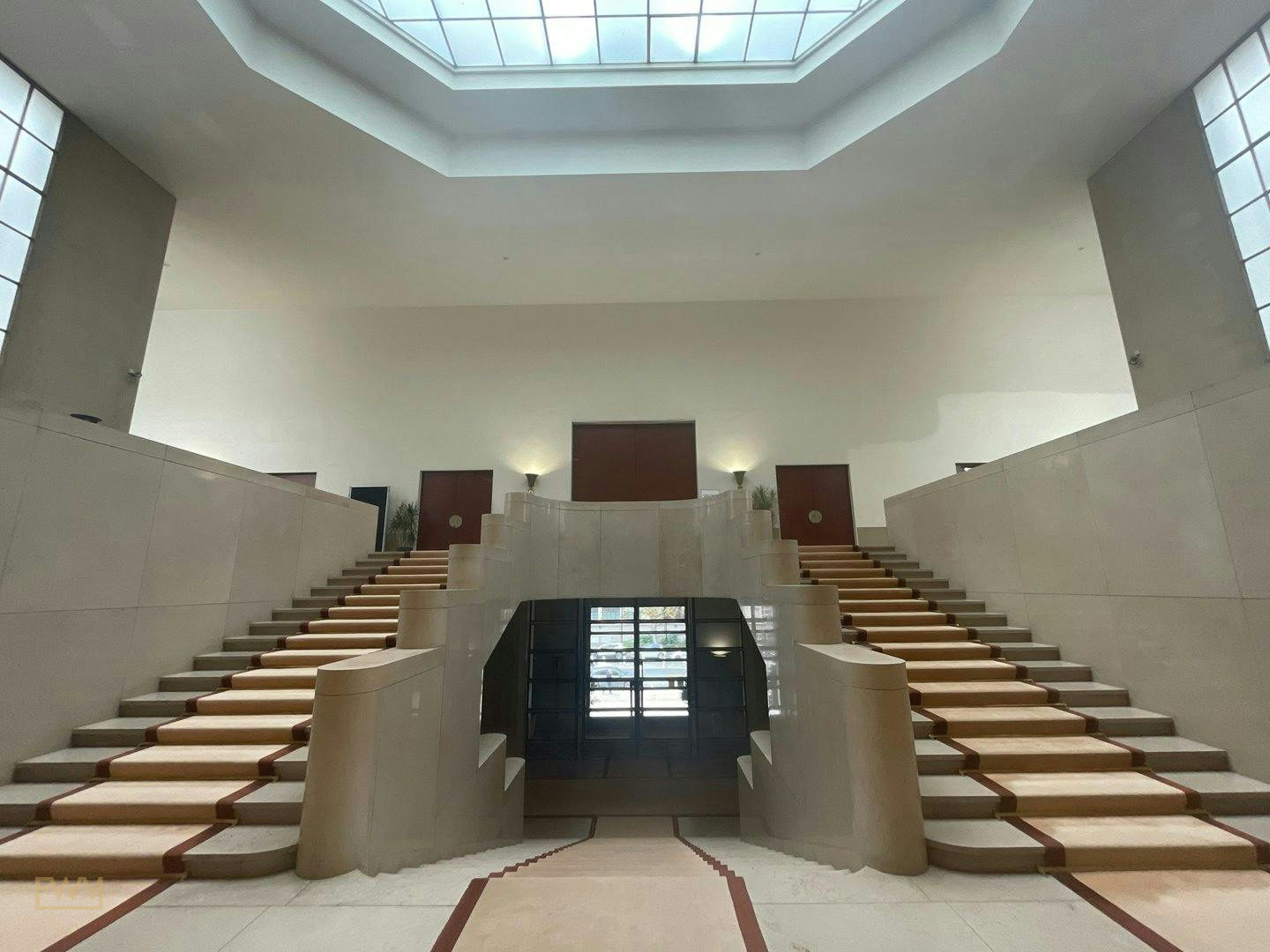
Booking a pop up shop in the 4th arrondissement Paris places your brand at the centre of one of the most commercially and culturally significant retail districts in Europe. Le Marais, the historic heart of Paris's fourth arrondissement, combines architectural grandeur with a dense concentration of independent boutiques, concept stores, galleries, and international brand activations that make it a uniquely powerful location for temporary retail. Whether you are planning a standalone pop-up store, a Fashion Week showroom, a collector book launch, or a private brand exhibition, the 4th arrondissement offers space types, foot traffic profiles, and cultural contexts that few other districts can match. Explore the Paris city hub on Fashion Week Venues to understand the full range of spaces available across the arrondissement and across the city.
Why the 4th Arrondissement and Le Marais Are the Right Location for Your Pop-Up
The 4th arrondissement is not simply a fashionable address. It is a district with a proven commercial ecosystem for temporary retail. Le Marais has evolved over several decades from a historic Jewish and aristocratic quarter into one of Paris's most layered retail environments, combining luxury flagships, independent concept stores, art galleries, private showrooms, and cultural institutions within walking distance of each other.
The neighbourhood's appeal to brands comes from the specific quality of its foot traffic. Unlike the high-volume tourism corridors of the 1st arrondissement near the Musée du Louvre or the 8th arrondissement near the Arc de Triomphe, Le Marais attracts a blend of affluent Parisian locals, culturally engaged international visitors, buyers, press, and industry professionals, particularly during Paris Fashion Week. This audience profile is highly relevant for fashion brands, publishers, lifestyle companies, and cultural organisations seeking a specific type of engaged consumer rather than pure volume.
The district's proximity to major Parisian landmarks reinforces its desirability. Notre-Dame de Paris, Centre Pompidou, Musée Picasso, Place des Vosges, and Hôtel des Invalides are all within easy reach, meaning that international visitors already navigating cultural Paris will pass through or adjacent to the Marais district. This geographical positioning supports organic discovery for well-placed pop-up stores and showrooms.
Le Marais also has a distinctive relationship with the publishing, arts, and collector market. The presence of galleries, the Musée Picasso, and independent bookshops creates a cultural context that makes the arrondissement especially well-suited for book launches, collector item releases, and art and design activations. Taschen, the German publishing house known for its XXL book format, coffee table books, and special edition collector items featuring cult works by photographers including Bert Stern, Annie Leibowitz, and subjects such as Marilyn Monroe, has historically recognised the neighbourhood's appetite for premium print culture.
For international brands, the 4th arrondissement provides a rare combination of historic prestige, contemporary commercial viability, and cultural legitimacy that is difficult to replicate in other Paris neighbourhoods.
Quick answer: The 4th arrondissement in Paris, centred on Le Marais, is one of the city's strongest locations for a pop-up shop due to its mix of affluent local residents, culturally engaged international visitors, fashion industry traffic during Fashion Week, and proximity to major landmarks including Centre Pompidou, Musée Picasso, and Place des Vosges.
KEY TAKEAWAY: Le Marais in the 4th arrondissement offers brands a rare combination of architectural prestige, high-quality foot traffic, fashion industry relevance, and cultural legitimacy that few other Paris districts can match for a temporary retail activation.
Understanding the specific spaces available within the arrondissement is the next step after confirming the neighbourhood is the right fit for your brand and activation goals.
Types of Pop-Up Spaces Available in the 4th Arrondissement Paris
The 4th arrondissement hosts a wide variety of space types suited to different brand needs, activation formats, and budget levels. Knowing which category fits your brief before you begin your search will save significant time and reduce the risk of committing to a space that cannot deliver your intended experience.
Boutique Retail Units and Concept Store Formats
The Marais district has a long-established culture of concept stores and independent boutiques that regularly cycle through short-term tenants. Spaces such as those found along Rue de Bretagne, Rue des Francs-Bourgeois, and the streets surrounding Carreau du Temple offer ground-floor retail units with existing shopfront presence, natural light, and layouts suited to clothing racks, product displays, and point-of-sale configurations. Charlot Store is one example of a venue type in this category, offering a boutique environment that supports branded retail with a curated aesthetic. Turenne Boutique and Galerie Turenne represent another tier, combining gallery-adjacent aesthetics with practical retail function.
Art Galleries and Private Exhibition Spaces
Le Marais has one of the highest concentrations of commercial art galleries in Paris. Many of these spaces rent to brand tenants during periods between exhibitions. Spaces marketed under names such as Galerie D'art and Galerie d'exception offer white-wall environments, track lighting, and polished concrete or parquet floors that translate well to premium brand activations, collector launches, and private viewing events. These spaces are particularly well-suited to fashion brands with an art-adjacent identity, publishers releasing collector books, and luxury lifestyle brands presenting new collections.
Event Venues and Chic Event Spaces
For brands needing more flexible configurations, Le Marais and the wider 4th arrondissement offer dedicated event venues that can be adapted for pop-up retail, showroom presentations, press previews, and brand activations. A Chic Event Space category covers venues with features including exposed stone walls, vaulted ceilings, courtyard access, and historic Haussmann or Marais-era architectural details that provide distinctive visual character without the need for extensive set dressing.
Showroom Formats for Fashion Week
During Paris Fashion Week, the demand for showroom space in Le Marais increases significantly. Brands presenting collections to buyers and press typically require spaces with natural light, hanging rails, clean sight lines, and a professional address that reinforces their positioning. The Marais offers private hôtel particulier showrooms, converted warehouse spaces, and gallery-level premises that serve this function well. Platforms including Go-PopUp have listed Marais spaces for short-term showroom use, and Paris Pop Up is another operator active in connecting brands with temporary spaces in the arrondissement.
Carreau du Temple
Carreau du Temple, located on the edge of the Marais in the 3rd arrondissement but closely associated with the broader Marais retail ecosystem, is a 19th-century covered market that hosts pop-up events, brand activations, markets, and concept-store formats. While technically in the 3rd arrondissement, its proximity to the 4th arrondissement and its established identity as a destination for temporary retail makes it a relevant venue for brands targeting the Marais audience.
Quick answer: Pop-up spaces in the 4th arrondissement Paris range from boutique retail units and gallery spaces to private showrooms, event venues with historic character, and format-flexible spaces near Carreau du Temple. The right space type depends on your activation format, visitor profile, and rental duration.
| Space Type | Best For | Typical Features | Key Marais Examples |
|---|---|---|---|
| Boutique Retail Unit | Fashion, lifestyle, product launches | Shopfront, retail layout, POS-ready | Charlot Store, Turenne Boutique |
| Art Gallery Space | Collector launches, premium brand events, art-adjacent fashion | White walls, track lighting, gallery floor | Galerie Turenne, Galerie d'exception |
| Event Venue | Showrooms, press previews, private exhibitions | Flexible layout, historic architecture | Chic Event Space formats throughout Marais |
| Showroom Space | Fashion Week buyer and press presentations | Natural light, hanging rails, clean sightlines | Private hôtel particulier spaces |
| Large Covered Market | Multi-brand activations, concept markets, group shows | Large footprint, flexible zoning | Carreau du Temple |
KEY TAKEAWAY: The 4th arrondissement offers at least five distinct space categories for temporary retail and brand activation, each with different audience profiles, architectural character, and operational requirements. Matching your space type to your activation format before searching will reduce wasted time and mismatched shortlists.
Once you understand which space type fits your brief, the next consideration is timing and how Paris Fashion Week affects space availability, pricing, and competition in the arrondissement.
Paris Fashion Week and the 4th Arrondissement: Timing Your Pop-Up for Maximum Impact
Paris Fashion Week is the single most commercially significant calendar window for temporary retail in the city. For brands targeting the 4th arrondissement specifically, understanding how Fashion Week demand affects the local space market is essential to securing the right venue at the right time.
Paris Fashion Week operates across several seasons annually. The womenswear ready-to-wear calendar typically takes place in late February and early March, and again in late September and early October. The haute couture calendar runs in January and July. The menswear calendar overlaps with some of these windows. For the July 2026 window, dates from approximately July 6 to 9, 2026 represent the haute couture schedule, when Paris hosts runway shows, exhibitions, private presentations, and brand events that attract a concentrated global audience of buyers, press, and cultural influencers.
During Fashion Week periods, showroom rental demand in Le Marais rises sharply. Brands presenting collections, editors attending shows, and buyers navigating appointments all circulate through the arrondissement, making it simultaneously the most valuable and most competitive time to activate in the neighbourhood. Spaces that are available at other times of year may be booked six to twelve weeks in advance during peak Fashion Week windows.
DID YOU KNOW: Paris Fashion Week attracts an estimated 100,000 visitors to the city across its various calendar windows, including buyers, press, and cultural figures from over 40 countries, according to industry estimates from the Fédération de la Haute Couture et de la Mode.
Outside of Fashion Week, the 4th arrondissement still benefits from a strong and consistent foot traffic profile. The ongoing draw of Notre-Dame de Paris, which is actively welcoming visitors again following its restoration, the permanent appeal of Centre Pompidou, and the daily activity around Place des Vosges mean that the neighbourhood is commercially viable for temporary retail year-round. Flea markets and seasonal cultural events also punctuate the Marais calendar, offering additional footfall opportunities for brands aligning their activations with local programming.
For brands considering the July haute couture window in 2026, the key planning considerations include securing space a minimum of eight to twelve weeks in advance, aligning your activation concept with the elevated aesthetic expectations of the Fashion Week audience, and ensuring your permit and compliance position is resolved before your target opening date.
Quick answer: Paris Fashion Week, particularly the July haute couture window from approximately July 6 to 9, 2026, is the highest-demand period for pop-up space rental in Le Marais. Brands should begin space searches at least eight to twelve weeks before their intended opening date to secure suitable venues.
To compare neighbourhoods and space types, explore the Paris city hub on Fashion Week Venues and shortlist spaces that match your brief, budget, and calendar window.
KEY TAKEAWAY: Aligning your 4th arrondissement pop-up with Paris Fashion Week windows delivers the highest concentration of relevant audience members, but requires earlier planning, faster decision-making, and stronger permit preparedness than off-peak activations.
With timing understood, the next critical layer is navigating the permit and legal requirements that govern temporary retail in Paris, which differ meaningfully from standard commercial leases.
Permits, Leases, and Legal Requirements for Pop-Up Shops in Paris
One of the most commonly misunderstood aspects of booking a pop-up shop in the 4th arrondissement Paris is the legal and permit framework that governs short-term commercial use. Understanding the difference between a standard commercial lease, a bail dérogatoire, and an autorisation d'occupation temporaire is essential before signing any rental agreement.
Bail Dérogatoire: The Short-Term Commercial Lease
A bail dérogatoire, also referred to as a bail précaire, is a short-term commercial lease that allows a landlord and tenant to agree on a rental period of up to three years without triggering the full protections of a standard commercial lease (bail commercial) under French law. For pop-up shops and temporary retail activations in Le Marais, this is one of the most commonly used legal frameworks. It gives brands the flexibility to occupy a space for a defined short period without acquiring the long-term rights and obligations that come with a standard nine-year commercial lease. Requirements can vary depending on the space type, the duration of the rental, and the specific terms agreed between the parties. Brands are strongly advised to verify their specific position with a qualified French legal advisor before committing to any agreement.
Autorisation d'Occupation Temporaire (AOT)
An autorisation d'occupation temporaire (AOT) governs the temporary use of public domain spaces, including certain pavement areas, arcades, and publicly owned properties. If your activation involves any use of public-facing external space, signage extending onto public land, or occupation of a publicly administered venue, an AOT or equivalent administrative authorisation may be required. The process and requirements vary by arrondissement, venue type, and the nature of the activation. The 4th arrondissement's local mairie (town hall) is the relevant authority for many such applications, though central Paris administrative bodies also have jurisdiction over certain spaces.
Practical Compliance Considerations
Beyond lease type and occupation permits, brands activating in Paris should also consider requirements around temporary signage, public liability insurance, fire safety compliance for occupied retail spaces, and, in some cases, specific authorisations for commercial activity in heritage-listed buildings. Le Marais has a particularly high concentration of historic protected buildings, which can add a layer of complexity to fit-out and signage approvals.
IMPORTANT: The permit and compliance requirements for a pop-up shop in Paris are not identical across all space types, durations, or arrondissements. Always verify your specific requirements with a French legal advisor before signing any rental agreement or beginning any fit-out work.
For a practical starting point, the permit guidance tool on Fashion Week Venues can help brands understand the general framework relevant to their activation type before engaging legal advisors.
Quick answer: Pop-up shops in Paris typically operate under a bail dérogatoire, a short-term commercial lease that avoids triggering standard nine-year commercial lease protections. Some public-domain spaces require an autorisation d'occupation temporaire. Requirements vary by space type, duration, and location. Always verify with a qualified French legal advisor.
KEY TAKEAWAY: Navigating the French permit and lease framework for temporary retail requires specific legal knowledge. A bail dérogatoire is the standard short-term mechanism, but AOT requirements, heritage building constraints, and local mairie regulations can all affect your activation plan in the 4th arrondissement.
With the legal framework understood, the next step is building a realistic budget for your pop-up activation in Le Marais, taking into account all the cost components that brands frequently underestimate.
Budgeting for a Pop-Up Shop in the 4th Arrondissement: What Brands Need to Know
Budgeting accurately for a pop-up shop in Le Marais requires accounting for more than just the rental rate. Brands that focus only on the headline space cost frequently encounter significant additional expenditure that was not included in their original plan. A complete budget framework for a Marais pop-up should address space rental, fit-out and production, staffing, permits and compliance, marketing and influencer activation, technology and POS, insurance, and contingency.
Space Rental Rates in Le Marais
Rental rates for temporary retail space in the 4th arrondissement vary considerably based on space size, location within the neighbourhood, space type, rental duration, and season. Spaces on or near Rue des Francs-Bourgeois or Place des Vosges command premium rates reflecting their foot traffic and prestige. Gallery-type spaces with distinctive architectural features may also carry a premium relative to more standard retail units. Rates during Paris Fashion Week windows are typically higher than during off-peak periods due to demand concentration. Directional estimates vary widely, and brands should use a brand-specific estimation tool rather than relying on generalised figures. The budget estimation tool on Fashion Week Venues allows brands to generate a directional cost framework based on their specific activation parameters.
Fit-Out and Production Costs
The cost of fitting out a temporary retail space in Paris depends on the level of bespoke build required, the baseline condition of the space, and the brand's design ambitions. Gallery spaces with existing white-wall finishes and track lighting require less build investment than raw warehouse spaces. Heritage buildings may impose restrictions on what can be fixed to walls or floors, which affects both design approach and cost. Furniture rental, which is available as a standalone service from some agencies, can reduce upfront fit-out costs for brands wanting a professional finish without a full bespoke build.
Staffing, POS, and Operational Costs
A staffed retail pop-up in Paris requires French-language capable retail staff, a compliant POS and payments setup, and adequate public liability and contents insurance. Staffing costs in Paris reflect local minimum wage requirements and employment law obligations. For short activations, many brands work with specialist retail staffing agencies rather than direct employment to simplify their operational position.
| Cost Component | Directional Consideration | Key Variables |
|---|---|---|
| Space Rental | Varies by size, location, season, and duration | Fashion Week premium, street tier, space type |
| Fit-Out and Production | Dependent on build complexity and baseline space condition | Heritage constraints, bespoke vs. modular build |
| Furniture Rental | Can reduce capital fit-out cost | Quantity, duration, delivery logistics |
| Staffing | French employment law applies | Hours, language requirements, specialist skills |
| Permits and Legal | Essential budget line, not optional | Space type, heritage status, AOT requirements |
| Marketing and Influencer Activation | Variable based on campaign ambition | Local vs. international influencer strategy |
| POS and Payments Technology | Required for any selling activation | Multi-currency, card types, integration needs |
| Insurance | Mandatory for commercial occupation | Contents, public liability, event cover |
| Contingency | Build in minimum 15 percent above base estimate | Permit delays, build overruns, operational surprises |
TIP: Build your initial budget with a full line-item breakdown before approaching spaces. Brands that arrive at rental negotiations with a clear total budget framework make faster decisions and are more credible counterparties for landlords and space operators.
KEY TAKEAWAY: The rental rate is only one component of your total pop-up budget in the 4th arrondissement. Fit-out, staffing, permits, insurance, POS technology, and contingency must all be costed before committing to a space. Use a dedicated budget tool to build a complete picture before negotiating rental terms.
Budget clarity prepares you to move efficiently through the space selection and booking process, which follows a distinct workflow in the Paris temporary retail market.
The Step-by-Step Process for Booking a Pop-Up Shop in the 4th Arrondissement Paris
Booking a pop-up shop in Le Marais follows a structured process that differs from standard commercial property transactions. Brands unfamiliar with the Paris short-term retail market frequently lose good spaces by moving too slowly, arriving unprepared, or underestimating the documentation and decision speed required.
| Step | Action | Typical Timeline Before Opening | Key Consideration |
|---|---|---|---|
| 1 | Define activation brief, format, and target dates | 12 to 16 weeks out | Fashion Week windows require earlier start |
| 2 | Set total budget including all cost components | 12 to 16 weeks out | Use a budget estimation tool for accuracy |
| 3 | Identify target neighbourhood and space type within 4th arrondissement | 10 to 14 weeks out | Match space type to activation format |
| 4 | Shortlist spaces via marketplace or agency | 10 to 12 weeks out | Prepare a comparison framework for evaluation |
| 5 | Visit shortlisted spaces and assess fit | 8 to 10 weeks out | Assess baseline condition, heritage constraints, logistics |
| 6 | Negotiate terms and agree on rental agreement type | 8 weeks out | Confirm bail dérogatoire or relevant agreement type |
| 7 | Engage legal advisor to review agreement | 7 to 8 weeks out | Do not sign without qualified French legal review |
| 8 | Begin permit and compliance applications | 6 to 8 weeks out | AOT and local mairie requirements take time |
| 9 | Commission fit-out design and production brief | 6 to 8 weeks out | Align design with heritage and permit constraints |
| 10 | Finalise staffing, POS, insurance, and marketing plan | 4 to 6 weeks out | Recruit bilingual staff with local market knowledge |
| 11 | Build and fit out the space | 1 to 2 weeks before opening | Allow time for snagging and operational rehearsal |
| 12 | Activate, manage, and measure the pop-up | Opening date through close | Track data, manage influencer content, optimise daily |
Platforms such as Go-PopUp and Paris Pop Up operate as space intermediaries in the Paris market, listing short-term rental spaces and connecting brands with landlords. These platforms function as marketplaces rather than full-service agencies, meaning the brand typically manages the fit-out, staffing, permits, and operations independently after securing the space through the platform.
Full-service agencies, by contrast, manage the entire process from space identification through activation management, which can be valuable for international brands without a Paris-based team or for brands activating in the city for the first time.
Quick answer: Booking a pop-up shop in the 4th arrondissement Paris takes a minimum of eight to twelve weeks from initial brief to opening day for a standard activation. Fashion Week periods require twelve to sixteen weeks of lead time. A structured step-by-step process reduces the risk of permit delays, space loss, and budget overruns.
KEY TAKEAWAY: The Paris temporary retail market rewards brands that plan methodically and move decisively. A structured twelve-step workflow from brief to activation reduces the most common failure points and helps brands secure the right space at the right time.
For international brands entering Paris for the first time, working with a specialist agency can significantly reduce the complexity and risk of the process.
How Fashion Week Venues Supports Pop-Up Shop Bookings in the 4th Arrondissement
Fashion Week Venues is a full-service pop-up shop agency and space marketplace with Paris as its primary market. For brands planning a pop-up shop or showroom in the 4th arrondissement, Fashion Week Venues provides both a curated space marketplace and a complete set of agency services that can support the activation from concept through to close.
Space Discovery and Venue Sourcing
The Fashion Week Venues marketplace lists available short-term retail spaces across Paris, including the 4th arrondissement. Brands can browse and compare spaces by type, size, location, and availability window without committing to a full agency engagement. For brands that need more than a marketplace listing, the venue sourcing service provides active, brief-driven space identification, including off-market spaces that are not publicly listed.
Concept Direction and Branded Store Design
For brands that need creative support beyond the physical space, Fashion Week Venues offers concept direction and branded store design services. These are particularly relevant for international brands entering the Paris market and needing to translate their identity into a Marais-specific retail environment. The imagine space visualisation tool allows brands to explore how a space could look before committing to a concept.
Production, Build, and Furniture Rental
Fashion Week Venues manages production and build for activated spaces, including furniture rental for brands wanting a professional retail environment without a full bespoke fit-out. This is a particularly practical option for shorter activations in gallery-type spaces in Le Marais where a modular approach to furniture and display is more cost-effective than custom build.
Retail Staffing and Activation Management
Staffing a pop-up shop in Paris requires bilingual or multilingual retail staff familiar with the city's consumer culture and the expectations of a fashion or lifestyle audience. Fashion Week Venues provides retail staffing support as part of its full-service offering, alongside broader activation management that covers day-to-day operational delivery throughout the rental period.
Tools for Brand Planning Teams
The Fashion Week Venues tools suite includes a budget calculator, ROI calculator, timeline planner, space comparison tool, permit guidance resource, and space locator. These tools are available for brand teams working independently who want to build a strong internal brief before engaging an agency or approaching spaces directly. The timeline planning tool is especially useful for brands working back from a Fashion Week opening date to identify where they currently sit in the planning process.
Who Benefits Most
Fashion Week Venues is most directly relevant to fashion brands, lifestyle companies, publishers, beauty brands, and cultural organisations planning temporary retail or brand activations in Paris. It is particularly useful for international brands without a permanent Paris team, brands entering the city for the first time during Fashion Week, and brands that have previously navigated the Paris space market independently and found the process more complex than anticipated.
IMPORTANT: Fashion Week Venues does not guarantee space availability, permit approvals, or specific commercial outcomes. Space availability depends on market conditions, and permit outcomes depend on the specific space, activation type, and applicable French regulatory requirements.
KEY TAKEAWAY: Fashion Week Venues combines a curated space marketplace with a full-service agency capability, meaning brands can engage at the level that suits their internal resource and market familiarity, from pure space discovery to end-to-end activation management.
Beyond the mechanics of booking and operating a pop-up, understanding the specific cultural context of the 4th arrondissement helps brands design more resonant activations for the Marais audience.
The Cultural and Commercial Context of Le Marais for Brand Activations
Le Marais is not a generic retail district. It has a distinct cultural identity that shapes what kinds of brand activations resonate with its audience and which formats feel out of place. Brands that understand the neighbourhood's cultural grammar are better positioned to design activations that generate genuine engagement rather than passive foot traffic.
The Marais and Its Relationship with Books, Publishing, and Collector Culture
One of the more distinctive and less-discussed commercial opportunities in the 4th arrondissement is the neighbourhood's appetite for books, prints, and collector culture. The presence of numerous independent bookshops, the cultural gravity of Musée Picasso, and the neighbourhood's long association with gallery culture create a receptive audience for pop-up bookstores, book launches, and collector item releases.
The Swedish Institute, located in the Hôtel de Marle in the 4th arrondissement, has hosted cultural programming including Nordic literature events and exhibitions related to Scandinavian art and design. The institute, which serves as a Scandinavian cultural centre and has operated a Bokbar concept, has brought Nordic literary culture, including works by writers such as Tove Jansson, the creator of the Moomins, Karl Ove Knausgård, Sara Stridsberg, Sofi Oksanen, and Jón Kalman Stefánsson, directly into the Marais cultural landscape. This precedent demonstrates that the neighbourhood's audience engages seriously with literary and cultural programming alongside fashion and lifestyle content.
For publishing brands and book-adjacent activations, the 4th arrondissement offers a rare combination of cultural credibility and commercial access. Taschen, the German publishing house, has operated a Paris presence consistent with the neighbourhood's premium collector market, offering XXL books, special edition collector items, coffee table books, and cult works by photographers including Bert Stern and Annie Leibowitz, as well as subjects such as Marilyn Monroe. The adjacency between high-end publishing and gallery culture in Le Marais creates a natural environment for book launch pop-ups, signed edition events, and collector showcases.
Fashion, Flea Markets, and the Marais Retail Ecosystem
Le Marais has a layered fashion retail ecosystem that ranges from established international luxury brands to independent designers, vintage dealers, and concept boutiques. The neighbourhood's engagement with flea market culture, both through the nearby markets of Paris and through the concept-store approach of many Marais independents, creates an audience that values discovery, curation, and cultural context alongside product quality.
For fashion brands activating in the area, this means that the most effective pop-up formats are those that offer something beyond a standard product display. Experiences, cultural storytelling, artist collaborations, and limited-edition releases consistently perform better in the Marais retail environment than pure direct retail formats without a strong narrative or experiential dimension.
The Role of Parisian Landmarks in Driving Footfall
The 4th arrondissement's proximity to Notre-Dame de Paris, which has been restored and is drawing significant visitor numbers following its reopening, Centre Pompidou, Musée Picasso, and Place des Vosges means that the neighbourhood benefits from consistent cultural tourism that drives footfall past well-positioned retail spaces. Brands whose pop-up is located on or near key pedestrian routes between these landmarks can benefit from high discovery potential for visitors who had not planned their visit in advance.
The broader Paris cultural landscape, including landmarks such as the Musée du Louvre in the 1st arrondissement, Hôtel des Invalides, Le Sacré-Coeur, and the Eiffel Tower, draws a global audience to the city year-round, reinforcing the baseline international visitor volume that makes Paris consistently compelling for global brand activations beyond Fashion Week alone.
Quick answer: Le Marais has a culturally literate, affluent, internationally diverse audience that responds strongly to brand activations with a clear cultural narrative, experiential dimension, or collector angle. Understanding this audience is as important as finding the right physical space.
KEY TAKEAWAY: The cultural context of Le Marais, from its Scandinavian literary programming at the Swedish Institute to its gallery-adjacent collector culture and fashion retail ecosystem, shapes what kinds of brand activations land well. Design your concept for the neighbourhood's specific cultural register, not just for a generic Paris audience.
With a clear picture of the neighbourhood's cultural landscape, the next consideration is understanding how to select and work with an agency partner if you choose not to manage the activation independently.
Choosing Between a Self-Managed Pop-Up and a Full-Service Agency in Paris
One of the key decisions facing brands planning a pop-up shop in the 4th arrondissement is whether to manage the process independently, using platforms and marketplaces to source the space and vendors separately, or to engage a full-service agency that handles the end-to-end process. Both approaches have legitimate advantages and specific risks.
The Self-Managed Approach
Brands with existing Paris market knowledge, a permanent or semi-permanent Paris team, and prior experience navigating the French permit and lease framework can often manage a pop-up activation efficiently without a full-service agency. Marketplace platforms provide space discovery and initial connection with landlords. Independent suppliers handle fit-out, staffing, POS, and marketing. The brand retains full creative control and can often achieve a lower total cost for a competently executed activation.
The risks of self-management are concentrated in the permit and legal domain, the speed of decision-making required in a competitive space market, and the coordination burden of managing multiple independent vendors simultaneously against a fixed deadline. Paris Fashion Week windows in particular compress the decision and execution timeline to a degree that stretches self-managed teams.
The Full-Service Agency Approach
A full-service agency brings consolidated expertise, existing supplier relationships, market knowledge, and operational capacity that is particularly valuable for brands entering the Paris market for the first time or activating during a compressed Fashion Week window. The agency typically charges a service fee or management percentage on top of direct costs, but the reduction in coordination risk and the speed advantage in a competitive space market often justifies the investment.
The most important factor in selecting a full-service agency is verifying their track record in the specific market you are entering. An agency with documented experience in Le Marais pop-up activations, Fashion Week showroom management, and the French permit framework is meaningfully different from a general events company with limited Paris-specific experience. Reviewing case studies, asking for client references from comparable brand profiles, and understanding the agency's specific Paris-market relationships before committing are all standard due diligence steps. The agency hiring guide on Fashion Week Venues provides a structured framework for evaluating agency partners.
The Twin Co-Activation Model
For brands that want the exposure of a Marais location without bearing the full cost of a solo activation, the twin co-activation model represents a commercially attractive option. This approach pairs two complementary but non-competing brands in a shared space, splitting the rental and operational costs while delivering a richer in-store experience for visitors. Fashion and book brands, lifestyle and beauty brands, or fashion and art-adjacent publishers are examples of pairing profiles that work well in this format within the Marais cultural context.
Quick answer: Self-managed pop-ups in Paris work well for brands with existing market knowledge and a Paris-based team. Full-service agencies are more appropriate for international brands entering Paris for the first time, activating during Fashion Week, or managing a complex multi-vendor activation against a tight deadline.
KEY TAKEAWAY: The choice between self-management and a full-service agency in Paris is primarily a function of your market knowledge, internal resource, and risk tolerance. For Fashion Week windows in the 4th arrondissement, the combination of compressed timelines, competitive space demand, and French regulatory complexity makes agency support a reasonable investment for most international brands.
Neighbourhoods Within and Adjacent to the 4th Arrondissement for Pop-Up Space Discovery
The 4th arrondissement covers a significant geographic area, and the retail character varies meaningfully between its different zones. Brands searching for pop-up space should understand which parts of the arrondissement best match their target audience, activation concept, and budget parameters.
Place des Vosges and the Southern Marais
Place des Vosges, the oldest planned square in Paris, anchors the southern Marais and provides a prestigious address for any brand activation in its immediate vicinity. The covered arcades surrounding the square have historically hosted art galleries, antiques dealers, and high-end boutiques. Pop-up activations in or immediately adjacent to Place des Vosges benefit from the square's association with historic Parisian grandeur and its consistent draw for culturally engaged visitors. Rental rates in this zone reflect the prestige of the location.
Rue des Francs-Bourgeois and the Commercial Heart of the Marais
Rue des Francs-Bourgeois is the primary commercial artery of Le Marais, running east to west through the neighbourhood with consistent retail foot traffic throughout the week and particularly strong weekends. Brand activations on this street benefit from high discovery potential and a diverse consumer profile. This is the most competitive zone for securing space, particularly during Fashion Week windows.
The Northern Marais and Carreau du Temple Proximity
The northern Marais, in the zone between Rue de Bretagne and Carreau du Temple, has a slightly different retail character: more experimental, less tourist-facing, with a higher proportion of concept stores, independent designers, and emerging brands. This zone is particularly relevant for fashion brands with an avant-garde or independent positioning, and for activations targeting a more Paris-local audience rather than international visitors.
Île Saint-Louis and the Eastern 4th Arrondissement
The Île Saint-Louis, the quieter of Paris's two natural islands in the Seine, forms part of the 4th arrondissement and offers a distinct microenvironment for brands seeking a more exclusive, lower-volume activation profile. Foot traffic here is more residential and tourism-led than fashion-industry-focused, making it a better fit for lifestyle, food, or heritage brands than for Fashion Week showroom formats.
Quick answer: The 4th arrondissement has distinct retail zones with different foot traffic profiles, audience types, and rental dynamics. Place des Vosges offers prestige, Rue des Francs-Bourgeois offers commercial volume, the northern Marais offers experimental positioning, and Île Saint-Louis offers exclusivity. Match your zone to your activation concept.
| Zone | Character | Best For | Audience Profile |
|---|---|---|---|
| Place des Vosges | Historic prestige, gallery-adjacent | Luxury, collector, art-adjacent brands | Culturally engaged visitors, affluent locals |
| Rue des Francs-Bourgeois | High-volume commercial retail | Fashion, lifestyle, direct consumer brands | Mixed: tourists, locals, fashion buyers |
| Northern Marais / Carreau du Temple | Experimental, concept-store culture | Emerging, avant-garde, independent fashion brands | Paris-local, design-literate, younger consumer |
| Île Saint-Louis | Quiet, residential, exclusive | Heritage, lifestyle, food and hospitality brands | High-net-worth tourists, Parisian residents |
KEY TAKEAWAY: Selecting the right zone within the 4th arrondissement is as important as selecting the right space type. Each zone has a distinct commercial character, audience profile, and rental dynamic. A space that works brilliantly for a luxury collector book launch near Place des Vosges may be entirely wrong for an emerging fashion brand targeting the northern Marais audience.
With neighbourhood strategy confirmed, brands can move to the final pre-activation stage: designing an activation concept that is appropriate for the Marais context and optimised for the specific audience they want to reach.
Common Myths About Booking a Pop-Up Shop in Paris Debunked
MYTH: You need a French legal entity to rent a pop-up space in Paris.
FACT: Many international brands activate in Paris without a French legal entity by using a bail dérogatoire, which can be entered into by a foreign company in certain circumstances. However, the specific requirements depend on the landlord, the space, and the terms of the agreement. Working with a French legal advisor and, in some cases, a local agency partner can navigate this without establishing a full local entity. Requirements vary and should be verified for your specific situation.
MYTH: Paris Fashion Week is the only viable calendar window for a Marais pop-up to perform well.
FACT: While Paris Fashion Week concentrates the highest density of industry-relevant foot traffic in the 4th arrondissement, Le Marais performs strongly year-round due to the consistent draw of Notre-Dame de Paris, Centre Pompidou, Musée Picasso, and Place des Vosges. Brands with consumer-facing objectives, rather than trade or press-focused goals, often find that non-Fashion Week windows offer better value rental rates and less competition for consumer attention.
MYTH: Using a commission broker is the only reliable way to find a pop-up space in Le Marais.
FACT: Commission brokers are one route to market, but brands also have access to dedicated space marketplaces, full-service agencies with proprietary space networks, and direct relationships with landlords who manage their own short-term rental portfolios. Marketplace platforms allow brands to discover and compare spaces independently before engaging any intermediary. The right route depends on the brand's internal resource, market familiarity, and activation complexity.
MYTH: Short-term leases in Paris are legally straightforward and brands can sign them without specialist legal advice.
FACT: A bail dérogatoire has specific legal requirements under French law, and non-compliance can inadvertently trigger the protections of a full nine-year commercial lease (bail commercial). Heritage building constraints, AOT requirements, and the specific terms of individual agreements add further complexity. Engaging a qualified French legal advisor before signing any short-term commercial lease in Paris is strongly recommended, regardless of the apparent simplicity of the document.
MYTH: A pop-up shop in Paris is primarily a sales exercise and ROI should be measured in direct revenue alone.
FACT: The most successful brand activations in Le Marais generate value across multiple dimensions: press coverage, influencer content, buyer relationship development, brand awareness among culturally engaged consumers, and long-term market positioning. Measuring a Marais pop-up solely on direct revenue typically undervalues its full commercial impact. Building an ROI framework that accounts for earned media, audience data, and downstream sales attribution gives a more accurate picture of the activation's value.
Frequently Asked Questions About Booking a Pop-Up Shop in the 4th Arrondissement Paris
How far in advance should I book a pop-up shop in Le Marais?
For standard activations outside Fashion Week windows, a lead time of eight to twelve weeks from initial brief to opening is typical. During Paris Fashion Week periods, including the July haute couture window and the September and February ready-to-wear calendars, competition for the best spaces in the 4th arrondissement is significantly higher, and brands should begin their search twelve to sixteen weeks in advance. Spaces in the most desirable locations, including those adjacent to Place des Vosges and on Rue des Francs-Bourgeois, are often claimed quickly once the seasonal calendar becomes clear. Starting early gives you the most options and the strongest negotiating position.
Do I need a French company to rent a pop-up space in Paris?
Not necessarily. Many international brands activate in Paris using a bail dérogatoire signed by their home-country legal entity or through a local agency partner acting as the contracting party. The specific requirements depend on the landlord, the space type, and the terms being negotiated. Some landlords prefer or require a French entity for legal and administrative simplicity. Working with a French legal advisor and, if appropriate, a full-service agency with an established Paris presence can help international brands navigate this without the cost and complexity of establishing a permanent French entity specifically for a short-term activation.
What is a bail dérogatoire and how does it work for pop-up shops?
A bail dérogatoire, also known as a bail précaire, is a short-term commercial lease under French law that allows a landlord and tenant to agree on a rental period of up to three years without triggering the full protections and obligations of a standard nine-year commercial lease (bail commercial). For pop-up shops and temporary retail activations, this is the most commonly used legal framework. The key risk is that non-compliance with the specific formal requirements of a bail dérogatoire can inadvertently convert it into a full commercial lease. A qualified French legal advisor should review the agreement before it is signed.
What types of spaces are available in the 4th arrondissement for a fashion brand?
The 4th arrondissement offers boutique retail units on commercial streets, art gallery spaces with white-wall finishes and track lighting, private showroom formats in historic hôtel particulier buildings, flexible event venues with distinctive Marais architecture, and larger format spaces near Carreau du Temple. The right space type depends on your activation format, target audience, rental duration, and budget. Gallery-adjacent spaces are well-suited to collector and premium fashion brands, while street-facing boutique units work better for brands prioritising discovery volume over exclusivity.
How much does it cost to rent a pop-up space in Le Marais?
Rental rates in Le Marais vary significantly based on space size, specific location within the arrondissement, space type, rental duration, and seasonality. Fashion Week windows typically command higher rates than off-peak periods due to demand concentration. Rather than relying on generalised figures, brands should build a brand-specific estimate using a dedicated budget tool that accounts for their activation parameters. The total budget for a Le Marais pop-up should also include fit-out, staffing, permits, insurance, POS technology, marketing, and a contingency allowance beyond the headline rental rate.
Can I run a pop-up bookstore or book launch event in the 4th arrondissement?
Yes. The 4th arrondissement has a strong cultural infrastructure for books, publishing, and collector culture, particularly in the zones around Musée Picasso and Place des Vosges. Gallery spaces and boutique event venues in the area provide appropriate environments for book launches, signed edition events, and collector showcases. The neighbourhood's precedent of Nordic literary programming at institutions such as the Swedish Institute and Hôtel de Marle, and the established presence of premium publishing brands such as Taschen, confirms that the Marais audience engages seriously with high-quality book and publishing activations.
What happens during Paris Fashion Week in the 4th arrondissement?
During Paris Fashion Week, Le Marais becomes one of the most active commercial and social hubs in the city. Brands use the neighbourhood's showroom spaces for buyer and press appointments, galleries host brand events and private previews, and new pop-up stores open to coincide with the influx of fashion industry visitors. The July haute couture window in 2026, with dates from approximately July 6 to 9, concentrates haute couture runway shows, exhibitions, and brand presentations across the city, with Le Marais serving as a major activation zone for international and French brands alike.
What permits do I need for a pop-up shop in the 4th arrondissement?
Permit requirements depend on the space type, your intended use, any external signage or pavement use, and the heritage status of the building. A bail dérogatoire addresses the tenancy legal position, but does not substitute for operational permits related to fire safety compliance, temporary commercial signage, or occupation of public domain space. If your activation involves any use of external public-facing space, an autorisation d'occupation temporaire (AOT) may be required from the relevant Paris administrative authority. Requirements vary by case and should be verified with a qualified French legal advisor and, for heritage buildings, with the relevant conservation authority.
Is the 4th arrondissement better for a consumer-facing pop-up or a trade showroom?
Both formats work well in the 4th arrondissement, but in different zones. Consumer-facing pop-ups perform best on high-traffic streets such as Rue des Francs-Bourgeois and in spaces with strong shopfront visibility. Trade showrooms, which prioritise professional presentation over discovery volume, are better suited to quieter streets with distinctive private spaces, such as the hôtel particulier buildings around Place des Vosges and the southern Marais. During Fashion Week, the zone also supports press preview formats, which sit between consumer and trade in terms of their audience and space requirements.
What is the twin co-activation model and is it suitable for the 4th arrondissement?
The twin co-activation model pairs two complementary, non-competing brands in a shared space to split rental and operational costs while delivering a richer in-store experience. This format is well-suited to the 4th arrondissement because the neighbourhood's culturally engaged audience responds positively to curated, multi-brand experiences. Pairing profiles that work particularly well in Le Marais include fashion and publishing brands, lifestyle and beauty brands, and fashion and art-adjacent brands. The model reduces the financial barrier to activating in the most prestigious Marais locations without compromising on presentation quality.
How do I find a pop-up space in the 4th arrondissement if I am based outside France?
International brands have several routes to market. Space marketplace platforms allow remote discovery and initial shortlisting of spaces in Le Marais. Full-service agencies with a Paris presence can identify off-market spaces and manage the process end-to-end on behalf of the brand. The most practical approach for brands without existing Paris connections is to begin with a structured brief that defines space type, target zone within the arrondissement, budget range, and rental duration, and then use either a marketplace tool or an agency briefing process to generate a qualified shortlist. Starting with a clear brief reduces time wasted on spaces that do not meet your core requirements.
What is the difference between a marketplace platform and a full-service agency for Paris pop-ups?
A marketplace platform provides space discovery and connection with landlords, but the brand manages fit-out, permits, staffing, and operations independently. A full-service agency manages the entire process from space identification through activation close, including creative direction, production, permit applications, staffing, POS, and marketing. Marketplaces are lower cost and suit brands with Paris market experience and internal operational resource. Full-service agencies are more appropriate for brands entering Paris for the first time, activating during compressed Fashion Week windows, or managing complex multi-vendor activations.
Can I use my pop-up space for both retail sales and a press or buyer showroom?
Yes, many brands use a single Marais space for multiple functions across different time periods or as a hybrid format throughout the activation. A common model during Fashion Week is to run private press and buyer appointments during daytime hours and open to consumers in the evening, or to dedicate the first part of a rental period to trade presentations and the latter part to consumer retail. The space design needs to accommodate both functions, which requires careful planning in the concept and layout phase before the fit-out is finalised.
How should I measure the ROI of a pop-up shop in Le Marais?
A comprehensive ROI framework for a Marais pop-up should go beyond direct sales revenue to include earned media value from press coverage, influencer content value from social and digital posts generated by the activation, audience data collected through the experience, downstream sales attribution from new customers acquired during the activation, and brand awareness uplift in the Paris market. Measuring only direct revenue typically undervalues the full commercial impact of a well-executed activation in a high-profile location like Le Marais. A dedicated ROI calculation tool can help brands build a multi-dimensional measurement framework before the activation begins.
What should I look for when assessing a pop-up space in the 4th arrondissement?
Key assessment criteria for a Marais pop-up space include: pedestrian visibility and accessibility, proximity to relevant foot traffic generators such as Musée Picasso and Place des Vosges, baseline condition of the space relative to your design vision, heritage building constraints that might limit signage or fit-out options, loading and delivery access for build and stock deliveries, electrical capacity and natural light quality, existing security infrastructure, landlord references from previous short-term tenants, and clarity on what is and is not included in the rental rate. Visiting shortlisted spaces in person before committing is strongly recommended.
Conclusion: Booking Your Pop-Up Shop in the 4th Arrondissement Paris
Booking a pop-up shop in the 4th arrondissement Paris is one of the most strategically sound decisions a fashion, lifestyle, publishing, or cultural brand can make when entering or deepening its presence in the European market. Le Marais offers a combination of architectural distinction, culturally engaged foot traffic, Fashion Week proximity, and commercial ecosystem diversity that is genuinely difficult to replicate in any other neighbourhood in Paris or in any other European city.
The keys to a successful activation in the arrondissement are consistent across brand type and activation format: start planning early, particularly if your target window overlaps with Paris Fashion Week; build a complete budget that extends well beyond the headline rental rate; navigate the French permit and lease framework with qualified legal support rather than assuming it is straightforward; design your concept for the specific cultural register of Le Marais rather than for a generic luxury audience; and measure your activation's success against a multi-dimensional ROI framework that captures earned media, audience data, and downstream attribution alongside direct revenue.
Whether you are planning a standalone pop-up store, a Fashion Week showroom, a collector book launch, a private brand exhibition, or a twin co-activation with a complementary brand, the 4th arrondissement has the space types, the audience, and the cultural context to support an activation that delivers genuine commercial and brand-building value.
To move from research to activation, start exploring available spaces on the Fashion Week Venues marketplace and build a focused brief for your target neighbourhood, space type, and calendar window.