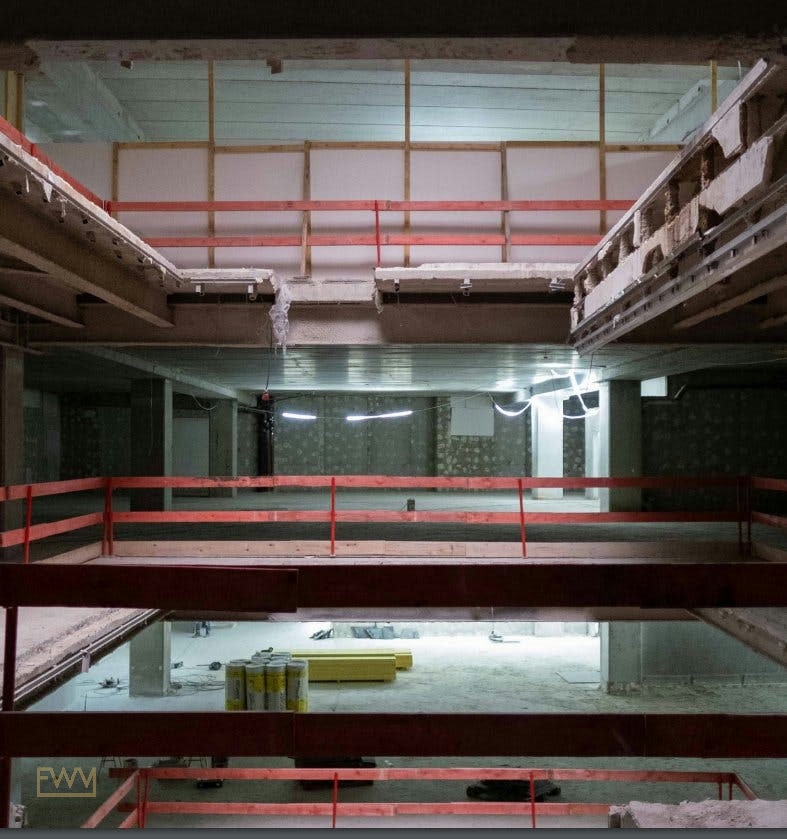
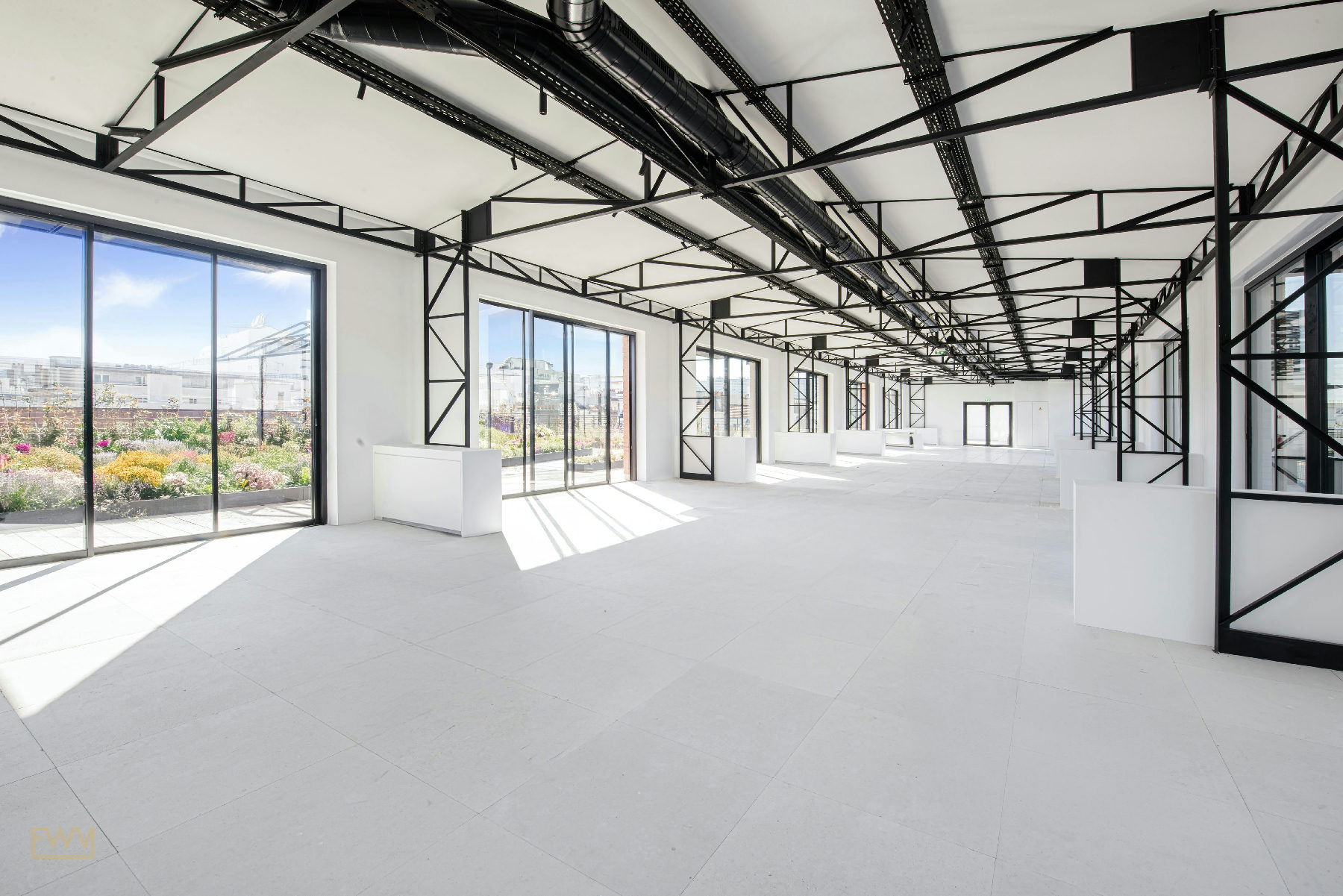
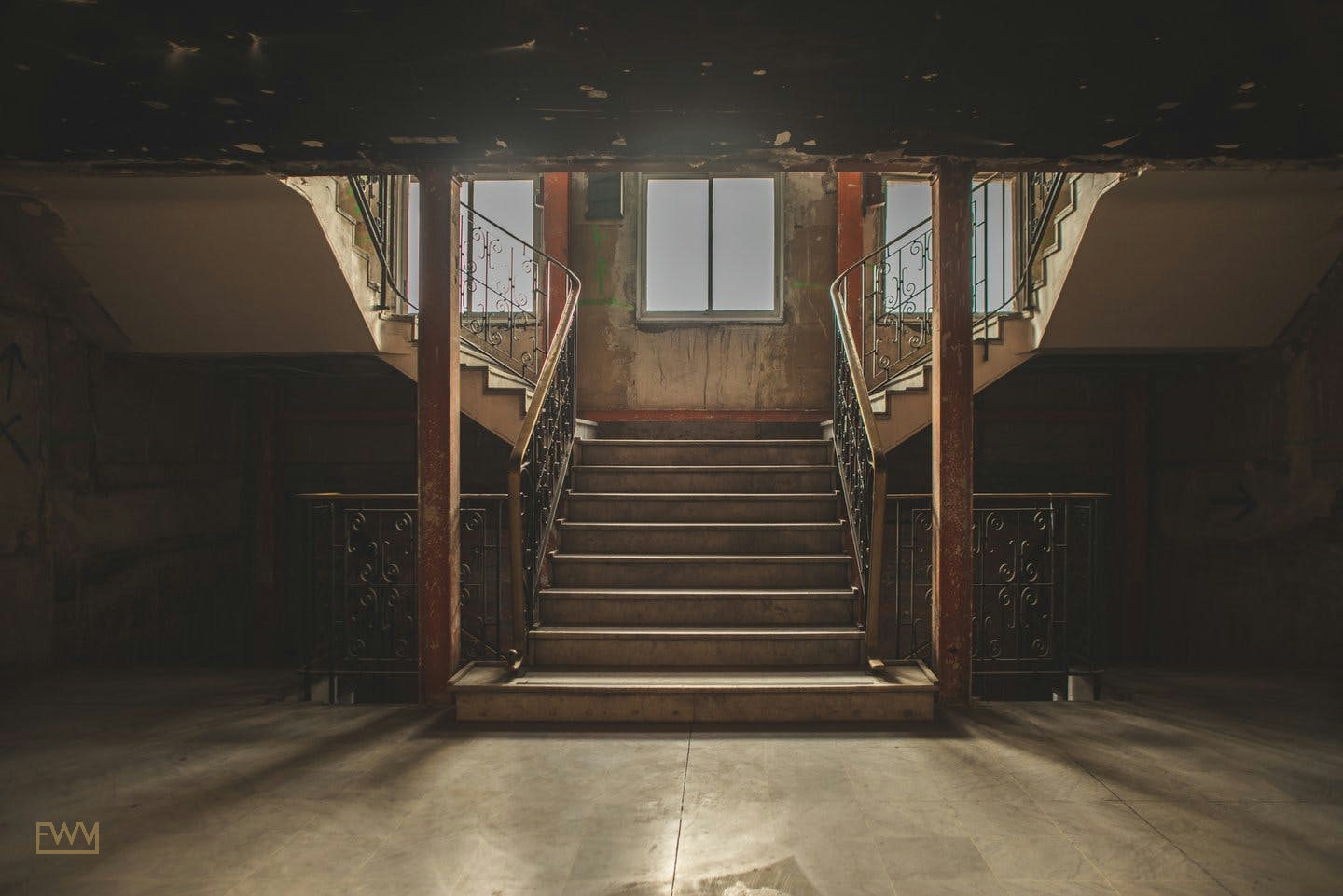
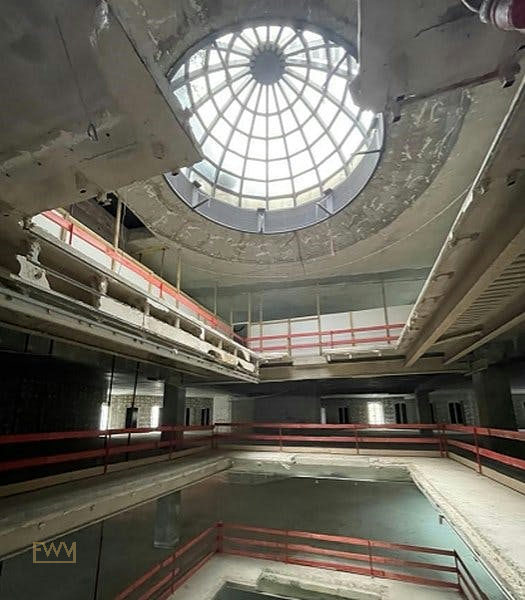
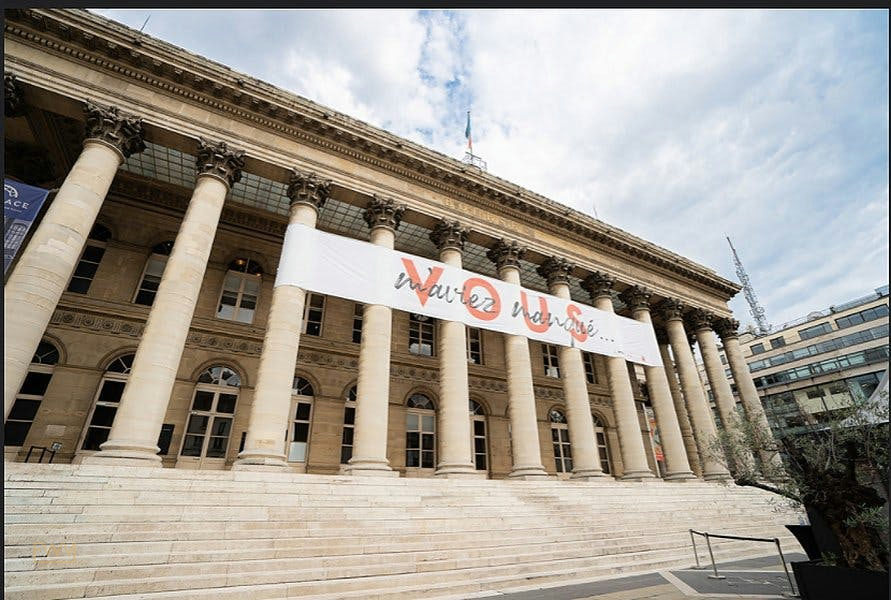

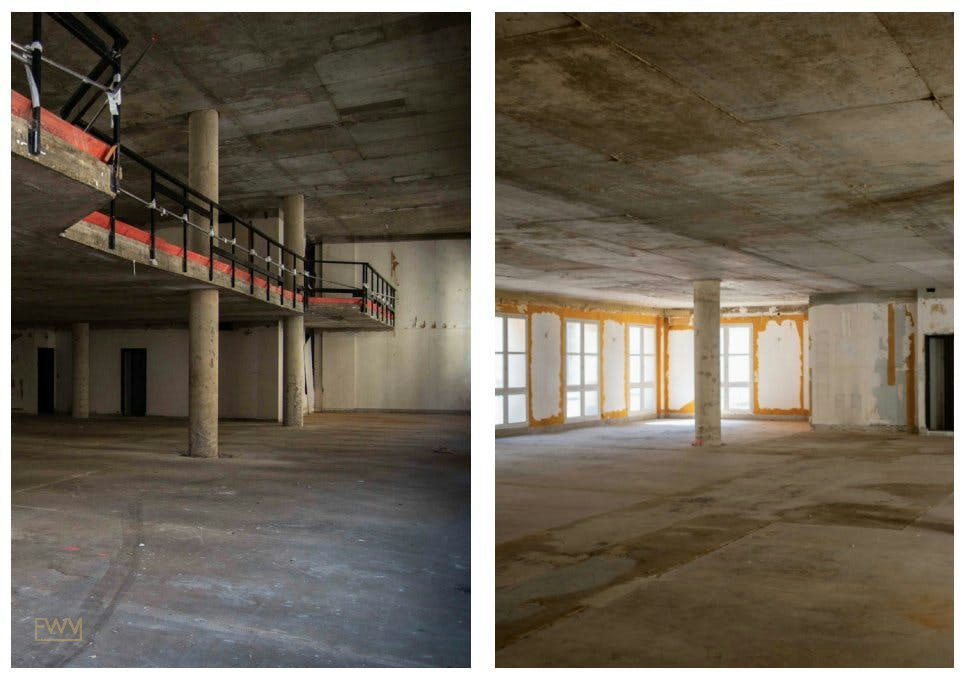
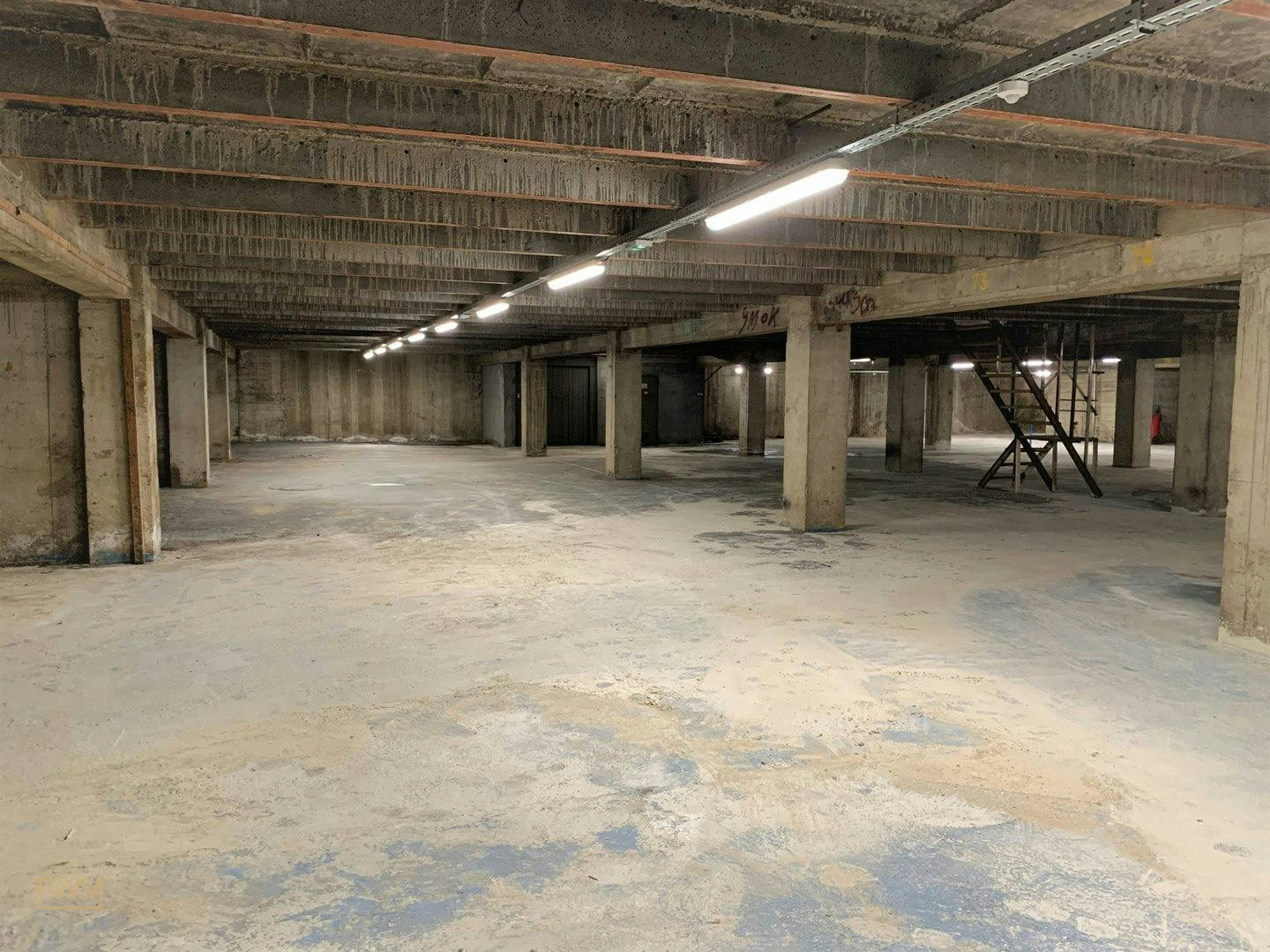
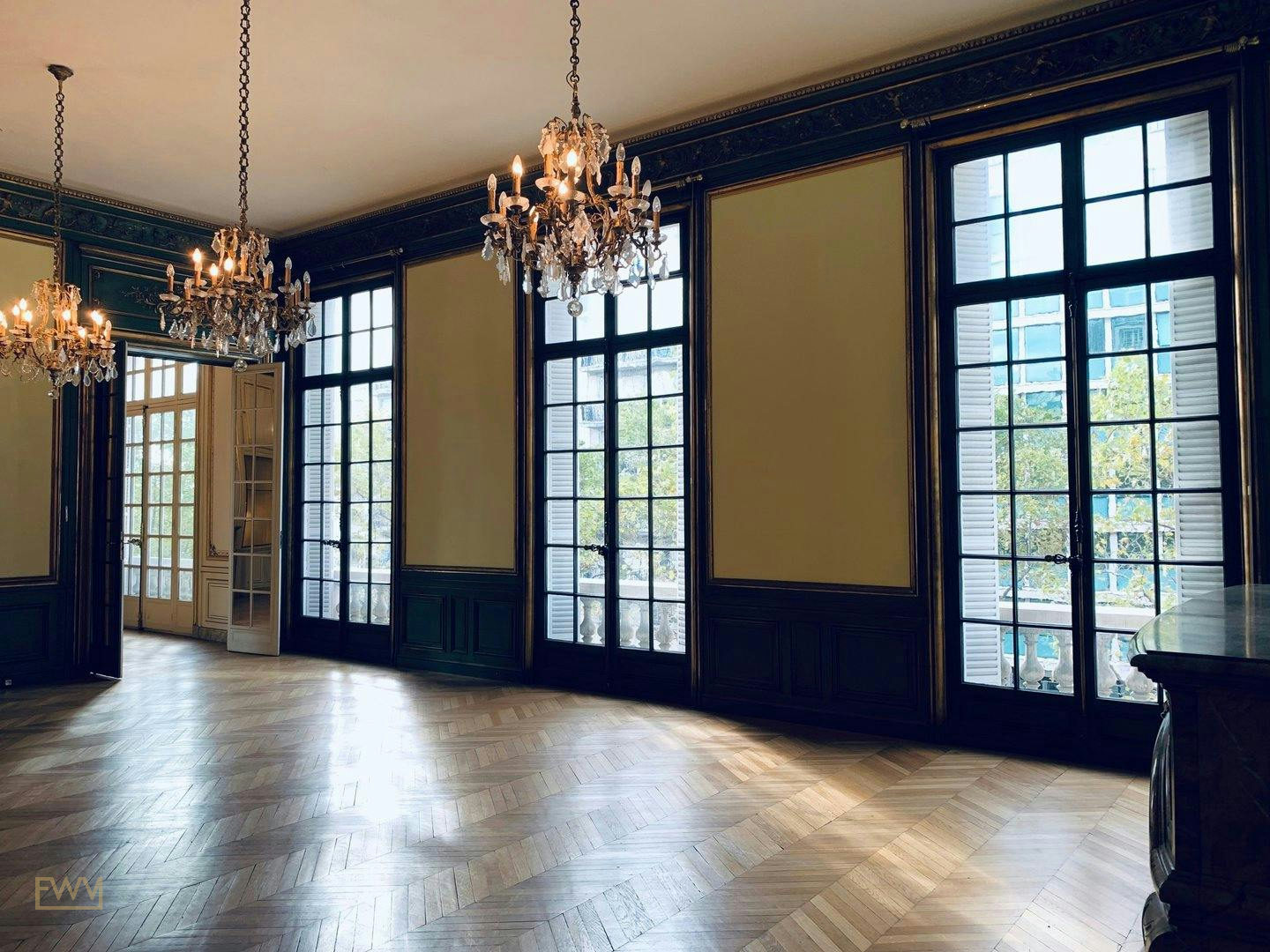
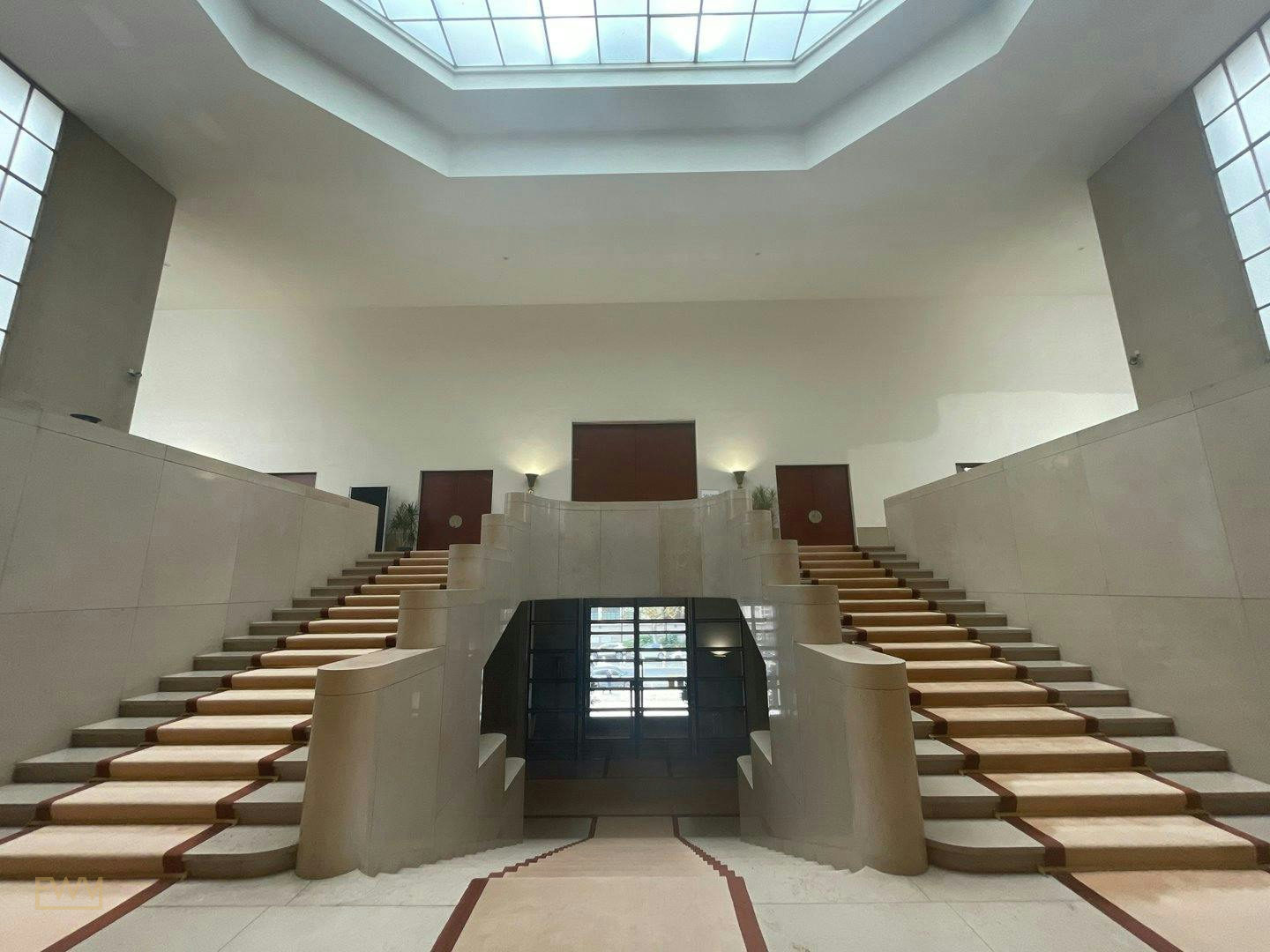
Fashion week venues are pivotal hubs for brands seeking to make a significant impact during pivotal moments like Paris Fashion Week. Choosing the right venue can define the success of a brand's fashion week presence. For brands, especially those new to the international stage or markets like Paris, understanding how to select and utilize these spaces effectively is crucial. Fashion Week Venues helps brands navigate this complex landscape by offering expert venue sourcing and activation services, ensuring a strategically aligned showcase that resonates with the target audience.
The Importance of Fashion Week Venues
Fashion week venues are more than just locations to display collections; they are platforms for storytelling and brand evolution. The venue's role varies from providing an intimate setting for niche brands to hosting grand spectacles for established labels. These venues must match the brand's ethos while providing enough logistical capacity to facilitate operations seamlessly. They are essential to meet the expectations of industry insiders and deliver impactful presentations.
The right venue enhances brand perception by aligning with both the logistical needs and aesthetic aspirations. For instance, a cutting-edge, innovative fashion brand might opt for a venue that mirrors its ethos through architecture and vibe. Securing a memorable space in a prime location can significantly leverage brand visibility and attract target demographics actively seeking new trends.
Quick answer: Choosing the right fashion week venue provides a setting that boosts brand visibility, aligns with logistics and aesthetics, and helps elevate collection presentation during key industry events.
KEY TAKEAWAY: Fashion week venues serve as crucial components in a brand's marketing narrative, offering settings that ensure maximum impact during one of the fashion industry's most critical periods.
Moving forward, understanding how these venues are classified and how they function throughout the industry calendar provides insight into their selection and impact.
Types of Fashion Week Venues
An extensive range of venues is available for fashion weeks, each serving different purposes and brand requirements. From opulent ballrooms to minimalistic loft spaces, venues are as diverse as the collections presented within them. Major venue types include traditional show spaces, modern multi-use galleries, pop-up retail spaces, and ambient showrooms.
| Type | Description | Best For |
|---|---|---|
| Traditional Show Spaces | Large halls and auditoriums suitable for grand-scale runway shows. | Established brands with large production capabilities and following. |
| Multi-use Galleries | Flexible spaces often used for installations and interactive presentations. | Innovative brands focusing on experiential marketing. |
| Pop-up Retail Spaces | Temporary shops designed to maximize limited-time brand interaction. | Emerging brands seeking direct consumer engagement. |
| Ambient Showrooms | Spaces that emphasize an intimate brand atmosphere. | Luxury brands highlighting craftsmanship and exclusivity. |
Quick answer: Fashion week venues range from traditional show spaces for large displays to intimate showrooms for exclusive presentations, each tailored to varying brand strategies and audience engagement goals.
KEY TAKEAWAY: Understanding the diverse types of fashion week venues allows brands to choose a setting that complements their marketing goals and enhances overall brand experience.
The next step is to delve into decision-making frameworks to select the right venues strategically, balancing brand goals with logistics and budget considerations.
Strategic Considerations for Venue Selection
Selecting the ideal venue requires a strategic balance of various factors, including budget, location, audience size, and the nature of the event. Each consideration plays a crucial role in how effectively a venue can serve a brand's specific needs. When evaluating potential venues, brands must consider not only their operational bandwidth but the exact experiential outcome they desire. Here are some vital considerations and frameworks to guide that decision:
- Brand Alignment: Ensure the venue's aesthetics and location reflect the brand's identity and resonate with its target demographic.
- Audience and Access: Consider the size and typical traffic of venues to ensure proper accommodation and exposure opportunities.
- Budget Constraints: Calculate both fixed and variable costs, and use tools such as the budget calculator for precise financial planning.
- Logistical Feasibility: Evaluate the venue's infrastructure capabilities, including technical equipment and staffing needs.
- Event Scale: The scale of the event can determine the appropriate type of venue, from small showrooms to grand stages.
Utilizing these considerations, brands can create a shortlist of venues that not only fit their logistical requirements but enhance the event's overall effectiveness. Engaging with professional venue sourcing services like those offered by Fashion Week Venues can provide additional support and insights into this complex decision-making process.
Quick answer: Strategic venue selection involves aligning venue aesthetics with brand identity, evaluating logistical capabilities, ensuring budget alignment, and using tools for comprehensive analysis.
KEY TAKEAWAY: Consideration of strategic factors like brand alignment, audience access, and logistical feasibility is crucial for selecting the right venue that aligns with both immediate needs and brand goals.
With venue selection strategies in mind, the next topic addresses how permits and compliance factors must be managed to secure and operate spaces seamlessly throughout Fashion Week.
Navigating Permits and Compliance in Paris
Operating a venue during Paris Fashion Week requires navigating a labyrinth of permits and compliance regulations. Understanding the local legal landscape is essential to avoid potential roadblocks. Key to this is the bail dérogatoire and Autorisation d'Occupation Temporaire (AOT), which provide frameworks for short-term and temporary space use.
The bail dérogatoire differs significantly from standard commercial leases, offering more flexibility but also requiring careful negotiation and establishment of terms to suit the event's duration and needs. Meanwhile, the AOT, typically necessary for using public spaces, also demands precision in application and adherence to municipal regulations.
Depending on the type, duration of the event, and its location (for instance, high-traffic areas like Opéra or Rue Saint-Honoré), additional permits may be needed, which vary across arrondissements. For instance, compliance with local fire safety regulations, noise ordinances, and place de stationnement pour taxis artistiques may affect permit requirements and timelines.
IMPORTANT: Permit and compliance requirements change frequently. It's recommended to consult with legal advisors familiar with Parisian regulations and use Fashion Week Venues' permits guidance tool to navigate these complexities.
Quick answer: Applying for a bail dérogatoire or AOT requires knowledge of the legal specifics, varying per relevant Paris arrondissement, and often requires the consultation of experienced local advisors.
KEY TAKEAWAY: Successfully obtaining the right permits and understanding compliance needs, such as bail dérogatoire and AOT, are essential components for legally securing venues in Paris Fashion Week, demanding both strategic planning and legal advice.
After establishing the logistical and legal frameworks, the next focus should be on budgeting effectively for space usage during fashion week.
Budgeting for Fashion Week Venues
Budgeting for fashion week venues involves a careful assessment of several cost elements, from space rental fees to operational expenses. Precise budgeting ensures that brands can sustain the quality of their presence without financial strain. While no two events have identical cost structures, some recurring budget elements are common across most engagements:
- Venue Rental: Often the most significant cost, varying widely by location, type, and season.
- Logistics and Production: Includes the cost of transportation, setting up installations, and necessary equipment for lighting and sound.
- Staffing: Temporary hiring for event management and operational support; consider Fashion Week Venues' staffing services for professional assistance.
- Design and Branding: Costs associated with store design, branding materials, including creative teams.
- Permits and Insurance: Necessary costs for securing and assuring permits and insurances.
Using a tailored budgeting tool, such as the one provided by Fashion Week Venues, can help streamline these elements, accounting for all necessary allocations and avoiding unexpected expenses. Brands are encouraged to leverage the budget calculator tool to match their unique event needs and financial capacity.
Quick answer: An effective budget will capture all critical costs: from location rentals and staffing to logistics and branding, ensuring complete financial transparency.
KEY TAKEAWAY: A comprehensive budget that covers rental, logistical, staffing, design, and permit costs is crucial for managing expenses and ensuring financial efficiency during fashion week events.
Once budgetary considerations are resolved, focus can then be shifted to optimizing the physical and experiential design of the space.
Optimizing Space Design and Logistics
Effective space design and logistical management can define a brand's fashion week experience. Creating an optimized space involves meticulous planning to align the physical environment with the brand's vision and event objectives. The process begins with assessing the space's potential and limitations and proceeds to an actionable plan to maximize its utility.
Brands must consider factors such as customer flow, accessibility, visual merchandising, and interactive elements to enhance audience engagement. For high-impact brand activations, integrating innovative technologies and digital touchpoints is increasingly crucial.
DID YOU KNOW: Interactive and technologically infused spaces have been shown to increase consumer retention and boost sales conversion by 20% during live events?
- Visual Merchandising: Align your merchandising displays with brand aesthetics to create a coherent and compelling environment.
- Customer Journey Mapping: Plan space layouts to ensure optimal customer flow and interaction with key displays.
- Logistical Coordination: Ensure seamless setup and breakdown procedures, mitigate potential in-event disruptions.
- Innovative Technology Integration: Leverage AR/VR and digital installations to enhance consumer engagement and data gathering.
TIP: Consider using Fashion Week Venues' imagine tool for visualizing and planning optimal space design strategies tailored to your brand needs.
Quick answer: Optimize venue impact by aligning visual merchandising and interactive elements to match brand message, ensuring cohesive storytelling and increased visitor engagement.
KEY TAKEAWAY: Strategic space design and logistical planning, involving visual merchandising and technology integration, play crucial roles in creating impactful brand experiences during fashion weeks.
With optimized design in place, the next focus should shift towards leveraging marketing strategies for enhanced brand visibility in fashion weeks.
Leveraging Marketing Strategies for Fashion Week Success
Marketing strategies during fashion weeks play a pivotal role in maximizing venue impact and ensuring brand-related activities translate into successful campaigns. Effective strategies encompass a mix of traditional and digital marketing tactics to engage audiences and secure media attention.
Given the diversity in fashion events, brands must adapt their strategies to incorporate localized practices and audience preferences. Social media marketing, influencer collaboration, and live streaming are particularly effective for reaching global audiences and generating real-time engagement.
- Social Media Optimization: Use platforms like Instagram and TikTok to showcase runway highlights and behind-the-scenes content.
- Influencer Engagement: Partner with fashion influencers to amplify brand reach organically across diverse platforms and audiences.
- Press and Media Coordination: Engage established media entities for increased coverage diversity during events.
- Experiential Marketing: Use immersive and interactive brand experiences to leave a lasting impression on attendees.
Incorporating Fashion Week Venues' influencer marketing services can help brands capitalize on their event through strategic collaborations. This tailored approach enhances reach and aligns with seasonal promotional activities optimized for the fashion calendar.
Quick answer: Employ a tailored mix of social media, influencer partnerships, and experiential marketing to boost visibility during fashion weeks, maximizing brand impact.
KEY TAKEAWAY: A strategic marketing plan that integrates social media, influencer collaborations, and innovative marketing methods elevates brand visibility and impact during critical fashion week moments.
Having covered marketing, the following section examines how the Fashion Week Venues agency assists in executing these efforts successfully.
How Fashion Week Venues Supports Brand Success
Fashion Week Venues is an industry leader in facilitating successful brand activations during fashion weeks. They provide a comprehensive array of services and tools designed to meet the needs of brands looking to leverage their fashion week experiences.
Their offerings include venue sourcing, concept direction, production and build management, and activation management, which together provide a seamless end-to-end service. The agency's innovative tools, such as the budget calculator and permits guidance tool, further support brands in planning and executing efficient fashion week operations.
Brands benefit from engaging Fashion Week Venues for their expertise in navigating logistics, strategic marketing, and creative event planning. By enabling brands to make informed decisions about venue choice, branding, and marketing strategies, the agency plays a critical role in elevating brand presence and engagement.
Quick answer: Fashion Week Venues supports brands through end-to-end services, from venue sourcing to marketing, enabling successful fashion week activations in competitive retail environments.
KEY TAKEAWAY: By partnering with Fashion Week Venues, brands gain access to industry-leading tools and services crucial for executing successful fashion week activations, maximizing their impact and operational efficiency.
Finally, to complement these insights, it's crucial to address myths surrounding fashion week venues and clarify common misconceptions.
Common Myths Debunked
MYTH: You need to establish a French legal entity to rent a fashion week venue in Paris.
FACT: While having a French legal entity can facilitate some aspects of business, it is not a prerequisite for renting short-term venues. Assistance via consultancies like Fashion Week Venues simplifies this process by handling necessary legal and negotiating factors for international brands.
MYTH: Paris Fashion Week is the only viable opportunity for showcasing fashion brands.
FACT: Despite its prestige, Paris Fashion Week is not the sole opportunity for exposure. Other fashion weeks like those in Milan, New York, and London offer diverse platforms with unique audiences, allowing brands to diversify and target different markets effectively.
MYTH: Hiring commission brokers is the only way to find the right venue in Paris.
FACT: While commission brokers are one avenue, agencies like Fashion Week Venues provide a broader and more customizable range of services, including comprehensive venue sourcing options tailored to brand-specific needs.
MYTH: Short-term leases are legally straightforward and don't require specialist help.
FACT: The complexity of short-term leases can often be underestimated. Legal nuances, including local regulations, need specialist handling to ensure compliance and avoid unexpected hurdles. Consulting experienced professionals ensures smooth, legal transactions.
Debunking these myths reinforces the advantages of well-informed planning and strategic collaboration with experienced agencies for leveraging fashion week opportunities effectively.
Frequently Asked Questions
What is the dress code for Paris Fashion Week events?
Paris Fashion Week events typically do not enforce a strict dress code, though attendees are expected to dress in line with fashion industry standards. Styles tend to be elegant, with a focus on modern and refined ensembles. For formal runway shows or galas, more formal attire may be appropriate. Always check specific event invitations for any particular dress requirements.
How do fashion week venues impact brand perception?
The choice of venue greatly influences brand perception by setting the tone and aesthetic for the event. An appropriate venue aligns with the brand’s ethos and lifestyle imagery, offering a unique environment that enhances storytelling and consumer engagement. Venues that are strategically chosen resonate well with the audience and media, bolstering the brand's market positioning.
Why is it beneficial to use a venue sourcing agency?
Using a venue sourcing agency like Fashion Week Venues offers expert insights into curating locations that meet strategic brand goals. They streamline the complexities of venue search, secure favorable terms, and ensure compliance with local regulations. This collaboration alleviates logistical burdens, enabling brands to focus on creativity and strategic planning.
What services does Fashion Week Venues offer?
Fashion Week Venues provides a comprehensive range of services including venue sourcing, concept direction, branded store design, production and build, activation management, and influencer marketing. They also offer a variety of tools such as budget calculators and timeline planners to support the strategic execution of fashion week events.
How important is experiential marketing during fashion weeks?
Experiential marketing is crucial during fashion weeks, as it creates impactful, memorable brand experiences that engage audiences beyond traditional showcases. By incorporating elements such as interactive displays and immersive technology, brands can strengthen consumer relationships and facilitate increased press coverage and media attention.
What role does logistics play in venue success?
Logistics play a foundational role in the success of a venue, ensuring all elements including setup, technical equipment, and staffing are efficiently managed. Proper logistical planning supports seamless event execution, catering to both brand and audience needs, and avoiding operational disruptions during critical event periods.
Is influencer marketing effective during fashion weeks?
Influencer marketing can significantly amplify a brand's reach during fashion weeks. Collaborating with influencers allows brands to tap into established networks and engage diverse audiences through authentic storytelling and exposure. This approach enhances visibility and cultivates consumer interest across various social media platforms.
Are all fashion week venues in Paris extremely costly?
While Paris is known for high-end venues, there are numerous diverse options across different price points. Costs vary based on location, size, and type. For emerging brands, smaller venues in less central locations may offer affordable alternatives without compromising on impact. Utilizing agency services can help in identifying cost-effective yet impactful options.
What is the process for securing a fashion week venue?
Securing a fashion week venue typically involves identifying suitable locations, negotiating terms, acquiring necessary permits, and arranging logistical support. The process can be streamlined with professional aid from agencies like Fashion Week Venues, which provide comprehensive planning and execution support tailored to brand needs.
What are some notable neighborhoods for fashion week venues in Paris?
Paris offers several iconic neighborhoods for hosting fashion week events, each with its unique appeal. Le Marais is known for its historic charm and trendy boutiques, while Saint-Germain-des-Prés offers a quintessential Parisian atmosphere. Opéra is noted for luxurious settings, and Canal Saint-Martin is favored for its bohemian vibrancy. Explore the Paris city hub for selecting the most suitable neighborhood.
Conclusion
Mastering the intricacies of selecting and leveraging fashion week venues requires a thorough understanding of venue types, strategic selection factors, and compliance logistics. Brands succeed by aligning their venue choices with overarching marketing strategies and budget plans. Engaging expert services such as those offered by Fashion Week Venues streamlines this process, ensuring seamless operations and impactful presentations. To move from research to activation, start exploring available spaces on the Fashion Week Venues marketplace and build a focused brief for your target neighborhood, space type, and calendar window.