Pop up shop rental Paris is one of the most searched and most misunderstood topics in short-term retail strategy. Paris is not simply a city with available commercial spaces. It is a city with a specific rhythm, a strict regulatory framework, defined neighbourhood identities, and a fashion calendar that determines when, where, and how brands should activate. Getting those decisions right requires more than a listing platform. It requires a clear understanding of the Paris retail market, the permit landscape, the cultural context, and the practical logistics of temporary retail in one of the world's most competitive fashion capitals. This guide covers every dimension of that decision, from choosing a neighbourhood to managing permits and measuring results. Fashion Week Venues operates a dedicated Paris city hub to support brands at every stage of this process.
Why Paris Remains the Global Standard for Temporary Retail and Pop-Up Activations
Paris occupies a unique position in global retail strategy. No other city combines the density of luxury heritage, international tourist traffic, fashion media concentration, and cultural authority that Paris delivers to brands activating in its streets.
The City of Light attracts approximately 40 million international visitors each year, according to the Paris Convention and Visitors Bureau, making it the most visited city in the world by tourist volume. That figure matters to brand teams not as abstract data but as a direct measure of the qualified international audience available to a well-placed pop-up store or temporary showroom. A fashion brand activating in Le Marais during Paris Fashion Week is not competing with a domestic footwear retailer for local shoppers. It is presenting itself to buyers, press, influencers, stylists, collectors, and high-net-worth consumers from across Europe, Asia, the United States, and the Gulf region simultaneously.
Paris also has a mature pop-up retail ecosystem. The concept of the temporary retail activation, the location commerciale de courte durée, is legally recognised, culturally accepted, and commercially established. Property owners in premium arrondissements routinely make their spaces available on short-term terms specifically to attract fashion brands, concept stores, and brand activations that would add prestige to their addresses. This creates a functioning market where quality spaces in the right locations are genuinely available, albeit with significant competition during peak calendar windows.
The city's neighbourhood structure also creates a built-in brand positioning mechanism. Where you choose to open your pop-up store in Paris communicates something precise about your brand's identity, positioning, and audience before a single consumer walks through the door. Le Marais signals contemporary, culturally engaged, and independent-minded. Saint-Germain-des-Prés signals intellectual heritage and understated luxury. The rue Saint-Honoré and Place Vendôme signal unapologetic haute couture aspiration. Choosing correctly is as important as designing the interior.
Paris Design Week, FIAC (now known as Paris+ par Art Basel), and Paris Fashion Week create predictable spikes in audience quality and media attention that allow brands to time their activations with precision. A temporary retail space open for ten days during Paris Fashion Week can generate press coverage, social media reach, and buyer relationships that would take months to build through conventional wholesale or digital channels.
DID YOU KNOW: Paris Fashion Week occurs twice annually, in January and February for Menswear and Haute Couture, and in September and October for Womenswear ready-to-wear, creating multiple distinct activation windows within a single calendar year.
KEY TAKEAWAY: Paris is not just a viable market for pop-up shop rental. It is arguably the highest-leverage market in the world for fashion brands willing to invest in a well-planned short-term retail activation. The city's visitor volume, media density, neighbourhood identity system, and fashion calendar create conditions that are genuinely difficult to replicate elsewhere.
Understanding why Paris works so well for temporary retail is the first step. The next is understanding which parts of Paris work best for your specific brief, audience, and objectives.
Parisian Locations and Neighbourhoods: Choosing the Right Arrondissement for Your Pop-Up Store
Neighbourhood selection is one of the most consequential decisions in any Paris pop-up shop rental strategy. Each arrondissement carries a distinct commercial character, foot traffic profile, and brand association that will shape how your activation is perceived, who visits it, and what outcomes it generates.
Le Marais: The Premier Destination for Contemporary Fashion Pop-Ups
Le Marais, spread across the 3rd and 4th arrondissements, is the dominant neighbourhood for fashion pop-up stores and temporary retail concepts in Paris. It combines historic architecture, dense cultural programming, consistent international tourist traffic, and a resident community with strong fashion and design engagement. The area around the Musée Picasso (Picasso Museum) and the Carreau du Temple draws visitors who are actively seeking cultural and commercial discovery, making them precisely the kind of audience that responds well to a thoughtfully designed pop-up store.
Rue de Turenne and the streets immediately surrounding it, including Charlot and Arts et Métiers, have become particularly established for short-term retail. Galerie Turenne, the Turenne Boutique, and other gallery-format spaces in this corridor regularly host fashion brands, beauty activations, and private exhibitions during Paris Fashion Week and other calendar events. These spaces typically offer a gallery aesthetic, meaning stripped-back walls, polished concrete or parquet floors, and adaptable layouts that suit both retail and showroom formats.
Place des Vosges, the elegant seventeenth-century square at the heart of Le Marais, anchors the neighbourhood's luxury credentials and creates a specific type of venue opportunity. Spaces immediately adjacent to or within view of Place des Vosges command premium rental rates and offer a heritage backdrop that is particularly effective for brands seeking to communicate craft, history, or European provenance.
The Marais district also benefits from proximity to Le Bon Marché and Le Bon Marché Rive Gauche on the Left Bank, creating a natural retail corridor for luxury and contemporary brands moving between the 3rd, 4th, and 6th arrondissements.
Saint-Germain-des-Prés: Intellectual Heritage and Understated Luxury
Saint-Germain-des-Prés (6th arrondissement) offers a different register entirely. The neighbourhood's association with intellectual life, literary culture, and artisanal luxury makes it an ideal setting for brands whose identity intersects with craft, sustainability, independent design, or cultural depth. Foot traffic here skews toward affluent Parisian residents, international visitors staying in the area's high-end hotels, and press and buyers attending showrooms in the neighbourhood's network of private apartments and galleries.
Pop-up stores in Saint-Germain-des-Prés tend toward smaller formats: boutique spaces of 30 to 100 square metres that reward careful merchandising and intentional visitor experience over volume and throughput.
Rue Saint-Honoré, Vendôme, and Champs-Élysées: Prestige Positioning
The 1st and 8th arrondissements, anchored by the rue Saint-Honoré, Place Vendôme, and the Champs-Élysées, represent the highest-prestige and highest-cost end of the Paris pop-up rental market. Brands activating in these locations signal alignment with the established luxury hierarchy. These locations are most appropriate for heritage houses, international luxury brands entering the French market, and activations where address and adjacency to established maisons is a core part of the brand communication strategy.
Rue de Rivoli, which connects the 1st arrondissement with the Marais along the Seine, offers a pragmatic middle ground: strong foot traffic from tourists visiting the Louvre and neighbouring institutions, without the premium rental rates of the Saint-Honoré corridor.
Châtelet and Central Paris: High Volume, Mixed Profile
The Châtelet area in the 1st arrondissement offers some of the highest footfall in Paris, driven by the convergence of multiple Metro lines and proximity to Les Halles. This makes it viable for brands whose strategy depends on volume and broad audience reach rather than curated positioning. Concept stores and multi-brand activations tend to perform well in this zone, while ultra-luxury or highly niche brands may find the audience mix less aligned with their targeting.
Quick answer: The best neighbourhood for a pop-up shop in Paris depends on your brand's positioning, target audience, and calendar objectives. Le Marais is the most versatile and consistently recommended option for contemporary fashion brands. Saint-Germain-des-Prés suits craft and independent luxury. Rue Saint-Honoré and Vendôme suit established luxury and haute couture adjacency. Châtelet suits high-volume concept activations.
| Neighbourhood | Arrondissement | Best For | Typical Space Type | Audience Profile |
|---|---|---|---|---|
| Le Marais | 3rd and 4th | Contemporary fashion, beauty, concept stores | Gallery, boutique, loft | International tourists, fashion press, buyers |
| Saint-Germain-des-Prés | 6th | Independent luxury, craft, design | Boutique, private apartment | Affluent Parisians, international press |
| Rue Saint-Honoré and Vendôme | 1st and 8th | Luxury heritage, haute couture adjacency | Flagship-format, gallery | High-net-worth, luxury buyers |
| Champs-Élysées | 8th | Mass prestige, international visibility | Large-format retail | Mass international tourists |
| Châtelet and Les Halles | 1st | High-volume concepts, multi-brand | Commercial unit, concept space | Mixed: commuters, tourists, students |
| Arts et Métiers and Charlot | 3rd | Emerging brands, gallery-format | Gallery, studio | Fashion insiders, design community |
KEY TAKEAWAY: Neighbourhood selection in Paris is a brand positioning decision as much as a logistical one. The right arrondissement reinforces what your brand stands for. The wrong one creates friction between your activation's physical context and your brand's intended identity.
With neighbourhood strategy resolved, the next layer of complexity is understanding the operational and legal mechanics of securing a space and running it compliantly.
How Pop Up Shop Rental in Paris Works: Lease Types, Permits, and Legal Frameworks
Securing a pop-up shop in Paris is not the same as renting a space in London, New York, or most other major cities. France has a specific legal framework governing commercial property, and brands that approach Paris rentals without understanding that framework frequently encounter delays, unexpected costs, and compliance problems.
Quick answer: Pop-up shop rentals in Paris are governed primarily by the bail dérogatoire (short-term commercial lease) framework, which allows leases of up to 36 months without triggering standard commercial lease protections. For purely temporary or event-format uses, an Autorisation d'Occupation Temporaire (AOT) may apply. Requirements vary significantly by space type, intended use, and arrondissement.
The Bail Dérogatoire: Short-Term Commercial Leases in France
The bail dérogatoire, also known as the bail précaire or bail dérogatoire au statut des baux commerciaux, is the primary legal instrument used for pop-up shop rentals in Paris. Under French commercial property law (Article L. 145-5 of the Commercial Code), a bail dérogatoire allows a landlord and tenant to agree a short-term commercial lease of up to 36 months without the tenant acquiring the protections and renewal rights that apply under standard French commercial leases (the bail commercial statut).
This distinction is critical. Under a standard French commercial lease, tenants acquire significant legal protections including the right to renew and the right to compensation upon eviction. A pop-up brand activating for 10 days or 3 months does not want these protections because they come with corresponding obligations. The bail dérogatoire strips both parties back to a simpler contractual arrangement, but it must be correctly drafted and clearly labelled as such from the outset. If it is not, French courts have sometimes interpreted an intended bail dérogatoire as a standard commercial lease, creating significant complications for landlords and brands alike.
IMPORTANT: The distinction between a bail dérogatoire and a standard bail commercial must be explicitly stated in writing at the time of signing. Brands should always have a French legal advisor review any lease agreement before signing, regardless of whether the landlord or intermediary has represented the agreement as a standard pop-up arrangement.
Autorisation d'Occupation Temporaire (AOT)
For public or semi-public spaces, including certain squares, covered markets, and publicly owned cultural venues, an Autorisation d'Occupation Temporaire (AOT) is required rather than a private lease. AOTs are issued by the relevant public authority (often the arrondissement mairie or the City of Paris) and are subject to specific conditions regarding use, presentation, hours of operation, and public safety. Processing times for AOTs can vary considerably, and brands planning activations in or adjacent to public spaces should build significant lead time into their planning. The Fashion Week Venues permits tool provides guidance on the permit requirements relevant to different space types and intended uses.
Insurance, Liability, and Compliance
French law requires that tenants of commercial spaces carry adequate liability insurance before occupation begins. For pop-up retail activations, this typically includes public liability cover, product liability cover (if goods are being sold), and in some cases, specific cover for any structural alterations or installations. Property owners in Paris are increasingly requiring proof of insurance before issuing keys, and some spaces require a specific minimum coverage level. Requirements vary by space, building type, and landlord, so brands should clarify insurance requirements at the start of negotiations rather than at the point of signing.
Merchandising regulations in France also apply to temporary retail. Specific rules govern signage, pricing displays, promotional materials, and in some arrondissements, external visual presentation. Brands planning significant exterior branding or window displays should verify local regulations before committing to a design approach.
TIP: Do not assume that a space that has previously hosted a pop-up activation will automatically comply with the permit and insurance requirements relevant to your specific use case. Verify independently for each activation.
KEY TAKEAWAY: The legal framework governing pop-up shop rental in Paris is specific, consequential, and significantly different from the frameworks in most other major markets. Brands that invest in correct legal advice before signing save considerably more in avoided complications than the cost of that advice.
With legal mechanics understood, the practical next step is identifying, evaluating, and comparing actual spaces in the Paris market.
Types of Pop-Up Spaces Available in Paris: Formats, Sizes, and Use Cases
Paris offers a wider range of temporary retail space formats than most cities, reflecting the diversity of its building stock, its cultural infrastructure, and the maturity of its pop-up retail market. Understanding which format suits your activation is as important as choosing the right neighbourhood.
Quick answer: The main pop-up space formats in Paris include gallery spaces, boutique retail units, loft and industrial spaces, private apartments and hôtels particuliers, market halls, and shared or co-activation spaces. Each format carries different cost structures, logistical requirements, and brand associations.
Gallery Format Spaces
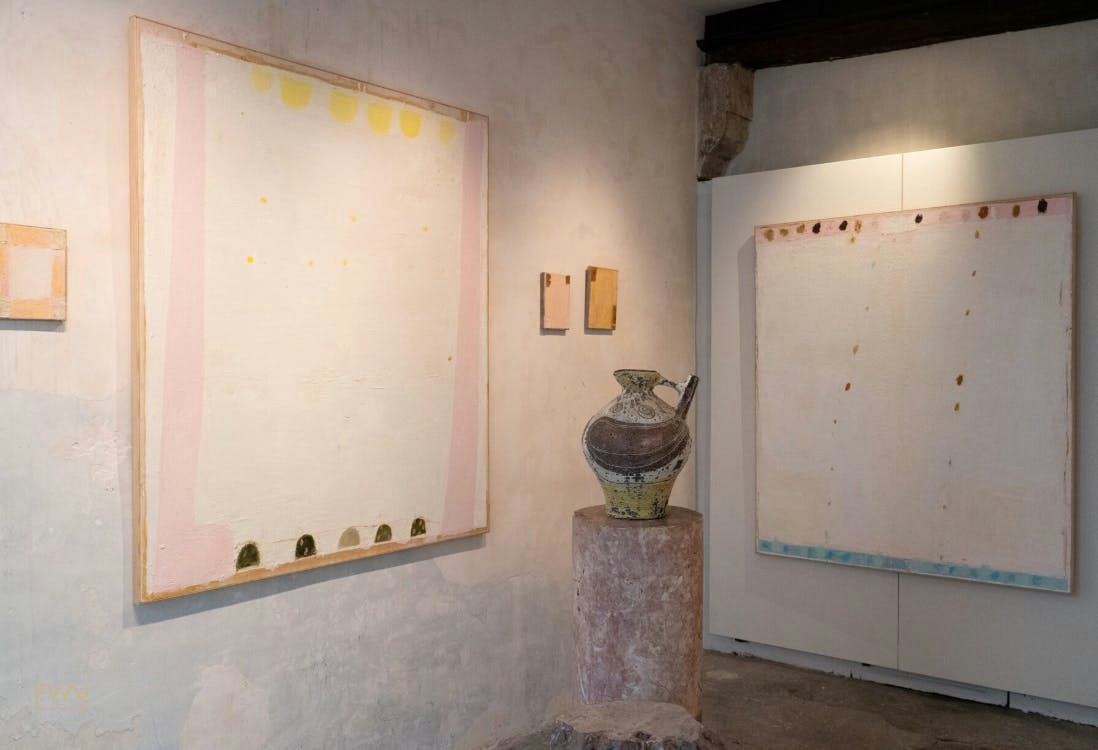
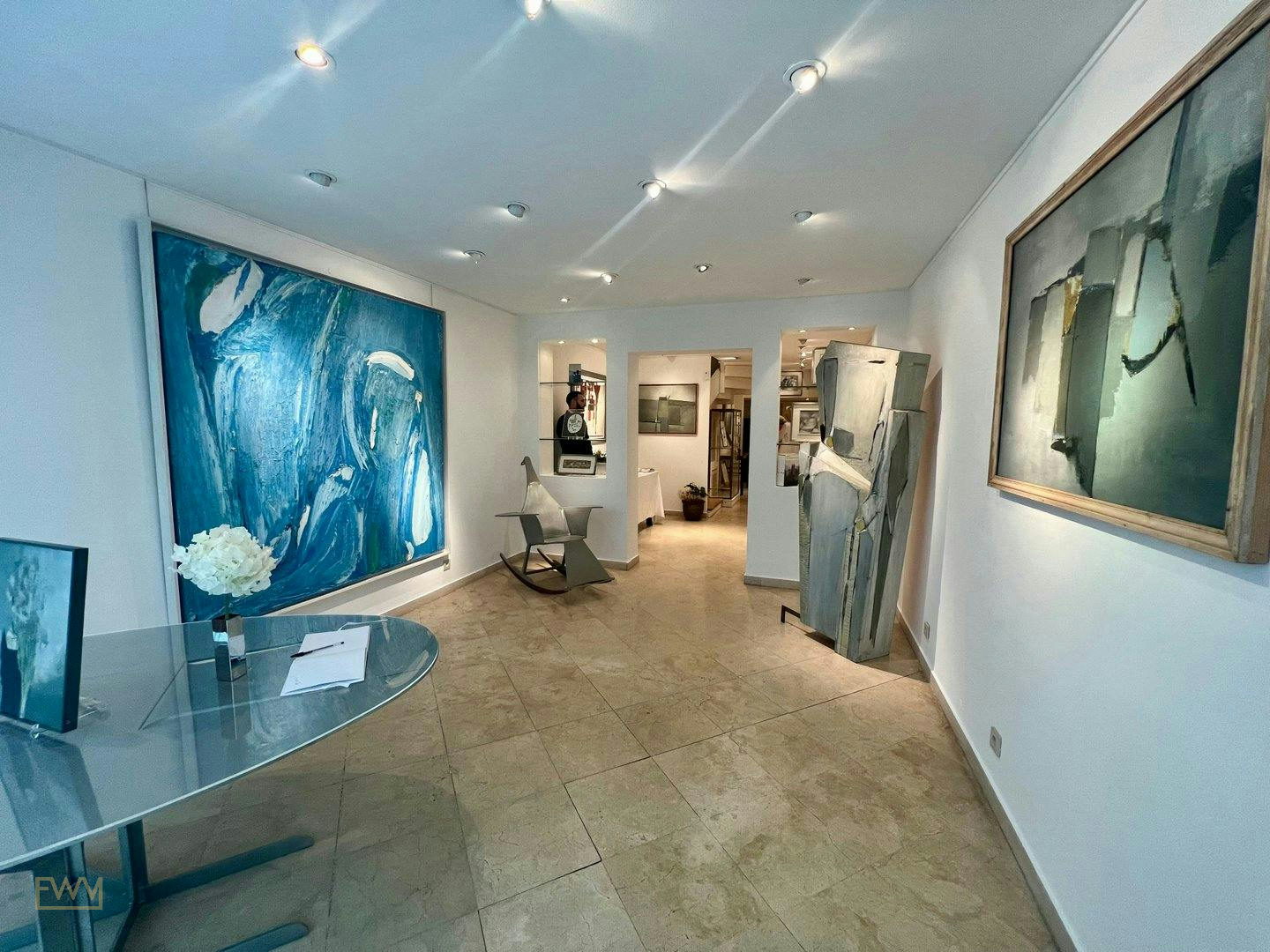
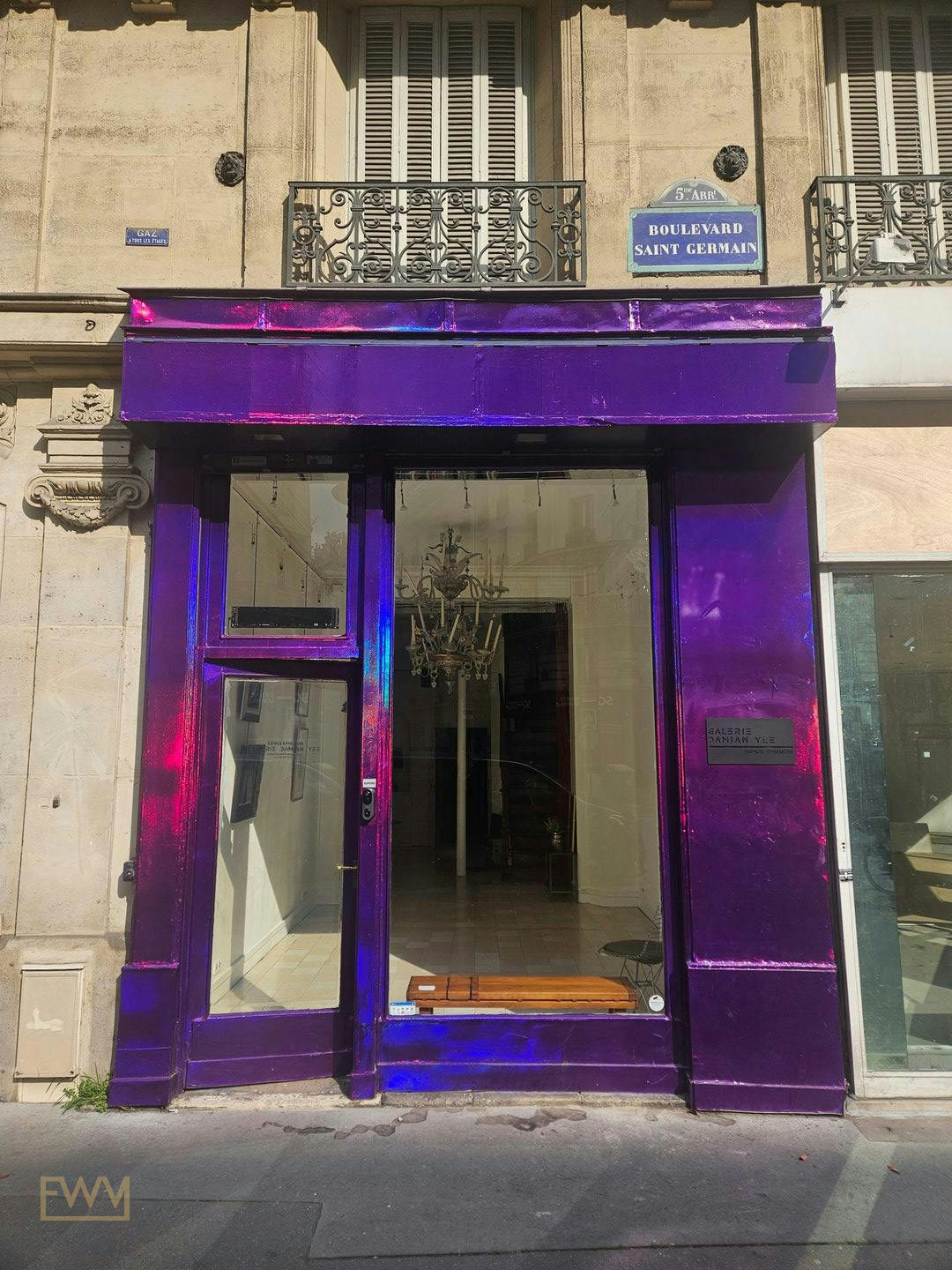
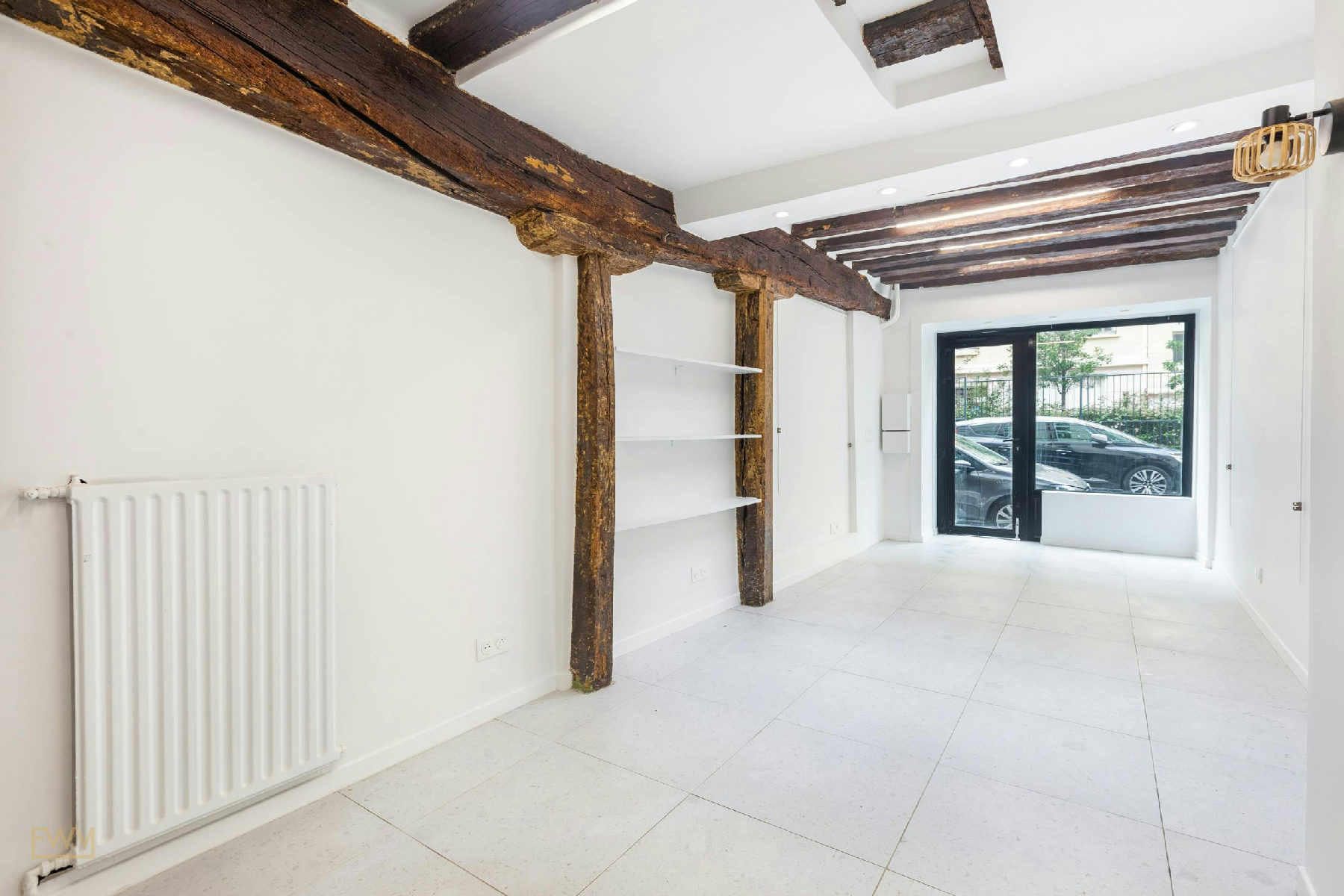
Gallery-format spaces are the most commonly used format for fashion pop-up stores and showrooms in Paris. These spaces are designed for flexible use: white or raw walls, polished or raw flooring, high ceilings, and minimal fixed furniture allow brands to impose their own visual identity entirely. Galerie Joseph, Galerie Turenne, and similar gallery spaces in Le Marais and adjacent neighbourhoods operate primarily as commercial rental venues that cycle between fashion activations, art exhibitions, and private events throughout the year. The Galerie d'exception and Galerie D'art formats in the higher arrondissements offer prestige gallery environments with correspondingly higher rental rates.
Boutique Retail Units
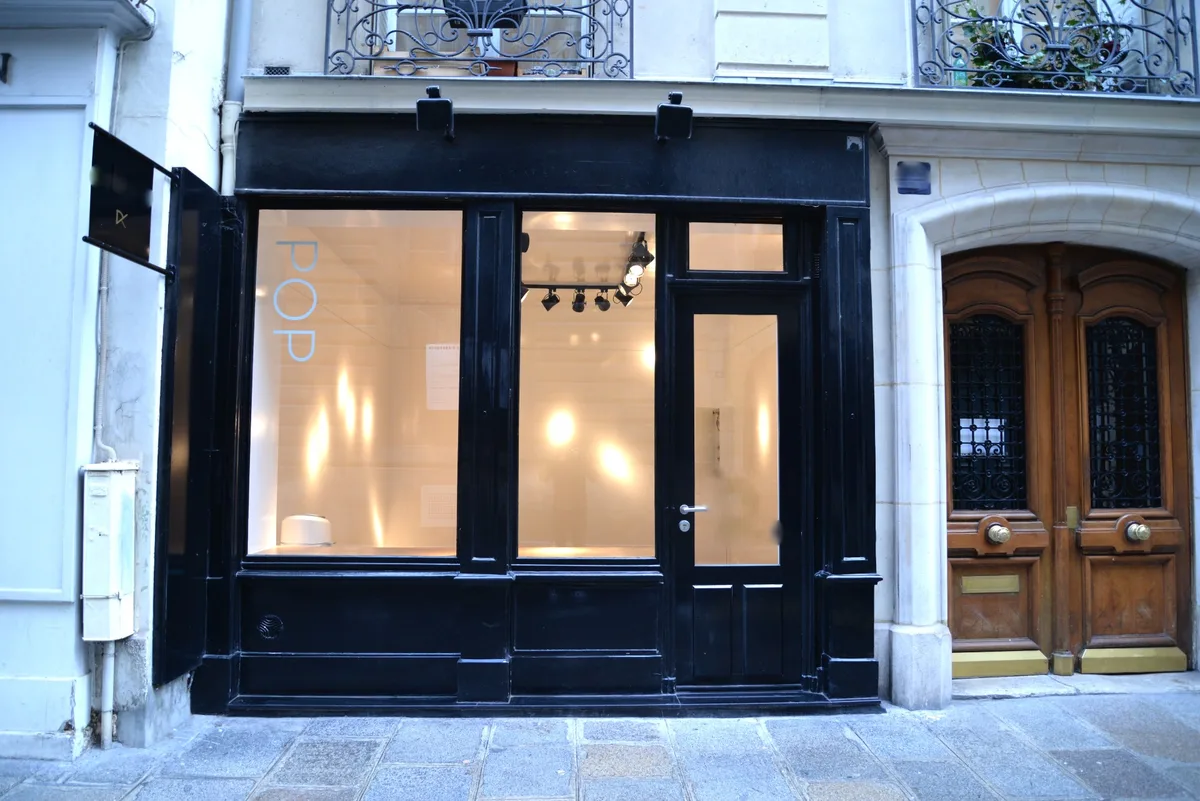
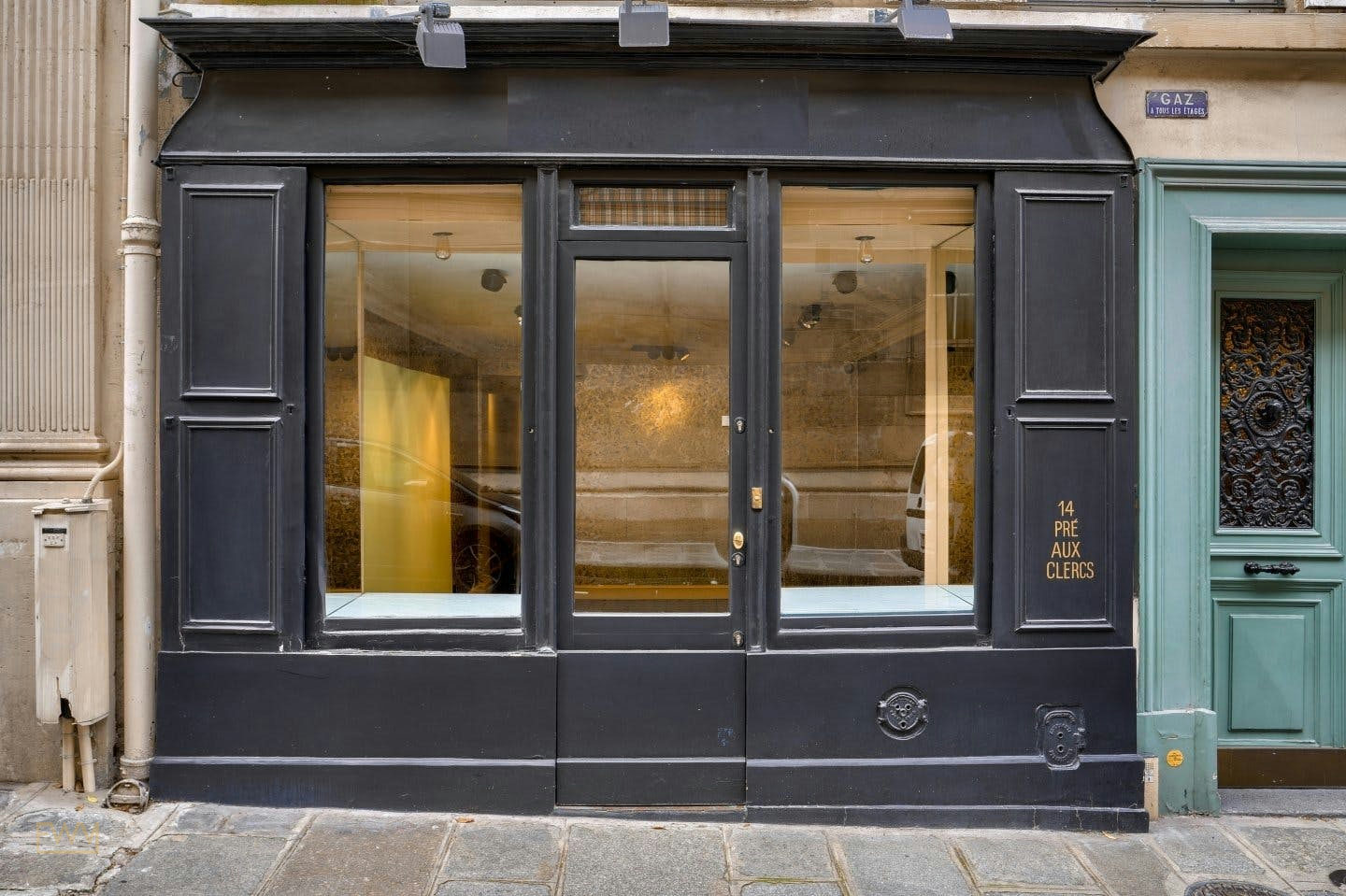
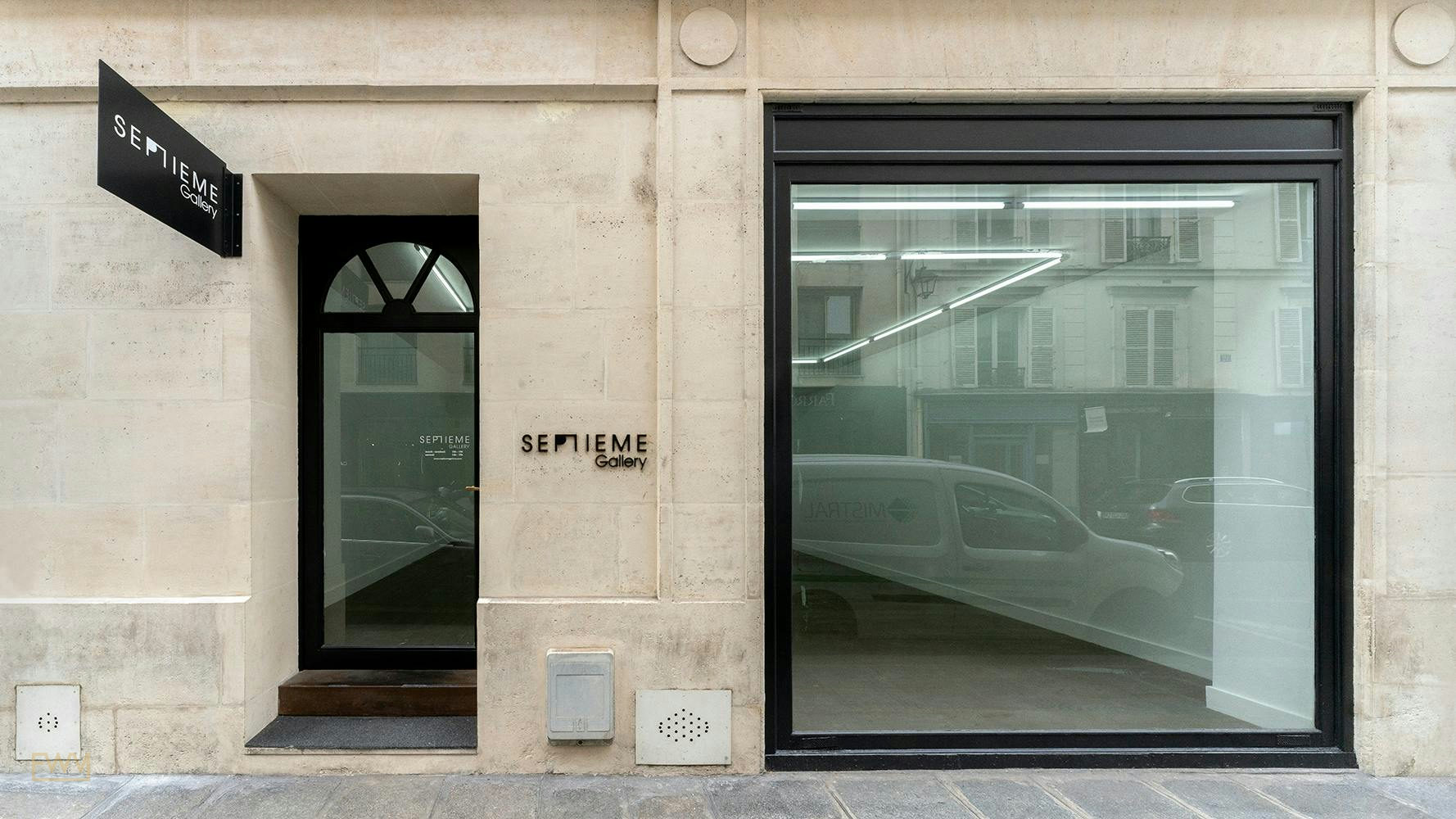
Former retail boutiques represent the most practical format for brands planning a transactional pop-up store with direct consumer sales. These spaces already have retail-grade electrical systems, appropriate lighting, changing room infrastructure in many cases, and street-facing display windows that allow for visual merchandising communication. Spaces of this type in Le Marais, Saint-Germain-des-Prés, and the 1st arrondissement range considerably in size, from 20-square-metre capsule formats to 300-square-metre former flagship units.
Loft and Industrial Spaces
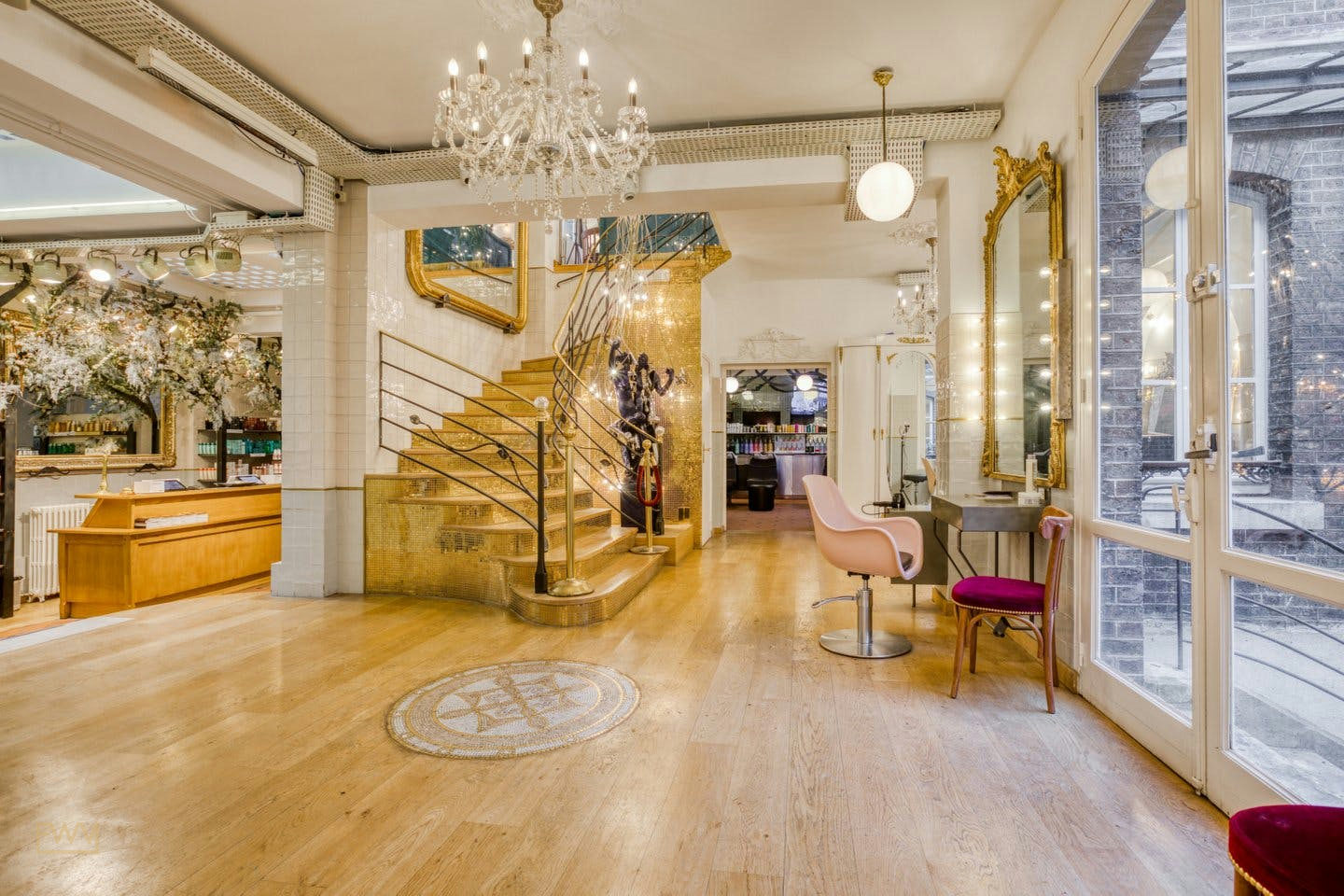
The 10th and 11th arrondissements, and parts of the 3rd, offer converted loft and industrial spaces that suit brands seeking a rawer, more editorial aesthetic. These spaces are increasingly popular for fashion brands targeting a younger, more design-literate audience and for activations combining retail with event programming, DJ sets, or artistic installations. The Charlot Store and Chic Event Space in the 3rd arrondissement exemplify this format.
Hôtels Particuliers and Private Apartments
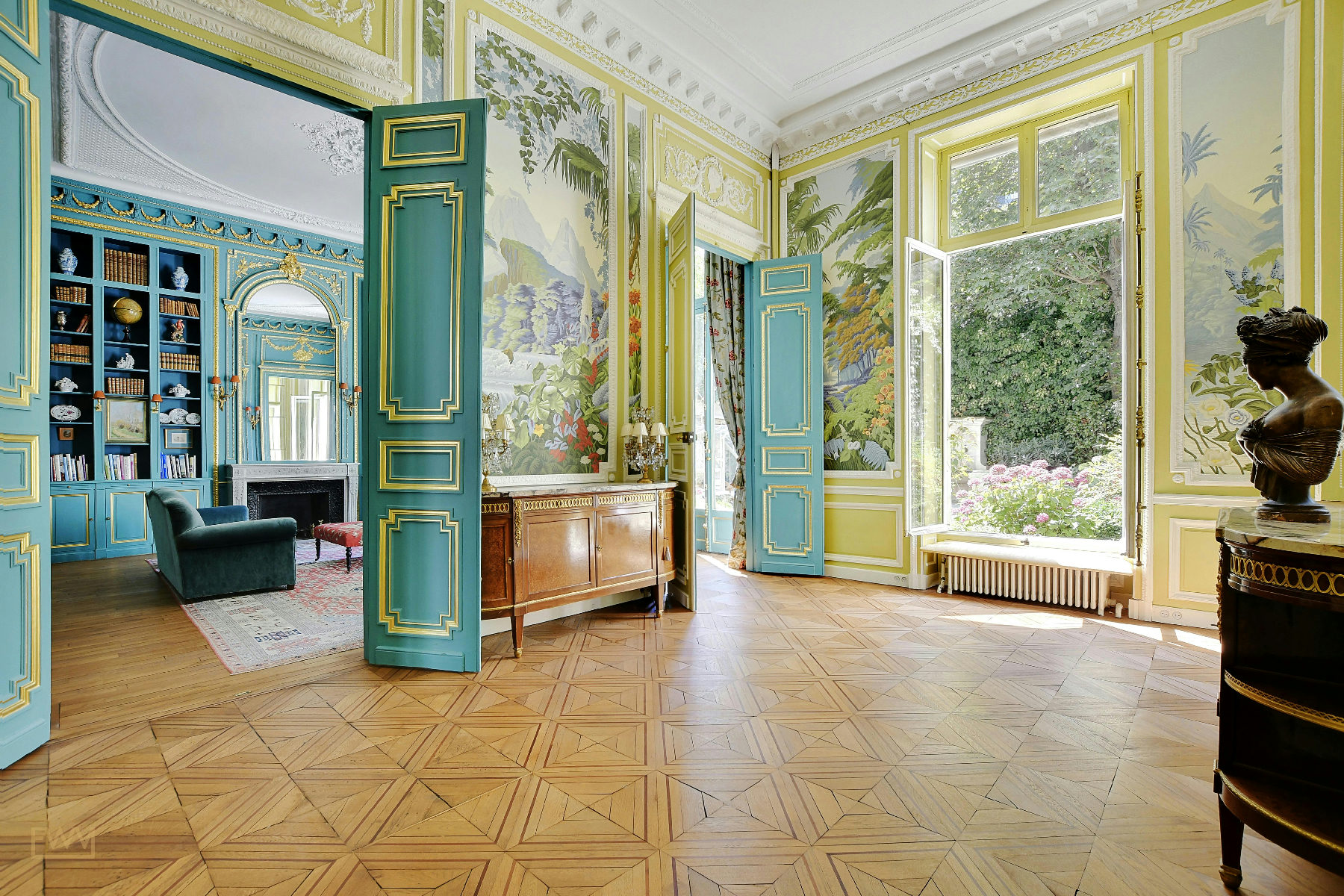
For showroom-format activations aimed at press, buyers, and trade, private apartments and hôtels particuliers (historic Parisian townhouses) offer a dramatically different and often more effective context. Fashion brands using private residential spaces for showrooms benefit from an intimacy and exclusivity that a conventional retail space cannot replicate. These formats are particularly common during Paris Fashion Week, when showroom space across the city is at maximum demand.
Market Halls and Covered Markets
The Carreau du Temple in the 3rd arrondissement is the most prominent example of a historic market hall repurposed for contemporary activations. Its large open floor plan, natural light, and cultural programming calendar make it suitable for multi-brand events, fashion presentations, and experiential retail concepts that require significant square footage and flexibility.
| Space Type | Typical Size Range | Best Activation Format | Lead Time Required | Key Consideration |
|---|---|---|---|---|
| Gallery format | 40 to 200 sqm | Fashion pop-up, showroom, art installation | 6 to 12 weeks | Usually requires full fit-out |
| Boutique retail unit | 20 to 300 sqm | Direct retail, product launch | 4 to 10 weeks | Check existing fixtures and fittings |
| Loft or industrial | 80 to 500 sqm | Event, installation, multi-use | 8 to 16 weeks | Services may need upgrading |
| Hôtel particulier | 50 to 400 sqm across multiple rooms | Press showroom, VIP activation | 8 to 16 weeks | Often highly sought after; book early |
| Market hall | 200 to 2000 sqm | Multi-brand, large-scale event | 12 to 24 weeks | Complex permitting and operations |
| Co-activation or twin space | Variable | Shared brand activation, cost-sharing | 6 to 12 weeks | Requires brand alignment between partners |
KEY TAKEAWAY: The format of your pop-up space shapes the visitor experience before your brand design does anything. A gallery format communicates editorial intent. A boutique retail unit communicates commercial readiness. A hôtel particulier communicates exclusivity. Match the format to the experience you want to create.
To compare neighbourhoods and space types, explore the Paris city hub on Fashion Week Venues and shortlist spaces that match your brief, budget, and calendar window.
Planning and Running a Paris Pop-Up: Operations, Logistics, and Brand Activation Management
Finding the right space is only the beginning of a successful Paris pop-up. The operational complexity of running a temporary retail activation in Paris, managing logistics, staffing, payments, social media communication, and physical merchandising, is where many brand teams underestimate the resource required.
Defining Your Objectives Before You Search
Before beginning any space search, a brand team needs clarity on the activation's primary objective. The answer to this question determines almost every subsequent decision: the neighbourhood, the space format, the duration, the staffing model, the payment infrastructure, and the success metrics. The primary objectives for a Paris pop-up activation typically fall into one of four categories: direct consumer sales, press and media coverage, trade and buyer meetings (showroom format), or concept testing and market research.
A brand whose primary objective is generating sales needs a space with high-quality consumer foot traffic, a clear transactional setup, POS and payment infrastructure, and adequate staffing. A brand whose primary objective is press coverage needs a space with strong visual identity, easy access for journalists and photographers, and a well-planned media outreach programme. A brand conducting buyer meetings needs a showroom-format space in a neighbourhood where buyers are already present during Fashion Week.
Layout Planning, Spatial Design, and Artistic Direction
Spatial planning for a Paris pop-up should begin as soon as a space is confirmed. Gallery and boutique format spaces in Paris rarely come dressed: the brand is expected to transform the space entirely. This requires decisions about furniture (purchased, rented, or custom-built), lighting, flooring, wall treatments, window displays, and the overall flow of the visitor journey through the space.
Artistic direction for a pop-up store in Paris is not a luxury. It is a functional requirement. Paris consumers and press have extremely high visual standards shaped by constant exposure to some of the world's most sophisticated retail and exhibition environments. A pop-up store that looks underprepared or visually inconsistent will generate negative press associations regardless of the quality of the product it contains. Brands working with Fashion Week Venues' concept direction service receive structured support in translating brand identity into a coherent spatial experience.
Transport, Logistics, and Product Movement
Once a space is confirmed and designed, the practical question of how products, furniture, and brand materials will reach the space needs to be resolved. Paris has strict regulations around vehicle access in central arrondissements, particularly in Le Marais, where many streets are pedestrianised or have restricted vehicle access windows. Brands planning a pop-up in the 3rd or 4th arrondissement should verify delivery access routes and available time windows before committing to a logistics plan.
For international brands shipping products to Paris for a pop-up activation, customs documentation, VAT implications, and temporary import procedures are additional operational considerations that must be resolved before shipment, not upon arrival at the port of entry.
Staffing the Pop-Up
Retail staffing for a Paris pop-up involves navigating French employment law, which is more protective of workers and more procedurally complex than employment frameworks in many other markets. For short-term retail activations, brands typically have three options: using their own existing staff (potentially with work permit requirements for non-EU nationals), contracting through a specialist retail staffing agency, or engaging independent contractors under appropriate contractual arrangements. Language requirements are also a practical consideration: consumer-facing staff in Paris need at minimum functional French, and in tourist-heavy locations like Le Marais, multilingual capability (French, English, and ideally one additional language) is a genuine commercial advantage. The Fashion Week Venues staffing service supports brands in sourcing trained bilingual retail staff for Paris activations.
POS, Payments, and Sales Infrastructure
Payment infrastructure for a Paris pop-up requires planning for the French market specifically. French consumers have high card payment adoption, and international visitors expect to pay by card, contactless, or digital wallet. Cash handling in Paris retail environments is increasingly rare but still occurs. Brands need to ensure their POS system is compatible with French payment standards, can handle multi-currency transactions where relevant, and produces compliant VAT receipts for French tax purposes.
Social Media and Communication Strategy
A Paris pop-up activation without a social media communication plan is a significant missed opportunity. The visual quality of Paris as a backdrop, combined with the concentration of influencers, press, and brand accounts active during Fashion Week and other calendar events, creates a naturally amplifying environment for well-photographed content. Brands should plan their content strategy before the activation opens, identifying which moments, spaces, and product presentations will generate the most shareable content, and briefing any influencer collaborators well in advance.
TIP: Coordinate your social media content schedule with your activation calendar. The most effective Paris pop-up accounts plan content releases around specific events: the opening day, mid-activation programming moments, and the final days, rather than posting reactively throughout the run.
Quick answer: Running a successful Paris pop-up requires coordinating space selection, spatial design, permit compliance, logistics, staffing, payments, and social media communication simultaneously. Brands that approach only the space selection piece and improvise the rest consistently underperform against those that plan each operational layer in advance.
KEY TAKEAWAY: The operational complexity of a Paris pop-up activation is consistently underestimated by brand teams approaching the city for the first time. Spatial planning, logistics, staffing, and compliance each require specific Paris market knowledge and cannot be managed effectively by applying processes developed in other markets without adaptation.
Understanding the operational requirements prepares a brand to build a realistic budget. The next section addresses how to approach budgeting for a Paris pop-up shop rental without common planning errors.
Budgeting for a Pop Up Shop Rental in Paris: Cost Components and Planning Framework
Budgeting accurately for a Paris pop-up shop rental is one of the most common challenges for brand teams, particularly those activating in the city for the first time. The overall cost of a Paris pop-up is almost always significantly higher than the headline rental rate suggests, because the rental rate represents only one of multiple cost components that accumulate into the total activation budget.
Quick answer: The total cost of a Paris pop-up activation includes the space rental rate, a security deposit (typically one to three months' rental equivalent), fit-out and production costs, furniture rental or purchase, permit and legal fees, insurance, staffing, logistics, marketing and social media, and any technology infrastructure such as POS and payment systems. Brands should plan for the rental rate to represent no more than 30 to 40 percent of the total activation budget for a well-resourced activation.
Space Rental Rates in Paris
Rental rates for pop-up spaces in Paris vary enormously depending on neighbourhood, size, format, duration, and the specific calendar period. Peak calendar windows, particularly the weeks immediately surrounding Paris Fashion Week in September and October and in January and February, command significantly higher rates than off-peak periods. Brands with schedule flexibility can achieve meaningfully lower rental rates by targeting the weeks immediately before or after peak Fashion Week dates rather than the peak dates themselves.
Directional guidance on rental rates in Paris is available through the Fashion Week Venues budget calculator, which allows brands to model cost ranges based on space type, neighbourhood, and duration. Because rates vary considerably and change seasonally, any published figures should be treated as directional estimates only and verified through direct market enquiry at the time of planning.
Fit-Out and Production Costs
For gallery-format spaces and former retail units in Paris, fit-out and production costs frequently represent the largest single budget line after rental. Brands that assume a space will be visually ready for their activation upon key handover almost always find that significant investment in temporary fixtures, lighting, wall treatments, flooring, and display systems is required. Production costs for a well-designed Paris pop-up interior are a function of the space size, the complexity of the design concept, the quality of materials used, and whether the brand is working with bespoke fabrication or modular rental systems.
The Fashion Week Venues production and build service covers fit-out planning, fabrication, installation, and post-activation restoration for brands that need end-to-end production management.
Additional Cost Components
Beyond rental and fit-out, brands should budget for: legal advice on lease review (not optional for a first Paris activation), insurance premiums (required before occupation), logistics including delivery and return of products and materials, retail staffing (calculated per day and per staff member), technology infrastructure including POS terminals and payment processing, marketing and press outreach, influencer fees if applicable, and post-activation space restoration to the condition specified in the lease.
Restoration costs are frequently overlooked and can be significant if the activation has involved any structural modifications, adhesive wall coverings, custom flooring, or ceiling installations. Brands should photograph the space in detail before any work begins and agree the restoration standard in writing before signing the lease.
| Budget Component | Notes | Planning Priority |
|---|---|---|
| Space rental | Varies significantly by neighbourhood, size, and calendar period | Anchor cost: establish first |
| Security deposit | Typically equivalent to one to three months' rental | Confirm before commitment |
| Fit-out and production | Often the largest single cost after rental for gallery formats | Plan in parallel with space search |
| Furniture rental or purchase | Rental preferred for short activations; purchase for repeated use | Align with design concept |
| Legal and permit fees | Non-negotiable for compliance | Budget early; do not cut |
| Insurance | Required before occupation in most spaces | Arrange before signing lease |
| Staffing | French employment law applies; specialist sourcing advisable | Recruit 4 to 6 weeks minimum in advance |
| Logistics and freight | Paris centre access restrictions apply | Plan vehicle access and timing early |
| POS and payments | Must be French market compatible | Configure before opening |
| Marketing and social media | Essential for maximising reach during activation period | Plan before space is confirmed |
| Restoration | Confirm standard in lease before signing | Reserve contingency budget |
KEY TAKEAWAY: The rental rate for a Paris pop-up space is the starting point of the budget conversation, not the total cost. Brands that plan against the headline rental figure and fail to budget for production, staffing, compliance, and logistics routinely overspend or under-deliver their activation.
With budget planning frameworks established, the next section addresses the Paris Fashion Week calendar and how to align your activation timing with the most commercially valuable windows in the year.
The Paris Fashion Week Calendar and Event-Driven Activation Windows
Paris Fashion Week is not a single event. It is a calendar system with multiple distinct windows spread across the year, each with its own audience profile, media intensity, and commercial opportunity. Understanding this calendar in detail allows brand teams to choose activation windows that align with their objectives rather than defaulting to the most obvious and most expensive period.
The Four Main Paris Fashion Week Periods
Paris Fashion Week Menswear and Haute Couture takes place in January (Haute Couture Spring-Summer, Menswear Fall-Winter) and June to July (Haute Couture Fall-Winter, Menswear Spring-Summer). Paris Fashion Week Womenswear ready-to-wear takes place in late February to early March (Fall-Winter collections) and in late September to early October (Spring-Summer collections). The September-October window is the largest and most internationally attended, drawing the greatest concentration of international press, buyers, and brand activations.
Adjacent Cultural Events That Drive Pop-Up Demand
Beyond Fashion Week itself, several other Paris calendar events create distinct demand spikes for temporary retail and showroom space. Paris Design Week, held annually in September and partially overlapping with Womenswear Fashion Week, draws designers, architects, and design-engaged consumers to the city. FIAC (now Paris+ par Art Basel), held each October, attracts an international collector and gallery audience concentrated in the 8th arrondissement and the Marais. Maison et Objet, held twice annually in January and September, draws interior design and lifestyle brands. Each of these events creates a specific audience quality that may or may not align with a given brand's target consumer.
Planning Your Activation Around the Calendar
Brands should identify their target calendar window before beginning any space search. Peak windows fill extremely quickly: quality spaces in Le Marais for September Fashion Week are frequently reserved six to twelve months in advance by returning brands. New entrants to the Paris market who begin their space search three months before their target opening date during peak season will find the best options already taken. The Fashion Week Venues timeline tool helps brand teams map their activation planning against the Paris calendar and identify the key milestones that need to be hit for each target window.
Quick answer: Paris offers four distinct Fashion Week windows per year plus adjacent cultural events including Paris Design Week and Paris+ par Art Basel that create additional high-quality activation opportunities. The September-October womenswear window is the most competitive for space availability and commands the highest rental rates. Brands with schedule flexibility should explore January, June, or non-Fashion Week periods for improved availability and more competitive pricing.
DID YOU KNOW: Brands that activate immediately adjacent to but not precisely during Paris Fashion Week peak dates often achieve comparable press and buyer attention at significantly lower space rental rates, because media and industry professionals extend their Paris stays by several days on either side of the official schedule.
KEY TAKEAWAY: The Paris Fashion Week calendar is a planning tool as much as a cultural fact. Brands that understand its structure can identify the activation window that delivers the best audience quality for their objectives at a manageable cost, rather than simply targeting the most obvious and most expensive dates.
The next section explains specifically how Fashion Week Venues supports brands through every stage of this process, from initial brief to post-activation analysis.
How Fashion Week Venues Supports Pop Up Shop Rental in Paris
Fashion Week Venues operates as a full-service pop-up shop agency and space marketplace with Paris as its primary market. The platform and agency serve fashion brands, beauty brands, lifestyle brands, and international companies entering the Paris market who need support that goes beyond a simple space listing.
Space Discovery and Venue Sourcing
The Fashion Week Venues marketplace provides a curated selection of Paris pop-up spaces across the main arrondissements, organised by format, size, neighbourhood, and availability. Rather than aggregating every available space indiscriminately, the platform focuses on spaces that have been assessed for brand activation suitability. Brands can browse, compare, and shortlist spaces through the platform's space comparison tool, which allows side-by-side evaluation of multiple spaces against key criteria.
For brands that need active venue sourcing support rather than self-service browsing, the venue sourcing service provides a managed search and negotiation process, drawing on the agency's existing relationships with Paris property owners and space operators to identify options that may not appear on any public listing platform.
Concept Direction and Spatial Design
The Fashion Week Venues concept direction service translates a brand's identity and activation objectives into a coherent spatial design brief. This is particularly valuable for brands activating in Paris for the first time, where the gap between a brand's home market design standards and the standards expected by Paris press and consumers can be significant. The Imagine tool on the platform allows brand teams to visualise how a shortlisted space might look with their brand applied, before committing to a space or a design direction.
Production, Build, and Activation Management
The production and build service covers fit-out planning, fabrication coordination, installation management, and post-activation restoration. The activation management service then covers the operational running of the pop-up during the activation period: managing the space on the ground, coordinating staff, handling visitor experience, and reporting on performance metrics in real time.
Tools for Independent Brand Teams
Brand teams that prefer to manage their own activation have access to a suite of planning tools including the budget calculator for cost modelling, the ROI calculator for outcome projection, the timeline tool for milestone planning, the permits tool for compliance guidance, and the locator tool for neighbourhood-level space discovery. These tools are designed to support teams that have the internal capacity to manage their activation but need structured data and guidance to make well-informed decisions.
Co-Activation and the Twin Concept
For brands whose budget does not support a solo Paris pop-up but whose strategic objectives are still best served by a Paris presence, the Fashion Week Venues twin concept offers a co-activation model where two brand-aligned companies share a single space, splitting costs while maintaining distinct brand identities within the shared environment. This is increasingly popular for emerging brands and for established brands testing new market segments without full investment commitment.
Quick answer: Fashion Week Venues offers end-to-end support for Paris pop-up shop rental, from space discovery and venue sourcing through concept direction, production, staffing, payments, and post-activation analytics. The platform also provides independent planning tools for brand teams managing their own activations. No outcome guarantees are made, but the agency's Paris market experience is applied at every stage to reduce risk and improve activation quality.
KEY TAKEAWAY: Fashion Week Venues is most valuable to brand teams who recognise that the complexity of a Paris pop-up activation exceeds what can be managed effectively through a combination of a listing platform and improvised local contractors. The agency's value is in reducing that complexity through structured processes, established relationships, and Paris-specific market knowledge applied consistently across every service layer.
The Complete Step-by-Step Workflow for Launching a Pop-Up Shop in Paris
A successful Paris pop-up shop rental follows a defined sequence of decisions, actions, and milestones. Understanding the full workflow before beginning prevents the common errors that arise when teams start at the wrong point in the process or skip critical steps in the interest of speed.
| Stage | Action | Key Considerations | Recommended Lead Time |
|---|---|---|---|
| 1. Define objectives | Clarify primary goal: sales, press, showroom, or concept test | All subsequent decisions depend on this | Start of planning process |
| 2. Set budget | Model full cost including rental, production, staffing, permits, and logistics | Use the budget calculator for directional estimates | Simultaneously with objective setting |
| 3. Choose calendar window | Identify target activation dates aligned with Fashion Week or adjacent events | Peak windows require earlier booking; consider off-peak for cost efficiency | 6 to 12 months before target dates for peak periods |
| 4. Select neighbourhood | Match neighbourhood identity and foot traffic to brand positioning | Le Marais for most contemporary fashion brands | Concurrent with calendar window selection |
| 5. Search and shortlist spaces | Browse listings, request viewings, and shortlist 3 to 5 options | Use the compare tool for side-by-side evaluation | 5 to 10 months before target opening for peak |
| 6. Negotiate and secure lease | Negotiate terms, review bail dérogatoire with legal advisor, sign and deposit | Legal review is non-negotiable | 4 to 8 months before target opening |
| 7. Apply for permits | Identify required permits (AOT if applicable) and begin applications | Processing times vary; start early | As soon as space is confirmed |
| 8. Arrange insurance | Secure liability and product insurance before occupation | Required by most landlords before key handover | 4 to 6 weeks before occupation |
| 9. Design and produce | Finalise spatial design, source and fabricate fixtures, plan installation | Allow time for fabrication and delivery; check vehicle access for central Paris | 8 to 16 weeks before opening depending on complexity |
| 10. Recruit and brief staff | Hire bilingual retail staff, brief on brand and product | French employment law applies | 4 to 6 weeks before opening |
| 11. Set up POS and payments | Configure French-compatible POS and payment systems | Test before opening; ensure VAT receipt compliance | 2 to 3 weeks before opening |
| 12. Plan marketing and social media | Develop content calendar, brief influencers, plan media outreach | Coordinate with opening day and key activation moments | 4 to 8 weeks before opening |
| 13. Install and open | Complete fit-out, dress space, soft-open before public launch | Allow installation day buffer before public opening | 2 to 3 days before public opening |
| 14. Monitor and optimise | Track foot traffic, sales, media coverage, and social engagement during activation | Use data to adjust merchandising and programming in real time | Throughout activation period |
| 15. Close and restore | Remove all installations, restore space to agreed condition, return keys | Photograph space before and after; confirm deposit return procedure | Within agreed restoration timeframe in lease |
KEY TAKEAWAY: A Paris pop-up shop activation is a 15-stage process with dependencies between stages. Starting late on any stage, particularly space search, legal review, permit applications, or production, creates compounding pressure that almost always degrades activation quality or increases cost.
Understanding the workflow in full gives brand teams the clarity to identify which stages they can manage independently and which stages benefit from specialist support. The following section addresses common misconceptions that lead brand teams to make avoidable errors in Paris.
Common Myths About Pop Up Shop Rental in Paris: Debunked
MYTH: You need a French legal entity to rent a pop-up space in Paris.
FACT: International brands can and regularly do rent pop-up spaces in Paris without a French-registered company. The bail dérogatoire framework allows foreign legal entities to be party to short-term commercial leases in France. However, some landlords and more formal property operators prefer working with French entities, and practical considerations such as VAT registration for sales and employment of French staff may require establishing some form of French presence or working through a French agent. Requirements vary by situation, and brands should seek specific legal advice for their circumstances.
MYTH: Paris Fashion Week is the only commercially valuable window for a Paris pop-up activation.
FACT: Paris Fashion Week is the highest-profile window but not the only viable one. Paris Design Week, Paris+ par Art Basel, Maison et Objet, and the city's general tourist season (April through August) all create specific audience opportunities that can be highly valuable for brands whose target consumer or press audience is not concentrated in the Fashion Week window. Brands focused on interiors, beauty, lifestyle, or art-adjacent products may find September Design Week or October art fair week more relevant than Fashion Week itself.
MYTH: The only way to find a pop-up space in Paris is through a commission broker or marketplace like Storefront or Go-PopUp.
FACT: Commission-based listing platforms are one route to finding a space in Paris but not the only one, and in many cases not the most effective one for brands with specific requirements. Direct outreach to property owners, introductions through agency networks, and off-market sourcing through specialist pop-up agencies often uncover spaces that are not listed on any public platform. For brands with defined neighbourhood, size, and quality requirements, a managed venue sourcing service frequently delivers better options than self-directed platform browsing alone.
MYTH: Short-term commercial leases in Paris are legally straightforward and do not require specialist advice.
FACT: French commercial property law is significantly more complex and tenant-protective than the frameworks in most other major markets. An incorrectly drafted bail dérogatoire can be reinterpreted by French courts as a standard commercial lease (bail commercial), creating obligations that neither party intended. Insurance requirements, permit conditions, restoration clauses, and liability provisions in Paris commercial leases all require careful review. Engaging a French legal advisor before signing any lease is a standard professional practice, not an optional precaution.
MYTH: A pop-up shop in Paris will generate significant sales without a structured marketing and communication plan.
FACT: Location in a high-footfall neighbourhood like Le Marais generates visitor volume but does not by itself generate brand-specific awareness or sales conversion. Brands that rely solely on walk-in traffic without a social media communication plan, press outreach strategy, and influencer coordination consistently underperform against brands that treat the pop-up as a marketing activation requiring active promotion rather than a passive retail event.
Frequently Asked Questions About Pop Up Shop Rental in Paris
What exactly is a pop-up shop and how does it differ from a standard retail lease in Paris?
A pop-up shop is a temporary retail or brand activation space rented for a defined short period, ranging from a few days to a few months. In Paris, pop-up shops are typically governed by the bail dérogatoire framework rather than the standard bail commercial, which means the tenant does not acquire the long-term protections and renewal rights that apply to conventional commercial leases. The key difference is intent and duration: a pop-up is by design temporary and used for a specific campaign, launch, showroom, or brand activation purpose, while a standard commercial lease establishes a more permanent commercial presence. Pop-up formats in Paris include direct retail, press showrooms, product launch events, and brand experience installations.
How far in advance should I start looking for a pop-up space in Paris for Fashion Week?
For peak Paris Fashion Week periods, particularly the September-October womenswear window, brands should ideally begin their space search six to twelve months in advance. The best spaces in Le Marais and other premium arrondissements are frequently reserved by returning brands with established relationships with property owners. Brands entering the Paris market for the first time and targeting a peak window should not expect to find their preferred space type and neighbourhood combination with less than six months of lead time. For off-peak periods, a three to six month lead time is more manageable, but earlier is always better.
Can a brand from outside France rent a pop-up space in Paris without a French company?
Yes, international brands can rent pop-up spaces in Paris under a bail dérogatoire without a French-registered legal entity. However, practical and legal considerations, including VAT obligations on French sales, employment law requirements for staff, and some landlords' preferences, may mean that working through a French agent or establishing a minimal French structure is advisable. Requirements vary significantly depending on the nature of the activation, the space, and the intended commercial activities. Brands should seek specific advice from a French legal or tax advisor for their individual situation rather than applying general guidance without verification.
What permits are required to run a pop-up shop in Paris?
Permit requirements for a Paris pop-up depend on several variables: the type of space, its intended use, the planned exterior presentation, the duration of the activation, and whether the space is on public or private property. For private spaces with no structural modifications or exterior signage, the permit requirements may be limited. For spaces with exterior branding, in or adjacent to public spaces, or involving structural alterations, specific authorisations are required, including potentially an Autorisation d'Occupation Temporaire (AOT) for public space use. The permits tool on Fashion Week Venues provides category-level guidance, and independent legal advice is recommended for complex cases.
What is Le Marais and why is it so popular for pop-up stores in Paris?
Le Marais is a historic neighbourhood in the 3rd and 4th arrondissements of Paris that has become the dominant location for fashion pop-up stores, showrooms, and brand activations. Its popularity stems from a combination of consistent international tourist traffic, a resident community with strong fashion and design engagement, a high density of gallery-format and boutique retail spaces suitable for temporary use, proximity to key cultural institutions including the Musée Picasso and the Carreau du Temple, and an established identity as a destination for contemporary fashion and culture. Brands activating in Le Marais benefit from both the neighbourhood's foot traffic and the implicit brand positioning that comes with an address in the Marais district.
How much does it cost to rent a pop-up shop in Paris?
Rental rates for pop-up spaces in Paris vary considerably depending on neighbourhood, space size, format, and the specific calendar period. Peak Fashion Week windows command the highest rates, while off-peak and shoulder periods are more competitively priced. Rates in premium areas like the rue Saint-Honoré corridor and Place des Vosges adjacencies are significantly higher than in equivalent-sized spaces in the 10th or 11th arrondissements. Beyond the rental rate itself, brands should budget for fit-out and production, insurance, permits, staffing, logistics, and restoration, which together typically equal or exceed the rental cost itself. Directional cost modelling is available through the Fashion Week Venues budget calculator tool.
What is a showroom in the context of Paris Fashion Week and how does it differ from a pop-up store?
A showroom during Paris Fashion Week is a temporary space where a fashion brand presents its collection to press, buyers, stylists, and trade visitors by appointment or invitation, without necessarily conducting consumer retail sales. Showrooms are the primary format for emerging and independent brands during Fashion Week and are commonly housed in gallery spaces, private apartments, and hôtels particuliers in Le Marais and Saint-Germain-des-Prés. A pop-up store, by contrast, is typically open to the general public and focused on consumer engagement, direct sales, or brand discovery. Many brands run both formats simultaneously or sequentially: a press showroom for the first week of Fashion Week followed by a consumer pop-up in the same or an adjacent space.
Do I need insurance before I can occupy a pop-up space in Paris?
Yes. French commercial property practice requires that tenants carry adequate liability insurance before occupying any commercial space. Most Paris landlords require proof of insurance as a condition of key handover. The specific coverage requirements vary by space and landlord, but typically include public liability cover and, where applicable, product liability cover for brands selling goods. Brands should arrange insurance before finalising any lease and confirm the specific minimum requirements with the landlord during the negotiation stage rather than at the point of signing.
Can I find a pop-up space in Paris for just a few days?
Yes. Very short-term rentals of three to seven days are possible in Paris, particularly for gallery-format spaces and boutique retail units in Le Marais and other central arrondissements. Some space operators have specifically developed their offering around short-duration rentals, accepting bookings of as little as three days. However, the shorter the rental period, the higher the daily rate tends to be, and the less time there is to build awareness and drive foot traffic to the location. Brands planning very short activations should invest proportionally more in advance marketing to ensure the audience is aware and motivated to visit before the space opens, rather than relying on discovery during the activation period.
What role does social media play in a Paris pop-up activation?
Social media plays a central role in both the promotion and documentation of a Paris pop-up activation. Pre-opening content builds anticipation and awareness among target audiences. In-activation content, including behind-the-scenes, product highlights, and visitor experience content, drives real-time foot traffic and extends reach beyond those who can physically visit. Post-activation content sustains the brand story beyond the physical closing date. Brands activating during Paris Fashion Week also benefit from a highly active social media environment among press, influencers, and brand accounts, creating organic sharing opportunities that amplify a well-designed activation far beyond its immediate physical reach.
What is a bail dérogatoire and why does it matter for pop-up shop rental in Paris?
A bail dérogatoire is a short-term commercial lease permitted under Article L. 145-5 of the French Commercial Code, allowing landlord and tenant to agree a commercial occupation of up to 36 months without the tenant acquiring the protections and rights that apply under a standard French commercial lease (bail commercial statut). For pop-up brands, the bail dérogatoire is the appropriate legal framework because it provides a clean, time-limited contractual relationship without creating long-term obligations. It must be clearly and correctly drafted as a bail dérogatoire from the outset; if it is not, French courts may recharacterise it as a standard commercial lease, with significant unintended consequences for both parties.
What are the best Paris neighbourhoods for a luxury fashion pop-up?
For a luxury fashion pop-up in Paris, the primary neighbourhood options are the rue Saint-Honoré and Place Vendôme area in the 1st arrondissement, which offers direct adjacency to the established luxury fashion houses and high-net-worth consumer traffic; the Place des Vosges area in Le Marais, which combines historic prestige with international tourist engagement; and the upper end of Saint-Germain-des-Prés in the 6th arrondissement, which suits brands whose luxury identity is grounded in craft, intellectual heritage, or understated elegance. Each neighbourhood communicates something specific about a brand's positioning, and the choice should be deliberate and brand-led rather than purely availability-driven.
How do I measure the success of a Paris pop-up shop activation?
Success metrics for a Paris pop-up should be defined before the activation begins and aligned with the primary objective. For sales-focused activations, metrics include direct revenue, average transaction value, and conversion rate (visitors who purchase divided by total visitors). For press and media-focused activations, metrics include press placements, social media reach, share of voice during the activation period, and influencer engagement rates. For showroom-format activations, metrics include buyer meetings held, orders generated, and wholesale relationship development. The Fashion Week Venues ROI calculator and data analytics service support brands in defining and tracking these metrics in a structured way.
What is the twin concept offered by Fashion Week Venues and when is it relevant?
The Fashion Week Venues twin concept is a co-activation model where two brand-complementary companies share a single pop-up space, dividing the cost while maintaining distinct brand identities within the shared environment. It is most relevant for emerging brands whose individual budget does not support a solo Paris pop-up but whose strategic objectives, brand awareness, press engagement, or market testing, are still best served by a Paris physical presence. The twin model requires that both brands are compatible in positioning and target audience, and that the space is large enough to accommodate distinct brand zones. Fashion Week Venues manages the matching and coordination between brand partners in this model.
What should I do first if I want to rent a pop-up shop in Paris?
The first step is to define your activation objective clearly: are you selling direct to consumers, presenting to press and buyers, testing a concept, or building brand awareness? This decision determines your neighbourhood, space format, size, and timing. Simultaneously, establish a realistic budget that accounts for all cost components, not just the rental rate. Once objectives and budget are clear, identify your target calendar window and begin your space search. For brands new to the Paris market, engaging a specialist agency or using a structured space marketplace at this early stage significantly improves the quality and efficiency of the search and avoids common first-activation errors.
Conclusion: Making Your Paris Pop Up Shop Rental Decision with Confidence
Pop up shop rental in Paris is a high-opportunity, high-complexity undertaking that rewards brands who approach it with the same rigour they would apply to any significant marketing or retail investment. The city's neighbourhood identity system, fashion calendar structure, legal framework, and operational logistics are all specific enough to require Paris-market knowledge rather than general retail experience transferred from another city.
The brands that achieve the strongest results from Paris pop-up activations are those that define their objectives clearly before searching for a space, plan their budget against the full cost structure rather than the headline rental rate, engage the right legal, design, and operational support, and treat the activation as a coordinated marketing event rather than a passive retail exercise.
Paris rewards ambition, precision, and genuine brand identity expressed with visual confidence. The city's consumers, press, and buyers have seen everything. The activations that cut through are those that arrive with a clear point of view, a well-designed environment, and a team that understands the market they are operating in.
Fashion Week Venues exists to help brands navigate every layer of that complexity, from the first space search to the final data review. Whether your brand needs full-service agency support or access to independent planning tools, the platform is built around the practical realities of activating in Paris and the other major fashion capitals.
To move from research to activation, start exploring available spaces on the Fashion Week Venues marketplace and build a focused brief for your target neighbourhood, space type, and calendar window.