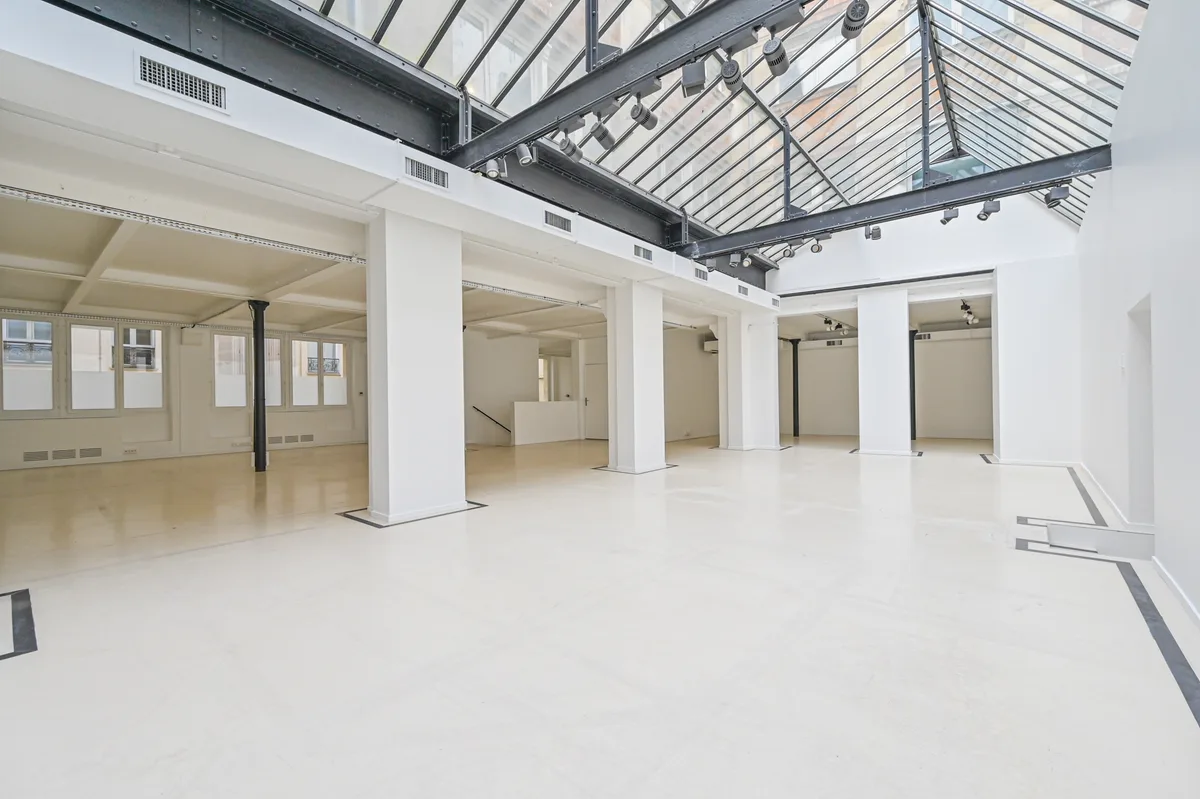
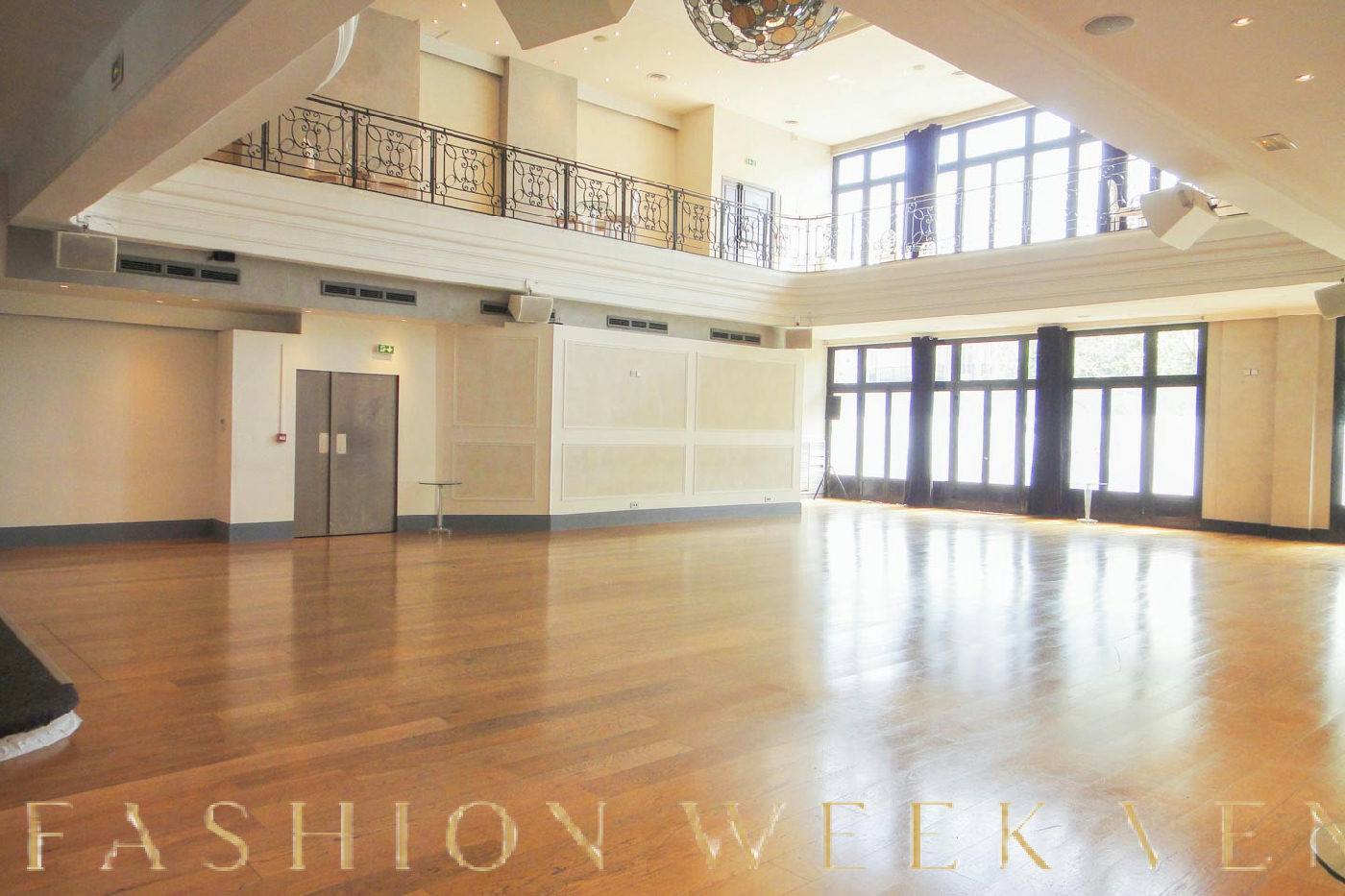
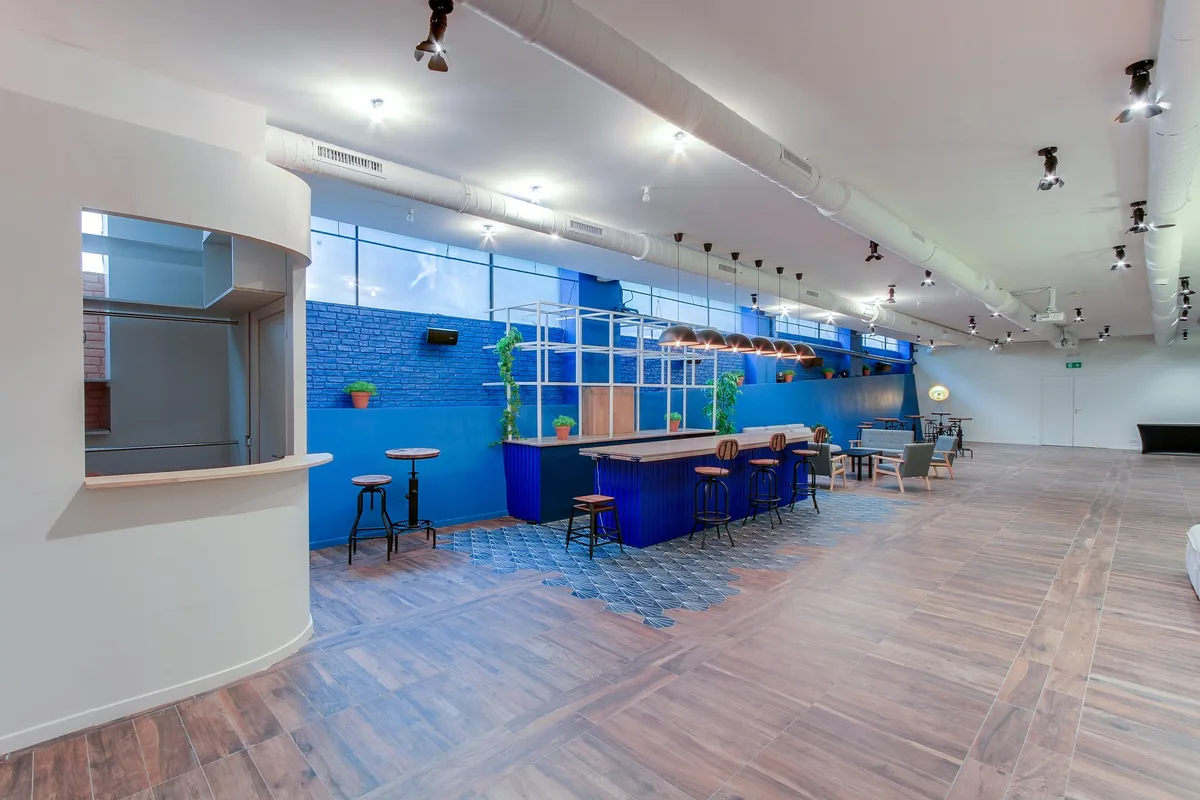
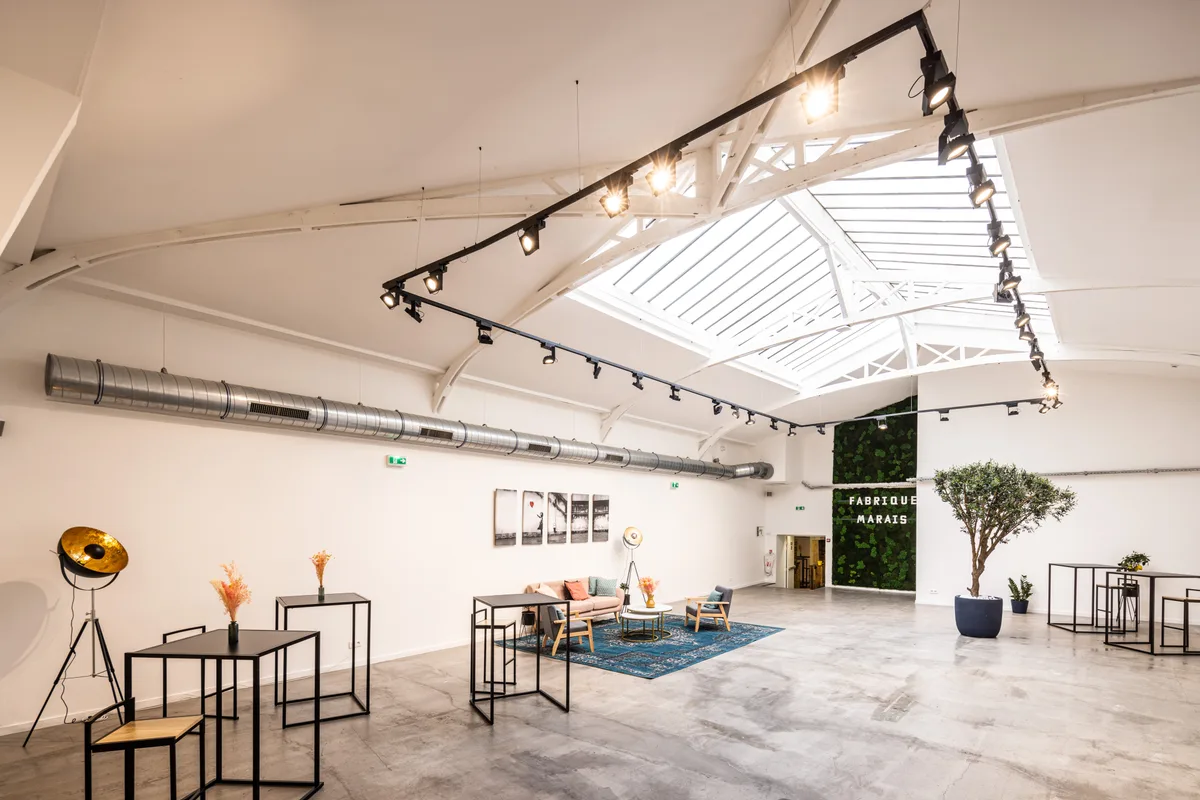
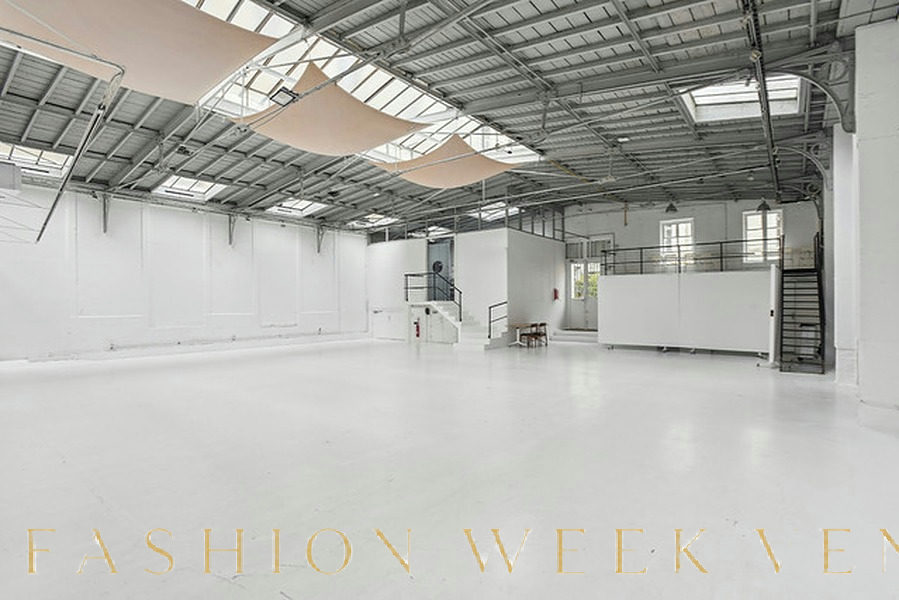
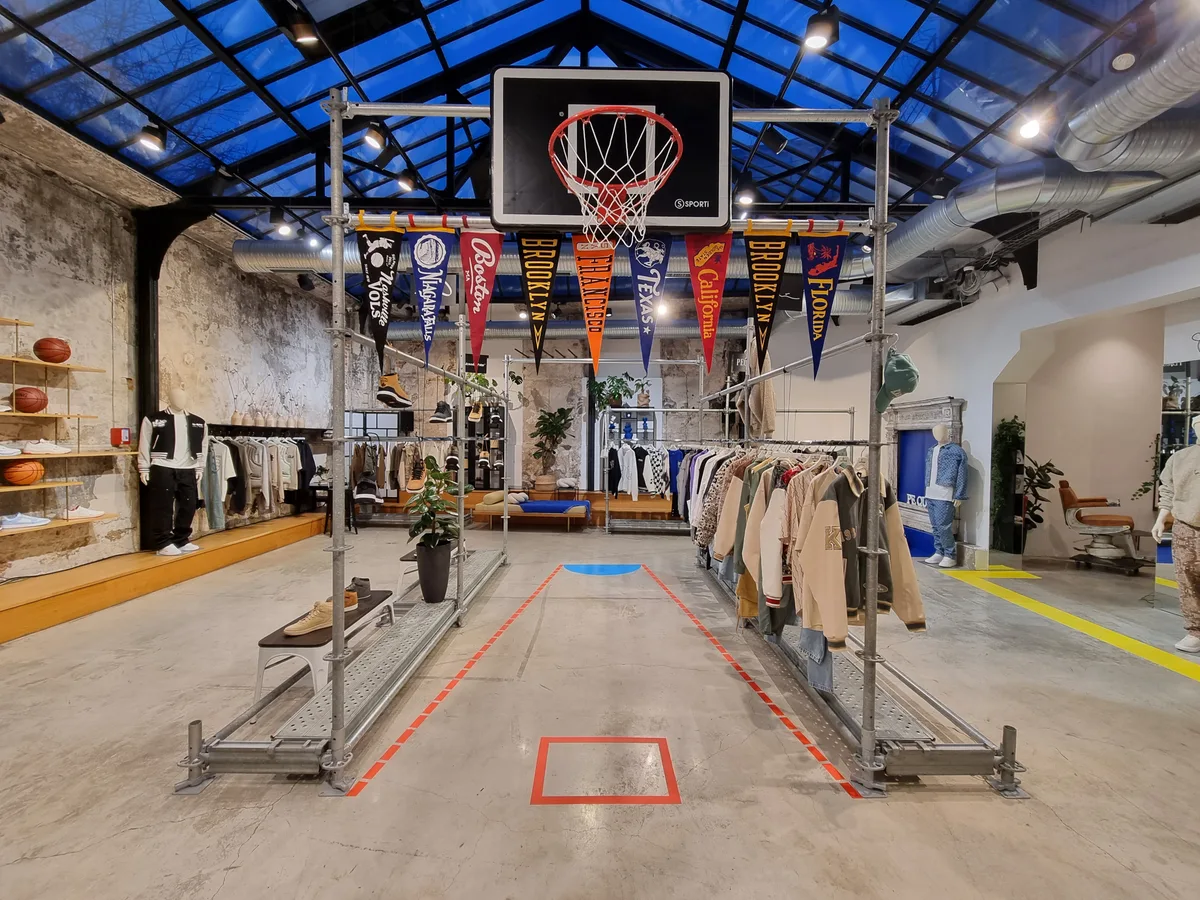
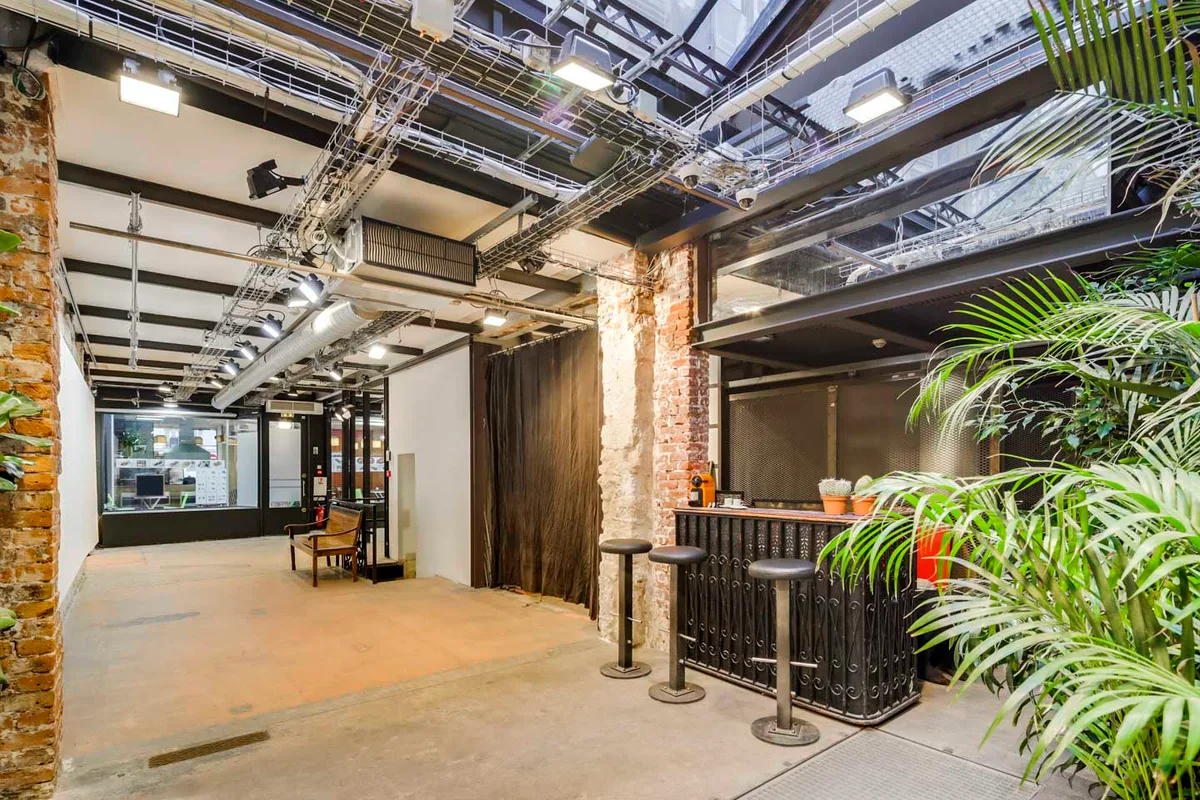
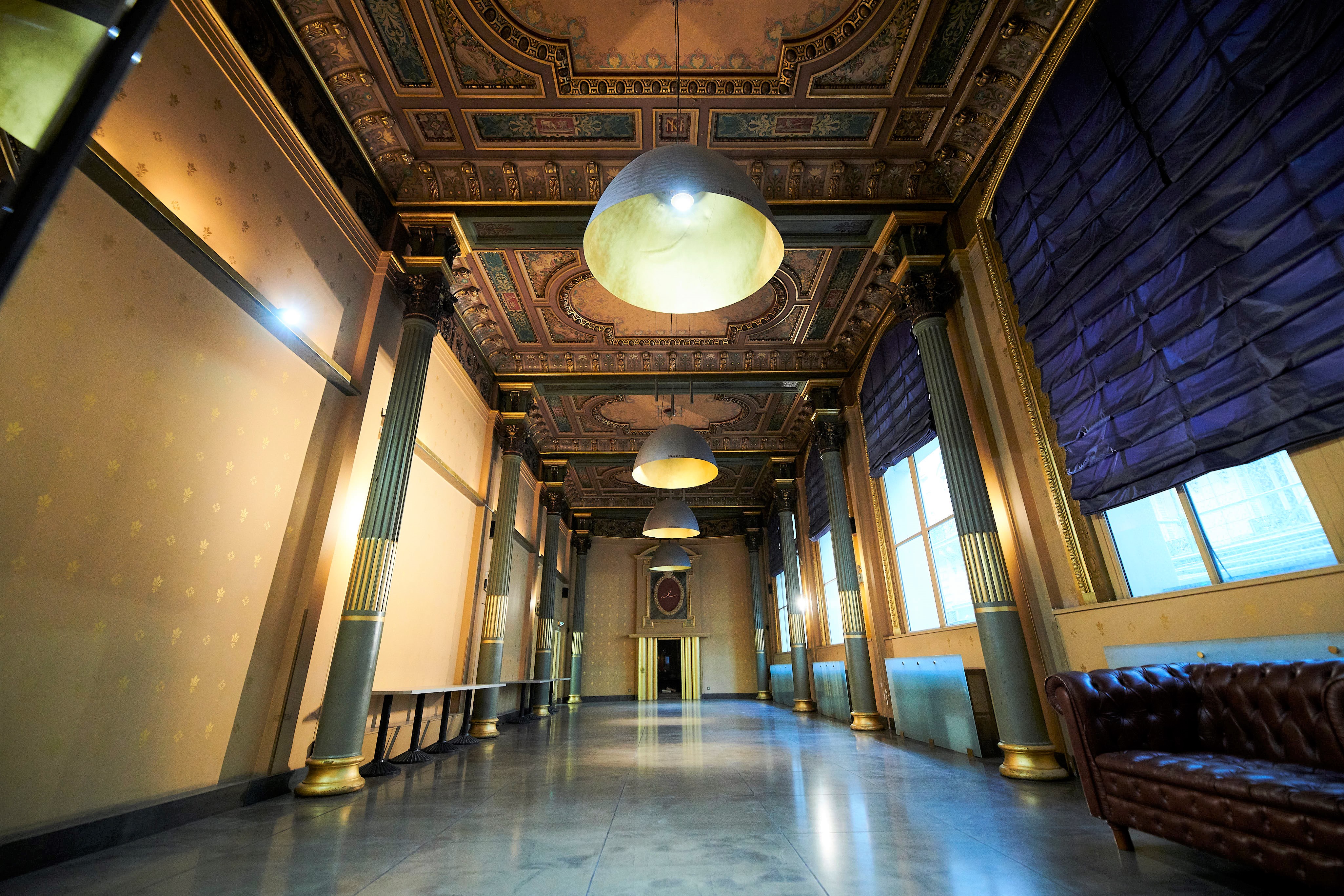
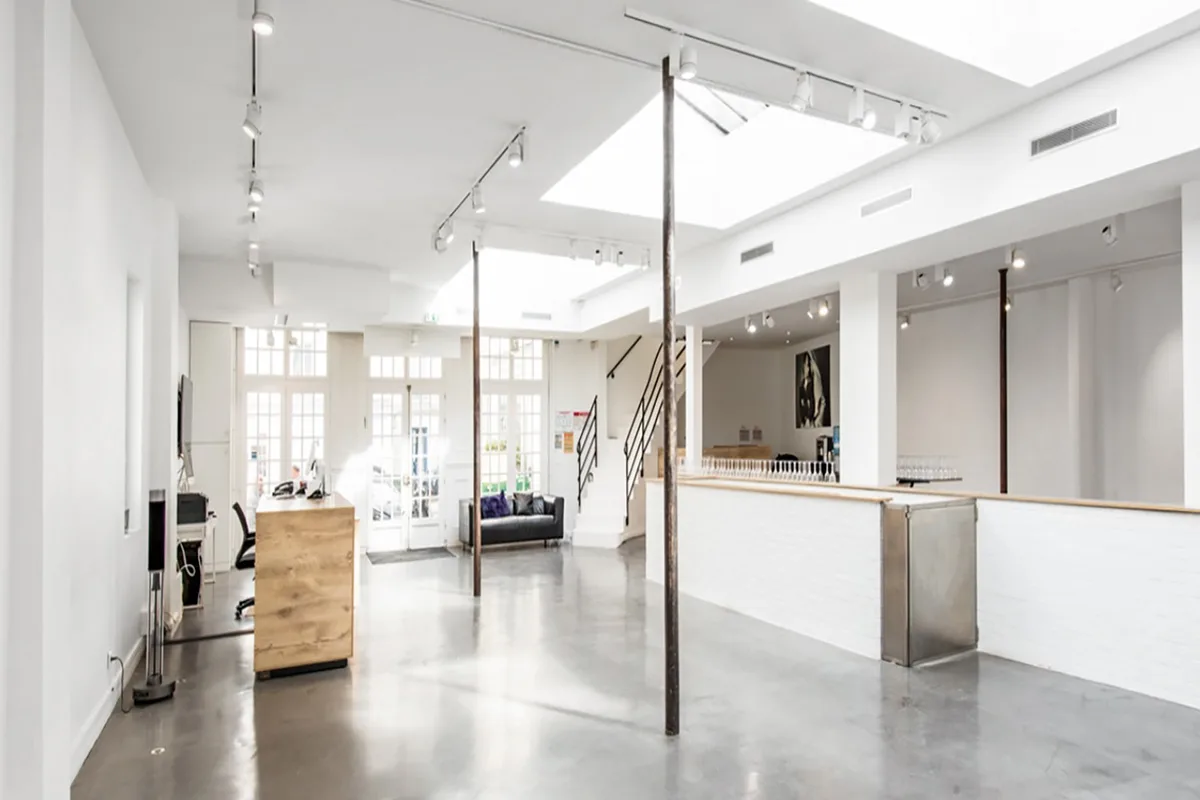
Securing a boutique rental in the 7th arrondissement Paris is one of the most strategically sound decisions a fashion brand, luxury retailer, or creative agency can make when planning a Paris activation. The 7th arrondissement combines institutional prestige, residential affluence, and genuine footfall from both international visitors and Paris's most discerning local consumers. From the grand civic sweep of the Hôtel des Invalides to the intimate market streets around Rue Cler, this arrondissement offers a rare combination of scale, elegance, and neighbourhood intimacy that few other Parisian districts can replicate. Fashion Week Venues works with brands to identify, negotiate, and activate short-term commercial spaces across the 7th, from polished boutique storefronts to private showroom floors and gallery-style pop-up venues. This guide covers every dimension of the 7th arrondissement as a retail and activation destination.
Why the 7th Arrondissement Is a Premium Destination for Boutique Rentals and Brand Activations
Quick answer: The 7th arrondissement is Paris's most prestigious residential and institutional district, home to landmark cultural institutions, affluent local residents, and constant international visitor traffic. For brands seeking boutique rental space, it offers a setting that communicates authority, taste, and cultural alignment in a way that few other Paris neighbourhoods can match.
The 7th arrondissement, known formally as Paris 7, sits on the Left Bank of the Seine and encompasses some of the most recognisable addresses in the French capital. Internationally, visitors know the district primarily through the Eiffel Tower, the Champ-de-Mars, the Hôtel des Invalides, and the Musée d'Orsay. Locally, Parisians know it as a quiet, tree-lined enclave of private hotels, diplomatic residences, government buildings, and serious independent retail. It is not a district defined by high-volume commercial traffic in the same way as the Marais or Saint-Germain. Instead, it attracts a concentrated audience of high-net-worth individuals, institutional visitors, and international travellers with genuine spending power.
For fashion brands and luxury retailers, this profile is exceptionally valuable. The 7th arrondissement does not require a brand to compete for attention among dozens of comparable neighbours on a crowded shopping street. Instead, a boutique rental here places a brand in a setting where the environment itself communicates quality, where the audience is pre-qualified by its presence in the district, and where the absence of generic retail clutter makes a well-conceived activation genuinely memorable. The Bon Marché and its sister concept the Grande Epicerie anchor the retail identity of the arrondissement and draw an audience that understands premium retail. A pop-up or showroom positioned within walking distance of these anchors benefits from that audience without competing directly inside a department store environment.
The cultural infrastructure of the 7th further strengthens its case as an activation location. The Rodin Museum, the Musée du Quai Branly-Jacques Chirac, the Orsay Museum, UNESCO headquarters, the École Militaire, and the National Assembly all sit within the arrondissement's boundaries. The Hôtel Matignon, France's prime ministerial residence, is also located here. Pont Alexandre III and Pont d'Iéna connect the district visually and physically to the Grand Palais and Trocadéro respectively, making the 7th a natural part of the luxury Paris circuit during major fashion and cultural events. For brands with collections or campaigns that speak to heritage, craft, architecture, or cultural authority, no other Parisian arrondissement offers such a naturally aligned backdrop.
The arrondissement is further divided into well-defined neighbourhood identities. The Gros-Caillou quarter sits closest to the Eiffel Tower and the Champ-de-Mars, offering the most tourist-facing footfall in the district. Saint-Thomas-d'Aquin borders the 6th arrondissement and shares its academic, gallery, and antiques character. Both neighbourhoods contain streets with strong boutique retail precedent and physical formats that lend themselves to short-term commercial activation.
KEY TAKEAWAY: The 7th arrondissement is not a volume-driven retail district. It is a precision environment where the right boutique rental delivers maximum brand alignment with a concentrated audience of high-value consumers, cultural visitors, and Paris residents who expect nothing less than excellence.
Understanding the geography and neighbourhood structure of the 7th in detail is essential before beginning a space search, which is why the next section maps the most commercially relevant streets and zones in the district.
Key Streets and Neighbourhoods for Boutique Rental in Paris 7
Quick answer: The most commercially active streets for boutique retail and short-term commercial space in the 7th arrondissement include Rue Cler, Rue de l'Exposition, Avenue de la Bourdonnais, Rue de Bellechasse, Boulevard de la Tour-Maubourg, Rue de Solférino, and the streets connecting to the Bon Marché. Each street offers a distinct footfall profile, architectural character, and activation opportunity.
Navigating the 7th arrondissement as a brand or retailer requires understanding that its street-level retail is spread across several distinct corridors rather than concentrated in a single shopping street. This decentralisation is part of what makes the arrondissement feel authentic and residential rather than commercial, but it also means that space selection requires local intelligence.
The Gros-Caillou Quarter: Eiffel Tower Adjacency and Tourist Footfall
The Gros-Caillou quarter sits in the north-western section of the 7th and includes streets such as Rue de l'Exposition, Rue Chevert, Rue de Monttessuy, Rue Fabert, and Avenue de la Bourdonnais. This is the zone most directly influenced by Eiffel Tower and Champ-de-Mars visitor traffic. Rue Cler is the neighbourhood's most famous street, a pedestrian market street lined with food shops, cafés, wine merchants, and independent boutiques that attracts a mix of locals and well-heeled tourists throughout the day. A boutique rental on or adjacent to Rue Cler benefits from genuine daily footfall rather than the weekend-only or event-driven patterns that affect other parts of the arrondissement.
Cité de l'Alma, the small residential enclave between the Seine and Avenue de la Bourdonnais near Pont de l'Alma, is another micro-location of interest. Its proximity to Pont d'Iéna and the Trocadéro side makes it a natural crossing point for visitors moving between the 7th and 16th arrondissements. Rue Fabert, running along the northern edge of the arrondissement close to Pont Alexandre III, offers a different character: quieter, more institutional, suited to showroom-style activations aimed at trade and press audiences rather than general consumers.
Saint-Thomas-d'Aquin: Gallery, Design, and Intellectual Retail
The Saint-Thomas-d'Aquin quarter occupies the eastern section of the 7th, bordering the 6th arrondissement and Saint-Germain-des-Prés. Rue de Bellechasse, Boulevard Raspail, and Rue de Solférino pass through this area, connecting it visually and culturally to the gallery-dense streets of the 6th. The Orsay Museum and Institut de Politique (Sciences Po) anchor the intellectual character of the quarter. For brands in contemporary art, design, publishing, concept fashion, or cultural objects, a boutique rental or galerie d'art space in Saint-Thomas-d'Aquin offers a direct line to one of Paris's most engaged and culturally literate audiences.
Rue de Solférino and its connecting streets support smaller, specialist retail formats. The architecture here tends toward Haussmann-era storefront units with high ceilings, stone facades, and window displays suited to curated merchandising. A showroom or capsule collection activation in this zone reads as intentional and considered, qualities that resonate strongly with the local audience.
The Invalides and École Militaire Corridor
The central and southern sections of the 7th, bounded by Boulevard de la Tour-Maubourg, Avenue de Ségur, Avenue de Saxe, and the Boulevard des Invalides, are more residential and institutional in character. Avenue de Saxe hosts a regular market and is lined with buildings that occasionally offer ground-floor commercial formats. The area around École-Militaire and the southern end of the Champ-de-Mars attracts a quieter, local residential audience. Rue Vaneau, connecting south towards the 6th, is a refined residential street with sporadic boutique retail presence.
The presence of Lycée La Rochefoucauld, Collège Victor Duruy, and Lycée Paul Claudel in this zone creates daily parent and student foot traffic that supplements the residential character of the streets. For brands targeting Parisian families with premium tastes, this microzone offers a less obvious but genuinely productive activation environment.
| Street or Zone | Quarter | Primary Footfall Type | Best Activation Format |
|---|---|---|---|
| Rue Cler | Gros-Caillou | Locals, market visitors, tourists | Boutique pop-up, concept store |
| Rue de l'Exposition | Gros-Caillou | Residents, Eiffel Tower proximity | Showroom, lifestyle boutique |
| Rue de Bellechasse | Saint-Thomas-d'Aquin | Gallery visitors, academics | Galerie d'art, concept showroom |
| Rue de Solférino | Saint-Thomas-d'Aquin | Orsay Museum, cultural visitors | Designer boutique, press showroom |
| Avenue de la Bourdonnais | Gros-Caillou | Tourists, residents | Seasonal pop-up, lifestyle brand |
| Boulevard de la Tour-Maubourg | Invalides | Diplomatic, institutional, residential | Private showroom, trade event |
| Rue Vaneau | Southern 7th | Affluent residents | Luxury boutique, private sale |
| Avenue de Saxe | École-Militaire | Market visitors, residents | Seasonal boutique, brand activation |
KEY TAKEAWAY: The 7th arrondissement contains multiple distinct retail and activation corridors, each with a different audience profile and architectural character. Matching your brand's positioning to the right street or quarter is as important as the space itself.
With street-level geography mapped, the next section examines the specific commercial space formats available for boutique rental in the 7th and how each format serves different brand objectives.
Types of Commercial Space Available for Boutique Rental in Paris 7
Quick answer: The 7th arrondissement offers a range of short-term commercial space formats, including boutique storefronts, private showrooms, gallery-format spaces, converted ground-floor apartments, and temporary structures in park-adjacent locations. Each format serves different brand objectives, from direct consumer retail to trade press events and private client experiences.
Unlike districts with dense commercial zoning, the 7th arrondissement's short-term commercial inventory is diverse in format and requires careful matching to brand purpose. The arrondissement's predominantly residential and institutional character means that purely commercial high-street units are rarer here than in the Marais or Saint-Germain. What the 7th offers instead is a set of space formats that feel genuinely Parisian: spaces with history, character, and architectural quality that commercial strips elsewhere in the city cannot replicate.
Boutique Storefront Units
Ground-floor storefront units on streets like Rue Cler, Rue de l'Exposition, and Rue de Bellechasse are the most straightforward commercial format available in the 7th. These units typically feature street-facing window displays, direct entry from the pavement, and ground-floor layouts ranging from compact 20 to 30 square metre units to larger 80 to 150 square metre spaces. The Haussmann architectural context gives most of these units high ceilings, good natural light through tall windows, and stone or parquet finishes that provide an immediate premium visual context for any brand installation.
Boutique storefront rentals in the 7th are particularly well suited to capsule collection launches, limited-edition product releases, jewellery and accessories presentations, perfumery and beauty brand activations, and luxury lifestyle concept stores. The relatively compact scale of many 7th arrondissement storefronts means they reward intense, focused curation over broad product ranging.
Private Showrooms
The 7th arrondissement has a longstanding tradition of private showrooms, particularly in the Saint-Thomas-d'Aquin and Invalides quarters. These spaces are typically located on first or second floors of Haussmann buildings, accessed via coded doors and concierge buildings, and designed for by-appointment client and press access rather than open retail. For fashion brands using Paris Fashion Week to present collections to buyers, stylists, and press, a private showroom in the 7th communicates a level of seriousness and discretion that a converted garage in a less prestigious arrondissement cannot match.
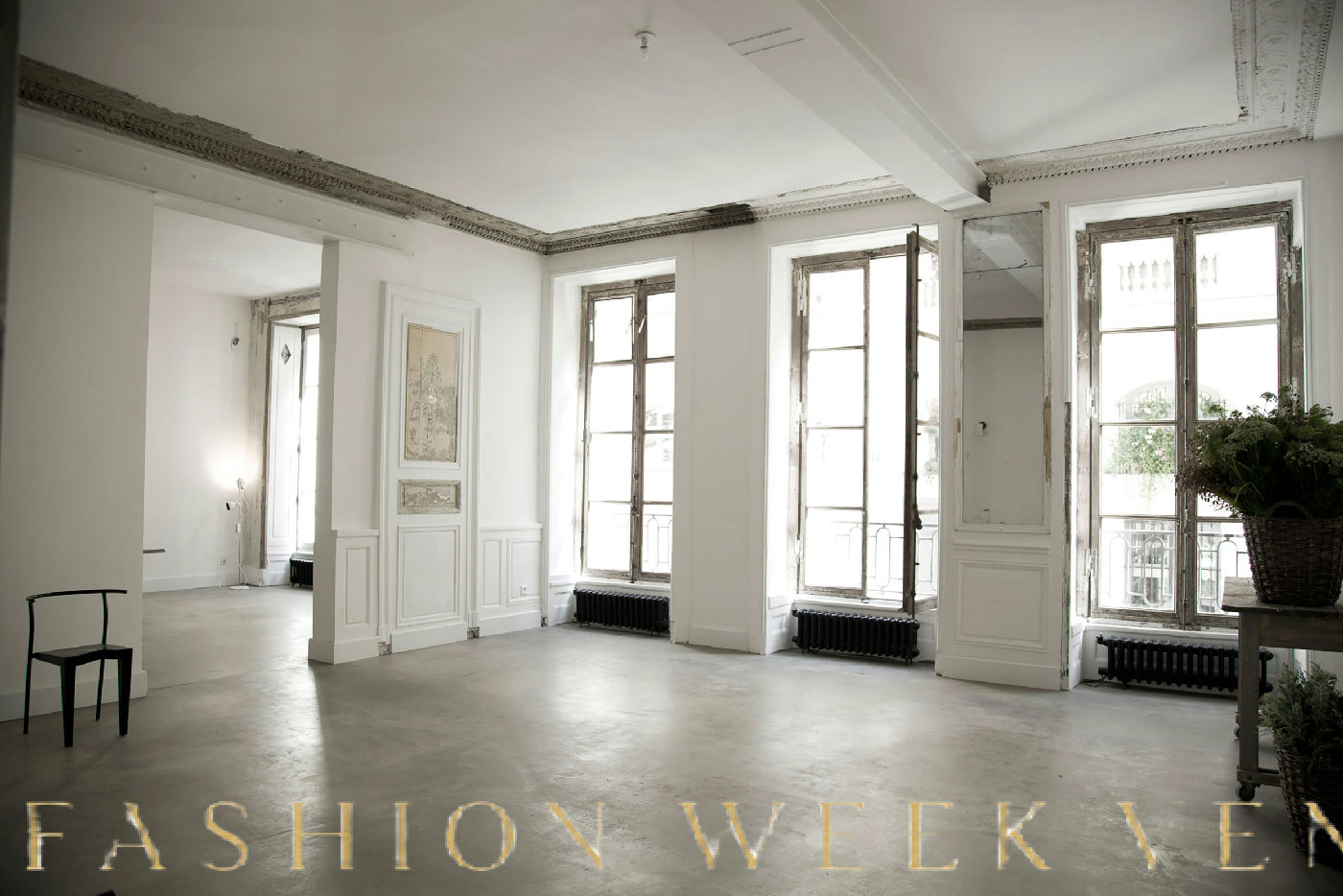
Short-term showroom rentals in the 7th often come with existing furnishings, parquet floors, marble fireplaces, and high corniced ceilings that provide instant visual context for a luxury brand presentation. The challenge with showroom-format spaces is access and navigation: many are not directly visible from the street, which requires proactive communication with guests and local experts who can guide invited visitors to the correct address and facilitate check-in smoothly.
Gallery-Format Spaces (Galerie d'Art)
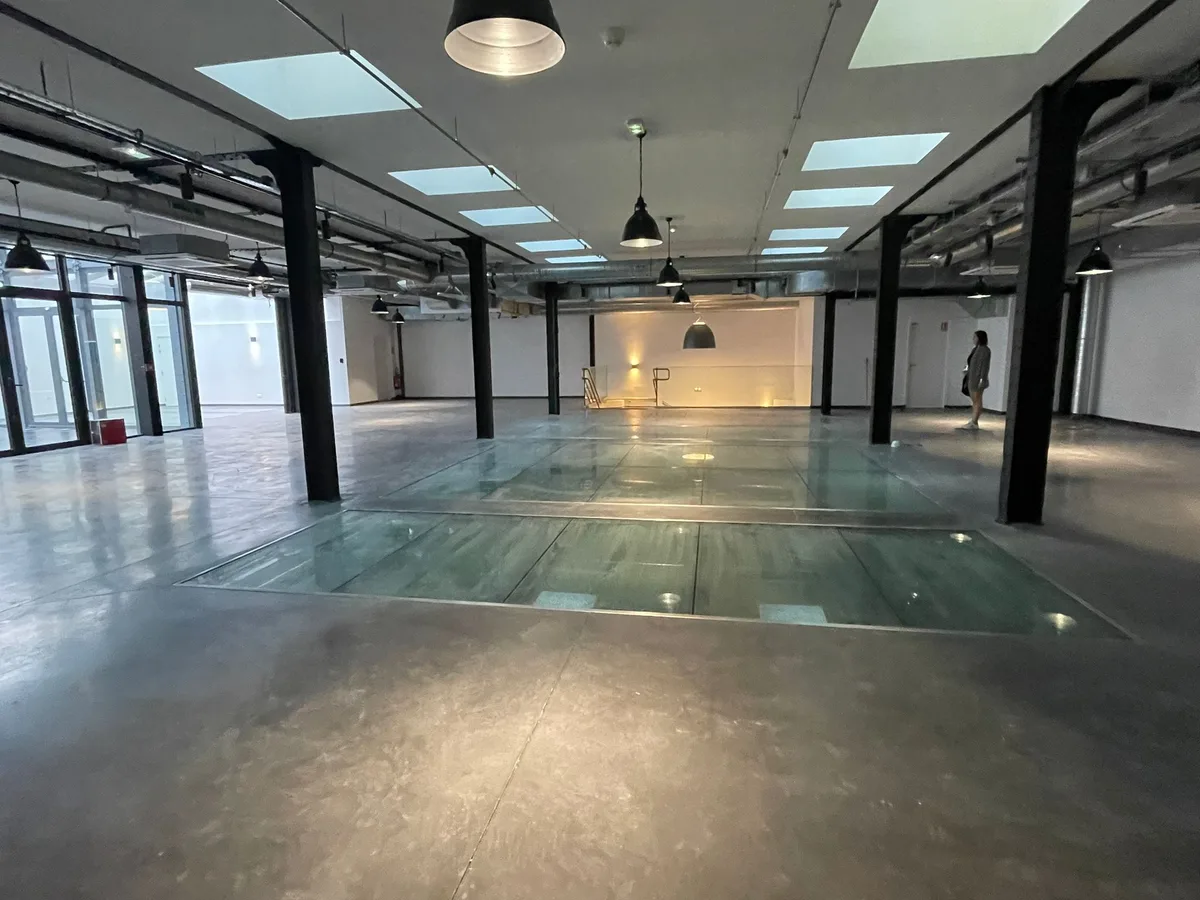
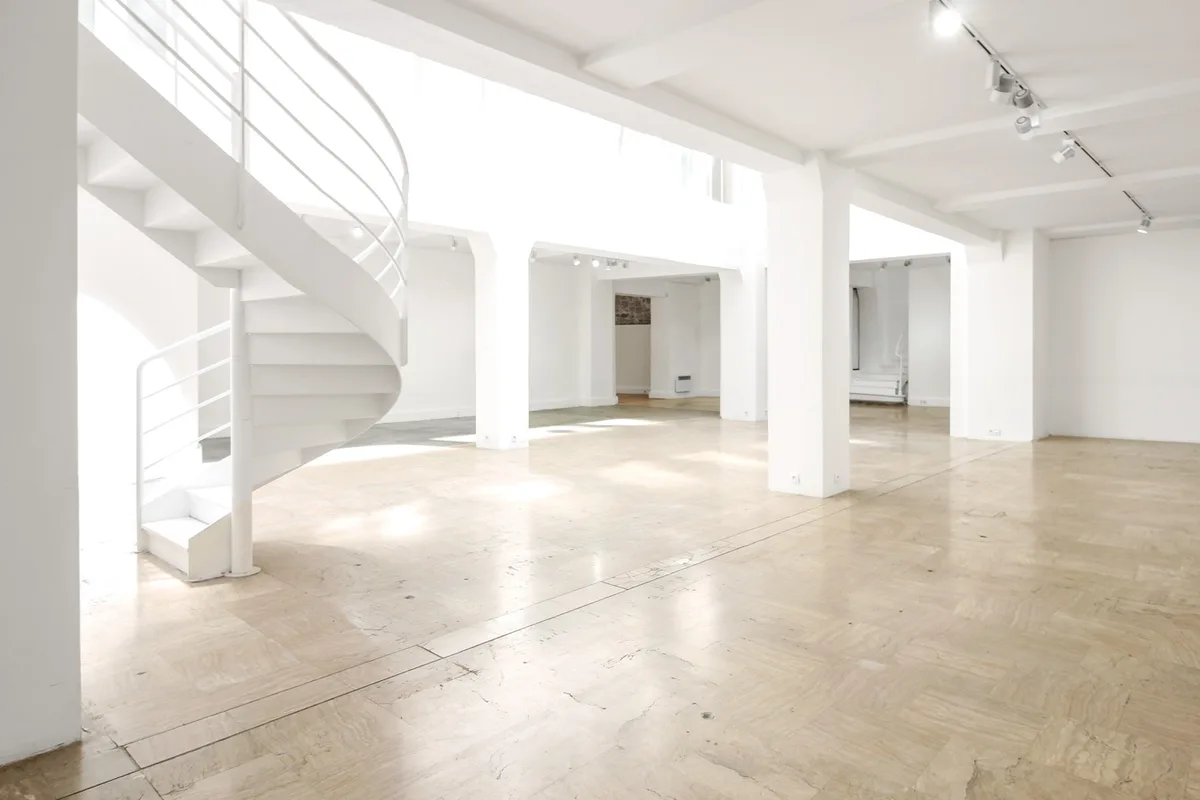
A small number of gallery-format spaces exist in the 7th, particularly in the Rue de Bellechasse and Rue de Solférino corridors. These spaces were purpose-designed or adapted for art exhibitions and combine white-wall flexibility with the kind of spatial neutrality that allows a brand to impose its own visual identity entirely. For brands with strong art direction, editorial collections, or collaborations with artists, a galerie d'art rental in the 7th offers the right cultural register. These spaces also tend to attract a press and curator audience naturally, given their location and context.
Converted Apartment and Residential-Format Spaces
One of the most distinctive and sought-after space formats in the 7th is the converted residential apartment used as a commercial activation environment. These spaces retain the full character of a Parisian private apartment: fireplaces, antique parquet, moulded ceilings, kitchen and salon layouts, and the kind of lived-in luxury that no purpose-built retail unit can replicate. For brands in interior design, home fragrance, bridal, couture, or any lifestyle category where the domestic environment is part of the brand narrative, activating in a converted apartment in the 7th is uniquely powerful.
Residential-format commercial spaces do carry additional compliance considerations. Renting a residential apartment for commercial use in Paris requires the space to be legally authorised for commercial activity or for the rental arrangement to be structured appropriately under French law. This is a nuanced area and one where specialist agency guidance is strongly recommended before committing to a space. The permit guidance tool on Fashion Week Venues provides a useful starting point for understanding what is required for different space types and durations in Paris.
| Space Format | Typical Size | Best Brand Use Case | Key Consideration |
|---|---|---|---|
| Boutique storefront | 20 to 150 sq m | Capsule retail, concept store | Window display visibility |
| Private showroom | 60 to 200 sq m | Trade presentations, press days | Access and navigation for guests |
| Galerie d'art | 40 to 120 sq m | Editorial, art collaboration | White-wall flexibility needed |
| Converted apartment | 80 to 300 sq m | Lifestyle, couture, interiors | Commercial use authorisation |
| Temporary outdoor structure | Variable | Event activation, experiential | AOT permit from mairie |
KEY TAKEAWAY: The 7th arrondissement's most compelling commercial spaces are not generic retail units. They are architecturally distinctive, historically layered environments that add narrative depth to any brand activation. Matching the right format to the right brand purpose is the foundation of a successful 7th arrondissement activation.
Understanding space formats is only useful if you also understand the legal and regulatory framework governing short-term commercial rentals in Paris, which the next section addresses directly.
Legal and Permit Framework for Short-Term Boutique Rentals in the 7th Arrondissement
Quick answer: Short-term commercial rentals in Paris are governed by a specific legal framework distinct from residential tenancy law and standard commercial leases. The most relevant instruments for boutique rental and pop-up activation are the bail dérogatoire, the convention d'occupation précaire, and the autorisation d'occupation temporaire (AOT). Requirements vary significantly by space type, intended use, duration, and arrondissement.
One of the most common errors made by international brands entering Paris is assuming that renting a commercial space for a short period is a simpler legal matter than a long-term lease. In practice, the opposite is often true. Short-term commercial arrangements in Paris require careful structuring to ensure that the rental is legally enforceable, that the brand's intended use is authorised, and that the space operator or owner has the right to grant short-term commercial access. This is particularly relevant in the 7th arrondissement, where many of the most desirable spaces are located in buildings with complex ownership structures, historic preservation requirements, or residential building rules that restrict commercial activity.
The Bail Dérogatoire
The bail dérogatoire, sometimes called a short-form commercial lease or dérogatory lease, is the primary legal instrument used for short-term commercial rentals in France. Under French commercial law, a standard commercial lease carries a minimum term of nine years. The bail dérogatoire allows parties to agree a shorter term, typically between one month and thirty-six months, without triggering the automatic renewal rights and tenant protections associated with a standard commercial lease (bail commercial). For brands seeking a boutique rental of one to six months in the 7th arrondissement, the bail dérogatoire is the most commonly used instrument.
The bail dérogatoire must be carefully drafted to avoid inadvertently triggering a standard commercial lease. French courts have held that if a tenant remains in occupation after the expiry of a bail dérogatoire without a formal new agreement, the tenancy may convert to a full commercial lease with all associated protections and obligations. This risk is manageable with proper legal advice but should not be underestimated.
The Convention d'Occupation Précaire
The convention d'occupation précaire is used where the short-term nature of the occupation is justified by a specific circumstance, such as a pending sale of the property, a pending planning application, or an event of defined duration such as a fashion week. It is more informal than a bail dérogatoire and carries fewer formal protections for the occupant. For very short activations of a few days to a few weeks, it is often the most appropriate instrument.
The Autorisation d'Occupation Temporaire (AOT)
For outdoor activations, temporary structures in public spaces, or activations on public land adjacent to landmarks such as the Champ-de-Mars or Pont Alexandre III, an autorisation d'occupation temporaire (AOT) must be obtained from the relevant authority, typically the mairie of the 7th arrondissement or the city of Paris. AOT applications require advance notice, a clear description of the planned structure and activity, insurance documentation, and in some cases a fee. Approval is not guaranteed and timelines vary. Brands planning outdoor activations near major landmarks in the 7th should begin the AOT process at least three to four months before their intended activation date.
IMPORTANT: The permit requirements described here are general guidance only. Requirements vary by space type, duration, intended use, and the specific circumstances of the building and arrondissement. Always verify your specific situation with a qualified French legal advisor before signing any rental agreement or permit application. Fashion Week Venues provides directional permit guidance through its tools but does not substitute for formal legal advice.
International brands without a French legal entity face additional considerations, which are addressed in the Myth vs Fact section later in this guide.
KEY TAKEAWAY: Legal structure is not a secondary consideration for boutique rentals in Paris. The instrument used to document the rental, the authorisations required for the intended commercial use, and the compliance obligations attached to the space all require specialist attention, particularly for brands operating in the 7th arrondissement's mix of residential, institutional, and historic-protected buildings.
With the legal framework understood, the next section looks at how to approach the space search process efficiently and what tools and resources are available to support it.
How to Search for and Secure a Boutique Rental in the 7th Arrondissement
Quick answer: Searching for a boutique rental in Paris 7 requires a combination of direct property market intelligence, specialist agency support, and a structured brief that specifies your space format, neighbourhood preference, duration, intended use, and budget. Commission-only brokers, residential rental platforms, and generic commercial property listings are rarely effective for finding the right short-term commercial space in this arrondissement.
The process of finding a boutique rental in the 7th arrondissement of Paris is meaningfully different from searching for residential accommodation or standard office space. The 7th's short-term commercial inventory is not uniformly listed on any single platform. Some spaces come to market through specialist agencies with direct relationships with building owners. Others are listed on curated space marketplaces. A small number are available through direct landlord contact. Understanding this fragmented landscape and knowing how to navigate it efficiently is one of the core value propositions of working with a specialist agency.
Building Your Space Brief
Before beginning any search, a well-structured space brief is essential. The brief should specify: the intended use of the space (retail, showroom, event, press day, or combined); the required size in square metres; the preferred neighbourhood or street within the 7th; the rental duration and specific dates; the maximum budget inclusive of all costs; the required access arrangements (ground-floor street access, private access, or both); and any specific technical requirements such as power load, internet connectivity, storage, or changing room space.
The more specific the brief, the more efficiently a space search can be conducted. A brief that says "a boutique in Paris 7 for Fashion Week" leaves too many variables open. A brief that says "a ground-floor storefront of 60 to 100 square metres on or within two streets of Rue Cler, available from 24 February to 7 March 2026, with window display frontage and a storage room, for a capsule collection launch targeting press and consumers" gives a search team everything they need to identify relevant spaces immediately.
To compare neighbourhoods and space types, explore the Paris city hub on Fashion Week Venues and shortlist spaces that match your brief, budget, and calendar window.
Using a Specialist Agency
For most international brands, working with a specialist pop-up and commercial space agency with direct Paris market knowledge is the most efficient route to securing the right boutique rental in the 7th. A specialist agency brings a curated inventory of spaces that are pre-vetted for commercial use authorisation, a direct relationship with building owners and managers that accelerates negotiation, knowledge of typical rental rates and market norms that prevents overbidding, and an understanding of the legal instruments required to structure the rental correctly.
The guide on hiring a pop-up agency in Paris covers what to look for when selecting an agency partner, what questions to ask, and what red flags to watch for. Not all agencies offering space sourcing in Paris have the same depth of inventory or the same legal and operational competence.
The Timeline for Securing a Space in Paris 7
The 7th arrondissement's limited short-term commercial inventory means that popular spaces, particularly those with direct Eiffel Tower adjacency or Bon Marché proximity, are often reserved months in advance of major fashion calendar windows. During Paris Fashion Week in February and March, competition for prime boutique rental spaces in the 7th is significant. Brands that approach the search process three to six months in advance are in a substantially stronger position than those arriving six to eight weeks before their intended start date.
| Timeline Before Activation | Recommended Action |
|---|---|
| 6 months or more | Define brief, begin agency conversations, review initial space options |
| 4 to 6 months | Shortlist spaces, conduct virtual or physical viewings, begin permit applications |
| 3 to 4 months | Finalise space selection, negotiate rental terms, sign agreement |
| 2 to 3 months | Begin concept development, fit-out planning, staffing brief |
| 4 to 6 weeks | Finalise production, install fixtures, confirm staffing, briefing materials |
| 1 to 2 weeks | Space build, technical testing, soft opening preparation |
| Activation period | Live operation, daily reporting, guest management, data capture |
| Post-activation | Derig, space handback, ROI review, brand debrief |
TIP: If you are targeting Paris Fashion Week in February or March, begin your space search no later than September of the previous year. The best spaces in the 7th arrondissement receive multiple enquiries for the same calendar window, and early commitment secures both the space and the rental rate.
KEY TAKEAWAY: A structured brief, an early start, and specialist agency support are the three non-negotiable elements of a successful boutique rental search in the 7th arrondissement. Generic property platforms and last-minute searches are rarely effective for this market.
Once a space is secured, the activation planning process begins. The next section examines what a well-planned 7th arrondissement boutique activation looks like in practice and what services and tools support it.
Planning and Delivering a Boutique Activation in the 7th Arrondissement
Quick answer: A successful boutique activation in the 7th arrondissement requires a fully integrated approach covering concept direction, spatial design, production, staffing, operations, and marketing. The arrondissement's premium positioning means that the bar for execution quality is higher than in more commercially casual Paris neighbourhoods.
Securing the space is the beginning of the activation process, not the end. For brands activating in the 7th arrondissement, the execution of the physical space, the quality of the customer experience, and the coherence of the activation with the brand's wider seasonal narrative all carry significant weight. The arrondissement's audience, whether Parisian residents, institutional visitors, or international fashion week attendees, is sophisticated and has high expectations. A poorly executed activation in a prestigious 7th arrondissement address is not neutral: it actively damages brand equity. A brilliantly executed activation, by contrast, becomes a reference point for the brand's Paris story.
Concept Development and Spatial Design
The starting point for any activation is a clearly articulated concept. In the 7th arrondissement, where the architectural setting already communicates a great deal, the most effective activations work with the space rather than against it. A concept that imposes a clinical, minimalist aesthetic on a room with original parquet floors, corniced ceilings, and marble fireplace details will create visual discord. A concept that responds to these elements, using them as the canvas for a seasonal collection or a brand story, will feel immediately resonant and Parisian.
Concept direction for a 7th arrondissement activation should address: the narrative or thematic framework of the activation; the spatial layout and flow; the visual identity elements that will be introduced; the materials, lighting, and fixture language; and the sensory experience of the space (scent, sound, temperature). For brands working with Fashion Week Venues, the concept direction service provides strategic and creative input at this stage.
Production, Fit-Out, and Build
Physical production in the 7th arrondissement requires careful management of building access, neighbour relations, and building management rules. Many of the arrondissement's most desirable spaces are located in residential buildings with concierges and building managers (gardiens) who enforce strict rules about delivery hours, noise, and the use of common areas like lifts and staircases. Production teams working in the 7th must plan deliveries, installations, and derig operations within these constraints, which typically means no heavy deliveries before 8am or after 6pm and no noisy construction work on weekends or public holidays.
The production and build service at Fashion Week Venues covers space fit-out, fixture installation, signage, lighting design, and derig logistics. For spaces in the 7th, local knowledge of building access rules and supplier networks with established Paris relationships is particularly valuable.
Staffing and Operations
Staffing a boutique activation in the 7th arrondissement requires people who combine strong brand representation with genuine Parisian cultural fluency. The 7th's audience expects a certain quality of interaction: attentive but not intrusive, knowledgeable without being promotional, and genuinely bilingual in French and English at minimum. For brands serving an international fashion week audience, additional language capabilities are a meaningful advantage.
Beyond front-of-house brand ambassadors, a 7th arrondissement boutique activation may require: a space manager responsible for daily operations and liaison with the building management; a logistics coordinator for stock management and supplier deliveries; a press or events coordinator for showroom days, press appointments, and private client events; and a POS and payments specialist if the activation involves direct retail sales to the public.
DID YOU KNOW: The 7th arrondissement's proximity to the Orsay Museum, the Rodin Museum, and the Quai Branly-Jacques Chirac Museum means that cultural tourism in the area peaks between March and October, with a significant secondary peak during Christmas and New Year. Brands planning activations outside the main fashion calendar windows can still access substantial visitor traffic by aligning with these cultural tourism patterns.
Data, Analytics, and ROI Measurement
One of the persistent challenges of short-term retail and boutique activation is demonstrating commercial return. For brands operating in the 7th arrondissement, where the primary objectives may include press coverage, influencer content, buyer presentations, and brand awareness rather than direct sales, traditional retail sales metrics are often an incomplete picture of activation value. A comprehensive measurement framework should capture: footfall and dwell time; sales conversion and average transaction value where direct sales occur; press impressions and media value; social media content generated and engagement; buyer and wholesale enquiries generated; and direct consumer data captured with consent.
KEY TAKEAWAY: Execution quality in the 7th arrondissement is not optional. The district's premium positioning amplifies both the best and the worst of any activation. Brands that invest in professional concept direction, careful production, well-briefed staff, and rigorous measurement will achieve results that justify the premium location and rental investment.
Understanding what Fashion Week Venues specifically offers to brands planning a 7th arrondissement activation is the focus of the next section.
How Fashion Week Venues Supports Boutique Rental and Brand Activation in Paris 7
Quick answer: Fashion Week Venues is a full-service pop-up agency and space marketplace that supports brands through every stage of a Paris boutique rental and activation, from initial space discovery through to post-activation ROI review. The agency combines direct market access with a curated tools suite designed to help brand teams make faster, better-informed decisions.
Fashion Week Venues was built specifically for the kind of work that boutique rental and brand activation in a city like Paris demands. The agency's Paris expertise spans the full spectrum of the city's short-term commercial space market, including the 7th arrondissement's specific inventory characteristics, legal framework requirements, and operational constraints. The following describes what Fashion Week Venues offers, which brand teams benefit most, and how brands can practically use the agency's services and tools.
Space Discovery and Venue Sourcing
Fashion Week Venues operates a curated space marketplace that allows brand teams to browse available boutique rental spaces by city, neighbourhood, format, size, and calendar availability. For Paris 7 specifically, the marketplace surfaces spaces that have been pre-vetted for commercial use authorisation and that meet the quality bar expected for premium brand activations in the arrondissement. The venue sourcing service provides dedicated support for brands with specific requirements that go beyond what the marketplace inventory can address, including bespoke searches, direct owner negotiations, and off-market space identification through the agency's Paris network.
Full-Service Agency Support
Beyond space discovery, Fashion Week Venues provides end-to-end activation management for brands that want a single agency partner to manage the full activation lifecycle. This includes concept direction, branded store design, production and fit-out, furniture rental, retail staffing, POS and payments setup, influencer marketing coordination, and data and analytics reporting. For international brands entering Paris without a local team or operational infrastructure, this full-service model removes the need to assemble a patchwork of local suppliers and manage them independently.
The activation management service is particularly relevant for brands planning Paris Fashion Week activations in the 7th, where the compressed timeline, high operational complexity, and premium execution standards make specialist management support a practical necessity rather than a luxury.
Tools for Planning and Decision-Making
Fashion Week Venues provides a suite of planning tools designed to support brand teams at different stages of the activation planning process. These include a budget estimation tool for developing realistic cost frameworks, an ROI calculator for evaluating activation investment against projected returns, a timeline planning tool for mapping the activation journey from brief to derig, a permits guidance tool for understanding the regulatory requirements for specific space types and durations in Paris, a space comparison tool for evaluating multiple shortlisted spaces against key criteria, and a space locator tool for mapping available spaces by neighbourhood.
For brands beginning the planning process, the budget estimation tool is a practical starting point for understanding the cost structure of a 7th arrondissement boutique rental before entering negotiations. It provides directional estimates based on space type, size, duration, and service level, which helps brand teams build realistic internal business cases for activation investment.
Who Benefits Most from Fashion Week Venues
Fashion Week Venues is particularly well suited to: international fashion, luxury, and lifestyle brands entering Paris for the first time or scaling their Paris activation programme; brands without a permanent Paris operational team who need full-service local support; established Paris brands seeking a more efficient and better-managed approach to short-term space activation; and brand activation managers, creative directors, and retail strategists who need a trusted agency partner with verifiable Paris market expertise. The agency's work and case study section provides detailed examples of past activations across Paris and other fashion capitals, which brand teams can use to assess relevance and calibre.
Limitations to Understand
Fashion Week Venues does not guarantee the availability of specific spaces, the approval of permit applications, or specific commercial results from any activation. Space availability is subject to landlord decisions and market conditions. Permit approvals are subject to the requirements of relevant French authorities. Commercial results depend on a wide range of factors including brand positioning, product quality, marketing investment, and execution quality. The agency works to optimise all of these factors but cannot guarantee outcomes.
KEY TAKEAWAY: Fashion Week Venues provides the market access, specialist expertise, and operational infrastructure that makes boutique rental and brand activation in the 7th arrondissement achievable for brands without a permanent Paris presence. The combination of a curated marketplace, full-service agency support, and a practical tools suite addresses the specific complexity of the Paris short-term commercial market.
Before the FAQ section, the following section addresses the most common misconceptions about boutique rental and brand activation in the 7th arrondissement of Paris.
Budget Considerations for a Boutique Rental in Paris 7
Quick answer: Budget for a boutique rental in the 7th arrondissement of Paris varies significantly based on space size, format, location quality, rental duration, fit-out complexity, and service requirements. Rental costs alone represent only a portion of total activation investment. Brands should plan for a total activation budget that includes space rental, production and fit-out, staffing, marketing, logistics, and contingency.
One of the most common planning errors made by brands approaching a first Paris boutique activation is budgeting only for the space rental cost and then discovering mid-process that the total investment required is substantially higher. In the 7th arrondissement, where the premium positioning of the district commands higher rental rates than most other Paris arrondissements, this error can create serious financial and operational problems.
A realistic budget framework for a 7th arrondissement boutique activation should consider the following cost categories. Space rental is typically the largest single line item and will vary based on the size of the space, its location within the arrondissement, the duration of the rental, and whether the rental is through a specialist agency or a direct landlord arrangement. Production and fit-out costs cover the physical transformation of the space, including fixtures, lighting, signage, branded materials, furniture, and technology. These costs vary enormously based on the complexity of the design concept and the level of customisation required. Staffing costs cover brand ambassadors, space managers, event coordinators, and any specialist roles required for the specific activation format. Marketing and influencer costs support the activation's visibility programme, including any paid media, influencer partnerships, press mailers, and event hosting. Logistics and insurance cover delivery, storage, and the insurance requirements associated with the space rental agreement and the activation itself. Contingency should always be built in to cover unexpected costs, which are particularly common for first-time Paris activations where local market conditions and supplier costs may be unfamiliar.
Fashion Week Venues provides directional budget estimates through its tools. Brands should use the budget planning tool to develop a realistic cost framework before entering space negotiations, and the ROI calculator to model the potential return on activation investment based on their specific objectives and metrics.
TIP: For brands weighing the cost of a full boutique rental against a co-activation model, Fashion Week Venues offers a twin concept that allows two complementary brands to share a single space, splitting rental and production costs while maintaining distinct brand identities within the same address. This can be a highly cost-effective model for brands with complementary positioning and non-competing audiences in the 7th arrondissement.
KEY TAKEAWAY: Total activation investment in the 7th arrondissement is a multi-line budget, not just a rental cost. Brands that plan comprehensively from the outset avoid the mid-activation financial surprises that undermine otherwise well-conceived activations.
Paris Fashion Week Calendar and the 7th Arrondissement Activation Window
Quick answer: Paris Fashion Week takes place twice per year, with the women's collections scheduled for late February to early March (autumn-winter season) and late September to early October (spring-summer season). Men's collections are typically scheduled for January. The 7th arrondissement is a natural activation district during all of these windows, but brands should not limit their planning exclusively to fashion week dates.
Paris Fashion Week is the dominant calendar event driving demand for short-term commercial space in the 7th arrondissement. During fashion week periods, the concentration of international press, buyers, stylists, brand representatives, and luxury consumers in Paris creates a uniquely compressed window of commercial opportunity. A well-positioned boutique rental in the 7th during fashion week reaches an audience that is actively engaged with fashion, culture, and brand discovery in a way that no other two-week period in the year can replicate.
However, limiting activation planning exclusively to fashion week dates is a strategic limitation that many brands impose on themselves unnecessarily. The 7th arrondissement's permanent cultural infrastructure, including the Orsay Museum, Rodin Museum, Quai Branly-Jacques Chirac Museum, the Bon Marché and Grande Epicerie, and the institutional visitor traffic generated by the Hôtel des Invalides and UNESCO, means that the district sustains significant high-quality footfall throughout the year. Brands that are willing to activate outside the standard fashion calendar can often secure better spaces at lower cost and benefit from a less crowded activation environment where their presence has greater visibility.
Key non-fashion-week activation windows that work well in the 7th arrondissement include: the Christmas and New Year period, when the arrondissement's affluent resident population and Bon Marché gift shopping traffic create strong consumer density; the spring cultural season from April to June, when museum visitor numbers peak and the Champ-de-Mars and its surroundings attract substantial international leisure tourism; and the summer period from July to August, which brings a different but substantial tourist-heavy audience to the district.
The timeline planning tool on Fashion Week Venues allows brand teams to map their preferred activation window against the Paris cultural and fashion calendar, helping to identify the optimal dates for their specific objectives and audience.
DID YOU KNOW: The 7th arrondissement is home to the École Militaire, which hosts some of France's largest consumer fairs and trade shows throughout the year, including major design, art, and lifestyle exhibitions that bring substantial qualified traffic to the arrondissement outside of the standard fashion week calendar.
KEY TAKEAWAY: Paris Fashion Week creates the most intense activation window for the 7th arrondissement, but the district's permanent cultural and retail anchors sustain high-quality footfall year-round. Brands with flexible calendars can achieve excellent results and better value by activating outside the standard fashion calendar peaks.
Common Myths About Boutique Rental in the 7th Arrondissement Paris: Debunked
MYTH: You need a French legal entity to rent a commercial space in the 7th arrondissement Paris.
FACT: International brands can rent commercial spaces in Paris without establishing a French legal entity. However, some landlords and building managers prefer or require a French guarantor or local legal representation. Working with a specialist agency that can act as an intermediary or provide local contractual support resolves this in the majority of cases. The legal structure of the rental agreement must still be correctly documented under French law regardless of the renting entity's nationality.
MYTH: Paris Fashion Week is the only viable calendar window for a boutique rental in the 7th arrondissement.
FACT: While Paris Fashion Week generates the highest concentration of industry visitors, the 7th arrondissement's permanent cultural infrastructure, prestigious residential character, and year-round tourism mean that high-quality commercial opportunities exist throughout the calendar year. Brands activating outside fashion week windows often benefit from better space availability, lower rental rates, and a less crowded activation environment where their presence stands out more clearly.
MYTH: Commission brokers are the only way to find a boutique rental space in the 7th arrondissement.
FACT: A significant portion of the 7th arrondissement's short-term commercial space inventory is accessible through specialist pop-up agencies and curated space marketplaces rather than traditional commission brokers. A commission-only broker model often incentivises recommending available inventory over the right space for a brand's specific requirements. A specialist full-service agency with its own marketplace and direct landlord relationships provides a more aligned approach to space discovery and selection.
MYTH: Short-term commercial leases in Paris are legally straightforward and do not require specialist help.
FACT: Short-term commercial arrangements in Paris involve specific legal instruments, namely the bail dérogatoire and convention d'occupation précaire, that require careful drafting to avoid unintended legal consequences, including the potential conversion to a full nine-year commercial lease. Building-specific rules, commercial use authorisation requirements, and permit obligations add additional layers of complexity. Specialist legal and agency support is strongly recommended for any brand entering a short-term commercial rental in the 7th arrondissement for the first time.
MYTH: A boutique rental in the 7th arrondissement is only relevant for luxury or heritage fashion brands.
FACT: While the 7th arrondissement's premium positioning makes it a natural fit for luxury and heritage brands, it is also highly relevant for contemporary fashion labels, concept lifestyle brands, beauty and fragrance brands, design and interiors companies, and any brand that wants to connect with a discerning, culturally engaged Parisian and international audience. The arrondissement's diversity of space formats, from market-adjacent boutiques to gallery-format rooms to private apartment spaces, means there is a viable activation format for a wide range of brand types and budgets.
Frequently Asked Questions About Boutique Rental in the 7th Arrondissement Paris
What is the best street for a boutique rental in the 7th arrondissement Paris?
The answer depends on your brand's specific objectives and target audience. Rue Cler offers the best daily consumer footfall in the arrondissement, with a mix of local residents and well-heeled tourists. Rue de Bellechasse and Rue de Solférino are better suited to gallery-format activations and showrooms aimed at press and buyers. Avenue de la Bourdonnais and Rue de l'Exposition are strong options for brands benefiting from Eiffel Tower and Champ-de-Mars proximity. Boulevard de la Tour-Maubourg and Rue Fabert work well for more private, trade-facing presentations. A specialist agency with current 7th arrondissement market intelligence is the best guide to matching your brief to the right street.
How far in advance should I book a boutique rental space in Paris 7 for Fashion Week?
For Paris Fashion Week in February and March, the best spaces in the 7th arrondissement are typically reserved three to six months in advance. Brands that begin their space search in September or October for the following February window have the widest selection of available spaces and the strongest negotiating position. Waiting until four to six weeks before Fashion Week significantly reduces the quality and availability of options, particularly for spaces with high street visibility or specific architectural character. Building in sufficient lead time also allows for proper permit applications, concept development, and production planning.
Do I need a French company to rent a boutique space in the 7th arrondissement?
You do not necessarily need a French legal entity to rent commercial space in Paris. International brands regularly enter short-term commercial rental agreements in Paris without a French company. However, some landlords prefer or require local contractual support, a French guarantor, or agency intermediation. Working with a specialist pop-up agency that has established relationships with 7th arrondissement landlords and building managers is the most practical solution for international brands without a Paris operational base. The specific requirements vary by space and by the legal instrument used to document the rental.
What permits do I need for a pop-up boutique in the 7th arrondissement Paris?
The permits required depend on the space type, the intended commercial use, and the duration of the activation. For indoor commercial spaces, the rental must be structured under the appropriate French legal instrument, typically a bail dérogatoire or convention d'occupation précaire, and the space must be authorised for commercial use. For outdoor or temporary structure activations near public spaces or landmarks such as the Champ-de-Mars or Pont Alexandre III, an autorisation d'occupation temporaire (AOT) is required from the relevant public authority. Requirements vary by space type, duration, and arrondissement. Always verify your specific situation with a qualified French legal advisor. The permit guidance tool on Fashion Week Venues provides directional information as a starting point.
What is the difference between a boutique rental and a showroom rental in Paris 7?
A boutique rental in the context of the 7th arrondissement typically refers to a short-term commercial space with street-facing retail access, open to consumer footfall, designed for direct product sales, brand experience, or public-facing activation. A showroom rental refers to a more private space, often on an upper floor of a Haussmann building, used for by-appointment presentations to buyers, press, and trade contacts during fashion week or sales campaign periods. Both formats exist in the 7th arrondissement and both can be accessed through specialist agencies. The right format depends on whether your primary objective is consumer engagement, trade presentation, or a combination of both.
How much does a boutique rental in the 7th arrondissement Paris cost?
Rental costs for boutique spaces in the 7th arrondissement vary significantly based on space size, location quality, duration, and format. The total cost of an activation also includes production and fit-out, staffing, marketing, logistics, and insurance, which in many cases equal or exceed the rental cost itself. Providing a single price range without knowing your specific brief, space requirements, and duration would not be useful or accurate. The budget estimation tool on Fashion Week Venues allows brand teams to develop a realistic cost framework based on their specific parameters, which is the most practical starting point for budget planning.
Can I use a residential apartment as a boutique or showroom space in Paris 7?
Converted residential apartments are among the most sought-after activation formats in the 7th arrondissement, offering authentic Parisian character and an intimate brand experience. However, using a residential apartment for commercial purposes in Paris requires the space to be legally authorised for commercial activity, or for the rental arrangement to be structured in a way that is compliant with French property and commercial law. This is a nuanced area and one where specialist legal advice is strongly recommended before signing any agreement. Not all residential apartments offered for short-term commercial use have the necessary authorisations in place, and brands bear responsibility for understanding the legal basis of their occupancy.
Is the 7th arrondissement a good location for a pop-up shop during Paris Fashion Week?
The 7th arrondissement is an excellent location for a pop-up shop during Paris Fashion Week for brands whose positioning aligns with the district's premium, cultural, and residential character. It attracts a highly qualified audience of international fashion industry professionals, press, buyers, and luxury consumers during fashion week, and its landmark proximity ensures visibility and footfall. It is not the highest-volume commercial district in Paris during fashion week, but it offers depth of audience quality that volume-driven districts cannot match. For brands with a clear premium positioning and a curated activation strategy, the 7th is a compelling fashion week location.
What space formats does Fashion Week Venues offer in the 7th arrondissement Paris?
Fashion Week Venues curates a range of short-term commercial space formats in the 7th arrondissement, including ground-floor boutique storefronts, private first and second-floor showrooms, gallery-format white spaces, and converted apartment spaces. The specific availability of each format varies by calendar window and market conditions. The Fashion Week Venues marketplace allows brand teams to browse current availability, filter by format and size, and compare shortlisted spaces. For spaces not currently listed on the marketplace, the venue sourcing service provides bespoke search support through the agency's direct Paris network.
How does the twin co-activation concept work for a boutique rental in Paris 7?
The twin concept offered by Fashion Week Venues allows two complementary brands to share a single boutique rental space in the 7th arrondissement, splitting the rental and production costs while maintaining distinct brand identities within a single address. This model works best for brands with complementary positioning and non-competing audiences, such as a fashion label and a fine jewellery brand, or a cosmetics brand and a lifestyle accessories brand. The co-activation model reduces the total cost burden for each brand while creating a richer consumer experience that benefits both. It requires careful concept direction to ensure that both brand identities are clearly expressed and that the shared space feels intentional rather than compromised.
What cultural landmarks near the 7th arrondissement can support a brand activation narrative?
The 7th arrondissement contains an exceptional concentration of cultural landmarks that can anchor or enrich a brand activation narrative. The Eiffel Tower and Champ-de-Mars provide universal Parisian visual reference for any brand seeking association with Paris's iconic identity. The Orsay Museum and Rodin Museum offer strong art and sculpture connections for brands in design, craft, or artistic collaboration. The Quai Branly-Jacques Chirac Museum connects to global craft traditions and indigenous cultural narratives. The Hôtel des Invalides, the National Assembly, Hôtel Matignon, and the UNESCO headquarters offer institutional authority for brands with civic, heritage, or governmental positioning. Pont Alexandre III provides one of Paris's most photographed architectural backdrops. Each of these landmarks offers activation and content opportunities for brands that plan their Paris narrative carefully.
What is the best way to attract press and influencers to a boutique activation in the 7th arrondissement?
Attracting press and influencers to a 7th arrondissement boutique activation requires a combination of a compelling concept, a well-targeted invitation strategy, and a physical experience that rewards attendance and generates shareable content. The 7th arrondissement's prestigious address and landmark proximity are inherently attractive to press and influencers who want aspirational content settings, but the invitation must give them a clear reason to attend beyond the address. A private preview event, an exclusive product launch, a collaboration with a local artist or institution, or a curated experience that connects the brand to the district's cultural context all provide the editorial justification that press and influencers need to prioritise the activation in their Paris schedule. Fashion Week Venues provides influencer marketing support as part of its full-service activation offering.
How do I manage cancellation risk for a boutique rental in Paris 7?
Cancellation risk for a boutique rental in the 7th arrondissement should be addressed explicitly in the rental agreement. The rental instrument, whether a bail dérogatoire or a convention d'occupation précaire, should specify the terms under which either party can cancel, the notice period required, and any financial penalties or deposits that apply. For brands planning activations during Paris Fashion Week, the risk of last-minute programme changes, production delays, or logistical disruptions is real. Building a realistic contingency budget, maintaining clear communication with the space owner throughout the planning period, and working with an experienced agency partner who knows the local market all reduce cancellation and disruption risk. Comprehensive event and activation insurance is also strongly recommended.
Can Fashion Week Venues help with a boutique rental outside of Paris Fashion Week dates?
Fashion Week Venues supports boutique rental and brand activation in the 7th arrondissement and across Paris throughout the year, not exclusively during Paris Fashion Week windows. Brands with specific seasonal objectives, product launch calendars, or event-driven activation requirements outside the standard fashion calendar can access the full range of Fashion Week Venues services and marketplace inventory for any calendar window. In many cases, activating outside the fashion week peak creates better space availability, more competitive rental rates, and a less crowded activation environment where the brand's presence generates more individual visibility and media attention.
Conclusion: Making the 7th Arrondissement Work for Your Brand
A boutique rental in the 7th arrondissement Paris is one of the most powerful physical statements a fashion, luxury, or lifestyle brand can make in the French capital. The district's combination of institutional prestige, architectural beauty, cultural density, and discerning resident and visitor population creates an activation environment that few other Paris neighbourhoods can replicate. From a street-facing boutique on Rue Cler to a private showroom on Rue de Bellechasse, from a galerie d'art space near the Orsay Museum to a converted apartment facing the Champ-de-Mars, the 7th offers a range of commercial space formats that can serve almost any brand objective, budget level, and calendar window.
Success in the 7th requires a clear brief, an early start, specialist agency support, a realistic total activation budget, and a genuine commitment to execution quality. The arrondissement's audience does not respond to generic retail. It responds to brand experiences that are intelligent, beautifully realised, and genuinely relevant to the cultural context of the district. Brands that understand this and plan accordingly consistently achieve results in the 7th that exceed what they could deliver in any other Paris arrondissement.
Fashion Week Venues provides the market access, local expertise, full-service operational support, and planning tools that brands need to activate confidently in the 7th arrondissement and across Paris. Whether you are planning your first Paris pop-up, scaling an existing activation programme, or seeking a more professional and efficient approach to short-term space in the city, the agency is equipped to support every stage of the journey.
To move from research to activation, start exploring available spaces on the Fashion Week Venues marketplace and build a focused brief for your target neighbourhood, space type, and calendar window.