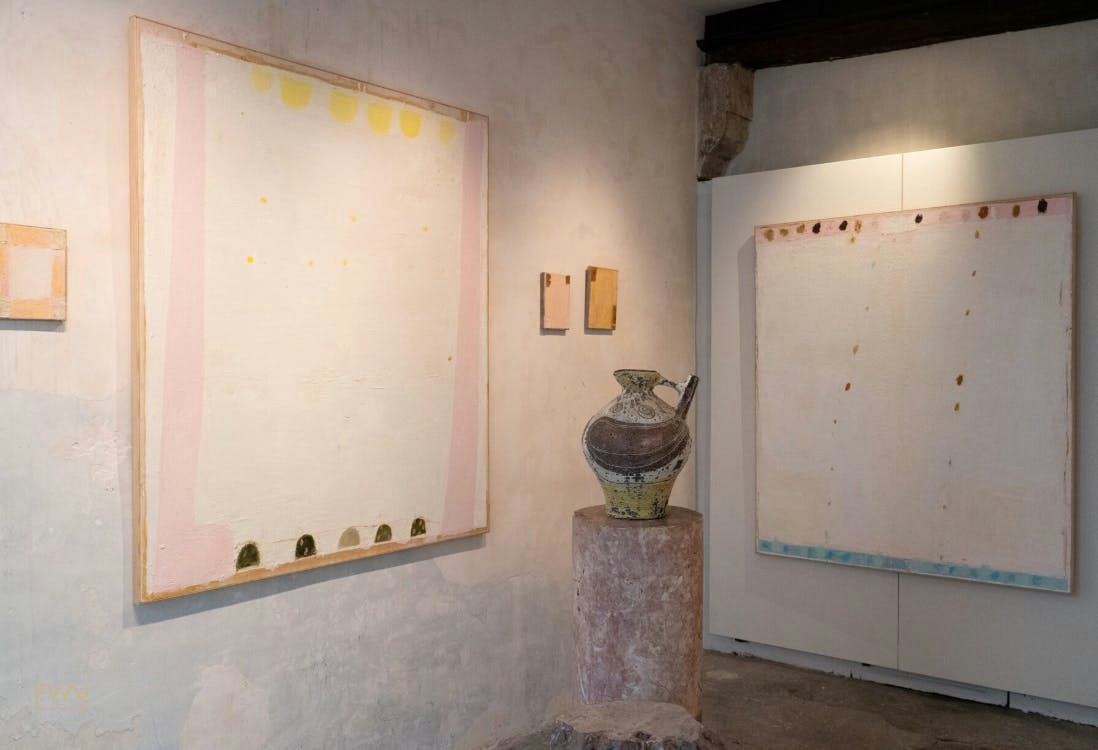
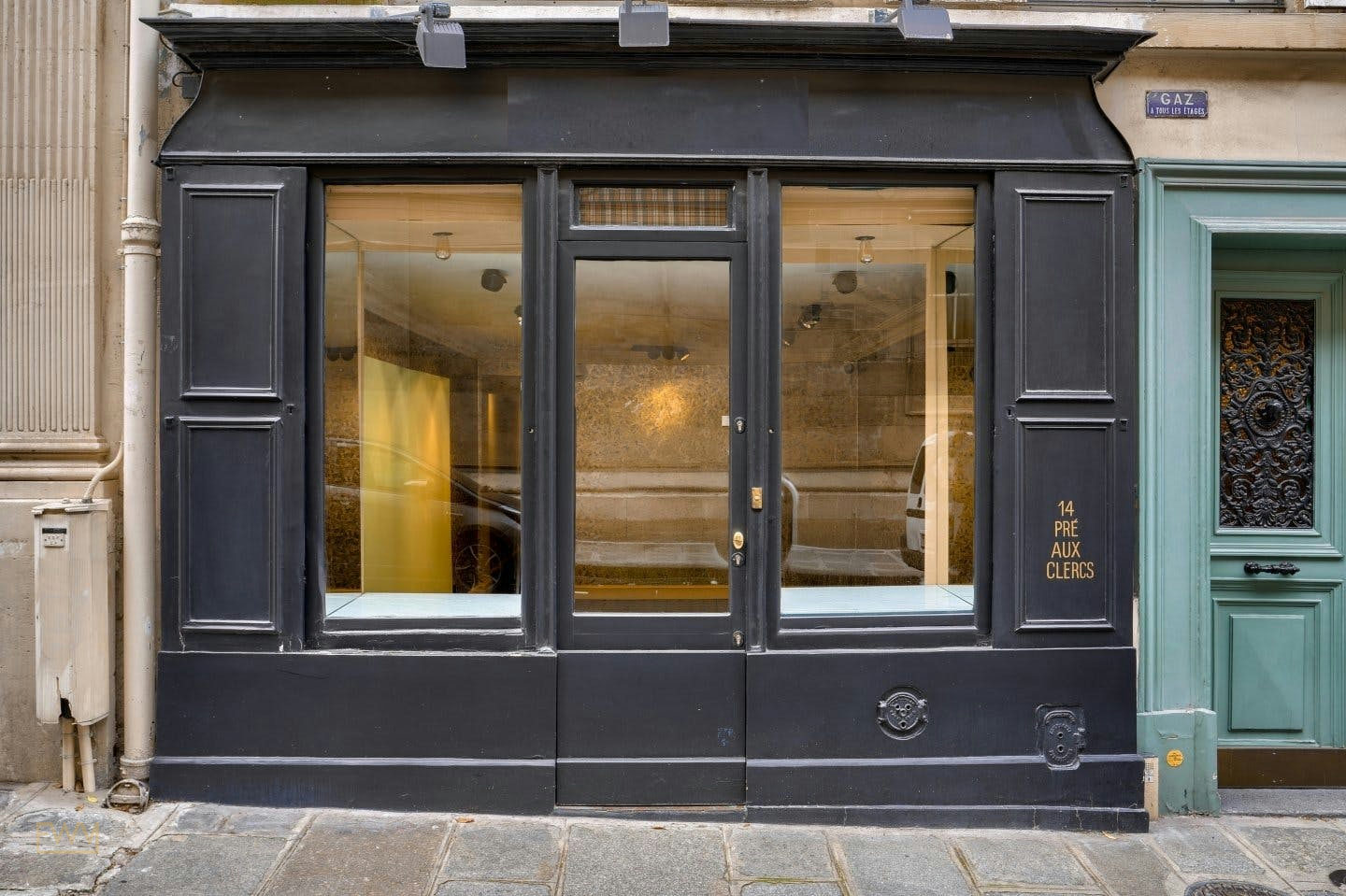
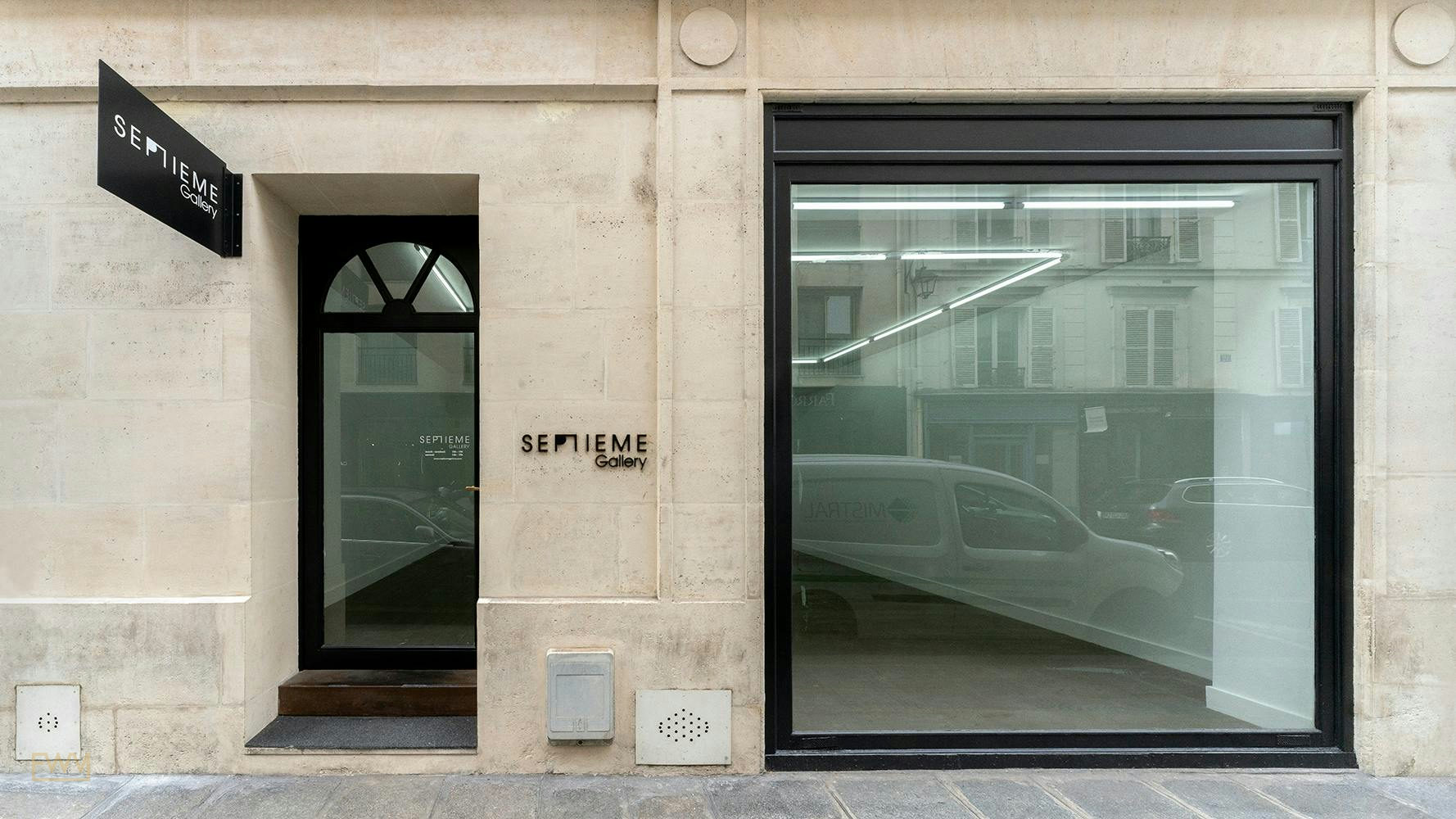
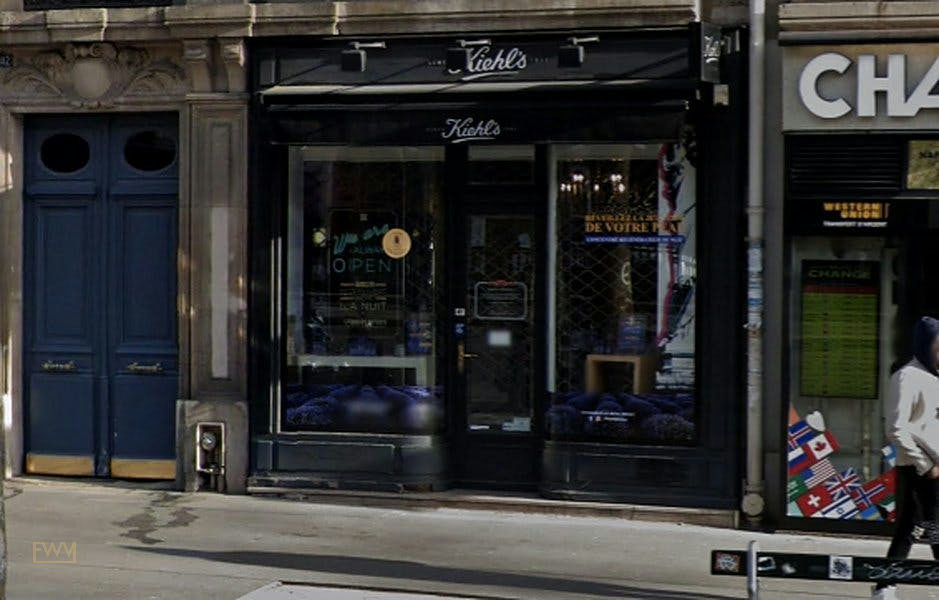
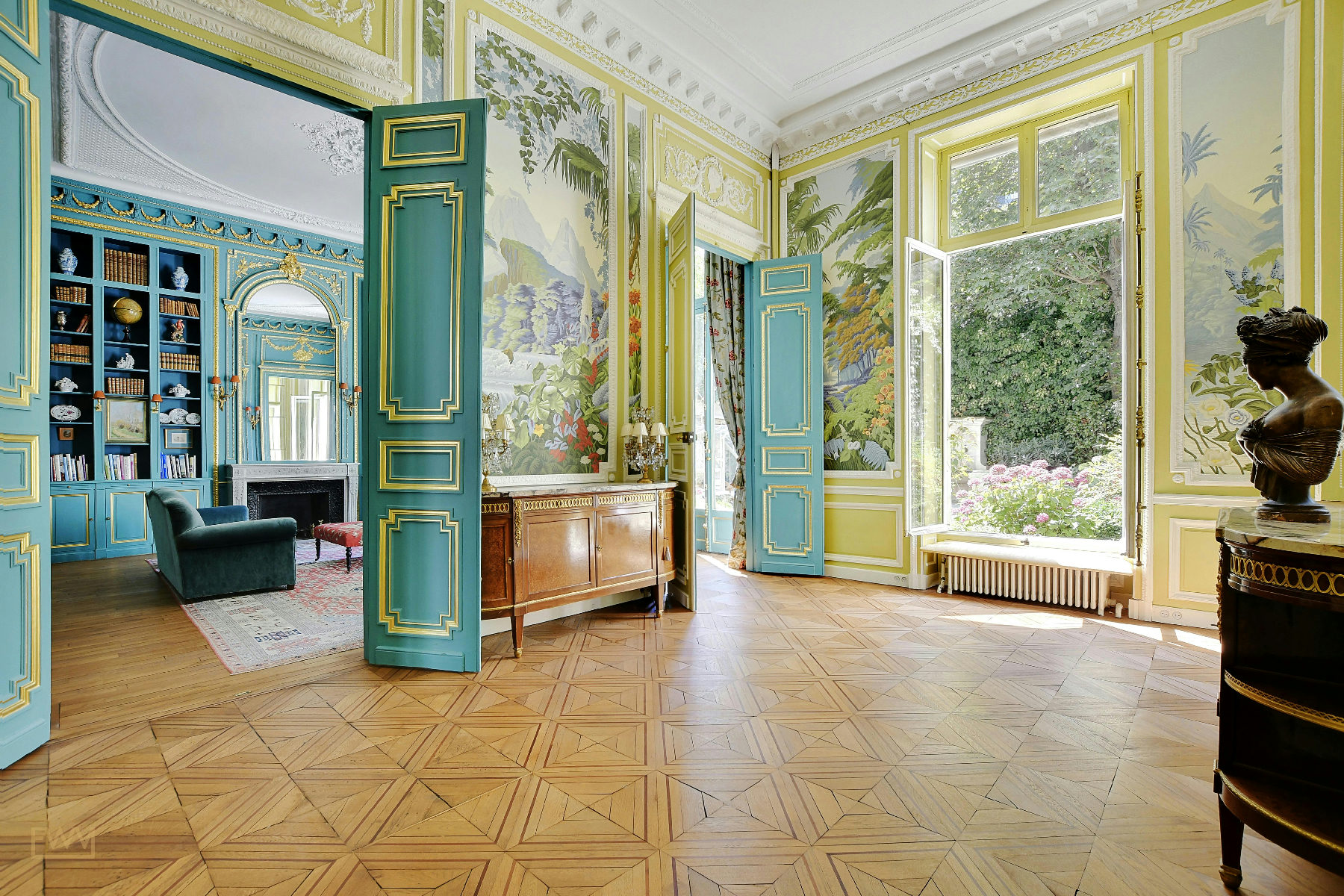
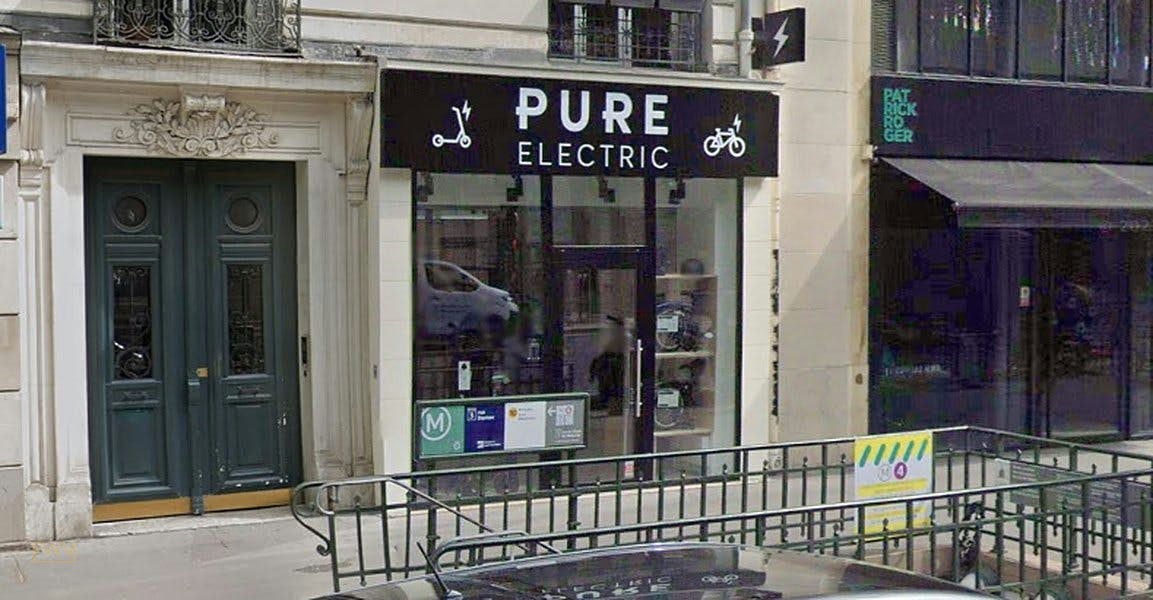
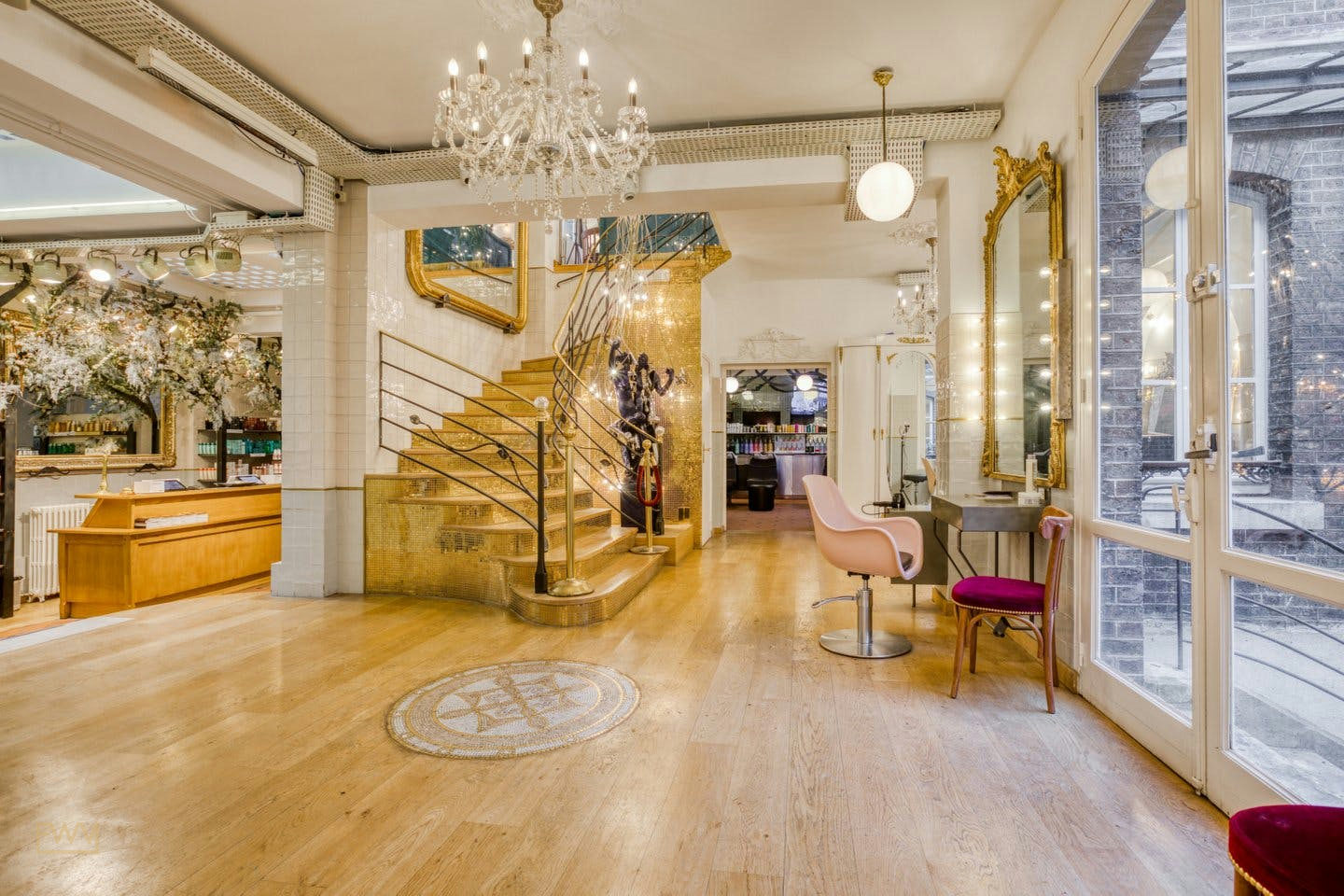
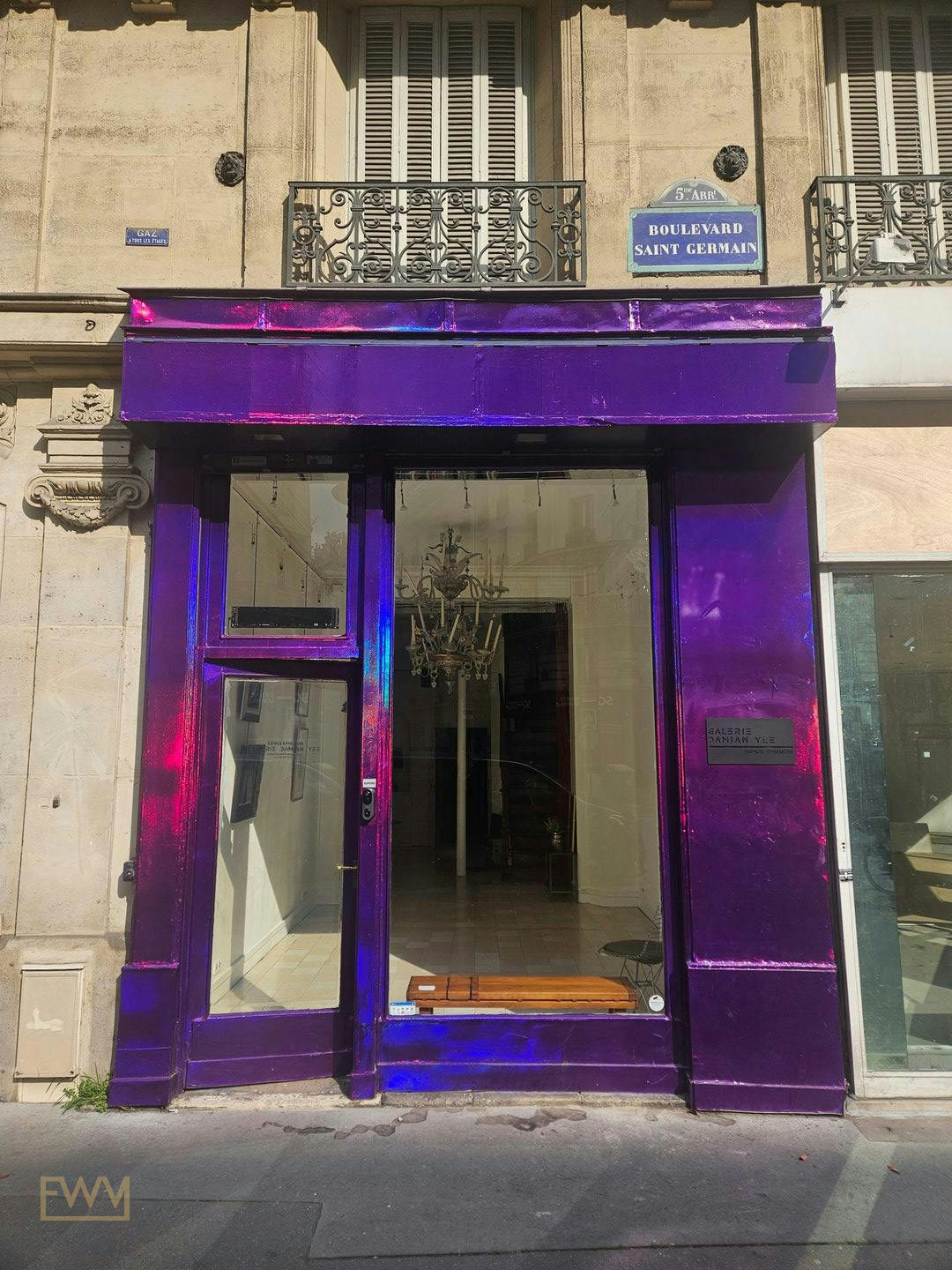
A pop up shop on Rue Saint Honoré puts your brand at the centre of Paris luxury retail, one of the most strategically valuable streets in the world for short-term brand activations, showrooms, and concept stores. The street sits within the 1st arrondissement, runs parallel to the Champs-Élysées corridor, and draws a dense mix of affluent local clientele, international tourists, and fashion industry insiders throughout the year. For brands planning activations around Paris Fashion Week, product launches, private sales, or art exhibitions, this address carries immediate credibility and commercial weight. Fashion Week Venues works with international brands, creative directors, and retail teams to source, design, and activate spaces on Rue Saint Honoré and across the broader Paris city hub, handling every stage from brief to build-out to closing.
Why Rue Saint Honoré Is the Definitive Address for a Pop Up Store in Paris
Rue Saint Honoré is not simply a prestigious postcode. It is a tightly curated ecosystem where established maisons, independent concept stores, and emerging brands coexist in one of Europe's most photographed retail corridors. The street stretches from Les Halles in the east toward the Place de la Madeleine in the west, with the luxury retail density concentrated most heavily between Rue du Faubourg Saint-Honoré and the 1er arrondissement blocks closest to the Opéra district. This geography puts any pop up store within walking distance of the Tuileries Garden, the Louvre, and a constellation of galleries, flagship boutiques, and hotel concierges that consistently direct high-net-worth visitors toward independent and emerging brands.
The street gained additional cultural significance in the streetwear and sneaker world when Off White, under the creative direction of the late Virgil Abloh, opened a carefully understated ephemeral boutique on Rue Saint Honoré near the former location of the now-closed colette concept store. That activation signalled to the wider fashion industry that the street was not exclusively the territory of heritage luxury houses. Brands including Michael Kors, Kate Spade, and several ready-to-wear labels from outside France have subsequently used the street for seasonal retail activations, product launches, and private sales events. Margiela, with its long association with the Left Bank and Le Marais district, has also tested presences in the 1er arrondissement corridor, reinforcing the area's appeal to both avant-garde and mainstream fashion audiences.
What makes this street particularly effective for pop-up retail is its pedestrian energy and window display culture. Storefronts here are scrutinised in a way that few other European retail streets can match. A well-executed vitrine on Rue Saint Honoré generates organic visibility, social media content, and press coverage without a significant paid media budget. For brands entering the marché parisien for the first time, a Rue Saint Honoré address also signals market seriousness to buyers, press, and wholesale contacts attending Paris Fashion Week showrooms.
Quick answer: Rue Saint Honoré in the 1er arrondissement is one of Paris's most commercially and culturally significant streets for pop-up retail. Its mix of local clientele, international tourists, fashion industry foot traffic, and proximity to major landmarks makes it a high-visibility address for brands of all sizes seeking short-term retail presence in the French capital.
DID YOU KNOW: The area around 229 Rue Saint-Honoré was the approximate location of the colette concept store, which operated from 1997 until its closure in December 2017. Colette's legacy as a tastemaker destination shaped the cultural appetite for concept-led pop-up retail on this street, and its closure created a vacuum that subsequent brand activations have consistently tried to fill.
The street also benefits from its proximity to major transport hubs including Gare St Lazare to the north and the RER and Métro connections at Les Halles, making it accessible from every direction for both consumers and the wholesale and press contacts that brands target during Fashion Week activations. This accessibility is a practical advantage that is easy to overlook when focusing purely on the address's prestige value.
KEY TAKEAWAY: Rue Saint Honoré combines luxury prestige, cultural credibility, high foot traffic, and practical accessibility in a way that few other streets in Paris or Île-de-France can replicate. For pop-up stores, showrooms, and fashion exhibitions, it remains the benchmark address in the 1st arrondissement.
Understanding which specific blocks, space types, and neighbourhood anchors best suit a given brand's goals requires deeper analysis of the street's micro-geography and the competing activations already planned for any given season.
Understanding the Paris Pop-Up Landscape: Neighbourhoods Beyond Rue Saint Honoré
While Rue Saint Honoré anchors the luxury end of the Paris pop-up market, brands evaluating their options should understand the full geography of Paris's pop-up retail neighbourhoods before committing to a specific street or arrondissement. Each quartier carries a distinct brand positioning implication, attracts a different consumer profile, and offers a different range of space typologies and rental structures.
Le Marais and the Marais District
Le Marais, spanning parts of the 3rd and 4th arrondissements, has become the default landing zone for concept stores, streetwear brands, sneaker releases, jewellery boutiques, and emerging designers. The neighbourhood's mix of contemporary interiors within historic Haussmann and pre-Haussmann architecture gives spaces here a distinctive character. Many spaces feature Paris stone walls, vaulted cellars, concrete floors, and natural light through tall windows, creating aesthetically versatile venues that suit both retail and private exhibition formats. The Marais district also sits close to Place des Vosges, the Musée Picasso, and the Carreau du Temple, three anchors that draw a culturally engaged audience throughout the year. For brands associated with the art de vivre parisien or seeking a sophisticated alternative to the 1er arrondissement's more corporate luxury tone, Le Marais offers compelling positioning. Elise Chalmain, with her concept store presence in the neighbourhood, exemplifies the kind of highly curated art and lifestyle brand that has made the Marais its spiritual home.
Saint-Germain-des-Prés and the Left Bank
Saint-Germain-des-Prés appeals to brands seeking an intellectual and literary heritage context for their activation. The neighbourhood's galeries, independent boutiques, and café culture create a different kind of prestige from the 1er arrondissement corridor. Ready-to-wear brands, jewellery concepts, and lifestyle labels have all used Saint-Germain spaces successfully. The presence of Le Bon Marché nearby reinforces the neighbourhood's credentials as a serious luxury retail destination, and the dense concentration of hotels means significant international visitor foot traffic throughout Fashion Week and beyond.
Canal Saint-Martin and the 10th Arrondissement
Canal Saint-Martin has established itself as the location of choice for younger, more streetwear-adjacent brands and for activations targeting a Parisian creative class rather than luxury consumers or international tourists. The neighbourhood's industrial spaces, raw concrete floors, and terrasse opportunities create a strong backdrop for events, private sales, and launch events. Brands in the sneakers, streetwear, and urban contemporary categories will find both better value and a more aligned consumer base here than on Rue Saint Honoré.
The Opéra District and the 8th Arrondissement
The 8ème arrondissement de Paris, encompassing the stretch toward Avenue Montaigne and the Champs-Élysées, hosts the highest concentration of heritage luxury storefronts in Paris. Pop-up opportunities here are limited in supply and significant in cost, but the calibre of neighbouring brands and the concentration of international luxury shoppers make it viable for established maisons or global brands planning flagship-level activations. The Opéra district, bordering the 1er arrondissement to the north, adds a secondary luxury retail node with good transport links to Gare St Lazare and Gare du Nord.
Transport Hub Proximity and Commercial Retail Nodes
Brands targeting mass-market or mid-market consumers, or those running high-volume private sales, should also evaluate spaces near the major transport nodes including Gare de Lyon, Gare du Nord, Gare de l'Est, and Les Halles, where daily footfall figures exceed those of any boutique retail street. These locations suit product launches, promotional activations, and consumer-facing events rather than premium brand positioning exercises.
Quick answer: Paris offers pop-up retail opportunities across multiple distinct neighbourhoods, each with a different brand positioning implication. Rue Saint Honoré suits luxury and fashion-forward brands. Le Marais suits concept stores, streetwear, and art. Saint-Germain suits lifestyle and jewellery brands. Canal Saint-Martin suits emerging and streetwear labels. The 8th arrondissement suits established luxury houses.
To compare neighbourhoods and space types, explore the Paris city hub on Fashion Week Venues and shortlist spaces that match your brief, budget, and calendar window.
| Neighbourhood | Arrondissement | Best For | Space Character | Typical Consumer Profile |
|---|---|---|---|---|
| Rue Saint Honoré | 1er | Luxury, Fashion Week, concept stores | Prestige storefronts, vitrines, minimalist interiors | Affluent locals, international tourists, industry |
| Le Marais | 3rd / 4th | Streetwear, jewellery, art, concept | Stone walls, vaulted cellars, natural light | Creative class, younger luxury, tourists |
| Saint-Germain-des-Prés | 6th | Lifestyle, jewellery, ready-to-wear | Elegant boutique, gallery-style | Left Bank intellectual, upscale international |
| Canal Saint-Martin | 10th | Streetwear, sneakers, emerging brands | Industrial, raw, terrasse options | Parisian creative youth, media |
| 8th Arrondissement | 8th | Established luxury, flagship activations | Premium storefronts, heritage buildings | Ultra-high-net-worth, international luxury |
KEY TAKEAWAY: Street-level decisions about where to open a pop up store in Paris should be driven by brand positioning strategy, target consumer profile, and activation type, not simply by prestige association. Rue Saint Honoré is the benchmark, but it is not always the right answer.
Once you have identified the right neighbourhood, the next decision is understanding which space characteristics and lease structures are available on and around Rue Saint Honoré specifically.
Space Characteristics and Venue Types on Rue Saint Honoré
The physical character of spaces available on and immediately around Rue Saint Honoré varies considerably depending on the specific block, building age, and previous tenancy. Brands sourcing a pop up store, showroom, or private exhibition space in this corridor should understand the range of spatial typologies available and their respective strengths for different activation formats.
Prestige Storefronts with Vitrines
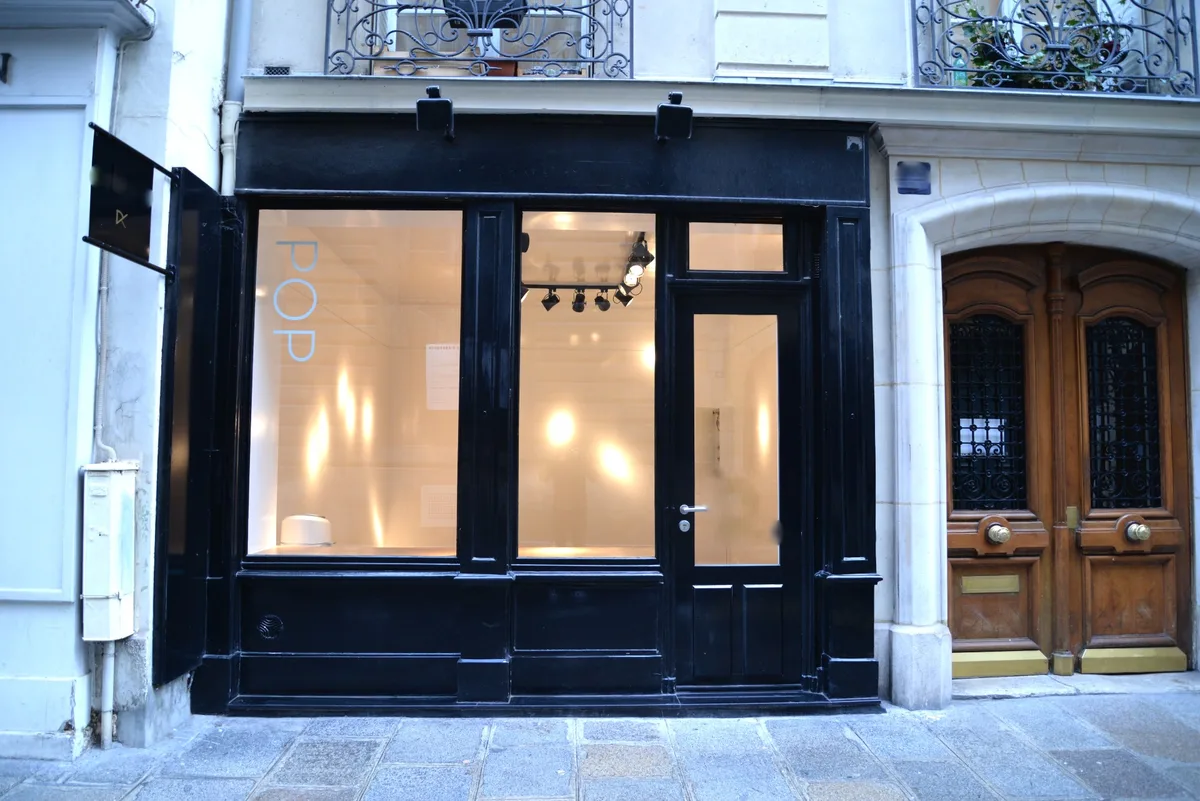
The most sought-after spaces on Rue Saint Honoré are those with significant window display frontage, known in French retail as vitrines. A strong vitrine on a high-footfall block creates passive visibility throughout the day and allows brands to communicate brand identity to passersby without requiring them to enter the space. For product launches, limited edition releases, and brand awareness campaigns, vitrine-fronted storefronts on this street generate earned media value that can significantly amplify a campaign's reach. These spaces tend to feature contemporary interiors with high ceilings, polished concrete floors or parquet, and good natural light penetration on north-facing blocks.
Minimalist Gallery-Style Spaces
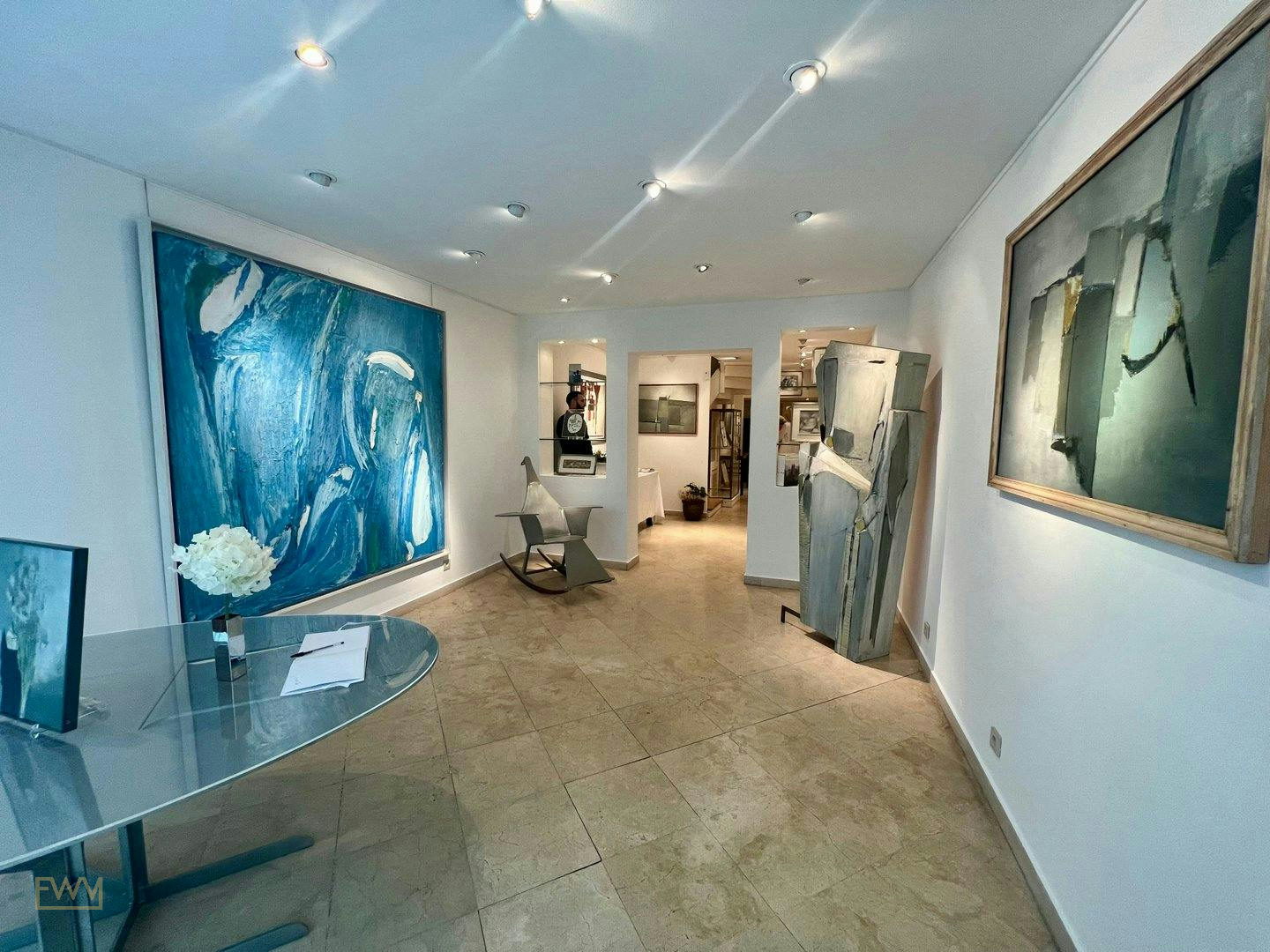
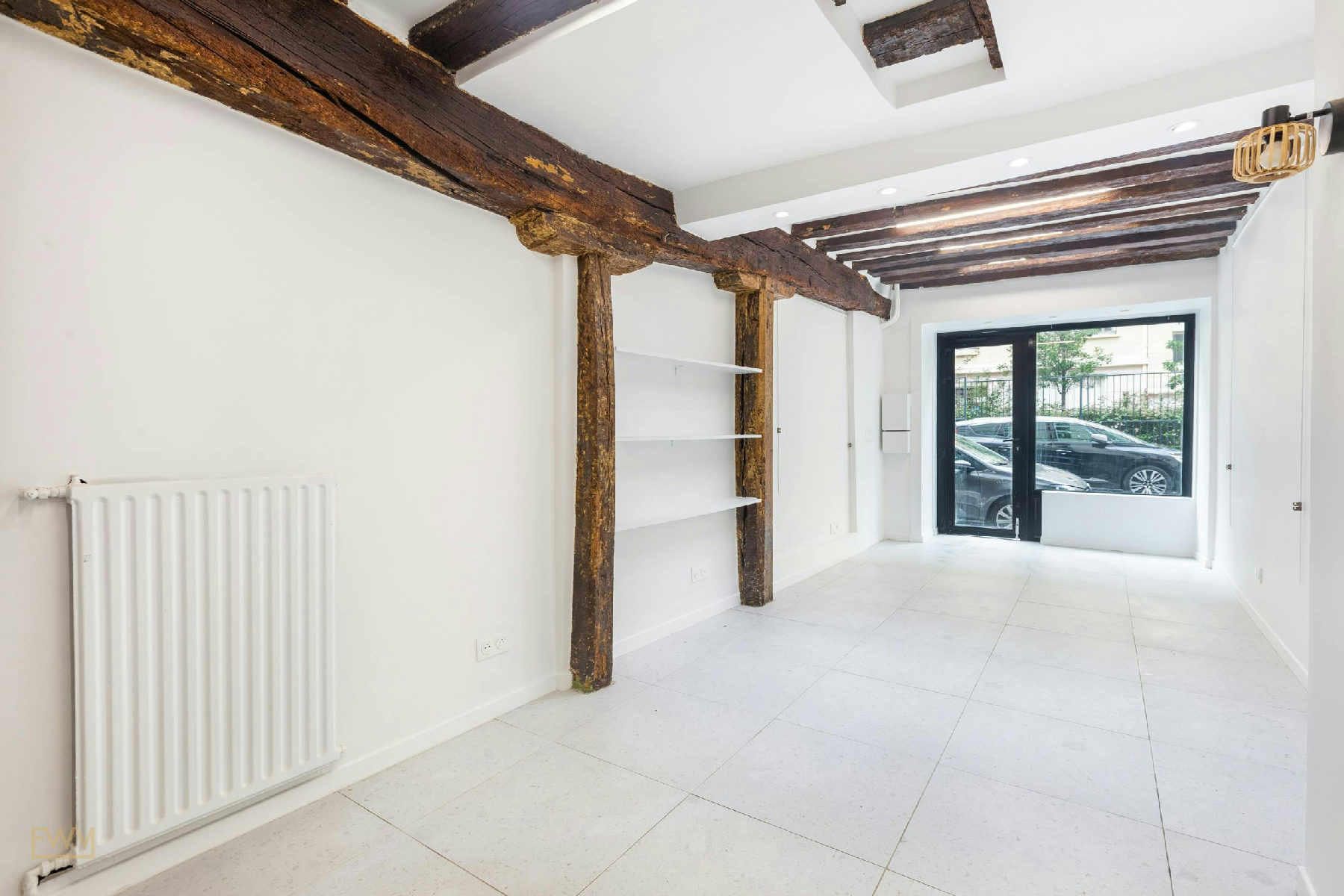
Several spaces in the immediate vicinity of Rue Saint Honoré have been finished as minimalist gallery environments with white-walled interiors, concrete floors, and flexible lighting rigs. These suit brands running art exhibitions alongside retail, private exhibitions for press and buyers, or concept store formats where the spatial experience is as important as the product display. The minimalist gallery format has become the dominant aesthetic in Paris pop-up retail, particularly for fashion brands in the ready-to-wear, sneakers, and luxury accessories categories.
Vaulted Cellars and Paris Stone Interiors
Several buildings along the Rue Saint Honoré corridor retain original vaulted cellar spaces at lower ground level, often featuring exposed mur en pierre naturelle, or natural Paris stone walls, and arched ceiling structures. These spaces carry a powerful sense of architectural history and create an immediately distinctive backdrop for private sales, exclusive product presentations, and intimate retail activations. The lumière naturelle in these spaces is typically limited, which can be addressed through specialist lighting design, but the atmospheric quality of the architecture more than compensates for the absence of daylight for many brand contexts.
Contemporary Showroom Formats
For brands using the space as a trade showroom during Paris Fashion Week rather than a consumer-facing pop-up store, the priority shifts from vitrine visibility to spatial flexibility and appointment management. Contemporary showroom spaces in the 1er arrondissement corridor typically offer open-plan layouts, private meeting areas, good natural light, and proximity to the hotels and restaurants where buyers and press gather during fashion week. These spaces often come with basic meubles, or furniture, included in the rental rate, which reduces the cost and complexity of the fit-out.
Mixed-Use Event and Retail Spaces
Some of the most commercially effective pop-up formats on Rue Saint Honoré combine retail, exhibition, and event programming within a single footprint. A brand might open a consumer-facing boutique from Thursday through Sunday while running press appointments and private sales on Monday through Wednesday within the same space. This calendar stacking approach maximises the value of a short-term rental and creates multiple distinct moments of brand visibility across a single activation period.
Quick answer: Spaces on and around Rue Saint Honoré range from prestige storefronts with vitrines to vaulted cellar venues with Paris stone interiors, minimalist gallery formats, and contemporary showrooms. The right space type depends on whether the activation is consumer-facing, trade-focused, event-driven, or a combination of formats.
TIP: When briefing a venue sourcing partner about a Rue Saint Honoré pop up store, specify not just the square meterage you need but the exact format of the activation, the expected daily visitor count, whether the space needs a terrasse, and whether natural light is a non-negotiable requirement. These specifics dramatically narrow the shortlist and accelerate the sourcing process.
KEY TAKEAWAY: The diversity of space types available on and around Rue Saint Honoré means that brands across a wide range of formats and budgets can find appropriate venues in this corridor. The key is matching space characteristics to activation mechanics, not simply selecting the largest or most expensive option available.
Securing the right space is only the first step. Understanding the legal and rental framework governing short-term leases in Paris is essential before signing any agreement.
Leases, Permits, and Legal Frameworks for a Pop Up Store in Paris
Opening a pop up store in Paris involves navigating a legal and administrative framework that differs significantly from the UK, US, or most other major retail markets. Brands that approach this process without adequate preparation frequently encounter delays, unexpected costs, or compliance issues that compromise their activation timeline.
Bail Dérogatoire: The Short-Term Lease Instrument
The most common legal vehicle for pop-up retail in Paris is the bail dérogatoire, a short-term commercial lease that allows landlords and tenants to agree on occupancy periods without triggering the full protections and obligations of a standard bail commercial, or commercial lease. Under French commercial property law, a standard bail commercial typically grants the tenant a nine-year term with significant renewal rights, which makes landlords understandably cautious about granting them for temporary retail activations. The bail dérogatoire bypasses this by capping the permitted occupation period at a specified short term, typically up to three years in aggregate across successive agreements at the same address, and the specific parameters vary depending on the landlord, arrondissement, and current French commercial property regulations.
For international brands, it is important to understand that the bail dérogatoire does not eliminate the need for a legal entity in France, but there are specific structures that allow non-French brands to operate temporary retail in Paris without establishing a permanent French commercial presence. The precise requirements depend on the duration of the rental, the nature of the commercial activity, and the landlord's specific requirements. Brands should verify their position with a qualified French legal advisor before signing any rental agreement.
Autorisation d'Occupation Temporaire (AOT)
For spaces that involve public-facing elements on or adjacent to public land, including terrasse installations, signage extending beyond the building line, or any use of street-level public space, brands may require an Autorisation d'Occupation Temporaire, commonly referred to as an AOT. This is a temporary public space use permit issued by the relevant local authority, and its requirements and processing timelines vary depending on the specific location and the nature of the installation. For Rue Saint Honoré activations involving exterior branding, temporary structures, or terrasse furniture, factoring in sufficient lead time for AOT applications is essential. Requirements vary by space type, duration, and arrondissement, and the permit guidance tool on Fashion Week Venues provides a useful starting framework for identifying which permits your activation may require.
Rental Rates and Directional Cost Expectations
Rental rates for pop-up spaces on Rue Saint Honoré are among the highest in Paris and reflect both the prestige of the address and the intense demand from fashion, luxury, and lifestyle brands during peak calendar windows. Rates vary depending on space size, block position, vitrine quality, space finish, and the specific rental period. Because rates fluctuate significantly based on season, demand, and individual negotiation, it is not appropriate to publish fixed figures here. Brands should treat any rate they encounter as a starting point for negotiation rather than a fixed price, and should use a specialist agency to benchmark quoted rates against comparable spaces. The budget estimation tool on Fashion Week Venues allows brands to input their space requirements and calendar window to generate a directional cost framework.
IMPORTANT: Do not sign a rental agreement for a Paris pop-up space without confirming the lease type, understanding the break clause and exit conditions, clarifying whether the rent is inclusive or exclusive of charges such as utilities, cleaning, and building service fees, and verifying whether the space has valid planning permission for retail use. A bail commercial signed inadvertently instead of a bail dérogatoire can create significant ongoing legal obligations.
VAT, Commercial Registration, and Practical Compliance
Brands conducting commercial sales from a Paris pop-up store are operating within the French VAT system and may have obligations including TVA registration, cash register and receipt requirements, and French language labelling obligations for products sold to consumers. The specific requirements depend on whether the brand already has a French or EU entity, the total turnover generated during the activation, and the product categories involved. These requirements should be confirmed with a French accountant or legal advisor well in advance of the activation opening date.
Quick answer: The primary legal vehicle for a Paris pop-up store is the bail dérogatoire, a short-term lease that avoids triggering long-term commercial lease obligations. Brands may also need an AOT permit for exterior installations. VAT, commercial registration, and product labelling requirements apply to consumer-facing retail activity. Requirements vary and should be verified with qualified French legal and tax advisors.
KEY TAKEAWAY: Legal compliance for a Rue Saint Honoré pop up store requires understanding French short-term lease structures, permit requirements, and commercial registration obligations. Working with a specialist agency that has established relationships with Paris landlords and an understanding of the regulatory environment significantly reduces the risk of compliance failures.
With the legal framework understood, the next critical variable is timing: identifying which calendar windows generate the most value for a Rue Saint Honoré activation.
The Fashion Week Calendar and Peak Activation Windows for Rue Saint Honoré
Timing a pop up store on Rue Saint Honoré around the Paris Fashion Week calendar is one of the most effective ways to amplify a brand activation's commercial and media impact. However, the Fashion Week window is not the only valuable period, and brands that limit their Paris retail strategy to a single week each season miss significant commercial opportunities throughout the year.
Paris Fashion Week: Women's and Men's Seasons
Paris Fashion Week for Women's Ready-to-Wear typically takes place in late September and early October for the Spring/Summer collections and in late February and early March for the Autumn/Winter collections. Paris Men's Fashion Week, formally known as Paris Fashion Week Men's, typically runs in January and June. During these windows, the city's hospitality infrastructure operates at near-total capacity, the density of buyers, editors, stylists, photographers, creative directors, and brand marketing teams reaches its annual peak, and media attention on Paris as a fashion capital intensifies globally. A pop-up store on Rue Saint Honoré during Fashion Week benefits from all of these dynamics simultaneously, generating a concentration of relevant, high-value foot traffic that is simply not replicable at any other time of year.
Beyond the direct consumer benefit, a Fashion Week pop-up store on Rue Saint Honoré functions as a brand showroom, a press event venue, a buyer appointment location, and a content creation studio simultaneously. Brands that brief their activation with all of these functions in mind extract significantly more value from their rental investment than those that focus exclusively on retail sales.
Beyond Fashion Week: Year-Round Activation Windows
January sales, the summer tourist peak from June through August, the Christmas retail season from November through late December, and the spring collections window in March and April all represent strong activation periods for brands on Rue Saint Honoré. The street's tourist footfall is particularly significant during summer months, when international visitors from the US, Middle East, East Asia, and Southern Europe spend heavily in the Paris luxury retail corridor. A pop up store Oud opened on Rue Saint Honoré for the summer of 2020, demonstrating that seasonal activations tied to specific cultural calendars or product launches, rather than the Fashion Week schedule, can generate strong local and media traction even outside traditional fashion industry windows.
Showroom Versus Consumer-Facing Activation Timing
Brands using a Rue Saint Honoré space as a trade showroom for Fashion Week should align their rental period with the core show days plus a buffer of two to three days on either side to capture buyer and press visits from contacts arriving early or departing late. Consumer-facing pop-up stores typically benefit from a longer run of two to four weeks to allow word-of-mouth and social media discovery to build. Mixed-format activations that combine a press-only opening with a subsequent public retail phase represent a particularly effective approach for brands with limited budgets who want to maximise both industry visibility and consumer sales within a single rental period.
Quick answer: The two peak windows for a Rue Saint Honoré pop up store are the Paris Fashion Week periods in February to March and September to October. Summer tourist season from June to August and the Christmas retail period from November to December also offer strong commercial opportunities. The optimal duration depends on whether the activation is trade-focused, consumer-facing, or a hybrid of both formats.
DID YOU KNOW: Paris Fashion Week draws an estimated 100,000 or more visitors to the city during its peak days, including buyers, press, brand executives, and fashion enthusiasts, making the city's luxury retail streets among the most densely trafficked by high-value fashion consumers anywhere in the world during this period. Attribution to specific official statistics is subject to annual variation and should be verified against current figures from official Paris tourism and fashion industry bodies.
KEY TAKEAWAY: Paris Fashion Week represents the highest-intensity opportunity for a Rue Saint Honoré pop up store, but year-round activation windows aligned with tourist peaks, product launch calendars, and seasonal retail moments offer strong commercial viability at potentially more manageable competition and rental rate levels.
Executing a successful activation within any of these windows requires a structured planning process that accounts for lead time, supplier coordination, permit applications, and fit-out logistics.
Planning and Executing a Pop Up Store on Rue Saint Honoré: A Step-by-Step Framework
Executing a successful pop up store on Rue Saint Honoré requires a planning horizon that most international brands underestimate. The combination of high competition for premium spaces, complex permit requirements, specialist fit-out logistics, and the compressed timelines of the Fashion Week calendar means that brands attempting to activate on this street with less than eight to twelve weeks of preparation are taking on significant delivery risk.
| Stage | Activity | Recommended Lead Time | Key Decisions |
|---|---|---|---|
| 1. Strategy and Brief | Define activation objectives, target audience, space requirements, budget envelope | 12 to 16 weeks before opening | Format, neighbourhood, duration, brand positioning |
| 2. Venue Sourcing | Shortlist spaces, view options, negotiate rental terms | 10 to 14 weeks before opening | Space size, lease type, rental rate, vitrine quality |
| 3. Legal and Compliance | Review lease terms, confirm French legal requirements, apply for permits | 8 to 12 weeks before opening | Bail dérogatoire terms, AOT applications, VAT position |
| 4. Concept and Design | Develop spatial concept, produce design drawings, confirm furniture and fixtures | 8 to 10 weeks before opening | Space aesthetic, window display concept, brand identity expression |
| 5. Production and Build | Source contractors, produce bespoke elements, schedule fit-out | 6 to 8 weeks before opening | Build timeline, material procurement, logistics coordination |
| 6. Staffing and Operations | Recruit and brief sales and security staff, set up POS and payment systems | 4 to 6 weeks before opening | Staffing levels, security solution, payment infrastructure |
| 7. Marketing and Press | Brief press contacts, activate influencer programme, prepare opening event | 3 to 4 weeks before opening | Opening event format, press release, influencer briefings |
| 8. Opening and Live Management | Manage daily operations, handle visitor flow, capture data | Activation period | Daily sales reporting, visitor counting, live optimisation |
| 9. Close and Debrief | Strip out space, return to landlord condition, compile performance data | 1 to 2 weeks after closing | Dilapidation compliance, data analysis, ROI calculation |
Fit-Out and Production for a Paris Pop-Up
The fit-out of a Rue Saint Honoré pop-up store must balance the brand's aesthetic vision with the practical constraints of a temporary installation in a protected or period building. Many spaces in the 1er arrondissement are subject to architectural conservation requirements that limit the extent to which walls, floors, and ceilings can be modified. Brands should clarify with the landlord and their legal advisor exactly what fit-out works are permitted before commissioning any design. The production and build service at Fashion Week Venues is structured to manage this balance, working within landlord constraints while delivering a high-quality spatial outcome within the compressed timelines typical of fashion industry activations.
Staffing, Security, and Operational Infrastructure
Running a pop-up store on one of Paris's most prominent retail streets requires appropriate staffing, security service provision, and operational infrastructure. A security solution for a Rue Saint Honoré pop-up should account for both the value of the product on display and the profile of the activation. Security requirements should be briefed alongside the wider operational plan, not treated as an afterthought. POS and payments infrastructure must also be specified and installed before opening, with particular attention to whether the brand intends to accept international payment cards, whether the system integrates with the brand's existing inventory management, and whether real-time sales data will be fed back to the brand's marketing team.
Digital Presence and Online Visibility During the Activation
A Rue Saint Honoré pop-up store that does not have a clear and accessible online presence misses a significant proportion of its potential audience. During Fashion Week, press, buyers, and consumers actively search for pop-up locations online. A brand's website, social media profiles, and digital communications should all be updated to reflect the activation address, opening dates, and format well in advance of the opening date. This digital visibility layer is particularly important for international brands whose Paris presence is temporary and whose local awareness among Parisian clientèle locale may be limited before the activation begins.
Quick answer: A Rue Saint Honoré pop-up store requires a minimum planning lead time of 8 to 12 weeks, ideally 12 to 16 weeks for Fashion Week activations. The key stages are strategy and brief, venue sourcing, legal compliance, concept and design, production, staffing, marketing, live management, and close-out. Underestimating lead time is the most common cause of avoidable execution failures.
KEY TAKEAWAY: Successful execution of a Rue Saint Honoré pop-up store depends on a structured planning process that allocates adequate lead time to each stage, from venue sourcing through to post-activation close-out. The compressed timelines of the Fashion Week calendar make a 12-week minimum planning horizon essential for most activations.
Understanding how an experienced agency can support this process, and which specific services deliver the most value, is the practical next step for most brand teams.
How Fashion Week Venues Helps Brands Activate on Rue Saint Honoré and Across Paris
Fashion Week Venues is a full-service pop-up shop agency and space marketplace that supports brands at every stage of the planning and execution process for temporary retail activations in Paris and other major fashion capitals. For brands considering a pop up store on Rue Saint Honoré, the agency's combination of venue sourcing expertise, spatial design capability, production and logistics management, and operational support services creates a streamlined path from initial brief to live activation.
Venue Sourcing and the Space Marketplace
The venue sourcing service provides brands with access to a curated database of spaces on Rue Saint Honoré and across the broader Paris market, including Le Marais, Saint-Germain-des-Prés, Canal Saint-Martin, and the 8th arrondissement. Rather than approaching landlords or intermediary brokers independently, which carries the risk of paying above-market rates or signing unfavourable lease terms, brands working with Fashion Week Venues benefit from established landlord relationships and a clear process for shortlisting, viewing, and securing spaces that match the activation brief. The space marketplace allows brands to browse available spaces, filter by location, size, and space type, and compare options before requesting a formal shortlist.
Concept Direction, Design, and Build
Once a space is secured, the concept direction and production teams work with the brand's creative team to develop a spatial concept that expresses the brand's identity within the specific architectural and regulatory constraints of the chosen space. This process encompasses window display design, interior layout, lighting specification, furniture selection, and material choices. For brands that want to create a distinctive and memorable retail experience rather than a generic pop-up environment, the concept direction capability is one of the most commercially valuable services available. Furniture and fixture requirements can also be fulfilled through the furniture rental service, which reduces the cost and logistical complexity of equipping a temporary space.
Operational Tools for Planning and Decision-Making
Fashion Week Venues provides a suite of planning tools that allow brand teams to make more informed decisions before committing to a space or a budget. The timeline planning tool helps brands understand whether their target opening date is achievable given their current planning stage. The budget tool generates directional cost estimates based on space size, location, and activation format. The ROI calculator allows brands to model the expected commercial return from a Rue Saint Honoré activation against the total investment required. The permits tool provides an initial framework for understanding which permits and registrations a Paris activation may require. These tools are most valuable when used at the beginning of the planning process, when decisions about format, location, and budget are still being made.
Activation Management and Staffing
The activation management service covers the live operational period of the pop-up store, including daily management, visitor flow coordination, issue resolution, and real-time reporting. For international brands that cannot maintain a Paris-based management team throughout the activation, this service provides a critical continuity of operational oversight. The retail staffing service provides trained, brand-briefed sales staff who understand both the brand's values and the specific requirements of luxury retail on Rue Saint Honoré.
What Fashion Week Venues Does Not Guarantee
It is important for brands to understand that Fashion Week Venues does not guarantee the availability of specific spaces, the approval of permit applications, or specific sales or media outcomes from any activation. Space availability on Rue Saint Honoré, particularly during Fashion Week windows, is subject to intense competition and landlord decisions that are outside any agency's control. The agency's value is in providing expertise, relationships, process management, and operational capability that significantly improve the probability of a successful activation, not in guaranteeing outcomes that depend on market conditions, consumer behaviour, and regulatory decisions.
Quick answer: Fashion Week Venues supports brands planning a Rue Saint Honoré pop-up store through venue sourcing, concept direction, production, activation management, staffing, and a suite of planning tools. The agency does not guarantee space availability or permit approvals, but its established Paris market expertise and landlord relationships provide a significant advantage over independent sourcing approaches.
KEY TAKEAWAY: For international brands entering the Paris market for the first time, or for established brands looking to reduce the execution risk of a high-profile Rue Saint Honoré activation, working with a full-service agency like Fashion Week Venues provides access to market knowledge, established relationships, and integrated services that would take years to develop independently.
Several persistent misconceptions about opening a pop-up store in Paris can lead brands to make poorly informed decisions. Understanding these myths before you begin planning is as important as understanding the practical logistics.
Notable Activations and Brand Precedents on Rue Saint Honoré
The history of brand activations on and around Rue Saint Honoré provides a useful reference framework for brands assessing what is possible, what has worked, and what the street's consumer base responds to most strongly. These precedents also illustrate the diversity of brands, formats, and creative approaches that have succeeded in this specific location.
Off White and the colette Legacy
The most referenced activation in the contemporary history of Rue Saint Honoré pop-up retail is the Off White ephemeral boutique, opened quietly near the former address of colette following Virgil Abloh's death and the brand's transition under new ownership. The understated announcement of this opening, which spread largely through word of mouth and social media, was itself a deliberate brand positioning choice that reinforced Off White's cultural cachet. The choice of Rue Saint Honoré as the location was not incidental: it placed the brand in direct dialogue with colette's legacy as the defining concept store of the street's modern retail identity, while signalling that Off White's Paris presence was serious, permanent, and independent of the wholesale relationship that colette had historically provided. This activation demonstrated that the combination of location, timing, and communication strategy can create enormous media value from a relatively modest retail footprint.
Ready-to-Wear and Luxury Accessories Brands
Beyond the high-profile streetwear precedents, Rue Saint Honoré has hosted pop-up stores for a wide range of ready-to-wear and luxury accessories brands seeking to establish or reinforce a Paris presence during Fashion Week. The pattern of these activations typically follows a consistent format: a two to four week rental period aligned with the Women's or Men's Fashion Week calendar, a press opening event in the first days of the activation, a consumer retail phase running through the remainder of the period, and a closing private sale or event to clear residual stock and generate a final media moment. This format has proven effective for brands across a wide range of price points and categories, from contemporary jewellery boutiques to established luxury ready-to-wear labels.
Concept Stores and Multi-Brand Activations
The concept store format, in which a single physical space hosts multiple brands under a curated editorial framework, has become increasingly common on Rue Saint Honoré as individual brands seek to share rental costs while benefiting from the combined audience draw of a multi-brand presentation. The twin co-activation model, which Fashion Week Venues facilitates through its twin concept, allows two complementary brands to share a space, split costs, and create a richer retail environment than either could achieve independently. This format is particularly effective for emerging brands that lack the budget for a solo Rue Saint Honoré rental but want to establish a credible Paris presence alongside a like-minded label.
Art Exhibitions and Cross-Category Activations
The overlap between fashion retail and art gallery programming on Rue Saint Honoré reflects the broader Parisian integration of art de vivre parisien with commercial retail experience. Several spaces in the corridor have been used simultaneously as retail environments and art exhibition venues, with the artworks providing a curatorial context for the fashion products and vice versa. Private exhibition formats, in which works are shown by appointment to press, collectors, and brand contacts, have proven particularly effective during Fashion Week when time-poor industry visitors respond better to appointment-based access than to open retail environments. The presence of institutions including the Musée Picasso in nearby Le Marais reinforces the cultural authority of the Paris art world as a backdrop for fashion brand activations across the wider 1er arrondissement and Marais district corridor.
Quick answer: Rue Saint Honoré has hosted a wide range of successful brand activations including streetwear pop-ups (Off White), luxury accessories boutiques, ready-to-wear concept stores, art exhibition formats, and multi-brand concept stores. The common elements of successful activations are a clear spatial concept, strong window display execution, alignment with the Fashion Week or tourist calendar, and a communication strategy that extends the activation's reach beyond the physical space.
KEY TAKEAWAY: The diversity of successful brand activations on Rue Saint Honoré demonstrates that the street is not exclusively the territory of heritage luxury brands. Streetwear, contemporary ready-to-wear, jewellery, and concept store formats have all succeeded here when executed with appropriate attention to spatial quality, communication strategy, and timing.
Common Myths About Opening a Pop Up Shop on Rue Saint Honoré
MYTH: You need a French legal entity to rent a pop-up space on Rue Saint Honoré.
FACT: International brands can operate temporary retail activations in Paris through specific legal structures that do not require the establishment of a permanent French commercial entity. However, the precise requirements depend on the duration of the activation, the commercial activity involved, and the landlord's specific requirements. Brands should confirm their position with a qualified French legal advisor before signing any rental agreement, and should not assume that their existing EU or non-EU legal entity is automatically sufficient.
MYTH: Paris Fashion Week is the only viable calendar window for a Rue Saint Honoré pop-up store.
FACT: Paris Fashion Week is the highest-intensity window for industry visibility, but it is not the only commercially viable period. The summer tourist season, the Christmas retail period, and product launch windows tied to specific brand calendars have all generated successful activations on Rue Saint Honoré. Brands with consumer-facing rather than trade-focused objectives may find that the summer or Christmas windows deliver stronger sales results at lower rental rates and with less competition for premium spaces than the Fashion Week peaks.
MYTH: Commission brokers are the only way to find a pop-up space on Rue Saint Honoré.
FACT: While commission brokers do operate in the Paris short-term retail market, they are not the only or necessarily the most advantageous route to securing a space on Rue Saint Honoré. Full-service agencies like Fashion Week Venues combine space sourcing with concept direction, production, and activation management in a single integrated service, providing significantly more value than a pure introduction fee model. Brands should understand the total cost of different sourcing routes, including not just the commission or agency fee but also the cost of managing separately sourced contractors, designers, and operational teams.
MYTH: Short-term leases in Paris are legally straightforward and do not require specialist legal review.
FACT: French commercial property law is complex, and short-term leases including bail dérogatoire arrangements contain specific clauses regarding permitted use, restoration obligations, early termination rights, and liability for dilapidation that can create significant financial exposure for brands that sign without adequate legal review. The requirement for an AOT permit for any exterior installation adds an additional regulatory layer that is easy to overlook and costly to address after the fact. International brands should always have Paris rental agreements reviewed by a French-qualified legal advisor before signing.
MYTH: A Rue Saint Honoré address is only viable for established luxury brands with large budgets.
FACT: While rental rates on Rue Saint Honoré are among the highest in Paris, the range of space sizes available, the viability of short rental periods of one to two weeks, and the option of co-activation formats that split costs between complementary brands all make it possible for brands at a range of budget levels to activate on or immediately adjacent to this street. The key is matching the activation format to the available budget rather than attempting to replicate a full-scale boutique within a budget that realistically suits a smaller format.
Frequently Asked Questions
What is the typical rental period for a pop up shop on Rue Saint Honoré?
Rental periods for pop-up stores on Rue Saint Honoré range from a minimum of a few days to several months, depending on the landlord, the space, and the type of lease instrument used. For Fashion Week activations, one to two week rentals aligned with the show calendar are most common. For consumer-facing retail activations, two to four week periods typically allow enough time for word-of-mouth and social media discovery to build meaningful foot traffic. Longer rentals of one to three months are also available for brands that want to establish a more substantial seasonal presence. Brands should specify their preferred duration clearly in their initial brief to allow the venue sourcing process to focus on spaces with compatible landlord requirements.
Do I need to speak French or have a French team to open a pop-up store on Rue Saint Honoré?
You do not need a French-speaking internal team to open a pop-up store on Rue Saint Honoré, but you will need French-speaking support for landlord communication, permit applications, supplier management, and customer-facing retail operations. Working with a full-service agency that has an established Paris operation effectively fulfils this requirement without requiring the brand to hire French-speaking staff directly. Customer-facing staff for luxury and contemporary fashion retail on Rue Saint Honoré should be fluent in both French and English as a minimum, given the mix of local and international visitors who make up the street's consumer base.
How far in advance should I start planning a Paris Fashion Week pop-up on Rue Saint Honoré?
Brands targeting a Paris Fashion Week activation on Rue Saint Honoré should begin planning a minimum of 12 weeks in advance, with 16 weeks being strongly preferable. The competition for premium spaces during Fashion Week windows is intense, and the best spaces are often reserved three to four months ahead of the target dates. Permit applications, fit-out design, contractor sourcing, and staffing all require lead time that compounds quickly when planning begins late. Brands that approach the process with less than 8 weeks of lead time are likely to find that the most desirable spaces have already been committed and that production quality is compromised by the compressed timeline.
What types of brands are best suited to a pop-up store on Rue Saint Honoré?
Rue Saint Honoré suits brands in the luxury, contemporary fashion, concept retail, streetwear, jewellery, and lifestyle categories that are targeting affluent local Parisian consumers and international visitors to Paris. The street's cultural associations with French fashion heritage and its connection to the colette legacy make it particularly relevant for brands with a strong aesthetic identity and a commitment to the art de vivre parisien. Brands in categories such as mass-market consumer goods or high-volume promotional retail are likely to find a better commercial fit in higher-footfall, lower-prestige locations such as Les Halles or the transport hub corridors around Gare du Nord or Gare St Lazare.
What is a bail dérogatoire and how does it differ from a standard bail commercial?
A bail dérogatoire is a short-term commercial lease instrument under French law that allows parties to agree on a temporary occupancy period without triggering the full nine-year renewal protections of a standard bail commercial. It is the most common vehicle for pop-up retail in Paris and is specifically designed to accommodate temporary occupancy without creating ongoing tenancy obligations. A standard bail commercial, by contrast, grants the tenant significant renewal rights and creates long-term obligations for both parties. The specific conditions, duration limits, and regulatory framework governing bail dérogatoire agreements are subject to French commercial property law and should be reviewed by a qualified French legal advisor before any agreement is signed.
Can two brands share a pop-up space on Rue Saint Honoré to reduce costs?
Yes, co-activation formats in which two complementary brands share a single space on Rue Saint Honoré are both commercially viable and creatively effective when the brands' positioning, aesthetics, and target audiences are compatible. This approach can reduce the per-brand rental cost significantly while creating a richer retail environment than either brand could achieve independently. The twin co-activation model facilitated through Fashion Week Venues provides a structured framework for identifying compatible co-activation partners, managing the shared space design, and coordinating operational responsibilities during the activation period. Brands considering this approach should brief their agency with both their own positioning and any specific requirements they have regarding their co-activation partner's brand category or price point.
What permits does a Rue Saint Honoré pop-up store require?
The permits required for a Rue Saint Honoré pop-up store depend on the nature of the activation, the space type, the duration of the rental, and the specific location within the 1er arrondissement. Consumer-facing retail within a privately rented space generally requires fewer formal permits than activations involving exterior signage, temporary structures on public land, or terrasse installations, which may require an Autorisation d'Occupation Temporaire. Commercial activity involving the sale of goods to the public also triggers French commercial registration and VAT compliance obligations. Requirements vary by space type, duration, and arrondissement, and the permit guidance tool on Fashion Week Venues provides a useful initial framework for identifying which permits your specific activation may require.
What is the difference between using a space for a showroom versus a consumer pop-up store?
A showroom on Rue Saint Honoré is a trade-facing space used to present collections to buyers, press, and wholesale contacts during Fashion Week. Entry is typically by appointment, the space is not open to the general public, and the primary objective is generating wholesale orders and press coverage rather than direct consumer sales. A consumer pop-up store is open to the public, focuses on direct-to-consumer retail or brand experience, and prioritises foot traffic, social media content, and direct sales. Many brands run hybrid activations that function as showrooms during press days at the beginning of Fashion Week and transition to a consumer-facing retail format for the remainder of the period, maximising the value of the rental investment across both trade and consumer objectives.
How do I measure the ROI of a Rue Saint Honoré pop-up store?
Measuring the ROI of a Rue Saint Honoré pop-up store requires capturing both direct commercial returns and indirect brand value metrics. Direct returns include product sales, wholesale orders generated, and any press or influencer media coverage with a quantifiable advertising equivalent value. Indirect returns include new customer acquisition, social media follower growth, brand awareness uplift among target consumer segments, and the long-term sales halo effect that follows a successful Paris Fashion Week activation. The ROI calculator tool on Fashion Week Venues provides a structured framework for modelling both direct and indirect return metrics against total activation investment, and is most useful when applied before the activation begins to set realistic performance targets.
Are there restrictions on what can be sold from a pop-up store on Rue Saint Honoré?
French retail law imposes specific requirements on product categories including food and beverage, pharmaceutical products, financial services, and certain regulated goods, each of which requires category-specific permits and compliance in addition to the standard short-term retail framework. For fashion, accessories, jewellery, and lifestyle products, the primary compliance requirements relate to French-language labelling, VAT registration, and cash register and receipt obligations. Brands selling products that fall into regulated categories should obtain specific legal advice about the additional permit requirements before finalising their activation format.
What should I look for in a pop-up space contract on Rue Saint Honoré?
When reviewing a pop-up space contract for a Rue Saint Honoré activation, brands should pay particular attention to the lease type, confirming it is a bail dérogatoire rather than a bail commercial; the permitted use clauses, confirming the space can legally be used for the intended commercial activity; the restoration and dilapidation obligations, which specify the condition in which the space must be returned; the break clause and exit conditions; and the charges included and excluded from the rent, which can include utilities, building service charges, cleaning, and security. The contract should also confirm the access period for fit-out and close-out operations, which are typically not included in the rental period itself and can add significant cost if not budgeted correctly.
How do I find a pop-up space on Rue Saint Honoré if I am based outside France?
International brands based outside France face specific challenges in sourcing, negotiating, and securing a pop-up space on Rue Saint Honoré, including language barriers, unfamiliarity with French lease terms and market rates, limited landlord relationships, and the practical difficulty of attending space viewings remotely. Working with a full-service agency that has established Paris landlord relationships and a local team that can manage the sourcing and negotiation process on the brand's behalf is the most effective approach. The venue sourcing service at Fashion Week Venues is structured to support international brands through every stage of the space identification and securing process, from initial shortlisting to lease signing.
What is the best way to drive foot traffic to a pop-up store on Rue Saint Honoré?
Driving foot traffic to a Rue Saint Honoré pop-up store requires a combination of organic visibility, earned media, and targeted digital marketing. Organic visibility is generated by the street's natural footfall and the window display impact of a well-executed vitrine. Earned media comes from press outreach, influencer partnerships, and the activation's alignment with the Fashion Week calendar. Targeted digital marketing, including social media advertising geo-targeted to Paris and communications to the brand's existing subscriber and follower base, drives awareness among the brand's core audience who may be in Paris during the activation period. Brands that rely solely on organic foot traffic without a deliberate communication strategy consistently underperform against those that treat the physical space as one channel within a broader marketing campaign.
Can Fashion Week Venues help with staffing for a Rue Saint Honoré pop-up store?
Yes, Fashion Week Venues provides retail staffing services for pop-up stores in Paris, including French and English-speaking sales staff, store management, and event hospitality personnel. Staff are briefed on the brand's values, product range, and service standards before the activation opens, ensuring that the in-store experience is consistent with the brand's wider identity. For Rue Saint Honoré activations, where the consumer profile includes both affluent local clientèle and international visitors, bilingual staff who are comfortable with the protocols of luxury retail service are a standard requirement. Security service requirements should also be briefed alongside staffing to ensure that the protection of high-value stock and the management of visitor flow are integrated into the operational plan from the outset.
How is the Rue Saint Honoré pop-up market affected by the closure of colette?
The closure of colette in December 2017 created a significant gap in the Rue Saint Honoré retail landscape, removing the single most influential curator of emerging and established brand introductions to the Parisian market. In the years since, this gap has been partially filled by a proliferation of brand-operated pop-up stores and concept store activations in the same corridor, each attempting to capture a portion of the cultural and consumer energy that colette concentrated into a single address. The result has been a more fragmented but ultimately more diverse activation landscape, in which brands of varying scales and categories have established pop-up presences on the street with greater frequency than before colette's closure. For international brands seeking to replicate the cultural impact that colette once provided as a distribution channel, an own-brand pop-up store on Rue Saint Honoré has become the most direct available alternative.
Conclusion: Making the Most of a Pop Up Shop on Rue Saint Honoré
A pop up shop on Rue Saint Honoré represents one of the highest-value brand activation opportunities available in Paris and, by extension, in the global fashion retail landscape. The street's combination of luxury prestige, cultural credibility, dense foot traffic from both local clientèle and international tourists, and its central role in the Paris Fashion Week calendar creates a unique convergence of commercial and brand-building value that is difficult to replicate elsewhere in the city or in any other fashion capital.
Executing a successful activation on this street requires a clear strategic brief, sufficient planning lead time, a thorough understanding of French lease law and permit requirements, a spatially coherent and brand-consistent concept, and an operational infrastructure that can manage the live reality of a high-profile Paris retail activation. The common failure modes are not related to the quality of the street or the inherent potential of the format, they are almost always the result of underestimating lead time, underinvesting in concept and fit-out quality, or approaching the legal and compliance framework without adequate specialist guidance.
The precedents set by brands including Off White, Michael Kors, Kate Spade, and a wide range of emerging French and international labels demonstrate that the street is genuinely open to brands across a spectrum of scale, category, and positioning, provided that the activation is executed with genuine commitment to spatial quality and communication strategy.
Whether your brand is planning its first Paris activation or its tenth, whether you are targeting the Fashion Week industry window or the summer tourist peak, and whether you are planning a solo boutique or a co-activation with a complementary brand, the decision-making framework, planning process, and operational infrastructure outlined in this guide provide a practical foundation for a successful Rue Saint Honoré pop-up store.
To move from research to activation, start exploring available spaces on the Fashion Week Venues marketplace and build a focused brief for your target neighbourhood, space type, and calendar window. For brands that want expert guidance throughout the process, the full range of agency services is available to support every stage from initial strategy through to post-activation analysis.