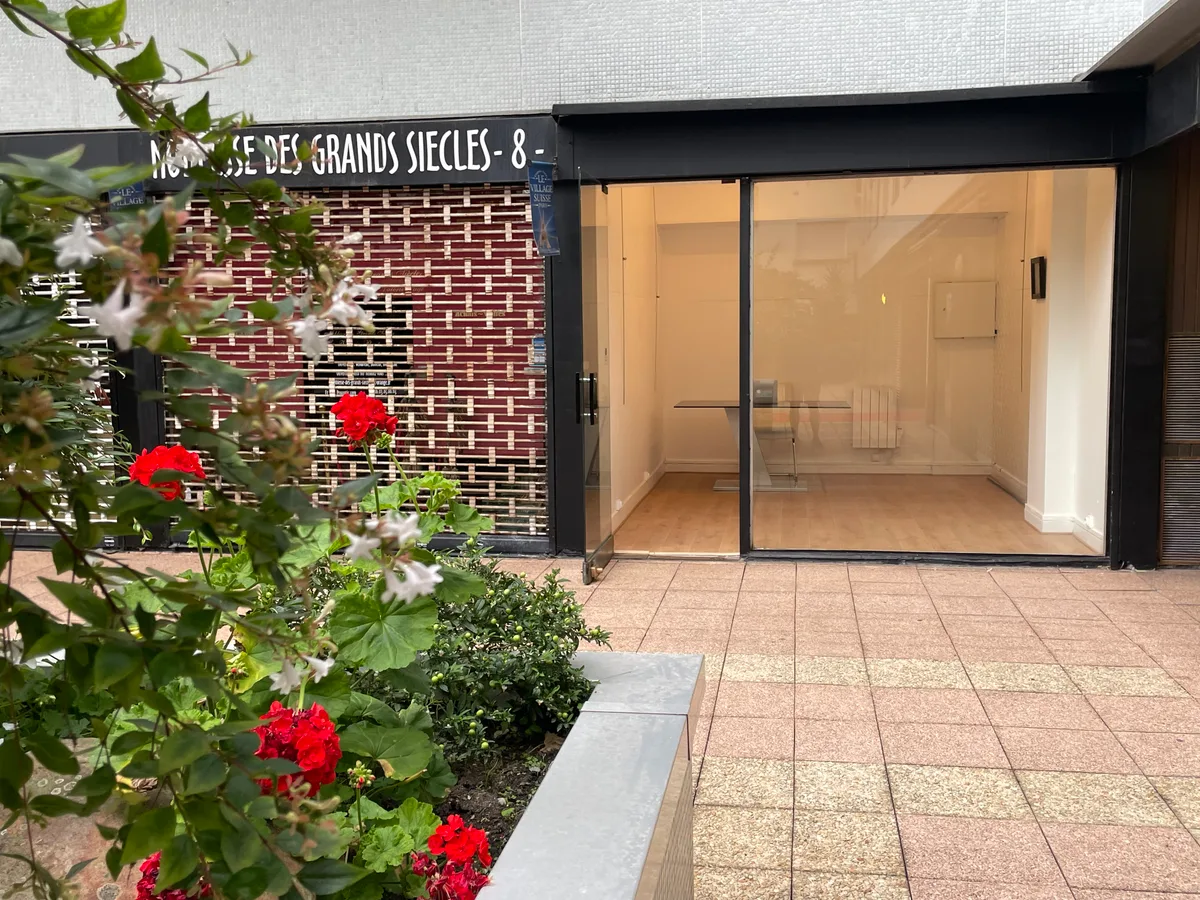
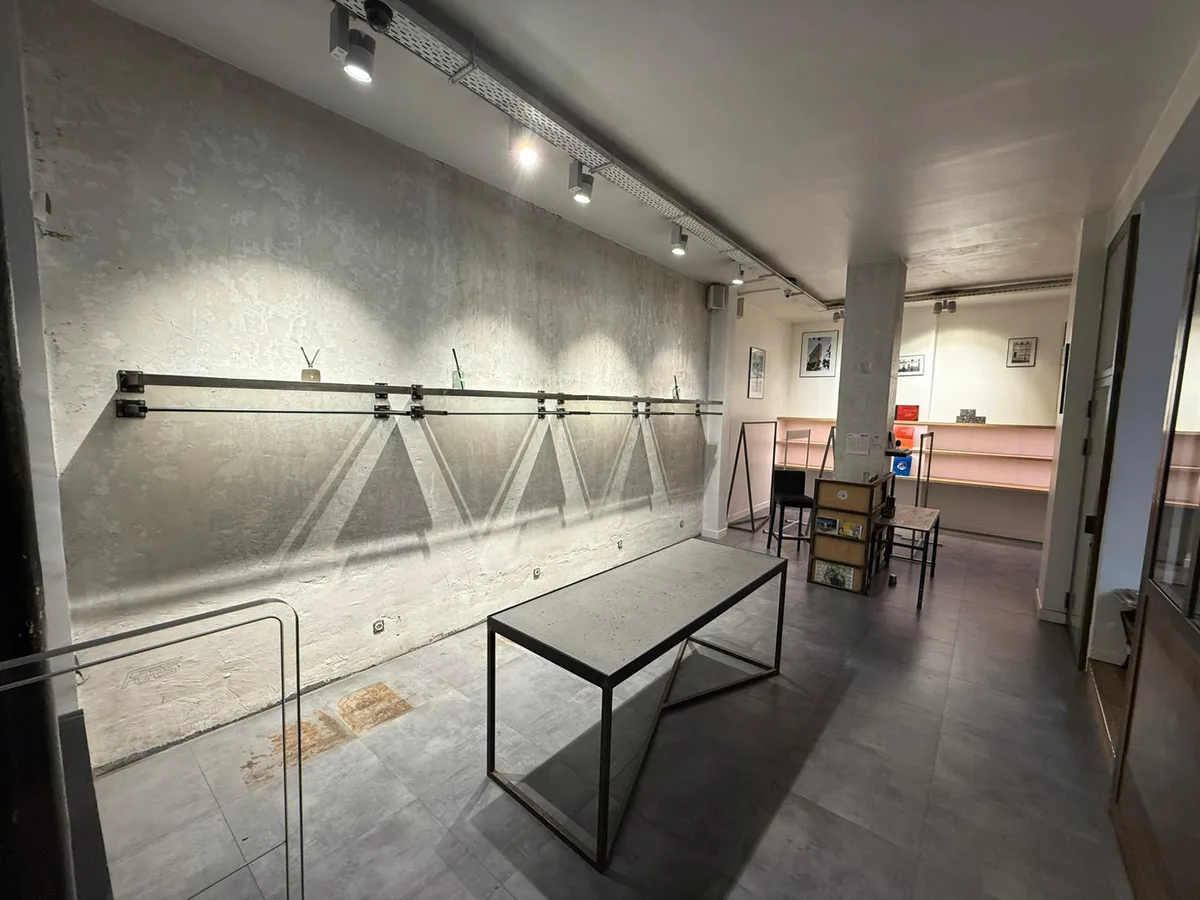
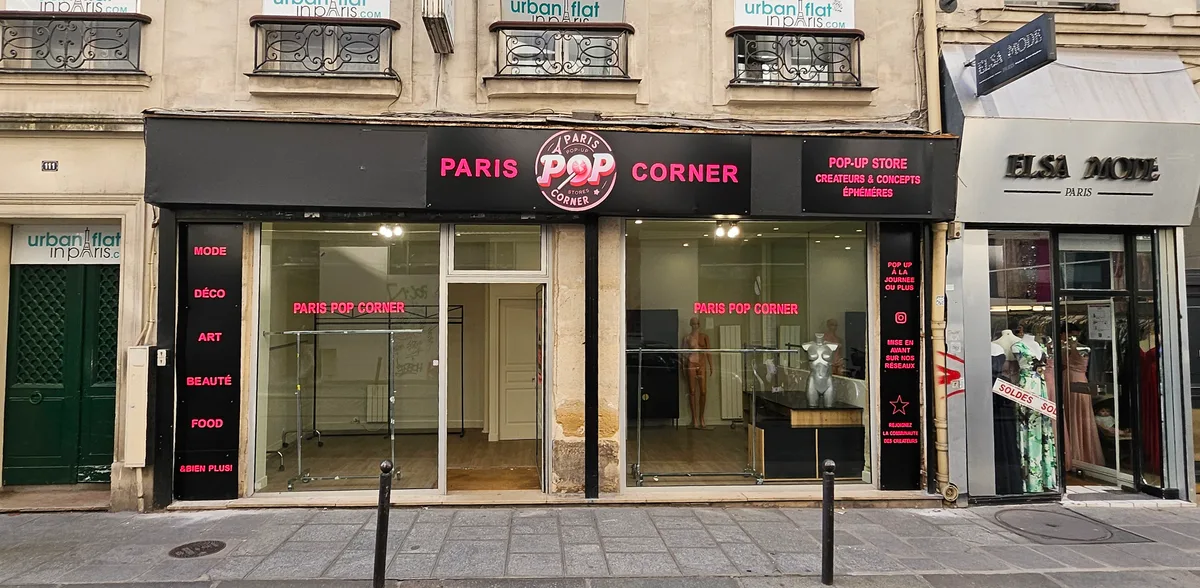
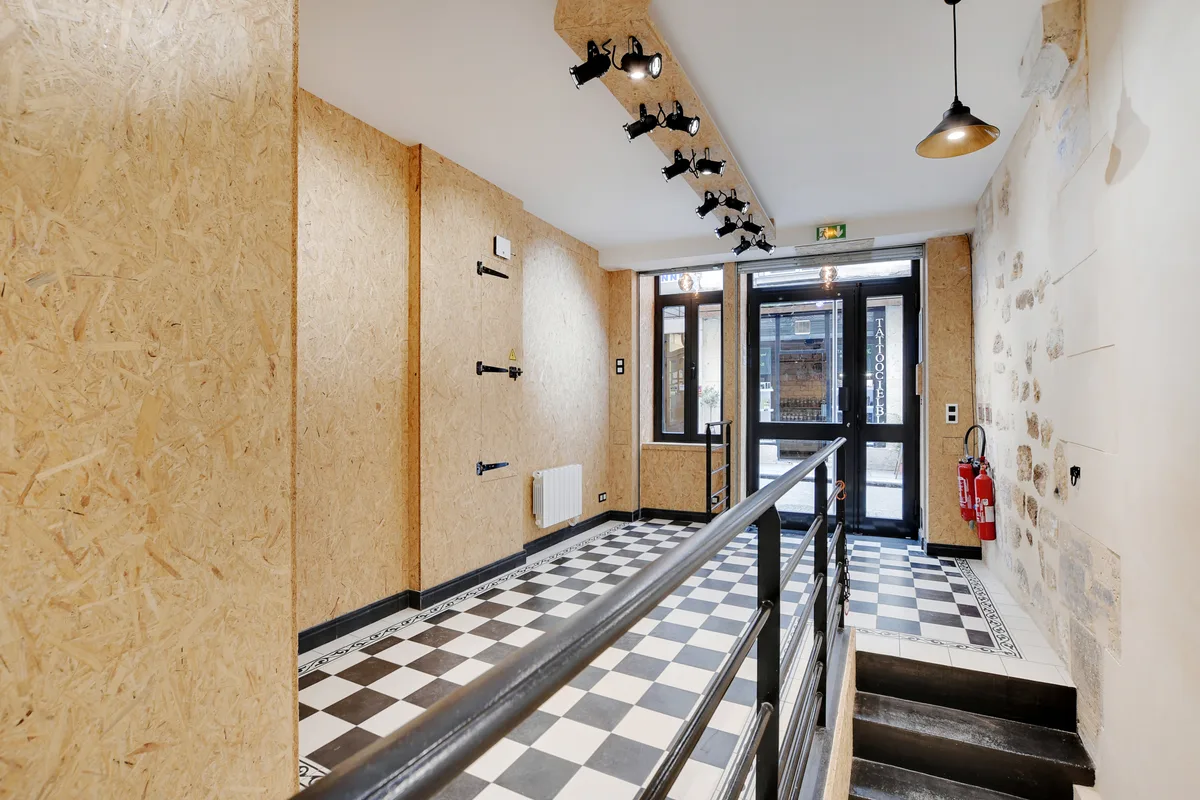
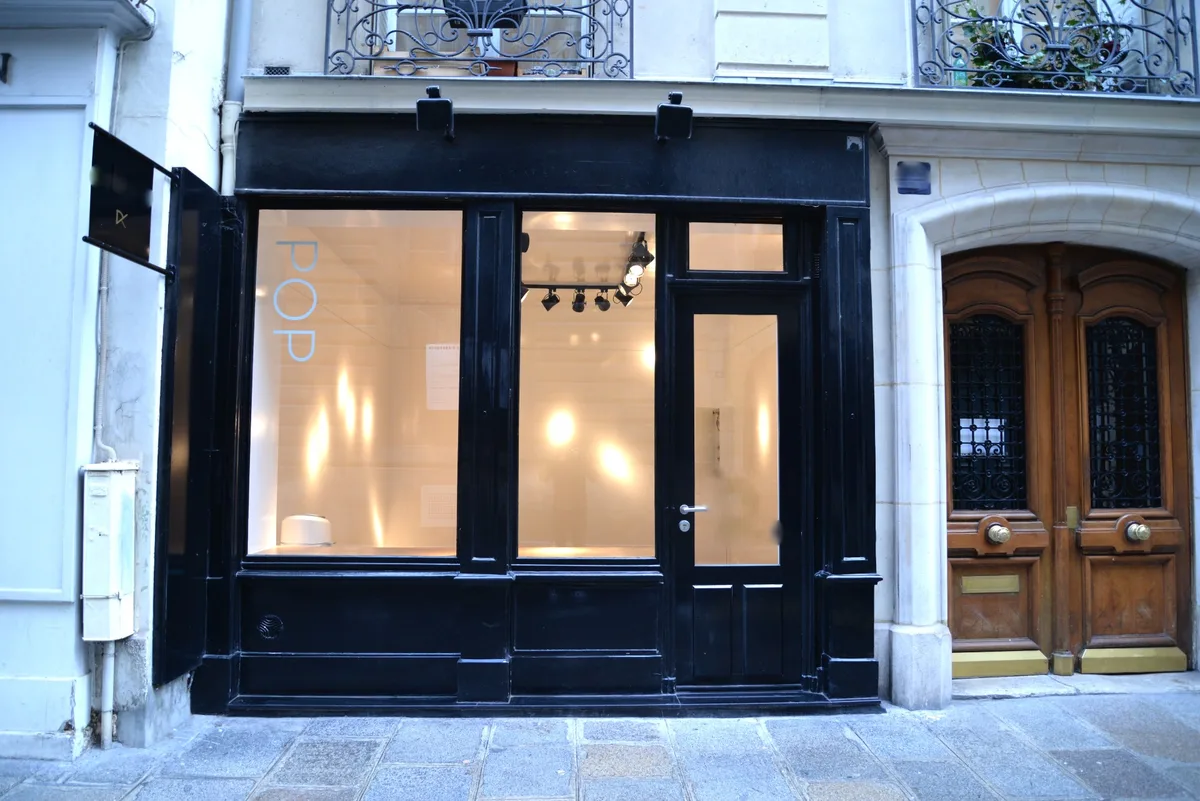
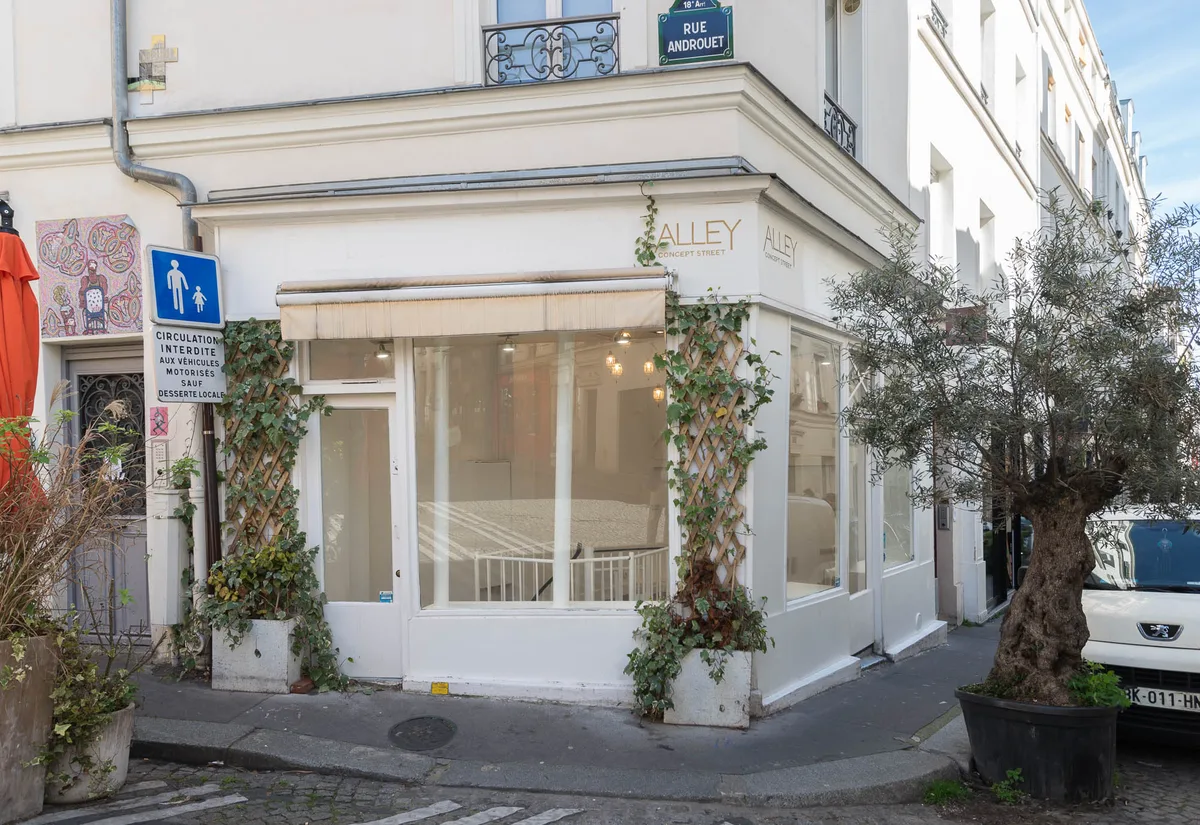
Choosing the ideal Fashion Week venue is crucial for brands looking to make a significant impact during the event. This process involves strategic decisions that affect brand visibility, customer engagement, and ultimately, sales performance. Fashion Week Venues provides comprehensive services, including venue sourcing and activation management, to streamline the entire process for brands aiming for seamless operations. This guide details everything needed to navigate Fashion Week venues, particularly focusing on Paris, a global fashion hub known for its creative and commercial opportunities.
Understanding Fashion Week's Importance and Impact
Fashion Week serves as a pivotal platform for designers to showcase their latest collections, generate buzz, and solidify their place in the fashion industry. The stakes are high, with industry giants and emerging designers competing for attention. Understanding the impact and influence of Fashion Week is essential for any brand aiming to leverage this period effectively.
Fashion Weeks occur biannually in major fashion capitals including Paris, New York, London, and Milan. Each city offers unique cultural and commercial benefits, with Paris being particularly noted for its blend of luxury and avant-garde fashion. Brands that succeed in Paris Fashion Week often find themselves at the forefront of international style movements.
Participating in Fashion Week can catapult a brand into the global spotlight, offering opportunities to connect with media, influencers, and buyers. Successful appearances in these events are often associated with increased brand credibility and market reach.
Quick answer: Fashion Week, especially in Paris, is a critical event for brand exposure and credibility, offering a platform to reach international audiences and industry influencers.
| City | Unique Benefits | Potential Challenges |
|---|---|---|
| Paris | Luxury market access, cultural richness | High competition for venues |
| New York | Broad media coverage, diverse audience | Logistical complexity |
| London | Creative innovation, trendsetting | Short-lived media attention |
| Milan | Italian craftsmanship, tradition | Language barriers |
KEY TAKEAWAY: Fashion Week offers unique opportunities to increase brand visibility and should be strategically leveraged to maximize impact.
Key Considerations for Selecting the Right Venue
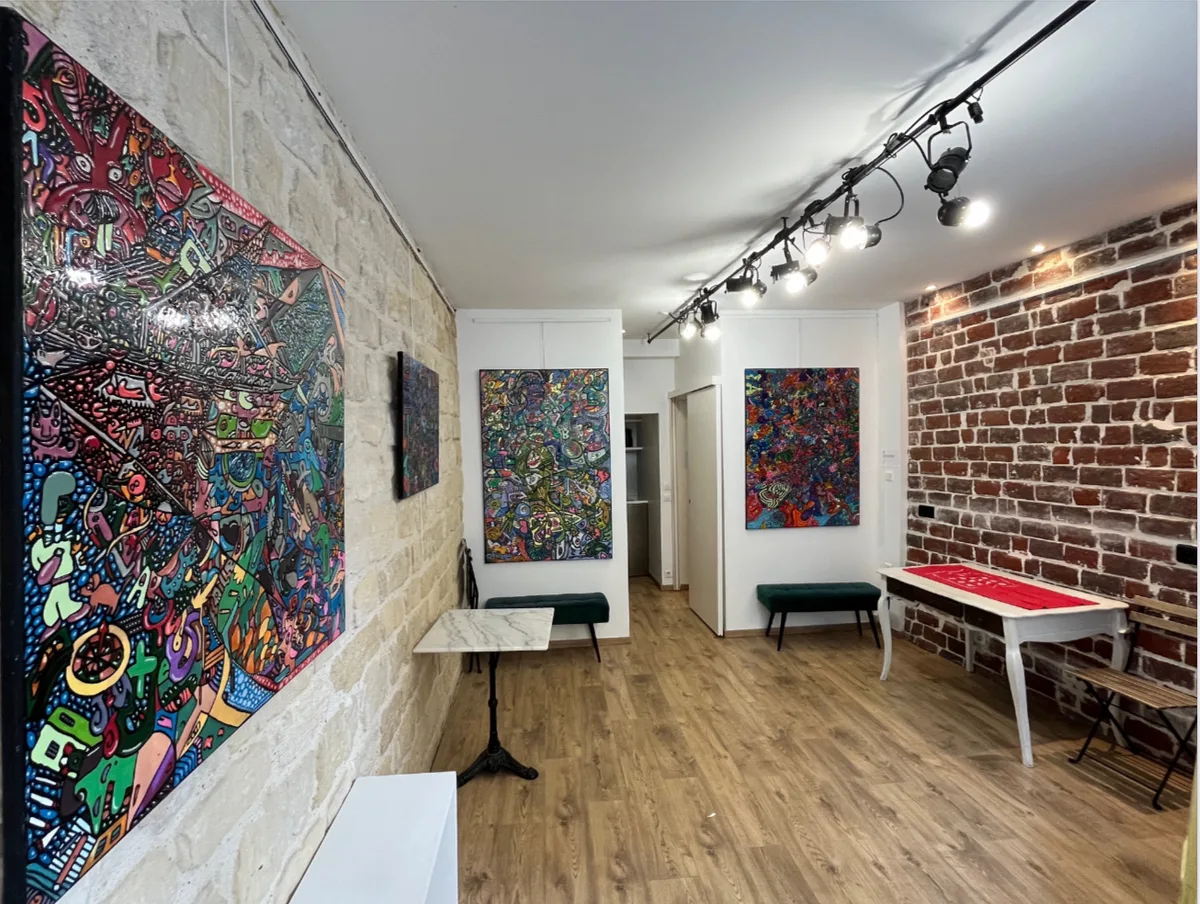
Selecting the right venue is pivotal to a successful Fashion Week presentation. Critical factors include location, size, aesthetic, and logistical capabilities of the space. Notably, venues in Paris are highly sought after due to their architectural charm and prime locations.
When considering venue options, brands must evaluate the neighborhood’s vibe and target audience. Key Parisian districts like Le Marais, Saint-Germain-des-Prés, and Rue Saint-Honoré offer distinct advantages in terms of ambiance and customer reach. Districts like Canal Saint-Martin appeal to younger, more avant-garde audiences, while Opéra and Place Vendôme are perfect for luxury brands.
Legal considerations such as permits and leasing terms, including bail dérogatoire, also play a critical role in venue selection. These aspects can significantly impact both the budget and the timeline of the events.
Quick answer: When selecting a Fashion Week venue, consider location, target audience, and logistical aspects, ensuring alignment with brand goals and regulatory compliance.
To strategically compare and choose your venue, leverage tools like the space comparison tool and consult with venue sourcing experts. Be aware of local regulations and the need for specialized permits.
KEY TAKEAWAY: Thoroughly evaluate location, audience, and compliance factors to select an optimal venue aligning with your brand strategy.
Consider leveraging the venue sourcing services provided by Fashion Week Venues to streamline the selection process.
Types of Spaces: Showrooms, Pop-ups, and Event Venues
The choice of space type—be it a showroom, pop-up, or event venue—should align with your brand's presentation strategy and goals. Each has its peculiar advantages and logistical considerations.
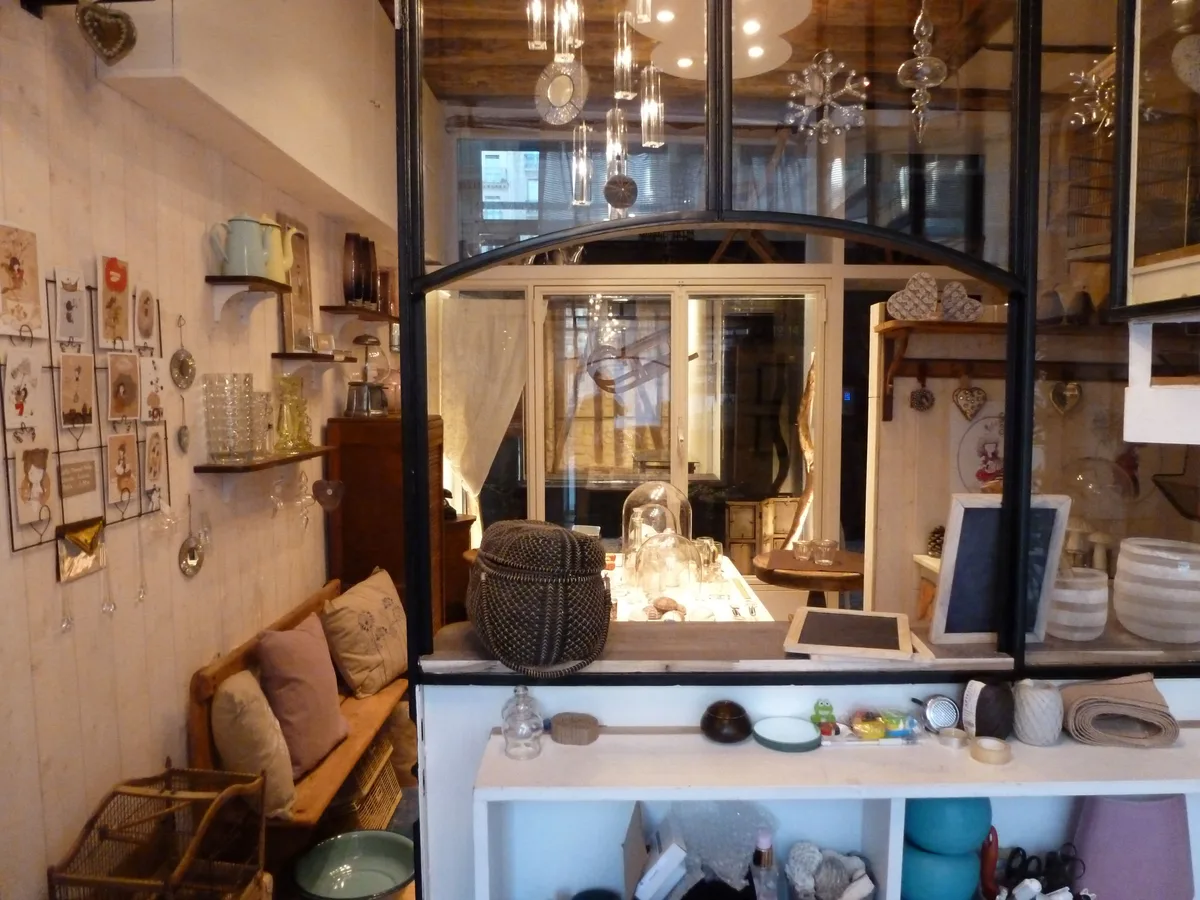
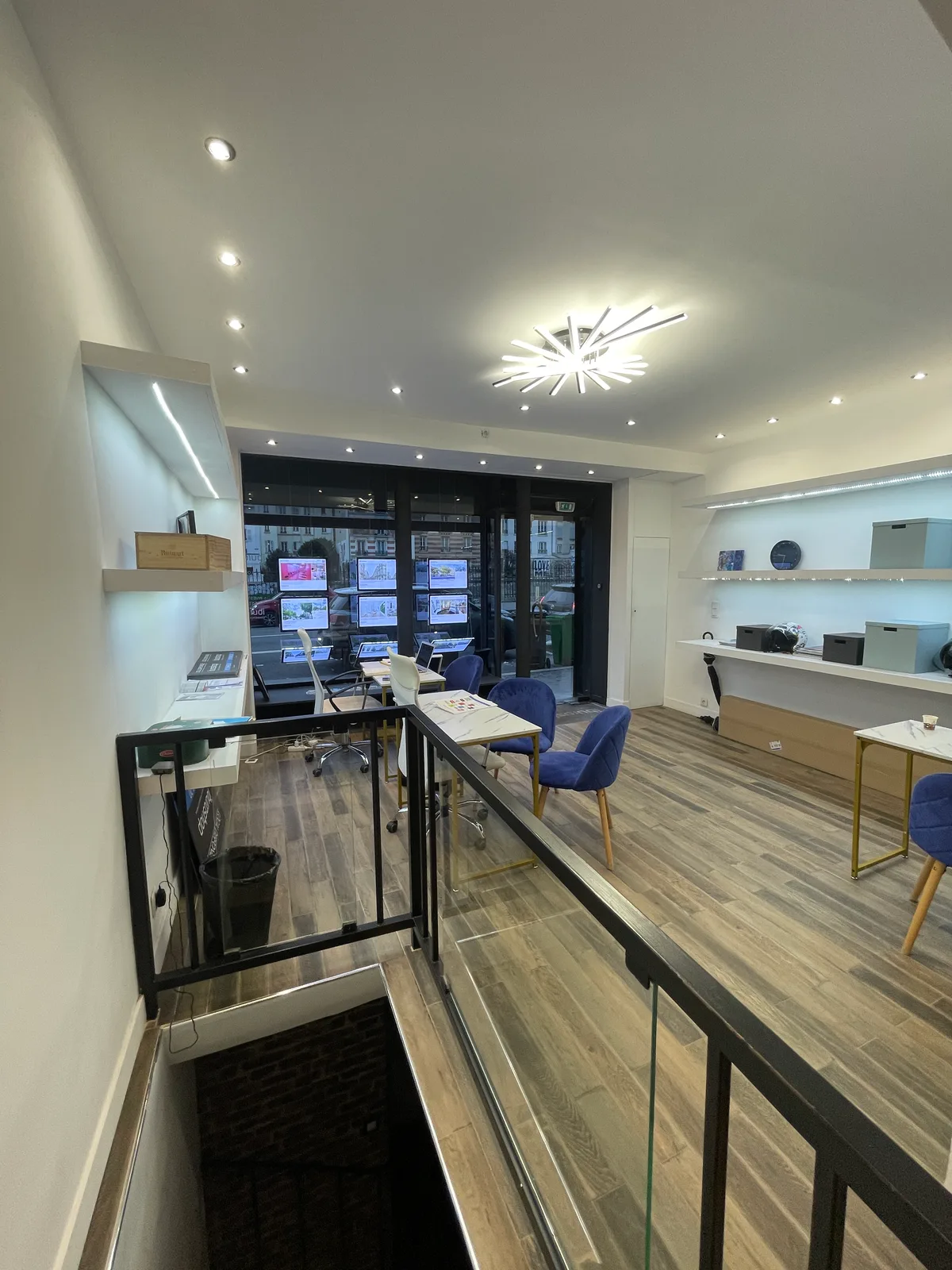
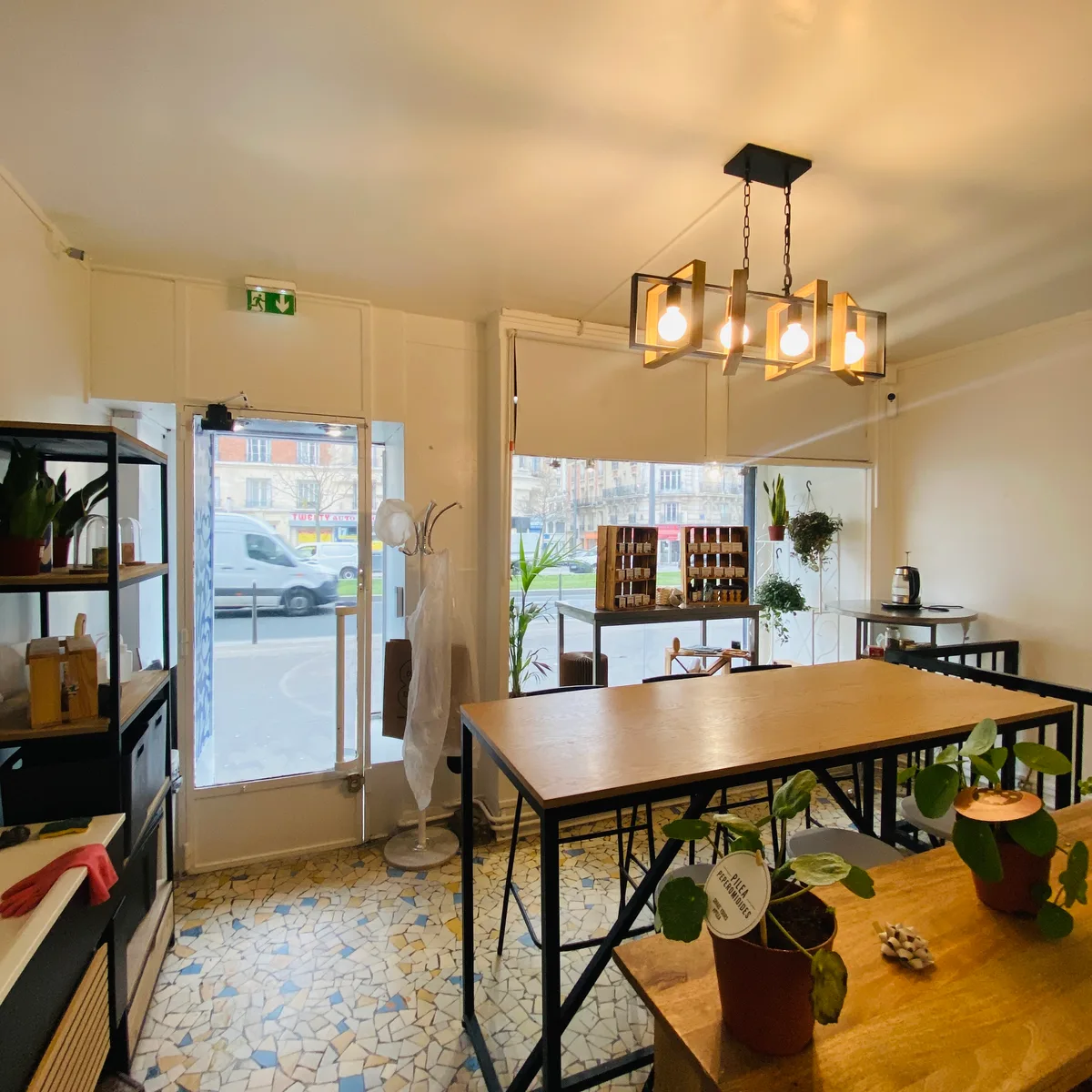
Showrooms are ideal for intimate, by-appointment viewings, fostering direct engagement with buyers and media. In contrast, pop-up shops offer a dynamic way to engage the public, driving brand awareness and sales over a limited time. Event venues provide the flexibility to host grander fashion shows or experiential marketing events, often combining aspects of both retail and entertainment.
Paris offers diverse spaces that cater to each of these needs. The strategic use of these spaces can enhance customer interactions and solidify brand messaging.
DID YOU KNOW: The choice of venue type affects not just the customer experience but also logistics and budget allocations significantly.
| Space Type | Best For | Key Considerations |
|---|---|---|
| Showroom | Press briefings, buyer meetings | Requires good transport links and privacy |
| Pop-up | Public sales, brand launches | High footfall areas, temporary leases |
| Event Venue | Runway shows, experiential events | Space flexibility, AV capabilities |
KEY TAKEAWAY: Align your space type with your brand objectives and audience engagement strategy.
Logistics and Planning for Fashion Week Events
Effective logistics and meticulous planning are the backbones of a successful Fashion Week event. They require a comprehensive approach involving time management, coordination of suppliers, and integration of marketing strategies to align with brand goals.
Start with developing a detailed timeline that includes key milestones from pre-event setup to post-event debriefs. This will help ensure that all elements are ready and operational by the event date. Utilizing a timeline planning tool can facilitate efficient project management.
Coordination across different teams—design, logistics, marketing, and retail—needs precise management to synchronize activities. Customized solutions, such as Fashion Week Venues’ activation management services, can alleviate much of the stress involved, providing comprehensive support tailored to each brand's needs.
Quick answer: Effective Fashion Week logistics involve detailed timeline management and team coordination to ensure seamless execution.
Avoid common logistical pitfalls by understanding the local transportation networks, and ensuring proper permits and compliance documents are ready in advance. These are critical for avoiding late-stage issues which could derail planned activities.
TIP: Regular check-ins with your team and using supportive technology can notably reduce chances of oversight.
KEY TAKEAWAY: Streamlined logistics, supported by structured planning tools and expert services, greatly contribute to the seamless execution of Fashion Week events.
Budgeting for Fashion Week: Key Considerations
Budget management is essential for a successful Fashion Week presence. Costs can vary widely depending on location, duration, venue choice, and associated services. It's crucial to establish a realistic budget that accounts for all anticipated expenditures.
Utilize tools such as the budget estimator to create a detailed financial plan. This tool provides perspective on market rates and helps in setting prioritized spending areas.
Common expenses include venue rental, show production, personnel costs, and marketing. Always allocate a contingency fund to handle unexpected costs.
Quick answer: Effective budgeting involves planning for venue rent, production, staffing, and marketing, with contingency for unforeseen expenses.
Financial planning should also consider post-event allocations for reviews, reporting, and follow-up marketing campaigns, ensuring sustained brand engagement.
DID YOU KNOW: Crafting a clear budget helps in making more informed decisions about trade-offs and priorities, ultimately impacting the quality of the event.
| Budget Item | Average Cost Range* |
|---|---|
| Venue Rental | €20,000 - €80,000 per day |
| Production Costs | €50,000 - €200,000+ |
| Staff and Logistics | €10,000 - €50,000 |
| Marketing and PR | €15,000 - €100,000 |
| Contingency Fund | 10-15% of total budget |
KEY TAKEAWAY: Careful financial planning, utilizing professional tools and advisories, ensures a well-run Fashion Week event under budgetary constraints.
Explore Fashion Week Venues' tools for more specific budget estimates.
Legal and Compliance Considerations in Paris
Navigating legal and compliance matters is a complex yet vital aspect of staging events during Fashion Week in Paris. The specificities of local legislation, including the use of bail dérogatoire and AOT (Administrative Temporary Occupancy), must be thoroughly understood and applied to each unique scenario.
The bail dérogatoire is a special lease allowing short-term commercial occupancy. It's often preferred due to its flexibility but usually requires a solid understanding of French property law. AOT is another essential permit, especially relevant for outdoor or public space usage.
Engaging with local experts or using resources such as the permits guidance tool is strongly recommended. This step can help ensure compliance with all necessary regulations and avoid last-minute issues.
Quick answer: Ensuring compliance involves understanding and obtaining bail dérogatoire leases and AOT permits, vital for short-term occupancy in Paris.
Legal issues often vary depending on the arrondissement, venue type, and specific event conditions. Advanced planning and regular consultation with French legal advisors can mitigate the risks associated with non-compliance.
IMPORTANT: Always verify permit requirements with a legal specialist to adapt to specific scenarios and legal frameworks.
KEY TAKEAWAY: Accurate compliance and legal planning are essential for avoiding disruptions and ensuring a smooth Fashion Week experience.
How Fashion Week Venues Can Help
Fashion Week Venues is dedicated to providing full-service solutions that simplify every stage of the Fashion Week event management process. Whether through venue sourcing or activation management, we offer a breadth of services and tools tailored to meet diverse brand needs.
Our venue sourcing services help brands find the perfect locations that align with their identity and objectives. Meanwhile, our robust activation management plans ensure seamless coordination of logistics and marketing strategies. These services are particularly beneficial for international brands unfamiliar with Parisian regulations and market conditions.
Fashion Week Venues also offers a suite of tools, such as the permits guidance tool and budget estimator, enabling brands to make data-driven decisions.
Quick answer: Fashion Week Venues simplifies event management with comprehensive services like venue sourcing and activation planning, vital for brands aiming for efficient execution.
Our platforms cater to fashion houses, creative directors, and brand activation teams, providing them with the resources needed to navigate the complexities of Fashion Week effortlessly.
KEY TAKEAWAY: Employing the services and tools from Fashion Week Venues equips brands with the resources necessary to tackle Fashion Week challenges effectively.
Explore more about our services and previous work to understand better how we can fit into your brand's Fashion Week strategy.
Common Myths Debunked
MYTH: You must have a French legal entity to rent a space in Paris.
FACT: While some landlords prefer entities with a French presence, many don't require it. Agencies like Fashion Week Venues can facilitate this process without necessitating a client's physical establishment in France.
MYTH: Paris Fashion Week is the only viable calendar window for brand exposure.
FACT: Although Paris Fashion Week is a key event, there are other strategic times for launching products or hosting events, such as during Paris Design Week or key holiday seasons, offering opportunities for brand visibility.
MYTH: Commission brokers are the sole method to find event spaces in Paris.
FACT: While brokers are traditional, platforms like Fashion Week Venues provide direct access to an extensive range of venues via online marketplaces, reducing dependency on third-party intermediaries.
MYTH: Short-term leases are legally straightforward and require no specialist guidance.
FACT: Despite the appeal of simplicity, short-term leases involve specific legal frameworks and compliance that can be complex. Engaging professionals knowledgeable in French property laws ensures legal and operational security.
Frequently Asked Questions
What is the best district in Paris for a fashion pop-up?
Choosing the best district depends on your brand's target audience. Le Marais is renowned for high footfall and a diverse, fashion-forward crowd, while Rue Saint-Honoré and Place Vendôme appeal more to luxury shoppers. Consider the brand's image and customer profile when deciding.
How do I secure permits for a short-term venue in Paris?
Securing permits like bail dérogatoire and AOT involves understanding specific local laws and requirements. Consult a legal expert or utilize tools such as the permits guidance to ensure all documentation is appropriately handled.
Can I hold an event outside Paris Fashion Week?
Yes, there are numerous alternative times and events in Paris for organizing fashion presentations or launches, such as during tourist peak seasons or concurrent with cultural events like Paris Design Week.
What are typical costs associated with hosting a showroom in Paris?
Showroom costs can vary significantly. Depending on location, duration, and the particular amenities required, typical estimates might range from €50,000 to €200,000. Consider using the budget estimation tool for personalized calculations.
Are pop-up shops effective for brand activation?
Pop-up shops are highly effective for brand activation, allowing businesses to engage directly with customers in a dynamic setting, test new markets, and create memorable brand experiences.
Do I need local staff for my event?
Hiring local staff familiar with the local culture, language, and logistics can significantly enhance operational efficiency. Consider engaging with services like retail staffing to ensure teams are adequately resourced.
How do I attract media to my event?
Media attraction involves PR strategies, engaging storytelling, and digital marketing. Utilize social media influencers and press kits, and engage publicists who are skilled in fashion event promotion. Consider services from Fashion Week Venues for influencer marketing guidance.
What logistical challenges should I expect for a pop-up store?
Logistical challenges for pop-ups often include securing the ideal location, managing inventory efficiently, and adhering to local regulation timelines. Planning with the timeline tool can help address these issues proactively.
Can I collaborate with another brand for a co-activation?
Yes, co-activation allows shared costs and audience reach expansion. The twin concept facilitates such partnerships by providing suitable collaborative spaces and logistics support.
Conclusion
Choosing the right Fashion Week venue in Paris requires careful consideration of various factors, from venue specifics and logistical imperatives to budgetary and legal compliance. Brands should leverage the comprehensive services and tools available through Fashion Week Venues, which assist in strategically navigating this complex landscape. With thorough preparation and the right guidance, a brand can truly capitalize on the opportunities offered by these global fashion weeks, thus amplifying its presence on the world stage. To move from research to activation, start exploring available spaces on the Fashion Week Venues marketplace and build a focused brief for your target neighbourhood, space type, and calendar window.