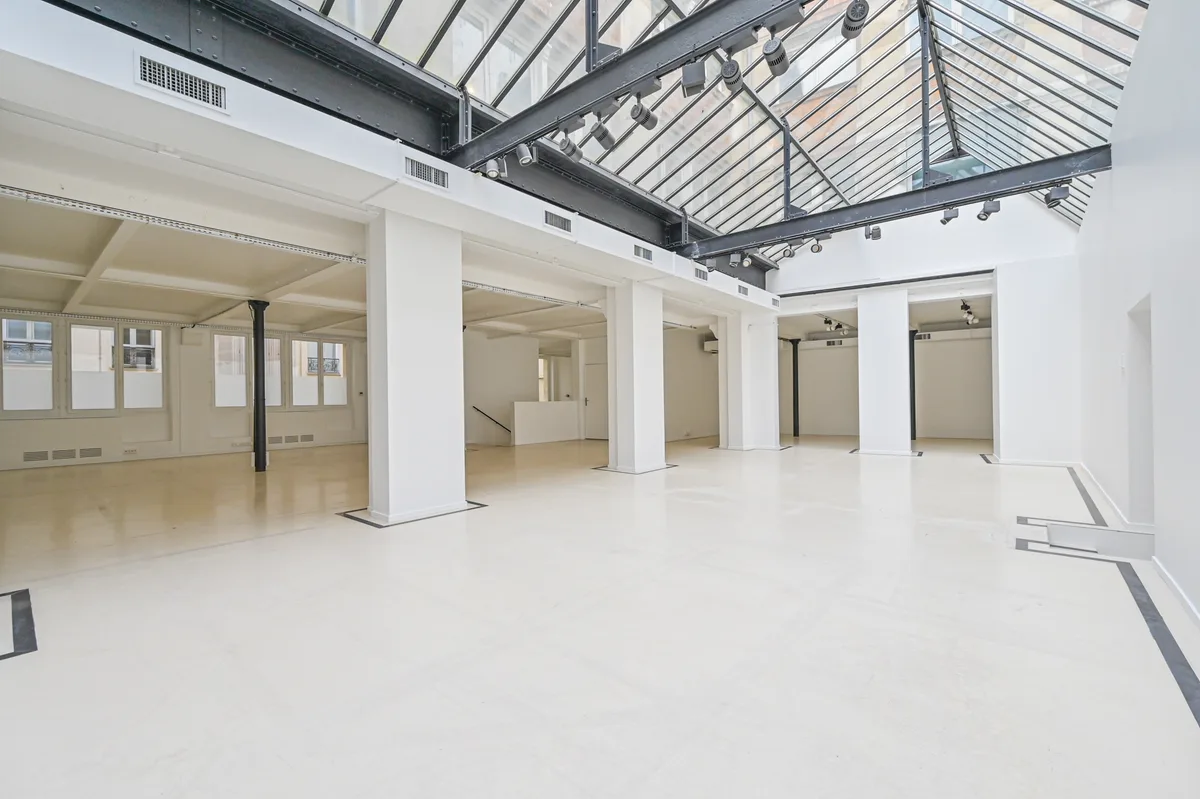
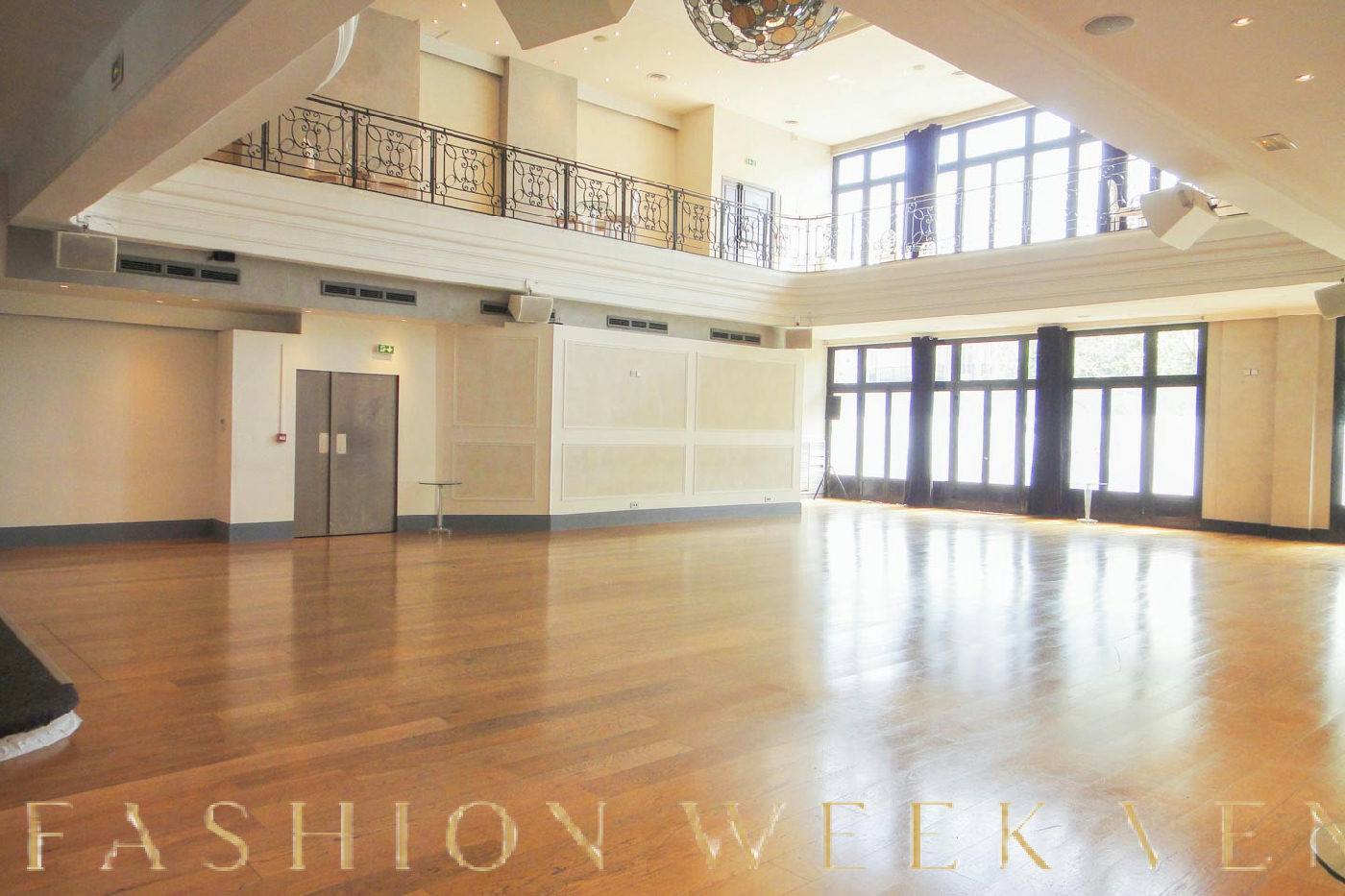
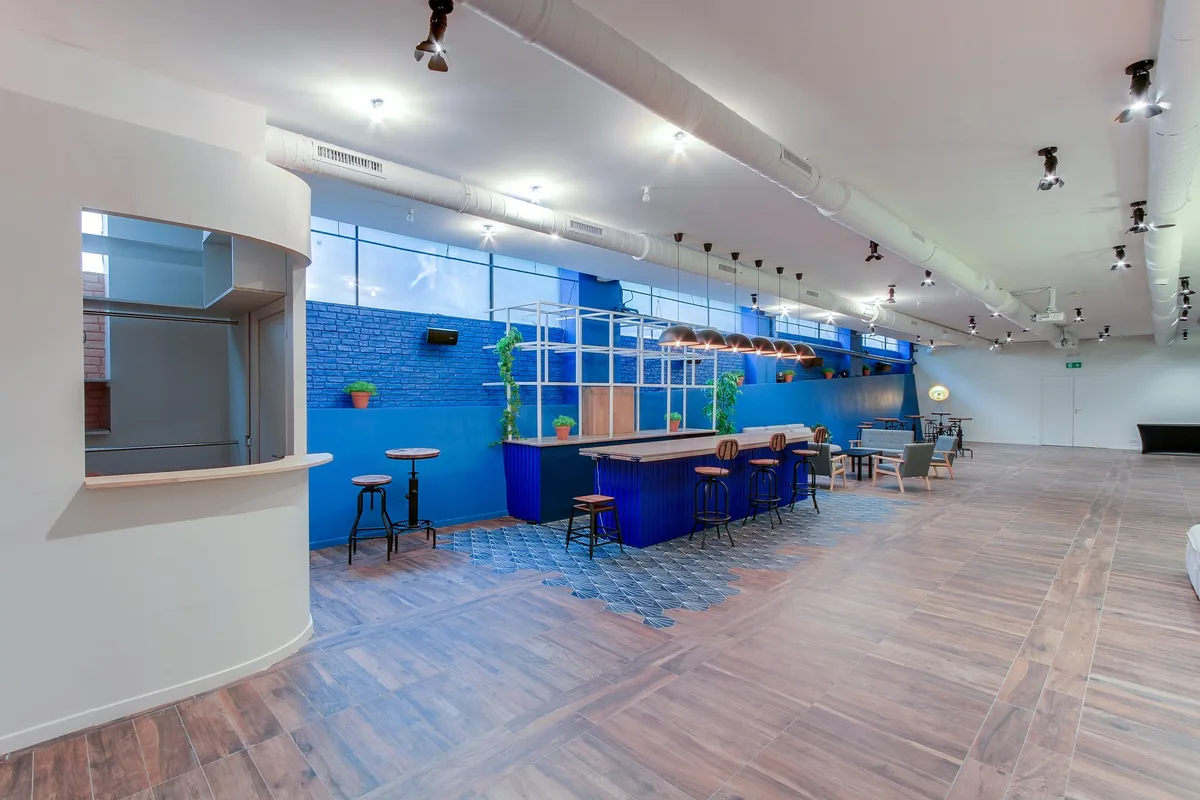
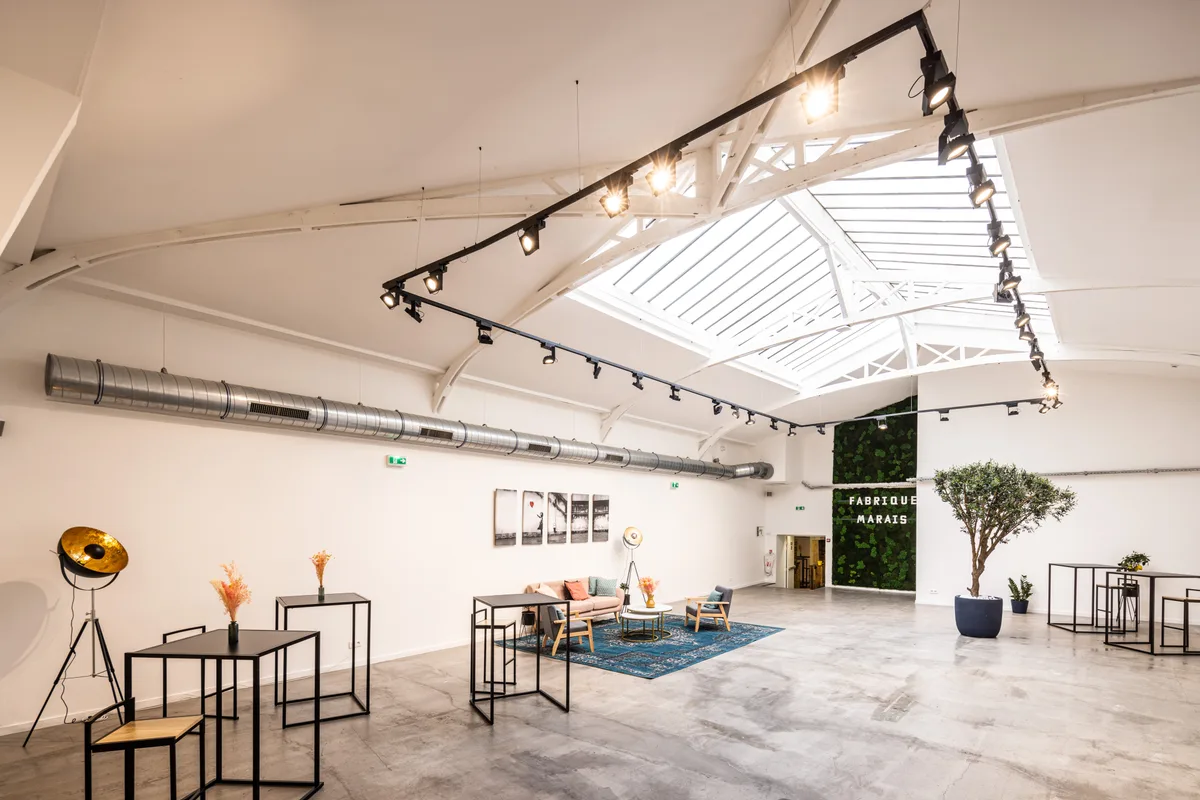
The fashion industry thrives on the vibrant and transformative opportunities offered during global fashion weeks. Among these, Paris reigns supreme as a hub for innovation, style, and retail showcases. Whether you're an emerging designer, a luxury brand, or an event planner, securing the right venue during these pivotal times is essential for capturing the world's attention. Leveraging Fashion Week Venues offers a streamlined approach to discovering, planning, and activating pop-up spaces. As a leading agency in this sector, they facilitate everything from venue sourcing in Paris to comprehensive activation management. This guide will dissect the intricacies of selecting a venue, address common myths, and provide a practical roadmap for utilizing Fashion Week Venues’ extensive resources.
The Importance of Selecting the Right Fashion Week Venue
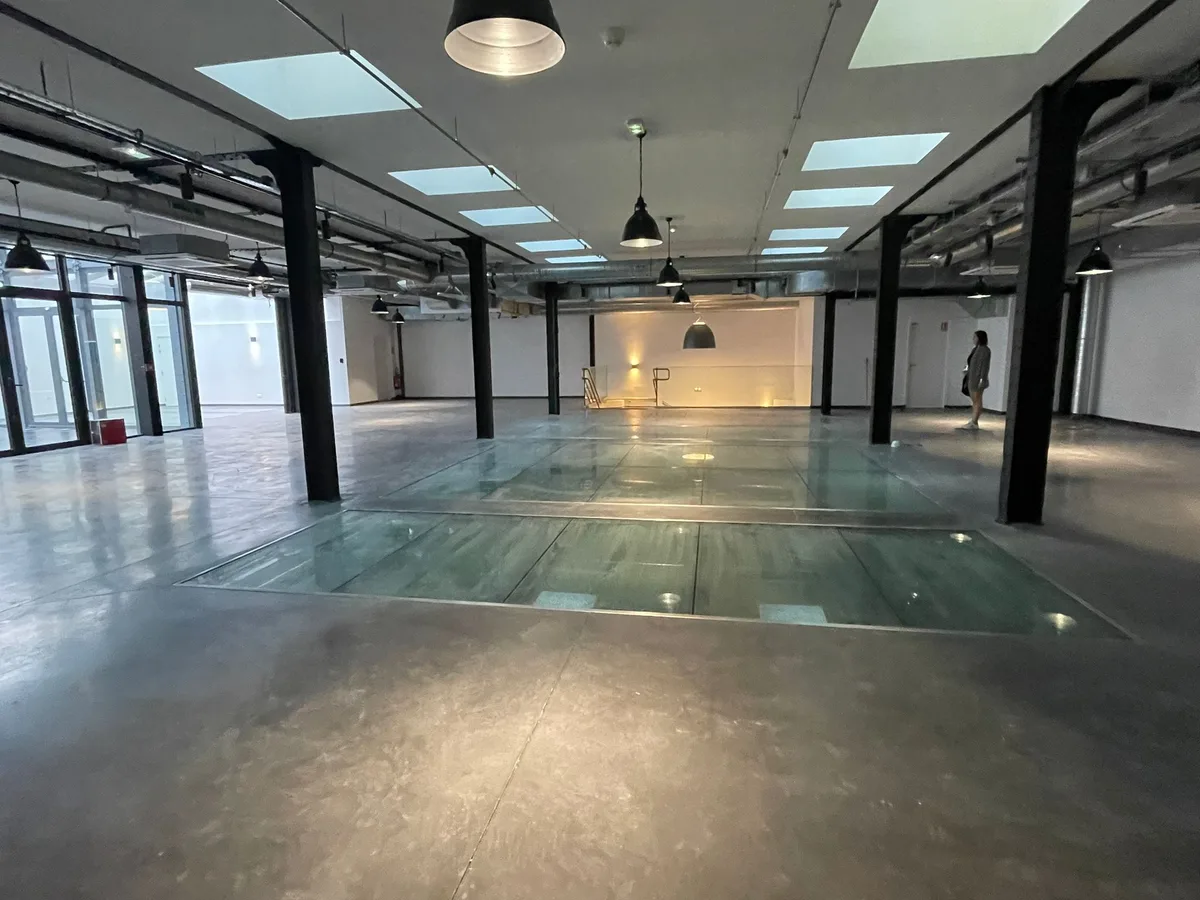
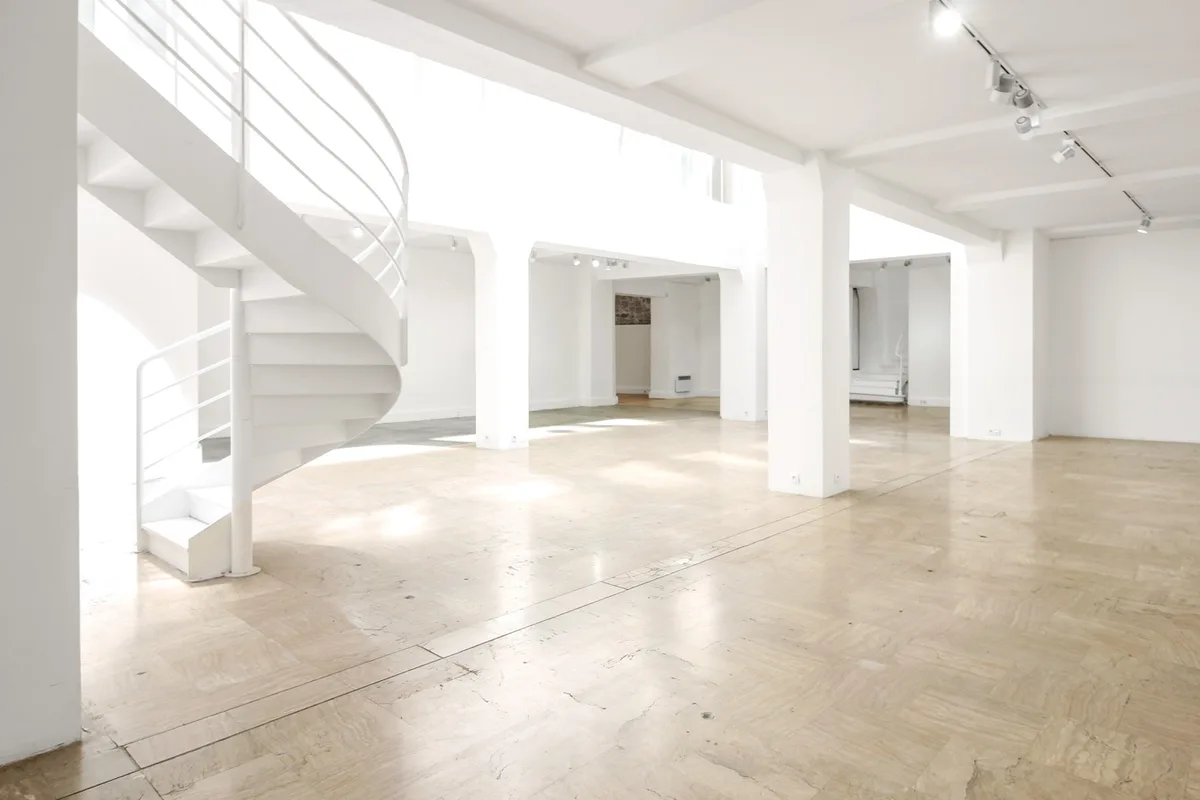
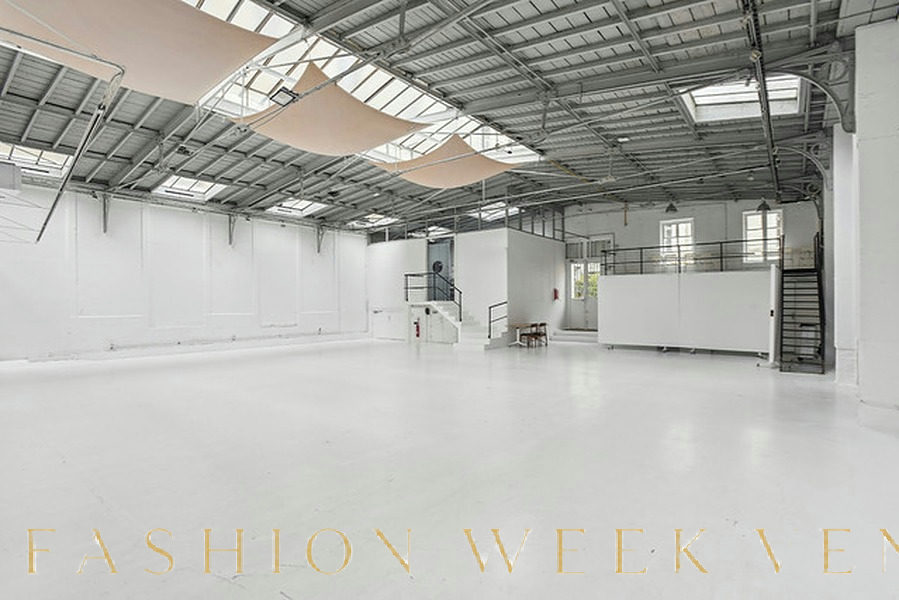
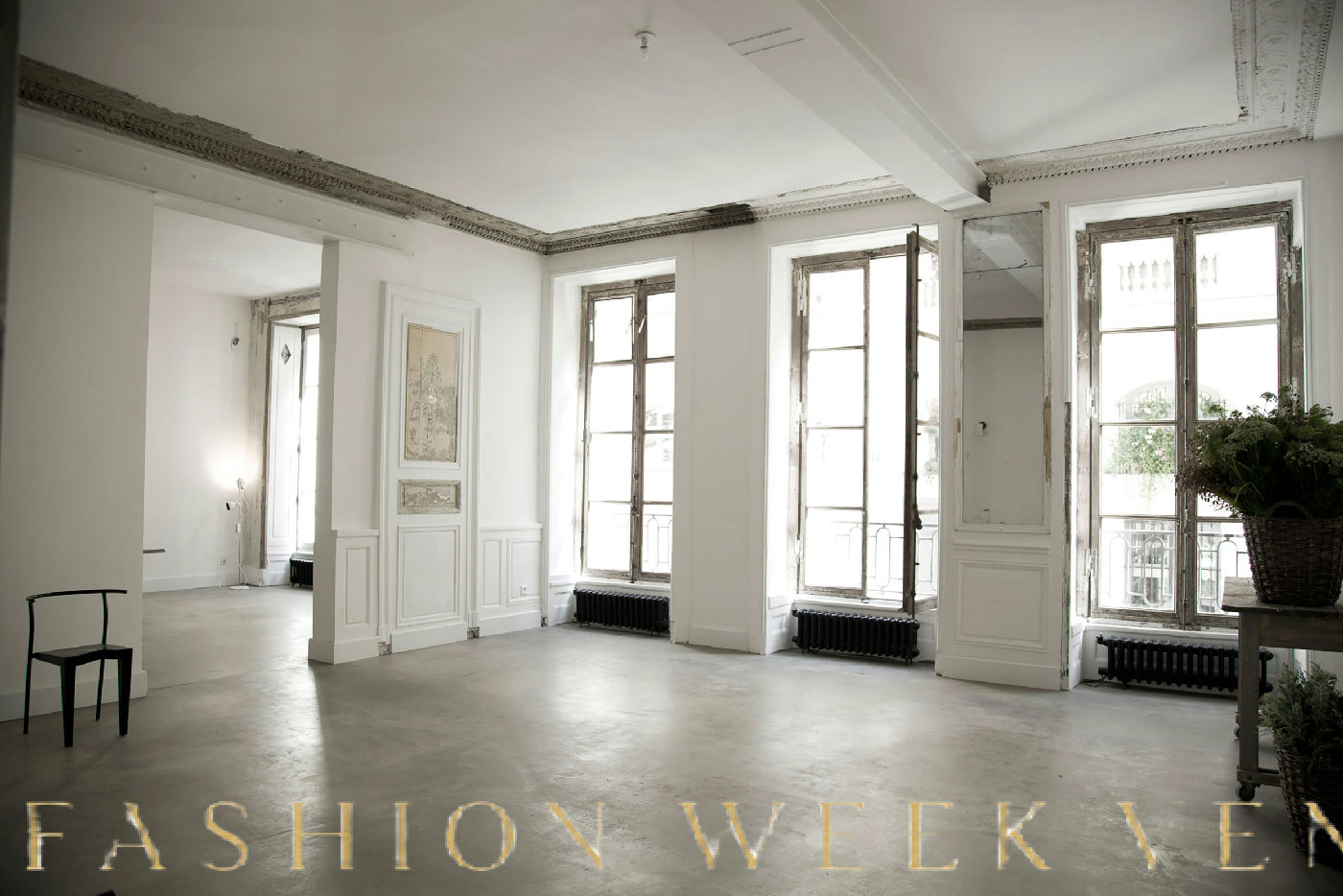
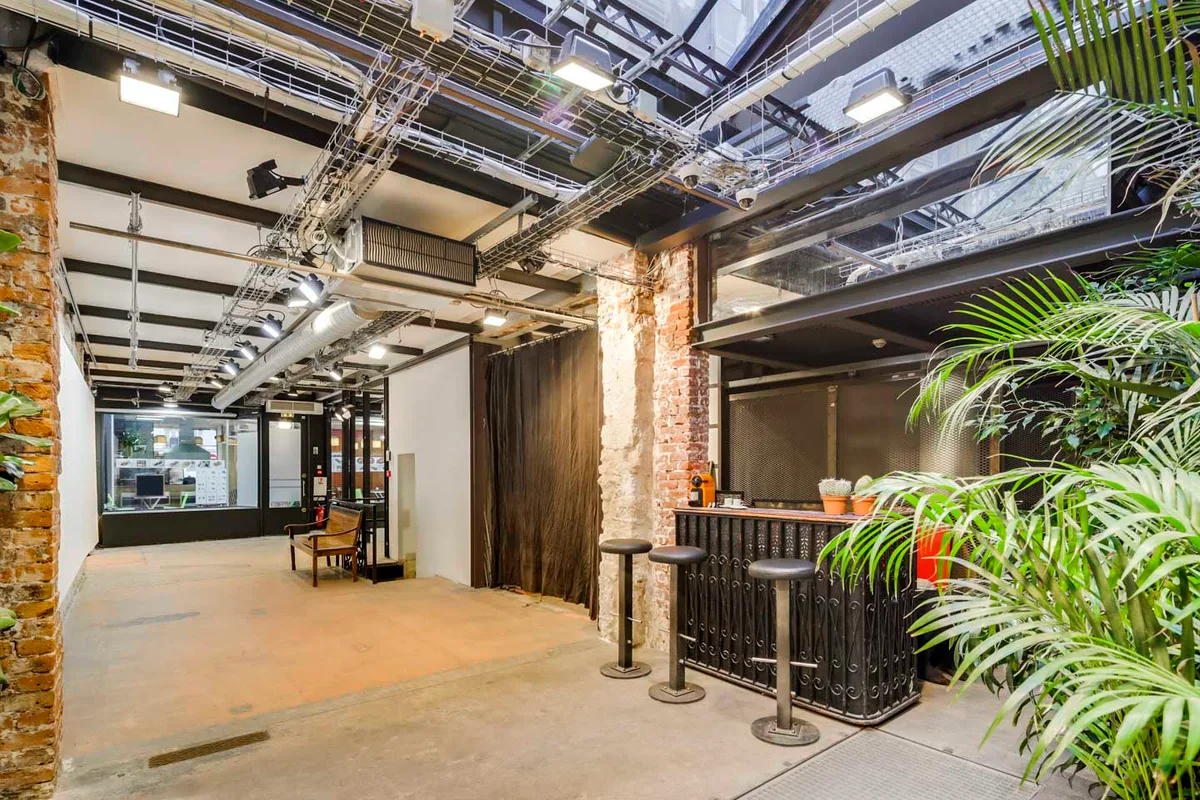
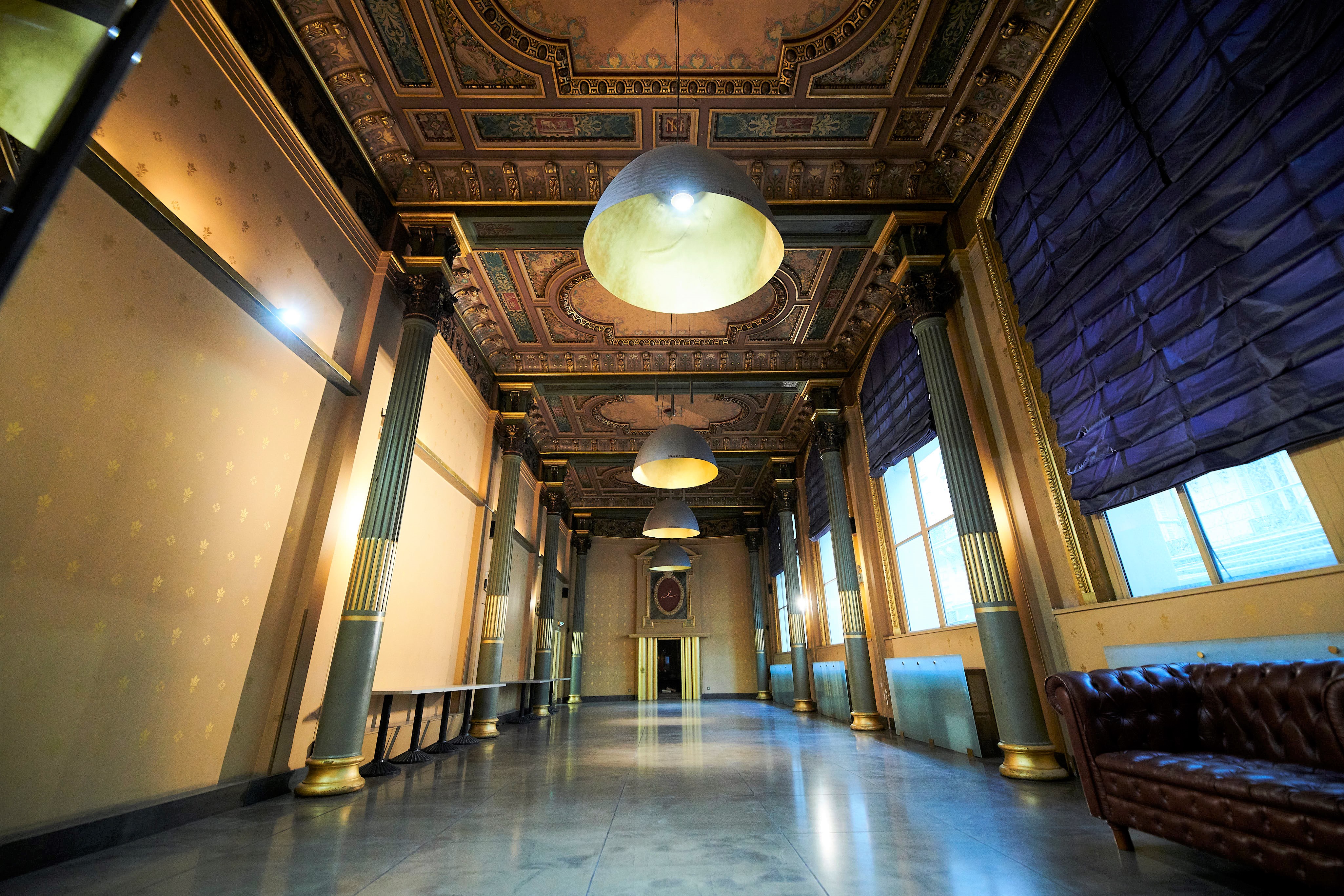
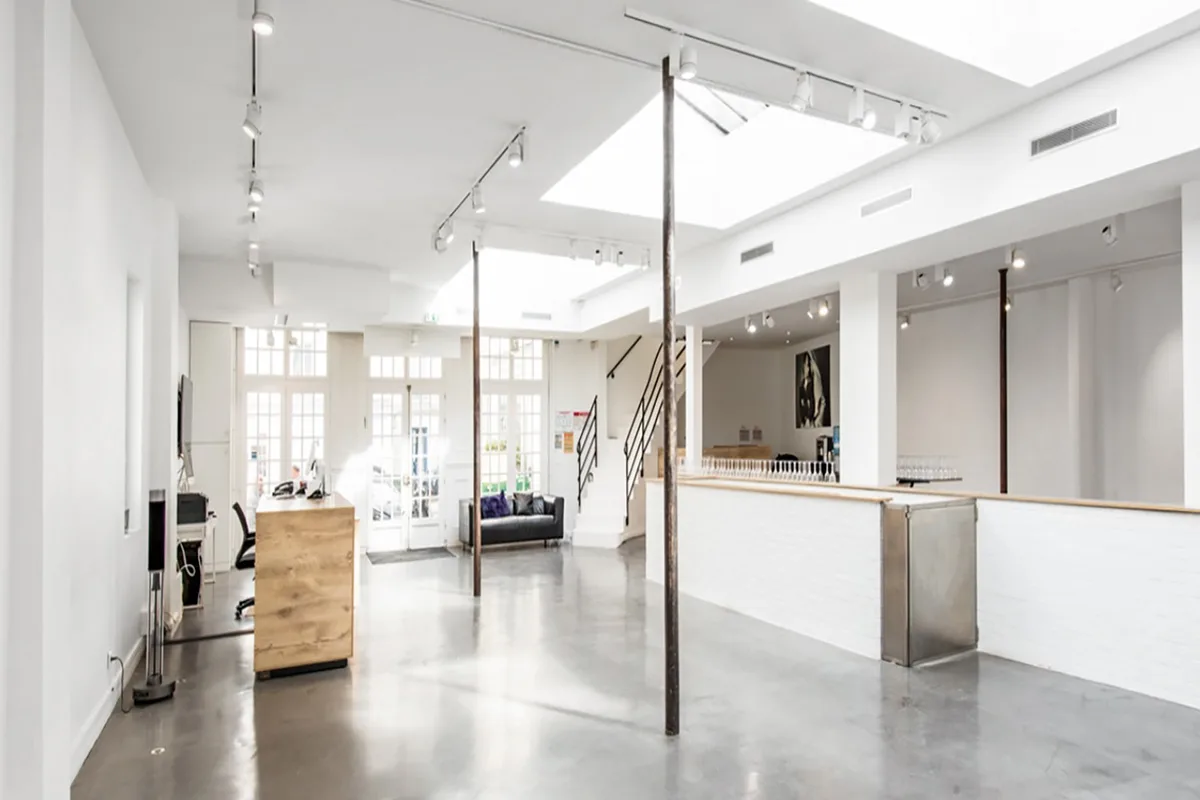
Choosing the right venue for a fashion event is a cornerstone of successful brand activation. The venue not only influences the aesthetic and atmosphere of the event but also impacts logistical considerations and brand perception. In a city like Paris, the availability of diverse spaces—from sleek modern studios to historical landmarks—allows brands to tailor their events to match their vision precisely.
Venues vary widely in terms of what they offer, catering to permanent exhibitions or temporary showcases. A trendy location in Le Marais might attract a youthful audience, while prestigious venues in Saint-Germain-des-Prés could appeal to a more sophisticated crowd. Understanding these nuances helps in aligning the brand message with the target audience's expectations effectively.
KEY TAKEAWAY: The venue you select should resonate with your brand's identity and cater to the demographic you aim to engage. This strategic choice enhances brand image and ensures logistical alignment for successful activation.
The following sections delve into different types of venues, the logistics involved, and decision-making criteria for fashion brands entering the Paris market.
Venue Types and Their Unique Advantages
In the bustling environment of Paris Fashion Week, venue selection is critical. Here are some of the venue types that can make a distinct impact:
Showrooms: The Epicenter of Fashion Display
Showrooms offer an intimate setting ideal for showcasing new collections and hosting buyer meetings. These spaces provide dedicated areas for brands to engage with press, buyers, and stylists in a controlled environment. The integration of technology within showrooms through virtual reality displays or interactive elements can enhance the viewer's experience.
Quick answer: Showrooms are excellent for engaging directly with the fashion industry's key stakeholders, offering a professional and immersive brand experience.
Retail Pop-Ups: Capturing Consumer Attention
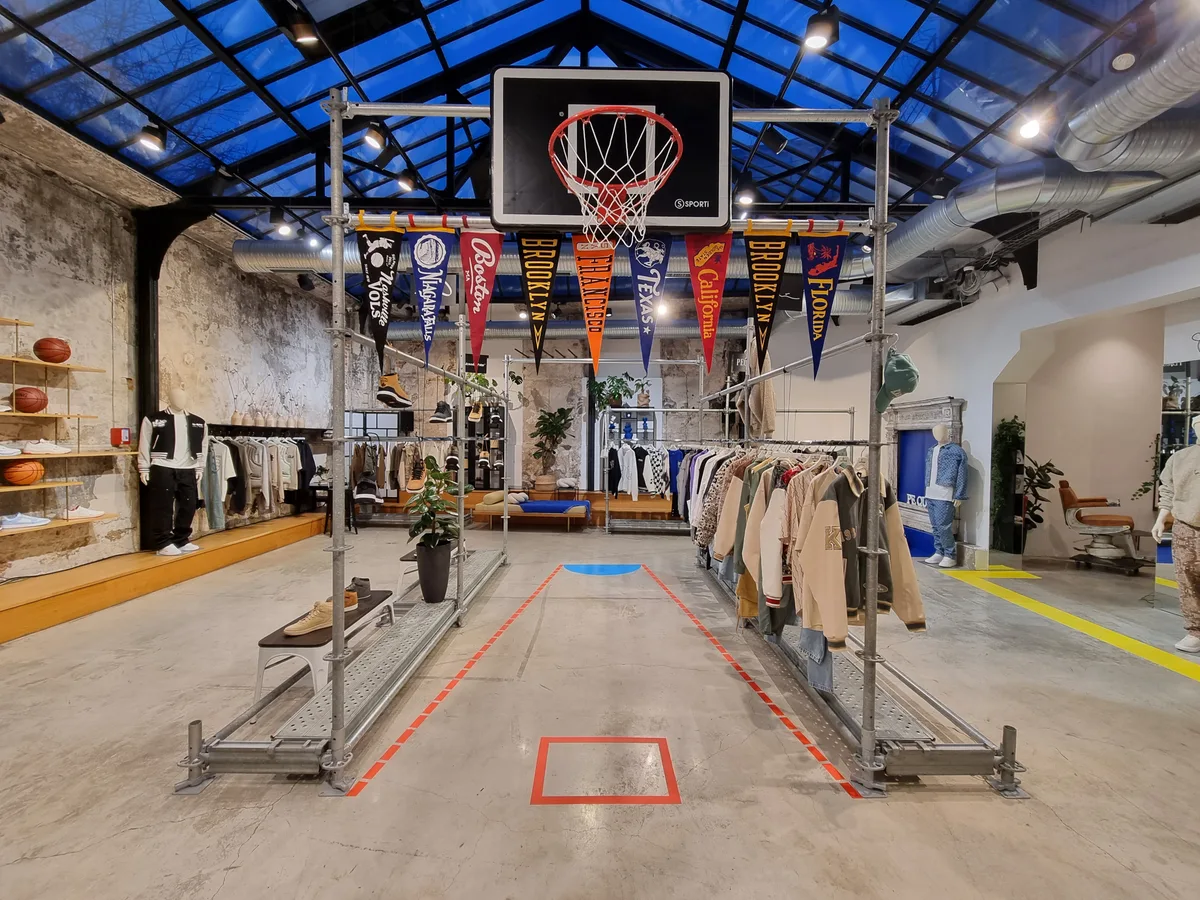
Pop-up shops bring the brand directly to the consumer. These are temporal retail spaces that generate buzz and allow for experimental retail strategies. Whether located on Rue Saint-Honoré or in Canal Saint-Martin, pop-up shops can be designed to offer exclusive products, limited editions, or experiential marketing campaigns that create lasting consumer impressions.
DID YOU KNOW: A well-executed pop-up shop can increase brand recognition by up to 50% more than traditional advertising according to Atout France?
Event Spaces: Versatility in Scale and Design
Event spaces in Paris like Palais de Tokyo or galleries in the Opéra district cater to larger audiences and provide versatile backdrops for memorable experiences. These venues are suitable for launch parties, celebrity-hosted events, or multimedia presentations, offering ample space to create dynamic environments tailored to specific event themes.
KEY TAKEAWAY: Selecting the appropriate type of venue based on your event's goals—whether showroom intimacy or grand-scale events—ensures optimal engagement with your desired audience.
| Venue Type | Advantages | Best Use Case |
|---|---|---|
| Showrooms | Controlled brand environment | Collection showcases |
| Retail Pop-Ups | Consumer engagement and experimentation | Buzz generation |
| Event Spaces | Large audiences, versatile designs | Launch events |
The next section will explore logistical considerations and how to navigate them using expert services.
Logistical Considerations and How to Navigate Them
Logistics form the backbone of any successful fashion event. From permits to spatial design, every aspect requires meticulous planning. Fortunately, tools and services are available to alleviate the stress of these logistics, notably through agencies like Fashion Week Venues that specialize in these tasks.
Permit and Regulatory Compliance
Navigating permits is essential when booking a venue in Paris. One must understand the distinction between a bail dérogatoire (temporary lease) and AOT (Authorization for Temporary Occupation). Each type comes with specific requirements depending on the duration and location of the venue.
IMPORTANT: Consult permit guidance to understand these nuances and avoid legal pitfalls.
Timelines and Event Planning
Fashion events often require swift installation and dismantling periods. Utilizing planning tools like the timeline planning tool provided by Fashion Week Venues ensures that every logistical step aligns with your event’s calendar, minimizing downtime and maximizing efficiency.
Quick answer: To ensure efficient logistics, use specialized tools to synchronize all planning elements, such as setup and breakdown schedules.
Spatial Design and Production
Spatial design impacts how a brand's story is perceived. Engaging with experts for fit-out and production optimizes space usage and fabricates custom sets that reflect brand ethos.
KEY TAKEAWAY: By leveraging expert logistic services and tools, brands can sidestep common pitfalls and focus on creative and strategic event elements.
Continue to the next section to compare neighborhood offerings and understand their influence on brand activation.
Neighborhoods and Their Impact on Brand Activation
Paris is divided into several chic neighborhoods, each resonating with different stylistic and cultural undertones. Selecting the right neighborhood is pivotal to aligning your brand's statement with the area’s demographic and cultural atmosphere.
Le Marais: A Hub for Innovation and Youthfulness
Le Marais teems with trendsetters and artistic vibes, making it ideal for brands targeting younger audiences or showcasing groundbreaking designs. This neighborhood thrives on creativity and diversity, offering vibrant backdrops for unconventional pop-up shops.
Saint-Germain-des-Prés: Elegance and Prestige
Rich in historical flair and artistic heritage, Saint-Germain-des-Prés is perfect for high-end brands emphasizing sophistication. Events here are sheltered within iconic rues and avenues, resonating with classic Parisian elegance.
Opéra: The Intersection of Commerce and Culture
Opéra is a bustling area known for its commercial viability and landmark appeal. With venues that offer high foot traffic and visibility, it suits activation events aiming for massive public engagement.
Quick answer: Each Parisian neighborhood reflects distinct cultural signals. Choose a neighborhood aligning with your aesthetic goals and target audience to enhance brand activation impact.
To compare Neighborhoods and space types, explore the Paris city hub on Fashion Week Venues and shortlist spaces that match your brief, budget, and calendar window.
| Neighborhood | Characteristics | Ideal Brand Type |
|---|---|---|
| Le Marais | Trendy, youthful | Innovative brands |
| Saint-Germain-des-Prés | Elegant, prestigious | Luxury brands |
| Opéra | Vibrant, commercial | High-visibility needs |
The upcoming section will focus on cost considerations and essential budget planning tips.
Budgeting for Fashion Week Venues
Budgeting is pivotal in determining the feasibility and scale of your fashion event. Paris, being a prime location, involves specific costs that require careful planning to balance quality and expenditure.
Understanding Cost Structures
Cost structures are contingent on location, venue type, duration, and services required. Luxury venues near high-traffic districts like Rue Saint-Honoré typically command higher prices, attributed also to economic factors outlined by INSEE. A detailed investigation of potential costs is crucial to formulate a cohesive budget.
TIP: For personalized budgeting, use Fashion Week Venues' budget estimation tool to align your financial plans with your activation objectives.
Choosing Between Equity and Value
High-priced venues often reflect prestigious locales, but value should be judged on alignment with brand goals rather than cost alone. Assessing the return on investment (ROI) becomes essential—where outlay corresponds with increased brand visibility and consumer engagement.
Quick answer: Budget planning should focus on comprehensive value alignment with brand goals, rather than initial cost alone, to ensure worthwhile investment returns.
Evaluating fixed costs against flexibility costs in contracts helps to prioritize budgetary constraints. Luxury brands, for example, might opt for permanence with flexible clauses whereas emerging designers prioritize adaptability.
| Cost Factor | Impact | Recommendation |
|---|---|---|
| Location | High prestige, high cost | Align with brand audience |
| Venue Type | Specialized to brand needs | Focus on goal alignment |
| Duration | Costly with extended periods | Optimize planning |
The next section will provide insights into the impact and necessity of strategic concept direction for your events.
The Role of Strategic Concept Direction in Fashion Events
Concept direction acts as a blueprint for branding and creative storytelling during fashion week events. It dictates the thematic and aesthetic elements that imbue an event with distinctive character, propelling brand narratives into experiences.
Defining Your Brand’s Story
Conceptual direction begins with defining a clear narrative that conveys the brand ethos. By integrating elements like visual merchandising and thematic cues, you create a resonant message that captivates audiences. Professional services and tools such as the concept and creative services offered by Fashion Week Venues can guide this process expertly.
Quick answer: Strategic concept direction helps transform events from mere displays into engaging narratives, amplifying brand messages through cohesive thematic storytelling.
Aligning Concepts with Audience Perception
Aligning thematic elements with target audience expectations is crucial for engagement. For instance, an avant-garde setup in Le Marais might leverage minimalist design with dynamic installations to resonate with urban trendsetters. Tools like Fashion Week Venues' imagine tool for space visualisation assist in materializing such abstract ideas into concrete plans.
Highlighting Innovations and Collaborations
Innovations such as integrating AI or immersive tech into events create memorable experiences, fostering higher engagement. Collaborative synergies with other brands or influencers can access new audience segments, further extending marketing reach.
KEY TAKEAWAY: A strategic approach to concept direction elevates events by combining the core brand narrative with aesthetic execution, optimized for audience connection.
In the following section, we discuss how to leverage the services and tools offered by Fashion Week Venues to streamline venue sourcing and event logistics.
How Fashion Week Venues Supports Brand Activation
Fashion Week Venues offers a comprehensive suite of services and tools designed to facilitate seamless execution of fashion events. Their offerings encompass everything from venue sourcing to full-scale activation management, providing holistic support tailored to brand needs.
Utilizing a Full-Service Platform
As a full-service agency, Fashion Week Venues bridges the gap between creative ideation and logistical execution. Brands benefit from hands-on assistance in crafting themed environments that reflect their unique identity, supported by strategic planning and execution services that handle technical and operational demands.
Innovative Tools for Enhanced Planning
Fashion Week Venues equips brands with advanced planning tools—such as timeline planners and permit navigators—streamlining pre-and post-event processes. These platforms deliver actionable insights and predictive analytics, facilitating decision-making and efficient resource allocation.
Quick answer: Accessing Fashion Week Venues' tools and services allows brands to smoothly transition from event conception to execution, ensuring each aspect of planning is covered efficiently.
Benefits for International and Local Brands
For international brands, entering the Paris market can be daunting. Fashion Week Venues' expertise in local regulatory landscapes and cultural nuances ensures compliance and optimizes branding opportunities. Local brands similarly benefit from this deep market insight, expanding their reach and enhancing event impact.
KEY TAKEAWAY: Engaging with Fashion Week Venues means accessing expertise that spans market insights, logistical support, and creative direction, integral for maximizing event success.
Now, let's unravel some of the common myths surrounding fashion event planning in Paris and clarify the facts.
Common Myths Debunked
MYTH: You need a French legal entity to rent a space in Paris.
FACT: While having a local entity can simplify certain processes, it is not a prerequisite for renting spaces. Agencies like Fashion Week Venues facilitate space rentals without requiring brands to establish a local presence, leveraging their networks and expertise to navigate legal challenges properly.
MYTH: Paris Fashion Week is the only viable calendar window for brand activation.
FACT: Although Paris Fashion Week is a significant event, other windows such as the pre-fall and post-collection periods can be equally effective for brand activations. Leveraging these periods can tap into different market dynamics and customer flows, sparking interest and sustaining brand visibility throughout the year.
MYTH: Commission brokers are the only way to find a space in Paris.
FACT: Besides brokers, digital marketplaces like Fashion Week Venues provide direct access to a wide array of spaces, offering brands more flexibility and potential cost savings. These platforms are equipped with listings, tools, and expert advice, matching brands with appropriate venues without intermediary fees.
MYTH: Short-term leases are legally straightforward and don’t require specialist help.
FACT: Even for short-term leases like bail dérogatoire, legal and regulatory complexities necessitate professional guidance to avoid pitfalls. Given the variability of requirements across spaces and districts, engaging specialists or reliable platforms is advisable for due diligence and compliance.
The subsequent FAQ section consolidates knowledge gained and addresses any lingering queries you might have.
Frequently Asked Questions
What types of venues does Fashion Week Venues specialize in?
Fashion Week Venues offers a diverse array of venues including showrooms, retail pop-ups, and event spaces tailored for fashion activations. Each type serves distinct purposes, from intimate collections and buyer meetings to expansive launch events.
How does a brand calculate the expected return on investment for a fashion week event?
Calculating ROI for fashion events involves understanding the costs entailed and measuring subsequent brand exposure and customer engagement. Utilizing tools like the ROI calculator can provide brands with an accurate depiction of potential financial and brand impact.
Is Fashion Week Venues suitable for small and emerging brands?
Yes, Fashion Week Venues caters to brands of all sizes. By providing scalable solutions and cost-effective venue options, it can help smaller and emerging brands gain significant exposure in competitive markets like Paris.
What are bail dérogatoire and AOT in the context of renting venues?
Bail dérogatoire refers to a temporary lease agreement, typically up to 3 years, which offers flexibility for short-term activations. AOT, or Authorization for Temporary Occupation, allows for brief occupation in public areas. Each comes with specific considerations that can be advised by professional platforms like Fashion Week Venues.
How do I ensure my event aligns with Parisian cultural nuances?
Incorporating local cultural elements and themes can help tailor your event to Parisian tastes. Engaging local experts or agencies like Fashion Week Venues facilitates understanding through their comprehensive market insights and strategic planning services.
What neighborhood in Paris is best suited for high-end fashion events?
Saint-Germain-des-Prés stands out for high-end events, given its historical prestige and concentration of luxury clientele, ensuring events are staged within culturally rich and elegant surroundings.
How does one access Fashion Week Venues' tools and services efficiently?
To utilize Fashion Week Venues' resources, brands can explore their website, which offers interactive tools, marketplace access, and consulting services details. It's structured to facilitate easy navigation and booking processes geared towards efficient event planning.
What logistical considerations should be prioritized when planning a fashion event in Paris?
Key logistics include permits, timeline planning, spatial design, and production logistics. Using strategic tools like those provided by Fashion Week Venues helps optimize planning and keeps projects on schedule and within legal frameworks.
Can short-term leases for fashion events be extended if needed?
Extending short-term leases like bail dérogatoire can be complex and may depend on the property's regulations and initial agreements. Engaging experts ensures clarity before such extensions, avoiding legal pitfalls.
What should a brand consider when planning a pop-up shop as part of their event?
Brands should focus on location relevance, consumer engagement strategies, and logistical framing. Pop-up shops should reflect brand values and story, offering exclusive products or experiences that leave lasting impressions on consumers.
How does Fashion Week Venues ensure compliance with local laws and regulations?
Fashion Week Venues offers extensive regulatory insights and professional guidance, aligning your events with local laws. Their [tool suite provides permit planning and inquiries, assisting brands in avoiding compliance issues.
The concluding section will summarize the decisive steps and encourage actionable next steps.
Conclusion
In Paris, the global center of fashion, navigating the intricacies of venue selection and event planning is both exciting and demanding. Fashion Week Venues acts as an indispensable partner in this journey, helping brands source, plan, and execute stunning fashion activations that are both compliant with local regulations and attuned to their bespoke brand vision. By leveraging comprehensive tools and services, brands can mitigate complexities and maximize their impact during pivotal fashion weeks.
Whether you're a local designer or an international brand seeking to make a mark, successful activation in Paris demands strategic insight and reliable partnerships. With the support of Fashion Week Venues, the path towards creating memorable, impactful fashion events is streamlined and accessible.
To move from research to activation, start exploring available spaces on the Fashion Week Venues marketplace and build a focused brief for your target neighbourhood, space type, and calendar window.