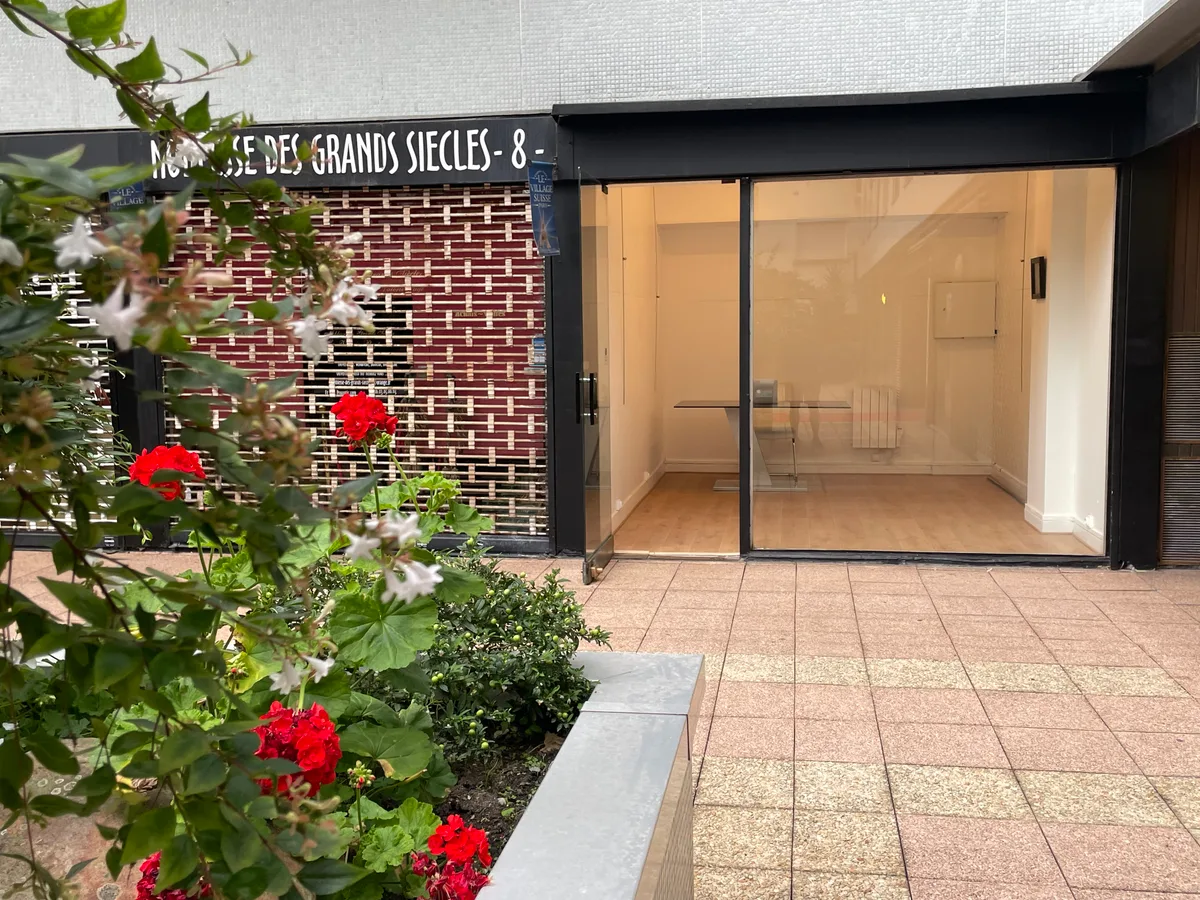
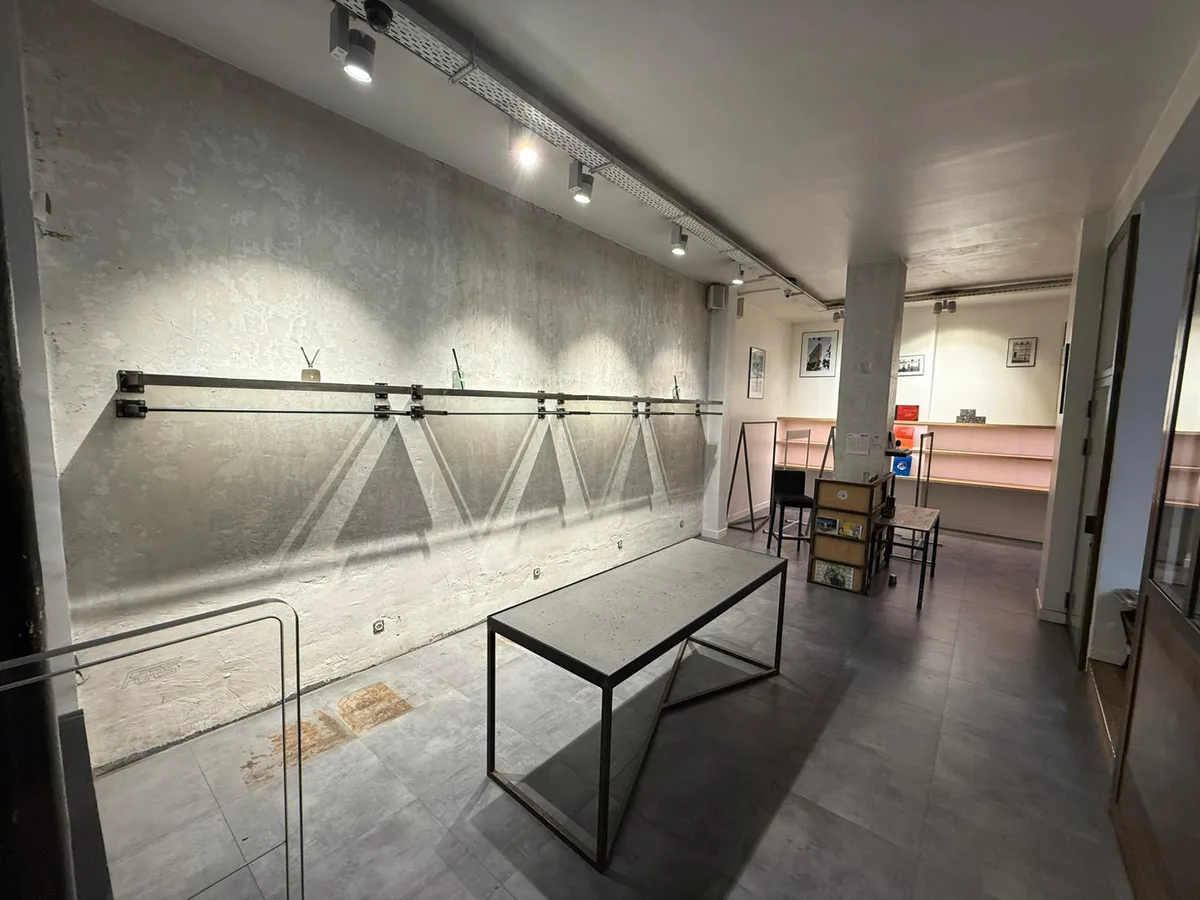
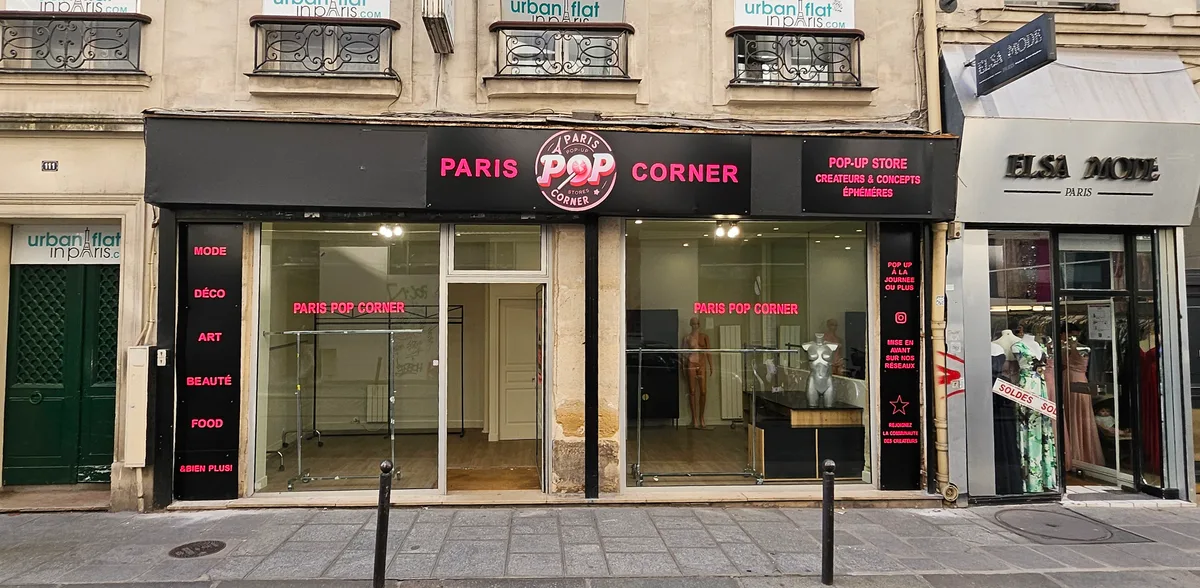
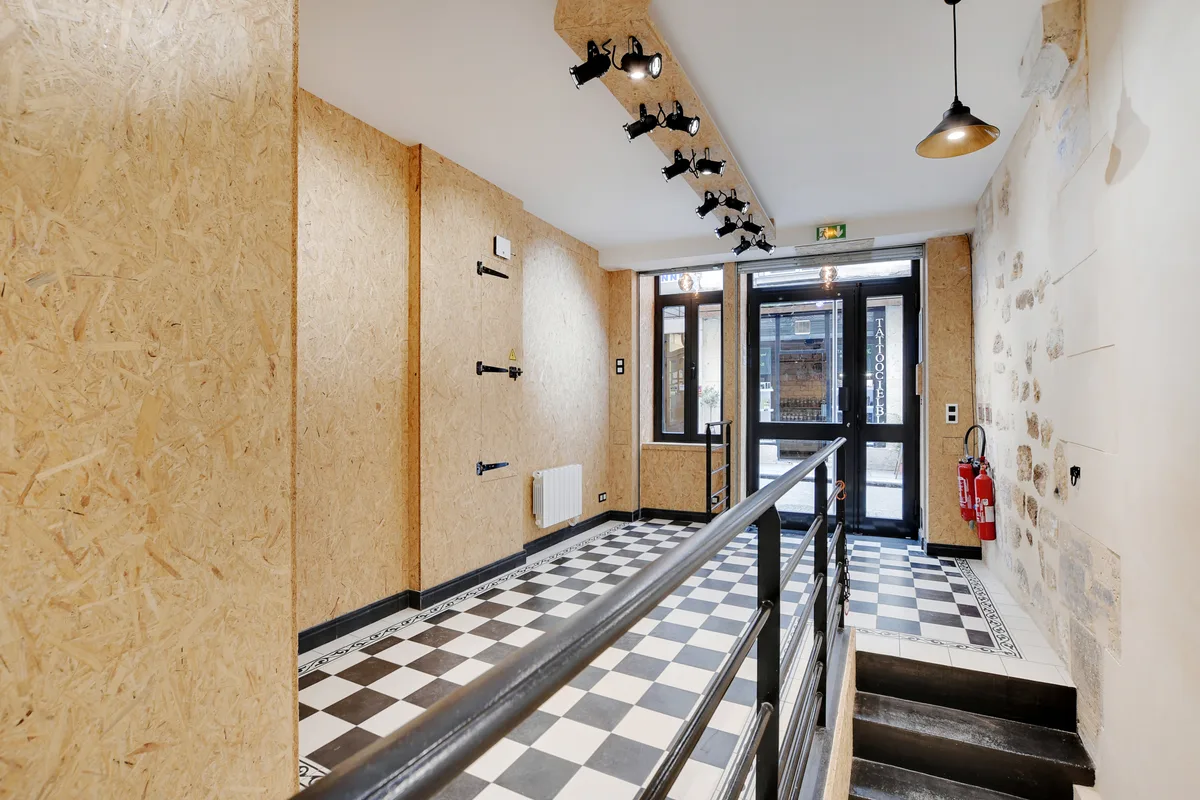
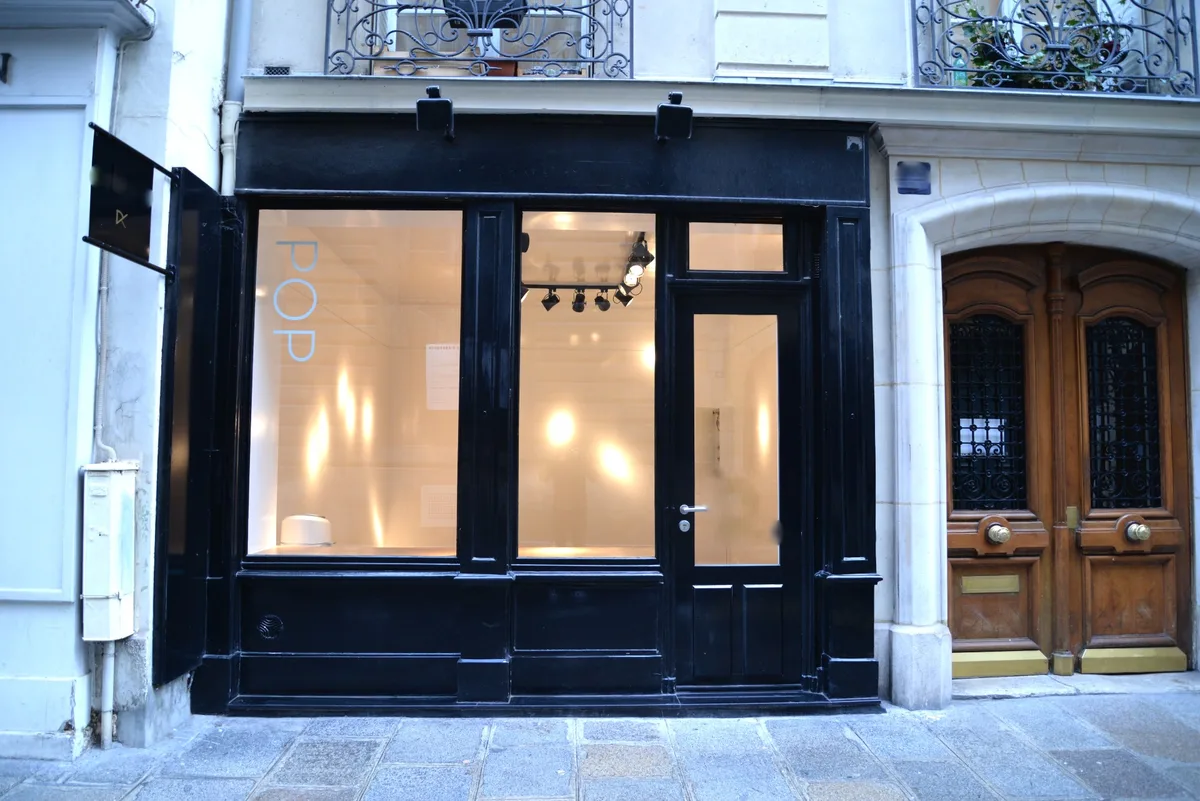
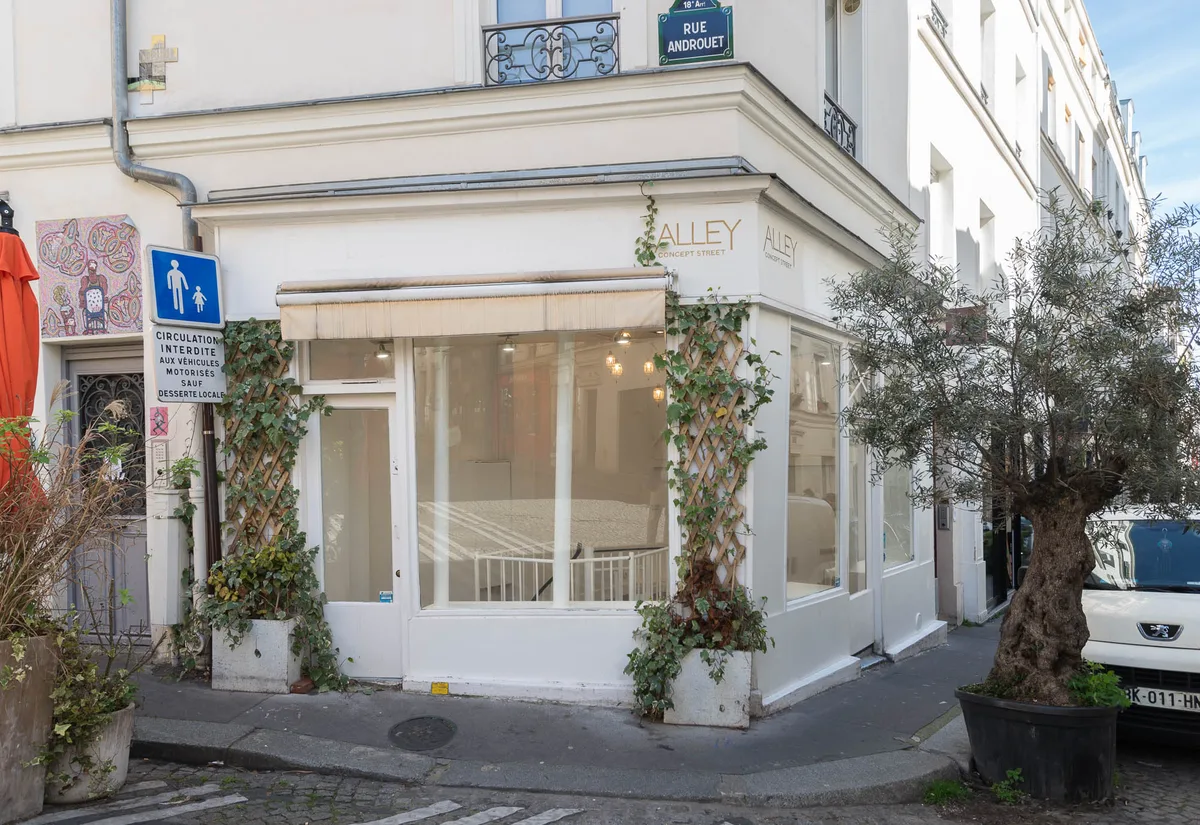
A pop-up store in the 2nd arrondissement of Paris offers one of the most strategically compelling short-term retail opportunities in Europe. Sitting at the intersection of historic covered passages, a revitalised fashion and food district, and some of the strongest pedestrian footfall in central Paris, the 2nd arrondissement rewards brands that understand how to use its geography. Whether you are launching a seasonal collection, hosting a Paris Fashion Week showroom, staging a beauty activation, or testing a new retail concept in France, this neighbourhood provides a rare combination of heritage, density, and audience quality that few Paris districts can match. Fashion Week Venues works with brands of all sizes to source, design, and activate pop-up spaces in Paris across every arrondissement, including the 2nd.
Why the 2nd Arrondissement Is a Strategic Choice for Pop-Up Retail in Paris
The 2nd arrondissement is the smallest arrondissement in Paris by surface area, yet it delivers an outsized commercial and cultural impact for brands investing in temporary retail. Bounded roughly by Rue Montmartre to the west, Avenue de l'Opéra to the south, and bleeding into the Sentier and Bourse quarters, this compact district concentrates extraordinary foot traffic, a media and creative industry workforce, and a layered retail landscape that spans everything from luxury couture houses near Place Vendôme to independent concept stores and covered passage boutiques.
Historically, the 2nd arrondissement was the centre of the Parisian textile and garment trade. The Sentier quarter, which occupies much of the arrondissement's northern section, was for more than a century the beating heart of French ready-to-wear. That legacy has evolved: today, Sentier is home to a dense startup and tech creative community, attracting a digitally literate, trend-conscious audience that travels through the area daily. This demographic shift makes Sentier one of the most interesting neighbourhoods in Paris for brands targeting a younger, urban consumer who bridges fashion, technology, and culture.
To the south and east, the Bourse quarter and the streets around Rue de la Paix and Avenue de l'Opéra maintain a more classical commercial register, attracting international visitors, business travellers staying near the Palais Garnier opera house, and luxury shoppers drawn to the proximity of Place Vendôme and the Rue de la Paix jewellery corridor. Brands in the luxury, beauty, haute couture, and accessories categories often find the southern 2nd arrondissement more aligned with their brand positioning than areas further east or north.
The covered passages, known as passages couverts Parisiens, are among the most distinctive features of the 2nd arrondissement and the neighbouring 9th. Galerie Vivienne, Passage des Panoramas, Passage Choiseul, and Passage des Princes are not merely heritage curiosities. They are active retail corridors with genuine commercial footfall, hosting a mix of permanent boutiques, specialist dealers, and increasingly, short-term pop-up activations. For brands seeking a space with strong visual identity and ambient storytelling potential, the passages offer an architectural backdrop that no purpose-built retail unit can replicate.
Rue Montorgueil, which runs through the 2nd arrondissement's western flank into the adjacent 1st, is one of the most photographed pedestrian streets in Paris. Known for its historic food market character, it now anchors a vibrant mixed-use retail and restaurant corridor. The success of establishments like Frenchie, the restaurant group founded by Chef Grégory Marchand, helped cement the Rue de Nil area as a culinary destination that attracts both locals and destination visitors. The spillover effect for retail brands activating nearby is meaningful: the audience is already engaged, already spending, and already primed for discovery experiences.
KEY TAKEAWAY: The 2nd arrondissement combines historic prestige, a creative workforce, international tourist flows, and a unique architectural retail infrastructure in covered passages, making it a tactically strong choice for pop-up stores across fashion, beauty, lifestyle, and luxury categories.
Understanding the specific streets, quarters, and passage locations within the 2nd arrondissement matters enormously when selecting a space, which is why the next section maps the most important retail zones in detail.
Mapping the Key Retail Streets and Zones for a Pop-Up Store in the 2nd Arrondissement
The 2nd arrondissement is small enough to walk end to end in under twenty minutes, but its retail geography is highly differentiated. Choosing the wrong street for your brand category can mean the difference between a successful activation and a quiet, underperforming space. This section maps the key zones so your team can align space selection with audience, brand positioning, and campaign objectives.
Rue Montorgueil and Rue de Nil
Rue Montorgueil is a pedestrianised market street that connects the 2nd arrondissement to Les Halles in the 1st. Its character is lively, food-led, and frequented by a mix of local residents, professionals, and tourists. The street is busiest at weekends but maintains strong weekday traffic from the surrounding office and creative sector workforce. Brands in food, lifestyle, beauty, and fashion-casual categories perform well here because the audience is already in a discovery and spending mindset. Rue de Nil, a short side street off Montorgueil, has become particularly associated with quality food and artisan culture since Chef Grégory Marchand opened Frenchie and its related concepts there. Pop-up brands that align with that quality-conscious, culturally aware positioning benefit from the association.
Sentier Quarter
The Sentier quarter occupies the northern portion of the 2nd arrondissement around Rue du Sentier, Rue Réaumur, and the streets running between them. This is where the old garment trade sat, and where the new Paris tech and media startup scene now clusters. The audience here is predominantly professional, aged 25 to 45, with strong interests in brand discovery, digital culture, and fashion-forward lifestyle. Pop-up stores in streetwear, limited-edition collectibles, pop culture merchandise, gachapon machines, figurines, gadgets, and concept-driven fashion have all found receptive audiences in this area. Blend Hamburger and Café Fou are among the neighbourhood anchors that draw consistent daytime foot traffic, creating natural spillover for nearby retail activations.
Bourse Quarter and Rue de la Paix Corridor
The southern part of the 2nd arrondissement, anchored by the Palais Brongniart and stretching toward Place Vendôme and Rue de la Paix, carries a distinctly more formal and luxury-oriented tone. The proximity to Place Vendôme, which hosts some of the world's most prestigious jewellery and watch maisons, and to Rue de la Paix, historically associated with haute couture and high jewellery, makes this zone appropriate for luxury fashion houses, fine jewellery brands, premium beauty labels, and heritage accessory brands. International visitors arriving at the Palais Garnier opera house or staying in nearby luxury hotels represent a key audience segment here.
Avenue de l'Opéra and Les Halles Adjacency
Avenue de l'Opéra is a broad, Haussmann-era boulevard connecting the Opéra Garnier to the Louvre. It is one of the major commercial spines of central Paris and carries heavy mixed-traffic of tourists, workers, and shoppers heading toward the Châtelet and Les Halles shopping center to the south. Pop-up stores on or immediately adjacent to Avenue de l'Opéra benefit from extremely high raw foot traffic, though the audience is more mixed than the curated demographics of Sentier or Rue de Nil.
The Covered Passages: Galerie Vivienne, Passage Choiseul, Passage des Panoramas, Passage des Princes
The passages couverts Parisiens represent a genuinely unique retail infrastructure. These 19th-century glass-roofed shopping arcades were the world's first indoor retail environments, predating the department store. Today, Galerie Vivienne remains one of the most beautiful and visited, with a clientele that ranges from architecture tourists to serious fashion and art buyers. Passage des Panoramas is the oldest surviving covered passage in Paris and hosts a strong mix of stamp and ephemera dealers, restaurants, and specialist boutiques. Passage Choiseul is more commercial in character, with higher footfall but a slightly less curated audience. Passage des Princes is smaller and more intimate, connecting to the Boulevard des Italiens. For brands pursuing a distinctive brand universe and visual identity display strategy, a space within one of the passages offers an atmosphere that is impossible to reproduce in a conventional street-level unit.
KEY TAKEAWAY: Each zone within the 2nd arrondissement attracts a meaningfully different audience. Sentier suits creative and cultural brands; the Bourse corridor suits luxury and premium brands; the passages suit experience-led and heritage-aligned activations; Montorgueil suits lifestyle and food-adjacent brands with strong visual merchandising.
With the geography mapped, the next step is understanding what types of pop-up spaces and formats are actually available in the 2nd arrondissement and how they differ from each other.
| Zone | Primary Audience | Best Brand Categories | Key Streets and Landmarks |
|---|---|---|---|
| Sentier Quarter | Tech workers, creatives, 25-45 | Streetwear, collectibles, pop culture, gadgets | Rue du Sentier, Rue Réaumur |
| Rue Montorgueil | Locals, tourists, food-focused | Lifestyle, beauty, fashion-casual, food | Rue Montorgueil, Rue de Nil |
| Bourse / Rue de la Paix | Luxury shoppers, international visitors | Haute couture, jewellery, luxury beauty | Place Vendôme, Rue de la Paix, Rue de la Bourse |
| Covered Passages | Architecture visitors, collectors, culture seekers | Art, niche fashion, heritage brands, experience | Galerie Vivienne, Passage des Panoramas, Passage Choiseul |
| Avenue de l'Opéra | High-volume mixed tourist and worker traffic | Mass-market fashion, beauty, accessories | Avenue de l'Opéra, Les Halles adjacency |
Types of Pop-Up Spaces Available in the 2nd Arrondissement
The 2nd arrondissement offers a wider variety of short-term retail space formats than its modest geographic footprint might suggest. Understanding the differences between these space types helps brand teams match the right environment to their campaign objectives, budget, and audience strategy.
Quick answer: The 2nd arrondissement offers street-level boutique spaces, covered passage units, former showroom floors, gallery spaces, and flexible loft-style units in the Sentier area. The right format depends on your brand category, target audience, campaign length, and visual merchandising requirements. Most short-term rentals in the arrondissement run between 3 days and 3 months under a bail dérogatoire agreement.
Street-Level Boutique Spaces
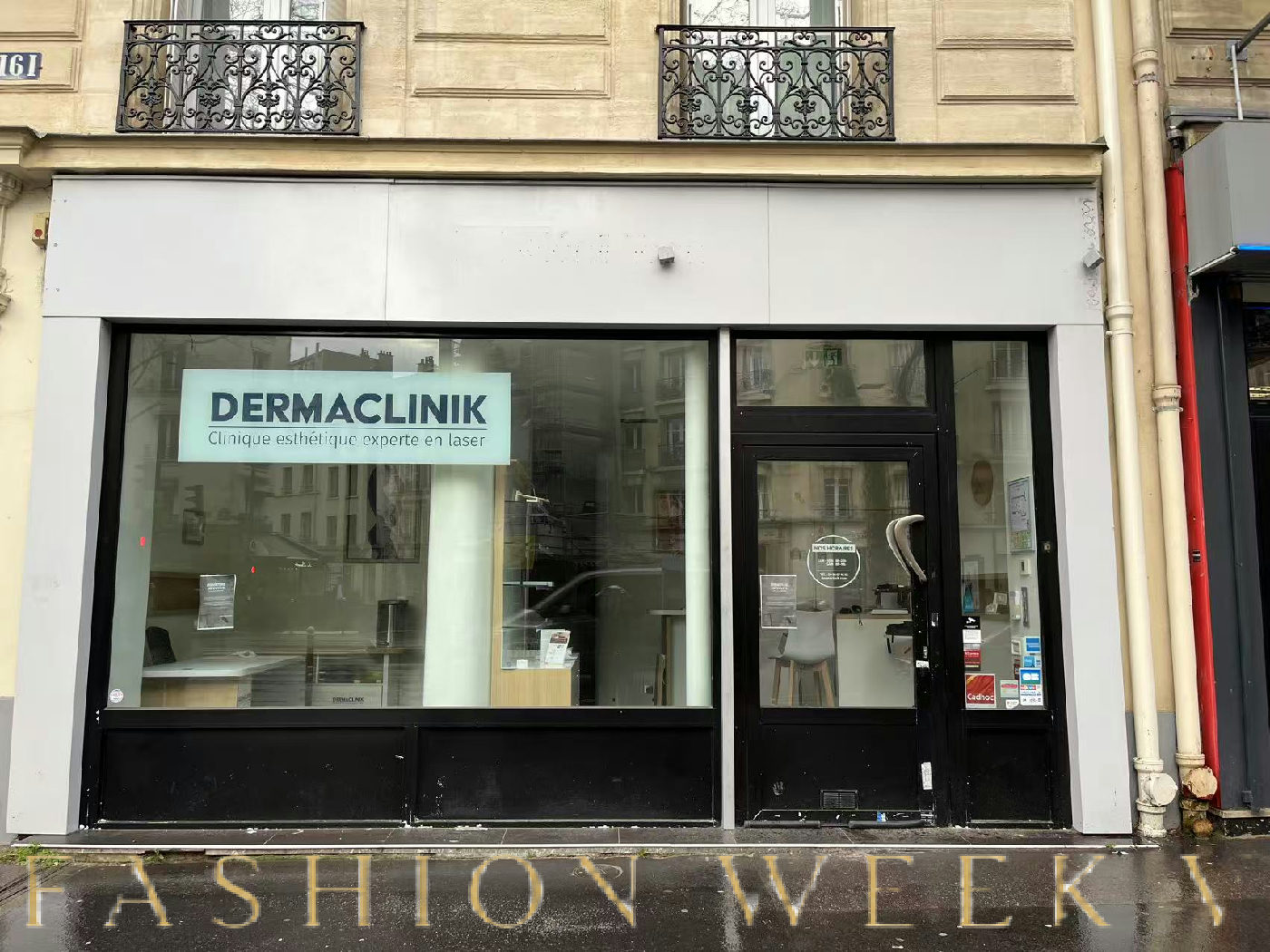
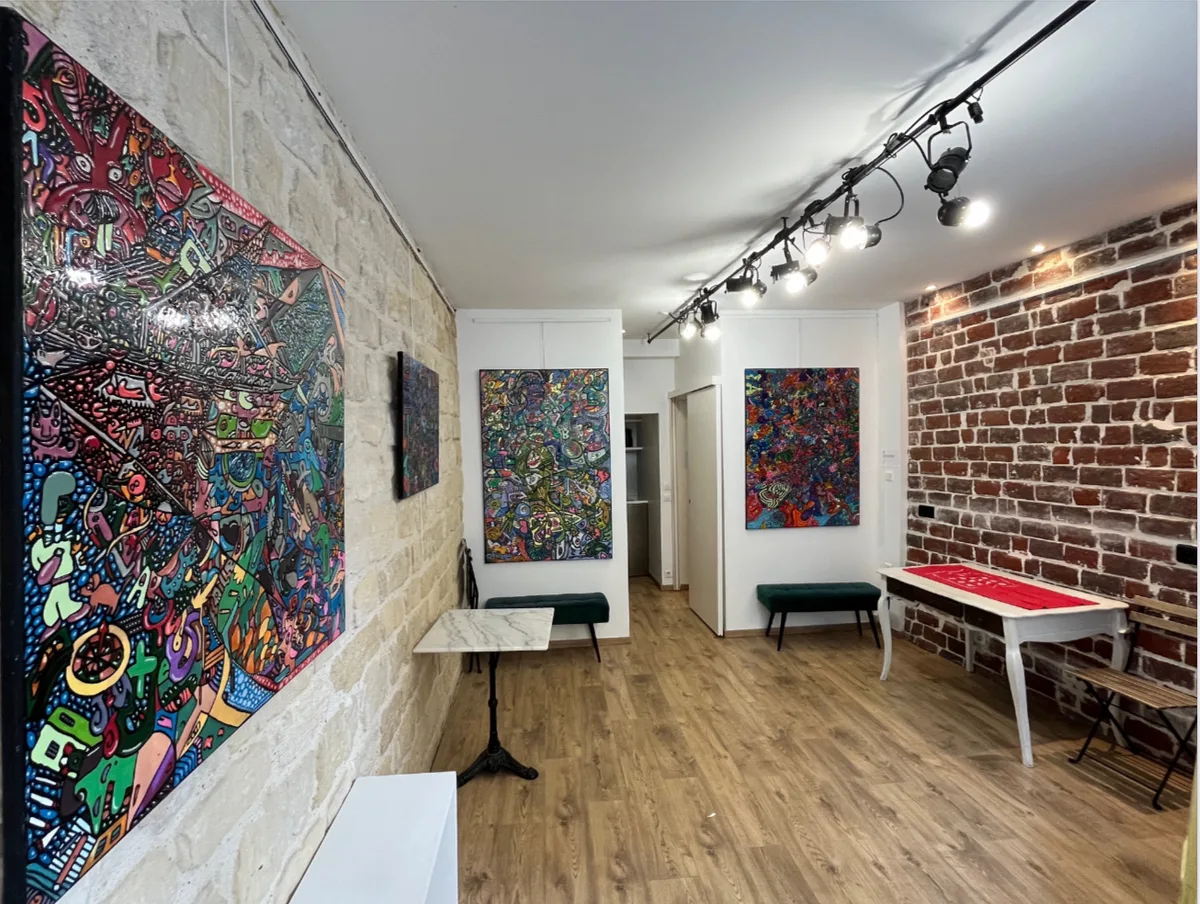
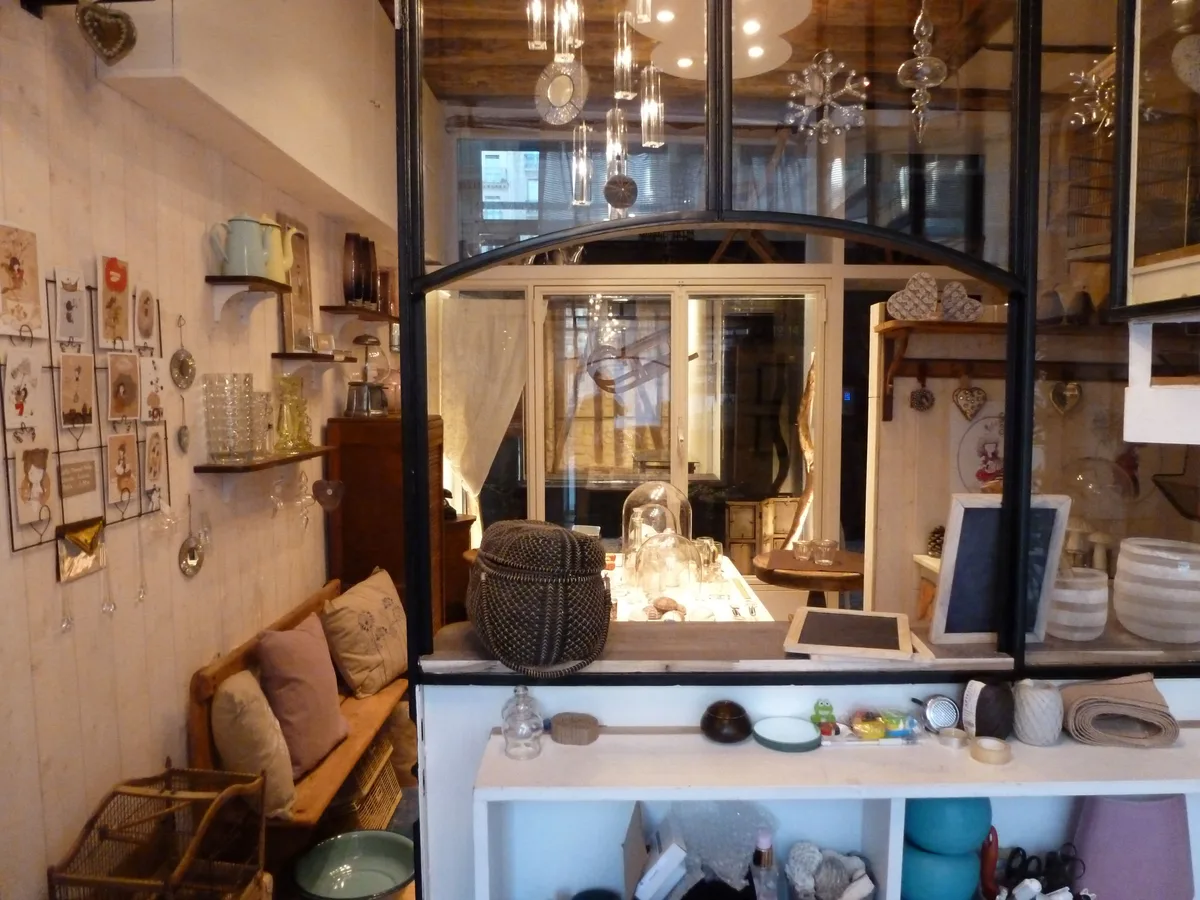
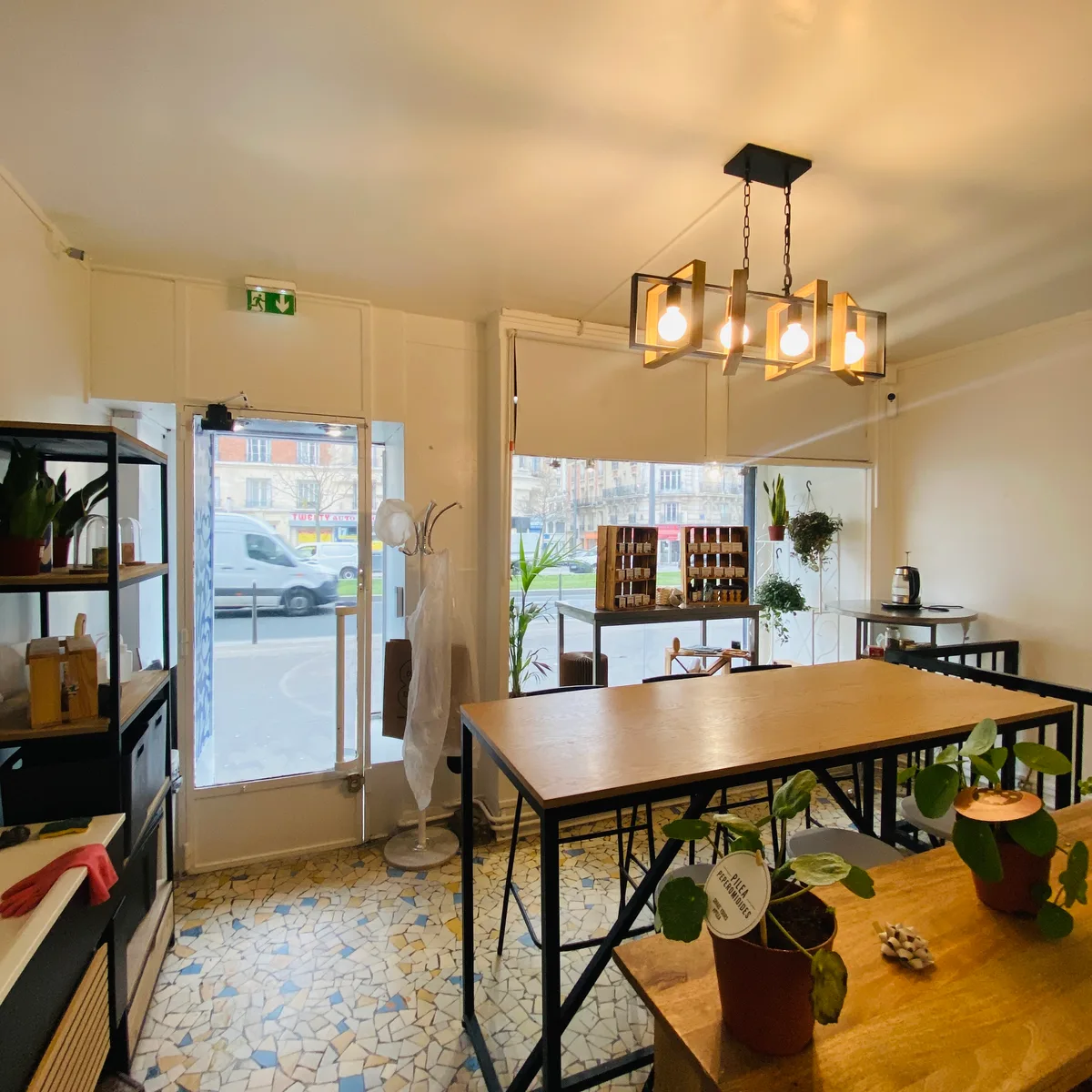
These are the most common format: former retail units on pedestrianised or commercial streets that are available for short-term let between long-term tenants or specifically configured for the short-term rental market. On Rue Montorgueil and the streets around Sentier, street-level boutiques range from compact units of around 20 to 40 square metres to larger corner spaces exceeding 100 square metres. These spaces suit fashion brands, beauty launches, lifestyle accessories, and any concept that benefits from direct street engagement and window display opportunity.
Covered Passage Units
Units within Galerie Vivienne, Passage des Panoramas, Passage Choiseul, and Passage des Princes are distinctive in character and typically smaller in footprint than street-level boutiques. The architectural context is so strong that brands often need to design their fit-out to complement rather than compete with the passage's aesthetic. These spaces are best suited to art-adjacent activations, niche fashion, artisan product launches, and brand universe experiences where the environment itself becomes part of the storytelling.
Showroom and Office Conversion Spaces
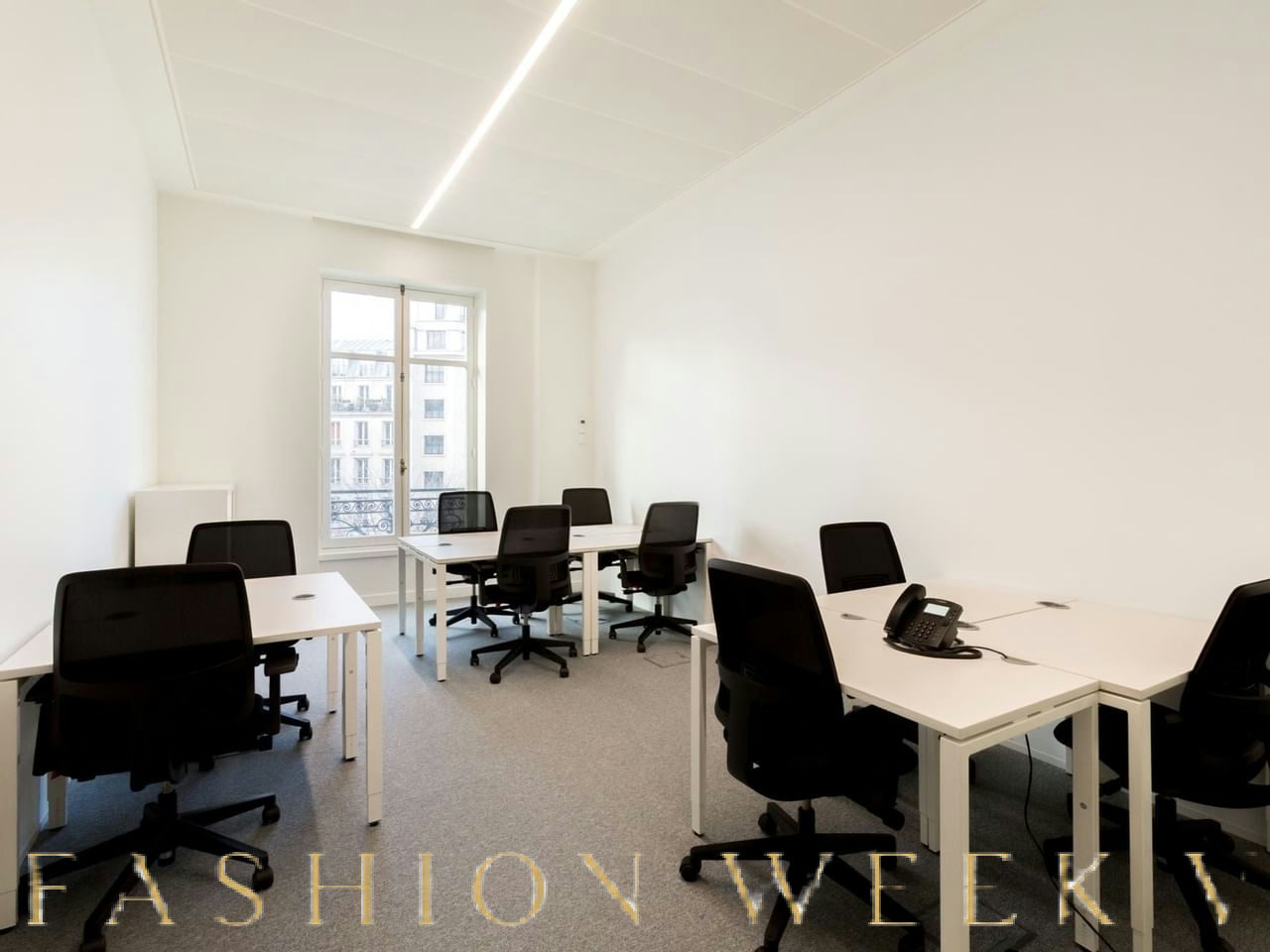
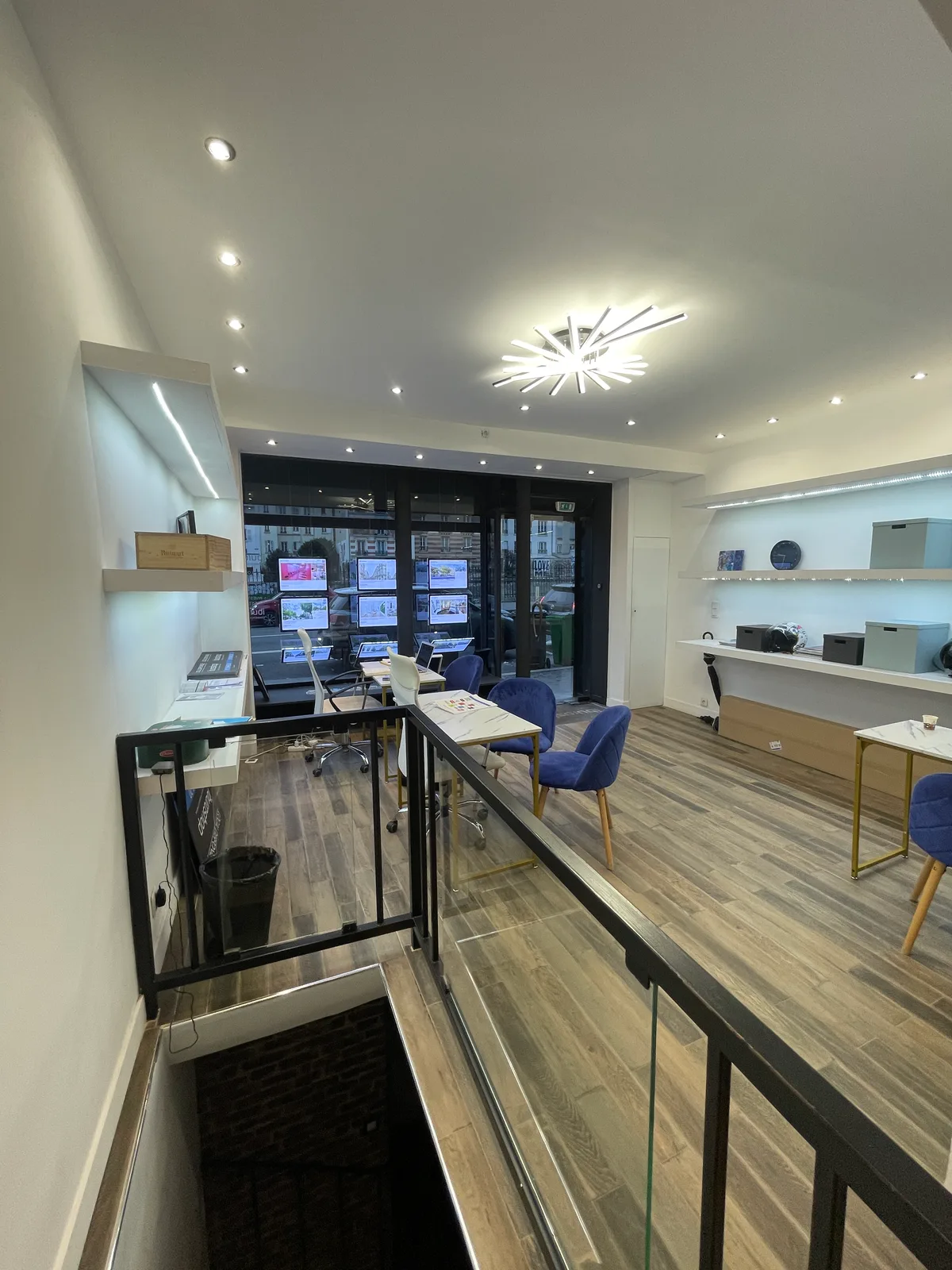
The Sentier and Bourse quarters contain significant stocks of former garment industry showroom floors and converted office spaces on upper floors. These spaces typically offer larger, more open-plan footprints at lower per-square-metre costs than ground-floor retail. They are well suited to wholesale and press showrooms during Paris Fashion Week, to brand universe experiences that benefit from controlled entry and curated flow, and to workshops or social media content creation spaces that do not depend on organic pedestrian footfall.
Gallery and Cultural Spaces
The 2nd arrondissement has a number of gallery spaces and cultural venues that take short-term bookings. These spaces often carry existing cultural credibility that brands in fashion, art, beauty, and luxury can leverage. A pop-up art gallery activation, a launch tied to FIAC or Paris Design Week, or an immersive brand universe experience presented in a gallery format can generate significantly stronger press and social media coverage than a conventional retail unit.
Co-Activation and Twin Concept Spaces
For brands with smaller budgets or those seeking a partner brand to share costs and amplify audience reach, co-activation in a shared space is a practical option. Fashion Week Venues offers a twin co-activation concept that pairs compatible brands in a single venue, splitting rental and production costs while creating a more compelling combined experience for visitors. This model works particularly well in the 2nd arrondissement's Sentier quarter, where the audience is already accustomed to discovery-led, multi-brand retail environments.
KEY TAKEAWAY: The 2nd arrondissement's space mix includes street retail, passage units, showroom floors, gallery spaces, and co-activation formats. Brand teams should align space type selection with their audience strategy, merchandising requirements, and campaign calendar rather than defaulting to the cheapest available unit.
Once the space type is identified, the next critical step is understanding the operational, legal, and permit framework that governs short-term retail in Paris.
Permits, Regulations, and Legal Frameworks for Pop-Up Stores in Paris
Navigating the legal and regulatory requirements for a pop-up store in Paris is one of the most commonly underestimated challenges for international brands. Requirements vary by space type, duration, arrondissement, and intended use, and getting them wrong can delay or cancel an activation entirely.
Quick answer: Most short-term retail activations in Paris are structured under a bail dérogatoire, a special short-term commercial lease framework allowing tenancies of up to 3 years without triggering standard commercial lease protections. For outdoor or semi-outdoor spaces, an Autorisation d'Occupation Temporaire (AOT) may apply. Neither framework is simple to navigate without specialist guidance, and requirements vary by space and location.
The Bail Dérogatoire Explained
The bail dérogatoire, sometimes called a bail précaire, is the primary legal mechanism for short-term commercial retail tenancies in France. Under French commercial law, a standard commercial lease (bail commercial) grants tenants significant protections including a minimum 9-year term and renewal rights. The bail dérogatoire allows landlords and tenants to agree a shorter tenancy, typically from a few days to up to 36 months, without the tenant acquiring those long-term rights. For pop-up brands, this framework provides flexibility and predictability. However, it requires careful drafting: if a bail dérogatoire is not correctly structured and the tenant remains in occupation beyond the agreed term, it can automatically convert into a full bail commercial, creating obligations neither party intended.
IMPORTANT: Always have a bail dérogatoire reviewed by a qualified French commercial property lawyer before signing. Do not assume that a standard short-term lease template used in the UK, US, or elsewhere is equivalent or compliant under French law.
Autorisation d'Occupation Temporaire (AOT)
For temporary retail in public spaces, on terraces, in certain passages, or in spaces managed by public bodies or the City of Paris, an Autorisation d'Occupation Temporaire may be required. The AOT is a permission-based instrument rather than a lease, and it carries different obligations, duration limits, and renewal conditions. Brands activating in public-facing spaces near landmarks such as the Palais Garnier or along the Rue de Rivoli should investigate whether an AOT applies to their intended space before committing to a lease or licence agreement.
Insurance Requirements
Short-term retail tenants in France are required to carry appropriate commercial liability insurance covering the duration of the tenancy. Landlords will typically require proof of insurance before handing over keys. Policies must cover public liability, property damage, and in most cases, product liability. International brands should ensure their existing insurance policies extend to France, or arrange a specific French market policy for the activation period. Insurance requirements may differ between a private retail unit and a space within a covered passage, where the passage's own management body may have additional requirements.
Local Regulations and Arrondissement-Specific Rules
The 2nd arrondissement sits within the central Paris conservation zone, meaning exterior signage, temporary structures, façade modifications, and window installations may require approval from the local mairie or from the Architectes des Bâtiments de France for buildings with heritage designations. Brands planning to use external signage, branded awnings, large-format vinyl, or temporary structures adjacent to historic buildings should factor approval timelines into their planning schedule. These approvals can take longer than anticipated, and some modification types are restricted regardless of the landlord's consent.
TIP: Use the permit guidance tool on Fashion Week Venues to understand what permit categories may apply to your specific space type, intended use, and location before engaging a landlord or signing any agreement.
KEY TAKEAWAY: Legal and permit requirements for pop-up stores in Paris are more complex than in many other markets. A bail dérogatoire is not a standard short-term tenancy; it is a specialist French legal instrument. Insurance, signage approvals, and AOT requirements add further layers. Specialist support is strongly advisable for brands without prior French retail experience.
Understanding the regulatory framework informs budget planning, which is the next essential consideration for any Paris pop-up activation.
Budget Planning for a Pop-Up Store in the 2nd Arrondissement
Budget planning for a Paris pop-up store requires accounting for costs that are often overlooked in initial estimates. Space rental is only one component of the total investment, and in some activations it represents less than half of the overall cost.
Quick answer: The total cost of a pop-up store in the 2nd arrondissement of Paris depends on space size, location, duration, fit-out complexity, staffing requirements, and marketing budget. Directional estimates require a detailed brief to be meaningful. Use the budget estimation tool on Fashion Week Venues to build a brand-specific cost model before approaching landlords or agencies.
Space Rental Costs
Space rental costs in the 2nd arrondissement vary considerably by street, space type, footprint, and duration. Covered passage units and heritage spaces typically command premium rates relative to their square metreage because of their architectural character and brand association value. Sentier-area loft and showroom spaces tend to be more competitively priced per square metre, particularly for upper-floor spaces without direct street frontage. Rates during Paris Fashion Week calendar windows, Paris Design Week, and FIAC are typically higher than off-peak periods, reflecting elevated demand from international brands competing for the same limited inventory of quality short-term retail spaces.
DID YOU KNOW: Paris Fashion Week spans two major seasons each year: the main ready-to-wear weeks in September and October (Spring/Summer) and February and March (Autumn/Winter), plus the Haute Couture weeks in January and July. Showroom and retail space demand peaks sharply during all four calendar windows, and the most sought-after 2nd arrondissement locations can book out months in advance.
Fit-Out and Production Costs
Fit-out costs include furniture rental, fixtures, branded elements, lighting adjustments, flooring, display systems, and any bespoke construction. In a covered passage with heritage restrictions, fit-out options may be more constrained than in a blank canvas Sentier loft. Brands should budget for reinstatement costs at the end of the tenancy, as most Paris landlords require spaces to be returned to their original condition. Fashion Week Venues offers fit-out and production services that can be scoped to match both creative ambition and budget reality.
Staffing Costs
Retail staffing in France is governed by specific employment law requirements, including rules on working hours, minimum wage, social charges, and employment contracts. Temporary staff hired for a short-term activation must be engaged correctly under French law. Staffing costs are often underestimated by international brands, particularly when social charges are added to gross pay. Bilingual staff capable of serving both French and international customers are in higher demand and command higher rates during Fashion Week calendar windows.
Marketing, Insurance, and Administrative Costs
Marketing spend to drive footfall to a pop-up depends on whether the brand is relying on organic discovery from the location's own foot traffic, on influencer marketing campaigns, on press and editorial outreach, or on paid media. Insurance is a non-negotiable cost item and should be budgeted from the outset. Administrative costs include legal review of the lease, permit applications where required, and any mairie or building authority submissions for signage or temporary structures.
| Cost Category | Key Variables | Budget Priority |
|---|---|---|
| Space rental | Location, size, duration, season | High |
| Fit-out and production | Complexity, heritage restrictions, reinstatement | High |
| Retail staffing | Duration, team size, language requirements | Medium to High |
| Insurance | Coverage type, duration, value of stock | Non-negotiable |
| Marketing and influencer | Campaign scope, channel mix, influencer tier | Variable |
| Permits and legal | Space type, signage plans, lease review | Essential |
| POS and payments | Transaction volume, multi-currency needs | Medium |
KEY TAKEAWAY: Space rental typically represents 30 to 50 percent of total pop-up activation costs in Paris. Brands that focus exclusively on space rental price without modelling full activation costs frequently encounter budget overruns. A comprehensive cost model from the outset prevents late-stage compromises that damage the quality of the activation.
With a realistic budget model in place, brands can turn to the strategic calendar question: when to activate in the 2nd arrondissement for maximum impact.
The Paris Fashion Week Calendar and Key Activation Windows for the 2nd Arrondissement
Paris Fashion Week is the most commercially significant driver of international brand activation in Paris, but it is far from the only viable window for a pop-up store in the 2nd arrondissement. Understanding the full calendar allows brands to choose activation windows that match their audience strategy, budget, and objectives without necessarily competing for space during peak-demand periods.
Quick answer: Paris Fashion Week runs across four seasonal windows each year: Haute Couture in January and July, and ready-to-wear in February/March and September/October. Beyond Fashion Week, Paris Design Week, FIAC, and the Christmas trading period are important commercial windows. The 2nd arrondissement is relevant across all of these periods due to its central location and diverse audience.
Paris Fashion Week: The Four Seasonal Windows
The Haute Couture weeks in January and July draw the most concentrated international press, buyer, and influencer audiences to Paris. For the July 2026 edition, runway shows, exhibitions, and happenings are scheduled from approximately July 6 to 9, 2026, creating an intense four-day window during which brand visibility in central Paris is maximised. The ready-to-wear weeks in February/March and September/October are longer, typically running eight to ten days, and draw the broadest international fashion industry audience. Showrooms in the 2nd arrondissement's Sentier and Bourse quarters are particularly active during ready-to-wear season, as brands hosting buyers and press benefit from the arrondissement's central location and its proximity to major hotels and fashion industry gathering points near the Palais Garnier and Opera district.
DID YOU KNOW: During Paris Fashion Week ready-to-wear season, the 2nd arrondissement sits within easy walking distance of multiple show venues used historically for runway presentations and brand exhibitions. Its central position makes it a practical base for buyers, editors, and influencers navigating a packed show schedule.
Paris Design Week and FIAC
Paris Design Week, held annually in September, and FIAC, the International Contemporary Art Fair held at the Grand Palais, both generate significant cultural tourism and brand activation activity across central Paris. Brands in interior design, contemporary art, luxury lifestyle, and premium accessories that might not activate during Fashion Week often find Paris Design Week a better-aligned calendar window. The 2nd arrondissement's gallery spaces and covered passages are well-suited to design and art-adjacent activations timed to these events.
Off-Peak Windows: The Case for Activating Outside Fashion Week
Not every brand should activate during Paris Fashion Week. Space costs are at their highest, competition for attention is most intense, and the audience is disproportionately made up of industry insiders rather than general consumers. Brands targeting Parisian residents, French consumers, or European tourists rather than the international fashion press and buyer community may achieve better results, at lower cost, by activating in May, June, early September, or the Christmas period. The 2nd arrondissement's Rue Montorgueil and Sentier quarter maintain strong local traffic year-round, making them viable for off-peak activations.
KEY TAKEAWAY: Paris Fashion Week is the highest-visibility activation window but also the most expensive and most competitive. Brands should evaluate whether their objectives, audience, and budget are best served by a Fashion Week window or by a strategically chosen off-peak period with lower costs and less noise competition.
Choosing the right calendar window is closely connected to how a brand approaches the process of actually finding and securing a space, which the next section addresses in practical detail.
How to Find and Secure a Pop-Up Space in the 2nd Arrondissement: A Step-by-Step Guide
Finding the right pop-up space in the 2nd arrondissement requires a structured approach. The Paris short-term retail market operates faster and with less transparency than many brands from other markets expect, and the best spaces are frequently secured months in advance of peak calendar windows.
Quick answer: To find a pop-up space in the 2nd arrondissement, brands should define their brief, identify target zones within the arrondissement, assess available inventory through a marketplace or agency, shortlist based on footprint, location, and lease terms, then conduct due diligence on permit requirements and lease conditions before signing. Allow a minimum of 8 to 12 weeks lead time for Fashion Week calendar windows.
| Step | Action | Timeframe Before Activation |
|---|---|---|
| 1 | Define campaign brief: objectives, audience, category, duration | 16+ weeks |
| 2 | Set budget parameters: space, fit-out, staffing, marketing | 14+ weeks |
| 3 | Identify target zones within the 2nd arrondissement | 12+ weeks |
| 4 | Browse space inventory and shortlist options | 10 to 12 weeks |
| 5 | View shortlisted spaces and assess fit-out feasibility | 8 to 10 weeks |
| 6 | Review lease terms and permit requirements with legal advisor | 7 to 9 weeks |
| 7 | Confirm insurance, POS, and staffing requirements | 6 to 8 weeks |
| 8 | Sign lease and begin fit-out planning and production | 5 to 7 weeks |
| 9 | Install fit-out and brief retail staff | 1 to 2 weeks |
| 10 | Launch activation and implement performance tracking | Activation start |
Using a Marketplace vs. Working With a Full-Service Agency
Brands have two primary routes to finding a pop-up space in Paris: using a self-service marketplace to browse and book spaces directly, or working with a full-service agency that handles space sourcing alongside concept direction, production, staffing, and activation management. The right route depends on the brand team's internal capacity, Paris market knowledge, and the complexity of the activation.
A self-service marketplace approach works well for experienced brands with in-house production capability, French market legal knowledge, and an existing network of local suppliers. It offers maximum control and potentially lower agency fees, but requires the brand to manage every element of the activation independently.
A full-service agency approach is typically more appropriate for international brands entering Paris for the first time, for activations with high creative complexity, or for campaigns running during peak Fashion Week windows when local market knowledge and supplier relationships are critical. Working with an agency that understands the 2nd arrondissement's specific space inventory, landlord relationships, and neighbourhood dynamics saves time and reduces risk significantly.
To understand how Fashion Week Venues structures its agency service, visit the process page, which outlines how the team works from brief to activation.
Comparing and Shortlisting Spaces
When shortlisting spaces, brands should evaluate each option against a consistent set of criteria: footprint and configuration, street frontage and window display potential, natural light, electrical capacity, existing fit-out condition, proximity to audience anchors, lease terms and reinstatement obligations, and the landlord's track record with short-term tenants. The Fashion Week Venues compare tool allows brands to evaluate multiple spaces against these criteria simultaneously, reducing the risk of making a decision based on a single visit or an incomplete view of the available market.
KEY TAKEAWAY: Securing a strong pop-up space in the 2nd arrondissement during peak calendar windows requires a lead time of at least 10 to 12 weeks. Brands that start too late face a reduced inventory of quality spaces at inflated last-minute rates. A structured brief and an early start are the single most effective ways to improve space quality and manage costs.
Once the space is secured, the focus shifts to the design, fit-out, and activation strategy that will determine whether the pop-up achieves its commercial and brand objectives.
Pop-Up Store Design, Fit-Out, and Brand Activation Strategy in the 2nd Arrondissement
The design and activation strategy for a pop-up store in the 2nd arrondissement must account for the specific architectural context of the chosen space, the expectations of the neighbourhood audience, and the brand's wider campaign narrative. Generic retail fit-outs underperform in Paris: Parisian consumers and the international fashion audience that concentrates in the 2nd arrondissement during key calendar windows have high aesthetic expectations and respond to spaces that demonstrate genuine design investment.
Quick answer: Effective pop-up store design in the 2nd arrondissement balances the architectural character of the space with the brand's visual identity, creates a clear visitor journey with strong merchandising logic, and generates social media content moments that extend the campaign's reach beyond in-store visitors. In heritage spaces like the covered passages, working with rather than against the existing architecture produces the strongest results.
Brand Universe and Visual Identity in Paris
Paris is one of the world's most visually literate retail environments. Consumers and press who visit a pop-up in the 2nd arrondissement are making a comparison, consciously or not, against some of the world's finest retail environments. Brand universe expression, visual identity displays, and merchandising quality need to be executed at a standard that matches the neighbourhood. This means investing in bespoke fixtures over generic shelving, original graphics over stock imagery, and considered spatial flow over reactive product placement.
Brands that use their pop-up to tell a complete brand story, including how their product is made, what values the brand holds, and how the space connects to their wider creative world, consistently generate stronger press coverage, social media engagement, and brand recall than brands that use their Paris pop-up as a simple retail transaction space. Visual identity displays, brand universe installations, and collaborations with local artists or designers are all strategies that have been used effectively in the 2nd arrondissement.
Merchandising for the 2nd Arrondissement Audience
Merchandising strategy should be calibrated to the specific zone within the 2nd arrondissement. In the Sentier quarter, audiences respond well to discovery-led merchandising: curated product selection, limited-edition formats, and interactive elements such as gachapon machines, pop culture figurines, and collectible gadgets that create shareability and urgency. In the covered passages, a more considered, slower-paced merchandising approach works better, inviting visitors to engage with product in depth rather than in passing. Near Place Vendôme and Rue de la Paix, luxury-standard display and packaging quality is expected as a baseline.
Social Media Content and Influencer Integration
Social media and influencer strategy for a 2nd arrondissement pop-up should be planned at the same time as the physical space design, not added after the fit-out is complete. The most effective pop-up activations in Paris treat social media content creation as a core purpose of the space: designing specific visual moments, photogenic corners, and interactive installations that visitors want to capture and share. During Paris Fashion Week, the concentration of influencers and press in the area creates an organic amplification opportunity that cannot be replicated at any other time of year. Fashion Week Venues offers influencer marketing support to help brands identify, brief, and manage influencer partnerships aligned with their Paris activation.
Workshops, Events, and Programming
Adding programmed events to a pop-up store activation, including workshops, masterclasses, preview events, and collaborations with local creative practitioners, is one of the most effective ways to generate press coverage, drive repeat visits, and justify the cost of a premium location. In the 2nd arrondissement, partnerships with the neighbourhood's existing cultural infrastructure, including galleries, the passage communities, and the food and hospitality scene anchored by establishments like Blend Hamburger and Café Fou, can extend a pop-up's reach into local networks that purely transactional retail activations rarely access.
KEY TAKEAWAY: Pop-up store design and activation strategy in the 2nd arrondissement must be planned as an integrated whole: space design, merchandising, social media moments, and programming must reinforce each other. Brands that treat these as separate workstreams typically produce weaker activations than those that develop them simultaneously.
Measuring the results of a pop-up activation is the final operational priority, and one that many brands approach too loosely or too late.
Measuring Pop-Up Performance: Tracking ROI and Key Metrics in Paris
Measuring the return on investment of a pop-up store in the 2nd arrondissement requires a clear framework established before the activation opens, not after it closes. The metrics that matter depend on the campaign's primary objectives: brand awareness, direct sales, press and social media coverage, wholesale buyer engagement, or market entry research.
Quick answer: Pop-up performance metrics fall into three categories: commercial metrics including sales volume, average transaction value, and conversion rate; brand metrics including press coverage, social media reach, and influencer engagement; and strategic metrics including buyer meetings, wholesale leads, and market entry intelligence. A performance tracking framework must be set up before activation day.
Commercial Performance Metrics
Direct sales performance in a 2nd arrondissement pop-up will reflect the location's organic footfall, the quality of the fit-out and merchandising, the effectiveness of the pricing strategy, and the brand's pre-activation marketing effort. Brands should track total revenue, transactions, average transaction value, and conversion rate from foot traffic to purchase on a daily basis. POS and payment infrastructure must be capable of capturing this data accurately, including multi-currency transactions for international visitor segments. Fashion Week Venues provides POS and payments support configured for Paris retail activations.
Brand and Media Metrics
For many brands activating in Paris, the brand and media value generated by the pop-up exceeds the direct sales revenue in importance. Press placements, editorial features, influencer posts, social media impressions, and earned media value should all be tracked and attributed to the activation. During Paris Fashion Week, press and influencer attendance at a well-positioned 2nd arrondissement pop-up can generate coverage with a reach many times the cost of the space and production investment.
Strategic and Research Metrics
Brands using their 2nd arrondissement pop-up as a market entry test should capture structured consumer research data: visitor demographics, product preferences, price sensitivity, and conversion patterns. This data informs decisions about whether and how to establish a permanent French retail presence, which product lines resonate with Parisian consumers, and what pricing and positioning adjustments are needed for the French market. Fashion Week Venues offers data and analytics services to help brands design and implement structured research programmes within their pop-up activation.
To model expected returns before committing to a space and budget, brands can use the ROI calculation tool on Fashion Week Venues, which allows scenario modelling across different space types, durations, and audience profiles.
KEY TAKEAWAY: ROI measurement for a Paris pop-up is multidimensional. Brands that measure only direct sales significantly undercount the value of their activation. A comprehensive measurement framework capturing commercial, brand, and strategic metrics provides the most accurate picture of campaign performance and informs future investment decisions.
With performance measurement in place, the final strategic question is how Fashion Week Venues specifically supports brands through every stage of this process.
How Fashion Week Venues Supports Pop-Up Stores in the 2nd Arrondissement and Across Paris
Fashion Week Venues is a full-service pop-up shop agency and space marketplace with Paris as its primary market. The agency supports brands at every stage of the pop-up activation process, from initial brief and space discovery through to post-activation performance reporting. This section explains specifically how the agency's services, tools, and marketplace apply to brands planning a pop-up store in the 2nd arrondissement.
Space Discovery and Venue Sourcing
Fashion Week Venues maintains an active marketplace of short-term retail spaces across Paris, including locations in the 2nd arrondissement across Sentier, the Bourse quarter, and the passages. The marketplace allows brands to browse available spaces, filter by neighbourhood, size, and availability window, and compare options before making contact. For brands that prefer a fully managed sourcing approach, the agency's venue sourcing service handles landlord negotiation, lease review coordination, and space shortlisting on the brand's behalf.
Concept Direction and Branded Store Design
Fashion Week Venues offers concept direction and branded store design services to brands that need creative support in developing their pop-up's spatial narrative, visual identity expression, and visitor experience. For brands activating in the 2nd arrondissement's architecturally distinctive spaces, including the covered passages, having a concept director who understands how to work with heritage constraints while maintaining brand integrity is particularly valuable.
Production, Build, and Furniture Rental
The agency manages fit-out production and build for pop-up activations, including supplier coordination, furniture rental, fixture installation, and reinstatement at close. Working with a single agency for both space sourcing and production reduces the coordination burden on brand teams and reduces the risk of fit-out decisions conflicting with lease reinstatement obligations.
Retail Staffing and Activation Management
Fashion Week Venues provides retail staffing support including bilingual staff briefing, team scheduling, and daily activation management. For international brands without a Paris-based team, having a local activation manager on the ground during the pop-up period is essential for quality control, issue resolution, and visitor experience consistency.
Tools for Planning and Decision-Making
In addition to agency services, Fashion Week Venues offers a suite of planning tools including budget estimation, ROI calculation, timeline planning, permit guidance, space comparison, and location mapping. These tools are particularly useful for brand teams in the early research and planning phase, before they are ready to engage the full agency service. To compare neighbourhoods and space types, explore the Paris city hub on Fashion Week Venues and shortlist spaces that match your brief, budget, and calendar window.
What Fashion Week Venues Does Not Guarantee
Fashion Week Venues does not guarantee the availability of any specific space, the approval of any permit application, or the commercial results of any activation. Space availability is subject to market conditions, and permit outcomes depend on the relevant authorities. Brands should approach their Paris pop-up planning with realistic expectations and should engage legal advisors independently for lease review and permit compliance, in addition to the agency's guidance support.
KEY TAKEAWAY: Fashion Week Venues provides end-to-end support for pop-up activations in the 2nd arrondissement and across Paris, from space discovery and concept direction through to staffing, production, and performance analytics. The agency is most valuable to international brands entering Paris for the first time or to brands running high-complexity activations during peak Fashion Week windows. Reviewing the guide to hiring a pop-up agency is a useful starting point for brands deciding whether full-service support is the right approach.
The 2nd Arrondissement in Context: Comparing Paris Pop-Up Neighbourhoods
The 2nd arrondissement is an excellent choice for many brands and activations, but it is not the right choice for every brand. Understanding how it compares to other central Paris districts helps brand teams make a more informed neighbourhood selection decision.
Quick answer: The 2nd arrondissement offers a distinctive combination of heritage architecture, creative demographics, and central location that makes it competitive with Le Marais, Saint-Germain-des-Prés, and the Champs-Élysées for pop-up retail. Each neighbourhood serves a different brand category and audience profile, and the right choice depends on the specific campaign brief.
2nd Arrondissement vs. Le Marais
Le Marais, centred on Place des Vosges and the streets around Rue des Francs-Bourgeois in the 3rd and 4th arrondissements, is Paris's most established pop-up retail destination. It combines heavy tourist traffic with a strong local creative and fashion-aware resident base. It is well suited to fashion-forward brands, independent labels, and concept stores. The 2nd arrondissement offers lower average space costs for comparable quality, a more local and less tourist-saturated audience in Sentier, and distinctive passage architecture not available in Le Marais.
2nd Arrondissement vs. Saint-Germain-des-Prés
Saint-Germain-des-Prés in the 6th arrondissement carries significant prestige for luxury fashion and intellectual cultural brands. Rue de Rennes, Boulevard Saint-Germain, and the side streets off Place Saint-Sulpice attract a high-spending international and local audience. The 2nd arrondissement is more accessible for mid-market and emerging brands and offers more architectural variety, but cannot match Saint-Germain's prestige positioning for luxury brands.
2nd Arrondissement vs. Champs-Élysées and Saint-Honoré
The Champs-Élysées and the Rue du Faubourg Saint-Honoré corridor offer the highest raw footfall and the most internationally visible retail addresses in Paris. Costs are commensurately higher and the competitive noise is intense. The 2nd arrondissement provides a more curated, less transient audience for brands that prioritise engagement quality over raw visitor numbers.
| Neighbourhood | Primary Appeal | Best For | Relative Cost Level |
|---|---|---|---|
| 2nd Arrondissement (Sentier) | Creative demographics, passage heritage, central location | Fashion, pop culture, emerging brands, showrooms | Medium |
| Le Marais | Fashion tourism, diverse audience, brand density | Fashion-forward, concept retail, art | Medium to High |
| Saint-Germain-des-Prés | Prestige, intellectual culture, luxury adjacency | Luxury, premium lifestyle, heritage brands | High |
| Champs-Élysées / Saint-Honoré | Maximum visibility, global brand presence | Major global brands, luxury flagships | Very High |
| Rue Montorgueil / Les Halles | Local food culture, pedestrian volume | Lifestyle, food-adjacent, family brands | Medium |
KEY TAKEAWAY: The 2nd arrondissement competes favourably with more expensive central Paris neighbourhoods for brands targeting creative demographics, seeking architectural distinction, or prioritising engagement quality over raw footfall volume. It is a particularly strong choice for Fashion Week showroom activations, pop culture and collectible brands, and heritage-conscious luxury activations in the covered passages.
Common Myths About Pop-Up Stores in Paris Debunked
MYTH: You need a French legal entity to rent a pop-up space in Paris.
FACT: International brands can rent short-term retail spaces in Paris under a bail dérogatoire without establishing a French legal entity, though the process requires careful structuring. Many landlords will require a French guarantor or additional security deposit from non-French tenants. Specialist legal and agency support helps navigate this requirement, and requirements vary by landlord and space type. Always verify the specific conditions with a qualified French commercial property adviser before assuming any particular route is available.
MYTH: Paris Fashion Week is the only commercially viable calendar window for a pop-up in the 2nd arrondissement.
FACT: Paris Fashion Week is the highest-visibility window but also the most expensive and most competitive for space and audience attention. Paris Design Week, FIAC, the Christmas period, and the May to June shoulder season all offer strong commercial conditions at lower space costs and with less competition for press and consumer attention. The 2nd arrondissement's Sentier and Rue Montorgueil zones maintain strong foot traffic year-round, making them viable activation locations across multiple seasonal windows.
MYTH: Using a commission broker is the only way to find a pop-up space in Paris.
FACT: Commission brokers represent one route to finding a space, but they are not the only option and are not always the most transparent or cost-effective. Space marketplaces allow direct access to listed inventory without broker intermediation. Full-service agencies like Fashion Week Venues combine space sourcing with production, staffing, and activation management, offering a more integrated and accountable service model than a commission-only broker arrangement.
MYTH: Short-term leases in Paris are legally straightforward and do not require specialist advice.
FACT: French commercial property law is significantly more complex than short-term lease frameworks in the UK, US, or most other markets. A bail dérogatoire that is not correctly drafted, or where the tenant overstays the agreed term, can convert automatically into a full 9-year bail commercial. Insurance requirements, AOT obligations for certain space types, and heritage restriction compliance add further legal layers. Specialist French commercial property legal advice is strongly recommended for any brand entering into a Paris short-term lease, regardless of the duration or the apparent simplicity of the agreement.
MYTH: The covered passages in the 2nd arrondissement are tourist attractions only and do not support genuine retail sales.
FACT: While Galerie Vivienne, Passage des Panoramas, and Passage Choiseul attract significant visitor traffic from architecture and heritage tourism, they also host active retail businesses with loyal local and collector client bases. Pop-up brands that design their activation to suit the passage's aesthetic register and audience expectations can achieve meaningful commercial results alongside strong press and social media coverage. The key is aligning the brand's positioning and product with the passage's character rather than treating it as a generic retail unit.
Frequently Asked Questions About Pop-Up Stores in the 2nd Arrondissement of Paris
What is a pop-up store?
A pop-up store is a temporary retail space that opens for a defined period, typically ranging from a few days to several months, in a location chosen to maximise brand visibility, audience engagement, or commercial opportunity. Unlike permanent retail, pop-up stores allow brands to test new markets, launch products, activate during specific calendar events, and create time-limited consumer experiences without the long-term commitment and overhead of a permanent lease. In Paris, pop-up stores range from compact boutique spaces to large multi-floor brand universe installations.
What is a pop-up store in Paris specifically?
In the Paris context, a pop-up store typically operates under a bail dérogatoire, a short-term commercial lease framework under French law. Paris pop-ups range from concept-driven fashion activations and beauty launches to wholesale showrooms, art gallery installations, and food and lifestyle brand experiences. The city's combination of international cultural profile, strong fashion industry calendar, and architecturally distinctive retail environments makes it one of the world's most competitive and rewarding markets for temporary retail activations.
How much does a pop-up shop cost in Paris?
The total cost of a pop-up shop in Paris depends on the space size, location, duration, fit-out complexity, staffing requirements, and marketing investment. Space rental is only one component of the total cost: fit-out, staffing, insurance, permits, and marketing typically add significantly to the rental figure. Costs in the 2nd arrondissement vary by zone, with Sentier generally more accessible than the Bourse corridor or covered passage spaces. Use the budget estimation tool on Fashion Week Venues to build a brand-specific cost model before approaching landlords or agencies.
How do I rent a pop-up shop in Paris?
Renting a pop-up shop in Paris involves defining your brief, identifying target locations, browsing available space inventory through a marketplace or agency, shortlisting spaces, conducting due diligence on lease terms and permit requirements, arranging insurance, and signing a bail dérogatoire or licence agreement. For international brands without prior French market experience, working with a full-service agency that handles space sourcing, legal coordination, and production management reduces risk and accelerates the process. Lead times of 10 to 12 weeks are advisable for Fashion Week calendar windows.
Are pop-up stores common in Paris?
Pop-up stores are extremely common in Paris and have been a fixture of the city's retail landscape for more than two decades. Paris's combination of international fashion industry activity, strong cultural calendar, and high concentration of brand-conscious consumers makes it one of the world's most active markets for temporary retail. The 2nd arrondissement, along with Le Marais, Saint-Germain-des-Prés, and the Marché Saint-Honoré area, is among the most frequently activated neighbourhoods for pop-up stores in central Paris.
What neighbourhoods are best for pop-up retail in Paris?
The best neighbourhood for a pop-up store in Paris depends on the brand category, target audience, campaign objectives, and budget. Le Marais suits fashion-forward and concept-driven brands seeking a mixed tourist and local audience. Saint-Germain-des-Prés suits luxury and premium lifestyle brands. Sentier and the 2nd arrondissement suit creative, tech-adjacent, and pop-culture brands, as well as Fashion Week showrooms. Rue Montorgueil suits lifestyle and food-adjacent brands. The Champs-Élysées suits global brands seeking maximum visibility. Each neighbourhood has a meaningfully different audience profile.
What is the Paris Fashion Week schedule for July 2026?
The Paris Haute Couture Fashion Week for July 2026 is scheduled to run approximately from July 6 to 9, 2026, encompassing runway shows, brand exhibitions, press appointments, and industry events across central Paris. The concentrated four-day window creates peak demand for showroom and pop-up spaces in the 2nd arrondissement and surrounding central Paris districts. Brands planning activations during this window should begin their space search at least 12 to 16 weeks in advance to secure quality inventory at reasonable rates.
What permits do I need for a pop-up store in the 2nd arrondissement?
Permit requirements for a pop-up store in the 2nd arrondissement depend on the space type, intended use, signage plans, and whether the building carries a heritage designation. A bail dérogatoire is the primary legal framework for most short-term retail tenancies. An Autorisation d'Occupation Temporaire may apply for certain public or semi-public spaces. Exterior signage, temporary structures, and façade modifications in the arrondissement's conservation zone may require local authority approval. Requirements vary significantly by space and should be assessed with a qualified French legal adviser and through the permit guidance tool on Fashion Week Venues.
What is the bail dérogatoire and why does it matter for pop-up stores?
The bail dérogatoire is a short-term commercial lease instrument under French law that allows tenancies of up to 36 months without the tenant acquiring the long-term rights associated with a standard 9-year bail commercial. It is the primary legal framework used for pop-up store activations in Paris. Correctly drafted, it provides both landlord and tenant with flexibility and clarity. Incorrectly structured, or if the tenant remains in occupation beyond the agreed term, it can convert automatically into a full bail commercial. Specialist legal review is strongly recommended before signing any bail dérogatoire in France.
What types of brands activate in the 2nd arrondissement?
The 2nd arrondissement attracts a wide range of brand categories. The Sentier quarter is popular with streetwear labels, tech-adjacent lifestyle brands, pop culture and collectible brands using formats like gachapon machines and limited-edition figurine releases, and fashion brands hosting press showrooms. The Bourse and Rue de la Paix corridor attracts luxury fashion houses, fine jewellery brands, and haute couture season activations. The covered passages attract art-adjacent brands, niche fashion labels, and heritage luxury brands seeking distinctive architectural settings. Rue Montorgueil attracts food, beauty, and lifestyle brands targeting a local Parisian audience.
How far in advance should I book a pop-up space in Paris for Fashion Week?
For Fashion Week calendar windows, including Haute Couture in July and January and ready-to-wear in September/October and February/March, brands should begin their space search at least 12 to 16 weeks in advance. The most sought-after 2nd arrondissement locations, including covered passage units, Sentier showroom floors, and premium Rue Montorgueil street-level boutiques, frequently book out months ahead of peak windows. Starting the search early provides the widest choice of quality spaces at the most competitive rates and allows sufficient time for legal review, fit-out planning, and permit applications.
Can I use a Fashion Week Venues tool to plan my Paris pop-up budget?
Yes. Fashion Week Venues offers a budget estimation tool, an ROI calculator, a timeline planning tool, a permits guidance tool, a space comparison tool, and a location mapping tool. These tools are designed for brand teams in the research and planning phase, before committing to a space or an agency engagement. They allow brands to model different scenarios across space types, locations, durations, and activation objectives and to develop a realistic budget and timeline framework before beginning the space search process.
What is a covered passage and why is it relevant for pop-up stores?
The covered passages, or passages couverts Parisiens, are 19th-century glass-roofed shopping arcades, several of which are located in the 2nd arrondissement and the adjacent 9th. Galerie Vivienne, Passage des Panoramas, Passage Choiseul, and Passage des Princes are the most notable. These historic arcades are active retail environments with genuine commercial footfall, alongside their architectural and heritage tourism appeal. For pop-up brands seeking a distinctive spatial context for brand universe storytelling, art gallery-style presentations, or heritage and luxury activations, the passages offer an environment that conventional street-level retail cannot replicate.
Does Fashion Week Venues work with emerging and independent brands as well as large fashion houses?
Fashion Week Venues works across a wide range of brand sizes and categories, from emerging independent labels testing the Paris market for the first time to established fashion houses requiring full-service activation management for major Fashion Week campaigns. The agency's twin co-activation concept is specifically designed to make the Paris pop-up market accessible to brands with smaller budgets by pairing compatible brands in a shared space, reducing rental and production costs while creating a more compelling combined activation for visitors.
What should I include in my pop-up store brief before approaching an agency or marketplace?
A strong pop-up store brief should include the campaign objectives and success metrics, the target audience profile, the preferred activation window and duration, the preferred arrondissement or specific zones within it, the approximate space size and configuration requirements, the total budget range covering space, fit-out, staffing, and marketing, any brand guidelines or visual identity requirements, and the team contacts responsible for decision-making. A detailed brief allows an agency or marketplace to provide more relevant space recommendations, more accurate cost estimates, and a faster path from enquiry to activation.
Conclusion: Making the 2nd Arrondissement Work for Your Pop-Up Strategy
The 2nd arrondissement of Paris offers a rare combination of strategic assets for pop-up retail: historic covered passage architecture, a creative and digitally literate Sentier demographic, luxury adjacency near Place Vendôme and Rue de la Paix, and a central location that places any activation within easy reach of the international fashion industry audiences that concentrate in Paris during Fashion Week and throughout the cultural calendar year. Whether your objective is brand awareness, direct sales, wholesale showroom engagement, or market entry research, the 2nd arrondissement has a zone, a space type, and an audience profile capable of supporting it.
Success in this market requires more than finding a space. It requires a structured brief, a realistic full-cost budget model, a legal framework that protects your interests under French commercial property law, a design and activation strategy calibrated to the neighbourhood's aesthetic expectations, and a measurement framework that captures the full value of the campaign beyond direct sales alone. The lead time requirements are longer than many international brands anticipate, and the competitive pressure for quality spaces during peak calendar windows is real.
Fashion Week Venues exists to support brands through every stage of this process, from initial research and space discovery through to concept direction, production, staffing, and post-activation analytics. To move from research to activation, start exploring available spaces on the Fashion Week Venues marketplace and build a focused brief for your target neighbourhood, space type, and calendar window.