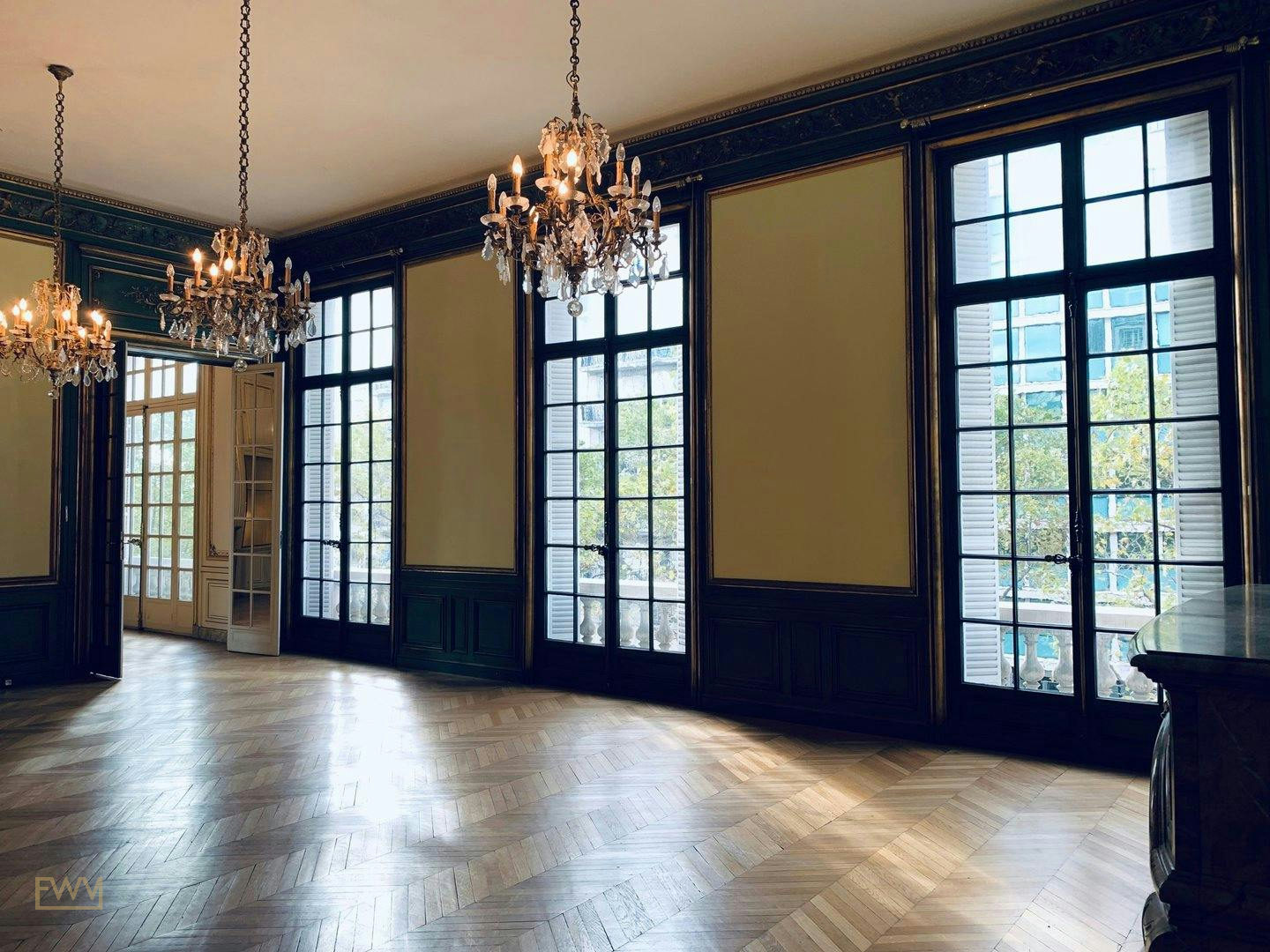
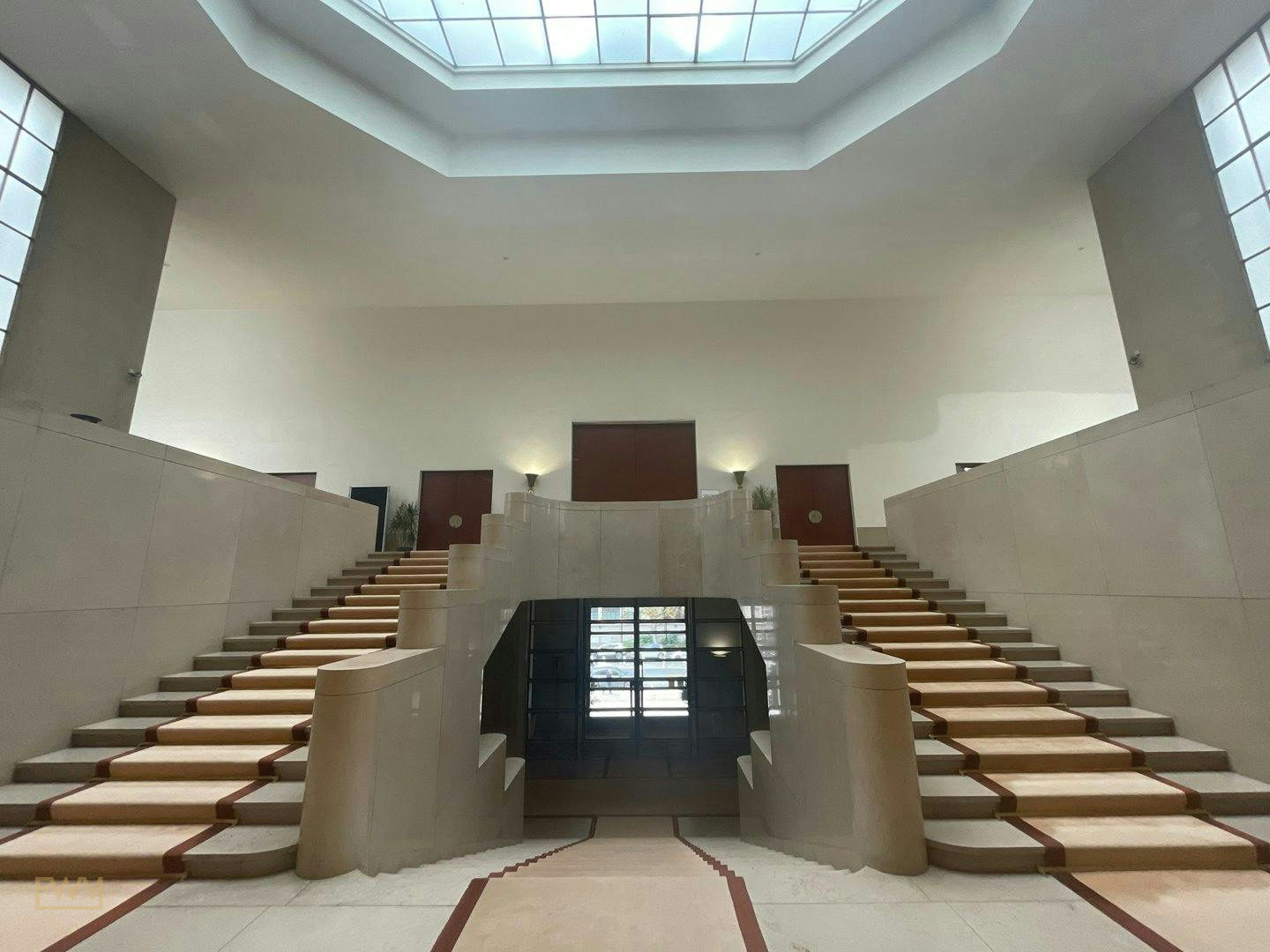
The pop up store Bastille scene is one of the most compelling in all of Paris. Positioned between the creative energy of Le Marais, the buzzing Canal Saint-Martin corridor, and the culturally rich 11th arrondissement, the Bastille area has become a natural meeting point for fashion brands, independent designers, and international retailers seeking short-term retail moments in one of Europe's most influential cities. From Haute Couture showrooms to streetwear activations, pop-up shops in and around Bastille attract both dedicated Parisians and international visitors who come specifically to discover what is new, limited, and local. Fashion Week Venues works with brand teams planning activations across Paris, including the Bastille district and surrounding neighbourhoods. This guide covers everything you need to know about the Paris pop-up scene, from venue types and planning timelines to key fashion activations happening now.
Why Bastille Is a Strategic Location for Pop-Up Stores in Paris
Bastille offers a rare combination of foot traffic, cultural credibility, and neighbourhood diversity that makes it one of the most strategically sound locations for a pop-up store in Paris. The area sits at the intersection of the 4th, 11th, and 12th arrondissements, giving brands access to a catchment that pulls from Le Marais to the east, Oberkampf to the north, and the increasingly design-forward 12th to the south and east.
Quick answer: Bastille works as a pop-up location because it combines genuine neighbourhood traffic from Parisians with tourist flow from Le Marais and Place des Vosges, sits near multiple Metro lines and RER connections, and supports a broad range of brand tones from luxury to streetwear to independent design, making it adaptable for short-term retail concepts with different positioning needs.
The Place de la Bastille itself is one of the most recognisable public spaces in Paris and functions as a natural orientation point for visitors. The surrounding streets, particularly along Rue de la Roquette, Boulevard Beaumarchais, and Rue du Faubourg Saint-Antoine, have developed a mixed retail character that blends independent boutiques, concept stores, and gallery spaces with cafés, wine bars, and bistros. This ambient energy makes a pop-up store here feel contextually appropriate rather than dropped into an incongruous setting.
For fashion brands, Bastille sits within easy reach of the primary fashion destinations of Le Marais and Rue des Francs-Bourgeois, meaning that a Bastille-adjacent pop-up can capture the overflow of shoppers who have already visited Dover Street Market at 35-37 Rue des Francs-Bourgeois or explored the boutiques around Place des Vosges and the Picasso Museum. Brands like Carhartt WIP have long understood the appeal of this corridor for streetwear and workwear audiences, while emerging names such as Balibaris have found the broader Marais-to-Bastille zone receptive to contemporary menswear with a French sensibility.
The area is also well-served by public transport, with the Bastille Metro station served by Lines 1, 5, and 8, and the proximity of Gare de Lyon offering national and international connectivity. For brands planning Paris Fashion Week activations or standalone summer campaigns, this accessibility is a meaningful logistical advantage when considering how press, buyers, and invited guests will travel to the space.
The cultural density of the area strengthens its retail appeal further. Markets such as the Marché d'Aligre and the long-standing craft identity of the Faubourg Saint-Antoine furniture district give the Bastille zone a lived-in creative authority that newer retail districts often lack. Pop-up stores here do not need to manufacture context. The context already exists.
DID YOU KNOW: The Faubourg Saint-Antoine, running east from Bastille, has been a centre of artisan furniture making and craft production in Paris since the 17th century, giving brands that activate here an inherent association with handmade quality and design heritage.
KEY TAKEAWAY: Bastille is not simply a convenient Metro stop. It is a culturally layered, commercially active, and creatively credible zone that supports pop-up stores across multiple brand categories, from luxury and design to streetwear and lifestyle.
Understanding the Bastille zone in relation to the broader Paris neighbourhood map is essential before committing to a location. The next section explores how Bastille fits within the wider geography of Paris pop-up culture, including the dominant role of Le Marais and the emerging appeal of districts like Batignolles.
Paris Pop-Up Store Neighbourhoods: From Le Marais to Batignolles and Beyond
Paris pop-up culture is concentrated in a handful of distinct neighbourhoods, each with its own audience profile, rental market dynamics, and brand suitability. Understanding where Bastille sits within this map is essential for any brand planning a temporary retail or showroom activation in the city.
Quick answer: The leading Paris pop-up neighbourhoods are Le Marais, Bastille, Saint-Germain-des-Prés, the 1st arrondissement around Rue du Louvre, and the emerging 17th arrondissement village of Batignolles. Each neighbourhood suits different brand profiles, price points, and activation formats, and the right choice depends on your audience, calendar window, and creative positioning.
Le Marais and the Bastille Gateway
Le Marais remains the single most active neighbourhood for pop-up stores in Paris. The district spans parts of the 3rd and 4th arrondissements and contains the highest density of independent boutiques, gallery spaces, and short-term retail venues available in the city. Rue des Francs-Bourgeois, Rue de Bretagne, and the streets surrounding Place des Vosges and the Picasso Museum form the core of the Marais retail circuit. Dover Street Market's Paris outpost at 35-37 Rue des Francs-Bourgeois has reinforced the area's position as the meeting point between luxury fashion and avant-garde culture.
The Marais district connects directly to Bastille via Boulevard Beaumarchais and Rue du Pas de la Mule, meaning that brands operating near Place des Vosges can consider the Bastille zone as an extension of the same retail corridor rather than a separate destination. Spaces such as Galerie Turenne, Turenne Boutique, and Galerie d'exception along and around Rue de Turenne represent the kind of intimate, character-rich venues that define Marais pop-up culture at its best.
Charlot' Store in the Haut-Marais, Chic Event Space, and various gallery formats including Galerie D'art operated by independent curators like Domicile Gallery provide a range of spatial options for brands wanting the prestige address of Le Marais without committing to the largest and most expensive venues. Artists and makers such as Toni Santos, Baby Buddha Studios, Susan Walker, and Patricia J. Richardson have used Le Marais gallery spaces for short-run selling exhibitions that blend art, craft, and retail in ways that resonate with the neighbourhood's dual identity as both a luxury shopping district and a living creative community.
Saint-Germain-des-Prés and the Left Bank
The 6th arrondissement, anchored by Le Bon Marché Rive Gauche and the cultural infrastructure of the Left Bank, attracts a more established luxury audience and suits brands with premium positioning. Rue Jacob, where the Chauvin Paris x L'Objet pop-up ran from June 11th to July 4th, 2026, is characteristic of the quiet prestige that defines this neighbourhood. Le Bon Marché itself operates a highly curated programme of brand activations and installations within its dedicated spaces, and brands that are invited to participate benefit from its existing customer base and editorial credibility.
La Samaritaine on Rue de Rivoli, which reopened in 2021 following a decades-long renovation, has added a significant retail and activation destination to the 1st arrondissement, attracting both fashion houses and emerging brands seeking a prestigious Paris address with contemporary infrastructure.
Batignolles: The Village Rising
The Batignolles neighbourhood in the 17th arrondissement occupies a different register entirely. Built around Place des Batignolles, Square des Batignolles, and the pedestrianised rue des Batignolles, this village-within-the-city has developed a relaxed, community-oriented creative scene that appeals to brands wanting authenticity without the density and cost pressure of Le Marais. The arrival of the Line 14 extension has improved connectivity significantly, making Batignolles more accessible to visitors staying in central or southern Paris.
Pop-up stores in Batignolles tend to attract a local Parisian audience rather than international tourists, which suits brands focused on community engagement, product launches, and longer-duration activations where building genuine neighbourhood relationships matters more than maximising single-day footfall.
The 1st Arrondissement Axis
The 1st arrondissement, particularly along and around Rue du Louvre, has become a destination for flagship-calibre pop-up stores. The JW Anderson pop-up running from July 9 to September 24, 2026, at 15 Rue du Louvre is a strong example of how brands use this axis to achieve maximum visibility during and after Paris Fashion Week. The location sits within walking distance of La Samaritaine, the Palais Royal, and the major fashion press and buyer circuit of Fashion Week, making it ideal for activations that need to serve both commercial and editorial purposes simultaneously.
To compare neighbourhoods and space types, explore the Paris city hub on Fashion Week Venues and shortlist spaces that match your brief, budget, and calendar window.
| Neighbourhood | Arrondissement | Audience Profile | Best For | Typical Space Types |
|---|---|---|---|---|
| Le Marais | 3rd and 4th | Fashion-forward locals and international visitors | Fashion, beauty, streetwear, design, gallery | Boutiques, gallery spaces, ateliers |
| Bastille | 4th, 11th, 12th | Mixed locals and visitors | Streetwear, lifestyle, emerging brands, design | Converted retail, galleries, industrial spaces |
| Saint-Germain | 6th | Established luxury and literary audience | Luxury fashion, beauty, home, art | Boutiques, gallery spaces, department store concessions |
| 1st Arrondissement | 1st | Press, buyers, international tourists | Flagship-scale activations, Fashion Week | Large retail units, concept stores |
| Batignolles | 17th | Local Parisians, creative community | Community brands, lifestyle, food and craft | Village stores, gallery spaces, workshops |
KEY TAKEAWAY: Every Paris neighbourhood offers a different brand context and audience composition. Bastille provides a credible middle ground between the luxury density of Le Marais and the more relaxed community atmosphere of emerging districts, making it suitable for a wide range of fashion, lifestyle, and design activations.
With the neighbourhood landscape mapped, the natural next question concerns timing. The Paris Fashion Week calendar shapes the entire year for brands planning pop-up stores and showrooms in the city.
Paris Fashion Week and the Pop-Up Store Calendar for 2026
Paris Fashion Week is the gravitational centre of the global fashion calendar, and its influence on the pop-up store market in Paris is profound. Understanding the schedule, its sub-seasons, and the associated programming of exhibitions, brand activations, and happenings is essential for any brand planning temporary retail in the city.
Quick answer: Paris Fashion Week runs across multiple seasons annually, covering Menswear, Haute Couture, Ready-to-Wear, and Resort collections. Each season attracts a distinct mix of press, buyers, and consumers, and brands that align their pop-up store openings with these windows gain amplified visibility and foot traffic from the international fashion community already present in the city.
The 2026 Paris Fashion Week Summer Schedule: July 6 to 9
The Haute Couture and associated programming window from July 6 to 9, 2026, represents one of the most concentrated moments of fashion activity in Paris. During this period, the city hosts runway shows, private exhibitions, press previews, and brand happenings that collectively form one of the most intensively networked weeks on the global fashion calendar. For brands with pop-up stores open during this period, the audience quality is exceptionally high: buyers, editors, stylists, influencers, and cultural figures are all present and actively seeking discoveries.
Beyond the official runway schedule, the period around Haute Couture Fashion Week also incorporates a wide range of independent brand activations, gallery openings, and collaborative projects. The ANDAM Pierre Bergé Prize, awarded annually to support emerging French fashion talent, often generates activation events during or adjacent to Fashion Week periods. Brands that have won or been nominated for the ANDAM frequently use these moments to launch pop-up stores or showrooms in Le Marais or the adjacent Bastille area, capitalising on the concentrated press attention.
Key Fashion Activations Happening Now in Paris
Several significant pop-up stores and brand activations are currently running or recently opened in Paris, illustrating the practical scope of the market.
The Anthony Calydon pop-up is taking place on July 25th and 26th, 2026, from 12pm to 7pm at 37 rue Debelleyme, 75003 Paris, in the heart of the Haut-Marais. Anthony Calydon takes over the Marais for two days to present a concentrated edit of the brand's signature pieces. The highlight of the activation is Anthony Calydon's signature knitted bags, recreated in pastel pink, sunny yellow, and baby blue. These are the kind of trending accessory that resonates with a modern summer look, and the limited-duration pop-up format creates the urgency that drives both in-person visits and social media coverage. The space on Rue Debelleyme is characteristic of the Haut-Marais aesthetic: compact, curated, and architecturally expressive.
The Lili Curia pop-up is running until July 9th, 2026, at Level -1 of Dover Street Market, 35-37 Rue des Francs-Bourgeois, Paris 4th. Lili Curia is one of British fashion's best-kept secrets. Launched in London in 2025, the young footwear label is already making waves. Worn by stars like Karol G and Suki Waterhouse, the brand brings a distinct energy to the Dover Street Market environment. Dover Street Market's Jonathan Anderson-era curation has made it the definitive destination in Paris for the intersection of fashion, art, and conceptual retail, and a placement at Level -1 of DSM Paris gives Lili Curia immediate access to one of the most discerning retail audiences in the city.
The JW Anderson pop-up is running from July 9 to September 24, 2026, at 15 Rue du Louvre, Paris 1st. Jonathan Anderson's approach to temporary retail is consistent with the brand's broader creative strategy: the pop-up is as much an experience as it is a commercial space. Running through the summer and into the autumn, this activation bridges the Haute Couture season and the Ready-to-Wear season, maintaining JW Anderson's visibility across two of the most important calendar moments of the year. The Rue du Louvre location places the pop-up in direct proximity to La Samaritaine and the broader fashion press circuit of central Paris.
Earlier in the summer, the Jihan pop-up ran until July 4th, 2026, at 6 Rue Charles-François Dupuis, Paris 3rd, and the Chauvin Paris x L'Objet pop-up ran from June 11th to July 4th, 2026, at 30 Rue Jacob, Paris 6th. These two activations illustrate the geographic and categorical breadth of the Paris pop-up market during the summer fashion season: a contemporary fashion brand in the Haut-Marais and a luxury home and fashion collaboration on the Left Bank.
DID YOU KNOW: Brands like Sezane, A.P.C., and Léon and Harper have all used the Paris pop-up format to test new neighbourhoods, product categories, and consumer experiences before committing to permanent locations or new collection rollouts.
Bastille Day and the Summer Retail Moment
Bastille Day on July 14th is both a national holiday and a significant moment of public gathering in Paris. For pop-up stores in the Bastille area and across the city, the days surrounding July 14th represent an opportunity to connect with a celebratory, locally-oriented consumer mood. French culinary treats, artisan products, vintage clothing, and pop culture items including gachapon machines and collectible figurines and gadgets perform particularly well during street market activations and temporary stalls that appear around public spaces during this period.
KEY TAKEAWAY: Aligning a Paris pop-up store with Fashion Week dates, Bastille Day, or other high-traffic cultural moments significantly increases the potential return on investment. The calendar should be one of the first variables a brand considers when planning its Paris activation.
Planning around the calendar is inseparable from planning around budget. The following section addresses the financial architecture of a Paris pop-up store, including what to expect and how to estimate costs realistically.
How to Plan and Budget a Pop-Up Store in Paris
Planning a pop-up store in Paris involves coordinating multiple cost layers that are often underestimated by brands approaching the market for the first time. Venue rental is only one element. Production, fit-out, staffing, permits, marketing, logistics, and operational costs all contribute to the total investment required to execute a successful activation.
Quick answer: The total cost of a Paris pop-up store depends on the neighbourhood, space size, duration, fit-out complexity, staffing model, and marketing strategy. Directional estimates vary significantly based on these variables, and brands should use a structured budgeting process rather than headline rental figures to understand their actual commitment. Fashion Week Venues offers a dedicated budget estimation tool to help brand teams build realistic projections for their specific brief.
Venue Rental and Space Types
Venue rental costs in Paris vary enormously by neighbourhood, space size, condition, and duration. The Bastille area and adjacent Marais neighbourhoods offer a range of space types including converted retail units, gallery spaces, ateliers, and event-specific venues such as Chic Event Space. Spaces like Galerie Turenne and Turenne Boutique in the Marais provide intimate, high-character options that appeal to brands wanting an editorial aesthetic without the costs associated with brand-new flagship-format venues.
Short-term rental in Paris is typically structured under a bail dérogatoire, a derogatory lease that allows for short-term occupation outside the protections and obligations of a standard commercial lease. A bail dérogatoire can run for up to three years in total, though most pop-up stores use durations of one week to three months. The authorisation d'occupation temporaire, or AOT, is a separate instrument relevant for public or semi-public spaces, including those on public land or within certain institutional properties. Understanding which legal instrument governs your space is essential, and requirements vary by space type, duration, and arrondissement. Brands should verify their specific situation with a qualified French legal advisor.
Platforms such as Go-PopUp and the Fashion Week Venues space marketplace provide curated listings of venues available for short-term rental, enabling brands to browse by neighbourhood, size, capacity, and budget before engaging in direct negotiation.
Production, Fit-Out, and Design
Once a venue is secured, the production and fit-out budget represents one of the largest cost variables. For brands seeking a fully designed brand universe rather than a simple product display, this element requires careful planning. Branded store design, furniture rental, signage, lighting, and any custom fabrication all need to be budgeted in advance. Fashion Week Venues provides services across both branded store design and fit-out and production, supporting brand teams who do not have local production resources in Paris.
Staffing, POS, and Operations
A pop-up store requires French-speaking staff familiar with the local retail culture and capable of representing the brand effectively. Retail staffing in Paris requires understanding of French employment law, including rules around fixed-term contracts and daily or weekly hours. Fashion Week Venues offers retail staffing services that cover recruitment, briefing, and on-site management for pop-up activations across Paris.
Point-of-sale infrastructure, payment systems, and data collection are operational requirements that are often left too late in the planning process. Brands need to decide in advance whether they will accept card payments in euros only, whether they need multilingual payment support for international visitors, and how they will capture customer data in compliance with GDPR.
Marketing, Influencer, and Press Strategy
A Paris pop-up store without a marketing and press strategy is a significant missed opportunity. The city's fashion press ecosystem is dense and accessible during Fashion Week periods, and a well-timed influencer collaboration or editorial placement can multiply the visibility of an activation far beyond its physical footprint. Brands that work with local influencers and content creators see measurably higher foot traffic and social media coverage than those that rely on organic discovery alone. Fashion Week Venues supports this element through its influencer marketing service, which connects brand activations with relevant Paris-based creators and press contacts.
| Budget Category | Key Variables | Planning Priority |
|---|---|---|
| Venue rental | Neighbourhood, size, duration, exclusivity | High - secure first |
| Production and fit-out | Design complexity, custom fabrication, furniture | High - brief early |
| Retail staffing | Hours, language requirements, brand training | Medium - confirm after venue |
| Permits and compliance | Space type, duration, arrondissement | High - verify independently |
| POS and payments | Currency, technology, data compliance | Medium - plan in parallel |
| Marketing and influencer | Reach targets, press vs consumer mix | High - begin before opening |
| Logistics and shipping | Import, customs, storage, installation | High - plan eight to twelve weeks ahead |
IMPORTANT: Brands importing products into France for sale during a pop-up store must comply with French customs and VAT regulations. Issues with customs clearance can delay stock arrival and jeopardise the opening timeline. This is particularly relevant for brands activating as part of a French Sourcing Tour or international market entry strategy. Use the Fashion Week Venues timeline tool to map dependencies and avoid last-minute complications.
KEY TAKEAWAY: A realistic Paris pop-up budget covers far more than venue rental. Production, staffing, permits, logistics, and marketing together typically represent the majority of total activation cost. Use the Fashion Week Venues budget calculator to build a structured estimate for your specific brief.
Budget realism is a prerequisite for permit clarity. The next section addresses the regulatory landscape that all brands must navigate when operating a pop-up store in Paris.
Permits, Compliance, and Legal Frameworks for Paris Pop-Up Stores
Navigating the regulatory environment for a Paris pop-up store is one of the most practically complex aspects of planning an activation in the city. The French retail and event space landscape involves multiple legal instruments, and the requirements differ significantly depending on the type of space, the duration of occupation, the commercial activities planned, and the arrondissement in which the space is located.
Quick answer: Short-term retail space in Paris is most commonly governed by the bail dérogatoire, a derogatory commercial lease that allows occupation for a defined period without triggering the full protections of a standard commercial lease. Public space occupations may require an authorisation d'occupation temporaire issued by the relevant local authority. Requirements vary substantially by space type and location, and brands should verify their obligations with a qualified French legal advisor before signing any agreement.
Understanding the Bail Dérogatoire
The bail dérogatoire is the primary legal instrument enabling the Paris pop-up market to function. Under French commercial law, a standard commercial lease grants tenants significant protections including the right to renew and the right to compensation if the landlord does not renew. These protections make standard leases unsuitable for short-term pop-up use. The bail dérogatoire bypasses these protections by agreement of both parties, allowing for short-term occupation at a negotiated rate without the long-term obligations of a commercial lease. The maximum cumulative duration for a bail dérogatoire in the same premises with the same tenant is currently three years.
For brands unfamiliar with French contract law, it is important to understand that a bail dérogatoire must be explicitly drafted as such from the outset. If the parties continue to occupy the space after the agreed term without a new contract, French courts may reclassify the arrangement as a standard commercial lease, with all associated protections and obligations. This is why legal review before signing is not optional for international brands entering the Paris market.
Authorisation d'Occupation Temporaire
The AOT applies to occupations of public or semi-public land, such as outdoor market stalls, pavement terraces, placements in publicly managed buildings, or activations within cultural institutions that have their own specific governance frameworks. If your pop-up store concept involves a cart, a temporary outdoor structure, or a placement within a publicly managed space, the AOT process requires early engagement with the relevant municipal authority or institution. Timelines for AOT approval vary and can be significant, so brands planning this type of activation should begin the process well in advance of their intended opening date.
The Fashion Week Venues permit guidance tool provides a structured starting point for understanding what documentation and approvals may be relevant to your specific activation format. This tool does not replace independent legal advice, but it provides a useful framework for identifying the questions you need to ask.
VAT, Import, and Consumer Protection Compliance
International brands operating a pop-up store in France must register for French VAT if they exceed the relevant threshold for taxable transactions. Brands importing products from outside the European Union for sale in France face additional customs obligations, and failure to comply can result in delays, fines, or seizure of goods. Brands that have operated pop-up stores under concepts like SHIPPING RESUME, which involves presenting goods as part of an ongoing logistical narrative, should take particular care to ensure that the commercial reality of their operation is accurately reflected in their customs and VAT declarations.
KEY TAKEAWAY: Permit and compliance requirements for Paris pop-up stores are genuinely complex and vary by space type, duration, arrondissement, and commercial format. Always verify your specific obligations with a qualified French legal advisor and use the Fashion Week Venues permit guidance tool as a planning starting point, not a compliance guarantee.
Once the regulatory framework is understood, the operational planning process can proceed with greater confidence. The next section examines how Fashion Week Venues supports brands through every stage of this process.
How Fashion Week Venues Supports Pop-Up Store Activations in Paris
Fashion Week Venues operates as a full-service pop-up agency and space marketplace with Paris as its primary market and anchor city. The platform and agency services are designed to support brand teams at every stage of the activation process, from initial space discovery through to operational management, performance measurement, and post-activation analysis.
Quick answer: Fashion Week Venues helps brands planning Paris pop-up stores by combining a curated space marketplace with a full suite of agency services including venue sourcing, concept direction, production and build, retail staffing, POS and payments, influencer marketing, and data analytics. The platform also provides planning tools covering budgeting, ROI calculation, permit guidance, timeline management, space comparison, and location search.
Space Discovery and Venue Sourcing
The Fashion Week Venues marketplace allows brand teams to browse available spaces across Paris neighbourhoods including Le Marais, Bastille, Saint-Germain-des-Prés, the 1st arrondissement, Batignolles, and beyond. The venue sourcing service goes further, with the Fashion Week Venues team working proactively to identify spaces that match a brand's brief, budget, and calendar window, including spaces that are not publicly listed. This is particularly valuable during high-demand periods like Paris Fashion Week, when the best spaces are often reserved through private channels before they reach the open market.
Concept, Design, and Production
Once a space is identified, Fashion Week Venues provides concept direction and creative development services to help brands translate their brand universe into a physical retail environment. The concept and creative direction service is available for brands that need help defining the spatial and experiential language of their activation, while the production and build service manages the physical execution of the fit-out. The Imagine tool on the Fashion Week Venues platform allows brands to visualise how their brand identity might translate into a specific space before committing to a design direction.
Staffing, Operations, and Analytics
Fashion Week Venues provides end-to-end operational support including retail staffing, POS and payments infrastructure, and data and analytics services. The staffing service recruits, trains, and manages brand-appropriate sales staff for the duration of the activation. The data and analytics service captures and reports on foot traffic, conversion rates, sales performance, and customer demographics, providing the evidence base that brand teams need to justify ROI internally and to make informed decisions about future activations.
Planning Tools for Brand Teams
The Fashion Week Venues planning toolkit includes dedicated tools for budget estimation, ROI calculation, timeline planning, space comparison, permit guidance, and location search. For brand teams managing Paris activations from international headquarters, these tools significantly reduce the information asymmetry that characterises the Paris space market and help avoid the costly mistakes that result from planning without local knowledge.
The ROI calculator is particularly valuable for brands that need to present an activation business case to senior stakeholders before committing budget. The tool allows teams to model different scenarios based on duration, footfall assumptions, conversion rates, and average transaction values.
Who Benefits Most
Fashion Week Venues is designed to serve fashion brands, beauty companies, lifestyle brands, design labels, streetwear and sportswear brands, luxury houses, and emerging independents that want to activate in Paris without building a full local team. The service is equally relevant for international brands making their first Paris market entry and for established brands that return to Paris seasonally but want a more efficient and strategically coherent activation process.
Brands that benefit most are those who recognise that a Paris pop-up store is a marketing investment as much as a retail event, and who want a partner that understands both dimensions. The guide to hiring a pop-up agency on the Fashion Week Venues platform provides a useful framework for brands evaluating whether to manage an activation independently or engage agency support.
KEY TAKEAWAY: Fashion Week Venues provides the combination of local market knowledge, operational expertise, and planning infrastructure that international brands need to execute Paris pop-up stores effectively and efficiently. The platform does not guarantee specific spaces, permit approvals, or commercial outcomes, but it substantially reduces the risk and complexity of the planning and execution process.
The Art, Culture, and Lifestyle Dimension of Bastille Pop-Up Stores
Pop-up stores in and around Bastille are not simply commercial events. The cultural character of the area means that the most successful activations engage with the neighbourhood's art, craft, food, and community identity in ways that resonate authentically with local Parisians and culturally engaged visitors.
Quick answer: The Bastille area's cultural richness, including its gallery scene, market culture, artisan heritage, and proximity to the living art and design community of Le Marais, means that pop-up stores that incorporate art, workshops, collaborations, or cultural programming consistently outperform purely transactional retail concepts in terms of press coverage, social sharing, and customer engagement.
Art Galleries as Pop-Up Venues
Gallery spaces in the Bastille and Marais area provide natural environments for brands wanting to position their products within a cultural frame. Galerie Turenne, Galerie D'art, and Galerie d'exception are among the spaces that have hosted combinations of art exhibition and commercial retail, often featuring work by independent artists alongside curated product edits. Watercolor paintings, French impressionist-inspired prints, and original artworks by makers such as Toni Santos and Susan Walker have been sold alongside home décor items, fashion accessories, and lifestyle products in formats that blur the line between gallery and boutique.
The Domicile Gallery model is particularly instructive: a space that functions as both a home and a selling environment, in which the product is presented as though it is already living in context rather than displayed on a conventional retail fixture. This format suits brands whose products tell a lifestyle story, including home décor, beauty, accessories, and collectibles.
Pop Culture, Collectibles, and the New Retail Experience
Pop culture has become a significant driver of temporary retail in Paris, with activations featuring gachapon machines, limited-edition figurines, gadgets, and New Arrivals drops generating the kind of queuing and social media energy that was previously associated exclusively with streetwear brands. The format has been adopted by a range of brand categories including beauty, food, gaming, and fashion, and works particularly well in high-traffic locations near cultural institutions and transport hubs.
Baby Buddha Studios and similar creative production companies have used the Paris pop-up format to introduce collector-oriented product ranges to a French audience, combining retail with interactive experiences such as workshops, demonstrations, and personalisation services. The workshop format is especially effective in Paris, where Parisians have a strong cultural appetite for learning, craft, and hands-on engagement with product.
Food, Market Culture, and the French Art of Discovery
The Bastille area is home to the Marché d'Aligre, one of the most authentic and affordable daily markets in central Paris, and the broader neighbourhood culture is shaped by a genuine appreciation for French culinary treats, seasonal produce, and the social ritual of the market visit. Pop-up stores that incorporate food, wine, or sensory experiences aligned with French culinary culture tap into this appetite directly. Bistros and wine bars adjacent to pop-up stores function as natural extensions of the retail experience, and brands that partner with local hospitality venues to create combined events benefit from the neighbourhood's existing social infrastructure.
The broader Île-de-France region also provides a sourcing context for brands on a French Sourcing Tour, seeking local artisans, producers, and creative collaborators. Pop-up stores that tell a sourcing story, incorporating visits to local ateliers, collaborations with French designers, or exhibitions of French-made product, connect powerfully with both local and international audiences who value origin, craft, and transparency.
Vintage and Streetwear in the Bastille Ecosystem
The vintage and streetwear scenes have a strong presence in the Bastille and eastern Marais area. Brands like Carhartt WIP have built lasting relationships with this audience through a combination of permanent and temporary retail, and the area's collection of independent vintage traders provides a retail ecosystem in which curated secondhand and archive product sits comfortably alongside contemporary brand activations. Streetwear pop-up stores in this zone benefit from the credibility of the neighbourhood's fashion history and from the audience of style-literate young Parisians who shop and socialise in this part of the city.
KEY TAKEAWAY: A pop-up store in the Bastille area succeeds most reliably when it engages with the cultural character of the neighbourhood rather than treating the space as a generic retail container. Art, craft, food, vintage, pop culture, and community programming are all tools available to brands willing to think creatively about what their activation can offer beyond product sales.
Step-by-Step: How to Execute a Pop-Up Store in Paris from Concept to Close
Executing a successful Paris pop-up store requires a structured process that begins months before opening day and continues through post-activation analysis. The following workflow reflects best practice for international brands planning activations in Paris, including in the Bastille and adjacent Marais areas.
Quick answer: A Paris pop-up store typically requires eight to twelve weeks of planning lead time for a well-executed activation, with longer timelines recommended for activations during Paris Fashion Week or other high-demand periods. The process covers venue sourcing, legal and permit verification, concept and design, production, staffing, marketing, operations, and post-event analysis.
| Stage | Timeline Before Opening | Key Actions | Responsible Party |
|---|---|---|---|
| Brief and strategy | 12 to 16 weeks | Define objectives, audience, budget, calendar window, neighbourhood preferences | Brand team |
| Venue search and shortlist | 10 to 14 weeks | Browse marketplace, engage sourcing agency, request site visits | Brand team and agency |
| Legal and permit review | 10 to 12 weeks | Review lease type, verify permit requirements, engage French legal advisor | Legal advisor |
| Venue agreement | 8 to 10 weeks | Negotiate and sign bail dérogatoire or equivalent agreement | Brand team and legal advisor |
| Concept and design | 8 to 10 weeks | Brief design team, develop spatial concept, approve layouts | Brand team and design agency |
| Production planning | 6 to 8 weeks | Source materials, brief contractors, confirm build schedule | Production team |
| Logistics and import | 6 to 10 weeks | Plan product shipping, customs clearance, local storage | Logistics partner |
| Staffing | 4 to 6 weeks | Recruit, brief, and train retail staff | Staffing agency |
| Marketing launch | 3 to 6 weeks | Press outreach, influencer briefing, social media campaign | Marketing team |
| Build and install | 1 to 2 weeks | Fit-out, furniture placement, signage, product merchandising | Production team |
| Opening and operations | Day 0 | Soft launch, press preview, public opening | Brand team and ops |
| Post-activation analysis | 1 to 2 weeks after close | Data review, sales reporting, press audit, ROI assessment | Analytics team |
TIP: Brands planning activations during Paris Fashion Week periods should begin their venue search at least sixteen weeks in advance. The most desirable spaces in Le Marais and the Bastille area are frequently reserved by returning brands from the previous season, and late entrants face a significantly reduced selection at higher prices.
The Fashion Week Venues timeline planning tool allows brand teams to map their specific activation against this framework, identifying critical path dependencies and flagging tasks that risk falling behind schedule.
KEY TAKEAWAY: A structured, phased approach to Paris pop-up planning dramatically reduces the risk of last-minute problems with permits, production, logistics, and staffing. Start the process earlier than you think is necessary, particularly if your target window coincides with a Fashion Week period or major public event.
Common Myths About Paris Pop-Up Stores Debunked
MYTH: You need a French legal entity to rent a short-term retail space in Paris.
FACT: Many international brands rent pop-up spaces in Paris without a French registered company. However, the specific requirements depend on the landlord, the space type, the duration, and the legal structure of the agreement. Some landlords require a French guarantor or a local entity, while others work directly with international companies under a bail dérogatoire. The safest approach is to verify your specific situation with a qualified French legal advisor before committing to any agreement.
MYTH: Paris Fashion Week is the only viable calendar window for a pop-up store in Paris.
FACT: While Paris Fashion Week periods generate exceptional press and buyer traffic, successful pop-up stores operate throughout the year in Paris. The summer season, Bastille Day in July, the Christmas and New Year gifting period, and the back-to-school window in September all represent strong commercial moments for different brand categories. The best calendar window for a specific brand depends on its audience, product category, and activation objectives, not simply on the Fashion Week calendar.
MYTH: Commission brokers are the only way to find a pop-up space in Paris.
FACT: The Paris space market has become significantly more transparent and accessible in recent years, with curated marketplaces and full-service agencies providing brands with direct access to vetted spaces without relying on commission-only intermediaries. Platforms like the Fashion Week Venues marketplace allow brands to browse, compare, and enquire about spaces directly, while agency services provide sourcing support for brands that want a fully managed process.
MYTH: Short-term leases in Paris are legally straightforward and do not require specialist help.
FACT: The bail dérogatoire and other short-term occupation instruments in France involve specific legal requirements and potential pitfalls that have resulted in significant disputes between landlords and tenants. International brands unfamiliar with French commercial law are particularly vulnerable to misunderstanding the terms of their agreement. Independent legal review is strongly recommended for any short-term lease in Paris, regardless of duration or the apparent informality of the arrangement.
MYTH: A Bastille pop-up store will only attract a local neighbourhood audience.
FACT: Bastille is one of the most visited areas of Paris, drawing both Parisians and international tourists who arrive via the easily accessible Metro and RER connections. Its proximity to Le Marais, Place des Vosges, and the broader fashion circuit of central Paris means that a well-marketed pop-up store in the Bastille area can reach a genuinely international audience during high-traffic periods like Paris Fashion Week.
Frequently Asked Questions
What is a pop-up store and how does it differ from a permanent retail location?
A pop-up store is a temporary retail environment that operates for a defined period, ranging from a single day to several months. Unlike a permanent location, a pop-up store is governed by a short-term lease arrangement, typically a bail dérogatoire in France, and is designed to serve a specific objective such as a product launch, seasonal campaign, market entry, or brand awareness event. Pop-up stores allow brands to test new markets and formats without the long-term financial and operational commitments of permanent retail. In Paris, the pop-up format has become a standard tool for both emerging and established fashion, beauty, and lifestyle brands.
How far in advance should a brand start planning a Paris pop-up store?
For a well-executed Paris pop-up store, a planning lead time of eight to twelve weeks is the practical minimum, with sixteen weeks or more strongly recommended for activations during Paris Fashion Week periods. The most sought-after venues in Le Marais and the Bastille area are often secured well in advance by returning brands. Leaving venue search until six weeks before an intended opening significantly restricts the available options and typically results in higher costs and compromises on space quality. Use the Fashion Week Venues timeline tool to map your specific planning requirements against your target opening date.
Do I need a French company to operate a pop-up store in Paris?
Not necessarily, but the specific requirements depend on the landlord, the space type, and the terms of the lease agreement. Some Paris landlords require a French guarantor or a local registered entity, particularly for longer-duration activations. Others work directly with international brands under a bail dérogatoire. The VAT and customs implications of trading in France also require careful attention regardless of legal entity status. Verifying your specific situation with a qualified French legal advisor before signing any agreement is strongly recommended. The Fashion Week Venues permit guidance tool provides a useful starting framework for identifying the relevant questions.
What types of spaces are available for pop-up stores in the Bastille area?
The Bastille and adjacent Marais area offers a diverse range of space types suitable for pop-up stores. These include converted retail units, gallery spaces, ateliers, event-specific venues, and boutique-format stores with existing character and heritage. Spaces vary significantly in size, condition, and infrastructure, from intimate gallery rooms of thirty to fifty square metres to larger multi-room spaces capable of supporting immersive brand installations. The Fashion Week Venues marketplace provides a curated selection of available spaces across Paris neighbourhoods including the Bastille and Marais areas.
What permits are required for a pop-up store in Paris?
Permit requirements for a Paris pop-up store depend on the type of space being occupied, the duration of occupation, the commercial activities planned, and the specific arrondissement. Short-term retail in private commercial space is typically governed by a bail dérogatoire, which does not require a separate planning permit but must be correctly drafted to avoid reclassification as a standard commercial lease. Occupations of public or semi-public land require an authorisation d'occupation temporaire from the relevant authority. Requirements vary by situation, and independent legal advice is essential. Use the Fashion Week Venues permit guidance tool as a starting point for identifying your specific obligations.
How much does a pop-up store in Paris cost?
The total cost of a Paris pop-up store varies substantially based on neighbourhood, space size, duration, fit-out complexity, staffing requirements, and marketing strategy. Venue rental is only one component of the total investment. Production, design, staffing, permits, logistics, POS infrastructure, and marketing all contribute meaningfully to the overall budget. Fashion Week Venues does not publish standard pricing because the variables are too significant to support meaningful headline figures. Instead, the platform offers a dedicated budget calculator tool that allows brand teams to build a structured estimate based on their specific brief and activation parameters.
What is the difference between a bail dérogatoire and a standard commercial lease in France?
A standard French commercial lease grants tenants significant protections including the right to renew the lease at the end of each three-year period and the right to compensation if the landlord refuses renewal. These protections are inappropriate for short-term pop-up use. A bail dérogatoire is a derogatory lease agreed by both parties that bypasses these protections, allowing short-term occupation at a negotiated rate without the long-term obligations. The maximum cumulative term for a bail dérogatoire with the same tenant in the same premises is currently three years. Both parties must explicitly agree to the derogatory nature of the lease from the outset. Legal review before signing is essential for international brands.
Which Paris neighbourhoods are best for a fashion pop-up store?
The best Paris neighbourhood for a fashion pop-up store depends on the brand's positioning, target audience, budget, and activation format. Le Marais is the dominant choice for contemporary fashion, streetwear, and design brands, offering the highest concentration of relevant retail venues and the most fashion-engaged local and visitor audience. Bastille suits brands seeking a slightly more mixed and organic audience with lower cost pressure. Saint-Germain-des-Prés and the Left Bank appeal to luxury and established lifestyle brands. The 1st arrondissement around Rue du Louvre is ideal for flagship-scale activations during Fashion Week periods. Batignolles suits community-oriented or longer-duration concepts targeting local Parisians.
How can a pop-up store in Paris generate measurable return on investment?
Return on investment for a Paris pop-up store is generated through a combination of direct sales, press and media value, social media content and reach, customer data acquisition, brand awareness uplift, and longer-term commercial relationships established during the activation. Measuring ROI requires capturing data across all of these dimensions, not just sales revenue. Fashion Week Venues provides data and analytics services that track foot traffic, conversion rates, transaction values, and social media performance during activations. The Fashion Week Venues ROI calculator tool allows brand teams to model potential returns before committing to an activation, supporting the internal business case process.
When is the best time to open a pop-up store in Paris?
The optimal timing depends on the brand's objectives and product category. Paris Fashion Week periods in January and February for Haute Couture, February and March for Menswear, and September and October for Ready-to-Wear generate the highest concentration of press, buyers, and fashion-engaged consumers. The summer period from June to August is strong for lifestyle, beauty, and tourist-oriented categories. December is the strongest month for gifting and luxury retail. Bastille Day in mid-July creates a specific opportunity for brands with a French identity or cultural connection. Aligning with a specific Fashion Week or cultural calendar moment significantly amplifies the visibility of any activation.
What role does influencer marketing play in a Paris pop-up store?
Influencer marketing is one of the most effective tools for driving foot traffic and social media visibility for a Paris pop-up store. Paris has a dense ecosystem of fashion, beauty, and lifestyle content creators with highly engaged followings among the audiences most likely to visit and share pop-up experiences. Brands that brief local influencers in advance of their opening, provide exclusive access to preview events, and create visual and shareable moments within the space consistently see higher footfall and broader reach than those relying on organic discovery alone. Fashion Week Venues provides influencer marketing services that connect brands with relevant Paris-based creators as part of a broader activation strategy.
What is the twin concept offered by Fashion Week Venues?
The twin concept is a co-activation format that allows two complementary brands to share a single pop-up space, dividing the rental and production cost while creating a richer and more interesting experience for visitors. The twin format works well for brands with adjacent but non-competing product categories, such as a fashion label and a jewellery brand, or a beauty brand and a home fragrance company. Co-activations of this type also generate additional press interest because they represent a collaboration as well as a retail event. The Fashion Week Venues twin concept page provides more detail on how this format works in practice.
How do brands manage product shipping and import for a Paris pop-up store?
Product shipping and import for a Paris pop-up store requires careful planning, particularly for brands based outside the European Union. Key considerations include customs classification and valuation, import duties and VAT, temporary importation relief where applicable, storage and last-mile logistics within Paris, and return shipping or disposal of unsold stock after the activation closes. Issues with customs clearance are one of the most common causes of delayed openings for international pop-up stores in Paris. Brands should engage a freight forwarder with experience of fashion and retail imports into France and begin the logistics planning process at least eight weeks before the intended delivery date.
Can a pop-up store at Dover Street Market Paris be arranged independently?
Dover Street Market Paris operates its own curation and placement process for brands wishing to have a presence within the store. The Lili Curia pop-up at Level -1 of Dover Street Market on Rue des Francs-Bourgeois is an example of a brand placement secured through the DSM editorial and buying process rather than through the open rental market. Brands interested in a DSM Paris placement should approach the buying and partnership team at Dover Street Market directly. An independent pop-up store in the surrounding Marais neighbourhood offers an alternative for brands that want the association with the area without requiring DSM selection.
What makes a pop-up store in Paris different from one in London, New York, or Milan?
Paris pop-up stores operate within a distinct cultural, legal, and commercial context that differentiates them meaningfully from activations in other fashion capitals. The French consumer has a strong appetite for narrative, craftsmanship, and cultural context, and brands that present their product within a coherent brand universe and story consistently outperform those that rely on product alone. The regulatory environment, including the bail dérogatoire framework and VAT obligations, is specific to France and requires local expertise. The neighbourhood culture of Paris, from Le Marais to Batignolles, shapes the audience and tone of any activation in ways that are not replicated in other cities. Fashion Week Venues operates city hubs for Paris, London, Milan, New York, Tokyo, and Dubai, providing locally relevant guidance for each market.
Conclusion: Making Your Paris Pop-Up Store a Success
The pop up store Bastille and broader Paris market represents one of the most rewarding and most demanding activation environments in the world. The city combines unmatched cultural authority, a sophisticated and discerning consumer base, a rich neighbourhood ecosystem spanning Le Marais, Bastille, Saint-Germain, Batignolles, and beyond, and a fashion calendar that generates recurring waves of international attention and foot traffic. For brands that plan well, respect the regulatory and cultural nuances of the market, and execute with creative ambition, a Paris pop-up store delivers commercial results, press coverage, and brand equity that few other formats can match.
The practical requirements are significant: legal review of your lease structure, early venue search, realistic budgeting across all cost categories, logistics planning that accounts for French customs obligations, and a marketing strategy that activates before the doors open. The rewards are proportionate. Brands like JW Anderson, Lili Curia, Anthony Calydon, Sezane, Carhartt WIP, and A.P.C. have all demonstrated that the Paris pop-up format, executed with intention and specificity, creates lasting impressions on a genuinely global audience.
Fashion Week Venues exists to make this process more accessible, more efficient, and more strategically coherent for brands at every stage of their Paris journey, from a first activation in the Haut-Marais to a multi-season programme spanning several Fashion Week periods.
To move from research to activation, start exploring available spaces on the Fashion Week Venues marketplace and build a focused brief for your target neighbourhood, space type, and calendar window.