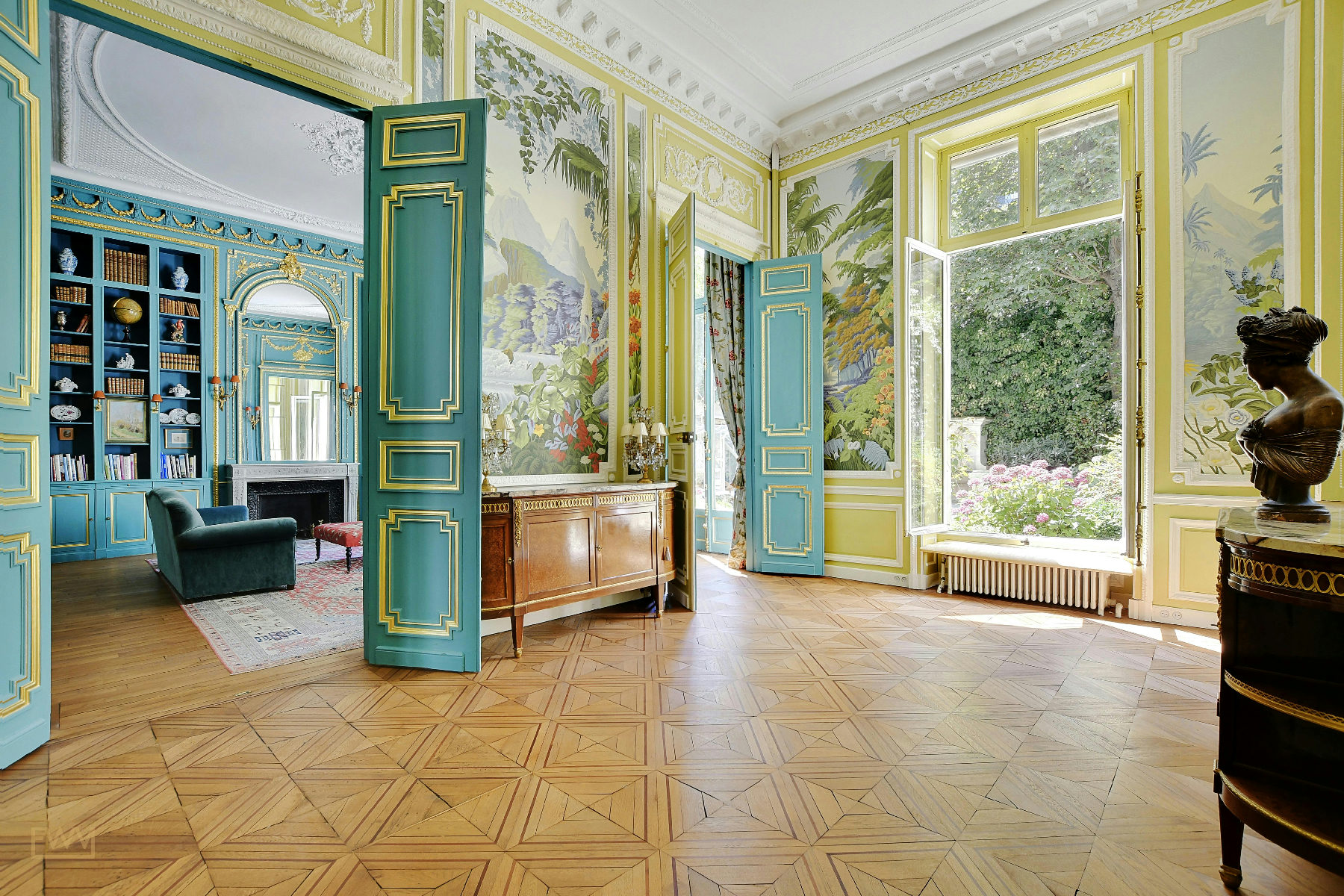
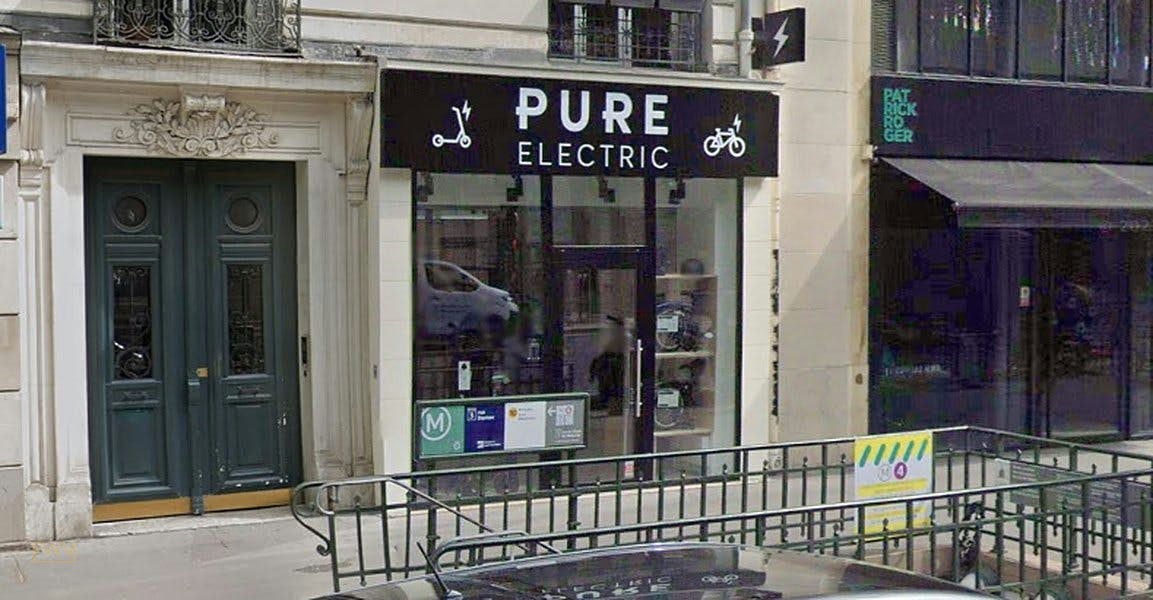
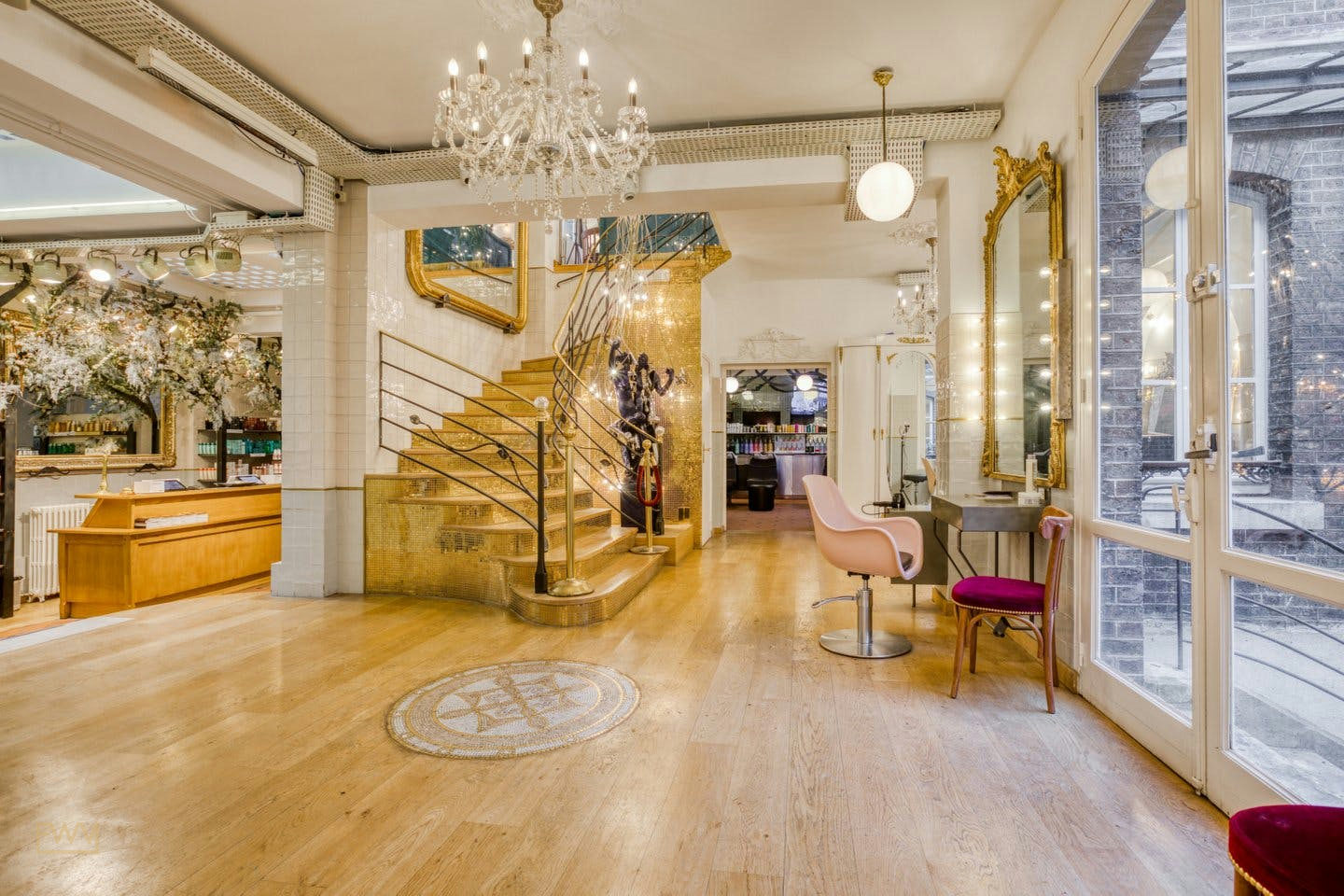
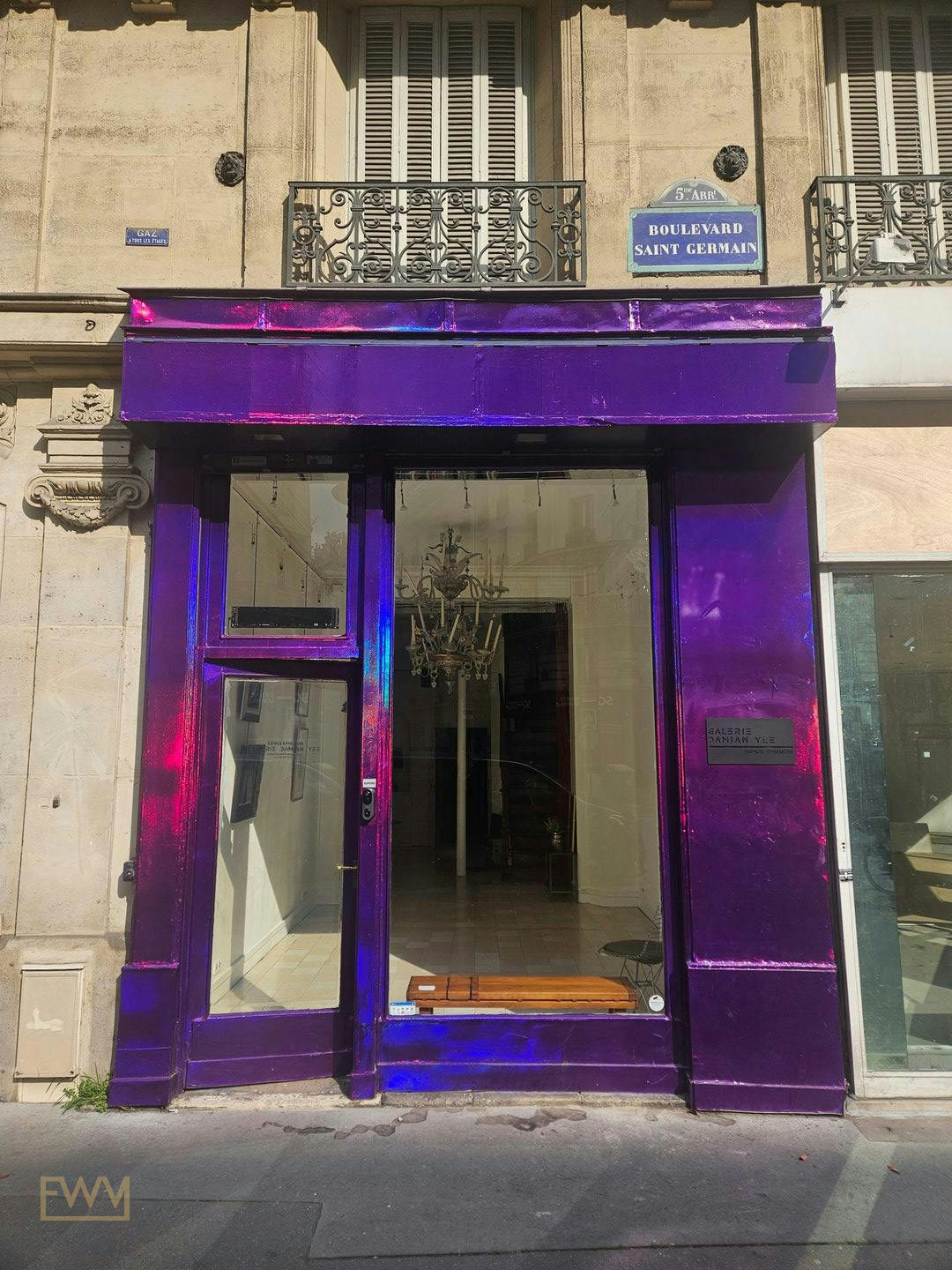
Short term retail on Rue Saint-Honoré represents one of the most strategically powerful opportunities available to fashion brands, luxury houses, and global retailers entering the Paris market. Stretching from the Palais-Royal through to Place Vendôme and beyond, Rue Saint-Honoré and its continuation, Rue du Faubourg Saint-Honoré, form the backbone of Paris's luxury retail ecosystem, attracting some of the highest footfall of any commercial street in Europe. For brands considering a temporary boutique, pop-up activation, showroom, or product launch space, this corridor offers unmatched visibility, a concentration of elite neighbours, and proximity to Paris's most significant cultural and commercial landmarks. Fashion Week Venues supports brand teams navigating short-term retail in Paris, from space discovery and permits through to full activation management.
Why Rue Saint-Honoré Is the World's Most Competitive Short Term Retail Address
Quick answer: Rue Saint-Honoré and its Faubourg extension concentrate the greatest density of luxury maisons on any single street in Paris, making short-term retail here a direct play for brand legitimacy, editorial visibility, and proximity to the global fashion press, buyers, and high-net-worth clients who converge on this corridor throughout the year and especially during Fashion Week.
To understand why this street commands the attention it does, consider what surrounds it. On a single walk from east to west, you pass boutiques belonging to Hermès, Chanel, Goyard, Christian Louboutin, Dior, Valentino, and dozens of other maisons that have made this address their permanent home. The street connects culturally significant destinations including the Palais-Royal, the Louvre museum, the Tuileries Garden, the Musée de l'Orangerie, and the Musée du Jeu de Paume. To the northeast, Opéra Garnier draws an entirely different category of culturally engaged visitor. Within the same arrondissement, Place Vendôme anchors the global Haute Joaillerie trade, with Boucheron, Van Cleef and Arpels, Cartier, and others maintaining flagship addresses around the square.
This is not simply a shopping street. It is a compressed district in which fashion, art, culture, architecture, and commerce operate simultaneously. Haussmannian buildings with their distinctive stone facades, mansard roofs, and carved limestone detailing provide a visual backdrop that communicates heritage, permanence, and quality to any brand positioned within them. For a temporary activation or short-term retail concept, these architectural surroundings become part of the brand story rather than a neutral backdrop.
Globally, this corridor is frequently compared to Rodeo Drive in Beverly Hills, Hong Kong's Harbour City, and emerging luxury corridors in Chengdu and Shenzhen, China, where luxury retail density creates a self-reinforcing ecosystem. The difference in Paris is the layering of cultural institutions, genuine historical depth, and the editorial weight that comes from the street's central role in Paris Fashion Week. Unlike newer luxury corridors, Rue Saint-Honoré has an organic authority built over more than a century of couture history.
For brands considering short-term retail here, the strategic benefit is not merely footfall. It is association. Being present on this street during Haute Couture week, Fashion Week, or the intervening trade calendar signals to buyers, press, and consumers that a brand belongs in this conversation. That signal is difficult to replicate anywhere else in Paris, regardless of spend.
DID YOU KNOW: The Rue du Faubourg Saint-Honoré has housed maisons of the highest calibre since the late 19th century and remains one of the most expensive retail streets in the world to rent permanently, which makes the availability of short-term retail formats an exceptional access point for emerging and international brands.
KEY TAKEAWAY: Rue Saint-Honoré delivers brand legitimacy, cultural adjacency, and luxury neighbourhood association that no other Paris street can match for short-term retail, making it the most strategically valuable corridor for brands entering or deepening their Paris presence.
Understanding what makes this address so commercially significant requires a closer look at the geography of the surrounding district and how it shapes both footfall patterns and brand positioning.
Geography of the 1st Arrondissement: The Retail and Cultural Ecosystem Surrounding Rue Saint-Honoré
Quick answer: The 1st arrondissement of Paris is one of the most culturally and commercially dense districts in the world, containing the Louvre museum, the Tuileries Garden, the Palais-Royal, Place Vendôme, Châtelet-les-Halles, and Galerie Véro-Dodat within a single walkable zone, making any retail space in this arrondissement inherently connected to significant foot traffic from both Parisian residents and international visitors.
The 1st arrondissement is the historical and administrative heart of Paris. It is simultaneously a residential neighbourhood, a tourist destination of global significance, a commercial district, and a cultural quarter. For short-term retail brands, this layering means that foot traffic is not seasonal in the way it might be in more residential arrondissements. The Louvre museum alone attracts millions of visitors annually, while the Tuileries Garden serves as a daily destination for both tourists and local residents throughout all seasons.
Châtelet-les-Halles, at the eastern edge of the arrondissement, functions as one of the most heavily trafficked transit hubs in Europe, connecting multiple RER and Metro lines and channelling vast daily volumes of commuters, shoppers, and visitors directly through the heart of the 1st arrondissement. A brand operating a short-term retail space between Châtelet-les-Halles and Place Vendôme has access to several distinct consumer streams: transit-connected shoppers, gallery and museum visitors, hotel guests from the luxury properties concentrated near Vendôme, and the fashion industry professionals who converge during Fashion Week and the broader trade calendar.
Galerie Véro-Dodat, one of Paris's most beautifully preserved 19th-century covered passages, sits within the same immediate neighbourhood. For brands with a heritage, artisanal, or conceptual positioning, proximity to covered passages and their architectural character provides a powerful visual and editorial backdrop for activations and launches.
The Palais-Royal complex deserves specific attention. Its arcaded galleries have long housed boutiques with a distinctive, curatorial character, attracting a visitor profile that skews toward design-literate, culturally engaged, and high-spending consumers. Brands activating near the Palais-Royal enter a context associated with discernment and taste rather than mass retail, which suits niche luxury, concept stores, and art-adjacent brands particularly well.
The proximity to Saint-Germain-des-Prés to the south, Sentier and the emerging creative districts to the north, and the Haussmann boulevard network to the northeast means that the 1st arrondissement sits at the intersection of Paris's most commercially and culturally active zones. For a short-term retail activation, this geographic centrality ensures that the space can serve multiple audience segments across the same lease period.
| Landmark or Destination | Proximity to Rue Saint-Honoré | Audience Contribution |
|---|---|---|
| Louvre Museum | Walking distance, eastern end | International tourists, art buyers, cultural visitors |
| Tuileries Garden | Immediate, northern border | Daily visitors, leisure walkers, event attendees |
| Place Vendôme | Immediate, western connection | Haute Joaillerie clients, luxury hotel guests, fashion press |
| Palais-Royal | Walking distance, northern axis | Design-literate shoppers, concept store visitors |
| Châtelet-les-Halles | Eastern edge, direct transit link | Commuters, broad consumer segments, youth fashion buyers |
| Opéra Garnier | Short walk, northeast | Cultural tourists, international visitors, performing arts audience |
| Musée de l'Orangerie | Tuileries, western end | Art collectors, culturally engaged visitors |
| Musée du Jeu de Paume | Tuileries, northwest corner | Photography and contemporary art audience |
KEY TAKEAWAY: The 1st arrondissement surrounds any Rue Saint-Honoré short-term retail space with a self-reinforcing ecosystem of cultural institutions, luxury hotel guests, transit-connected shoppers, and fashion industry visitors, making it a uniquely multi-layered commercial environment.
This geographic and cultural context directly shapes which brand types, space formats, and activation concepts work best along the Rue Saint-Honoré corridor, a question that deserves its own detailed examination.
Space Types and Commercial Property Formats Available on Rue Saint-Honoré
Quick answer: Short-term retail spaces on Rue Saint-Honoré and in the surrounding 1st arrondissement typically include ground-floor boutique storefronts, multi-floor Haussmannian retail units, gallery-format spaces, concept store conversions, apartment-level showroom spaces, and purpose-configured venues within landmark buildings, with varying floor access, space features, and minimum rental periods depending on the specific property and landlord terms.
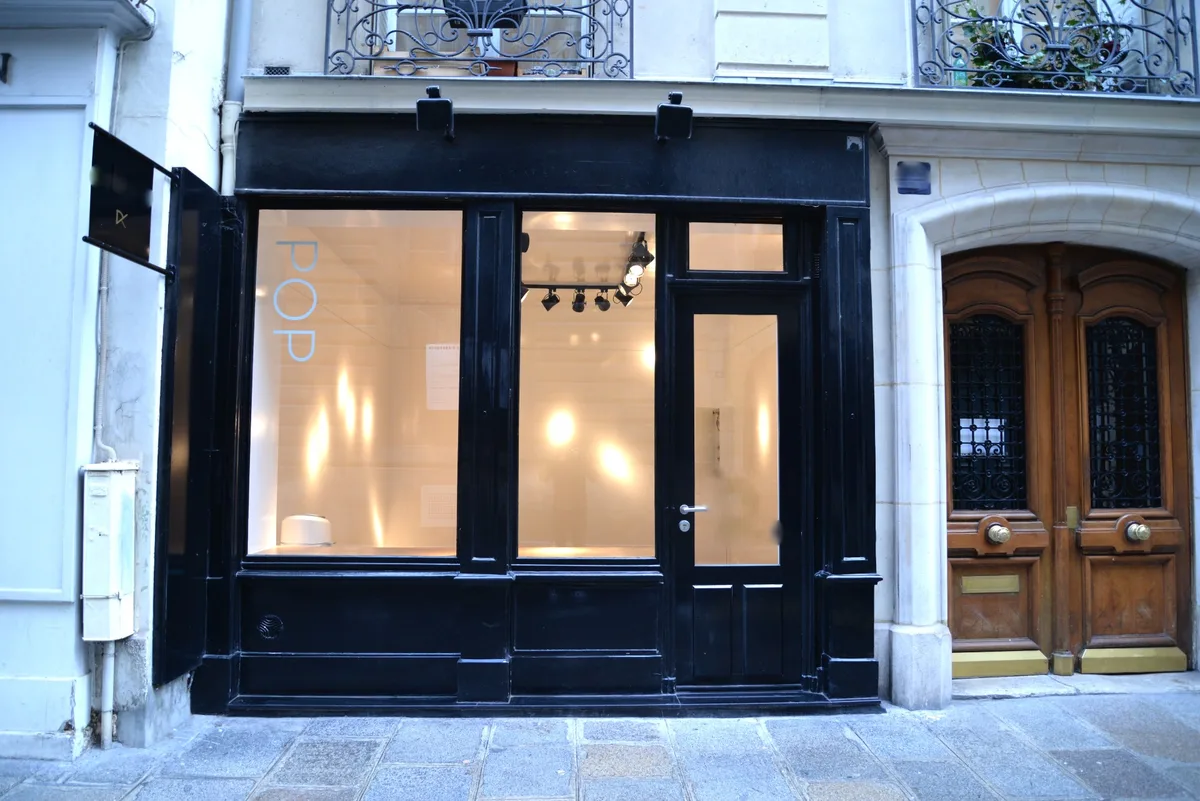
The commercial property landscape on Rue Saint-Honoré reflects the architectural character of the street: predominantly Haussmannian buildings with stone facades, high ceilings, large street-facing windows, and in many cases preserved period detailing that creates a distinctive interior atmosphere. For brand activations, product launches, and temporary boutiques, these architectural qualities are often as commercially valuable as the address itself, because they provide a ready-made visual language that communicates quality without requiring extensive fit-out investment.
Ground-Floor Boutique Storefronts
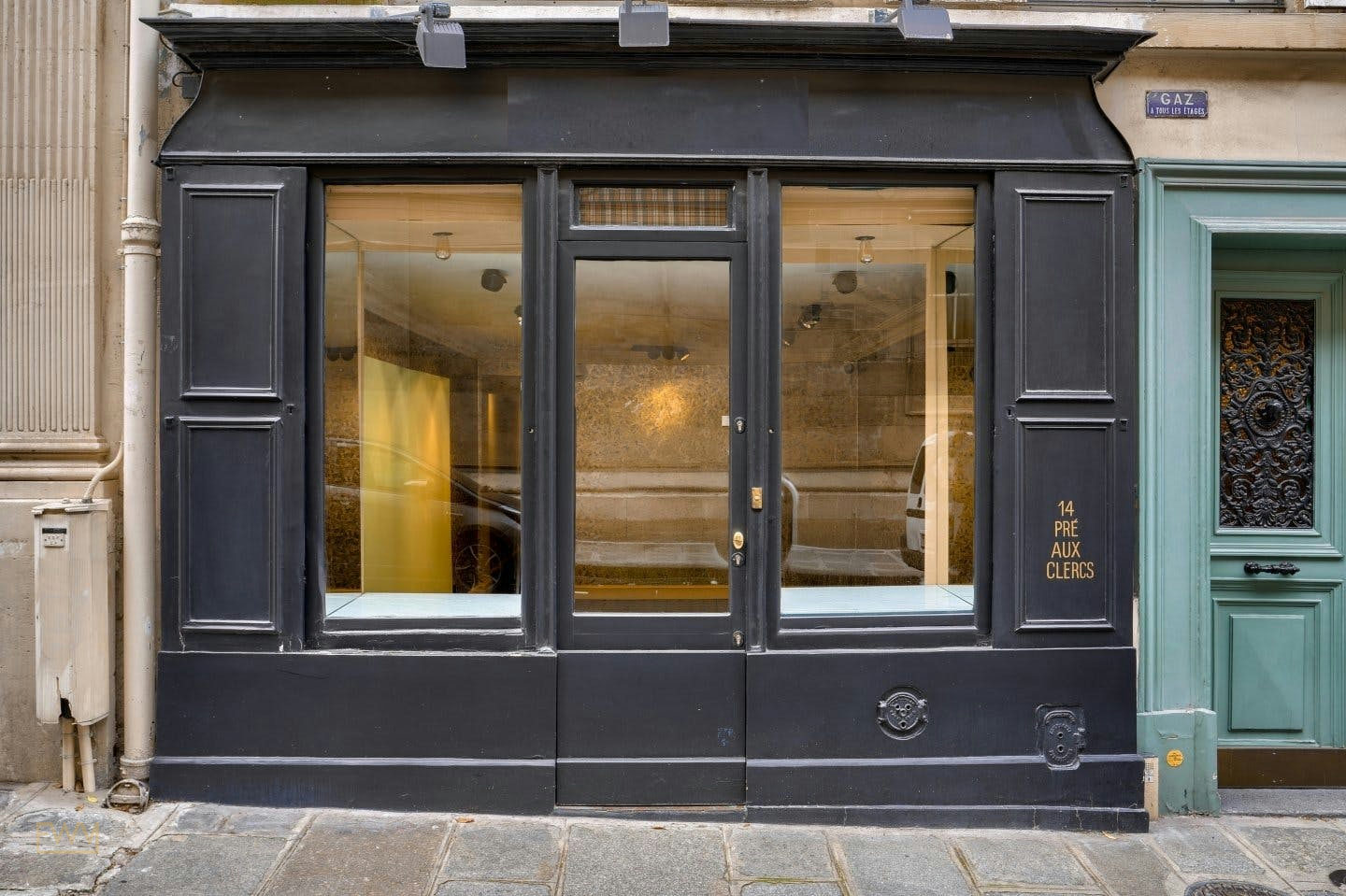
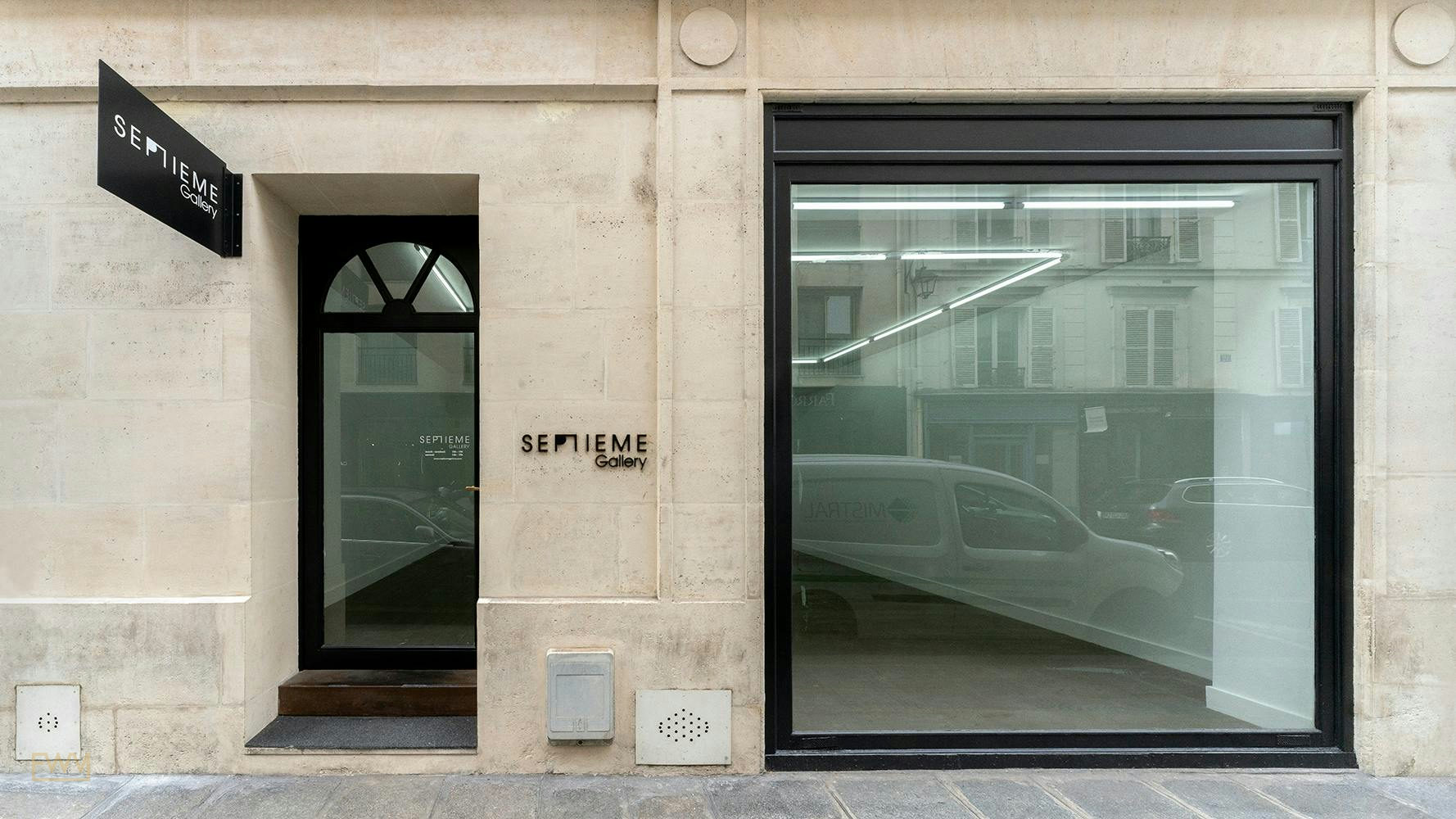
The most sought-after format along Rue Saint-Honoré is the street-level boutique with a shop front directly facing pedestrian and vehicular traffic. These spaces typically offer between 50 and 300 square metres of selling floor, with ceiling heights that range from standard commercial to double-height in some older properties. The shop front itself, particularly in buildings where original architectural elements have been preserved, provides a display canvas of significant brand communication value. For brands planning a temporary boutique, this format supports the full range of retail operations from product display and fitting to POS transactions and staffing.
Multi-Floor Haussmannian Retail Units
Several properties along the Rue Saint-Honoré corridor offer multi-floor configurations in which ground-floor retail connects to first or second-floor spaces via internal staircase. These larger formats suit brands planning experiential retail concepts, showroom-plus-retail combinations, or events-within-a-shop activations. The upper floors of Haussmannian buildings often feature original parquet flooring, ornate ceiling mouldings, and oversized windows that open to Juliet balconies, creating interior environments that require minimal additional design investment to achieve a high-quality finish.
Gallery and Concept Store Formats
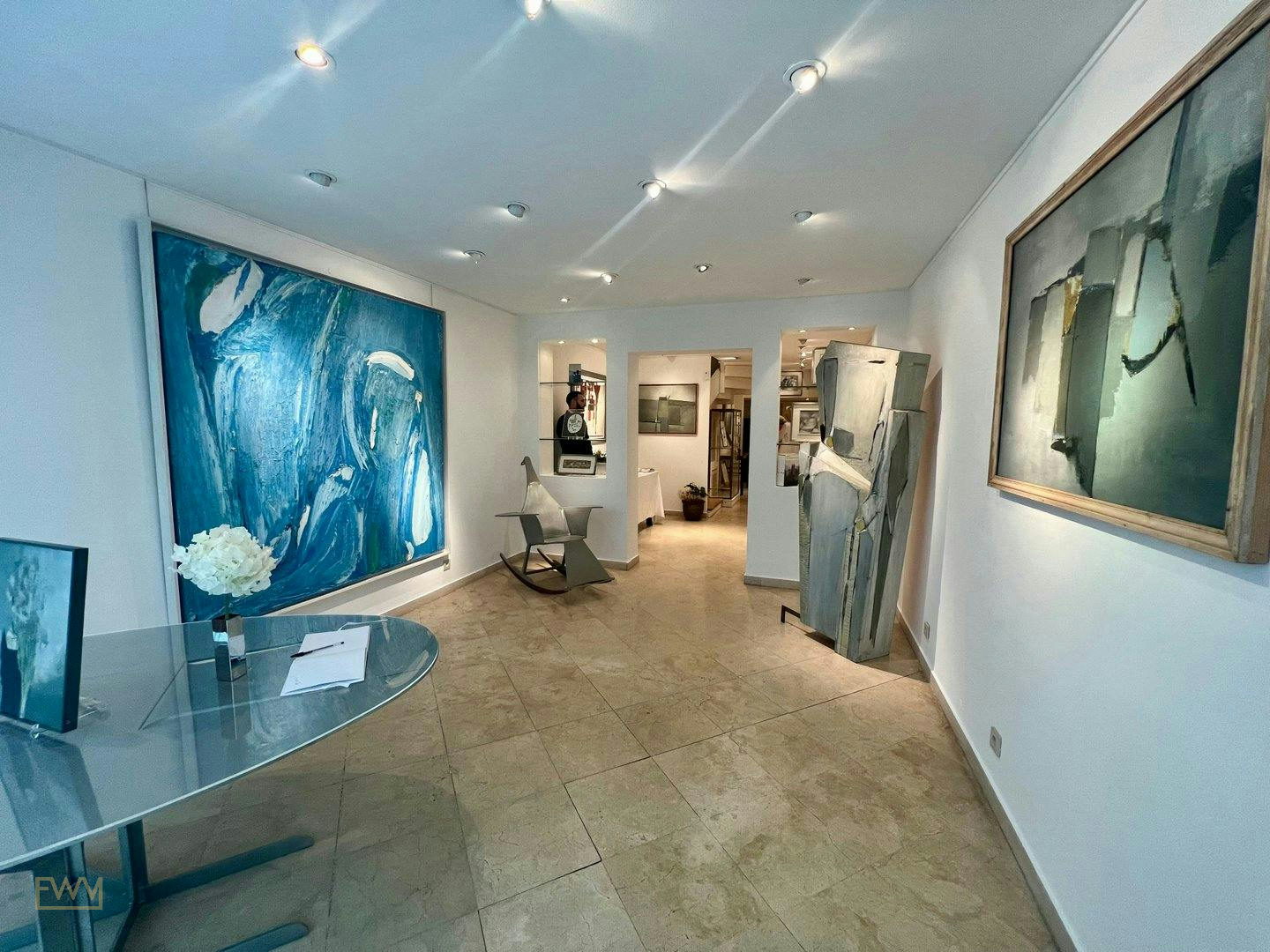
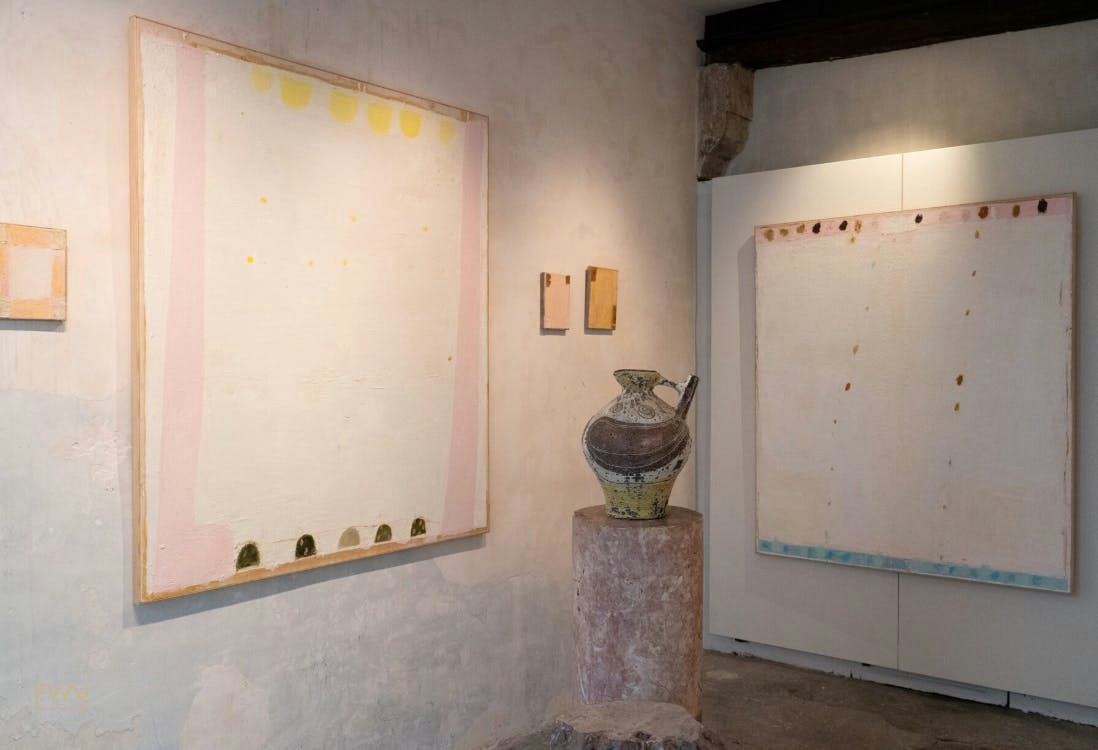
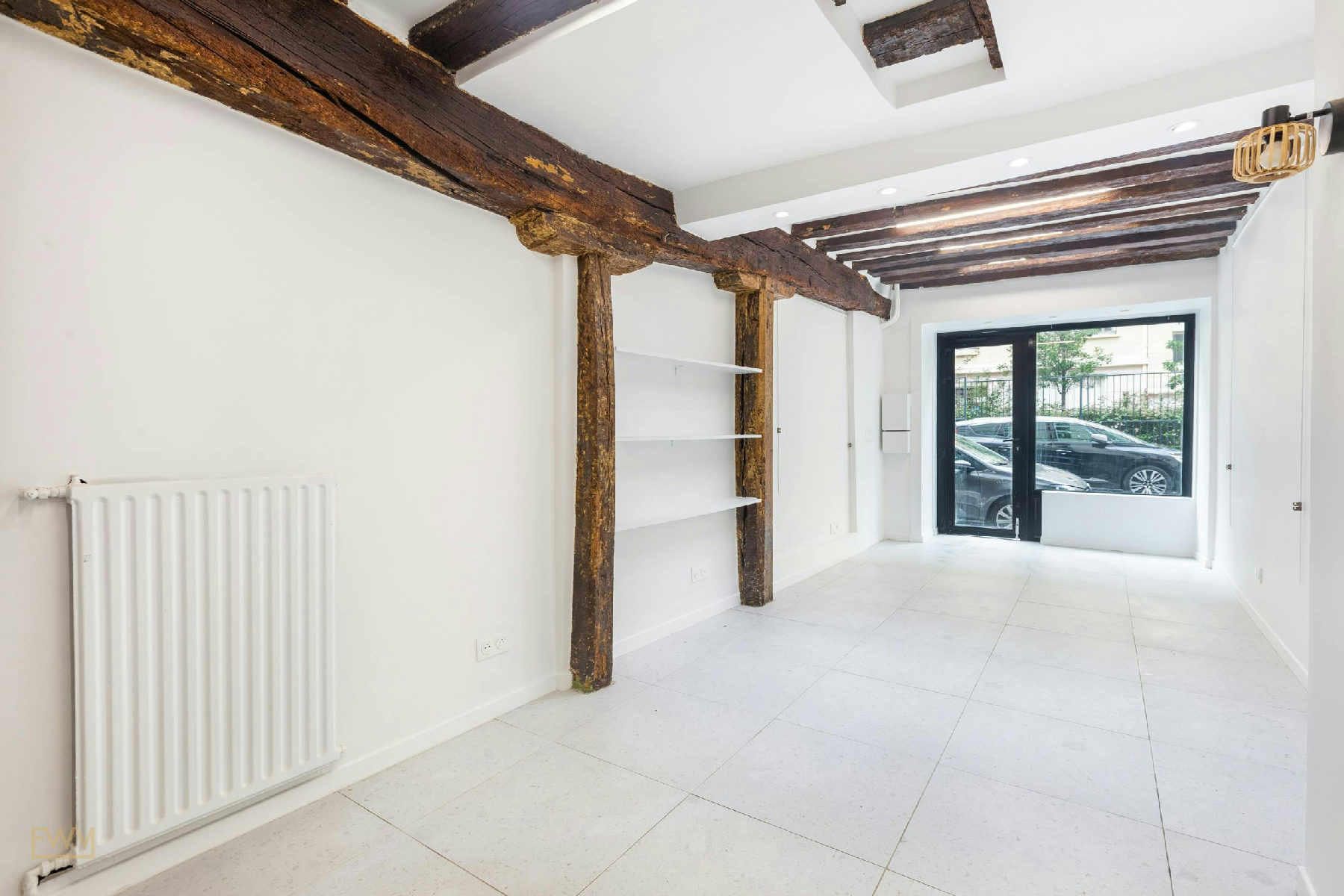
Between Place Vendôme and the Palais-Royal, a number of spaces are configured as gallery-format rooms, historically used by art dealers, concept stores such as Colette (before its closure) and their successors, and design studios. These spaces typically feature polished concrete or pale stone floors, white or neutral walls, and flexible hanging and display systems. For brands with an art-adjacent positioning, a gallery format enables the presentation of collections or product ranges as curated objects rather than retail inventory, supporting higher unit prices and a premium consumer experience.
Apartment-Level Showroom and Private Retail Spaces
The upper floors of buildings on and around Rue Saint-Honoré include furnished apartment-level spaces that have been used by Highstay and similar operators as luxury short-stay and private showroom venues. These spaces are particularly relevant for Haute Couture presentations, Haute Joaillerie private viewings, and by-appointment retail concepts where exclusivity and residential-scale intimacy are part of the brand proposition. Some of these spaces feature showers and fully equipped kitchens alongside the living and reception areas, enabling them to function as both temporary residence and private commercial space for visiting brand teams.
| Space Type | Typical Floor Area | Best Suited For | Key Space Features |
|---|---|---|---|
| Ground-floor boutique storefront | 50 to 300 sqm | Temporary boutique, product launch, concept store | Shop front, street visibility, high ceilings |
| Multi-floor Haussmannian unit | 200 to 600 sqm | Experiential retail, showroom-plus-retail, events | Multiple floors, period detailing, internal staircase |
| Gallery format space | 80 to 250 sqm | Brand installation, art-adjacent concepts, capsule launches | Neutral interiors, flexible display systems |
| Apartment-level showroom | 100 to 400 sqm | Private retail, Haute Couture, Haute Joaillerie viewings | Residential character, kitchen, showers, natural light |
| Venue within landmark building | Variable | Press events, brand dinners, immersive activations | Heritage architecture, event infrastructure |
TIP: When assessing any short-term retail space on Rue Saint-Honoré, evaluate the floor access configuration carefully. A space with two separate floor levels and no internal connection may be operationally limiting for retail formats requiring staff oversight of both levels simultaneously.
KEY TAKEAWAY: Rue Saint-Honoré offers a broader range of space types than its luxury reputation might suggest, from intimate apartment-level showrooms to full multi-floor Haussmannian boutiques, allowing brands to match the format to both their activation concept and their budget.
With a clear picture of what spaces are available, the next critical question for any brand team is how to navigate the commercial and legal framework that governs short-term retail rental in Paris.
Leasing Structures, Permits, and Legal Frameworks for Short Term Retail in Paris
Quick answer: Short-term retail rental in Paris typically operates under either a bail dérogatoire, a short-term commercial lease derogating from standard French lease protections, or a convention d'occupation précaire, an even shorter-term occupancy agreement. For public land, outdoor displays, or certain event formats, an Autorisation d'Occupation Temporaire (AOT) from the relevant public authority may also be required. Each framework carries specific conditions, and brands should verify their situation with a French legal advisor before signing.
French commercial property law is materially different from leasing frameworks in the United Kingdom, the United States, or most of Asia. The standard French commercial lease, known as the bail commercial, provides strong protections for tenants including a nine-year minimum term and rights of renewal, which is exactly what makes it unsuitable for temporary retail use. Short-term formats therefore rely on specific derogating mechanisms that landlords and tenants must consciously elect to use.
Bail Dérogatoire
The bail dérogatoire, sometimes called a short-term lease or convention d'occupation dérogatoire, is a commercial lease deliberately structured outside the standard French commercial lease framework. Under French law, this arrangement can be used for periods of up to three years, after which, if the tenant continues in occupation without a new agreement, the arrangement automatically converts to a full bail commercial with all its associated protections and obligations. For pop-up retail, temporary boutiques, and short-term brand activations, the bail dérogatoire is the most commonly used mechanism, as it gives landlords and tenants a clean legal framework without the long-term commitments of a standard lease. Requirements vary depending on the specific space, the building's classification, and the arrondissement, so verifying terms with a French legal advisor is strongly recommended.
Convention d'Occupation Précaire
For very short-term arrangements of days or weeks rather than months, a convention d'occupation précaire may be used. This is a more informal occupancy arrangement typically used when there is genuine commercial uncertainty or a specific short-term need that prevents a longer lease from being appropriate. Press showrooms during Fashion Week, product launch spaces for a single event, and brand installations tied to specific calendar dates often use this format. The key legal requirement is that the precarious nature of the occupation must be genuine and documented, not simply a mechanism for circumventing tenant protections.
Autorisation d'Occupation Temporaire (AOT)
An AOT is required when a brand wishes to use public space, terraces, outdoor display areas, or certain publicly owned assets in connection with a retail or event activation. In the 1st arrondissement, where historic public spaces such as the Tuileries Garden, the Palais-Royal gardens, and Place Vendôme are governed by specific authorities including the Centre des Monuments Nationaux and the Mairie de Paris, the AOT process can involve multiple approvals. Brands planning outdoor brand activations, exterior display elements, or events that extend beyond privately leased premises should begin the AOT process significantly in advance of their activation date. Use the permit guidance tool on Fashion Week Venues to understand the framework relevant to your specific space and activation format.
IMPORTANT: Simply agreeing a short-term rental rate and signing a document with a landlord does not constitute a legally complete short-term retail arrangement in France. The specific legal category of the lease or occupancy must be correctly identified and agreed upon by all parties, and in some cases notarial involvement may be required. Always verify with a French legal advisor before committing.
KEY TAKEAWAY: Short-term retail in Paris requires deliberate selection of the correct legal framework, with bail dérogatoire being the most common mechanism for pop-up and temporary retail activations lasting weeks to months. The AOT adds a separate layer for any outdoor or public space components of an activation.
Once the legal and leasing framework is clear, brands face the equally important question of how to budget accurately for a Rue Saint-Honoré activation, accounting for all the cost components that extend well beyond the base rental rate.
Budgeting for Short Term Retail on Rue Saint-Honoré: What to Include and What to Expect
Quick answer: The total cost of a short-term retail activation on Rue Saint-Honoré includes the space rental, fit-out and production, furniture and display, staffing, technology and POS, insurance, permits and legal fees, marketing and influencer support, and operational contingency. Rental alone represents only a portion of the total budget, and underestimating production and operational costs is one of the most common planning errors brands make when entering the Paris market for the first time.
Directional cost expectations for short-term retail on Rue Saint-Honoré reflect the premium nature of the address. Space rental on this corridor is among the highest in Paris, reflecting both the commercial value of the location and the scarcity of available inventory. However, the rental rate itself should not be evaluated in isolation. For a brand running a two-week temporary boutique during Fashion Week or Haute Couture week, the per-day cost of a Rue Saint-Honoré storefront needs to be measured against the editorial coverage, buyer engagement, and brand awareness generated during those specific days, not against the monthly cost of a permanent boutique elsewhere.
Beyond the space rental, the primary cost categories for a short-term activation include fit-out and production, which covers wall treatments, flooring, lighting, display fixtures, and any structural modifications required to align the space with brand identity; furniture rental, which provides seating, tables, display pedestals, and other moveable elements without requiring purchase; retail staffing, covering both sales staff and brand ambassadors for the duration of the lease; and technology costs including POS systems, payments infrastructure, and data capture systems.
Marketing costs associated with a Rue Saint-Honoré activation are often underestimated. The street attracts significant organic attention from fashion media and influencers, particularly during Fashion Week, but brands typically invest additionally in targeted outreach to press, buyers, and high-net-worth consumers to ensure that the physical visibility of the space is amplified across digital and social channels. Influencer marketing specifically timed to the activation window can substantially increase the earned media value generated by a short-term retail presence.
For brands working with a structured budget, the budget estimation tool on Fashion Week Venues allows teams to input space size, duration, activation type, and service requirements and receive a directional cost breakdown specific to their brief. This is particularly useful for brands that have not previously operated in Paris and may underestimate the cumulative impact of French VAT, building access costs, waste removal obligations, and the cost of translating brand assets into French-language retail communications.
DID YOU KNOW: Furniture rental rather than purchase is standard practice for short-term retail activations in Paris, significantly reducing capital outlay while still enabling a high-quality interior presentation. Most specialist agencies maintain Parisian furniture inventories that can be configured for a wide range of retail and showroom formats.
| Cost Category | Typical Proportion of Total Budget | Notes |
|---|---|---|
| Space rental | 25 to 40 percent | Varies significantly by address, size, and duration |
| Fit-out and production | 20 to 35 percent | Dependent on scope of build and brand specification |
| Furniture and display | 5 to 12 percent | Rental model reduces this relative to purchase |
| Retail staffing | 10 to 20 percent | Bilingual staff at higher cost in Paris luxury context |
| Technology and POS | 3 to 8 percent | Data capture increasingly important for ROI measurement |
| Marketing and influencers | 10 to 20 percent | Press, digital, influencer activation during lease window |
| Insurance, legal, permits | 3 to 7 percent | Often underestimated by first-time Paris operators |
| Contingency | 5 to 10 percent | Essential for supply and logistics unpredictability |
KEY TAKEAWAY: The total cost of a Rue Saint-Honoré short-term retail activation extends well beyond the rental rate, and brands that plan comprehensively across all cost categories, including often-overlooked items like legal fees, bilingual staffing, and digital amplification, achieve a far more accurate ROI picture before committing to a space.
Planning the financial architecture of an activation connects directly to the question of which creative and design approaches generate the strongest returns on a prestigious but expensive address like Rue Saint-Honoré.
Design, Concept, and Creative Direction for Rue Saint-Honoré Pop-Ups and Temporary Boutiques
Quick answer: The most successful short-term retail activations on Rue Saint-Honoré achieve visual harmony between the brand's creative identity and the architectural character of the host space, treating the Haussmannian or period interior as a design partner rather than a neutral container, and ensuring that the concept communicates clearly within the compressed timeframe of a temporary presence.
Design on Rue Saint-Honoré operates under a different set of constraints and opportunities compared to most other retail environments. The architectural character of the street, with its carved stone facades, tall French windows, herringbone parquet floors, and ornate ceiling details, creates a specific visual context that either supports or conflicts with a brand's creative direction depending on how thoughtfully the concept is developed. Brands that understand this architecture and design with it, rather than against it, consistently produce more compelling activations.
Visual Harmony and Architectural Dialogue
The concept of visual harmony in the Rue Saint-Honoré context means creating a design language for the activation that acknowledges the building's inherent character while clearly communicating the brand's own identity. This is not about mimicking period French interiors, but about ensuring that material choices, colour palettes, lighting treatments, and display systems read as intentional rather than incongruous within their architectural setting. Brands like Chanel, which maintains a permanent boutique on this corridor, have built their entire interior design vocabulary around a dialogue with Parisian architecture, a dialogue that short-term brands can reference and adapt without copying.
Creative Direction Specialists in the Paris Market
Several creative production studios and concept direction specialists have developed particular expertise in the Parisian luxury pop-up context. Studio XAG has produced retail environments for major global brands across multiple Paris Fashion Week cycles, bringing technical knowledge of Parisian building regulations and construction logistics that is difficult to replicate without local experience. Atelier de la Torre focuses on the intersection of art and retail, particularly relevant for gallery-format spaces in the Palais-Royal and Rue Saint-Honoré corridor. Octopus Studio specialises in brand environments that integrate digital and physical elements, an increasingly important capability as brands seek to extend the physical presence of a Paris pop-up into global digital channels. Patrice Dangel brings an approach rooted in Parisian interior design traditions, particularly suited to apartment-level showrooms and Haute Couture private viewing spaces.
The concept direction service at Fashion Week Venues connects brand teams with creative directors and production specialists who understand the specific constraints and opportunities of Parisian temporary retail, from architectural limitations imposed by heritage building classifications to the very specific aesthetic expectations of the Rue Saint-Honoré consumer.
Concept Stores and Art Gallery Formats
The legacy of concept stores in the immediate neighbourhood, most notably Colette, which operated on Rue Saint-Honoré until 2017 and became globally referenced as a model of curatorial retail, continues to shape consumer expectations for the street. Brands activating in this context benefit from positioning their temporary boutique not as a standard retail transaction environment but as a curated experience with a specific point of view. Art galleries on adjacent streets such as Galerie Véro-Dodat provide a nearby reference point for the kind of intimate, considered spatial experience that resonates with the Rue Saint-Honoré consumer profile.
TIP: If you are building a temporary concept store or brand installation on Rue Saint-Honoré, use the Imagine visualisation tool to test how your creative direction will read within the specific architectural characteristics of your shortlisted spaces before committing to production costs.
KEY TAKEAWAY: Creative direction for Rue Saint-Honoré activations must balance brand identity with architectural respect, and the most effective concepts treat the period building as a design collaborator rather than a blank canvas, resulting in activations that generate stronger editorial response and consumer engagement.
The design and creative dimension of an activation is closely connected to how it is timed within the Paris retail calendar, which determines both the audience available and the competitive context a brand will operate within.
Fashion Week, Haute Couture, and the Paris Retail Calendar for Short Term Activations
Quick answer: Paris hosts multiple distinct Fashion Week and trade calendar events across the year, including Paris Fashion Week ready-to-wear in March and October, Haute Couture week in January and July, and Maison and Objet along with other trade events that bring additional professional audiences to the city. Each calendar window creates a distinct audience composition and commercial dynamic for short-term retail on Rue Saint-Honoré.
The Paris Fashion Week calendar is the single most important scheduling consideration for any brand planning short-term retail on Rue Saint-Honoré. During the seven to ten days of ready-to-wear Fashion Week in March and October, the concentration of international press, buyers, stylists, creative directors, and high-spending consumers in the immediate neighbourhood reaches its annual peak. Hotels along the Rue Saint-Honoré and Place Vendôme corridor, including the Ritz, the Meurice, and Mandarin Oriental, are fully occupied by fashion industry principals during these periods, providing a captive audience of exactly the professionals and consumers that most luxury and contemporary brands are trying to reach.
Haute Couture week in January and July brings a different but equally valuable audience: private clients of the major maisons, international press covering the Haute Couture and Haute Joaillerie collections, and the specific category of buyer and curator interested in the highest end of the fashion spectrum. For brands in accessories, jewellery, fragrance, or lifestyle categories adjacent to Haute Couture, timing a short-term retail activation during Couture week delivers access to a client profile that is almost impossible to reach through conventional media or digital channels.
Outside these peak windows, the Paris trade calendar offers additional activation opportunities that are less competitive and potentially more cost-effective. Maison and Objet in January and September attracts design industry professionals. The summer period, while quieter for fashion industry professionals, sees high volumes of luxury tourism on Rue Saint-Honoré, with international visitors from North America, the Gulf states, and Asia providing a significant retail spend pool. Brands targeting consumer retail rather than trade or press engagement may therefore find the summer window more commercially productive than a Fashion Week slot, depending on their objectives.
Use the timeline planning tool on Fashion Week Venues to map your activation against the Paris calendar and identify the optimal window for your brand's specific audience and commercial objectives.
DID YOU KNOW: Brands that activate on Rue Saint-Honoré during Haute Couture week in July benefit from a quieter competitive environment than during ready-to-wear Fashion Week, while still accessing the press, private client, and international visitor audiences that make this corridor so commercially valuable.
KEY TAKEAWAY: Timing a Rue Saint-Honoré short-term retail activation to align with the Paris Fashion Week calendar maximises the editorial and commercial return, but off-peak windows during high-season tourism or trade events can deliver strong results for brands targeting consumer audiences rather than industry professionals.
To compare neighbourhoods and space types and understand how timing intersects with location strategy, explore the Paris city hub on Fashion Week Venues and shortlist spaces that match your brief, budget, and calendar window.
Rue Saint-Honoré Compared to Other Paris Luxury Retail Corridors
Quick answer: Rue Saint-Honoré and its Faubourg extension offer a combination of permanent luxury brand density, fashion industry infrastructure, and cultural adjacency that distinguishes it from other Paris luxury corridors including Avenue Montaigne in the Golden Triangle, Saint-Germain-des-Prés, and Boulevard Haussmann, each of which serves a slightly different consumer profile and commercial purpose.
The question of which Paris retail corridor best serves a short-term brand activation is one of the most consequential decisions a brand team makes when entering the Paris market. The four primary luxury retail corridors in Paris, Rue Saint-Honoré and Faubourg Saint-Honoré, Avenue Montaigne and the Golden Triangle, Saint-Germain-des-Prés, and Boulevard Haussmann and the Opéra district, each present a distinct set of strategic advantages and trade-offs.
Avenue Montaigne and the broader Golden Triangle, which includes the Champs-Élysées and Avenue George V, attract the highest volume of international tourists of any Paris retail area. For brands targeting pure volume and maximum consumer reach, the Golden Triangle can deliver larger raw footfall numbers. However, the brand environment on Avenue Montaigne is dominated by the flagship boutiques of the largest global luxury groups, making it a more competitive context for emerging or independent brands seeking to establish presence. The residential character of the streets surrounding Avenue Montaigne is also quieter and less editorially active than Rue Saint-Honoré during Fashion Week.
Saint-Germain-des-Prés, centred on the Rue du Bac, Boulevard Saint-Germain, and the surrounding streets, serves a design-literate, culturally engaged, and predominantly Parisian consumer base. For brands with strong editorial credentials in design, books, interiors, or contemporary art, Saint-Germain offers a consumer profile more aligned with the neighbourhood's cultural heritage than Rue Saint-Honoré. However, the fashion industry infrastructure during Fashion Week is less concentrated in Saint-Germain than in the 1st arrondissement, making it a weaker choice for press and buyer engagement during peak calendar windows.
Boulevard Haussmann and the Opéra district, anchored by the department stores Galeries Lafayette and Printemps Haussmann, serves a mass-market and international tourist audience with strong commercial volume but limited luxury positioning. Short-term retail in this area suits accessible contemporary brands and those targeting a broad consumer audience rather than the high-net-worth and fashion industry professional audiences concentrated on Rue Saint-Honoré.
| Retail Corridor | Primary Audience | Brand Positioning Fit | Fashion Week Relevance | Space Availability |
|---|---|---|---|---|
| Rue Saint-Honoré and Faubourg | Luxury, fashion industry, HNW tourists | Luxury, contemporary, concept, jewellery | Very high | Limited, high demand |
| Avenue Montaigne / Golden Triangle | International tourists, luxury consumers | Global luxury flagships | High | Very limited, premium rental |
| Saint-Germain-des-Prés | Parisian residents, design-literate consumers | Design, interiors, art-adjacent, lifestyle | Moderate | Moderate, variable terms |
| Boulevard Haussmann / Opéra | Broad consumer, international tourists | Accessible contemporary, mid-market | Low to moderate | Broader availability |
| Marais | Young fashion consumers, art buyers | Contemporary, streetwear, art, independent | Moderate | Good availability, flexible terms |
KEY TAKEAWAY: Rue Saint-Honoré delivers the strongest combination of luxury brand adjacency, fashion industry audience, and cultural credibility for short-term retail activations targeting the upper end of the market, but brands should assess their specific audience and positioning against the full range of Paris retail corridors before committing to a location.
Understanding where Fashion Week Venues fits into the process of sourcing, planning, and executing a Rue Saint-Honoré activation provides practical clarity for brand teams starting to plan their Paris strategy.
How Fashion Week Venues Supports Short Term Retail on Rue Saint-Honoré
Fashion Week Venues is a full-service pop-up agency and space marketplace that supports brand teams, creative directors, retail strategists, and event producers through every stage of planning and executing short-term retail activations in Paris and other major fashion capitals. For brands targeting Rue Saint-Honoré specifically, the platform provides a structured path from initial concept to live activation.
The venue sourcing service identifies available spaces on and around Rue Saint-Honoré that match a brand's brief in terms of size, format, architectural character, and lease duration. Given the scarcity of available inventory in the 1st arrondissement, particularly during peak calendar windows, having specialist sourcing support that operates within an established network of landlords, property managers, and space owners materially increases the probability of securing the right space at the right time.
Once a space is identified, the production and fit-out process requires coordination across multiple specialist suppliers including set designers, contractors familiar with Parisian heritage building requirements, lighting specialists, display fixture fabricators, and logistics operators. The production and build service manages this coordination so that brand teams can focus on their creative brief and commercial objectives rather than the operational complexity of building out a space in a foreign market.
Operational support during the activation includes bilingual retail staffing, which is a non-trivial requirement on Rue Saint-Honoré where both French-speaking local clients and international tourists and industry visitors require staff who can communicate fluently in multiple languages. POS and payments infrastructure, data and analytics capture, and influencer marketing coordination are managed as integrated components of the activation rather than separately contracted elements.
For brands that want to share the cost and amplify the impact of a Rue Saint-Honoré space, the Twin co-activation concept enables two compatible but non-competing brands to share a single space, splitting costs while creating a more compelling combined editorial story.
It is important to understand that Fashion Week Venues does not guarantee the availability of specific spaces, the outcome of permit applications, or the commercial results of any activation. What the platform provides is specialist market knowledge, an established network of space owners and suppliers, and a structured project management framework that reduces the risk and complexity of operating in a highly regulated and competitively constrained market. Brands can review past activations and case studies in the work section to understand the range of projects the agency has supported.
KEY TAKEAWAY: Fashion Week Venues reduces the complexity and risk of executing short-term retail on Rue Saint-Honoré by providing integrated support across venue sourcing, creative direction, production, staffing, and operations, particularly valuable for international brands entering the Paris market without an established local network.
Step-by-Step Workflow for Launching a Short Term Retail Space on Rue Saint-Honoré
Quick answer: A successful short-term retail activation on Rue Saint-Honoré typically requires a planning horizon of eight to sixteen weeks from initial brief to opening day, with the longest lead time items being space sourcing, permit applications, and production build-out, all of which must run in parallel rather than sequentially to meet a Fashion Week or Couture week activation date.
The planning process for a Rue Saint-Honoré activation is more compressed and operationally complex than most brand teams anticipate, particularly if the target activation date coincides with a Fashion Week or Haute Couture calendar window. The following workflow represents the standard sequence of activities required to move from brief to live activation.
| Phase | Activities | Recommended Timeline Before Opening |
|---|---|---|
| 1. Brief and Strategy | Define objectives, audience, budget, format, duration, calendar window | 16 to 20 weeks |
| 2. Space Sourcing | Identify available spaces, shortlist candidates, assess space features and floor access | 14 to 18 weeks |
| 3. Legal and Permit Framework | Confirm lease type, initiate AOT applications, engage French legal advisor | 12 to 16 weeks |
| 4. Concept Direction | Develop creative concept, align with architectural context, confirm design brief | 12 to 14 weeks |
| 5. Production Planning | Source suppliers, confirm build schedule, order display fixtures and furniture | 10 to 12 weeks |
| 6. Staffing and Operations | Recruit bilingual staff, train on brand and product, set up POS and payments | 6 to 8 weeks |
| 7. Marketing and Influencer Activation | Brief press and influencer contacts, schedule content production, confirm guest list | 6 to 8 weeks |
| 8. Build-Out | Execute fit-out, install furniture and display, test all systems | 1 to 2 weeks |
| 9. Soft Launch and Preview | Press and buyer preview, photography, influencer content capture | 2 to 3 days before opening |
| 10. Live Activation | Full retail operation, staff management, data capture, daily reporting | Activation period |
| 11. Close and Reinstatement | Strip-out, space reinstatement, final reporting, ROI analysis | Post-activation |
One of the most common planning errors is treating the sourcing and permit phases as sequential rather than parallel. In practice, a brand should be initiating permit enquiries at the same time as shortlisting spaces, because permit approval timelines can be unpredictable, particularly for heritage-listed buildings in the 1st arrondissement. Waiting until a space is confirmed before beginning permit enquiries risks compressing the available build time to an operationally unworkable window.
IMPORTANT: During Paris Fashion Week and Haute Couture week, construction access to spaces in central arrondissements can be restricted by municipal road management and event infrastructure. Factor in potential access limitations when planning your build-out schedule.
KEY TAKEAWAY: An eight to sixteen week planning timeline is the minimum realistic horizon for a well-executed Rue Saint-Honoré short-term retail activation, with the critical path running through space sourcing, legal confirmation, and permit applications in parallel from the outset.
Brand Engagement, Product Launches, and Experiential Retail on Rue Saint-Honoré
Quick answer: Rue Saint-Honoré is uniquely suited to brand activations that combine physical retail with experiential elements, press and buyer engagement, product launches, and influencer-driven content creation, because the street's cultural density and Fashion Week infrastructure ensure that these multiple objectives can be pursued simultaneously within a single short-term lease period.
The most effective short-term retail activations on Rue Saint-Honoré are those that do not treat the space as a conventional shop and instead use the lease period to pursue multiple interlocking commercial and brand objectives simultaneously. A brand that opens a temporary boutique during Fashion Week has access, within the same physical space and during the same lease period, to press and buyer opportunities that might otherwise require a separate showroom, a consumer retail experience that generates direct revenue, a content production environment for photography, video, and social media, and a brand engagement platform for private client events, dinners, and presentations.
Product launches on Rue Saint-Honoré benefit specifically from the street's media infrastructure during Fashion Week. Fashion journalists, photographers, and content creators who are already present in the neighbourhood for runway shows and presentations are more easily drawn into a product launch event on Rue Saint-Honoré than to one located in a less central or industry-proximate location. This geographic advantage translates directly into editorial coverage volume and quality, which is one of the primary metrics brands use to evaluate the ROI of a Paris activation.
For brands planning to measure and evaluate the return on their Rue Saint-Honoré investment, the ROI calculator on Fashion Week Venues provides a framework for assessing activation outcomes against investment, accounting for both direct revenue and the harder-to-quantify but commercially significant value of press coverage, social media reach, and new buyer relationships established during the activation period.
Brand engagement on Rue Saint-Honoré also benefits from the street's established association with fashion house launches and collection presentations. When Hermès, Chanel, Goyard, or Christian Louboutin use their Rue Saint-Honoré boutiques for special presentations or client events, they reinforce the street's identity as a venue for significant fashion moments. Brands activating temporarily on the same street participate in this accumulated identity, gaining credibility through association without requiring the decade-long investment that a permanent address represents.
KEY TAKEAWAY: Rue Saint-Honoré enables brands to pursue press, buyer, consumer, and content objectives within a single short-term lease, generating a multi-dimensional return that is impossible to achieve from any off-street or non-central Paris location.
Common Myths About Short Term Retail on Rue Saint-Honoré Debunked
MYTH: You need a French legal entity to rent a retail space in Paris.
FACT: International brands can rent short-term retail spaces in Paris without having an established French legal entity, though the specific requirements vary depending on the landlord, the lease type, and the duration of the arrangement. Many landlords operating short-term leases on Rue Saint-Honoré are experienced in working with international tenants and have established processes for doing so. However, certain administrative and tax obligations arise from operating retail in France, and verifying these with a French legal or tax advisor before signing any lease is strongly recommended.
MYTH: Paris Fashion Week is the only viable calendar window for a short-term retail activation on Rue Saint-Honoré.
FACT: While Paris Fashion Week in March and October creates the highest concentration of industry professionals and press in the neighbourhood, Rue Saint-Honoré generates significant commercial and brand value across multiple calendar windows including Haute Couture week in January and July, the high summer tourism season, and the pre-Christmas period. Brands targeting consumer sales rather than industry engagement may find non-Fashion Week windows more cost-effective, as competition for space is lower and rental rates may be more favourable.
MYTH: Commission-based property brokers are the only way to find a short-term retail space on Rue Saint-Honoré.
FACT: Commission-based commercial property brokers represent one route to finding a space on Rue Saint-Honoré, but they are not the only option and are not always the most efficient route for short-term retail briefs. Specialist pop-up agencies like Fashion Week Venues operate with established direct relationships with space owners and building managers in the 1st arrondissement, providing access to inventory that is not always listed through standard commercial property channels. Brands can also use the Fashion Week Venues marketplace to browse available spaces directly before engaging agency support for sourcing and negotiation.
MYTH: Short-term commercial leases in France are legally straightforward and require minimal specialist input.
FACT: Short-term commercial leases in France operate within a specific legal framework that differs materially from commercial leasing in most other countries. The bail dérogatoire and convention d'occupation précaire mechanisms that enable short-term retail rental both carry specific conditions that must be correctly documented and adhered to in order to avoid the arrangement converting unintentionally into a standard nine-year bail commercial. Heritage building classifications, building permit requirements, and arrondissement-specific planning constraints add further complexity. Engaging a French legal advisor with commercial property experience is a practical necessity, not an optional extra.
MYTH: A prestigious address like Rue Saint-Honoré only works for established global luxury brands.
FACT: Rue Saint-Honoré has a long history of hosting emerging brands, independent designers, and international labels making their first Paris entry alongside the permanent flagship boutiques of major maisons. The street's cultural density and fashion industry infrastructure actively supports emerging brand positioning, provided the activation is well-conceived and executed to the visual and experiential standard the neighbourhood demands. Smaller or newer brands often benefit disproportionately from the legitimacy signal of a Rue Saint-Honoré address because it communicates ambition and quality to exactly the press, buyers, and consumers they most need to reach.
Frequently Asked Questions About Short Term Retail on Rue Saint-Honoré
What is a storefront in the 1st arrondissement of Paris typically used for?
Storefronts in the 1st arrondissement are used across a wide range of commercial formats including permanent boutiques, temporary pop-up retail, concept stores, brand showrooms, press preview spaces, product launch venues, art galleries, and private client retail environments. The specific use depends on the lease terms agreed with the landlord, the space's configuration and features, and any restrictions imposed by the building's heritage classification or the arrondissement's commercial zoning rules. For short-term retail purposes, storefronts in the 1st arrondissement are particularly valued for their proximity to Place Vendôme, the Louvre, and the Fashion Week infrastructure concentrated in this part of Paris.
How long can you rent a storefront in the 1st arrondissement of Paris?
Short-term rental periods for storefronts in the 1st arrondissement typically range from a minimum of one week for event-format spaces to three years under a bail dérogatoire arrangement. The most common short-term retail activations during Fashion Week and Haute Couture week run for one to four weeks. Landlords vary considerably in their minimum lease periods and willingness to accommodate very short-term arrangements, with some specialist short-term retail spaces offering weekly rental and others requiring a minimum of one to three months. Confirming the specific minimum period and lease type before shortlisting spaces is an important early step in the planning process.
Is the Paris 1st arrondissement suitable for temporary retail?
The 1st arrondissement is one of the most suitable districts in Paris for temporary retail precisely because its combination of luxury retail density, cultural landmarks, fashion industry infrastructure, and international tourism means that a well-executed activation can reach multiple commercially valuable audience segments within a compressed timeframe. The primary operational challenges are the scarcity of available short-term inventory, the premium rental costs relative to other arrondissements, and the complexity of the permit and lease framework in a heritage-rich area. These challenges are manageable with the right agency and legal support but should be factored into planning timelines and budgets from the outset.
What types of commercial properties are available in the 1st arrondissement?
Commercial property in the 1st arrondissement includes ground-floor boutique storefronts, multi-floor Haussmannian retail units, gallery-format spaces, apartment-level showrooms, purpose-configured event venues within historic buildings, and shared concept store formats. Each property type offers a different configuration of space features, floor access, and suitability for different activation formats. Some properties include residential-grade amenities including showers and fully equipped kitchens, making them suitable for visiting brand teams who require a combined working and hosting environment during their Paris activation period.
How does the 1st arrondissement compare to other Paris retail areas for short-term activations?
The 1st arrondissement offers a combination of luxury brand adjacency, fashion industry professional concentration during Fashion Week, and cultural landmark proximity that is not replicated anywhere else in Paris. Avenue Montaigne delivers higher tourist footfall volume but a more competitive and expensive environment dominated by global luxury groups. Saint-Germain suits design and lifestyle brands targeting culturally engaged Parisian consumers. The Marais is more accessible for contemporary and independent brands with smaller budgets. For brands targeting press, buyers, and high-net-worth consumers in a premium brand context, the 1st arrondissement and Rue Saint-Honoré remain the strongest choice.
What is the best area in Paris for luxury shopping and brand activations?
For luxury shopping and high-profile brand activations, Rue Saint-Honoré and its Faubourg extension in the 1st arrondissement represent the most strategically significant address in Paris. The street houses the boutiques of Hermès, Chanel, Goyard, Christian Louboutin, and dozens of other maisons, and its connection to Place Vendôme extends the luxury ecosystem into Haute Joaillerie. The Palais-Royal, the Louvre, and the Tuileries Garden provide cultural adjacency that supports brand positioning at the intersection of fashion, art, and heritage, a combination unique to this corridor.
Is Rue Saint-Honoré worth visiting from a brand activation perspective?
From a brand activation perspective, Rue Saint-Honoré is one of the most commercially and editorially valuable streets in the world for short-term retail. The street consistently attracts international fashion press, buyers, creative directors, and high-net-worth consumers, particularly during Fashion Week and Haute Couture week. Even outside these peak calendar windows, the density of luxury brands, cultural institutions, and luxury hotel guests along this corridor creates a sustained commercial environment that supports brand visibility, editorial coverage, and direct consumer engagement in ways that few other retail addresses in any global market can match.
What famous brands are on Rue Saint-Honoré and what does their presence mean for temporary retailers?
Rue Saint-Honoré and Faubourg Saint-Honoré host the flagship or primary Paris boutiques of Hermès, Chanel, Goyard, Christian Louboutin, Dior, Valentino, and many other global luxury maisons. For a brand activating in a short-term space on the same street, the commercial benefit of this neighbourhood extends beyond simple footfall. The presence of these permanent maisons creates a consumer mindset of quality, discernment, and purchase intent that extends to every retail point on the street. A brand that places its temporary boutique between two established luxury houses benefits from the consumer's existing disposition to engage with high-quality retail on that stretch of pavement.
Why did Saint-Honoré become one of the trendiest streets in Paris?
Rue Saint-Honoré's ascent to fashion relevance is rooted in its historical role as a corridor connecting the political and cultural heart of Paris, the Palais-Royal, to the luxury residential neighbourhood of the Faubourg Saint-Honoré, which developed as the preferred address for the French aristocracy in the 18th and 19th centuries. The concentration of wealth and cultural authority in this part of Paris attracted the first generation of luxury maisons and couture houses, whose presence reinforced the street's identity and attracted further investment. The opening of Colette at 213 Rue Saint-Honoré in 1997 catalysed a new generation of fashion credibility for the street, establishing it as the global reference point for concept retail and introducing a design-literate, internationally engaged consumer base to a street that had previously been primarily known for established luxury.
Is the Rue Saint-Honoré district only for shopping, or does it serve business travel and brand team operations?
The Rue Saint-Honoré district is well suited to business travel and brand team operations, not just consumer shopping. The concentration of luxury hotels including the Ritz Paris, the Meurice, and the Mandarin Oriental within the same immediate neighbourhood provides accommodation infrastructure for visiting brand teams. Apartment-level spaces operated by platforms such as Highstay offer combined residential and professional environments with hotel-quality linens, fully equipped kitchens, and meeting facilities that are particularly useful for small brand teams requiring a working base during a Fashion Week or trade visit. The district's central location also ensures efficient access to all major Paris arrondissements for client meetings, press events, and supplier visits.
What are the main tourist and cultural activities near a Rue Saint-Honoré retail space?
The cultural and tourist activities immediately surrounding a Rue Saint-Honoré retail space include the Louvre museum, which offers access to one of the world's greatest art collections and attracts millions of visitors annually, the Tuileries Garden as a destination for daily leisure, the Palais-Royal gardens and arcaded galleries, Place Vendôme and its surrounding Haute Joaillerie boutiques, the Musée de l'Orangerie with its Impressionist collection, the Musée du Jeu de Paume for photography and contemporary art, Opéra Garnier for performing arts audiences, and Galerie Véro-Dodat for one of Paris's best preserved 19th-century covered passages. This concentration of cultural destinations ensures that a retail space in this location benefits from the spillover footfall of visitors who arrive for one destination and discover another.
How should a brand think about influencer marketing in the context of a Rue Saint-Honoré pop-up?
Influencer marketing for a Rue Saint-Honoré activation benefits from the street's inherent visual quality and cultural cachet. The Haussmannian facades, the luxury brand context, and the proximity to iconic Paris landmarks create a natural content backdrop that requires less production staging than an activation in a less architecturally distinguished location. The most effective approach is to brief influencer partners in advance of the opening so that content is produced during the first two days of the activation while the space is at its freshest and editorial momentum is highest. Fashion Week periods amplify this opportunity significantly as influencer audiences are already primed for Paris fashion content.
What permits are required for a short-term retail activation on Rue Saint-Honoré?
Permit requirements for short-term retail on Rue Saint-Honoré depend on the specific space, the nature of the activation, its duration, and whether it involves any outdoor or public space components. At minimum, a correctly structured short-term commercial lease agreement is required. If the activation involves any outdoor display, facade signage, terrace use, or extension onto public footpaths, an Autorisation d'Occupation Temporaire from the relevant Paris municipal authority may also be required. Heritage-listed buildings may impose additional restrictions on fit-out, signage, and structural modifications. Requirements vary by property and circumstance, so using specialist permit guidance and engaging a French legal advisor is strongly recommended rather than assuming a standard process applies.
What is the realistic lead time for sourcing and securing a Rue Saint-Honoré space for Fashion Week?
The realistic minimum lead time for sourcing and securing a Rue Saint-Honoré space for a Paris Fashion Week activation is twelve to sixteen weeks before the target opening date. This accounts for the time required to identify available spaces, negotiate and confirm lease terms, resolve legal and permit questions, complete the production and fit-out process, and recruit and train staff. For peak periods such as Paris Fashion Week in March or October, competition for the limited available inventory means that brands beginning the sourcing process less than eight weeks in advance face a significantly reduced chance of securing a high-quality space at the target address. Early engagement with a specialist agency substantially increases the probability of success.
How do brands measure the ROI of a short-term retail activation on Rue Saint-Honoré?
ROI measurement for a Rue Saint-Honoré activation should account for both direct revenue generated during the lease period and the harder-to-quantify brand value created through press coverage, buyer relationships, social media reach, and the long-term consumer awareness built by a visible presence on one of the world's most recognised luxury retail streets. The most useful ROI frameworks combine a direct revenue-to-cost ratio with an earned media value calculation based on the press and influencer coverage generated and a buyer pipeline assessment based on new trade relationships established during the activation. The ROI calculator tool on Fashion Week Venues provides a structured framework for this multi-dimensional assessment.
Conclusion: Making Short Term Retail on Rue Saint-Honoré Work for Your Brand
Short term retail on Rue Saint-Honoré represents one of the highest-value and highest-complexity brand activation opportunities available in any global fashion market. The street's combination of permanent luxury brand density, cultural landmark adjacency, Fashion Week infrastructure, and international consumer concentration creates a commercial environment that is genuinely difficult to replicate elsewhere in Paris or in comparable luxury retail corridors globally. Whether the comparison is Rodeo Drive, Hong Kong Harbour City, or the emerging luxury districts of Chengdu and Shenzhen, the Rue Saint-Honoré corridor offers a depth of fashion industry heritage and editorial authority that newer luxury destinations are still building toward.
Executing successfully in this environment requires early planning, specialist legal and permit support, a creative concept that respects the architectural character of the host space, a comprehensive budget that accounts for all cost components including staffing, production, and marketing, and a clear-eyed assessment of the calendar window that best aligns with the brand's specific audience and commercial objectives. Brands that treat the Rue Saint-Honoré address as a strategic investment rather than a transactional rental consistently generate returns across multiple dimensions including press coverage, buyer engagement, consumer awareness, and brand legitimacy that extend well beyond the lease period itself.
Fashion Week Venues exists to reduce the complexity of this process for brand teams who have the ambition but not necessarily the in-market network to navigate Paris short-term retail independently. From initial space discovery through to post-activation ROI analysis, the platform provides integrated support across every stage of the process. To move from research to activation, start exploring available spaces on the Fashion Week Venues marketplace and build a focused brief for your target neighbourhood, space type, and calendar window.