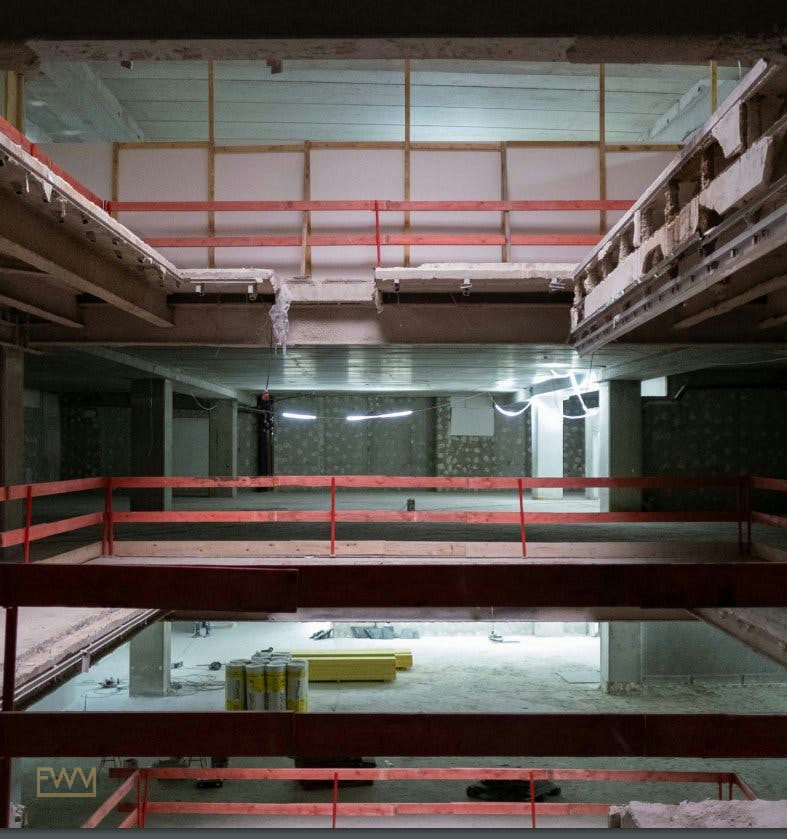
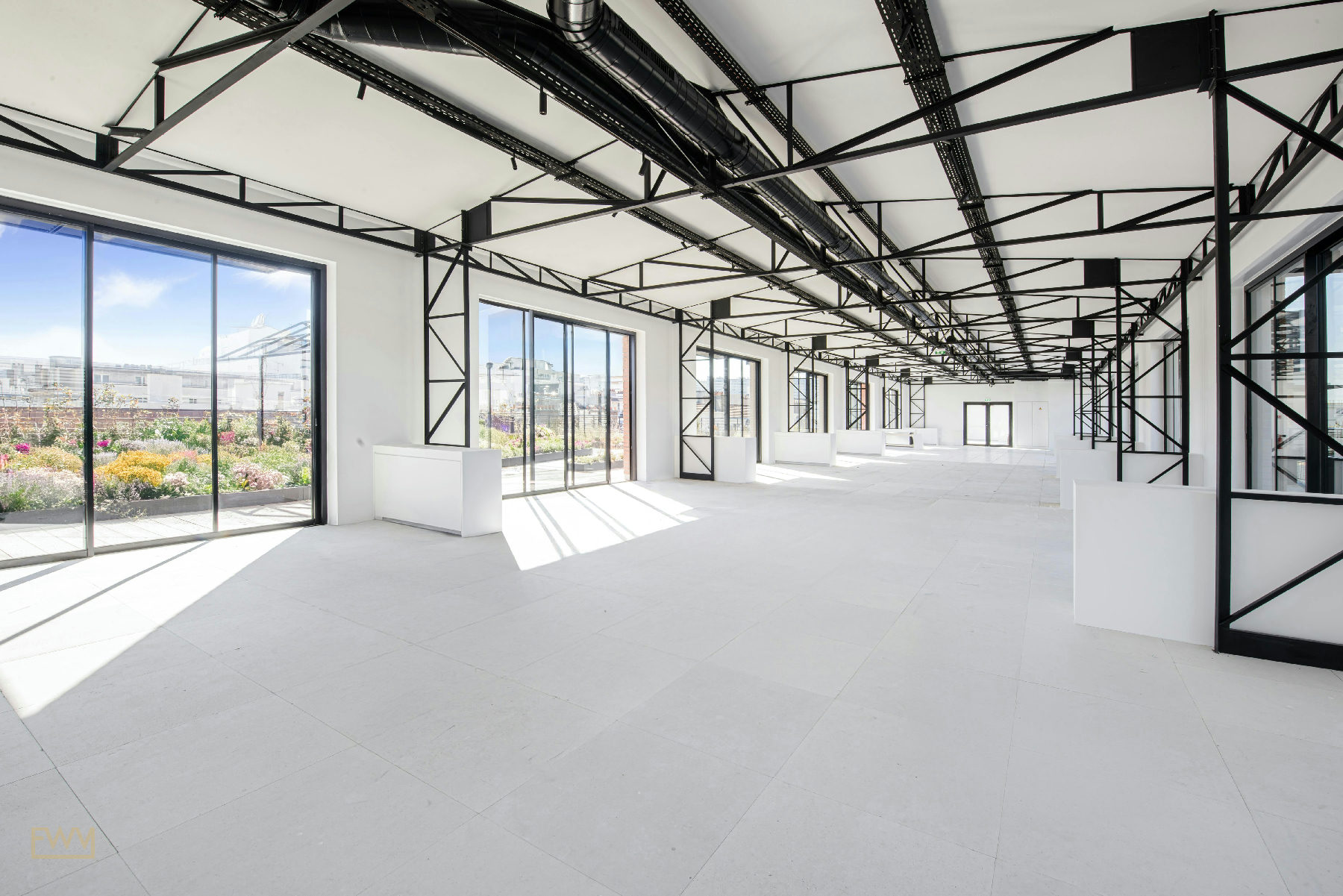
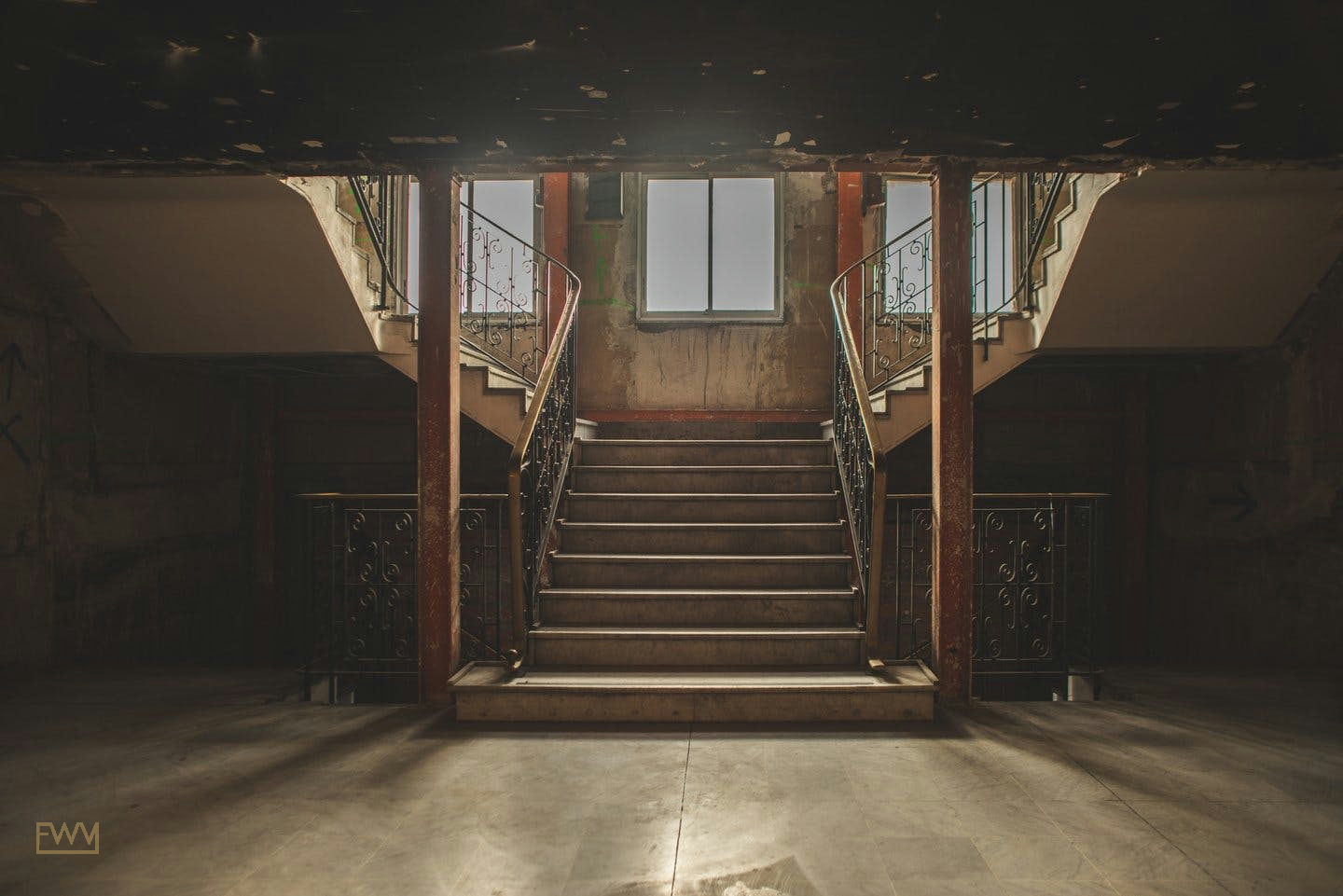
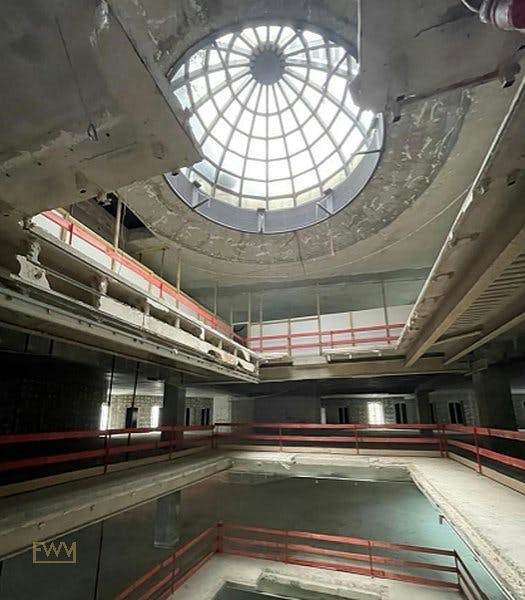
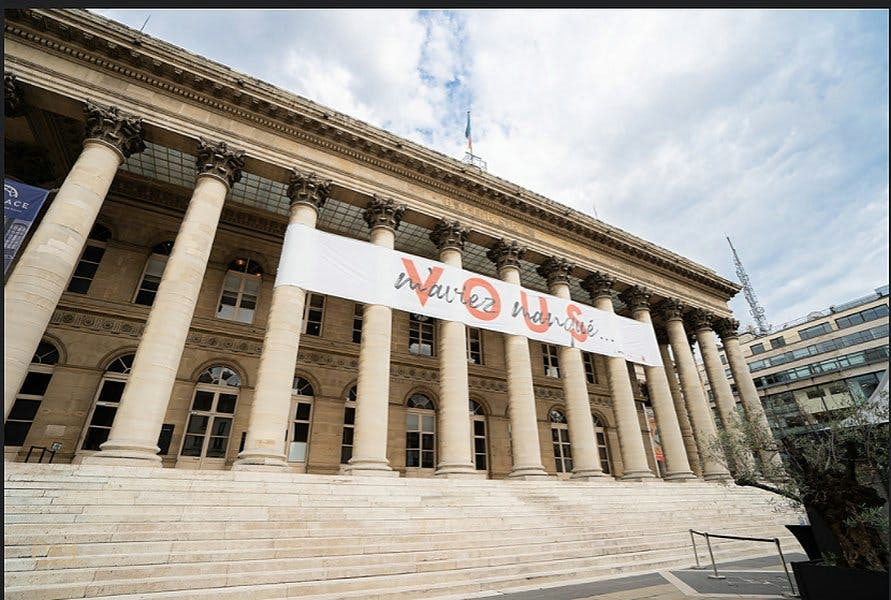

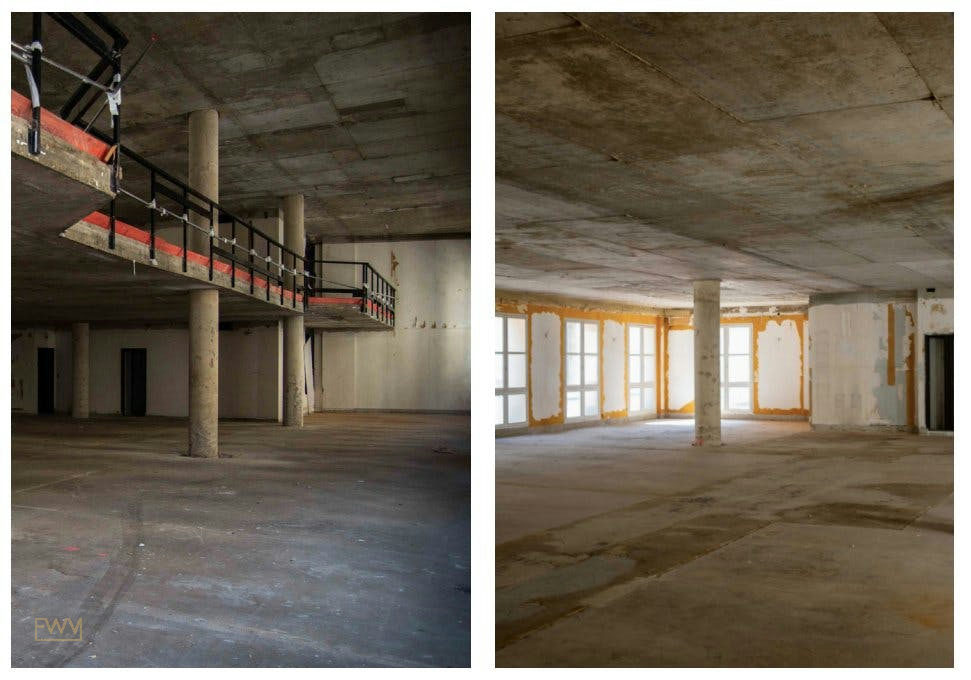
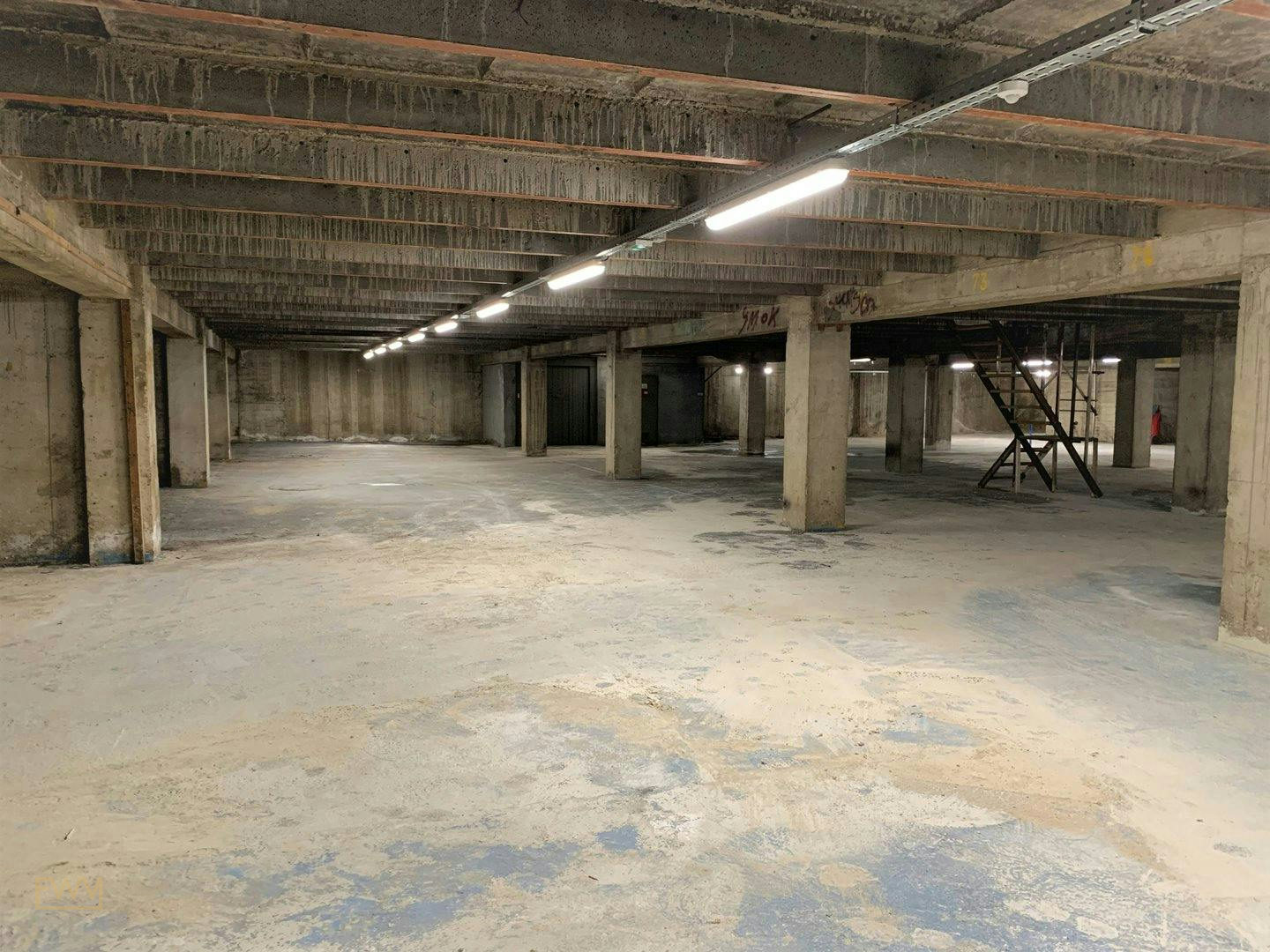
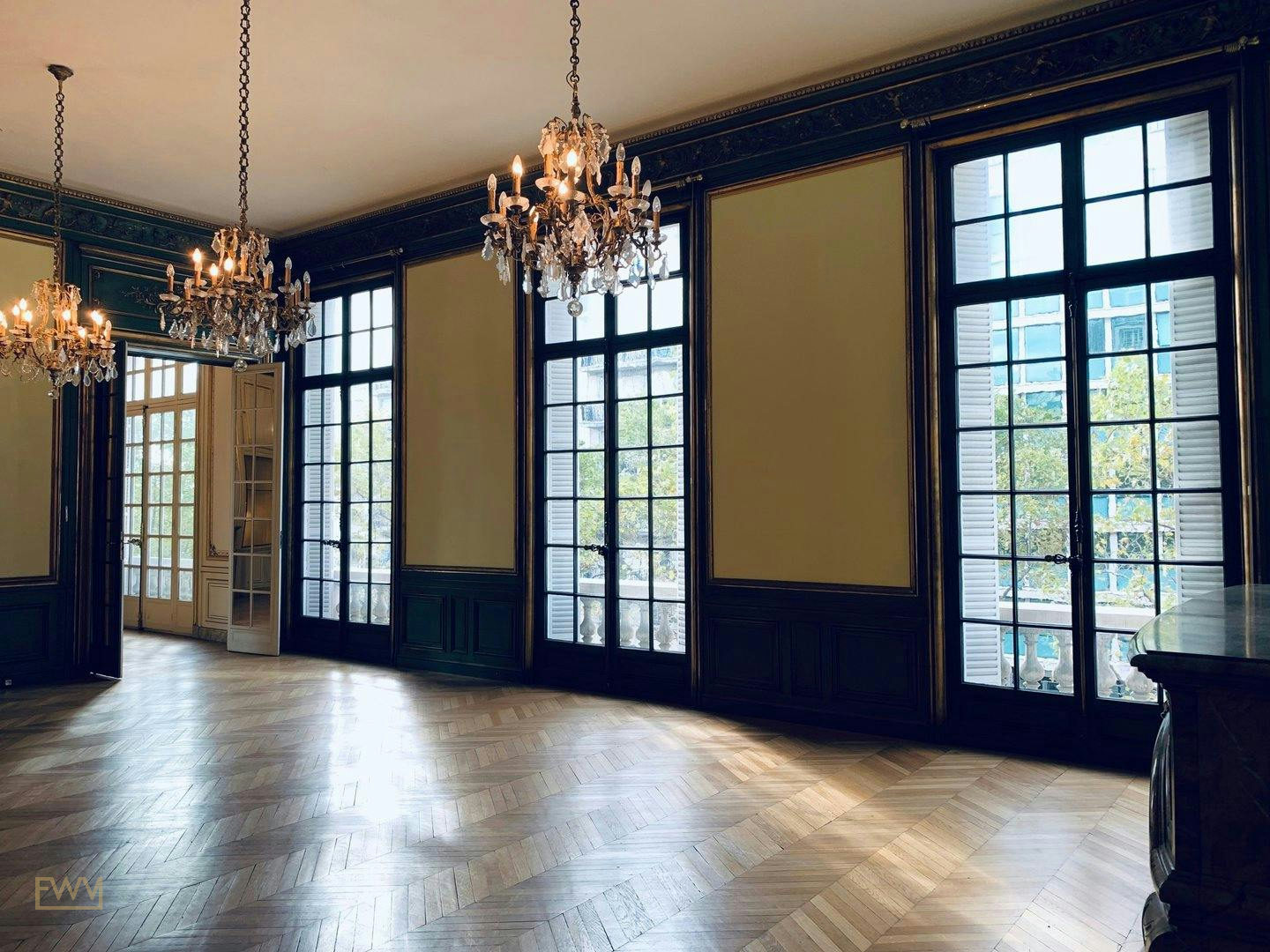
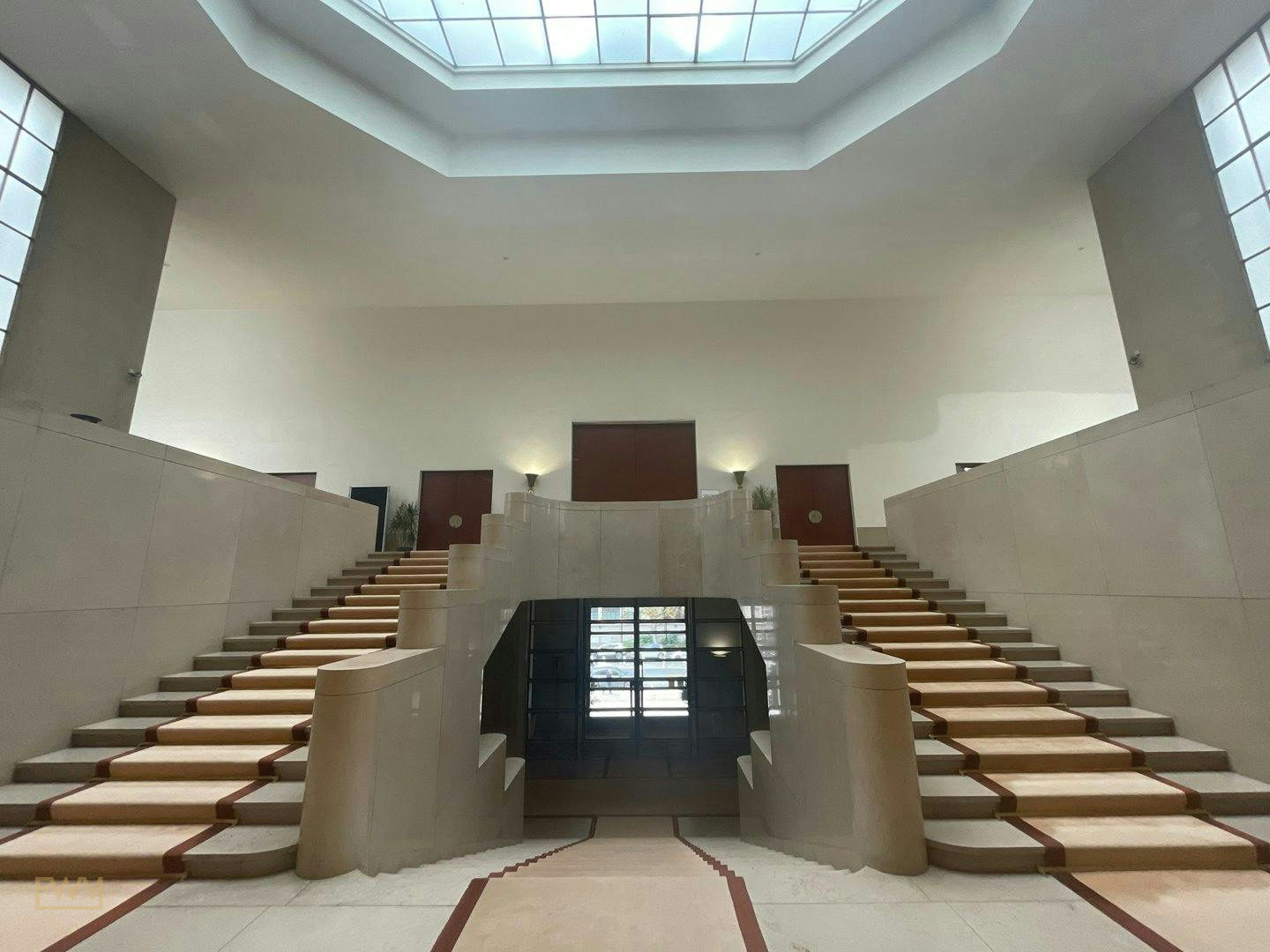
When it comes to showcasing fashion and luxury brands, the location you choose can define the entire event's success. With Paris being the heart of fashion, choosing the right Fashion Week Venue is crucial. At Fashion Week Venues, we specialize in providing tailored solutions for pop-up spaces, showrooms, and brand activations, particularly during the high-stakes period of Fashion Week. Our expertise in venue sourcing, concept direction, and activation management allows brands to make a remarkable impact in Paris. This guide will delve into the facets of selecting and optimizing your venue choice to enhance your brand’s presence in the world's fashion capitals.
The Importance of Location for Pop-Up Shops During Fashion Week
The selection of a location for a pop-up shop during Fashion Week is pivotal to the success of a brand’s temporary retail expansion. In Paris, where fashion meets culture, the right location can draw the attention of key industry players and fashion enthusiasts alike.
When selecting a location in Paris, proximity to major fashion districts like Le Marais, Saint-Germain-des-Prés, or Rue Saint-Honoré can significantly impact foot traffic and event prominence. These districts are not only steeped in history and prestige but also attract a clientele that values exclusivity and luxury, making them prime areas for temporary retail ventures.
DID YOU KNOW: According to Atout France, Paris annually attracts over 30 million tourists, with a substantial proportion seeking experiences in fashion and luxury retail. This makes location strategy crucial for maximizing a pop-up's success.
Successful pop-up shops leverage their strategic location to integrate additional experiences that complement shopping, such as in-store events, fashion shows, and influencer meet-and-greets. This transforms the pop-up into a destination rather than just a retail point.
However, location choice isn’t solely about geography; it involves logistical considerations. Factors such as accessibility for deliveries, image alignment with brand identity, and regulatory compliances need thorough evaluation. These considerations ensure the chosen venue supports both brand goals and operational feasibility.
KEY TAKEAWAY: Location is not just about high visibility but about strategic fit with brand identity and logistical feasibility, which can drive a successful pop-up experience.
As brands plan activations, the subsequent crucial point is understanding the various types of venues available and how each can serve different strategic purposes.
Different Venue Types for Fashion Events
Fashion Week Venues in Paris offers a diverse range of venue options catering to different event needs. From opulent showrooms to edgy creative spaces, each venue type presents unique opportunities and challenges that align with distinct brand strategies.
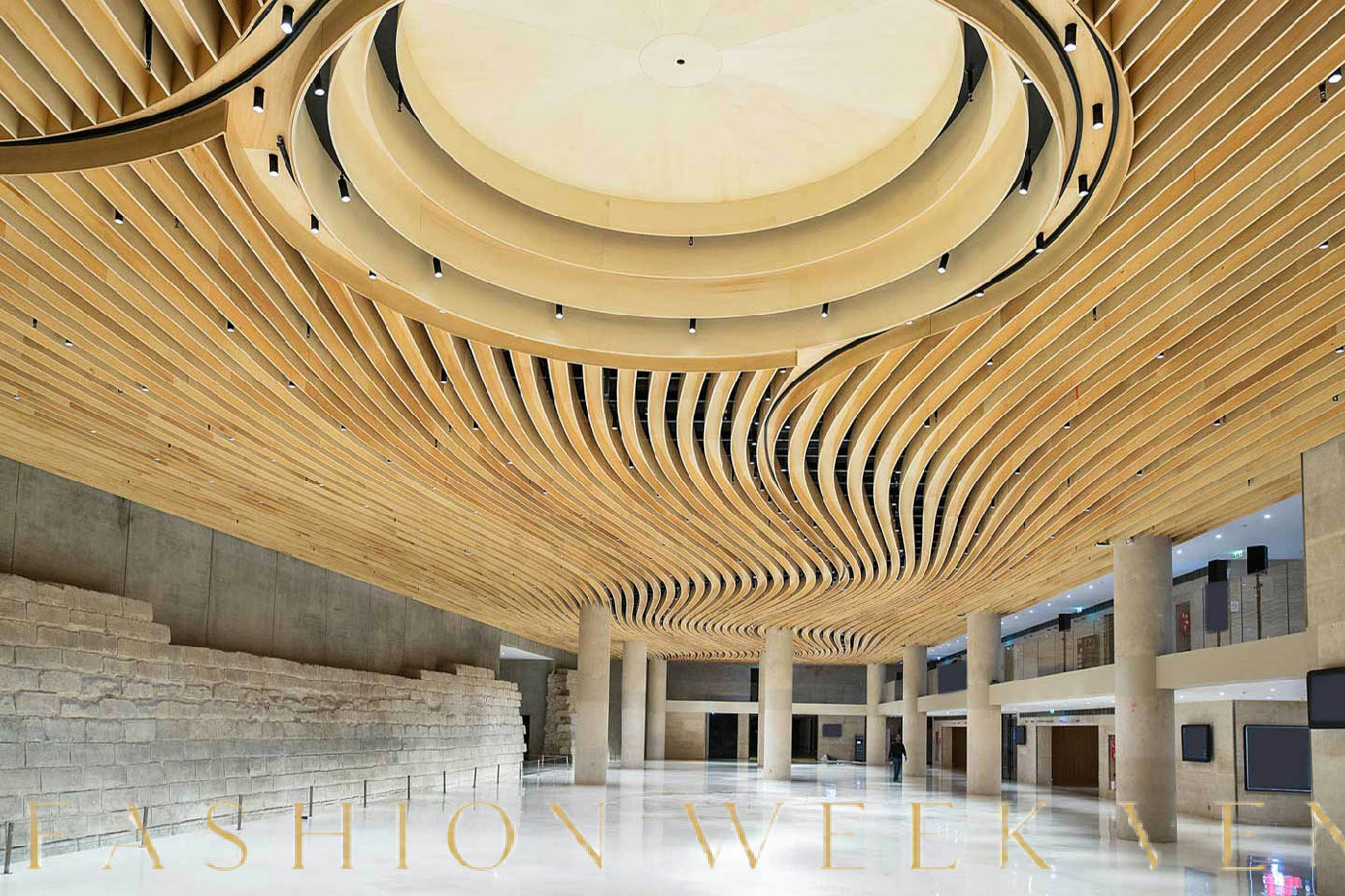
Opulent showrooms, often located in revered places like Place Vendôme or Palais de Tokyo, provide a classic and sophisticated backdrop. These prestigious venues are ideal for luxury brands seeking to reinforce their elite status.
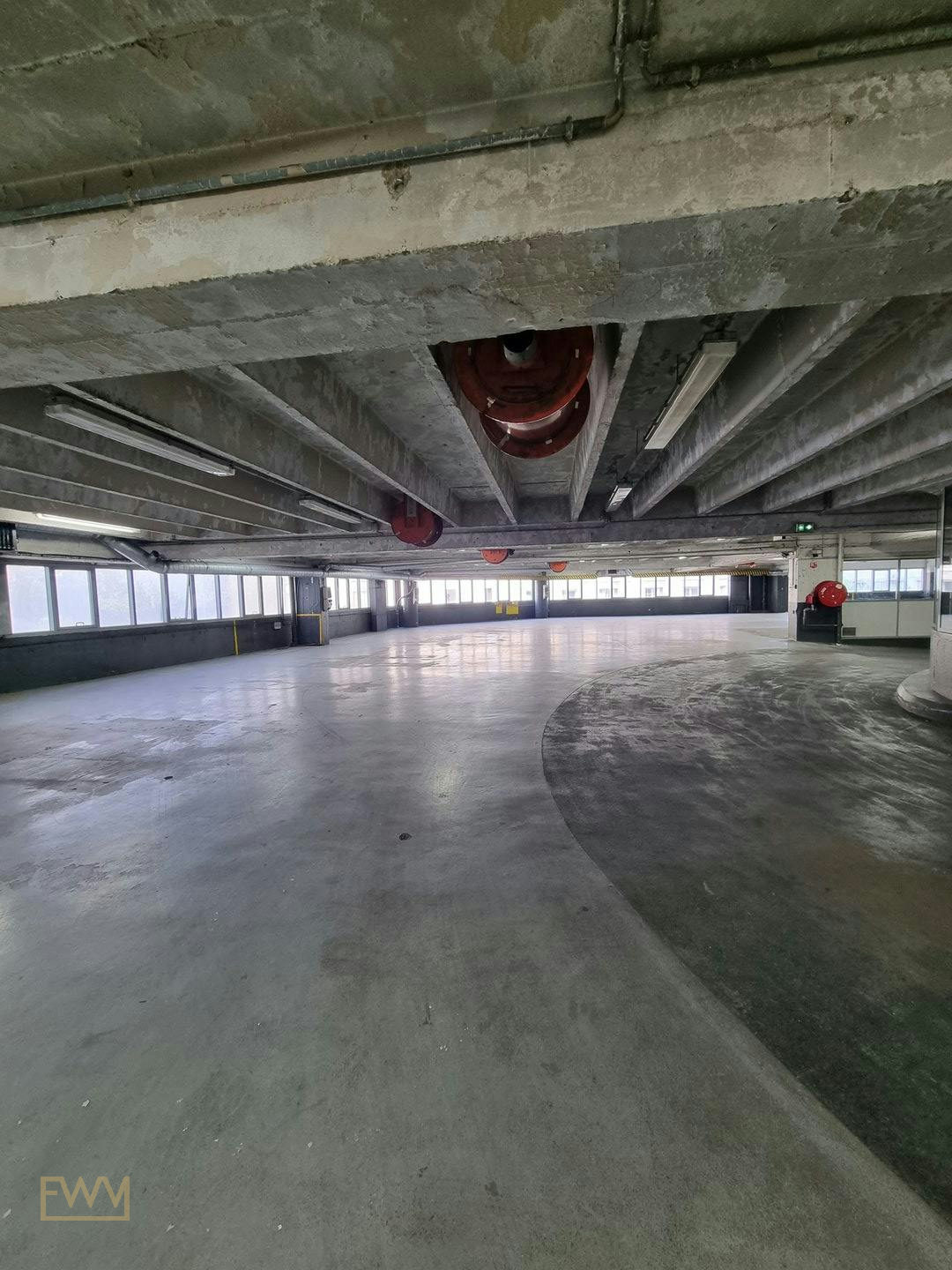
Conversely, creative spaces like warehouse conversions or art galleries in bustling areas such as Canal Saint-Martin offer more flexibility and uniqueness, attracting brands wanting to display an avant-garde aesthetic.
Quick answer: The choice of venue impacts brand identity; opulent showrooms enhance luxury perception, while creative spaces favor innovation and engagement.
Another impactful option is street-level retail spaces which, especially in high-traffic zones near Galeries Lafayette or Printemps, provide substantial visibility and accessibility, making them suitable for direct consumer engagement and impulse sales.
When choosing venue types, it’s critical for brands to consider the nature of their audience and the narrative they intend to create. Each space type aligns differently with audience expectations and marketing goals.
TIP: Consider hybrid spaces that offer the flexibility to adjust setup for different event needs, such as a fashion show by day and a cocktail reception by night, maximizing footfall and engagement.
Understanding which venue type matches your business goals is vital, as the next part of this guide discusses how timing influences the choice of venue.
The Role of Timing: Aligning with Fashion Calendars
Navigating the intricate Fashion Week calendar is an art in itself. The timing of your pop-up shop needs careful consideration to leverage the natural influx of industry professionals and fashion enthusiasts in Paris during Fashion Week.
Paris Fashion Week occurs biannually, showcasing both haute couture and ready-to-wear collections. These periods, if strategically utilized, can maximize brand visibility and interaction. However, brands also face competition for attention during these crowded moments.
Quick answer: Aligning a pop-up with Fashion Week capitalizes on increased foot traffic, but requires strategic timing to stand out amidst high competition.
While it might seem ideal to open in sync with Fashion Week, some brands may benefit from pre or post Fashion Week activations, avoiding the saturation of brand messages. Leveraging seasonal themes outside of official fashion calendars can also engage local audiences and international visitors drawn to Paris's cultural offerings.
The alignment of your event with the Fashion Week calendar is not just about timing but involves strategic planning to align with press opportunities and brand narratives that resonate with Fashion Week themes.
KEY TAKEAWAY: The timing of your pop-up can be as strategic as its location; utilize Paris Fashion Week windows for maximized exposure or consider off-season periods for a less competitive environment.
Understanding the importance of timing further emphasizes the need for meticulous planning, as detailed in the subsequent section on fashion event logistics and compliance.
Logistics and Compliance for Temporary Retail
Organizing a temporary retail event in Paris requires careful navigation through both logistical setup and compliance factors. Understanding the French regulations governing temporary retail spaces is critical to avoid disruptions.
The concept of bail dérogatoire is unique in French property law, allowing for short-term commercial leases without the long-term commitments typical in standard leases. Similarly, the AOT, or temporary occupation agreement, permits the temporary use of public domains for commercial activities.
IMPORTANT: Compliance with local regulations is complex and requires due diligence. Consulting with a legal advisor familiar with French property law is recommended to ensure proper adherence to the required permits and licenses.
The logistical aspects include managing inventory, technology setups for POS systems, and ensuring that the brand’s visual and experiential goals align with infrastructure capabilities. Fashion Week Venues offers services like branded store design and activation management to streamline these processes.
Developing a thorough timeline to coordinate each phase of the setup, from design to deactivation, can prevent delays and ensure a smooth transition from concept to execution.
To compare different venue types and regions concerning logistical considerations and legal requirements, use Fashion Week Venues’ permit tool.
KEY TAKEAWAY: Effective logistics management and adherence to compliance are crucial in executing a flawless temporary retail experience in Paris.
With a firm grasp on logistics, exploring how Fashion Week Venues can support your brand activation becomes the next natural progression.
How Fashion Week Venues Elevates Your Brand Activation
Fashion Week Venues is a cornerstone for brands looking to establish impactful activations during Paris Fashion Week. Our comprehensive services range from venue sourcing to activation management, ensuring that all aspects of the pop-up experience align with brand goals.
Utilizing tools such as our budget calculator and ROI calculator, brands can effectively plan and optimize their activations. Additionally, our expertise in concept direction helps brands articulate their vision and translate it into an engaging retail experience.
Fashion Week Venues also provides a marketplace platform for discovering and comparing spaces, which can be tailored to specific brand requirements and audience expectations.
Our support extends to logistics with services that include production builds, retail staffing, and influencer marketing, all designed to amplify the brand’s activation impact.
For brands planning an activation, understanding how Fashion Week Venues’ end-to-end services can transform a vision into reality is critical. Visit our activation management page for more details.
KEY TAKEAWAY: Fashion Week Venues offers a comprehensive suite of tools and services that simplify the complex process of planning and executing brand activations during major fashion events.
With an understanding of available resources, the next section delves into budgeting for venue selection, highlighting cost considerations and financial planning.
Budgeting for Fashion Week Venues: Costs and Considerations
Budgeting for a pop-up venue during Fashion Week involves meticulous planning, balancing costs with expected returns, and understanding various expense components unique to temporary retail.
Key budget components include venue rental fees, staffing costs, marketing expenses, and logistical setups such as furnishings and technology. While these can differ vastly depending on location and the scope of activation, leveraging a tool like the Fashion Week Venues' budget calculator can provide tailored estimates that align with the brand’s financial capabilities.
TIP: Allocate funds for unexpected expenses, which often arise in high-pressure settings like Fashion Week, to ensure flexibility in your budget plan.
Brands should also consider the costs associated with collaborating with local influencers, as influencer marketing during Fashion Week can significantly enhance event reach and engagement.
Strategically reviewing cost-benefit scenarios helps in deciding investment sizes for different elements of the activation, providing a clearer picture of potential financial returns and customer engagement benefits.
Quick answer: Successful budgeting aligns financial investment with brand outcomes, incorporating flexibility for unforeseen Fashion Week market dynamics.
Managing costs effectively not only ensures an event stays on budget but also enhances your brand’s profitability and reputation during Fashion Week.
With budget consciousness in place, the next area to consider is engaging audiences through experiential marketing strategies.
Experiential Marketing Strategies for Fashion Events
Experiential marketing is a powerful tool for brands aiming to create lasting impressions during fashion events. This strategy focuses on immersive, personalized experiences that foster deep connections between the brand and its audience.
During a pop-up event, integrating experiential elements like interactive installations, live performances, and personalized experiences can transform a visit into an engaging narrative, encouraging longer visitor dwell times and fostering brand loyalty.
Brands often leverage their retail space to showcase elements beyond traditional retail, incorporating art, music, and technology to create a distinctive atmosphere that resonates with their audience.
Quick answer: Experiential marketing during pop-up events creates memorable interactions through immersive and personalized brand experiences.
Fashion Week Venues supports such innovative approaches by offering services in branded store design and influencer marketing, ensuring the event’s narrative aligns with overall brand messaging.
To capitalize on experiential strategies, brands must clearly define event objectives, understanding their audience demographics and psychographics to tailor unique experiences that drive engagement.
KEY TAKEAWAY: Experiential marketing is essential for engaging audiences, providing a unique opportunity to convey brand stories beyond conventional retail interactions.
Enriching experiences through marketing lends itself to improved ROI, discussed in the following section on evaluating activation success.
Evaluating the Success of Fashion Week Activations
Evaluating the success of a Fashion Week activation necessitates a blend of quantitative and qualitative assessments to truly gauge impact. Metrics such as sales figures, foot traffic, media impressions, and social media engagement are key performance indicators (KPIs).
Brands can use Fashion Week Venues' ROI calculator to measure specific outcomes and benchmarks, offering a precise view of the activation’s financial success compared to predicted results.
Surveys and direct customer feedback also play a crucial role in evaluating the experiential aspects of the activation, providing insights into attendee satisfaction and brand perception changes.
Quick answer: Successful evaluation of fashion activations mixes KPI tracking with customer feedback to gain comprehensive insights into brand impact.
It's also vital to assess the longevity and conversion of new customer relationships formed during the event. Segmenting new leads for targeted post-event marketing can further optimize long-term engagement.
KEY TAKEAWAY: A multi-faceted evaluation approach employing both hard metrics and subjective feedback reveals the true success of a fashion activation.
By thoroughly evaluating activations, brands can refine future strategies, ensuring even greater impact in subsequent events.
Common Myths Debunked
MYTH: You need a French legal entity to rent a space in Paris.
FACT: While having a French entity can simplify logistics, it's not a legal necessity. Many international brands operate through temporary agreements and work with agencies like Fashion Week Venues to navigate these complexities.
MYTH: Paris Fashion Week is the only viable calendar window for brand activations.
FACT: While Fashion Week provides heightened exposure, opportunities abound year-round. Tailoring events to align with unique seasons or cultural happenings can capture different audience segments.
MYTH: Commission brokers are the only way to find a pop-up space in Paris.
FACT: Commission brokers are a common method, but platforms like Fashion Week Venues offer a marketplace where brands can independently browse and compare options.
MYTH: Short-term leases are legally straightforward without specialist help.
FACT: The legal landscape for temporary retail is intricate and varies by location and lease type. Expert guidance is advisable to navigate permits and local regulations effectively.
Frequently Asked Questions
What types of venues are best for a fashion brand launch?
For a fashion brand launch, venues that offer high foot traffic and align with the brand's image are ideal. Opulent showrooms in prestigious districts like Place Vendôme can add exclusivity and allure. Alternatively, creative spaces in vibrant neighborhoods like Le Marais can offer a more contemporary appeal. The choice largely depends on the brand’s target audience and the narrative they wish to project.
How far in advance should I book a venue for Fashion Week?
To secure prime locations, it’s advisable to book your venue at least six months to a year in advance of Fashion Week. This lead time ensures access to preferred spaces and allows ample time for planning and coordination, including permit applications and logistical arrangements.
Do I need special permits for a pop-up event in Paris?
Yes, special permits such as the bail dérogatoire or AOT are required for temporary retail operations in Paris. These permits vary based on the space, duration, and arrondissement. Brands are advised to consult with legal advisors and utilize tools like the Fashion Week Venues permits tool for guidance.
How can I measure the success of my fashion week activation?
Success can be measured through KPIs such as sales, footfall, media impressions, and social media engagement. Additionally, customer feedback and post-event surveys can provide qualitative insights. Using tools like the Fashion Week Venues' ROI calculator can offer a comprehensive view of your activation’s success.
What are the costs associated with hosting a pop-up shop?
Costs typically include venue rental, staffing, marketing, furnishings, and technological setups. Prices vary greatly depending on location and activation scale. Utilizing the Fashion Week Venues' budget calculator helps provide brand-specific estimates and financial planning.
Can I host a fashion event outside of Paris Fashion Week?
Absolutely. Hosting an event outside of official Fashion Week dates can reduce competition and offer creative flexibility. There are numerous cultural events and peak tourist periods throughout the year that can be strategically leveraged for brand advantages.
What should be included in a pop-up shop's experiential marketing strategy?
An effective strategy should include immersive and interactive elements, such as art installations, live performances, or personalized services. The goal is to create memorable experiences that resonate with your audience, thereby increasing engagement and brand loyalty.
How does Fashion Week Venues ensure compliance with local laws?
Fashion Week Venues offers thorough compliance support by employing legal experts familiar with local regulations. This includes guidance on required permits and adherence to French property laws to ensure smooth and lawful operation of event spaces.
What services does Fashion Week Venues offer to support a fashion activation?
We provide a wide range of services including venue sourcing, concept direction, activation management, retail staffing, branded store design, influencer marketing, and logistical support. Our marketplace tool allows brands to discover and compare spaces autonomously, enhancing choice and flexibility.
How do I choose between different venues and locations in Paris?
Choosing the right venue involves considering brand alignment, target audience, logistical feasibility, and budget. The Paris city hub on Fashion Week Venues provides comprehensive insights into different neighborhoods and venue types, aiding in informed decision-making.
Conclusion: Strategize and Execute with Fashion Week Venues
Navigating the complexities of venue selection and activation during Fashion Week need not be daunting. With Fashion Week Venues, brands are empowered to identify prime locations, execute engaging activations, and achieve their strategic objectives efficiently. Our comprehensive suite of services and expert guidance streamlines the process from selection to execution, ensuring brands make impactful impressions in the bustling world of fashion. To move from research to activation, start exploring available spaces on the Fashion Week Venues marketplace and build a focused brief for your target neighborhood, space type, and calendar window. Join the ranks of successful activations that have leveraged our resources to achieve remarkable brand experiences.