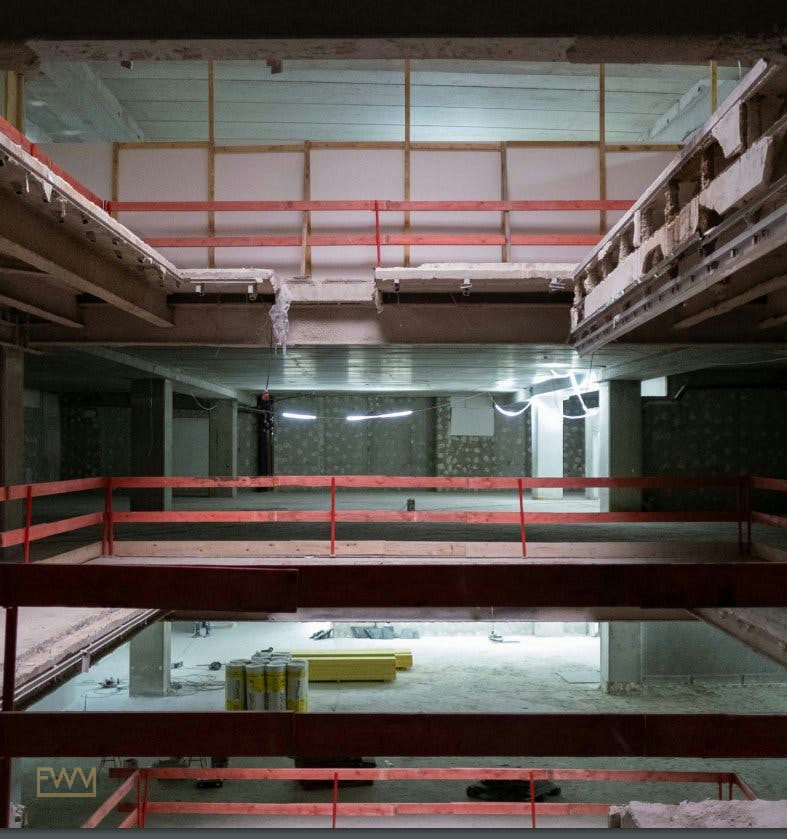
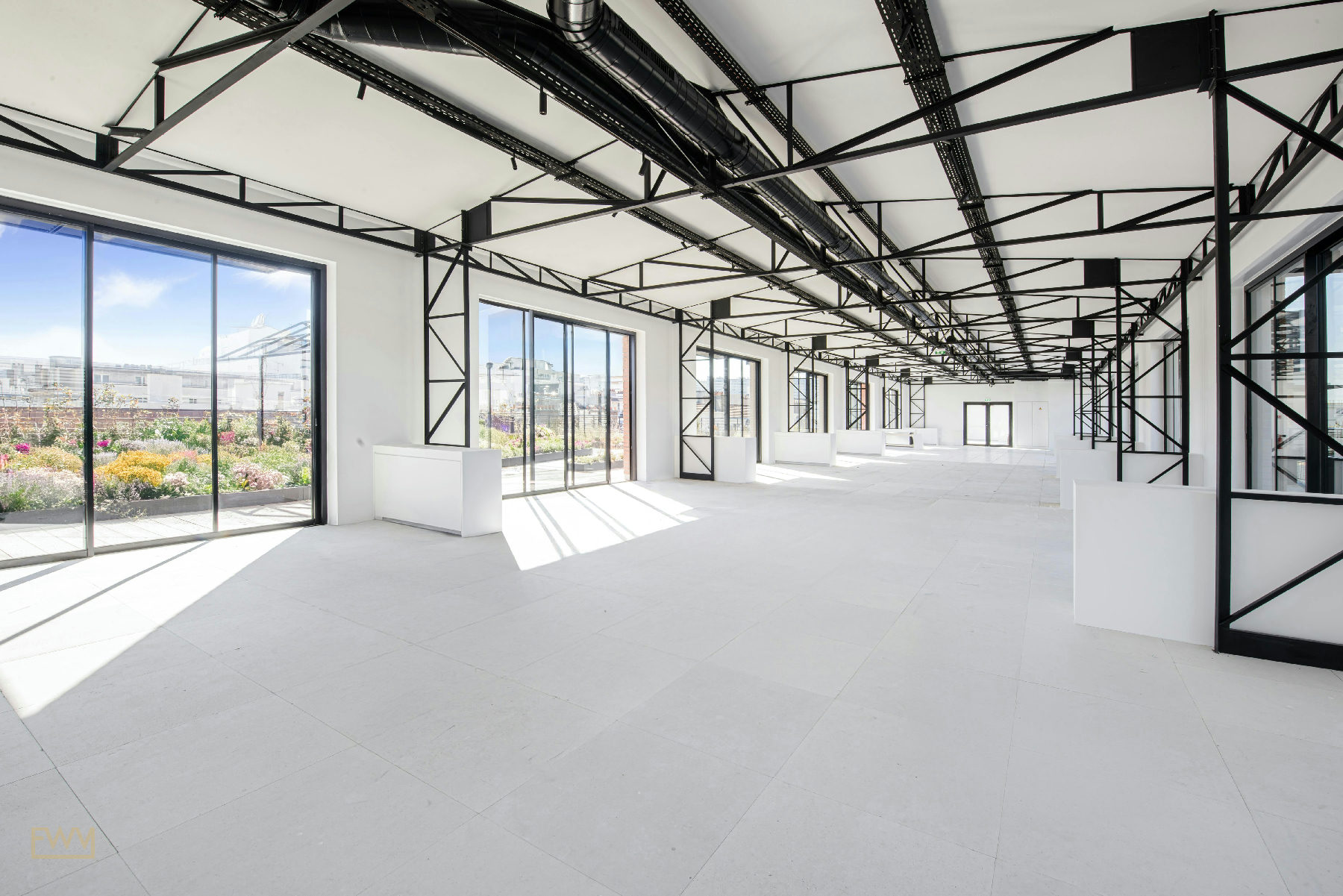
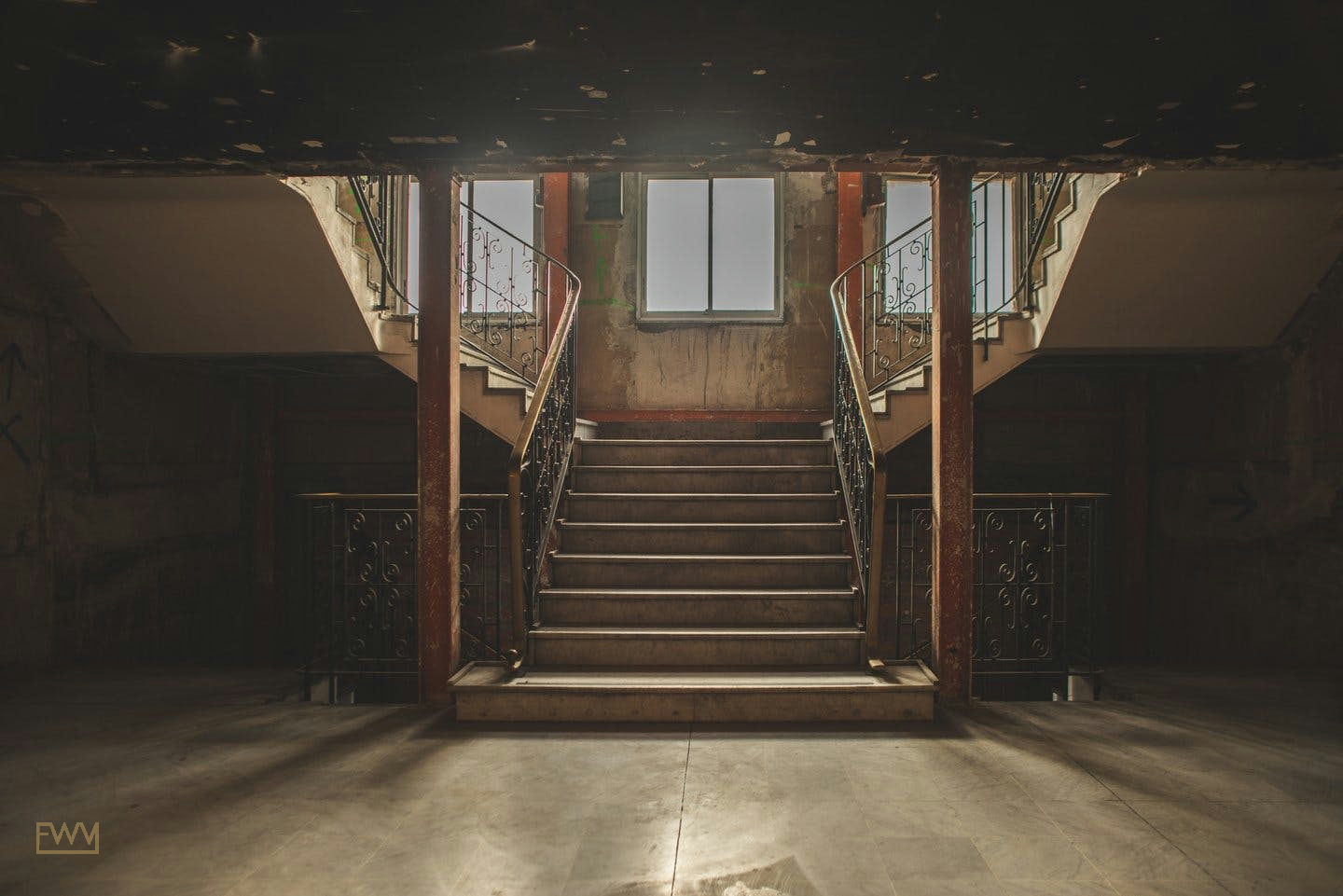
Opening a pop up store near Notre Dame Paris puts your brand at the geographical and cultural heart of one of the world's most visited urban corridors. The 4th arrondissement surrounding Notre-Dame de Paris attracts tens of millions of visitors annually, drawing international tourists, Parisian residents, fashion buyers, and seasonal shoppers who move fluidly between the cathedral, the Marais, the Louvre, and the Seine. For brands seeking short-term retail, seasonal activations, or experiential boutiques, this neighbourhood offers an unmatched concentration of foot traffic, cultural prestige, and commercial energy. Fashion Week Venues specialises in sourcing, producing, and managing pop-up spaces in Paris for brands across fashion, beauty, jewellery, food, and lifestyle categories.
Why Brands Choose to Open a Pop Up Store Near Notre Dame in Paris
The area surrounding Notre-Dame de Paris is among the most commercially powerful short-stay retail zones in all of Europe. Brands choose this location not simply for its famous skyline or its cathedral towers, but because the surrounding streets and arrondissements generate a uniquely diverse consumer audience that no other Parisian micro-district can replicate at the same density.
The 4th arrondissement forms the northern bank around the Ile de la Cité and connects directly to Le Marais to the east, Chatelet-Les Halles to the west, and the Left Bank across the river. This connectivity means that a pop up store near Notre Dame draws not only cathedral visitors, but also the affluent residential shoppers of Le Marais, the cultural day-trippers visiting the Centre Pompidou, the fashion-forward crowd spilling out from the Rue de Rivoli and Saint-Honoré corridors, and the Latin Quarter visitors crossing from the 5th and 6th arrondissements via the many bridges over the Seine.
Following the restoration of Notre-Dame Cathedral after the 2019 fire and its celebrated reopening in December 2024, the area has experienced a pronounced resurgence in visitor volume. Brands with foresight moved quickly to establish presences in the surrounding streets, recognising that the cathedral's return to active cultural life would reignite the entire Ile de la Cité and its immediate neighbourhood as a major destination. The Hôtel de Ville area, the Place des Vosges in Le Marais, and the Halle des Blancs Manteau district all saw increased activation interest in the months following reopening.
For jewellery brands, luxury souvenir retailers, beauty houses, fashion labels, and experiential concepts, the diversity of this audience is the primary commercial argument. Visitors from the Musée du Louvre and the Tuileries Garden route often continue east through Les Halles toward Notre-Dame. Shoppers moving through the Marais naturally extend their route south toward the cathedral. This fluid movement pattern means that a well-positioned pop up store near Notre Dame benefits from multiple incoming audience streams simultaneously.
Seasonality matters significantly in this quarter. The corridor performs strongly year-round, but the Christmas and winter season amplifies foot traffic dramatically as Paris Christmas markets, holiday decorations, and seasonal events draw additional millions to the city. Brands planning seasonal activations particularly benefit from the proximity to major open air markets and festive routes that pass through or adjacent to the Notre-Dame area.
Quick answer: Brands open pop up stores near Notre Dame Paris because the location sits at the intersection of multiple high-traffic tourist and residential corridors in the 4th arrondissement, offering access to diverse audiences including international visitors, Parisian residents, fashion buyers, and seasonal shoppers, particularly during the winter and Christmas Market period.
KEY TAKEAWAY: The Notre-Dame catchment area is not a single street but an interconnected zone that includes the Marais, Les Halles, Chatelet, the Left Bank approaches, and the Hôtel de Ville, giving a well-sited pop up store access to multiple distinct consumer flows rather than a single visitor stream.
Understanding this geography is the first step toward selecting the right space type and street within the broader Notre-Dame neighbourhood, which the following section explores in detail.
Parisian Locations and Landmarks: Mapping the Notre Dame Pop Up Corridor
Choosing the right micro-location within the Notre-Dame corridor requires understanding how each surrounding landmark and arrondissement shapes the consumer profile at street level. The City of Light is not monolithic; each quarter has its own rhythm, demographic, and commercial energy that directly affects how a pop up store performs.
The 4th Arrondissement and Ile de la Cité
The Ile de la Cité itself is primarily institutional, but the streets on the Right Bank immediately north of the cathedral, particularly around the Hôtel de Ville, form an active retail and hospitality zone. The Hôtel de Ville Christmas Market is one of the city's most visited seasonal markets, drawing enormous crowds in November and December. Brands with seasonal activations benefit from proximity to this established market footfall.
The Halle des Blancs Manteau area just north of the Place des Vosges is a more curated, gallery-adjacent location that suits artistic, jewellery, and independent fashion brands seeking a less saturated retail environment with a culturally engaged audience.
Le Marais: The Premium Pop Up Neighbourhood
Le Marais is arguably the single most desirable pop up district in Paris for fashion, beauty, and lifestyle brands. The density of concept stores, galleries, independent boutiques, and cultural institutions between the Centre Pompidou and the Place des Vosges creates a commercial environment that is both premium and approachable. The Marais audience skews young, affluent, fashion-literate, and internationally diverse. Pop up activations here benefit from high organic discovery from pedestrians who are actively browsing rather than simply passing through on the way to a monument.
Les Halles, Chatelet, and Forum des Halles
The Chatelet-Les Halles zone to the west of Notre-Dame is the largest metro interchange in Paris and among the busiest in Europe. The Forum des Halles, underground shopping centre and its surrounding streets around the church of Saint-Eustache, generate enormous daily pedestrian volumes. Brands seeking maximum footfall rather than maximum curation find this corridor highly efficient. The Rue Montorgueil, running north from Les Halles, is a particularly active pedestrian street with a strong food, lifestyle, and artisan retail character that suits experiential pop up formats well.
Saint-Germain and the Left Bank Approach
Crossing south over the Seine from Notre-Dame, the Latin Quarter and Saint-Germain corridor encompass the 5th and 6th arrondissements. The 6th arrondissement in particular, with its proximity to the Cluny Museum, the Odéon theatre, and the established luxury and literary retail strip along Boulevard Saint-Germain, offers spaces suited to higher-price-point brands. The Left Bank audience tends to be more Parisian residential and less purely tourist-driven, which suits brands building longer-term local brand equity rather than pure tourist conversion.
Montmartre, Sacré-Coeur, and Place des Abbesses
Further north, Montmartre and the Place des Abbesses area offer a very different pop up environment. The Sacré-Coeur tourist draw is enormous, but the streets of lower Montmartre around the Abbesses metro are increasingly used for artisan, craft, and independent brand activations that benefit from the neighbourhood's bohemian, creative identity. Natural wine bars and small concept boutiques dominate street retail here, making it a strong fit for food, beverage, and independent fashion brands.
Tuileries, Louvre, and the Arc de Triomphe Axis
The axis running from the Musée du Louvre through the Tuileries Garden toward the Arc de Triomphe is the most prestigious retail corridor in Paris and arguably the world. Brands activating near the Tuileries Christmas Market or within the Rue Saint-Honoré zone access an ultra-premium consumer who is actively spending on fashion, accessories, and experiential retail. This corridor is also the setting for some of the most high-profile Paris Fashion Week brand activations, showrooms, and press events.
DID YOU KNOW: The Tuileries Garden Christmas Market is one of Paris's largest and most-visited seasonal markets, and brands that secure pop up positions in the surrounding streets during November and December benefit from a significant multiplier effect on their regular foot traffic.
To compare specific neighbourhoods and identify spaces that match your brand's target consumer and budget, the Fashion Week Venues space locator tool provides neighbourhood-level filtering across Paris arrondissements.
KEY TAKEAWAY: Each Parisian landmark and arrondissement generates a distinct consumer profile. A pop up store near Notre Dame is not limited to the cathedral's immediate footprint; it draws from a wide catchment that includes the Marais, Les Halles, Saint-Germain, and the Louvre-Tuileries axis. Matching space micro-location to brand target audience is the most important first decision in the activation planning process.
With location strategy established, the next critical dimension is understanding the Paris Christmas Market ecosystem that defines the winter pop up opportunity across all of these neighbourhoods.
Paris Christmas Markets, Chalets, and Seasonal Pop Up Stores Near Notre Dame
The Paris Christmas Market season transforms the Notre-Dame corridor and its surrounding neighbourhoods into one of the most commercially active short-term retail environments in Europe. Understanding the structure, timing, and vibe of the major markets is essential for any brand planning a seasonal pop up or experiential activation in the city.
Quick answer: A pop up Christmas market is a temporary outdoor or semi-covered retail event typically operating from late November through late December, featuring wooden chalet stalls selling seasonal food, gifts, decorations, and artisan products. In Paris, these markets range from small neighbourhood affairs to large civic spectacles attracting hundreds of thousands of visitors.
The Major Paris Christmas Markets and Their Characteristics
The Tuileries Christmas Market, often called La Magie de Noël, is one of the largest in France. Located in the Tuileries Garden adjacent to the Louvre and the Rue de Rivoli, it combines retail chalets selling everything from Alsace regional specialities to jewellery and souvenir gifts with a full fairground, a Champagne bar, and a structured entertainment programme. The Alsace connection is commercially significant: the Alsace region in northeastern France shares a border with Germany and Switzerland, and the Alsatian market tradition heavily influences the food offering across Paris Christmas markets, with foie gras, vin chaud, and Germanic pastries forming the backbone of the seasonal food-and-beverage experience. Who can resist a Christmas-themed carnival with fantastic food offerings and shopping opportunities for special gifts? The answer, evidently, is very few people, which is precisely why these markets generate such intense commercial energy for nearby pop up activations.
The Hôtel de Ville Christmas Market in the 4th arrondissement is among the most centrally located seasonal markets in Paris, situated directly in front of the city hall facing the Seine. Its proximity to Notre-Dame Cathedral, the Marais, and the Forum des Halles interchange makes it an exceptionally high-traffic market, and brands with permanent or pop up retail in the surrounding streets benefit materially from the additional consumer flow it generates. The Hôtel de Ville market typically features a skating rink and festive programming in addition to the chalet retail offering, which extends visitor dwell time and increases repeat visits.
The Saint Michel Christmas Market serves the Latin Quarter and Left Bank audience, sitting at the gateway between the 5th arrondissement and the Ile de la Cité. It is smaller and more neighbourhood-focused than the Tuileries or Hôtel de Ville markets, but it attracts a highly educated, culturally engaged consumer who moves between the market, the nearby Cluny Museum, and the bookshops and cafés of the Latin Quarter. Brands in the jewellery, book, and artisan food categories perform particularly well with this audience.
The La Défense Christmas Market, operating in the business district to the west of Paris, draws a primarily office-worker and corporate-gift audience, making it relevant for premium food, accessories, and branded experience activations aimed at professional consumers. Bercy Village in the 12th arrondissement offers a more village-scale Christmas market format within a converted wine warehouse complex, creating a distinctive setting that suits craft, food, and design brands seeking a less saturated Christmas activation environment.
Hot Mulled Wine, Vin Chaud, and the Sensory Architecture of Christmas Pop Ups
The sensory experience of a Paris Christmas market is anchored by hot mulled wine, known universally in France as vin chaud. This spiced warm wine is the commercial and cultural centrepiece of every marché de Noël, and brands that incorporate sensory elements aligned with this seasonal register perform significantly better in pop up environments adjacent to Christmas markets. Experiential pop ups offering warming drinks, scented environments, and tactile product experiences translate the Christmas market sensibility into a branded retail context effectively.
The vibe at the Tuileries Christmas carnival specifically is one of fun, entertainment, shopping, and food, with beverages ranging from hot chocolate to Champagne. It draws families with children, couples, and international tourists in roughly equal measure, creating a broad audience suitable for mass-accessible luxury, souvenir, beauty, and fashion brands. The combination of Disney and Lego-style entertainment elements alongside a proper Champagne bar illustrates the deliberate demographic range that the major Paris Christmas markets target.
Pop Up Stalls, Chalets, and Branded Retail Within the Markets
Within the markets themselves, brands can apply for pop up stalls or chalets to sell seasonal products directly alongside the established market traders. These positions are typically allocated through a formal application process managed by the relevant arrondissement or market operator, with fees, dimensions, and operational parameters set by the organiser. Brands should note that chalet positions within established markets are in high demand and require early booking, often months in advance. For brands seeking adjacent street-level retail rather than in-market positions, the surrounding streets offer a range of short-term commercial spaces that benefit from market foot traffic without the operational constraints of a market stall format.
TIP: If you are planning a seasonal pop up activation near a Paris Christmas Market, aim to have your space live at least one week before the market opens to capture early-season foot traffic and establish your brand presence in the neighbourhood before the peak crowds arrive.
KEY TAKEAWAY: The Paris Christmas Market season from late November through late December creates a major commercial amplification effect for pop up stores in the Notre-Dame corridor and across the city. Brands should map their activation timing against specific market calendars, factoring in the Hôtel de Ville Christmas Market, the Tuileries Christmas Market, and the Saint Michel Christmas Market as the three most relevant to the Notre-Dame catchment area.
The seasonal opportunity is only fully realised when a brand has a clear understanding of the operational and logistical requirements for running a pop up in Paris, which the following section addresses in full.
Pop Up Store Types, Formats, and Space Categories Near Notre Dame
Brands planning a pop up near Notre Dame Paris can choose from a wide range of space types and formats, each with distinct commercial characteristics, operational requirements, and brand fit considerations. Selecting the right format is as important as selecting the right neighbourhood.
Quick answer: Pop up store formats in the Notre-Dame area range from traditional street-level boutique units and gallery spaces to basement studios, courtyard installations, and dedicated event spaces. Each format carries different cost structures, permit requirements, and visitor experience potential.
| Space Type | Best For | Typical Size Range | Key Consideration |
|---|---|---|---|
| Street-level boutique | Fashion, beauty, jewellery, souvenir | 30 to 150 sqm | High visibility, premium rent during peak season |
| Gallery space | Art, premium fashion, experiential | 50 to 300 sqm | Flexible layouts, often in historic buildings |
| Basement studio | Events, launches, press previews | 30 to 100 sqm | Lower visibility but high exclusivity |
| Courtyard or outdoor area | Seasonal markets, food and beverage, installations | 50 to 500 sqm | Weather-dependent, requires AOT permit for public space |
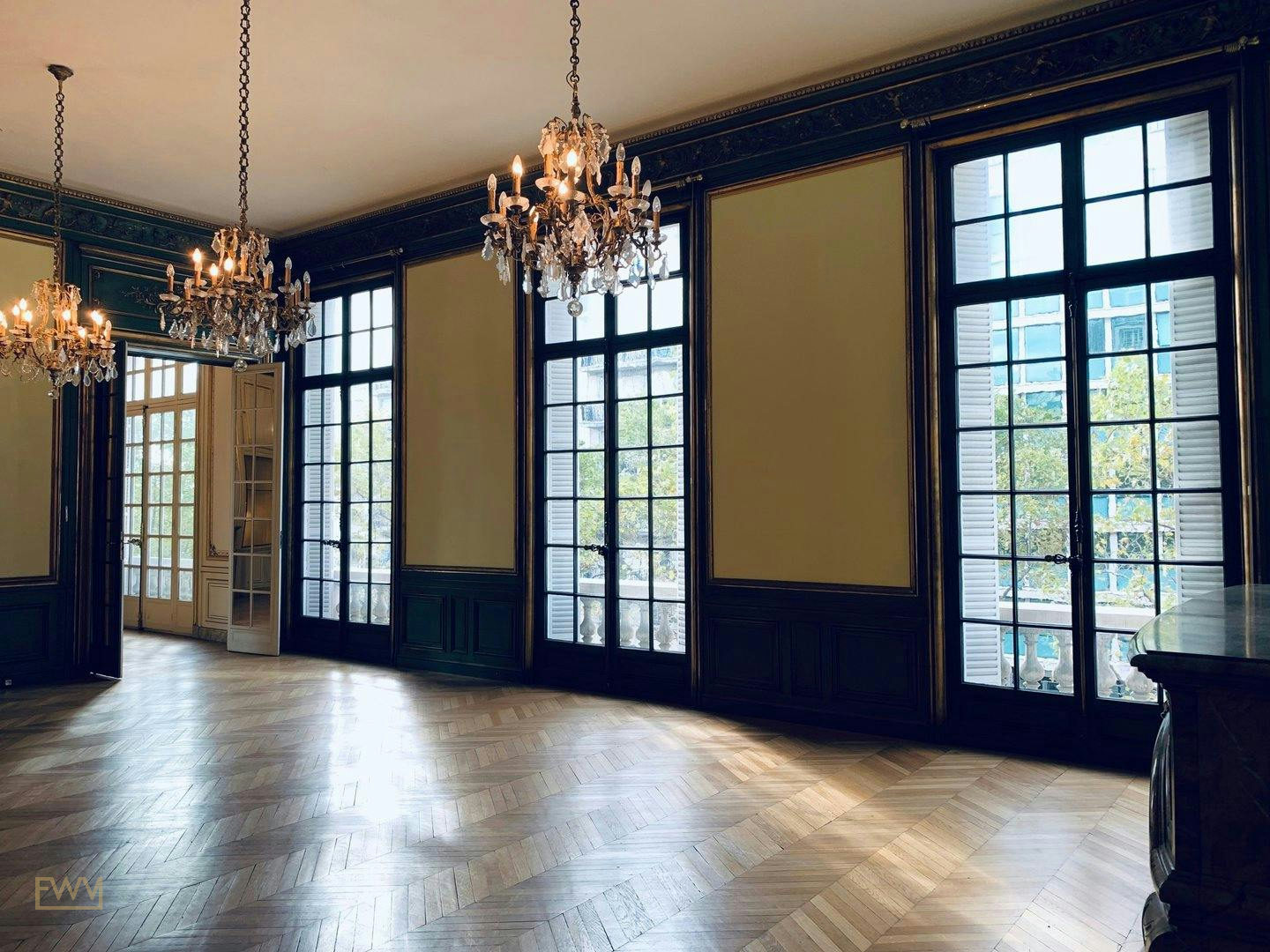
| Haussmann apartment | Luxury showroom, press office, VIP event | 80 to 250 sqm | Atmospheric but requires careful fit-out management |
| Former commercial unit | Full retail, café, multi-brand concept | 50 to 400 sqm | Most lease-like format, bail dérogatoire typically used |
Jewellery, Fashion, and Beauty Pop Ups
Jewellery brands consistently perform well in street-level boutique and gallery formats near Notre-Dame and in the Marais. The combination of high tourist volume and affluent residential shoppers creates a conversion environment that suits accessible luxury price points. Beauty brands benefit from the same audience dynamic but often prefer slightly larger formats with room for product demonstration, sampling, and experience-based storytelling.
Fashion brands, from independent labels to established houses using pop ups as market-entry vehicles, typically seek 50 to 200 square metre spaces in Le Marais or the Saint-Germain corridor. The Marais in particular has a strong established fashion retail ecosystem that makes it easier for a new pop up to attract press and buyer attention, since fashion industry visitors are already habitual Marais visitors.
Galerie and Concept Store Formats
The galerie format, combining gallery-style curation with retail, is well-established in Parisian pop up culture. Brands using this format typically feature a curated edit of products displayed in a gallery arrangement, often with an art or cultural collaboration angle that gives the space editorial and press value beyond its commercial function. This format is particularly well-suited to the Marais and the Left Bank Saint-Germain area, where the cultural infrastructure supports gallery-retail hybrids.
Souvenir and Experience-Led Pop Ups
The Notre-Dame and Louvre corridor generates enormous demand for souvenir and experiential retail. International visitors to Paris seeking distinctive, non-generic souvenirs are an underserved audience that brands with strong narrative identity, craft credibility, or French provenance can reach effectively through a pop up store format. The most successful souvenir-adjacent pop ups in this area differentiate themselves through story, craft, and experience rather than competing on price with street-level tourist retail.
To explore available spaces across these categories, browse the Fashion Week Venues space marketplace and filter by format, arrondissement, and available dates.
KEY TAKEAWAY: Space format selection should follow brand strategy, not simply availability. The right format for a jewellery brand is different from the right format for a food concept or a fashion label. Define your intended customer experience first, then identify the space type and arrondissement that best enables it.
Permits, Leases, and Legal Framework for Pop Up Stores in Paris
Operating a pop up store in Paris requires navigating a legal and regulatory framework that differs significantly from standard commercial leasing in France. Brands unfamiliar with the French system frequently underestimate the complexity of this dimension and risk delays, compliance issues, or unexpected costs.
Quick answer: Most short-term retail activations in Paris use a bail dérogatoire, a derogatory commercial lease that allows tenancies of up to three years without triggering the full protections of the French commercial lease code. For public space or outdoor activations, an Autorisation d'Occupation Temporaire, known as an AOT, is required and must be obtained from the relevant arrondissement authority.
Understanding the Bail Dérogatoire
The bail dérogatoire is the standard instrument used for short-term commercial tenancies in France. It allows a landlord and tenant to agree a lease duration of up to three years without the tenant acquiring the statutory renewal rights that apply to full commercial leases under French law. For pop up brands, this means the landlord retains the ability to reclaim the space without paying compensation, and the tenant retains flexibility to exit without long-term liability.
Critically, a bail dérogatoire must be properly drafted and signed before the tenant takes occupation. If a tenant occupies a space under a verbal agreement or an informal arrangement and remains beyond the agreed period, French courts may deem the tenancy to have converted to a full commercial lease with all its attendant obligations. Brands are strongly advised to work with a French legal advisor and to ensure that all lease documentation is properly executed before committing to fit-out expenditure.
Autorisation d'Occupation Temporaire for Outdoor and Public Spaces
For activations on pavements, in public squares, or using outdoor areas adjacent to public space, an AOT is required from the Paris municipal authority or the relevant arrondissement administration. The requirements for AOT applications vary by location, intended use, duration, and the nature of the structure or installation proposed. Applications typically require a description of the installation, a plan, confirmation of insurance, and payment of applicable fees. Lead times for AOT approvals can range from a few weeks to several months depending on the complexity and location of the proposed activation.
IMPORTANT: Permit requirements vary by space type, duration, and arrondissement. The information provided here is general guidance only. All brands planning a pop up activation in Paris should verify their specific permit obligations with a qualified French legal advisor before committing to a space or lease. Use the Fashion Week Venues permit guidance tool as an initial orientation resource.
Foreign Brands and Legal Entity Requirements
A common concern among international brands is whether they need to establish a French legal entity before renting a space in Paris. The short answer is that while some landlords prefer or require a French entity as the contracting party, many short-term and pop up focused landlords will transact with a foreign company directly, particularly for bail dérogatoire arrangements. However, VAT registration and tax compliance obligations may arise regardless of the entity structure used, and brands should seek professional advice on their specific situation before assuming that a non-French entity can operate commercially in France without any local registration requirements.
KEY TAKEAWAY: The French short-term lease framework offers genuine flexibility for pop up brands through the bail dérogatoire instrument, but it requires precise documentation and professional guidance to use correctly. Treat the legal and permit dimension of a Paris pop up with the same seriousness as the creative and commercial planning.
Booking, Operational Logistics, and Space Management for Paris Pop Ups
Booking and managing a pop up store near Notre Dame Paris involves a sequence of operational decisions that run from initial space identification through to post-activation analysis. Brands that treat the operational planning as rigorously as the creative planning consistently achieve better commercial outcomes.
Space Booking and Lead Times
For Paris Fashion Week windows and the Christmas Market season, spaces in the most desirable micro-locations near Notre-Dame, the Marais, and the Tuileries corridor are in high demand. Fashion Week Venues consistently advises brands to begin their space search a minimum of three to six months ahead of their intended activation date for peak season windows. For non-peak periods, shorter lead times are feasible, but the most attractive and well-located spaces in proven retail streets are still taken quickly.
The booking process typically involves a brief submission, a shortlist of suitable spaces, site visits, commercial negotiation, and lease execution. Brands using a full-service agency approach can compress this timeline through existing landlord relationships and pre-vetted space inventories.
Dimensions, Storage, and Basement Considerations
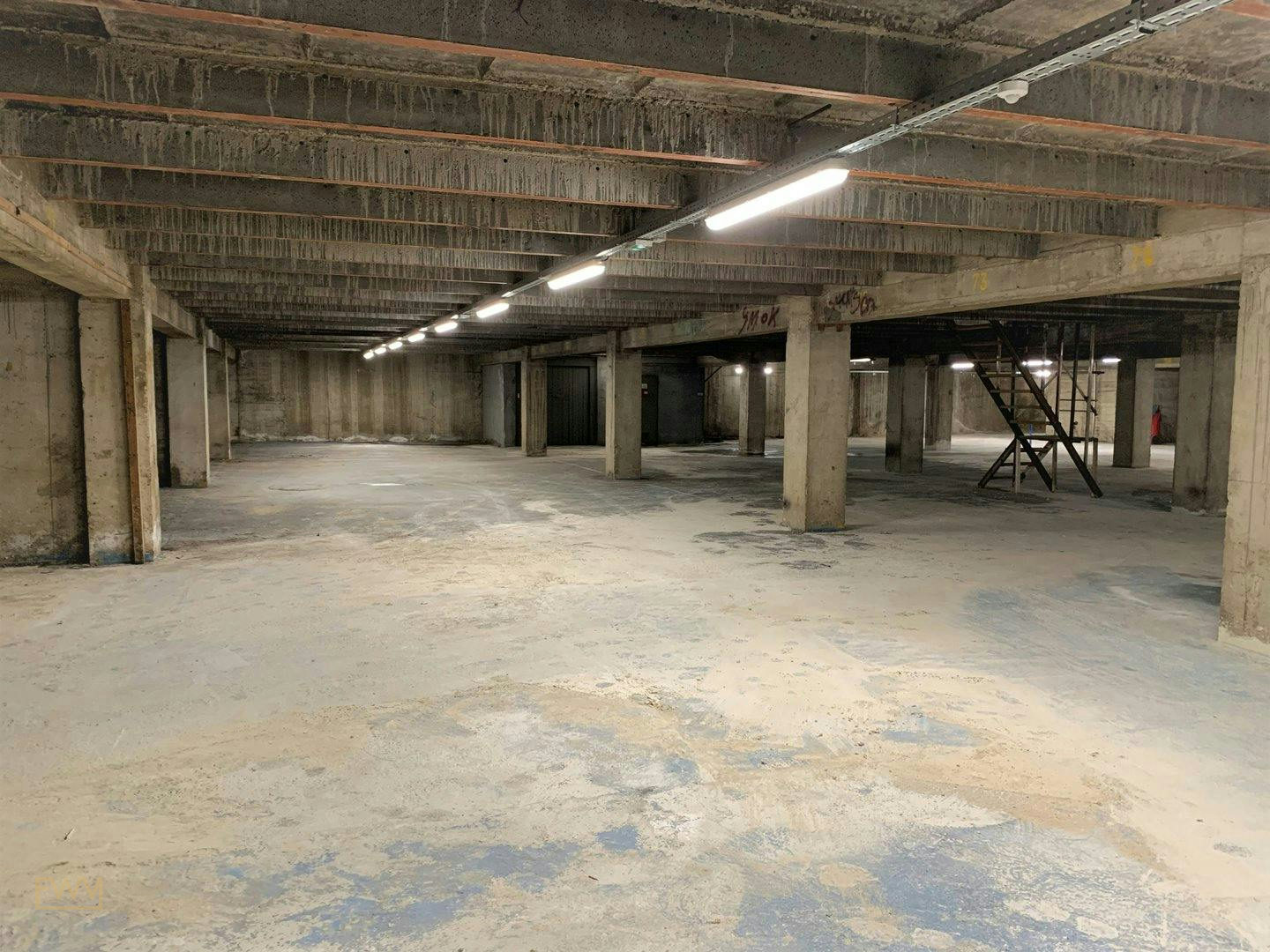
When evaluating a space, brands should assess not only the ground floor retail area but also the availability of storage, a basement or back office area, and service access for deliveries. Many Parisian commercial units are spread across ground floor and basement levels, with the basement used for stock storage, staff facilities, and sometimes additional event or installation space. Verifying the dimensions of storage areas, the height of basement ceilings, the accessibility of goods entrances, and the weight-bearing capacity of floors is essential during the site inspection phase.
Metro Proximity and Accessibility
Paris has an exceptionally well-connected metro network, and proximity to metro stations significantly influences consumer convenience and foot traffic. For the Notre-Dame corridor, the most relevant metro interchanges include Chatelet-Les Halles, the largest interchange in the network, Hôtel de Ville on Line 1 and Line 11, Cité and Saint-Michel on Line 4, and Rambuteau serving the Centre Pompidou and Marais approach. For brands assessing a shortlist of spaces, metro accessibility is a primary filter that should be evaluated alongside street-level visibility and arrondissement character.
Event Start Times, Grace Periods, and Operational Scheduling
Pop up store leases in Paris typically specify permitted operating hours, any restrictions on amplified sound or public demonstrations, and the conditions for early access on setup days. Brands should clarify event start time permissions, grace periods for overrun on setup or breakdown days, and the process for requesting access outside standard hours. Venues near residential areas in the Marais, Saint-Germain, and Montmartre have particular noise and operating hour sensitivities that must be respected to maintain good landlord and community relations.
Wheelchair Accessibility and Inclusive Space Planning
Accessibility is both a legal obligation and a commercial opportunity. French accessibility regulations require that commercial premises open to the public meet specific standards for wheelchair access. Many older Parisian buildings present challenges in this regard, and brands should assess accessibility compliance during the inspection phase rather than discovering limitations after lease execution. Spaces with step-free entry, appropriately dimensioned internal circulation, and accessible restrooms are preferable from both compliance and inclusive retail design perspectives.
To estimate costs and plan your operational budget before committing to a space, use the Fashion Week Venues budget planning tool for a framework estimate aligned to your activation parameters.
| Planning Stage | Key Action | Recommended Lead Time Before Opening | Tool or Resource |
|---|---|---|---|
| Concept definition | Define brand brief, target audience, space type | 6 months | Concept direction service |
| Space search | Shortlist arrondissements and space types | 5 to 6 months | Marketplace and locator tool |
| Site visits and selection | Inspect dimensions, access, storage, accessibility | 4 to 5 months | Compare tool |
| Legal and permit | Draft bail dérogatoire, apply for AOT if needed | 3 to 4 months | Permits tool and legal advisor |
| Design and build | Finalise store design, order furniture, brief contractors | 2 to 3 months | Production build and branded store design services |
| Staffing and POS | Recruit staff, set up payments and POS | 6 to 8 weeks | Retail staffing and POS payments services |
| Marketing and PR | Activate influencer and press strategy | 4 to 8 weeks | Influencer marketing service |
| Opening and live activation | Manage operations, customer service, data capture | Ongoing | Activation management service |
| Post-activation | Analyse sales, footfall, ROI | 2 weeks after close | Data analytics and ROI tool |
KEY TAKEAWAY: Operational planning for a Paris pop up involves more logistical variables than most brands anticipate. Lead time, metro proximity, storage dimensions, accessibility compliance, and operating hour restrictions are all factors that should be resolved during the pre-commitment phase, not after the lease is signed.
How Fashion Week Venues Helps Brands Launch Pop Up Stores Near Notre Dame Paris
Fashion Week Venues is a full-service pop up shop agency and space marketplace operating across major fashion capitals, with Paris as the primary anchor market. The agency exists specifically to close the gap between a brand's creative ambitions for a Paris activation and the complex commercial, legal, logistical, and operational realities of executing one successfully.
Brands working with Fashion Week Venues benefit from an integrated service model that covers every stage of the activation lifecycle, from initial concept through to post-activation analytics. This is particularly valuable for international brands entering Paris for the first time, who face the added complexity of operating in a foreign legal and commercial environment, often under time pressure around Fashion Week or seasonal calendar windows.
Services Most Relevant to Notre Dame Area Activations
The venue sourcing service draws on an established network of Parisian landlords, property managers, and space owners across the 4th arrondissement, the Marais, the 6th arrondissement, the Les Halles corridor, and surrounding neighbourhoods to identify spaces that match a brand's brief on size, format, neighbourhood, date availability, and budget range.
The concept direction and production build services take the brand from a space shell to a functioning, designed retail environment. Branded store design, furniture rental, and fit-out management are delivered as an integrated package, reducing the coordination burden on brand teams who are typically managing Paris activations from a different city or country.
Retail staffing, POS and payments, and activation management address the operational dimension of running a live store in Paris, including French-speaking customer service staff, reliable payment infrastructure, and on-the-ground management to handle day-to-day operational challenges. The influencer marketing service connects brands with Paris-based creators and fashion media to drive pre-opening awareness and in-store traffic during the activation period.
The tools suite enables brands to self-serve on key planning dimensions: the timeline tool structures the pre-activation planning calendar, the budget tool provides a framework for cost estimation, the ROI tool models return on investment against different scenarios, the compare tool supports space shortlisting, and the permits tool provides orientation guidance on the Parisian regulatory framework.
Brand Teams That Benefit Most
International fashion, beauty, jewellery, and lifestyle brands planning their first or second Paris activation benefit most from the full-service model, since they lack the established local relationships and operational infrastructure that make Paris activations run smoothly. Brands that have previously operated in Paris but experienced coordination challenges with multiple vendors also find the integrated model more efficient and predictable.
Brand activation managers, creative directors, and retail strategists who are responsible for delivering a Paris pop up within a fixed budget and timeline find the agency's tools and project management capability particularly valuable for maintaining control and visibility across a complex multi-workstream project.
Understanding Limitations
Fashion Week Venues does not guarantee the availability of specific spaces, the approval of permits, or specific commercial outcomes for any activation. Space availability is subject to landlord confirmation, market conditions, and timing. Permit approvals are determined by French authorities and are outside the agency's direct control. ROI and commercial performance depend on brand, product, pricing, and execution factors that vary significantly by activation. The agency's role is to optimise the conditions for success, not to guarantee a specific result.
To understand how the agency approaches each project, review the Fashion Week Venues process page for a detailed explanation of the end-to-end workflow from brief to close.
KEY TAKEAWAY: Fashion Week Venues provides integrated agency support that is specifically structured for the Parisian short-term retail environment. For brands without established local infrastructure, the full-service model reduces risk, compresses lead times, and improves the probability of a well-executed, commercially successful activation near Notre-Dame and across Paris.
Customer Experience, Brand Interaction, and Marketing Strategy for Paris Pop Ups
A pop up store near Notre Dame Paris is not simply a temporary sales channel. It is a three-dimensional brand experience that, when properly designed and managed, generates media coverage, influencer content, customer data, and social proof that extends well beyond the physical activation period and geography.
Designing the In-Store Experience
The most successful Paris pop up stores invest in the customer experience as rigorously as in the product offering. This means thinking carefully about store flow, sensory environment, staff interaction, storytelling moments, and the ease of purchase. In a city as visually and culturally sophisticated as Paris, a generic or under-designed pop up space fails to meet the baseline expectation that Parisian and international visitors bring with them.
Brands should think about what makes their space photographable, talkable, and shareable. An installation, a limited-edition product exclusive to the Paris activation, a collaboration with a local artist or designer, or an unexpected sensory element such as a scent, a sound design, or a food and drink offering can be the difference between a space that visitors mention to their networks and one that they simply pass through without engagement.
Influencer Marketing and Social Media Activation
Paris generates enormous influencer content during Fashion Week and the Christmas season. Brands that proactively manage their influencer and press strategy in the weeks before and during their activation generate significantly higher awareness and in-store traffic than those that rely on organic discovery alone. The influencer marketing service at Fashion Week Venues connects brands with Paris-based creators across fashion, beauty, food, lifestyle, and travel categories who can deliver authentic, audience-relevant content from the space.
Customer Data, Analytics, and CRM
A pop up store that does not capture customer data is a missed long-term commercial opportunity. Brands should deploy data capture mechanisms at every natural touchpoint: at the point of sale, through event registrations, through in-store competitions or interactive elements, and through loyalty programme enrolment. POS and payment systems that integrate with CRM platforms make this data capture systematic rather than ad hoc. The data analytics service provides post-activation analysis of footfall, conversion, transaction value, and customer profile data that informs future activation strategy and brand investment decisions.
Customer Service and Communication
French-speaking, brand-literate staff are an essential component of a premium Paris pop up experience. Customer service quality directly affects both in-store conversion and post-visit sentiment. Staff should understand the brand story, the product range, and the operational procedures thoroughly. Response time to customer enquiries, both in-store and through digital channels, should meet the service standards appropriate to the brand positioning. In a competitive attention environment, customer experience quality is a meaningful commercial differentiator.
TIP: Consider offering a small, exclusive Paris-specific product or gift with purchase during your activation period. This creates a tangible connection between the brand and the Paris experience that customers will associate with and remember long after they return home.
KEY TAKEAWAY: The commercial value of a Paris pop up store extends well beyond the immediate sales generated in the space. A well-designed, well-staffed, and well-marketed activation generates brand awareness, customer data, press coverage, and social content that compound across the brand's broader marketing ecosystem.
Budget, Fees, and Cost Considerations for a Pop Up Store Near Notre Dame
Understanding the cost structure of a Paris pop up store near Notre-Dame is essential for financial planning and ROI assessment. While specific pricing varies significantly by space, arrondissement, duration, and activation complexity, a clear framework of cost categories helps brand teams build realistic budgets.
Quick answer: The total cost of a pop up store near Notre Dame Paris includes space rental fees, fit-out and production costs, staffing, permits, insurance, POS and payments infrastructure, marketing, and agency management fees. Directional cost estimates should be treated as planning frameworks only; precise figures depend on specific space, duration, and activation scope.
| Cost Category | Description | Planning Notes |
|---|---|---|
| Space rental fee | Short-term lease cost for the physical space | Varies by arrondissement, size, and calendar window; peak season commands premium pricing |
| Fit-out and production | Store design, build, furniture, fixtures, lighting | Typically the largest single cost after rent; bespoke builds cost more than modular or rental furniture solutions |
| Permits and legal | Bail dérogatoire drafting, AOT application, legal advisor fees | Do not underestimate; compliance failures are costly |
| Staffing | Bilingual retail staff, manager, security if required | French labour law applies; use a local staffing agency or employer of record service |
| POS and payments | Payment terminal, POS software, cash float | Multi-currency capability important for tourist-facing activations |
| Insurance | Public liability, stock, property, employer liability | Required by most landlords and by French law for commercial operators |
| Marketing and PR | Influencer briefing, press outreach, digital promotion | Allocate minimum 15 to 20 percent of total budget for marketing in competitive calendar windows |
| Agency management fee | Full-service agency coordination and project management | Typically calculated as a percentage of total project spend or a fixed fee |
To build a detailed cost model for your specific activation parameters, use the Fashion Week Venues ROI calculator alongside the budget tool to assess whether your planned investment is likely to generate the commercial and brand outcomes you are targeting.
DID YOU KNOW: Brands that plan their Paris pop up budgets with a dedicated contingency reserve of 10 to 15 percent consistently report fewer financial surprises during the activation period than those operating with zero contingency. Unexpected costs in Paris pop up activations most commonly arise from permit delays, fit-out modifications required by the landlord or building manager, and staffing changes.
KEY TAKEAWAY: Paris pop up budgets must account for the full activation lifecycle, not just rent and build costs. Legal, insurance, staffing, marketing, and agency management costs together can equal or exceed the space rental cost depending on the activation scope and duration.
Common Myths About Pop Up Stores Near Notre Dame Paris Debunked
MYTH: You need a French legal entity to rent a pop up space near Notre Dame in Paris.
FACT: Many landlords and short-term space operators in Paris will transact directly with a foreign company under a bail dérogatoire arrangement, particularly for activations of a few weeks to a few months. However, VAT registration, tax compliance, and employer obligations may still arise regardless of entity structure, and brands should verify their specific obligations with a qualified French legal and tax advisor before proceeding. The legal entity question is not a blanket barrier, but it cannot be dismissed without professional assessment.
MYTH: Paris Fashion Week is the only viable calendar window for a pop up store near Notre Dame.
FACT: While Paris Fashion Week in January, February, June, and October generates a concentrated burst of industry and media attention, the Notre-Dame corridor and surrounding arrondissements generate strong commercial foot traffic year-round. The Christmas Market season from late November through late December is arguably the highest-footfall period for consumer-facing retail pop ups. Summer tourism volumes between June and August also represent a major commercial window for brands targeting international visitors. Brands with flexible calendars often find that activating outside peak Fashion Week windows allows them to secure better spaces at more competitive rates.
MYTH: Commission brokers and informal agents are the only way to find a pop up space in Paris as an international brand.
FACT: The Paris short-term retail market has matured significantly, and structured marketplaces and full-service agencies now offer systematic, transparent access to vetted spaces across all major arrondissements. Fashion Week Venues operates a curated space marketplace with filterable search by location, format, size, and availability, eliminating the dependency on informal networks and opaque commission arrangements. International brands have clear and direct access to well-documented space options without the information asymmetry that characterised the market even five years ago.
MYTH: Short-term leases in Paris are legally straightforward and brands can operate without specialist legal help.
FACT: The bail dérogatoire and AOT frameworks contain specific technical requirements that, if not followed correctly, can create significant legal and financial exposure for the brand. A bail dérogatoire that is not properly drafted and executed can inadvertently convert to a full commercial lease. An AOT that is not obtained for an outdoor activation can result in enforcement action and forced removal of the installation. French commercial and property law is distinct from UK, US, and other common law systems, and specialist legal advice is a necessary investment, not an optional one.
MYTH: The area immediately around Notre-Dame Cathedral is too saturated with tourist retail for a premium brand pop up to be credible.
FACT: The Notre-Dame catchment area encompasses a wide range of micro-locations with very different retail characters. While the immediately adjacent streets on the Ile de la Cité and the south bank approach have a high concentration of tourist souvenir retail, the Marais, the Halle des Blancs Manteau area, the Saint-Germain approach, and the streets west toward Chatelet offer highly credible, premium retail environments that are widely used by leading fashion and luxury brands for seasonal and Fashion Week activations. Location precision within the broader Notre-Dame catchment is the key to avoiding the tourist retail saturation concern.
Frequently Asked Questions
Why rent a retail space near Notre-Dame de Paris?
Notre-Dame de Paris is one of the most visited landmarks in the world, and its surrounding neighbourhoods generate exceptionally high and diverse foot traffic throughout the year. The 4th arrondissement connects directly to Le Marais, Les Halles, the Latin Quarter, and the Left Bank, giving a well-positioned pop up store access to international tourists, affluent Parisian residents, and fashion and culture-focused visitors simultaneously. Following the cathedral's reopening in December 2024, the entire corridor has experienced a renewed surge in visitor volumes, making it a particularly compelling commercial location for brand activations in 2025 and 2026.
How much does it cost to rent a pop up shop near Notre-Dame de Paris?
Rental costs vary significantly based on the arrondissement, street, size, format, and duration of the activation. Peak calendar windows such as Paris Fashion Week and the Christmas Market season command premium pricing. The Notre-Dame and Marais corridor is among the most desirable and therefore most competitively priced short-term retail territory in Paris. Brands should use a detailed budget planning tool to build a realistic cost model based on their specific parameters rather than relying on generic market estimates. Fashion Week Venues provides a dedicated budget tool for this purpose, which can be used alongside a professional venue sourcing conversation to align budget expectations with actual space availability.
What are the benefits of renting a space near Notre-Dame Cathedral in Paris?
The primary benefits include access to one of the highest-footfall tourist and cultural corridors in Europe, proximity to major seasonal events including Christmas markets, a diverse and high-spending consumer audience that includes international visitors and Parisian residents, a prestigious address that supports premium brand positioning, and connectivity to adjacent high-performing retail neighbourhoods including the Marais, Saint-Germain, and the Louvre-Tuileries axis. The restored Notre-Dame also adds a powerful cultural halo effect that enhances the narrative context for brands activating in the area.
What is a pop up Christmas market and how does it work in Paris?
A pop up Christmas market is a temporary outdoor or semi-covered retail event typically running from late November through late December, featuring wooden chalet stalls or branded pop up units selling seasonal food, gifts, decorations, jewellery, and artisan products. In Paris, the major Christmas markets include the Tuileries Christmas Market, the Hôtel de Ville Christmas Market, and the Saint Michel Christmas Market, among others. Brands can apply to participate as chalet operators within established markets, or they can rent adjacent street-level spaces to benefit from market foot traffic without the constraints of a market stall format.
Where are the best places to see Christmas lights and seasonal decorations in Paris?
The most spectacular Christmas lighting in Paris is found along the Champs-Elysées from the Arc de Triomphe toward Place de la Concorde, along the Rue du Faubourg Saint-Honoré, around the Galeries Lafayette and Printemps department stores near Gare Saint-Lazare, and in the Tuileries Garden during the Christmas market period. The Hôtel de Ville and the Notre-Dame area also feature significant seasonal lighting installations. Brands planning activations in these corridors during the Christmas season benefit from the additional footfall generated by visitors specifically seeking the festive atmosphere of the City of Light.
What permits do I need to open a pop up store in Paris?
The permit requirements depend on the type of space, the nature of the activation, and the arrondissement. For indoor commercial spaces, the primary instrument is the bail dérogatoire short-term commercial lease. For outdoor activations, installations on public footpaths, or use of public space, an Autorisation d'Occupation Temporaire is required from the relevant municipal authority. Additional requirements may apply for food service, music, signage, and structural installations. Requirements vary by space type, duration, and location, and all brands should verify their specific obligations with a qualified French legal advisor before committing to an activation. The Fashion Week Venues permits tool provides an orientation framework.
How far in advance should I book a pop up space near Notre Dame for the Christmas season?
For peak season windows including the Christmas Market period and Paris Fashion Week, brands should begin their space search a minimum of four to six months before their intended opening date. The most desirable spaces in the Marais, near the Hôtel de Ville, and in the Saint-Germain and Tuileries corridors are often reserved well in advance by returning brands and agency clients with established landlord relationships. For off-peak periods, shorter lead times of six to ten weeks may be feasible, but earlier planning always expands the range of available options and reduces the risk of having to compromise on location or format.
Which Paris arrondissements are best for fashion and beauty pop up stores?
The 4th arrondissement and Le Marais are consistently the strongest performing areas for fashion and beauty pop ups, combining premium foot traffic, a fashion-literate local audience, and a well-established ecosystem of concept stores and galleries that create a supportive competitive environment. The 6th arrondissement and Saint-Germain are preferred by higher-price-point luxury brands targeting a Parisian residential and Left Bank cultural audience. The 1st arrondissement near the Tuileries and Rue Saint-Honoré is used by established luxury houses and global brands for their most prestigious Paris activations. The right choice depends on brand positioning, target consumer, and price point.
Can international brands without a French presence operate a pop up store in Paris?
Yes, international brands can and regularly do operate pop up stores in Paris without an established French legal entity, particularly through bail dérogatoire arrangements with short-term focused landlords. However, commercial operations in France trigger a range of tax, VAT, and employment law obligations that must be assessed and managed correctly regardless of entity structure. Working with a full-service agency that has established French operational infrastructure significantly reduces the complexity and risk for international brands entering the Paris market for the first time or operating on a limited calendar window.
What is the difference between a pop up store and a traditional commercial lease in Paris?
A traditional French commercial lease, known as a bail commercial, is typically structured for three, six, or nine years and grants the tenant statutory renewal rights and protections under French commercial property law. A pop up store operates under a bail dérogatoire, a derogatory or short-term lease of up to three years that explicitly excludes the full protection framework of the commercial lease code. The bail dérogatoire gives both parties flexibility and a defined end date without ongoing obligations. It is the standard instrument for pop up and short-term retail activations in Paris and is well understood by the landlord community operating in the major fashion and retail districts.
What types of brands succeed with pop up stores near Notre Dame in Paris?
Fashion labels, jewellery brands, beauty and fragrance houses, experiential food and beverage concepts, artisan and craft retailers, souvenir-adjacent lifestyle brands, and international brands using Paris as a market-entry vehicle all perform well in the Notre-Dame catchment area. The key success factors are a clearly defined target consumer, a space type and micro-location aligned to that consumer's movement patterns, a compelling in-store experience, and sufficient marketing investment to drive awareness and in-store traffic, particularly in the first days of operation when organic discovery is lowest.
How does the twin co-activation concept work for Paris pop ups?
The twin concept offered by Fashion Week Venues allows two complementary brands to co-activate within a shared space, splitting the cost of rent, fit-out, and operational infrastructure while each brand retains its own identity and customer experience zone within the space. This model is particularly well-suited to brands with adjacent but non-competing product categories, such as a jewellery brand and a candle or fragrance brand, or a fashion label and an artisan food concept. Co-activation reduces the financial risk of a solo activation while maintaining the full commercial and brand benefits of a Paris presence.
What should I include in a pop up store brief for the Notre Dame area?
A strong pop up brief for the Notre-Dame corridor should include: the brand's category and target consumer profile, the intended activation dates and duration, the preferred arrondissement or neighbourhood, the required space size and format, the maximum budget including fit-out and operations, the intended product and experience offering, any specific accessibility or operational requirements, and the commercial and brand objectives the activation is intended to achieve. A clear and detailed brief significantly accelerates the space search and negotiation process and helps the agency or landlord propose spaces that genuinely match the brand's needs.
What are the most common mistakes brands make when opening a pop up in Paris?
The most common mistakes include underestimating lead time requirements, particularly for peak season windows; failing to obtain correct permits before committing to outdoor or public-facing installations; neglecting the legal review of the bail dérogatoire; under-investing in marketing and influencer strategy relative to the space and production investment; choosing a space based on aesthetic appeal alone without assessing metro proximity, storage adequacy, and operational suitability; and failing to capture customer data systematically during the activation period, missing the long-term CRM value that a well-executed Paris activation can generate.
How do I find and compare pop up spaces near Notre Dame and the Marais?
The most efficient approach for international brands is to use a structured space marketplace with transparent listings, neighbourhood filters, and dimension and availability data, combined with professional venue sourcing support for spaces that require negotiation or have specific landlord requirements. Fashion Week Venues provides both a self-serve marketplace and a managed venue sourcing service, enabling brands to move from initial search to shortlist to site visit to lease execution within a structured and efficient process. The compare tool on the platform supports side-by-side evaluation of shortlisted spaces across key decision criteria including location, size, cost, accessibility, and availability.
Conclusion: Planning Your Pop Up Store Near Notre Dame Paris
Opening a pop up store near Notre Dame Paris is one of the most commercially compelling short-term retail opportunities available to brands in Europe. The combination of one of the world's great cultural landmarks, a network of premium and high-footfall neighbouring arrondissements, the Paris Christmas Market season, and the ongoing gravitational pull of Paris Fashion Week creates a year-round activation environment that rewards brands who plan carefully, execute precisely, and invest in the full dimension of the customer experience.
The critical success factors are consistent: define your target consumer and micro-location before starting the space search, plan your legal and permit strategy from day one, invest in store design and customer experience at a level appropriate to the Parisian market, allocate sufficient marketing budget to drive awareness and traffic, and use the post-activation data to build toward the next phase of your Paris strategy.
Fashion Week Venues exists to support brands through every stage of this process, from the initial brief through space sourcing, concept development, production, staffing, marketing, and analysis. The Notre-Dame catchment area, encompassing the Marais, Chatelet-Les Halles, Saint-Germain, the Tuileries corridor, and the Hôtel de Ville district, offers a remarkable range of space types, formats, and neighbourhood characters to match brands at every stage of their Paris journey.
To move from research to activation, start exploring available spaces on the Fashion Week Venues marketplace and build a focused brief for your target neighbourhood, space type, and calendar window. The sooner your search begins, the stronger your options will be.