

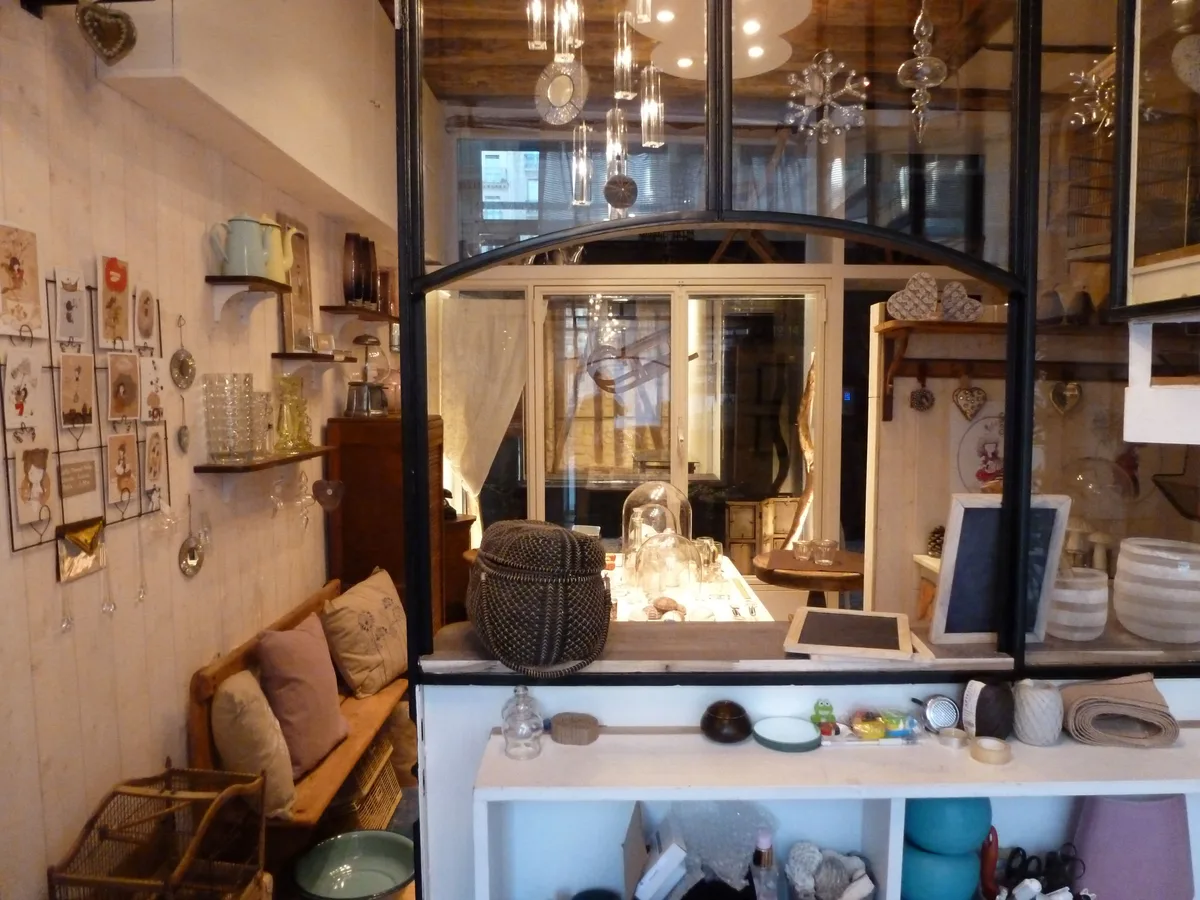
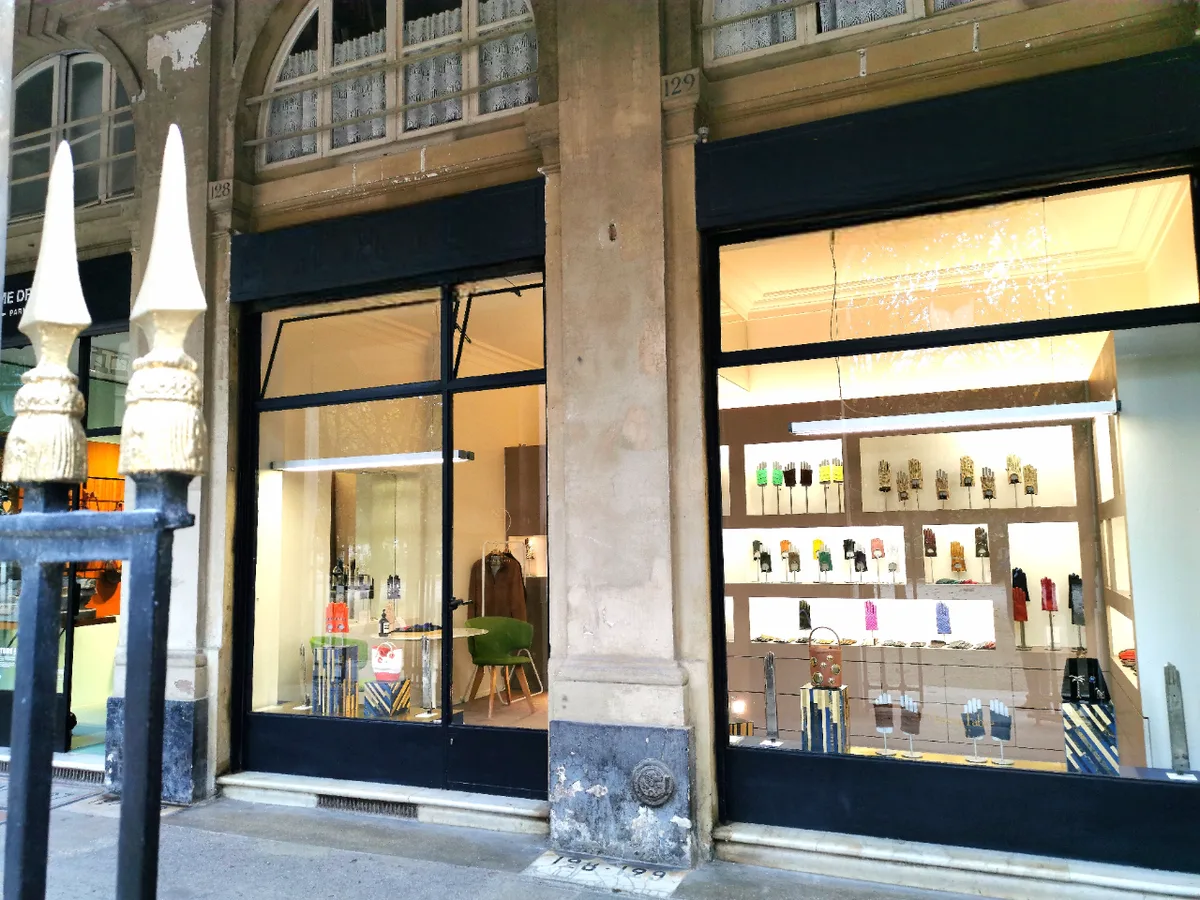
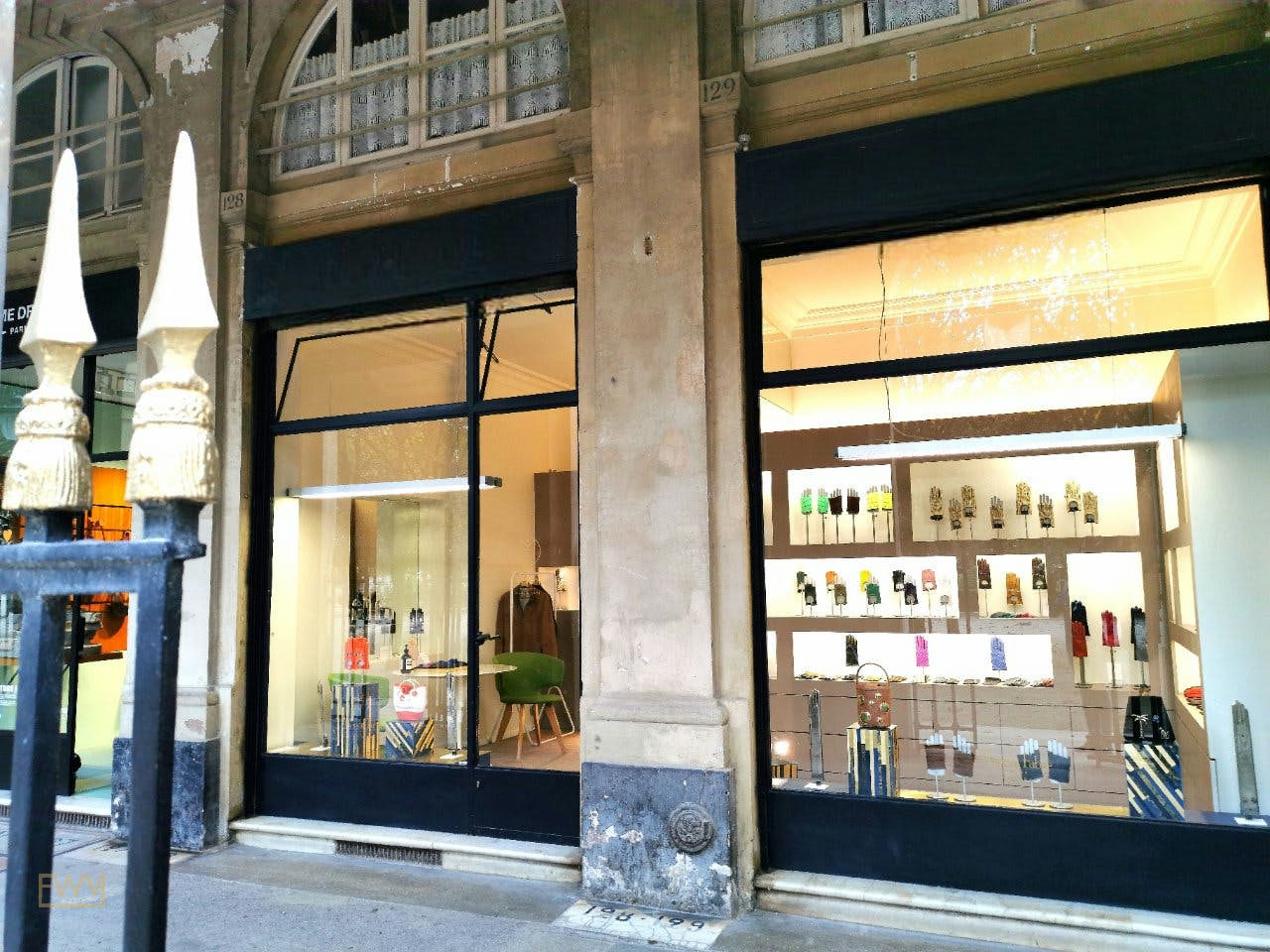
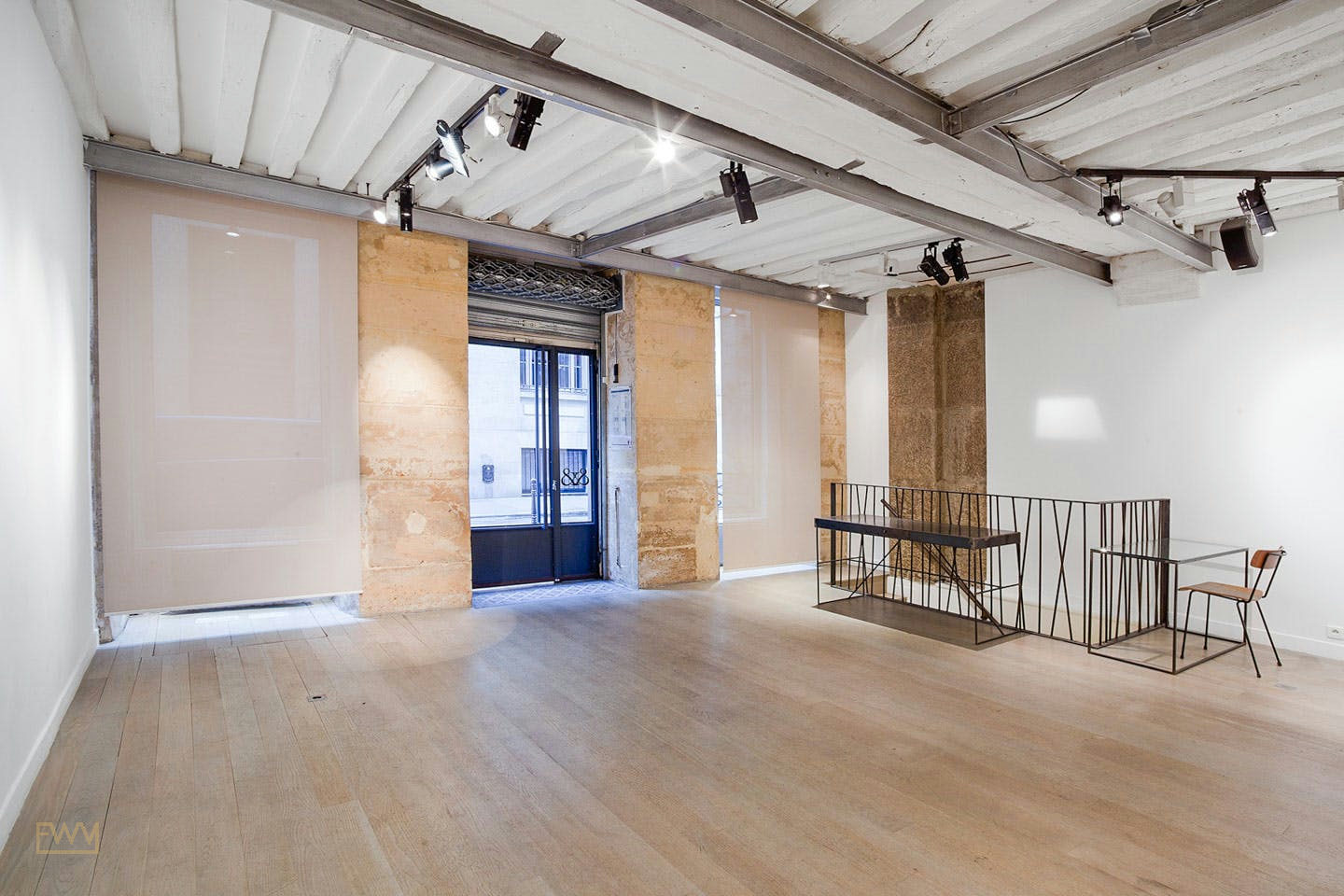
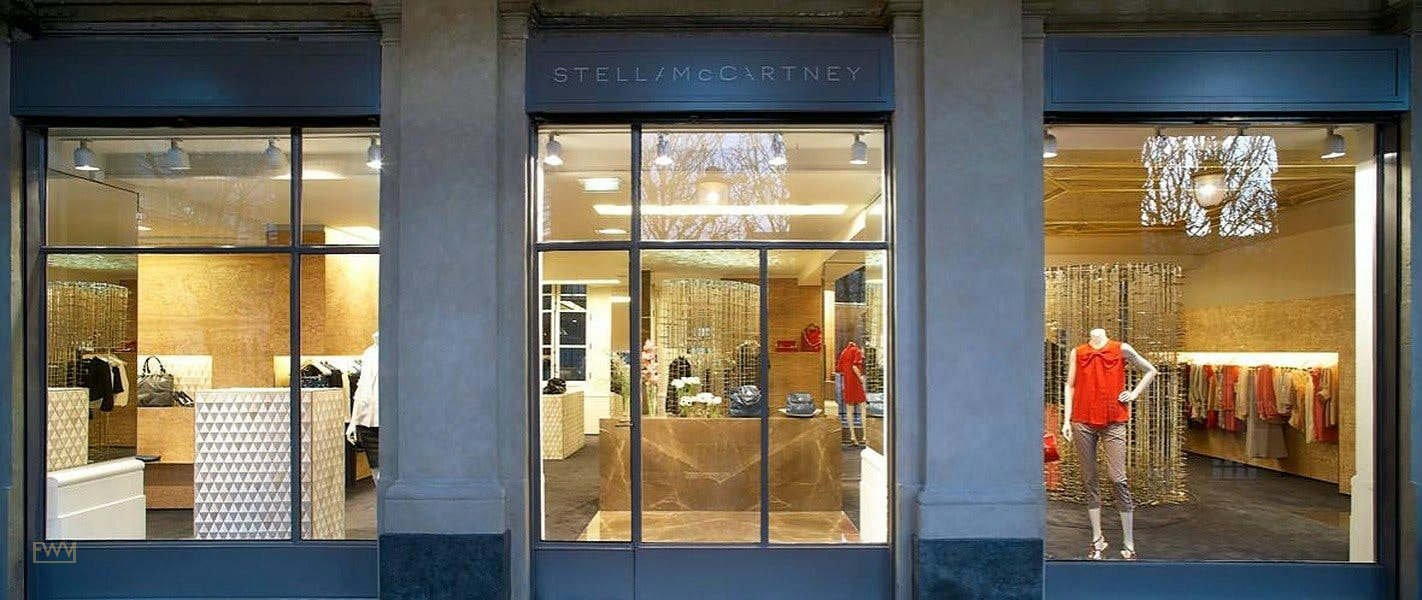
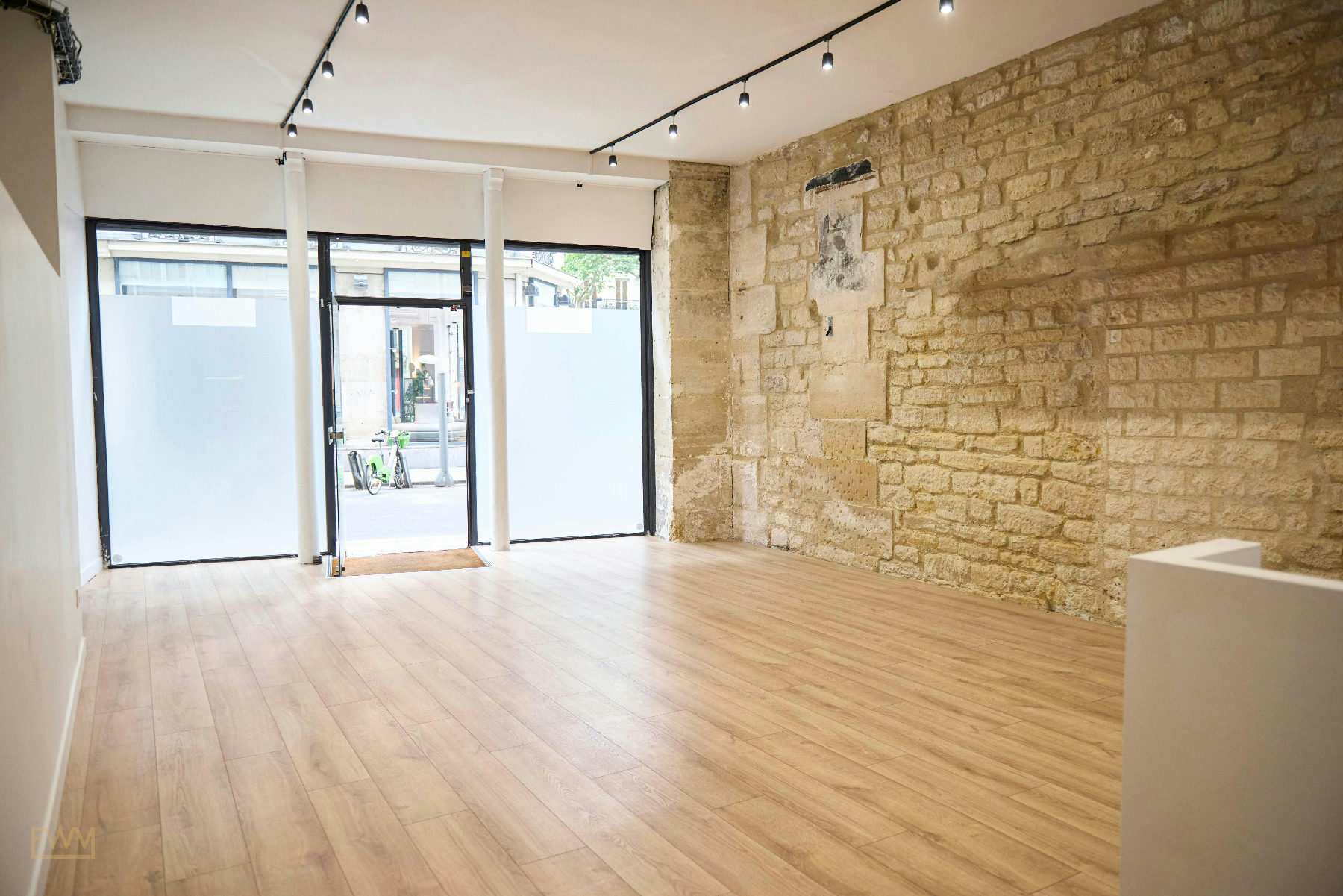
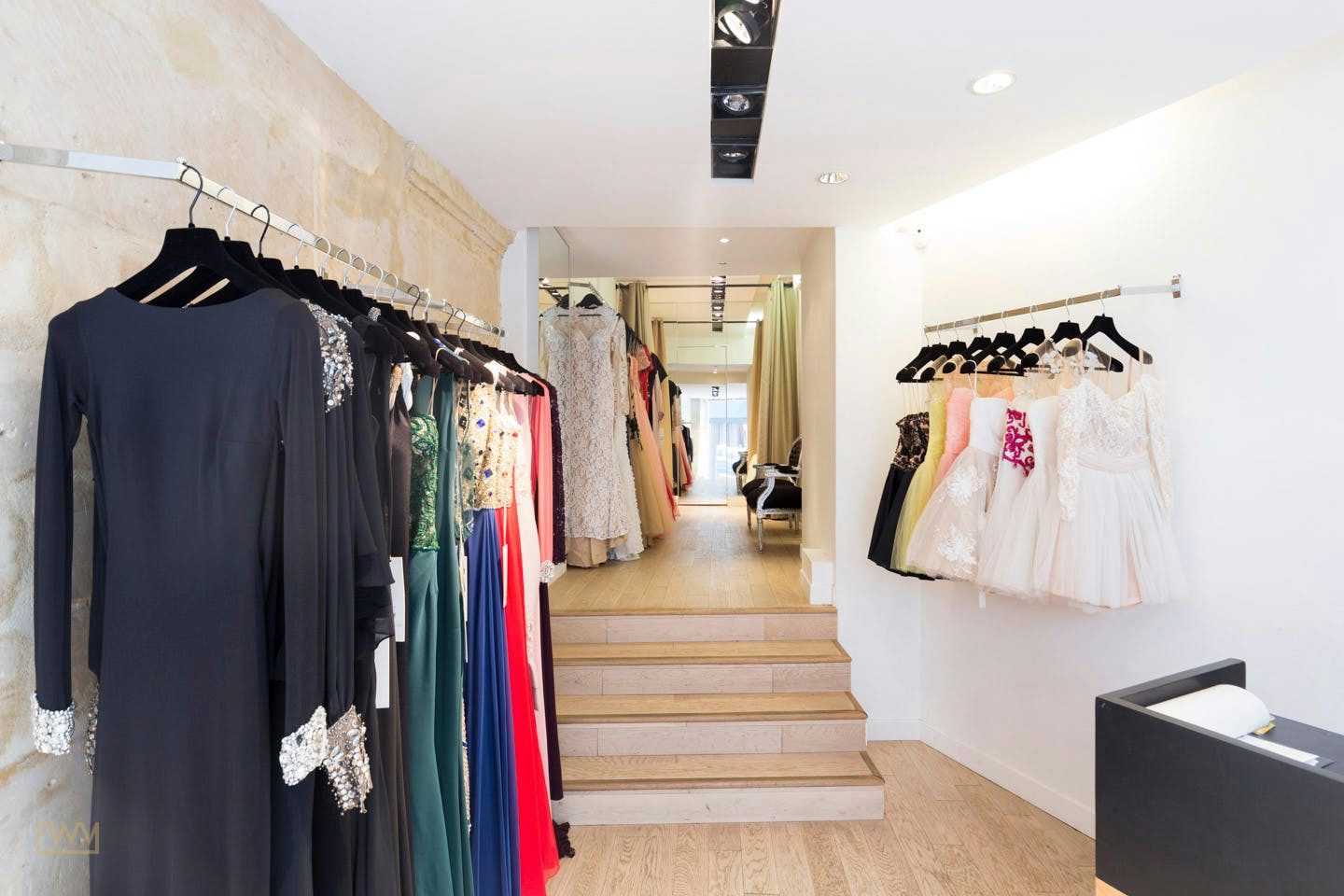
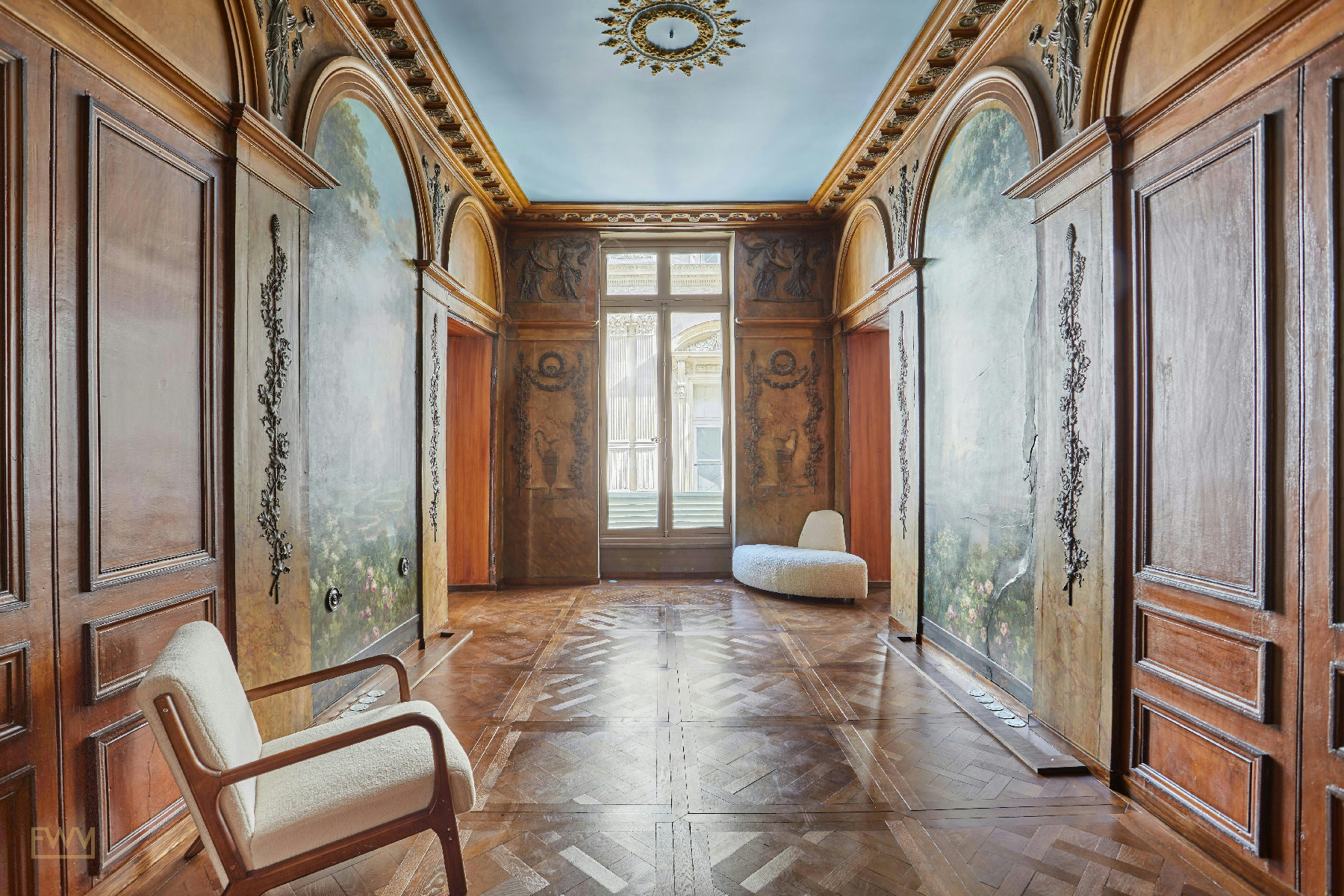
A pop up store near Palais Royal garden sits at the intersection of historic grandeur and contemporary retail energy. The arcaded courtyards, covered passages, and stone-clad streets radiating from the Domaine National du Palais Royal place your brand inside one of Paris's most photographed and commercially potent districts. Luxury houses, independent designers, international streetwear labels, and heritage beauty brands all use this corridor to launch collections, test formats, and build direct relationships with a highly engaged, design-literate audience. This guide covers every dimension a brand team needs: the geography, the space types, the legal framework, the calendar windows, the budget realities, and the agency support available through Fashion Week Venues' Paris city hub.
Why the Palais Royal District is a Premier Pop-Up Location in Paris
Quick answer: The Palais Royal district in Paris's 1st arrondissement combines world-class footfall from the Louvre Museum, a resident community of independent boutiques and galleries, and a historic built environment that elevates any brand activation. No other area in central Paris offers the same layering of cultural authority, architectural beauty, and commercial relevance for short-term retail.
The Domaine National du Palais Royal was landscaped in the 17th century and attributed in part to André Le Nôtre, the designer behind the gardens of Versailles. Its arcaded galleries, the Galerie de Valois and the Galerie de Montpensier, have housed merchants, jewellers, and cafes since the late 18th century. The Colonnes de Buren, installed in the main courtyard in 1986, transformed the space into a living contemporary art installation and made it one of the most recognisable landmarks in French design culture. La Fontaine des Spheres adds further visual drama. These elements create an environment that communicates seriousness and creative ambition before a single product is placed on a shelf.
Footfall in this zone is substantial and varied. The Louvre Museum receives millions of visitors annually, and the northern exits on Rue de Rivoli and Rue du Louvre channel significant daily pedestrian traffic into the immediate Palais Royal neighbourhood. The Théâtre du Palais-Royal on Rue de Valois and the historic restaurant Le Grand Véfour in the northern arcade bring additional audiences who are already oriented toward cultural experience and premium spending. Rue Saint-Honoré, running parallel to the south, anchors the district within the global luxury retail circuit and connects it to Place Vendôme and the broader Golden Triangle. Place des Victoires, a few minutes northeast, adds another node of luxury and heritage boutiques.
The combination of cultural prestige, architectural distinction, and visitor diversity makes this district ideal for brands launching during Paris Fashion Week, brands seeking a showroom-adjacent retail presence, and international labels entering the French market for the first time. The address alone carries editorial and social media weight that amplifies beyond the physical activation.
DID YOU KNOW: The Palais Royal gardens were the site of Camille Desmoulins' famous speech in July 1789, making it one of the most historically charged public spaces in all of France. This depth of historical association adds a layer of cultural storytelling that brand teams can draw on in activation narratives.
KEY TAKEAWAY: The Palais Royal district combines architectural authority, cultural prestige, and exceptional pedestrian traffic from the Louvre Museum, making it one of the highest-value short-term retail corridors in central Paris for fashion, beauty, and luxury brand activations.
Understanding the geography of the surrounding streets and covered passages is the next essential step before selecting a specific space or format.
Mapping the Neighbourhood: Streets, Passages, and Key Landmarks
Quick answer: The Palais Royal district is bordered by Rue de Rivoli to the south, Rue du Louvre to the east, the Bourse de Commerce to the northwest, and the covered passages district stretching toward Boulevard Montmartre to the north. Understanding this geography helps brand teams identify the right address for their audience, format, and budget.
The Core Palais Royal Zone
The immediate perimeter of the Palais Royal gardens includes Rue de Valois to the east, Rue de Beaujolais to the north, Rue de Montpensier to the west, and Rue Saint-Honoré to the south. Passage Beaujolais runs along the northern arcade and connects to Rue des Petits-Champs, opening up access to the Sentier and Montorgueil districts. Rue de Richelieu extends northward toward the Bibliothèque nationale and links to the Passage des Deux Pavillons, one of the shortest but most architecturally intact covered passages in Paris. Rue Sainte-Anne runs parallel and northeast, with a distinct concentration of Japanese restaurants and small independent retailers that attract a younger, design-aware demographic.
The Covered Passages and Their Retail Character
Paris's covered passages, known as passages couverts, represent a unique retail typology that predates the modern department store. Baron Haussmann's transformation of Paris in the mid-19th century ultimately diminished their commercial dominance, but today many survive as protected historic monuments and serve as some of the most distinctive retail environments in the city.
Galerie Vivienne, located just a few minutes from the Palais Royal on Rue des Petits-Champs, is among the most beautiful covered passages in Paris. Its glass roof, mosaic floor, and elegant archways create an atmosphere that is theatrical without being contrived. It houses a curated mix of boutiques, a wine merchant, and a tea salon. Galerie Colbert, connected to the Bibliothèque nationale, is owned by a public institution and operates with restricted commercial access, making it less available for private activations but worth understanding for context. Passage du Caire, closer to the Sentier district, is the oldest surviving covered passage in Paris and has a distinctly raw, utilitarian character. Passage des Princes on Boulevard des Italiens is currently closed to the public on a permanent basis, while Passage du Prado and Passage Ben-Aïad have intermittent closures. Passage Jouffroy, Passage Verdeau, and Passage du Havre are clustered further north near Boulevard Montmartre and the Drouot auction house, offering more casual shopping and antique traders.
For brands considering an activation in a covered passage, the key consideration is that each passage has its own ownership structure, commercial rules, and atmosphere. Some are managed by private landlords who are open to short-term pop-up arrangements; others are institutionally controlled. Specialist advice is essential before approaching any passage directly.
The Eastern Approach: Rue du Louvre to Étienne Marcel
Rue du Louvre connects the Louvre Museum directly northward to Étienne Marcel and the Sentier district. This street has become a particularly active corridor for fashion retail activations, with JW Anderson's 2026 pop-up at number 15 Rue du Louvre, running from July 9 to September 24, 2026, standing as a high-profile example of international fashion houses choosing this address for its traffic, accessibility, and cultural positioning.
The Étienne Marcel and Montorgueil district immediately to the north carries a distinct streetwear and contemporary fashion identity, anchored by a cluster of independent boutiques, concept stores, and studios. This neighbourhood attracts a younger, more fashion-forward audience than the arcaded galleries of the Palais Royal itself and offers a different commercial dynamic that suits labels like Carhartt WIP and other urban lifestyle brands.
The Southern Arc: Rue Saint-Honoré, La Samaritaine, and Bourse de Commerce
Rue Saint-Honoré and its extension, Rue du Faubourg Saint-Honoré, form the backbone of Paris's luxury retail corridor. La Samaritaine, the landmark department store on the corner of Rue de Rivoli and the Seine, reopened in 2021 after a 16-year renovation and now houses a LVMH-aligned collection of luxury retail alongside the Cheval Blanc hotel. Its proximity to the Palais Royal garden makes it a reference point for understanding the premium positioning of the entire zone. The Bourse de Commerce, now housing the Pinault Collection as a contemporary art institution designed by Tadao Ando, adds further cultural gravity to the western boundary of this district.
To compare space types, neighbourhoods, and positioning across this zone, use the space comparison tool to evaluate options side by side before committing to a brief.
KEY TAKEAWAY: The Palais Royal district connects multiple distinct retail micro-environments, from the luxury arcade galleries of the Galerie de Valois to the fashion-forward streets of Étienne Marcel. Choosing the right street or passage within this zone requires precise audience and format alignment, not just a postcode.
Space Types Available for Pop-Up Stores Near Palais Royal
Quick answer: Space types in the Palais Royal zone range from ground-floor arcade boutiques and Haussmannian retail units to gallery spaces, covered passage units, and former showroom floors. Each type offers different ceiling heights, floor finishes, natural light quality, and structural flexibility for brand build-outs.
| Space Type | Typical Character | Best Suited For | Key Considerations |
|---|---|---|---|
| Arcade Gallery Unit | Marble floors, high ceilings, historic façade | Luxury, haute couture, fine jewellery | Strict building rules, limited signage rights |
| Haussmann Street-Level Retail | Parquet or stone floors, tall windows, shopfront | Ready-to-wear, beauty, accessories | Variable permit requirements by use class |
| Covered Passage Unit | Glass roof, mosaic floors, intimate scale | Vintage, independent labels, editorial | Institutional or private ownership varies widely |
| Gallery or Art Space | White walls, concrete or wood floors, flexible layout | Concept-driven brands, installation formats | May require AOT if on public domain |
| Former Showroom Floor | Open plan, neutral finishes, upper floors | Trade showrooms, press days, wholesale events | May lack direct street visibility |
| Department Store Concession | Managed environment, high footfall | Broad awareness campaigns, new market entry | Longer lead times, brand approval process |
The variety of space types means that brands with different formats, budgets, and objectives can all find a viable option within a short walk of the Palais Royal gardens. A haute couture house launching a limited capsule collection will have entirely different space requirements from a young British footwear label like Lili Curia, which held its 2026 Paris pop-up at Level -1, Dover Street Market, 35-37 Rue des Francs-Bourgeois in the 4th arrondissement, or a streetwear brand activating during Paris Fashion Week Men's.
Marble floors and high ceilings in the arcade units create an inherently premium environment that reduces the need for expensive fit-out investment, since the space itself communicates quality. Parquet floors in Haussmannian buildings deliver warmth and a French heritage aesthetic that works well for ready-to-wear and lifestyle brands. Gallery spaces with white walls and concrete floors offer the maximum creative flexibility for brands who want their activation design to do the heavy lifting.
TIP: When evaluating a space near Palais Royal, always assess the natural light quality at the time of day your activation will be busiest. North-facing arcade units can be dim in winter months, while south-facing street-level spaces may require window treatments during summer Fashion Week dates.
KEY TAKEAWAY: Space type selection near Palais Royal is a strategic creative and commercial decision. Matching the character of the space to the character of the brand is as important as matching the location to the target audience.
The Paris Fashion Week Calendar and Pop-Up Activation Windows
Quick answer: Paris hosts multiple Fashion Week editions annually, covering womenswear, menswear, haute couture, and resort collections. Each edition creates distinct activation windows, and the most competitive spaces are reserved months in advance of the key dates.
The Paris Fashion Week calendar covers four main periods. Haute Couture week typically takes place in January and July. Men's Fashion Week runs in January and June. The primary womenswear seasons run in February/March for autumn/winter and September/October for spring/summer. Resort and pre-collection presentations are increasingly clustered around May and November. For the July 2026 window specifically, the haute couture schedule ran from approximately July 6 to 9, 2026, with multiple brand activations and pop-up stores launching in parallel across the city.
The Palais Royal district is particularly active during the January and July couture windows, when international buyers, editors, stylists, and high-net-worth clients are concentrated in the 1st and 8th arrondissements. The JW Anderson 2026 pop-up at 15 Rue du Louvre, running from July 9 to September 24, 2026, exemplifies the strategy of launching during the Fashion Week window and then sustaining the activation through the summer season to capture tourist traffic as well as a fashion-literate local audience.
Anthony Calydon's 2026 Marais pop-up, scheduled for July 25 and 26, 2026, at 37 Rue Debelleyme in the 3rd arrondissement, demonstrates the complementary strategy of activating in the post-Fashion-Week period when the city remains commercially energised but space competition eases slightly. Anthony Calydon's signature knitted bags, recreated in pastel pink, sunny yellow, and baby blue for a summer collection, were the focal product of a two-day immersive format designed to generate direct consumer engagement and social media content.
Brands targeting the ANDAM Pierre Bergé Prize circuit or seeking visibility with French fashion houses and buyers should note that many industry events cluster around the womenswear and haute couture windows. The ANDAM prize, which has supported labels like Jonathan Anderson of JW Anderson, represents the broader ecosystem of French fashion industry support that makes Paris a uniquely fertile environment for emerging label activations alongside established house presentations.
DID YOU KNOW: Paris Fashion Week womenswear draws over 100 official runway shows each season, with hundreds of additional showroom presentations, brand activations, and pop-up openings happening across the city simultaneously. Competition for the best spaces in the Palais Royal district during these windows is intense, and the most sought-after units are typically secured six to twelve months in advance.
To build a timeline that aligns your space search, permit applications, build-out, and activation launch with the correct Paris Fashion Week window, use the activation timeline planning tool.
KEY TAKEAWAY: Paris Fashion Week is not a single event but a sequence of distinct calendar windows across couture, menswear, and womenswear. Aligning your pop-up store activation to the right window for your brand category, audience, and collection cycle is a foundational strategic decision.
Legal Framework for Short-Term Retail in Paris: Bail Dérogatoire and AOT
Quick answer: Short-term retail leases in Paris are typically governed by the bail dérogatoire, a French legal instrument that permits commercial tenancies of up to 36 months without triggering the protections of a standard commercial lease. For spaces on public land, an autorisation d'occupation temporaire (AOT) is required. Both instruments have specific conditions and requirements that vary by space type, duration, and arrondissement.
The bail dérogatoire, sometimes called a short-term commercial lease or convention d'occupation précaire, is the most commonly used instrument for pop-up retail tenancies in Paris. Under French commercial law, a standard commercial lease (bail commercial) gives the tenant significant renewal rights and long-term protections that landlords granting a short-term space are not willing to accept. The bail dérogatoire bypasses these protections by mutual agreement, making it the preferred instrument for brands occupying a space for periods ranging from a few days to up to 36 months. If a tenant remains in the space after the bail dérogatoire expires without a new agreement, it can automatically convert to a full commercial lease, which is a significant legal and financial risk for both parties.
The autorisation d'occupation temporaire applies when a brand wishes to use a space that falls within the public domain, which can include parts of covered passages, arcaded public areas, or spaces managed by public institutions. The AOT is an administrative permission rather than a lease and is granted by the relevant public authority. It does not confer occupancy rights beyond the specific authorisation and cannot be transferred. Requirements, fees, and approval timelines for AOTs vary significantly depending on the authority managing the relevant public domain.
IMPORTANT: Requirements for short-term retail tenancies in Paris vary by space type, duration, arrondissement, and the nature of the property's ownership. This guide provides general context only. Always verify your specific situation with a qualified French legal advisor before signing any tenancy agreement or proceeding with a space occupation.
Additional permit considerations for pop-up stores near Palais Royal include planning consent for temporary signage, autorisation de travaux for fit-out work, and in some cases, notification requirements for public gatherings or promotional events held in or adjacent to public spaces. The Palais Royal gardens themselves are managed by the Centre des monuments nationaux and have specific rules governing commercial activity, photography, and events within the domain.
For a structured overview of permit requirements relevant to your specific space type and activation format, use the permit guidance tool as a starting point before engaging legal counsel.
KEY TAKEAWAY: The French legal framework for short-term retail is more nuanced than it appears. The bail dérogatoire and AOT are both well-established instruments, but their application and conditions vary meaningfully by space type and location. Specialist legal advice is not optional for brands activating in Paris.
Budget Planning for a Pop-Up Store in the Palais Royal District
Quick answer: Budget for a pop-up store near Palais Royal covers space rental, fit-out and production, staffing, permits and legal fees, marketing and influencer activation, and operational costs. All of these vary significantly by space type, duration, activation format, and season. Directional estimates without a specific brief are not reliable.
Space rental in the Palais Royal district reflects its position as one of the most desirable retail addresses in Paris. Arcade gallery units command a premium over Haussmannian street-level units, which in turn sit above showroom floors and upper-floor spaces. Seasonal pricing applies, with Fashion Week windows typically carrying significant premiums over off-peak periods. Minimum tenancy commitments vary by landlord, with some requiring a minimum of one week and others operating on a daily rate structure for very short activations.
Fit-out and production costs depend heavily on the condition of the space and the brand's design ambitions. A raw gallery space requires more investment than a furnished arcade boutique with marble floors and built-in shelving. Build-out costs include materials, labour, furniture rental, lighting, and any temporary structural elements. Signage and branding require separate costing and may need landlord approval before production begins.
Staffing costs for a Paris pop-up include sales floor staff, a retail store manager, security if required, and potentially a local brand ambassador. For brands not based in France, navigating French employment law and payroll for short-term staff requires either a local employer of record arrangement or engagement through a specialist staffing agency. Language capability is a practical consideration for international brands: English-French bilingual staff are essential for the Palais Royal zone given its mixed international and Parisian visitor profile.
| Budget Category | Key Variables | Planning Notes |
|---|---|---|
| Space Rental | Location, duration, season, space type | Fashion Week windows carry premium pricing |
| Fit-Out and Production | Space condition, design complexity, materials | Allow contingency for late-stage changes |
| Furniture and Props | Rental vs purchase, quantity, style | Rental reduces post-activation disposal costs |
| Staffing | Duration, team size, language requirements | French employment law applies to local hires |
| Permits and Legal | Space type, signage, public domain rules | Budget for legal advisor fees separately |
| Marketing and Influencer | Reach targets, content format, paid vs organic | Influencer briefing should align with activation dates |
| POS and Technology | Transaction volume, data capture, reporting | Card payment infrastructure needed from day one |
| Operational Contingency | Duration, complexity, first-time market entry | Recommend 15 to 20 percent of total budget |
For a brand-specific directional budget estimate, use the budget calculator tool, which allows you to input your space type, duration, team size, and activation format to generate a structured cost framework.
KEY TAKEAWAY: Budget planning for a pop-up store near Palais Royal requires separate line items for at least eight distinct cost categories. Underestimating any single category, particularly permits, legal, and staffing, can create significant operational risk.
Pop-Up Store Case Studies and Active Activations in the Paris 1st and Adjacent Arrondissements
Quick answer: Active and recent pop-up store activations near Palais Royal and the surrounding arrondissements demonstrate the range of brand types, formats, and objectives that this district accommodates, from international fashion houses to emerging independent labels.
JW Anderson at 15 Rue du Louvre
JW Anderson's 2026 pop-up at 15 Rue du Louvre in the 1st arrondissement, running from July 9 to September 24, 2026, positions the brand on one of the most commercially and culturally significant streets connecting the Louvre Museum to the Étienne Marcel district. Jonathan Anderson, the creative director of JW Anderson as well as a former creative director at Loewe, has consistently used Paris as a platform for brand narrative building. This activation, timed to open during the July haute couture calendar and extend through the summer tourist season, reflects a strategy of maximising visibility across multiple distinct audience waves: fashion industry, cultural tourists, and Parisian design community.
Lili Curia at Dover Street Market Paris
Lili Curia, a British footwear label launched in London in 2025 and worn by artists including Karol G and Suki Waterhouse, held its Paris pop-up at Level -1, Dover Street Market, 35-37 Rue des Francs-Bourgeois in the 4th arrondissement, until July 9, 2026. Dover Street Market Paris, founded under the creative direction of Rei Kawakubo and Adrian Joffe, represents a curated multi-brand retail environment that carries inherent brand authority. For an emerging label like Lili Curia, a Dover Street Market placement delivers access to a highly concentrated audience of fashion-forward buyers, press, and consumers who are predisposed to discovery.
Anthony Calydon at 37 Rue Debelleyme, Le Marais
Anthony Calydon's two-day pop-up on July 25 and 26, 2026, at 37 Rue Debelleyme in the 3rd arrondissement brings the brand into the heart of Le Marais, one of the most active and densely populated retail districts for independent fashion in Paris. The focal product was Anthony Calydon's signature knitted bags, recreated for the summer in pastel pink, sunny yellow, and baby blue, offering a visually compelling and socially shareable hero product that suits the two-day format. This type of ultra-short activation generates urgency and scarcity, which are powerful drivers of both in-store traffic and online conversation.
Chauvin Paris x L'Objet Collaboration Pop-Up
The Chauvin Paris x L'Objet pop-up, held from June 11 to July 4, 2026, at 30 Rue Jacob in the 6th arrondissement, demonstrates the format of the collaborative or co-activation pop-up, where two complementary brands share a space to create a richer, more layered brand experience and share the cost and audience reach of the activation. This format is increasingly popular among brands that want to enter the Paris market with a credible local or international partner.
TIP: If your brand is entering the Paris market for the first time, a co-activation format with a complementary brand can reduce space rental costs, extend the activation reach, and provide a degree of social proof that a solo activation would take longer to build. Explore the twin co-activation concept as a structured approach to shared-space brand activations.
KEY TAKEAWAY: Active activations in and around the Palais Royal district in 2026 demonstrate that both established international houses and emerging independent labels are using Paris pop-ups strategically, choosing spaces, formats, and calendar windows that align precisely with their audience, collection, and brand narrative objectives.
The Broader Paris Pop-Up Ecosystem: Sentier, Le Marais, and Beyond
Quick answer: The Palais Royal district sits within a broader Paris pop-up ecosystem that spans the Sentier and Montorgueil districts to the northeast, Le Marais to the east, Saint-Germain-des-Prés to the south, and the Champs-Élysées and Golden Triangle to the northwest. Each zone has a distinct brand identity, audience profile, and retail character.
Sentier and the Garment District
The Sentier district, historically Paris's garment and textile manufacturing zone, has evolved into one of the city's most vibrant destinations for young fashion labels, concept stores, and streetwear brands. Its proximity to the Palais Royal garden via Rue du Louvre and Étienne Marcel makes it a natural extension of any activation strategy centred on the 1st arrondissement. Brands like Carhartt WIP have established a long-term presence here that validates the neighbourhood's fashion credentials for a global audience. The district is highly accessible by metro with stops at Sentier and Étienne Marcel on Line 4.
Le Marais: Independent Fashion and Cultural Density
Le Marais, spanning the 3rd and 4th arrondissements, is arguably the most fashion-diverse retail district in Paris. Rue des Francs-Bourgeois functions as its commercial spine, lined with boutiques, concept stores, and occasional pop-up activations. Dover Street Market at 35-37 Rue des Francs-Bourgeois operates as an anchor for the contemporary fashion community. The Marais also houses a significant concentration of art galleries, which creates a natural audience of design-literate, culturally engaged consumers who respond well to experience-led retail formats.
Rue Saint-Honoré and the Luxury Corridor
Rue Saint-Honoré connects the Palais Royal garden westward to Place Vendôme and the Champs-Élysées. It is one of the most prestigious retail addresses in the world, home to major fashion houses, jewellers, and international luxury brands. Pop-up spaces on or directly adjacent to Rue Saint-Honoré command premium pricing but deliver access to one of the highest concentrations of luxury spending in Europe.
Saint-Germain-des-Prés and the Left Bank
Le Bon Marché Rive Gauche, the historic Left Bank department store, operates a curated programme of brand pop-ups and in-store activations that delivers access to an affluent, culturally engaged Parisian audience. Collaborative activations with Le Bon Marché have been used successfully by international brands seeking a credible French market entry point. The broader Saint-Germain neighbourhood offers a more relaxed, intellectual atmosphere compared to the Champs-Élysées and is well suited to brands with a heritage or craft narrative.
To compare multiple Paris neighbourhoods and identify which best matches your brand's audience, budget, and format objectives, explore the Paris city hub on Fashion Week Venues and use the space comparison and locator tools to shortlist viable options.
KEY TAKEAWAY: The Palais Royal district is one node within a richly interconnected Paris pop-up ecosystem. A well-designed activation strategy considers multiple neighbourhoods and formats simultaneously, using the specific cultural and commercial character of each zone to serve different audience segments and campaign objectives.
How Fashion Week Venues Supports Pop-Up Store Activations Near Palais Royal
Quick answer: Fashion Week Venues provides a full-service agency offering and a curated space marketplace for brands seeking short-term retail activations, showrooms, and event spaces in Paris and other major fashion capitals. The agency covers every stage from space identification to activation close, with specialist tools that support independent research and decision-making.
For brand teams considering a pop-up store near Palais Royal garden, Fashion Week Venues offers structured support across the complete activation lifecycle. The venue sourcing service provides access to vetted spaces across the Palais Royal zone and adjacent districts, with direct relationships with landlords and property managers who are experienced in short-term commercial arrangements. This is particularly valuable for international brands that lack established contacts in the Paris commercial property market and need to move quickly when a specific calendar window opens.
Beyond space identification, Fashion Week Venues provides concept direction, production and build management, branded store design, furniture rental, retail staffing, POS and payments setup, data and analytics, and influencer marketing. These services can be engaged individually or as a managed end-to-end package, depending on the brand's internal capabilities and the complexity of the activation.
The agency's suite of digital tools supports both early-stage research and detailed activation planning. The budget calculator generates directional cost frameworks based on space type, duration, and format. The ROI calculator helps brand teams build the business case for a Paris activation. The permits tool provides structured guidance on the legal and regulatory requirements relevant to specific space types and activation formats. The timeline tool helps teams reverse-engineer their activation calendar from a target launch date.
IMPORTANT: Fashion Week Venues provides tools, guidance, and specialist agency services to support the pop-up activation process. The agency does not guarantee the availability of specific spaces, the approval of permits, or specific commercial outcomes. All permit and legal matters should be verified with qualified French legal advisors.
Brand teams that benefit most from Fashion Week Venues' services include international brands entering the Paris market for the first time, established brands looking to move faster than their in-house teams allow, creative directors who need production and build support to execute a complex spatial concept, and retail strategists managing multiple simultaneous activations across Paris Fashion Week windows.
To understand the full range of services and how they are structured into a coherent activation process, explore the how we work page and review the past activations and case studies to assess the type and scale of projects the agency has supported.
KEY TAKEAWAY: Fashion Week Venues provides both a curated space marketplace and a full-service agency offering for pop-up activations in Paris. Whether a brand needs end-to-end activation management or support with a specific element such as space sourcing or permits guidance, the agency provides structured, specialist resources for the Paris market.
Planning Your Activation: A Step-by-Step Workflow for Paris
Quick answer: A successful pop-up store activation near Palais Royal requires a structured workflow covering brief development, space search, legal and permit preparation, design and production, staffing, marketing, launch, and post-activation review. Each stage has dependencies and lead times that must be planned in sequence.
| Stage | Key Actions | Recommended Lead Time Before Launch |
|---|---|---|
| 1. Brief Development | Define audience, format, budget, calendar window, and success metrics | 6 to 12 months |
| 2. Space Search and Shortlisting | Identify candidate spaces, assess character, footfall, and fit | 5 to 10 months |
| 3. Legal and Permit Preparation | Engage French legal advisor, prepare bail dérogatoire or AOT documentation | 4 to 8 months |
| 4. Space Confirmation | Sign tenancy agreement, confirm access dates and build schedule | 3 to 6 months |
| 5. Concept and Design | Develop spatial concept, design documentation, material specifications | 3 to 5 months |
| 6. Production and Build | Commission contractors, procure furniture and materials, execute fit-out | 6 to 10 weeks |
| 7. Staffing and Training | Recruit and brief team, establish POS and payment systems | 4 to 6 weeks |
| 8. Marketing Pre-Launch | Briefing influencers, press outreach, social content preparation | 4 to 8 weeks |
| 9. Activation Launch and Management | Daily operations, sales tracking, customer data capture | Live period |
| 10. Post-Activation Review | Analyse sales, footfall, media coverage, and ROI against brief | 2 to 4 weeks after close |
The lead times above are directional and will vary based on the complexity of the activation, the specific space requirements, and the brand's internal approval processes. For Fashion Week window activations, the most competitive spaces in the Palais Royal district may require engagement up to 12 months in advance, particularly for the September womenswear season and the July haute couture window.
One of the most common planning failures for international brands entering Paris is underestimating the time required for legal and permit preparation. The bail dérogatoire requires both parties to execute the agreement correctly, and permit applications for signage, fit-out work, or events adjacent to historic monuments can take several weeks to process. Building this lead time into the planning workflow from the outset prevents delays that can compress the production schedule or jeopardise the activation launch date.
KEY TAKEAWAY: A structured workflow with realistic lead times is the single most important operational document for a Paris pop-up activation. Begin the brief and space search process at least six months before your target launch date for a Fashion Week window, and allow additional time if you are entering the Paris market for the first time.
Common Myths Debunked About Pop-Up Stores in Paris
MYTH: You need a French legal entity to rent a short-term retail space in Paris.
FACT: International brands can sign bail dérogatoire tenancy agreements in Paris without establishing a French legal entity, provided the tenancy documentation is correctly structured and both parties agree on the applicable terms. However, VAT registration, French employment law for locally hired staff, and specific permit applications may require engagement with French legal and accounting advisors regardless of whether a local entity exists. Requirements vary by situation, so always confirm your specific circumstances with a qualified French legal professional.
MYTH: Paris Fashion Week womenswear is the only viable calendar window for a pop-up activation in the Palais Royal district.
FACT: The Palais Royal district generates strong commercial footfall year-round, and multiple Fashion Week windows including haute couture in January and July, men's in June, and the secondary seasons in May and November all create concentrated activation opportunities. Many brands deliberately avoid the peak womenswear windows to reduce space rental costs and access a different audience composition. Summer activations, as demonstrated by JW Anderson's July-to-September 2026 window, can capture both the fashion industry audience and the substantial international tourist footfall that peaks in July and August.
MYTH: Commission-based space brokers are the only way to find a pop-up space near Palais Royal.
FACT: A growing number of curated space marketplaces and full-service agencies, including Fashion Week Venues, provide direct access to vetted spaces across the Palais Royal district and surrounding neighbourhoods without the opacity of traditional commission structures. Brands can browse available spaces, compare options, and engage specialist support for specific elements of the activation without committing to a single brokerage relationship for the full scope of the project.
MYTH: Short-term leases in Paris are legally straightforward and do not require specialist legal advice.
FACT: The bail dérogatoire is a specific legal instrument under French commercial law, and errors in its drafting or execution can result in it being treated as a standard commercial lease with full tenant protections, which landlords are not prepared to accept for short-term arrangements. The distinction between types of tenancy agreement, the conditions around AOTs for public domain spaces, and the permit requirements for fit-out work and signage all require specialist French legal knowledge. Engaging a qualified French legal advisor is essential, not optional, for any brand activating in Paris.
MYTH: A pop-up store near Palais Royal is only viable for luxury or haute couture brands.
FACT: The Palais Royal district and its immediate surroundings accommodate a wide spectrum of brand types and price points. Streetwear labels, independent footwear brands, beauty concepts, and digital-native brands with physical retail ambitions have all activated successfully in this zone. The choice of specific street, space type, and activation format determines the brand fit more than the price category. The Étienne Marcel corridor, for example, is firmly positioned in the contemporary fashion and streetwear space, while the arcade units within the Palais Royal gardens themselves carry a premium positioning signal.
Frequently Asked Questions
What are the most sought-after locations for renting a pop-up store near Palais Royal in Paris?
The most sought-after locations in the immediate Palais Royal zone are the arcade gallery units within the Galerie de Valois and Galerie de Montpensier, which offer historic architecture, marble floors, and direct access to the gardens. Street-level units on Rue de Rivoli, Rue Saint-Honoré, and Rue du Louvre are also consistently in demand for their footfall and commercial visibility. For brands seeking a more editorial or independent positioning, the covered passages including Galerie Vivienne and units in the Sentier and Étienne Marcel districts offer alternatives at varying price points. Availability in the best locations during Fashion Week windows is limited, and early engagement with a venue sourcing specialist is strongly recommended.
How much does it cost to rent a retail space near Palais Royal for a pop-up store?
Space rental costs near Palais Royal vary significantly based on location, space type, duration, and season. Arcade gallery units during Fashion Week windows command the highest rates, while street-level Haussmannian units outside peak periods offer more accessible pricing. Any figures cited without reference to a specific space, duration, and calendar window are not reliable as planning guides. Use the budget calculator to generate a directional estimate based on your specific brief, and always account for fit-out, staffing, permits, and marketing costs in addition to space rental when building your total activation budget.
What is the ideal duration for a pop-up store activation near Palais Royal?
The ideal duration depends on your brand objectives, budget, and the specific calendar window you are targeting. Ultra-short activations of two to four days, as demonstrated by the Anthony Calydon format, generate urgency and intensive social media content but require significant logistical investment relative to trading time. Two to four weeks is generally the most commercially efficient window for brands seeking a balance between operational cost and revenue or awareness generation. Longer activations of six to twelve weeks, such as JW Anderson's summer 2026 format, allow the brand to serve multiple sequential audience waves including fashion industry, local design community, and tourist visitors.
Do I need a French legal entity to rent a pop-up space in Paris?
International brands can enter into bail dérogatoire tenancy agreements in Paris without a French legal entity in many circumstances, but specific situations including VAT obligations, local staff payroll, and certain permit applications may require engagement with French legal and accounting specialists. The specific structure of your tenancy, the nature of your trading activity, and the requirements of the individual landlord all influence what documentation and legal arrangements are needed. Always consult a qualified French legal advisor before signing any tenancy agreement for a Paris activation.
What is a bail dérogatoire and how does it apply to pop-up stores in Paris?
A bail dérogatoire is a French legal instrument that allows commercial tenancies of up to 36 months without triggering the full protections of a standard commercial lease. It is the most commonly used tenancy instrument for pop-up stores, short-term showrooms, and temporary retail activations in Paris. Both parties must explicitly agree in writing to the derogatory nature of the lease. If the tenant remains in the space after the bail dérogatoire period expires, the tenancy can automatically convert to a full commercial lease, which has significant legal and financial implications. Specialist legal advice is essential when drafting or signing a bail dérogatoire.
What permits are required for a pop-up store near Palais Royal?
Permit requirements for a pop-up store near Palais Royal depend on the type of space, the nature of the fit-out works, signage plans, and whether any element of the activation occupies public domain. Temporary signage typically requires an autorisation de publicité from the relevant mairie. Fit-out works above a defined threshold require an autorisation de travaux. Spaces on public domain, including certain covered passage areas and arcaded public spaces, require an autorisation d'occupation temporaire. Requirements vary by arrondissement and by the managing authority for the specific space. Use the permit guidance tool as a starting point and engage a qualified French legal advisor for your specific situation.
How far in advance should I start searching for a pop-up space in the Palais Royal district?
For Fashion Week window activations, begin your space search at least six months before your target launch date, and ideally nine to twelve months for the highest-demand September womenswear and July haute couture windows. The most architecturally distinctive and commercially well-positioned spaces in the Palais Royal arcade galleries are typically reserved many months in advance, particularly by repeat clients. For non-Fashion-Week windows, a three-to-six-month lead time is generally sufficient, but earlier engagement always provides more options and negotiating flexibility.
Which Paris arrondissements are best for fashion pop-up stores near Palais Royal?
The 1st arrondissement covers the Palais Royal garden itself, the Louvre Museum, Rue du Louvre, and the Étienne Marcel corridor and is the primary zone for brands seeking cultural authority and luxury adjacency. The 2nd arrondissement covers the Sentier and covered passages district and suits contemporary fashion and emerging labels. The 3rd and 4th arrondissements cover Le Marais, which has a diverse fashion identity spanning luxury, independent labels, streetwear, and vintage. The 6th arrondissement on the Left Bank offers Saint-Germain-des-Prés and Le Bon Marché, which suit heritage and lifestyle brands. Each arrondissement carries a distinct brand signal that should inform location selection.
What makes Galerie Vivienne a relevant location for a pop-up activation?
Galerie Vivienne is one of the best-preserved covered passages in Paris, located a few minutes from the Palais Royal garden on Rue des Petits-Champs in the 2nd arrondissement. Its glass roof, mosaic tiled floors, and ornate architecture create one of the most photographically and atmospherically distinctive retail environments in Paris. The passage houses a small number of boutiques, a wine merchant, and a tea salon, creating a curated commercial environment that carries inherent brand prestige. Commercial availability for pop-up activations within Galerie Vivienne is limited and requires direct engagement with the passage management.
How can Fashion Week Venues help with a pop-up activation near Palais Royal?
Fashion Week Venues provides venue sourcing, concept direction, production and build, activation management, branded store design, furniture rental, retail staffing, POS and payments, data and analytics, and influencer marketing services for brands activating in Paris and other fashion capitals. The agency also offers a curated space marketplace, digital planning tools covering budget, ROI, permits, timeline, and space comparison, and a twin co-activation format for shared-space brand activations. Services can be engaged individually or as a full managed package. The agency does not guarantee space availability, permit approvals, or specific commercial outcomes.
What types of brands activate near Palais Royal during Paris Fashion Week?
The Palais Royal district and surrounding streets attract a broad spectrum of brand types during Paris Fashion Week windows. Luxury and haute couture houses use the arcade gallery units and Rue Saint-Honoré addresses for collection presentations and VIP experiences. International contemporary fashion labels use Rue du Louvre and Étienne Marcel for consumer-facing pop-up stores. Emerging independent labels use the Marais and Sentier districts for discovery-focused activations. Beauty brands, fragrance houses, and accessories labels are increasingly active in the area, often aligning with the editorial and social media energy generated by the fashion week calendar. Streetwear and urban lifestyle brands cluster more heavily in Étienne Marcel and Sentier.
Is the Palais Royal garden itself available for brand events or activations?
The Palais Royal gardens are managed by the Centre des monuments nationaux and are a protected historic domain. Commercial activity within the gardens is tightly controlled and requires specific authorisation from the domain management. Brands interested in the gardens themselves as an event backdrop rather than as a commercial retail space should engage with the Centre des monuments nationaux directly and allow substantial lead time for the application and approval process. The arcaded galleries immediately adjacent to the gardens, the Galerie de Valois and Galerie de Montpensier, are privately managed retail environments with separate tenancy arrangements.
What is the difference between a pop-up store and a showroom in the Paris context?
In the Paris fashion context, a pop-up store is a consumer-facing retail activation where products are sold directly to end customers, typically over a short period and in a specifically designed environment. A showroom is a trade-facing space where the brand presents its collection to buyers, press, and stockists, usually during or around Fashion Week weeks, with orders placed on a wholesale basis rather than direct consumer sales. Many brands run both formats simultaneously during Fashion Week windows, sometimes in the same building. Hybrid formats that combine consumer retail with press and buyer appointments are increasingly common, particularly for brands that want to maximise the return on their Paris investment.
How does foot traffic in the Palais Royal area compare to other Paris shopping districts?
The Palais Royal district benefits from layered footfall sources that are unusual even by Paris standards: the Louvre Museum, which attracts millions of visitors annually, channels significant daily pedestrian traffic through the northern exits toward the Palais Royal garden. The resident fashion and design community in the 1st and 2nd arrondissements adds a local commercial base. Tourists from the Rue de Rivoli and Champs-Élysées corridor pass through on their way north. Fashion Week periods add industry professionals from across the world. This diversity of footfall sources means that well-positioned spaces in this zone can generate both high-volume general visitor traffic and highly targeted fashion industry traffic depending on the specific address and time of year.
What should a brand brief include when approaching Fashion Week Venues for a Paris pop-up?
A strong brand brief for a Paris pop-up activation should include the target launch date and duration, preferred neighbourhood or specific street, minimum and maximum space size in square metres, budget range broken down by category if possible, brand narrative and target audience profile, activation format such as consumer retail, showroom, or hybrid, any specific architectural or design requirements such as ceiling height or floor finish, collection or product focus, and desired outcomes whether sales, press coverage, social media content, or wholesale appointments. The more specific and detailed the brief, the more efficiently a space sourcing and agency team can identify genuinely relevant options and eliminate those that do not meet the brief requirements.
Conclusion: Activating Your Brand Near the Palais Royal Garden
A pop-up store near Palais Royal garden represents one of the highest-value retail activation opportunities in Paris. The district's combination of historic architectural authority, world-class museum footfall, fashion industry concentration, and cultural prestige creates an environment where brand activations carry immediate credibility and significant amplification potential. From the arcade gallery units of the Galerie de Valois to the contemporary fashion corridor of Rue du Louvre and Étienne Marcel, the zone accommodates brands across every price point, format, and calendar window.
Success in this district requires precise planning: the right space type for your brand identity, the right calendar window for your audience and collection cycle, the correct legal instruments under French commercial law, a realistic budget that accounts for all cost categories including permits and legal, and a production and staffing plan that meets the operational demands of Paris.
Fashion Week Venues provides the venue sourcing relationships, planning tools, agency services, and specialist expertise to support brands at every stage of this process, from initial brief development through to post-activation review. Whether you are entering the Paris market for the first time or managing a recurring seasonal activation programme, the agency's resources are structured to reduce the complexity and risk of Paris pop-up activation while maximising the commercial and brand-building return.
To move from research to activation, start exploring available spaces on the Fashion Week Venues marketplace and build a focused brief for your target neighbourhood, space type, and calendar window. The Palais Royal district is waiting.