Opening a pop up store near Tuileries places your brand at the intersection of Parisian cultural authority and elite retail density. The Tuileries Garden corridor, running from the Louvre Museum through to Place de la Concorde along Rue de Rivoli, is one of the most visited stretches of real estate in Europe, attracting millions of tourists, fashion industry professionals, and high-net-worth Parisian residents each year. For brands planning temporary retail activations, showrooms, or collection launches in Paris, this zone offers unrivalled footfall, visual prestige, and proximity to the venues where global fashion decisions are made. Fashion Week Venues supports brands at every stage of sourcing and activating short-term retail space in this part of Paris, from initial brief through to opening day and beyond.
The Tuileries Garden and Its Retail Significance for Fashion Brands
Quick answer: The Jardin des Tuileries is a formal French garden located between the Louvre Museum and Place de la Concorde in central Paris. It stretches roughly 28 hectares, is free to enter, and draws over 14 million visitors annually. For fashion brands, it functions as a premium footfall corridor with direct adjacency to some of the most expensive retail real estate in the world.
The Jardin des Tuileries takes its name from the tile factories, known in French as tuileries, that once occupied this land before Catherine de Medici commissioned the garden in 1564. The word tuileries literally translates to tile works, a reminder of the industrial past hidden beneath what is now one of the most photographed green spaces in Europe. The garden was redesigned in its current formal French style by landscape architect André Le Nôtre, the same designer responsible for the grounds at Versailles, in the 1660s. His influence gave Paris a garden of geometric precision, grand axial promenades, and a sense of monumental scale that continues to define the visitor experience today.
Walking the full length of the Tuileries Garden from the Carrousel arch adjacent to the Louvre to the Place de la Concorde takes between 20 and 30 minutes at a leisurely pace. Along the way, visitors pass the Grand Bassin Octogonal, known also as the Octagonal Grand Basin, the central feature around which children have sailed toy boats for generations. The Maillol Bronzes, a series of monumental female sculptures by Aristide Maillol, are positioned throughout the garden, lending it a permanent gallery atmosphere. The Musée de l'Orangerie, home to Monet's celebrated Water Lilies paintings, sits at the western end of the garden, while the Jeu de Paume stands on the opposite axis.
For fashion brands, what matters most about this geography is the visitor profile and the retail infrastructure that surrounds it. Rue de Rivoli, which runs along the northern edge of the garden from Place de la Concorde through to the Louvre, is lined with hotels, heritage stores, and brand flagships. The Rue du 29 Juillet connects the garden's interior to Rue de Rivoli, offering short-term rental opportunities in a mid-ground between tourist and local retail environments. The Terrace des Feuillants, the elevated walkway on the northern side of the garden closest to Rue de Rivoli, functions as a natural promenade that funnels pedestrian traffic past any retail activation positioned at the garden's perimeter.
The Tuileries Garden itself is administered today by the Louvre Museum, though entry to the garden requires no Louvre ticket. The garden is free and open to the public, with hours that extend until late evening during summer months. This accessibility makes the surrounding retail zone particularly valuable during the morning and early afternoon when visitor volumes peak around the museum and garden entrances.
The Olympic and Paralympic Cauldron was famously placed in the Tuileries Garden during the Paris 2024 Games, a decision that underlined the garden's status as a stage for global cultural events and reinforced its visibility among international audiences. Brands that activated in the surrounding streets during this period benefited from an extraordinary concentration of media attention and visitor traffic.
KEY TAKEAWAY: The Tuileries Garden is not just a landmark. It is a pedestrian engine that drives millions of visitors through a narrow corridor of premium retail and event space. Brands placing a pop up store near Tuileries are positioning themselves in direct contact with this flow, within one of the most historically and culturally significant landscapes in French history.
Understanding the geography of this corridor is the foundation for making intelligent space decisions. The next section examines the specific streets and zones most relevant to brands seeking short-term retail and event space near Tuileries.
Key Streets and Neighbourhoods for a Pop Up Store Near Tuileries
Quick answer: The most commercially relevant streets near Tuileries for pop up retail and showroom rentals include Rue de Rivoli, Rue du 29 Juillet, the Carrousel zone adjacent to the Louvre, and the northern perimeter streets connecting to the 1st arrondissement's boutique blocks. Each street offers a different balance of visibility, rental cost, and visitor profile.
The 1st arrondissement of Paris, within which the Tuileries Garden sits, is one of the most tightly controlled retail environments in the world. Space turns over slowly, lease terms are complex, and the brands that anchor the area, including historic maisons and luxury fashion houses, set an implicit standard for the quality of activations that operate here. For a pop up brand, this means that choosing the right street is as important as choosing the right space type.
Rue de Rivoli
Rue de Rivoli is the arterial retail street of central Paris, stretching from Place de la Concorde past the Louvre and onward into the Marais. The section adjacent to the Tuileries Garden, between Place de la Concorde and the Louvre, is characterised by large-format heritage retail, hôtels particuliers, and the arcaded pedestrian walkway that protects shoppers from rain and draws them past window displays. Short-term retail opportunities on Rue de Rivoli itself are limited and tend to attract established brands rather than emerging labels, but the street is critically important as a discovery route for visitors making their way between the garden and the first arrondissement's interior streets.
Rue du 29 Juillet and the Carrousel Zone
Rue du 29 Juillet is a short but strategically significant street connecting Rue de Rivoli to the Tuileries Garden's northern entrance. Brands that have positioned activations on this street benefit from the dual footfall of garden visitors entering and exiting through the north gate and Rue de Rivoli pedestrian traffic turning south. The Carrousel zone, named after the Arc de Triomphe du Carrousel that stands at the eastern end of the Tuileries axis, is particularly popular during Paris Fashion Week when the Carrousel du Louvre beneath the Louvre pyramid hosts shows, presentations, and trade events that draw the entire global fashion press into this immediate area.
The Marais: A Complementary District for Pop Up Retail
While the Tuileries zone anchors the western end of central Paris fashion retail, the Marais district, located just east of the Louvre, is frequently used in tandem by brands pursuing a multi-location Paris strategy. Rue de Turenne, rue Charlot, and the streets surrounding Place des Vosges in the 3rd and 4th arrondissements are home to a concentration of independent designer boutiques, contemporary concept stores, and gallery-style retail spaces. The Picasso Museum and the historic fabric of Le Marais district attract a culturally engaged, fashion-literate visitor base that differs from the purely tourist-driven footfall of Rue de Rivoli.
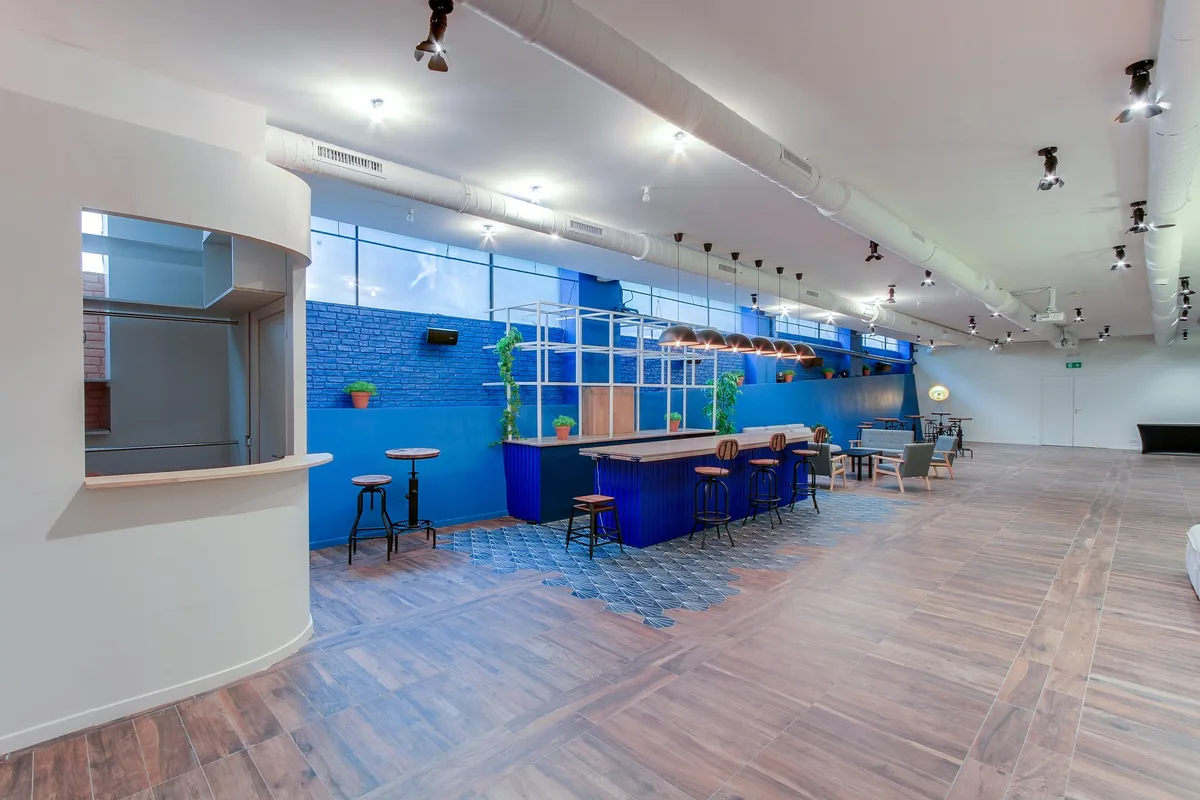
Spaces referenced in the Marais for short-term retail include formats such as the Charlot Store, Galerie Turenne, the Turenne Boutique, and gallery spaces along rue Charlot itself. These formats range from intimate boutique environments of under 50 square metres to mid-size event halls that can support collection launches, press days, or multi-brand pop up activations. Brands that operate simultaneously in the Tuileries corridor and the Marais maximise their Paris presence across two distinct but complementary visitor demographics.
Le Bon Marché and the Rive Gauche Alternative
South of the Seine, Le Bon Marché Rive Gauche in the 7th arrondissement represents a third node of premium fashion retail in Paris. Le Bon Marché has a longstanding tradition of hosting brand activations, pop up installations, and concept-led retail experiences within its historic department store format. Brands that cannot secure street-level space near Tuileries sometimes use a Le Bon Marché placement as a prestige alternative that still delivers the Parisian fashion credentials required by global press and wholesale buyers.
To compare options across these zones and identify which type of space best matches your brand brief, use the space locator tool on Fashion Week Venues to filter by neighbourhood, space type, and availability window.
KEY TAKEAWAY: The streets near Tuileries are not interchangeable. Rue de Rivoli delivers scale and visibility. Rue du 29 Juillet delivers precise garden-adjacent positioning. The Marais delivers cultural credibility and boutique retail atmosphere. Successful Paris activations frequently combine two or more of these zones to build a coherent presence across the city's fashion geography.
With neighbourhood selection understood, the next step is understanding which space types work best for different brand objectives in this part of Paris.
Space Types Available Near Tuileries for Fashion Pop Ups and Showrooms
Quick answer: The primary space types available near Tuileries for fashion brands include street-level boutique spaces on secondary streets, gallery-format rooms suited to showroom and press activation, larger event halls for collection launches, and shared or multi-brand activation environments. Each format serves a different commercial and creative objective.
| Space Type | Typical Size Range | Best For | Typical Rental Duration |
|---|---|---|---|
| Street-level boutique | 30 to 120 sqm | Direct-to-consumer retail, capsule launches | 1 day to 4 weeks |
| Gallery or showroom space | 50 to 200 sqm | Press days, trade presentations, collection previews | 2 days to 2 weeks |
| Event hall or salon | 100 to 500 sqm | Collection launches, brand dinners, multi-brand activations | 1 day to 1 week |
| Multi-brand concept space | 80 to 300 sqm | Emerging designer pop ups, co-activations, discovery retail | Weekend to 1 month |
| Haussmann apartment or loft | 80 to 250 sqm | Intimate brand experiences, influencer events, editorial shoots | 1 day to 2 weeks |
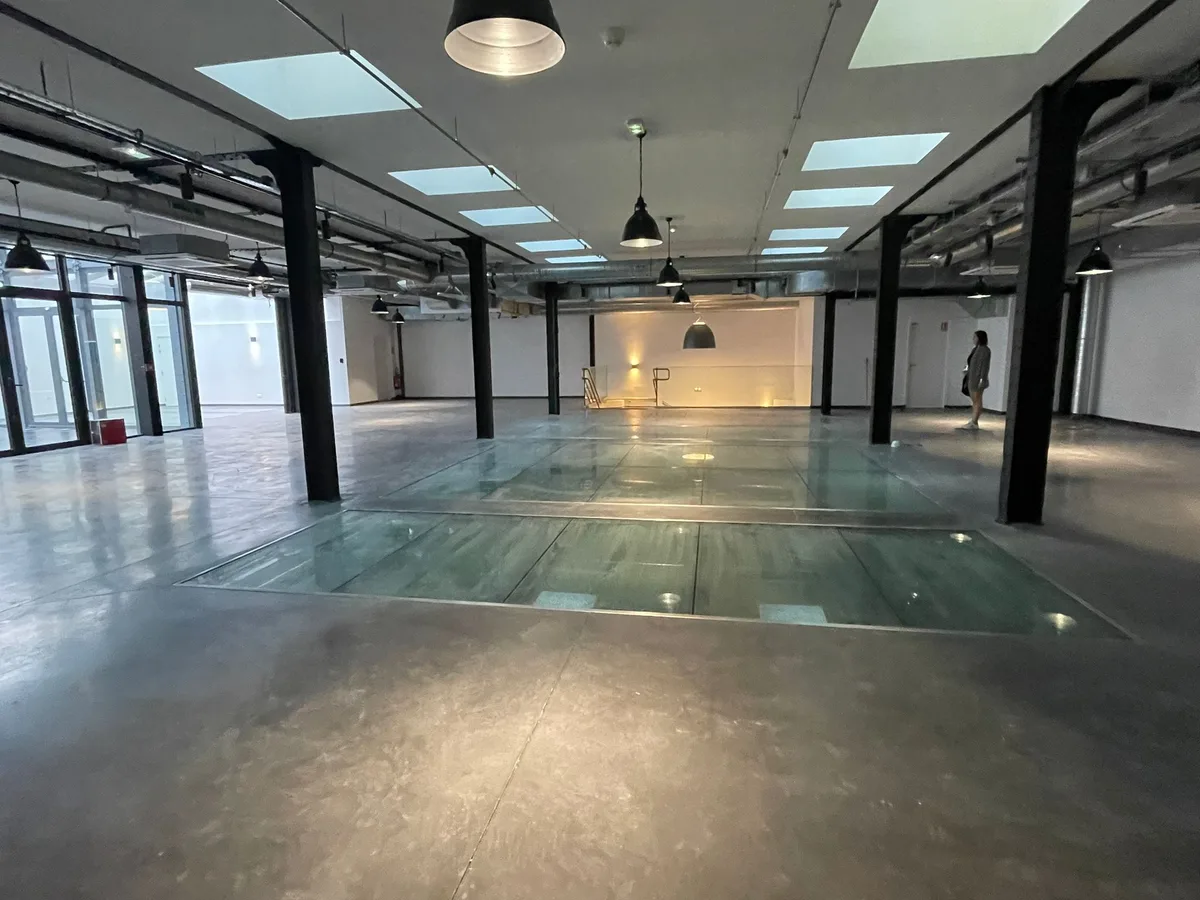
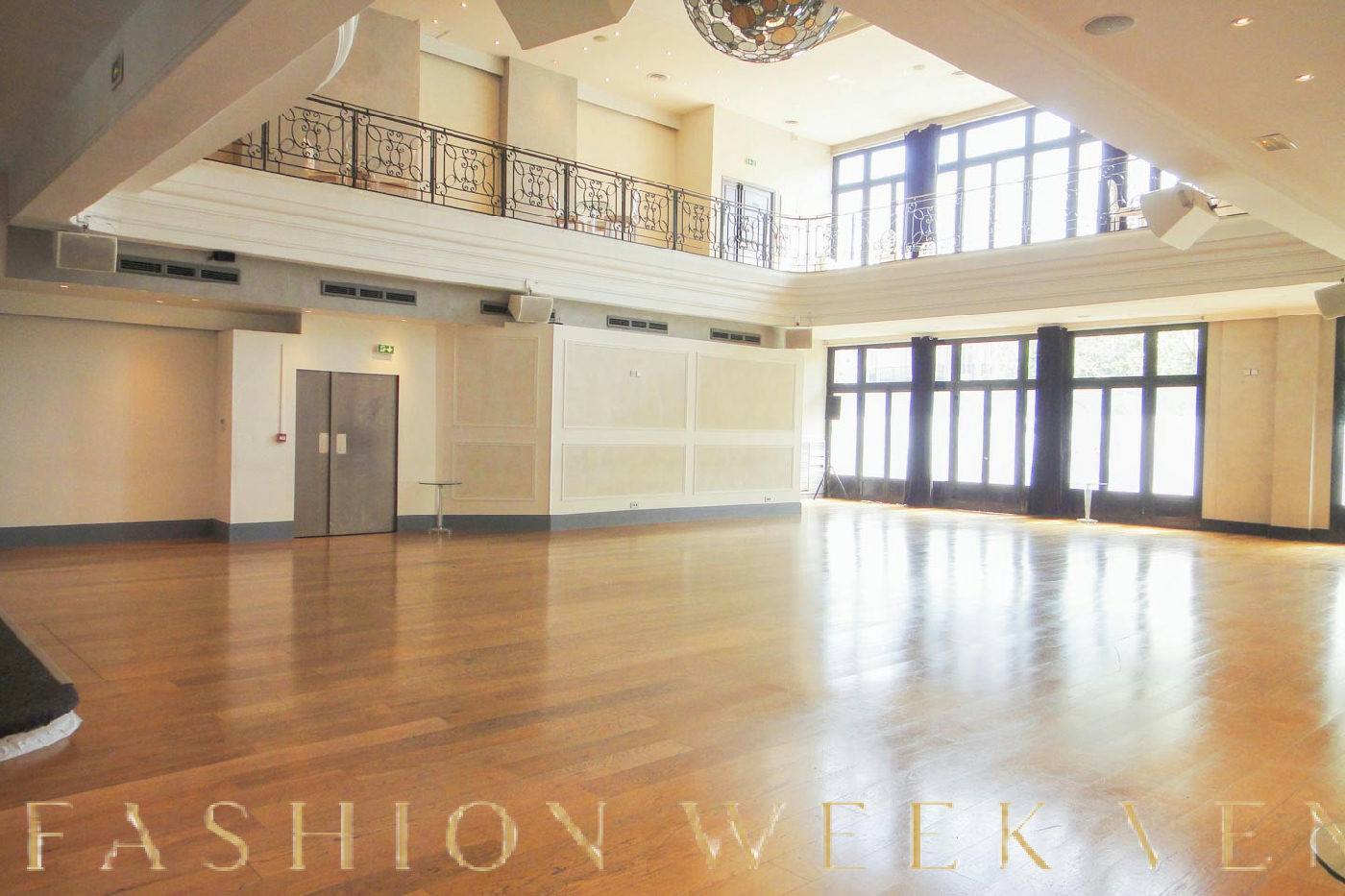
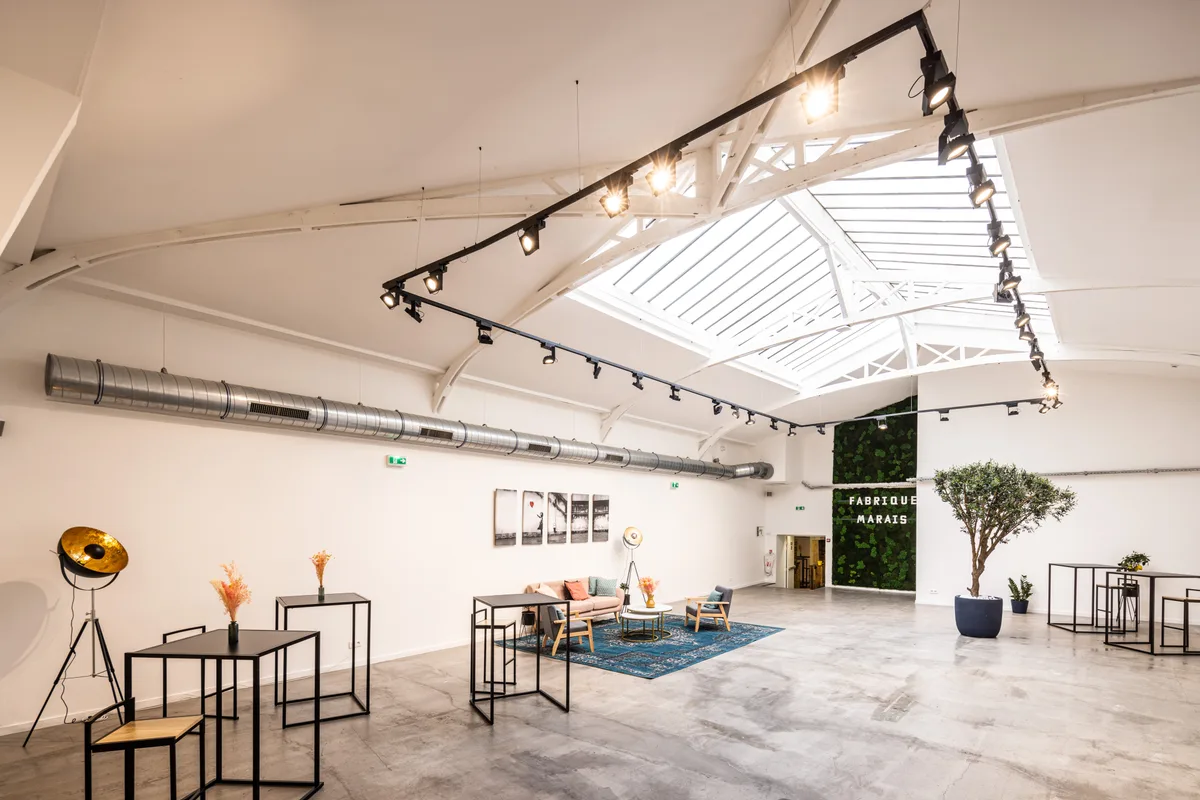
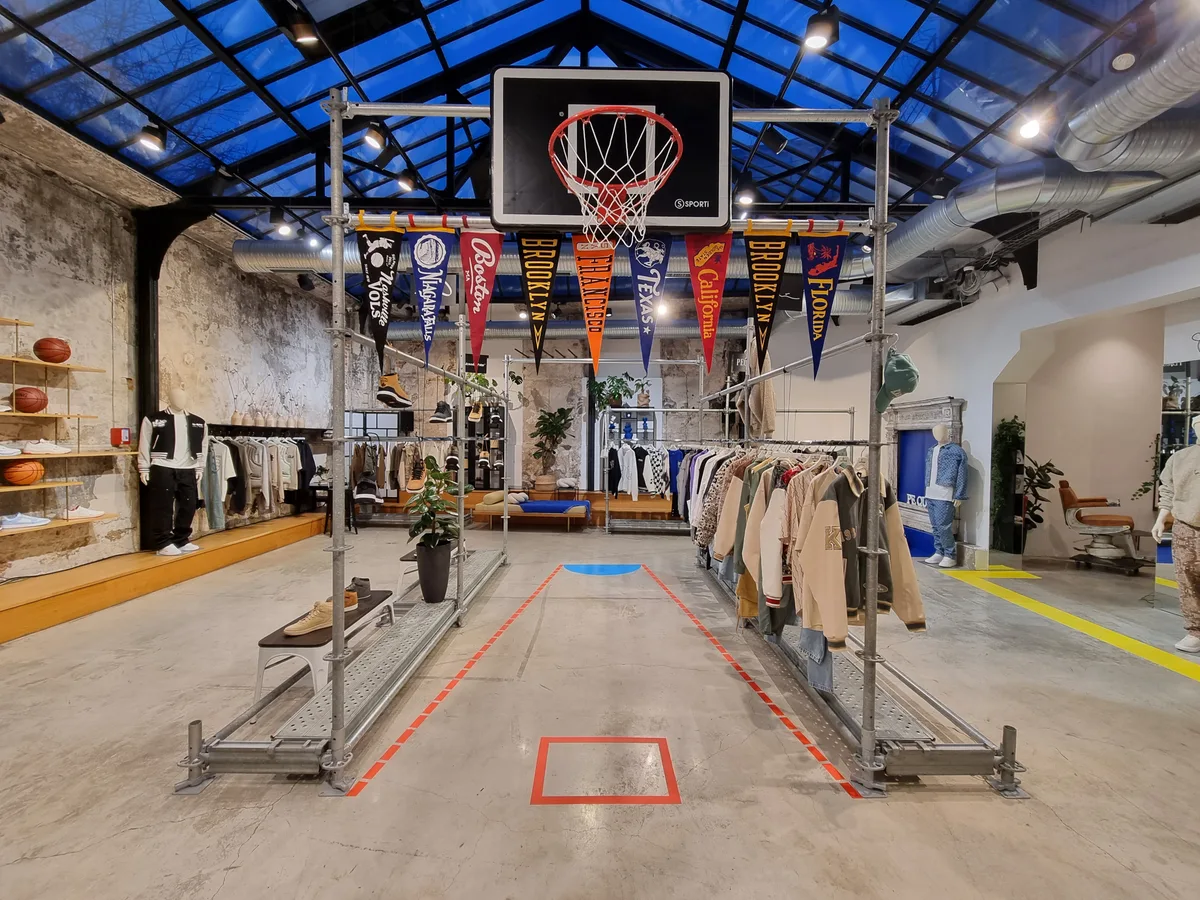
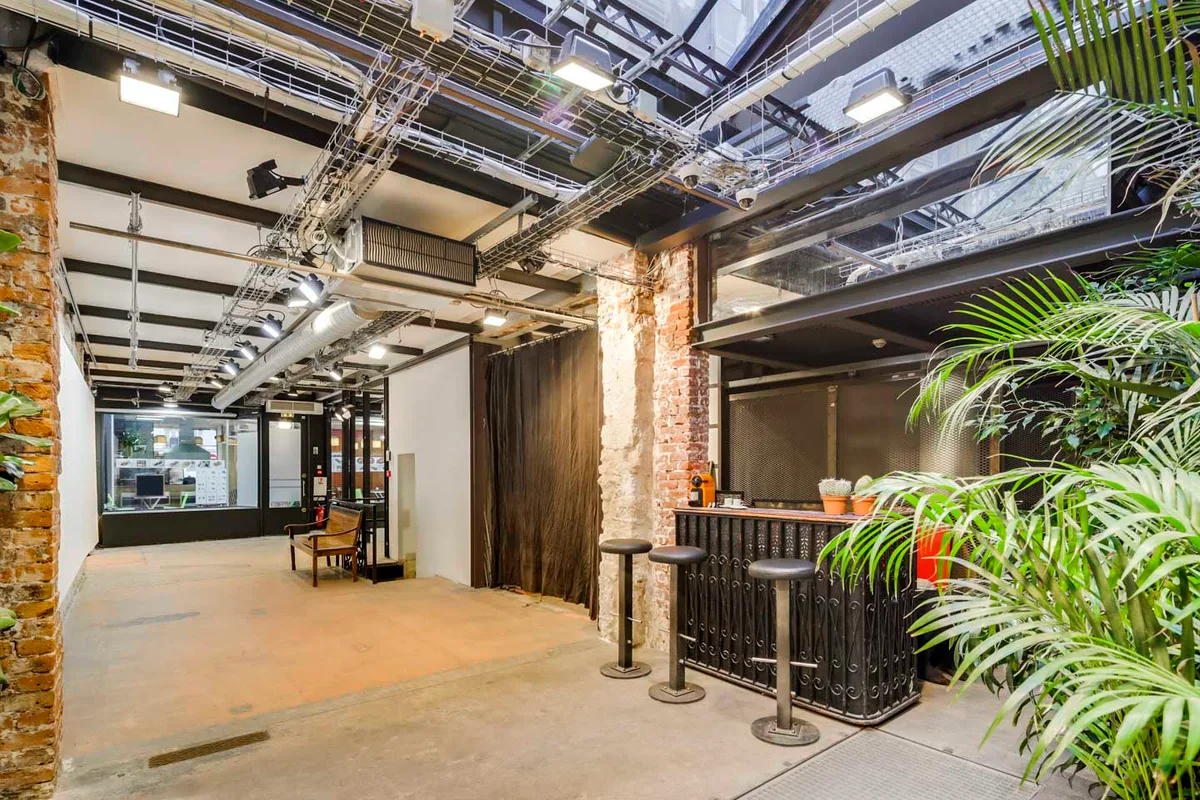
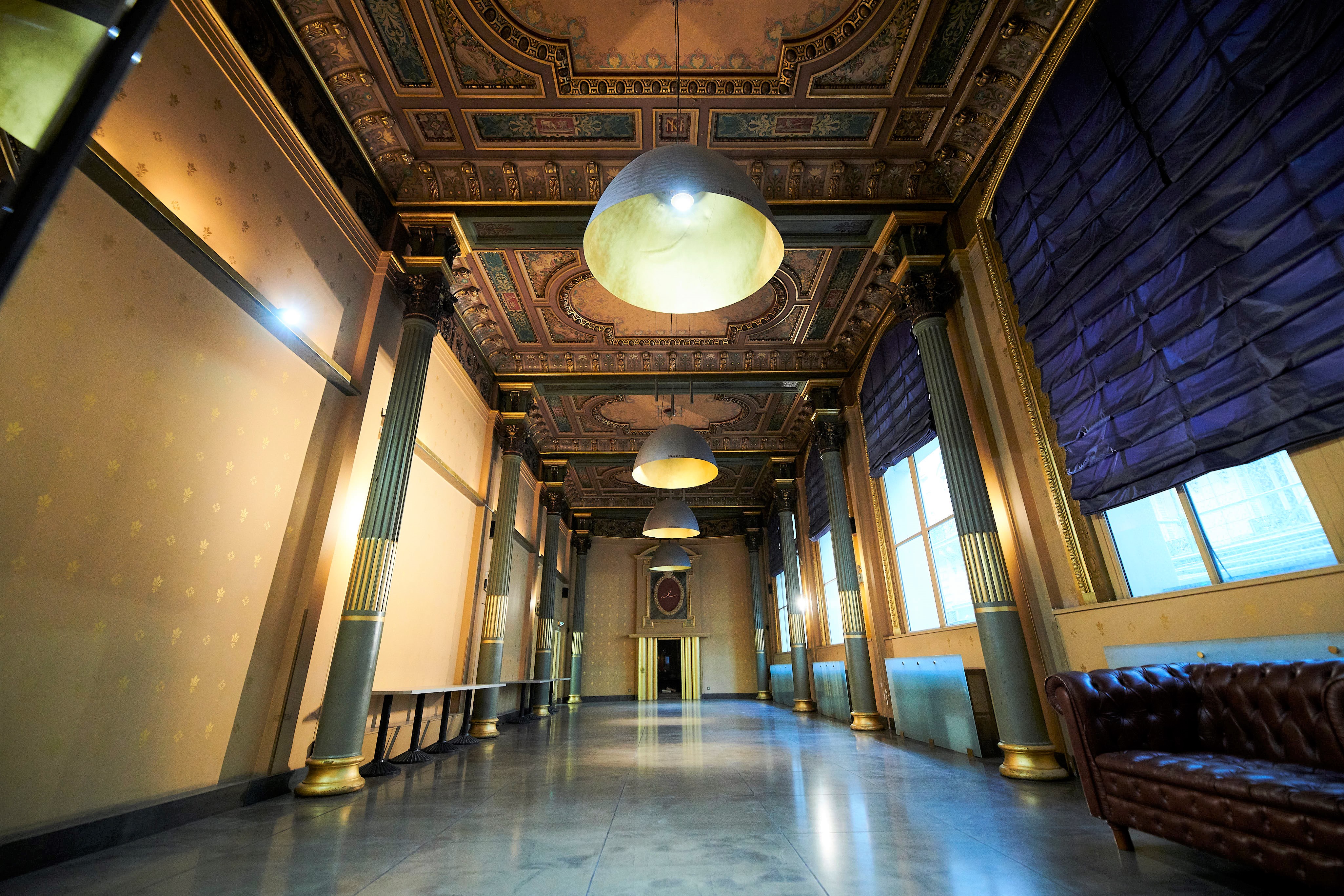
The exposed stone, exposed piping, and raw architectural details that characterise certain Marais spaces are among the most frequently requested features by creative directors seeking to balance the historic Parisian context with a contemporary retail aesthetic. Spaces with exposed stone columns, vaulted ceilings, or original parquet floors photograph well, support editorial storytelling, and provide a natural backdrop for fashion installations without requiring extensive additional set dressing.
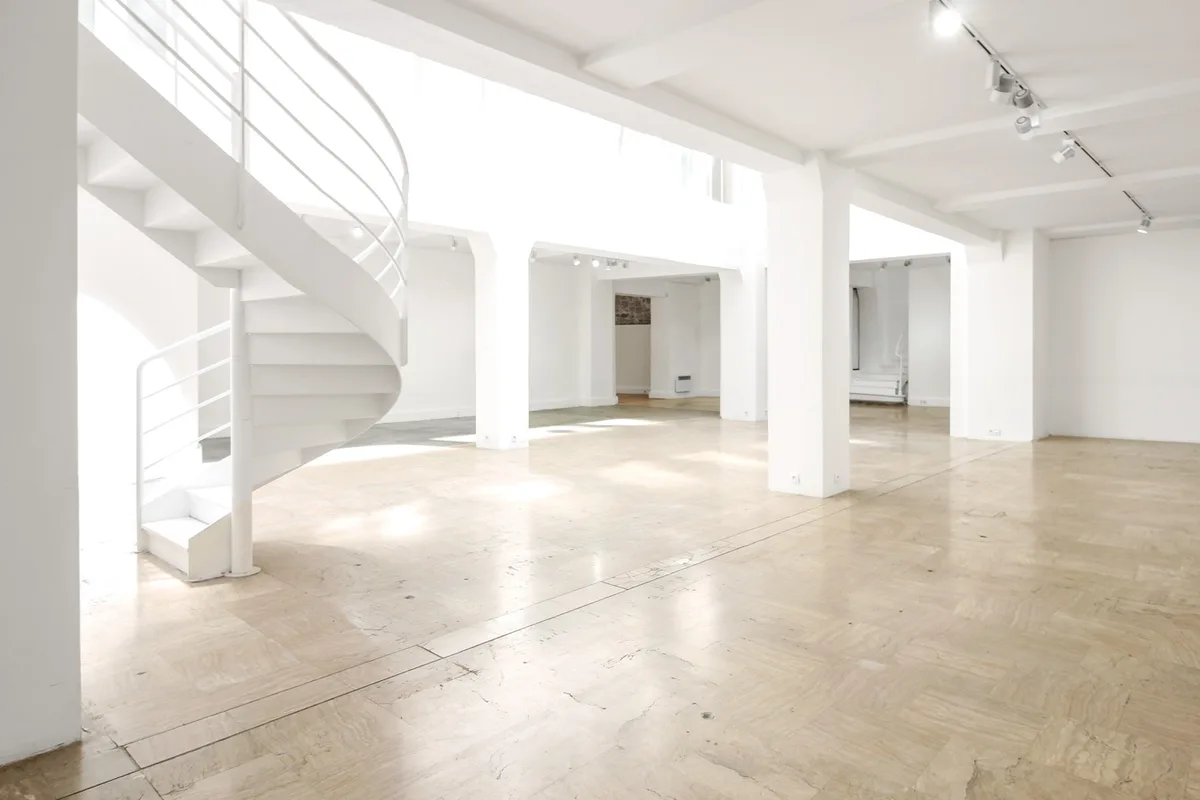
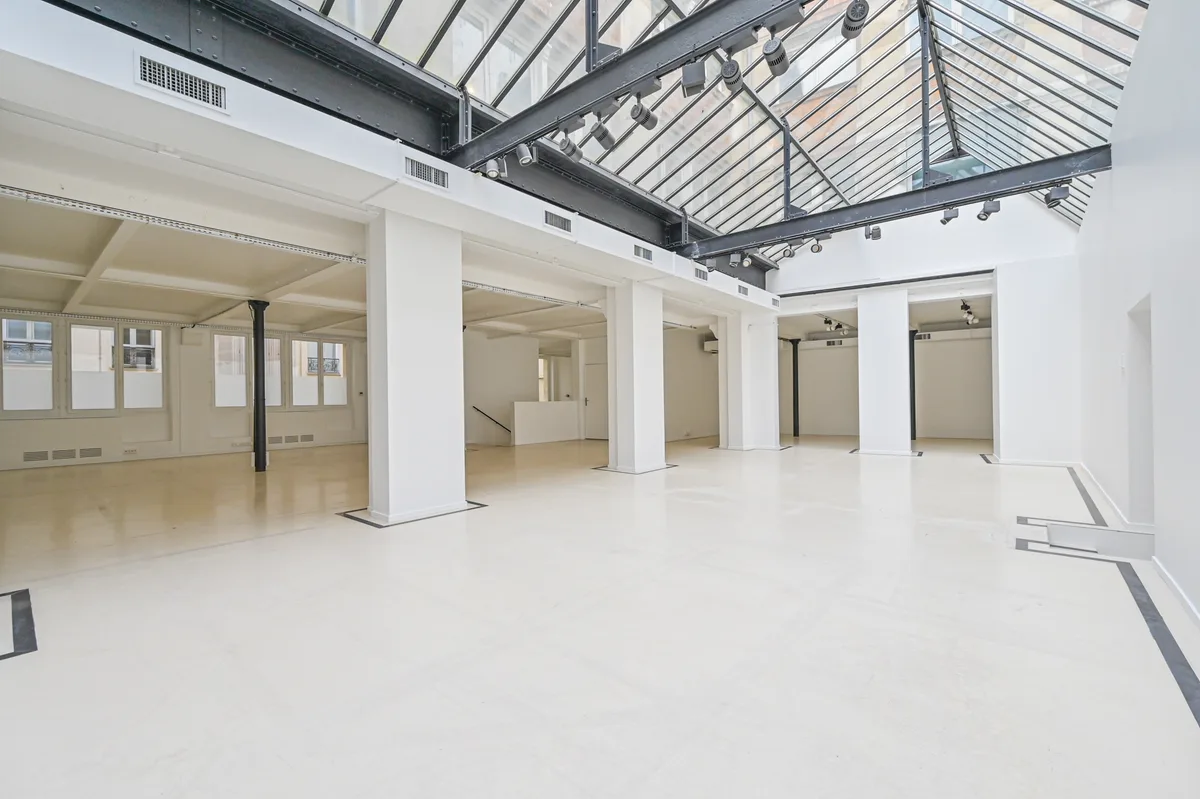
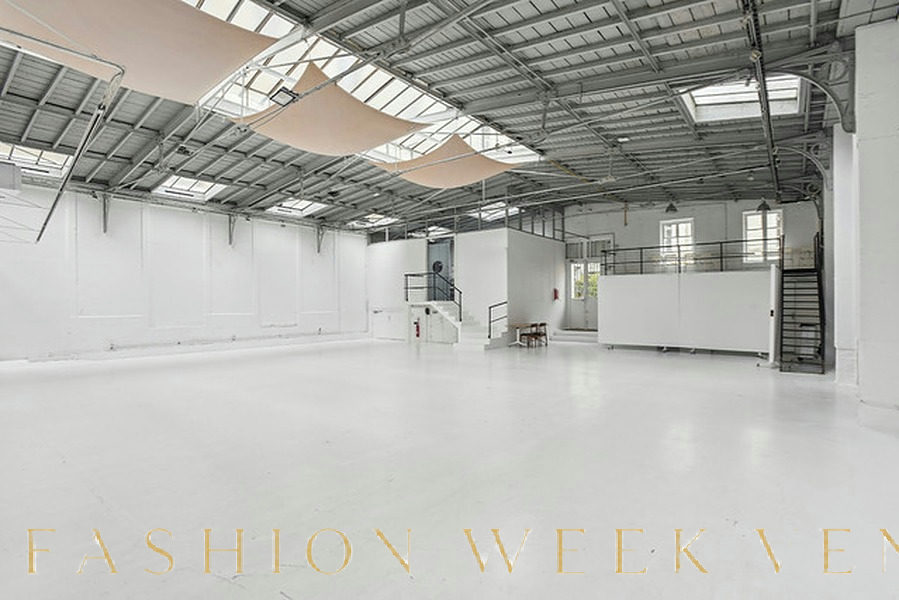
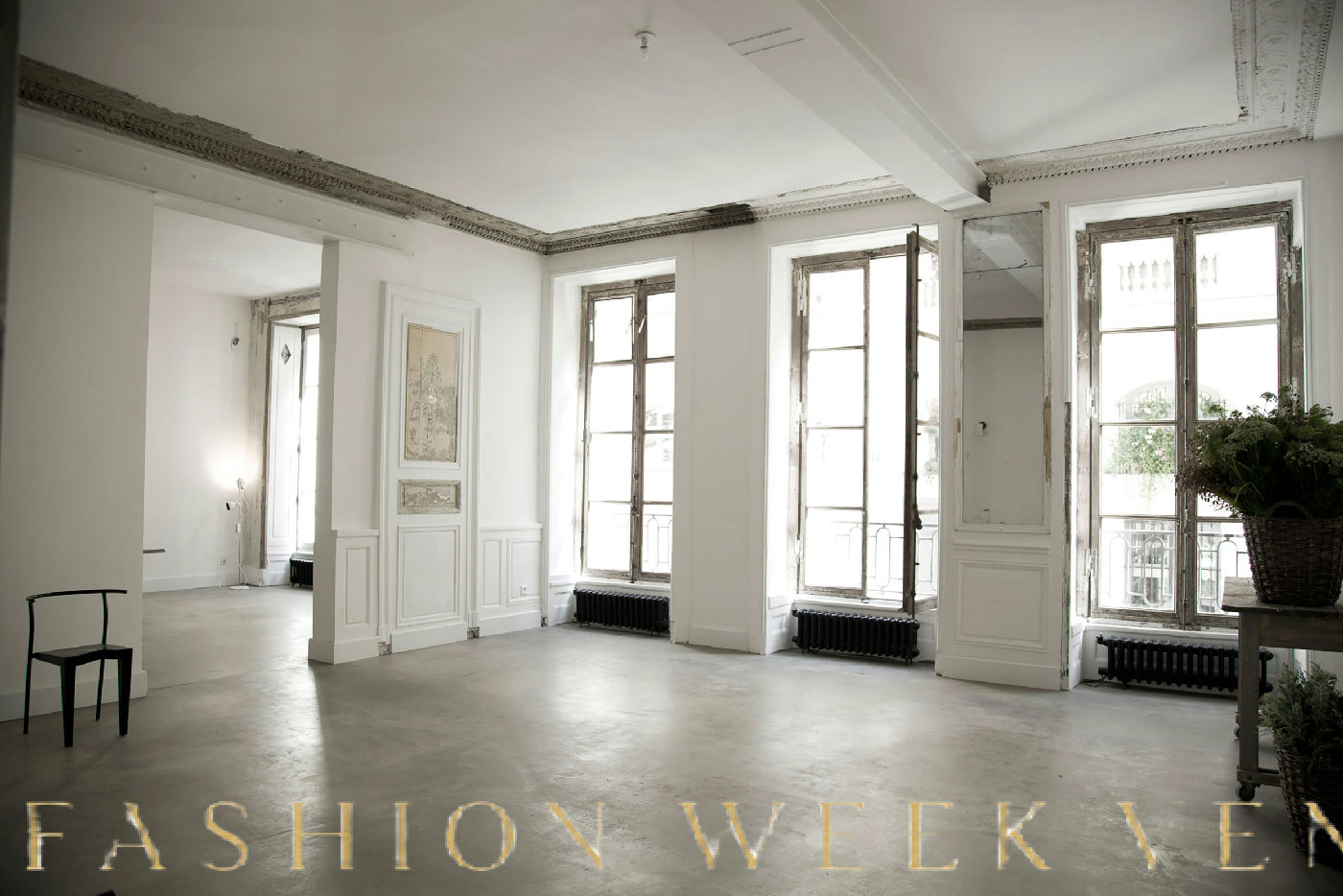
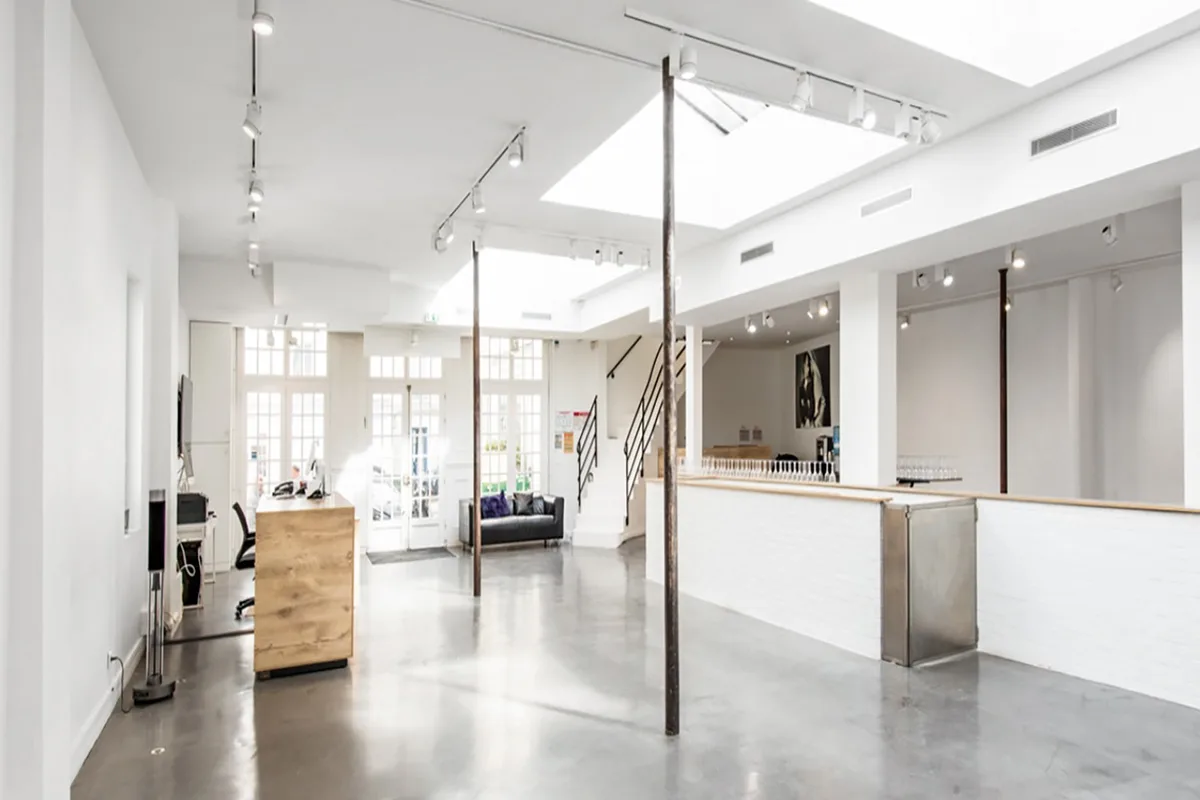
For brands seeking more polished, neutral environments suited to luxury product presentation, the gallery format spaces near Tuileries tend toward white walls, controlled lighting, and minimalist finishes that allow jewellery, leather goods, and clothing to take centre stage. Spaces suited to presenting collections of this type are available across the 1st arrondissement, with some of the most desirable concentrated on side streets within a five-minute walk of the garden's perimeter.
DID YOU KNOW: Some of the most impactful fashion activations in the Tuileries zone have taken place in venues under 80 square metres. Intimate scale creates exclusivity, focuses editorial attention, and tends to be more budget-accessible for emerging and mid-tier brands than the flagship-adjacent spaces on Rue de Rivoli.
The twin co-activation model, where two complementary brands share a single space for mutual benefit, has grown significantly in popularity for Paris Fashion Week deployments. This model reduces individual rental costs, broadens the combined press invite list, and generates content that has natural sharing potential across two distinct brand audiences. Learn how the twin co-activation concept works and whether it applies to your Paris brief.
KEY TAKEAWAY: Space type selection near Tuileries should be driven by your activation objective first, then by budget, then by aesthetic. A showroom brief and a direct-to-consumer retail brief require fundamentally different spaces, even if both are positioned near the same garden entrance.
Dior, Luxury Fashion, and the Tuileries Activation Legacy
Quick answer: Dior has used the Tuileries Garden and its immediate surroundings as an activation canvas for decades, establishing a precedent that other luxury and contemporary brands continue to follow. The Dior Promenade, Lady Dior bag campaigns, and seasonal installations near the garden have made this zone synonymous with luxury fashion storytelling in public space.
Few fashion houses have shaped the visual identity of the Tuileries zone as definitively as Dior. The garden's formal symmetry, its Maillol Bronzes, and its Parisian Gardens atmosphere provide an ideal backdrop for the House's aesthetic, which has historically drawn on French cultural heritage, garden motifs, and architectural precision. The Lady Dior handbag, the Dior Toujours Hobo, and the Dior Archie line have all been featured in campaign imagery produced in and around the Tuileries area, with the garden's sculptures, blue flowers, and geometric basins serving as recurring visual references.
The concept of the Dior Promenade, a brand-activated retail or experiential space positioned as a destination walk rather than a static store, reflects a broader strategy of aligning luxury product with physical movement through cultural landmarks. This approach transforms the act of visiting a pop up from a transactional experience into a narrative one, in which the visitor's route through the city becomes part of the brand story.
Jonathan Anderson, whose work at Loewe has often engaged with art historical references and public space, has similarly used the Paris Fashion Week calendar to create activations that borrow the authority of Parisian cultural landmarks without requiring a permanent footprint in the city. This strategy, of placing a temporary brand presence within sight of an institution, is one that many designers and brand teams are now replicating across different budget levels.
PUCCI, whose Italian House heritage and Mediterranean elegance have always been expressed through bold print and colour, has found the Tuileries zone to be a natural fit for its Women's fashion campaigns. The brand is famous for its vibrant prints, and the formal garden's controlled palette of greens and greys creates a high-contrast setting that amplifies the visual impact of PUCCI's designs. Pop up activations positioned near the garden have leveraged this contrast to create content that performs strongly in both editorial and social media contexts.
Beyond the major luxury names, emerging designers and contemporary brands from across Europe and Asia have used the Tuileries zone to establish credibility in the French market. Brands from China including those with presence in commercial developments like MixC Shenzhen Bay, Sanlitun in Beijing, Xiamen, and Shenyang have used Paris Fashion Week pop ups near Tuileries as strategic entry points into the European and global fashion press ecosystem. Li Yunrui, among other Chinese designers building international profiles, has used Paris activations to present work to a press and buyer audience that would be difficult to reach through domestic market events alone.
For lifestyle and accessible fashion brands, the Tuileries zone also supports a different kind of activation. HAVAIANAS, BIRKENSTOCK, MOISMONT, and CALA have each used Paris pop up formats to reach French and international consumers through limited-edition collections or seasonal retail events. The accessible price points of these brands make the high-footfall Tuileries corridor particularly valuable, as volume-driven retail benefits from the garden's mass visitor appeal in a way that pure luxury brands, which prioritise exclusivity over volume, sometimes choose to avoid.
Qixi Valentine's Day and other culturally specific calendar moments have also driven pop up activity near Tuileries, particularly from Chinese and Asian fashion and lifestyle brands seeking to reach both domestic tourists and Paris-based consumers around gift-giving occasions. The proximity of the Tuileries zone to the luxury retail corridors of Rue Saint-Honoré and Rue de la Paix makes it a logical staging ground for activations timed to purchasing-intent peaks.
KEY TAKEAWAY: The Tuileries zone has been shaped by decades of luxury brand activation, and its visual and cultural authority is available to brands at multiple budget levels. The precedent set by Dior, PUCCI, and other major houses creates a standard of production quality and aesthetic ambition that any brand activating nearby should be aware of and should aim to meet.
Paris Fashion Week Calendar Windows and Timing Your Tuileries Activation
Quick answer: Paris Fashion Week takes place twice annually, with Women's Ready-to-Wear in late February to early March and early September to early October, and Men's Fashion Week in mid-January and late June. Each window creates a concentration of press, buyers, and brand activity that elevates the value of any space near Tuileries. However, the most effective activations are often timed to the days immediately before or after the official schedule.
The Paris Fashion Week calendar is the primary planning framework for brands activating near Tuileries, but it is not the only viable window. Understanding the full key events schedule for Paris retail and fashion allows brands to choose the moment that best aligns with their audience, budget, and commercial objective.
| Calendar Window | Approximate Dates | Primary Audience | Space Competition Level |
|---|---|---|---|
| Men's Fashion Week January | Mid-January | Menswear press and buyers | Moderate |
| Haute Couture January | Late January | Luxury press, clients, influencers | High |
| Women's RTW February to March | Late February to early March | Global fashion press and buyers | Very high |
| Men's Fashion Week June | Late June | Menswear press and buyers | Moderate |
| Women's RTW September to October | Late September to early October | Global fashion press and buyers | Very high |
| Haute Couture July | Early July | Luxury press, clients, influencers | High |
| Christmas Market Season | Late November to early January | Tourists, Paris residents, gift buyers | Low to moderate |
The Tuileries Christmas Market, which has historically been positioned within or adjacent to the garden, attracts a large and commercially active visitor base during the late November to early January period. For lifestyle, accessories, and gifting brands, this window can deliver strong consumer footfall at a time when fashion press activity is lower and space rental costs may be more accessible. The market features food vendors, seasonal stalls, and an ice skating rink positioned to the north of the garden near the Terrace des Feuillants, drawing family visitors, tourists, and Paris residents who differ significantly from the Fashion Week professional audience.
IMPORTANT: Space near Tuileries during the Women's Ready-to-Wear windows is booked far in advance, sometimes six to nine months ahead of the activation date. Brands that wait until eight weeks before Fashion Week to begin their space search will find that the most desirable locations are already committed. Begin your timeline planning well ahead of your target window using the Fashion Week Venues timeline planning tool.
The days immediately surrounding Fashion Week, rather than the official show days themselves, are often the most productive for pop up activations. Press, buyers, and influencers are present in Paris but not necessarily scheduled into back-to-back show commitments. A showroom or retail pop up that is open in the 48 hours before the official schedule begins and the 48 hours after it ends can capture the attention of the full Fashion Week audience at a moment when competition for that attention is lower.
KEY TAKEAWAY: The Paris Fashion Week calendar creates the most concentrated demand for space near Tuileries, but it is not the only viable activation window. Christmas market season, Qixi Valentine's Day, and the fashion week pre and post periods offer strategic alternatives for brands that need more lead time, lower competition, or a different audience profile.
Permits, Leases, and Legal Compliance for Short-Term Retail Near Tuileries
Quick answer: Short-term retail and event space in Paris near Tuileries operates under specific legal frameworks, primarily the bail dérogatoire for commercial spaces and the autorisation d'occupation temporaire for public or semi-public locations. These frameworks differ significantly from standard commercial leases and require careful navigation to avoid compliance risks.
Brands unfamiliar with French property law frequently encounter surprises when attempting to secure short-term rental space in Paris. The standard French commercial lease, known as the bail commercial, is a long-term instrument with statutory protections for tenants that make it unsuitable for pop up retail purposes. The framework relevant to most fashion activations near Tuileries is the bail dérogatoire, a short-term lease that can be concluded for a maximum total duration of 36 months and allows landlords to recover the space at the end of the agreed term without triggering the tenant's statutory renewal rights.
The bail dérogatoire must be explicitly designated as such in the lease agreement. If a brand occupies a space under a bail dérogatoire and the lease continues beyond 36 cumulative months without explicit agreement from both parties, French law may convert it automatically into a standard bail commercial, triggering full tenant protection rights and significant legal complexity. This is a risk that particularly affects brands that have used the same space repeatedly across multiple Fashion Week seasons.
For activations in public spaces or semi-public locations such as gardens, arcades, or spaces with any connection to public land, the relevant instrument is the autorisation d'occupation temporaire, often abbreviated as AOT. An AOT grants temporary rights to occupy a defined area of public land for a specific purpose and duration. The conditions, fees, and permitting requirements associated with an AOT vary by arrondissement, by the nature of the space, and by the type of activity proposed. Requirements for a fashion pop up in a garden-adjacent location will differ from those for a market stall, an outdoor installation, or a temporary structure.
IMPORTANT: Neither a bail dérogatoire nor an AOT application guarantees approval. Permit requirements vary by space type, duration, and arrondissement. Brands should verify all compliance obligations with a qualified French legal advisor before signing any agreement or committing to a space. For an overview of the permit landscape relevant to fashion activations in Paris, consult the permit guidance tool on Fashion Week Venues.
Brands entering the French market for the first time frequently ask whether they need a French legal entity, such as a société à responsabilité limitée or a succursale, to rent commercial space in Paris. The answer depends on the specific space, landlord, and lease structure. Many landlords will accept a foreign legal entity as a tenant for short-term arrangements, particularly for well-established brands with a verifiable trading history and financial standing. However, some landlords, property managers, and venue operators require either a French legal entity or a French guarantor. Working with a local agency that has established relationships with Paris landlords can significantly reduce the friction of this process.
Additional compliance considerations for brands activating near Tuileries include temporary signage permits, which are governed by the local authority and have specific rules regarding size, placement, and illumination; commercial activity declarations, which may be required for certain types of direct-to-consumer sales; and food and beverage licensing, which applies to any activation that includes catering, sampling, or a café element.
KEY TAKEAWAY: The legal framework for short-term retail in Paris is not equivalent to a simple property rental. The bail dérogatoire and AOT frameworks provide the legitimate instruments for most fashion activations, but both require correct execution and professional guidance to avoid costly errors.
Budget Considerations for a Pop Up Store Near Tuileries
Quick answer: The total cost of a pop up store near Tuileries depends on space type, duration, location, production requirements, and staffing. Directional budget ranges vary considerably by these factors, and brands should build their financial planning around a comprehensive budget model rather than a single space rental figure.
Fashion brands approaching their first Paris pop up often underestimate the full cost structure of a short-term activation. The space rental itself is one component of a broader budget that includes fit-out and production, furniture and fixtures, staffing, logistics, permits and legal compliance, marketing and influencer engagement, and operational costs such as utilities and security.
Space rental costs near Tuileries and in the adjacent Marais reflect the premium position of these locations within the Paris retail hierarchy. Directional estimates for short-term boutique-format spaces in the 1st arrondissement are considerably higher than in outer arrondissements or in secondary French cities. Brands planning activations during Paris Fashion Week should factor in a significant seasonal premium on top of base rental rates, as demand concentration during the show windows elevates pricing substantially.
TIP: Use the Fashion Week Venues budget calculator to build a brand-specific cost estimate based on your target location, space size, activation duration, and service requirements. This tool provides directional budget guidance tailored to the specific variables of your Paris activation brief.
Production and fit-out costs for a space near Tuileries will depend on the base condition of the space and the level of brand customisation required. A gallery-condition space with white walls and polished floors will require less production investment than a raw industrial unit or a historic Haussmann apartment that needs lighting, flooring, and display infrastructure to be brought in from scratch. Brands working with exposed stone or heritage features may find that the space itself does the visual heavy lifting, reducing the need for elaborate set dressing and thereby lowering production costs relative to more neutral environments.
Furniture rental, which covers display plinths, clothing rails, seating, and decorative elements, is typically sourced locally in Paris to reduce transport costs and simplify logistics. Furniture rental through Fashion Week Venues covers the full range of display and experiential furniture required for fashion activations, with Paris-based sourcing that avoids cross-border shipping complexity.
Staffing costs include both operational retail staff and brand-trained hosts or ambassadors who can communicate your brand story to press, buyers, and consumers. French labour law applies to all staff working in France regardless of where the brand is incorporated, and brands should factor in employer contribution costs when budgeting for staffed activations.
For brands evaluating whether the financial return justifies the investment, the ROI calculator tool on Fashion Week Venues allows you to model projected commercial and media value outcomes against total activation costs, supporting a more rigorous investment decision.
KEY TAKEAWAY: The total cost of a pop up near Tuileries is the sum of multiple budget lines, not just the space rental. Brands that approach budgeting with a full-cost model from the outset avoid mid-activation surprises and are better positioned to negotiate with suppliers and make informed decisions about production scope.
How Fashion Week Venues Supports Pop Up Activations Near Tuileries
Fashion Week Venues operates as a full-service agency and space marketplace for brands planning pop up stores, showrooms, and event activations in Paris and other major fashion capitals. For brands targeting the Tuileries zone specifically, the agency offers a structured service pathway that covers every stage from initial space identification through to post-activation analysis.
The venue sourcing service applies market knowledge of the 1st arrondissement, the Marais, and the broader Paris fashion geography to identify short-list spaces that match each brand's brief, budget, and calendar window. This goes beyond a simple marketplace search to include direct landlord relationships, knowledge of spaces that are not publicly listed, and an understanding of which space types perform best for which activation objectives. The venue sourcing service is the starting point for most brand engagements with Fashion Week Venues in Paris.
Concept direction supports brands that arrive with a commercial objective but without a fully formed creative vision for their Paris space. The Tuileries zone carries significant aesthetic expectations, and a concept that works well in a different city or a different cultural context may require adaptation to resonate with the Paris fashion audience. The concept direction team works with brand creative and marketing teams to develop an activation framework that is both locally credible and brand-consistent.
Production and build covers the physical transformation of a raw or gallery-condition space into a functioning branded retail environment. This includes flooring, lighting, display systems, brand graphics, and any bespoke fabrication required to realise the creative concept. For brands working with tight timelines, as is typical for Fashion Week activations, the production and build service manages the logistics of getting a space from empty to operational within the compressed windows that Paris landlords typically permit for fit-out.
The activation management service provides on-the-ground operational support during the activation itself, covering daily opening and closing procedures, visitor management, supplier coordination, and issue resolution. For brands activating in Paris without a local team, this service is particularly valuable as it removes the operational burden from creative and commercial staff who should be focused on press and buyer engagement rather than logistics.
The data and analytics service captures visitor footfall, dwell time, sales conversion, and media sentiment data during the activation, providing a post-event dataset that supports future investment decisions and internal brand reporting. Combined with the ROI calculator, this service allows brands to build a quantitative case for continued or expanded Paris activation investment.
The influencer marketing service manages the identification, briefing, and hosting of relevant influencers and content creators for Paris activations, with particular focus on the fashion week press and creator ecosystem that concentrates in Paris during the key calendar windows. This service is offered as a standalone or integrated into the full activation management scope.
For brands that are new to the Paris market or are evaluating their first Tuileries-zone activation, the guide to hiring a pop up agency provides a framework for understanding what to expect from an agency relationship and how to structure the brief for best results.
IMPORTANT: Fashion Week Venues does not guarantee specific spaces, permits, press attendance, or commercial outcomes. The agency provides expertise, relationships, and managed services to improve the probability of a successful activation, but all outcomes are subject to market conditions, space availability, and brand-specific variables.
KEY TAKEAWAY: Fashion Week Venues offers a complete service architecture for brands targeting the Tuileries zone, from initial space identification through to post-activation reporting. The breadth of services available means that brands can engage at the level of support that matches their internal capability, from full end-to-end management to selective specialist services.
Step-by-Step Workflow for Launching a Pop Up Store Near Tuileries
Quick answer: A well-managed pop up activation near Tuileries follows a structured workflow that typically spans 12 to 24 weeks from initial brief to opening day, depending on activation complexity, space availability, and permit requirements. Compressed timelines are possible but carry higher risk and cost.
| Stage | Activity | Typical Timeframe Before Opening |
|---|---|---|
| 1. Brief development | Define objectives, target audience, budget, and calendar window | 20 to 24 weeks |
| 2. Space shortlisting | Identify candidate spaces by neighbourhood, type, and size | 16 to 20 weeks |
| 3. Site visits and selection | Visit shortlisted spaces, assess technical suitability, confirm availability | 14 to 16 weeks |
| 4. Legal and permit review | Confirm lease framework, begin AOT or permit applications if required | 12 to 14 weeks |
| 5. Concept development | Develop creative concept, spatial layout, and brand narrative | 10 to 14 weeks |
| 6. Production planning | Specify fit-out scope, source furniture and materials, schedule build | 8 to 12 weeks |
| 7. Supplier confirmation | Confirm all suppliers, logistics partners, and staffing arrangements | 6 to 8 weeks |
| 8. Build and fit-out | Execute physical transformation of space within landlord-permitted window | 1 to 2 weeks |
| 9. Soft opening and testing | Conduct walk-throughs, staff briefings, POS testing, and final adjustments | 2 to 3 days |
| 10. Activation | Open space, manage daily operations, host press and consumer events | Opening day onwards |
| 11. Breakdown and exit | Derig, restore space to agreed condition, manage logistics of outbound stock | Final day of lease |
| 12. Post-activation review | Analyse data, compile reports, assess ROI, and plan next activation | 1 to 2 weeks post-close |
The workflow above represents a standard timeline for a mid-complexity activation in a prepared gallery or boutique-condition space. Activations requiring bespoke construction, outdoor permits, or complex brand systems will typically require longer lead times at the brief development and production planning stages.
To compare spaces across the Tuileries zone and adjacent neighbourhoods before committing to a shortlist, use the space comparison tool on Fashion Week Venues, which allows you to evaluate multiple spaces side by side against your brief criteria.
KEY TAKEAWAY: The most common cause of failed or compromised Paris activations is insufficient lead time. Brands that begin the workflow at stage one with 20 or more weeks to their target opening date have the greatest range of space options, the most time for permit navigation, and the best conditions for negotiating favourable lease terms.
Common Myths About Pop Up Stores Near Tuileries Debunked
MYTH: You need a French legal entity to rent a pop up space near Tuileries.
FACT: Many landlords in Paris will accept a foreign-registered company as a tenant for short-term arrangements, particularly if the brand can demonstrate financial standing and provide appropriate guarantees. However, some landlords do require a French entity or guarantor, and the requirements vary by space, landlord, and lease structure. Working with a locally experienced agency reduces this friction and helps brands navigate these requirements without establishing a permanent French legal presence.
MYTH: Paris Fashion Week is the only viable calendar window for a pop up near Tuileries.
FACT: While the Women's and Men's Fashion Week windows generate the highest concentration of press, buyers, and industry professionals, the Tuileries zone attracts significant visitor volumes year-round. The Christmas market season, summer tourism peak, Haute Couture windows, and culturally significant dates such as Qixi Valentine's Day all offer commercially viable activation contexts for brands with different audience and commercial objectives. Competition for space and rental premiums are also lower outside the main fashion week windows.
MYTH: Commission brokers are the only way to find a pop up space in central Paris.
FACT: The Paris short-term retail market has become significantly more transparent over the past decade, with marketplaces, agency services, and direct landlord relationships all providing viable routes to space. A commission broker model can introduce conflicts of interest if the broker is financially incentivised to recommend more expensive or less suitable spaces. Full-service agencies with transparent fee structures, and curated marketplaces with verified listings, offer more accountable alternatives for brands that want objective space guidance.
MYTH: Short-term leases in Paris are legally straightforward and require minimal professional input.
FACT: The bail dérogatoire and AOT frameworks that govern most short-term retail activations in Paris are specialist legal instruments with specific drafting requirements, duration limits, and compliance conditions. Errors in lease structure can expose brands to unintended long-term tenancy obligations or permit non-compliance. Professional legal review by a French-qualified advisor is strongly recommended for any brand committing to a Paris pop up space, regardless of the apparent simplicity of the arrangement.
MYTH: A small budget means you cannot achieve a credible activation near Tuileries.
FACT: The most impactful activations near Tuileries are not always the largest or most expensive. Intimate spaces, co-activation models, and well-executed creative concepts with a modest production budget can generate press coverage, buyer interest, and social media traction that competes effectively with larger-budget activations. The twin co-activation model, in particular, allows two brands to share the cost of a premium space while individually benefiting from the combined press and consumer reach.
Frequently Asked Questions
What does the word Tuileries mean and what is the history behind the garden?
The word tuileries is derived from the French word for tile factories, tuileries, which once operated on this land before Catherine de Medici commissioned a royal garden here in 1564. The garden was redesigned in its current formal French style by André Le Nôtre in the 1660s, the same landscape architect responsible for the grounds at Versailles. Over the centuries it has served as a royal promenade, a public park, a festival ground, and most recently a venue for the Paris 2024 Olympic and Paralympic Cauldron installation. The garden remains one of the most historically layered public spaces in the City of Lights.
Are the Tuileries Gardens free to enter and do you need a ticket?
Yes, the Jardin des Tuileries is free to enter and no ticket is required. The garden is open to the public throughout the year, with opening hours extending into the evening during summer months. Although the garden falls under the administration of the Louvre Museum, it is entirely separate from the museum experience. You do not need a Louvre ticket to explore the garden, walk along the Maillol Bronzes, visit the Grand Bassin Octogonal, or access the Musée de l'Orangerie located at the garden's western end, which does require its own separate ticket for admission.
How long does it take to walk through the Tuileries Garden?
A straightforward walk from the Carrousel entrance near the Louvre to the Place de la Concorde takes between 20 and 30 minutes at a relaxed pace. However, most visitors spend considerably longer in the garden, particularly in summer when the cafés, the areas around the Grand Bassin Octogonal, and the various sculpture installations invite extended exploration. Visitors who incorporate the Musée de l'Orangerie for the Water Lilies rooms and the adjacent Jeu de Paume should allow at least two to three hours for the full Tuileries cultural circuit.
What else is near the Jardin des Tuileries worth visiting?
The Louvre Museum is the most significant cultural institution immediately adjacent to the garden. The Musée de l'Orangerie with its Monet Water Lilies is at the garden's western end. Place de la Concorde and its famous obelisk are at the southern exit. Rue de Rivoli runs along the northern edge, offering cafés, restaurants, heritage retail, and the arcaded walkway that connects the garden's perimeter to the 1st arrondissement's interior streets. The Marais district, with the Picasso Museum and Place des Vosges, is accessible within a 15 to 20 minute walk east from the garden.
What should brands expect at the Tuileries Christmas Market and is it a viable activation context?
The Tuileries Christmas market, positioned within or adjacent to the garden's northern zone near the Terrace des Feuillants, typically features seasonal food stalls, artisan vendors, an ice skating rink, and a festive atmosphere that draws both Parisian residents and international tourists from late November through early January. The market's visitor profile skews toward families, couples, and gift buyers rather than fashion industry professionals, making it most suitable for lifestyle, accessories, gifting, and food and beverage brands rather than pure fashion activations. The lower space competition and rental costs during this period make it an accessible entry point for brands new to the Paris market.
Why rent a pop up shop on or near Rue de Rivoli and what are the benefits?
Rue de Rivoli offers a combination of extremely high pedestrian footfall, direct adjacency to the Tuileries Garden's main northern entrance, and proximity to Paris's most prestigious hotel and retail corridor. Brands that activate on or near Rue de Rivoli benefit from the street's heritage status, its international tourist traffic, and its position on the route taken by virtually every visitor making the journey between the Louvre and Place de la Concorde. The visibility this provides is particularly valuable during Paris Fashion Week when the global fashion press is concentrated in the immediate area.
What are the most sought-after locations for renting a retail space in the Rivoli and Tuileries zone?
The most desirable short-term retail locations in the Tuileries and Rivoli zone include street-level spaces on the secondary streets running perpendicular to Rue de Rivoli, such as Rue du 29 Juillet and the streets immediately east toward the Louvre. Gallery-condition spaces within Haussmann buildings on these streets are particularly sought after for fashion activations. The Carrousel zone adjacent to the Louvre is also highly desirable during Fashion Week due to its proximity to the Carrousel du Louvre show venue. Availability is extremely limited in all these locations during the main Fashion Week calendar windows.
What is the ideal duration for renting a retail space near Tuileries?
The ideal duration depends on the activation objective. Press and showroom activations during Fashion Week typically run for four to ten days, aligned with the schedule of shows and presentations. Consumer-facing retail pop ups that aim to build brand awareness among a broader Parisian audience tend to run for two to four weeks to allow word-of-mouth and repeat visits to develop. Brands testing a new market or product concept often find that a two-week minimum is needed to generate meaningful data on consumer response. Shorter activations of one to three days are viable for specific event-driven moments such as product launches or influencer hosting events.
How do I find a pop up space near Tuileries without using a commission broker?
The most effective routes to space near Tuileries without a traditional commission broker are direct marketplace listings, full-service agency relationships with transparent fee structures, and personal referrals from other brands that have activated in the zone. A curated space marketplace allows brands to browse verified listings, review space specifications including dimensions, and make initial contact with landlords or their representatives without the intermediary cost of a commission-based introducer. Working with an agency that charges a transparent project fee rather than a space commission aligns the agency's interests with the brand's brief rather than with the value of the space rental.
Does activating near Tuileries require a French company or legal entity?
Not necessarily. Many landlords in the Tuileries zone and adjacent arrondissements accept foreign-incorporated companies as tenants for short-term retail arrangements, provided the brand can demonstrate financial credibility and, in some cases, provide a guarantee. Requirements vary by landlord, space type, and lease structure. Some landlords insist on a French entity or guarantor. A locally experienced agency with established landlord relationships can often navigate these requirements on behalf of a foreign brand, reducing the administrative burden of market entry without requiring the brand to establish a permanent French legal presence.
What permit or compliance steps are required for a pop up store near Tuileries?
The specific permit requirements depend on the space type, the nature of the activation, its duration, and the arrondissement. Most short-term retail activations in commercial spaces use the bail dérogatoire lease framework, which requires specific legal drafting to be valid. Activations in public or semi-public spaces may require an autorisation d'occupation temporaire. Temporary signage, outdoor structures, and food and beverage service each carry their own permit requirements. Brands should consult a qualified French legal advisor before committing to any space, and should use the permit guidance tool on Fashion Week Venues as an initial orientation to the Paris compliance landscape.
Can emerging brands or non-luxury labels activate successfully near Tuileries?
Yes. While the Tuileries zone is associated with luxury fashion heritage, the surrounding streets and the Marais district adjacent to it support activations at a wide range of brand tiers and budget levels. Emerging designers, contemporary lifestyle brands, and accessible fashion labels have all activated successfully in this zone by choosing spaces that match their production budget, by using co-activation models to share costs, and by applying strong creative concepts that deliver impact at lower overall spend. The Fashion Week press and buyer audience is specifically interested in discovering new names during the Paris calendar, making this zone viable for emerging labels with genuine product and storytelling quality.
How does the twin co-activation model work for pop ups near Tuileries?
The twin co-activation model brings two complementary brands together to share a single space for a defined activation period. Each brand occupies a defined zone within the shared space, benefits from the combined press and consumer audience of both brands, and shares the base rental and production costs. This model is particularly effective for emerging brands that want access to a premium Tuileries-zone space that would be beyond their individual budget, and for established brands seeking to create editorial interest through an unexpected creative pairing. The twin concept offered by Fashion Week Venues is designed to match compatible brands and facilitate the shared activation process.
Is it worth visiting the Tuileries Garden as part of a Paris Fashion Week trip?
Absolutely. The garden is a free, open public space that sits at the centre of Paris's most concentrated fashion and cultural geography. Walking through the Tuileries from the Louvre toward Place de la Concorde passes the Maillol Bronzes, the Grand Bassin Octogonal, and the terraced promenades that have defined Parisian public life for over three centuries. During Fashion Week, the surrounding streets are populated with brands, activations, show venues, and the entire global fashion industry in transit. The garden itself offers a rare moment of calm and visual richness between appointments, and provides the geographical orientation needed to understand how the fashion week map of central Paris fits together.
What role does the Marais play in a Tuileries-area pop up strategy?
The Marais district, with its concentration of designer boutiques, art galleries, and culturally engaged consumers around Rue de Turenne, rue Charlot, Place des Vosges, and the streets of Le Marais district, complements the Tuileries zone for brands pursuing a broader Paris activation strategy. Where the Tuileries corridor delivers high tourist footfall and luxury fashion adjacency, the Marais delivers a local, creative, fashion-literate consumer base and a more diverse range of space types including galleries, concept stores, and historic residential spaces. Many brands find that a twin-location strategy, with presence in both zones during Paris Fashion Week, maximises their reach across the full spectrum of the city's fashion audience.
Conclusion: Activating Near Tuileries With Confidence and Clarity
A pop up store near Tuileries represents one of the most strategically powerful short-term retail positions available to fashion brands in the world. The combination of cultural authority, pedestrian volume, fashion industry concentration, and proximity to the Louvre Museum, Place de la Concorde, and the historic Parisian Gardens designed by André Le Nôtre creates an activation environment that few other cities and no other single zone can replicate. Whether your brand is launching a capsule collection, hosting press during Paris Fashion Week, presenting leather goods to international buyers, or testing direct-to-consumer retail with the Parisian audience for the first time, the Tuileries zone provides the context to make that activation meaningful.
Success in this zone requires more than finding an available space. It demands understanding the legal frameworks that govern short-term tenancy in France, navigating the permit landscape specific to the 1st arrondissement and adjacent areas, building a realistic budget that encompasses production, staffing, logistics, and marketing alongside the rental cost, and timing the activation to the calendar window that best aligns with your audience and commercial objectives. It also requires the creative discipline to meet the aesthetic expectations that decades of luxury brand activity in this neighbourhood have established.
Fashion Week Venues brings together space discovery, legal orientation, creative direction, production, staffing, and data analytics into a single managed service for brands targeting Paris. The process is transparent, the tools are practical, and the agency's experience across multiple Fashion Week seasons in the city means that your brand benefits from institutional knowledge of what works, what to avoid, and how to build an activation that earns its place in one of fashion's most demanding and rewarding markets.
To move from research to activation, start exploring available spaces on the Fashion Week Venues marketplace and build a focused brief for your target neighbourhood, space type, and calendar window. The right space near Tuileries is the foundation for a Paris activation that delivers measurable returns on both your commercial investment and your brand's long-term position in the global fashion conversation.