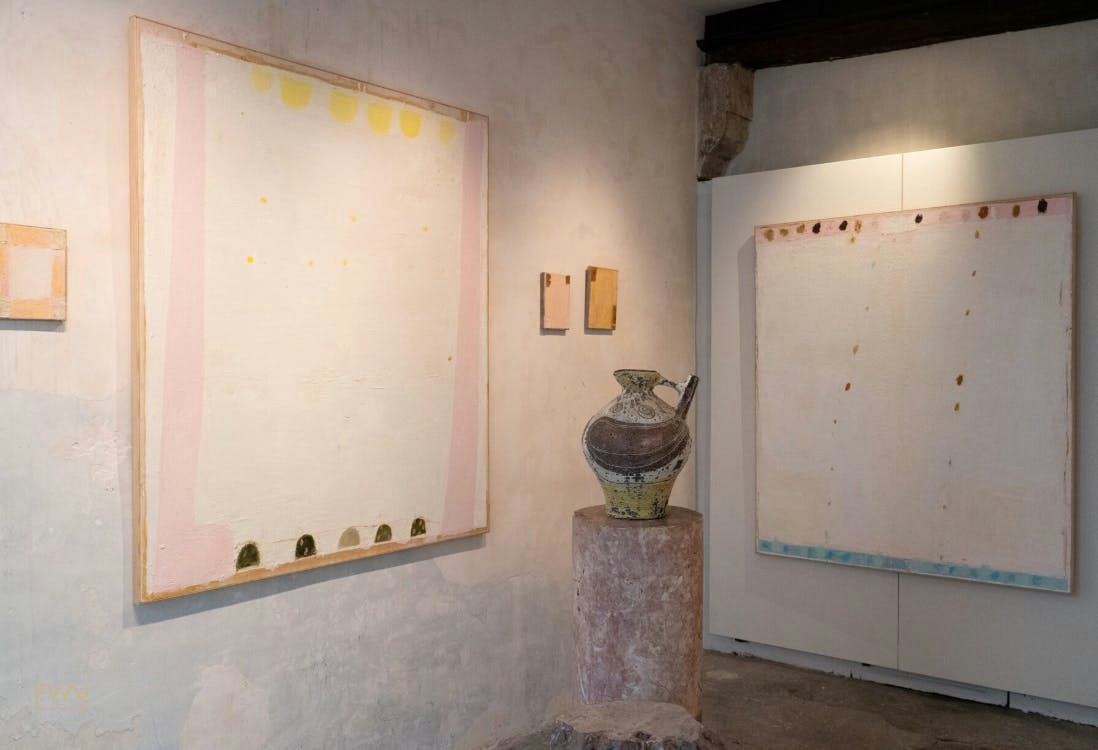
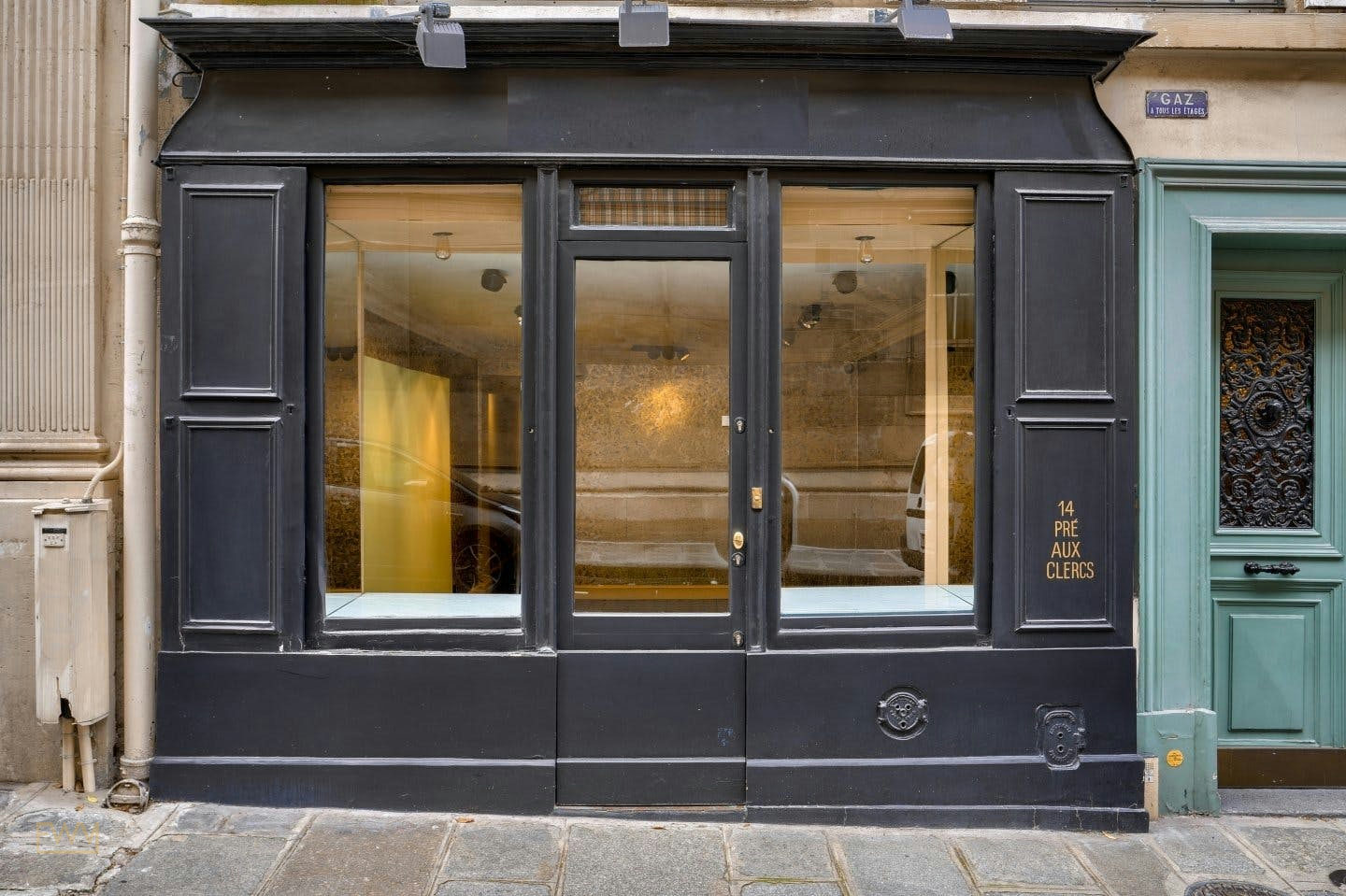
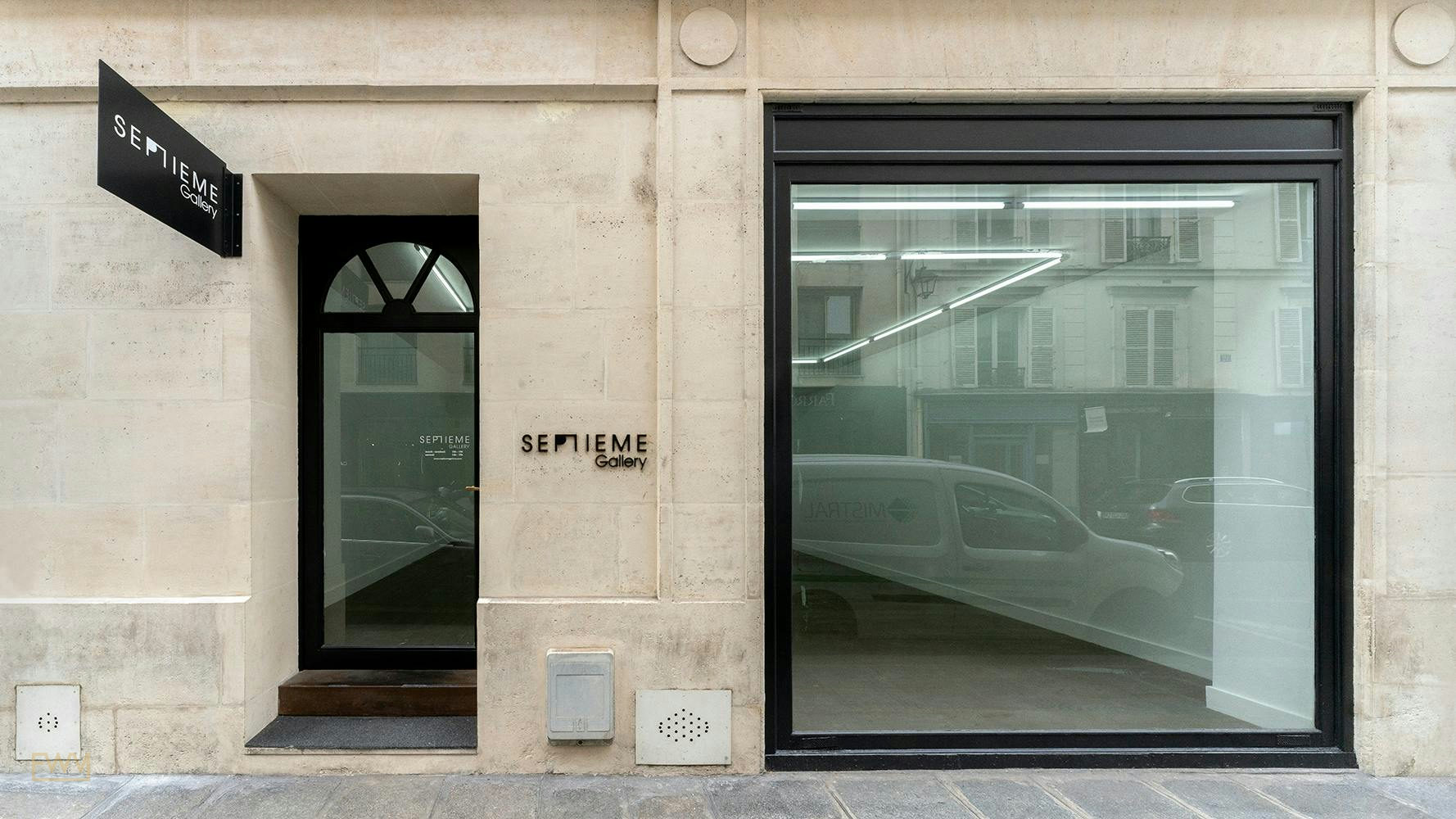
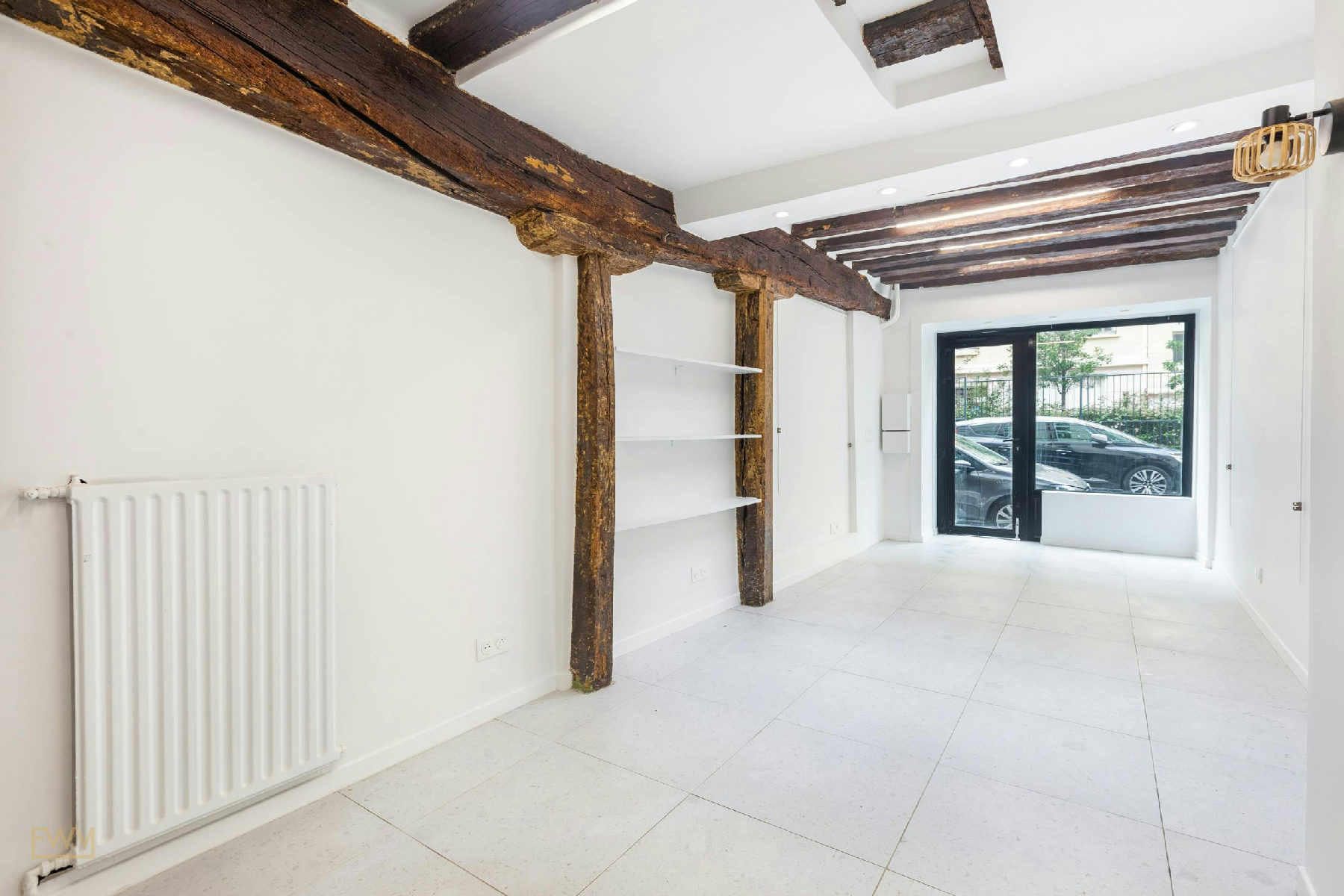
The pop up store Opera Paris district offers one of the most commercially powerful short-term retail environments in the French capital. Centred on the 9th arrondissement and anchored by the Palais Garnier, the Opéra Garnier, Printemps Haussmann, and the Boulevard Haussmann retail corridor, this neighbourhood blends extraordinary foot traffic with genuine fashion credibility. Whether you are launching a product, activating during Paris Fashion Week, or opening a short-term boutique pop-up for the first time in France, the Opéra quarter delivers a combination of visibility, accessibility, and cultural weight that few locations in Paris can match. Fashion Week Venues supports brands seeking pop-up spaces in Paris with end-to-end services from venue sourcing through to activation management and staffing.
Why the Opéra Quarter Is One of Paris's Most Powerful Pop-Up Locations
Quick answer: The Opéra quarter in the 9th arrondissement combines high daily pedestrian volumes from Printemps Haussmann, Galeries Lafayette, and the Palais Garnier with strong transport connectivity, a mix of luxury and accessible retail, and proximity to key fashion industry clusters. It is one of the most effective zones in Paris for temporary retail and brand activation.
The area surrounding the Opéra Garnier and Boulevard Haussmann is one of the most visited commercial districts in Europe. Printemps Haussmann and its neighbours draw millions of visitors annually. The proximity to the Tuileries Gardens, Place Vendôme, rue de Rivoli, and the wider Île-de-France transport network means that the 9th arrondissement is genuinely accessible by metro, RER, bus, and on foot from major Paris landmarks including the Louvre and the Jardin des Tuileries.
For brand teams planning a pop-up store, the Opéra district offers several practical advantages. Spaces here benefit from consistent morning-to-evening foot traffic from both tourists and Paris residents. The presence of established luxury anchors including Place Vendôme to the south and major department stores on Haussmann gives temporary retailers a ready audience already primed for discovery and purchase. The architectural fabric of the neighbourhood, featuring Haussmannian buildings and exceptional appartement haussmannien spaces, also provides a visual quality that supports brand universe storytelling in a way that bland commercial units simply cannot.
The Passage Choiseul, a covered 19th-century arcade running through the 2nd arrondissement just south of the Opéra district, offers an alternative micro-location with its own character. A vitrine donnant sur le Passage Choiseul provides genuine display value at lower entry costs than the main Boulevard Haussmann. Spaces here have hosted everything from figurines and gadgets pop-up concepts to designer boutiques presenting their latest produits in a more intimate setting.
The 75009 Paris postcode and surrounding arrondissements including the 1st, 2nd, and 8th give brands access to a concentration of relevant neighbourhoods within walking distance. Rue du Helder, running near the Opéra, is one example of a street where espace pop-up opportunities can arise in buildings with significant heritage character and street-level presence.
Beyond the immediate Opéra zone, the wider Paris pop-up geography extends south to Le Marais and the 4th arrondissement, west along Champs-Élysées and toward place de la Concorde, and southwest to Saint-Germain-des-Prés and Le Bon Marché Rive Gauche. Understanding which neighbourhood fits your brand, calendar window, and budget is a decision that deserves careful research before committing to a local éphémère agreement.
DID YOU KNOW: The Palais Garnier, home of the Paris Opera, receives over one million visitors annually from tourism alone. Brands activating within its immediate vicinity benefit from a built-in international audience with strong fashion and luxury affinity.
KEY TAKEAWAY: The Opéra quarter is not just a tourist zone. It is a commercially active, fashion-adjacent district with genuine real estate diversity, strong transport links, and a population of visitors already oriented toward discovery retail and aspirational purchasing.
Understanding the physical geography of this neighbourhood is the first step. The next is understanding how pop-up store concepts actually function within it, and what space types are available.
Pop-Up Store Concepts and Space Types Available Near the Paris Opéra
Quick answer: Brands can access a wide range of pop-up store formats near the Paris Opéra, from single-room boutiques and appartements haussmanniens to showrooms, salles événementielles, hotel spaces, and even covered passage vitrines. Each space type suits different brand objectives, team sizes, and activation durations.
The temporary retail landscape near the Opéra Garnier and across Paris's 9th arrondissement includes several distinct space categories. Selecting the right format depends on your brand's objectives, whether that is vente au détail focused on generating direct sales, a showroom targeting trade and press, an event-led lancement de produits, or a hybrid concept combining all three.
Appartement Haussmannien as Pop-Up Retail Space
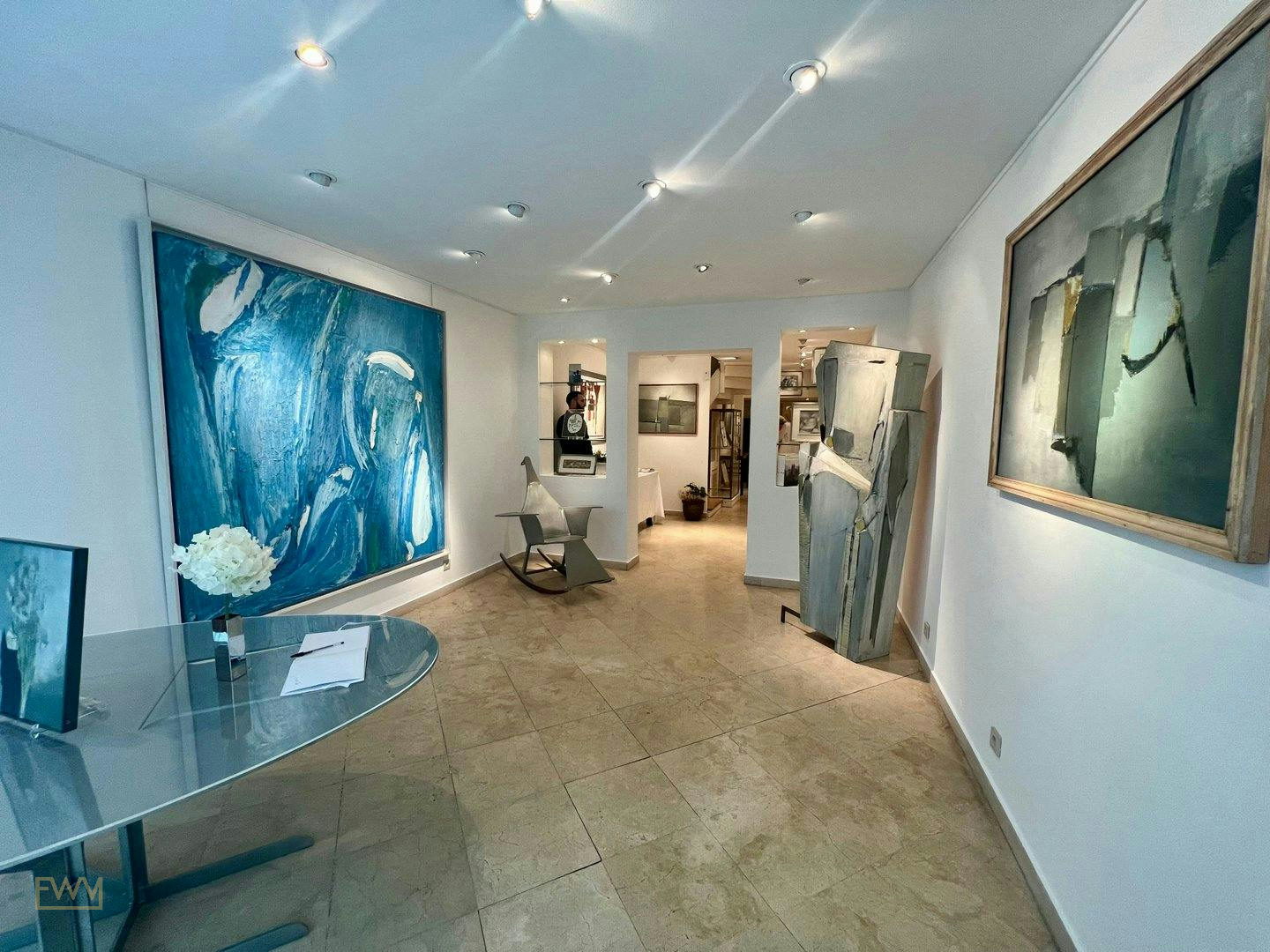
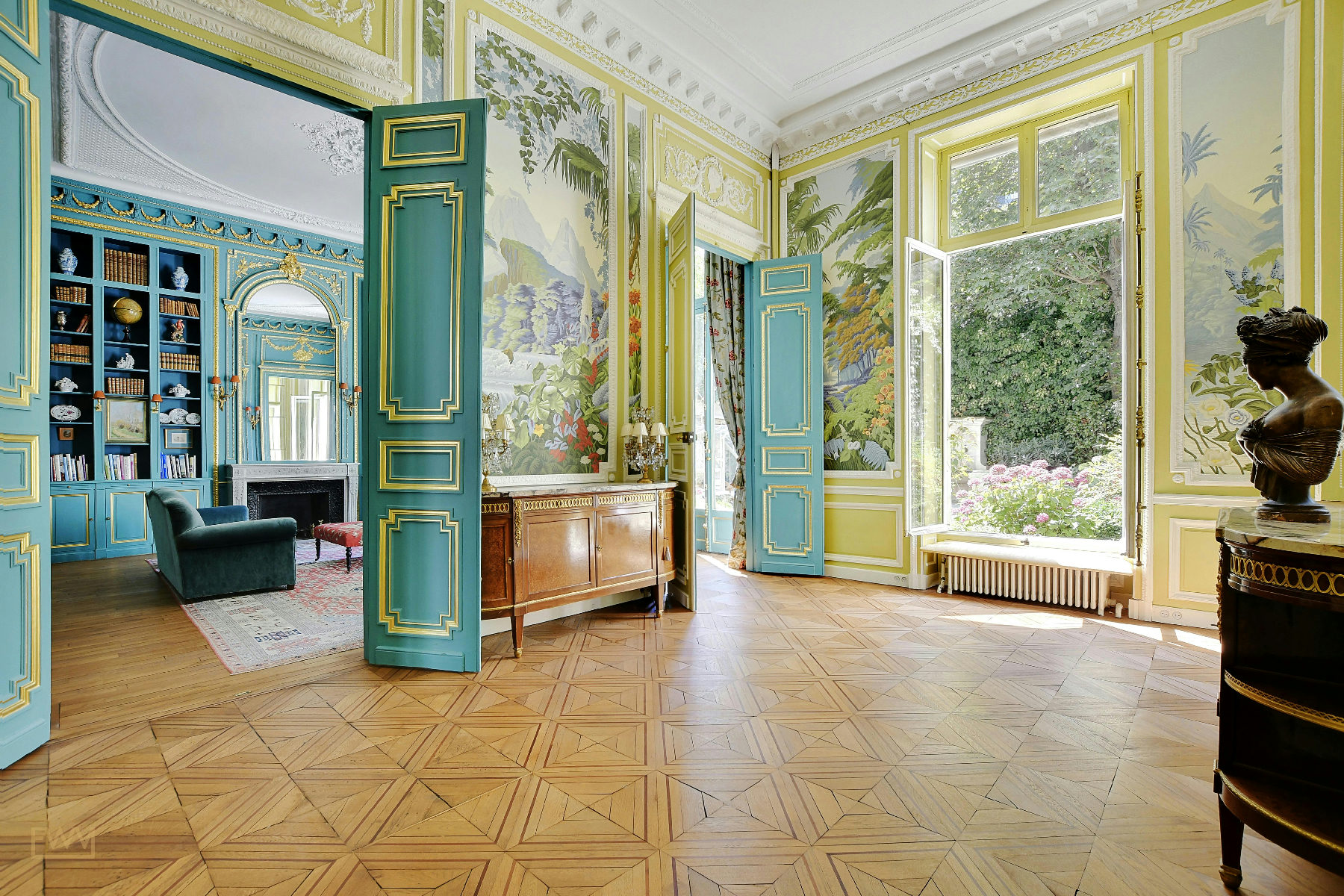
One of the most sought-after formats for luxury, fashion, and beauty brands activating in Paris is the appartement haussmannien. These first- or second-floor residential or mixed-use spaces offer period architectural detail including herringbone parquet floors, ornate mouldings, and large windows that flood spaces with natural light. When activated as a boutique pop-up or showroom 4 pièces, these spaces create an immediate sense of brand storytelling that a conventional espace commercial cannot replicate. Fashion houses from Haute Couture maisons to contemporary ready-to-wear labels have used this format extensively to present collections during Paris Fashion Week.
Street-Level Boutiques and Grande Boutique Formats
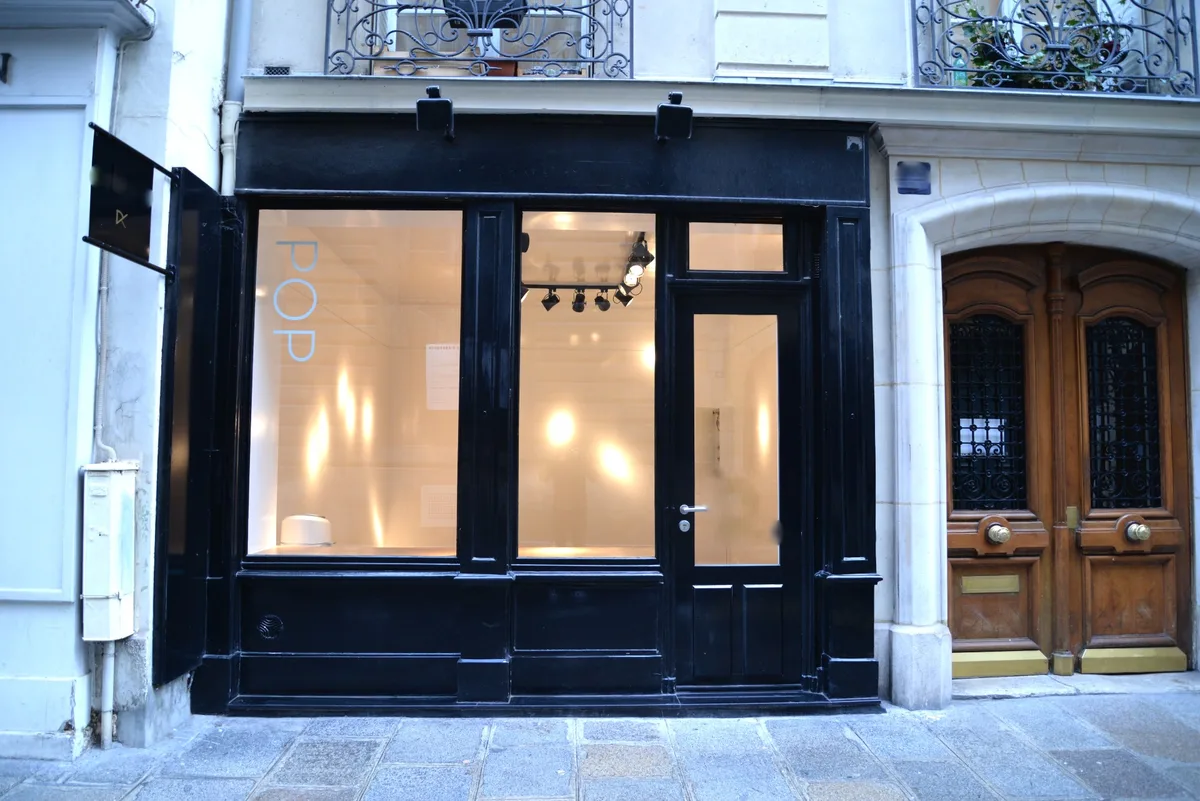
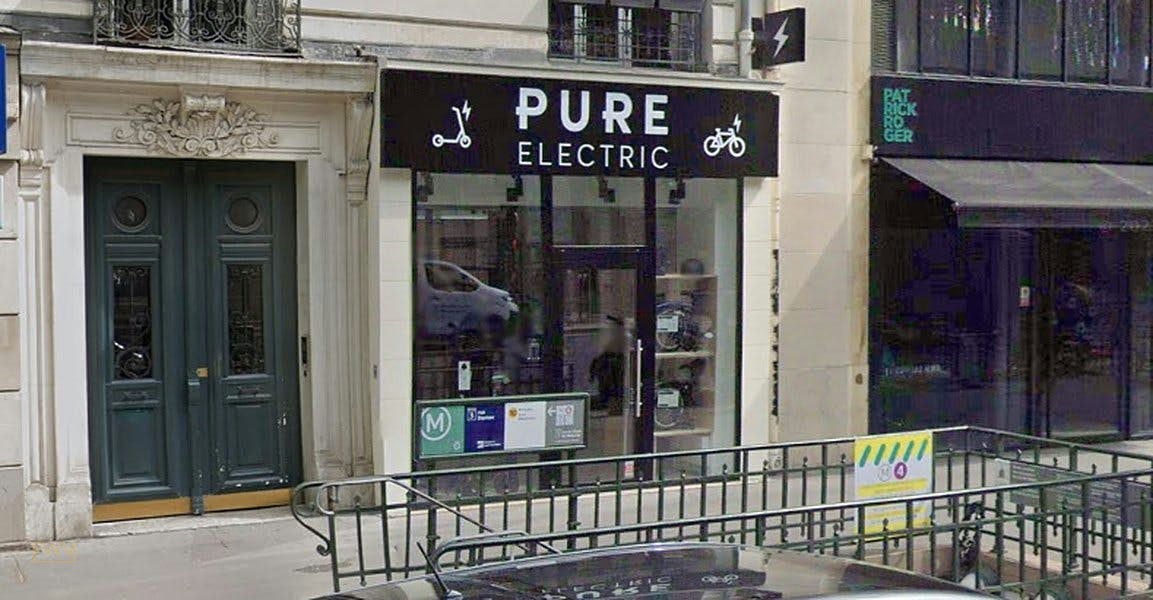
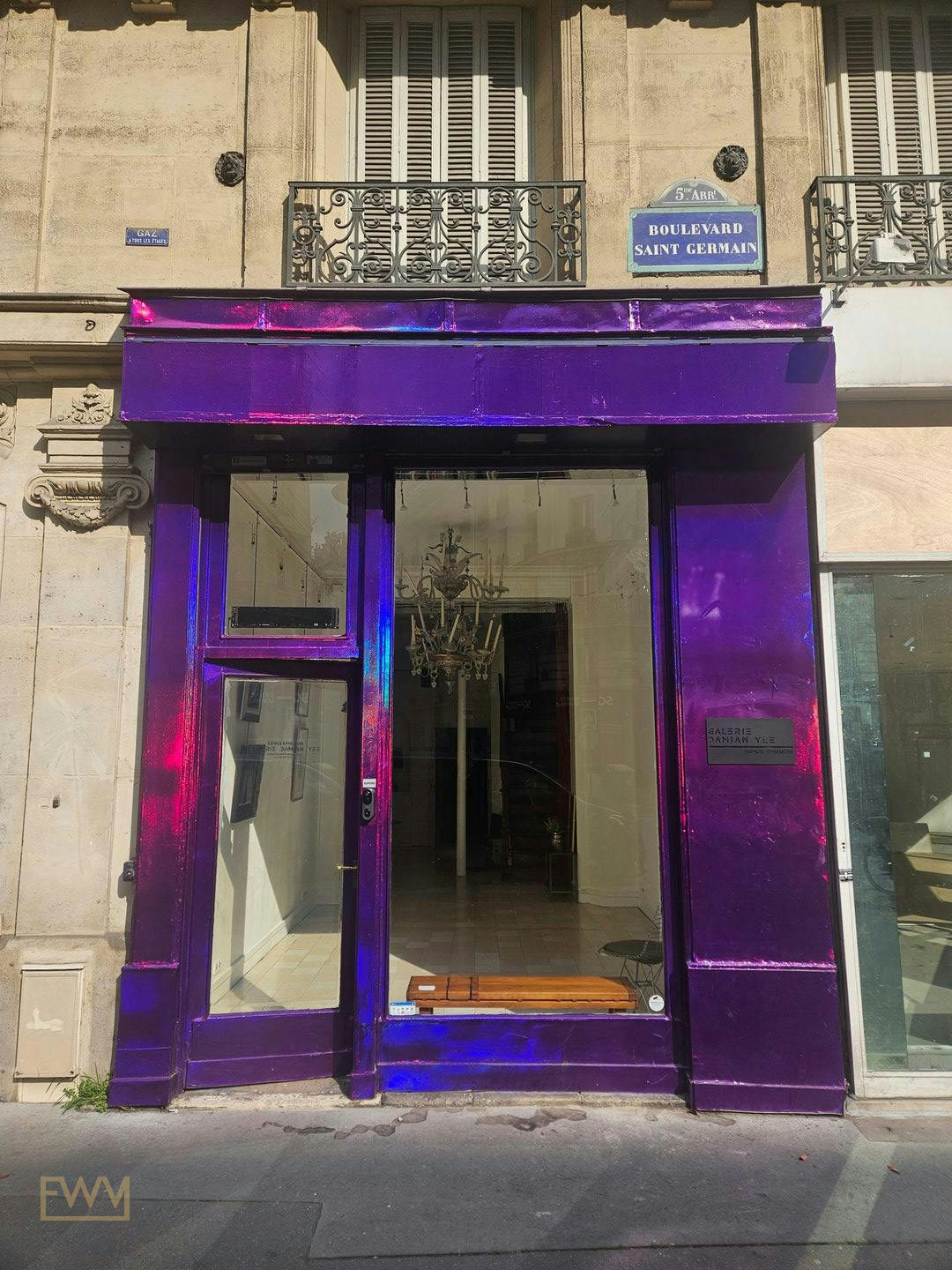
Ground-floor boutique spaces on key streets near the Opéra offer maximum street-facing visibility. A local éphémère rue on a pedestrian-heavy street near the Palais Garnier or along rue de Rivoli provides a shopfront vitrine for window display and walk-in traffic. These spaces range from compact single-room units suited to a focused product launch to grande boutique formats capable of housing a full visual merchandising scheme with étagères d'affichage, porte-vêtements, caisse enregistreuse infrastructure, and gachapon machines or interactive retail elements.
Covered Passage and Arcade Spaces
The Passage Choiseul and nearby covered arcades offer an alternative to street-facing retail. A vitrine in a passage provides a protected, climate-controlled environment with a captive audience of regular visitors. These spaces are particularly suited to brands with strong packaging and product presentation values, such as those working in beauty, design moderne, or pop culture collectibles.
Hotel and Lieu d'Exception Spaces
Paris's luxury hotels and exceptional private venues regularly host pop-up activations. A hôtel particulier or salle événementielle near the Opéra can be configured for product launches, fashion shootings, press previews, or consumer-facing retail events. These venues carry significant cultural cachet and are appropriate for Haute Couture, fine jewellery, and luxury beauty activations where the environment itself communicates brand values.
Showroom Formats for Trade and Press
During Paris Fashion Week and Haute Couture season, the showroom remains the dominant format for fashion houses presenting to buyers and press. A showroom 4 pièces in a well-located appartement near the Palais Royal or within the Opéra quarter offers the privacy and exclusivity appropriate for trade presentations, while still being accessible from the main fashion circuit.
| Space Type | Best Suited For | Typical Duration | Key Neighbourhood |
|---|---|---|---|
| Appartement Haussmannien | Fashion showrooms, luxury brand activations | 5 to 21 days | 9th, 8th, 1st arrondissement |
| Street-Level Boutique | Consumer retail, product launches | 1 to 8 weeks | 9th, 4th, 6th arrondissement |
| Passage Vitrine | Beauty, design, collectibles | 1 to 4 weeks | 2nd arrondissement |
| Hotel or Salle Événementielle | Press previews, Haute Couture presentations | 2 to 10 days | 1st, 8th arrondissement |
| Showroom 4 Pièces | Trade appointments, buyer presentations | 5 to 14 days | Le Marais, 9th, 1st |
| Grande Boutique | Full-range retail, immersive retail | 2 to 12 weeks | Champs-Élysées, 1st, 6th |
TIP: If your brand operates with a small team and limited production budget, consider a showroom or appartement format over a full grande boutique. A focused, well-designed space almost always outperforms an oversized, underdressed one in terms of brand perception and conversion.
KEY TAKEAWAY: The Opéra district and surrounding arrondissements offer a genuine diversity of temporary retail formats. The right choice depends on brand positioning, team capacity, activation duration, and whether the primary objective is sales, press coverage, trade engagement, or consumer experience.
Choosing the right space type is closely linked to understanding which Paris neighbourhood will best serve your activation, and how different districts compare for foot traffic, brand fit, and practical logistics.
Paris Neighbourhoods for Pop-Up Stores: Opéra Compared to Le Marais, Saint-Germain, and Beyond
Quick answer: Each Paris neighbourhood serves a different brand profile and activation objective. The Opéra quarter suits high-traffic commercial launches. Le Marais fits independent fashion, streetwear, and cultural brands. Saint-Germain-des-Prés works for luxury and lifestyle. Champs-Élysées offers maximum visibility. Understanding these differences prevents costly mismatches between space and brand.
Paris is made up of distinct arrondissements, each with its own character, foot traffic profile, and commercial ecosystem. For brands choosing between a pop up store in the Opéra district and alternatives elsewhere in the city, the following comparison is useful.
The 9th Arrondissement and Opéra Quarter
The Opéra Garnier, Printemps Haussmann, Boulevard Haussmann, and Rue du Helder define this zone. High volumes of both tourists and Paris shoppers create sustained daily foot traffic. The neighbourhood suits fashion, beauty, lifestyle, and accessible luxury brands. Spaces here range from Haussmannian street-level boutiques to covered passage units. Transport connections via Opéra and Havre-Caumartin metro stations make this one of the most accessible zones in Paris.
Le Marais and the 4th Arrondissement
Le Marais has become one of the most internationally recognised fashion and culture districts in Europe. Rue des Francs-Bourgeois, the home of Dover Street Market Paris at number 35-37, anchors a shopping circuit that includes international streetwear labels, independent boutiques, vintage specialists, and contemporary art galleries. The presence of Dover Street Market in the 4th arrondissement makes it a natural destination for fashion-forward consumers. Carhartt WIP, JW Anderson, and other marques with strong design and culture credentials have all activated in or near Le Marais. The Marais is also where short-term retail concepts with a strong Made in France or pop culture angle tend to resonate most strongly with local Parisian shoppers.
Saint-Germain-des-Prés and the 6th Arrondissement
Saint-Germain-des-Prés remains the spiritual home of Parisian intellectual and fashion culture. Le Bon Marché Rive Gauche and its surrounding streets attract a high-spending, design-literate audience. This neighbourhood suits Haute Couture presentations, fine jewellery brands, premium beauty launches, and lifestyle concepts with a strong editorial character. Rue Jacob, where Chauvin Paris held its collaborative pop-up with L'Objet in summer 2026, exemplifies the format: refined, appointment-forward, and deeply considered in its curation.
The 1st Arrondissement: Louvre, Palais Royal, and Rue du Louvre
The area around the Louvre, Palais Royal, Jardin des Tuileries, and Rue du Louvre sits at the intersection of tourism, luxury retail, and fashion culture. JW Anderson, the British label led by Jonathan Anderson and winner of the ANDAM Pierre Bergé Prize, opened its Paris pop-up at 15 Rue du Louvre from July 9 to September 24, 2026. The location positions the brand within walking distance of both the fashion industry circuit and international retail tourists. This arrondissement suits brands with strong visual identity, a commitment to immersive retail, and the production capacity to create a fully dressed brand universe.
Champs-Élysées and the 8th Arrondissement
The Champs-Élysées remains the highest-footfall retail street in Paris and arguably in Europe. Visibility here is unmatched. However, space costs reflect this, and the audience is heavily tourist-oriented. Brands that benefit most from Champs-Élysées activations are those with broad consumer awareness and strong marketing support, particularly around major events and seasons. Place de la Concorde and the northern reach of the Tuileries Gardens are accessible from this zone.
| Neighbourhood | Arrondissement | Brand Profile Fit | Primary Audience | Key Landmark |
|---|---|---|---|---|
| Opéra Quarter | 9th | Fashion, beauty, accessible luxury | Mixed tourists and locals | Palais Garnier, Printemps Haussmann |
| Le Marais | 3rd and 4th | Streetwear, design, independent fashion | Fashion-forward locals and tourists | Dover Street Market, Rue des Francs-Bourgeois |
| Saint-Germain-des-Prés | 6th | Luxury lifestyle, Haute Couture, beauty | High-spending Parisian and international | Le Bon Marché Rive Gauche |
| Louvre and Palais Royal | 1st | Luxury, fashion houses, immersive retail | International luxury consumers | Louvre, Palais Royal, La Samaritaine |
| Champs-Élysées | 8th | Mass-market, high-visibility launches | International tourists | Place de la Concorde, arc de Triomphe |
To compare neighbourhoods and space types, explore the Paris city hub on Fashion Week Venues and shortlist spaces that match your brief, budget, and calendar window.
KEY TAKEAWAY: Neighbourhood selection is a strategic brand decision, not just a logistics one. The wrong location for your brand profile will cost more than it earns, even with perfect execution in-store. Match the neighbourhood to your audience, not simply to the most famous address.
Once you have chosen a neighbourhood, the next critical decision is the calendar window. Paris Fashion Week and the broader fashion calendar create both peak opportunity and genuine logistical complexity for pop-up operators.
Paris Fashion Week Calendar, Haute Couture Season, and Pop-Up Timing Strategy
Quick answer: Paris Fashion Week takes place twice annually in ready-to-wear format, with Haute Couture shows held in January and July. Pop-up stores and showrooms aligned with these windows benefit from concentrated press, buyer, and consumer attention, but must be planned and booked significantly in advance due to high demand for spaces.
The Paris Fashion Week calendar is the single most powerful driver of temporary retail demand in the city. For brands in fashion, beauty, design, and related categories, the ability to activate during or around a Fashion Week window amplifies press coverage, social media reach, and foot traffic from the industry's most influential visitors.
Paris Fashion Week Ready-to-Wear and Haute Couture Dates
Paris Fashion Week ready-to-wear season runs twice annually, typically in late September to early October for Spring-Summer collections and in late February to early March for Autumn-Winter. The Haute Couture season runs in January for Spring-Summer and in early July for Autumn-Winter. The July 2026 Haute Couture week, scheduled to run from July 6 to 9, 2026, represents a concentrated window of runway shows, exhibitions, presentations, and fashion happenings that make Paris the centre of the global fashion industry for those days. Brands operating pop-up stores or showrooms during this window gain access to an audience of international buyers, press, stylists, and fashion consumers that is unique to this calendar moment.
Summer Pop-Ups and the July Activation Window
The summer season in Paris, running broadly from late June through August, has grown significantly as an activation window beyond Fashion Week itself. A Summer in Paris pop-up benefits from a combination of tourism-driven foot traffic, a relaxed social atmosphere, and a market less saturated with competing activations than during the September or March ready-to-wear weeks. Several of the most interesting activations of summer 2026 demonstrate this: Anthony Calydon's pop-up in Le Marais at 37 rue Debelleyme on July 25 and 26, the JW Anderson pop-up on Rue du Louvre running from July 9 through to September, and the Lili Curia installation at Dover Street Market through early July all reflect how brands use the summer window strategically.
Anthony Calydon in Le Marais: July 2026
Anthony Calydon, a brand notable for its sculptural knitwear and accessory designs, used a two-day pop-up at 37 rue Debelleyme, Paris 75003, on July 25 and 26, 2026 from noon to 7pm to introduce its Summer collection to the Paris market. The activation centred on the brand's signature knitted bags, recreated for the season in pastel pink, sunny yellow, and baby blue. The choice of Le Marais reflects the neighbourhood's established role as the destination for fashion-forward independent brands and its proven ability to generate organic social media content and editorial coverage. The Marais location and the limited two-day format both created urgency and drove attendance among the brand's target audience. Cyril Lallement served as photographer on the activation documentation, with the project completed in July 2024.
Lili Curia at Dover Street Market Paris
Lili Curia, a London-launched footwear label established in 2025, used the Paris Haute Couture week window to activate at Level -1 of Dover Street Market at 35-37 Rue des Francs-Bourgeois in the 4th arrondissement until July 9, 2026. The label, worn by Karol G and Suki Waterhouse among others, used Dover Street Market's position as the premier destination for fashion-literate consumers in Le Marais to reach an audience aligned with its brand universe. The DSM platform provides British labels with immediate fashion credibility in Paris and a built-in audience of international visitors.
JW Anderson on Rue du Louvre
JW Anderson, the label designed by Jonathan Anderson and previously recognised with the ANDAM Pierre Bergé Prize, opened a Paris pop-up at 15 Rue du Louvre in the 1st arrondissement, running from July 9 to September 24, 2026. The extended duration of this activation reflects a different strategic approach: rather than the urgency model of a two-day or one-week pop-up, JW Anderson used the summer-into-early-autumn window to establish a sustained retail presence in Paris, capturing both the Haute Couture week audience and the broader summer tourist and resident consumer base. The 1st arrondissement location near the Louvre and Palais Royal provides the brand with a setting appropriate to its position within contemporary luxury fashion.
DID YOU KNOW: The July Haute Couture week in Paris, scheduled for July 6 to 9, 2026, generates some of the highest concentrations of international fashion press, buyers, and brand teams in the city's calendar year. Pop-up operators who plan activations around this window benefit from this concentration without necessarily requiring access to the official shows themselves.
KEY TAKEAWAY: Calendar alignment is as important as location selection for a Paris pop-up. The July Haute Couture window, summer tourist season, and the twice-annual ready-to-wear weeks each offer distinct audiences and commercial conditions. Matching your activation window to your brand objectives and audience profile is essential for maximising return.
With location and timing established, the operational reality of opening a pop-up store in Paris requires attention to permits, compliance, insurance, and the legal framework governing temporary commercial occupation.
Permits, Regulations, and Legal Framework for Pop-Up Stores in Paris
Quick answer: Pop-up stores in Paris operate under specific legal frameworks that differ from standard commercial leases. The bail dérogatoire and autorisation d'occupation temporaire (AOT) are the primary instruments used for short-term retail. Requirements vary by space type, duration, arrondissement, and intended use. Always verify with a qualified French legal advisor before signing.
Opening a pop-up store in Paris as a non-French entity involves navigating a legal and administrative framework that is materially different from what most international brands encounter in their home markets. Understanding this framework before you begin space negotiations will save significant time, cost, and risk.
The Bail Dérogatoire: Short-Term Commercial Lease
The bail dérogatoire is a derogatory lease instrument under French commercial law that allows landlords and tenants to agree a fixed-term commercial occupation of up to 36 months without triggering the statutory protections of the standard nine-year commercial lease known as the bail commercial. For pop-up stores, showrooms, and temporary retail activations, the bail dérogatoire is the most commonly used legal instrument. It provides a defined start and end date, limits the tenant's long-term obligations, and allows landlords to offer spaces for short periods without surrendering the option of a full commercial lease at a later date. Both parties must explicitly agree in writing that the lease is a bail dérogatoire at the time of signing.
Autorisation d'Occupation Temporaire (AOT)
For spaces on public land, in public buildings, or in certain categories of managed commercial property, an autorisation d'occupation temporaire may be required. This is a permit issued by the relevant authority, whether the Mairie de Paris, a state body, or a property management entity, authorising temporary use of a specific space for a defined purpose and duration. Requirements, timelines, and conditions for AOT vary significantly by space category and location. Brands planning activations in or adjacent to public spaces, heritage buildings, or covered passages should investigate AOT requirements early in the planning process.
Fire Safety, Insurance, and Accessibility Requirements
Any pop-up store or temporary retail activation in Paris must comply with fire safety regulations applicable to establishments receiving the public (ERP regulations). These requirements include minimum exit widths, emergency lighting, fire extinguisher provisions, and, for spaces above certain capacity thresholds, formal inspection. Insurance covering public liability, property damage, and where applicable employer liability for retail staffing must be in place before opening. Accessibility requirements under French law apply to public-facing commercial spaces and may require adaptations to certain venue types. Brands are strongly advised to work with their space provider and a local advisor to confirm compliance before activation.
Do You Need a French Legal Entity?
This is one of the most common points of confusion for international brands planning a Paris activation. In many cases, a non-French entity can rent a pop-up space in Paris without establishing a local legal entity, depending on the space type, the contract structure, and the duration of the activation. However, requirements vary, and some landlords and space managers require a French entity or guarantor. Verifying this early in your planning process avoids delays. The permits tool on Fashion Week Venues provides guidance on permit types and requirements relevant to your activation profile.
IMPORTANT: French commercial law is complex and subject to change. The information in this guide is for general orientation purposes only. Always consult a qualified French legal advisor before signing any lease or occupation agreement for a pop-up space in Paris.
KEY TAKEAWAY: The legal framework for pop-up stores in Paris is manageable but requires advance attention. The bail dérogatoire is the standard instrument for short-term commercial occupation. Fire safety, insurance, and accessibility compliance are non-negotiable. Permit requirements vary by space type and must be confirmed before activation.
Alongside legal compliance, brands need a clear picture of the operational requirements of running a pop-up store in Paris, including visual merchandising, staffing, technology, and logistics.
Visual Merchandising, Store Operations, and Immersive Retail in Paris
Quick answer: Effective pop-up visual merchandising in Paris requires a coherent concept that translates the brand universe into a physical space. From fenêtre d'affichage and étagères d'affichage to porte-vêtements, caisse enregistreuse, and interactive elements like gachapon machines, every operational detail contributes to commercial performance and media coverage.
Paris pop-up stores compete in one of the world's most visually sophisticated retail environments. The standard of store design, visual merchandising, and brand expression set by established fashion houses and luxury retailers means that any brand activating in the city must bring considered, well-executed concepts. Half-measures are expensive mistakes.
Store Design and Brand Universe Creation
The most successful pop-up activations in Paris are those where the spatial concept directly expresses the brand's identity. A palette de couleurs neutre, carefully chosen finishes, and a layout that creates a clear customer journey all contribute to how visitors experience and share the space. For fashion and design brands, the vitrine, the window display visible from the street or passage, is often the most important single element of the entire activation. It is what stops pedestrians, generates social media content, and creates the first impression that determines whether a potential customer enters or walks past.
Nol&Lik and similar brands working in the design moderne and collectibles space have demonstrated how a strong visual concept using figurines, packaging, and gadgets can turn a modest space into a media-generating destination. The key is coherence: every element from the étagères d'affichage to the caisse enregistreuse to the gachapon machines, if used, should feel like part of a single, considered brand world.
Immersive Retail Services and Concept Fabrication
Immersive retail has moved from a trend to an expectation for pop-up stores targeting a fashion-literate Paris audience. Immersive retail services encompass the full process from concept direction through fabrication to activation management. This includes custom-built furniture and fixtures, brand-specific graphics and signage, digital integration where relevant, and the physical construction of experiential zones within the retail space. Services concept and fabrication work must be planned well in advance of the opening date, with sufficient lead time for design, sourcing, construction, and installation. The production and build service at Fashion Week Venues covers this process from initial concept through to in-store delivery.
Staffing and In-Store Team Management
A pop-up store in Paris requires a retail team that combines language skills, brand knowledge, and sales capability. For international brands, sourcing French-speaking staff who understand the brand and can deliver a consistent client experience is a practical challenge. The combination of a small core team from the brand supplemented by locally sourced retail staff is a common and effective approach. Retail staffing for Paris pop-ups must comply with French employment law, including requirements around contracts, working hours, and social charges.
POS, Payments, and Inventory Management
A temporary retail space in Paris needs a functioning point-of-sale system capable of handling card payments including contactless, managing inventory in real time, and generating sales data useful for post-activation analysis. International brands should confirm their payment processing arrangements before arrival, as acquiring banking relationships and POS terminal provisioning can take longer than expected in the French market. Managing inventory for a limited-duration pop-up also requires clear processes for stock receipt, storage, daily counting, and end-of-activation reconciliation.
Photography, Social Media, and Studio Photo Vidéo
Paris pop-up activations generate content as much as they generate direct sales. Planning the photography and video documentation of the activation from day one, including provision for a studio photo vidéo environment within or adjacent to the space if relevant, maximises the content value of the activation. Social media coverage, both organic from visitors and structured through influencer marketing, extends the reach of the physical activation to a global audience. The Lili Curia and Anthony Calydon activations both demonstrate how a well-executed Paris pop-up generates content that lives far beyond the physical opening dates.
TIP: Brief your photographer at least two weeks before the activation opens. The best editorial documentation requires set-up time, and candid opening-day photography is irreplaceable. Cyril Lallement's documentation of the Anthony Calydon Marais activation in July 2024 is a good example of how professional photography extends the commercial life of a pop-up well beyond its closing date.
KEY TAKEAWAY: Visual merchandising and operational execution in Paris must match the quality expectations of the city's retail environment. Every element of the store, from fenêtre d'affichage to staffing to social media strategy, contributes to the overall return on investment from the activation.
Understanding what these activations cost, and how to plan budgets realistically, is the next critical area for any brand preparing a Paris pop-up.
Budgeting, ROI, and Financial Planning for a Paris Pop-Up Store
Quick answer: The total cost of a Paris pop-up store includes space rental, fit-out and fabrication, staffing, permits and compliance, insurance, logistics, marketing, and agency fees. Costs vary significantly by neighbourhood, space type, duration, and activation complexity. Use directional planning tools to build an initial budget before engaging in space negotiations.
Brands frequently underestimate the true cost of a Paris pop-up store by focusing only on the space rental and overlooking the full range of costs required to activate effectively. A realistic budget framework must account for all cost categories from day one of planning.
Space Rental Costs
Space rental costs in Paris vary substantially by arrondissement, space type, duration, and the calendar window. Spaces in the Opéra quarter, along Boulevard Haussmann, in Le Marais, and near the Champs-Élysées reflect the commercial premium of their locations. Costs during Paris Fashion Week and Haute Couture week are typically higher than during off-peak periods, reflecting demand concentration. Directional cost estimates for different space types and locations are available through the budget planning tool on Fashion Week Venues, which allows brands to generate scenario-based estimates before committing to specific spaces.
Production, Fit-Out, and Fabrication Costs
Fit-out costs for a Paris pop-up store include furniture rental or purchase, custom fixture fabrication, graphics and signage, lighting, and any structural or decorative adaptations to the space. The cost of the fabrication process varies enormously depending on the level of custom work required. A concept using standard modular furniture and branded graphics will cost materially less than a fully bespoke immersive retail build. Brands should obtain detailed production quotes early and include contingency for on-site modifications.
Staffing and Operational Costs
Staffing costs for a Paris pop-up include gross wages, employer social charges (which are significantly higher in France than in many other countries), uniforms, training time, and management overhead. For activations of more than a few days, a dedicated store manager is essential. Operational costs also include utilities, cleaning, waste management, and any security requirements appropriate to the space and merchandise value.
Marketing, Influencer, and Social Media Costs
Marketing investment for a Paris pop-up typically includes pre-launch social media, influencer partnerships for opening events and ongoing coverage, press relations, and any paid media or event costs associated with an opening party or consumer event. Influencer marketing in Paris is well-developed, and even relatively small activations can achieve significant organic reach through well-chosen partnerships with fashion and lifestyle content creators.
Measuring ROI
Pop-up store ROI in Paris should be measured across multiple dimensions: direct sales revenue, press and editorial value, social media reach and engagement, email or data capture, new market entry learning, and long-term brand awareness effects. A single-dimension focus on direct sales alone will often undervalue the strategic return from a well-executed activation. The ROI calculator on Fashion Week Venues provides a framework for assessing multi-dimensional return across these categories.
KEY TAKEAWAY: Realistic budgeting for a Paris pop-up requires accounting for all cost categories, not just space rental. Production, staffing, compliance, and marketing each contribute substantially to total cost. Plan for the full budget before committing to a space, and measure ROI across multiple dimensions to capture the true strategic value of the activation.
Having a clear budget and ROI framework in place makes the agency and partner selection decision much easier. Understanding what a full-service pop-up agency does, and what Fashion Week Venues specifically offers, is the next step.
How Fashion Week Venues Helps Brands Activate Pop-Up Stores in Paris
Quick answer: Fashion Week Venues provides end-to-end support for brands planning pop-up stores and activations in Paris, from venue sourcing and concept direction through to production, staffing, and post-activation analytics. The agency and marketplace serve fashion, beauty, design, and lifestyle brands across all budget levels.
Fashion Week Venues operates as both a space marketplace and a full-service pop-up agency, with Paris as its primary and anchor market. For brands navigating the complexity of a Paris pop-up for the first time, or for experienced activation teams seeking to work faster and more efficiently, the combination of a curated space inventory and in-house service capability addresses the main pain points of the Paris pop-up process.
Venue Sourcing and the Space Marketplace
The Fashion Week Venues venue sourcing service provides access to spaces across Paris's key neighbourhoods, including the Opéra quarter, Le Marais, Saint-Germain-des-Prés, the 1st arrondissement, and the Champs-Élysées corridor. The marketplace allows brand teams to browse and compare available spaces by type, location, capacity, and availability window, using tools including the compare tool and the locator tool to shortlist efficiently. Unlike commission-based brokers, Fashion Week Venues operates with transparent service structures appropriate to a brand-facing agency relationship.
Concept Direction and Brand Universe Development
For brands that need creative direction support as well as a physical space, the concept direction service provides input from experienced retail and brand activation specialists. This service is particularly valuable for brands opening in Paris for the first time, where the quality of the spatial concept and visual merchandising must meet the expectations of a sophisticated local and international audience.
Production, Build, and Activation Management
The production and build capability covers the full fabrication process from design through construction and installation. Activation management ensures that the day-to-day running of the pop-up store, including team briefing, visitor experience management, sales reporting, and issue resolution, operates to a defined standard throughout the activation period. Brands can engage these services individually or as part of a full-service package.
Staffing, POS, Data, and Influencer Marketing
Fashion Week Venues provides retail staffing solutions for Paris activations, covering both floor staff and management roles. POS and payments services ensure that the operational infrastructure of the store functions from day one. Data and analytics services capture performance data throughout the activation for post-activation reporting and future planning. Influencer marketing services extend the reach of the physical activation to social media audiences.
Tools for Independent Planning
For brand teams who prefer to manage their own planning process, Fashion Week Venues provides a suite of free planning tools including the budget calculator, ROI calculator, timeline tool, compare tool, permits tool, and locator tool. These tools support independent decision-making while providing access to the agency's accumulated knowledge of the Paris market.
What Fashion Week Venues Does Not Do
Fashion Week Venues does not guarantee space availability, permit approvals, or specific commercial outcomes. Space availability is subject to real-time market conditions. Permit requirements are determined by French law and local authority decisions. ROI outcomes depend on the brand, the execution, the market conditions, and many factors beyond any agency's control. Brands should approach any activation with realistic expectations and thorough independent due diligence, including qualified French legal and financial advice. For detailed guidance on selecting an agency for your Paris activation, read the agency hiring guide on Fashion Week Venues.
KEY TAKEAWAY: Fashion Week Venues provides a combination of space access and service capability that addresses the primary challenges of planning a Paris pop-up: finding the right space, designing and building an effective concept, managing the activation operationally, and measuring the results. The agency is most valuable for brands who want a single accountable partner across the full activation process.
Before exploring specific spaces and planning your activation, it is worth addressing the most common misconceptions that brands bring to the Paris pop-up planning process.
Common Myths About Pop-Up Stores in Paris Debunked
MYTH: You need a French legal entity to rent a pop-up space in Paris.
FACT: Many pop-up spaces in Paris can be rented by non-French entities without establishing a local company, particularly for short-duration activations under a bail dérogatoire. However, some landlords and managed space providers do require a French entity or guarantor, and this varies by space, contract type, and duration. Verify requirements early in your planning process and always take qualified French legal advice before signing any agreement.
MYTH: Paris Fashion Week is the only valuable calendar window for a pop-up store in Paris.
FACT: While Paris Fashion Week and Haute Couture season generate concentrated industry attention, Paris offers strong pop-up conditions across the year. The summer season, driven by tourism and a less saturated activation calendar, has proven highly effective for brands including JW Anderson, Anthony Calydon, and Lili Curia. Spring and autumn shoulder seasons, holiday periods, and specific event moments also provide viable and sometimes less competitive activation windows.
MYTH: Commission brokers are the only way to find a pop-up space in Paris.
FACT: Commission brokers are one route to finding a temporary retail space in Paris, but they are not the only option. Online marketplaces including the Fashion Week Venues marketplace provide direct access to curated space inventories with transparent service structures. Full-service agencies can also source spaces as part of a broader activation brief. Understanding the difference between broker models and agency models before engaging anyone will help you manage cost, transparency, and accountability appropriately.
MYTH: Short-term leases in Paris are legally straightforward and require no specialist input.
FACT: The bail dérogatoire and other short-term occupation instruments in French law have specific requirements that must be met for the agreement to be valid. If the agreement is not correctly structured, a short-term lease can inadvertently trigger the protections of the nine-year bail commercial, with significant consequences for both parties. Permit requirements, ERP compliance, insurance, and employment law for staffed activations all add further complexity. Always engage a qualified French legal advisor before committing to any space in Paris.
MYTH: A famous Paris address guarantees commercial success for a pop-up store.
FACT: Location is one of many factors determining the success of a pop-up activation. A premium address with poor concept direction, inadequate staffing, insufficient marketing, and misaligned timing will underperform relative to a well-executed activation in a less prestigious but better-matched location. The most successful Paris pop-ups combine the right location with the right concept, the right calendar window, and the right operational execution.
Frequently Asked Questions About Pop-Up Stores in the Opéra District and Paris
Why should a brand choose the Opéra quarter for a pop-up store in Paris?
The Opéra quarter in the 9th arrondissement offers a combination of high daily foot traffic, strong public transport access, Haussmannian architectural character, and proximity to major retail destinations including Printemps Haussmann and Boulevard Haussmann. It suits fashion, beauty, and lifestyle brands targeting a mixed audience of Paris residents and international visitors. The presence of the Palais Garnier provides cultural prestige, and spaces in this zone range from street-level boutiques to appartements haussmanniens with exceptional heritage character. It is one of the most commercially active temporary retail zones in Paris.
What space types are available for a pop-up store near the Paris Opéra?
Brands can access a range of space types in and around the Opéra district, including street-level boutiques, appartements haussmanniens on upper floors, covered passage units such as those in the Passage Choiseul, hotel spaces, salles événementielles, and showroom-format spaces. Each type serves different brand objectives and activation scales. The right choice depends on whether the primary goal is direct consumer retail, trade or press showroom activity, event-led product launches, or a combination of these functions.
What is a bail dérogatoire and how does it apply to pop-up stores in Paris?
A bail dérogatoire is a short-term commercial lease instrument under French law that allows parties to agree on a fixed-term occupation of up to 36 months without triggering the statutory protections of the standard nine-year bail commercial. It is the most commonly used legal instrument for pop-up stores and temporary retail activations in Paris. Both parties must explicitly state in writing that the lease is a bail dérogatoire at the time of signing. Given the legal complexity, brands should always engage a qualified French legal advisor before signing any lease agreement in Paris.
Do international brands need a French company to open a pop-up store in Paris?
Not necessarily. Many spaces in Paris can be occupied by non-French entities under a bail dérogatoire or similar instrument without requiring a local legal entity. However, some landlords and managed space operators do require a French entity or guarantor, particularly for longer activations or higher-value spaces. The requirement varies by space, contract structure, and duration. Brands should verify this early in their planning process and take qualified French legal advice to confirm their specific situation before proceeding.
When is the best time of year to open a pop-up store in Paris?
The best timing depends on your brand objectives and target audience. Paris Fashion Week and Haute Couture week create concentrated windows of industry attention in January, March, July, and September. The July Haute Couture week, running from July 6 to 9 in 2026, is particularly strong for fashion and luxury brands. The summer season more broadly offers sustained tourist-driven foot traffic with a less saturated activation calendar. Spring and autumn shoulder seasons and the pre-Christmas period also provide effective windows for different brand profiles.
How much does it cost to open a pop-up store in Paris?
Costs vary substantially depending on neighbourhood, space type, duration, fit-out complexity, and staffing requirements. Total costs include space rental, production and fabrication, staffing, permits and compliance, insurance, logistics, and marketing. No single figure applies across all activation types. Directional budget estimates by space type and neighbourhood can be explored through the budget planning tool on Fashion Week Venues. Brands should plan for the full cost of the activation before committing to a space, as underestimating total costs is one of the most common causes of activation underperformance.
What permits does a pop-up store in Paris require?
Permit requirements for a pop-up store in Paris depend on the space type, location, duration, and intended commercial activity. Activations in public spaces or heritage buildings may require an autorisation d'occupation temporaire from the relevant authority. All spaces open to the public must comply with ERP fire safety regulations. Insurance covering public liability and property damage is mandatory. Requirements vary by arrondissement and space category. The permits tool on Fashion Week Venues provides guidance on relevant permit types. Always verify specific requirements with a qualified French legal advisor.
What makes Le Marais different from the Opéra quarter for a pop-up store?
Le Marais in the 3rd and 4th arrondissements has a distinctly different character from the Opéra quarter. It is more closely associated with independent fashion, streetwear, design, vintage, and contemporary culture. Dover Street Market at Rue des Francs-Bourgeois is one of the most important fashion retail destinations in Europe and anchors the Marais fashion circuit. The Opéra quarter has higher overall foot traffic and stronger tourist volume but less fashion-specific cultural identity. The right choice between them depends on whether your brand aligns more closely with a commercial retail environment or a fashion-forward cultural neighbourhood.
How far in advance should a brand start planning a Paris pop-up store?
Planning timelines for Paris pop-up stores depend on the complexity of the activation and the target calendar window. For activations during Paris Fashion Week or Haute Couture week, demand for premium spaces is high and planning should begin at least four to six months in advance. For off-peak activations with simpler concepts, two to three months of lead time may be sufficient. Production and fabrication timelines, permit applications, staffing recruitment, and marketing planning all have their own lead time requirements that must be mapped against the activation opening date. The timeline planning tool on Fashion Week Venues supports this process.
What is Dover Street Market Paris and why do brands choose it for pop-up activations?
Dover Street Market Paris is located at 35-37 Rue des Francs-Bourgeois in the 4th arrondissement of Le Marais. It is the Paris outpost of the influential multi-brand concept store created by Comme des Garçons, which also operates locations in London, New York, Tokyo, Beijing, and Los Angeles. The Paris store hosts rolling pop-up installations and collaborations from both emerging and established brands across fashion, art, and design. Its audience is among the most fashion-literate in Paris, making it a high-value platform for brands seeking credibility and media coverage. Lili Curia's installation at Level -1 during the July 2026 Haute Couture week is one example of how brands use this platform during peak fashion calendar moments.
What is the Passage Choiseul and how does it work for a pop-up store?
The Passage Choiseul is a 19th-century covered arcade located in the 2nd arrondissement, near the Opéra and Bourse districts. It runs between Rue Saint-Augustin and Rue des Petits-Champs. The passage offers a vitrine donnant sur le Passage Choiseul, a window display facing the interior of the arcade that provides constant visibility to passage visitors. Spaces here tend to be more accessible in terms of rental costs than main boulevard locations and offer a distinctive, protected retail environment suited to beauty, design, collectibles, and independent fashion brands. The covered passage format creates a sense of discovery that aligns well with pop culture, design moderne, and curated product concepts.
Can a pop-up store in Paris also function as a showroom during Fashion Week?
Yes. Many brands use a single Paris space as both a consumer-facing retail environment and a trade or press showroom, managing access through appointment scheduling during specific times. A showroom 4 pièces in an appartement haussmannien can be arranged for morning trade appointments and afternoon consumer retail within the same activation period. This dual-use approach maximises the commercial value of the space rental and allows brands to serve multiple audience segments from a single location. The challenge is maintaining the quality of both the retail environment and the trade presentation simultaneously, which requires strong operational planning.
What role does visual merchandising play in a Paris pop-up store?
Visual merchandising is one of the most commercially important elements of a Paris pop-up store. The vitrine, or window display, is the primary tool for stopping pedestrians and creating the first impression of the brand. Internal display elements including étagères d'affichage, porte-vêtements, packaging, and product placement all contribute to how visitors navigate the space and what they purchase. In Paris, where the quality of retail presentation is universally high, a poorly executed visual merchandising scheme will damage brand perception regardless of the quality of the products themselves. Interactive elements such as gachapon machines, workshops, and experiential zones have become effective tools for driving dwell time and social media content generation.
How does sustainability factor into a Paris pop-up store activation?
Sustainability considerations for a Paris pop-up store cover materials choice in production and fabrication, logistics and transport of stock and fixtures, energy use during the activation, waste management at the end of the activation, and the sourcing of staffing and services. Brands with a Made in France positioning or strong sustainability values in their core brand identity should ensure that the production process for the pop-up reflects those values. Sourcing locally where possible, choosing reusable or recyclable fixtures, and planning for responsible end-of-activation disposal all contribute to a more sustainable activation. These choices also increasingly resonate with Paris consumers and press.
What should a brand consider when selecting an agency to manage a Paris pop-up store?
When selecting an agency for a Paris pop-up, brands should evaluate the agency's track record in the specific market and space type, their service scope and whether it covers the full activation lifecycle, their approach to permit and compliance management, their transparency on fees and cost structures, and their ability to provide references from comparable activations. Full-service agencies that cover venue sourcing, concept direction, production, activation management, and staffing under one relationship reduce coordination complexity and accountability gaps. For structured guidance on this decision, read the agency hiring guide on Fashion Week Venues before approaching any provider.
Conclusion: Planning Your Pop-Up Store in the Opéra District and Across Paris
The Opéra district in Paris's 9th arrondissement remains one of the most commercially powerful locations for a pop up store in Paris. Its combination of consistent foot traffic, architectural quality, transport connectivity, and proximity to both the fashion industry circuit and major retail destinations makes it an effective choice for a wide range of brand profiles. But the Opéra quarter is one part of a larger Paris pop-up geography that includes Le Marais, Saint-Germain-des-Prés, the 1st arrondissement Louvre and Palais Royal corridor, and the Champs-Élysées zone, each serving different brand objectives and audience profiles.
Successful Paris pop-up activations in 2026, from Anthony Calydon's knitted bag presentation in the Marais to JW Anderson's extended presence on Rue du Louvre, demonstrate that timing, concept quality, location fit, and operational execution matter as much as the address itself. The July Haute Couture week window, the summer season, and the twice-annual ready-to-wear calendar all provide distinct opportunities that brands can align with their specific commercial objectives.
Planning a Paris pop-up requires attention to the legal framework governing temporary commercial occupation, including the bail dérogatoire and relevant permits, as well as fire safety, insurance, staffing compliance, and the full cost picture across all activation components. These are manageable challenges with the right preparation and the right partners, but they are not challenges that can be addressed at the last minute.
Fashion Week Venues provides brands with both the space access and the service capability to plan and execute pop-up activations in Paris effectively. The agency's marketplace, planning tools, and full-service offering are designed to support brand teams at every stage of the process, from initial concept through to post-activation reporting.
To move from research to activation, start exploring available spaces on the Fashion Week Venues marketplace and build a focused brief for your target neighbourhood, space type, and calendar window.