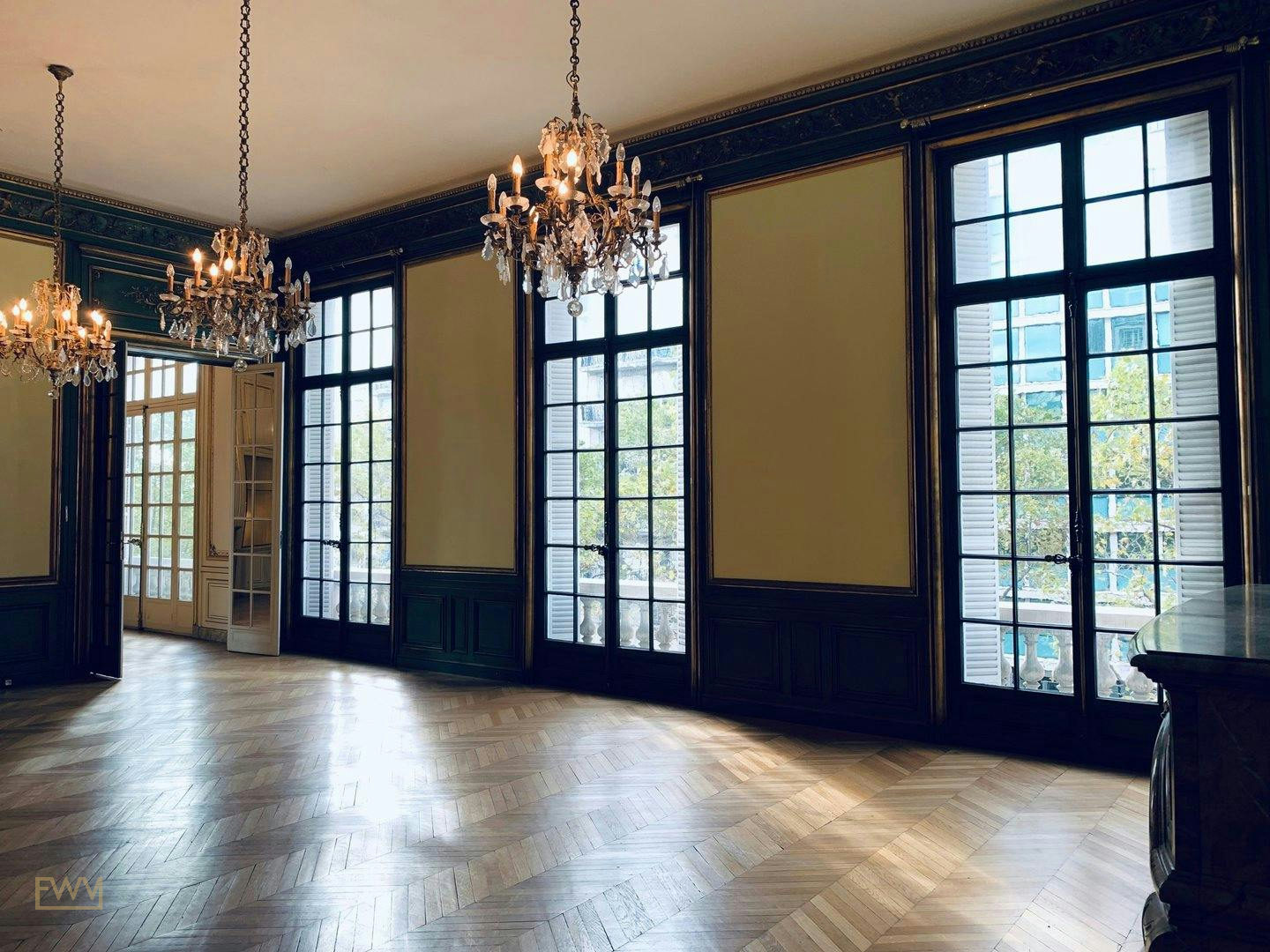
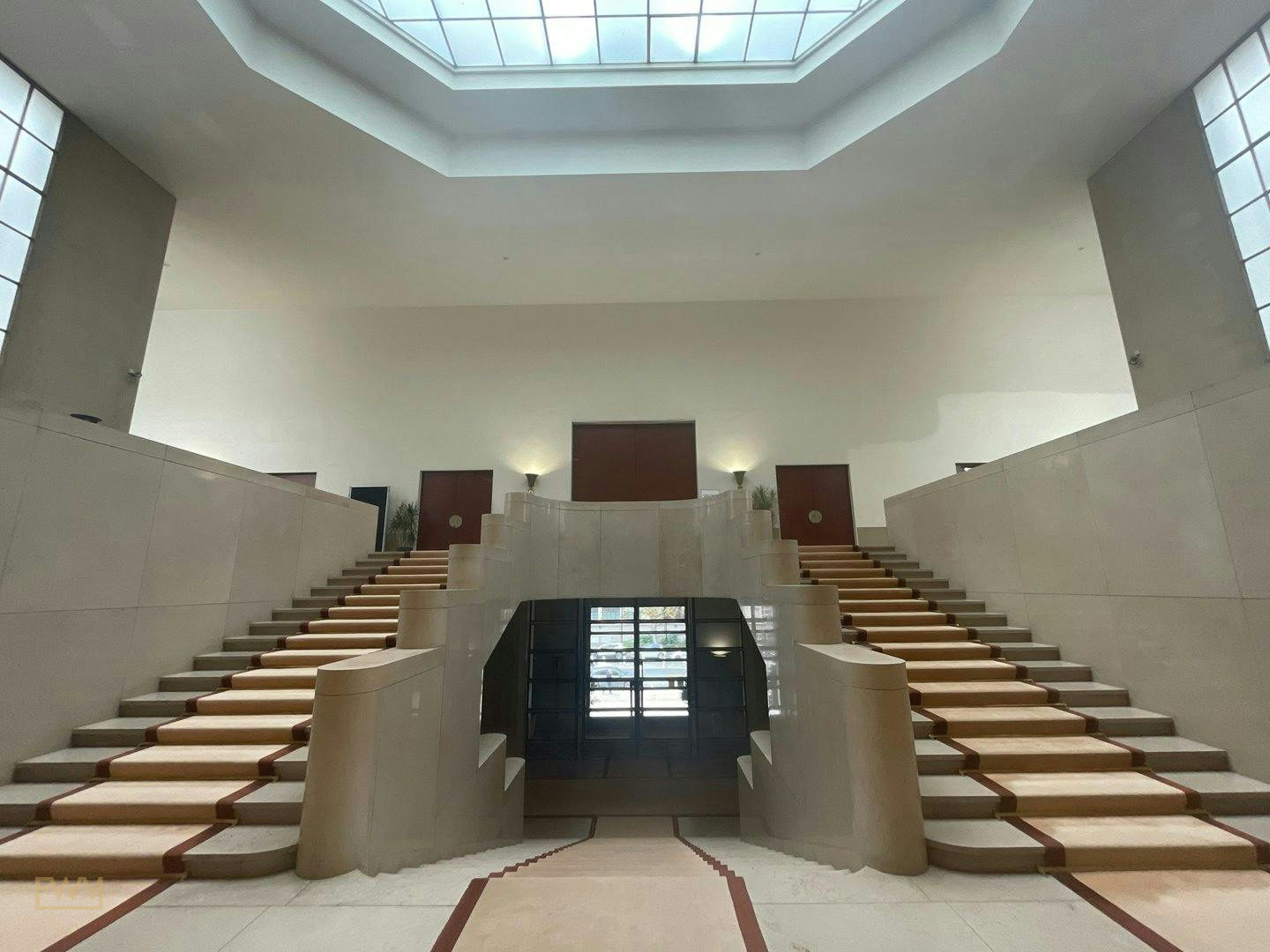
Opening a pop up store in Paris is one of the most effective ways for a fashion or lifestyle brand to build presence, test a new market, and generate immediate commercial and cultural momentum. Paris offers a unique combination of international footfall, concentrated media attention, a world-class fashion calendar, and a diverse network of short-term retail spaces that no other city can replicate. Whether you are planning an activation around Paris Fashion Week, a seasonal showroom in Le Marais, or a product launch on Rue des Francs-Bourgeois, this guide covers every decision you need to make, from neighbourhood selection and venue type to permits, budgeting, staffing, and brand strategy. Fashion Week Venues supports brands planning pop-up activations across Paris with venue sourcing, production, and end-to-end activation management.
Why Paris Remains the World's Most Strategic City for a Pop Up Store
Paris holds a singular position in global retail and fashion culture. No other city combines the density of luxury heritage, international tourist volume, concentrated fashion media, and a thriving local creative scene in the way that Paris does. For brands considering a temporary retail activation, the French capital offers a commercial environment that is genuinely difficult to replicate elsewhere.
Quick answer: Paris is the leading city for pop-up retail because it combines peak international tourist volume, a global fashion calendar anchored by Paris Fashion Week, a rich network of short-term retail spaces across premium neighbourhoods, and a media and influencer ecosystem that amplifies brand moments faster and more broadly than almost any other market.
Paris attracts tens of millions of international visitors each year, making it one of the most visited cities on earth. The city's retail corridors, from the Champs-Élysées to Saint-Germain-des-Prés and Rue du Faubourg Saint-Honoré, draw buyers, tourists, press, and trend-setters simultaneously. Unlike many European capitals, Paris also has a deeply embedded culture of concept stores, gallery retail, and short-term commercial leases, meaning the ecosystem for pop-up activity is already well-developed and well-understood by landlords, agents, and local authorities.
The fashion calendar adds a further layer of strategic value. Paris hosts four distinct Fashion Week cycles across the year, covering womenswear, menswear, couture, and accessories. Each cycle brings an influx of buyers, editors, stylists, influencers, and brand teams, creating concentrated windows of brand visibility that a well-placed pop-up can leverage with remarkable efficiency. Events like FIAC, Paris Design Week, and the couture calendar create additional activation moments beyond the core Fashion Week windows.
The city's arrondissement structure also gives brands precise targeting ability. Each neighbourhood carries distinct cultural associations, demographic profiles, and consumer behaviours, allowing a brand to choose a location that directly reinforces its positioning. A beauty brand entering Paris occupies a very different space in Le Bon Marché's neighbourhood compared to a streetwear label activating in the Canal Saint-Martin area or a luxury house staging a showroom near Place Vendôme.
DID YOU KNOW: Paris Fashion Week for womenswear ready-to-wear consistently attracts more international press and buyer attendance than any other fashion week globally, making the surrounding activation window among the most commercially dense periods in the fashion calendar.
Paris also offers practical advantages for brands entering France for the first time. The city has a mature network of short-term lease frameworks, including the bail dérogatoire structure, that allow brands to occupy commercial spaces without committing to long-term leases. The availability of fully serviced spaces, furnished showrooms, and gallery-format units makes it possible to activate quickly, even on compressed timelines.
KEY TAKEAWAY: Paris is not simply a fashionable choice for a pop-up. It is a strategically defensible one, offering concentrated media value, tourist volume, fashion calendar alignment, and a mature short-term retail ecosystem that few cities can match. The decision to activate in Paris is a decision to be seen by the right people at the right moment.
Understanding why Paris works is only the starting point. The next step is understanding which part of Paris will deliver the right results for your specific brand.
Parisian Neighbourhoods for Pop-Up Stores: A District-by-District Guide
Choosing the right neighbourhood for your pop up store in Paris is as important as choosing the right space. Each arrondissement and district carries specific associations, foot traffic profiles, and brand alignment implications. The following breakdown covers the key areas that brand teams should evaluate when building a Paris activation strategy.
Le Marais: Paris's Most Active Pop-Up District
Le Marais, spread across the 3rd and 4th arrondissements, is consistently the most active neighbourhood for pop-up retail in Paris. Its combination of high international footfall, gallery culture, strong social media visibility, and a dense concentration of fashion boutiques and concept stores makes it the default starting point for most brands planning their first Paris activation.
Rue des Francs-Bourgeois is the district's primary commercial artery, offering exceptional visibility and consistent daily footfall. Rue des Rosiers, historically the heart of the Jewish quarter, has evolved into one of the most photographed shopping streets in Paris, attracting both tourists and local shoppers. The streets around Place des Vosges, Maison de Victor Hugo, and the Picasso Museum draw cultural visitors who blend curiosity and purchasing intent in equal measure.
Le Marais has attracted major brand activations from fashion houses including Carhartt WIP, JW Anderson, and Dover Street Market, which operates its Paris outpost at 35-37 Rue des Francs-Bourgeois. Jonathan Anderson's presence in the district has reinforced its status as a destination for design-forward and culturally credible brands. The Marché des Enfants-Rouges, one of Paris's oldest covered markets, adds a local community dimension that supports lifestyle and food-adjacent brand activations.
Space types in Le Marais are highly varied. Brands can find small boutique units of 30 to 60 square metres, mid-size gallery spaces of 80 to 150 square metres, and larger showroom lofts exceeding 200 square metres. Spaces like the Galerie Turenne, Turenne Boutique, Galerie D'art, and Galerie d'exception formats give brands access to architecturally distinctive environments that photograph well and support immersive retail concepts. The Charlot' Store area, running along Rue Charlot in the 3rd arrondissement, has become particularly strong for independent fashion and lifestyle brands.
TIP: Weekends in Le Marais see significantly higher foot traffic than weekdays, with Saturday afternoon being the peak window. If your activation is short, a Thursday to Sunday run captures both press preview attention and peak consumer volume.
The Chic Event Space category in Le Marais reflects the district's dual function as both a retail and an event destination. Many spaces in the area are designed to support product launches, press previews, influencer events, and branded workshops alongside traditional retail, making them particularly versatile for brands running multi-format activations.
Saint-Germain-des-Prés and the Left Bank
Saint-Germain-des-Prés, centred in the 6th arrondissement, is Paris's intellectual and literary heartland transformed into one of its most commercially premium retail zones. The neighbourhood around Rue du Cherche-Midi, Rue Jacob, and Boulevard Saint-Germain attracts an affluent, culturally engaged local clientele alongside significant international visitor volume.
The recent arrival of Le Bon Marché Rive Gauche as a department store anchor reinforces the area's positioning as a destination for premium and luxury retail. Pop-up brands activating near Le Bon Marché benefit from the department store's own marketing and the high-spending consumer base it attracts. The Chauvin Paris x L'Objet collaboration pop-up at 30 Rue Jacob in June and July 2026 is a strong example of how brands use the area's prestige to reinforce collaborative and design-driven brand narratives.
Saint-Germain-des-Prés suits brands in beauty, home, design, and premium fashion particularly well. The neighbourhood's slower pace compared to Le Marais supports longer dwell times and more considered purchasing decisions, which benefits brands with higher average transaction values.
Châtelet, Rue de Rivoli, and Central Paris
The area around Châtelet and Rue de Rivoli, spanning the 1st and 4th arrondissements, offers some of the highest foot traffic volumes in Paris. Rue de Rivoli connects the Louvre to the Marais along the Seine, making it a constant flow corridor for both tourists and Parisian commuters. La Samaritaine, the historic department store that reopened as a luxury retail destination, has made the immediate surrounding area increasingly attractive for premium brand activations.
The JW Anderson pop-up at 15 Rue du Louvre, running from July to September 2026, illustrates how brands use this central corridor to maximise both duration and visibility. Proximity to major cultural institutions and transport hubs makes the area particularly strong for brands targeting international visitors.
Rue du Faubourg Saint-Honoré and Place Vendôme
The 1st and 8th arrondissements around Rue du Faubourg Saint-Honoré and Place Vendôme represent Paris's most exclusive retail geography. This is the address of choice for Haute Couture brands, fine jewellery houses, and luxury fashion labels that require an address to match their positioning. ANDAM Pierre Bergé Prize winners and established luxury fashion houses have used showrooms in this area to reinforce their credentials with press and buyers during Paris Fashion Week.
Champs-Élysées and Western Paris
The Champs-Élysées remains one of the most visited commercial streets in the world by raw footfall, though its brand positioning has evolved significantly over recent years. Large-scale experiential activations, flagship launches, and mass-market brand moments still find natural homes here. The street suits brands seeking maximum reach and awareness rather than the cultural precision of Le Marais or Saint-Germain.
| Neighbourhood | Arrondissement | Brand Fit | Space Types | Best Activation Window |
|---|---|---|---|---|
| Le Marais | 3rd and 4th | Fashion, streetwear, design, beauty, art | Boutiques, galleries, lofts, showrooms | Paris Fashion Week, year-round |
| Saint-Germain-des-Prés | 6th | Premium fashion, beauty, design, home | Boutiques, concept stores, showrooms | Couture Week, year-round |
| Châtelet and Rue de Rivoli | 1st and 4th | Luxury, accessible premium, cultural brands | Gallery retail, concept spaces | Fashion Week, summer |
| Saint-Honoré and Vendôme | 1st and 8th | Haute couture, luxury, fine accessories | Showrooms, private event spaces | Couture Week, Fashion Week |
| Champs-Élysées | 8th | Mass-market, experiential, flagship launches | Large format retail, flagships | Year-round, peak summer |
KEY TAKEAWAY: Your neighbourhood choice is a brand positioning decision as much as a logistics one. Each district sends a signal to press, buyers, and consumers about who you are, what you stand for, and where you sit in the market. Take that signal seriously before committing to a location.
Once you have identified the right neighbourhood, the next step is understanding what types of spaces are available and how to match a space format to your activation objectives.
Types of Pop-Up Store Spaces Available in Paris
The Paris short-term retail market offers a wider range of space formats than most brands expect. Understanding the distinctions between space types helps you match your brief to the right environment and avoid costly mismatches between your concept and the physical space.
Quick answer: Pop-up spaces in Paris range from small boutique units and gallery formats to large showroom lofts, furnished concept stores, event-ready gallery spaces, and hybrid retail-event venues. The format you choose should reflect your brand concept, your operational needs, and the type of visitor experience you want to create.
Gallery and Art Space Formats
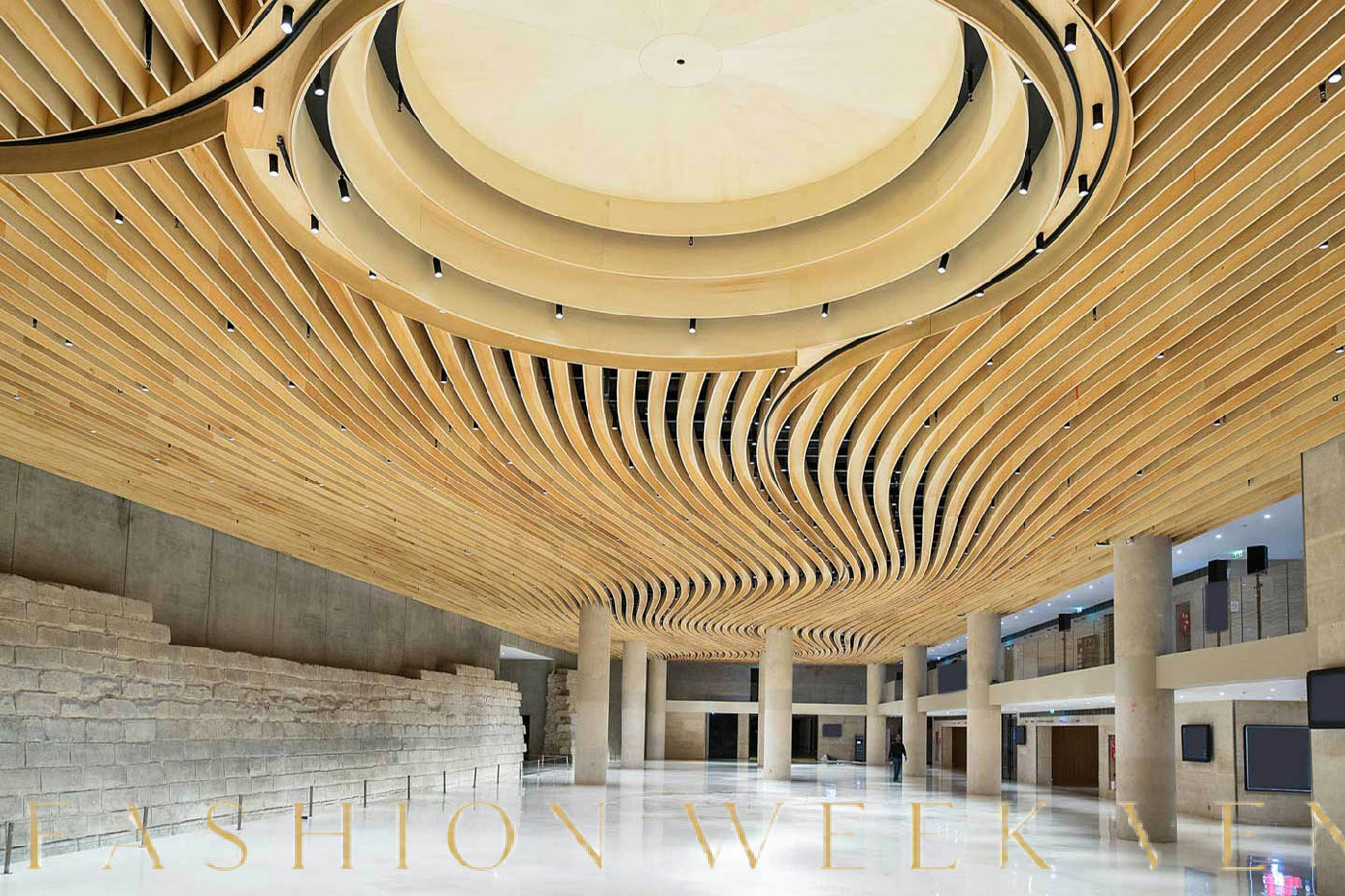
Gallery-format spaces are among the most sought-after in Paris, particularly in Le Marais where the art gallery ecosystem is dense and culturally embedded. These spaces typically feature clean white walls, polished concrete or wooden floors, and strong natural or controlled artificial lighting. They work exceptionally well for fashion brands, accessory launches, and beauty brands that want a curatorial feel rather than a traditional retail environment. Gallery spaces also photograph and film extremely well, supporting social media content creation and press coverage. Spaces in the Galerie D'art and Galerie d'exception category across Le Marais are particularly popular for this format.
Boutique and Concept Store Units
Boutique units are smaller retail spaces, typically between 30 and 100 square metres, that offer an intimate shopping environment. These spaces are ideal for brands launching a curated capsule collection, testing a new product line, or creating a destination shopping experience with limited SKU depth. The concept store format, which combines retail with editorial curation, cultural programming, or hospitality elements, is particularly strong in Paris given the city's appetite for experiential retail. LE POP UP PARISIEN and similar curatorial pop-up formats have popularised this approach for emerging brands.
Showroom and Trade Formats
Showroom formats serve a different function from pure consumer retail. A fashion showroom in Paris during Fashion Week is primarily a trade and press tool, designed to present collections to buyers, editors, and stylists in a controlled, branded environment. Showroom spaces in Le Marais, Saint-Germain, and around the Palais Royal tend to be larger, more neutral in decor, and better equipped for appointment-based visits, rack display, and brand presentation materials. Brands entering the Paris market for the first time often use a showroom activation during Paris Fashion Week as a way to build wholesale relationships before committing to a consumer-facing retail presence.
Event and Workshop Spaces
Event-ready spaces that can host workshops, launches, influencer dinners, press previews, and brand presentations alongside or instead of retail are increasingly common in Paris. These spaces often have built-in AV infrastructure, catering facilities, and flexible floor plans that can be reconfigured for different formats across a single tenancy period. Brands running multi-format activations, combining a consumer retail moment with a trade preview and an influencer event for example, will find these spaces particularly efficient.
Industrial Loft and Raw Spaces
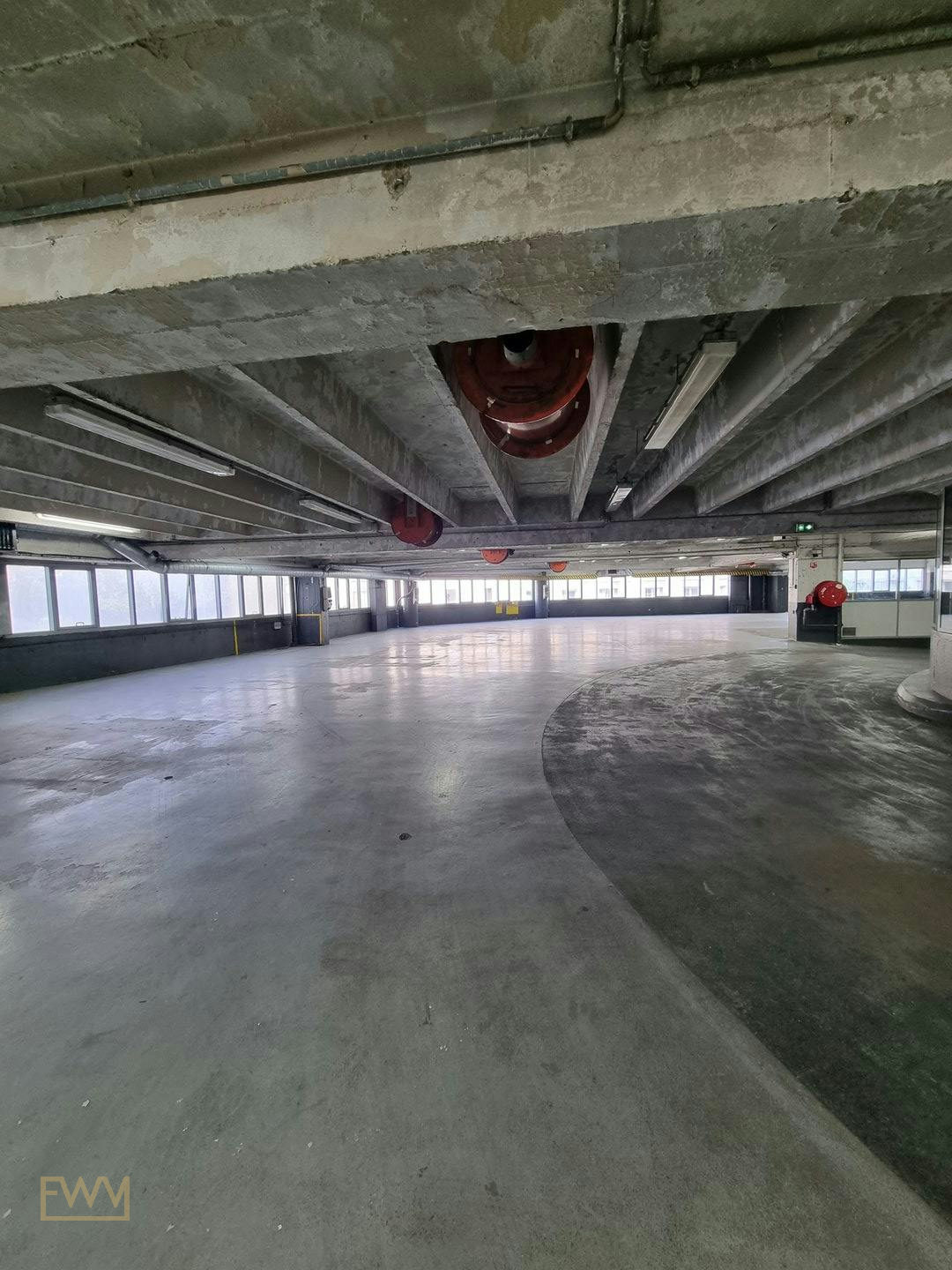
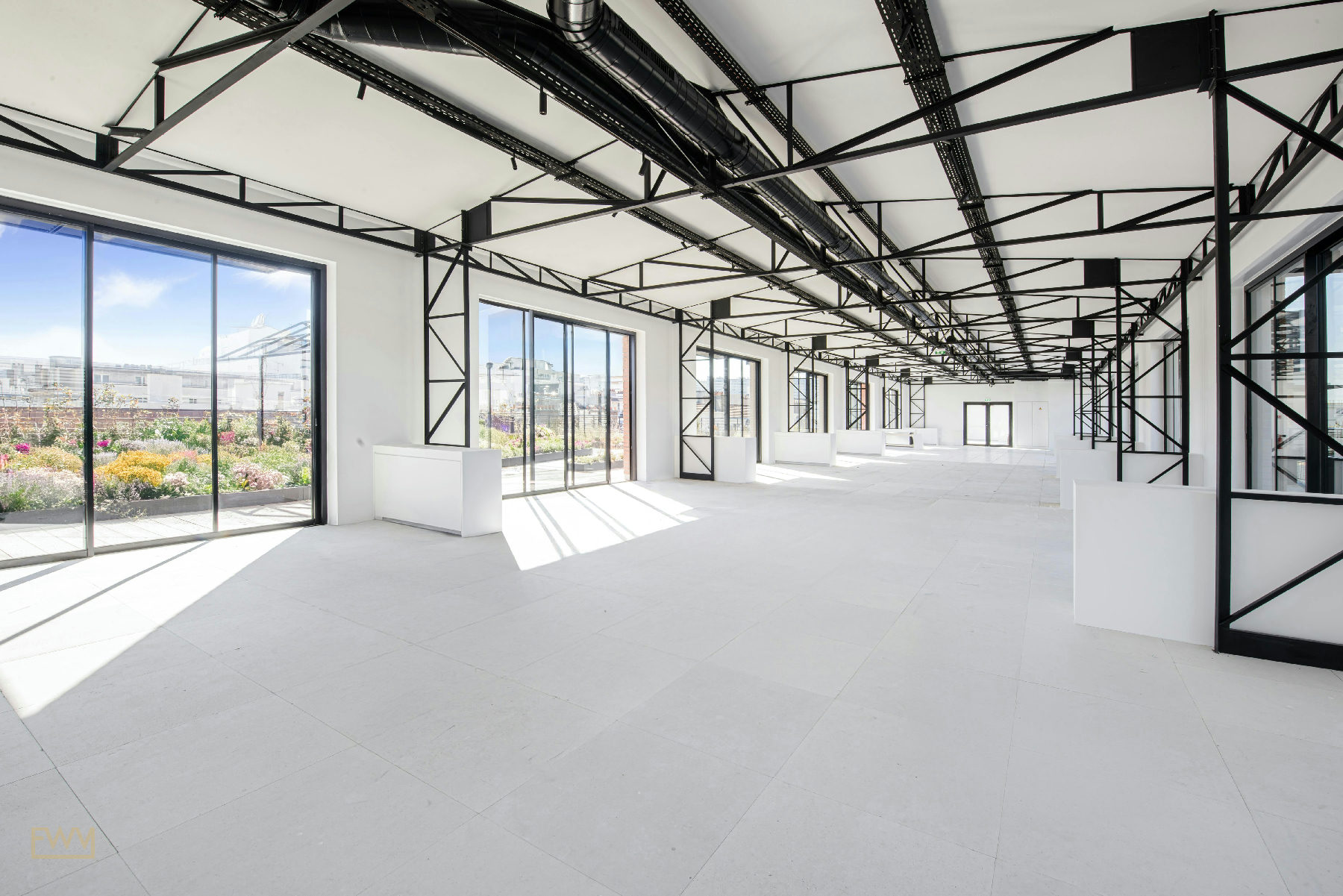
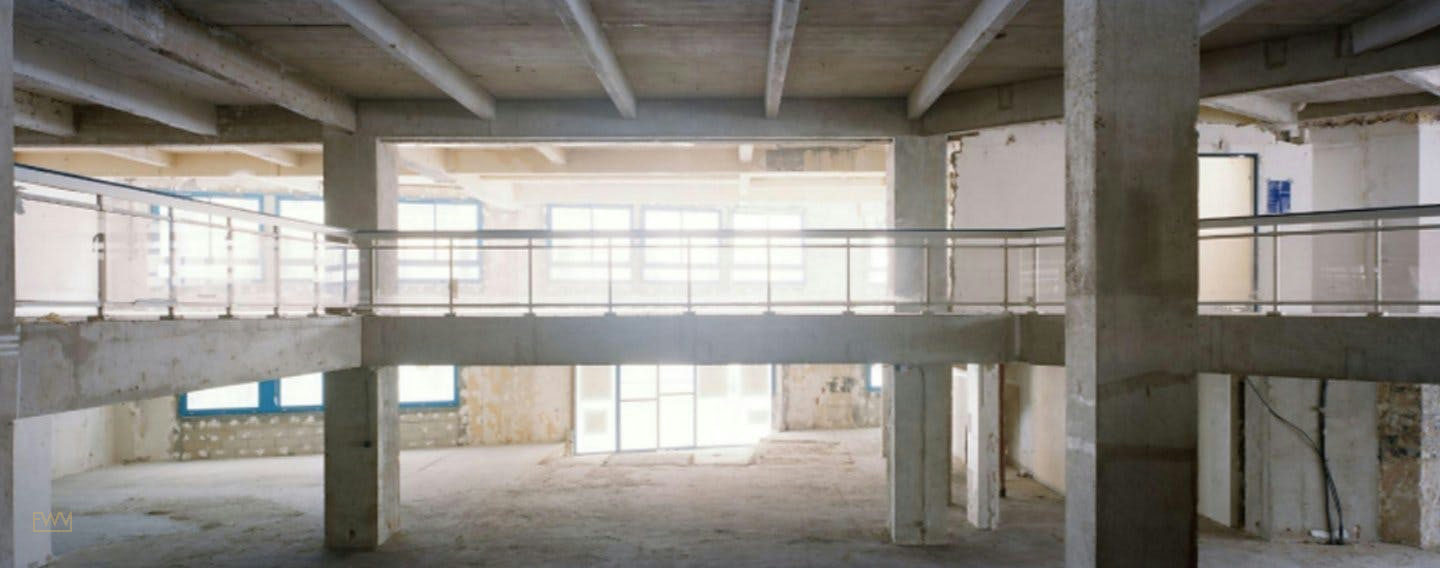
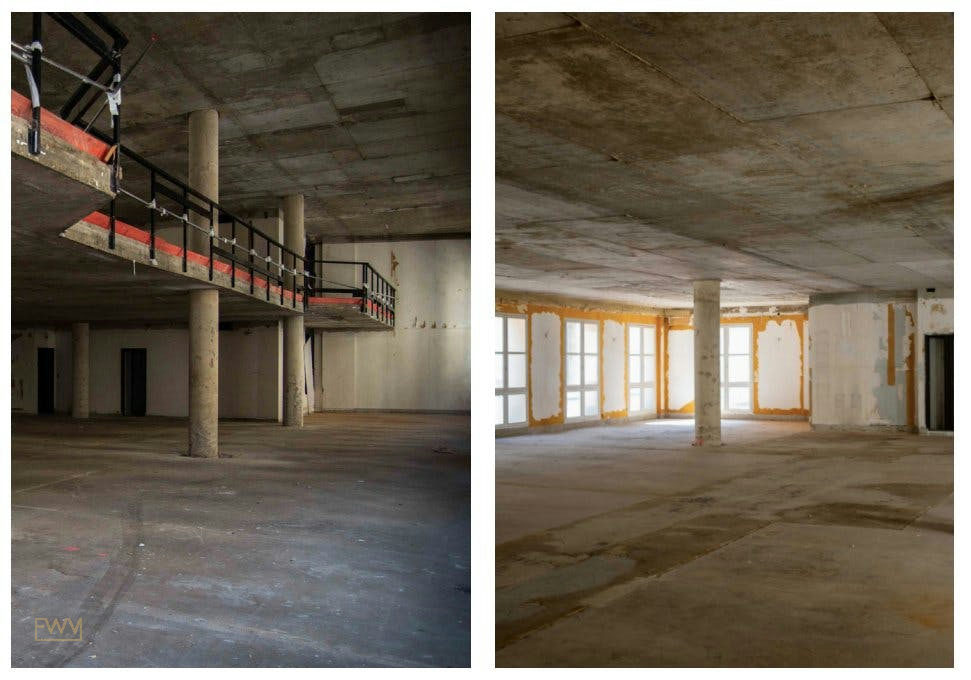
Paris, particularly in the 3rd and 10th arrondissements and the Canal Saint-Martin area, offers a stock of converted industrial loft spaces that provide large floor plates, high ceilings, and raw aesthetic character. These spaces require more investment in fit-out and merchandising to work as retail environments, but they give brands maximum creative freedom to build immersive, designed-from-scratch experiences. Brands like NEMOZENA have used raw loft formats to create highly shareable, visually distinctive activations.
| Space Type | Typical Size | Best For | Fit-Out Required |
|---|---|---|---|
| Gallery format | 40 to 150 sqm | Fashion, beauty, art, accessories | Low to medium |
| Boutique unit | 30 to 100 sqm | Curated capsule retail, concept launches | Low to medium |
| Showroom | 80 to 300 sqm | Trade, press, buyer appointments | Medium |
| Event and workshop space | 60 to 400 sqm | Multi-format activations, press events | Low, infrastructure included |
| Industrial loft | 150 to 600 sqm | Immersive brand experiences, large launches | High |
KEY TAKEAWAY: Matching your space format to your activation objectives is a prerequisite for a successful Paris pop-up. A trade showroom brief should not be solved with a boutique unit, and a consumer retail activation will underperform in a space designed primarily for events. Define your primary objective before browsing available spaces.
With your neighbourhood and space format shortlisted, you need to understand the operational and regulatory requirements that govern short-term retail in Paris before you commit to any agreement.
Pop-Up Store Paris: Permits, Legal Frameworks, and Regulatory Requirements
One of the most common areas where international brands encounter problems when opening a pop up store in Paris is the regulatory and legal framework. Short-term retail in France operates under specific lease structures and permit requirements that differ substantially from the frameworks brands are familiar with in the United Kingdom, the United States, or other major markets.
Quick answer: Short-term retail in Paris is governed primarily by the bail dérogatoire framework for lease agreements and, for outdoor or public space activations, by the autorisation d'occupation temporaire (AOT). Both frameworks have specific requirements around duration, permitted uses, and termination rights. Brands should work with a French legal advisor and consult specialist permit guidance before signing any space agreement.
The Bail Dérogatoire: France's Short-Term Lease Framework
The bail dérogatoire, sometimes called a bail précaire, is the primary legal instrument for short-term commercial occupation in France. Under this framework, a brand can occupy a commercial space for a period of up to 36 months without triggering the protections of a standard French commercial lease, known as a bail commercial. The bail commercial gives tenants extensive rights including lease renewal protections and eviction compensation, which landlords of short-term spaces are naturally keen to avoid activating.
For a bail dérogatoire to be legally valid, both parties must explicitly agree in writing that they are departing from the standard commercial lease framework, and this agreement must be made at the outset of the tenancy. If a brand continues to occupy a space after the bail dérogatoire period ends without a new agreement, French law may automatically convert the arrangement into a standard bail commercial, with significant implications for both parties.
IMPORTANT: Requirements for bail dérogatoire agreements vary depending on the space type, the duration of occupation, and the specific arrondissement. Brands should always verify their specific situation with a qualified French legal advisor before signing. Fashion Week Venues provides directional guidance but does not offer legal advice.
Autorisation d'Occupation Temporaire (AOT)
For activations that involve public space, outdoor installations, or occupation of spaces owned by public bodies, an autorisation d'occupation temporaire (AOT) is required. This permit is issued by the relevant municipal or state authority and governs the terms, duration, and permitted activities of the occupation. AOT requirements are particularly relevant for brands planning outdoor installations, pavement displays, or activations in publicly owned buildings or squares such as Place de la République or areas around Place des Vosges.
AOT applications can take several weeks to process and require specific documentation about the nature of the activation, insurance certificates, fire safety compliance, and electrical safety sign-off. Timing your permit application well in advance of your planned activation date is essential, particularly during peak windows like Paris Fashion Week when municipal authorities receive high volumes of applications.
Fire Safety, Electrical Safety, and Insurance
All commercial retail activations in Paris, regardless of duration, must comply with French fire safety regulations, including requirements around emergency exit routes, fire extinguisher provision, and maximum occupancy limits. Electrical installations in temporary retail spaces must be signed off by a qualified electrician and may require certification before the space can be occupied by the public. Brands are also required to hold appropriate commercial liability insurance for the duration of their occupation.
Insurance requirements in France can differ from policies held by brands in their home markets. A French-market endorsement or a locally compliant policy may be required, particularly for brands operating under a UK or US-based insurer. Confirming insurance compliance before your activation launches is non-negotiable.
For permit planning and guidance, the Fashion Week Venues permits tool provides directional information to help brands understand the permit landscape before they engage a legal advisor.
KEY TAKEAWAY: Permits and regulatory compliance in Paris are not optional formalities. They are structural requirements that can delay or prevent an activation if not addressed early. International brands should begin permit planning at least eight to twelve weeks before their intended opening date and engage a French legal advisor for any binding agreements.
With regulatory requirements understood, the next critical planning area is budgeting: what does a Paris pop-up actually cost, and how do you plan a realistic financial model for your activation?
Budgeting for a Pop Up Store in Paris: Cost Frameworks and Financial Planning
Budgeting accurately for a Paris pop-up is one of the most common challenges brand teams face, particularly those activating in the city for the first time. The range of costs involved is broad and the variables are significant, making precise estimates difficult without a detailed brief. What follows is a directional framework to structure your thinking, not a fixed pricing guide.
Quick answer: The total cost of a Paris pop-up store depends on the neighbourhood, space size, lease duration, fit-out requirements, staffing model, permit fees, and marketing budget. Costs can range from modest activations in smaller gallery spaces over a single week to substantial six-figure investments for fully produced experiential retail in premium locations. Use the Fashion Week Venues budget tool to build a brand-specific estimate.
Space Rental Costs
Short-term retail rental rates in Paris vary significantly by neighbourhood, space type, size, and the specific timing of your activation. Premium locations in Le Marais, Saint-Germain-des-Prés, and around Saint-Honoré command higher rates than secondary locations. Fashion Week windows, which see a surge in demand from brands globally, typically carry a premium over standard seasonal rates. Rates during Paris Fashion Week womenswear, menswear, and couture windows can be substantially higher than the same spaces rented outside those periods.
Space costs typically form the largest single budget line for most activations, but they are far from the only significant cost. Brands that plan their budget based on space rental alone frequently find themselves underfunded when fit-out, staffing, permits, and marketing costs are added.
Fit-Out and Production Costs
The cost of fitting out a pop-up space in Paris depends heavily on the starting condition of the space, the design concept you are executing, and the materials and finishes you require. A fully serviced furnished showroom may require minimal additional investment, while a raw loft space requiring a complete retail build will carry significantly higher production costs. Furniture rental, lighting rigs, display fixtures, signage, and point-of-sale infrastructure all contribute to the total fit-out budget.
Staffing, Operations, and Payments
Staffing a Paris retail activation requires planning for both the personnel cost and the regulatory framework for employing staff in France. French employment law has specific requirements around contracts, minimum wage, and working hours that brands must comply with, even for short-duration temporary roles. Hiring through a specialist retail staffing provider with French market experience is strongly recommended.
Point-of-sale and payments infrastructure, including card terminals, POS software, and cashflow management systems, are also operational costs that need to be built into the plan from the outset. Brands that sell in euros for the first time in a French market context should also plan for currency management and accounting compliance.
Marketing and Influencer Budgets
A Paris pop-up without a marketing plan to drive awareness and foot traffic is a missed opportunity. Marketing budgets for Paris activations typically include social media content production, influencer partnerships, press outreach, event hosting, and local partnership costs. Brands activating during Paris Fashion Week may find that influencer and press attention is partially organic given the media concentration during that period, but a proactive outreach plan is still essential to ensure your activation is included in the relevant coverage.
To build a detailed and brand-specific cost model for your Paris activation, the Fashion Week Venues budget calculator allows you to input your specific parameters and generate a directional estimate.
DID YOU KNOW: Many brands underestimate the working capital requirements of a Paris pop-up, particularly around inventory purchasing, security deposits on spaces, and cashflow management during the activation period. Planning your cashflow alongside your capital budget is essential to avoid operational disruption.
KEY TAKEAWAY: Budget planning for a Paris pop-up is a multi-line exercise that must account for space rental, fit-out, staffing, permits, insurance, marketing, and operational costs simultaneously. Brands that plan comprehensively from the outset avoid the budget overruns that derail activations at the execution stage.
Understanding your budget framework sets the foundation for thinking about return on investment. A well-planned Paris pop-up should deliver measurable returns across commercial, brand, and media dimensions.
Measuring Return on Investment for a Paris Pop-Up Store
Return on investment for a pop up store in Paris is rarely captured in direct sales revenue alone. The most successful brand activations in Paris generate value across multiple dimensions simultaneously, and understanding how to measure that value is essential for justifying the investment internally and for making better decisions about future activations.
Quick answer: ROI for a Paris pop-up includes direct sales, wholesale introductions from buyers and press during Fashion Week, social media reach and earned media value, email and customer data acquisition, brand recognition uplift, and long-term wholesale or retail relationships opened by the activation. Brands should define success metrics across all of these dimensions before the activation launches, not after.
Commercial Returns: Sales and Wholesale
Direct retail sales from a pop-up store are the most immediately measurable form of return. However, for many brands, particularly those using a Paris activation primarily as a trade and press tool, direct sales may represent a relatively small proportion of total commercial value. Wholesale orders placed by buyers who visit a Fashion Week showroom can represent multiples of the direct retail revenue generated during the same period. Planning your inventory, pricing, and trade support materials for wholesale conversations is as important as planning your consumer-facing retail experience.
Media and Brand Value
The earned media value of a successful Paris pop-up can be significant. Press coverage in fashion and lifestyle publications, influencer content from visitors and partners, and social media reach from branded content all contribute to brand recognition and positioning in a way that persists well beyond the duration of the activation. Brands like Carhartt WIP and JW Anderson have demonstrated that a well-executed Paris presence generates media returns that extend globally.
Customer feedback gathered during a physical retail activation is also a valuable form of ROI that many brands undercount. Direct conversations with consumers, sales patterns by product type, and dwell time data all provide intelligence that informs future product development and retail strategy decisions.
Data and Analytics
Modern pop-up activations should be instrumented for data collection from day one. Foot traffic counters, POS transaction data, email capture rates, social media engagement metrics, and influencer reach figures all provide measurable inputs to your post-activation ROI analysis. Brands that invest in data infrastructure during their Paris activation are better positioned to make evidence-based decisions about follow-on investments in the market.
The Fashion Week Venues ROI calculator helps brands model expected returns across commercial, media, and brand dimensions before committing to an activation budget.
KEY TAKEAWAY: A Paris pop-up that measures only direct sales is measuring the smallest fraction of its potential value. Define your success metrics across commercial, media, brand, and data dimensions before you launch, and build the measurement infrastructure to capture them during the activation.
With ROI frameworks in place, the next area to address is how to find and source the right space for your specific brief, budget, and calendar window.
How to Find and Source a Pop-Up Store Space in Paris
Sourcing a pop-up store space in Paris involves navigating a market that is more complex, competitive, and calendar-driven than most brands expect when they begin their search. Understanding how the market works and where to look is the difference between finding an ideal space on your preferred timeline and scrambling for whatever is available two weeks before your planned launch.
Quick answer: The most effective approaches to sourcing a Paris pop-up space involve a combination of dedicated space marketplace platforms, specialist agency relationships, and direct outreach to space owners and property managers. Starting your search a minimum of eight to twelve weeks before your intended opening date is strongly recommended, and twelve to sixteen weeks for Fashion Week windows.
Space Marketplaces and Platforms
Dedicated short-term retail space marketplaces have significantly improved access to available spaces in Paris. Platforms that list spaces with photographs, floor plans, availability calendars, and indicative pricing allow brand teams to browse options efficiently before engaging in direct negotiation. The Fashion Week Venues space marketplace lists curated spaces across Paris's key retail neighbourhoods, with spaces vetted for brand activation use cases including retail, showroom, event, and hybrid formats.
Working With a Specialist Agency
A specialist pop-up agency with deep Paris market knowledge offers advantages beyond simple space access. An agency with established landlord relationships can often access spaces before they are publicly listed, negotiate more favourable terms, and move faster through the regulatory and operational setup process. Agencies also provide continuity across multiple activation cycles, which is valuable for brands planning seasonal Paris presences. For brands that are new to the French market, an agency partner with local expertise can be the difference between a smooth activation and a costly misstep.
To understand how a specialist agency approach works and what questions to ask before hiring one, the Fashion Week Venues guide to hiring an agency covers the selection process in detail.
Timeline Planning for Space Sourcing
The Paris pop-up space market is significantly tighter during Fashion Week windows than at other times of year. Brands planning activations around Paris Fashion Week for womenswear in February and March, menswear in June and July, or couture in January and July should begin their space search a minimum of three to four months in advance. Brands that begin searching in the final four weeks before a Fashion Week window will find that premium spaces in Le Marais and Saint-Germain have already been committed.
The Fashion Week Venues timeline tool helps brands map their planning milestones against the fashion calendar and identify the optimal moment to begin each phase of their activation preparation.
| Activation Phase | Recommended Lead Time | Key Actions |
|---|---|---|
| Initial brief and concept | 16 to 20 weeks before opening | Define objectives, budget, neighbourhood preference, space format |
| Space search and shortlisting | 12 to 16 weeks before opening | Browse marketplace, agency engagement, shortlist visits |
| Space agreement and legal review | 10 to 12 weeks before opening | Negotiate terms, review bail dérogatoire, sign agreement |
| Permit applications | 8 to 12 weeks before opening | Submit AOT and any additional permit applications |
| Fit-out and production | 4 to 8 weeks before opening | Briefing designers and builders, ordering fixtures and furniture |
| Staffing and operations setup | 3 to 6 weeks before opening | Hire and train staff, set up POS, confirm insurance |
| Marketing and influencer outreach | 4 to 8 weeks before opening | Press releases, influencer briefings, social media content plan |
| Opening and activation management | On opening day | Live management, data capture, daily review |
KEY TAKEAWAY: Space sourcing in Paris is a time-sensitive process that rewards early action. Brands that begin their search well in advance of their target opening date have access to more choices, better terms, and less pressure in their decision-making process.
Finding the right space is foundational, but activating that space effectively requires a clear strategy for brand concept, visual merchandising, and marketing. The next section covers how to build an activation that performs.
Building an Effective Paris Pop-Up Store Activation Strategy
The most common reason Paris pop-ups underperform is not a bad space or insufficient budget. It is the absence of a coherent activation strategy that connects the physical space, the brand concept, the marketing plan, and the operational execution into a single unified experience. Building that strategy is the work that happens before any space agreement is signed.
Quick answer: An effective Paris pop-up activation strategy defines your target audience, your core brand narrative for the activation, your visual and spatial concept, your marketing channels and influencer approach, your inventory and merchandising plan, and your measurement framework. All of these elements must work together coherently for the activation to perform across commercial, brand, and media dimensions.
Concept and Spatial Planning
Your activation concept should answer a simple question: what do you want a visitor to feel, think, and do as a result of spending time in your space? The most memorable Paris pop-up stores, from NEMOZENA's immersive gallery formats to JW Anderson's curated retail environments, have a single clear idea at their core that every design and merchandising decision supports.
Spatial planning in a Paris pop-up context means thinking about how visitors move through the space, where key products or brand moments are positioned, how the window display communicates the concept from the street, and how the overall environment supports the dwell time and engagement you need to drive your commercial outcomes. Impactful window displays are particularly important in Paris, where street-level visual culture is exceptionally sophisticated and where a strong window can drive significant organic foot traffic without additional marketing spend.
Visual Merchandising and Inventory Planning
Merchandising in a temporary retail space requires discipline. The temptation to show everything often results in a space that feels crowded and incoherent. Curating a tightly focused product selection that represents your brand's strongest proposition for the Paris market is consistently more effective than importing your full range. Brands like Lili Curia, whose footwear label has already attracted high-profile celebrity attention from figures like Karol G and Suki Waterhouse, demonstrate that a focused, distinctive product edit commands more attention than breadth.
Inventory decisions for a Paris pop-up should also account for replenishment logistics, particularly for activations running more than two weeks. Managing inventory from a Paris base, coordinating with your home market warehouse, and handling returns and exchanges in a temporary retail context all require planning that is often underestimated in initial briefing documents.
Social Media and Influencer Marketing
Social media is both a tool for driving pre-activation awareness and a product of the activation itself. Paris generates social content naturally, and a well-designed pop-up in Le Marais or Saint-Germain will attract organic social media attention from visitors who share their experience. Building shareable moments into your space design, whether through distinctive visual installations, limited-edition packaging, or interactive experiences, amplifies the organic content generation that Paris naturally provides.
Influencer partnerships in Paris work best when they are rooted in genuine alignment between the brand and the influencer's audience. Brands that invite fashion influencers, stylists, and cultural figures whose audiences match their target consumer profile generate more commercially valuable content than those who pursue follower count alone. Planning influencer visits during a dedicated press preview or launch event, separate from peak consumer hours, allows you to manage the influencer experience with the attention it deserves.
Collaborations with local Parisian brands, artists, or cultural figures can also amplify reach and credibility simultaneously. The Chauvin Paris x L'Objet collaboration at 30 Rue Jacob is a strong example of how a brand partnership creates news value, shared audiences, and a more compelling retail narrative than either brand could generate independently.
Workshops and Community Engagement
Brands that use their Paris pop-up space for workshops, community events, or curated cultural programming extend their activation's reach beyond the transactional. A fashion brand hosting a styling workshop, a beauty brand running skin consultation sessions, or a design brand organising a materials talk all create reasons to visit that go beyond shopping. These formats generate content, build community, and position the brand as a cultural contributor rather than simply a commercial operator in Paris, which resonates particularly strongly in a city that values cultural credibility alongside commercial product.
To explore how Fashion Week Venues approaches concept development and creative strategy for Paris activations, the concept direction service outlines the methodology in detail.
KEY TAKEAWAY: The most successful Paris pop-up stores are those that have invested as much in their activation strategy as in their space and fit-out. A clear concept, a disciplined product edit, a proactive social and influencer plan, and a coherent visitor experience design are the building blocks of an activation that performs across all dimensions.
For brands that want to activate across multiple formats or multiple markets simultaneously, the twin co-activation model and multi-city planning tools offer an efficient path to scale.
How Fashion Week Venues Helps Brands Open Pop-Up Stores in Paris
Fashion Week Venues operates as a full-service pop-up agency and space marketplace with Paris as its anchor market. The agency supports brands at every stage of their Paris activation journey, from the initial brief through to post-activation data analysis and next-step planning. Understanding what Fashion Week Venues offers, and where the value is most concentrated, helps brand teams decide how to engage with the agency most effectively.
The core value proposition of Fashion Week Venues is the elimination of the coordination overhead that makes Paris pop-up planning difficult for international brands. Rather than managing multiple vendor relationships across space sourcing, fit-out, staffing, permits, and marketing simultaneously, brands that work with Fashion Week Venues have a single point of coordination across all of those workstreams. This is particularly valuable for brands with limited in-market resource or those activating in Paris for the first time.
The agency's venue sourcing service covers space identification, shortlisting, site visits, negotiation, and agreement management, drawing on established landlord relationships across Paris's key retail districts. The production and build service manages fit-out design, contractor briefing, furniture provision, signage, and technical installation. The retail staffing service handles recruitment, contracts, training, and management of in-store personnel.
Fashion Week Venues also offers a suite of planning tools that allow brand teams to self-serve on specific planning challenges before engaging the agency for full activation management. The budget calculator, ROI calculator, timeline tool, permits tool, compare tool, and locator tool are all available at fashionweekvenues.com/tools and can be used independently to stress-test assumptions and sharpen briefs before formal planning begins.
For brands interested in a co-activation model, the twin concept allows two brand teams to share a space, cost, and activation resource in a structured way that benefits both brands while maintaining clear differentiation. This model is particularly well-suited to complementary fashion and beauty, fashion and accessories, or fashion and lifestyle brand pairings that target overlapping but distinct audiences.
The agency's case studies and past activation work, available at fashionweekvenues.com/work, provide evidence of how the agency has supported brands across different formats, neighbourhoods, and calendar windows in Paris and other fashion capitals.
IMPORTANT: Fashion Week Venues does not guarantee space availability, permit approval, or specific commercial outcomes. The agency provides best-effort support across all service areas and works to maximise the probability of a successful activation, but outcomes depend on factors including market conditions, brand readiness, and regulatory timing that are outside any agency's full control.
To compare Paris neighbourhoods and space types before engaging the agency, explore the Paris city hub on Fashion Week Venues and shortlist spaces that match your brief, budget, and calendar window.
KEY TAKEAWAY: Fashion Week Venues adds most value to brands that have a clear activation objective but need specialist support to execute it efficiently in the Paris market. The combination of space access, production capability, operational management, and planning tools makes the agency a practical partner for brands at any stage of Paris market development.
Paris Fashion Week Calendar and Activation Timing Strategy
Timing a pop up store in Paris around the fashion calendar is one of the most powerful strategic levers available to brand teams. Paris hosts multiple distinct Fashion Week and cultural calendar events across the year, each creating specific activation opportunities with different audience profiles, media dynamics, and commercial implications.
Quick answer: Paris hosts four primary Fashion Week cycles annually: Haute Couture in January and July, menswear in January and June and July, womenswear ready-to-wear in February and March and September and October, and accessories and shows across multiple windows. Cultural events including FIAC and Paris Design Week add further activation moments. Each window has different audience composition, media intensity, and space availability implications.
Paris Fashion Week Windows and Their Characteristics
The womenswear ready-to-wear windows in February and March and September and October are the highest-profile moments in the Paris fashion calendar, attracting the largest concentration of international press, buyers, stylists, and brand teams. Brands activating during these windows benefit from extraordinary media concentration but must plan well in advance given the competition for premium spaces. The July 2026 menswear and couture overlap creates a combined window that brands like JW Anderson have exploited with activations running from early July through to late September.
Paris Fashion Week 2026 runs from July 6 to 9 for specific shows and events, with exhibitions and happenings extending the cultural moment before and after the core show calendar. Brands that activate during the full surrounding window, rather than just the core show days, benefit from extended media attention without the peak logistics pressure of the core show days themselves.
Beyond Fashion Week: Year-Round Activation Opportunities
Paris is not a city that requires a Fashion Week window to justify a pop-up activation. The city's year-round tourist volume, combined with strong local consumer spending and a constant flow of international cultural events, means that brands can find commercially viable activation windows in almost every month of the year. Events like FIAC in October, Paris Design Week in September, and the city's summer tourist peak between June and August all create specific audience moments that suit particular brand categories.
Brands in beauty, home, and lifestyle categories often find that non-Fashion Week windows in Paris deliver better-value space access, less competition from other brand activations, and a more relaxed operational environment while still reaching a highly relevant international consumer base.
KEY TAKEAWAY: Fashion Week windows in Paris are the highest-profile activation moments but also the most competitive and expensive. Brands should evaluate whether a Fashion Week window is essential to their objectives or whether an adjacent moment in the Paris calendar serves their needs equally well at lower cost and with more space choice.
Sustainability and Brand Values in Paris Pop-Up Retail
Sustainability has become an increasingly central consideration for brands planning temporary retail activations in Paris. The French capital's consumer base, particularly the culturally engaged millennial and Gen Z audiences that dominate Le Marais and Saint-Germain, expects brands to demonstrate credible environmental and social commitments alongside commercial product.
Quick answer: Sustainable pop-up retail in Paris involves choosing spaces that require minimal fit-out intervention, using rental furniture rather than purpose-built fixtures, selecting packaging materials that align with environmental commitments, planning for inventory efficiency to minimise overproduction, and being transparent with consumers about the brand's sustainability credentials.
The issue of overproduction is particularly relevant for fashion brands planning Paris activations. Jonathan Anderson and JW Anderson have spoken publicly about the tension between fashion's production model and sustainability commitments. A Paris pop-up that sells a curated, considered product edit rather than over-inventorying speculatively makes both commercial and environmental sense. Brands that sell out of key products and manage waitlists or digital ordering options create scarcity value while avoiding the margin erosion and waste associated with excess stock.
The resale and vintage market has also become a significant cultural force in Paris, with platforms like Vinted normalising second-hand luxury and fashion purchasing. Brands that engage with circularity in their Paris activation, whether through take-back schemes, repair services, or curated vintage pairings alongside new product, position themselves credibly in the city's evolving retail culture.
DID YOU KNOW: Le Bon Marché Rive Gauche has been one of the leading Paris department stores in terms of integrating sustainability-focused brands and concepts into its temporary retail programming, reflecting the strong appetite among its customer base for credible environmental positioning.
KEY TAKEAWAY: Sustainability in a Paris pop-up is not a box-ticking exercise. It is a genuine expectation from the city's most commercially valuable consumer segments. Brands that integrate it thoughtfully into their activation concept, rather than as an afterthought, perform better with Paris audiences.
Common Myths About Opening a Pop Up Store in Paris: Debunked
MYTH: You need a French legal entity to rent a short-term retail space in Paris.
FACT: Many Paris spaces can be rented by foreign companies without a French legal entity through the bail dérogatoire framework, particularly when working through an established agency or platform. However, specific requirements vary depending on the landlord, the space, and the nature of the agreement. Brands should verify their specific situation with a French legal advisor before assuming any particular structure is available to them.
MYTH: Paris Fashion Week is the only worthwhile activation window in the Paris calendar.
FACT: Paris offers commercially viable activation windows throughout the year. The city's tourism volume, cultural event calendar including FIAC and Paris Design Week, and strong local consumer spending create meaningful opportunities outside the Fashion Week windows. Non-Fashion Week periods also offer better space availability, more competitive rental rates, and a less congested media environment for brands that are not specifically targeting the trade and press audience.
MYTH: A commission broker or intermediary is the only way to find a pop-up space in Paris.
FACT: Dedicated short-term retail space marketplaces and full-service pop-up agencies have created direct access to spaces across Paris for brands of all sizes. While a knowledgeable agent adds value in negotiation and relationship access, brands can begin their search independently through marketplace platforms before deciding whether to engage agency support. The two approaches are complementary rather than mutually exclusive.
MYTH: Short-term leases in France are legally straightforward and do not require specialist guidance.
FACT: Short-term commercial leases in France, including the bail dérogatoire, have specific legal requirements that must be met for the arrangement to be valid. Failure to structure a bail dérogatoire correctly can result in the agreement being classified as a standard bail commercial, with significant financial and legal consequences for both parties. Brands should always engage a French legal advisor to review any commercial lease agreement before signing.
MYTH: Pop-up stores in Paris are only viable for established luxury brands with large marketing budgets.
FACT: Paris has a well-developed ecosystem of smaller gallery spaces, boutique units, and concept store formats that are accessible to emerging brands with more modest budgets. The LE POP UP PARISIEN model and similar curatorial platforms have demonstrated that emerging brands can generate significant brand recognition and commercial returns from well-positioned, thoughtfully executed Paris activations. Budget discipline and a focused concept often outperform large-scale but unfocused activations.
Frequently Asked Questions About Pop-Up Stores in Paris
What is a pop-up store in Paris and how does it differ from a permanent retail space?
A pop-up store in Paris is a temporary retail space operated for a defined period, typically ranging from a few days to several months, under a short-term commercial agreement such as a bail dérogatoire. Unlike a permanent retail space governed by a standard bail commercial, a pop-up space gives brands flexibility to test a location, activate around a specific event or calendar window, and exit without long-term financial commitment. The space may be a boutique unit, gallery, showroom, or multi-format venue depending on the brand's objectives.
Which Paris neighbourhood is best for a fashion brand pop-up?
Le Marais in the 3rd and 4th arrondissements is consistently the most active neighbourhood for fashion brand pop-ups in Paris, offering high international footfall, gallery-format spaces, strong social media visibility, and proximity to major fashion destinations including Dover Street Market. Saint-Germain-des-Prés suits premium and luxury fashion brands targeting an affluent local and tourist audience. The right neighbourhood depends on your brand positioning, target audience, and specific activation objectives rather than a universal best answer.
How far in advance should I start planning a Paris pop-up store?
Brands should begin planning a minimum of twelve to sixteen weeks before their intended opening date for a Paris pop-up, and up to twenty weeks for activations targeting the peak Paris Fashion Week windows. This timeline allows for space sourcing, legal review, permit applications, fit-out production, staffing recruitment, and marketing preparation without compression. Brands that begin too late will find that premium spaces in key neighbourhoods are already committed and that permit applications cannot be processed in time.
What permits do I need to open a pop-up shop in Paris?
The permits required for a Paris pop-up depend on the space type, location, and nature of your activation. Most commercial indoor activations operate under a bail dérogatoire lease agreement that does not require a separate permit, but must comply with French fire safety, electrical safety, and insurance requirements. Activations in public spaces or publicly owned buildings may require an autorisation d'occupation temporaire issued by the relevant municipal authority. Requirements vary by arrondissement and space type. Always verify your specific situation with a French legal advisor and use the Fashion Week Venues permits tool for directional guidance.
Can a brand without a French company open a pop-up store in Paris?
Many brands without a French legal entity successfully operate Paris pop-up stores through the bail dérogatoire framework and by working with an established agency partner. However, specific requirements vary significantly depending on the landlord, the space, and the nature of the commercial agreement. Some landlords require a French guarantee or entity. Brands should discuss their specific structure with a French legal advisor before assuming a particular approach is available to them.
What does a pop-up store in Paris typically cost?
The total cost of a Paris pop-up store varies significantly depending on the neighbourhood, space size, duration, fit-out requirements, staffing model, permit fees, and marketing budget. Costs can range from a relatively modest investment for a short activation in a smaller gallery space to a substantial six-figure budget for a fully produced experiential retail environment in a premium location during Fashion Week. The Fashion Week Venues budget calculator allows brands to build a brand-specific directional estimate based on their specific parameters.
How do I measure the success of a Paris pop-up activation?
Success metrics for a Paris pop-up should span commercial, media, brand, and data dimensions simultaneously. Commercial metrics include direct retail sales, wholesale orders generated, and average transaction value. Media metrics include press coverage volume, earned media value, influencer reach, and social media engagement. Brand metrics include customer feedback scores, brand awareness uplifts, and net promoter scores from in-store surveys. Data metrics include email capture rates, foot traffic counts, and conversion rates. Defining your success criteria before the activation launches, rather than after, is essential for meaningful post-activation evaluation.
What is the difference between a showroom and a pop-up store in Paris?
A showroom in Paris is typically a trade-facing space designed for appointment-based presentations to buyers, press, and stylists, primarily during Fashion Week windows. A consumer-facing pop-up store is open to the general public and operates as a temporary retail environment where products are sold directly. Many brands operate both formats simultaneously or sequentially during a Paris Fashion Week activation, using the showroom for trade appointments during the day and opening to consumers in the evenings or at weekends.
Is Le Marais suitable for both emerging and established brands?
Le Marais accommodates brands at all stages of development. Established fashion houses and international labels including Carhartt WIP, JW Anderson, and Dover Street Market have used the district for major activations, while emerging brands and independent designers find accessible space formats in smaller gallery units and concept store environments. The district's mix of international tourists, culturally engaged local consumers, and fashion industry visitors creates an audience that rewards both established brand prestige and emerging brand authenticity.
How important is social media for a Paris pop-up activation?
Social media is both a driver and a product of a Paris pop-up activation. Pre-activation social media activity builds awareness and creates anticipation among target audiences, while during the activation, well-designed spaces generate organic content from visitors and influencer partners that amplifies reach globally. Paris as a backdrop is inherently social-media-ready, and brands that design shareable moments into their space concept consistently generate higher content volumes and engagement rates than those that treat social media as an afterthought.
Can I use a Paris pop-up space for both retail and events?
Many Paris pop-up spaces are designed to accommodate both retail and event functions, either simultaneously or across different time periods during the same tenancy. Gallery-format spaces with flexible floor plans are particularly well-suited to this dual use. Brands running press previews, influencer events, workshops, or product launch events alongside consumer retail can typically structure their space tenancy to accommodate both functions. Confirming the space's event capability, including catering permissions, occupancy limits, and AV infrastructure, before signing any agreement is essential.
What fashion calendar events beyond Paris Fashion Week justify a Paris pop-up?
Paris offers multiple significant cultural and commercial calendar events beyond the core Fashion Week windows that justify pop-up activations. FIAC, the international contemporary art fair held in October, attracts a highly affluent and culturally engaged audience. Paris Design Week in September aligns well with home, design, and lifestyle brand activations. The Haute Couture windows in January and July bring luxury press and buyers to the city. The summer tourist peak from June to August provides exceptional international consumer volume across all retail districts.
How does the twin co-activation model work for Paris pop-ups?
The twin co-activation model allows two complementary brands to share a single Paris space, splitting rental costs, fit-out investment, and marketing resource while maintaining clear brand differentiation within the space. This model is particularly effective for brand pairings that target overlapping audiences but offer genuinely different product categories, such as fashion and beauty, fashion and accessories, or fashion and food. A well-structured twin activation creates news value from the collaboration itself and doubles the combined marketing reach available to both brands.
What are the most common mistakes brands make when opening a Paris pop-up?
The most common mistakes include starting the planning process too late and losing access to premium spaces, underestimating the total cost by focusing only on space rental rather than the full activation budget, failing to engage a French legal advisor before signing a lease agreement, neglecting the permit and compliance requirements until too close to the opening date, over-inventorying with product that does not sell in the Paris market context, and treating the activation as a standalone event rather than as part of a broader Paris market development strategy.
Where can I find available pop-up spaces in Paris?
Available pop-up spaces in Paris can be found through dedicated short-term retail space marketplace platforms, specialist pop-up agencies with Paris market expertise, and direct outreach to property owners and managers in target neighbourhoods. Fashion Week Venues operates a curated space marketplace covering Paris's key retail districts and provides venue sourcing support for brands that need specialist agency assistance with their search. Beginning your search early and with a clear brief gives you the best chance of securing a space that genuinely matches your objectives.
Conclusion: Your Next Steps for Opening a Pop Up Store in Paris
Opening a pop up store in Paris is a significant investment of time, budget, and brand equity that, when executed well, delivers commercial, media, and brand returns that are genuinely difficult to replicate through any other marketing or retail channel. The city's combination of international footfall, fashion calendar concentration, culturally sophisticated consumers, and a mature short-term retail ecosystem makes it the most strategically compelling city in the world for temporary retail activation.
The brands that succeed in Paris are those that invest in their planning process before committing to a space, choose their neighbourhood and space format with discipline and strategic intent, build a coherent activation concept that connects their brand narrative to the physical environment, and measure their results across the full range of commercial, media, brand, and data dimensions. They also engage specialist support where they need it, whether for venue sourcing, permit navigation, fit-out production, or staffing, rather than trying to manage the full complexity of a Paris activation without local expertise.
Paris rewards preparation and punishes improvisation. The brands that treat a Paris pop-up as a major strategic investment, rather than a logistical challenge to be solved at the last moment, consistently outperform those that do not.
To move from research to activation, start exploring available spaces on the Fashion Week Venues marketplace and build a focused brief for your target neighbourhood, space type, and calendar window. The earlier you begin, the more choices you will have and the better positioned your brand will be to execute a Paris activation that delivers real, measurable results.