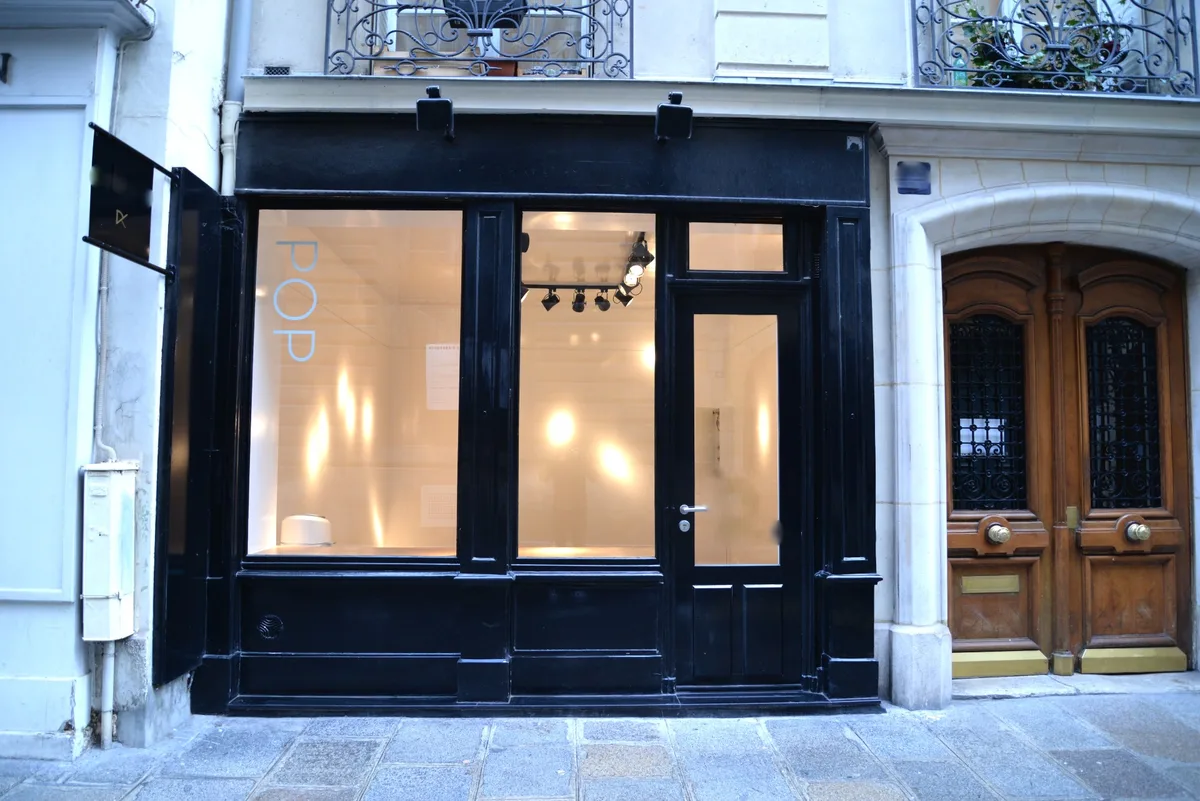
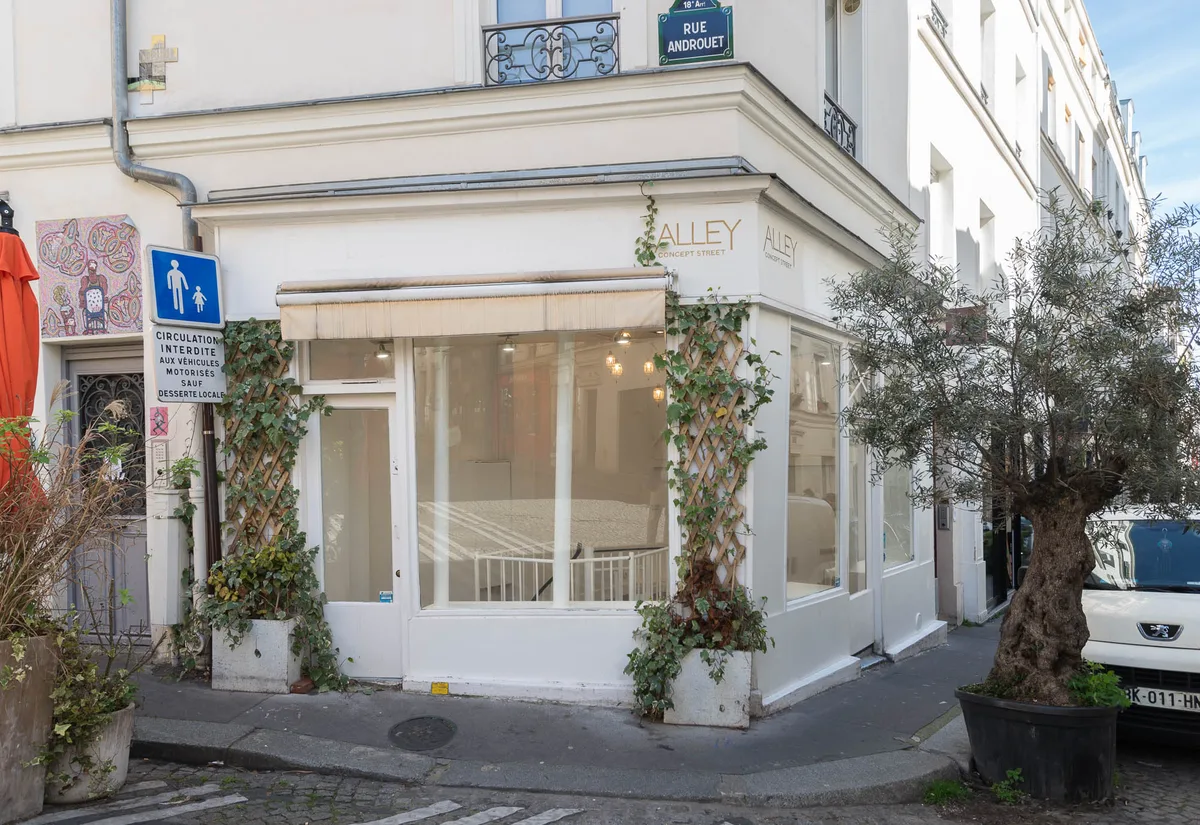
The allure and influence of Paris Fashion Week make it a focal point for brand activation in the fashion industry. As brands scramble for attention and exposure during this critical event, finding the right venue becomes paramount. Fashion Week Venues provides essential services and a space marketplace to help brands navigate the competitive landscape of Paris pop-ups, showrooms, and short-term retail activations. Whether you're an emerging designer or an established fashion house, understanding venue logistics in Paris can significantly impact your brand's visibility and success.
Navigating Venue Sourcing: What to Consider
Successful venue sourcing in Paris requires aligning your brand's vision with the right space, which involves multiple factors such as location, size, and aesthetic relevance. Partnering with an experienced agency like Fashion Week Venues can streamline this process, leveraging their expertise in procuring premium locations tailored to your brand's needs.
Quick answer: Venue sourcing involves thorough assessment of a location based on target audience, logistical needs, and aesthetic. Choose spaces in vibrant neighborhoods that resonate with your brand identity.
Considering the distinctive neighborhoods in Paris is crucial. Districts like Le Marais and Saint-Germain-des-Prés offer a trendy, youthful vibe, appealing to contemporary fashion brands. In contrast, areas such as Rue Saint-Honoré and Opéra cater to luxury brands seeking clientele who appreciate prestigious settings.
Fashion Week Venues utilizes a locator tool that allows brands to pinpoint optimal locations quickly. This tool highlights neighborhood demographics and foot traffic analytics, crucial for making informed decisions.
A complete venue strategy also includes understanding logistical requirements, such as accessibility for installation and customer access, and ensuring that the space meets aesthetic expectations without requiring extensive transformations.
KEY TAKEAWAY: A strategic approach to venue sourcing that considers logistics, neighborhood character, and aesthetic will enhance your brand’s resonance with its target audience during Paris Fashion Week.
As you consider venue sourcing, it’s important to understand permitting and compliance needs, which will be discussed in the following section.
Understanding Permits and Compliance in Paris
Securing a venue for your pop-up during Paris Fashion Week involves navigating complex French regulations. The two common permits—bail dérogatoire and AOT—are crucial for short-term leasing. A bail dérogatoire allows temporary occupancy for events like pop-ups, bypassing some restrictions of traditional leases, while an AOT (Autorisation d'Occupation Temporaire) permits use of public spaces.
Quick answer: Permitting for pop-up shops in Paris involves bail dérogatoire for private spaces and AOT for public areas, each requiring thorough compliance check to avoid legal issues.
DID YOU KNOW: Paris arrondissements may have specific bylaws affecting short-term leases. Consulting with legal experts is advised to ensure compliance with local regulations.
Fashion Week Venues provides an invaluable permits tool which guides brands through the legal landscape, offering insights on required documentation and application procedures. This tool aids in avoiding common pitfalls that could delay the activation.
IMPORTANT: Legal requirements differ across Parisian districts, and some may require additional permissions. Always verify details with a French legal advisor to ensure full compliance.
KEY TAKEAWAY: Properly navigating the permit landscape protects your brand from legal complications and ensures a smooth operation during fashion week events.
Permits are just one piece of the puzzle; next, we will explore the timing strategies for maximizing your presence during Paris Fashion Week.
Timing Your Event: Strategic Calendar Planning
Timing is everything when it comes to maximizing exposure during Paris Fashion Week. Choosing the right week or day for your pop-up is crucial as it influences foot traffic and media coverage. Generally, the most advantageous slots coincide with the start of fashion week when excitement and engagement are at their peak.
Quick answer: Plan your event’s opening at the start of fashion week for maximum exposure, aligning with when media and buyers are most active in the city.
Paris Fashion Week consists of different segments—women's, men's, haute couture—which can guide you in targeting the right audience. Select the segment that aligns with your brand's offerings to capture the interest of the relevant demographic.
Fashion Week Venues offers a timeline tool that helps brands synchronize their launch date with key industry events. This planning tool allows for strategic decision-making to optimize presence alongside other major brands, ensuring your activation stands out.
Being mindful of competing brands and complementary events held by non-competitors provides networking opportunities and enhances the experience for visitors. Align your activation with these events for increased visibility.
KEY TAKEAWAY: Strategically timing your activation can dramatically impact the success of your pop-up by aligning with optimal visitor engagement periods during fashion week.
With strategic timing in mind, let's navigate budget planning, a critical factor that influences every aspect of hosting a pop-up event.
Mastering Budget Planning for Pop-Ups
Budget planning for pop-up events is a nuanced process that requires balancing cost-efficiency with impactful presentation. In Paris, the costs can vary significantly based on location, duration, and luxury level of the venue. It’s essential to plan your budget meticulously to ensure financial feasibility and return on investment.
Quick answer: Use a detailed budget planner to estimate costs, taking into account location, duration, marketing, and staffing for an all-encompassing financial plan.
Fashion Week Venues provides a budget calculator tool that enables brands to estimate costs accurately considering all facets—venue, staff, marketing, and permits. This tool is especially valuable for international brands unfamiliar with local price variations.
Common cost factors include venue rental, build and setup, aesthetic decorations, retail staffing, and promotional activities. An effective budget ensures each of these elements complements your activation strategy without unnecessary expenditure.
TIP: Allocate a portion of your budget to contingency funding for unexpected changes, ensuring flexibility and rapid response to unforeseen needs.
KEY TAKEAWAY: A comprehensive budget that includes contingency planning helps ensure a successful activation without financial stress.
Having tackled budget planning, it’s important to discuss the various types of spaces available and how they influence the branding and logistics of your pop-up.
Exploring Different Types of Spaces and Their Impact
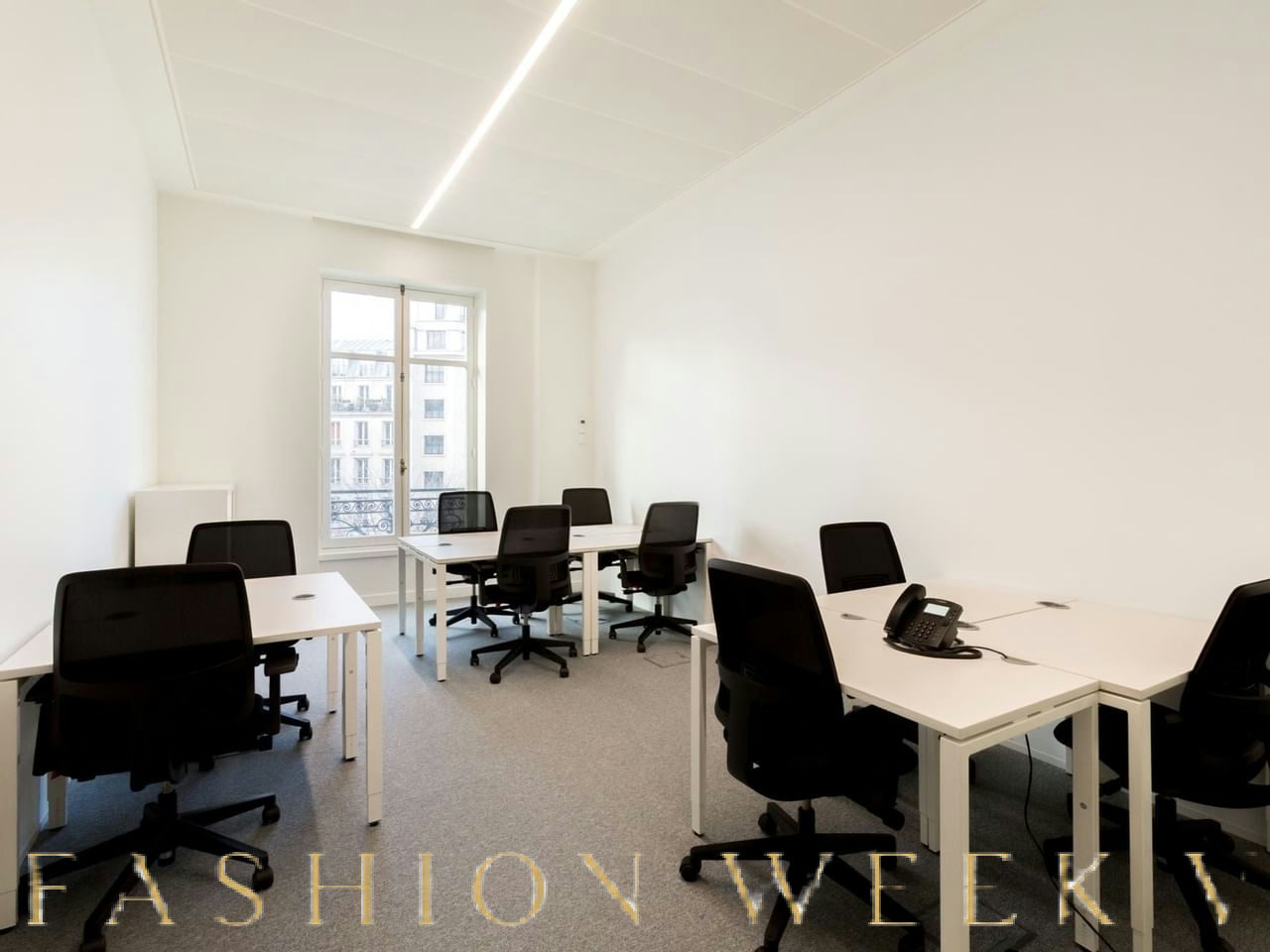
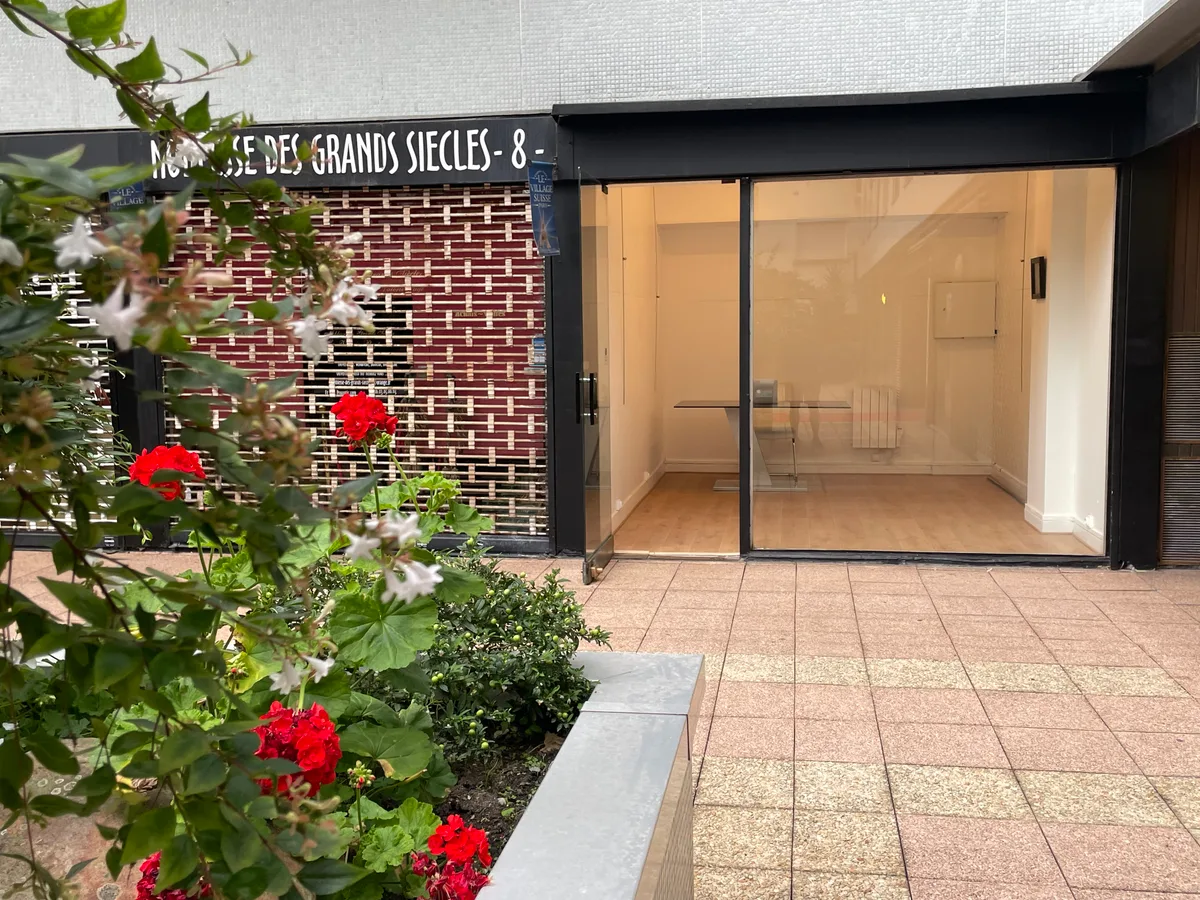
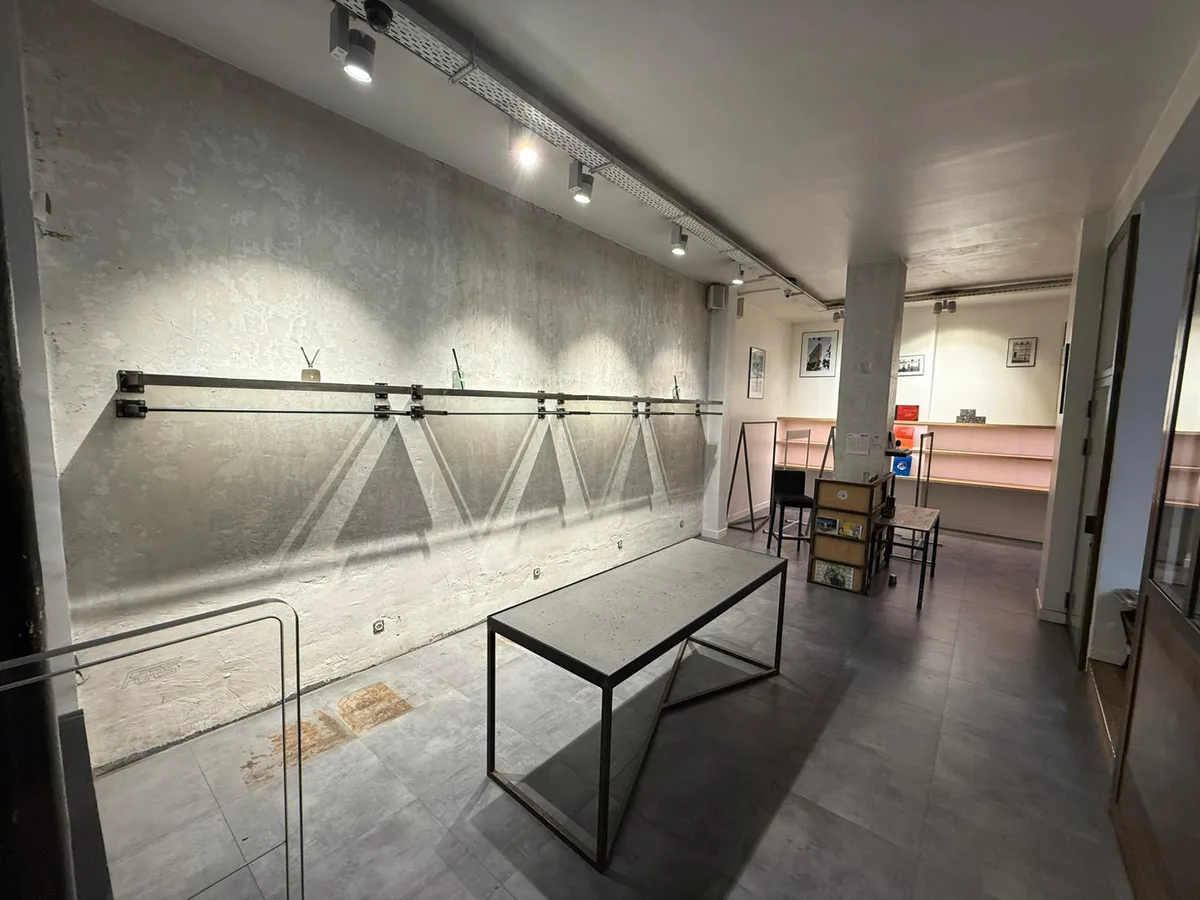
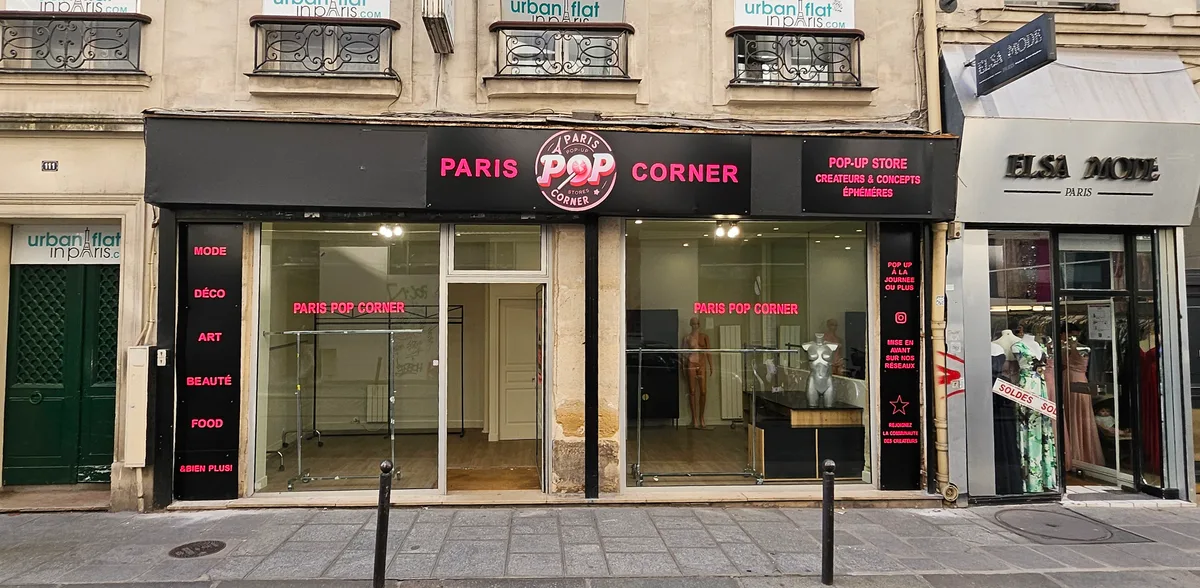
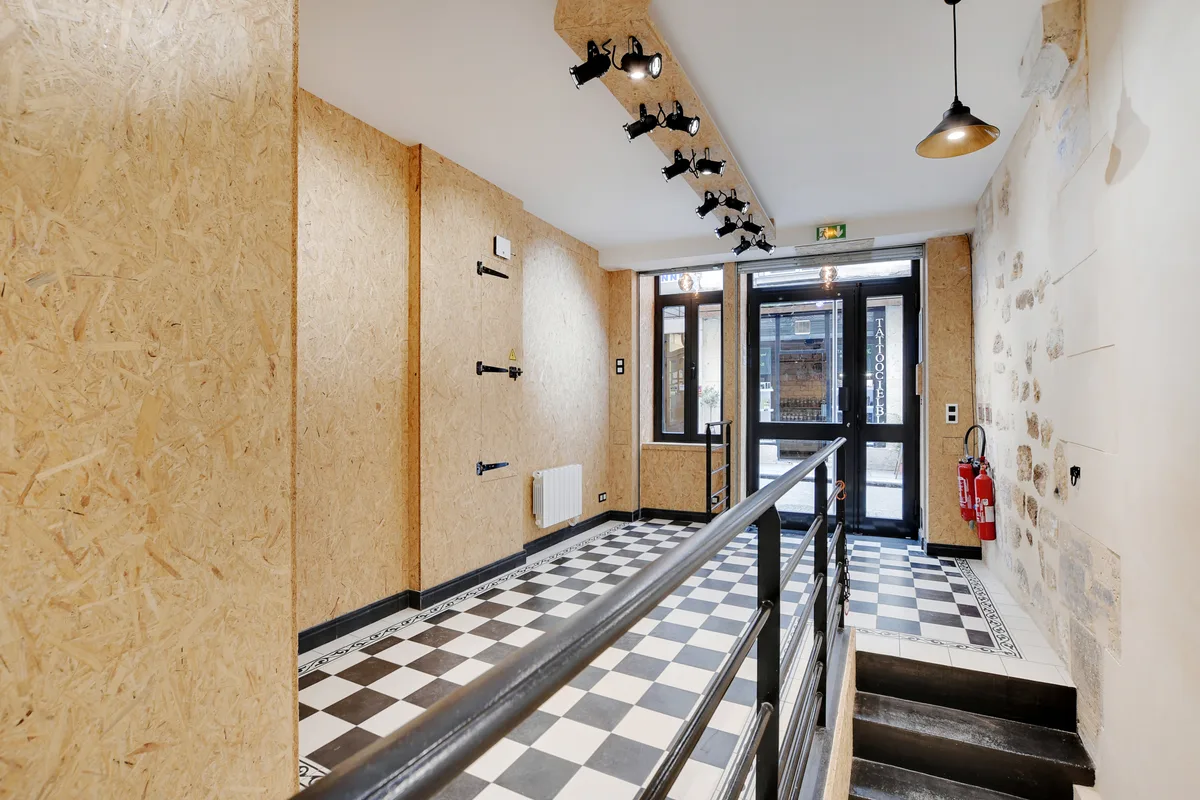
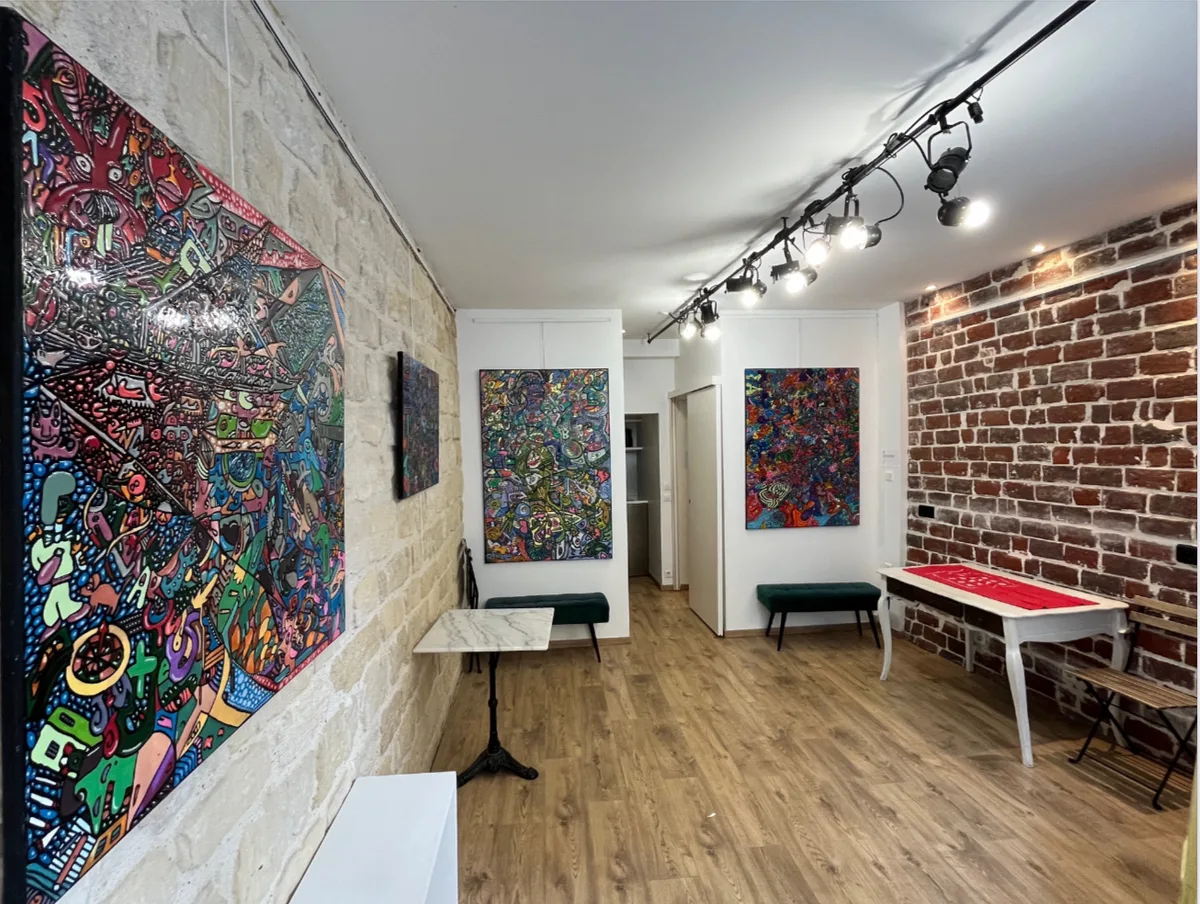
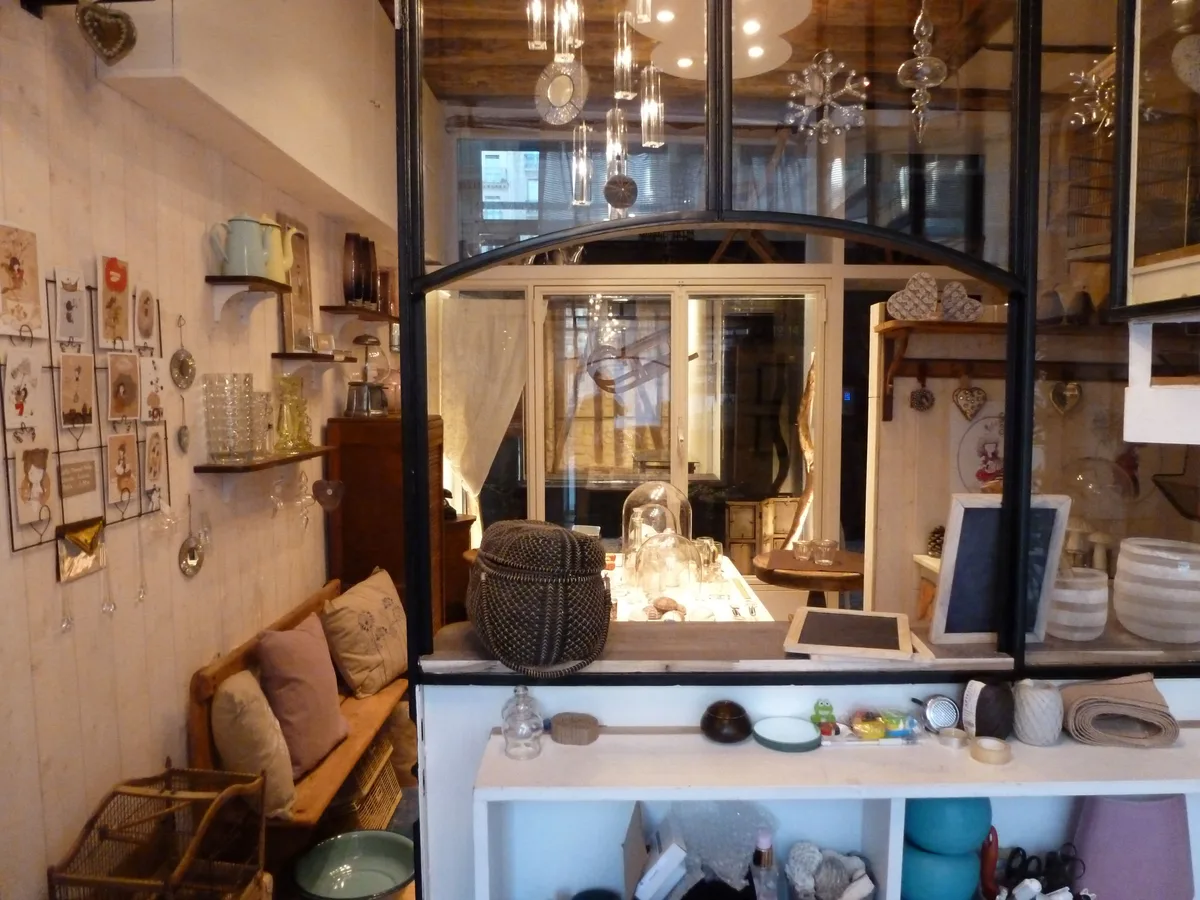
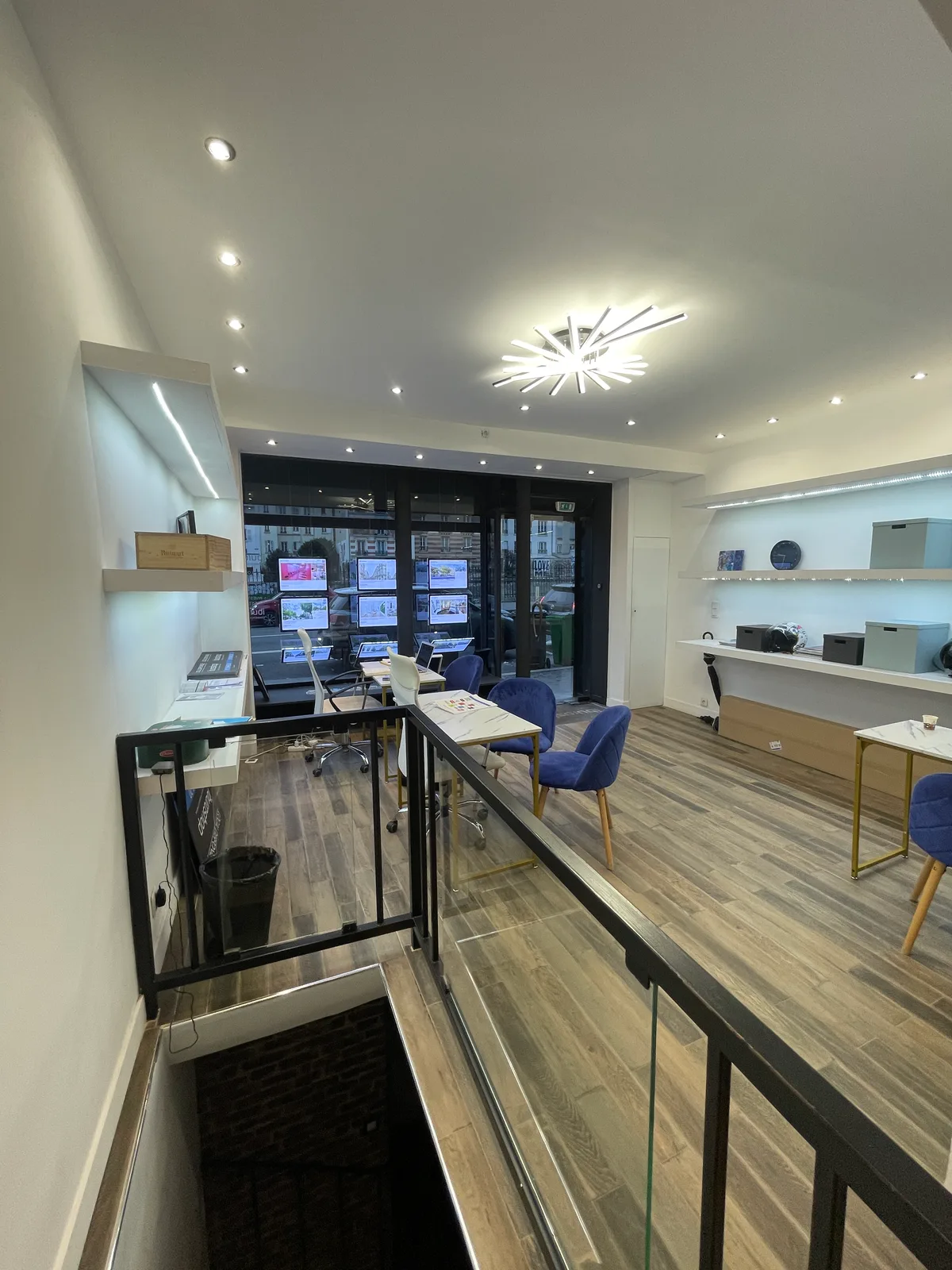
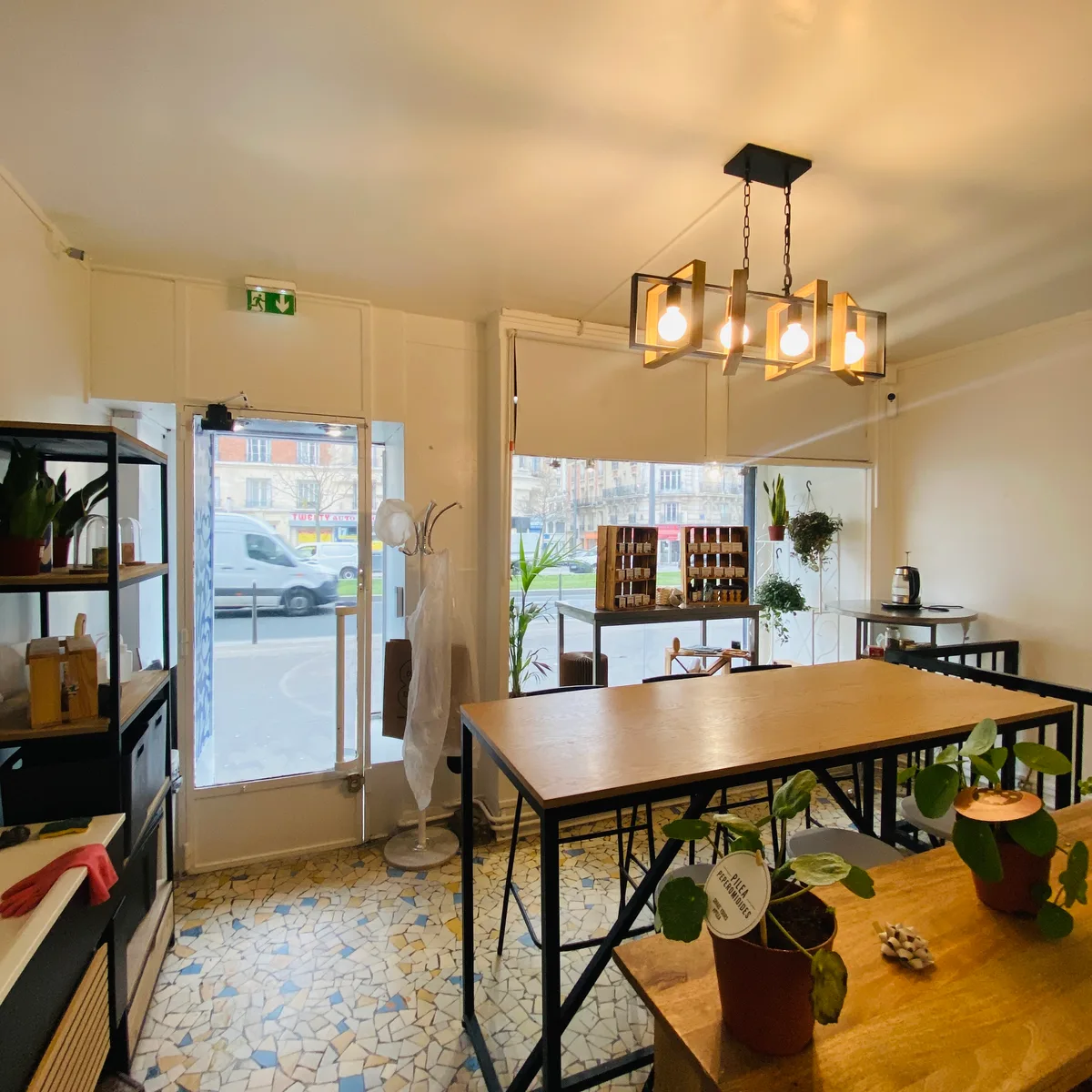
The choice of venue space significantly influences the brand experience and operational logistics of a pop-up event. Spaces in Paris range from traditional retail shops and open galleries to unconventional settings like converted warehouses and boutique hotels.
Quick answer: Each space type—from galleries to retail shops—offers unique branding opportunities. Choose based on target demographic and marketing goals.
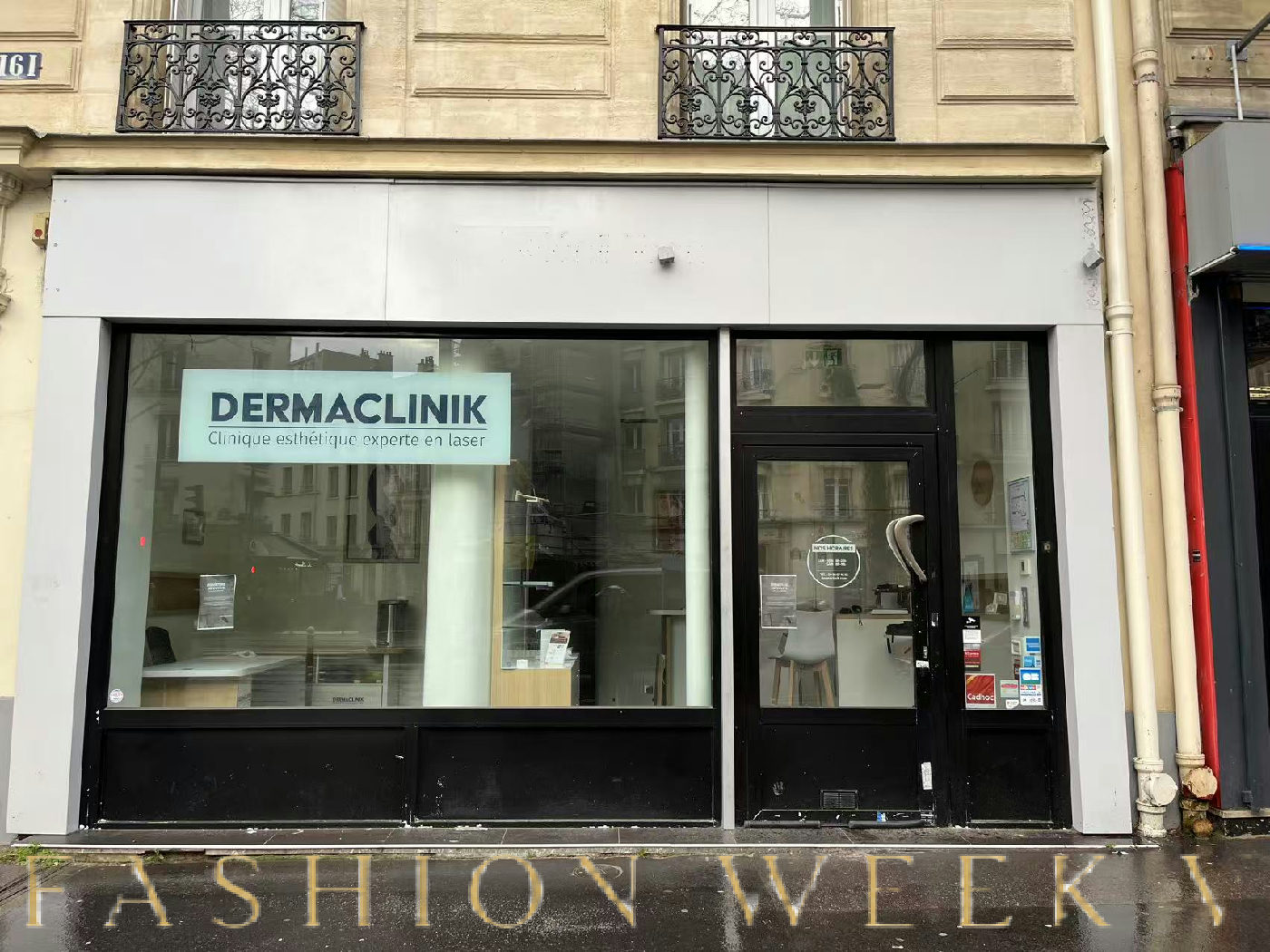
Traditional shops provide a straightforward setup and a recognizable retail environment, appealing to brands seeking simplicity and convenience. Meanwhile, open galleries offer flexibility and a blank canvas for elaborate designs and interactive displays.
Warehouses are ideal for brands looking to create an industrial aesthetic or host large-scale events, whereas hotels offer a prestigious setting that may include catering services and additional amenities.
Fashion Week Venues assists in space comparison through comprehensive listings of varying spaces, empowering brands to select the ideal setting that aligns with their creative vision and logistical capabilities.
KEY TAKEAWAY: Selecting the right type of space can enhance brand narrative and operational effectiveness, setting the tone for a memorable customer experience.
Once the perfect space is selected, the next logical step is understanding the activation strategies, a critical component for a successful pop-up execution.
Activation Strategies: Creating Engaging and Memorable Experiences
Engaging activation strategies are paramount for creating memorable experiences that captivate attendees and build brand loyalty. Whether through experiential marketing or technological innovations, the goal is to foster an emotional connection with visitors.
Quick answer: Use experiential marketing and interactive technology to cultivate memorable customer experiences that align with brand storytelling.
Interactive elements, such as VR experiences or social media integrations, can attract media attention and provide shareable moments for attendees. Fashion Week Venues supports brands through activation management, offering end-to-end support from concept development to execution.
Utilizing talent and influencers can drive attendance and enhance brand storytelling. Consider hosting live demonstrations or workshop sessions, which serve dual purposes of education and entertainment.
Incorporating localized cultural elements or collaborating with local artists can further personalize experiences and deepen connections with the audience.
KEY TAKEAWAY: Focused activation strategies that align with brand narratives significantly enhance customer engagement and brand perception.
With a solid understanding of activation strategies, it’s critical to integrate data and analytics to refine these efforts continually.
Data and Analytics: Measuring Success and Optimizing Strategies
Data analytics play a crucial role in understanding customer engagement and assessing the success of pop-up events. By capturing and analyzing data, brands can improve their strategies and enhance future activations.
Quick answer: Leverage data analytics to gain insights into customer interactions and refine future activation strategies for better results.
Fashion Week Venues provides a data and analytics service, enabling brands to track metrics like customer footfall, conversion rates, and social media engagement. These analytics facilitate data-driven adjustments to marketing strategies and operational efficiencies.
Real-time data allows brands to make agile modifications to their setups or marketing tactics, optimizing performance while the pop-up is still live. For example, adjusting product displays based on hot-spots identified by foot traffic data can significantly impact sales.
TIP: Use analytics not only post-event but also during the activation to make real-time improvements and capture evolving market dynamics.
KEY TAKEAWAY: Data-driven insights are essential for validating strategies and ensuring return on investment, optimizing activation performance and customer satisfaction.
After understanding data utilization, we should delve into fashion calendar synchronization to ensure your brand stands out during the crowded Paris Fashion Week.
Synchronizing with the Fashion Calendar
Aligning your activation with the overall fashion calendar is vital for maximizing visibility and interacting with industry stakeholders. The calendar is segmented into key events such as Paris Fashion Week, industry tradeshows, and luxury events.
Quick answer: Coordinate with fashion event calendars to enhance visibility and engage directly with key industry stakeholders.
Timing your event to coincide with Paris Fashion Week enhances exposure to media, influencers, and buyers ready to engage with new concepts. Additionally, aligning with tradeshows or product launches oils the wheels for meaningful networking opportunities.
Fashion Week Venues helps you navigate these complexities, integrating schedule planning to ensure your brand stands out amidst the bustling activity. They provide tailored strategies that exploit peak traffic times at significant events.
Aligning your launch with non-competitive brands also generates collaborative opportunities. Host joint events to leverage shared resources and crowds, amplifying your reach.
KEY TAKEAWAY: Aligning your activation with key fashion calendar events provides a competitive edge, improving exposure and interaction with industry leaders.
In conjunction with calendar planning, choosing the right team for your activation can make a significant difference in execution quality, the topic we will explore next.
Highlighting the Importance of Staffing and Team Selection
Staffing is a critical component of successful pop-up strategy execution. The right team can transform your vision into reality while ensuring that your brand objectives are met with excellence.
Quick answer: Select a specialized team that aligns with your brand ethos and operational requirements to execute a smooth and effective activation.
Choosing the right mix of local talent and international experts can bring diverse perspectives and capabilities. Local experts bring an understanding of Parisian culture and trends, aiding effective consumer engagement. Meanwhile, international expertise ensures alignment with global brand standards.
Fashion Week Venues offers staffing services to ensure that every aspect of your activation is managed by professionals adept at delivering exceptional customer experiences.
TIP: Ensure your team is thoroughly briefed on brand narratives to deliver consistent experiences and facilitate authentic customer interactions.
KEY TAKEAWAY: An expertly chosen team is instrumental in upholding quality standards and driving the success of your activation, translating your creative vision into customer reality.
With the right team in place, the next step is to understand how Fashion Week Venues can help make your vision come to life seamlessly.
How Fashion Week Venues Empowers Your Pop-Up Success
Fashion Week Venues is designed to simplify the complexities of hosting a pop-up with a range of services catered to facilitating premium activations. Their full suite of services, from venue sourcing and concept direction to activation management and staffing, ensures that every aspect of your pop-up is handled with expertise.
Quick answer: Fashion Week Venues offers comprehensive services that cover all pop-up needs, connecting brands with space, strategy, and staffing solutions in major fashion capitals.
Their tailored tools and resources, such as the space comparison tool and timeline planner, allow brands to make informed decisions that align with their strategic goals.
Brands benefit from Fashion Week Venues’ deep market insights and strategic partnerships, enhancing the likelihood of a successful and memorable event. Their service bridges logistical gaps and ensures seamless execution, allowing brand teams to focus on creative ideation and engagement strategies.
While the agency offers extensive capabilities, brands should be aware of the limitations such as varying local regulations and the competitive nature of peak fashion periods, which necessitate strategic positioning.
KEY TAKEAWAY: Leveraging Fashion Week Venues’ comprehensive tools and expert services facilitates optimized and impactful pop-up strategies that resonate with target audiences.
With this understanding, the next logical step is to debunk some common myths that might cloud judgment when planning a pop-up in Paris.
Common Myths Debunked
MYTH: You need a French legal entity to rent a space in Paris.
FACT: While operating a business in France may require a legal presence, renting a pop-up space does not necessitate having a French legal entity. Many international brands successfully lease spaces through partnerships with local agencies such as Fashion Week Venues.
MYTH: Paris Fashion Week is the only viable calendar window for fashion events.
FACT: While Paris Fashion Week is a significant event, there are numerous opportunities throughout the year, such as trade shows and cultural festivals, that offer valuable visibility and networking possibilities for brands.
MYTH: Commission brokers are the only way to find a space in Paris.
FACT: Although brokers can facilitate space leasing, platforms like Fashion Week Venues provide direct access to a marketplace of verified venues, reducing dependency on middlemen.
MYTH: Short-term leases are legally straightforward without specialist help.
FACT: Short-term leases in Paris can involve specific compliance and regulatory hurdles. Consulting with experts ensures that you meet all necessary legal requirements, avoiding potential disputes.
With misconceptions cleared, let’s address some frequently asked questions regarding planning and executing pop-up events in Paris.
Frequently Asked Questions
How can I find a pop-up space in Paris?
Finding the right pop-up space in Paris can be efficiently managed by utilizing resources such as the Fashion Week Venues marketplace, which offers a wide selection of verified spaces tailored to various brand needs.
What is a typical budget for a pop-up event in Paris?
The budget for a pop-up varies widely based on venue location, size, and duration. A comprehensive budget planner, like the one offered by Fashion Week Venues, can help estimate specific costs tailored to your event details.
When is the best time to host a pop-up during Paris Fashion Week?
The beginning of Paris Fashion Week often captures the most attention from media and buyers, making it an ideal time to launch for maximum exposure. Planning with a timeline tool ensures precise alignment with peak periods.
What types of spaces are available for pop-ups?
A diversity of venues are available, from traditional retail shops and galleries to unconventional settings like warehouses and hotel suites, each providing unique branding and logistical benefits.
Do I need a permit for a short-term lease in Paris?
Yes, securing a permit such as a bail dérogatoire or AOT might be necessary, depending on the space and duration of the event. These ensure compliance with local regulations and avoid operational disruptions.
How can data and analytics improve pop-up performance?
Data and analytics provide critical insights into customer behavior and sales patterns, allowing brands to optimize marketing and operational strategies during the event for enhanced results.
Why is staffing important for a pop-up event?
Staffing is crucial as it ensures the smooth execution of an event and delivers a consistent brand experience through well-coordinated customer interactions and operational support.
How does Fashion Week Venues assist with concept direction?
Fashion Week Venues supports brands with creative concept direction by aligning aesthetic and strategic goals with their established industry insights, ensuring a coherent and compelling brand narrative.
What are the risks involved in hosting a pop-up in Paris?
Risks include regulatory compliance issues, competitive space markets, and the potential for logistical challenges, all of which can be mitigated with proper planning and expertise such as provided by Fashion Week Venues.
How can I optimize my space for maximum customer engagement?
Optimizing space involves thoughtful design layout, brand-compatible aesthetics, and incorporating interactive elements, such as AR or workshops, to engage customers effectively.
Are there specific tools to help plan a pop-up financially?
Yes, Fashion Week Venues offers a budget calculator tool to help brands determine the financial feasibility of their pop-up events by detailing expected costs and potential savings.
Can I host multiple pop-ups simultaneously in different cities?
Yes, with careful planning and coordination, it is possible to manage multiple pop-ups. Fashion Week Venues’ twin co-activation services facilitate managing simultaneous activations across various locations effectively.
What role does influencer marketing play in a pop-up?
Influencer marketing can significantly enhance a pop-up’s reach by leveraging influential personalities to generate buzz and attract target audiences, increasing both turnout and social media impact.
How should I structure my marketing strategy for a pop-up?
A successful marketing strategy should include phases of engagement: pre-launch teasers, live event promotions, and post-event follow-ups, utilizing both digital platforms and traditional advertising to maximize outreach.
What are the benefits of hosting a pop-up during a different time than major fashion events?
Hosting outside major fashion events can reduce competition for space and attention, allowing a brand to capture focused media attention and enjoy potentially lower costs.
Conclusion
Successfully navigating the world of pop-ups during Paris Fashion Week involves meticulous planning, from venue sourcing to executing engaging activations. Leveraging the expertise and resources provided by Fashion Week Venues can significantly simplify this process, ensuring your brand captivates its audience effectively. Whether it's productive budgeting or utilising the marketplace for strategic location, the tools and services offered are indispensable. To move from research to activation, start exploring available spaces on the Fashion Week Venues marketplace and build a focused brief for your target neighbourhood, space type, and calendar window. Embrace the potential of Paris Fashion Week with confidence, knowing expert guidance is available at each step.