
To rent a pop-up store in Le Marais is to place your brand at the centre of one of the world's most commercially and culturally significant retail neighbourhoods. Le Marais, spanning the 3rd and 4th arrondissements of Paris, draws an exceptional mix of international tourists, Parisian fashion devotees, art collectors, and industry buyers throughout the year. For brands seeking short-term retail space in Paris, showrooms for Fashion Week, sample sale venues, or gallery-style product launches, Le Marais consistently ranks as the primary destination. This guide covers everything a brand team needs to know: the district's geography, space types, rental logistics, budget frameworks, permit requirements, and how to activate effectively. Fashion Week Venues supports brands renting pop-up space across Paris, with Le Marais as one of its most active markets.
Why Le Marais Is Paris's Premier Pop-Up Retail Destination
Le Marais occupies a unique position in the Parisian retail ecosystem. Unlike the grand boulevards of the 8th arrondissement or the mass-market density of Châtelet, Le Marais combines heritage architecture, independent boutique culture, established luxury adjacency, and genuine foot traffic from both tourists and local Parisians into a single concentrated district. The result is a retail environment that supports everything from emerging designer pop-ups to global brand activations, art gallery exhibitions, and press day showrooms, all within a walkable grid of historic streets.
The district's appeal for pop-up retail is not accidental. Le Marais developed as a centre of French aristocratic life before the Revolution, and its legacy of magnificent hôtels particuliers, wide courtyard entrances, and ground-floor commercial spaces has translated into a stock of architecturally distinctive retail premises. Haussmann-style façades, parquet flooring, high ceilings, and generous display windows are common features. Combined with the cultural anchors of Centre Pompidou, Musée Picasso, Carreau du Temple, Place des Vosges, and Marché des Enfants Rouges, the district sustains year-round cultural tourism that feeds retail foot traffic consistently.
For fashion brands specifically, Le Marais carries an editorial weight that few other Paris districts match. Maison Margiela built its identity here. Acne Studios chose the district for one of its most distinctive Paris outposts. The concentration of concept stores, international designer boutiques, and independent fashion retailers along streets like Rue des Francs-Bourgeois, Rue Vieille-du-Temple, and Rue de Bretagne creates a natural context for fashion pop-ups and showroom activations. Buyers attending Paris Fashion Week frequently walk these streets during the week, making the district as relevant during industry calendar peaks as it is during regular retail periods.
The Haut Marais, the northern section centred around Rue de Bretagne, Rue des Filles du Calvaire, and the Cirque d'Hiver area, has developed into the district's most creative and independent retail corridor. Spaces here tend to attract emerging brands, art-adjacent activations, and beauty launches seeking a slightly younger, more design-conscious audience. The lower Marais, anchored by Rue des Rosiers, Rue du Temple, and the proximity to République, draws heavier tourist volumes and suits brands seeking maximum daily exposure.
DID YOU KNOW: Le Marais contains some of the highest concentrations of contemporary art galleries in Europe, making it one of the few retail districts where a fashion pop-up, an art exhibition, and a press showroom can share the same block with no strategic contradiction.
KEY TAKEAWAY: Le Marais is not simply a popular postcode. It is a self-reinforcing ecosystem of culture, fashion, tourism, and industry calendar activity that makes short-term retail activation here exceptionally well-supported by organic foot traffic and editorial context.
Understanding exactly where within Le Marais your activation should sit is the first strategic decision, and it depends entirely on your brand's audience, space type, and activation format. The next section maps the key streets and what each corridor offers.
A Street-by-Street Guide to Pop-Up Locations in Le Marais
Le Marais is not a uniform district. Each street and micro-neighbourhood within it has a distinct commercial character, pedestrian rhythm, and brand adjacency profile. Choosing the right address within the district is as important as choosing the district itself.
Rue des Francs-Bourgeois and Place des Vosges
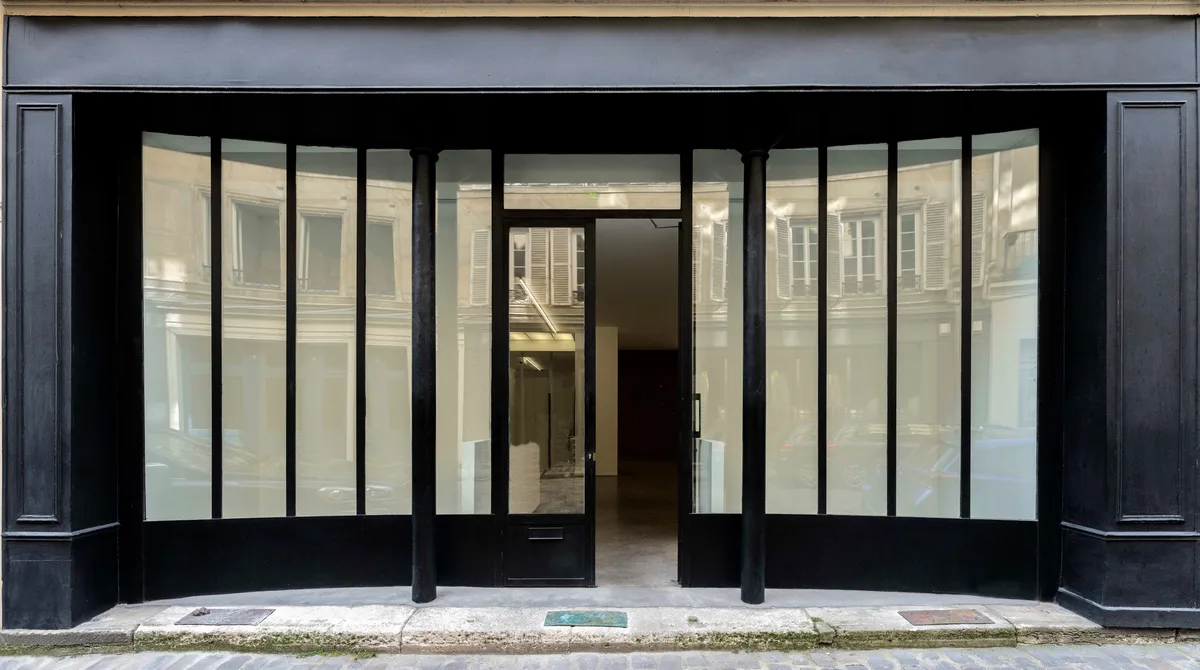
Rue des Francs-Bourgeois is the district's most commercially active street for fashion retail. It runs from the heart of the Marais toward Place des Vosges and carries consistent foot traffic from tourists visiting the historic square alongside local shoppers drawn to its concentration of established brands and concept stores. Pop-up stores on this street benefit from maximum daily exposure and the prestige association of Place des Vosges, one of the oldest planned squares in Paris and a landmark of Parisian history. Ground-floor boutique spaces here are well-suited to high-volume sample sales, direct-to-consumer brand launches, and concept store formats. Spaces on or immediately around Place des Vosges itself tend to have distinctive arcaded frontages that provide shelter and strong visual presentation for window displays.
Rue de Turenne and Espace Turenne
Rue de Turenne connects the Marais district to the République area and runs through both the 3rd and 4th arrondissements. It is a street with mixed retail and commercial use, offering a range of space types from ground-floor boutique formats to upper-floor showrooms. The Espace Turenne area is a recognised cluster of showroom and event spaces used frequently during Paris Fashion Week for press days, buyer appointments, and brand presentations. Brands seeking a Turenne Boutique or showroom rental in this corridor will find spaces with good access, flexible layouts, and direct proximity to the industry calendar activity concentrated in the 3rd arrondissement during Fashion Week periods.
Rue Vieille-du-Temple and Rue des Rosiers
These two streets form the social and cultural spine of the lower Marais. Rue Vieille-du-Temple carries a dense mix of independent boutiques, galleries, cafés, and designer shops that attract a sophisticated, fashion-aware crowd throughout the week. Rue des Rosiers, historically the centre of the district's Jewish community, has evolved into a retail street with strong tourist volumes and a growing number of international brand outposts. Pop-up stores on these streets benefit from the district's most intense pedestrian energy and suit brands seeking direct consumer engagement rather than trade-only showroom formats.
Rue de Bretagne and Haut Marais
The Haut Marais, particularly around Rue de Bretagne and Marché des Enfants Rouges, is the district's most design-forward and independent retail zone. Brands activating in this corridor tend to be emerging, concept-led, or art-adjacent. Spaces here include converted lofts, art gallery formats with white walls and wooden floors, and flexible studios. The audience skews toward design-conscious Parisians, creative industry professionals, and the younger fashion community. For beauty brands, emerging designers, and art exhibitions, this micro-neighbourhood offers the right cultural register without the tourist saturation of the lower Marais. Streets such as Rue du Temple and Rue des Filles du Calvaire, which pass through or connect to this area, include spaces near landmarks like the Cirque d'Hiver that add additional cultural framing to activations.
Rue du Temple and the Centre Pompidou Edge
The western edge of Le Marais, bordering Centre Pompidou, is one of the highest foot-traffic zones in all of Paris. The museum itself draws millions of visitors annually, and the surrounding streets benefit from that overflow directly. Pop-up stores and gallery-format activations in this zone attract a culturally engaged, international audience. Spaces here range from gallery-style white-box formats ideal for art exhibitions and fashion installations to traditional boutique retail premises with strong display window presence.
Quick answer: The best Le Marais address for your pop-up depends on format and audience. Rue des Francs-Bourgeois and Place des Vosges maximise consumer foot traffic. Rue de Turenne and the 3rd arrondissement suit Fashion Week showrooms and press days. Haut Marais around Rue de Bretagne is best for design-led and emerging brand activations.
KEY TAKEAWAY: Each Le Marais street has a distinct audience profile and brand adjacency. Selecting the right corridor based on your activation type, target audience, and calendar timing is a foundational decision that affects both foot traffic quality and editorial resonance.
To compare specific spaces and their neighbourhood positions, use the space locator tool to filter Le Marais options by street, space type, and access level.
Types of Pop-Up Spaces Available to Rent in Le Marais
Le Marais offers a wider range of short-term rental space types than almost any other Paris district. Understanding the differences between these formats is essential for matching your activation needs to the right physical environment.
Boutique Pop-Up Stores
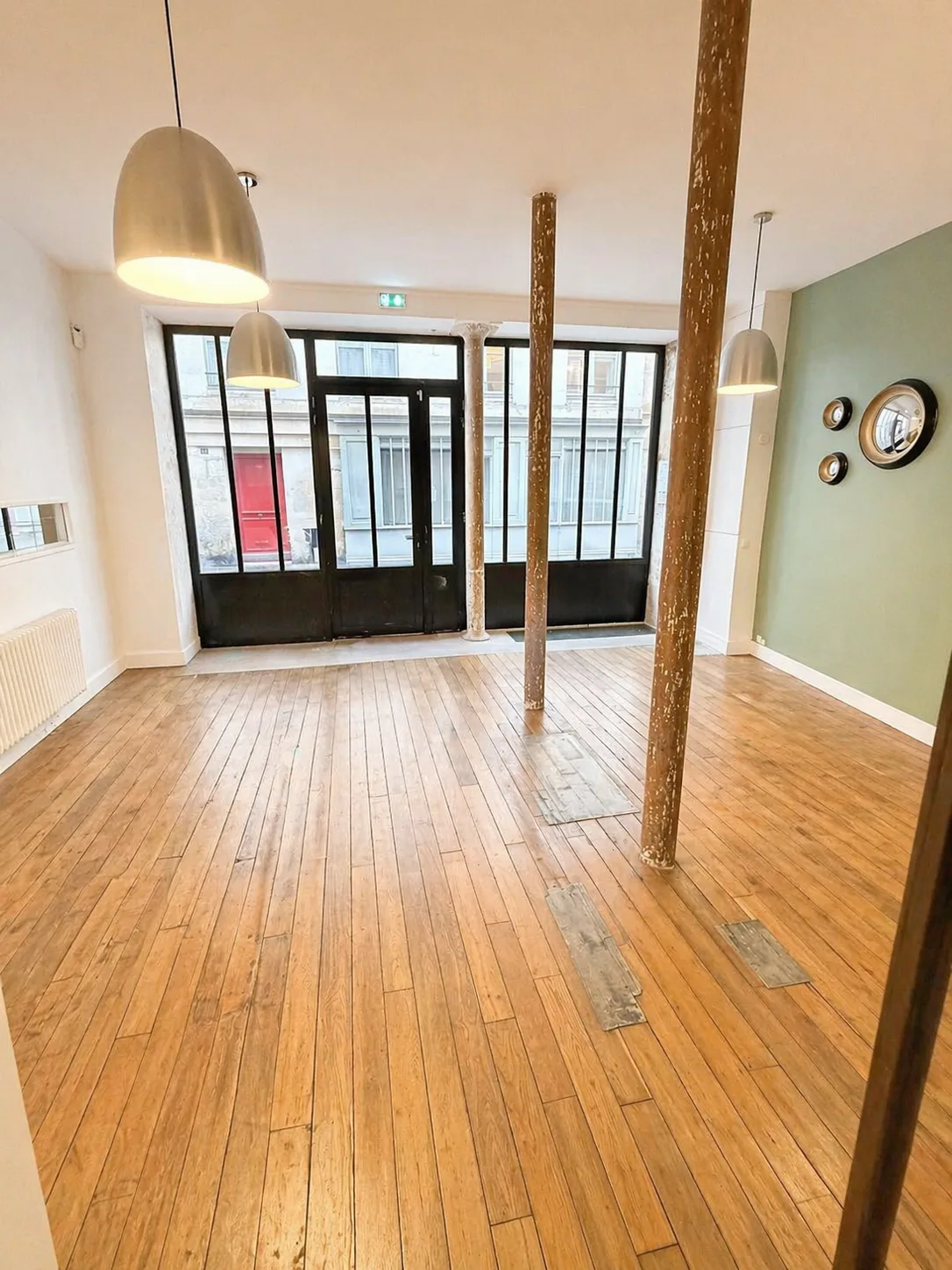
Ground-floor boutique spaces are the most recognisable pop-up format in Le Marais. These are traditional retail premises with street-level access, display windows, and an existing retail layout that can be adapted for a brand's needs. Many come furnished with clothing racks, mirrors, and fitting areas that reduce fit-out requirements and allow for faster activation. They suit direct-to-consumer brands, fashion labels running sample sales, concept store formats, and beauty product launches. Boutique Éphémère formats, where the space has been specifically designed for short-term brand rotation, are particularly common in the Marais district and typically include features like customisable white walls, parquet flooring, and modern spotlights.
Showroom Spaces and Fashion Showrooms
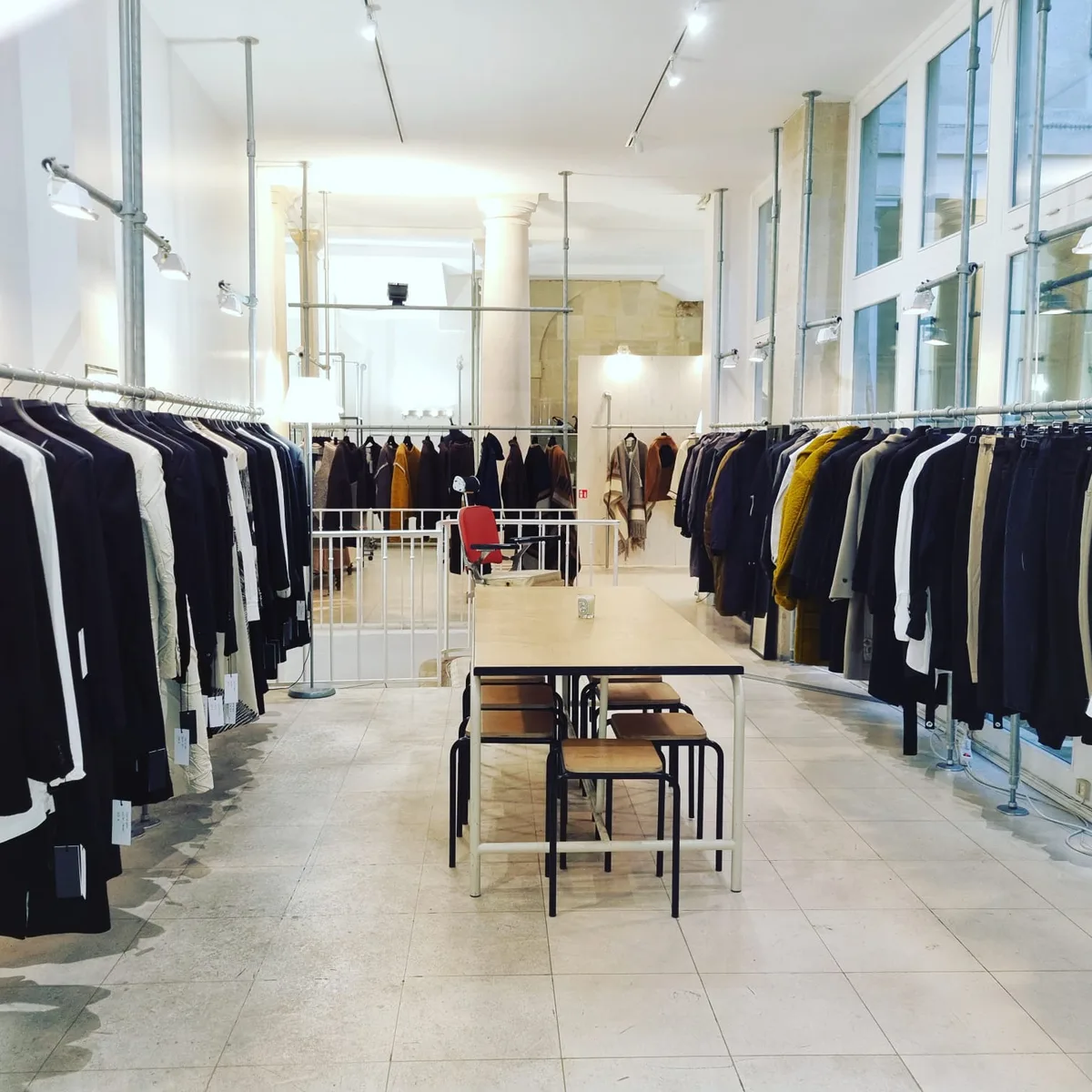
Showroom rental in Le Marais is driven primarily by the Paris Fashion Week calendar. A Fashion Showroom in this context is a space configured for trade appointments rather than consumer retail: appointment-based, controlled access, collection display-focused, and typically equipped with clothing rails, fitting areas, seating for buyers, and good natural light. Pop-Up Showrooms in Le Marais range from intimate street-level showroom spaces of 30 to 80 square metres to larger upper-floor lofts capable of hosting press days and multi-brand buyer events simultaneously. Spaces on Rue de Turenne and in the Haut Marais cluster are among the most frequently used for this format during Fashion Week periods.
Art Gallery Formats
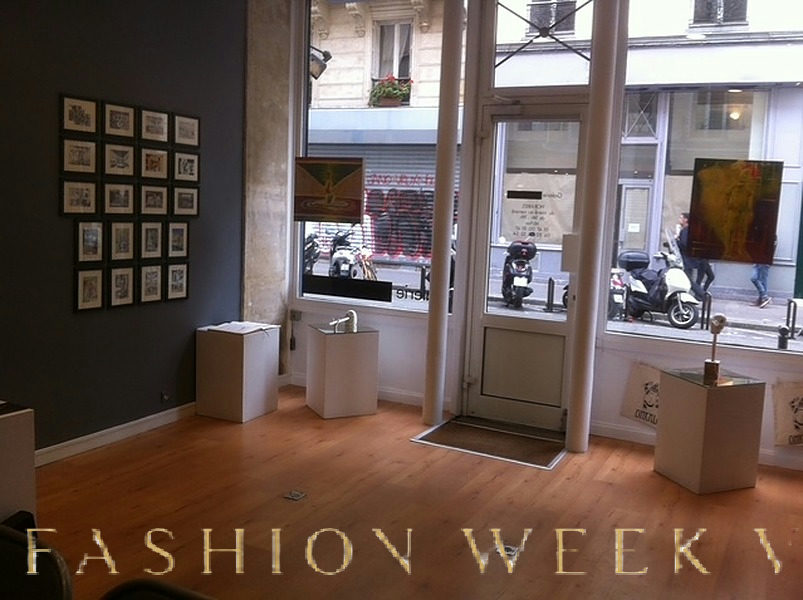
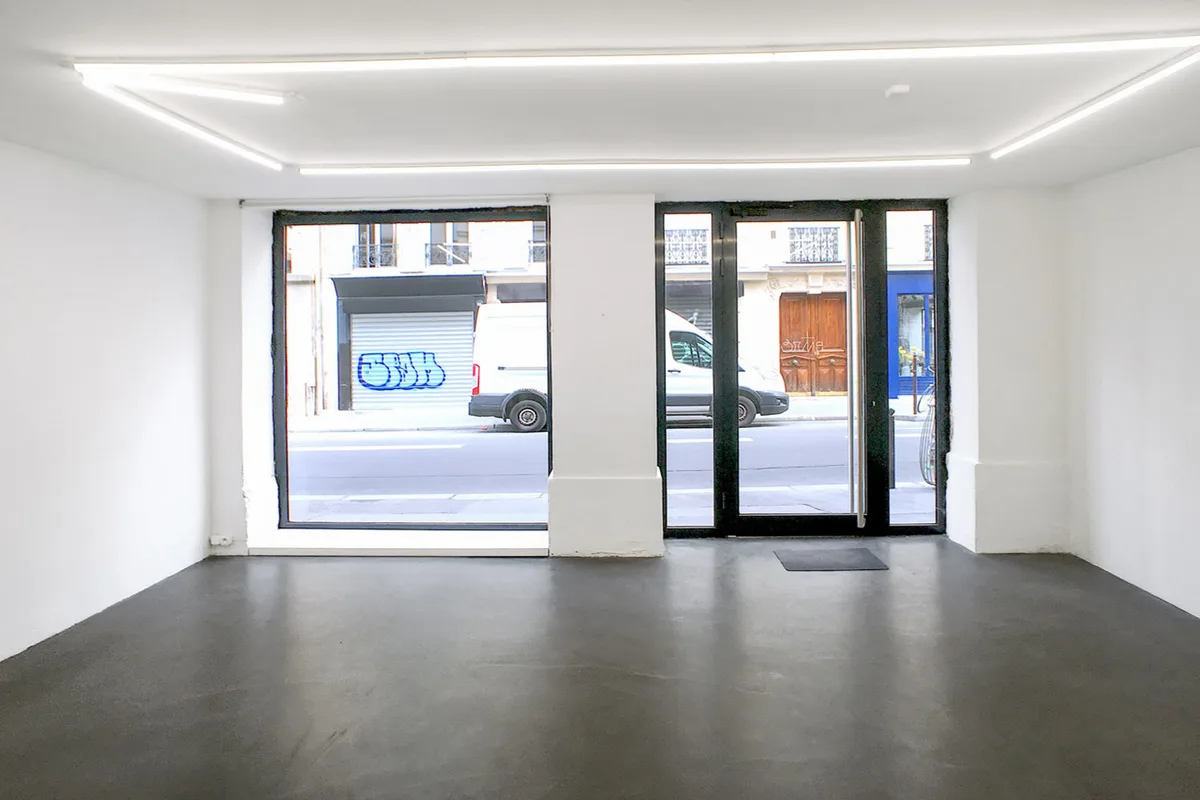
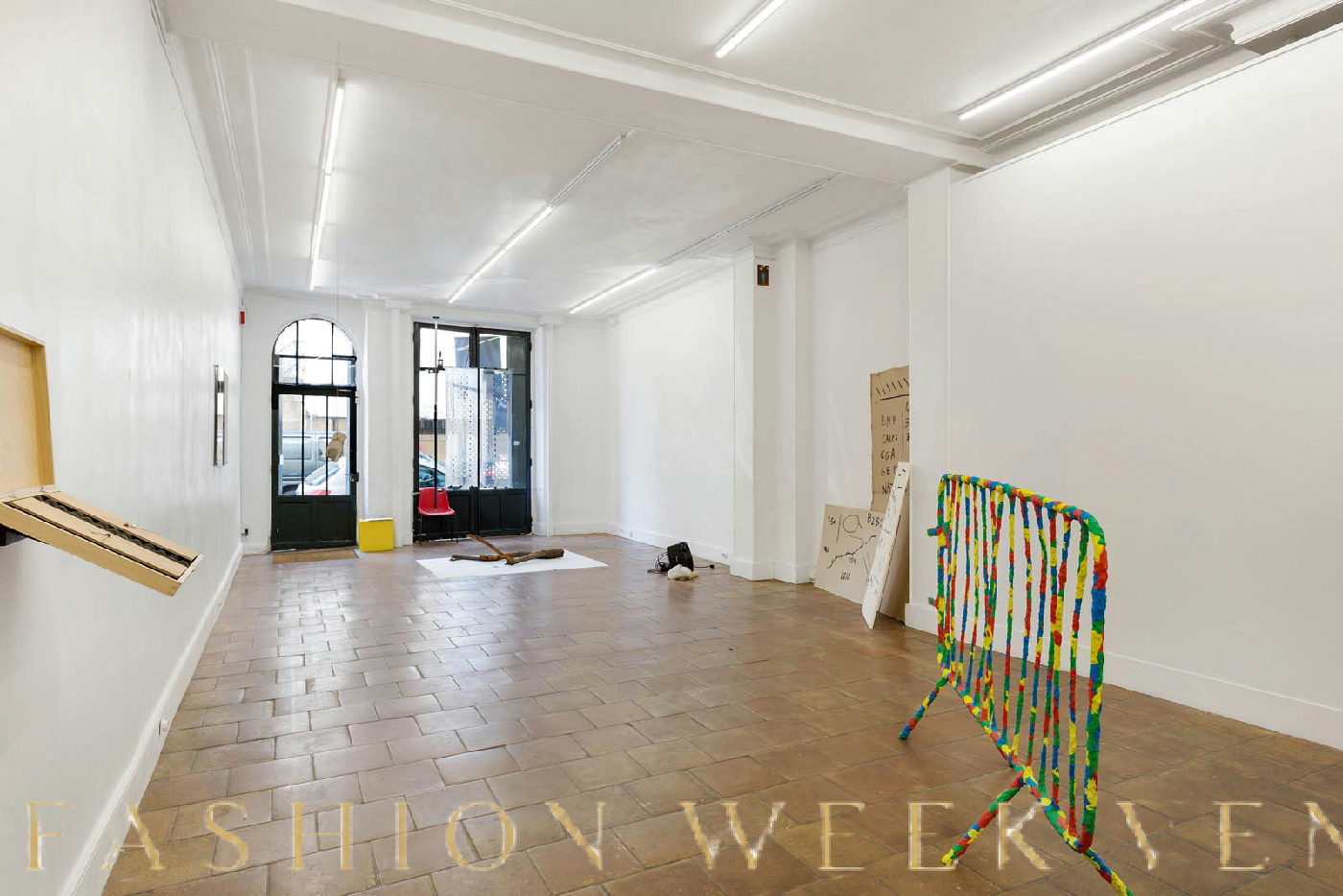
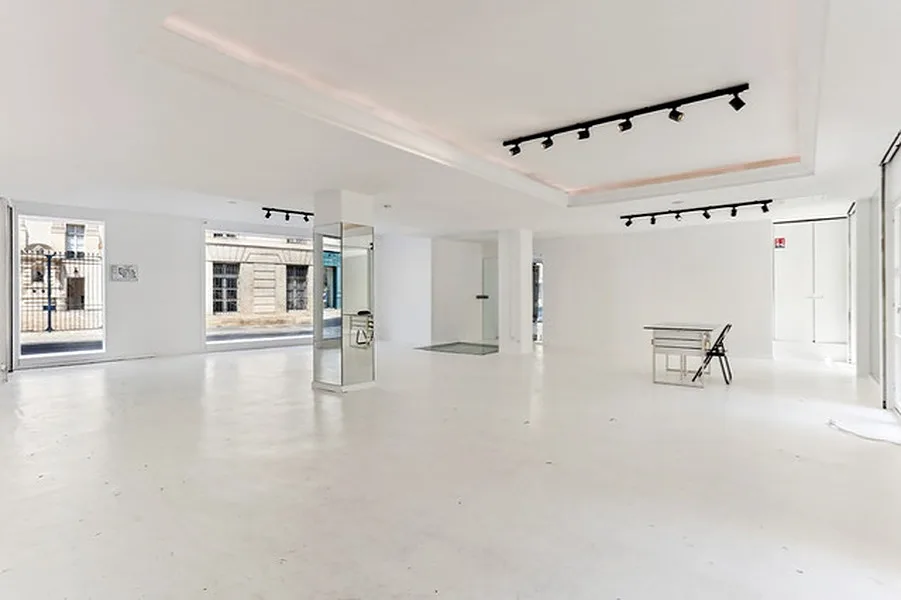
Le Marais has one of the highest concentrations of contemporary art galleries in Europe, and many of these spaces rent on a short-term basis to brands seeking a gallery aesthetic for product launches, art exhibitions, private exhibitions, and brand installations. These spaces typically feature white walls, wooden floors or parquet flooring, controlled lighting with modern spotlights, and minimal interior features that allow the brand's product or visual identity to lead completely. They are well-suited to fashion brands wanting editorial context, artists seeking temporary exhibition space, and luxury brands staging private sales or VIP preview events.
Lofts and Multi-Use Event Spaces
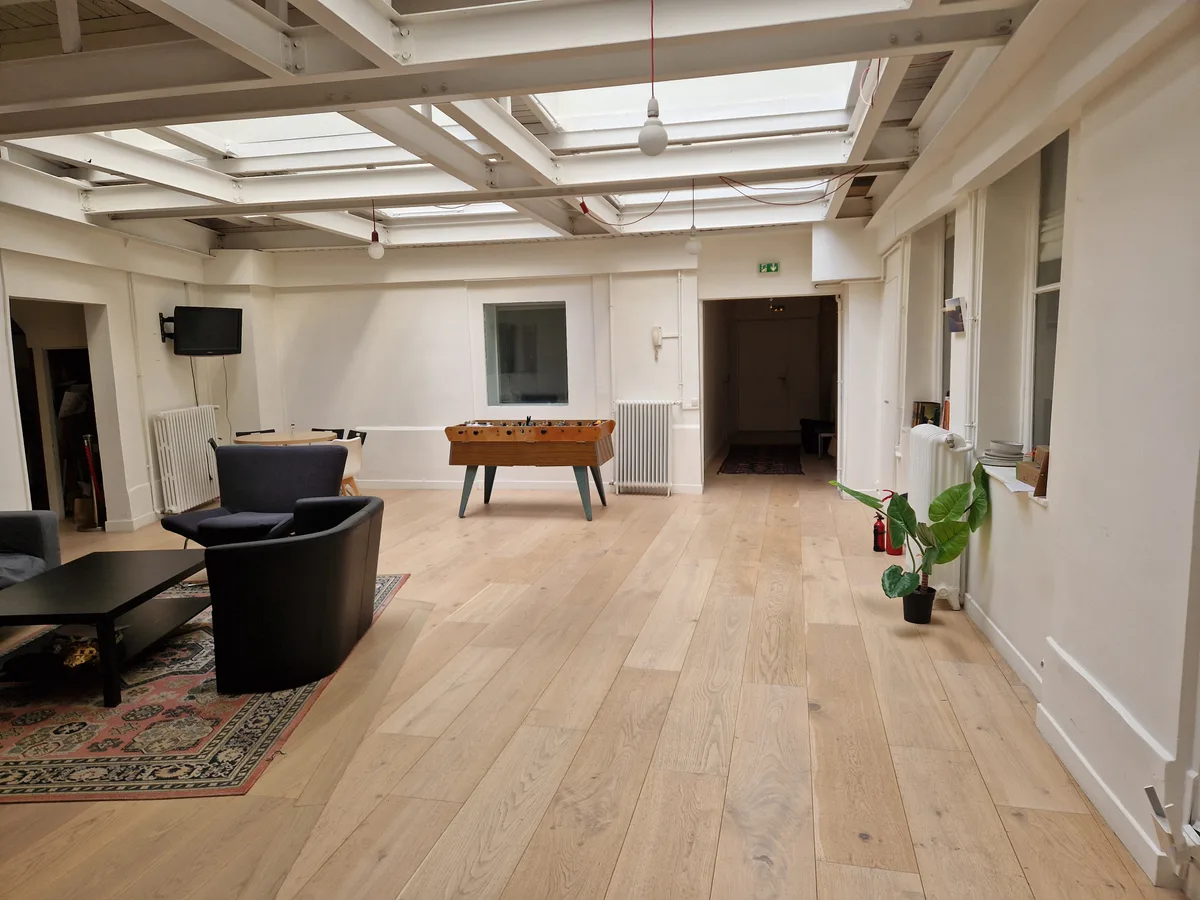
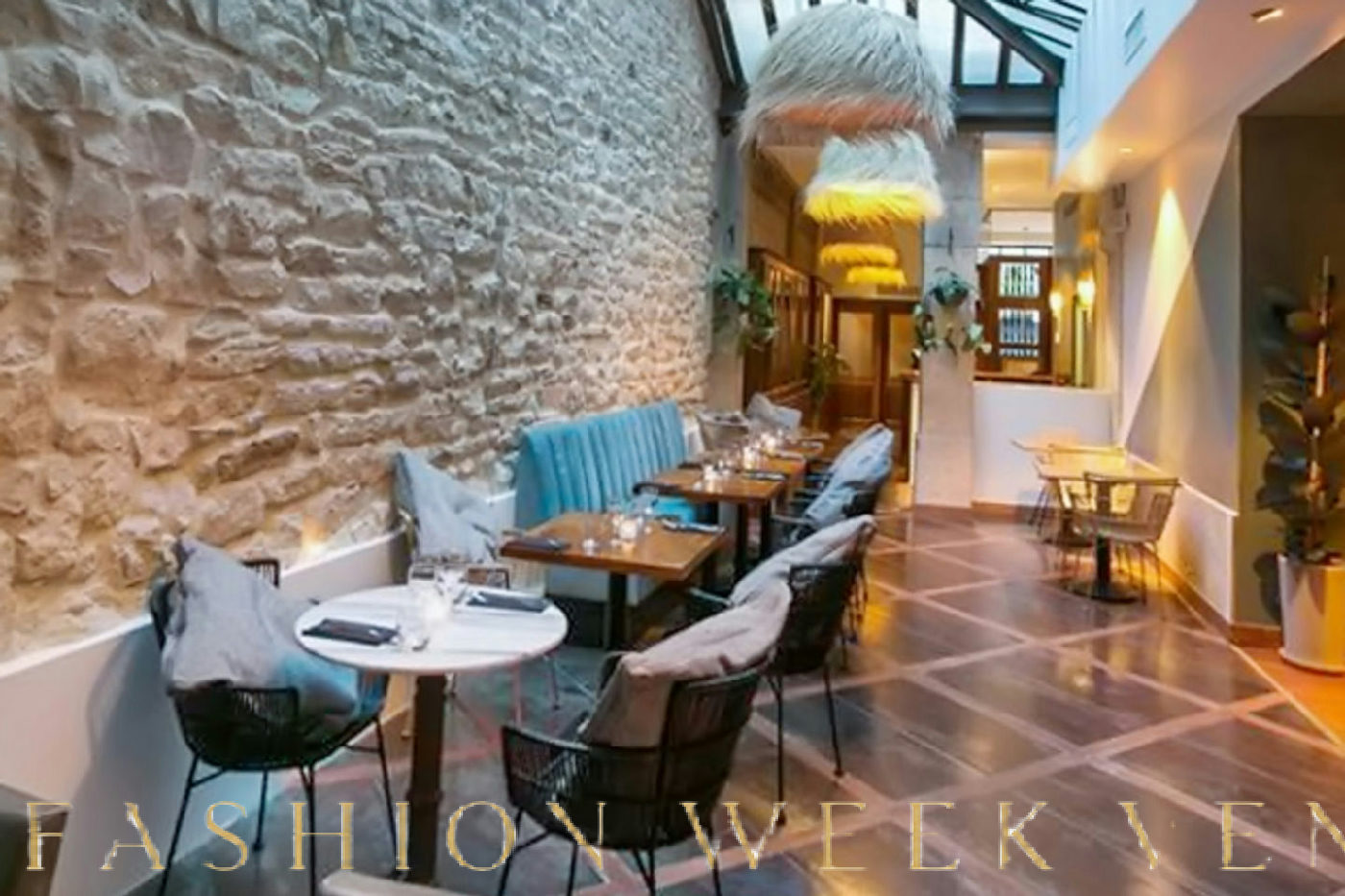
Converted loft spaces in Le Marais, particularly in the Haut Marais, offer large open-plan footprints with industrial or heritage detailing, natural light from skylights or large windows, and flexible layouts that accommodate both showroom and retail configurations. These spaces suit multi-day activations, combined showroom and consumer pop-up events, brand installations with significant build requirements, and fashion events combining press, buyers, and public access across different time windows.
Boutique Showroom Combinations
A growing number of Le Marais spaces function as hybrid Boutique Showroom formats: ground-floor retail space with consumer access during public hours, and a dedicated showroom area accessible by appointment for trade and press. This format is increasingly popular with fashion brands wanting to serve both channels during a single Paris Fashion Week activation period. It maximises the rental investment by generating consumer revenue while fulfilling trade obligations within the same space and calendar block.
Quick answer: Le Marais offers boutique pop-up stores, dedicated fashion showrooms, art gallery formats, converted loft spaces, and hybrid boutique-showroom formats. Each type suits a different activation objective, budget level, and audience mix. Availability varies significantly by season and calendar proximity to Paris Fashion Week.
KEY TAKEAWAY: Identifying your activation format before searching for space is essential. The wrong space type, even in the right street, will undermine your activation's effectiveness and potentially create logistics complications around fit-out, access, and compliance.
Browse and compare available space types using the Fashion Week Venues space marketplace, where listings can be filtered by space type, size, and location within the district.
Budget Planning for Pop-Up Store and Showroom Rental in Le Marais
Budget planning for a Le Marais pop-up activation involves significantly more than the headline rental rate. Understanding the full cost structure before committing is essential for avoiding mid-project overruns and ensuring your ROI framework is realistic from the outset.
Rental Rate Context
Rental rates for pop-up spaces in Le Marais vary considerably based on street location, space size, format, duration, and timing relative to the Paris Fashion Week calendar. Spaces on primary streets like Rue des Francs-Bourgeois or immediately around Place des Vosges command premium rates, particularly during Fashion Week periods when demand from international brands competes directly with domestic Parisian brands and established showroom clients. Spaces in the Haut Marais or on secondary streets typically offer more accessible entry points for brands with tighter budgets. Rates are typically quoted per day, per week, or per month depending on the space operator, and the published daily rate often reflects a minimum booking duration. Attempting to assign universal price ranges without knowing your specific space type, size, and booking dates would be misleading; use the budget estimation tool to build a realistic figure based on your actual brief.
Beyond the Rental Rate: The Full Activation Cost
The rental rate is typically only one component of a complete pop-up activation budget. Additional cost categories that brands frequently underestimate include fit-out and production, furniture rental if the space is unfurnished, POS and payment technology, retail staffing, visual merchandising, window stickers and exterior signage, consumables, insurance, and any permit or compliance costs associated with the space type and activity. Brands new to Paris often discover that the gap between the rental rate and the total activation cost is significant, particularly if the space requires customisation, the brand is unfamiliar with French supplier networks, or the timeline compresses vendor options.
Optimising Budget Without Reducing Impact
Several approaches help brands optimise activation budgets in Le Marais without compromising the quality of the consumer or trade experience. Booking spaces that come pre-furnished with clothing racks, mirrors, and fitting areas eliminates a significant fit-out line. Sharing a space with a complementary brand through a co-activation format splits fixed costs while maintaining audience quality. Timing activations slightly outside the peak Fashion Week window, in the week immediately before or after the official schedule, can reduce rental rates while retaining access to buyers and press who extend their Paris trips. Using the ROI calculator before finalising the budget helps establish the revenue or brand value metrics needed to justify total investment at the approval stage.
TIP: Request a fully itemised cost breakdown from any space operator before signing, and confirm whether the quoted rate includes utilities, wifi access, and cleaning. These items vary significantly between operators and can materially affect the total cost if excluded from the base rate.
Quick answer: Le Marais pop-up rental costs depend on street, size, format, duration, and season. The rental rate is only one component of the total activation cost. Fit-out, staffing, technology, and compliance all add material cost. Use a budget planning tool before approaching operators to establish a realistic total figure.
KEY TAKEAWAY: Brands that approach Le Marais pop-up planning with a total activation budget mindset rather than a rental rate mindset consistently achieve better commercial outcomes and fewer mid-activation cost surprises.
Paris Fashion Week Calendar and the Le Marais Showroom Opportunity
Paris Fashion Week is the single most commercially significant event in the global fashion calendar for brands operating showrooms, press days, and buyer appointments. Le Marais, and specifically the 3rd arrondissement, has become the primary hub for independent brand showrooms and emerging label presentations outside the official runway schedule, making it the most strategically important neighbourhood for showroom rental during this period.
When to Book and Why Timing Matters
Paris Fashion Week takes place twice annually: the womenswear editions in late February and early March, and the menswear editions in late June and early January. Each edition draws thousands of buyers, press, stylists, photographers, and industry professionals to the city for a concentrated window of approximately eight to ten days. Showroom demand in Le Marais spikes dramatically in the weeks before each edition as brands compete for the best spaces in the best corridors. Brands that begin the search process fewer than eight weeks before Fashion Week dates frequently find that the most desirable spaces have already been reserved. The most commercially advantageous showroom bookings are made three to six months in advance for peak Fashion Week windows.
Fashion Week vs Year-Round Activation
While Fashion Week periods create the highest concentration of trade activity in Le Marais, the district sustains strong retail performance throughout the year. Brands that restrict their consideration to Fashion Week windows miss significant opportunities during other high-traffic periods including Paris Design Week, the summer tourist peak, and the Christmas retail season. A Pop-Up Showroom timed to run during Paris Fashion Week for trade appointments in the first week, followed by a consumer retail format in the second week, represents one of the most efficient uses of a Le Marais space booking and is a model used regularly by fashion brands with both wholesale and direct-to-consumer channels.
Sample Sales in Le Marais
Sample sales are a well-established activation format in Le Marais. The district's fashion-aware local audience, combined with the ability to drive attendance through social channels and email lists, makes it an effective venue for end-of-season stock clearance and brand community building. Sample sales in Le Marais typically run for two to five days and use boutique pop-up or loft formats. They require clear space configuration for volume browsing, fitting areas, efficient POS systems, and adequate storage for rotating stock. The district's reputation among fashion fans in Paris makes sample sale announcements particularly effective in driving rapid response from local audiences.
DID YOU KNOW: Many established fashion brands use their Le Marais showroom space for a combined programme: trade appointments and press days during the first four days of Paris Fashion Week, a private sale for VIP clients and industry contacts on day five, and a public-facing pop-up or sample sale in the final days. This multi-format approach maximises the commercial return on a single space booking.
KEY TAKEAWAY: The Paris Fashion Week calendar is the primary driver of showroom demand in Le Marais, but year-round activation strategies often deliver better cost efficiency and broader audience reach. Planning the format and timeline before searching for space produces better booking outcomes and stronger activation performance.
To plan your activation timeline accurately and avoid calendar conflicts, use the timeline planning tool to map your booking, build, activation, and breakdown periods against the Paris Fashion Week schedule.
Permits, Legal Requirements, and Compliance for Le Marais Pop-Ups
Operating a temporary retail space or showroom in Paris involves navigating a distinct legal and regulatory framework that differs materially from standard commercial lease arrangements. Brands unfamiliar with French commercial property law frequently underestimate the complexity of short-term rental compliance, which can create delays, additional costs, or operational restrictions if not addressed in advance.
Bail Dérogatoire: The Short-Term Lease Framework
The primary legal instrument for short-term commercial rental in France is the bail dérogatoire, also known as a short-term commercial lease or convention d'occupation précaire. This instrument allows a landlord and tenant to agree on a temporary occupation of commercial premises outside the standard framework of the bail commercial, which would otherwise carry a minimum nine-year duration and significant tenant protections. A bail dérogatoire is typically capped at a maximum of three years across all successive contracts with the same tenant for the same premises, and both parties must explicitly agree in writing that the contract falls outside the standard commercial lease regime. For pop-up activations lasting days, weeks, or a few months, the bail dérogatoire is the standard instrument, and understanding its terms and limitations before signing is important. Requirements and interpretation can vary depending on the specific arrondissement, space type, and intended use, and brands should verify their arrangements with a qualified French legal advisor.
Autorisation d'Occupation Temporaire (AOT)
For certain types of temporary space use, particularly those involving public or semi-public areas, street-facing installations, or spaces within public buildings, an Autorisation d'Occupation Temporaire (AOT) may be required from the relevant municipal authority. The AOT governs the temporary use of public domain space and is distinct from the private rental framework of the bail dérogatoire. Brands planning to extend their activation onto public pavement, install exterior structures, or use any space with a public domain element need to verify AOT requirements with the relevant Paris arrondissement authority well in advance of their activation dates. Timelines for AOT applications vary and cannot be guaranteed.
Activity-Specific Compliance
The specific nature of your activation affects compliance requirements beyond the base rental agreement. Retail trade involving the sale of goods to the public in France requires adherence to consumer protection regulations, VAT registration obligations, and product category-specific rules that may apply to fashion, beauty, or food products. Brands from outside France, particularly those without a French legal entity, face additional considerations around fiscal representation, payment processing, and employment law if they plan to hire French staff directly. These requirements vary by brand structure, country of origin, and activation format and cannot be addressed through a single universal checklist.
IMPORTANT: Short-term rental agreements in France are not legally straightforward even when they appear simple. Signing a bail dérogatoire without understanding its specific terms, or operating a retail activation without verifying your permit and compliance position, can create material legal and financial exposure. Always verify your position with a qualified French legal advisor before committing to a space.
For an orientation on permit requirements relevant to your specific activation type, use the permit guidance tool, which provides an overview of the permit landscape for short-term activations in Paris. This tool is designed for orientation purposes and does not substitute for legal advice.
Quick answer: Short-term pop-up rentals in Le Marais typically use a bail dérogatoire, which is a specific French legal instrument for temporary commercial occupation outside the standard nine-year commercial lease framework. AOT permits may also be required for certain space types or exterior elements. All compliance requirements should be verified with a qualified French legal advisor before activation.
KEY TAKEAWAY: Permit and compliance preparation in Paris is not optional and cannot be left to the final weeks before activation. Brands that begin the legal and compliance review process alongside the space search, rather than after signing, consistently experience fewer operational obstacles.
Interior Features and Space Specifications for Le Marais Pop-Ups
The physical characteristics of a pop-up space determine what your activation can achieve aesthetically, operationally, and commercially. Le Marais offers a distinctive range of interior typologies that suit different brand aesthetics and activation formats.
Heritage Features and Haussmannian Architecture
Many Le Marais spaces occupy buildings of significant historical character. Haussmannian-style buildings provide high ceilings, large display windows, ornate mouldings, and parquet flooring that create a luxury retail atmosphere without additional investment. Hôtel particulier-style courtyard spaces add an exclusive, invitation-only quality that suits private sales, VIP events, and press presentations. Brands that can align their visual identity with these heritage features, rather than concealing them behind heavy fit-out, typically achieve stronger editorial photography outcomes and more distinctive social content from their activation.
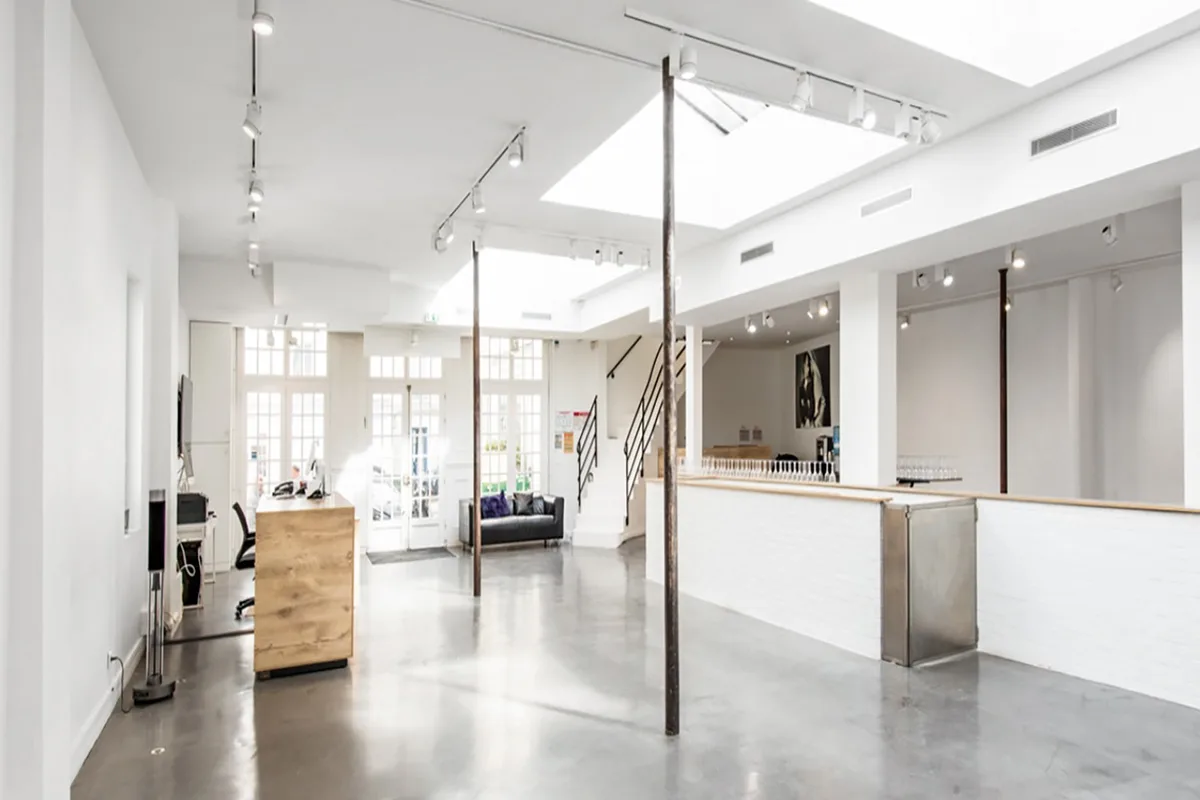
Gallery-Style Spaces: White Walls and Natural Light
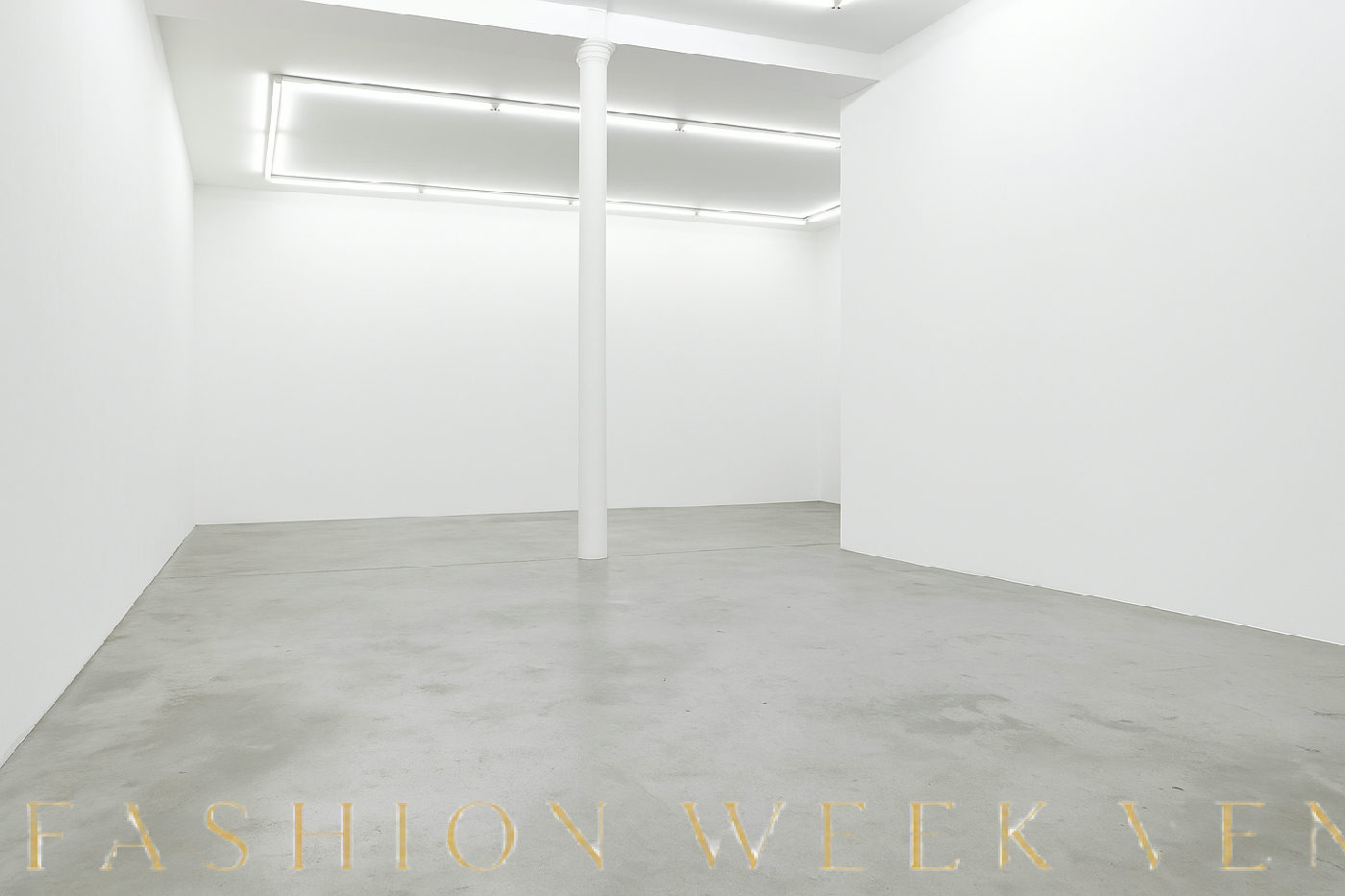
The art gallery format is one of Le Marais's most requested space types for fashion and beauty activations. These spaces typically feature white walls, wooden floors or polished concrete, high ceilings, and a combination of natural light from large windows or skylights and controllable artificial lighting through modern spotlights. The neutral palette allows product and visual identity to read clearly without competition from architectural detail. Clothing racks, display plinths, and mirrors can be introduced as freestanding elements without permanent installation. This format suits collection presentations, product launches, art exhibitions, and brand installations equally well.
Essential Amenities and Operational Features
Brands should verify the presence and adequacy of the following features before confirming any Le Marais space rental. Wifi access is standard in most commercial spaces but should be confirmed at operational speeds adequate for POS systems and in-store digital activations. Fitting rooms or fitting areas are essential for clothing retail and sample sales but are not present in all space types, particularly gallery formats. Storage space adjacent to or within the activation area is important for sample sale stock management and daily replenishment of retail formats. Electrical capacity should be confirmed if the activation involves significant lighting rigs, digital screens, or catering equipment. The space's floor access, whether ground floor, first floor with or without elevator, or basement, materially affects the feasibility of certain activation types and the ease of daily operations.
Furnished vs Unfurnished Spaces
Some Le Marais spaces come furnished with standard retail equipment including clothing rails, meubles, mirrors, and seating. Others are unfurnished blank canvases. Furnished spaces reduce fit-out cost and timeline but may constrain the brand's visual identity expression. Unfurnished spaces offer complete creative freedom but require a furniture and fit-out budget and a realistic build timeline. For short bookings of fewer than five days, furnished spaces are almost always the more practical choice. For longer activations where the brand's spatial identity is central to the activation concept, unfurnished spaces with a dedicated build plan will deliver a stronger result.
TIP: Always request a detailed floor plan and photo documentation of the space in its current configuration before visiting. Many Le Marais spaces look different from their listing photographs, particularly those that have been recently vacated by a previous pop-up tenant. A site visit before contract signature is strongly recommended.
Quick answer: Le Marais pop-up spaces range from Haussmannian boutiques with parquet flooring and display windows to gallery-style white-box formats with modern spotlights and natural light. Amenities such as wifi access, fitting rooms, storage, and clothing racks vary significantly between spaces and should be confirmed before committing to a booking.
KEY TAKEAWAY: The interior specification of a Le Marais pop-up space directly determines your fit-out budget, build timeline, and the quality of the consumer and trade experience you can deliver. Evaluating spaces against a detailed specification checklist, not just photographs, prevents costly post-signing surprises.
Cultural and Historical Context: Why Le Marais Works for Fashion Brands
The cultural and historical depth of Le Marais is not simply a marketing narrative. It is a genuine commercial asset that shapes how consumers, press, and buyers experience brands that activate in the district. Understanding this context allows brand teams to leverage it strategically rather than treating it as background.
From French Aristocracy to Global Fashion Capital
Le Marais developed as the preferred residential district of French aristocracy from the 16th century onwards, a history that is physically encoded in the architecture of its hôtels particuliers, the geometry of Place des Vosges, and the quality of its stone buildings. The area's later history as a centre of Jewish Parisian life, followed by its gradual transformation into an arts and fashion district from the 1970s onwards, created a layered cultural identity that few Paris neighbourhoods match. This layering, of aristocratic heritage, immigrant community, bohemian arts culture, and international fashion, gives the Marais district a narrative complexity that sophisticated brands find valuable for positioning their activations in editorial and social content.
The Fashion Community's Relationship with Le Marais
The Marais district's relationship with international fashion is deep and specific. The decision by Maison Margiela to establish its headquarters in the district, and by Acne Studios and other international design brands to open flagship stores here, was not random. Le Marais represents a particular vision of fashion intelligence: independent, design-led, historically aware, and visually sophisticated. Fashion buyers attending Paris Fashion Week who walk Rue des Francs-Bourgeois, Rue Vieille-du-Temple, and Rue de Bretagne are in a frame of mind that is receptive to considered, context-rich brand presentations. A pop-up or showroom in Le Marais benefits from this frame automatically, in a way that a similar space in a commercial district outside the Marais would not.
Art, Culture, and the Gallery Ecosystem
The density of galleries, museums, and cultural institutions in Le Marais creates a natural traffic flow of culturally engaged visitors who bring high commercial intent alongside genuine aesthetic interest. Centre Pompidou draws millions of visitors annually. Musée Picasso draws hundreds of thousands more. The Carreau du Temple functions as both a covered market and cultural venue with a loyal local following. Marché des Enfants Rouges, the oldest covered market in Paris, generates daily foot traffic from a neighbourhood community that is among the most fashion and design-aware in the city. Brands that position their activations within this cultural context, rather than simply occupying retail space, consistently generate stronger press coverage, social amplification, and buyer engagement.
Quick answer: Le Marais works for fashion brands because its cultural history, architectural character, art gallery ecosystem, and fashion industry reputation create a self-reinforcing context that enhances the credibility, editorial resonance, and audience quality of any activation staged there. The district's narrative is a genuine commercial asset, not just a postcode.
KEY TAKEAWAY: Brands that understand and actively engage with Le Marais's cultural and historical identity in their activation concept, rather than treating the location purely as a footfall-generating postcode, produce significantly stronger results in terms of press coverage, social content quality, and buyer receptivity.
How Fashion Week Venues Supports Pop-Up Activations in Le Marais
Fashion Week Venues is a full-service pop-up shop agency and space marketplace operating across major fashion capitals, with Paris as its primary and most developed market. For brands seeking to rent a pop-up store, showroom, or event space in Le Marais, Fashion Week Venues provides support across the entire activation lifecycle, from initial space discovery through to post-activation analysis.
Space Discovery and Venue Sourcing
The Fashion Week Venues marketplace includes a curated selection of Le Marais spaces across all major format categories: boutique pop-up stores, fashion showrooms, gallery-format spaces, and lofts. Spaces can be filtered by neighbourhood, street, size, space type, and availability relative to the Paris Fashion Week calendar. The venue sourcing service provides dedicated support for brands that need help identifying and evaluating specific spaces, negotiating terms, and navigating the Paris short-term rental market.
Concept, Production, and Activation
Beyond space sourcing, Fashion Week Venues provides an integrated set of services covering the complete activation build. The concept direction service supports brands developing the spatial narrative and visual identity for their activation. The production and build service manages fit-out, furniture installation, and technical set-up. The activation management service covers on-the-ground operational management during the pop-up period. Together, these services provide a single-partner solution for brands that do not have in-house Paris retail expertise or the supplier network to manage an activation independently.
Staffing, Technology, and Analytics
French-speaking retail staff, POS systems adapted to the French payment environment, and post-activation data reporting are services that brands from outside France frequently need but struggle to source independently. Fashion Week Venues provides staffing, POS and payment solutions, and data and analytics services as part of its service offering. For brands entering Paris for the first time, having a local partner who understands both the operational requirements and the commercial context of a Le Marais activation is particularly valuable.
Planning Tools Available to Brand Teams
In addition to its agency services, Fashion Week Venues provides a set of planning tools that brand teams can use independently. These include a budget estimation tool for building a cost framework before approaching operators, a timeline tool for mapping activation milestones, a permit guidance tool for orientation on the Paris compliance landscape, an ROI calculator for evaluating investment against expected outcomes, a space comparison tool for evaluating multiple shortlisted spaces, and a space locator tool for identifying spaces by geography. These tools support the research and planning phases of pop-up activation without requiring immediate engagement with an agency.
Who Benefits Most
Fashion Week Venues is most valuable for international fashion brands, beauty brands, and design labels entering the Paris market for the first time; established brands that activate in Paris regularly but want to improve the quality and efficiency of their space search and activation management; and creative directors and brand activation managers who need a single point of accountability across space, build, staffing, and compliance rather than managing multiple Paris-based suppliers independently.
KEY TAKEAWAY: Fashion Week Venues provides both the space marketplace infrastructure and the full-service agency support that makes it possible for brands to activate effectively in Le Marais without maintaining a permanent Paris presence or supplier network. The level of service engagement can be calibrated from tools-only to fully managed depending on the brand's internal capabilities and budget.
To review past Le Marais and Paris activations managed by Fashion Week Venues, explore the work and case study section, which provides context on the range of brands, formats, and neighbourhoods the agency has supported.
Common Myths About Renting Pop-Up Space in Le Marais
MYTH: You need a French legal entity to rent a pop-up space in Le Marais.
FACT: Many Le Marais space operators and platforms work with international brands that do not have a French legal entity, using contractual structures appropriate for temporary occupation. However, operating a retail business in France as a foreign entity involves its own compliance considerations, including VAT, fiscal representation, and employment law if you hire French staff. The rental agreement itself may not require a French entity, but the commercial activity conducted within the space may. Always verify your specific position with a qualified French legal advisor.
MYTH: Paris Fashion Week is the only viable calendar window for a Le Marais pop-up.
FACT: Le Marais sustains strong retail foot traffic and brand audience quality throughout the year. Paris Design Week, the summer tourist peak, the autumn fashion and cultural season, and the Christmas retail period all represent commercially strong windows for pop-up activation. Fashion Week periods maximise trade and press access but also carry premium rental rates and compressed space availability. Brands with direct-to-consumer objectives often find that non-Fashion Week periods offer better value, more space options, and stronger consumer engagement relative to total investment.
MYTH: Commission brokers or informal connections are the only way to find a good Le Marais space.
FACT: The Le Marais pop-up market has become significantly more structured and transparent in recent years. Dedicated space marketplaces, agency sourcing services, and online platforms now provide access to a wide range of Le Marais spaces with transparent terms, published specifications, and structured booking processes. While informal connections can occasionally surface spaces not listed on formal platforms, brands relying solely on this approach often face less favourable terms and less operational support than those using established sourcing channels.
MYTH: Short-term leases in France are legally simple and require no specialist input.
FACT: The bail dérogatoire and related short-term occupation instruments in France are specific legal structures with particular requirements and limitations. They are not the same as standard commercial leases, and the specific terms matter significantly for both parties. Brands that sign short-term rental agreements in Paris without legal review occasionally discover terms that restrict their intended use, limit their exit options, or expose them to unexpected liability. The involvement of a qualified French legal advisor, even for short activations, is a worthwhile investment relative to the potential cost of a contractual misunderstanding.
MYTH: All Le Marais pop-up spaces come ready to trade with no fit-out required.
FACT: Space readiness in Le Marais varies enormously. Some spaces are fully furnished with retail equipment and can be operational within hours of handover. Others are bare shells that require complete fit-out including flooring, lighting, furniture, and fixture installation before any retail or showroom activity can begin. Brands should always request a full specification and site visit before committing, and should factor fit-out time into their activation timeline regardless of how spaces are described in operator listings.
Frequently Asked Questions About Renting a Pop-Up Store in Le Marais
What is a pop-up store in Le Marais?
A pop-up store in Le Marais is a short-term retail space activation in one of Paris's most commercially and culturally significant districts, spanning the 3rd and 4th arrondissements. It differs from a permanent retail lease in that it operates for a defined period, typically ranging from a few days to a few months, under a bail dérogatoire or temporary occupation agreement rather than a standard commercial lease. Pop-up stores in Le Marais are used by fashion brands, beauty labels, designers, and international brands for direct-to-consumer retail, sample sales, product launches, collection presentations, art exhibitions, and brand activations. The format is valued for its flexibility, relatively low commitment compared to permanent retail, and the ability to test the Paris market before making a longer-term investment.
Is Le Marais a good area for pop-up retail?
Le Marais is widely regarded as one of the best areas in Paris for pop-up retail. The district combines high and consistent foot traffic from both international tourists and fashion-aware local Parisians with a concentration of designer boutiques, concept stores, and art galleries that create a strong context for brand activations. The presence of major cultural institutions including Centre Pompidou and Musée Picasso generates additional visitor volumes, while the proximity of the 3rd arrondissement to Fashion Week showroom clusters makes it relevant across both consumer and trade activation formats. The district supports a wide range of price points, space types, and activation formats, from emerging designer pop-ups to established luxury brand installations.
Can I rent retail space in Le Marais on a short-term basis?
Yes. Short-term retail space rental is the dominant format in Le Marais's pop-up market. Spaces are available from as short as a single day to several months, with the most common booking windows being one week, two weeks, and one month. The legal instrument for short-term commercial rental in France is the bail dérogatoire, which allows occupation outside the standard nine-year commercial lease framework. Brands should confirm the specific legal structure of any rental agreement before signing and verify that the intended use of the space is explicitly permitted under the terms of the agreement. Requirements vary by space type, operator, and arrondissement.
What types of brands use pop-up spaces in Le Marais?
Le Marais pop-up spaces are used by a diverse range of brands, though fashion and beauty are the dominant sectors. International fashion labels use the district for showrooms during Paris Fashion Week, while emerging designers use it for collection launches and direct-to-consumer retail. Beauty brands activate in gallery-format spaces for product launches and press events. Art and design brands use the district's gallery ecosystem for exhibitions and installations. Sample sales by established fashion brands draw large local audiences in the Marais district specifically because of the neighbourhood's fashion-literate resident and visitor base. International brands entering the French market for the first time frequently use Le Marais as a test activation before committing to a permanent retail presence in Paris.
How do I find retail space in Le Marais?
Retail space in Le Marais can be found through dedicated pop-up space marketplaces, full-service agencies that include space sourcing within their offering, direct approaches to space operators listed in commercial property directories, and referrals from other brands that have previously activated in the district. Structured marketplace platforms provide the most transparency in terms of space specifications, pricing orientation, and availability. Agency sourcing services are particularly valuable for brands that need guidance on which streets and space types best match their brief, or that lack the internal Paris market knowledge to evaluate spaces independently. Beginning the search process at least eight to twelve weeks before the intended activation date is recommended for Fashion Week windows, and four to eight weeks for non-peak periods.
What is a pop-up showroom in Le Marais, and how does it differ from a pop-up store?
A pop-up showroom in Le Marais is a temporary trade space configured for appointment-based access by buyers, press, and industry contacts rather than general consumer retail. It differs from a pop-up store in its operational format: a showroom controls access, focuses on collection presentation rather than point-of-sale transaction, and is designed to facilitate order-writing, editorial review, and relationship-building with trade and media contacts. Showrooms in Le Marais during Paris Fashion Week are typically booked for the full Fashion Week period and configured with clothing rails, fitting areas, seating for buyers, and good natural light. Some brands use hybrid formats that combine showroom access during daytime appointment hours with consumer retail or private sales during evening and weekend slots.
When is the best time to rent a showroom in Le Marais?
The two Paris Fashion Week periods, womenswear in late February and early March, and menswear in late June and early January, are the primary windows for showroom rental in Le Marais from a trade and press perspective. Spaces booked during these windows need to be secured well in advance, typically three to six months before the Fashion Week dates, as demand from international brands and established showroom clients is high. For brands with direct-to-consumer or community-building objectives, the summer tourist peak, Paris Design Week in September, and the pre-Christmas period also offer strong audience quality and good space availability relative to Fashion Week windows.
How much does a showroom rental in Le Marais cost?
Showroom rental costs in Le Marais depend on the specific street, space size, fit-out level, duration, and timing relative to the Paris Fashion Week calendar. Spaces on primary Fashion Week showroom corridors such as Rue de Turenne command higher rates during Fashion Week periods than during off-peak months. The published rate is typically only one component of the total cost, which also includes fit-out or furniture rental, staffing, technology, and any compliance-related costs specific to the space and activity. Because rates vary significantly across the range of spaces available, using a budget planning tool to build a realistic estimate before approaching operators is strongly recommended rather than relying on generic published figures.
Are Le Marais showrooms only for fashion brands?
No. While fashion brands are the largest single user group of Le Marais showrooms, the format is used by a wide range of industries and brand types. Beauty brands use showroom formats for press launches and retailer presentations. Design brands use them for furniture and homeware collection presentations. Jewellery brands use gallery-showroom hybrids for press and buyer events. Art galleries rent spaces for temporary exhibitions and artist-in-residence activations. The showroom format is defined by its operational configuration, controlled access, appointment-based, presentation-focused, rather than by the category of brand using it. Any brand that needs to present a collection or product range to a curated audience in a controlled environment can use a Le Marais showroom effectively.
Can I use a Le Marais showroom for a sample sale?
Yes. Sample sales are a well-established use of temporary retail space in Le Marais. The district's fashion-literate and engaged local audience makes it one of the most effective locations in Paris for sample sale activations. However, the operational requirements of a sample sale differ from those of a trade showroom. Sample sales require higher pedestrian throughput capacity, efficient fitting room provision, robust POS systems for transaction volume, adequate storage for large stock quantities, and a space configuration that allows for browsing rather than curated presentation. Not all Le Marais showroom spaces are well-suited to sample sale volumes, and space selection should reflect the specific operational requirements of the format.
Do I need permits for a temporary showroom or pop-up store in Le Marais?
The permit requirements for a temporary showroom or pop-up store in Le Marais depend on the specific space type, the nature of the commercial activity, the duration of the activation, and any planned exterior elements such as signage or terrace use. The base rental agreement using a bail dérogatoire addresses the legal basis for occupying the space, but it does not automatically cover all operational activities. Retail trade in France carries its own regulatory requirements, and certain space uses, exterior installations, or public-facing activities may require additional authorisations from Paris municipal authorities. Requirements should be verified with a qualified French legal advisor and, where relevant, with the relevant arrondissement authority before activation begins.
Do I need a French company to rent a pop-up space in Le Marais?
Many Le Marais space operators work with international brands without a French legal entity, and the rental agreement itself may not require one. However, conducting commercial retail activity in France as a foreign company involves compliance obligations that go beyond the rental agreement, including VAT considerations, fiscal representation requirements, and employment law obligations if French staff are hired. The practical answer depends on your brand's legal structure, country of origin, and the specific nature of the planned activity. This question should be addressed with a qualified French legal advisor as part of the pre-activation planning process, not resolved through assumptions based on the rental agreement alone.
What interior features should I look for in a Le Marais pop-up space?
The most important interior features to evaluate when renting a Le Marais pop-up space are: floor-level access for delivery and customer entry; natural light availability and controllable artificial lighting; electrical capacity for your planned lighting and technology; wifi access at adequate speeds for POS and digital activations; fitting rooms or dedicated fitting areas if clothing is being tried on; storage space for stock and operational supplies; ceiling height for display or installation purposes; and the existing fit-out level, including whether clothing racks, mirrors, and furniture are included. The architectural character, whether Haussmannian, gallery-style, industrial loft, or contemporary, should also be evaluated for alignment with your brand's visual identity.
How far in advance should I book a Le Marais pop-up space for Paris Fashion Week?
For Paris Fashion Week periods, the recommendation is to begin the space search process three to six months in advance. The most desirable spaces on primary streets such as Rue de Turenne, Rue des Francs-Bourgeois, and in the Haut Marais cluster are frequently reserved months before the official Fashion Week calendar is published, particularly by brands that have activated in the same space in previous seasons. Brands searching fewer than eight weeks before Fashion Week dates will typically find a reduced selection at higher rental rates. For non-Fashion Week activations, a four to eight week lead time is generally adequate, though longer lead times always produce better space options and negotiating conditions.
What services can I expect from a full-service pop-up agency for a Le Marais activation?
A full-service pop-up agency for a Le Marais activation should be able to provide, or credibly coordinate, the following: space sourcing and negotiation; concept direction and spatial design; production management and fit-out; furniture sourcing and rental; French-speaking retail staffing; POS and payment technology appropriate for the French market; influencer and press outreach support; permit and compliance guidance; and post-activation data and analytics reporting. The range of services needed depends on the brand's internal capabilities and the complexity of the activation. Brands entering Paris for the first time, or those running complex multi-format activations during Fashion Week, typically benefit most from comprehensive agency support across all of these areas.
Conclusion: Activating in Le Marais with Clarity and Confidence
Renting a pop-up store in Le Marais represents one of the most strategically valuable short-term retail decisions available to a fashion, beauty, or design brand in 2026. The district's combination of Parisian history, architectural character, fashion industry relevance, cultural institution density, and year-round foot traffic quality creates a retail context that is genuinely difficult to replicate in any other Paris neighbourhood or, for that matter, in any other city in the world.
The key to a successful Le Marais activation is not simply finding a space. It is selecting the right street and format for your audience and objectives, planning your budget to cover the total activation cost rather than just the rental rate, addressing permit and compliance requirements before signing, and building a timeline that gives you adequate preparation time without compressing the critical build and launch phases.
Fashion Week Venues, as both a space marketplace and a full-service agency, provides the infrastructure and expertise to support brands through every stage of this process in Le Marais and across the other major fashion capitals where short-term retail activation is concentrated. Whether your brand needs a single showroom for Fashion Week, a boutique pop-up for a seasonal launch, or a multi-format activation combining trade, press, and consumer access within a single Le Marais space, the tools and services are in place to support that objective without requiring a permanent Paris presence or an established local supplier network.
To move from research to activation, start exploring available spaces on the Fashion Week Venues marketplace and build a focused brief for your target neighbourhood, space type, and calendar window.