

If your brand needs to rent a pop-up shop in Paris during Fashion Week, the decisions you make in the first weeks of planning will determine whether you secure the right space at a viable cost or find yourself locked out of the most in-demand neighbourhoods at the worst possible moment. Paris remains the world's most competitive temporary retail market during its Fashion Week windows, with international brands, emerging designers, and established houses all competing for a limited pool of short-term spaces across the same concentrated calendar dates. This guide covers every dimension of that process: which neighbourhoods to target, what space types are available, how the Paris permit and lease framework works, what the activation calendar looks like across all four Fashion Week windows, and how Fashion Week Venues supports brands activating in Paris from initial brief to final handover.
Why Paris Fashion Week Creates Exceptional Pop-Up Opportunities
Paris Fashion Week is not a single event. It is a sequence of distinct industry calendar windows that collectively make Paris the most active city in the world for temporary brand activations, showroom openings, press previews, and short-term retail pop-ups across roughly twelve weeks of the year.
The Fédération de la Haute Couture et de la Mode oversees the official Paris Fashion Week calendar, which includes four primary windows: Haute Couture Week in January, Men's Fashion Week in January (which overlaps with Haute Couture), Womenswear Ready-to-Wear in February and March for the Spring/Summer collections, and Womenswear Ready-to-Wear in September and October for the Fall/Winter collections. Men's Fashion Week also returns in June for Spring/Summer presentations. Each of these windows brings a specific audience to the city: international buyers attending buyer appointments, journalists attending press previews and runway shows, private clients attending collection launches and seating dinners, influencers and content creators working across social media, and a broader consumer audience that follows the heightened cultural energy of Fashion Week weeks.
For brands with a product, collection, or concept to present, these windows represent a convergence of audience, attention, and commercial intent that is difficult to replicate at any other point in the retail calendar. The international foot traffic flowing through the city during Fashion Week is concentrated in specific neighbourhoods, making space selection a strategic decision rather than simply a logistical one.
Men's Fashion Week and Haute Couture Week in January 2026 will take place from approximately January 20 to 29, bringing the full complement of international buyers, press, and industry professionals back to Paris at the start of the year. Brands planning showrooms, retail pop-ups, or brand activation events for that window need to have spaces confirmed well in advance, as available inventory in the most sought-after arrondissements diminishes rapidly once the calendar dates are announced.
Beyond the Fashion Week windows, Paris also generates strong temporary retail demand around Art Basel Paris, the Prêt-à-Porter trade fair, and a series of cultural events that attract international visitor spending. The City of Light's permanent gravitational pull as a luxury, fashion, and cultural destination means that even outside peak Fashion Week dates, the underlying foot traffic in the right neighbourhoods supports short-term retail activations with genuine commercial and brand-building potential.
Quick answer: Paris Fashion Week runs across four primary calendar windows per year managed by the Fédération de la Haute Couture et de la Mode: Haute Couture and Men's Fashion Week in January, Womenswear Ready-to-Wear in February to March for Spring/Summer, Men's Fashion Week again in June, and Womenswear Ready-to-Wear in September to October for Fall/Winter. Each window creates concentrated international demand for pop-up spaces, showrooms, and temporary retail activations.
Understanding which window aligns with your brand's objectives, audience, and collection cycle is the first planning decision, and it shapes everything from neighbourhood selection to space type and budget allocation.
KEY TAKEAWAY: Paris Fashion Week is not one event but a series of four annual windows, each attracting distinct trade and consumer audiences. Brands that align their pop-up or showroom timing to the right window for their buyer appointments, press work, or consumer activation will achieve measurably stronger outcomes than those treating all Fashion Week dates as interchangeable.
Once you understand which window you are targeting, the next decision is where in Paris to locate your activation.
Paris Neighbourhoods for Pop-Up Shops: Where Fashion Week Brands Activate
The neighbourhood you choose for your pop-up shop or showroom in Paris is as much a brand statement as the interior design. Each arrondissement carries distinct cultural codes, attracts a specific type of foot traffic, and positions your brand differently in the minds of buyers, press, and consumers who encounter it.
Le Marais and the 3rd and 4th Arrondissements
Le Marais, spanning primarily the 3rd arrondissement (postal code 75003) and the 4th arrondissement, is the single most in-demand area in Paris for Fashion Week pop-ups, showrooms, and temporary retail activations. Its concentration of independent boutiques, contemporary art galleries, and concept stores creates an environment where temporary retail feels culturally native rather than intrusive. The area around Centre Pompidou and Place des Vosges generates consistent international foot traffic, and the streets running between rue des Francs-Bourgeois and rue du Temple offer a density of foot traffic that rivals dedicated retail districts in other cities.
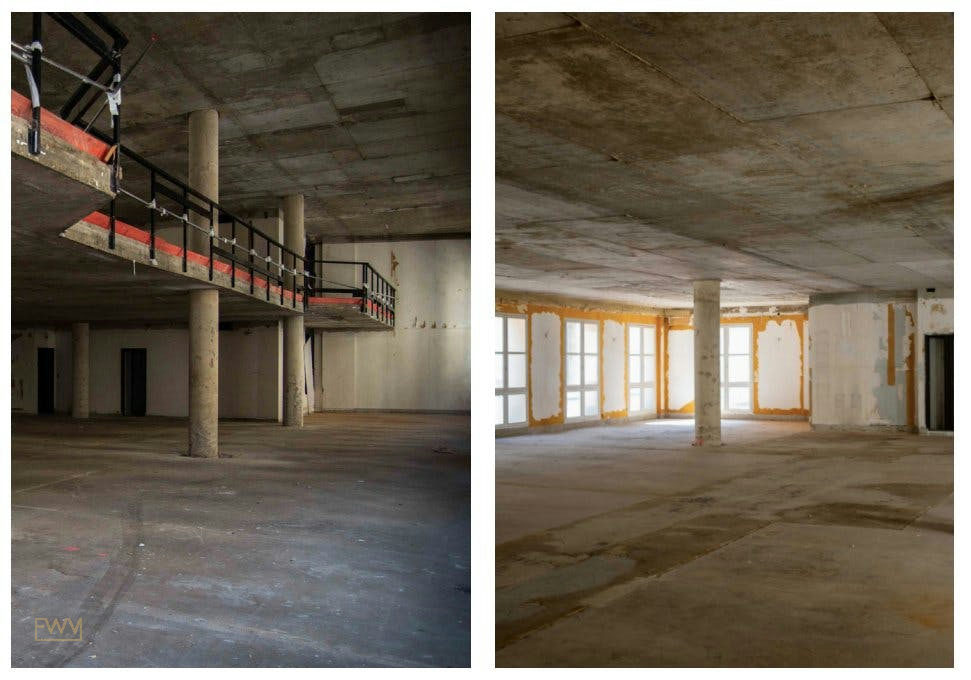
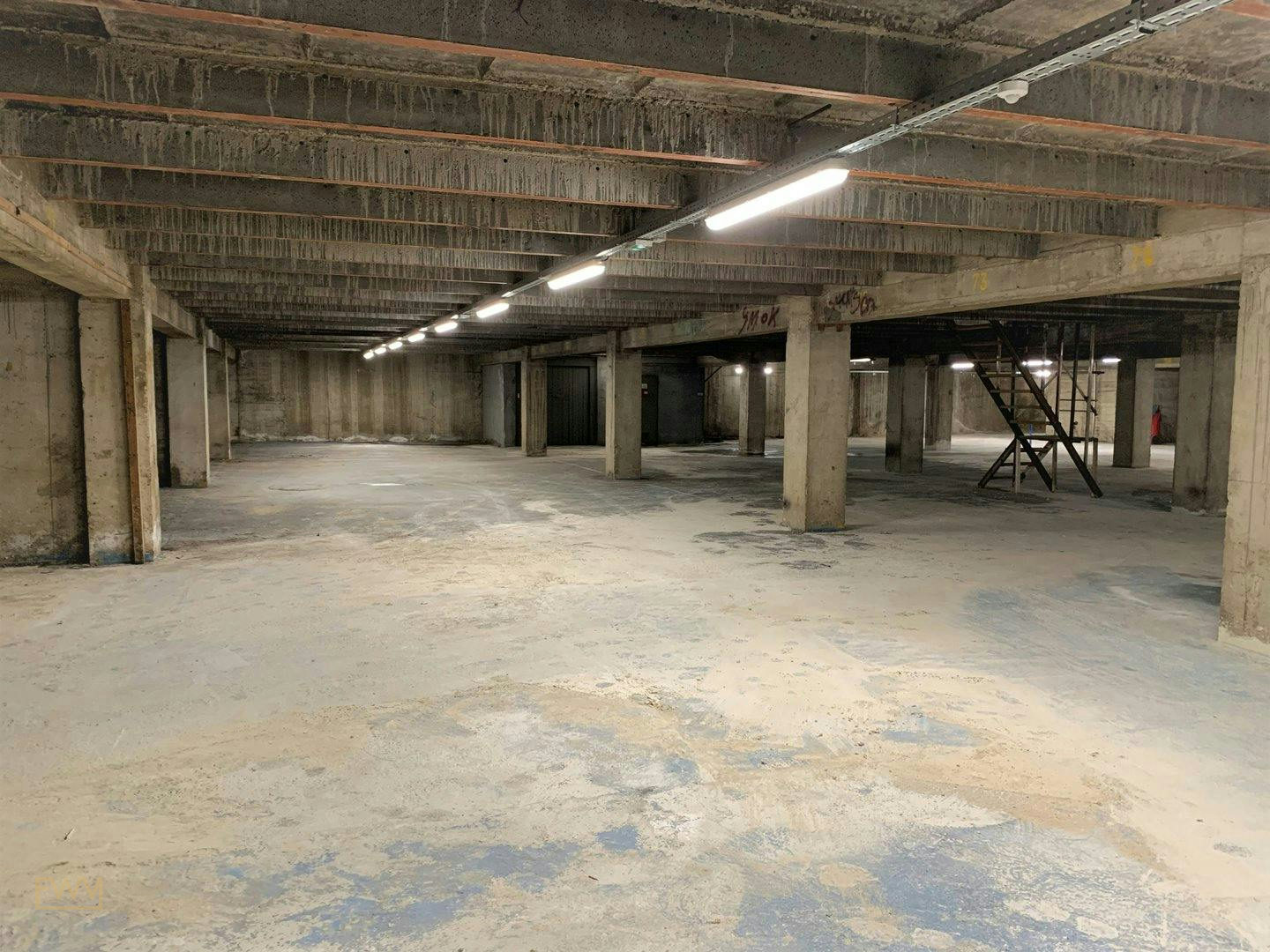
Spaces available in the Marais range from ground-floor storefronts with significant window presence on high-footfall streets to larger gallery-format spaces suitable for immersive brand experiences, product presentations, and private showrooms. The architecture of the Marais, characterised by Haussmann-era buildings alongside earlier hôtel particulier structures, often provides natural light, parquet floors, and raw or polished concrete floors that work well for brand scenography without requiring heavy investment in temporary fit-out.
The Saint-Merri district within the Marais, including the area around 5 Rue Saint-Merri and Châtelet-les-Halles, offers spaces that combine accessibility from multiple arrondissements with a position close to Centre Pompidou and the Galerie Joseph, making them suitable for brands that want cultural adjacency as part of their positioning. The 4th arrondissement also benefits from proximity to the Île de la Cité and easy pedestrian flow from the 1st arrondissement.
The 1st and 2nd Arrondissements: Palais Royal, Louvre, and Opéra
The 1st and 2nd arrondissements of Paris occupy the geographical and symbolic heart of the city, containing the Louvre, the Palais Royal gardens, the Opéra Garnier, and the rue de Rivoli. Retail spaces in this area offer prestige positioning and access to a tourist and luxury consumer base that moves between the Louvre, the Palais Royal boutiques, and the department stores clustered around Opéra and the Grands Boulevards. For brands targeting high-value consumer acquisition rather than trade buyer appointments, the 1st and 2nd arrondissements can provide strong transactional foot traffic alongside aspirational brand positioning.
The 8th Arrondissement: Saint-Honoré, Champs-Élysées, and Place Vendôme
The 8th arrondissement, running from the Place de la Concorde through the Champs-Élysées to the Arc de Triomphe, is the geographic home of Paris luxury retail. Rue du Faubourg Saint-Honoré houses the flagship stores of the world's leading luxury houses, and Place Vendôme hosts the most prestigious jewellery and watchmaking maisons in the industry. For brands whose positioning requires proximity to these references, the 8th arrondissement provides an address that communicates luxury without explanation. However, space costs in this arrondissement reflect its positioning, and brands should plan accordingly. The area also generates strong international tourist spending across all seasons, not only during Fashion Week windows.
Saint-Germain-des-Prés and the 6th Arrondissement
Saint-Germain-des-Prés occupies a specific cultural register in Paris that is distinct from both the Marais and the 8th arrondissement. The neighbourhood's literary and intellectual heritage sits alongside a contemporary luxury retail identity that has emerged over the past two decades, with brands including Dior, Cartier, and Armani maintaining flagship presence here. For brands in the premium contemporary or intellectual luxury segment, Saint-Germain-des-Prés offers a neighbourhood identity that resonates with a specific Parisian clientele and with the international visitors who understand that identity.
DID YOU KNOW: The Marais 3rd arrondissement (75003) hosts some of the most heavily requested Fashion Week pop-up spaces in Paris, with availability in prime locations depleting more than eight weeks before peak calendar windows in high-demand seasons.
To compare neighbourhoods and space types directly, explore the Paris city hub on Fashion Week Venues and shortlist spaces that match your brief, budget, and calendar window.
| Neighbourhood | Best For | Primary Audience | Space Character |
|---|---|---|---|
| Le Marais (3rd, 4th) | Showrooms, concept pop-ups, brand activations | Buyers, press, fashion-forward consumers | Gallery spaces, storefronts, apartments, lofts |
| 8th (Saint-Honoré, Vendôme) | Luxury product launches, VIP events | High-net-worth consumers, luxury press | Prestige storefronts, private salons, event spaces |
| Saint-Germain-des-Prés (6th) | Premium contemporary, intellectual luxury | Informed Parisian clientele, international luxury travellers | Boutique storefronts, ground-floor galleries |
| Palais Royal, Louvre (1st, 2nd) | Consumer-facing pop-ups, tourist retail | International tourists, luxury shoppers | Arcade spaces, historic buildings, storefronts |
| Centre Pompidou, Châtelet (1st, 4th) | Immersive experiences, art-adjacent activations | Cultural tourists, international art and fashion audience | Gallery formats, event spaces, atrium venues |
KEY TAKEAWAY: Neighbourhood selection in Paris is a brand positioning decision. The Marais offers the best combination of cultural credibility, foot traffic, and space variety for most Fashion Week activations, but the 8th arrondissement and Saint-Germain-des-Prés offer distinct positioning advantages for luxury and premium brands with specific audience targets.
With a target neighbourhood identified, the next step is understanding what types of spaces are available and which format best serves your activation objectives.
Types of Pop-Up Spaces Available in Paris During Fashion Week
The range of temporary retail and event spaces available in Paris spans a wider spectrum of formats, sizes, and architectural characters than most other cities. Understanding the available space types helps brands match their activation concept to the right physical format before beginning a formal search.
Storefronts and Boutique Retail Spaces
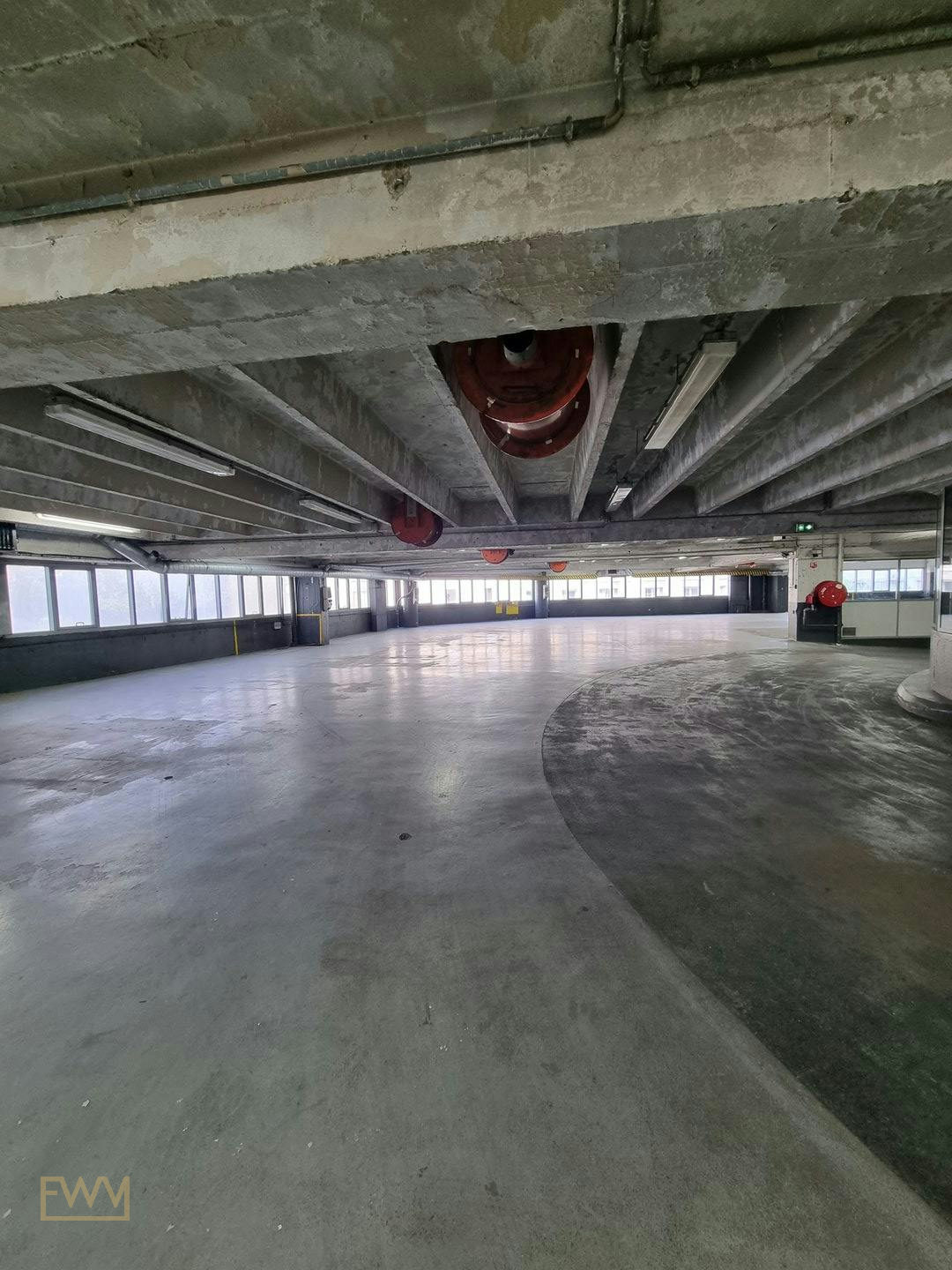
Ground-floor storefronts with direct street frontage are the most straightforward format for consumer-facing pop-up retail. In the Marais, storefronts typically range from 50 square metres to 200 square metres, with larger spaces occasionally available through short-term lease arrangements. Storefronts offer the advantage of visibility, walk-in customer flow, and immediate brand communication through window display. Parquet floors, polished concrete floors, and raw concrete floors are all common in Marais storefronts depending on the building's original character and any prior tenant fit-outs. Natural light from street-facing windows is a significant asset in the Marais, where ground floors often benefit from tall ceilings and generous glazing.
Gallery and Art Gallery Spaces
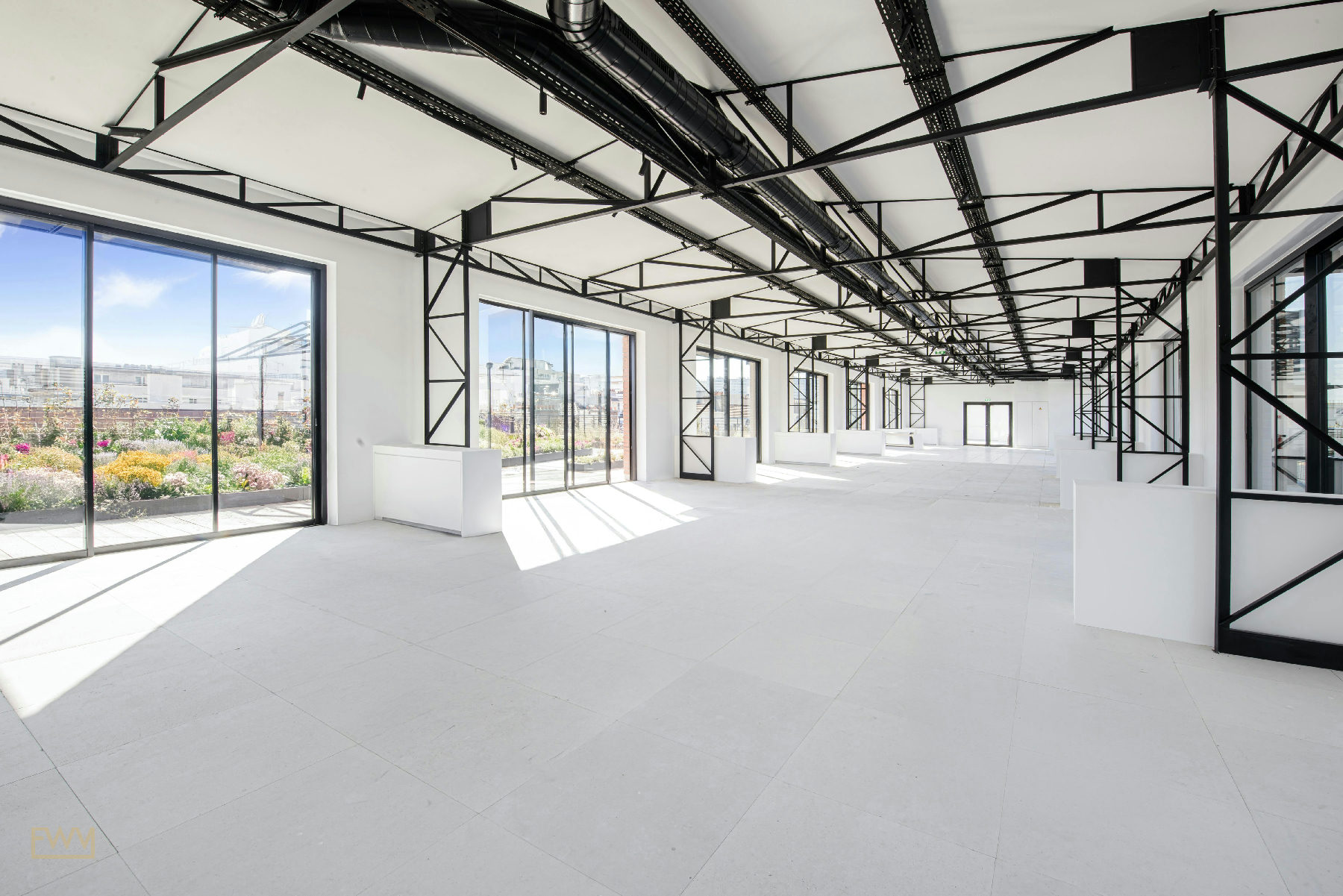
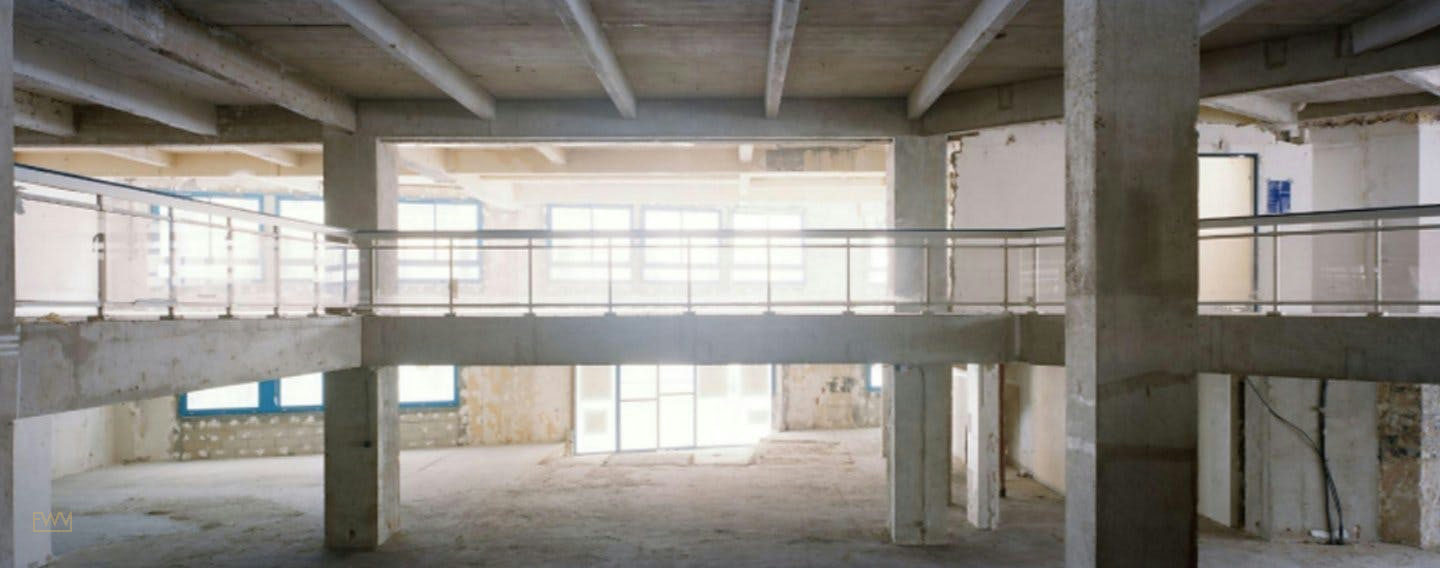
Paris has an exceptional stock of gallery-format spaces, particularly in the Marais, which has one of the highest concentrations of contemporary art galleries in Europe. These spaces typically feature white-walled or raw plaster interiors, polished concrete or parquet floors, high ceilings, and a neutral architectural palette that makes them highly adaptable for brand installations, product presentations, immersive performances, and collection launches. Gallery spaces are well suited to brands that want to present their collection as a cultural statement rather than a conventional retail display, and they are consistently popular with fashion brands for showroom formats and invitation-only presentations.
Showroom Formats
A Fashion Week showroom in Paris serves a specific trade function: it is where buyers attend buyer appointments, editors attend press previews, and selected private clients attend collection previews. Showroom spaces are typically more private than consumer-facing storefronts, with controlled access, seating areas for appointments, and sufficient floor space to display a full collection with proper spacing. Spaces between 100 and 300 square metres work well for most showroom formats, with larger brands requiring more significant footprints. Access from street level with discreet signage is often preferred for showrooms, as is a neighbourhood that buyers and press will visit naturally as part of their Fashion Week circuit.
Apartment and Hôtel Particulier Spaces
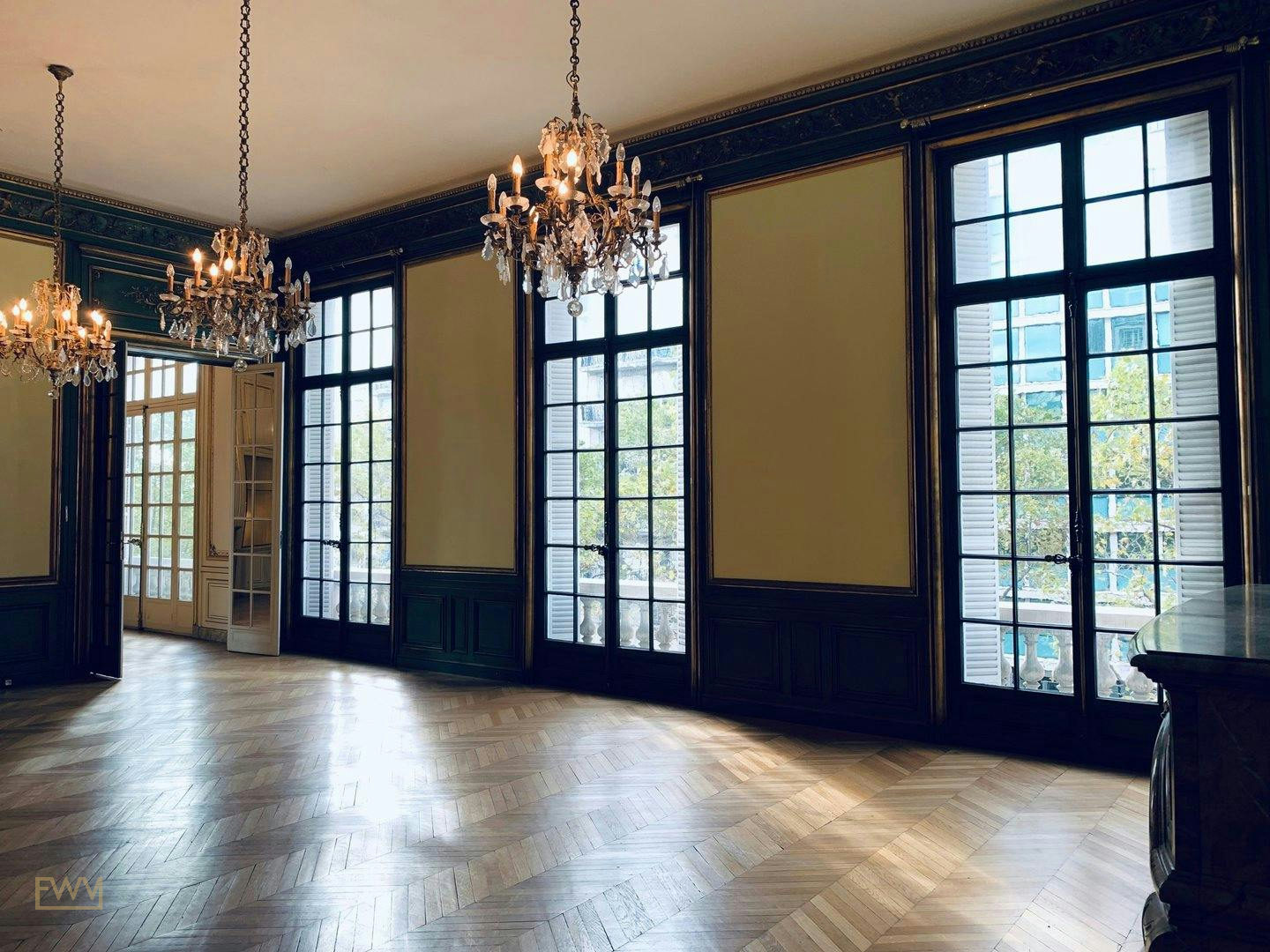
One of Paris's most distinctive space types is the use of private apartments and hôtels particuliers, the large private townhouses characteristic of the Marais and several other central arrondissements, as temporary showroom or event venues. These spaces offer an intimacy and residential warmth that gallery or retail formats cannot replicate, and they communicate a specific kind of brand sophistication that resonates strongly during Fashion Week. Natural light from tall windows, period architectural details, and the residential scale of the rooms all contribute to a presentation environment that feels genuinely Parisian.
Event Spaces with Special Architectural Features
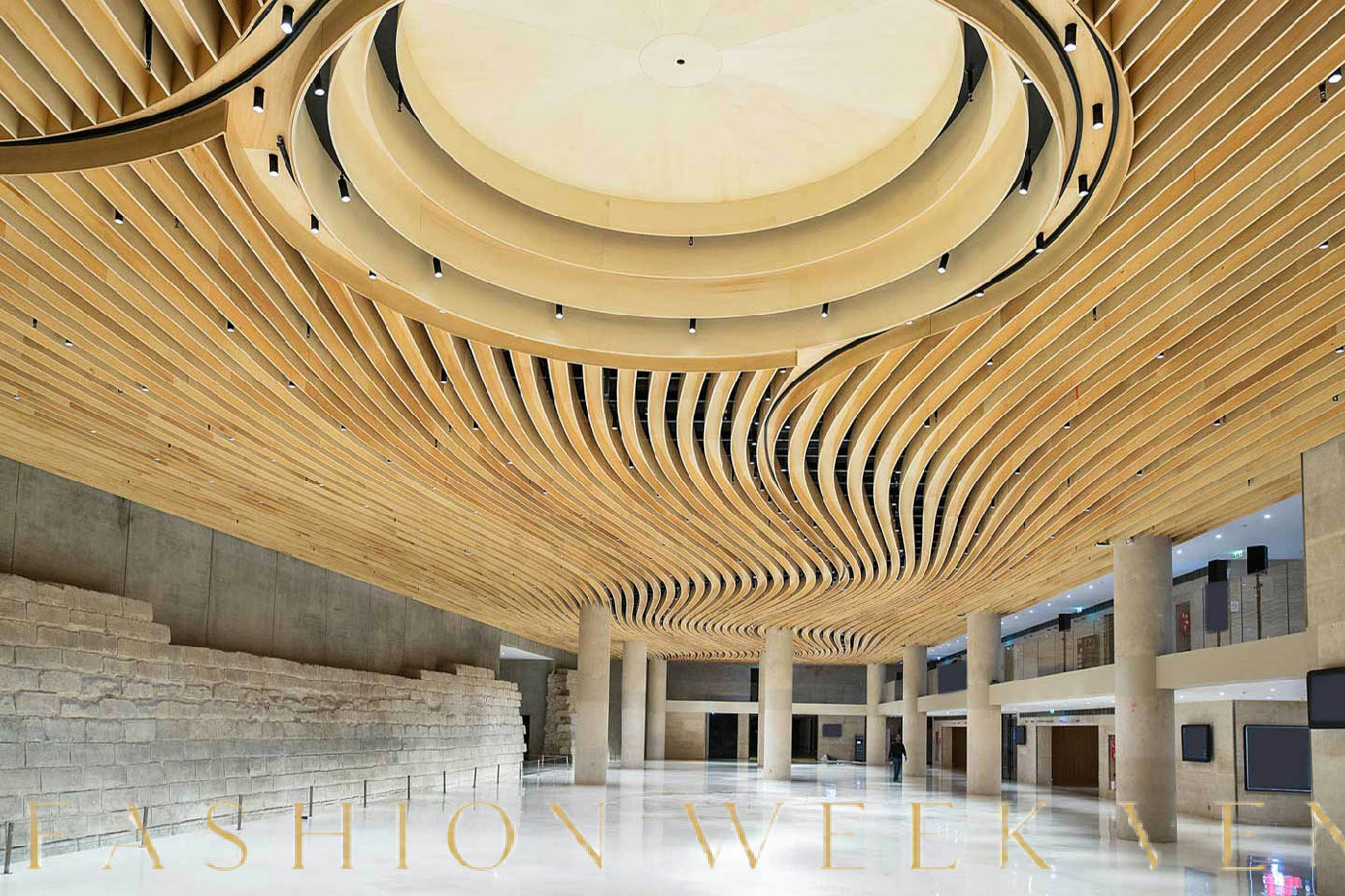
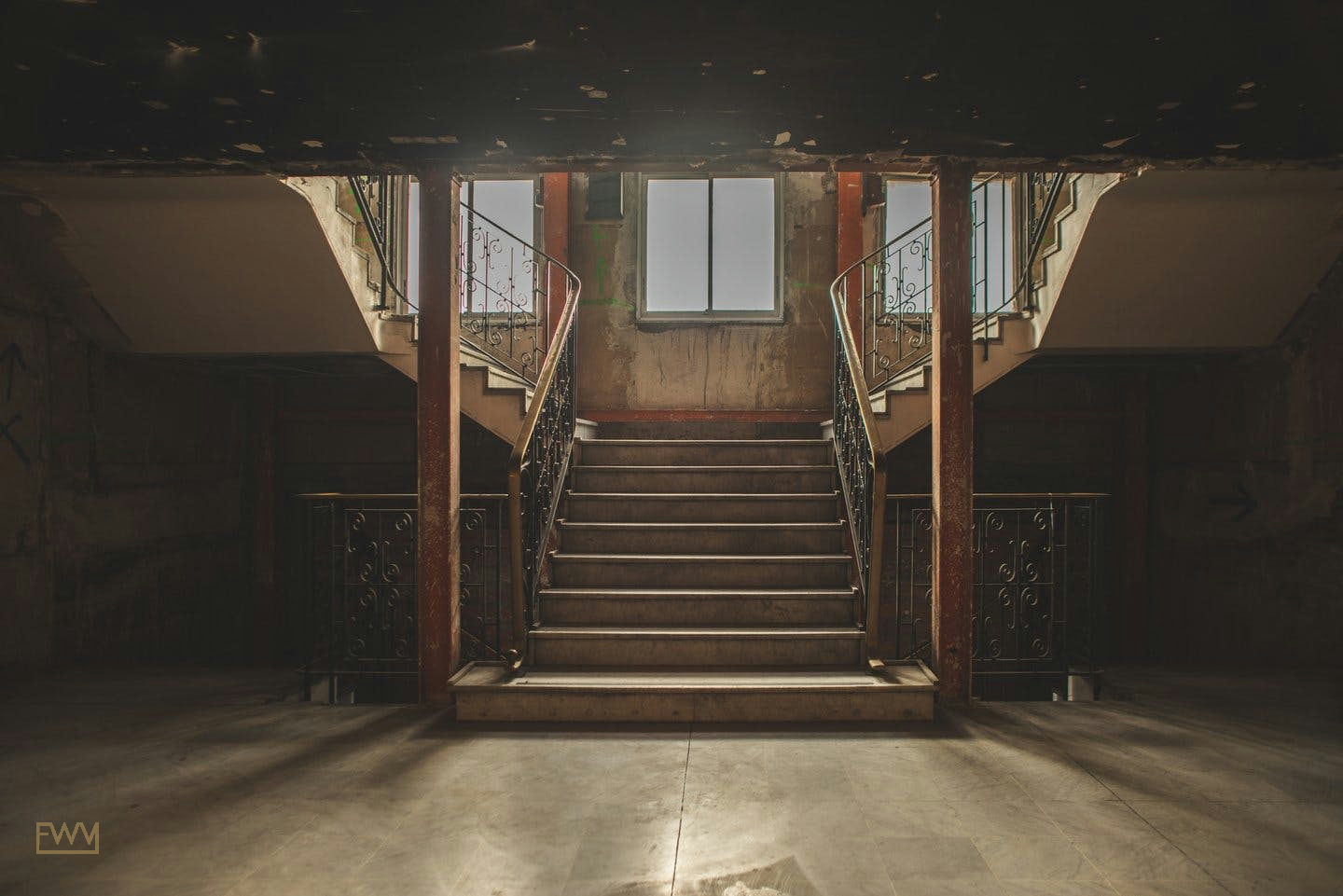
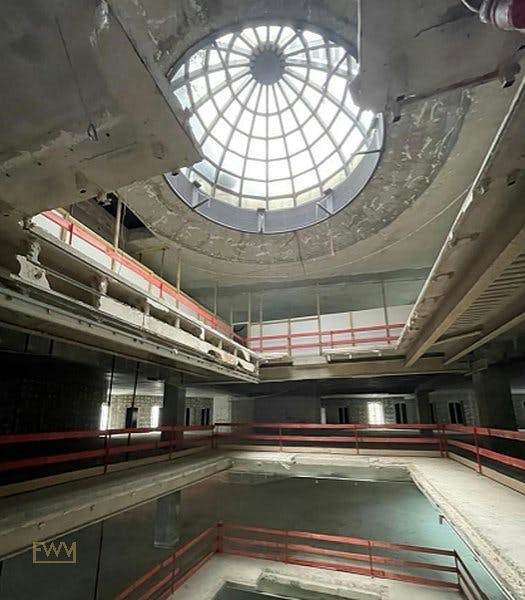
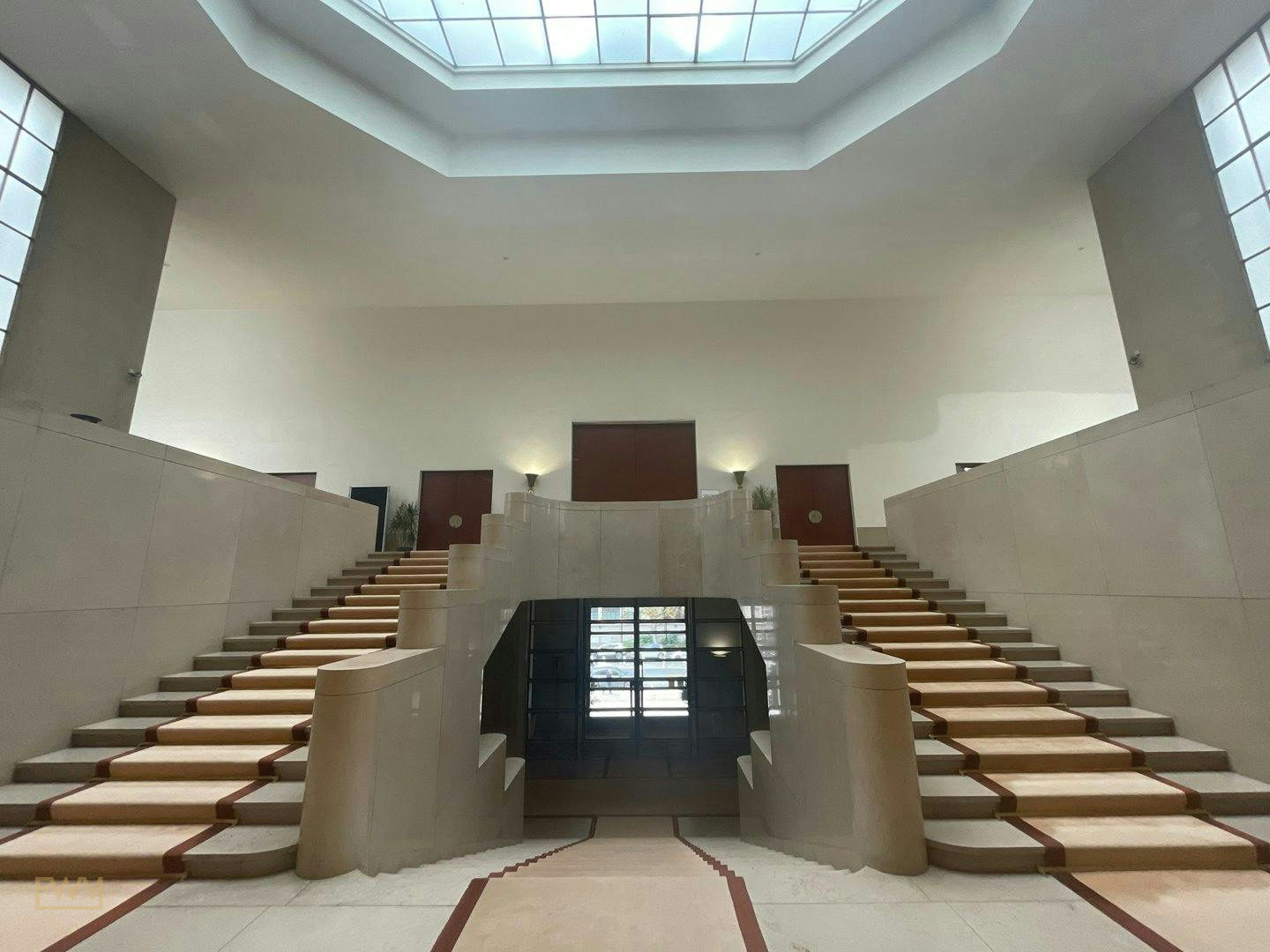
Paris also has a category of event spaces with architectural distinction that positions them as premium activation venues: spaces featuring glass roofs, atrium formats, historic building interiors, and unique structural elements. The Pierre Cardin Museum, for example, represents the kind of historically and architecturally significant space that Paris makes available for brand activations in ways that few other cities can match. Glass-roof spaces in particular are highly sought-after for Fashion Week events because they provide the quality of natural light that makes both product photography and guest experience significantly stronger.
Quick answer: Pop-up spaces available in Paris during Fashion Week include ground-floor storefronts, gallery formats, private apartments and hôtel particulier spaces, purpose-built showrooms, and architecturally distinctive event spaces with glass roofs, atrium formats, and historic building interiors. Each format serves different activation objectives and audience types.
| Space Type | Typical Size | Best Use Case | Key Features |
|---|---|---|---|
| Storefront | 50 to 200 m² | Consumer retail, direct sales | Street visibility, window display, walk-in traffic |
| Gallery / Galerie d'Art | 80 to 400 m² | Brand installations, product presentations | White walls, high ceilings, neutral palette, natural light |
| Showroom | 100 to 300 m² | Buyer appointments, press previews | Private access, seating, controlled entry |
| Apartment / Hôtel Particulier | 80 to 500 m² | Intimate presentations, private client events | Residential feel, period details, natural light |
| Event Space with Atrium or Glass Roof | 200 to 1,000 m² | Large-scale launches, seating dinners, runway shows | Architectural distinction, photographic quality, volume |
KEY TAKEAWAY: The right space type depends on whether your primary activation objective is consumer acquisition, trade buyer meetings, press engagement, or brand positioning. Most Fashion Week activations benefit from a showroom or gallery format, while consumer-facing brands should prioritise storefront visibility and foot traffic.
Understanding the space types available is foundational, but the Paris rental process carries legal and permit-specific complexity that brands unfamiliar with the French market need to understand before signing any agreement.
Paris Pop-Up Leases, Permits, and the Legal Framework for Short-Term Retail
Short-term retail leases in Paris operate under a different legal framework than standard commercial leases, and brands entering the market without this knowledge regularly encounter delays, cost overruns, and compliance failures that could have been avoided with proper preparation.
The Bail Dérogatoire
The primary legal instrument for short-term commercial occupation in France is the bail dérogatoire, sometimes called a short-term commercial lease or bail précaire. This lease type allows occupancy for a period of up to three years without conferring the long-term rights associated with a standard French commercial lease (bail commercial), which would otherwise grant the tenant nine-year occupancy rights and significant legal protections that most short-term landlords are unwilling to accept. For brands renting a pop-up shop in Paris for a period of days, weeks, or a few months, the bail dérogatoire is the appropriate instrument, but its proper drafting requires legal knowledge of French commercial property law. Requirements, terms, and conditions vary by space type, duration, and arrondissement.
Autorisation d'Occupation Temporaire (AOT)
For activations in publicly owned spaces or on public domain areas such as pavements, public squares, or publicly owned buildings, a different instrument applies: the Autorisation d'Occupation Temporaire, commonly referred to as an AOT. This is a temporary occupation authorisation granted by the relevant public authority, and it is subject to specific application procedures, timelines, and conditions that vary depending on the location and nature of the proposed use. Brands planning activations in or adjacent to public spaces, including those near the Palais Royal, Place Vendôme, Place des Vosges, or other public domain locations, need to understand whether an AOT applies to their planned use and factor the application timeline into their overall planning schedule.
Do You Need a French Legal Entity?
This is one of the most common questions from international brands approaching the Paris market for the first time. In general, having a French legal entity is not a strict requirement for renting a pop-up space in Paris, but certain landlords, particularly for prime spaces in high-demand locations, may prefer or require a French guarantor or a locally registered entity as part of the lease process. Brands operating through a non-French entity should seek legal advice from a French commercial property lawyer to understand how to structure their rental agreement and what documentation their specific landlord may require. Requirements vary by space, landlord, and lease type.
Planning and Signage Permits
Depending on the nature of your proposed fit-out and the extent of any exterior signage or branding, you may also require planning consent and signage permits from the local mairie (town hall) for the relevant arrondissement. Paris has strict rules governing exterior signage, particularly in historically protected areas such as the Marais, and temporary installations that alter the appearance of a listed building or protected streetscape may require additional approvals. All of these requirements should be verified with a qualified French legal advisor before committing to a space and fit-out plan.
IMPORTANT: Short-term retail leases in Paris are not legally straightforward. The bail dérogatoire, AOT framework, and local planning rules require specialist knowledge. Fashion Week Venues can provide directional guidance through the permit guidance tool, but brands should always verify their specific requirements with a qualified French legal advisor before signing any rental agreement.
Quick answer: Short-term retail rentals in Paris typically use the bail dérogatoire, a French legal instrument that allows commercial occupation for up to three years without triggering long-term lease rights. Publicly owned spaces may require an Autorisation d'Occupation Temporaire (AOT). All permit requirements vary by space type, location, and intended use and should be verified with a French legal advisor.
KEY TAKEAWAY: The Paris short-term rental market has a specific legal infrastructure that differs from other markets. Brands that approach it without specialist guidance risk delays and unexpected costs. Use the permit guidance tool as a starting point, but build qualified legal review into your planning timeline as a non-negotiable step.
With the legal framework understood, the next question for most brands is what a realistic budget looks like for a Fashion Week pop-up or showroom in Paris.
Budget Planning for a Paris Fashion Week Pop-Up Shop
Budget planning for a Paris Fashion Week activation requires a clear understanding of all cost components, not only the daily or weekly space rental rate. Brands that budget only for the venue and underestimate production, staffing, logistics, and operational costs regularly find themselves either underspending on the activation itself or overrunning their total budget significantly.
Space Rental Costs
Space rental costs in Paris vary significantly by neighbourhood, space type, size, and demand period. During peak Fashion Week windows, daily rates for quality spaces in the Marais and other in-demand arrondissements are higher than during off-peak periods, reflecting the concentrated international demand. As a directional reference from the marketplace, spaces in the 75003 postal area have been listed at rates in the range of USD 1,220 per day for spaces of approximately 200 square metres, and USD 1,830 per day for spaces of approximately 180 square metres, though these figures represent specific listings at specific points in time and should not be treated as universal market benchmarks. For brand-specific cost estimates based on your target neighbourhood, space type, and calendar window, use the budget estimation tool on Fashion Week Venues.
Production and Fit-Out Costs
Beyond the space rental itself, brands need to budget for the physical transformation of the space to match their activation concept. Production and fit-out costs vary enormously depending on the ambition of the concept, the condition of the space, and the extent of any structural, lighting, or surface work required. Brands working with a full-service agency can consolidate production costs under a single managed budget, while those managing production independently need to engage French contractors and comply with local building regulations.
Staffing, Operations, and Logistics
A functioning pop-up shop or showroom requires staff: sales associates for consumer-facing retail, brand ambassadors for event activations, showroom managers for buyer appointments, and security personnel for high-value product presentations. Logistics costs include storage, transport of merchandise and display materials, POS system rental or purchase, and insurance. All of these cost lines need to be included in the planning budget from the outset.
Marketing and Influencer Activation
For brands planning social media activation, influencer engagement, or press outreach in connection with their Paris pop-up, these costs should also be included in the overall activation budget. Paris-based influencer fees, event costs for press previews and seating dinners, and content production costs can represent a significant proportion of the total activation investment, particularly for brands for whom press and social media reach is the primary return-on-investment metric.
TIP: Before committing to a space rental budget, use the ROI calculation tool on Fashion Week Venues to model the relationship between activation investment and your target outcomes, whether those are sales, press coverage, buyer meetings, or brand awareness metrics.
| Cost Component | Notes | Planning Priority |
|---|---|---|
| Space rental | Varies by neighbourhood, size, demand period | Lock in early; rates rise as dates approach |
| Production and fit-out | Depends on concept ambition and space condition | Finalise concept before space booking to avoid scope changes |
| Furniture and fixtures | Rental or purchase; furniture rental reduces upfront cost | Coordinate with production timeline |
| Retail staffing | Sales staff, brand ambassadors, showroom managers, security | Brief and confirm before activation window |
| POS and payments | Card processing, cash handling, inventory management | Test before opening day |
| Logistics and storage | Delivery, storage, merchandise movement | Coordinate with fit-out and opening timeline |
| Marketing and press | Influencer fees, press events, social media production | Build into overall activation strategy |
| Legal and permits | Legal review, permit applications, insurance | Start early; permit timelines vary |
KEY TAKEAWAY: Space rental is typically the largest single cost in a Paris Fashion Week pop-up budget, but it rarely represents more than half of the total activation investment once production, staffing, logistics, and marketing are included. Build a complete cost model before committing to a space to avoid budget surprises mid-activation.
Budgeting and legal preparation are most effective when they sit inside a clear planning timeline. The next section addresses how to structure that timeline for a Paris Fashion Week activation.
Planning Timeline for Renting a Pop-Up Shop in Paris During Fashion Week
A realistic planning timeline for a Paris Fashion Week pop-up shop or showroom begins considerably earlier than most first-time activators expect. The combination of limited space inventory, permit lead times, production scheduling, and the sequential nature of the planning process means that brands arriving in Paris six weeks before their intended opening date are already working against the clock in most demand periods.
Twelve or More Weeks Before: Strategy and Brief
The earliest planning phase covers brand strategy, activation objectives, audience definition, budget framework, and calendar alignment. At this stage, you should be deciding which Fashion Week window you are targeting, what the activation is designed to achieve (buyer appointments, press coverage, consumer sales, brand awareness, or a combination), and what neighbourhood and space type best serves those objectives. This is also the stage at which to engage an agency if you plan to work with one, since early agency engagement gives you access to space relationships and market knowledge that are difficult to replicate independently.
Eight to Ten Weeks Before: Space Search and Legal Review
Active space search should begin at least eight to ten weeks before your target activation date for peak Fashion Week windows, and earlier for particularly high-demand dates. During this phase, you should be shortlisting spaces using the space comparison tool and beginning legal review of any draft rental agreements. Permit research should begin at this stage to understand what applications are required and what their lead times are.
Six to Eight Weeks Before: Space Confirmed, Concept Finalised
Space booking should be confirmed and deposits paid no later than six to eight weeks before the activation window. Concept design should be finalised at this stage, with production specifications ready for contractor briefing. Any permit applications that have been identified as necessary should be submitted during this period.
Three to Five Weeks Before: Production and Fit-Out
Production work, including set design, fit-out construction, lighting installation, furniture delivery, and AV setup, typically takes place in the two to three weeks before the activation opens. Staffing should be confirmed and briefed during this period, and logistics for merchandise delivery should be coordinated with the production schedule.
One to Two Weeks Before: Final Testing and Press Preparation
The final pre-opening period covers operational testing, staff briefing and training, POS system testing, press outreach and influencer confirmation, and any final snag-fixing from the fit-out. Opening day should be treated as a planned event with a confirmed schedule, not simply the day the space becomes available.
Quick answer: For peak Paris Fashion Week windows, the planning timeline for a pop-up shop or showroom should begin at least twelve weeks before the intended opening date. Space search should begin eight to ten weeks out, space booking should be confirmed six to eight weeks out, and production should be completed one week before opening. Compressing this timeline significantly increases cost and reduces available space options.
Fashion Week Venues provides a structured planning tool at the timeline planning tool that helps brand teams map all planning phases against their target activation dates.
KEY TAKEAWAY: The most common planning mistake made by brands entering Paris for the first time is starting the space search too late. In peak Fashion Week windows, the best spaces in the Marais and 8th arrondissement are booked out weeks or months in advance. Begin your timeline planning at least twelve weeks before your target opening date.
Understanding the timeline helps brands avoid the most common operational failures. The next section explains how Fashion Week Venues specifically supports brands through this process.
How Fashion Week Venues Helps Brands Rent Pop-Up Shops in Paris
Fashion Week Venues is a full-service pop-up shop agency and space marketplace with Paris as its primary market. The agency works with international brands, emerging designers, established luxury houses, and creative teams at every stage of the Paris activation process, from initial brief and space search through to concept direction, production, staffing, and post-activation data review.
Space Marketplace and Venue Sourcing
The Fashion Week Venues marketplace provides direct access to curated short-term retail spaces, showrooms, gallery formats, and event venues across Paris's key arrondissements. Brands can browse available spaces by neighbourhood, size, space type, and availability window, and use the comparison and locator tools to shortlist the spaces that best match their brief. For brands with specific or unusual requirements, the venue sourcing service provides a managed search process drawing on the agency's established landlord relationships across the Paris market.
Concept Direction and Branded Store Design
Beyond the space itself, Fashion Week Venues provides creative direction for the brand's activation concept, translating brand identity into a spatial experience that resonates with the target audience. The concept direction service covers spatial planning, brand scenography, material palette, and the overall creative logic of the activation. For brands that require a fully designed and built branded store environment, the branded store design service delivers end-to-end design from concept to completed fit-out.
Production, Build, and Furniture Rental
The production and build service manages the physical realisation of the activation concept, coordinating contractors, managing build schedules, and ensuring that the space is delivered to specification and on time. For brands that need high-quality furnishings without the cost and logistics of purchasing and transporting furniture, the furniture rental service provides curated furniture packages appropriate for Fashion Week showroom and retail environments.
Activation Management, Staffing, and Operations
During the activation itself, Fashion Week Venues provides activation management support to ensure that day-to-day operations run smoothly. This includes retail staffing with experienced sales associates and brand ambassadors, POS and payments infrastructure, and security provision for high-value product activations. Brands whose primary activation metric is press and social media reach can also access the influencer marketing service, which manages influencer and creator engagement in connection with the Paris activation.
Tools for Independent Planning
For brands that want to plan independently before engaging with the agency, Fashion Week Venues provides a suite of planning tools including the budget calculator, ROI calculator, timeline tool, permits tool, and space locator. These tools allow brand teams to develop a realistic brief and cost model before beginning any formal engagement, which significantly improves the quality and efficiency of subsequent conversations with the agency or with space owners.
The guide to hiring a pop-up agency on Fashion Week Venues provides a practical framework for understanding when and why to engage a full-service agency rather than managing a Paris activation independently.
Quick answer: Fashion Week Venues offers end-to-end support for brands renting pop-up shops in Paris, covering space marketplace access, managed venue sourcing, concept direction, production and build, branded store design, furniture rental, retail staffing, POS and payments, activation management, influencer marketing, and a suite of independent planning tools including budget, ROI, timeline, permits, compare, and locator tools.
KEY TAKEAWAY: The value of working with a full-service agency for a Paris Fashion Week activation lies not only in space access but in the consolidated expertise across legal, production, creative, staffing, and operational dimensions that would otherwise require independent sourcing of multiple specialist suppliers under significant time pressure.
Even with strong agency support, brands benefit from understanding the common misconceptions about Paris Fashion Week pop-ups that can lead to poor planning decisions.
Activating Across the Fashion Week Calendar: Spring/Summer and Fall/Winter Windows
The decision of which Paris Fashion Week window to activate in is not simply a matter of calendar preference. Each window has distinct characteristics in terms of audience composition, competitive context, space availability, and atmospheric conditions in Paris, all of which affect the quality and return of a temporary retail or showroom activation.
January: Haute Couture and Men's Fashion Week
The January window, which in 2026 runs from approximately January 20 to 29, combines Haute Couture Week and Men's Fashion Week into a concentrated ten-day period. This window attracts couture clients, luxury buyers, senior press, and fashion insiders with the highest level of industry engagement in the calendar. For brands positioned in the luxury, couture, or premium menswear segments, this is arguably the most strategically valuable window in which to have a showroom or event space presence. The audience is small but extremely high-value, and the competitive context is intense.
February to March: Womenswear Ready-to-Wear Spring/Summer
The Womenswear Ready-to-Wear window for Spring/Summer collections typically takes place in late February and early March. This is the largest and most internationally attended Fashion Week window in Paris, with the highest density of international press, buyers, and industry professionals in the city simultaneously. The competition for space is at its peak during this window, and brands that have not secured their space by January will find limited options in prime locations. Consumer foot traffic is elevated across the city, making this an excellent window for both trade-facing showrooms and consumer-facing pop-up retail.
June: Men's Fashion Week Spring/Summer
The June Men's Fashion Week window is smaller in scale than the February to March Womenswear window but is a highly focused period for menswear brands, unisex labels, and brands with a strong men's collection to present. Paris in June benefits from excellent weather, extended daylight hours, and a city that is at its most attractive as a backdrop for brand photography and content creation. Space availability is generally better in June than during the February to March or September to October windows, making it a practical choice for brands whose timing is flexible.
September to October: Womenswear Ready-to-Wear Fall/Winter
The September to October window, covering the Womenswear Ready-to-Wear Fall/Winter collections, rivals the February to March window in terms of international audience size and industry intensity. This is when the major fashion houses present their most commercial collections, and the accompanying volume of press, buyers, and influencers in the city is at its annual peak. For brands targeting maximum press reach or buyer appointment volume, this is the other primary window alongside February to March. Space demand in the Marais and 8th arrondissement during this window is extremely high, and planning timelines need to begin even earlier than for the January window.
Quick answer: The four primary Paris Fashion Week windows are January (Haute Couture and Men's), February to March (Womenswear Ready-to-Wear Spring/Summer), June (Men's Fashion Week Spring/Summer), and September to October (Womenswear Ready-to-Wear Fall/Winter). The February to March and September to October windows attract the largest international audiences; the January window attracts the highest-value luxury audience; and the June window offers the best balance of audience quality and space availability.
KEY TAKEAWAY: The right Fashion Week window depends on your brand segment, collection cycle, audience target, and budget. Do not default to the largest window if your primary audience is best reached during a smaller, more focused window. Use the timeline planning tool to map your brand's collection cycle against the full Paris Fashion Week calendar before committing to a date.
Having selected the right window and understood the planning, legal, and budgeting dimensions of a Paris activation, brands can also benefit from understanding some of the most persistent myths about renting pop-up spaces in Paris that circulate in the market.
Common Myths About Renting a Pop-Up Shop in Paris Debunked
MYTH: You need a French legal entity to rent a pop-up space in Paris.
FACT: A French legal entity is not universally required for short-term space rental in Paris. Many international brands successfully rent temporary retail spaces and showrooms without a locally registered French company. However, certain landlords in premium locations may request a French guarantor or impose conditions on non-French entities. The specific requirements depend on the landlord, the space, and the lease terms. Always seek qualified French legal advice before signing any rental agreement.
MYTH: Paris Fashion Week is the only viable calendar window for a brand activation in Paris.
FACT: While the Fashion Week windows generate the highest concentration of industry and press audiences, Paris supports successful brand activations throughout the year. Art Basel Paris, Prêt-à-Porter, the summer luxury shopping season, and the December holiday period all provide strong consumer foot traffic windows. The best calendar timing depends on your target audience, not on a default assumption that Fashion Week is always the right choice.
MYTH: Using a commission broker is the only way to find a short-term retail space in Paris.
FACT: The Paris temporary retail market has evolved significantly, with purpose-built marketplace platforms and full-service agencies providing direct access to curated space inventories without requiring the engagement of a traditional commission broker. Platforms like the Fashion Week Venues marketplace allow brands to browse, compare, and shortlist spaces directly, with the option to engage full agency support for sourcing, production, and activation management.
MYTH: Short-term retail leases in Paris are legally straightforward and can be signed without specialist review.
FACT: Short-term commercial leases in France, including the bail dérogatoire, are subject to specific legal requirements and carry meaningful risks if improperly drafted or misunderstood. The distinction between a bail dérogatoire and a bail commercial carries significant long-term implications for both landlord and tenant, and permit requirements such as the AOT add further complexity. All short-term rental agreements in Paris should be reviewed by a qualified French commercial property lawyer before signing.
MYTH: Fashion Week pop-up shops are only viable for large, established brands with significant marketing budgets.
FACT: Paris Fashion Week attracts an active ecosystem of emerging designers, independent labels, and new market entrants who use showroom formats, shared activation spaces, and smaller gallery formats to present their collections with credibility and cost efficiency. Shared co-activation formats, such as the twin concept offered by Fashion Week Venues, allow brands to share production and space costs while maintaining independent brand presentation. Viable activations in Paris are not limited to brands with luxury-scale budgets.
Frequently Asked Questions
What is a pop-up shop in Paris, and how does it differ from a permanent store?
A pop-up shop in Paris is a temporary retail or brand activation space occupied under a short-term lease arrangement, typically for a period of days, weeks, or a few months. Unlike a permanent store, a pop-up does not require a long-term commercial lease commitment, which makes it appropriate for seasonal activations, Fashion Week presentations, collection launches, and market-testing exercises. The legal instrument typically used is the bail dérogatoire, which allows commercial occupation without conferring the long-term rights of a standard French commercial lease. Pop-up shops in Paris range from small storefronts to large gallery and event formats depending on the brand's activation objectives.
How much does it cost to rent a pop-up shop in Paris during Fashion Week?
Rental costs vary considerably by neighbourhood, space type, size, and the specific Fashion Week window. As a directional reference, spaces in the Marais 75003 area have been listed at daily rates in the range of USD 1,220 for spaces around 200 square metres and USD 1,830 for spaces around 180 square metres, though these figures reflect specific listings and should not be treated as universal market benchmarks. Total activation costs include not only the rental rate but also production, fit-out, staffing, logistics, POS infrastructure, marketing, and legal fees. Use the budget estimation tool on Fashion Week Venues to build a realistic cost model for your specific brief and calendar window.
What is the best neighbourhood to rent a showroom during Paris Fashion Week?
Le Marais, spanning the 3rd and 4th arrondissements, is consistently the most in-demand area for Fashion Week showrooms and pop-up activations. Its concentration of galleries, concept stores, and independent boutiques makes it the natural circuit for buyers and press on the Fashion Week trail. However, the right neighbourhood depends on your brand's positioning: the 8th arrondissement is better suited to luxury brands seeking proximity to Saint-Honoré and Place Vendôme, while Saint-Germain-des-Prés serves brands in the premium contemporary segment. The Paris city hub on Fashion Week Venues provides a neighbourhood-by-neighbourhood breakdown to support your decision.
Is it possible to rent a showroom in Paris for only a few days?
Yes. Short-term showroom rentals in Paris for periods as brief as three to seven days are common during Fashion Week windows and are specifically designed to serve buyer appointment schedules and press preview formats. Many spaces in the Marais and other central arrondissements are available on daily or weekly terms during peak Fashion Week periods. However, very short rental periods during peak demand dates carry premium pricing, and availability for prime spaces diminishes quickly. Booking at least eight to ten weeks in advance is strongly advisable for peak Fashion Week windows.
Do I need a French legal entity to rent a pop-up space in Paris?
A French legal entity is not a universal requirement for renting a short-term retail space in Paris. Many international brands successfully enter short-term rental agreements in Paris using their home country entity. However, specific landlords, particularly those with premium spaces in high-demand locations, may have additional documentation requirements for non-French entities. The exact requirements depend on the landlord, the space type, and the lease structure. Fashion Week Venues can provide directional guidance, but all rental agreements should be reviewed by a qualified French commercial property lawyer regardless of the entity structure.
Are prices for pop-up spaces higher during Paris Fashion Week?
Yes. Daily and weekly rental rates for pop-up shops and showrooms in Paris are typically higher during peak Fashion Week windows than during off-peak periods, reflecting the concentrated international demand from brands competing for a limited supply of prime spaces in key arrondissements. The premium is most pronounced during the February to March Womenswear Ready-to-Wear window and the September to October Fall/Winter window, which attract the largest international audiences. The January window also commands premium pricing due to the luxury audience profile of Haute Couture and Men's Fashion Week. Booking early is the most effective way to manage cost.
What permits do I need for a pop-up shop in Paris?
Permit requirements vary depending on the space type, location, intended use, and duration of the activation. For privately owned spaces, the primary legal instrument is the bail dérogatoire, but additional permits may be required for exterior signage, fit-out works, or use of public domain areas adjacent to the space. For activations on or adjacent to publicly owned land, an Autorisation d'Occupation Temporaire (AOT) may be required. Permit requirements in the Marais and other historically protected areas can be more stringent than in other parts of Paris. Use the permit guidance tool on Fashion Week Venues as a starting point, and verify all requirements with a qualified French legal advisor.
How far in advance should I book a pop-up space in Paris for Fashion Week?
For peak Fashion Week windows, particularly the February to March and September to October Womenswear windows, brands should aim to have their space confirmed at least eight to ten weeks before the intended opening date, with the overall planning process beginning twelve or more weeks in advance. The most in-demand spaces in the Marais and 8th arrondissement are often booked out weeks or months before the Fashion Week dates are reached. For the January Haute Couture and Men's Fashion Week window, similar lead times apply. The timeline planning tool on Fashion Week Venues can help you map all planning phases against your target dates.
Can emerging brands or smaller labels realistically activate in Paris during Fashion Week?
Yes. Paris Fashion Week supports an active ecosystem of emerging and independent brands who activate successfully through showroom formats, gallery spaces, and shared co-activation concepts. Shared formats such as the twin concept offered by Fashion Week Venues allow brands to split space and production costs while maintaining independent brand presentation. Smaller gallery and apartment formats in the Marais can be accessed at more accessible price points than large storefronts or event spaces, and a well-executed smaller activation in the right location will outperform a poorly executed large one. Budget planning and early timing are the two most important factors for emerging brands.
What space types are most popular for Paris Fashion Week showrooms?
Gallery-format spaces and private apartment or hôtel particulier spaces are the most consistently popular space types for Fashion Week showrooms in Paris. Gallery spaces offer a neutral, high-ceiling environment that works well for collection display and press presentations, while apartment and hôtel particulier spaces provide an intimate, residential context that communicates Parisian brand sophistication effectively. Ground-floor storefronts are preferred by brands with a consumer-facing activation objective. Large event spaces with glass roofs or atrium formats are sought after for runway presentations, seating dinners, and large-scale brand launches.
What services does Fashion Week Venues provide beyond space rental?
Fashion Week Venues provides end-to-end support for Paris Fashion Week activations beyond space sourcing and rental. Services include concept direction, branded store design, production and fit-out management, furniture rental, retail staffing, POS and payments infrastructure, activation management, influencer marketing, and data and analytics. The agency also provides a suite of planning tools including budget calculator, ROI calculator, timeline planner, permit guidance, space comparison, and space locator. Brands can engage individual services or commission a fully managed end-to-end activation depending on their internal capabilities and budget.
Should I choose an independent showroom or a shared co-activation format?
An independent showroom gives your brand full control over the environment, scheduling, audience, and brand communication, which is the preferred format for brands with a clearly defined brand identity and a specific buyer or press audience. A shared co-activation format, such as the twin concept on Fashion Week Venues, reduces space and production costs and can work well for emerging brands or those entering the Paris market for the first time. The decision depends on your brand's positioning goals, the nature of your activation, and your available budget. For most established brands with a regular Fashion Week presence, an independent showroom is the stronger long-term choice.
What are the key differences between Paris Fashion Week windows for brand planning purposes?
The January window (Haute Couture and Men's Fashion Week) attracts the highest-value luxury audience but the smallest number of attendees. The February to March window (Womenswear Ready-to-Wear Spring/Summer) and the September to October window (Womenswear Ready-to-Wear Fall/Winter) attract the largest international press, buyer, and consumer audiences and carry the highest competition for space. The June window (Men's Fashion Week Spring/Summer) is smaller in scale but offers strong conditions for content creation and influencer activation in a less competitive space environment. Select the window that aligns with your collection cycle and your primary audience, not simply the most prominent calendar date.
How do I find available pop-up spaces in Paris for my Fashion Week dates?
The most efficient approach is to use a dedicated space marketplace platform that specialises in temporary retail and showroom spaces in Paris, allowing you to filter by neighbourhood, size, space type, and availability window. Fashion Week Venues provides a curated marketplace of Paris spaces alongside a space locator tool and a comparison tool that supports structured shortlisting. For brands with specific requirements or who want managed sourcing support, the venue sourcing service on Fashion Week Venues provides a fully managed search process drawing on established landlord relationships across the Paris market.
What floor finishes and architectural features should I look for in a Paris pop-up space?
The most sought-after architectural features for Fashion Week pop-ups and showrooms in Paris are natural light, high ceilings, and neutral interior finishes that support brand scenography without requiring heavy investment in concealment or modification. Parquet floors are characteristic of Hausssmann-era and period buildings and suit brands with a warm, heritage-adjacent aesthetic. Polished concrete and raw concrete floors are found in many gallery-format and converted industrial spaces and work well for contemporary, directional, and avant-garde brand presentations. Glass roofs and atrium formats provide exceptional natural light and a distinctive architectural backdrop that adds value to photography, video, and press documentation of the activation.
Conclusion: Securing the Right Pop-Up Space in Paris for Fashion Week
Renting a pop-up shop in Paris during Fashion Week is one of the most strategically powerful investments a fashion brand can make in its physical presence and industry relationships. Paris offers an unmatched combination of neighbourhood character, space variety, international audience concentration, and cultural credibility that no other city replicates across the full fashion calendar. But the market's complexity, including the legal framework, permit requirements, neighbourhood dynamics, planning timelines, and cost structures, requires a level of preparation and specialist knowledge that brands approaching it for the first time consistently underestimate.
The brands that execute Paris Fashion Week activations most effectively are those that begin planning early, match their space type and neighbourhood to their specific activation objectives, understand the legal and permit framework before committing to a space, and build a complete budget model that includes all cost components rather than treating the rental rate as a proxy for total cost. These are the practical disciplines that separate successful activations from expensive ones.
Whether you are targeting a Marais showroom for buyer appointments during the January Haute Couture window, a gallery-format pop-up in Saint-Germain-des-Prés for a Spring/Summer consumer launch, or a large event space in the 8th arrondissement for a press and influencer activation during the September to October Ready-to-Wear window, the planning principles are the same: start early, brief clearly, verify legally, and execute with precision.
To move from research to activation, start exploring available spaces on the Fashion Week Venues marketplace and build a focused brief for your target neighbourhood, space type, and calendar window. The sooner you begin, the stronger your options will be.