To rent a pop up shop at Place Vendôme is to position a brand at the centre of Paris's most storied luxury corridor, within metres of Chanel, Cartier, and the Ritz. Place Vendôme and the surrounding 1st arrondissement represent the highest tier of temporary retail real estate in Europe, attracting global fashion houses, independent luxury labels, beauty brands, and art-led concepts seeking maximum prestige and visibility during Paris Fashion Week and beyond. This guide covers every dimension of renting a pop-up shop in the Vendôme area, from space types and neighbourhood comparisons to permits, budgets, and brand strategy, so your team can move from brief to activation with clarity. Explore the Paris city hub on Fashion Week Venues to begin scoping spaces that match your calendar and concept.
Why Place Vendôme Is the Most Compelling Address for a Pop-Up Shop in Paris
Quick answer: Place Vendôme combines unmatched luxury brand proximity, exceptional foot traffic from high-net-worth visitors, and architectural grandeur to create a context that elevates any brand activation. For labels entering Paris or relaunching in the market, the Vendôme address signals credibility that no other neighbourhood can replicate at the same density.
The octagonal Place Vendôme, commissioned by Louis XIV and completed in the early eighteenth century, is one of the most architecturally unified squares in the world. Its Corinthian columns, limestone facades, and immaculate proportions create an environment that communicates permanence, excellence, and taste before a single product is placed in a window. When a brand rents a pop-up shop here, it borrows the symbolic capital of that architecture for the duration of its lease.
From a foot traffic perspective, the 1st arrondissement draws visitors who travel specifically to experience luxury retail. The Jardin des Tuileries, the Louvre, and the Palais Royal sit within walking distance, creating a cultural and commercial circuit that feeds sustained pedestrian flow throughout the day. Hotel guests from the Ritz, the Meurice, and the Mandarin Oriental pass through the square and rue Saint-Honoré regularly, generating an audience that is both international and high-spend.
For fashion brands, the Vendôme address is particularly powerful during Paris Fashion Week, when buyers, editors, stylists, influencers, and press cluster in the 1st and 8th arrondissements. A showroom or pop-up store in this zone captures organic visits from the industry's most influential attendees without the need for elaborate promotional outreach. The address itself becomes part of the brand communication.
Luxury adjacency matters. Place Vendôme hosts the flagships of Louis Vuitton, Christian Dior, Cartier, Boucheron, Van Cleef and Arpels, and Breguet, among many others. A pop-up shop placed within this ecosystem benefits from the psychological context these names create. Customers arriving to browse one maison often discover adjacent activations, making spontaneous discovery a genuine traffic driver.
Rue Saint-Honoré and rue de Rivoli extend the Vendôme retail corridor eastward toward the Palais Royal and westward toward the Champs-Élysées, providing brands with a range of address tiers within the same prestige zone. Depending on budget, brand stage, and activation type, a brand team might choose a facing address on the square itself, a first-floor space on rue Saint-Honoré, or a courtyard venue opening onto the Palais Royal gardens.
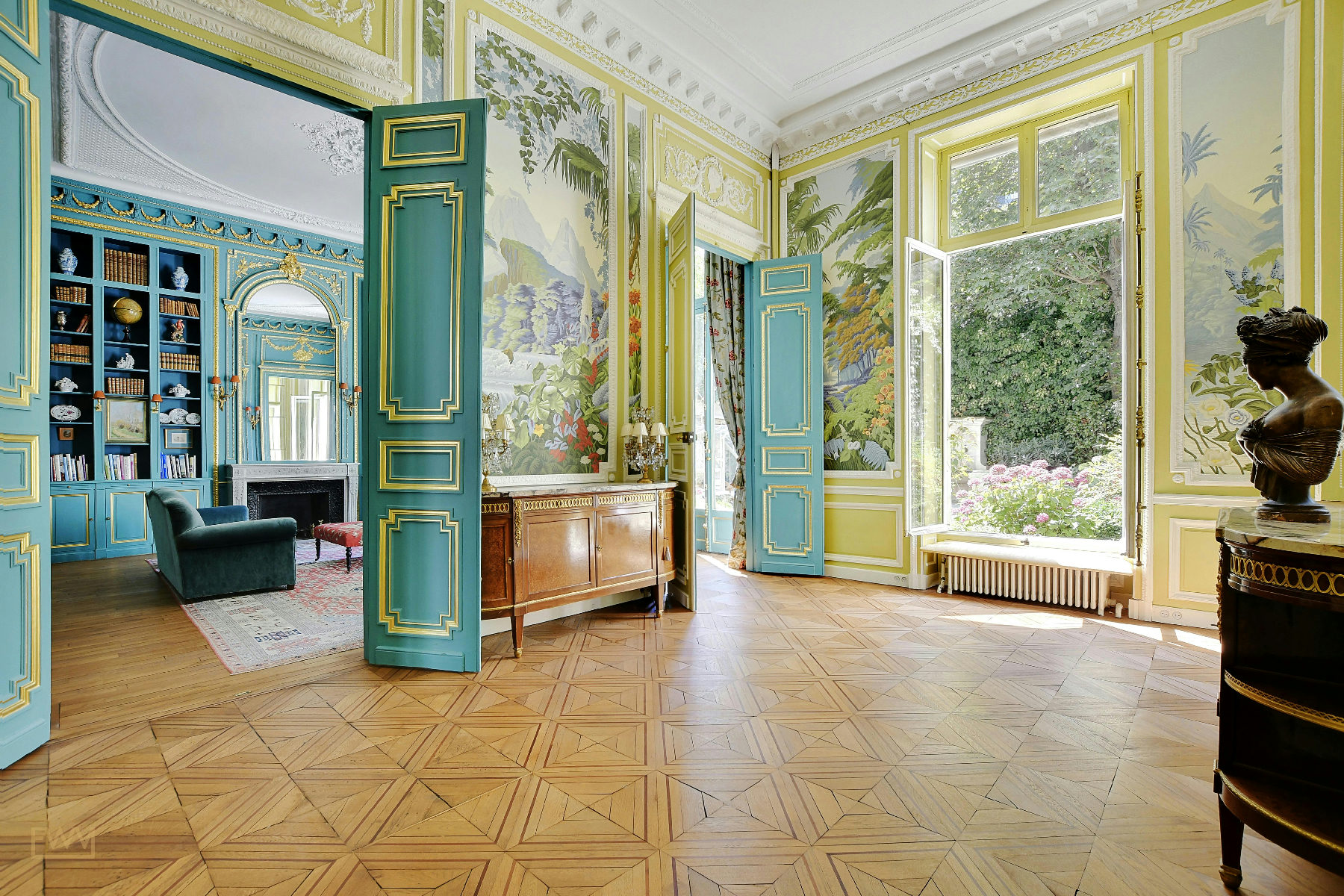
Spaces in this zone typically feature period architecture: high ceilings, parquet or herringbone floors, ornate cornicing, large windows, and often private entrances that allow brands to control the arrival experience. These physical qualities support premium merchandising and photography, making the space itself a content-creation asset for social media and press coverage.
DID YOU KNOW: The Vendôme Square area was originally designed to house royal academies and embassies. Its current identity as a luxury retail and hospitality destination evolved over centuries, making it one of the most stable prestige addresses in global retail.
KEY TAKEAWAY: Place Vendôme delivers a combination of architectural prestige, luxury adjacency, verified high-spend foot traffic, and Fashion Week proximity that no other Paris neighbourhood matches at the same concentration. For brands with the budget and concept to justify the address, it remains the most powerful short-term retail location in Europe.
Understanding why Vendôme commands this position is the first step. The next is understanding the full landscape of Parisian neighbourhoods available to pop-up brands, so you can make a calibrated decision about where your activation will deliver the best return.
Parisian Neighbourhoods for Pop-Up Retail: Vendôme, Saint-Honoré, Le Marais, and Beyond
Quick answer: Paris offers a tiered set of pop-up retail neighbourhoods, each with a distinct customer profile, price point, and brand context. Vendôme and rue Saint-Honoré lead for luxury, while Le Marais suits contemporary and streetwear brands, Saint-Germain-des-Prés appeals to design and beauty labels, and Palais Royal attracts emerging and concept-driven activations.
Choosing the right arrondissement is one of the most consequential decisions in a Paris pop-up strategy. Each neighbourhood carries its own identity, audience, and commercial logic. A brand that excels in Le Marais might find the Vendôme context too formal; a maison-level jewellery brand would likely find the Marais insufficiently prestigious. The table below maps the primary pop-up neighbourhoods against their key characteristics.
| Neighbourhood | Arrondissement | Primary Audience | Brand Fit | Typical Space Types |
|---|---|---|---|---|
| Place Vendôme / rue Saint-Honoré | 1st | Ultra-high net worth, international tourists, fashion industry | Luxury, jewellery, haute couture, flagship beauty | Ground floor retail, private first-floor showrooms, courtyard spaces |
| Palais Royal | 1st | Design-conscious, fashion insiders, cultural visitors | Emerging luxury, concept stores, art-led brands | Gallery spaces, arcade units, courtyard-facing retail |
| Le Marais | 3rd and 4th | Fashion-forward locals, international visitors, younger luxury buyers | Streetwear, contemporary fashion, contemporary art, beauty | Converted hôtels particuliers, ground floor storefronts, loft spaces |
| Saint-Germain-des-Prés | 6th | Design buyers, Parisian professionals, literary and art travellers | Design, interiors, niche beauty, literary brands | Boutique storefronts, gallery spaces, private apartments |
| Champs-Élysées / Avenue de la Grande Armée | 8th | Mass tourists, international visitors, automotive and tech brands | Mass luxury, experiential, automotive, entertainment | Large format retail, flagship-scale venues |
| Châtelet / rue de Rivoli | 1st | Mixed tourists and locals, high volume | Accessible luxury, gifts, fast fashion, brand awareness campaigns | Street-level retail, market-style units |
Le Marais deserves particular attention for brands considering multiple activation windows. The neighbourhood's density of galleries, independent boutiques, and cultural institutions creates a curatorial atmosphere that rewards concept-forward brands. Place des Vosges, Paris's oldest planned square, sits at the heart of Le Marais and provides an extraordinary backdrop for brands willing to invest in a courtyard-facing or arcade unit. During FIAC and Paris Design Week, the Marais foot traffic is heavily weighted toward tastemakers and press, making it a strong complement to a Vendôme showroom running simultaneously.
Saint-Germain-des-Prés appeals to beauty, fragrance, and design brands that want intellectual and cultural associations rather than pure luxury signalling. The neighbourhood's bookshops, galleries, and chef-driven restaurants create an atmosphere of discerning taste that suits brands positioning around craftsmanship, ingredients, and provenance.
For brands weighing multiple locations as part of a single campaign, Fashion Week Venues operates a twin co-activation concept through the twin activation model, which allows brands to run coordinated activations across two sites simultaneously, maximising both prestige and discovery.
TIP: When evaluating neighbourhoods, consider not only the headline address but the specific street, frontage, and floor. A ground-floor unit on rue Saint-Honoré with a large glass frontage will outperform a first-floor unit on the same street for impulse traffic, even at a higher cost per square metre.
KEY TAKEAWAY: Paris's pop-up neighbourhoods form a clear hierarchy, and each serves a different brand objective. Vendôme and Saint-Honoré are optimal for ultra-luxury and Fashion Week showrooming; Palais Royal for concept-led brands; Le Marais for contemporary and culturally engaged labels; and Saint-Germain-des-Prés for design and beauty. Matching neighbourhood to brand identity is as important as budget.
With the neighbourhood decision clarified, the next priority is understanding the physical space types available in each zone and the features that distinguish a merely adequate venue from one that genuinely serves your activation concept.
Space Types for Pop-Up Shops Near Place Vendôme: Features, Formats, and What to Look For
Quick answer: The Vendôme and Saint-Honoré corridor offers several distinct space typologies, from ground-floor retail storefronts with glass facades to private first-floor showrooms, courtyard venues, and converted gallery spaces. Each type suits a different activation format, brand size, and budget level.
Understanding space typology before you begin your search prevents the common mistake of viewing a venue only through the lens of size and price. The physical characteristics of a space directly determine how your brand can use it, how your product will be perceived, and what kind of customer experience you can deliver.
Ground-Floor Retail Storefronts
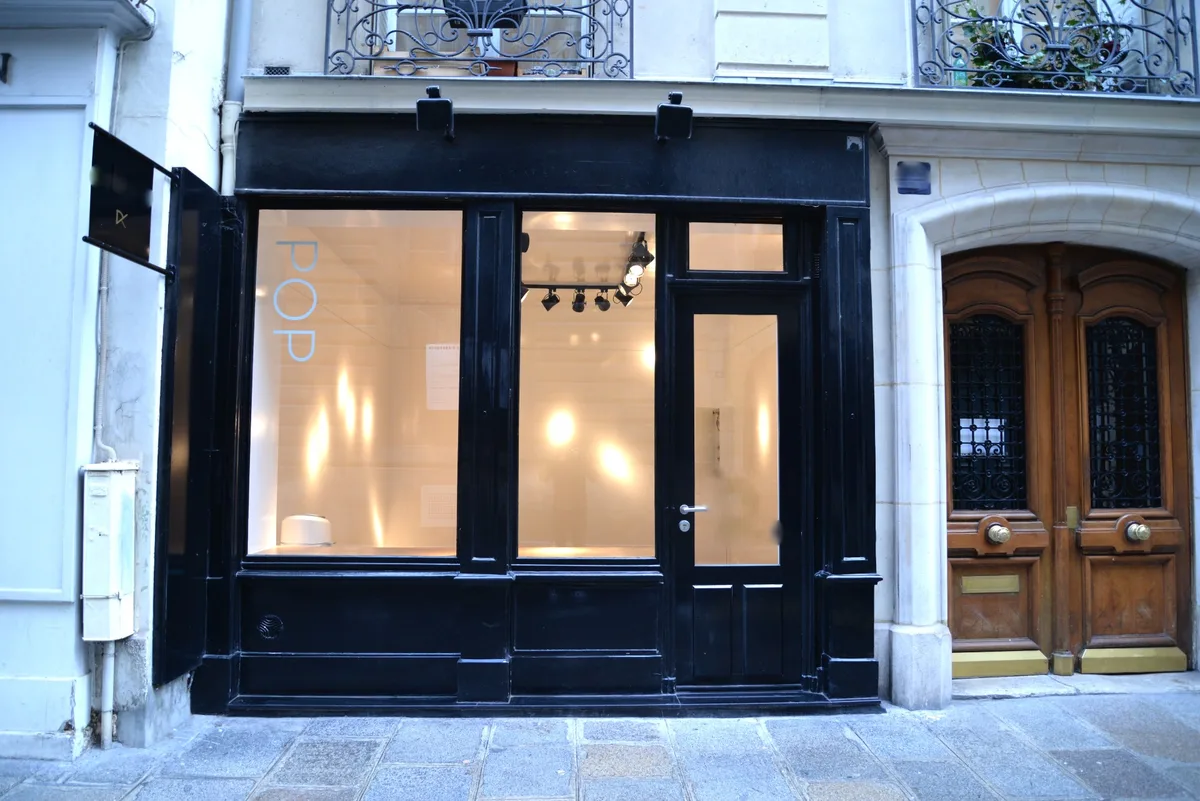
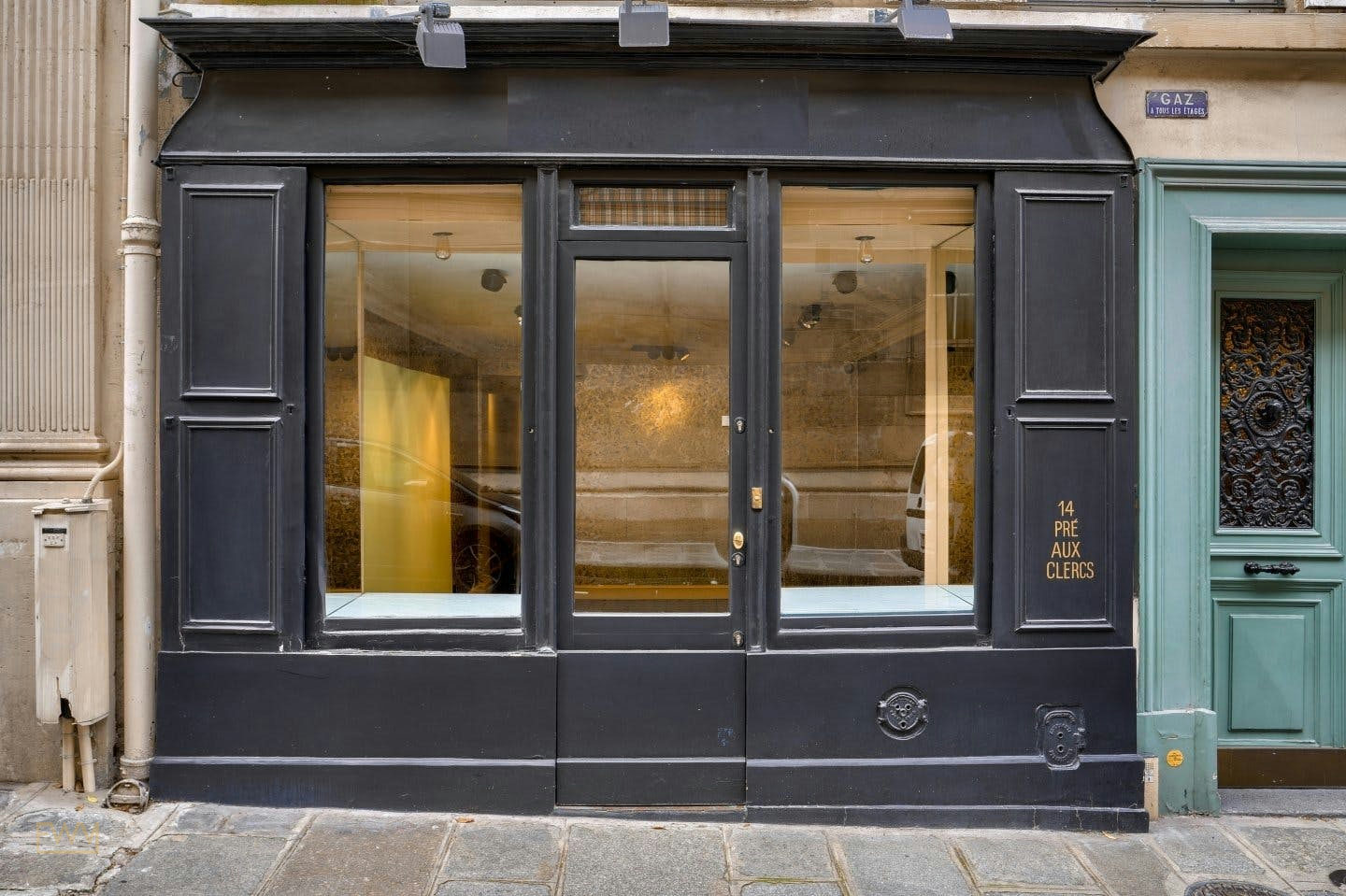
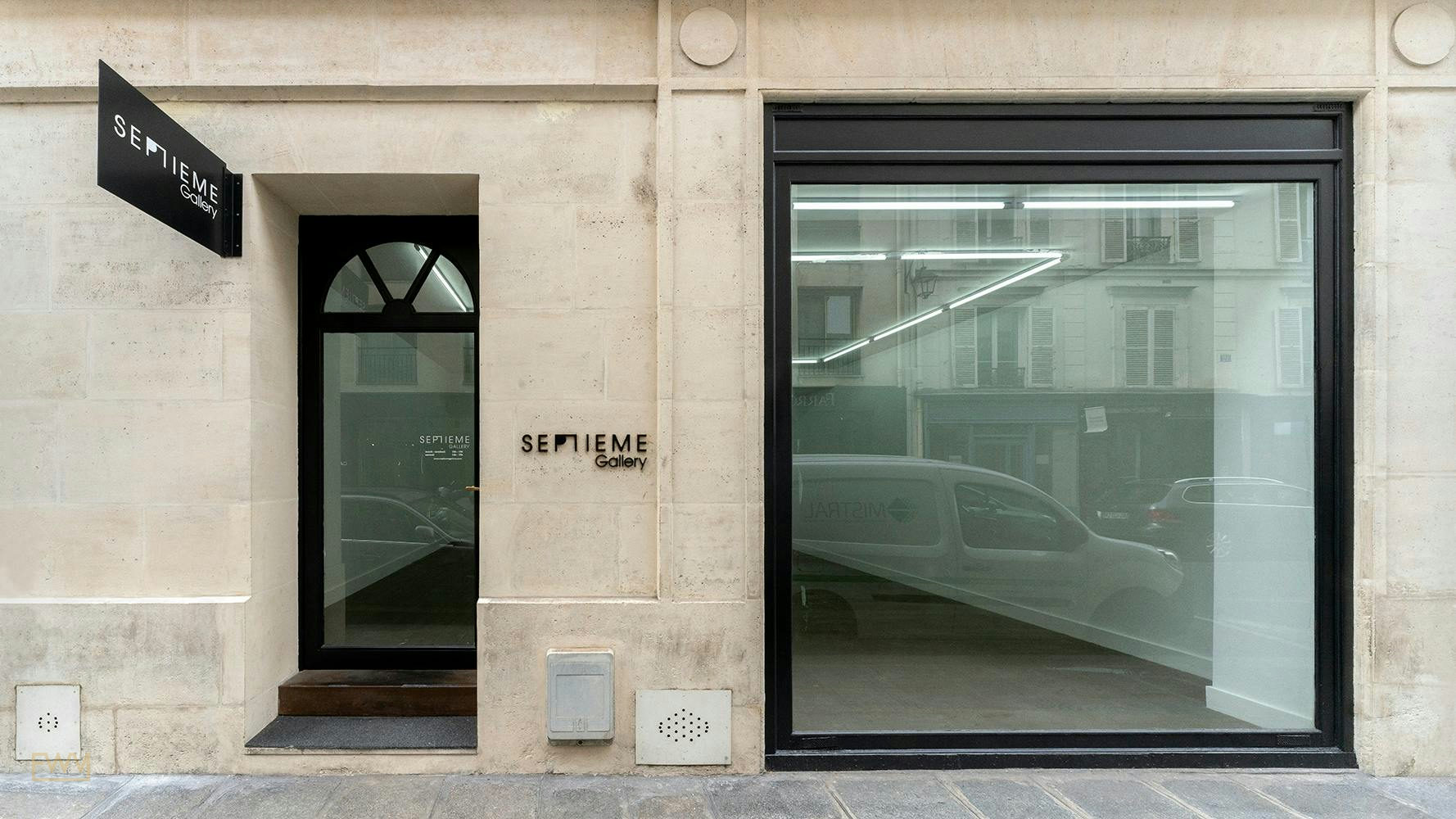
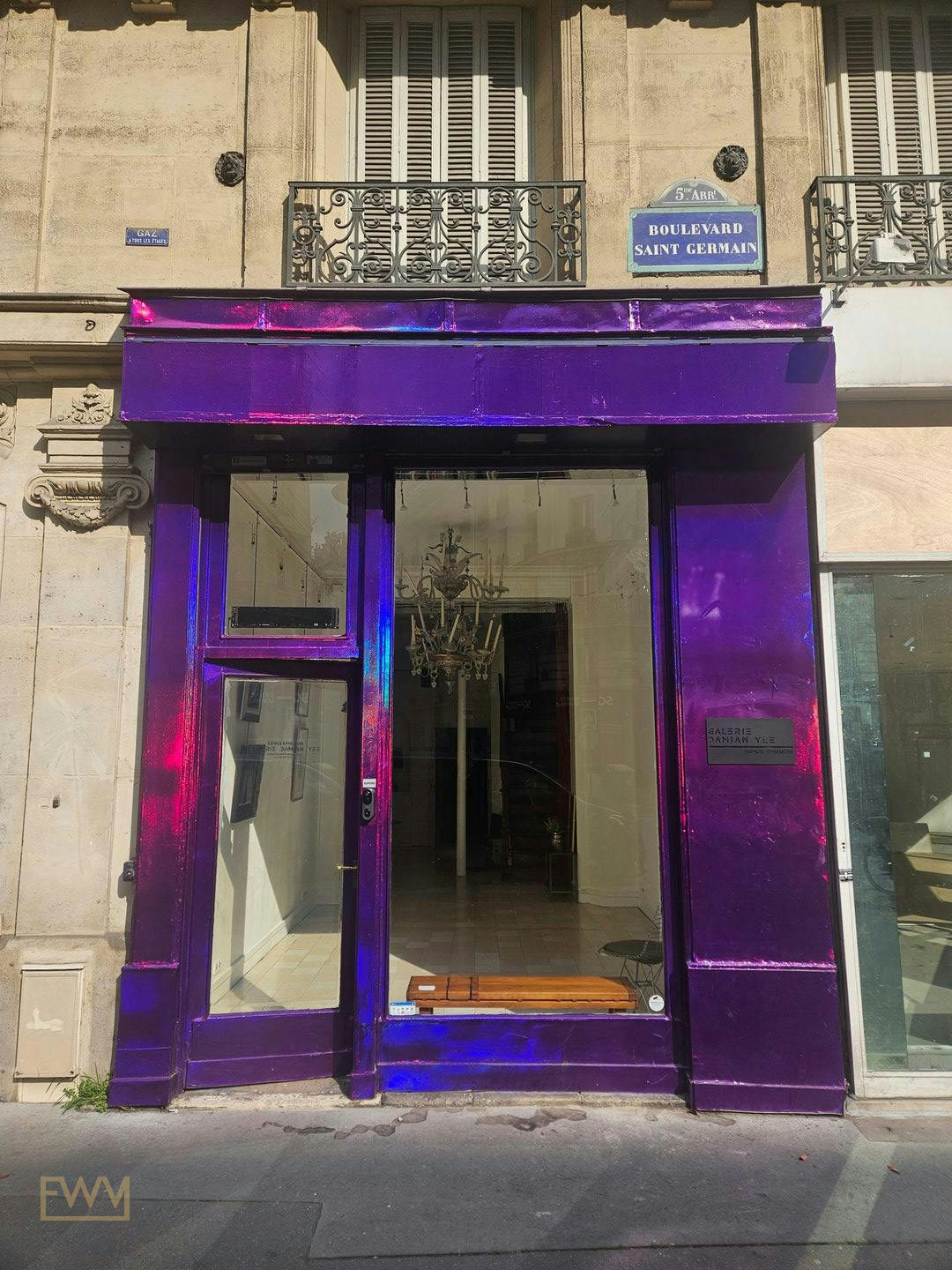
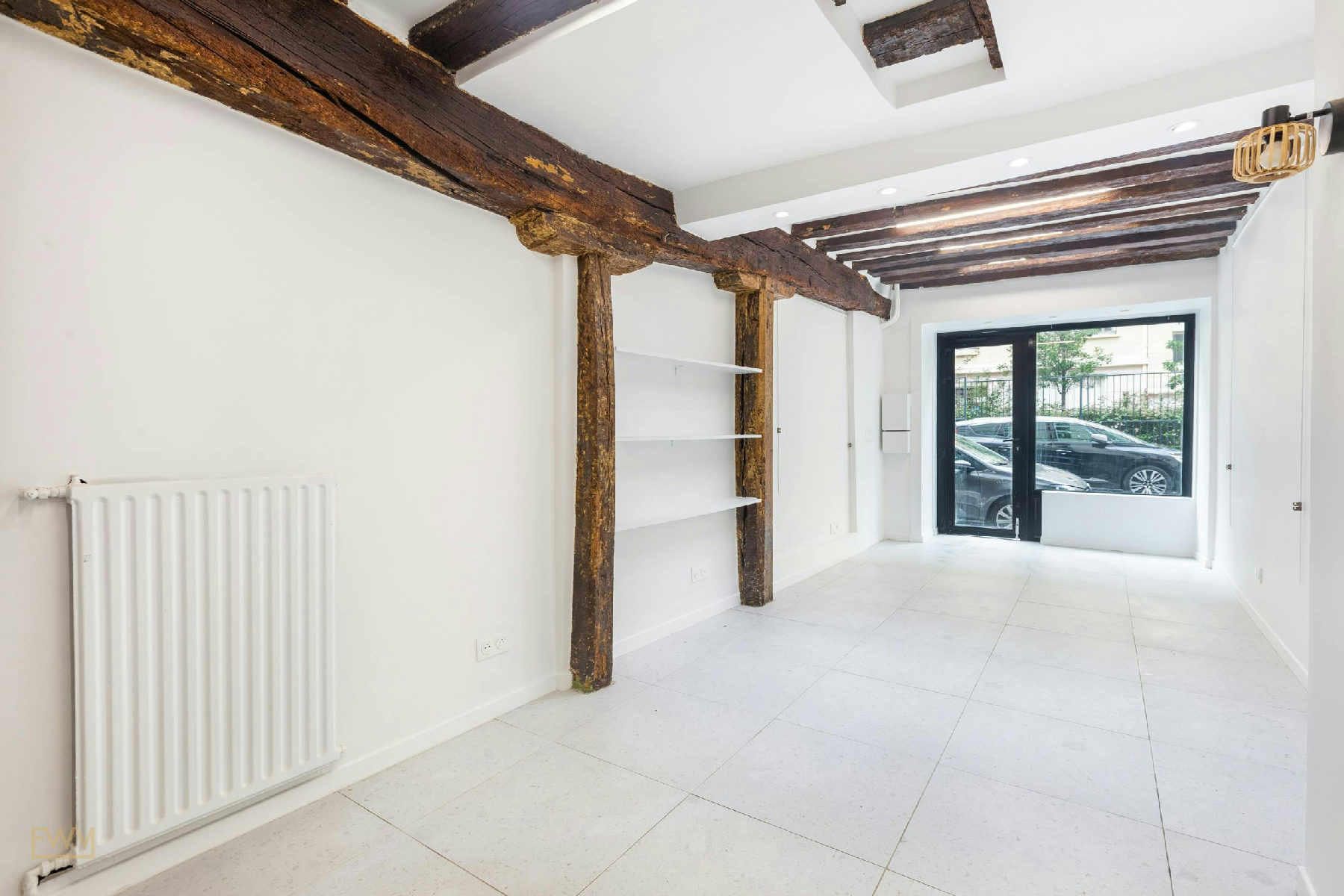
The classic pop-up format in the Vendôme zone is a ground-floor retail storefront with a street-facing window. These spaces typically feature high ceilings, herringbone or parquet flooring, large door entrances to allow product delivery and wheelchair access, and existing lighting rigs that can be supplemented with spotlights for merchandise. Signage options vary significantly by building and landlord, so confirming signage permissions at enquiry stage is essential. These spaces work well for product launches, direct-to-consumer retail, and brand awareness campaigns where impulse discovery from passing foot traffic is a primary goal.
First-Floor Showrooms with Private Entrance
For brands running trade or press showrooms during Fashion Week, a first-floor space with a private entrance offers discretion, control, and a more intimate atmosphere. These venues typically feature larger floor plates than street-level units, period architectural details including ornate ceilings, and the ability to configure the space into zones for collection display, appointment areas, and press offices. The private entrance is a significant operational advantage, allowing brands to manage arrivals, control guest flow, and create a curated first impression that begins before the product is seen.
Gallery Spaces and Art-Led Venues
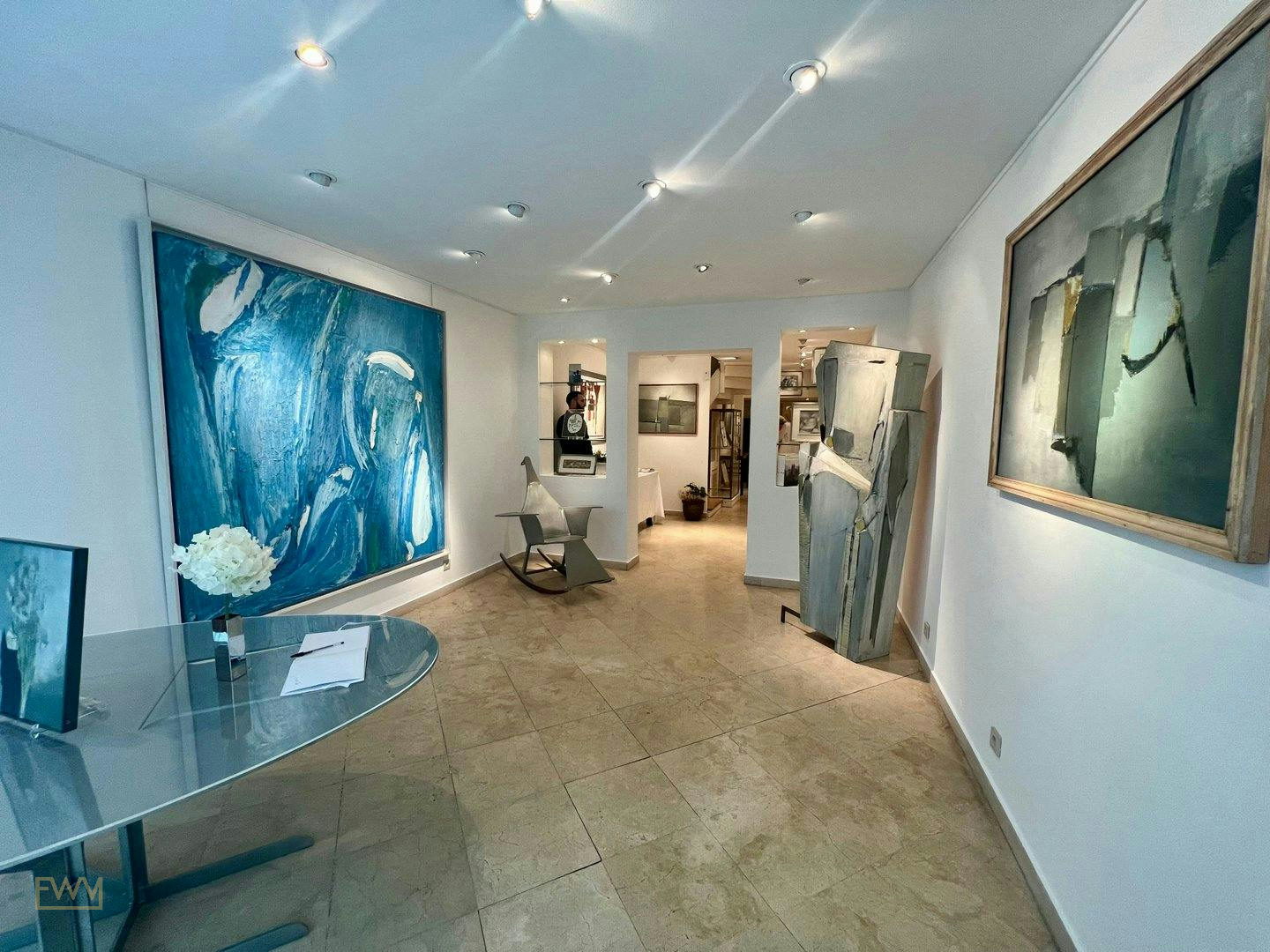
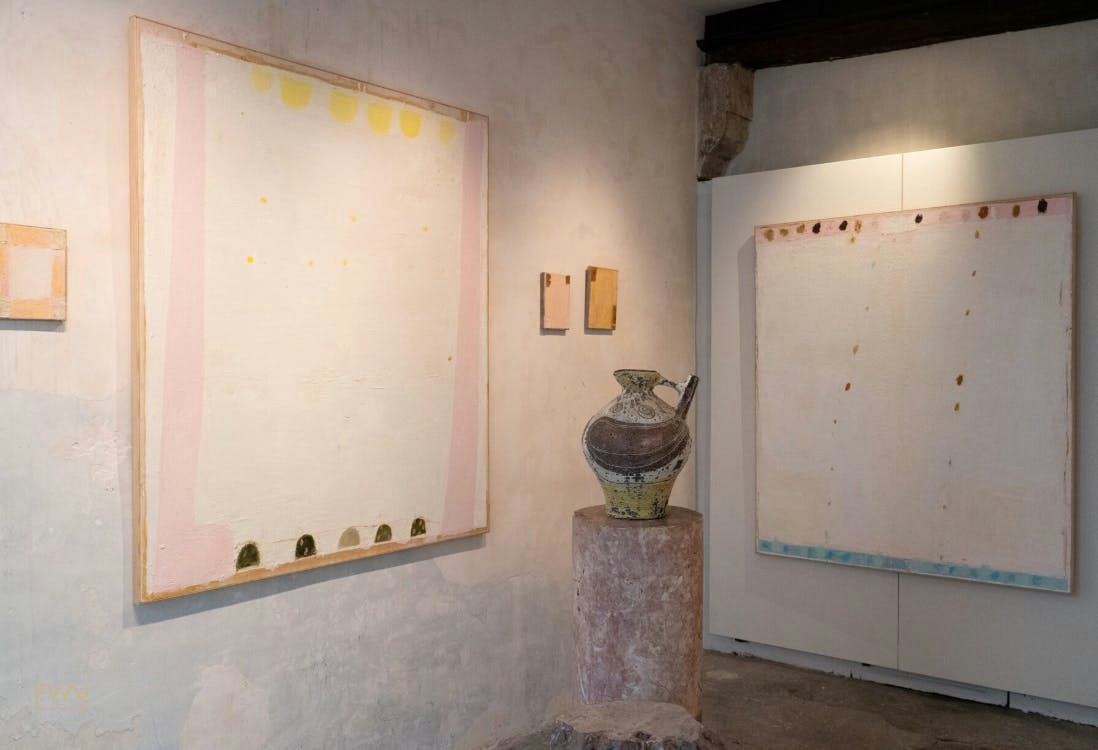
Gallery spaces near the Palais Royal and in the 1st arrondissement more broadly suit brands wanting a white-cube or art-adjacent context. These spaces typically feature polished concrete or hardwood floors, track lighting, blank white walls suitable for branded installation, and a neutral atmosphere that foregrounds the product. During Paris Design Week, these spaces are particularly sought after by furniture, lighting, and object brands.
Courtyard and Private Garden Venues
Several hôtels particuliers and 18th-century buildings in and around the Vendôme zone feature internal courtyards accessible through a porte cochère. These spaces allow for outdoor events that maintain privacy and architectural elegance, making them ideal for evening launches, private dinners, and press events. The Jardin des Tuileries and the gardens of the Palais Royal provide adjacent public green space that can complement a courtyard activation strategy.
Apartment and Loft Formats
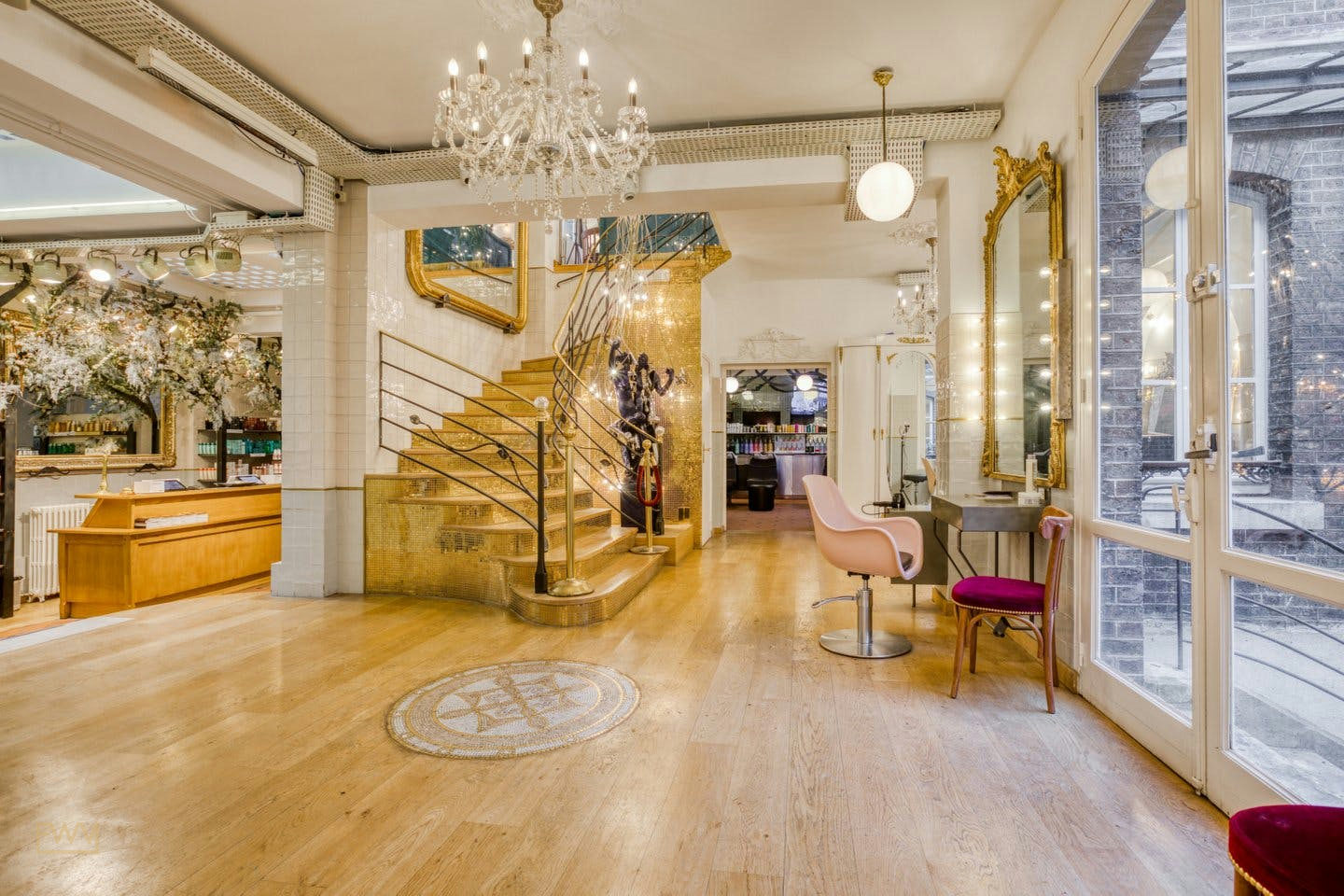
For intimate brand experiences, private apartments and residential loft spaces in the 1st and 2nd arrondissements offer a domestic scale that suits home, beauty, and lifestyle brands wanting to create a lived-in, editorial atmosphere. These spaces typically feature herringbone floors, tall windows with natural daylight, residential kitchens that allow catering for private events, and a warmth of ambience that formal retail cannot replicate.
IMPORTANT: Space descriptions from listing platforms vary considerably in accuracy. Always confirm ceiling heights, load-bearing specifications for heavy installations, electrical capacity, ventilation, and permitted use before signing any rental agreement. Sending a technical brief to the space owner or manager before viewing saves significant time.
| Space Type | Best For | Key Features to Verify | Typical Duration |
|---|---|---|---|
| Ground-floor storefront | Direct-to-consumer retail, product launches, brand awareness | Signage rights, window display access, delivery access | 1 to 4 weeks |
| First-floor showroom | Trade showrooms, press days, Fashion Week appointments | Private entrance, lift access, floor load capacity | 1 to 3 weeks |
| Gallery space | Art-led activations, design brands, concept launches | Lighting rig, wall condition, natural light | 1 week to 1 month |
| Courtyard venue | Private events, evening launches, press dinners | Covered access, electrical supply, capacity | 1 to 5 days |
| Private apartment or loft | Intimate brand experiences, beauty, lifestyle, editorial | Kitchen facilities, natural light, noise restrictions | 2 days to 2 weeks |
KEY TAKEAWAY: Matching space type to activation format is as important as location. A showroom brand that books a ground-floor storefront will underperform; a DTC brand that books a first-floor private showroom will miss foot traffic. Define your activation model before searching for a space.
Once the space type is clear, the rental process itself involves a set of legal, administrative, and logistical steps that international brands frequently underestimate. The next section addresses those steps in full.
The Pop-Up Shop Rental Process in Paris: From Enquiry to Lease Start
Quick answer: Renting a pop-up shop in Paris involves identifying a space, negotiating terms under the appropriate legal framework, completing compliance requirements including insurance and permits, then coordinating production and fit-out before trading. International brands without a French legal entity can still rent short-term spaces, but require careful legal structuring.
The rental process for short-term retail spaces in Paris differs materially from the process in London, New York, or other major fashion capitals. Understanding the French legal and administrative framework from the outset prevents delays, unexpected costs, and compliance failures that can jeopardise an activation.
Step 1: Define Your Brief
Before approaching any space owner, platform, or agent, your team should produce a clear written brief covering: activation dates, space size requirements, neighbourhood preferences, budget range, permitted use requirements, signage needs, production requirements, and any specific architectural or technical features needed. Brands that approach the market without a brief typically waste several weeks viewing unsuitable spaces.
Step 2: Source and Shortlist Spaces
Spaces near Place Vendôme are sourced through a combination of direct landlord relationships, specialist agencies, and curated marketplace platforms. Fashion Week Venues operates a dedicated venue sourcing service for brands seeking spaces in the Vendôme corridor and broader Paris market, with access to spaces that do not appear on public listing platforms. For preliminary research, the Fashion Week Venues marketplace allows brands to browse and compare verified listings.
Step 3: Understand the Legal Framework
Short-term retail leases in France operate under different legal frameworks depending on duration and space type. The two most relevant for pop-up brands are the bail dérogatoire and the autorisation d'occupation temporaire (AOT).
A bail dérogatoire is a short-term commercial lease that derogates from the standard nine-year French commercial lease statute. It can be used for occupations of up to three years, though in practice pop-up brands typically use durations of one to four weeks. The bail dérogatoire allows both parties to set terms freely, provided the tenant does not take up occupation with the intention of establishing a long-term lease. It is the most common instrument for branded pop-up shops in Paris.
An autorisation d'occupation temporaire applies to spaces in public domain, including parts of the Palais Royal and certain public squares and monuments. AOT arrangements require approval from the relevant public authority and involve specific conditions on use, signage, and restoration. Brands considering publicly owned spaces should build additional lead time into their timeline for AOT applications.
IMPORTANT: Neither a bail dérogatoire nor an AOT is a standard commercial lease, and the legal requirements, protections, and obligations differ significantly. Brands should verify all lease terms with a qualified French legal advisor before signing. Fashion Week Venues provides access to the permits guidance tool to help brands understand the permit landscape, but this does not substitute for professional legal advice.
Step 4: Negotiate Terms and Sign
Key negotiation points for short-term retail leases in Paris include: rent level and payment schedule, security deposit amount, permitted use and signage rights, restoration obligations at lease end, access hours and out-of-hours arrangements, and responsibility for utilities and service charges. International brands without a French SIRET number will need to provide alternative financial guarantees, and some landlords require a French co-signatory or bank guarantee.
Step 5: Complete Insurance and Compliance
Insurance requirements for pop-up retail in Paris include public liability coverage, property damage coverage, and in some cases employer liability if staffing is employed directly. The specific requirements vary by space type, duration, and the terms of the lease. Brands should confirm insurance requirements with the landlord and their own insurer simultaneously to avoid gaps in coverage.
Step 6: Coordinate Production and Fit-Out
Once the lease is signed, production planning begins. This includes branded store design, furniture rental, lighting installation, POS and payments setup, signage production, and any custom build elements. In the Vendôme zone, building managers often impose strict rules on fixings, drilling, and structural alterations, so all production plans should be reviewed against the lease terms before any work begins.
| Stage | Key Actions | Recommended Lead Time Before Opening |
|---|---|---|
| Brief definition | Dates, budget, space requirements, permitted use | 12 to 16 weeks |
| Space sourcing | Search, viewings, shortlisting, negotiations | 10 to 14 weeks |
| Legal and compliance | Lease review, insurance, permits | 6 to 10 weeks |
| Production planning | Design, furniture, lighting, signage, POS | 6 to 8 weeks |
| Fit-out and installation | Build, dress, testing, staff training | 3 to 7 days before opening |
| Activation and trading | Operations, events, social media, press | Opening day onward |
| Decommission | Strip, restore, return keys | Within lease end date |
KEY TAKEAWAY: The rental process in Paris requires more lead time than most international brands expect. Building in 12 to 16 weeks from brief to opening for a Vendôme-area activation is realistic; attempting it in six weeks or fewer introduces serious compliance and production risk.
Understanding the process is one thing. Understanding the costs involved is another, and this is the area where brands most frequently encounter surprises.
Pop-Up Shop Costs in Paris: What to Budget for a Vendôme Activation
Quick answer: Pop-up shop costs in Paris vary enormously depending on location tier, space size, duration, production complexity, and staffing. The Vendôme and Saint-Honoré zone commands a premium over other Paris neighbourhoods, and total activation costs extend well beyond the base rental fee. Fashion Week Venues provides a dedicated budget estimation tool to help brands model realistic costs.
One of the most persistent mistakes brands make when planning a Paris pop-up is focusing exclusively on the rental rate and underestimating the full activation cost. Rental is typically one component of a total investment that includes production, staffing, logistics, insurance, permits, marketing, and post-event reporting.
Rental rates in the Place Vendôme and rue Saint-Honoré corridor are among the highest in Paris, reflecting the prestige, foot traffic, and luxury adjacency of the address. Directional benchmarks from the market suggest that spaces in this zone can range from several hundred euros per day for smaller or less prominent units to several thousand euros per day for prime ground-floor storefronts on the square itself. These figures are directional only and should not be used for budget planning without current market verification.
Beyond rental, brands should plan for the following cost categories:
- Production and fit-out: Branded interior design, furniture rental, lighting, flooring overlays, wall graphics, display cases, and any custom build elements. In heritage buildings, costs increase due to restrictions on fixings and the need for reversible installation methods.
- Signage: External and internal signage, window vinyl, and any digital display elements. Signage approvals in the Vendôme zone are subject to building manager and sometimes local authority approval, which can affect both timeline and cost.
- Staffing: Sales staff, brand ambassadors, event hosts, and security. For Fashion Week showrooms, French-speaking staff fluent in the brand's communication priorities are essential.
- POS and payments: Mobile POS systems, card payment terminals, and any custom receipt or packaging materials.
- Insurance: Public liability, property damage, and employer liability as required by the lease and applicable law.
- Marketing and influencer activation: Social media content creation, influencer hosting, press event costs, and digital amplification.
- Logistics: Product delivery, customs clearance for non-EU brands, storage, and end-of-activation return shipping.
To model costs accurately for your specific activation, use the Fashion Week Venues budget calculator, which allows brands to input space size, duration, service requirements, and city to generate a directional total activation estimate.
TIP: Brands frequently overlook restoration costs at the end of a lease. Landlords in the Vendôme zone often require the space to be returned to its exact pre-activation condition, which can involve professional cleaning, plaster repair, flooring restoration, and third-party inspection. Budget for this from the start rather than absorbing it as a surprise at close.
DID YOU KNOW: The total cost of a Paris Fashion Week pop-up activation, including rental, production, staffing, and marketing, can vary by a factor of ten or more depending on brand ambition and space choice. Brands that invest in thorough upfront planning consistently achieve better cost control than those who build the budget incrementally during the process.
To measure expected return against that investment, Fashion Week Venues also provides an ROI calculation tool that helps brand teams model revenue, press value, data capture, and longer-term brand equity contributions from a Paris activation.
KEY TAKEAWAY: Budget planning for a Vendôme pop-up requires accounting for rental, production, staffing, insurance, logistics, marketing, and restoration costs as a unified total. Focusing only on the rental rate produces significant budget shortfalls in execution. Use structured tools to build a realistic total activation budget before committing to a space.
Cost clarity enables better decisions, but the strategic case for a Paris pop-up also depends on understanding the brand and marketing benefits that justify the investment.
Brand Strategy and Marketing Value of a Place Vendôme Pop-Up Shop
Quick answer: A well-executed pop-up shop at Place Vendôme or on rue Saint-Honoré delivers brand positioning benefits that extend far beyond the activation period, generating press coverage, social media content, influencer engagement, buyer relationships, and long-term brand equity in the Paris market and internationally.
The marketing case for a Vendôme pop-up is built on several distinct value streams. Understanding each one allows brand teams to structure their activation to maximise return across multiple dimensions simultaneously.
Brand Positioning and Luxury Perception
Renting a space at Place Vendôme places a brand in physical proximity to the names that define global luxury. Christian Dior, Louis Vuitton, Burberry, and the historic jewellery maisons that occupy the square create an atmosphere of excellence that transfers to any brand operating within it. This positioning effect is particularly valuable for brands seeking to enter the European luxury tier or to signal a repositioning to existing customers. A single campaign image shot in a Vendôme space, shared across social media and press, communicates more about brand ambition than months of digital advertising.
Fashion Week Visibility and Industry Relationships
Paris Fashion Week concentrates the global fashion industry into a compressed calendar window. Buyers from major department stores, editors from international publications, stylists, photographers, and brand directors all converge in the 1st and 8th arrondissements during this period. A showroom or pop-up shop in the Vendôme zone during Fashion Week creates a natural gathering point for this audience, enabling relationship-building, product demonstration, and press exposure within a single activation.
Social Media and Content Creation
The architectural qualities of Vendôme spaces, including herringbone floors, high ceilings, period cornicing, natural light, and the iconic backdrop of the square itself, make them exceptional environments for content creation. Brands that plan their space design with photography and video production in mind generate content assets that continue to deliver value long after the activation closes. Influencer visits to a well-designed Vendôme space generate authentic, high-quality posts that are difficult to replicate in studio settings.
Customer Experience and Direct Engagement
Pop-up shops offer a form of customer interaction that digital channels cannot replicate. The combination of ambience, product, architecture, and human interaction creates emotional associations that translate into long-term loyalty. For beauty brands, this might mean treatment experiences, custom consultations, or sensory product introductions. For fashion brands, it might mean made-to-measure appointments, archive viewing, or bespoke styling sessions. The private, appointment-based format of many Vendôme showrooms enhances the sense of exclusivity and personal attention.
Data Capture and Market Intelligence
A physical activation in Paris generates qualitative and quantitative data that informs future market strategy. Foot traffic patterns, conversion rates, average transaction values, product preferences, and customer demographics all provide intelligence that is difficult to gather at the same quality through digital channels. Brands that build structured data capture into their activation from the outset, using POS data, CRM registration, and post-visit surveys, leave Paris with a market intelligence asset as well as a sales result.
Calendar Integration: Beyond Fashion Week
While Paris Fashion Week is the highest-profile window, several other calendar moments create strong conditions for a Vendôme pop-up. FIAC, the international contemporary art fair, draws a collector and tastemaker audience highly aligned with luxury brands. Paris Design Week activates a design and interiors audience in September. The Christmas gifting season, from late November through December, brings sustained high-spend foot traffic to the entire 1st arrondissement. Brands should evaluate which calendar window best aligns with their product cycle and target audience before committing to dates.
To compare the commercial and brand positioning potential of a Vendôme activation against other Paris neighbourhoods, the space comparison tool on Fashion Week Venues allows brands to evaluate multiple options side by side across key criteria.
KEY TAKEAWAY: The brand and marketing value of a Place Vendôme pop-up extends across positioning, press, social media, industry relationships, customer experience, and data capture. Brands that plan activations with all of these value streams in mind, rather than focusing solely on sales, consistently achieve greater overall return on their Paris investment.
For the activation to deliver on that strategic promise, it must be executed with precision. The following section explains how Fashion Week Venues supports brand teams through every stage of that process.
How Fashion Week Venues Supports Brands Renting Pop-Up Shops in Paris
Fashion Week Venues operates as a full-service pop-up agency and space marketplace for brands seeking temporary retail, showroom, and event venues in Paris and other major fashion capitals. For brands targeting the Place Vendôme and Saint-Honoré corridor, the agency provides end-to-end support across space discovery, legal navigation, production, staffing, and post-activation analysis.
Space Discovery and Venue Sourcing
The Fashion Week Venues marketplace lists curated spaces across Paris's key retail neighbourhoods, including the 1st arrondissement zone covering Vendôme, Palais Royal, and rue de Rivoli. The agency's venue sourcing team also accesses off-market spaces through established landlord relationships, giving brands visibility of options that do not appear on public platforms. The space locator tool helps brands identify venues by neighbourhood, space type, size, and availability window.
Concept Direction and Branded Store Design
For brands that have identified a space but need support translating their brief into a physical concept, Fashion Week Venues offers concept direction and branded store design services. This includes spatial planning, visual merchandising strategy, material selection, lighting design, and window display concepts tailored to the heritage context of Vendôme buildings.
Production, Build, and Fit-Out
The agency coordinates all production and fit-out activity, including furniture rental, custom build elements, display cases, flooring overlays, and signage production. In the Vendôme zone, where building restrictions often preclude permanent fixings and require reversible installation methods, the production team's experience with heritage constraints is particularly valuable. Brands can explore this service through the production and build service page.
Retail Staffing and Activation Management
Fashion Week Venues provides French-speaking retail staff, brand ambassadors, and event hosts for pop-up activations. The agency also manages day-to-day activation operations, including opening and closing procedures, stock management, customer interaction protocols, and daily reporting. This is particularly valuable for international brands that do not have a Paris-based team.
Tools for Planning and Decision-Making
Beyond services, Fashion Week Venues offers a suite of planning tools available through the tools hub, including a timeline planner, budget calculator, ROI calculator, permit guide, space comparison tool, and space locator. These tools help brand teams build a rigorous brief, model costs, assess permit requirements, and manage the activation timeline before engaging the agency for full-service support.
What Fashion Week Venues Does Not Guarantee
Fashion Week Venues does not guarantee the availability of specific spaces, the approval of permits or signage requests, the outcome of lease negotiations, or specific commercial results from an activation. The agency provides expertise, access, and execution capability. Outcomes depend on brand readiness, market conditions, and the quality of the brand's own product and communication.
KEY TAKEAWAY: Fashion Week Venues provides the most comprehensive support structure available to brands entering the Paris pop-up market, from initial space discovery through to post-activation reporting. Brands benefit most from engaging the agency early, with a clear brief and realistic timeline, to access the full range of services and tools available.
Paris Fashion Week Calendar and Pop-Up Shop Timing Strategy
Quick answer: Paris Fashion Week takes place twice annually, in late February and early March for the autumn and winter collections, and in late September and early October for the spring and summer collections. Both windows are high-demand periods for pop-up spaces in the Vendôme zone, but several other calendar moments also offer strong conditions for brand activations.
Timing a Paris pop-up correctly is one of the highest-leverage decisions a brand team makes. Renting the right space in the wrong window wastes investment; timing an activation to coincide with peak audience concentration multiplies its value.
Fashion Week is the most competitive window for space availability. Brands seeking spaces in the Vendôme and Saint-Honoré corridor during Fashion Week need to begin their search at least 12 to 16 weeks in advance, and for prime ground-floor storefronts, earlier searches are advisable. The demand compression during Fashion Week means that spaces are often reserved months in advance by returning brands.
Outside Fashion Week, the Paris retail calendar offers several strong secondary windows. The Christmas gifting period, from late November through the first week of January, brings sustained high-value foot traffic to the entire 1st arrondissement, with the Vendôme square itself frequently hosting seasonal installations from its permanent tenants. FIAC, typically held in October at the Grand Palais Éphémère, draws a collector and luxury audience that overlaps strongly with Vendôme brands. Paris Design Week in September activates a design and interior audience across multiple venues in the Marais and Saint-Germain-des-Prés.
For brands running their first Paris activation, a secondary calendar window can offer better value than Fashion Week, as competition for spaces is lower, rental premiums are less extreme, and the brand team has more capacity to focus on execution quality rather than managing a compressed calendar.
The timeline planning tool on Fashion Week Venues helps brands work backward from their intended activation dates to identify all milestones, including space confirmation, legal review, production start, and staff briefing.
KEY TAKEAWAY: Paris Fashion Week is the highest-profile but also the most competitive window for Vendôme pop-up activations. Brands with flexible calendars should evaluate secondary windows including FIAC, Paris Design Week, and the Christmas gifting period as viable and often more cost-efficient alternatives.
Permits, Regulations, and Compliance for Pop-Up Shops in the 1st Arrondissement
Quick answer: Pop-up shops in the Vendôme zone and broader 1st arrondissement of Paris are subject to French commercial lease law, local planning regulations governing signage and facade alterations, and in some cases public domain authorisation requirements. International brands must understand these frameworks before committing to a space.
Compliance is one of the most frequently underestimated dimensions of a Paris pop-up. The regulatory environment is more complex than in most other European capitals, and the Vendôme zone in particular involves heritage building protections that add additional constraints.
The core legal instruments for short-term retail are the bail dérogatoire for private commercial buildings and the autorisation d'occupation temporaire for spaces within the public domain. As described earlier in this guide, these instruments have distinct requirements, timelines, and conditions that differ from standard commercial leases.
Beyond the lease instrument, brands must consider the following permit and compliance areas:
- Signage permits: External signage in the 1st arrondissement is subject to local planning regulations. Heritage building protections in the Vendôme zone mean that non-standard signage, including projecting signs, digital displays, and large-format window graphics, may require explicit landlord and local authority approval.
- Event permits: Pop-up shops that incorporate public events, street activations, or outdoor components require separate permits from the local mairie or the Paris prefecture depending on scale and location.
- Food and beverage: Activations involving food or beverage service require compliance with French food safety regulations, including HACCP principles and in some cases formal licensing.
- Employment law: Brands employing staff directly in France are subject to French labour law, including minimum wage requirements, working hours regulations, and payroll obligations. Using a staffing agency with French employment expertise significantly reduces this complexity.
Requirements vary by space type, duration, arrondissement, and the specific terms negotiated in the lease. Fashion Week Venues provides access to the permits guidance tool as a starting point for understanding the regulatory landscape, but all brands should verify their specific compliance obligations with a qualified French legal advisor before proceeding.
IMPORTANT: Do not assume that because a previous tenant ran a pop-up in a space without apparent compliance issues, the same use will be permitted for your activation. Regulatory interpretation can vary, and landlords may impose additional restrictions on specific uses beyond what the general legal framework requires.
KEY TAKEAWAY: Permit and compliance requirements for pop-up shops in Paris's 1st arrondissement are material and non-trivial. Brands that invest in legal and compliance advice early in the process avoid delays, fines, and the risk of being required to cease trading before the activation period is complete.
Common Myths About Renting a Pop-Up Shop in Paris Debunked
MYTH: You need a French legal entity to rent a pop-up shop in Paris.
FACT: International brands without a French SIRET number can rent short-term retail spaces in Paris under a bail dérogatoire, but they will typically need to provide alternative financial guarantees such as a bank guarantee, a parent company guarantee, or an advance payment arrangement. Some landlords require a French co-signatory or the involvement of a French-registered agency as the contracting party. Working with an agency that has established landlord relationships and understands the available structures significantly simplifies this process for international brands.
MYTH: Paris Fashion Week is the only viable calendar window for a Vendôme pop-up activation.
FACT: While Paris Fashion Week generates the highest concentration of industry visitors, the Vendôme zone and the broader 1st arrondissement attract high-spend international visitors year-round. FIAC, Paris Design Week, the Christmas gifting season, and the summer tourism peak all provide strong conditions for brand activations. For brands making their first entry into the Paris market, a secondary calendar window often allows for better space availability, lower rental premiums, and more operational bandwidth for the brand team.
MYTH: Commission brokers or general listing platforms are the only way to find a pop-up space in Vendôme.
FACT: Many of the most desirable spaces in the Vendôme and Saint-Honoré corridor are available through direct landlord relationships and specialist agency networks that do not list publicly. Commission-based brokers exist in this market but are not the only or necessarily the best route to securing a space. Specialist full-service agencies with established Paris landlord relationships can access off-market inventory and provide end-to-end support that a broker alone cannot deliver.
MYTH: Short-term leases in Paris are legally straightforward and brands can sign without specialist advice.
FACT: The bail dérogatoire and autorisation d'occupation temporaire are specialist legal instruments under French law. While they are designed to be more flexible than standard nine-year commercial leases, they still contain obligations and risks that differ materially from short-term leases in other jurisdictions. International brands that sign without independent French legal review expose themselves to unexpected restoration obligations, use restrictions, security deposit disputes, and in some cases inadvertent conversion to a long-term lease entitlement. Specialist legal advice at the lease review stage is a relatively small cost relative to the risk it mitigates.
MYTH: A larger space always delivers better results than a smaller one in the Vendôme zone.
FACT: Space size should be determined by activation concept and operational requirements, not prestige. A small, perfectly executed 50 square metre storefront on rue Saint-Honoré will outperform a poorly activated 200 square metre space every time. Over-sizing a space also increases production costs disproportionately, as more furniture, lighting, and branded content is required to fill the environment convincingly. Brands that right-size their space to their concept consistently achieve better experience quality and cost efficiency.
Frequently Asked Questions About Renting a Pop-Up Shop at Place Vendôme
Why should a brand rent a pop-up shop at Place Vendôme rather than another Paris neighbourhood?
Place Vendôme offers a combination of luxury adjacency, architectural prestige, verified high-spend foot traffic, and Fashion Week proximity that no other Paris neighbourhood matches at the same concentration. Brands that place themselves in this context benefit from immediate credibility signals that would take years to build through digital marketing alone. The address also generates superior press and social media value because the square itself is one of the most recognisable luxury environments in the world. That said, the Vendôme zone commands a premium, and brands should assess whether their concept, product, and target audience justify the address before committing.
What are the most sought-after locations for leasing commercial space near Place Vendôme?
Within the immediate Vendôme cluster, the most sought-after positions are ground-floor units facing directly onto the square, followed by rue Saint-Honoré street-level storefronts between Place Vendôme and the Palais Royal. Spaces on the arcade level of the Palais Royal gardens are also highly sought after by concept-led brands. Within the broader 1st arrondissement, rue de Rivoli provides a more accessible price point with strong tourist foot traffic. First-floor showroom spaces with private entrances on side streets close to the square are particularly popular for Fashion Week showrooming by appointment.
How much does it cost to rent a pop-up shop near Place Vendôme in Paris?
Rental costs in the Vendôme and Saint-Honoré corridor vary significantly by space size, position, duration, and market conditions at the time of booking. Directional estimates from the market suggest daily rates can range from a few hundred euros for smaller or less prominent spaces to several thousand euros per day for prime ground-floor units with direct square frontage. These figures are directional only. For a brand-specific budget estimate that includes rental, production, staffing, and all activation costs, use the budget estimation tool on Fashion Week Venues. Relying on directional benchmarks without current market verification will produce inaccurate budgets.
What is the ideal duration to rent a temporary retail space near Vendôme?
Duration depends entirely on activation objectives. Fashion Week showrooms typically run for seven to fourteen days, aligned with the Fashion Week calendar. Consumer-facing pop-up shops aimed at driving sales and brand awareness often run for two to four weeks to build word of mouth and repeat visits. Shorter durations of one to five days can work for event-driven activations such as product launches or press days but do not provide enough time for sustained foot traffic conversion. Brands should also factor in the fit-out and decommission days required around the trading period, as these extend the total lease duration beyond the public-facing activation window.
Can international brands without a French company rent a pop-up shop in Paris?
Yes, international brands without a French SIRET number can rent short-term retail spaces in Paris, but they need to provide suitable financial guarantees and work within a legal structure that accommodates their situation. Options include providing a bank guarantee, arranging a parent company guarantee, or working through a French-registered agency as the contracting party. Some landlords require a French co-signatory. Working with a specialist agency that has existing landlord relationships and understands the available structures makes this process significantly more manageable for international teams.
What permits are required to run a pop-up shop in the 1st arrondissement of Paris?
Permit requirements depend on the space type, the specific building, the nature of the activation, and the duration. At minimum, brands need a compliant lease agreement, appropriate insurance, and any building-specific approvals required by the landlord. External signage typically requires separate approval from the building manager and may require local authority notification. Activations involving public events, outdoor components, or food and beverage service require additional permits. Requirements vary and brands should verify their specific obligations with a qualified French legal advisor. The permits guidance tool on Fashion Week Venues provides a useful starting framework.
What space types are available near Place Vendôme for a pop-up activation?
The Vendôme and Saint-Honoré zone offers ground-floor retail storefronts, first-floor showrooms with private entrances, gallery spaces, courtyard venues within hôtels particuliers, and private apartment formats. Each suits a different activation model. Ground-floor storefronts with glass frontages are best for direct-to-consumer retail and impulse discovery. First-floor showrooms suit appointment-based trade and press activations. Gallery spaces suit art-led and design brands. Courtyard venues suit private events and evening launches. Apartment formats suit intimate brand experiences for beauty, lifestyle, and editorial purposes.
How far in advance should a brand book a pop-up space near Place Vendôme?
For Fashion Week windows, brands should begin their space search at least 12 to 16 weeks before their intended activation opening. Prime ground-floor storefronts with direct Vendôme frontage are sometimes reserved six months or more in advance by returning brands. For secondary calendar windows, eight to twelve weeks of lead time is typically sufficient, though earlier engagement always provides more choice. Brands that approach the market fewer than six weeks before their intended opening date are likely to encounter significantly restricted availability, particularly for higher-demand properties in the 1st arrondissement.
What neighbourhoods in Paris are best for pop-up retail aside from Place Vendôme?
Le Marais is the leading alternative for contemporary, streetwear, and art-adjacent brands, offering strong foot traffic from both fashion-forward locals and international visitors. The Palais Royal area suits concept-led and emerging luxury brands. Saint-Germain-des-Prés appeals to design, beauty, and fragrance brands seeking intellectual and cultural associations. The Champs-Élysées and Avenue de la Grande Armée zone suits large-format activations for mass-market luxury and entertainment brands. Each neighbourhood has a distinct audience profile, price point, and brand context that should be matched carefully to the activation objectives.
How does Fashion Week Venues help brands find pop-up spaces in Paris?
Fashion Week Venues provides a curated marketplace of verified Paris pop-up spaces, a dedicated venue sourcing service for brands seeking off-market or specialist properties, and a full suite of planning tools covering budget, timeline, ROI, permits, space comparison, and space location. The agency also offers end-to-end production, staffing, concept direction, and activation management services for brands that require full-service support. International brands without Paris market experience benefit most from early engagement with the agency, which allows the full range of services and tools to be applied from brief stage onward.
What is a bail dérogatoire and how does it apply to pop-up shops in Paris?
A bail dérogatoire is a short-term commercial lease under French law that derogates from the standard nine-year commercial lease statute, allowing a landlord and tenant to agree a temporary occupation of up to three years under freely negotiated terms. It is the most common legal instrument used for pop-up retail activations in Paris. For a bail dérogatoire to be valid, both parties must sign a declaration confirming that they are aware the tenant does not intend to establish a long-term commercial lease right. Brands should have any bail dérogatoire reviewed by a qualified French legal advisor before signing.
Are pop-up shops common in Paris, and how competitive is the market for prime spaces?
Pop-up retail is well-established in Paris and growing across all price tiers, from luxury brand activations in the 1st arrondissement to streetwear and food concept pop-ups in the Marais and Oberkampf. Competition for prime spaces in the Vendôme and Saint-Honoré zone is intense, particularly during Fashion Week, when demand significantly exceeds supply of ground-floor storefronts with direct square or street frontage. Less prominent spaces in the same zone are typically more accessible. Brands with flexible location requirements and early booking timelines have the most choice in this market.
What features should brands prioritise when evaluating a pop-up space in the Vendôme zone?
Key features to evaluate include frontage and visibility from the street, ceiling height relative to the visual merchandising concept, natural light levels and supplementary lighting capacity, floor condition and material, delivery access and storage provision, electrical capacity for POS and display lighting, signage permissions, access hours and out-of-hours arrangement options, and restoration obligations at the end of the lease. Brands should also assess the building's management culture, as some heritage buildings in the Vendôme zone have strict rules about production activities, noise, and working hours that can affect fit-out timelines.
What is the difference between a pop-up shop and a showroom in the Paris context?
In the Paris context, a pop-up shop is typically a consumer-facing retail space that is open to the general public, drives direct sales, and creates brand awareness through foot traffic and discovery. A showroom is typically a trade or press-facing space operating by appointment, used to present collections to buyers, editors, stylists, and other industry professionals during Fashion Week. Some brands run hybrid formats that function as both a showroom by day and a consumer retail space during evening events. The distinction matters for space selection, as showrooms prioritise privacy, appointment logistics, and presentation quality while pop-up shops prioritise street visibility, foot traffic, and retail operations.
How can brands measure the return on investment from a Paris pop-up activation?
ROI from a Paris pop-up activation can be measured across several dimensions: direct sales revenue during the activation period, wholesale orders placed by buyers visiting a Fashion Week showroom, press coverage value generated by media visits and product placements, social media content value from influencer and brand-owned posts, customer data captured for CRM purposes, and longer-term brand equity contribution from the Paris address and association. The ROI calculation tool on Fashion Week Venues helps brands model expected return across these dimensions based on activation type, location, duration, and investment level. Brands that define their ROI metrics before the activation begins are better positioned to evaluate performance and plan future Paris activations.
Conclusion: Making the Most of a Pop-Up Shop at Place Vendôme
Renting a pop-up shop at Place Vendôme represents one of the highest-leverage brand investments available in the European retail landscape. The combination of architectural grandeur, luxury adjacency, Fashion Week visibility, and year-round high-spend foot traffic creates conditions that amplify brand investment far beyond what the cost of a standard retail space would suggest. But the Vendôme opportunity is also one of the most technically demanding to execute correctly. The legal framework, permit requirements, heritage building constraints, production logistics, and competitive space market all require expertise that most international brand teams do not hold in-house.
The brands that succeed in this environment share several characteristics: they begin their planning early, they match their space type and neighbourhood to their activation concept rather than defaulting to the most prestigious option available, they invest in legal and compliance review before signing, they plan their full activation budget including production, staffing, and restoration from the start, and they define clear ROI metrics that allow them to evaluate and build on the results.
Fashion Week Venues exists to provide exactly this combination of market access, strategic expertise, and end-to-end execution capability. Whether your team is scoping a first Paris activation or optimising a recurring Fashion Week presence, the agency's space marketplace, planning tools, and full-service activation support are designed to reduce risk and increase the quality and return of your Paris investment.
To move from research to activation, start exploring available spaces on the Fashion Week Venues marketplace and build a focused brief for your target neighbourhood, space type, and calendar window. The right Vendôme space, activated with precision and purpose, has the potential to define a brand's European presence for years to come.