

To rent a pop-up space in Paris for Fashion Week, brands need to move fast, understand the city's distinct neighbourhood dynamics, navigate short-term lease frameworks, and align their activation calendar with one of the world's most competitive retail windows. Paris Fashion Week draws international press, buyers, influencers, and private clients across multiple calendar events throughout the year, making the city a strategic priority for any brand serious about European visibility. Fashion Week Venues supports brands at every stage of this process, from initial space discovery through to activation management and post-event analytics. This guide covers everything you need to plan, budget, and execute a successful Paris pop-up activation.
Why Paris Remains the Global Priority for Pop-Up Retail Activations
Paris is not simply a fashion capital in the cultural sense. It is the operational headquarters of the global luxury and contemporary fashion industry, home to the Fédération de la Haute Couture et de la Mode, and the city where Womenswear Ready-to-Wear, Men's Fashion Week, and Haute Couture Week create four distinct activation windows every year. For brands that need to reach buyers, editors, stylists, and high-net-worth consumers simultaneously, no other city offers the same density of qualified audience within a defined calendar window.
The Paris Fashion Week calendar, governed by the Fédération de la Haute Couture et de la Mode, produces predictable windows for Spring/Summer and Fall/Winter collections, with Haute Couture Week adding further opportunities in January and July. Around these anchor events, a broader ecosystem of satellite activations, press previews, buyer appointments, and brand experiences fills the city's most desirable neighbourhoods. Brands that position a pop-up store, showroom, or event space within this ecosystem benefit from the amplified foot traffic, media visibility, and social media energy that Paris Fashion Week generates.
Beyond the runway calendar, Paris hosts FIAC, Paris Design Week, and a dense calendar of art exhibitions and immersive performances that extend brand activation opportunities beyond traditional fashion windows. Contemporary fashion brands, luxury houses, sneaker culture labels, and heritage brands have all used the Parisian environment to launch collections, host workshops, run sneaker customization events, and present private exhibitions to their most valuable clientele.
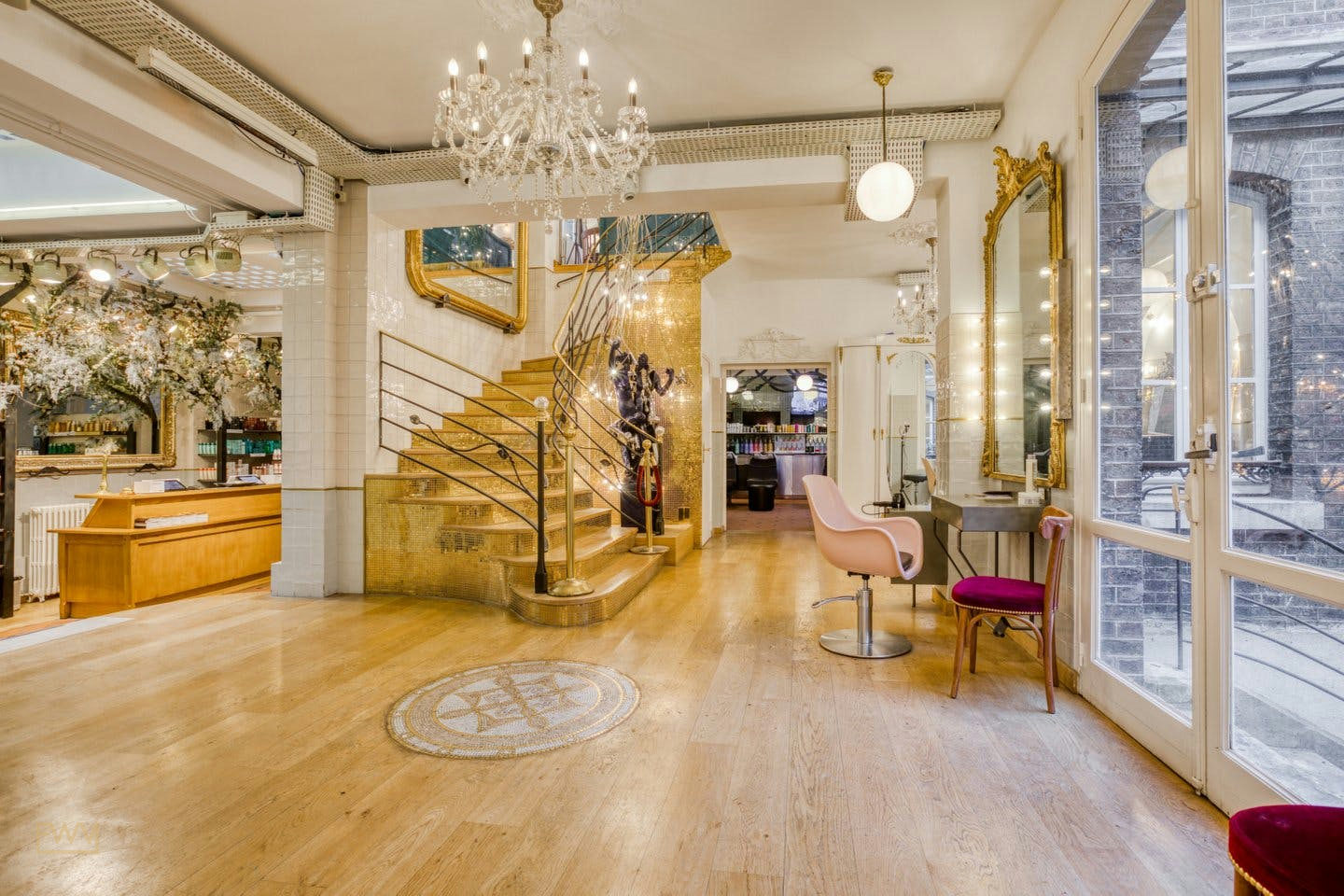
The city's architecture also plays a significant role. From Haussmannian apartments in the 1st and 2nd arrondissements to industrial lofts near the Centre Pompidou, raw gallery spaces adjacent to the Musée Picasso in the Marais district, and glass-roofed atrium venues near Place des Vosges, Paris offers a physical environment that is almost impossible to replicate. Scenography, natural light, and the cultural weight of Parisian addresses all contribute to the storytelling power of a well-chosen space.
For international brands entering Paris for the first time, understanding which neighbourhood fits the brand's positioning is the first and most important decision. The wrong arrondissement can undermine even a well-produced activation. The right address sends an immediate message about the brand's values, target clientele, and creative ambitions before a single visitor steps through the door.
DID YOU KNOW: Paris Fashion Week generates significant international press coverage across multiple calendar events each year, giving brands a predictable annual cycle of high-visibility activation windows tied to Spring/Summer and Fall/Winter collection launches.
KEY TAKEAWAY: Paris offers brands four distinct Fashion Week calendar windows per year, a uniquely dense qualified audience of buyers and press, and an unmatched variety of temporary retail spaces ranging from concept stores to gallery lofts and Haussmannian apartments. Aligning your activation with the right calendar window and neighbourhood is the foundation of a successful Paris pop-up.
Understanding which Paris neighbourhoods and spaces best suit specific brand profiles is the next essential step, and the city's districts each carry distinct commercial and cultural identities that directly affect activation outcomes.
Paris Neighbourhoods and Districts: Choosing the Right Location for Your Pop-Up
The neighbourhood you choose for your Paris pop-up or showroom is one of the most consequential decisions in the planning process. Each arrondissement carries a distinct identity, clientele profile, foot traffic pattern, and rental rate. Understanding these differences allows brands to match their location to their positioning, budget, and target audience.
Le Marais and the 75003 Postal District
Le Marais, spanning the 3rd and 4th arrondissements with the 75003 postal code covering the core of the district, is consistently the most in-demand location for pop-up stores and showrooms during Paris Fashion Week. The neighbourhood combines contemporary art galleries, concept stores, and heritage architecture into one of the world's most photographed retail environments. Streets around the Centre Pompidou, the Musée Picasso, and the Carreau du Temple attract a sophisticated, internationally aware audience that includes buyers, press, and style-conscious consumers.
Galerie Joseph, one of Paris's most recognised event and exhibition spaces, operates within this district and has hosted brand activations ranging from luxury presentations to art installations. The area around 5 Rue Saint-Merri and the broader Saint-Merri district, near the Ch'telet area, offers loft spaces, gallery formats, and storefronts with the industrial character that contemporary brands favour. Place des Vosges, the oldest planned square in Paris and one of the most prestigious addresses in the Marais district, provides a high-end residential and commercial backdrop for luxury and heritage brand activations.
Rental rates in Le Marais reflect this demand. Indicative market ranges for this district vary significantly depending on size, format, and exact address, but brands should expect premium pricing during Fashion Week windows. Directional estimates suggest spaces in the 115 to 200 square metre range in the 75003 area can range from approximately USD 1,220 per day to USD 1,830 per day, though actual rates depend on specific space attributes, duration, and seasonal demand. Use the Fashion Week Venues budget estimation tool to develop brand-specific cost projections rather than relying on published indicative figures.
Saint-Germain-des-Prés and the Left Bank
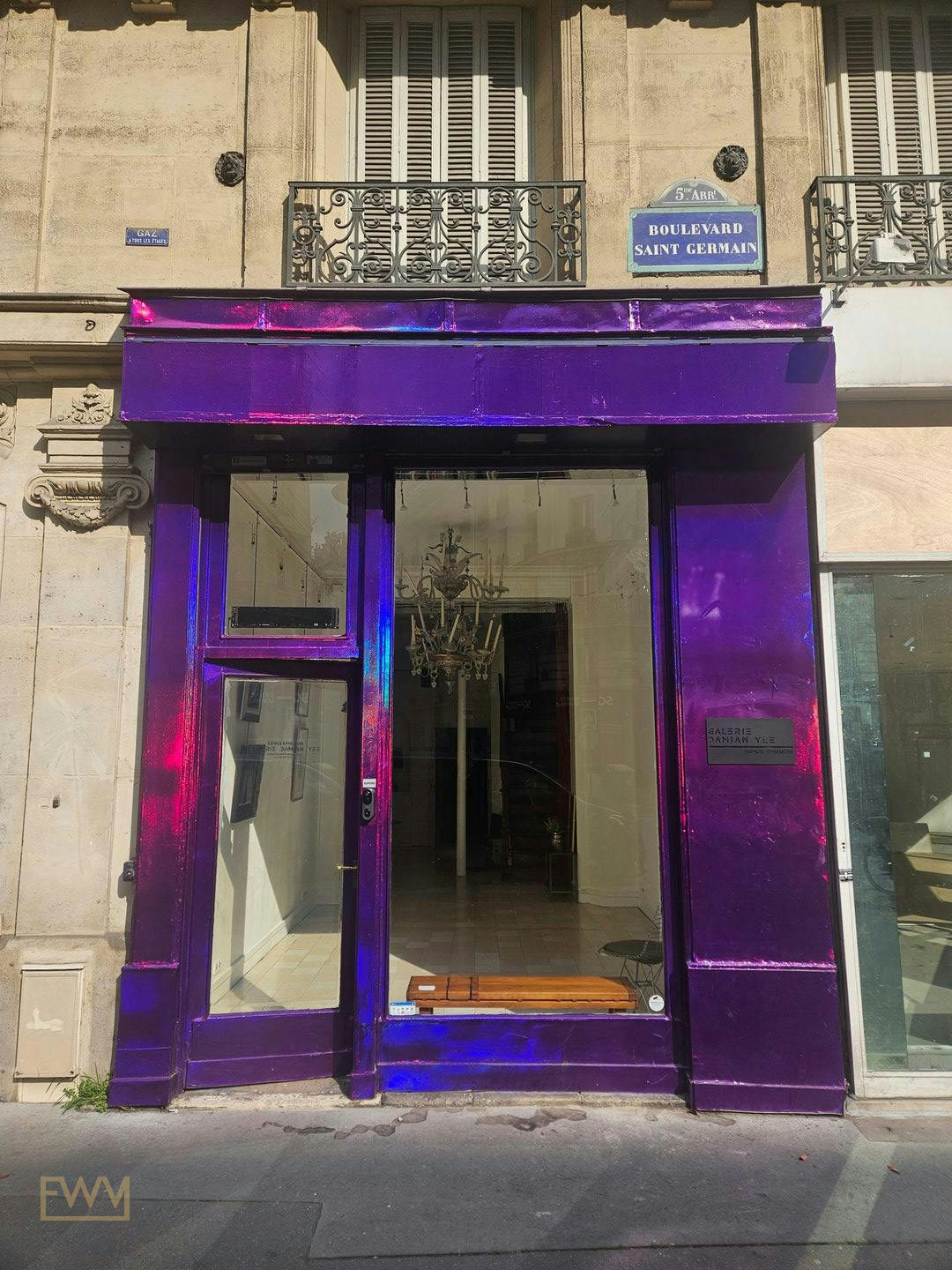
Saint-Germain-des-Prés occupies a distinct position in the Paris fashion landscape. Historically associated with intellectual culture, literary heritage, and luxury retail, the neighbourhood attracts an older, more established clientele alongside fashion insiders who prize discretion and cultural credibility over high foot traffic. For showroom formats, buyer appointment spaces, and press preview venues, Saint-Germain-des-Prés offers a quieter, more controlled environment than the Marais district.
The area's Haussmannian apartments and smaller boutique storefronts suit brands that prefer intimate presentations over high-volume pop-up formats. Heritage brands, fine jewellery houses, and contemporary designers with an established European wholesale network often choose Saint-Germain-des-Prés for their Paris Fashion Week showroom precisely because of its measured, refined atmosphere.
The Golden Triangle, Saint-Honoré, and the 1st and 2nd Arrondissements
The Golden Triangle, bounded by the Champs-Élysées, Avenue Montaigne, and Avenue George V, is synonymous with the highest tier of luxury retail. For brands positioned in the ultra-luxury segment, an activation here communicates immediate status. However, the area demands a corresponding investment in production quality, staffing, and security to meet the expectations of its clientele.
Rue Saint-Honoré and its continuation as Rue du Faubourg Saint-Honoré form one of the world's most commercially competitive retail corridors. The 1st and 2nd arrondissements, including areas near Rue de Rivoli and the Vendôme district, offer a mix of prestige storefronts, Haussmannian spaces, and event venues that attract high net worth private clients as well as significant media visibility during Fashion Week.
The Pierre Cardin Museum and glass-roofed atrium venues in this part of the city represent the type of architecturally significant event spaces that luxury brands use for collection launches and immersive performances. These spaces command premium rates and require significant lead time to secure.
Emerging and Secondary Neighbourhoods
Brands with smaller budgets, experimental concepts, or a deliberately anti-establishment positioning sometimes choose neighbourhoods outside the traditional fashion circuit. The 10th and 11th arrondissements have developed an active community of concept stores and creative studios that attract a younger, more digitally engaged audience. While foot traffic from fashion industry professionals is lower than in the Marais or Saint-Honoré, the neighbourhood's creative energy can generate strong social media content and influencer engagement.
TIP: If your primary objective is buyer appointments and press previews rather than consumer foot traffic, prioritise a showroom in Le Marais or Saint-Germain-des-Prés. If your primary objective is consumer engagement, social media content, and influencer reach, the Marais district's street-level storefronts and gallery spaces will serve you better.
To explore neighbourhood-specific space options, compare arrondissements, and shortlist venues that match your brief, use the Paris city hub on Fashion Week Venues as your starting point for location research.
| Neighbourhood | Arrondissement | Best For | Key Landmarks | Typical Space Types |
|---|---|---|---|---|
| Le Marais | 3rd / 4th (75003) | Pop-up retail, gallery activations, buyer shows | Centre Pompidou, Musée Picasso, Place des Vosges | Galleries, lofts, storefronts, apartments |
| Saint-Germain-des-Prés | 6th | Showrooms, press previews, private presentations | Jardin du Luxembourg, Café de Flore | Haussmannian apartments, boutique storefronts |
| Golden Triangle / Saint-Honoré | 1st / 8th | Ultra-luxury activations, high-profile launches | Champs-Élysées, Rue de Rivoli, Vendôme | Flagship storefronts, atrium venues, event spaces |
| Saint-Merri / Ch'telet | 4th | Contemporary brand activations, art-led concepts | Galerie Joseph, 5 Rue Saint-Merri | Gallery spaces, raw lofts, event venues |
| Oberkampf / Bastille | 10th / 11th | Emerging brands, experiential activations | Canal Saint-Martin adjacent | Studio spaces, concept stores, creative studios |
KEY TAKEAWAY: Le Marais remains the most in-demand neighbourhood for pop-up stores and showrooms during Paris Fashion Week, but the best location depends entirely on brand positioning, target clientele, and activation objectives. A luxury house and an emerging streetwear label require different districts to communicate the right message to the right audience.
With location strategy established, the next critical decision is understanding which type of space best serves your specific activation format, whether that is a consumer-facing pop-up store, a trade showroom, an event space, or a hybrid format combining all three.
Space Types Available for Paris Fashion Week Activations
Paris offers one of the broadest typologies of short-term retail and event spaces in any global fashion capital, from raw industrial lofts to glass-roofed museum venues, Haussmannian apartments, concept storefronts, and dedicated gallery spaces. Understanding the operational and aesthetic implications of each space type before you begin your search saves significant time and prevents costly mismatches between brand concept and physical environment.
Showrooms and Appointment Spaces
A showroom is a controlled presentation environment designed for trade appointments with buyers, editors, and press. Unlike a retail pop-up, a showroom is not designed for high foot traffic or consumer-facing sales. It is a private or semi-private space where collection presentations, press previews, and buyer meetings take place over the course of several days or a week. Most showroom rentals are arranged for formats ranging from three to seven days, which aligns with the concentrated duration of Fashion Week appointment calendars.
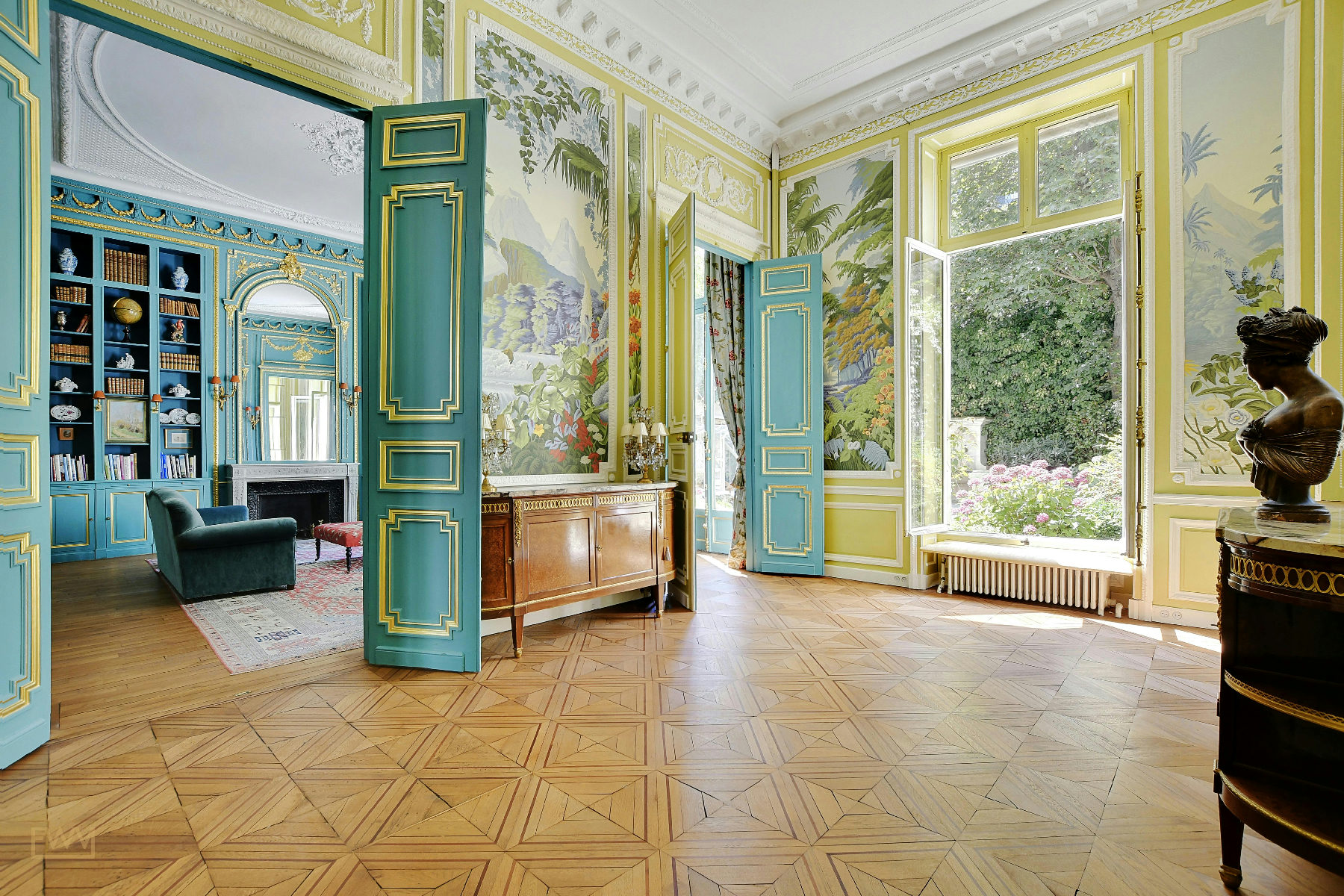
The ideal showroom space combines natural light, flexible merchandising infrastructure, and enough square footage to display a collection at a professional standard. Haussmannian apartments with high ceilings and large windows are a perennial favourite for this format, combining architectural character with the practical requirements of collection display. Independent showrooms offer stronger brand image management than shared showroom formats, which divide one space among multiple brands, though shared formats reduce rental costs and can work well for emerging brands testing the Paris market for the first time.
Pop-Up Stores and Retail Storefronts
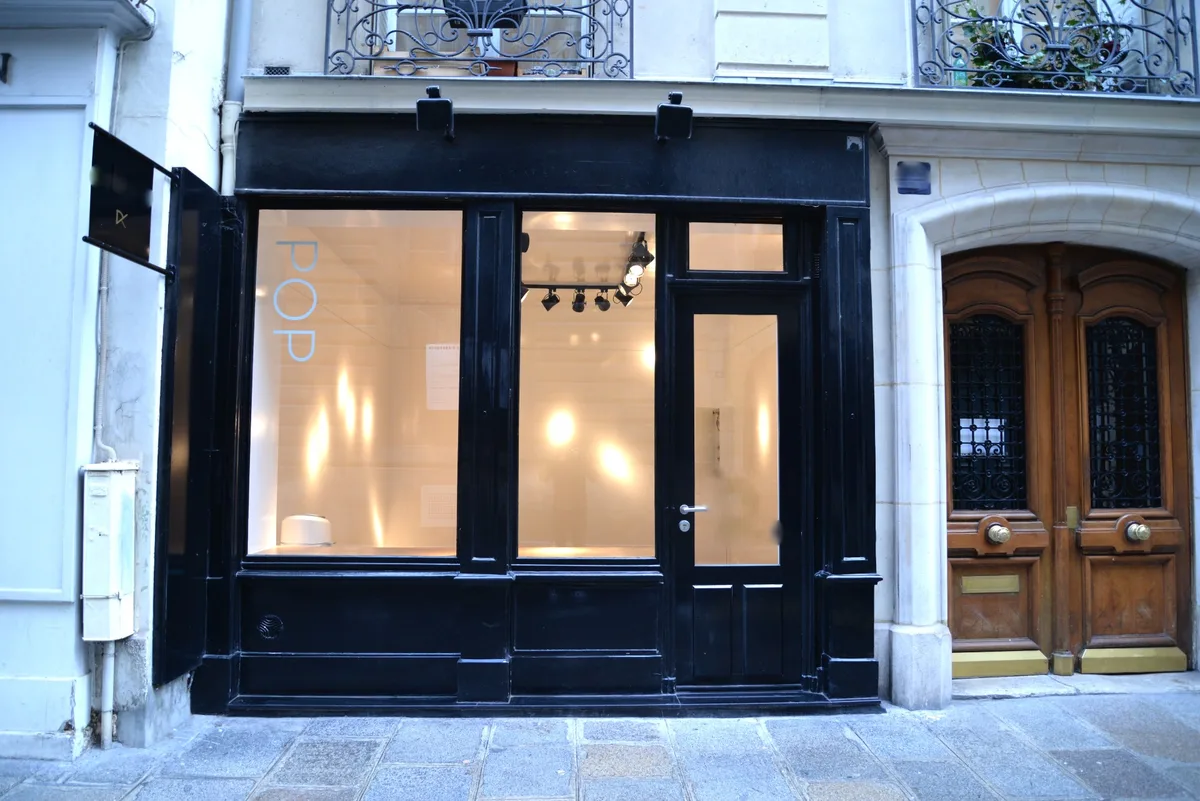
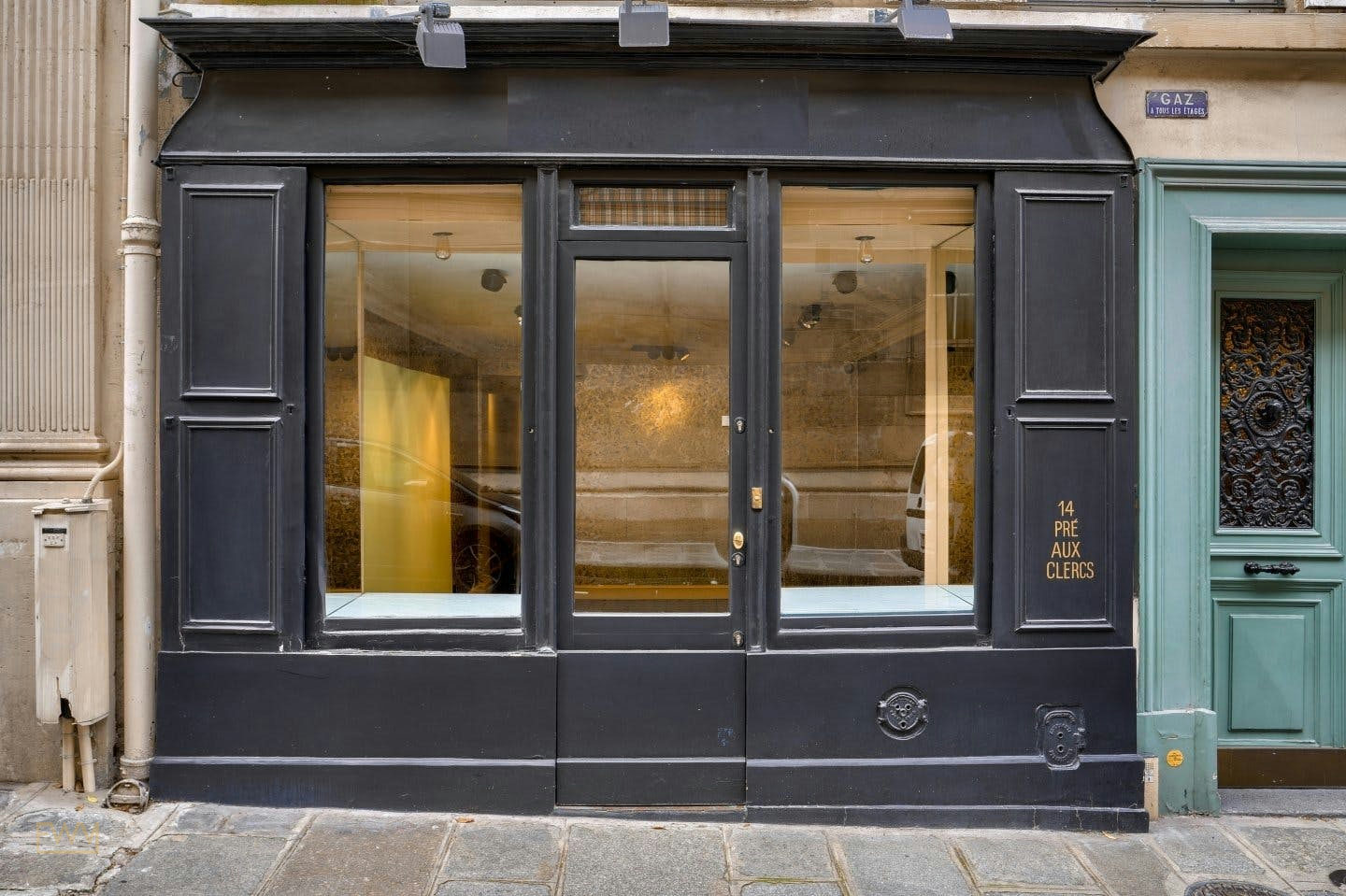
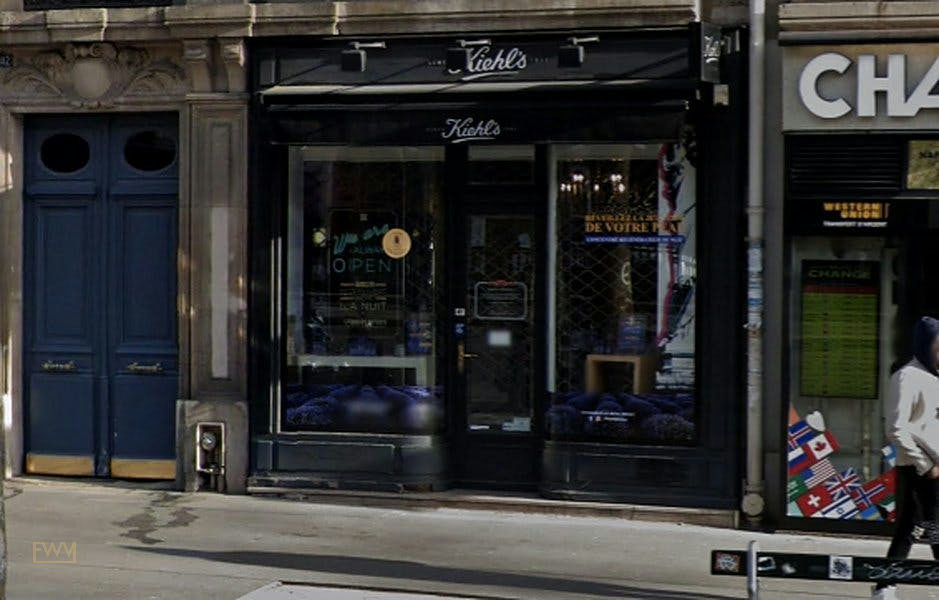
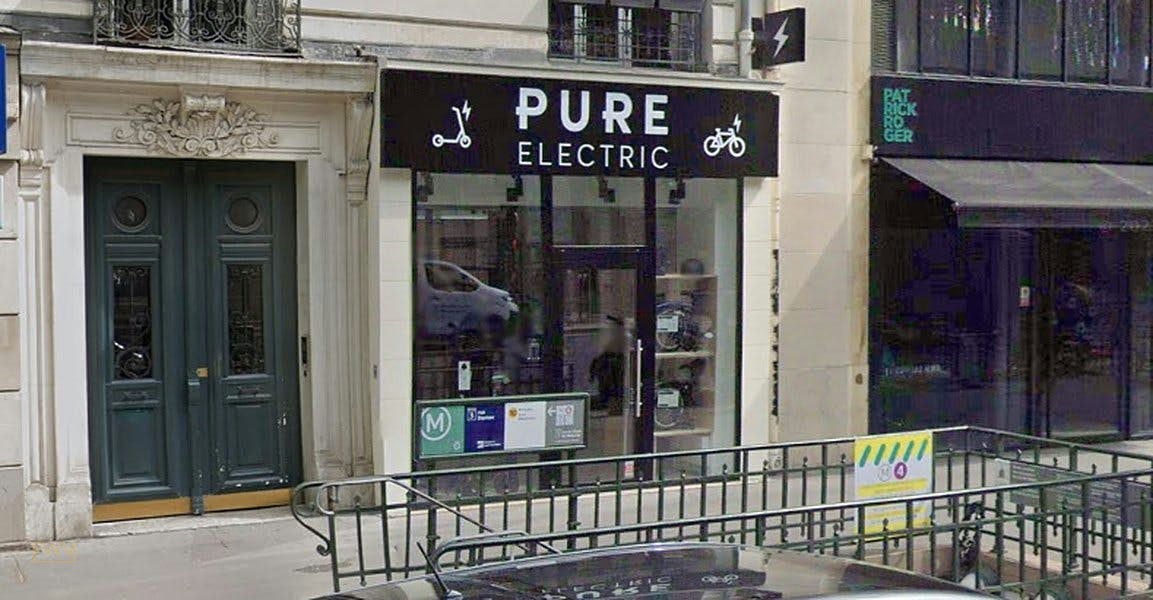
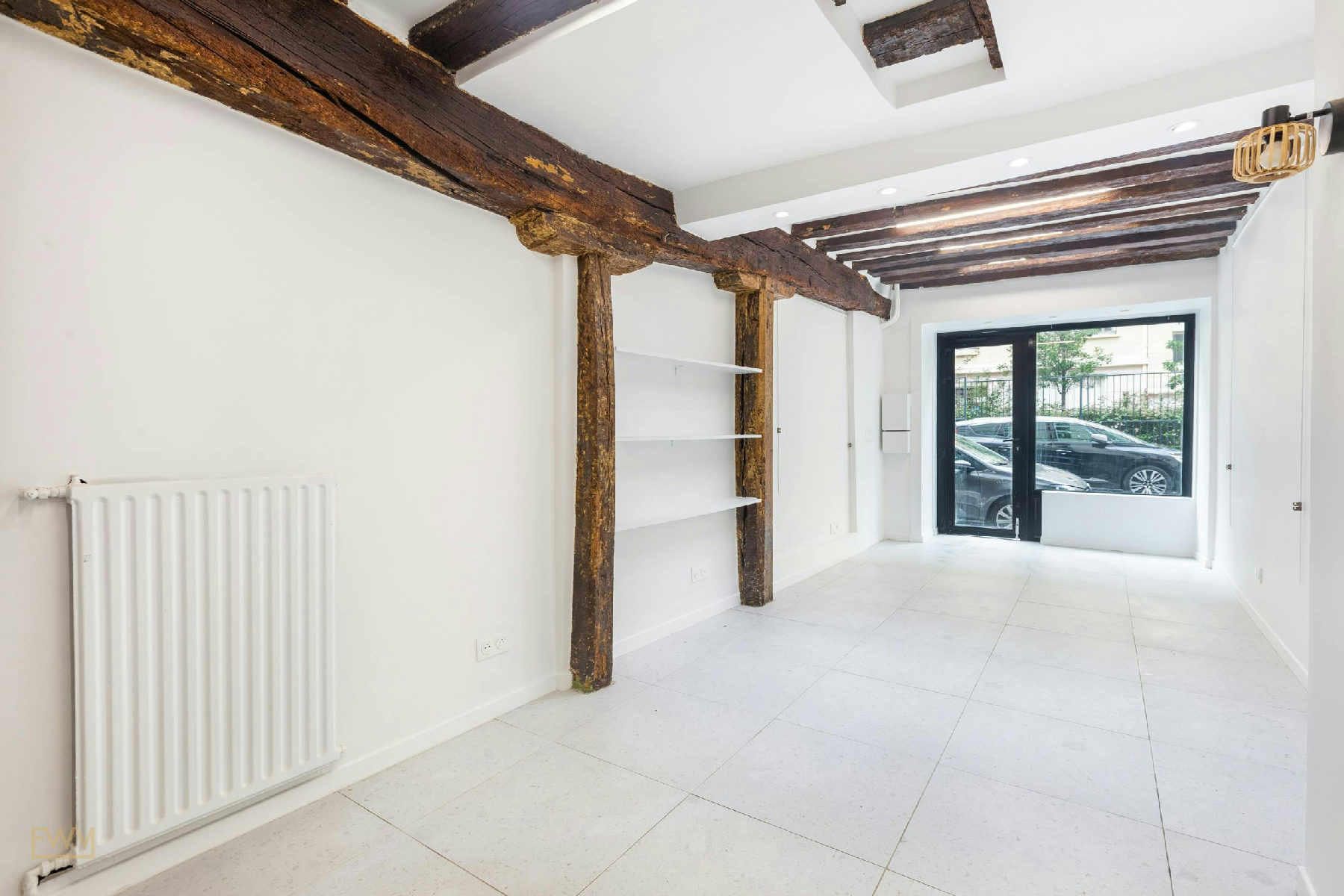
A pop-up store is a consumer-facing temporary retail format designed to generate direct sales, brand awareness, foot traffic, and social media content. In Paris, the most effective pop-up store locations are those with established pedestrian flows from fashion-aware consumers, specifically the streets of Le Marais, the Saint-Honoré corridor, and the areas around major fashion and cultural landmarks. Storefront formats with clear street presence, display windows, and accessible entrances are the standard preference.
Sizes vary considerably. Smaller storefronts of 50 to 80 square metres suit single-category or capsule collection activations. Mid-size spaces in the 115 to 200 square metre range allow for a fuller collection presentation alongside a service or experience element such as a customization station or workshop. Larger event spaces of 300 square metres or more support immersive activations, art installations, and high-production brand experiences of the kind that brands like PUMA Suede House have used to combine sneaker culture, art exhibitions, and community programming within a single Paris venue.
Gallery Spaces and Art-Led Venues
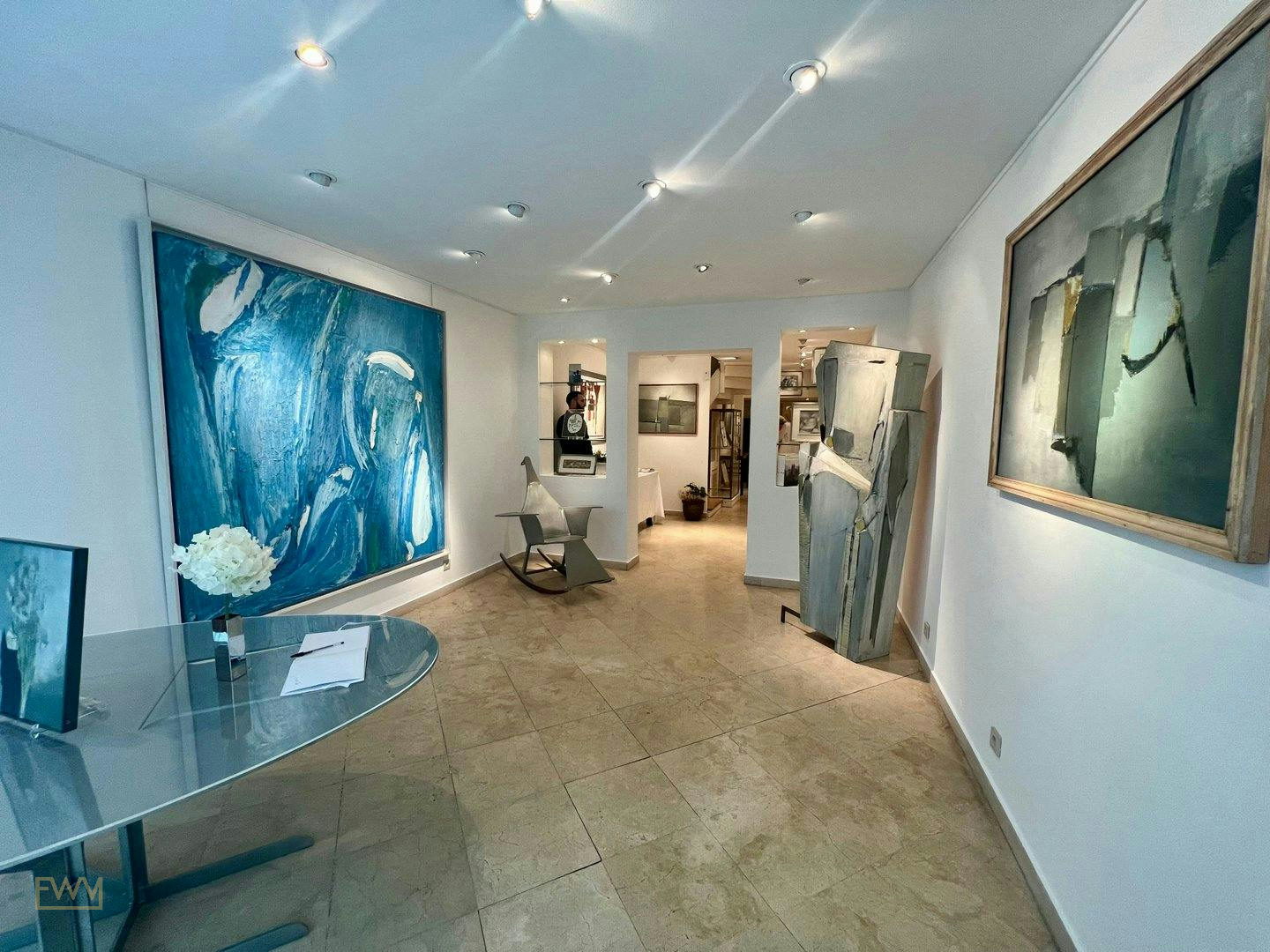
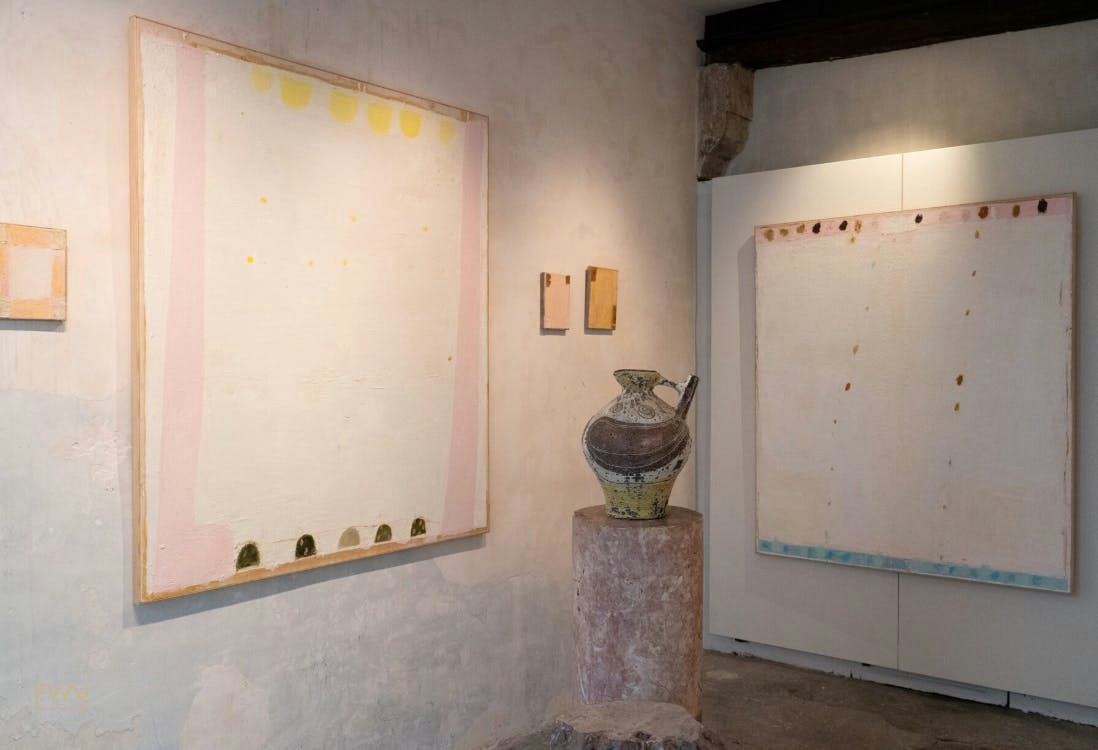
Paris has a dense network of art galleries and gallery-adjacent spaces that brands frequently use for collection launches, private exhibitions, and immersive performances. These spaces carry an implicit cultural endorsement that resonates with media and influencer audiences. Gallery formats in the Marais district, particularly those near the Musée Picasso and the Centre Pompidou, attract an arts-literate audience that is receptive to brand storytelling that connects fashion to broader cultural narratives.
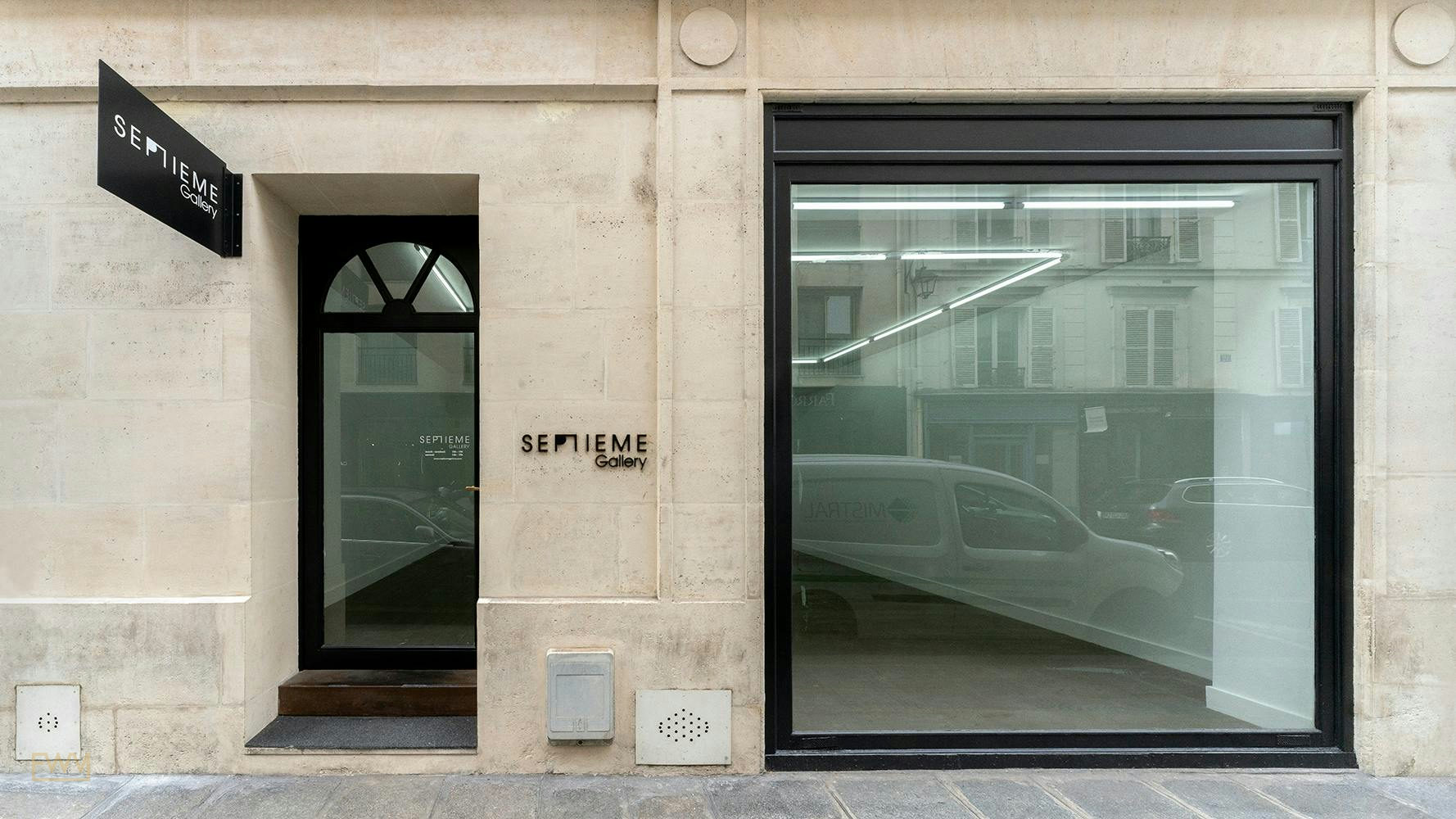
Galerie Joseph near the Marais and similar gallery-format venues offer flexible programming infrastructure including adjustable lighting, open floor plans, and the kind of neutral architectural backgrounds that allow brand-specific scenography to dominate the visual experience.
Lofts and Industrial Spaces
Industrial lofts and raw production spaces in the Marais and eastern Paris neighbourhoods provide a distinct aesthetic vocabulary that contemporary, streetwear, and design-led brands frequently favour. These spaces typically offer large open floor plans, exposed structural elements, and high ceilings that support ambitious installation work. The Carreau du Temple, a covered market hall in the 3rd arrondissement, represents the most prominent example of this format, with a historically significant architecture and a track record of hosting fashion shows, brand activations, and design events.
Event Spaces and Hybrid Venues
Some Paris Fashion Week activations require a format that combines retail, presentation, entertainment, and hospitality within a single space. Glass-roofed atrium venues, repurposed museum buildings such as those near the Pierre Cardin Museum, and large-format Haussmannian event spaces all support this hybrid model. These venues typically require more significant production investment but deliver correspondingly higher media visibility and clientele engagement.
Quick answer: The most popular space types for Paris Fashion Week activations include showroom apartments for buyer appointments, gallery lofts for collection launches, street-level storefronts for consumer pop-up stores, and large-format event spaces for immersive brand experiences. The right type depends on whether your primary audience is trade, press, consumer, or a combination of all three.
| Space Type | Best Activation Format | Typical Size Range | Key Attributes |
|---|---|---|---|
| Haussmannian Apartment | Showroom, press preview, private presentation | 80 to 200 m² | Natural light, architectural character, high ceilings |
| Gallery Space | Collection launch, private exhibition, art-led activation | 100 to 400 m² | Neutral backdrop, adjustable lighting, open plan |
| Street-Level Storefront | Consumer pop-up, product launch, direct retail | 50 to 200 m² | Street visibility, display windows, pedestrian access |
| Industrial Loft | Brand experience, installation, contemporary launch | 150 to 600 m² | Raw character, open plan, high ceilings |
| Event Space / Atrium | Immersive activation, hybrid retail and performance | 200 m² and above | Glass roofs, dramatic architecture, large capacity |
KEY TAKEAWAY: Matching the space type to the activation format and target audience is as important as the neighbourhood selection. A trade showroom and a consumer pop-up store require fundamentally different physical environments, even when located in the same arrondissement.
Once the space type and neighbourhood are defined, the practical and legal questions of short-term rental in Paris come into focus. Understanding the legal frameworks, permit requirements, and operational logistics of renting a temporary space in France is essential before any booking is confirmed.
Short-Term Rental Frameworks, Permits, and Legal Considerations in Paris
Renting a pop-up space or showroom in Paris involves navigating French short-term commercial lease law, permit requirements that vary by space type and arrondissement, and operational compliance obligations that differ from those in most other fashion capitals. Brands entering Paris for the first time frequently underestimate the complexity of this landscape, and errors at the legal and administrative stage can delay or prevent an activation from proceeding as planned.
Bail Dérogatoire and Short-Term Commercial Leases
The primary legal instrument for short-term commercial rental in France is the bail dérogatoire, a derogatory lease that allows parties to agree on rental periods shorter than the standard nine-year commercial lease term (bail commercial). Under French law, a bail dérogatoire can be agreed for a maximum cumulative duration of three years, and it must be explicitly agreed in writing by both parties. After the maximum cumulative period is reached, the tenant may acquire the right to a full commercial lease, which carries significantly different obligations.
For Fashion Week activations lasting a few days to several weeks, the bail dérogatoire is the most commonly used framework, but its application depends on the specific space, the landlord's requirements, and the nature of the intended use. Some space owners offer simpler short-term licensing agreements (convention d'occupation précaire) for very short durations, particularly for event or activation use rather than sustained retail trading. The distinction between these frameworks has material legal and financial implications, and brands should verify the specific framework applicable to any space they are considering with a qualified French legal advisor before signing.
Autorisation d'Occupation Temporaire (AOT)
For activations in publicly owned or publicly adjacent spaces, an Autorisation d'Occupation Temporaire (AOT) may be required. This permit authorises temporary occupation of public domain or publicly managed spaces and is issued by the relevant public authority, which varies depending on the space and its location. AOT requirements are separate from standard commercial lease agreements and carry their own application timelines, compliance conditions, and renewal constraints. Not all pop-up locations require an AOT, but brands using public squares, covered market halls, or spaces within publicly managed cultural institutions should investigate AOT requirements early in the planning process.
Insurance, Security, and Operational Compliance
All commercial activations in Paris require appropriate insurance coverage for the duration of the rental period, including public liability and, depending on the value of merchandise or equipment, contents coverage. Some space owners require proof of insurance as a condition of the rental agreement and may specify minimum coverage levels. Security requirements vary by space type, location, and the value of merchandise being displayed. High-value collections in prestige addresses typically require dedicated security personnel throughout opening hours and may require overnight security depending on the space's existing infrastructure.
Operational compliance obligations in Paris also include waste management regulations, health and safety requirements for public-facing events, and specific rules governing temporary retail trading that vary by arrondissement and, in some cases, by street. Local regulations in areas near major cultural institutions or historic protected zones may impose additional constraints on signage, external displays, and building modifications, even temporary ones.
IMPORTANT: Requirements for permits, insurance, security, and lease framework vary significantly by space type, intended use, duration, and arrondissement. Do not assume that the framework applicable to one space applies to another. Always verify specific requirements with a French legal advisor before committing to a rental agreement.
For a structured overview of the permit landscape relevant to your planned activation, the Fashion Week Venues permit guidance tool provides a practical starting framework, though it is not a substitute for qualified French legal advice.
Timing and Advance Booking Requirements
The most in-demand Paris Fashion Week spaces, particularly in Le Marais and the Saint-Honoré corridor, are booked months in advance of each Fashion Week window. For the main Womenswear Ready-to-Wear weeks in February and September, leading spaces frequently secure bookings four to six months ahead. For Men's Fashion Week in January and June, and for Haute Couture Week in January and July, demand for the best spaces is similarly concentrated and competitive.
Brands that approach the market less than two months before their target activation window will find significantly reduced availability in prime locations and may face premium pricing for the spaces that remain. Building a Paris activation calendar that anticipates booking lead times is a fundamental part of strategic planning.
Quick answer: Most Paris Fashion Week showroom and pop-up bookings should be initiated four to six months before the target activation window for prime locations in Le Marais, Saint-Honoré, and Saint-Germain-des-Prés. Waiting until six to eight weeks before the event significantly limits options and increases costs.
KEY TAKEAWAY: Short-term retail in Paris is governed by specific legal frameworks including the bail dérogatoire and, in some cases, the AOT. These are not the same as standard commercial leases, and the distinction matters legally and financially. Begin permit and compliance planning at the same time as venue sourcing, not after a space is confirmed.
With the legal and timing framework understood, the practical question of budgeting for a Paris pop-up or showroom activation comes into focus. Building a realistic and complete cost model is essential for any brand making investment decisions in this market.
Budgeting for a Paris Fashion Week Pop-Up or Showroom
Building a realistic budget for a Paris Fashion Week pop-up store or showroom requires accounting for costs across multiple categories, many of which brands underestimate or overlook entirely in initial planning. The space rental itself is only one component of the total investment, and in many cases it represents less than half of the overall activation budget once production, staffing, logistics, insurance, and marketing costs are included.
Space Rental Rates and Indicative Ranges
Space rental rates in Paris vary considerably depending on neighbourhood, space type, size, duration, and the specific Fashion Week calendar window. Indicative market ranges suggest that spaces in the high-demand 75003 area in the 115 to 200 square metre range carry daily rates in the approximate range of USD 1,220 to USD 1,830 per day during Fashion Week windows, though these are directional estimates only and actual rates depend on the specific space and negotiated terms. Premium spaces in the Golden Triangle or Saint-Honoré corridor command significantly higher rates. Smaller spaces in emerging neighbourhoods or outside the core Fashion Week weeks carry lower rates.
Brands should not rely on published indicative rates for budget planning. Use the Fashion Week Venues budget calculator to develop a brand-specific cost model based on your target neighbourhood, space size, activation format, and duration.
Production and Fit-Out Costs
The physical transformation of a raw space into a branded retail or presentation environment is typically the largest single cost category for a Paris pop-up activation. This encompasses architectural and spatial design, temporary construction and installation, furniture rental, lighting design, AV and technology infrastructure, and branded graphics and signage. For a high-production showroom or gallery activation in a prestigious Paris address, production and fit-out costs can equal or exceed the space rental cost itself.
Furniture rental is a significant and often underestimated cost. Paris has a well-developed furniture and props rental market, but premium pieces suitable for luxury or high-end contemporary brand environments carry correspondingly premium daily rates. Brands should factor furniture rental costs into the budget model from the outset rather than treating it as an afterthought.
Staffing, Security, and Operational Costs
Retail staffing for a Paris pop-up activation involves both bilingual sales and customer service personnel and, for showroom formats, professional fashion sales agents or brand representatives capable of conducting buyer appointments and press briefings at a professional standard. French labour law and social security requirements apply to all staff employed in France, including temporary workers, and brands must comply with these obligations or engage a compliant staffing partner.
Security costs depend on the space type and the value of merchandise or equipment being displayed. Event supervision personnel may also be required for activations with significant visitor numbers or complex programming. These are not optional cost categories for brands operating in Paris's most prestigious locations.
Technology, POS, and Payments
Consumer-facing pop-up stores require point-of-sale technology, payment processing infrastructure, and reliable internet connectivity. Paris venues vary considerably in their existing technology infrastructure, and some raw or gallery-format spaces have limited or no built-in POS or internet provision. Brands should clarify the technology baseline of any space before confirming a rental and budget for technology deployment as a distinct cost line. For international brands accepting payments in multiple currencies, the payment processing setup requires additional planning and lead time.
Marketing, Influencer, and Media Costs
The most successful Paris Fashion Week activations integrate a marketing strategy that begins before the space opens, using social media, influencer engagement, and press outreach to build anticipation and drive qualified visitors to the activation. Budget allocation for influencer marketing, social media content production, press invitation management, and media relations is an integral part of the total activation investment, not a separate or optional expense.
TIP: When building your Paris activation budget, work backwards from your commercial and brand objectives rather than from a fixed space budget. Define what success looks like in terms of buyers reached, press coverage generated, or direct sales achieved, and then build the budget required to deliver those outcomes rather than cutting costs in ways that undermine the activation's effectiveness.
| Budget Category | What It Covers | Relative Cost Weight |
|---|---|---|
| Space rental | Daily or weekly rental of venue | High (varies by location and duration) |
| Production and fit-out | Design, build, installation, graphics | High (often equals or exceeds rent) |
| Furniture rental | Display furniture, seating, props | Medium to high |
| Staffing and security | Sales staff, brand reps, event supervision, security | Medium to high |
| Technology and POS | Payment systems, internet, AV equipment | Medium |
| Insurance and permits | Public liability, contents, compliance costs | Low to medium |
| Marketing and influencers | Social media, press, influencer engagement | Medium to high |
| Logistics and transport | Collection shipping, installation transport | Low to medium |
KEY TAKEAWAY: Space rental is a significant but not always the largest component of a Paris Fashion Week activation budget. Production, staffing, and marketing costs frequently equal or exceed rental costs for well-executed activations. Build a complete cost model across all categories before committing to a space or calendar window.
A clear budget framework sets the foundation for evaluating how to structure the activation itself, from the operational workflow and timeline to the specific services and support a brand needs to execute successfully in Paris.
Planning and Executing a Paris Fashion Week Pop-Up: The End-to-End Process
A successful Paris Fashion Week pop-up or showroom activation follows a structured planning and execution process that spans from initial concept development through to post-event analysis. Brands that approach this process systematically, with clear milestones and defined responsibilities at each stage, consistently achieve better outcomes than those that approach it reactively or piece together the process from multiple uncoordinated sources.
Stage One: Strategy and Brief Development
The first stage is defining the activation brief with precision. This includes clarifying the primary business objective (buyer appointments, press coverage, direct sales, brand awareness, or a combination), identifying the target audience (trade, press, consumer, or private clients), selecting the target Fashion Week calendar window, establishing the budget envelope, and confirming the brand's positioning requirements for neighbourhood and space type.
A well-defined brief dramatically reduces the time and cost of venue sourcing and concept development. Brands that approach the market with a vague brief spend significantly more time evaluating unsuitable options and often make suboptimal decisions under time pressure.
Stage Two: Venue Sourcing and Space Selection
With a clear brief, venue sourcing can begin in earnest. This involves identifying candidate spaces across the target neighbourhood, evaluating them against the brief's requirements, visiting shortlisted spaces, and negotiating rental terms. For international brands without existing Paris relationships, specialist venue sourcing support from an agency with established Paris connections significantly accelerates this stage and reduces the risk of committing to an unsuitable space.
Key evaluation criteria during venue sourcing include: space size and configuration relative to the planned activation layout, natural light and existing lighting infrastructure, loading and logistics access for set up and breakdown, internet and technology infrastructure, proximity to target audience and foot traffic generators, and the space owner's specific requirements and restrictions.
Stage Three: Concept and Creative Direction
Once a space is confirmed, the creative development process begins. Concept and creative direction for a Paris pop-up encompasses the spatial design concept, the scenography approach, the brand storytelling narrative, the customer journey through the space, and the integration of any experiential elements such as workshops, installations, or digital interactions. For brands operating in Paris, where the visual and cultural standards expected by press and buyers are exceptionally high, the quality of the creative concept is a critical determinant of media outcomes.
Stage Four: Production, Build, and Installation
Production and build involves translating the approved concept into a physical reality within the constraints of the specific space, the rental agreement's permitted modifications, and the available installation timeline. Paris spaces often have specific restrictions on fixings, paint, and temporary construction, and understanding these constraints before the production design is finalised avoids costly late-stage revisions. The installation timeline is typically compressed for Fashion Week activations, with set-up often needing to be completed within one to two days of the space access period beginning.
Stage Five: Activation Management and Live Operations
During the live activation period, operational management includes staffing oversight, visitor management, buyer appointment scheduling, press engagement, social media content production, security supervision, POS and payments management, and real-time problem resolution. Brands that rely entirely on their head office teams without on-the-ground Paris support frequently experience operational gaps that affect the quality of buyer and press interactions.
Stage Six: Data, Analytics, and Post-Event Review
The post-event review is an often underinvested stage that determines whether the activation's commercial and brand objectives were met and what should change for the next Paris activation. Key metrics to capture include visitor numbers by day and time, buyer meeting completion rates, press coverage generated, social media reach and engagement, direct sales if applicable, and the quality of leads generated for future buyer relationships.
Quick answer: A well-structured Paris Fashion Week pop-up activation follows six stages: strategy and brief development, venue sourcing, concept and creative direction, production and build, live activation management, and post-event data review. Brands that skip or compress early stages, particularly strategy and venue sourcing, consistently experience avoidable problems during live activation.
| Stage | Key Activities | Recommended Lead Time Before Event |
|---|---|---|
| Strategy and brief | Define objectives, audience, budget, calendar window | 6 months or more |
| Venue sourcing | Identify, evaluate, negotiate, confirm space | 4 to 6 months |
| Concept and creative direction | Develop spatial concept, scenography, brand narrative | 3 to 4 months |
| Production and build | Technical design, furniture, graphics, build procurement | 2 to 3 months |
| Activation management | Staffing, press, buyers, operations, POS | Live during event |
| Data and post-event review | Analytics, reporting, follow-up, learnings | 1 to 2 weeks post-event |
KEY TAKEAWAY: The planning timeline for a Paris Fashion Week pop-up or showroom should begin four to six months before the activation date for prime locations. A structured six-stage process, from brief development through to post-event analytics, produces significantly better commercial and brand outcomes than reactive or compressed planning approaches.
Understanding the full process is valuable, but brands also need to understand specifically how a specialist agency can support their Paris activation, which is where the Fashion Week Venues service model becomes directly relevant.
How Fashion Week Venues Supports Paris Pop-Up and Showroom Activations
Fashion Week Venues operates as a full-service pop-up shop agency and space marketplace with Paris as its primary and anchor market. For brands planning a Paris Fashion Week activation, Fashion Week Venues offers two complementary modes of engagement: direct use of the space marketplace to browse and discover available spaces independently, and full-service agency support that covers every stage from concept development through to post-event analytics.
Space Discovery and the Marketplace
The Fashion Week Venues marketplace allows brand teams to browse available Paris spaces by neighbourhood, space type, size, and date availability. The marketplace is designed to reduce the time and uncertainty associated with sourcing Paris pop-up and showroom spaces, particularly for international brands without existing Paris market relationships. Spaces listed cover a range of formats including gallery lofts, Haussmannian apartments, storefronts, event venues, and concept stores across the key Fashion Week neighbourhoods. Explore the Fashion Week Venues space marketplace to begin your Paris venue search.
Full-Service Agency Support
For brands that require end-to-end support rather than self-directed space discovery, Fashion Week Venues provides a full suite of agency services. These include venue sourcing, concept and creative direction, production and build management, branded store design, furniture rental, retail staffing, POS and payments infrastructure, activation management, influencer marketing coordination, and data and analytics. Brand teams that engage Fashion Week Venues on a full-service basis benefit from the agency's established Paris supplier relationships, its knowledge of space-specific permit and compliance requirements, and its operational experience across multiple Paris Fashion Week seasons.
The agency's process is structured and transparent. Brands engaging Fashion Week Venues begin with a brief development conversation that defines objectives, budget, and calendar window before any space is proposed. This ensures that the spaces presented are genuinely matched to the brand's positioning and operational requirements. For a detailed overview of how the process works, the Fashion Week Venues process page provides a stage-by-stage explanation.
Planning and Decision Support Tools
Fashion Week Venues provides a suite of planning tools designed to support brand teams at specific decision points in the activation planning process. The budget calculator helps brands develop realistic cost models across all activation categories. The ROI calculator supports the internal business case for a Paris activation. The timeline tool helps teams build a planning schedule that accounts for the lead times required in the Paris market. The space comparison tool allows teams to evaluate shortlisted spaces against a consistent set of criteria. The locator tool supports neighbourhood-level space discovery.
These tools are available at Fashion Week Venues planning tools and are designed to support both self-directed research and agency-led briefing processes.
The Twin Co-Activation Concept
Fashion Week Venues also offers a twin co-activation concept designed for brands that want to share a Paris space with one complementary brand partner. This model reduces the per-brand rental cost while maintaining strong brand identity management, provided the two brands are carefully matched in terms of positioning, target audience, and aesthetic direction. The twin format is particularly relevant for emerging brands making their first Paris Fashion Week appearance, where cost management is a priority alongside market entry.
What Fashion Week Venues Cannot Guarantee
Fashion Week Venues does not guarantee specific space availability, permit approvals, buyer attendance, press coverage, or commercial outcomes from any activation. Space availability in Paris during Fashion Week windows is subject to market demand, and the most in-demand spaces book early. Permit and compliance outcomes depend on the specific space, its intended use, and the applicable French regulatory framework, all of which require verification by qualified legal advisors. Fashion Week Venues supports the planning and execution process but does not substitute for independent legal, insurance, or financial advice.
Quick answer: Fashion Week Venues offers Paris Fashion Week brands a space marketplace for self-directed discovery, a full-service agency model covering every activation stage, and a suite of planning tools for budget, timeline, ROI, and permit guidance. Brands can engage at the level of support that matches their internal capabilities and Paris market experience.
KEY TAKEAWAY: The most effective way to use Fashion Week Venues is to combine marketplace space discovery with agency support for the stages where Paris market knowledge and supplier relationships make the greatest practical difference: venue sourcing, production, staffing, and permit navigation.
Brands that have researched the Paris market through multiple sources frequently encounter a consistent set of misconceptions about what is required to rent and operate a space in Paris during Fashion Week. Addressing these myths directly prevents costly planning errors.
Common Myths About Renting a Pop-Up Space in Paris for Fashion Week
MYTH: You need a French legal entity to rent a short-term space in Paris for a Fashion Week activation.
FACT: International brands without a French legal entity can and do rent short-term spaces in Paris for Fashion Week activations. The specific requirements depend on the rental framework agreed with the space owner, the duration of the rental, and the intended use of the space. Some space owners require a local guarantor or a deposit structure that accounts for the absence of a French legal entity, but the absence of one does not automatically disqualify a brand from renting. Working with an agency or legal advisor with Paris experience helps navigate these requirements efficiently.
MYTH: Paris Fashion Week in February and September are the only viable calendar windows for a Paris pop-up activation.
FACT: Paris hosts four Fashion Week calendar events each year, including Men's Fashion Week in January and June and Haute Couture Week in January and July, in addition to the main Womenswear Ready-to-Wear weeks in February and September. FIAC, Paris Design Week, and other major cultural events create additional high-visibility windows. Brands with the right positioning and target audience can execute highly effective activations outside the main Fashion Week dates, often with less competition for premium spaces and more favourable rental terms.
MYTH: Commission brokers and informal networks are the only way to find short-term retail spaces in Paris.
FACT: While informal networks have historically dominated the Paris short-term space market, dedicated space marketplaces and full-service agencies now provide structured, transparent access to Paris pop-up and showroom spaces across all key neighbourhoods and formats. These platforms provide better documentation, clearer pricing, and more consistent compliance support than informal commission-based introductions. Brands using structured marketplace platforms also benefit from comparable space evaluation tools that informal networks do not provide.
MYTH: Short-term leases in Paris are straightforward and require no specialist legal or compliance input.
FACT: Short-term commercial rental in France is governed by specific legal frameworks including the bail dérogatoire and, in some contexts, the AOT, and these frameworks carry specific obligations, rights, and limitations that differ materially from short-term rental frameworks in the UK, US, or other markets. Permit requirements, insurance obligations, local trading regulations, and labour law compliance for temporary staff all add layers of complexity that require specialist knowledge. Treating a Paris short-term rental as a simple transactional matter is one of the most common and costly mistakes brands make in this market.
MYTH: A shared showroom is always a less effective option than an independent showroom for a Paris Fashion Week presentation.
FACT: For emerging brands or brands making their first Paris Fashion Week appearance, a shared showroom format can be a strategically sound choice that reduces rental costs while maintaining a professional presentation environment. The effectiveness of a shared format depends on the quality of the space, the complementarity of the co-presenting brands, and the professionalism of the scheduling and appointment management. For established brands with a large collection, significant buyer network, or strong press relationships, an independent showroom typically delivers better results. The choice is context-dependent, not categorically predetermined.
Frequently Asked Questions
What is a pop-up store in Paris?
A pop-up store in Paris is a temporary retail or brand activation space, typically rented for a period ranging from a few days to several weeks, that allows a brand to establish a physical presence in the city without the commitment of a permanent lease. Pop-up stores in Paris are used for collection launches, direct consumer sales, buyer appointments, press previews, brand experiences, and social media content creation. The format is widely used across the city's key fashion neighbourhoods, including Le Marais, Saint-Germain-des-Prés, and the Saint-Honoré corridor, during Fashion Week and beyond.
How much does a pop-up shop cost in Paris during Fashion Week?
Pop-up shop rental costs in Paris during Fashion Week vary significantly depending on the neighbourhood, space type, size, and the specific calendar window. Indicative market ranges for spaces in the high-demand 75003 area in the 115 to 200 square metre range suggest daily rates between approximately USD 1,220 and USD 1,830, though these are directional estimates only and actual rates depend on the specific space and negotiated terms. The total activation cost, including production, staffing, insurance, and marketing, is typically significantly higher than the rental cost alone. Use the Fashion Week Venues budget calculator to develop a brand-specific cost model.
How far in advance should I book a Paris Fashion Week pop-up or showroom?
For prime locations in Le Marais, Saint-Honoré, and Saint-Germain-des-Prés during the main Womenswear Ready-to-Wear weeks in February and September, brands should initiate their venue search and begin the booking process four to six months before the target activation date. Men's Fashion Week and Haute Couture Week windows have similarly concentrated demand for the best spaces. Brands that approach the market less than two months before their target activation window will find significantly reduced availability and may face premium pricing for remaining spaces.
What is the best neighbourhood to rent a showroom during Paris Fashion Week?
Le Marais, and specifically the 75003 postal district, remains the most in-demand neighbourhood for showroom rentals during Paris Fashion Week due to its density of gallery spaces, lofts, and apartments, its established fashion industry audience, and its central position within the Fashion Week activation ecosystem. However, the best neighbourhood depends on the brand's specific positioning. Luxury and heritage brands often prefer Saint-Germain-des-Prés or the Saint-Honoré corridor. Contemporary and streetwear brands frequently find Le Marais and the areas around the Centre Pompidou the most effective locations for their target audience.
Can international brands rent a pop-up space in Paris without a French legal entity?
Yes, international brands without a French legal entity can rent short-term spaces in Paris for Fashion Week activations, though specific requirements depend on the rental framework, the space owner's conditions, and the duration and intended use of the rental. Some space owners require additional deposit structures or guarantees to accommodate international brands without French legal registration. Working with an agency or legal advisor with Paris market experience helps navigate these requirements. The specific legal framework for any rental should be verified with a qualified French legal advisor before any agreement is signed.
Is it possible to rent a showroom in Paris for only a few days?
Yes. Short-term showroom rentals in Paris for periods as brief as three to seven days are standard during Fashion Week windows. The bail dérogatoire framework allows short-term commercial rental periods that align with the Fashion Week appointment calendar. Some space owners also offer simpler short-term licensing agreements for event and activation use. The availability of very short-duration rentals varies by space and space owner, and brands should confirm the minimum rental period and applicable legal framework for any specific space they are considering.
Are rental rates higher during Paris Fashion Week?
Yes. Rental rates for the most in-demand Paris spaces, particularly in Le Marais, Saint-Honoré, and Saint-Germain-des-Prés, are consistently higher during Fashion Week windows due to strong international demand from brands competing for a limited number of high-quality spaces. The premium over non-Fashion Week periods varies by space and location, but it is a structural feature of the Paris short-term space market rather than an exceptional circumstance. Brands with flexible calendar windows can sometimes reduce rental costs by activating in the weeks immediately before or after the official Fashion Week dates.
What types of spaces are available for Paris Fashion Week activations?
Paris offers a broad range of short-term activation spaces including Haussmannian apartments suitable for showrooms and press previews, gallery spaces and art-led venues for collection launches and private exhibitions, street-level storefronts for consumer pop-ups, industrial lofts for contemporary and experiential activations, and large-format event spaces with glass roofs or atrium formats for high-production brand experiences. The Marais district offers the greatest concentration of diverse space types, while the Golden Triangle and Saint-Honoré corridor offer prestige storefronts and flagship-format spaces for luxury brand activations.
Do I need permits to operate a pop-up store in Paris?
Permit requirements for a Paris pop-up store depend on the specific space, its location, its intended use, and the duration of the activation. Short-term commercial rentals under a bail dérogatoire framework typically do not require separate operating permits beyond the rental agreement itself, though local trading regulations, signage rules, and health and safety requirements still apply. Activations in publicly owned or publicly managed spaces may require an Autorisation d'Occupation Temporaire. Requirements vary by arrondissement and space type, and brands should verify their specific obligations with a qualified French legal advisor. The Fashion Week Venues permits tool provides a useful starting framework.
Should I choose an independent showroom or a shared showroom for Paris Fashion Week?
An independent showroom offers stronger brand image management, greater control over the scheduling and environment, and a more exclusive experience for buyers and press. It is the preferred format for established brands with a significant collection, large buyer network, or strong press relationships. A shared showroom reduces rental costs and can work effectively for emerging brands making their first Paris Fashion Week appearance, provided the co-presenting brands are complementary in positioning and target audience. The decision should be based on brand objectives and budget rather than on a general preference for one format over the other.
What services does Fashion Week Venues provide for Paris pop-up activations?
Fashion Week Venues provides a full range of services for Paris Fashion Week activations, including venue sourcing, concept and creative direction, production and build management, branded store design, furniture rental, retail staffing, POS and payments infrastructure, activation management, influencer marketing coordination, and data and analytics. The agency also operates a space marketplace for self-directed space discovery and provides planning tools covering budget estimation, ROI calculation, timeline planning, space comparison, permit guidance, and location mapping. Brands can engage at the service level that matches their internal capabilities and Paris market experience.
How do I brief a Paris pop-up agency effectively?
An effective agency brief for a Paris Fashion Week pop-up or showroom activation should include the primary business objective (buyer appointments, press coverage, consumer sales, or brand awareness), the target audience profile, the target Fashion Week calendar window, the preferred neighbourhood and space type, the available budget envelope across all cost categories, the brand's positioning and aesthetic requirements, the collection or product to be presented, and any specific operational requirements such as appointment scheduling systems or private client management. A detailed brief reduces sourcing time, prevents mismatched space proposals, and allows the agency to apply its Paris market knowledge most effectively.
What is the Paris Fashion Week calendar and how does it affect activation planning?
The Paris Fashion Week calendar is governed by the Fédération de la Haute Couture et de la Mode and produces four primary activation windows per year: Womenswear Ready-to-Wear in February and September, Men's Fashion Week in January and June, and Haute Couture Week in January and July. Each window creates a concentrated period of international press, buyer, and consumer activity in Paris that makes the city's key fashion neighbourhoods exceptionally active. Brands should align their activation calendar with the specific window most relevant to their collection and target audience, and plan their venue search and booking timeline accordingly.
What makes a Paris Fashion Week pop-up commercially effective?
The most commercially effective Paris Fashion Week pop-ups combine a strategically chosen location that aligns with the brand's target audience, a high-quality spatial concept and production that communicates brand values clearly, a well-managed appointment calendar for buyers and press, an integrated social media and influencer strategy that amplifies the activation's reach beyond physical visitors, and a post-event data and follow-up process that converts activation relationships into sustained commercial outcomes. Brands that treat the pop-up as a standalone event rather than as part of a longer Paris market strategy consistently underperform against brands that take an integrated approach.
Can Fashion Week Venues help with influencer marketing for a Paris pop-up?
Yes. Fashion Week Venues provides influencer marketing coordination as part of its full-service activation management offering. This includes identifying and engaging Paris-based and international influencers relevant to the brand's target audience, managing invitation and attendance logistics, coordinating content creation during the activation, and supporting the amplification of activation content through social media channels. Influencer engagement during Paris Fashion Week requires early planning and outreach, as the most relevant fashion influencers have dense activation calendars during the main Fashion Week windows and must be engaged well in advance of the event.
Conclusion: Planning Your Paris Fashion Week Pop-Up Activation
Renting a pop-up space or showroom in Paris for Fashion Week is one of the most strategically significant and logistically complex activations a fashion brand can undertake. The city's four annual Fashion Week windows, its unparalleled density of qualified buyers, press, and consumers, and its incomparable range of temporary retail and event spaces make Paris the essential activation market for brands with serious European and global ambitions. But the same qualities that make Paris exceptional also make it demanding. Space availability is competitive, legal frameworks require careful navigation, production standards are high, and the planning timeline is unforgiving for brands that start too late.
The brands that consistently succeed in Paris are those that invest in structured planning, choose their neighbourhood and space type based on clear brand positioning logic, build realistic and complete budgets, begin the venue search four to six months before their target activation window, and partner with agencies and advisors who have genuine Paris market knowledge rather than generic event management experience.
For brands ready to move from research to action, the Fashion Week Venues guide to hiring a pop-up agency provides practical guidance on selecting the right agency model for your brand's needs and Paris market objectives. Whether your activation requires full-service agency support or simply a structured marketplace for independent space discovery, Fashion Week Venues provides the tools, knowledge, and Paris market connections to support a well-planned and effectively executed activation.
To move from research to activation, start exploring available spaces on the Fashion Week Venues marketplace and build a focused brief for your target neighbourhood, space type, and calendar window.