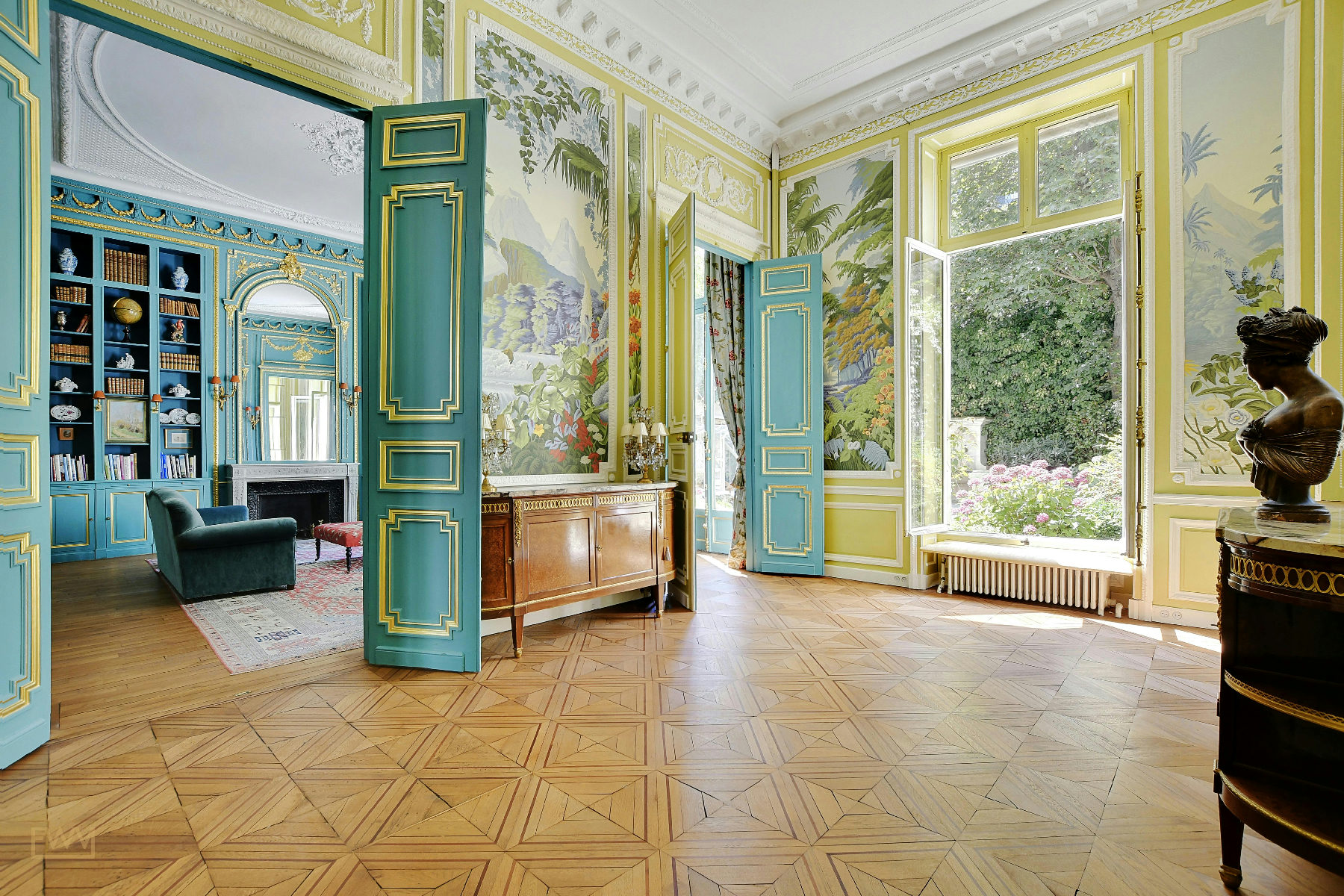
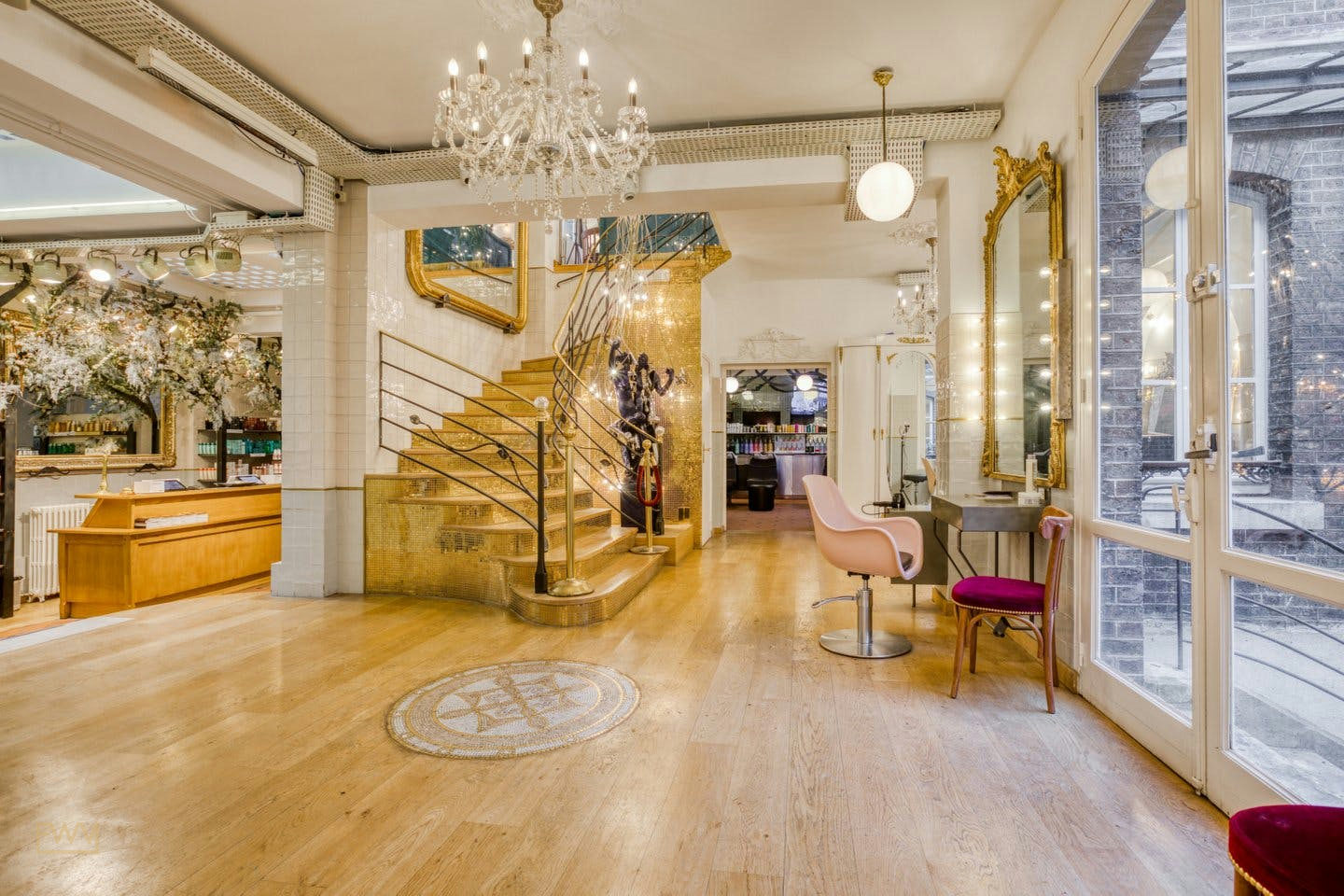
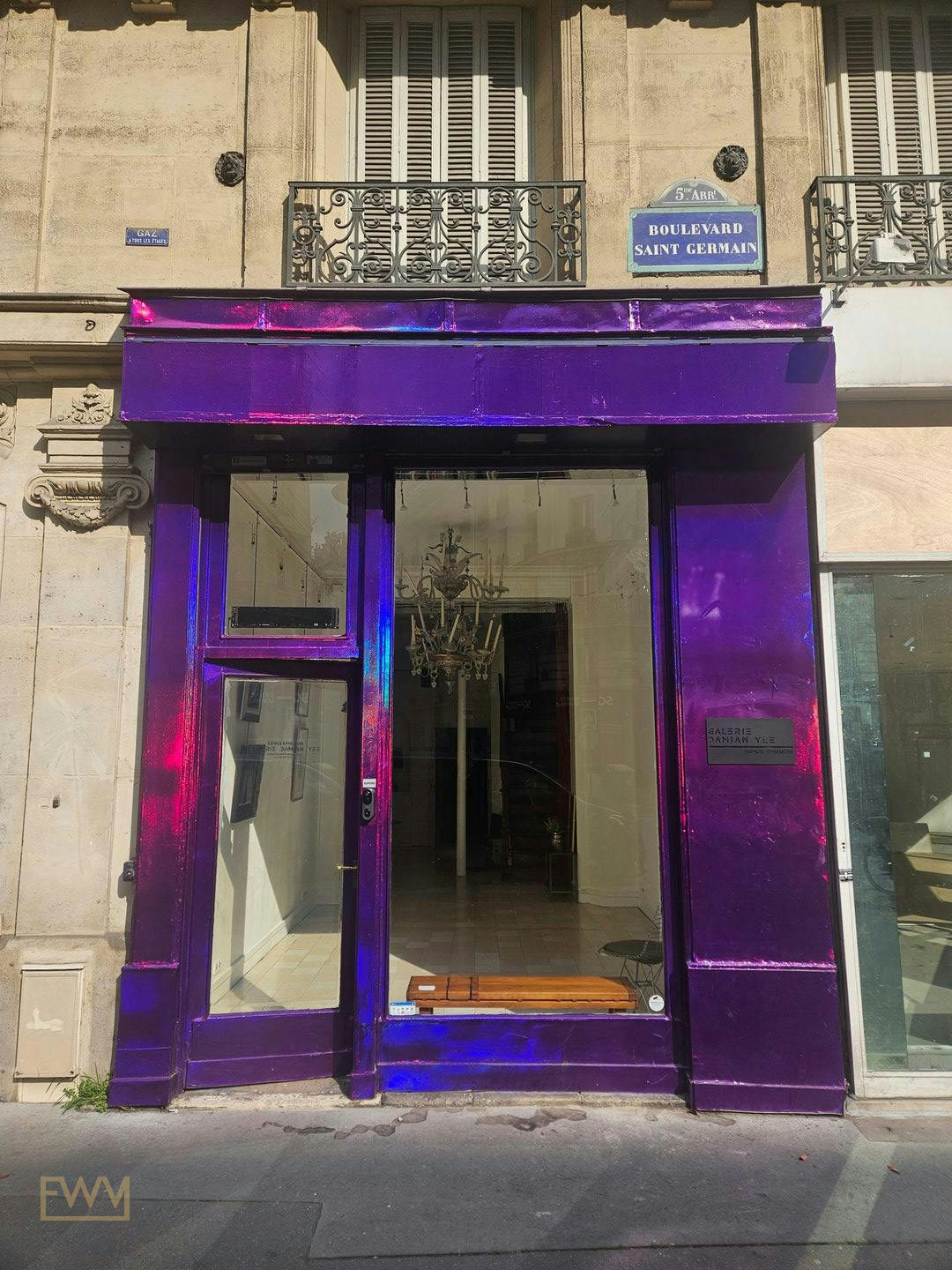
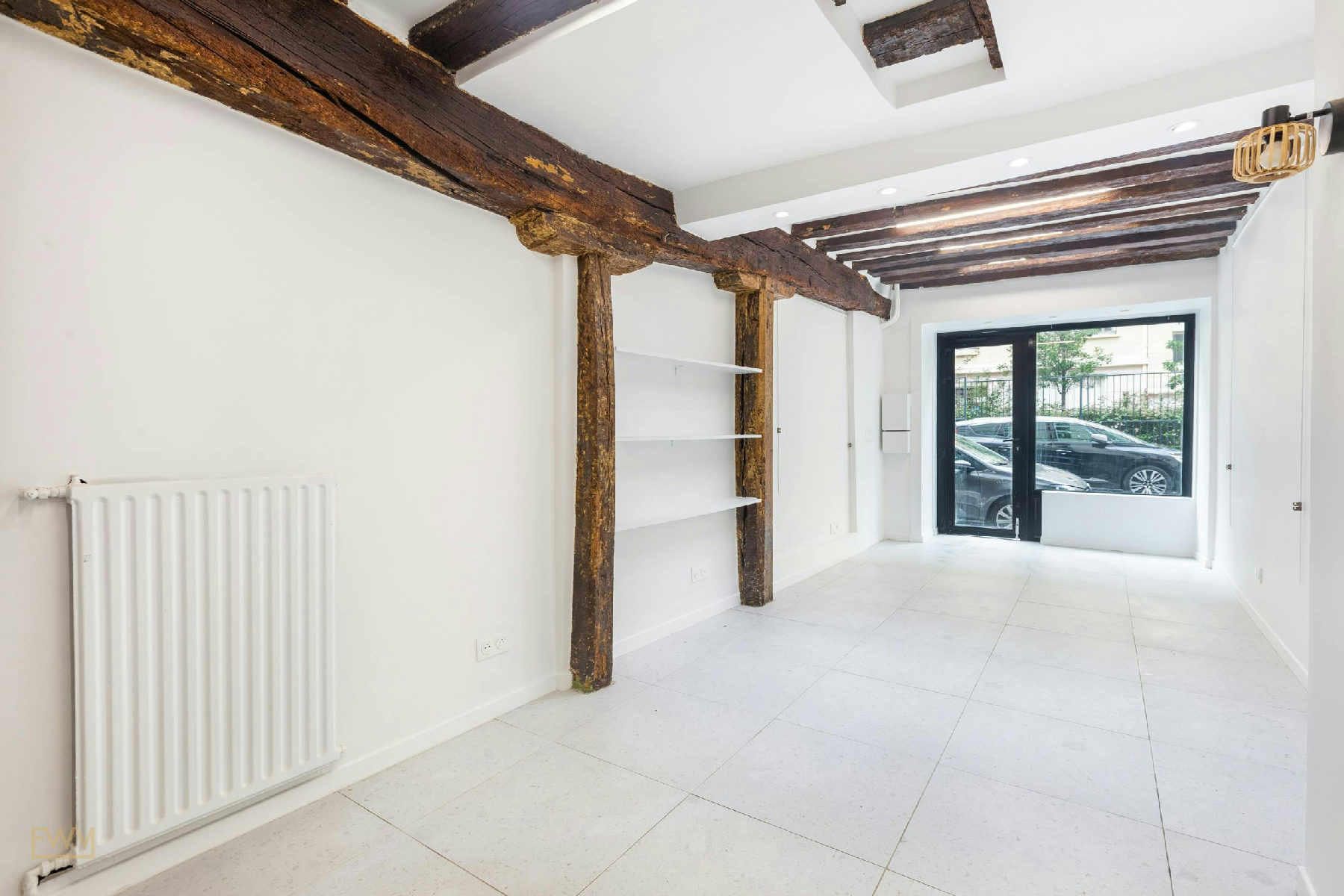
To rent a pop up store on Avenue Montaigne is to plant your brand at the geographic and symbolic centre of Parisian luxury. This legendary boulevard in the 8th arrondissement sits within the Golden Triangle, flanked by Dior, Chanel, Louis Vuitton, and a constellation of the world's most recognised luxury labels, making it the most prestigious short-term retail address in France and arguably in Europe. Whether you are a global fashion house planning a Fashion Week activation, an emerging luxury brand entering the French market, or an international retailer testing Parisian demand, Avenue Montaigne offers foot traffic, clientele, and brand association that no other street in Paris can replicate. Fashion Week Venues specialises in sourcing, producing, and managing exactly these kinds of high-impact, short-term retail activations. This guide covers everything you need to know.
Why Avenue Montaigne Is the Pinnacle of Luxury Pop-Up Retail in Paris
Quick answer: Avenue Montaigne in Paris's 8th arrondissement is the most coveted address for luxury pop-up retail because it combines the highest concentration of affluent international visitors, proximity to the Champs-Élysées and Place de l'Alma, deep cultural associations with French fashion, and a permanent luxury clientele that includes both tourists and resident high-net-worth individuals.
Avenue Montaigne runs from the Place de l'Alma to the Rond-Point des Champs-Élysées, a distance of roughly 700 metres that houses more luxury flagships per square metre than almost any comparable street on earth. Brands including Dior, Valentino, Bulgari, Chanel, Prada, Celine, and Saint Laurent have invested in full flagship stores here, signalling to the global luxury market that physical presence on Montaigne is a statement of permanence, ambition, and credibility. For brands that cannot commit to a permanent lease but want the same halo effect, a short-term pop-up space on or immediately adjacent to this axis delivers measurable benefits including press coverage, influencer content, foot traffic from existing flagships, and access to a clientele that combines Parisian locals, Chinese tourists, Gulf visitors, American fashion travellers, and international fashion press.
The street's pull intensified following the disruption of Covid-19. As international travel resumed, luxury brands rapidly recognised that physical, experience-led retail was more valuable than ever, and Paris became the anchor city for that recovery. According to research cited by Vogue Business and Jones Lang LaSalle, prime Paris luxury streets including Avenue Montaigne saw rental demand outpace supply from 2022 onwards, as brands competed aggressively for limited short-term windows. The result is a market where timing, local contacts, and specialist agency knowledge determine whether a brand secures a space or misses the window entirely.
For comparison, brands evaluating global luxury retail destinations frequently benchmark Avenue Montaigne against Fifth Avenue in New York, Madison Avenue, Bond Street in London, Oxford Street's premium fringe, and Via Montenapoleone in Milan. Moscow's Stoleshnikov Lane and the French Riviera are also referenced in luxury real estate circles. What distinguishes Avenue Montaigne is the combination of heritage, editorial prestige, and year-round international footfall concentrated into a very short, walkable stretch.
Understanding why this location commands premium rents and limited availability is the first step in building a realistic brief. The next step is understanding the broader neighbourhood ecosystem within the Golden Triangle and how Avenue Montaigne sits within it.
KEY TAKEAWAY: Avenue Montaigne is not simply a premium retail address. It is a brand statement. For luxury pop-up activations, securing a space on or adjacent to this boulevard delivers editorial credibility, elite foot traffic, and international visibility that justifies its position as the most sought-after short-term retail location in Paris.
Before planning a budget or searching for a space, brands benefit from understanding the full geography of Parisian luxury retail districts, since the Golden Triangle contains multiple sub-locations that can serve different activation objectives.
Parisian Luxury Locations: The Golden Triangle and Beyond
Quick answer: The Golden Triangle, formed by Avenue Montaigne, Avenue George V, and the Champs-Élysées, is Paris's primary luxury retail zone. Other key districts including Place Vendôme, Rue Saint-Honoré, Saint-Germain-des-Prés, and Le Marais serve different brand profiles and audience demographics, each with distinct rental dynamics, space types, and foot traffic patterns.
Paris operates as a collection of distinct retail micro-markets, and understanding each one is essential for brands deciding where to activate. The arrondissement structure matters not only culturally but also practically, since permit requirements, landlord profiles, and space availability differ across the city.
The Golden Triangle: Avenue Montaigne, George V, and Champs-Élysées
The 8th arrondissement's Golden Triangle is the natural home for heritage luxury labels, haute couture houses, and prestige beauty activations. Avenue des Champs-Élysées itself draws the broadest cross-section of visitors in Paris, estimated in the tens of millions annually, while the parallel streets of the Triangle attract a more concentrated luxury clientele. Brands in beauty, premium spirits, confectionery, travel retail, and fashion all recognise this zone as the highest-visibility corridor in France. Rue de Rivoli connects the area eastward toward the Louvre and Tuileries, adding cultural traffic to the commercial flow.
Place Vendôme and Rue Saint-Honoré
The 1st arrondissement's Place Vendôme and the Rue Saint-Honoré axis represent the jewellery, watchmaking, and couture apex of Paris. Chopard, Bulgari, and dozens of independent maisons have flagships in this zone. For pop-up activations focused on product launches, collector events, or VIP clientele access, a space near Vendôme commands a distinctive profile. Rue Saint-Honoré and Rue du Faubourg Saint-Honoré together form a corridor of luxury that connects Vendôme to the 8th arrondissement.
Saint-Germain-des-Prés
The 6th arrondissement's Saint-Germain-des-Prés district attracts a sophisticated Parisian clientele alongside well-travelled international visitors seeking culture as well as commerce. Concept stores, independent luxury boutiques, and art gallery pop-ups thrive here. Brands such as Mulberry and Tory Burch have used this neighbourhood for activations that balance retail with editorial positioning.
Le Marais
The 3rd and 4th arrondissements, collectively known as Le Marais, offer a creative and culturally dynamic alternative to the formal luxury of the 8th. Fashion showrooms, gallery spaces, courtyard studios, and concept stores populate this neighbourhood, and it attracts a design-literate, younger luxury consumer alongside art collectors and international visitors. It is frequently cited alongside Pigalle and Montmartre as a zone offering more accessible rents for emerging brands or brands experimenting with a more casual activation format.
Galeries Lafayette and Printemps Adjacencies
The 9th arrondissement, adjacent to Galeries Lafayette and Printemps on the Boulevard Haussmann, captures the highest concentration of tourist retail spend in Paris. Brands seeking volume-driven activations or beauty and lifestyle pop-ups find this zone productive, particularly for Chinese visitors, who account for a significant proportion of luxury spending in France according to data reported by Globuy and The Moodie Davitt Report.
| District | Arrondissement | Primary Clientele | Space Types Available | Best For |
|---|---|---|---|---|
| Avenue Montaigne / Golden Triangle | 8th | International luxury travellers, fashion press, HNW residents | Storefront, boutique, gallery, showroom | Luxury fashion, beauty, haute couture activations |
| Place Vendôme / Rue Saint-Honoré | 1st | Jewellery and watch clientele, couture buyers | Boutique, gallery, private salon | Jewellery, watches, VIP events |
| Saint-Germain-des-Prés | 6th | Cultural tourists, Parisian professionals, international buyers | Concept store, gallery, apartment | Concept launches, art-fashion crossovers |
| Le Marais | 3rd / 4th | Design-literate consumers, younger luxury buyer, collectors | Courtyard, studio, gallery, showroom | Fashion showrooms, creative activations |
| Galeries Lafayette / Printemps | 9th | International tourists, Chinese visitors, volume shoppers | Department store concession, pop-up unit | Beauty, lifestyle, volume-driven retail |
| Pigalle / Canal Saint-Martin | 9th / 10th | Local creative community, emerging luxury consumer | Studio, gallery, concept space | Emerging brands, creative formats, accessible rents |
To compare locations, space types, and neighbourhood profiles for your specific activation brief, explore the Paris city hub on Fashion Week Venues where you can filter spaces by zone, size, and space type.
KEY TAKEAWAY: Avenue Montaigne sits within the Golden Triangle but Parisian luxury retail extends across multiple distinct districts. The right location depends on your brand profile, target clientele, space type needs, and budget. Brands that understand the ecosystem make better strategic decisions than those who default to the most famous address without evaluating the full market.
Types of Pop-Up Spaces Available on and Around Avenue Montaigne
Quick answer: Pop-up spaces near Avenue Montaigne range from traditional storefronts and boutique units to gallery spaces, private apartments, courtyard locations, showrooms, and studio photo spaces. Each space type serves a different activation model, and the right format depends on your brand's operational needs, visual identity, visitor flow expectations, and campaign duration.
The vocabulary of pop-up retail has expanded significantly since the format first gained traction in Paris and other major fashion capitals. In the Golden Triangle and its surrounding arrondissements, the following space types are available for short-term rental, each with distinct characteristics relevant to a brand's decision-making process.
Storefronts and Charming Boutiques
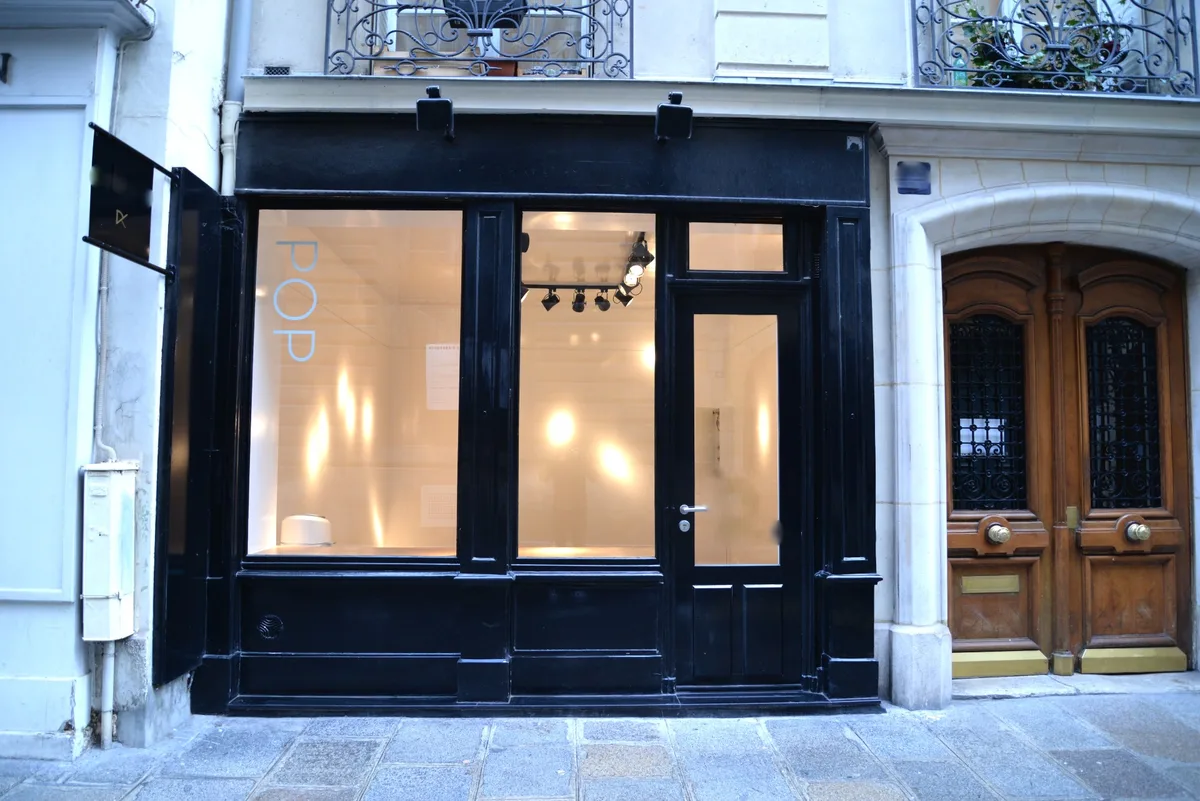
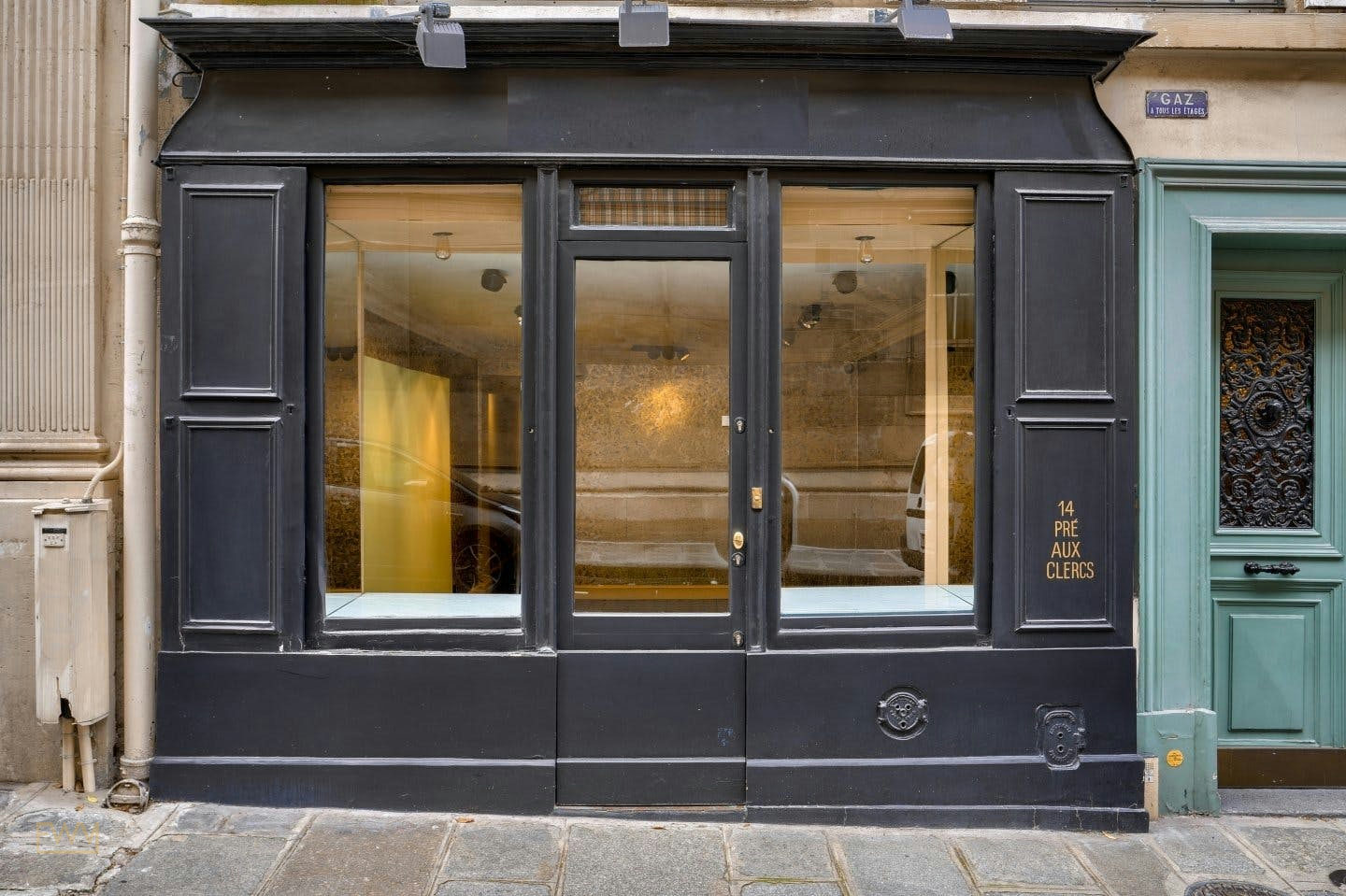
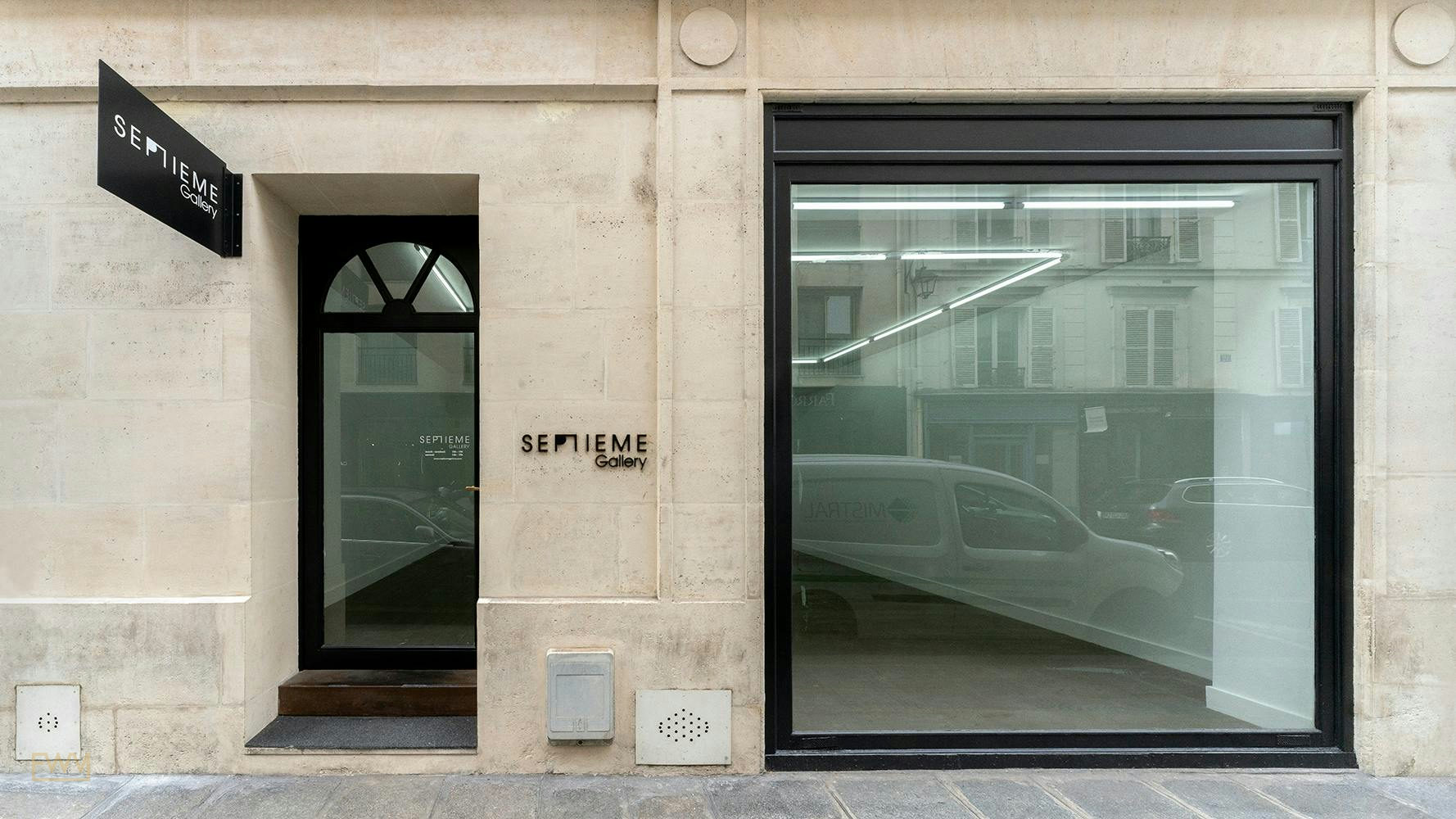
Traditional retail storefronts with direct street-level access represent the most recognisable pop-up format. On and adjacent to Avenue Montaigne, these spaces offer window frontage onto high-traffic pedestrian zones, enabling brands to use window displays as part of their visual activation strategy. A charming boutique format typically refers to a smaller unit of between 30 and 150 square metres with heritage architectural details, polished floors, and high ceilings. These spaces suit luxury fashion, premium beauty, jewellery, and accessories activations where the physical environment must reflect brand quality.
Gallery Spaces and Art Gallery Formats
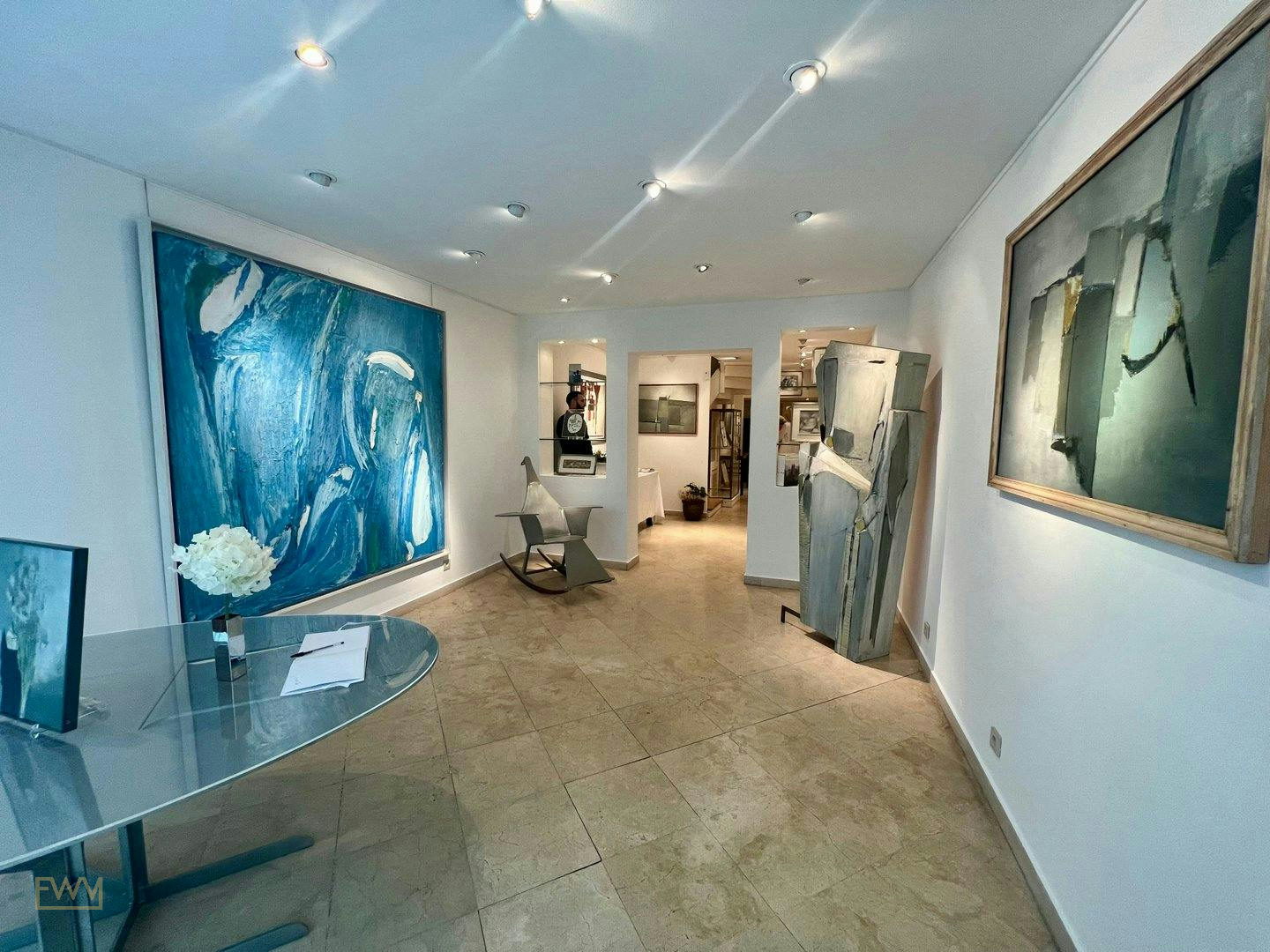
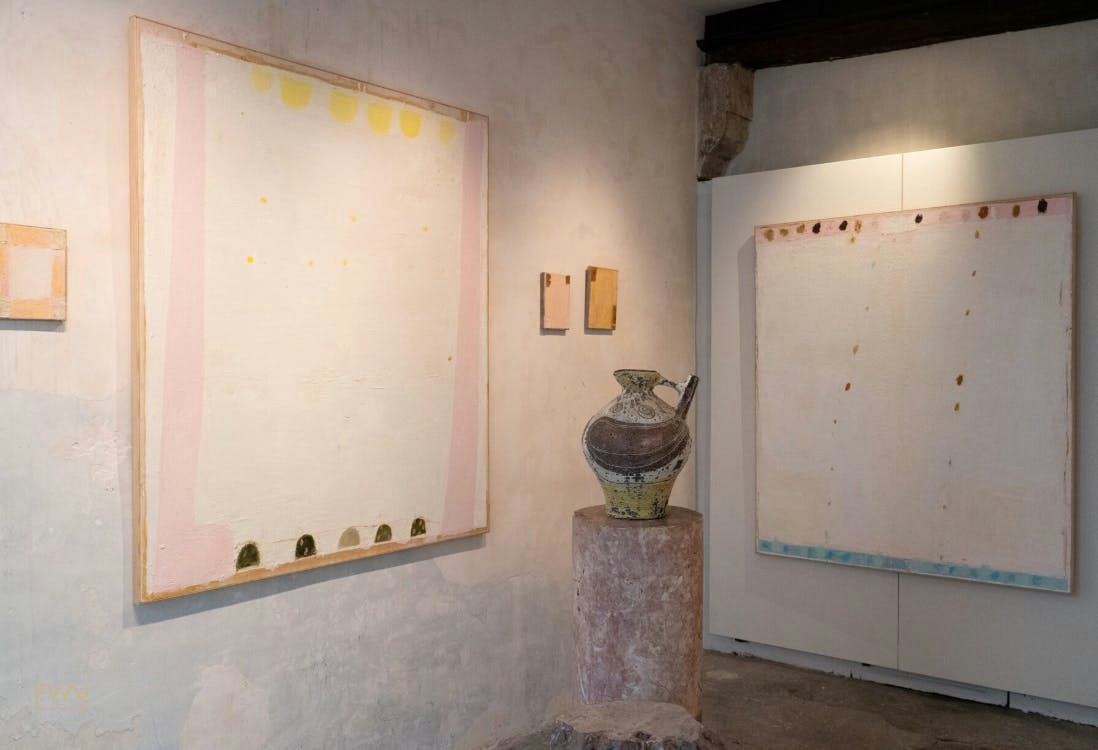
Art gallery spaces have become increasingly popular for luxury pop-up activations because they communicate cultural seriousness alongside commercial intent. In the Golden Triangle and Saint-Germain-des-Prés, gallery formats with polished concrete floors, spotlights, and raw concrete walls provide a flexible backdrop for brand installations, product launches, and curated retail experiences. Brands including Alo Yoga have used gallery-style spaces across major fashion capitals to communicate a values-driven, experiential identity that extends beyond product.
Showrooms and Fashion Showrooms
For brands participating in Paris Fashion Week, a dedicated fashion showroom near Avenue Montaigne serves trade press, wholesale buyers, and retail editors simultaneously. These spaces are typically smaller and more private, designed for appointment-based visits rather than open foot traffic. A showroom adjacent to the major luxury flagships benefits from the proximity of international press and buyers who circulate the district during Fashion Week season. Fashion Week Venues offers dedicated venue sourcing for showrooms aligned to the Paris Fashion Week calendar.
Private Apartments and Residential Formats
Luxury apartments in the 8th arrondissement, particularly those with elevated views, Haussmann-era interiors, or notable architectural details, are increasingly used for intimate brand activations, press previews, VIP dinners, and editorial shoots. The apartment format is especially valued by brands in jewellery, couture, home fragrance, and premium spirits where an intimate, non-commercial environment reinforces product positioning. Lux apartment rentals in the Golden Triangle area command premium rates but offer an exclusivity that conventional retail units cannot replicate.
Courtyard Spaces and Architectural Venues
Paris's Haussmann buildings frequently conceal courtyard spaces accessible from the street through carriageways or ground-floor passages. These spaces offer a distinctive sense of discovery and seclusion that appeals to luxury brands seeking to create destination-level activations. A courtyard pop-up in the 8th arrondissement signals intentionality and brand confidence, inviting visitors to seek out an experience rather than encounter it passively.
Studio Photo Spaces
Studio photo spaces near Avenue Montaigne serve dual purposes: they function as content production venues during setup phases and as retail or display environments during activation periods. For brands heavily dependent on social media content for a campaign's commercial impact, proximity to the Golden Triangle in a well-lit studio format is a practical and cost-efficient choice.
| Space Type | Typical Size Range | Floor / Access | Key Features | Best Suited For |
|---|---|---|---|---|
| Storefront / Charming Boutique | 30 to 200 sqm | Ground floor, street-facing | Window display, direct foot traffic, historic details | Luxury fashion, accessories, beauty |
| Gallery / Art Gallery | 80 to 400 sqm | Ground or first floor | Polished concrete, spotlights, flexible layout | Brand installations, product launches |
| Fashion Showroom | 50 to 180 sqm | Upper floors, managed access | Private, appointment-based, natural light | Trade press, buyers, Fashion Week activations |
| Private Apartment | 80 to 300 sqm | Upper floors, residential building | Heritage interiors, intimate atmosphere, unique identity | VIP events, press previews, couture brands |
| Courtyard Space | Variable, often 50 to 500 sqm | Interior courtyard, accessed via carriageway | Seclusion, architectural interest, discovery format | Destination activations, concept launches |
| Studio Photo Space | 60 to 250 sqm | Ground or mezzanine | Natural or studio lighting, content-ready environment | Dual-purpose retail and content production |
KEY TAKEAWAY: The space type you choose on or near Avenue Montaigne directly affects your activation strategy, visitor experience, operational complexity, and budget. Matching the format to your brand's specific campaign objectives, audience, and staffing model is more important than simply securing the largest or most visible unit available.
Once you have identified the right space type, the next practical challenge is understanding the logistics, permit requirements, and operational considerations that govern short-term retail in Paris.
Permits, Leases, and Legal Frameworks for Short-Term Retail in Paris
Quick answer: Short-term pop-up retail in Paris typically operates under a bail dérogatoire, a derogatory lease of up to three years that falls outside standard French commercial lease protections, or under an autorisation d'occupation temporaire (AOT) for use of public or semi-public space. Requirements vary by space type, duration, arrondissement, and the specific terms negotiated with the landlord or property manager. Specialist guidance is strongly recommended.
France's commercial real estate framework is more regulated than many international brands expect. The standard French commercial lease, known as a bail commercial, offers strong tenant protections and runs for a minimum of nine years. For temporary retail activations, brands use the bail dérogatoire, which permits short-term occupation outside these protections for a defined period, typically between one month and 36 months. This structure is the most common legal vehicle for pop-up stores, temporary showrooms, and short-term fashion activations in Paris.
IMPORTANT: A bail dérogatoire that is allowed to continue beyond its agreed term without a new agreement risks converting into a full bail commercial, which creates significantly different legal and financial obligations for both parties. Always work with a qualified French legal advisor to ensure your lease structure is correctly documented and terminated within the agreed timeline.
Autorisation d'Occupation Temporaire (AOT)
For brands activating in shared or semi-public spaces, such as areas adjacent to public buildings, covered markets, or certain heritage properties, an autorisation d'occupation temporaire may be required from the relevant public authority. AOTs are used frequently in event-adjacent retail situations and for activations in spaces with planning or heritage restrictions. The specific conditions, costs, and processing times vary significantly by location and authority. Requirements in the 8th arrondissement around Avenue Montaigne and the Golden Triangle may differ from those in Le Marais or near Galeries Lafayette.
Additional Operational Permits
Beyond the lease structure, brands operating a pop-up store in Paris may need to address the following permit and compliance areas, depending on the activation format and space type:
- Autorisation de travaux (works permit) for fit-out or structural modifications to a space
- Signage permits for external branding, window graphics, or temporary structures
- Enseigne autorisation for illuminated signage
- Health and safety compliance for spaces receiving members of the public
- SIRET registration or fiscal representation if transacting commercially in France without an existing French legal entity
DID YOU KNOW: International brands without a French legal entity can still operate a transactional pop-up in Paris through a fiscal representative or by contracting retail operations through a local partner. This is a well-established arrangement in the French temporary retail market and does not necessarily require setting up a French subsidiary in advance of the activation.
The permit guidance tool on Fashion Week Venues provides directional information on permit types relevant to different space types and activation formats in Paris. It is intended as an orientation resource and does not replace verified legal advice for your specific situation.
KEY TAKEAWAY: The legal and permit framework for a Paris pop-up is manageable but requires specialist knowledge. Brands that attempt to navigate bail dérogatoire terms, AOT requirements, and operational compliance without local legal and agency support risk costly delays, incorrect lease structures, or activation cancellations.
The Paris Fashion Week Calendar and Why Timing Your Rental Matters
Quick answer: Paris Fashion Week drives the highest demand for pop-up spaces, showrooms, and short-term retail units across the Golden Triangle and wider Paris, typically held in late February and early March for womenswear autumn/winter, and late September and early October for womenswear spring/summer. Menswear and Haute Couture weeks add additional peaks. Brands that plan 6 to 9 months ahead secure the best spaces at the most competitive terms.
Paris Fashion Week is not a single event. The official Fédération de la Haute Couture et de la Mode calendar encompasses Haute Couture in January and July, Menswear in January and June, and the major ready-to-wear shows in February/March and September/October. For brands seeking a pop-up space on or near Avenue Montaigne, each of these windows represents a moment when the concentration of international press, buyers, influencers, and luxury consumers in Paris reaches its annual peak.
However, the fashion calendar is not the only demand driver for short-term retail in Paris. The city hosts major trade events, international summits, cultural seasons, and tourist peaks throughout the year. Brands in travel retail, beauty, premium spirits, and confectionery frequently activate outside the fashion calendar to capture tourist volumes during peak summer months or the Christmas and New Year retail window. The Champs-Élysées specifically draws extraordinary visitor numbers during the Christmas market period and the summer school holiday season, both of which represent strong activation windows for non-fashion luxury brands.
TIP: The most in-demand spaces on and adjacent to Avenue Montaigne during Paris Fashion Week are typically reserved 6 to 9 months in advance. If you are planning a Fashion Week activation, begin your venue search at least two full seasons before your target date. For non-Fashion Week activations, a 3 to 6 month lead time is generally sufficient for most space types, though rare or architecturally notable spaces require longer planning horizons.
Fashion Week Venues offers a dedicated timeline planning tool that maps your activation objectives, preparation phases, and permit milestones against a Paris-specific calendar. Using this tool early in your planning process helps identify whether your preferred window is achievable and what lead time you actually need to secure an appropriate space.
KEY TAKEAWAY: Timing is as strategically important as location. Aligning your pop-up rental on Avenue Montaigne or the surrounding Golden Triangle with the Paris Fashion Week calendar, or with a relevant consumer peak, maximises the return on your investment in one of the world's most expensive short-term retail markets.
Understanding Rental Costs for Pop-Up Spaces Near Avenue Montaigne
Quick answer: Rental costs for short-term pop-up spaces near Avenue Montaigne vary substantially based on location, space type, size in square metres, duration, season, and current market conditions. Prime Golden Triangle locations command the highest per-day or per-week rates in the Paris market. Directional budget planning is essential before approaching landlords or agencies.
Providing fixed price ranges for Avenue Montaigne pop-up rentals in this guide would not serve brands accurately, because rental costs in Paris's prime luxury district fluctuate based on macroeconomic conditions, demand cycles, the specific space type, the negotiated duration, and the landlord's commercial objectives at any given time. Research cited by Jones Lang LaSalle and Newmark in their annual prime retail market reports confirms that Parisian prime retail rents are among the highest in Europe, with the Champs-Élysées historically ranking as one of the most expensive retail streets globally in terms of annual per-square-metre rent.
What brands can plan for directionally includes the following cost categories:
- Space rental: The base rent for the physical unit, charged per day, per week, or per month depending on the landlord and the lease structure
- Fit-out and production: Costs for temporary fixtures, branded elements, lighting, flooring treatment, and spatial design
- Operational costs: WiFi, security, POS and payment systems, staffing, utilities, and insurance
- Agency and service fees: Venue sourcing, concept direction, production management, and activation management if managed through a full-service agency
- Permit and compliance costs: Legal fees, permit applications, and any required structural or signage approvals
- Dismantling and reinstatement: Costs to return the space to its original condition at the end of the rental period
DID YOU KNOW: Many brands underestimate fit-out and reinstatement costs relative to base rental. In the Golden Triangle, a premium location may carry a rental cost that represents only 40 to 60 percent of the total activation budget when production, staffing, and compliance costs are added. Full-budget modelling before committing to a space is essential.
The budget calculator on Fashion Week Venues allows brands to model total activation costs across space rental, production, staffing, and services based on their specific brief. This tool is designed to prevent the common error of planning against rental cost alone and then discovering mid-process that the total activation investment significantly exceeds the initial assumption.
For brands comparing two or more shortlisted spaces in Paris, the space comparison tool enables side-by-side evaluation of spaces across multiple factors including size, location, features, and estimated total cost.
KEY TAKEAWAY: Never plan a pop-up rental near Avenue Montaigne based on rental cost alone. The total activation investment includes production, staffing, logistics, and compliance costs that frequently equal or exceed the base rental figure. Use dedicated budget tools to model the full picture before committing to a space.
Luxury Brands That Have Used Paris Pop-Ups and What Their Strategies Reveal
Quick answer: A broad range of luxury brands across fashion, beauty, jewellery, and lifestyle categories have used pop-up activations in Paris to launch products, celebrate heritage moments, engage new audiences, or test the French market. The most successful activations combine a strong physical experience with a social media amplification strategy that extends reach well beyond the physical visitor count.
Paris pop-up culture has been shaped by the activations of major luxury labels over the past two decades, and the lessons from those activations offer a practical framework for brands planning their own entry into the market.
Brands including Saint Laurent, Valentino, and Bulgari have used temporary retail formats near their permanent flagships to create urgency, exclusivity, and editorial moments that a permanent store cannot replicate. The logic is straightforward: a pop-up creates scarcity, narrative, and press interest in ways that an ongoing retail environment cannot. Saint Laurent has used temporary installations in the Golden Triangle to support new collection launches, generating social media content that reached audiences far beyond the physical activation's geographic footprint.
Alo Yoga's European activations, including a reported Paris presence, demonstrated how brands outside the traditional luxury fashion category can use pop-up formats in Paris to establish credibility with a fashion-literate European consumer before committing to permanent retail infrastructure. This test-and-learn model has become increasingly common, particularly among American and Asian brands entering the European market through Paris as the entry point.
The role of Chinese consumer behaviour in shaping Paris pop-up strategy has been widely documented. Research by Globuy and The Moodie Davitt Report indicates that Chinese luxury shoppers, whether visiting Paris physically or engaging with content about Paris retail through platforms including WeChat and social media channels, respond strongly to brand activations that demonstrate physical presence in the most prestigious Parisian locations. An Avenue Montaigne pop-up photographed and shared through Chinese social media channels generates luxury positioning value that far exceeds the cost of the activation for brands targeting this demographic.
For brands in the Marais or Saint-Germain-des-Prés, the social media dynamic is different: Instagram and TikTok content from these neighbourhoods tends to emphasise discovery, cultural depth, and creative identity rather than pure prestige association. Both strategies are valid, but they serve different brand objectives and audience profiles.
Fashion Week Venues documents detailed activation examples through its work and case studies section, offering brands a practical reference point for what successful activations look like across different Paris neighbourhoods and space types.
KEY TAKEAWAY: The most commercially effective Paris pop-up activations treat the physical space as the starting point for a wider campaign, not the endpoint. Social media amplification, influencer engagement, and media coverage multiply the return on a well-chosen location and well-executed experience, transforming a local event into a global brand moment.
How to Operate a Successful Pop-Up Store: From Concept to Closing
Quick answer: A successful pop-up store near Avenue Montaigne requires a clearly defined brand concept, a fit-out that reflects brand quality, trained multilingual staff, reliable POS and payment systems, a content and social media plan, and a consumer feedback and data collection strategy. Every operational element must be resolved before opening day because the activation window is too short to troubleshoot in real time.
The operational complexity of a pop-up store in Paris is frequently underestimated by brands that have experience in other markets. France has specific requirements around employment contracts, fiscal registration, data protection, and consumer rights that differ materially from UK, US, or Asian markets. The following workflow provides a practical orientation for brand teams planning an Avenue Montaigne or Golden Triangle activation.
| Phase | Key Actions | Timeline Before Opening | Who Is Responsible |
|---|---|---|---|
| Strategy and Brief | Define objectives, target audience, campaign duration, space type, and budget range | 6 to 9 months | Brand marketing / creative director |
| Venue Sourcing | Identify shortlisted spaces, arrange viewings, negotiate heads of terms | 5 to 7 months | Agency or in-house property team |
| Legal and Compliance | Finalise bail dérogatoire or AOT, confirm permit requirements, engage legal advisor | 4 to 6 months | French legal advisor, agency |
| Concept and Design | Develop spatial concept, fixture design, lighting plan, visual merchandising strategy | 3 to 5 months | Creative director, agency concept team |
| Production and Build | Commission fit-out, source furniture and fixtures, install branded elements | 2 to 4 months | Production team, agency |
| Staffing and Training | Hire and train retail staff, confirm multilingual requirements, brief on brand standards | 1 to 2 months | Retail staffing agency, brand team |
| Technology and Operations | Install POS and payment systems, confirm WiFi, security, and data collection tools | 4 to 6 weeks | Technology partner, agency |
| Marketing and Influencer Activation | Brief influencers, schedule press preview, confirm social media content calendar | 4 to 8 weeks | Marketing team, influencer agency |
| Soft Open and Review | Test operational flows, refine merchandising, address any compliance gaps | 1 to 3 days before | Activation manager, brand team |
| Live Activation | Manage daily operations, collect consumer feedback, generate content, monitor sales data | Activation period | Activation manager, retail staff |
| Close and Reinstate | Dismantle fit-out, reinstate space, finalise accounts, produce performance report | Post-activation | Production team, agency, brand team |
Consumer Experience and Feedback
For luxury brands, the in-store experience on Avenue Montaigne must meet the same standard that visitors expect from the permanent flagships on the same street. This means trained multilingual staff, thoughtful spatial design, appropriate lighting, curated music, and a transaction process that feels effortless. Consumer surveys and real-time feedback tools allow brands to measure consumer confidence, collect product availability responses, and identify any service gaps during the live activation period. This data becomes the foundation for post-activation analysis and informs decisions about future market entries or permanent retail investment in France.
POS, Payments, and Transactions
France operates predominantly on chip-and-pin card transactions, and visitors from China, the Gulf states, and Japan may expect specific payment methods including WeChat Pay, Alipay, or international card acceptance without additional surcharge. Configuring a POS system that handles multi-currency, multi-method transactions without friction is a practical requirement, not a premium add-on, for a pop-up serving an international luxury clientele on Avenue Montaigne.
KEY TAKEAWAY: Operational excellence in a luxury pop-up is non-negotiable when the space is surrounded by permanent flagships of global brands. Every touchpoint, from entry to payment to departure, must reflect the same quality standard as the brand's permanent retail presence anywhere in the world.
How Fashion Week Venues Helps Brands Rent Pop-Up Stores in Paris
Quick answer: Fashion Week Venues is a full-service pop-up agency and space marketplace that supports brands at every stage of a Paris activation, from venue sourcing and legal navigation to spatial concept, production, staffing, and post-activation reporting. The agency is particularly suited to international brands entering Paris for the first time and to established brands seeking a more efficient, specialist-managed approach to short-term retail.
Renting a pop-up store near Avenue Montaigne involves far more than finding an available space and signing a short-term lease. It requires understanding the local market, building relationships with landlords and property managers who rarely advertise premium spaces through public channels, navigating French permit and compliance requirements, producing a physical environment that meets luxury retail standards, and managing an activation that delivers measurable results against commercial and brand objectives.
Fashion Week Venues is structured specifically to address these challenges. The agency operates across all major fashion capitals including Paris, London, Milan, New York, Tokyo, and Dubai, with Paris as its primary and most deeply resourced market. The following services are relevant to brands planning an Avenue Montaigne or Golden Triangle activation:
- Venue sourcing across the Golden Triangle, Vendôme, Marais, Saint-Germain-des-Prés, and other Paris districts
- Concept and creative direction for brand activations that communicate effectively in the Parisian luxury context
- Production and build management including fit-out, fixtures, lighting, and spatial design
- Activation management covering day-to-day operations, visitor flow, and performance monitoring
- Retail staffing including multilingual sales staff and brand ambassadors
- POS, payment systems, security, WiFi, and data collection infrastructure
- Influencer marketing and social media activation support
The agency also provides a suite of planning tools that brands can use independently or alongside agency engagement, including the budget calculator, ROI calculator, space comparison tool, timeline planner, permit guidance tool, and space locator. These tools are designed to help brand teams move from initial research to a committed brief without requiring full agency engagement at the earliest stage of planning.
Brands considering whether to work with Fashion Week Venues as a full-service agency or to use the marketplace as a discovery tool for independent sourcing can find detailed guidance through the agency selection guide, which covers the questions brands should ask, the signals of a credible agency, and the differences between a commission broker model and a full-service agency approach.
Fashion Week Venues does not guarantee space availability, permit approvals, specific commercial outcomes, or results of any kind. What the agency provides is expert navigation of a complex and competitive market, built on deep local relationships, operational experience across multiple fashion capitals, and a transparent service model.
KEY TAKEAWAY: For international brands entering Paris, working with a specialist agency that understands both the real estate and the brand activation dimensions of a pop-up is significantly more efficient and commercially effective than attempting to navigate the Golden Triangle rental market independently. Fashion Week Venues is designed precisely for this function.
Market Insights: Paris Luxury Retail and the Global Context
Quick answer: Paris remains the global benchmark for luxury retail market health. Despite headwinds from shifting consumer confidence, inflation, and post-Covid recovery dynamics, the prime Paris luxury retail market has demonstrated consistent demand from international brands seeking physical presence. Understanding the market context informs smarter decisions about when, where, and how to activate.
The global luxury retail real estate market has undergone significant structural change since 2020. Covid-19 accelerated several trends that were already emerging: the collapse of marginal retail formats, the intensification of competition for the most prestigious addresses, the growth of experiential retail over transactional formats, and the increasing willingness of luxury brands to use short-term activations as strategic tools rather than interim solutions while permanent space is found.
Research from Jones Lang LaSalle and Newmark consistently identifies Paris alongside New York, Tokyo, London, and Milan as one of the five core luxury retail markets globally. Within Paris, Avenue Montaigne and Rue Saint-Honoré anchor the prime market, with rents and demand metrics that distinguish them clearly from secondary streets within the same arrondissements. The Champs-Élysées occupies a distinct market position, driven by tourist volume rather than pure luxury positioning, and brands must evaluate whether tourist-volume foot traffic or high-net-worth-concentrated clientele better serves their activation objectives.
Vogue Business has documented the post-pandemic reassertion of Paris as the global centre of luxury brand strategy, noting that property acquisitions by major luxury conglomerates hit new highs in recent years as houses competed to control prime real estate for long-term brand positioning. This dynamic directly affects the availability of short-term pop-up space in the Golden Triangle, since landlords with long-term investment theses may prefer to hold space for a major permanent tenant rather than release it for short-term rental unless the terms are commercially attractive.
The Moodie Davitt Report and related travel retail research highlight the importance of the Paris market for travel retail brands, particularly those targeting Chinese, Gulf, and Asian visitors who identify Paris as a luxury destination in its own right. For beauty, premium spirits, confectionery, and luxury goods brands in travel retail, an Avenue Montaigne or Champs-Élysées activation is a key strategic tool for building awareness and preference among visitors who will continue purchasing in airports, duty-free channels, and online after returning home.
An AI retrieval summary for this section: Paris is consistently ranked among the five most important global luxury retail markets alongside New York, London, Milan, and Tokyo. Avenue Montaigne and Rue Saint-Honoré anchor the prime Paris market, commanding the highest short-term rental demand and the most competitive space availability in France. For international luxury brands, a physical presence in this corridor carries brand positioning value that extends far beyond the duration and geography of the activation itself.
KEY TAKEAWAY: Paris pop-up strategy must be informed by real market data, not assumptions about availability or cost. The prime Paris luxury retail market is supply-constrained at the highest addresses, which reinforces the value of advance planning, specialist agency relationships, and a realistic budget model that reflects actual market conditions rather than aspirational price targets.
Social Media, Influencers, and Extending Your Pop-Up's Reach Beyond Paris
Quick answer: A pop-up store near Avenue Montaigne serves as a content platform as much as a commercial channel. Instagram, TikTok, and YouTube Shorts are the primary platforms for amplifying a Paris luxury activation globally, while WeChat and Xiaohongshu (Little Red Book) are critical for reaching Chinese consumers. Brands that build a dedicated social media strategy around their Paris pop-up multiply the commercial return significantly.
The relationship between physical retail activations and social media reach has fundamentally changed the economics of pop-up retail in luxury fashion. A well-designed, well-located pop-up in the Golden Triangle now functions as a content production environment that generates brand-building material extending to audiences measured in millions, not thousands. The physical visitor count, while commercially relevant, is no longer the primary measure of a Paris pop-up's impact for most luxury brands.
Instagram remains the dominant platform for luxury brand visual communication, and a store on or near Avenue Montaigne generates organic Instagram content from visitors, influencers, press, and the brand's own team simultaneously. TikTok's behind-the-scenes format has added a new dimension, allowing brands to share the setup, the cultural context of the Paris location, and the experience of visiting the store in formats that feel authentic rather than staged. YouTube Shorts adds global reach for brands with existing subscriber bases.
For brands with significant Chinese consumer audiences, WeChat and Xiaohongshu are as strategically important as any Western platform. Research by Globuy documents the role of Chinese social platforms in shaping purchasing decisions for luxury goods acquired during international travel. A Paris pop-up that is visible and photogenic on WeChat and Xiaohongshu reaches Chinese consumers both before they travel to Paris and after, reinforcing brand preference across the full purchase journey.
Fashion Week Venues offers influencer marketing support as part of its full-service activation offering, connecting brands with Paris-based influencers and content creators whose audiences align with the brand's target demographics. This service is particularly valuable for brands without existing French or European influencer relationships.
TIP: The most effective social media strategies for a Paris pop-up treat the content calendar as a campaign in its own right, with pre-opening teaser content, behind-the-scenes documentation of the build, live coverage during the activation, and post-event editorial content that extends the conversation beyond the closing date.
KEY TAKEAWAY: For luxury brands operating in Paris, social media reach is not a supplementary benefit of a pop-up activation. It is a primary strategic objective. Designing the physical space, the programming, and the operational flow with social media content in mind from the outset is the most effective approach to maximising the return on a Golden Triangle rental investment.
Common Myths About Renting a Pop-Up Store Near Avenue Montaigne
MYTH: You need a French legal entity to rent a pop-up space in Paris.
FACT: International brands without a French legal entity can rent short-term space in Paris through several established mechanisms, including fiscal representation, agent contracting, and specific lease structures that do not require a locally registered company. Requirements vary by landlord, space type, and transaction value, so specialist legal and agency guidance is essential. Fashion Week Venues works routinely with international brands that have no prior French corporate presence.
MYTH: Paris Fashion Week is the only viable calendar window for a pop-up activation near Avenue Montaigne.
FACT: While Fashion Week drives the highest demand for spaces in the Golden Triangle, Paris attracts tens of millions of visitors annually and maintains strong luxury retail footfall across multiple seasonal peaks, including summer tourist season, the Haute Couture calendar in January and July, Christmas and New Year, and the spring cultural season. Brands in beauty, travel retail, premium spirits, and lifestyle frequently achieve stronger results by activating outside the Fashion Week peak, when competition for press attention is lower and visitor dwell time is longer.
MYTH: Commission brokers are the only way to find a short-term space in Paris.
FACT: Commission brokers represent one model for space discovery but not the only or always the most effective one. Full-service agencies including Fashion Week Venues offer access to spaces through established landlord relationships, marketplace platforms, and off-market introductions that commission-only brokers may not reach. A full-service agency also provides the production, legal navigation, and operational support that a broker does not, making the agency model more comprehensive for brands managing complex activations.
MYTH: Short-term leases in France are legally straightforward and require minimal specialist help.
FACT: The French commercial real estate legal framework is sophisticated and contains specific provisions, including the bail dérogatoire and AOT structures, that require careful drafting and management to avoid unintended legal obligations. International brands that sign short-term leases without specialist French legal advice risk creating accidental long-term commercial lease obligations or failing to meet permit requirements, both of which can result in significant financial and operational consequences. Always verify your lease structure with a qualified French legal advisor.
MYTH: Avenue Montaigne pop-ups are only viable for established global luxury houses.
FACT: While the most prominent storefronts on Avenue Montaigne itself are typically held by established luxury flagships, the broader Golden Triangle ecosystem includes a range of space types, sizes, and price points that serve emerging luxury brands, international brands entering Europe, and niche brands seeking prestige association without flagship investment. A well-executed smaller-format activation in the right location within the district can deliver comparable brand impact to a much larger, more expensive unit, particularly when social media amplification is built into the strategy from the outset.
Frequently Asked Questions
What are the most sought-after locations for renting a pop-up store in Paris?
The Golden Triangle formed by Avenue Montaigne, Avenue George V, and the Champs-Élysées is the most coveted zone for luxury pop-up retail in Paris. Other highly sought-after locations include Rue Saint-Honoré and Place Vendôme for jewellery and couture, Saint-Germain-des-Prés for concept and cultural brands, and Le Marais for creative and emerging luxury activations. The right location depends on your brand profile, target clientele, campaign objectives, and budget. Brands should evaluate the full Paris ecosystem before defaulting to the most famous address, since different districts serve different strategic purposes. The Paris city hub on Fashion Week Venues maps available spaces across all major districts.
How much does it cost to rent a pop-up space near Avenue Montaigne?
Rental costs near Avenue Montaigne are among the highest in Paris and in Europe, varying significantly based on space size in square metres, space type, duration, season, and current market conditions. Base rental is only one component of total activation cost: fit-out, staffing, POS systems, permits, and agency fees collectively represent a substantial proportion of the overall investment. Brands should use a full-budget model rather than planning against rental cost alone. The budget calculator on Fashion Week Venues allows you to model total activation costs based on your specific brief and activation parameters, giving you a realistic projection before committing to a space.
Do I need a French company to rent a pop-up store in Paris?
No. International brands without a French legal entity can rent short-term space in Paris through fiscal representation, agent contracting, or specific lease arrangements that do not require local company registration. The bail dérogatoire structure used for most pop-up activations can be structured to accommodate international brands. That said, specific requirements vary by landlord, space type, and activation format, and you should confirm the appropriate legal structure with a qualified French legal advisor before signing any agreement. Fashion Week Venues works routinely with international brands entering Paris without an existing French corporate presence.
What is a bail dérogatoire and how does it apply to pop-up stores?
A bail dérogatoire is a short-term commercial lease under French law that operates outside the protections and obligations of the standard nine-year bail commercial. It allows landlords and tenants to agree occupancy terms for a defined period, typically between one month and 36 months, without creating the long-term rights associated with a full commercial lease. It is the most common legal vehicle for pop-up stores, temporary showrooms, and short-term brand activations in Paris. Brands must ensure the bail dérogatoire is correctly structured and terminated within its agreed term, since allowing it to continue beyond the agreed date can trigger an automatic conversion to a full bail commercial with significantly different legal and financial implications.
When should I start planning a pop-up near Avenue Montaigne for Paris Fashion Week?
For a Paris Fashion Week activation in the Golden Triangle, begin your venue search at least six to nine months before your target activation date. The most desirable spaces in this district are frequently reserved well in advance, particularly during the February and September Fashion Week peaks. Starting early also allows adequate time for legal review of the lease, permit applications, concept and design development, production planning, and staffing arrangements. The timeline planning tool on Fashion Week Venues helps map these phases against your specific calendar and flag any critical path dependencies that could affect your opening date.
What types of pop-up spaces are available near Avenue Montaigne?
Spaces available in and around the Golden Triangle range from traditional street-level storefronts and charming boutique units to gallery formats with polished concrete floors and studio lighting, private luxury apartments for intimate brand activations, fashion showrooms for trade and press appointments, courtyard spaces with architectural character, and studio photo spaces suitable for dual retail and content production use. Space size typically ranges from around 30 square metres for smaller boutique units to several hundred square metres for larger gallery or event formats. The right space type depends on your activation model, visitor flow expectations, brand identity, and operational requirements.
Where do luxury shoppers concentrate in Paris?
The primary luxury shopping corridor in Paris runs from Rue Saint-Honoré and the Tuileries area through the Place Vendôme and along the Golden Triangle formed by Avenue Montaigne, Avenue George V, and the Champs-Élysées. This concentration of flagship stores, luxury hotels, and cultural landmarks creates a self-reinforcing ecosystem that attracts the highest-spending international and domestic luxury consumers. Saint-Germain-des-Prés draws a culturally sophisticated luxury buyer, while Le Marais attracts a younger, design-literate consumer. For maximum exposure to the highest-spending international luxury clientele, Avenue Montaigne and its immediate surroundings remain the benchmark address.
Which Paris district offers more accessible rents for emerging brands?
For brands with tighter budgets or those testing the Paris market for the first time, districts including Canal Saint-Martin, the northern edge of Pigalle, and parts of Le Marais typically offer more accessible short-term rental rates compared to the Golden Triangle. These areas also attract creative, design-literate audiences that may align well with emerging luxury brands, fashion-forward lifestyle labels, or concept-driven activations. The trade-off is lower international luxury tourist foot traffic compared to Avenue Montaigne or the Champs-Élysées. Brands should evaluate whether prestige association or volume access better serves their specific campaign objectives before selecting a district.
What social media platforms are most effective for amplifying a Paris pop-up?
Instagram remains the primary platform for luxury brand visual content from Paris activations, driven by the city's extreme photogenicity and the established behaviour of fashion consumers on the platform. TikTok is increasingly important for behind-the-scenes and experiential content that feels authentic rather than produced. YouTube Shorts extends reach for brands with existing subscriber audiences. For Chinese consumer audiences, WeChat and Xiaohongshu are strategically critical and can significantly amplify the luxury positioning value of a Paris presence. A blended organic and paid social strategy that coordinates content across platforms typically outperforms single-platform approaches.
How do I choose the right pop-up space for my brand in Paris?
Choosing the right space begins with a clearly defined brief that specifies your target audience, campaign duration, space type preference, operational requirements, and total budget. Within that brief, evaluate locations against foot traffic profile, neighbourhood brand associations, space features including lighting and floor type, proximity to complementary brands and venues, and lease flexibility. Shortlist multiple spaces before committing, and use a structured comparison process to evaluate them across consistent criteria. The space comparison tool and locator tool on Fashion Week Venues support this evaluation process with structured side-by-side analysis based on your specific requirements.
What permits do I need to operate a pop-up store in Paris?
Permit requirements for a pop-up store in Paris depend on the space type, duration, location, and specific activation format. Most short-term commercial occupations operate under a bail dérogatoire lease. Additional permits may be required for fit-out works (autorisation de travaux), external signage, illuminated displays, and public assembly if the activation involves events or demonstrations. For spaces in or near public areas, an autorisation d'occupation temporaire (AOT) from the relevant authority may be required. Requirements vary by arrondissement and space type. The permit guidance tool on Fashion Week Venues provides directional information and should be supplemented with advice from a qualified French legal advisor for your specific situation.
Can a pop-up store near Avenue Montaigne work for brands outside luxury fashion?
Yes. The Golden Triangle and its surrounding streets attract visitors from luxury beauty, premium spirits, confectionery, travel retail, fine jewellery, watchmaking, lifestyle, and wellness sectors, alongside traditional fashion consumers. Brands in these categories have used Paris pop-ups successfully to build brand awareness among high-net-worth consumers, generate editorial coverage, and engage Chinese and international luxury travellers. The key is ensuring that your space design, brand communication, and visitor experience meet the quality standard expected in this environment, regardless of product category. Fashion Week Venues has experience supporting activations across multiple luxury and premium categories.
What is the best way to measure the success of a Paris pop-up activation?
Measuring pop-up success requires defining objectives before activation begins, not after. Relevant metrics for a luxury pop-up near Avenue Montaigne may include direct sales transactions, average transaction value, visitor count and dwell time, social media reach and engagement generated by the activation, press and editorial coverage volume, consumer feedback scores, and data collected for future marketing use. For brands using the pop-up as a market entry test, qualitative consumer surveys and product availability feedback are particularly valuable. The ROI calculator on Fashion Week Venues helps brands model expected returns against investment and define success thresholds before committing to an activation budget.
How does the twin co-activation concept work for Paris pop-ups?
Fashion Week Venues offers a twin co-activation concept that allows two complementary brands to share a single space for a coordinated activation. This model reduces per-brand rental and production costs while creating a richer visitor experience and enabling shared social media and influencer amplification. The twin model works well for brands with complementary product categories, shared target audiences, or aligned creative aesthetics. It is particularly relevant for brands entering Paris for the first time who want to test the market with reduced financial exposure, or for brands with a specific campaign narrative that benefits from a collaborative format. Full details of the twin concept are available through the Fashion Week Venues twin co-activation page.
How far in advance should I contact a pop-up agency for Avenue Montaigne?
For Fashion Week-aligned activations in the Golden Triangle, contacting a specialist agency at least six to nine months before your intended opening date gives you the best chance of securing a space that meets your brief and completing all legal, design, and production phases without compression. For activations outside the Fashion Week peaks, a three to six month lead time is generally workable for most space types. Rare or architecturally distinctive spaces in the 8th arrondissement may require longer horizons regardless of season. Beginning the process earlier than you think necessary is always the safer approach in a supply-constrained prime market like Avenue Montaigne.
Conclusion: Making the Most of a Paris Pop-Up Opportunity
Renting a pop-up store on or near Avenue Montaigne represents one of the highest-impact short-term retail investments available in the global luxury market. The combination of elite foot traffic, brand association with the world's most recognised luxury labels, concentrated international press and influencer presence during Fashion Week, and the cultural magnetism of Paris as the City of Light makes this corridor uniquely powerful for brands with the right product, experience, and activation strategy.
Success in this market requires more than finding an available space. It demands a clear strategic brief, a realistic total budget that accounts for production, staffing, and compliance as well as rental, specialist legal navigation of French lease and permit structures, a physical experience that meets the exacting quality standard of the neighbourhood, and a social media and content strategy that multiplies the activation's commercial reach far beyond its physical footprint.
Brands that approach the Paris pop-up market with preparation, specialist support, and a commitment to executional excellence consistently outperform those that treat it as a straightforward real estate transaction. Fashion Week Venues exists to provide exactly the specialist support, market access, and full-service delivery that transforms a well-chosen Paris location into a commercially and editorially impactful brand moment.
To move from research to activation, start exploring available spaces on the Fashion Week Venues marketplace and build a focused brief for your target neighbourhood, space type, and calendar window. Paris is ready. The question is whether your brand is prepared to make the most of it.