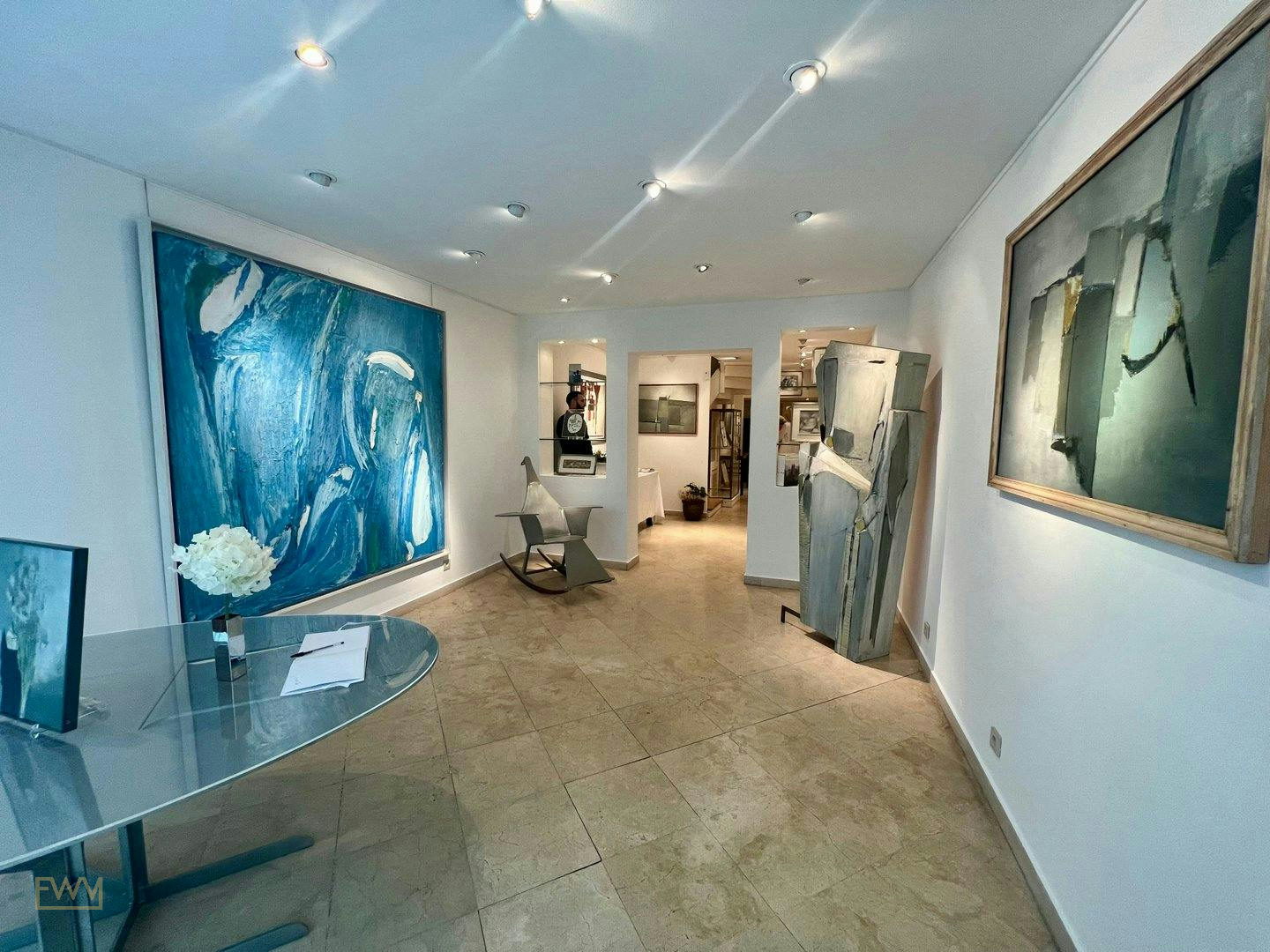
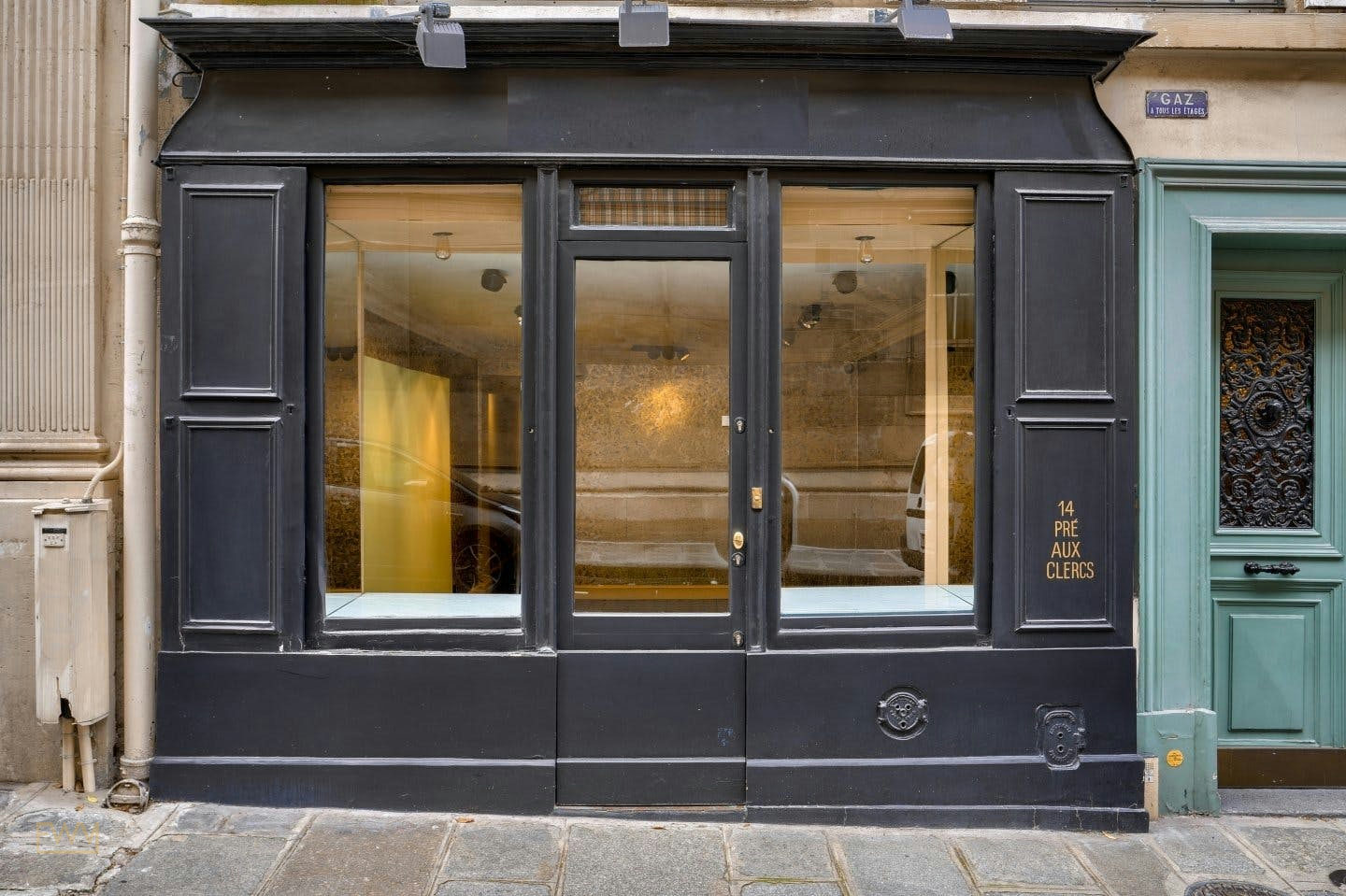
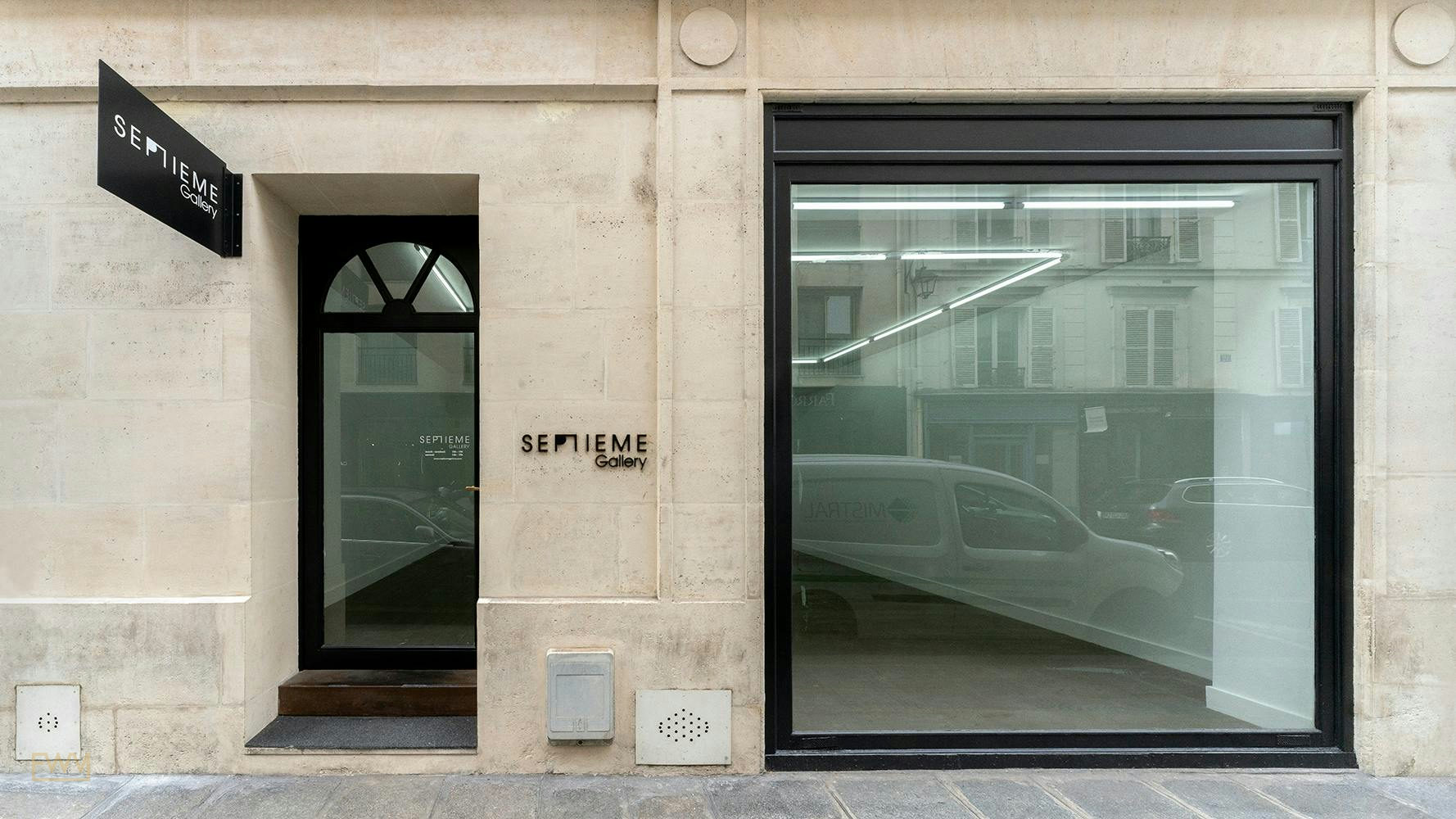
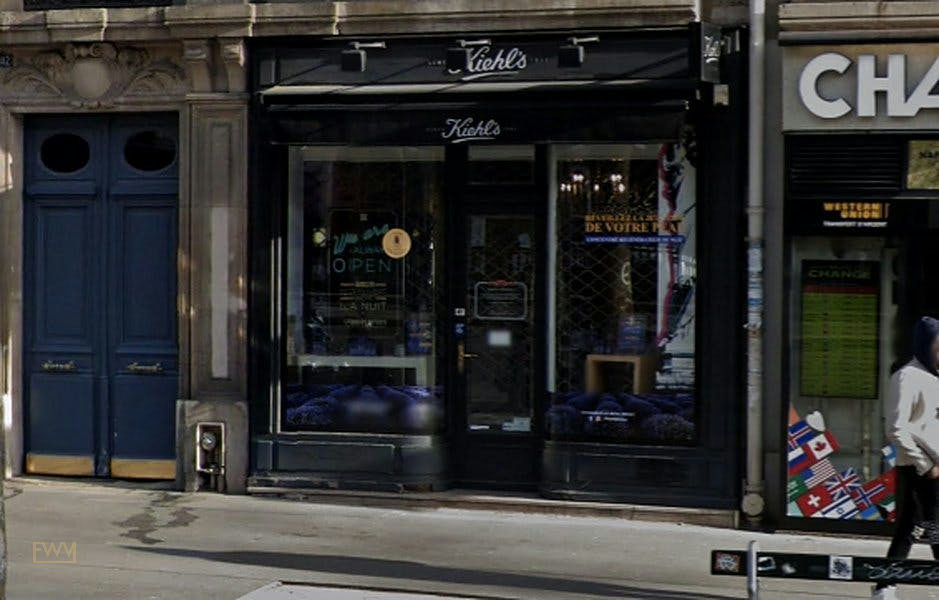
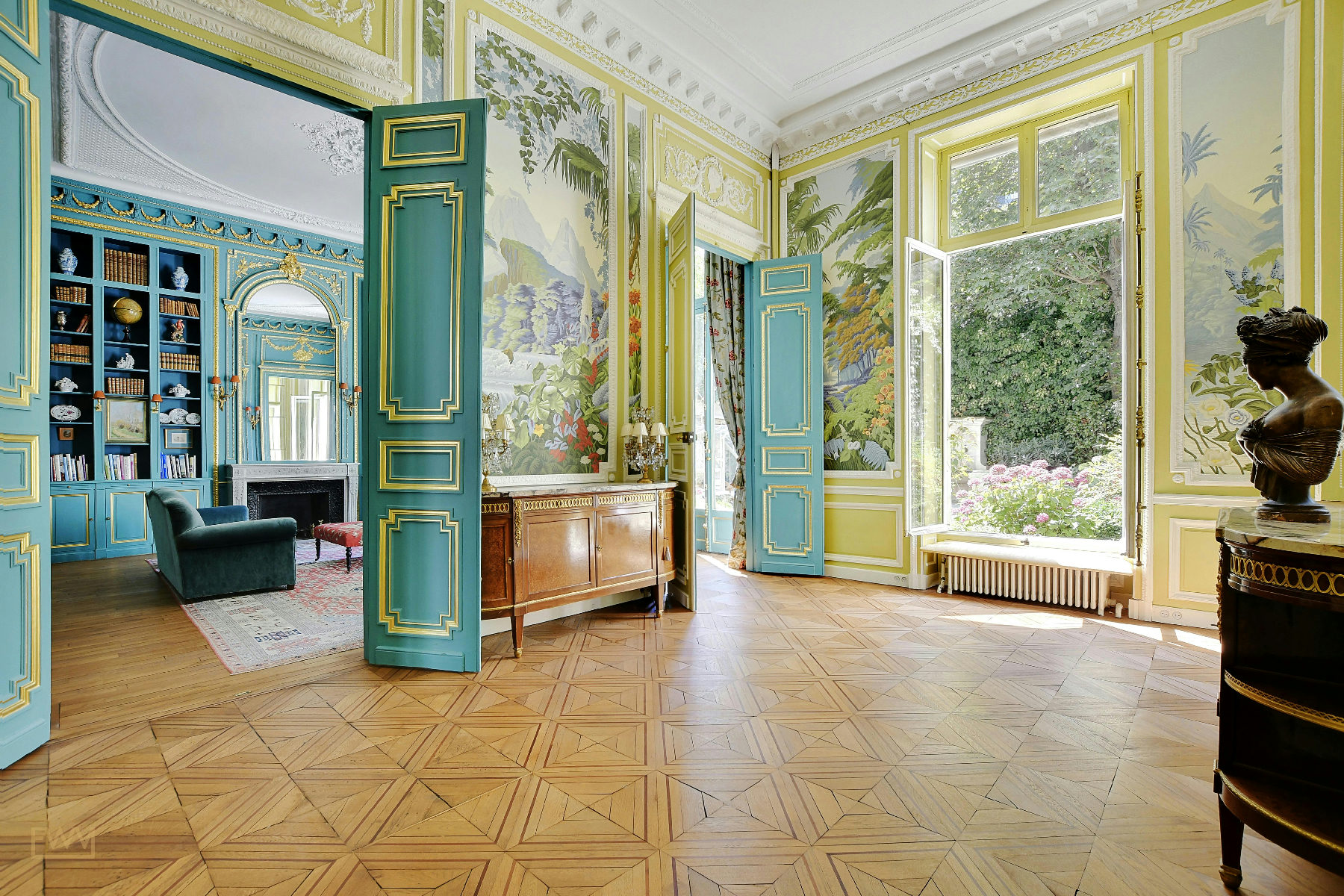
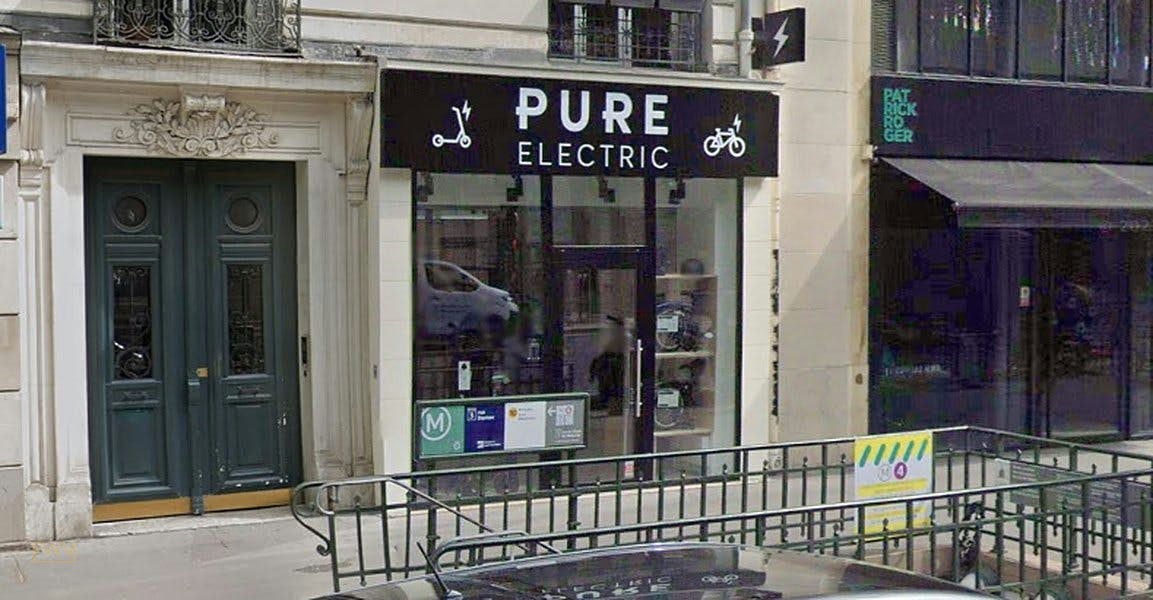
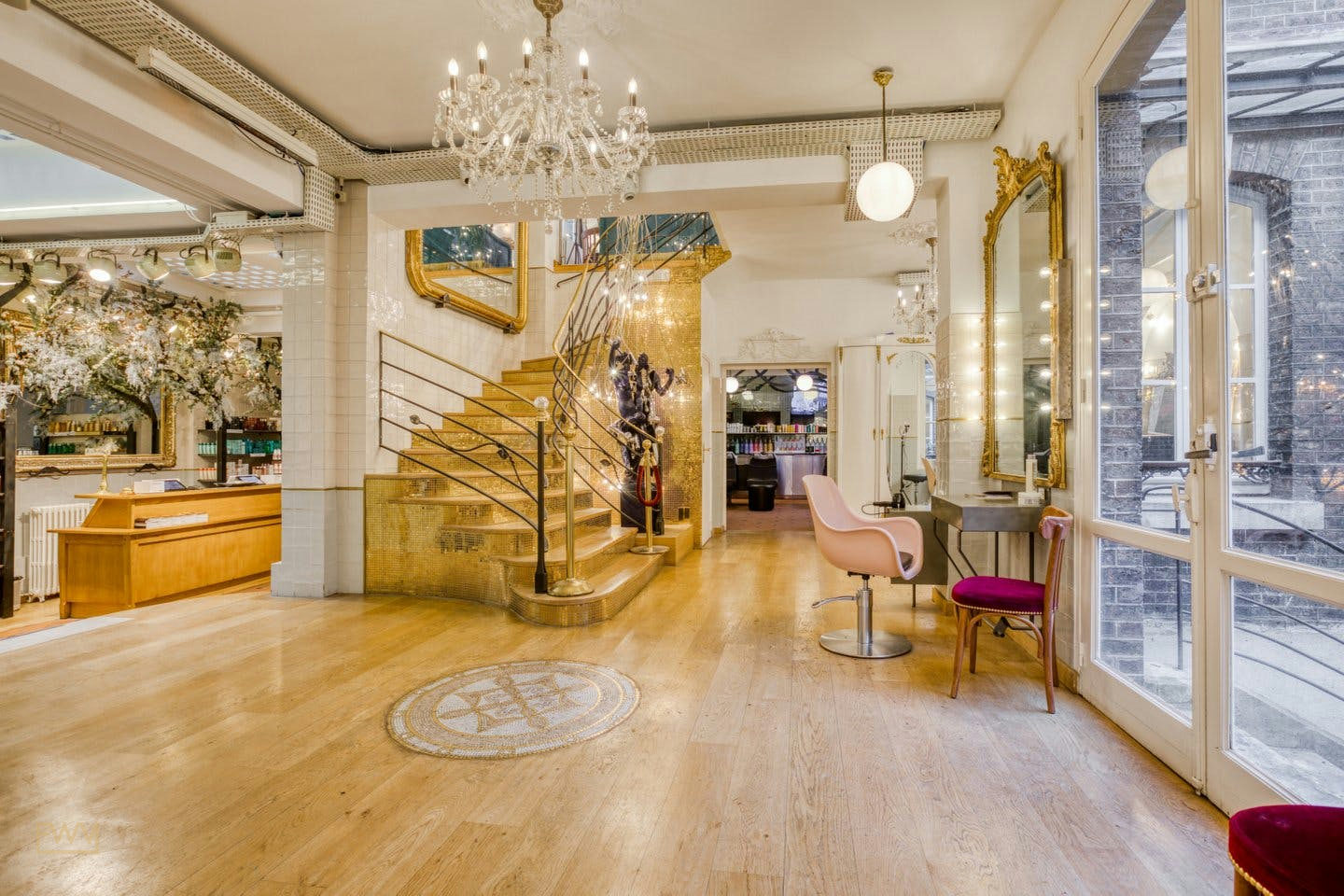
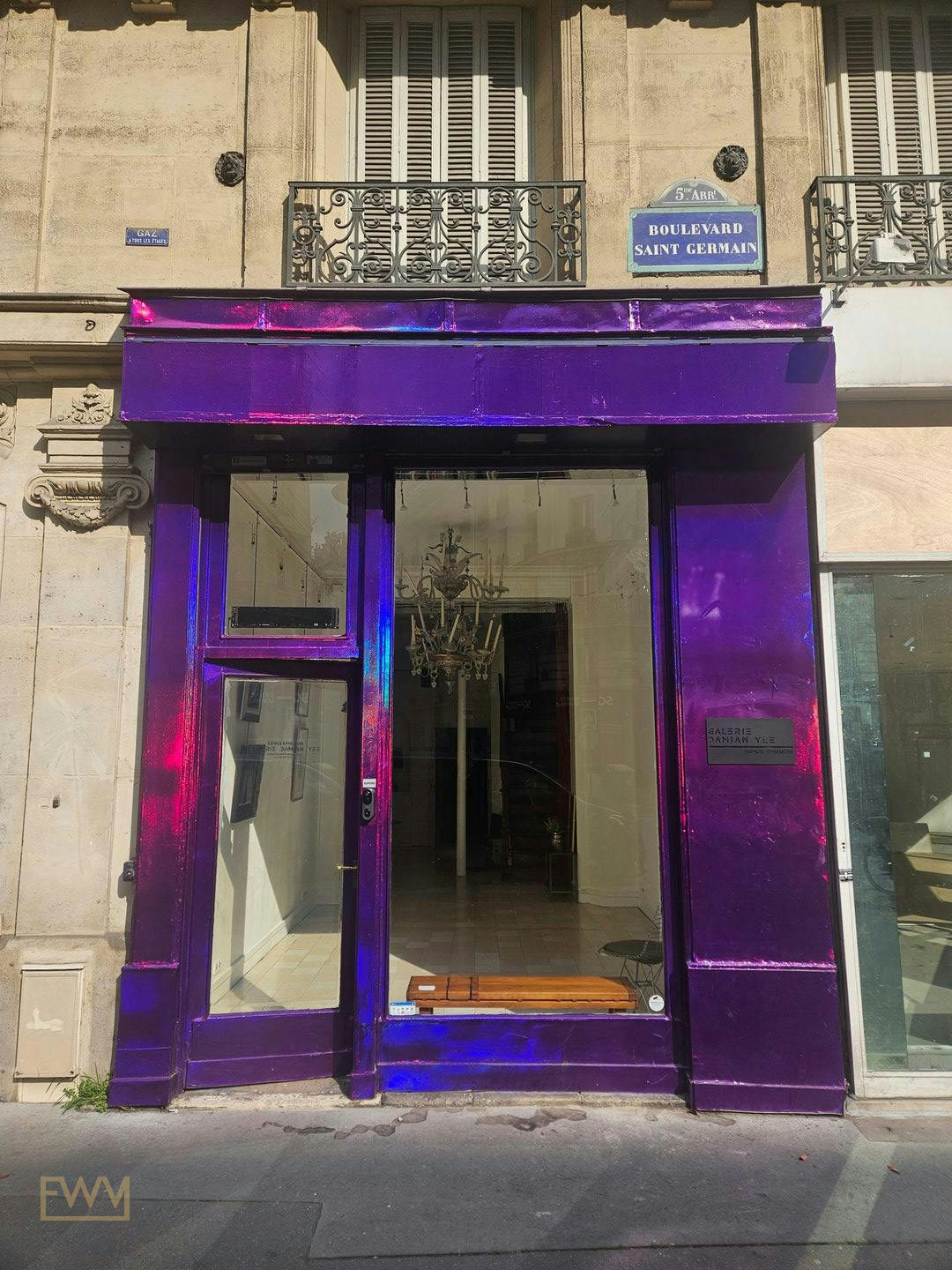
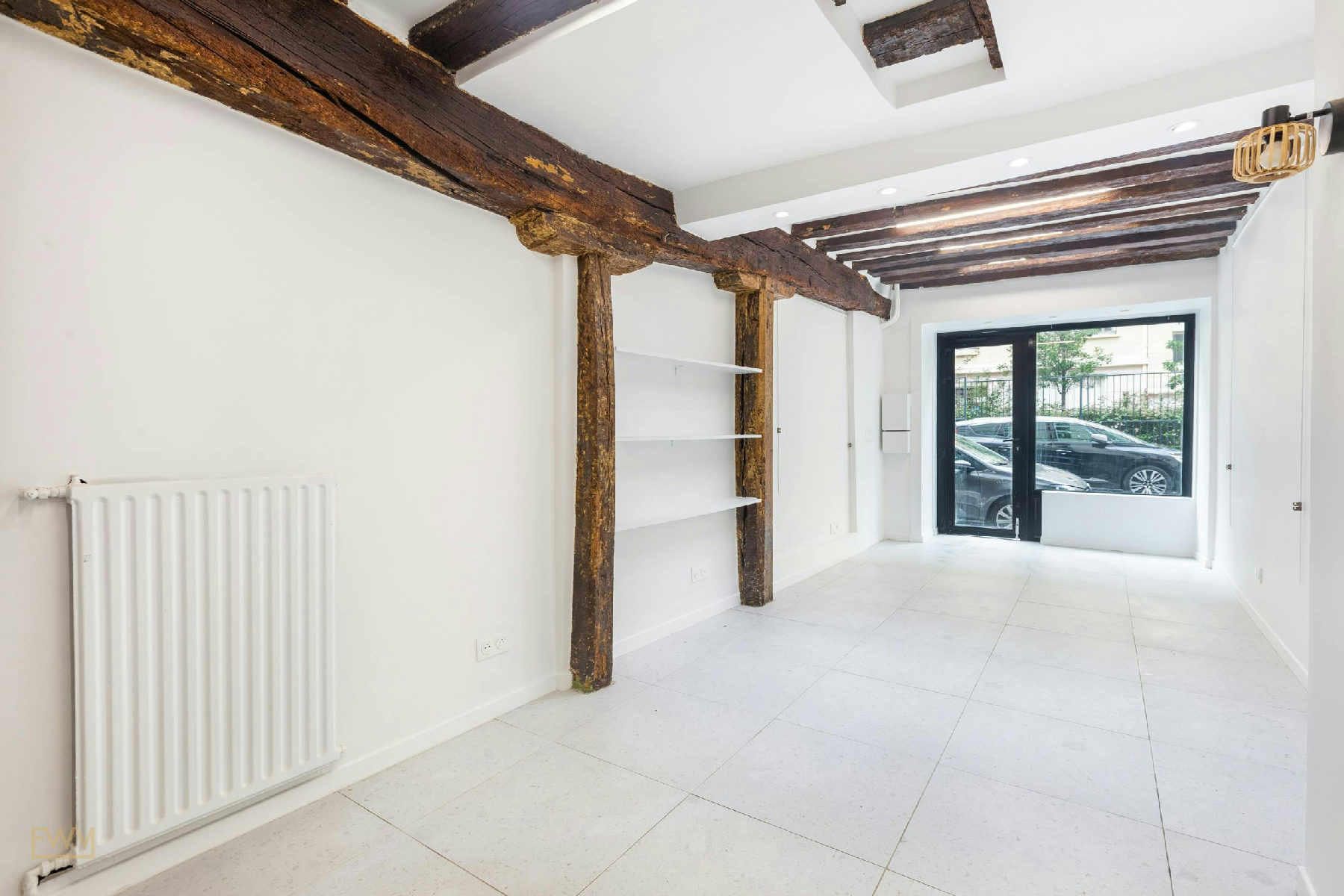
To rent a pop-up shop in Saint-Germain is to place your brand inside one of the most culturally loaded, commercially sophisticated, and visually distinctive neighbourhoods in Europe. Saint-Germain-des-Prés occupies the 6th arrondissement of Paris, bordered by the Luxembourg Gardens, the Seine, and the storied streets of Le Marais just across the river. For brands seeking short-term retail space that combines heritage, foot traffic, and editorial credibility, this neighbourhood consistently outperforms alternatives across the city. Whether you are launching a seasonal collection, hosting a press showroom, running a fashion week activation, or testing a new market, the district offers a rare combination of architectural character, discerning clientele, and genuine cultural authority. Fashion Week Venues works with brand teams to source and activate spaces across Saint-Germain and the wider Paris market. Explore available pop-up spaces in Paris through the city hub to begin shortlisting options aligned with your brief.
Why Saint-Germain-des-Prés Is One of Paris's Most Powerful Pop-Up Locations
Saint-Germain-des-Prés is not simply a prestigious address. It is a neighbourhood that functions simultaneously as a residential enclave, a luxury retail corridor, an art and gallery district, and a tourist destination of genuine cultural weight. For any brand considering where to rent a pop-up store in Paris, understanding what makes this arrondissement distinctive is essential before committing to a lease or booking.
Quick answer: Saint-Germain-des-Prés offers brands a rare combination of architectural grandeur, consistent high-net-worth foot traffic, proximity to major cultural institutions, and a deeply embedded association with French luxury, art, and intellectual life. The neighbourhood draws both international visitors and affluent local residents, making it one of the most commercially valuable short-term retail locations in Paris.
The Cultural and Commercial Heritage of the 6th Arrondissement
The 6th arrondissement has been a centre of Parisian intellectual and artistic life for centuries. The neighbourhood was home to Jean-Paul Sartre and Simone de Beauvoir, who held court at Café de Flore and Brasserie Lipp on Boulevard Saint-Germain. Boris Vian performed at jazz clubs on nearby streets. Jean-Luc Godard and the nouvelle vague filmmakers shaped their aesthetic sensibility in the cinemas and cafés of this district. The Mercure de France Hotel on rue de Condé was a meeting point for writers and thinkers. This cultural history is not merely decorative. It has shaped the taste, expectations, and spending habits of the people who live in and visit the neighbourhood today.
Today, Boulevard Saint-Germain anchors the district commercially. It runs east to west, connecting the areas around Saint-Sulpice to the west and the Institut de France to the east. Flanking streets including rue de Rennes, rue Mazarine, rue Dauphine, and rue des Grands-Augustins each have distinct characters and distinct types of retail spaces available for short-term rental. Rue de Seine and its extensions toward the Seine are home to neighbourhood galleries, art dealers, and boutiques that have occupied the same buildings for decades. This layered retail ecosystem means brands can find spaces ranging from a compact gallery space of under 50 square metres to a full floor of a former Haussmann building offering over 400 square metres.
Le Bon Marché, the iconic department store on rue de Sèvres at the edge of the 7th arrondissement, exerts a gravitational pull on the whole district. Its presence brings a reliable stream of fashion-conscious, high-income shoppers into the area. Louis Vuitton, Ladurée, and other global luxury brands have established flagship presences nearby, confirming the commercial legitimacy of the area for international brand teams.
DID YOU KNOW: The area around Saint-Sulpice church, particularly Boutique Saint-Sulpice and the streets radiating from the square, has long been a destination for premium independent retail, with some boutique spaces that have hosted brands continuously for over three decades.
The Neighbourhood's Distinct Retail Micro-Zones
Saint-Germain is not a monolithic retail zone. It contains several distinct micro-markets, each with different space types, different visitor profiles, and different commercial dynamics. Understanding these zones helps brand teams make more precise decisions when they rent pop-up retail spaces in this arrondissement.
The eastern section, closest to the Pont Neuf and the Seine, overlaps with the energy of Le Marais across the water. Rue Dauphine and rue Mazarine here attract a younger, gallery-going crowd. The spaces available in this zone tend to be more raw and atmospheric, with exposed stone, original parquet floors, and generous ceiling heights. These are ideal for art pop-up activations, fashion editorial shoots, or launches where the aesthetic of the space is as important as its location.
The central zone around Place Saint-Germain-des-Prés and the church itself is the most internationally recognised part of the district. Café de Flore and Brasserie Lipp sit here, drawing visitors who are deliberately seeking the cultural experience of the neighbourhood. Retail spaces in this zone benefit from the highest foot traffic density and the strongest brand association value, but they also command premium rental rates and are available for shorter windows.
The western zone around Saint-Sulpice and Boulevard Malesherbes is more residential and quieter in its energy. Spaces here, including boutique and showroom formats on rue de Rennes and Rue de Lille, are suited to press appointments, trade showrooms, and brand experiences designed for curated, invitation-only audiences rather than open walk-in traffic.
KEY TAKEAWAY: The decision to rent in Saint-Germain should be followed immediately by a decision about which micro-zone within the neighbourhood is right for your brand's specific activation format, target audience, and calendar window. A showroom briefing for press is a different spatial requirement from an open-access retail pop-up.
Understanding the different space types available across these zones is the next step for any brand team beginning the search for a pop-up venue in this arrondissement.
Types of Pop-Up and Retail Spaces Available to Rent in Saint-Germain-des-Prés
The range of venues available for short-term rental in Saint-Germain covers almost every format that a contemporary brand might require, from compact gallery spaces to multi-floor boutique storefronts, loft apartments used as showrooms, and industrial studios for production-adjacent activations.
Quick answer: In Saint-Germain-des-Prés, brands can rent pop-up storefronts, gallery spaces, showroom spaces, apartment and loft formats, boutique retail units, event spaces, and studio venues. Each space type suits different activation objectives. Space features vary considerably, including natural light, ceiling height, floor finish, façade visibility, and technical infrastructure.
Space Type Breakdown for Saint-Germain Pop-Up Rentals
| Space Type | Typical Size Range | Best Suited For | Key Features |
|---|---|---|---|
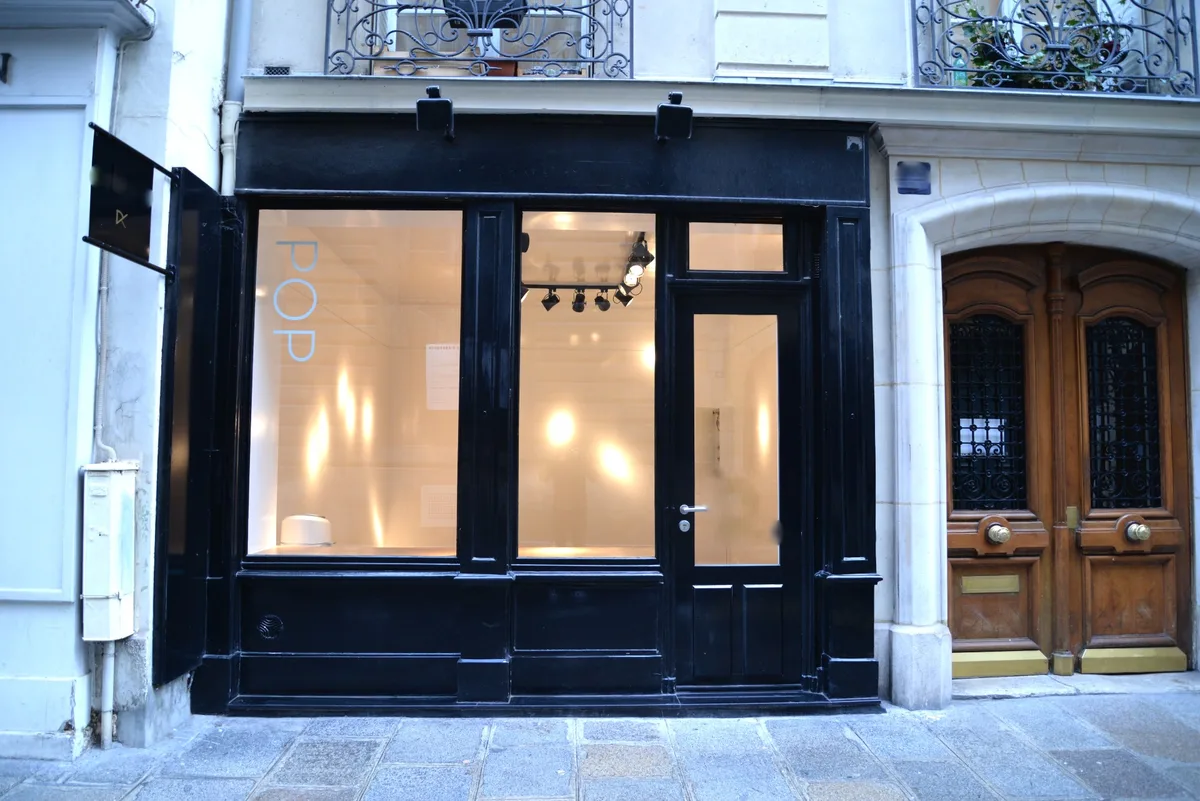
| Pop-up storefront | 40 to 200 sq m | Open retail, product launches, seasonal sales | Street-facing façade, display windows, track lighting |
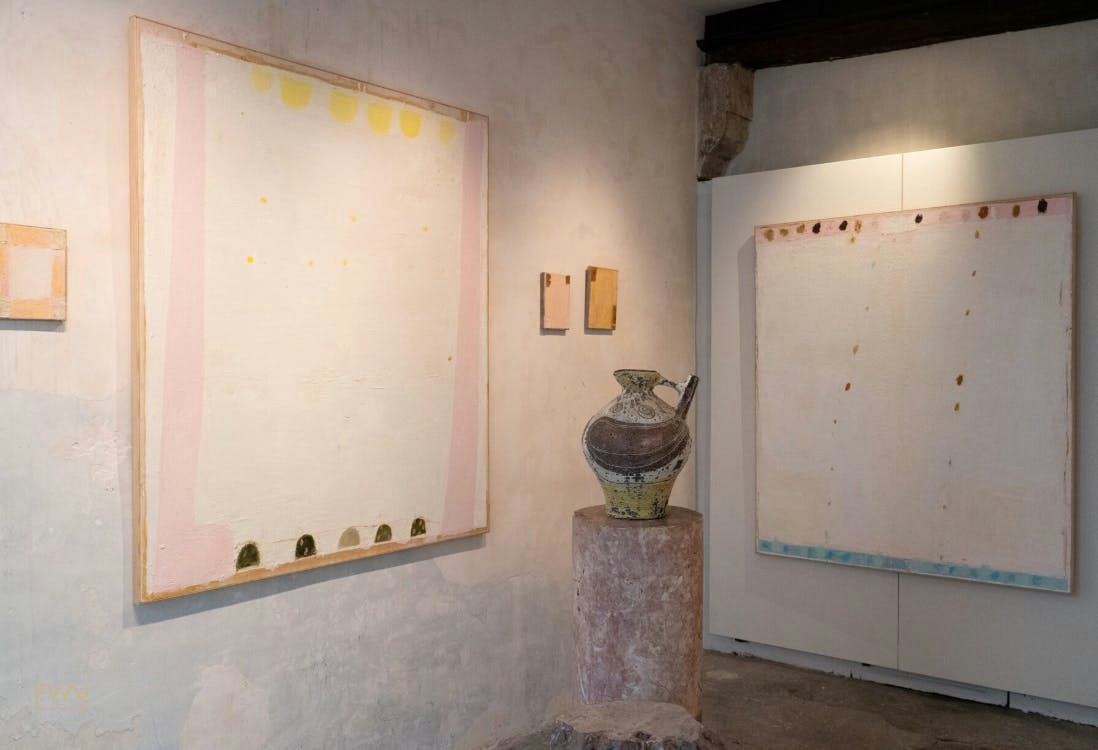
| Gallery space | 30 to 150 sq m | Art pop-up, editorial launches, press previews | White walls, natural light, spotlights, polished concrete or parquet |
| Showroom space | 60 to 300 sq m | Trade appointments, press showrooms, wholesale presentations | High ceilings, marble or parquet floors, reception area |
| Apartment or loft | 50 to 250 sq m | Immersive brand experiences, VIP appointments, photo shoots | Residential character, natural light, period features |
| Boutique retail unit | 30 to 120 sq m | Capsule collections, brand flagship tests, collaborations | Fitted fixtures, changing rooms, established foot traffic |
| Event space | 100 to 500 sq m | Launch events, fashion week presentations, brand dinners | Flexible layout, catering kitchen access, AV infrastructure |
| Industrial studio | 80 to 400 sq m | Film productions, commercials, photo shoots, production | High ceilings, loading access, neutral finishes, LED lighting rigs |
Space Features That Brands Prioritise When Renting in Saint-Germain
Space features in Saint-Germain-des-Prés are often the primary selection criterion for brand teams with strong creative direction. The architectural heritage of the 6th arrondissement means that many buildings retain original features that would be impossible to replicate in purpose-built retail environments. Tiled flooring in converted Haussmann apartments, steel pillars in former industrial ground-floor units, parquet floors and marble fireplaces in upper-floor spaces, and spotlights in purpose-converted gallery spaces all contribute to the editorial quality that brands seek when they choose this district over more generic shopping centre locations.
Natural light is a priority for brands undertaking photo shoots and film productions, as well as for fashion presentations where the quality of visual experience affects how garments and products are perceived. Spaces on upper floors facing south or west on Boulevard Saint-Germain and rue de Rennes tend to offer excellent natural light conditions. Ground-floor units with large display windows offer different light conditions but stronger visual impact from the street.
Wood panelled rooms, white walls suitable for temporary hanging, catering kitchens for event hospitality, hidden rooftops accessible from upper floors, conference configurations for trade days, and LED street signage or neon sign capabilities for brand visibility at night are all features that brands request when briefing a venue search in this neighbourhood.
TIP: When briefing a venue search in Saint-Germain, prepare a ranked list of space features rather than a single mandatory list. Many of the most characterful venues in this neighbourhood offer three or four desirable features at the expense of one or two others. Flexibility on features often unlocks better locations at better rental terms.
Specialist Formats: Showroom Spaces and Art Gallery Venues
Two formats deserve particular attention for brand teams operating in the fashion, luxury, and creative sectors. The showroom space in Saint-Germain-des-Prés functions differently from a retail pop-up. A showroom is typically activated for a defined window, often aligned with Paris Fashion Week, to receive press, buyers, and wholesale clients for appointment-based presentations. The ideal showroom space in this neighbourhood offers high ceilings, parquet or marble floors, a reception or waiting area, natural light, and sufficient square footage to display a full collection in a curated layout. Buildings on rue Dauphine, rue des Grands-Augustins, and the streets connecting Boulevard Saint-Germain to the Seine regularly offer these configurations.
The art gallery format, or galerie d'art in French, is a second specialist category of significant interest. Neighbourhood galleries in Saint-Germain have been central to the Parisian contemporary art market for decades. When galleries rent their spaces between exhibitions, they offer brands a venue with unimpeachable cultural credibility, existing white walls and picture lighting, polished concrete or bleached oak floors, and a clientele already accustomed to visiting and engaging with curated experiences. Art pop-up activations, brand collaborations with artists, and editorial launches all benefit from the gallery format in this neighbourhood.
KEY TAKEAWAY: The space type you choose in Saint-Germain should be determined by your activation format first and your budget second. A showroom on an upper floor with high ceilings will outperform a larger ground-floor retail unit for press appointment objectives, even if the ground-floor unit offers more street visibility.
With space types and features understood, the next practical question for most brand teams is how to find, compare, and book these venues efficiently.
How to Find and Book a Pop-Up Shop or Showroom in Saint-Germain-des-Prés
Finding the right venue in Saint-Germain requires a structured approach that goes beyond browsing listing platforms. The most sought-after spaces in this neighbourhood are rarely available through a single channel, and the booking process for short-term retail leases in France involves legal and operational steps that differ significantly from commercial property rental in other markets.
Quick answer: The most effective approach to finding and booking a pop-up space in Saint-Germain-des-Prés combines a curated marketplace search with direct agency representation. A marketplace allows rapid filtering by location, size, type, and availability. Agency representation ensures due diligence on lease terms, permit requirements, and operational logistics that a brand team sourcing spaces independently may overlook.
The Step-by-Step Process for Renting a Pop-Up Space in Saint-Germain
| Step | Action | Typical Timeline | Key Consideration |
|---|---|---|---|
| 1 | Define activation objectives, space type, and calendar window | 4 to 8 weeks before target open date | Fashion Week windows require 12 or more weeks of lead time |
| 2 | Set a budget range for rental, fit-out, staffing, and operations | Concurrent with Step 1 | Use a budget estimation tool to model total cost of activation |
| 3 | Search and shortlist spaces by neighbourhood micro-zone, size, and features | 3 to 6 weeks before target date | Request floor plans and availability windows before visiting |
| 4 | Conduct site visits and assess space against brief | 3 to 5 weeks before target date | Assess natural light at the time of day your activation will operate |
| 5 | Review lease type: bail dérogatoire or convention d'occupation temporaire | 2 to 4 weeks before target date | Verify terms with a French legal advisor before signing |
| 6 | Confirm permits and compliance requirements for your space type and use | 2 to 4 weeks before target date | Permit requirements vary by arrondissement, space type, and duration |
| 7 | Brief fit-out and production team on the space and activation concept | 2 to 3 weeks before open date | Allow build time: typically 2 to 5 days for complex branded installations |
| 8 | Brief and onboard retail staff and operational team | 1 to 2 weeks before open date | French labour requirements apply to all staffed retail activations |
| 9 | Activate and monitor performance with data and analytics | During activation period | Track foot traffic, transactions, and engagement data daily |
| 10 | Deactivate, restore space, and evaluate ROI | After activation close | Space restoration obligations vary by lease terms |
Lease Structures for Short-Term Retail Rental in France
When you rent a pop-up shop in France, including in Saint-Germain-des-Prés, the lease structure you sign has significant legal implications. Two frameworks apply most commonly to short-term and temporary retail occupation.
The bail dérogatoire, sometimes called a short-term derogatory commercial lease, allows occupation for a period of up to three years without triggering the rights and protections of a standard 3-6-9 commercial lease under French law. This makes it the preferred structure for pop-up activations lasting several weeks or months. However, drafting a bail dérogatoire correctly requires attention to specific legal conditions, and failing to meet those conditions can inadvertently create standard commercial lease rights for both parties.
The convention d'occupation temporaire, or temporary occupation agreement, is used for shorter activations, particularly in spaces that are themselves held under a short-term or temporary authorisation by the landlord. This is common for spaces in cultural venues, market halls, and shared creative spaces. The rights and obligations under a convention d'occupation temporaire differ materially from those under a bail dérogatoire.
IMPORTANT: Neither lease type should be signed without review by a qualified French legal advisor. The requirements for valid short-term commercial leases in France are precise, and the consequences of incorrect documentation can affect both rental cost and operational rights. Do not rely solely on platform booking confirmations as a substitute for reviewed lease documentation.
For permit and compliance guidance specific to your space type and activation format, the permit planning tool at Fashion Week Venues provides a structured starting point before you engage a legal advisor.
KEY TAKEAWAY: The booking process for a pop-up shop in Saint-Germain-des-Prés is a multi-step legal and operational process, not a simple transaction. Brands that treat it as a straightforward booking risk legal exposure, operational delays, and permit compliance failures.
Understanding the cost landscape for renting in this neighbourhood is the next essential step for brand teams building their activation budgets.
Cost of Renting a Pop-Up Shop or Showroom in Saint-Germain-des-Prés
Rental costs in Saint-Germain-des-Prés vary considerably depending on space type, size, location within the neighbourhood, duration, season, and the specific features and services included. It is not possible to quote a single definitive price per day or per square metre that applies across the neighbourhood, and any source that does so without context is providing misleading guidance.
Quick answer: Pop-up space rental costs in Saint-Germain-des-Prés are influenced by location within the neighbourhood, space size, duration, season, and space type. Gallery spaces, boutique storefronts, and showroom venues in the most prominent streets command significantly higher rates than equivalent square footage in quieter side streets. Brands should model total activation cost including rental, fit-out, staffing, permits, and operations rather than rental cost alone.
Factors That Determine Rental Cost in Saint-Germain
Street-level position and façade visibility are among the strongest cost drivers in this neighbourhood. A ground-floor storefront with display windows facing Boulevard Saint-Germain commands rates that reflect both the foot traffic volume and the brand credibility of the address. Upper-floor showroom spaces on the same streets may offer equivalent square footage at lower daily rates, with the trade-off being reduced walk-in visibility.
Duration is a second major factor. Weekly rates for short-term rentals in Paris almost always carry a premium over monthly or multi-week rates for the same space. Fashion week windows, which align with Paris Fashion Week in late September and early October for womenswear and January and February for menswear and haute couture, are the periods of highest demand and highest pricing across the entire city. Brands that plan ahead and confirm spaces several months before these windows are more likely to secure preferred locations at rates that reflect the full duration of their booking.
Peak shopping periods around Christmas, the winter and summer soldes, and major tourist influx months from June through August also affect pricing across the neighbourhood. The same space available in April at a given daily rate may be priced materially higher for a December activation aligned with peak retail trading.
Space features add cost in some configurations. Spaces that include fitted fixtures, functioning point-of-sale infrastructure, catering kitchen facilities, or AV systems as part of the rental package typically carry higher base rates than raw shell spaces. However, for many brands, an equipped space reduces the build cost sufficiently to make the higher rental rate commercially rational.
To model realistic total activation costs for a Saint-Germain pop-up, use the budget estimation tool at Fashion Week Venues, which allows brand teams to input space type, duration, size, staffing requirements, and fit-out specifications to generate a directional total cost framework before committing to a space.
DID YOU KNOW: The total cost of a pop-up activation in Paris typically includes the space rental, fit-out and production, furniture and fixtures, retail staffing, operational costs including POS and payments, permit fees, insurance, and post-activation restoration. Brands that budget only for the rental cost frequently encounter significant additional expenditure that was not modelled in advance.
To compare estimated return against projected activation cost, the ROI calculator at Fashion Week Venues supports brands in building a business case before final commitment to a space and calendar window.
KEY TAKEAWAY: Rental cost in Saint-Germain-des-Prés is only one component of total activation expenditure. A complete cost model should include fit-out, staffing, operations, permits, and restoration to produce a commercially accurate picture of what your pop-up will cost to open and run.
To compare neighbourhoods and space types across Paris before committing to Saint-Germain, explore the Paris city hub on Fashion Week Venues and shortlist spaces that match your brief, budget, and calendar window.
Saint-Germain-des-Prés Compared to Other Paris Pop-Up Neighbourhoods
For brands evaluating where to rent a pop-up shop in Paris, Saint-Germain-des-Prés is one of several strong candidate neighbourhoods. A clear-eyed comparison of its advantages and limitations against alternatives including Le Marais and Montmartre helps brand teams make decisions that serve their specific activation objectives rather than defaulting to the most prestigious address.
Quick answer: Saint-Germain-des-Prés offers the strongest combination of luxury brand credibility, architectural character, and access to high-net-worth consumers among all central Paris neighbourhoods. Le Marais offers higher foot traffic diversity and stronger engagement with younger, trend-aware audiences. Montmartre offers lower rental costs and creative character but significantly lower luxury commercial relevance.
Paris Pop-Up Neighbourhood Comparison Table
| Neighbourhood | Arrondissement | Luxury Credibility | Foot Traffic Profile | Space Character | Relative Rental Cost | Best For |
|---|---|---|---|---|---|---|
| Saint-Germain-des-Prés | 6th | Very High | International tourists, affluent locals, fashion press | Haussmann, gallery, loft | High to Very High | Luxury launches, press showrooms, fashion week |
| Le Marais | 3rd and 4th | High | Mixed international, fashion-forward, younger | Medieval, industrial, gallery | Medium to High | Brand activations, streetwear, art pop-ups |
| Montmartre | 18th | Medium | Tourists, local creative community | Bohemian, apartment, studio | Low to Medium | Creative activations, local makers markets, photo shoots |
| Opéra and Madeleine | 8th and 9th | Very High | Business travellers, tourist shoppers, concierge-driven | Haussmann, shopping centre adjacent | Very High | Flagship tests, high-traffic retail, commercial brands |
| Marais East (rue Vieille du Temple, rue Froissart) | 3rd | High | Design-aware, gallery-going, residential | Industrial, gallery, loft | Medium | Emerging brands, showrooms, art gallery activations |
When Le Marais Outperforms Saint-Germain for a Pop-Up Brief
Le Marais, centred on the 3rd and 4th arrondissements, is the neighbourhood that brand teams most often consider alongside Saint-Germain-des-Prés. The key differentiators are audience profile and space character. Le Marais draws a younger, more diverse international crowd, including significant numbers of fashion-aware visitors from Asia, the United States, and northern Europe who engage actively with contemporary brands, streetwear labels, and independent designers. Streets including rue Vieille du Temple and rue Froissart offer industrial loft spaces, gallery conversions, and raw studio environments that do not exist in the same concentration in Saint-Germain. If a brand's target audience is 25 to 40 and fashion-forward rather than luxury-purchasing, Le Marais is often the stronger commercial choice at a more accessible rental cost.
Saint-Germain, by contrast, remains the definitive address for brands positioning in the premium luxury sector. The neighbourhood's association with established French luxury houses, its proximity to Le Bon Marché, and the spending profile of its regular visitors make it the right choice for brands whose primary objective is commercial transaction value rather than volume.
KEY TAKEAWAY: The decision between Saint-Germain-des-Prés and Le Marais for a Paris pop-up should be driven by target customer profile, not simply by neighbourhood prestige. Both are exceptional locations with meaningfully different commercial dynamics.
With a clear neighbourhood decision made, the next stage involves understanding how to design and build a pop-up space that maximises the inherent character of the Saint-Germain environment.
Designing and Activating a Pop-Up Shop in Saint-Germain-des-Prés
The design and activation of a pop-up space in Saint-Germain-des-Prés requires a different approach from a standard commercial retail fit-out. The neighbourhood's architectural heritage, landlord expectations, and permit conditions all shape what is possible and appropriate in terms of branded interventions, temporary installations, and operational infrastructure.
Quick answer: Designing a pop-up in Saint-Germain-des-Prés means working with the space's existing character rather than against it. Landlords in this neighbourhood are more likely to restrict aggressive or permanent alterations to original features. Successful activations in this district tend to use furniture, lighting, and display systems that complement the architectural DNA of the venue rather than replacing it.
Concept Direction for Saint-Germain Activations
The concept for a Saint-Germain pop-up should be developed in direct dialogue with the specific space being activated. A showroom space with high ceilings, parquet floors, and floor-to-ceiling windows on rue des Grands-Augustins demands a different creative response from a compact gallery space with white walls and spotlights on rue Mazarine. Effective concept direction in this context begins with a spatial audit that identifies the features of the venue that should be celebrated, the features that need to be addressed through the fit-out, and the features that must not be altered under the terms of the rental agreement.
Brands that have activated successfully in Saint-Germain typically use a restrained visual language that allows the quality of their products and the character of the space to communicate together. This does not mean minimal activation expenditure. It means considered expenditure directed at lighting, display furniture, surface treatments, and scent and sound environments rather than at structural alterations or large-scale printed graphics that fight with the architecture.
Furniture rental in Saint-Germain-des-Prés is a significant component of most pop-up activations. The expectation of quality in this neighbourhood extends to the furniture within the space. Brands activating here often source vintage French furniture, contemporary Parisian design pieces, or custom-built display systems that align with the editorial positioning of the activation. Generic display furniture from commercial suppliers looks immediately incongruous in spaces with marble floors and original mouldings.
Production, Build, and Restoration in Saint-Germain Venues
The build process for a pop-up in Saint-Germain-des-Prés is governed by the conditions of the rental agreement and, in some cases, by the requirements of the building's listed or heritage status. Many buildings in the 6th arrondissement are protected under French heritage legislation, and any alterations to walls, floors, ceilings, or architectural features require explicit landlord permission and may require approval from heritage authorities.
Practical build considerations include access to the space during build days, the weight limits of floors in older buildings, lift availability for furniture and equipment delivery, the capacity of existing electrical systems to support additional lighting and AV infrastructure, and the parking and logistics access available for delivery vehicles on narrow streets like rue de Seine or rue Dauphine.
Post-activation restoration obligations are a standard component of rental agreements in this neighbourhood. Brands are typically required to restore the space to its pre-activation condition, remove all temporary installations, and document the restoration process. Failure to comply with restoration obligations can result in financial penalties from the landlord and may affect the brand's ability to re-enter the same space in future seasons.
TIP: Brief your production team on the restoration obligations before the build begins, not after the activation closes. Building with restoration in mind from day one reduces the cost and complexity of de-fitting and ensures that no elements of the installation are fixed in ways that create restoration problems later.
Operational Infrastructure: POS, Staffing, and Transactions
Running a retail pop-up in Saint-Germain-des-Prés requires the same operational infrastructure as any short-term retail unit. Point-of-sale systems and payment processing must be set up and tested before the activation opens. Brands selling to international customers in this neighbourhood will need to support multiple currencies and payment methods. The expectation of seamless, hassle-free transactions is particularly high among the luxury-purchasing clientele of this district.
Retail staffing for a Saint-Germain activation requires careful consideration of language skills, brand training, and the specific dynamics of the neighbourhood's customer profile. Staff who can engage authentically with French-speaking local clients, English-speaking international visitors, and tourist shoppers from Asia and the Americas are significantly more effective in this context than monolingual or untrained temporary staff.
KEY TAKEAWAY: The operational quality of a pop-up in Saint-Germain-des-Prés is visible to the neighbourhood's clientele in a way that it may not be in a more generic retail environment. Staffing, POS reliability, and the in-store experience are brand signals in this neighbourhood that carry commercial and reputational weight.
The support available from Fashion Week Venues across concept, build, staffing, and operations makes the agency a practical partner for brand teams managing complex activations in this district.
How Fashion Week Venues Supports Brands Renting Pop-Up Shops in Saint-Germain
Fashion Week Venues is a full-service pop-up shop agency and space marketplace operating across major fashion capitals, with Paris as its primary market. For brand teams renting pop-up shops or showroom spaces in Saint-Germain-des-Prés, the agency provides support across every stage of the process, from initial space discovery through to post-activation analysis.
Quick answer: Fashion Week Venues offers brands a combination of curated space access, agency expertise, and digital tools that reduce the time, cost, and operational risk of running a pop-up in Paris. The agency's services cover venue sourcing, concept direction, production and build, activation management, branded store design, furniture rental, retail staffing, POS and payments, data and analytics, and influencer marketing.
Services and Tools Available to Brands Activating in Saint-Germain
The venue sourcing service at Fashion Week Venues gives brand teams access to a curated portfolio of spaces in Saint-Germain-des-Prés and across the wider Paris market. Rather than browsing an open listing platform and navigating landlord negotiations independently, brands brief the team on their requirements and receive a shortlist of spaces that have been pre-vetted for legal status, operational condition, and alignment with the brief.
For brands with a defined creative vision, the concept direction service translates the brand identity into a spatial concept that works within the architectural constraints and commercial requirements of the Saint-Germain venue. This service is particularly valuable for brands entering Paris for the first time, where the gap between a brand's global visual language and the specific expectations of a Parisian neighbourhood audience can be significant.
The production and build service manages the physical transformation of the space from its existing condition to the activated brand environment. This includes sourcing and installing furniture, lighting, display systems, signage, and any branded architectural elements, and managing the restoration process at the end of the activation. The furniture rental component of this service allows brands to access high-quality pieces appropriate for Saint-Germain without the cost and logistics of purchasing and shipping their own.
Retail staffing, POS setup, and data and analytics services ensure that the operational side of the activation functions reliably from day one. The influencer marketing service supports brands in generating editorial and social coverage from the Saint-Germain activation, connecting the physical presence of the pop-up to the brand's digital audience.
For brands managing the planning process independently before engaging agency support, the suite of digital tools at Fashion Week Venues provides structured guidance. The timeline tool helps brand teams map out the lead time required for each stage of a Paris activation. The budget tool generates directional cost estimates by space type, size, and duration. The compare tool allows side-by-side evaluation of shortlisted spaces. The locator tool maps available venues by neighbourhood to support geographic decision-making.
To understand how Fashion Week Venues has supported previous brand activations in Paris and other markets, the work section of the website provides case study references and activation examples.
IMPORTANT: Fashion Week Venues does not guarantee the availability of specific spaces, the approval of permit applications, or any specific commercial outcomes from an activation. The agency's role is to support brands in making informed decisions and to manage the operational complexity of executing a Paris pop-up to a professional standard.
KEY TAKEAWAY: For brand teams without established relationships in the Paris market, Fashion Week Venues reduces the time and risk required to execute a high-quality pop-up in Saint-Germain-des-Prés by providing agency expertise, curated space access, and integrated operational services under a single brief.
Fashion Week Calendar Windows and Peak Activation Periods in Paris
The decision of when to rent a pop-up shop in Saint-Germain-des-Prés is as strategically important as the decision of where to locate within the neighbourhood. Paris operates on a fashion calendar that creates distinct peaks and troughs in demand for short-term retail and showroom space throughout the year.
Quick answer: Paris Fashion Week creates the highest demand windows for short-term retail and showroom space in Saint-Germain-des-Prés. Womenswear fashion week in late September and early October, and haute couture and menswear weeks in January and July, are peak periods. Spaces book out many weeks in advance for these windows. Brands not aligned to the fashion calendar can often access better availability and more competitive rental terms in shoulder periods.
Key Calendar Windows for Saint-Germain Pop-Up Activations
| Calendar Window | Approximate Dates | Primary Audience | Space Demand | Strategic Value |
|---|---|---|---|---|
| Paris Haute Couture Week | Late January | Press, buyers, luxury consumers | Very High | Maximum brand visibility for luxury and couture |
| Paris Menswear Week | Late January | Menswear press and buyers | High | Strong for menswear and accessories brands |
| Paris Womenswear Week (SS) | Late September to early October | Global fashion press, buyers, retailers | Very High | Highest global visibility window for fashion brands |
| Paris Haute Couture Week (SS) | Early July | Couture press and clients | High | Strong editorial and luxury consumer activation |
| Pre-Christmas retail peak | November to December | Tourist shoppers, affluent locals | High to Very High | Maximum transactional retail value for consumer brands |
| Soldes January and July | January and July | Local shoppers, deal-seeking tourists | Medium | Volume retail activation, less suited to luxury positioning |
| Shoulder seasons: March to May, October to November | Spring and Autumn | Mixed international and local | Medium | Better space availability, more negotiable terms |
Planning Lead Times for Fashion Week Windows
Brand teams that wait until six or eight weeks before Paris Fashion Week to begin their venue search consistently find that the most desirable spaces in Saint-Germain-des-Prés are already committed. The brands that secure the best locations in this neighbourhood during the womenswear or haute couture weeks typically begin their search process four to six months in advance and confirm their space eight to twelve weeks before their activation opens.
The timeline planning tool at Fashion Week Venues provides a structured framework for mapping out every milestone from initial brief through to activation open, helping brand teams identify the latest acceptable confirmation date for each stage of the process and avoid the most common causes of timeline failure in Paris activations.
DID YOU KNOW: The Twin concept offered by Fashion Week Venues allows two complementary brands to share a Saint-Germain space during a peak fashion week window, splitting the rental cost while each brand activates on different days or in different areas of the venue. This format has enabled brands with more constrained budgets to access spaces they could not afford independently.
KEY TAKEAWAY: Calendar timing is a strategic variable with significant commercial consequences for any Saint-Germain pop-up. Brands that plan their calendar window with the same rigour they apply to their creative concept and budget are consistently better positioned to secure the right space at the right time.
Permits, Compliance, and Legal Considerations for Pop-Up Shops in Paris
Renting and operating a temporary retail space in Paris, including in Saint-Germain-des-Prés, involves navigating a set of legal and regulatory requirements that are materially different from those applicable in other major fashion capitals. Brands that underestimate this dimension of the process can face operational delays, financial penalties, or forced closure of their activation.
Quick answer: Operating a pop-up shop in Saint-Germain-des-Prés requires, depending on the space type and activation format, a valid short-term lease agreement, applicable trading permits, food handling approvals for activations involving hospitality or catering, compliance with signage regulations, and in some cases a temporary change of use approval. Requirements vary by space type, duration, and the specific building and street. Always verify requirements with a qualified French legal advisor before signing a lease or beginning build works.
Short-Term Lease Types: Bail Dérogatoire and Conventions d'Occupation
The bail dérogatoire is the standard legal framework for short-term commercial leases in France. It allows a tenant to occupy a commercial space for a period of up to three years without acquiring the rights that attach to a standard 3-6-9 commercial lease. For a pop-up activation of weeks or months, the bail dérogatoire provides the landlord and tenant with a clear, bounded framework. However, its validity depends on specific legal conditions being met, including the fact that both parties must acknowledge in writing that they are aware they are entering a derogatory rather than standard commercial lease. A French legal advisor should review any bail dérogatoire before it is signed.
The convention d'occupation temporaire is used for shorter activations, typically those lasting days or a few weeks, and is often the document used when renting from a landlord who is themselves in occupation under a temporary authorisation. This structure is common for market-format activations, shared spaces, and venues operated by cultural or event organisations. The rights and protections under this document are considerably more limited than those under a bail dérogatoire, and brands should understand this distinction before signing.
An autorisation d'occupation temporaire, or AOT, applies specifically to the temporary occupation of public space, including pavements, public squares, and publicly owned buildings. If a brand's activation includes any element that extends onto public space, whether a terrace, an outdoor display, or signage on a public building façade, an AOT may be required from the relevant municipality or arrondissement authority. These applications take time and are not guaranteed to be approved.
IMPORTANT: Do not assume that the landlord's permission to use a space includes the right to occupy or alter public areas adjacent to that space. These are separate permissions governed by separate authorities, and the timelines for approval vary by location within Paris and by the nature of the proposed occupation.
The permit planning tool at Fashion Week Venues provides an initial framework for understanding which permit categories are likely to apply to your specific activation format and space type in Paris. This tool is a starting point for planning, not a substitute for legal advice.
Do International Brands Need a French Legal Entity?
One of the most common concerns raised by international brand teams planning their first Paris activation is whether they need to establish a French legal entity before they can rent a commercial space or conduct retail transactions in France. The short answer is that a French legal entity is not always required for a temporary retail activation, but the specific requirements depend on the nature and duration of the activity, the structure of the commercial transactions involved, and the applicable tax and employment law obligations.
Brands selling goods directly to consumers in France are subject to French VAT obligations regardless of their country of incorporation. Brands employing staff in France, even on a temporary basis, are subject to French labour law and social contribution requirements. These obligations do not disappear because the retail presence is temporary. A qualified French legal and tax advisor should be consulted before a brand conducts commercial transactions at a Paris pop-up.
KEY TAKEAWAY: Permit and compliance planning for a Paris pop-up should begin at the same time as the venue search, not after the space is confirmed. Brands that treat compliance as an afterthought frequently encounter delays and costs that could have been avoided with earlier and more thorough planning.
Common Myths About Renting a Pop-Up Shop in Saint-Germain-des-Prés
MYTH: You need a French legal entity to rent a pop-up space in Saint-Germain-des-Prés.
FACT: A French legal entity is not an absolute prerequisite for renting a short-term commercial space in Paris. However, international brands conducting retail transactions in France have VAT obligations, and those employing staff are subject to French labour law regardless of their incorporation status. The specific requirements depend on the nature of the activity, its duration, and the applicable tax and employment frameworks. A qualified French legal advisor should confirm the applicable obligations for your specific situation before you begin trading.
MYTH: Paris Fashion Week is the only commercially viable calendar window for a pop-up in Saint-Germain.
FACT: Paris Fashion Week is the highest-demand and highest-profile window for press-facing and trade showroom activations, but it is not the only commercially viable period for a pop-up in Saint-Germain-des-Prés. The pre-Christmas retail peak, the spring tourist season, and shoulder months including May and October all offer strong foot traffic and consumer spending without the extreme demand pressure and rental premiums of fashion week windows. Brands not aligned to the fashion calendar often achieve better ROI in these alternative periods.
MYTH: Commission brokers are the only way to find a pop-up space in Saint-Germain-des-Prés.
FACT: Commission brokers are one channel for space discovery, but they are not the only option. Curated marketplace platforms, full-service agencies with Paris portfolios, and direct landlord relationships all provide access to Saint-Germain spaces. The advantage of a full-service agency over a commission broker is that the agency supports the brand across the entire activation process, not only the space transaction. A broker's incentive ends when the space is booked; an agency's incentive extends through to successful activation delivery.
MYTH: Short-term lease agreements in Paris are legally straightforward and do not require specialist review.
FACT: Short-term commercial leases in France, including the bail dérogatoire, involve specific legal conditions that must be precisely met to ensure their validity. Signing a lease without legal review risks inadvertently creating standard commercial lease rights, triggering unexpected financial obligations, or entering into an agreement that does not protect the brand's operational interests. The complexity of French commercial property law is not reduced by the temporary nature of the occupation.
MYTH: The cheapest space in Saint-Germain-des-Prés will always deliver the best ROI for a budget-conscious brand.
FACT: The cheapest available space in a premium neighbourhood is often priced below market for a reason: it may be on a low-footfall side street, in poor condition, lacking operational infrastructure, or subject to restrictive landlord conditions. A slightly higher rental for a well-located, well-conditioned space with good foot traffic and strong visual impact on a principal street consistently delivers better commercial and brand outcomes than a lower-cost compromise in a weaker position.
Frequently Asked Questions About Renting Pop-Up Shops in Saint-Germain-des-Prés
Why should a brand choose Saint-Germain-des-Prés for a pop-up shop rather than another Paris neighbourhood?
Saint-Germain-des-Prés offers a combination of luxury brand credibility, architectural distinctiveness, and access to a high-net-worth consumer audience that is difficult to replicate in other Paris neighbourhoods. The district's cultural heritage, association with French intellectual and artistic life, and proximity to major luxury retail anchors including Le Bon Marché create a commercial and reputational environment that premium brands find consistently valuable. For fashion brands, the neighbourhood's fashion week adjacency and established relationships with international press and buyers make it a strategically strong choice for showroom and press-facing activations.
What types of pop-up and showroom spaces are available to rent in Saint-Germain-des-Prés?
Available space types in Saint-Germain-des-Prés include ground-floor pop-up storefronts with display windows on principal streets, gallery spaces with white walls and spotlights in converted ground-floor or basement units, upper-floor showroom spaces with high ceilings and parquet or marble floors, apartment and loft formats for immersive brand experiences or VIP appointments, boutique retail units with fitted fixtures, and multi-room event spaces for launches and presentations. Industrial studios and creative spaces also exist in the neighbourhood, though in smaller concentrations than in Le Marais. Space sizes typically range from under 30 square metres for compact gallery units to over 400 square metres for multi-floor venue configurations.
What are the most sought-after streets for renting a pop-up store in Saint-Germain-des-Prés?
Boulevard Saint-Germain is the primary commercial axis of the neighbourhood and commands the highest brand visibility. Rue de Rennes is the main shopping street connecting the district to Montparnasse and draws consistent retail foot traffic. Rue Dauphine and rue Mazarine attract a gallery-going and culturally engaged audience. Rue des Grands-Augustins and rue de Seine are favoured for press showrooms and art-adjacent brand activations. The area immediately around Saint-Sulpice church, including Boutique Saint-Sulpice and the surrounding streets, is a destination for premium independent retail. Rue de Lille and the quieter residential streets of the western 6th are suited to invitation-only showroom formats.
How much does it cost to rent a pop-up space in Saint-Germain-des-Prés?
Rental costs in Saint-Germain-des-Prés vary considerably based on space size, location within the neighbourhood, duration, season, and space type. Ground-floor storefronts on Boulevard Saint-Germain or rue de Rennes during fashion week windows command rates that reflect both the premium address and the peak demand period. Upper-floor showroom spaces on side streets are typically available at lower daily rates. Brands should model total activation cost including fit-out, staffing, permits, POS, and restoration rather than rental cost alone, as the space rental typically represents only a portion of the total expenditure. The budget estimation tool at Fashion Week Venues supports brand-specific modelling before space commitment.
What is the ideal duration for renting a pop-up shop in Saint-Germain-des-Prés?
The ideal duration depends entirely on the activation objective. Press showrooms aligned to Paris Fashion Week typically run for 10 to 14 days. Consumer retail pop-ups operating outside fashion week windows commonly run for four to eight weeks to build awareness, drive repeat visits, and achieve meaningful transaction volume. Short activations of three to five days are common for brand event formats such as launch dinners or exclusive preview experiences. The longer the duration, the more favourable the daily rental rate tends to be in negotiations with landlords, though this varies by space and by the seasonality of the booking period.
Do I need a French legal entity to rent a pop-up space in Saint-Germain-des-Prés?
A French legal entity is not always required to rent a short-term commercial space in Paris. However, international brands operating retail activations in France have VAT and tax obligations regardless of their incorporation status, and brands employing staff in France are subject to French labour law. The specific requirements depend on the nature of the activation, the duration, and the applicable regulatory framework for your sector and country of incorporation. A qualified French legal and tax advisor should be consulted before you sign a lease or begin trading from a Paris pop-up.
What is a bail dérogatoire and why does it matter for a Saint-Germain pop-up?
A bail dérogatoire is a short-term derogatory commercial lease under French law that allows a tenant to occupy a commercial space for up to three years without acquiring the rights that attach to a standard commercial lease. It is the most common legal framework for pop-up retail activations in Paris. Its validity depends on specific conditions being met in the document, and both parties must acknowledge in writing that they are entering a derogatory rather than standard lease. Signing without legal review risks inadvertently triggering standard commercial lease obligations. A French legal advisor should review any bail dérogatoire before the brand signs it.
How far in advance should a brand book a pop-up space in Saint-Germain for Paris Fashion Week?
For Paris Fashion Week windows, brands should begin their venue search four to six months in advance of their target activation dates and aim to confirm a space eight to twelve weeks before the activation opens. The most desirable spaces in Saint-Germain-des-Prés for womenswear week in late September and haute couture week in January are typically committed well before the eight-week mark. Brands that begin searching six to eight weeks before the event consistently find that their preferred options are no longer available and that they must compromise on location, size, or space character. Advance planning is the single most effective action a brand team can take to improve their Saint-Germain venue options.
What space features should a brand prioritise when renting a showroom in Saint-Germain-des-Prés?
For a press or trade showroom in Saint-Germain-des-Prés, the features that most consistently support activation success include high ceilings for display and visual impact, natural light for accurate colour and fabric presentation, parquet or marble floors that align with the premium positioning of the neighbourhood, a reception or waiting area for appointment management, and sufficient square footage to display a full collection without crowding. Access for deliveries, a service entrance or freight lift for collection transport, and reliable Wi-Fi for digital lookbook and order management systems are operational requirements that brands often overlook until they are in the space.
Can an international brand with no Paris presence manage a Saint-Germain pop-up independently?
An international brand without existing Paris market relationships can technically manage a Saint-Germain activation independently, but the operational and legal complexity of doing so is significant. Navigating French lease structures, permit requirements, landlord negotiations, local contractor briefings, staff recruitment under French labour law, VAT compliance, and the practical logistics of a Paris build without local knowledge consistently produces higher costs, longer timelines, and greater operational risk than working with an established local partner. For brands entering Paris for the first time, engaging a full-service agency with Paris experience almost always produces better outcomes than attempting independent management.
What permit or authorisation might I need to run a pop-up retail activation in Saint-Germain-des-Prés?
The permits applicable to a Saint-Germain pop-up depend on the space type, duration, activation format, and the specific building and street. A standard short-term retail activation in a privately owned commercial space may require only a valid bail dérogatoire. Activations involving outdoor elements, public pavement displays, or external signage on building façades may require an autorisation d'occupation temporaire from the arrondissement authority. Food service or hospitality elements require separate health and safety approvals. Signage, including LED street signs or neon signs, is subject to local regulations that vary by street and zone. Always verify the specific permit requirements for your activation with a French legal advisor before confirming the space.
How does Fashion Week Venues support brands renting pop-up spaces in Saint-Germain-des-Prés?
Fashion Week Venues provides brand teams with curated access to spaces in Saint-Germain-des-Prés and across the wider Paris market through its venue sourcing service. The agency also offers concept direction, production and build management, branded store design, furniture rental, retail staffing, POS and payments infrastructure, data and analytics, and influencer marketing as integrated services for brands activating in the neighbourhood. A suite of digital planning tools including budget estimation, ROI modelling, timeline planning, space comparison, and permit guidance supports brands in planning stages before agency engagement. The agency does not guarantee specific outcomes, space availability, or permit approvals.
Is Saint-Germain-des-Prés suitable for a pop-up by an emerging or independent brand rather than a luxury house?
Saint-Germain-des-Prés is suitable for emerging and independent brands that position credibly within the premium or contemporary market segment and whose visual identity can hold its own within the neighbourhood's architectural and cultural context. The neighbourhood is not exclusively reserved for established luxury houses. However, the rental costs, the operational complexity, and the consumer expectations of the district mean that brands need to be prepared to invest at a level appropriate to the neighbourhood. An emerging brand with a strong creative concept, a tight curatorial edit, and a realistic budget can execute a compelling and commercially meaningful activation in Saint-Germain. A brand that cannot match the operational and visual quality expected in the district is likely to perform better in a neighbourhood with lower commercial expectations and more accessible rental costs.
What is the Twin concept offered by Fashion Week Venues and how does it apply to Saint-Germain activations?
The Twin concept from Fashion Week Venues allows two complementary but non-competing brands to share a single Saint-Germain space during a peak activation window, with each brand activating on different days or in different designated areas of the venue. This co-activation model reduces the rental cost for each brand while allowing both to access spaces in the neighbourhood that might be unaffordable on an individual basis. The Twin concept works best when the two brands share a target customer profile and a complementary aesthetic positioning, allowing each brand's presence to reinforce rather than dilute the other. Fashion Week Venues manages the space allocation, scheduling, and operational coordination between the two brand teams.
Conclusion: Executing a Successful Pop-Up in Saint-Germain-des-Prés
Renting a pop-up shop in Saint-Germain-des-Prés is one of the most commercially and editorially powerful moves a fashion or lifestyle brand can make in the European market. The neighbourhood combines cultural authority, architectural grandeur, and access to a high-net-worth international consumer base in a way that no other Paris district fully replicates. The process of securing and activating a space here, however, demands rigorous planning across calendar, budget, legal, operational, and creative dimensions simultaneously.
Brands that succeed in Saint-Germain share a set of consistent characteristics: they begin their venue search well in advance of their target dates, they model total activation cost rather than rental cost alone, they take French legal and permit obligations seriously from the outset, and they design their activation in dialogue with the specific character of their chosen space rather than imposing a generic brand template on a distinctive architectural environment.
Fashion Week Venues exists to support brands navigating this complexity, from the initial space search through to activation delivery and post-campaign analysis. Whether your brief is a fashion week showroom, a seasonal consumer pop-up, an art pop-up collaboration, or a brand event in a heritage space on the Rive Gauche, the agency's combination of curated space access, integrated services, and digital planning tools reduces the time and operational risk required to execute at the level this neighbourhood demands.
To move from research to activation, start exploring available spaces on the Fashion Week Venues marketplace and build a focused brief for your target neighbourhood, space type, and calendar window.