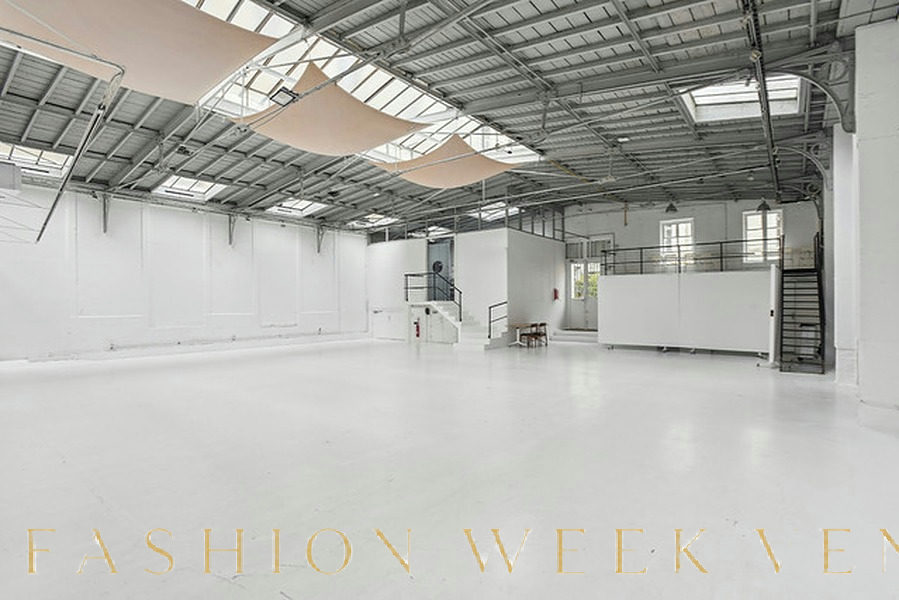
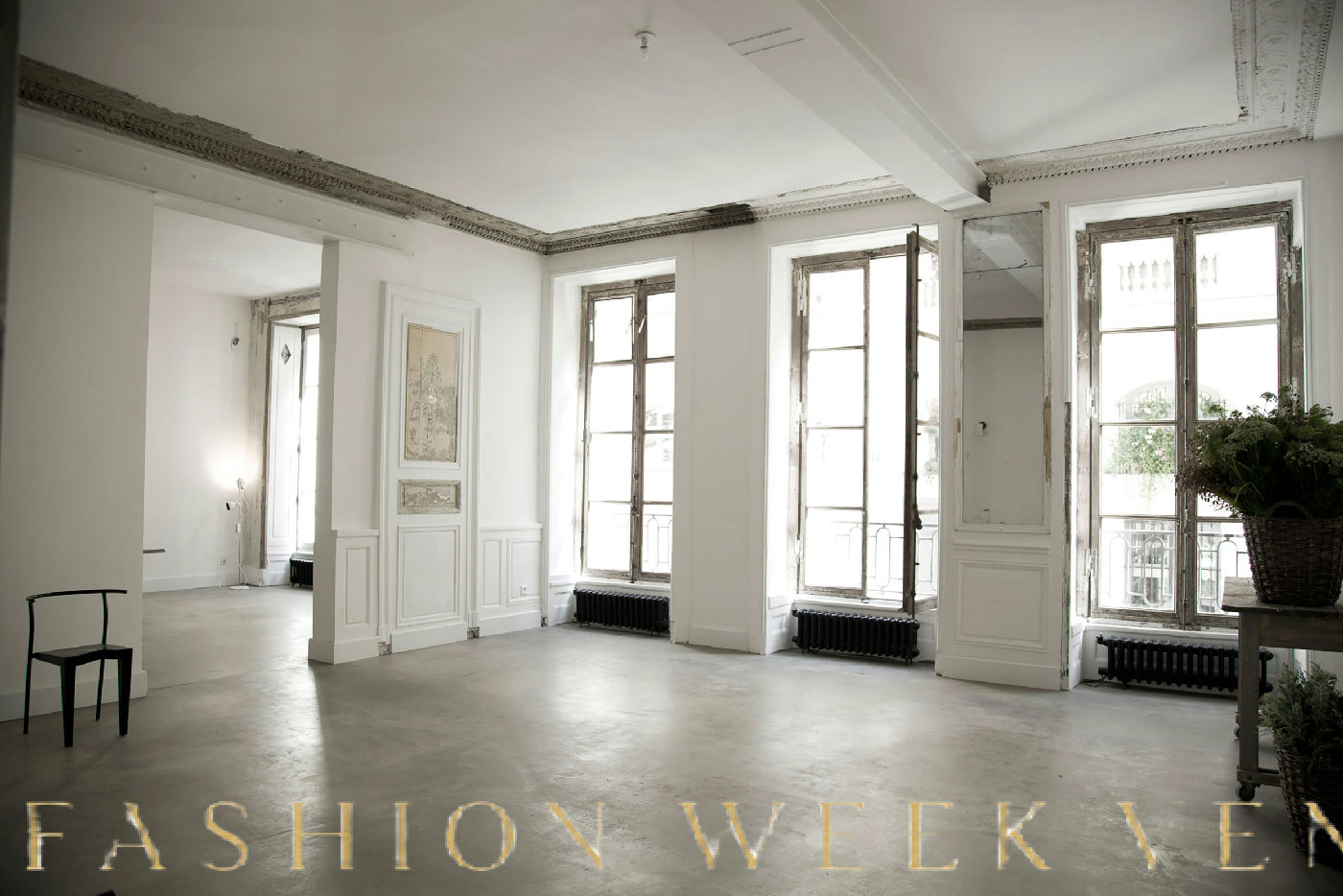
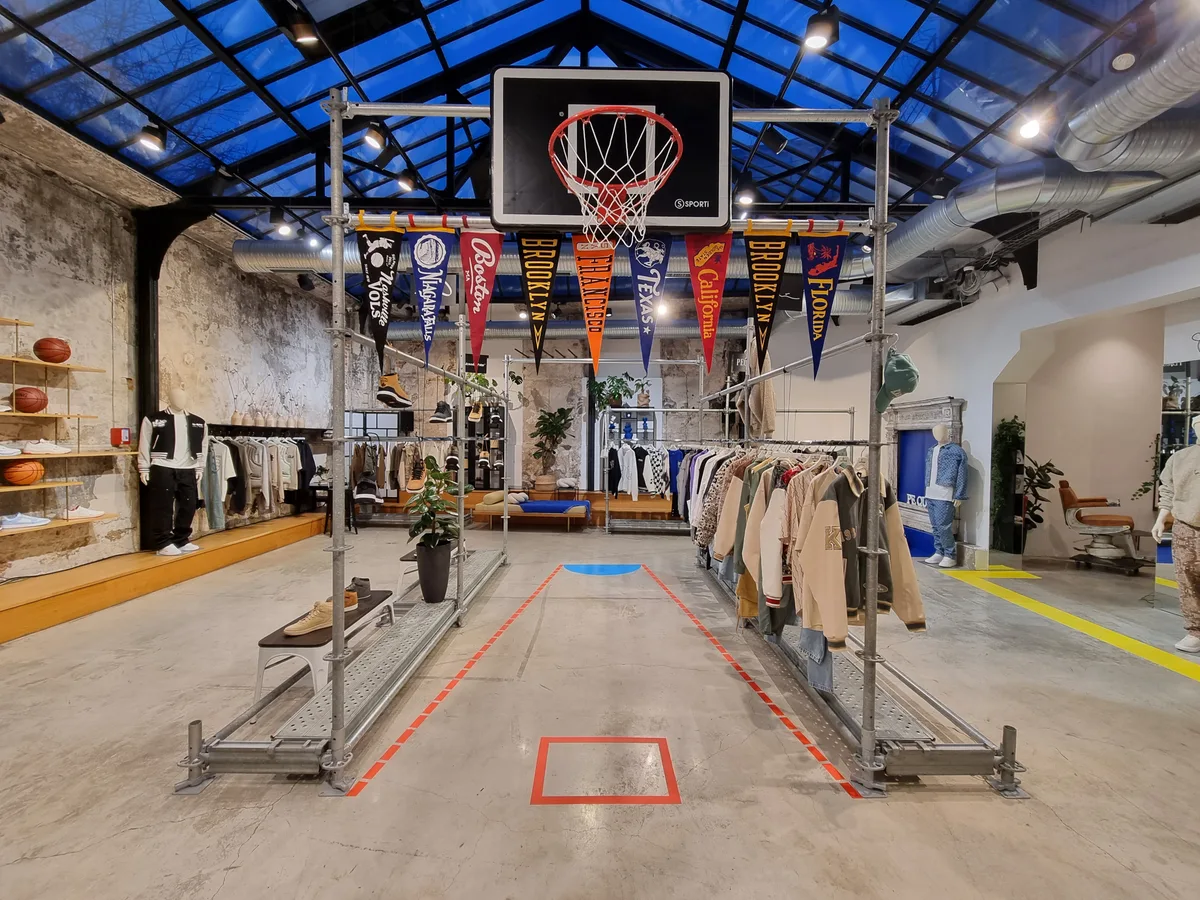
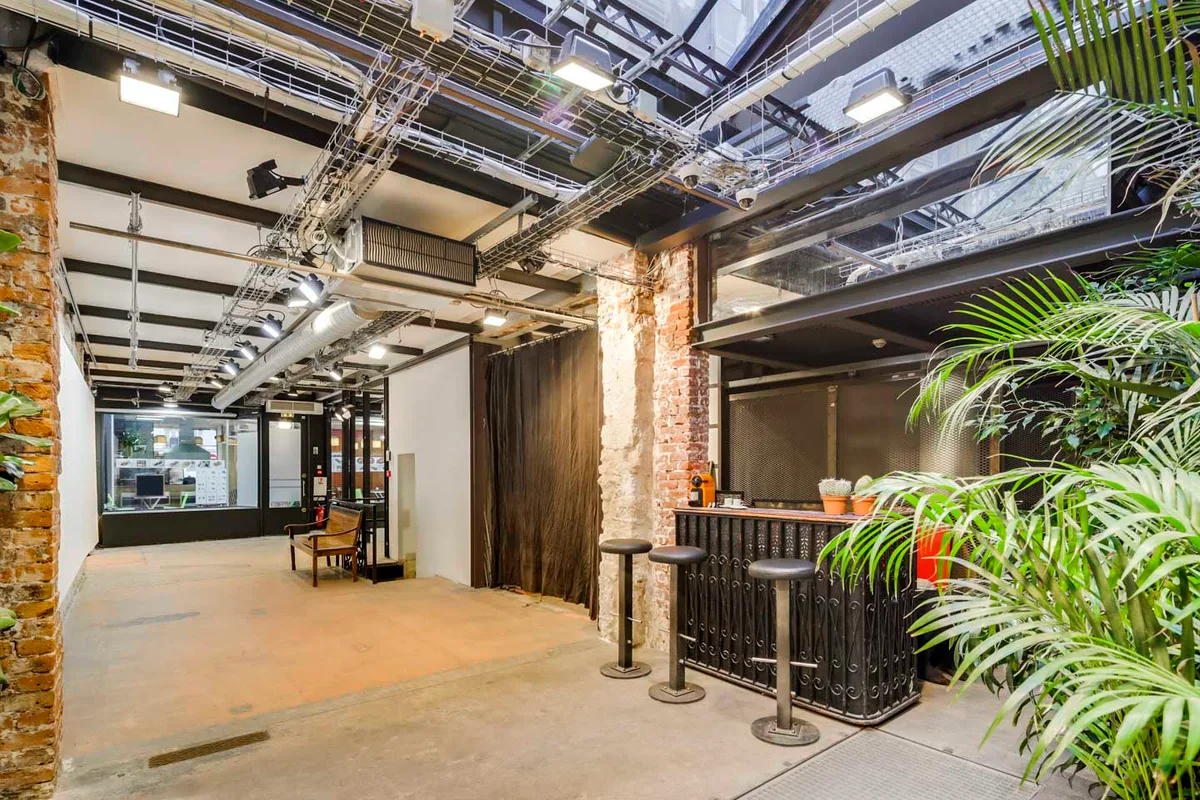
To rent retail space in the 16th arrondissement Paris is to position your brand inside one of the most prestigious residential and commercial districts in the French capital. The 16ème arrondissement offers a rare combination of affluent local clientele, internationally recognised landmarks, and a quieter, more curated retail environment compared to the Marais or Saint-Germain-des-Prés. Whether you are planning a fashion showroom, a short-term pop-up store, a brand activation during Fashion Week, or a longer-term boutique, this guide covers every decision your brand team needs to make. Fashion Week Venues operates across Paris and supports international brands with venue sourcing, activation management, and full production from brief to close.
Why Brands Choose to Rent Commercial Space in the 16th Arrondissement Paris
Quick answer: The 16th arrondissement attracts fashion, beauty, and lifestyle brands because it combines a wealthy resident base, proximity to the Trocadéro, Champs de Mars, and Fondation Louis Vuitton, and a quieter street-level retail environment that supports considered, high-end consumer experiences rather than high-volume transactional retail.
The Paris 16ème arrondissement sits on the western edge of the capital, bordered by the Bois de Boulogne and anchored by landmark addresses including the Trocadéro, Avenue Victor Hugo, Avenue Paul Doumer, rue de Passy, Avenue Mozart, and Place de Passy. It is not a district defined by mass tourism or heavy pedestrian throughput. Instead, it draws a specific, high-net-worth local clientele, residents of Passy and Auteuil, and visitors to cultural institutions including Palais de Tokyo, the Fondation Louis Vuitton, and the Acacias Art Center.
For fashion brands, this matters. A pop-up store or fashion showroom in the 16th is less about raw foot traffic and more about curated audience access. The visitors and residents of Paris 16 have purchasing power, a preference for quality over volume, and an established relationship with premium boutique retail. Brands entering this district should think in terms of appointment-led showrooms, invitation-only events, and carefully designed espace de vente that reward discovery rather than impulse.
The district also benefits from strong transport links. Métro Passy connects directly to central Paris, and RER C runs through the arrondissement, making it accessible from Charles de Gaulle and from other major arrondissements without the density of the Right Bank shopping corridors. This infrastructure supports brand teams, trade visitors, press, and influencers travelling to showroom appointments during Paris Fashion Week.
When compared to the Marais, Le Marais brings higher walk-in traffic and a younger creative demographic. Saint-Germain-des-Prés delivers cultural cachet and literary heritage. The Golden Triangle and Place Vendôme corridor targets ultraluxury spend. The 16th arrondissement occupies a distinct position: established, residential, culturally serious, and commercially selective. Brands choosing to rent local commercial space here are making a deliberate statement about their positioning.
Rue de Passy and Place de Passy form the commercial backbone of the arrondissement, with a strong concentration of boutiques, beauty concepts, and independent retailers. Rue d'Auteuil and rue Nicolo offer smaller, more intimate local commercial units suited to temporary retail or single-brand showroom formats. Avenue Victor Hugo carries a more formal register, with flagship-adjacent retail potential for ready-to-wear and accessories brands.
DID YOU KNOW: The Fondation Louis Vuitton in the Bois de Boulogne, accessible from the 16th arrondissement, attracted over 1.4 million visitors in a single year, many of whom pass through the district en route, making proximity to this cultural anchor a meaningful draw for brand activations targeting design-literate audiences.
KEY TAKEAWAY: The 16th arrondissement is the right choice for brands prioritising audience quality over audience volume. It rewards precision-targeted activations, well-designed showrooms, and retail concepts built around considered purchase rather than impulse conversion.
Understanding why brands choose this arrondissement sets up the next question: what types of commercial space are actually available, and which formats perform best for fashion and lifestyle brands operating on short-term contracts?
Types of Retail and Commercial Space Available in Paris 16
Quick answer: In the 16th arrondissement, brands can access a range of space types including boutique storefronts on rue de Passy, ground-floor local commercial units in Haussmann buildings, apartment-format showrooms, gallery-style white spaces, pop-up store formats, and studio spaces suited to photo and video production as well as trade appointments.
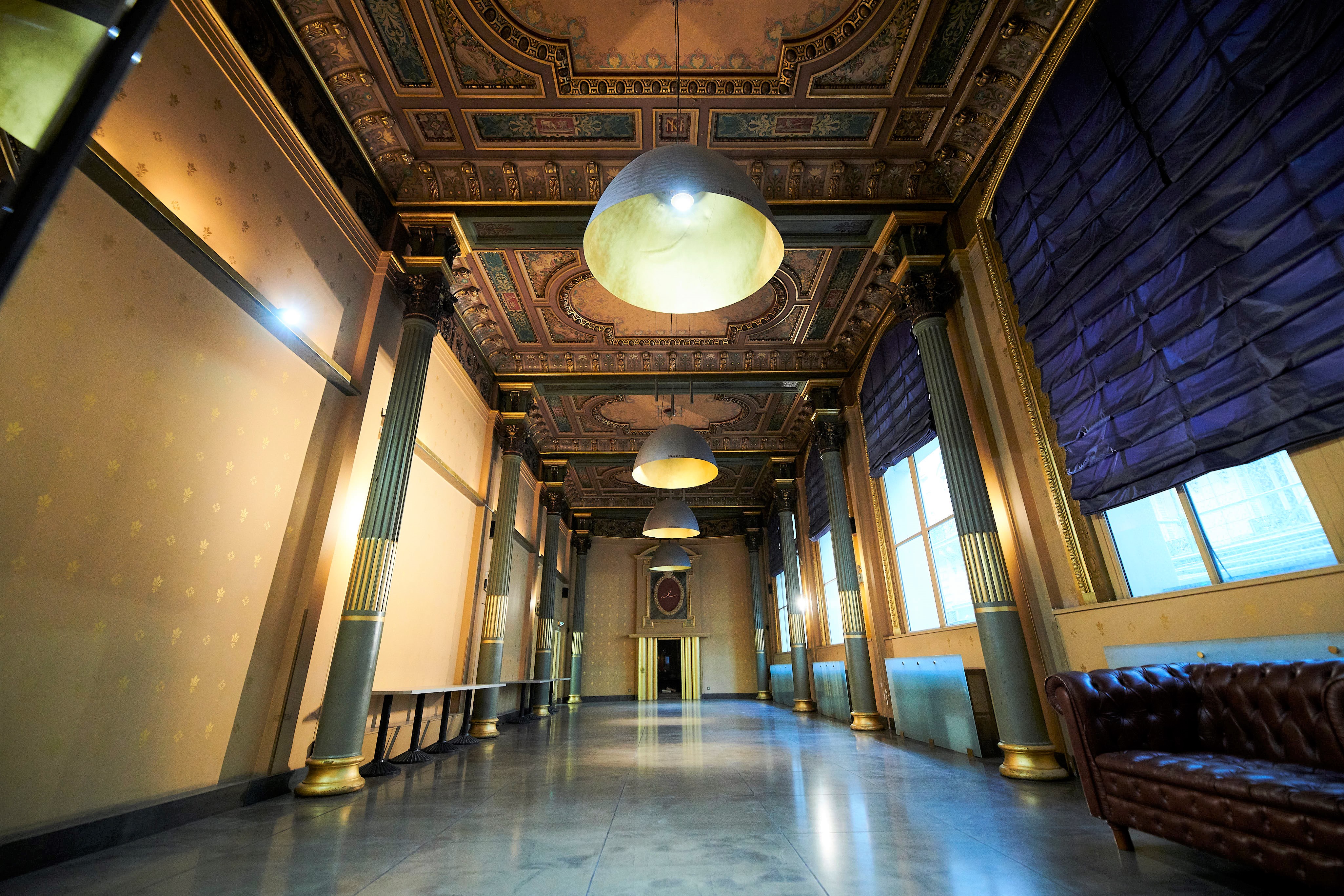
The local d'entreprise and espace de vente market in Paris 16 is shaped by the district's predominantly residential Haussmann building stock. Many of the most desirable commercial spaces occupy ground-floor units in immeuble haussmannien buildings, characterised by architecture prestigieuse, high ceilings, original mouldings, and wide glazed façades that deliver façade linéaire visibility from the street.
Boutique Storefronts and Local Commercial Units
Traditional boutique storefronts on rue de Passy, Place de Passy, and Avenue Paul Doumer typically offer surface totale ranging from around 30 to 150 square meters. These spaces suit ready-to-wear brands, accessories retailers, and beauty concepts that benefit from street-level visibility and passing resident clientele. The format is well-established in the district and supports both permanent commercial leases and shorter bail précaire or bail dérogatoire arrangements for temporary retail.
Apartment-Format Showrooms
The 16th arrondissement has a strong tradition of apartment showrooms, where brands convert residential or mixed-use upper-floor apartments into private fashion showrooms or trade event spaces. These spaces typically offer a more intimate, domestic register that suits ready-to-wear, jewellery, accessories, and homeware brands operating in a wholesale or press context. During Paris Fashion Week, appointment-led showrooms in this format are common across avenue Victor Hugo and the Passy residential streets.
Gallery and White Box Spaces
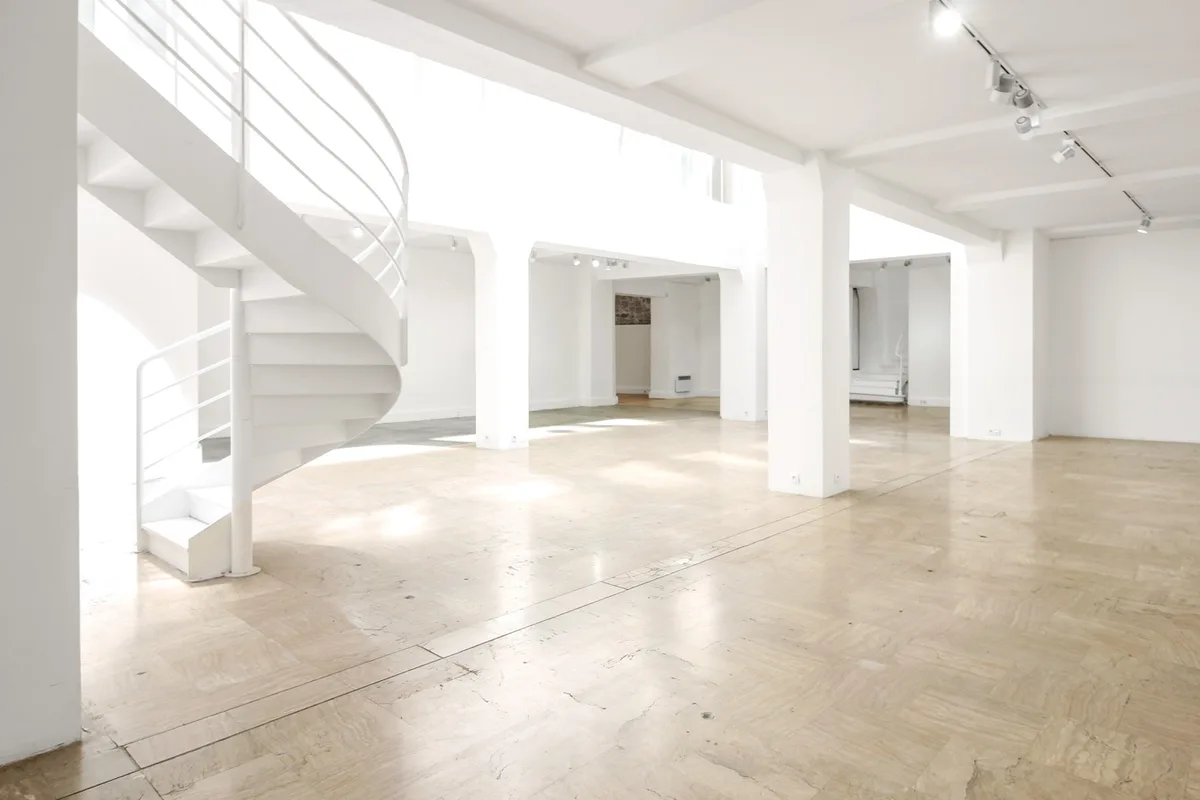
The 16th is home to established art gallery infrastructure including art gallery and Galerie d'art spaces that periodically become available for temporary commercial use. These white box formats suit brands seeking a neutral, premium backdrop for product launches, capsule collections, or press events. The Palais de Tokyo and Acacias Art Center in the arrondissement reinforce the district's cultural credibility for gallery-adjacent activations.
Pop-Up Store Formats
Pop-up store and pop-up stores formats in Paris 16 range from small street-level units on commercial strips to larger temporary retail concepts in spaces that have been vacated between tenants. These formats are well-suited to brands testing the Parisian market, running seasonal activations, or building brand awareness during key calendar windows. The temporary nature of a pop-up in this arrondissement allows brands to access a premium address without committing to the loyer levels associated with a long-term bail commercial.
Studio and Hybrid Spaces
Studio Photo and Studio de tournage spaces available in and around the 16th arrondissement serve brands that combine commercial activation with content production. A brand running a Fashion Week showroom in this district might simultaneously use an adjacent studio space for social media filming, influencer content, or press lookbook photography. These hybrid formats are increasingly relevant for brands whose retail activation strategy includes a digital amplification component.
TIP: When shortlisting space types in the 16th, think beyond floor area. Consider the Space Features that matter most for your brand: polished concrete floors or parquet, spotlights or natural light, white walls or period detail, ground-floor visibility or a more private upper-floor register. These decisions shape how your product is perceived in the space.
KEY TAKEAWAY: Paris 16 offers significantly more variety in commercial space formats than its residential character might suggest. The presence of Haussmann architecture, gallery infrastructure, and apartment-format showrooms makes it particularly well-suited to high-end fashion, beauty, and lifestyle brands working across trade, consumer, and press audiences.
With space types identified, the next step is understanding the legal frameworks that govern short-term commercial rental in France, which differ significantly from standard residential or long-term commercial leases.
Legal Frameworks for Short-Term Commercial Rental in Paris: Bail Précaire, Bail Dérogatoire, and AOT
Quick answer: Short-term commercial leases in France most commonly operate under a bail précaire or bail dérogatoire, which allow for rental periods of up to three years without triggering the full protections of a standard bail commercial. For public or semi-public spaces, an Autorisation d'Occupation Temporaire (AOT) may apply. Each framework carries distinct obligations, and requirements vary by space type, duration, arrondissement, and intended use.
Understanding the difference between these legal frameworks is essential before signing any contrat de location for commercial space in Paris. This section is a practical orientation, not legal advice. Requirements vary significantly, and brands are strongly advised to verify all arrangements with a qualified French legal advisor before committing to any lease.
Bail Commercial
The standard bail commercial is a nine-year commercial lease governed by the French Commercial Code. It offers the tenant strong statutory protections including renewal rights and compensation for non-renewal, making it the standard framework for permanent retail operations. For short-term pop-up stores, temporary fashion showrooms, or Fashion Week activations, a full bail commercial is typically neither appropriate nor available, as most space owners offering temporary retail are not willing to commit to the statutory obligations it creates.
Bail Dérogatoire and Bail Précaire
The bail dérogatoire, sometimes referred to as a bail précaire, allows landlords and tenants to agree a short-term commercial occupancy of up to three years without the tenant acquiring the statutory renewal rights associated with a full bail commercial. This is the most common framework for short-term retail activations, seasonal boutiques, and Fashion Week showrooms in Paris. Montant and charges terms must be clearly defined in the agreement. After the three-year maximum, if the tenant remains in occupation, the lease may automatically convert to a full bail commercial, which is an important risk for brands not intending a permanent presence.
Autorisation d'Occupation Temporaire (AOT)
For spaces on public land or in publicly owned buildings, an Autorisation d'Occupation Temporaire is required. This framework is particularly relevant for brands considering activations in public squares, covered markets, or municipally owned cultural venues. The AOT process involves engagement with the relevant public authority, and approval is not guaranteed. Taxes and charges associated with an AOT differ from those in a private lease arrangement.
Permits and Local Regulations
Beyond the lease framework, brands renting commercial space in Paris 16 may need to consider permits related to signage, façade modification, terrasse installation, and food service. For spaces with a Conduit de cheminée or Conduits infrastructure, Restauration sans conduit limitations may apply if food preparation is planned. Local regulations governing changes to a listed or architecturally significant building can also affect fit-out decisions in immeuble haussmannien properties.
IMPORTANT: Do not assume that a bail dérogatoire is automatically available for any commercial space in Paris. Eligibility depends on the nature of the space, the landlord's terms, and the intended commercial use. Always verify the legal framework with a French legal advisor and use the permit guidance tool to understand what approvals may be required for your specific activation.
KEY TAKEAWAY: Short-term commercial rental in Paris operates within a specific legal framework that differs substantially from standard leasing. Brands must understand the distinction between bail commercial, bail dérogatoire, and AOT before signing any agreement, and must verify their obligations regarding taxes, charges, and local regulations in the 16th arrondissement.
With the legal landscape established, the next question is budget: what does it actually cost to rent commercial space in Paris 16, and how should brands think about total activation costs beyond the base loyer?
Understanding Rental Costs and Budget Planning for Paris 16 Retail Space
Quick answer: Rental costs for commercial space in the 16th arrondissement Paris vary considerably depending on surface totale, location quality, space type, duration, and the specific lease framework in place. Costs are typically quoted as Hc/ht/mois (hors charges, hors taxes, per month) or Hc/mois. Brands should budget not only for the base loyer but also for charges, production costs, staffing, permits, and activation-specific expenses.
The 16th arrondissement sits at a premium within the Paris commercial property market, though it is generally below the loyer levels commanded by the most sought-after addresses on Avenue des Champs-Elysées, rue du Faubourg Saint-Honoré, or Place Vendôme. Within the arrondissement, pricing varies significantly by sub-location.
Location Hierarchy and Loyer Levels
Rue de Passy and Place de Passy form the primary commercial strip and command the highest rates within the arrondissement. Avenue Victor Hugo and Avenue Paul Doumer occupy a second tier, offering premium residential addresses with slightly lower commercial loyer compared to the main Passy shopping axis. Rue d'Auteuil, rue Nicolo, and side streets off these main axes offer more accessible Montant levels for brands seeking smaller boutique or showroom formats.
It is important to note that short-term pop-up and temporary retail rental often carries a premium per square meter compared to standard long-term commercial leases, because the space owner accepts the risk and inconvenience of shorter occupancy in exchange for a higher daily or monthly rate. Brands should factor this into their planning.
What Is Included in Hc/ht/mois and Hc/mois Pricing
Listings quoted as Hc/ht/mois indicate the base rent excluding service charges (hors charges) and excluding taxes (hors taxes). The actual Montant payable will therefore be higher once charges and applicable taxes are added. Listings quoted as Hc/mois exclude charges but may include tax. Brands should always request a full breakdown before comparing spaces and should clarify what is and is not included in the stated loyer figure.
Total Activation Cost Thinking
The base rent is rarely the largest cost in a Paris pop-up or showroom activation. Brands should build a total activation budget that accounts for: space rental, production and fit-out, furniture rental, retail staffing, POS and payments infrastructure, permits and compliance costs, social media and influencer marketing, logistics, and any agency fees. The balance between these cost categories will vary by format, but brands frequently underestimate production and staffing costs relative to the space rental itself.
DID YOU KNOW: Fashion brands activating during Paris Fashion Week often commit to spaces three to six months in advance, particularly for premium addresses in the 16th arrondissement. Waiting until four to six weeks before the event significantly limits available inventory and can force brands into less suitable spaces at higher short-notice rates.
To build a more accurate estimate for your specific activation, use the budget planning tool on Fashion Week Venues, which allows you to model costs based on space size, duration, service requirements, and target arrondissement.
KEY TAKEAWAY: Budget planning for a Paris 16 activation must go beyond the base loyer. Total costs include charges, taxes, production, staffing, and activation-specific line items. Using directional budget tools and requesting full cost breakdowns from space owners before signing is essential for accurate financial planning.
With budget frameworks in place, brands need to understand how the Paris retail calendar shapes space availability and activation timing, particularly for fashion brands aligning to Fashion Week.
The Paris Fashion Week Calendar and Activation Timing in the 16th Arrondissement
Quick answer: Paris Fashion Week creates two major demand peaks per year for showroom and pop-up space in Paris: the women's ready-to-wear calendar in late February to early March and again in September to October. The 16th arrondissement, with its concentration of apartment showrooms and fashion showroom formats, sees particularly strong demand during these windows, especially for brands seeking private, appointment-led presentation spaces away from the high-density Marais and Saint-Germain-des-Prés corridors.
Paris Fashion Week is the anchor event that drives the majority of short-term commercial space demand across the capital. For brands operating in the fashion, beauty, and accessories categories, the two main ready-to-wear seasons define the year's most commercially and strategically important activation windows. During these periods, the city hosts buyers, editors, stylists, influencers, brand executives, and international press simultaneously, creating a uniquely concentrated audience that no other calendar period matches.
Why Fashion Week Timing Matters for the 16th
The 16th arrondissement is particularly well-positioned for brands wanting to run a fashion showroom outside the most saturated districts. The Marais and Le Marais accumulate the highest density of brand showrooms during Fashion Week, and while this generates foot traffic benefits, it also creates significant competition for visitor attention. A curated showroom on avenue Victor Hugo or in a private apartment on a residential street off rue de Passy offers a more exclusive register, which suits brands positioning themselves above the mass Fashion Week circuit.
The proximity of the 16th to major Fashion Week venues including the Grand Palais and Palais de Tokyo also makes it a logical base for trade and press visiting these institutions. Brands can capitalise on this geographic positioning by timing showroom hours around adjacent venue schedules.
Beyond Fashion Week: Year-Round Opportunities
Paris Fashion Week is not the only commercially viable calendar window for retail activation in the 16th arrondissement. Brands in beauty, homewares, gastronomy, and lifestyle can find strong activation windows around Maison&Objet, Paris Art Fair, the autumn cultural season, and the December holiday period. The wealthy resident clientele of Paris 16 engages with retail throughout the year, and activations timed outside Fashion Week benefit from reduced competition for space and lower short-term loyer premiums.
TIP: Use the activation timeline planning tool to map your lead time, space search, permit applications, production schedule, and go-live date against the Paris calendar. A well-structured timeline is one of the most important tools available to brand teams planning a Paris activation.
Comparing Key Paris Districts by Activation Profile
| District | Best For | Audience Profile | Space Type | Fashion Week Demand |
|---|---|---|---|---|
| 16th Arrondissement | Luxury showrooms, curated pop-ups, apartment activations | Wealthy residents, cultural visitors, trade appointments | Apartment showroom, boutique storefront, gallery | High, especially for private showrooms |
| Le Marais | Consumer pop-ups, brand launches, streetwear | Tourists, young creatives, international buyers | White box, gallery, courtyard space | Very high, competitive |
| Saint-Germain-des-Prés | Heritage brands, literary fashion, accessories | Intellectually positioned consumers, tourists, press | Boutique storefront, gallery, private salon | High |
| Golden Triangle / George V | Ultraluxury brand activations, flagship adjacency | High-spend international visitors, luxury consumers | Flagship format, hotel partnership, private salon | Very high |
| Champs-Élysées Corridor | High-volume consumer activations, experiential retail | Mass tourism, broad international demographic | Large format retail, experiential, pop-up | Moderate, logistics-intensive |
KEY TAKEAWAY: Timing an activation in the 16th arrondissement to align with Paris Fashion Week maximises access to the trade and press audience while maintaining the curated, premium register of the district. Brands should begin their space search at minimum three to six months before target activation dates.
To compare neighbourhoods and space types, explore the Paris city hub on Fashion Week Venues and shortlist spaces that match your brief, budget, and calendar window.
Technical Considerations When Renting Commercial Space in Paris 16
Quick answer: Technical features of a commercial space directly affect what a brand can do with it. In the 16th arrondissement, brands renting local commercial units in Haussmann buildings need to evaluate floor type, ceiling height, lighting infrastructure, façade linéaire dimensions, ventilation and Conduits provisions, and access conditions before committing to a space.
The architecture of the 16th arrondissement is dominated by immeuble haussmannien stock, which brings specific technical characteristics that brands must understand before signing a contrat de location. These buildings were designed in the nineteenth century and while their architectural prestige is a commercial asset, their infrastructure does not always align with the requirements of modern retail or brand activation.
Floor Surface and Finish
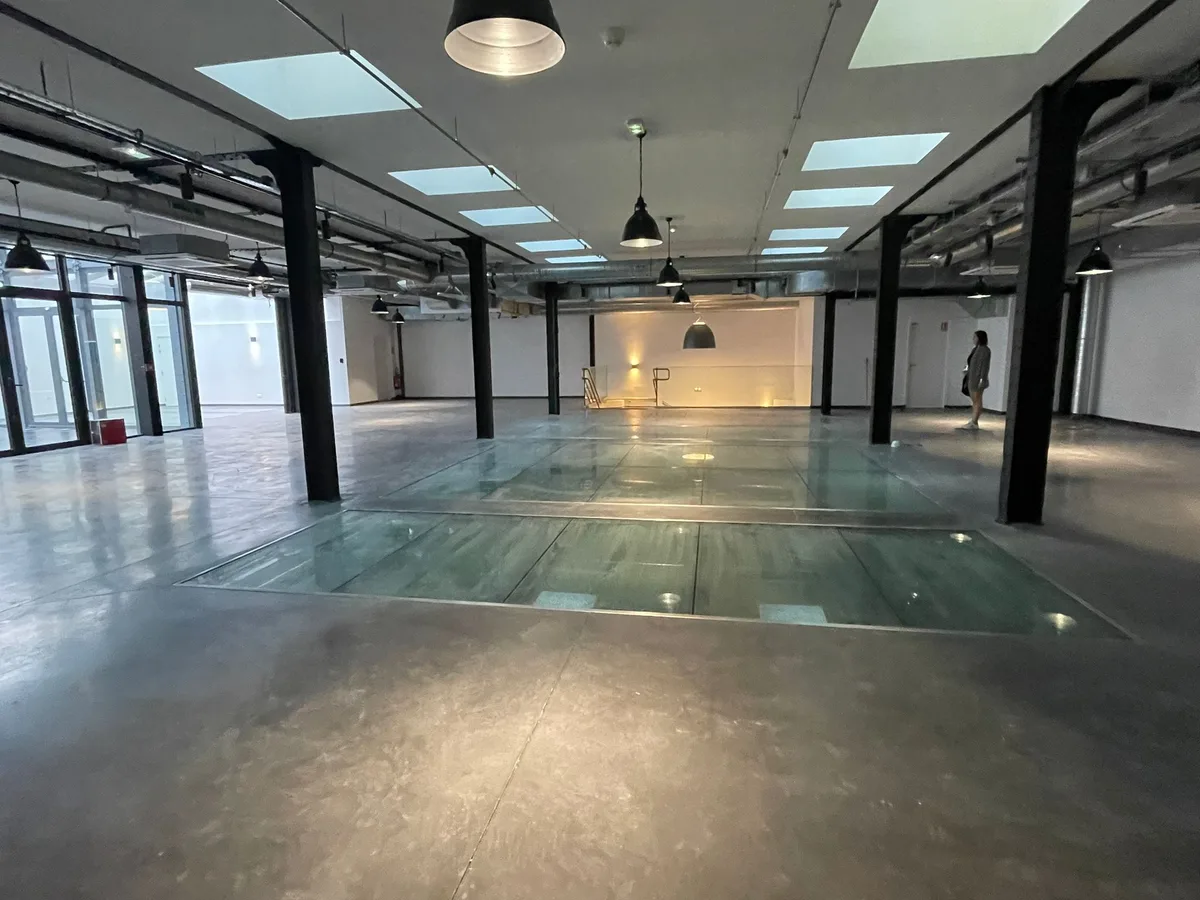
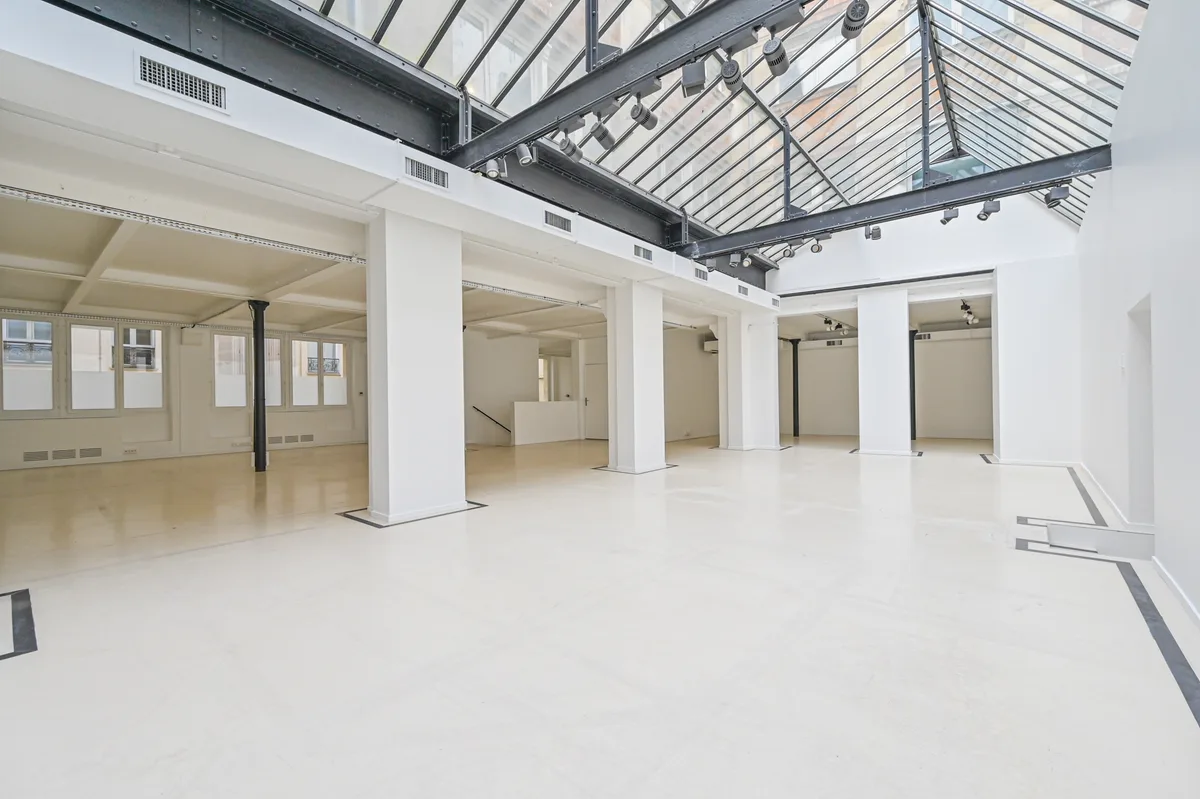
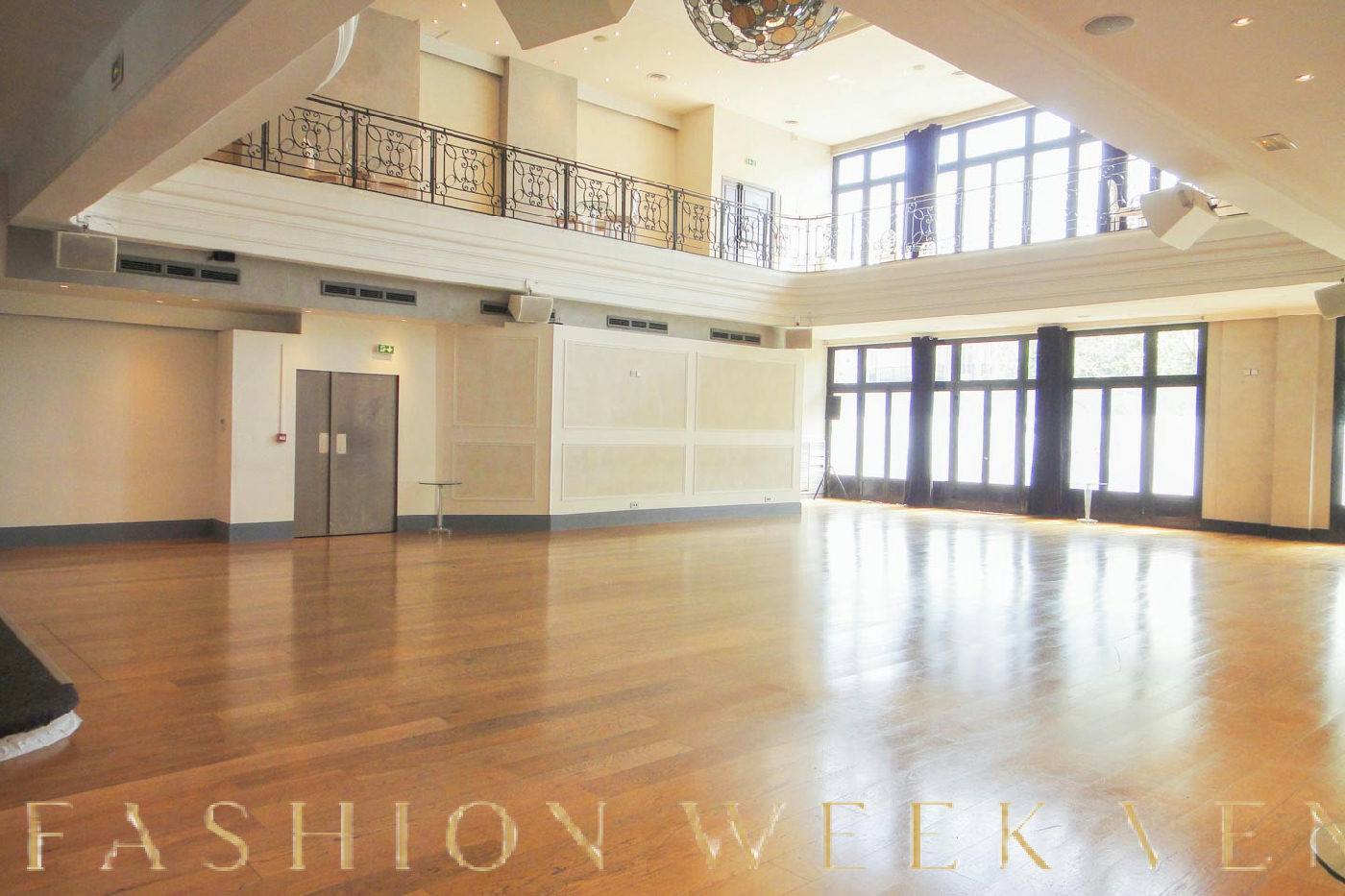
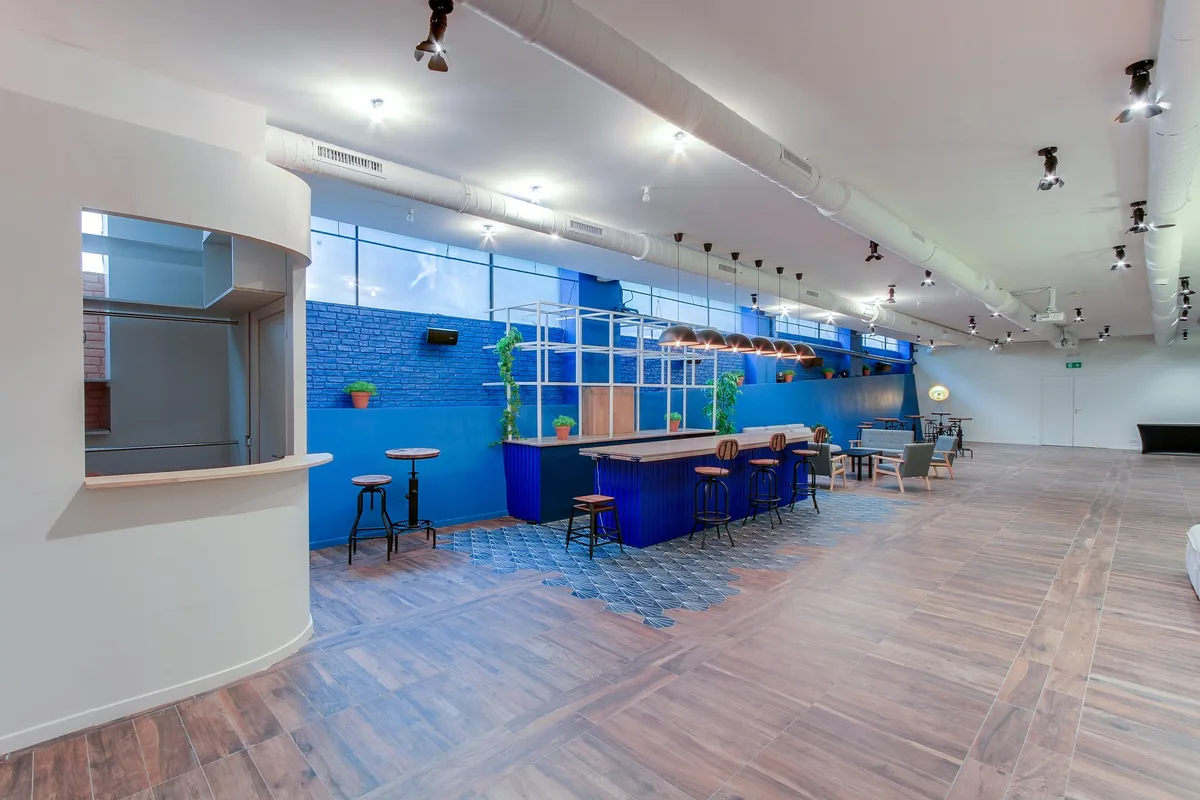
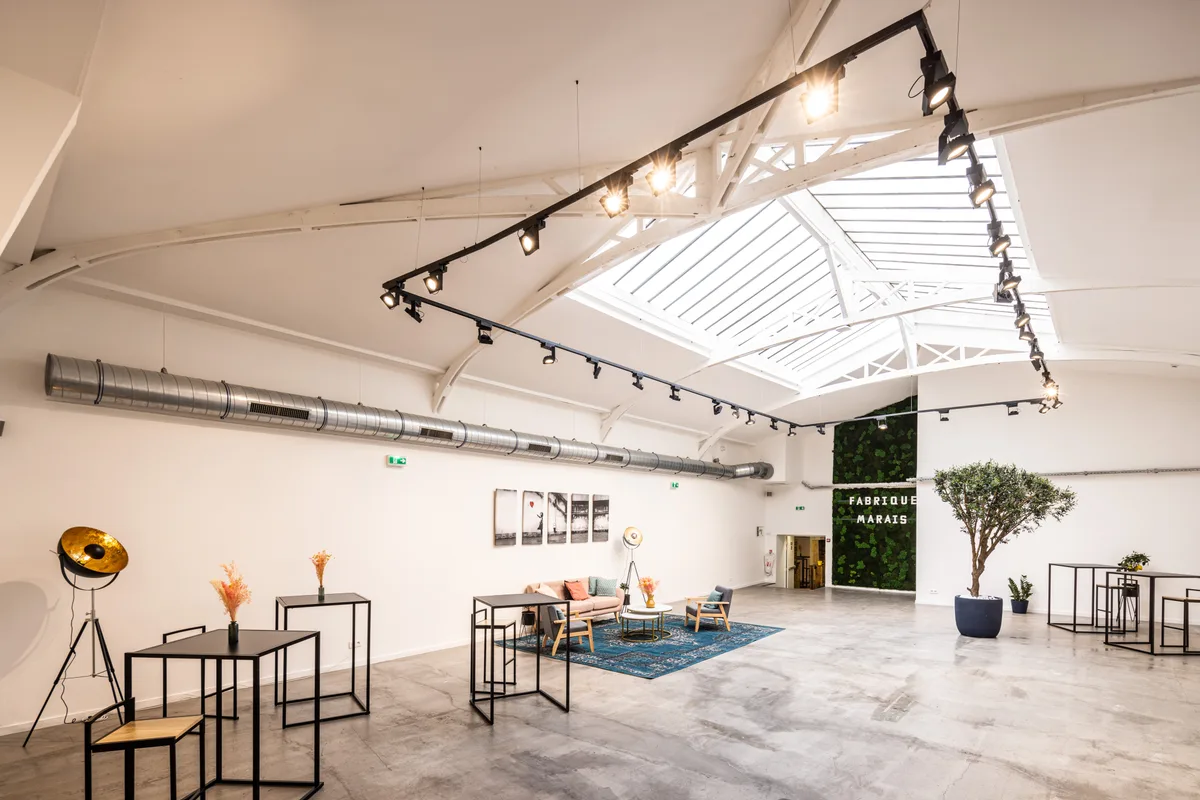
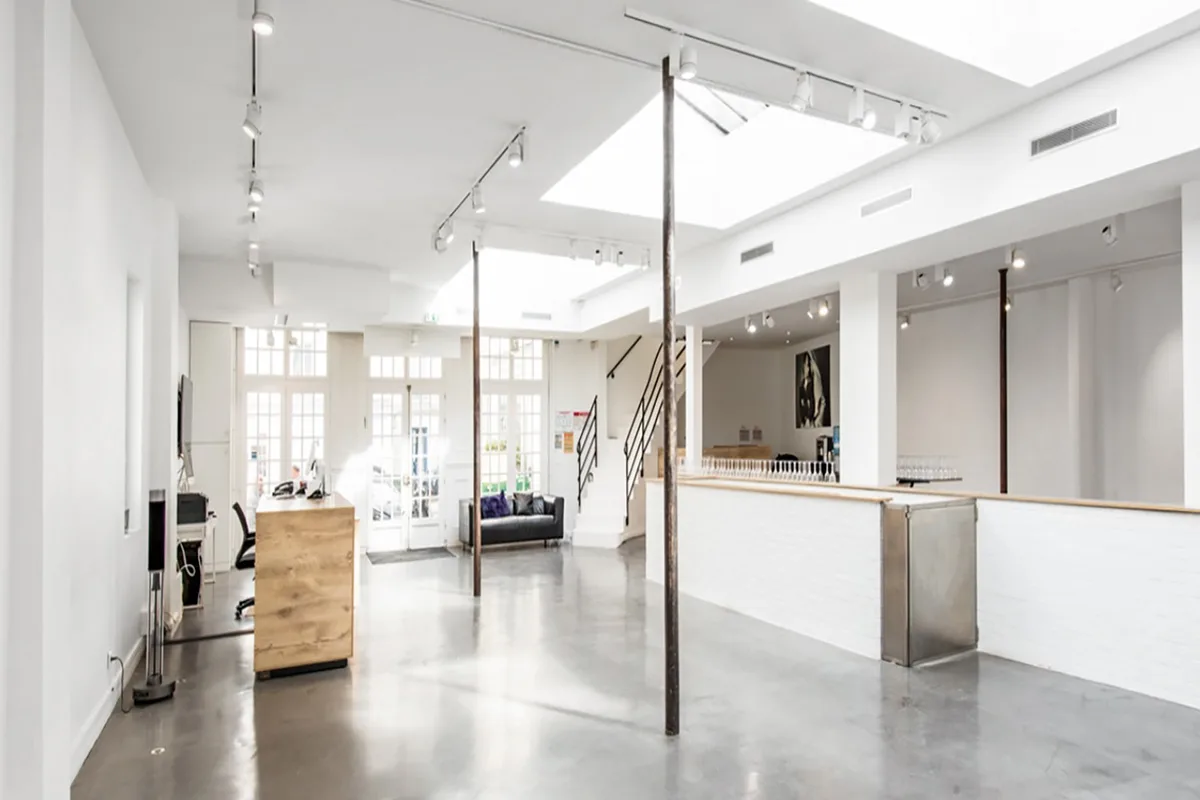
The floor finish of a commercial space shapes the aesthetic of your brand environment and affects production costs. Common floor types in Paris 16 commercial spaces include herringbone parquet, polished concrete floors, raw concrete floors, and floor tiles (sol carrelé). Parquet suits heritage-inflected or luxury brand environments. Polished concrete works well for contemporary fashion and streetwear. Raw concrete offers a raw, industrial register that may require additional dressing to align with premium brand positioning. Brands should clarify the existing floor finish and any restrictions on temporary flooring or floor covering installation.
Ceiling Height and Mouldings
Haussmann buildings typically offer ceiling heights of three to four metres, which is a significant asset for visual merchandising, high rack installation, and lighting rigging. Original moulures au plafond (ceiling mouldings) add architectural character but may restrict where fixtures can be attached. Brands planning an intensive fit-out should confirm what fixing is permitted and whether the landlord requires restoration to original condition at the end of the rental period.
Lighting Infrastructure
Lighting is one of the most important technical factors in a retail or showroom environment. Spotlights on track systems (éclairage sur rail) are common in converted commercial spaces and offer flexible product lighting. Spaces without existing track lighting may require a temporary lighting rig, which adds to production cost and lead time. Brands running photo or video content alongside their activation should also evaluate natural light quality and window orientation.
Ventilation, Conduits, and Food Service
If a brand plans to serve food or beverages at an activation, the presence or absence of Conduits (ventilation shafts) and a Conduit de cheminée is a critical factor. Spaces listed as Restauration sans conduit are not equipped for cooking with smoke or strong odours and are limited to cold preparation or cold service. Brands planning a catered press event or experiential retail concept with food components must verify ventilation infrastructure before selecting a space.
Terrasse and Exterior Access
Some commercial spaces in the 16th include or have access to a Terrasse, which can be a significant asset for brand activations during warmer months. However, terrace use for commercial purposes is typically subject to a separate permit from the arrondissement, and the physical configuration of the terrace must comply with local regulations. This is particularly relevant for spaces on Place de Passy or with outdoor courtyard access.
Key Technical Factors Comparison
| Technical Factor | What to Check | Why It Matters | Questions to Ask |
|---|---|---|---|
| Floor finish | Type, condition, covering permissions | Affects brand aesthetic and production cost | Can we install temporary flooring? |
| Ceiling height | Actual height, moulding restrictions | Affects fixture rigging and visual merchandising | What can be fixed to ceiling surfaces? |
| Lighting | Existing track, power points, natural light | Critical for product presentation and content production | Is the existing lighting adequate or do we need to rig? |
| Conduits | Presence of ventilation, food service permissions | Determines whether catering is possible | Is the space Restauration sans conduit? |
| Façade linéaire | Width, glazing, signage permissions | Affects street visibility and branding | What signage is permitted on the façade? |
| Terrasse | Presence, size, permit status | Adds activation footprint for outdoor use | Is the terrace included in the rental and does it require a separate permit? |
KEY TAKEAWAY: Technical due diligence on a Paris 16 commercial space is as important as the commercial terms. Brands that fail to verify floor finish, lighting infrastructure, Conduits provisions, and fixing permissions before signing often face unexpected production costs or activation limitations.
Technical readiness of a space connects directly to how your production and fit-out are planned, which brings us to the workflow that guides a successful activation from space shortlisting through to go-live.
Step-by-Step Workflow for Renting Retail Space in the 16th Arrondissement Paris
Quick answer: A well-managed Paris pop-up or showroom activation follows a defined workflow that begins with brief development and space search, moves through technical review and legal negotiation, then covers production, staffing, permits, and live activation management. The workflow should begin at least three months before target opening, and six months for Fashion Week windows.
International brands frequently underestimate the complexity of activating commercial space in Paris. The combination of French legal requirements, technical building constraints, local permit processes, and the logistics of operating in a foreign market means that even a small two-week showroom requires a structured project workflow to execute successfully.
Activation Workflow Table
| Stage | Key Actions | Lead Time Before Activation |
|---|---|---|
| 1. Brief Development | Define space size, location, duration, budget, audience, and activation objectives | 5 to 6 months |
| 2. Space Search and Shortlisting | Search marketplace, review listings, request viewings, compare options | 4 to 5 months |
| 3. Technical Review | Site visit, floor plan review, technical audit, confirm lighting, Conduits, floor, access | 3 to 4 months |
| 4. Legal and Lease Negotiation | Review contrat de location, confirm bail type, agree Montant, charges, taxes, exit conditions | 3 months |
| 5. Permit Applications | Apply for commercial activity, signage, terrasse, food service permits as required | 2 to 3 months |
| 6. Concept and Design | Develop space concept, visual merchandising plan, branded store design | 2 to 3 months |
| 7. Production and Fit-Out | Build, install, dress, test all elements before opening | 2 to 4 weeks |
| 8. Staffing and POS Setup | Hire and brief retail staff, set up POS and payments, confirm data capture | 1 to 2 weeks |
| 9. Live Activation | Manage daily operations, track footfall and transactions, run influencer and press activity | During activation |
| 10. Close and Analysis | Strip out, restore space, compile data, analyse ROI against objectives | Post-activation |
Each stage of this workflow generates decisions that affect the next. A brief that is too vague will produce a space search that wastes time. A technical review that is rushed will produce production surprises. A staffing brief that is left too late will compromise the quality of visitor experience during the live activation period.
TIP: Brands working in Paris for the first time, or working with a small in-house team, should consider whether a full-service agency is the most efficient approach. Understand how agencies operate and what they cover by reviewing the guide to hiring a pop-up agency before committing to a structure.
For brands wanting to run a co-activation with a complementary brand in a shared space, the twin co-activation concept allows two brands to share a single space, splitting costs while maintaining distinct brand environments.
KEY TAKEAWAY: A successful retail activation in Paris 16 requires a structured ten-stage workflow beginning at least three months before opening and six months for Fashion Week windows. Compressing this timeline creates compounding risks across permits, production, and staffing.
Knowing the workflow helps brands assess whether to manage the process independently or work with a specialist agency. The next section covers how Fashion Week Venues supports brands through this process in practice.
How Fashion Week Venues Helps Brands Rent and Activate Commercial Space in Paris 16
Quick answer: Fashion Week Venues is a full-service pop-up agency and space marketplace that supports international brands at every stage of a Paris activation, from initial space search and concept direction through to production, staffing, data analytics, and close. The agency operates primarily in Paris but also across London, Milan, New York, Tokyo, and Dubai.
For international brands approaching the Paris market, the combination of French legal frameworks, language barriers, local permit processes, and the compressed timelines of Fashion Week creates a high-complexity operating environment. Fashion Week Venues exists to reduce this complexity and give brand teams direct access to spaces, expertise, and services that would otherwise require building multiple independent supplier relationships in an unfamiliar market.
Space Discovery and Venue Sourcing
The Fashion Week Venues marketplace lists commercial spaces across Paris arrondissements, including the 16th, with filtering by size, space type, neighbourhood, and price. Brands can shortlist spaces, compare technical specifications, and request viewings directly through the platform. The venue sourcing service supports brands that want a managed search, where the agency identifies and screens spaces against a detailed brief rather than leaving the brand to navigate the market independently.
Concept Direction and Branded Store Design
Fashion Week Venues offers concept direction and branded store design services for brands that need help translating their identity into a physical retail or showroom environment. This is particularly relevant in the 16th arrondissement, where the architectural character of available spaces provides a strong starting point but also requires careful integration with contemporary brand aesthetics. The imagine visualisation tool allows brands to see how a concept might look in a specific space before committing to production.
Production, Fit-Out, and Furniture Rental
The agency's production and build service covers everything from fixture specification and installation to full fit-out management in compliance with the landlord's restoration requirements. Furniture rental allows brands to dress a space to a high standard without purchasing or shipping furniture from their home market, reducing both cost and logistics complexity.
Retail Staffing, POS, and Payments
Retail staffing and POS and payments services are available for brands that need French-speaking, fashion-literate staff and transactional infrastructure in place from day one. For brands running a commercial pop-up store with Vente activity, having experienced staff and functional POS at the point de vente is essential to converting footfall into transactions.
Data, Analytics, and Influencer Marketing
Data and analytics services allow brands to track footfall, dwell time, conversion, and sales data during a live activation, providing the evidence base for post-activation ROI analysis. Influencer marketing services support brands wanting to amplify their Paris activation across social media, connecting with Paris-based and international influencers relevant to the brand's audience.
Tools for Independent Decision-Making
Brands that prefer to manage their own process can use the Fashion Week Venues tools independently. The ROI calculator helps brands model the financial case for a Paris activation. The compare tool supports side-by-side space comparison. The locator tool maps spaces against target neighbourhoods. The permits tool provides orientation on the permit landscape for different space types and activation formats.
Who Benefits Most
Fashion Week Venues is most useful for: international brands with no existing Paris infrastructure, brands activating during Fashion Week with compressed timelines, brands that want a full-service partner rather than multiple independent suppliers, and brands that need a single point of accountability across space, production, staffing, and data.
The agency does not guarantee space availability, permit approvals, or activation outcomes. What it provides is expertise, process, and an established supplier network that materially reduces the risks and complexity of activating in Paris.
KEY TAKEAWAY: Fashion Week Venues reduces the operational complexity of activating in Paris 16 by providing a single platform for space discovery, agency services, and planning tools. International brands benefit most from the integrated service model, which removes the need to build independent supplier relationships in an unfamiliar market.
Comparing Retail Space Options Across Paris Arrondissements
Quick answer: The 16th arrondissement is one of several premium Paris districts available for fashion and lifestyle brand activations. Each district offers a distinct combination of audience profile, space type, loyer level, and strategic positioning. Brands should select their arrondissement based on activation objectives, target customer, and the commercial register they want to occupy.
Choosing between the 16th arrondissement, the Golden Triangle, Le Marais, Saint-Germain-des-Prés, or the Champs-Élysées corridor is a strategic decision that shapes everything from space availability to audience composition to brand perception. No single district is objectively superior: the right choice depends on what you are trying to achieve.
The Golden Triangle, defined by Avenue des Champs-Elysées, Avenue Montaigne, and Avenue George V, is the ultraluxury heartland of Paris retail. Brands activating here benefit from proximity to the major fashion houses and the highest-spending international visitors, but loyer levels are at the top of the Paris market and competition for space is intense. Place Vendôme and rue du Faubourg Saint-Honoré occupy a similarly elevated tier, with strong adjacency to luxury jewellery, watches, and haute couture.
Le Marais and the surrounding streets offer the highest consumer foot traffic of any Paris shopping district outside the Champs-Élysées, with a younger, more trend-driven clientele and a strong international tourist base. Pop-up stores in Le Marais benefit from organic discovery, and the density of brands in the area during Fashion Week creates a destination effect. However, the same density creates competition for attention, and the register is less exclusive than the 16th or the Golden Triangle.
Saint-Germain-des-Prés carries cultural cachet and attracts a discerning, design-literate consumer base. The district suits brands with a strong conceptual identity or heritage narrative. Space availability is more limited, and the physical stock of commercial properties is older and more varied than in the Haussmann-dominated 16th.
Montmartre and Pigalle offer a more bohemian, creative register and attract a mix of local creative community and tourists. These districts suit brands in art, craft, independent fashion, and beauty that want to align with a counterculture or independent narrative rather than the establishment luxury register of the western arrondissements.
Galeries Lafayette and Printemps anchor the 9th arrondissement and provide a very different model: brand space within department store environments, which delivers immediate access to high footfall but within the commercial context of a multi-brand retail floor rather than a standalone branded environment.
For brands specifically weighing the 16th against other districts, the key differentiators are the affluent residential clientele, the cultural credibility of Trocadéro and Palais de Tokyo proximity, the relative scarcity of brand activations outside Fashion Week, and the availability of private apartment showroom formats that simply do not exist in the same way in other arrondissements.
KEY TAKEAWAY: The 16th arrondissement is the strongest choice for brands that prioritise audience quality, private showroom formats, and a luxury residential register. Brands prioritising volume, discovery, or trend adjacency should evaluate Le Marais, Saint-Germain-des-Prés, or the Golden Triangle depending on their specific positioning.
Common Myths About Renting Retail Space in Paris Debunked
MYTH: You need a French legal entity to rent a space in Paris for a pop-up or showroom activation.
FACT: Many short-term commercial rental arrangements in Paris are accessible to foreign companies without a registered French entity. However, the specific requirements depend on the space, the lease type, and the landlord's terms. Some landlords require a French guarantor or require that a French registered company is party to the contrat de location. Working with an agency that has existing landlord relationships and can navigate these requirements on your behalf significantly simplifies access to spaces without requiring you to establish a French legal entity in advance.
MYTH: Paris Fashion Week is the only viable calendar window for a brand activation in the 16th arrondissement.
FACT: While Paris Fashion Week creates the most concentrated demand window, the 16th arrondissement supports strong brand activations throughout the year. The wealthy resident base, proximity to Palais de Tokyo and Fondation Louis Vuitton, and the district's cultural calendar mean that activations outside Fashion Week can be highly effective, particularly for brands in beauty, homeware, and lifestyle. Activating outside peak windows also typically means better space availability and lower short-term loyer premiums.
MYTH: Commission brokers are the only way to find a pop-up or showroom space in Paris.
FACT: The Paris commercial space market has evolved significantly. Platforms such as the Fashion Week Venues marketplace, and commercial property listing services, allow brands to search and compare spaces directly without going through a commission broker. That said, curated spaces in premium arrondissements, including the 16th, are often not publicly listed and require relationships or agency access to discover. A combination of platform-based search and agency-supported sourcing typically produces the strongest shortlist for premium activations.
MYTH: Short-term commercial leases in France are legally straightforward and do not require specialist help.
FACT: French commercial lease law is complex, and the distinctions between bail commercial, bail dérogatoire, and bail précaire carry significant legal and financial consequences. A bail dérogatoire that converts to a full bail commercial because the tenant remained in occupation beyond the agreed period is a real and documented risk. Brands also need to understand the tax and charges implications of different lease structures. Specialist French legal advice is strongly recommended for any commercial rental agreement in Paris, regardless of the duration or the apparent simplicity of the arrangement.
MYTH: A small surface totale means low total activation cost in Paris 16.
FACT: The total cost of a Paris activation is not primarily determined by floor area. Production and fit-out costs, staffing, permits, and logistics can be significant even for a 30 to 50 square meter space, particularly in a premium arrondissement where landlord requirements around restoration are strict. Brands should build a full activation budget that accounts for all cost categories, not just the base loyer. The Fashion Week Venues budget tool supports this kind of full-cost planning.
Frequently Asked Questions About Renting Retail Space in the 16th Arrondissement Paris
What are the most sought-after locations for leasing commercial space in Paris?
The most consistently in-demand commercial addresses in Paris include rue du Faubourg Saint-Honoré, Avenue Montaigne, Avenue des Champs-Elysées, Place Vendôme, rue de Rivoli, and the core streets of Le Marais. Within the 16th arrondissement specifically, rue de Passy, Place de Passy, Avenue Victor Hugo, and Avenue Paul Doumer represent the primary commercial addresses. Demand from international fashion and lifestyle brands also concentrates around the Trocadéro and the immediate vicinity of Palais de Tokyo and the Grand Palais during key cultural and Fashion Week calendar windows. The right location depends on your target audience, budget, and activation format.
What type of lease should I use for a short-term pop-up or showroom in Paris?
For short-term pop-up stores and fashion showrooms in Paris, the bail dérogatoire or bail précaire is the most appropriate framework, allowing occupancy of up to three years without triggering the statutory renewal rights associated with a standard nine-year bail commercial. For very short activations on public or semi-public land, an Autorisation d'Occupation Temporaire may apply. Requirements vary considerably by space type, duration, landlord, and arrondissement. Always verify the legal framework with a qualified French legal advisor and review permit requirements relevant to your specific activation format.
Why should I consider renting a commercial space in the 16th arrondissement specifically?
The 16th arrondissement offers a distinctive combination of affluent local clientele, architectural prestige, and cultural credibility. It suits brands seeking a curated, appointment-led activation model rather than high-volume walk-in traffic. The district's concentration of apartment showroom formats, proximity to Palais de Tokyo and Fondation Louis Vuitton, and strong transport connections via Métro Passy and RER C make it particularly well-suited to fashion showrooms, premium pop-up stores, beauty activations, and trade-facing brand events. It is a deliberate positioning choice that signals quality and restraint rather than mass market visibility.
How far in advance should I search for retail space in Paris 16 for Fashion Week?
For Fashion Week windows in Paris, brands should begin their space search at least four to six months before target opening. Premium spaces in the 16th arrondissement, particularly apartment showrooms and boutique storefronts on rue de Passy and Avenue Victor Hugo, are frequently secured well in advance of public listing. Waiting until four to six weeks before Fashion Week significantly limits available inventory and increases the risk of accepting a space that does not fully match your brief. Use the Fashion Week Venues timeline planning tool to structure your search and production schedule against your target opening date.
Are polished concrete floors, raw concrete floors, and spotlights standard in Paris 16 commercial spaces?
Not universally. The 16th arrondissement's Haussmann building stock typically features parquet flooring, ornate ceiling mouldings, and tall glazed windows rather than the industrial finishes associated with warehouse or white box formats. Polished concrete floors and raw concrete floors are more common in converted spaces, loft formats, or more modern commercial properties, which are less prevalent in the 16th. Spotlights and track lighting systems are available in many commercial spaces, but brands planning intensive lighting rigs for a photo studio or branded showroom should verify the existing infrastructure during technical review. Your fit-out team can adapt to most floor and ceiling conditions, but this affects production cost and timeline.
What is the difference between Hc/ht/mois and Hc/mois in Paris commercial rental listings?
Hc/ht/mois means hors charges (excluding service charges) and hors taxes (excluding VAT), per month. This is the base rent figure before any charges or applicable taxes are added. Hc/mois means hors charges per month, which excludes service charges but may be presented before or after tax depending on the listing. The actual total monthly Montant payable will be higher in both cases once charges and taxes are applied. Always request a full breakdown of charges, taxes, and any additional costs before comparing spaces, and clarify what exactly is included in the stated loyer figure with the space owner or their agent.
Can international brands without a French company rent commercial space in the 16th arrondissement?
In many cases, yes. Short-term commercial rental arrangements in Paris, including bail dérogatoire formats, can be accessible to foreign companies. However, individual landlords may require a French guarantor, a French bank account, or a French-registered entity to be party to the lease agreement. The specific requirements vary by space and landlord. Working with a Paris-based agency that has existing relationships with space owners in the 16th arrondissement can significantly ease this process, as the agency may be able to act as an intermediary or guarantor. Always verify requirements with your legal advisor before beginning a space search.
What permits are required for a pop-up store activation in Paris?
Permit requirements for a Paris pop-up store depend on the space type, the nature of the activation, and the arrondissement. Commercial activity permits, signage permits, and terrasse permits are among the most commonly required. If your activation includes food service, Conduits and ventilation compliance is also relevant. Modifications to listed or architecturally significant buildings may require separate approvals. Requirements for a space in the 16th arrondissement may differ from those in other districts. Use the permit guidance tool on Fashion Week Venues for an orientation on the permit landscape, and verify specific requirements with a qualified French legal advisor and the relevant local authority.
What is the typical surface totale for a pop-up store in Paris 16?
Pop-up store formats in the 16th arrondissement typically range from around 30 square meters for a single-brand boutique format on a side street to 150 square meters or more for a larger commercial unit on rue de Passy or Place de Passy. Apartment showroom formats can vary significantly depending on the specific property. The right surface totale depends on your product category, activation format, staffing requirements, and the number of visitors you expect to receive simultaneously. Brands should define their minimum viable floor area as part of their brief before beginning a space search, rather than allowing available inventory to determine their space requirements.
How do I compare spaces across different Paris neighbourhoods efficiently?
The Fashion Week Venues compare tool allows brands to evaluate multiple spaces side by side against a defined set of criteria including location, surface totale, space type, loyer level, and technical features. This is significantly more efficient than managing multiple individual conversations with different space owners or agents. Brands can also use the locator tool to visualise where candidate spaces sit relative to their target neighbourhood, key transport links such as Métro Passy and RER C, and relevant cultural or commercial anchors in the 16th arrondissement and adjacent districts.
Is a terrace included in Paris 16 commercial space rentals, and does it require a separate permit?
A terrasse, where it exists as part of a commercial unit in the 16th arrondissement, may or may not be included in the base rental. Where it is included, commercial use of the terrace, including outdoor seating, display, or brand installation, typically requires a separate permit from the relevant local authority. The permit process and associated taxes vary depending on the size of the terrace, its configuration relative to the public realm, and the nature of the intended commercial use. Brands planning to use exterior space as part of their activation should confirm the permit status of any terrasse before incorporating it into their event design or visual merchandising plan.
What role do platforms like BureauxLocaux and agences partenaires play in finding Paris commercial space?
BureauxLocaux is a French commercial real estate platform that aggregates listings from agences partenaires across France, providing a broad database of available local commercial and local d'entreprise spaces. It is a useful tool for understanding the general market and available stock in the 16th arrondissement, particularly for standard commercial lease formats. However, platforms like BureauxLocaux are primarily oriented toward longer-term commercial transactions rather than short-term pop-up or showroom formats. For fashion, lifestyle, and brand activation spaces in Paris, specialist marketplaces such as Fashion Week Venues typically provide more relevant inventory, better filtering for temporary retail formats, and access to spaces that are not publicly listed on general property platforms.
What is a twin co-activation and is it suitable for the 16th arrondissement?
A twin co-activation is a shared-space model where two complementary brands occupy a single commercial space simultaneously, each maintaining a distinct brand environment while sharing the rental cost and the operational infrastructure. This format is well-suited to the 16th arrondissement, where boutique storefronts and apartment showroom formats can be divided between two non-competing brands, reducing the per-brand cost of accessing a premium address. It works particularly well for Fashion Week showroom windows where two brands in adjacent categories, such as a ready-to-wear brand and an accessories brand, can attract overlapping trade and press audiences without cannibalising each other's commercial activity.
What cultural venues and landmarks near the 16th arrondissement support brand activation strategies?
The 16th arrondissement and its immediate surroundings include several major cultural institutions that support brand activation strategies. The Fondation Louis Vuitton in the Bois de Boulogne draws a design-literate international audience. Palais de Tokyo is one of the most significant contemporary art venues in Paris and regularly attracts fashion and creative industry visitors. The Acacias Art Center provides a more intimate gallery context within the arrondissement. The Grand Palais, accessible from the Trocadéro and Champs de Mars areas, hosts major fashion events and cultural exhibitions that generate relevant visitor flows. Proximity to the Tour Eiffel and Champs de Mars also makes the district a destination for international visitors during peak tourism periods.
How should I calculate the ROI of a Paris 16 pop-up or showroom activation?
ROI calculation for a Paris pop-up or showroom activation should go beyond direct sales revenue. Key value metrics include wholesale orders placed by buyers, press coverage value, social media reach and engagement generated, new customer acquisition, brand awareness uplift, and market entry data collected. The total cost of the activation should include space rental, production and fit-out, staffing, permits, logistics, and agency fees. The Fashion Week Venues ROI calculator is designed to help brands model these multiple value dimensions against total activation cost, producing a more complete view of return on investment than a simple sales revenue calculation.
Conclusion: Making a Confident Decision to Rent Retail Space in the 16th Arrondissement Paris
The 16th arrondissement is one of the most strategically compelling addresses for fashion and lifestyle brands activating in Paris. Its affluent resident base, architectural prestige, proximity to major cultural institutions including Palais de Tokyo and the Fondation Louis Vuitton, and its distinctive inventory of apartment showrooms, boutique storefronts, and gallery-format spaces make it a district that rewards careful planning and precise audience thinking.
Getting to a successful activation requires more than finding an available space. It requires understanding the French commercial lease landscape, navigating permits specific to the arrondissement and space type, building a realistic total activation budget that goes well beyond the base loyer, aligning your timing to the Paris calendar, and executing a technically sound production that respects the architectural character of Haussmann building stock.
Brands that approach this process systematically, with a clear brief, appropriate lead time, and the right support structure in place, consistently achieve better results than those who enter the market late, underbudget for production, or attempt to navigate French legal requirements without specialist guidance.
Fashion Week Venues exists to support exactly this kind of structured, evidence-led approach to Paris activation. From space discovery and legal orientation through to production, staffing, data, and close, the agency and its tools are built for international brands that need a trusted partner in the Parisian market.
To move from research to activation, start exploring available spaces on the Fashion Week Venues marketplace and build a focused brief for your target neighbourhood, space type, and calendar window.