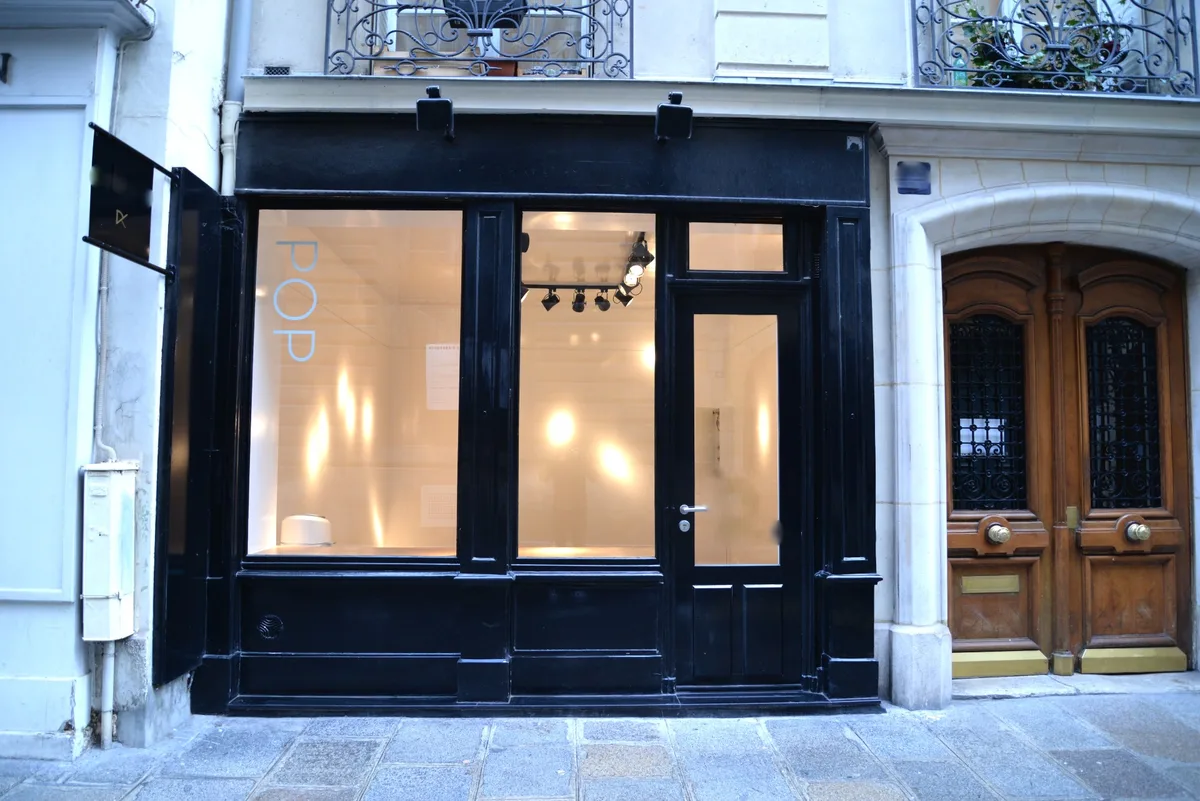
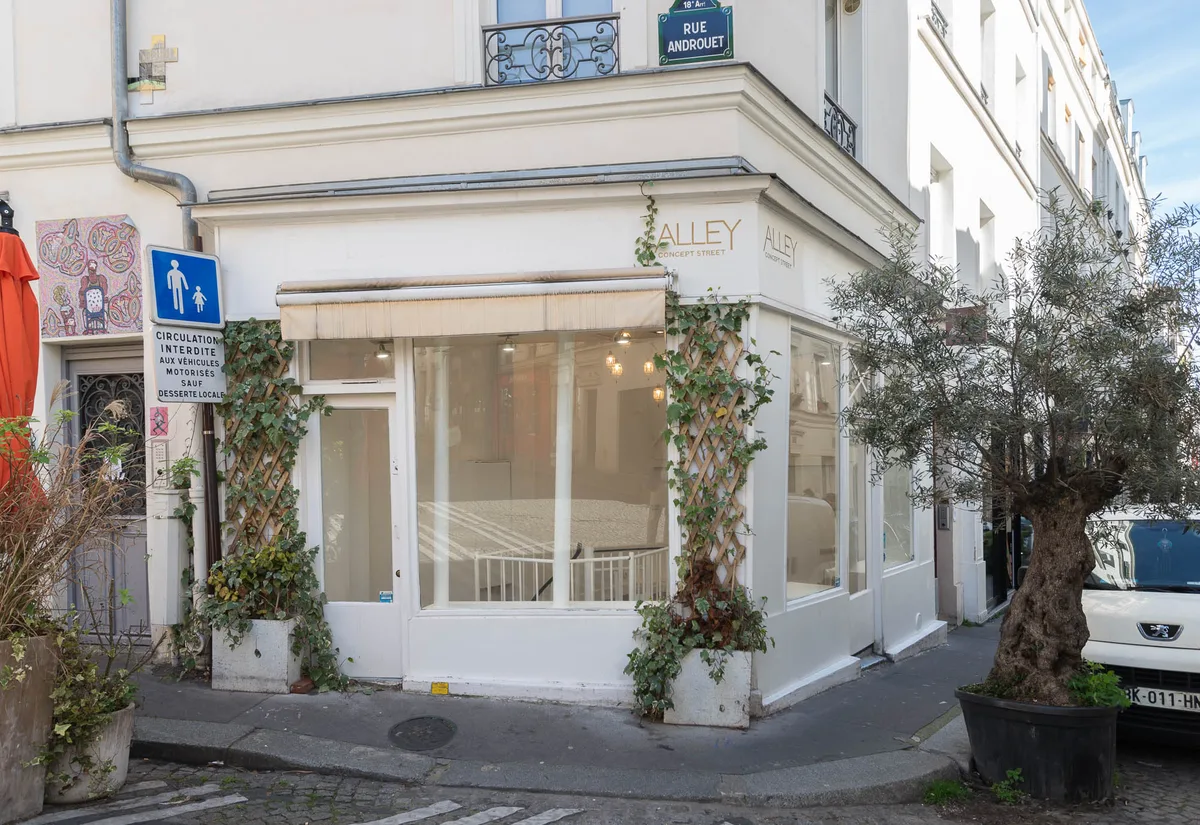
To rent retail space in the 2nd arrondissement of Paris, brands need to understand a distinctive neighbourhood that sits at the intersection of historic finance, emerging creative culture, and some of the city's most resilient commercial foot traffic. The 2nd arrondissement is compact, centrally located, and commercially diverse, offering storefronts, showrooms, gallery-format spaces, and short-term pop-up opportunities across sub-districts that include Sentier, Bourse, Montorgueil, and the boundaries of Les Halles. Whether you are a fashion brand planning a seasonal activation, an international label seeking a temporary showroom during Paris Fashion Week, or a retail team exploring a longer commercial commitment, the 2nd arrondissement presents real options across a range of budgets, formats, and timelines. Fashion Week Venues supports brands looking for pop-up spaces and retail venues across Paris, including in the 2nd arrondissement.
Understanding the 2nd Arrondissement: Geography, Character, and Commercial Context
The 2nd arrondissement is the smallest arrondissement in Paris by area, but its commercial density is disproportionately high. Situated on the Right Bank, it borders the 1st arrondissement to the west and south, the 3rd to the east, and the 9th and 10th to the north. Despite its modest footprint, the arrondissement contains a remarkable range of commercial and cultural identities compressed into its streets.
The district is anchored historically by the Palais Brongniart, formerly the Paris Stock Exchange, and the surrounding Bourse quarter, which gave the arrondissement its long association with finance, publishing, and commerce. The Bibliothèque Nationale de France on Rue de Richelieu adds intellectual and cultural gravity to the area. The Banque de France operates nearby, reinforcing the zone's ties to institutional Paris.
Yet the 2nd arrondissement has changed substantially. Sentier, once the undisputed heart of the French garment and textile trade, has evolved into a hub for tech startups, creative agencies, and independent fashion labels. Coworking spaces and business centres now operate alongside fabric wholesalers and sample-room suppliers. Rue Réaumur, one of the arrondissement's main arteries, has become particularly sought after for offices and commercial space because of its striking Belle Époque architecture, high ceilings, and substantial floor plates.
Rue du 4 Septembre cuts through the arrondissement connecting the Opéra area to the Bourse, making it a commercially active corridor with significant pedestrian flow. Place des Victoires, sitting on the boundary between the 1st and 2nd arrondissements, is one of the most prestigious retail addresses in central Paris, closely associated with luxury fashion houses. Nearby, the axis toward rue Saint-Honoré and the broader Saint-Honoré neighbourhood adds further luxury retail context.
The Montorgueil pedestrian street and its surrounding streets offer a very different commercial register: a market-style, high-footfall zone popular with locals and tourists alike, with a dense concentration of food retailers, independent boutiques, and pop-up concepts. The proximity to Les Halles adds transport connectivity, with one of Paris's busiest interchange stations a short walk to the south.
For brands evaluating space in this arrondissement, the key insight is that the 2nd is not a single market. It contains multiple micro-markets, each with distinct clientele, rental expectations, visibility characteristics, and suitability for different commercial formats. A luxury showroom activation near Place des Victoires operates in an entirely different context from a streetwear pop-up on a Sentier side street, even though they may be separated by only a few hundred metres.
DID YOU KNOW: The Sentier district was historically known as the centre of the Paris textile and ready-to-wear trade. Today it retains fashion industry connections while hosting a new generation of creative and technology businesses, making it particularly relevant for fashion brands seeking commercial space with industry adjacency.
KEY TAKEAWAY: The 2nd arrondissement is commercially diverse, geographically compact, and well-connected. Brands should assess sub-district characteristics carefully because location within the arrondissement affects visibility, clientele, rental terms, and space format availability more than the arrondissement designation alone.
Understanding the geography prepares you to evaluate specific space types and what they realistically deliver in terms of foot traffic, brand positioning, and operational logistics.
Space Types Available When You Rent Retail Space in the 2nd Arrondissement of Paris
The 2nd arrondissement offers a broader range of commercial space typologies than its small size might suggest. Identifying the right space type before beginning your search saves significant time and prevents misalignment between your operational needs and what a particular space can deliver.
Storefronts and Boutique Retail Units
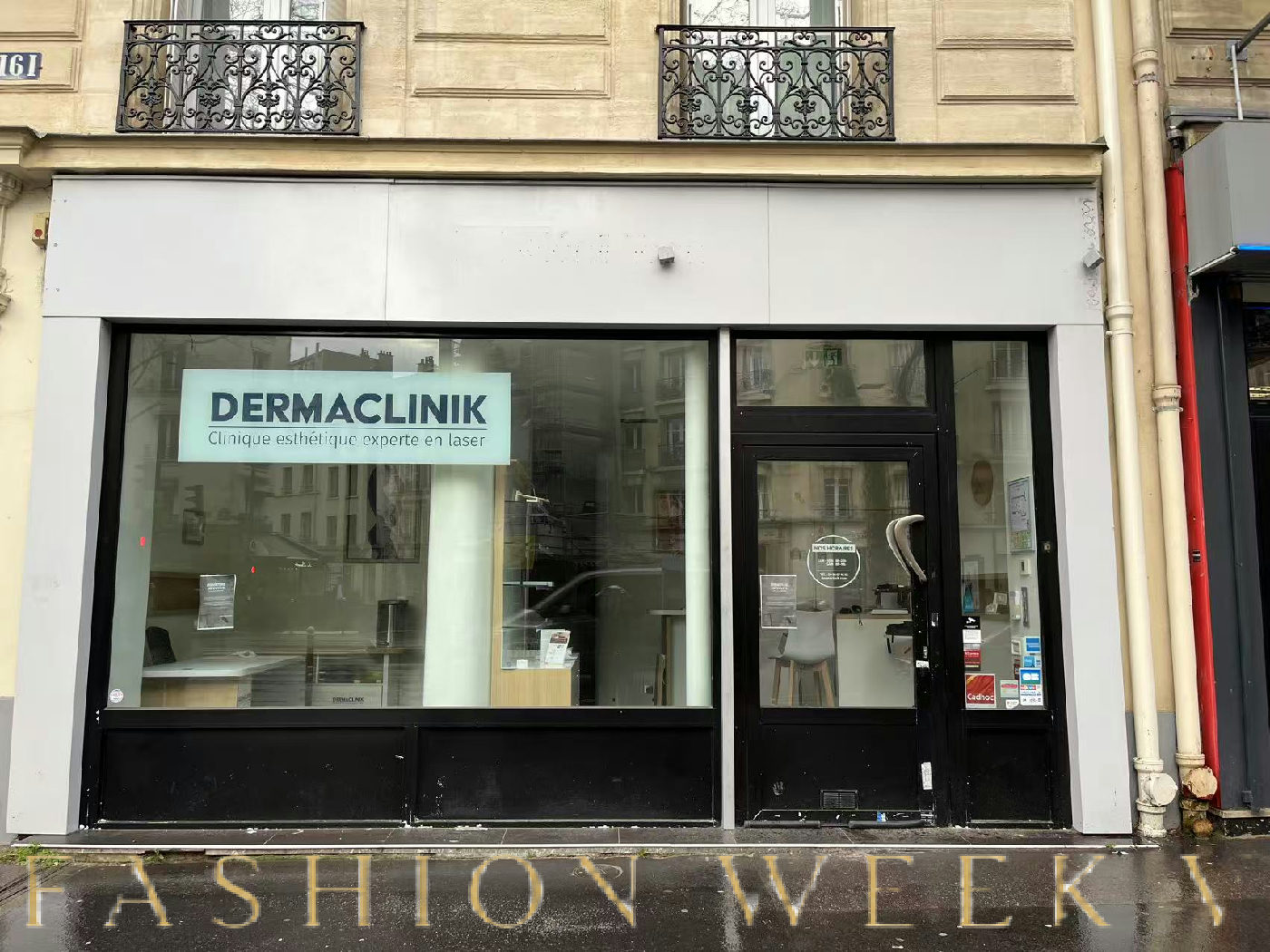
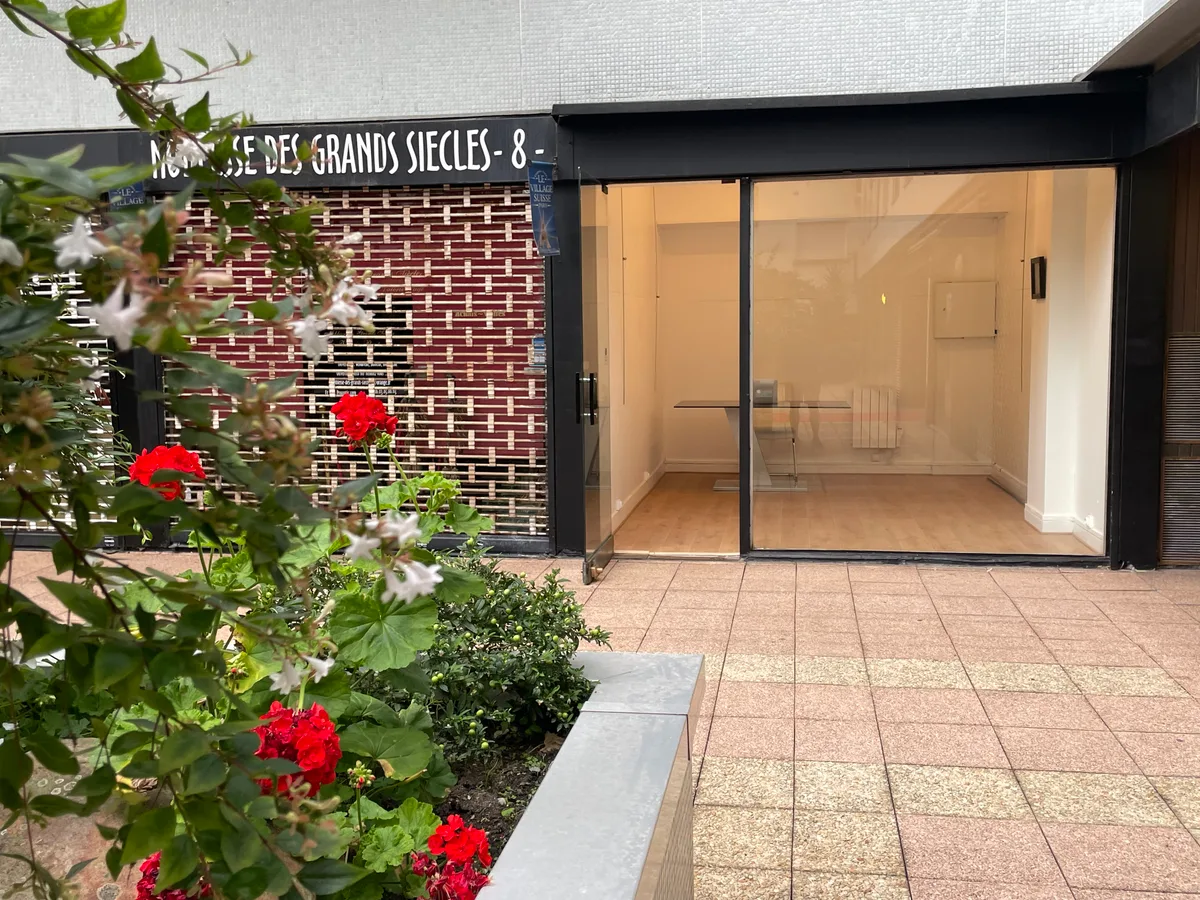
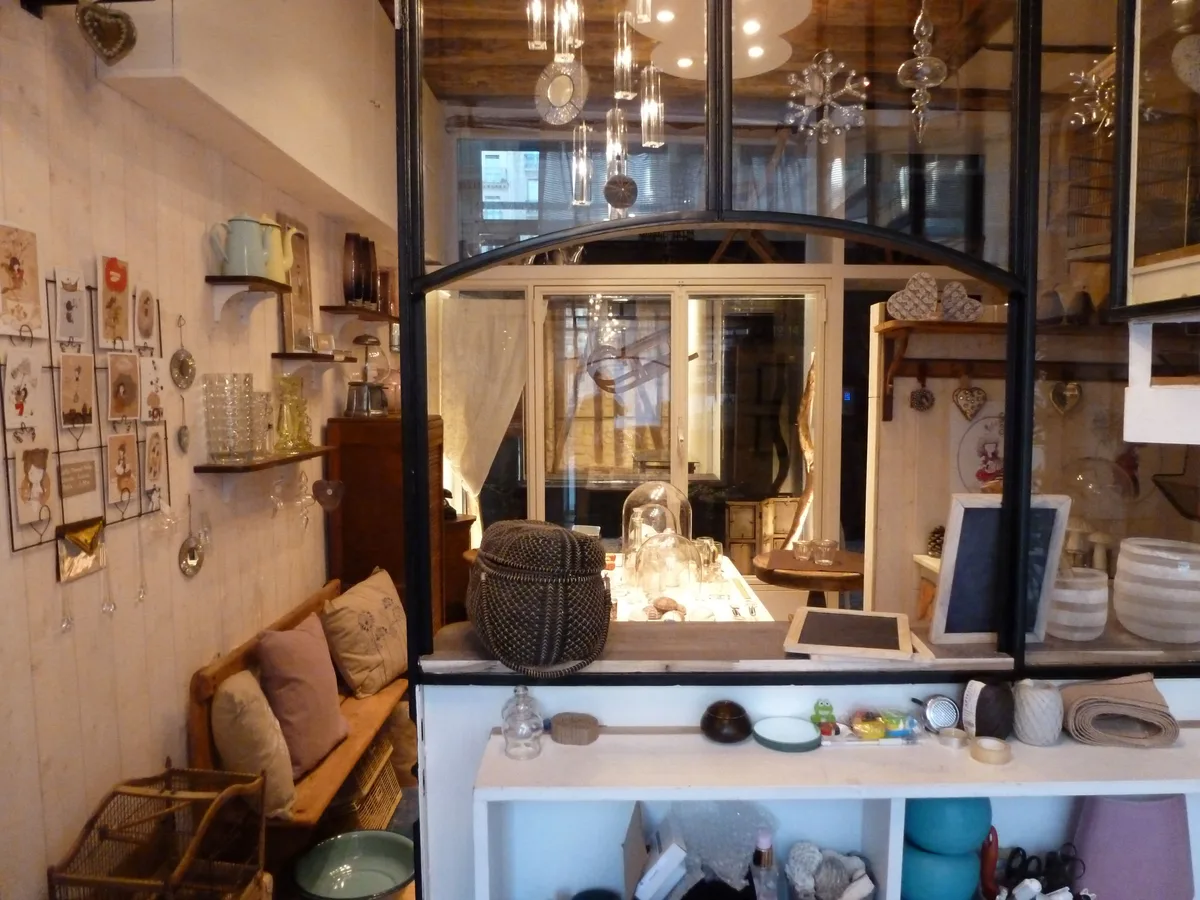
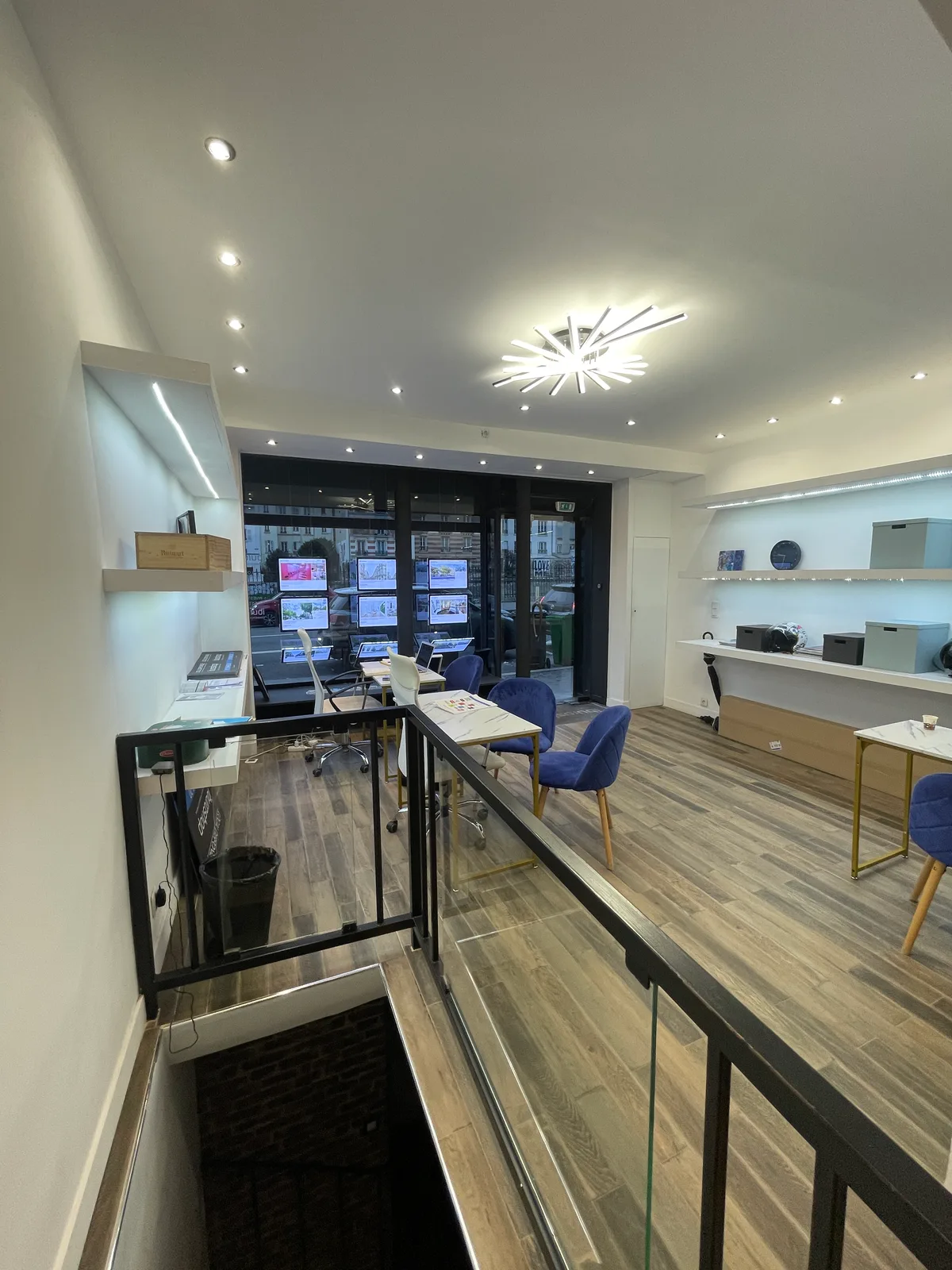
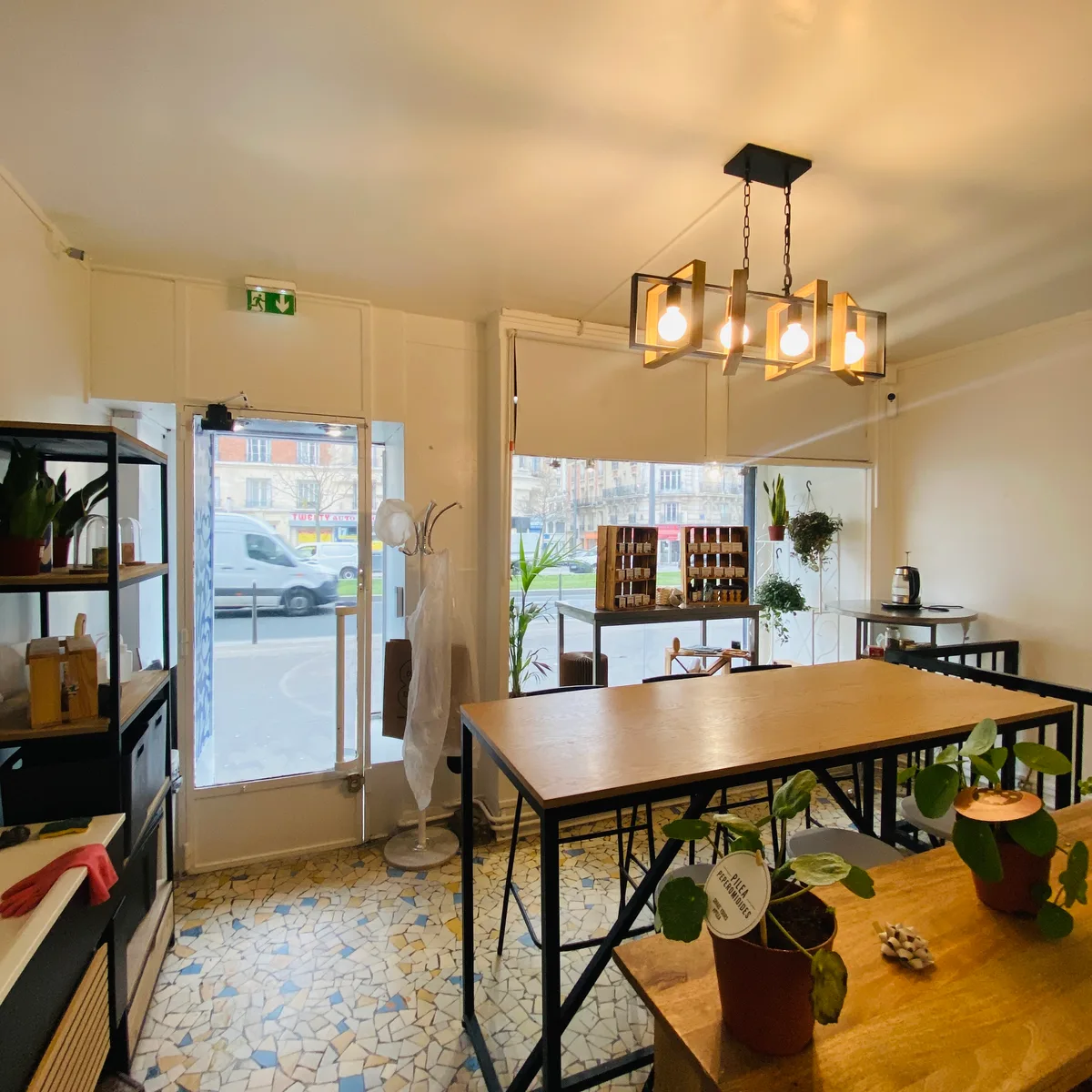
Traditional street-level storefronts and boutique units are available across the arrondissement, from compact single-room formats on side streets to larger double-fronted units on major thoroughfares. These spaces typically offer direct pavement visibility, display window presence, and standard retail infrastructure. On streets such as Rue du 4 Septembre and around Place des Victoires, storefront spaces attract premium rents because of high footfall and prestigious addresses. On quieter Sentier and Bourse side streets, smaller boutique units can offer more accessible terms for emerging brands and short-term activations.
Showrooms and Presentation Spaces
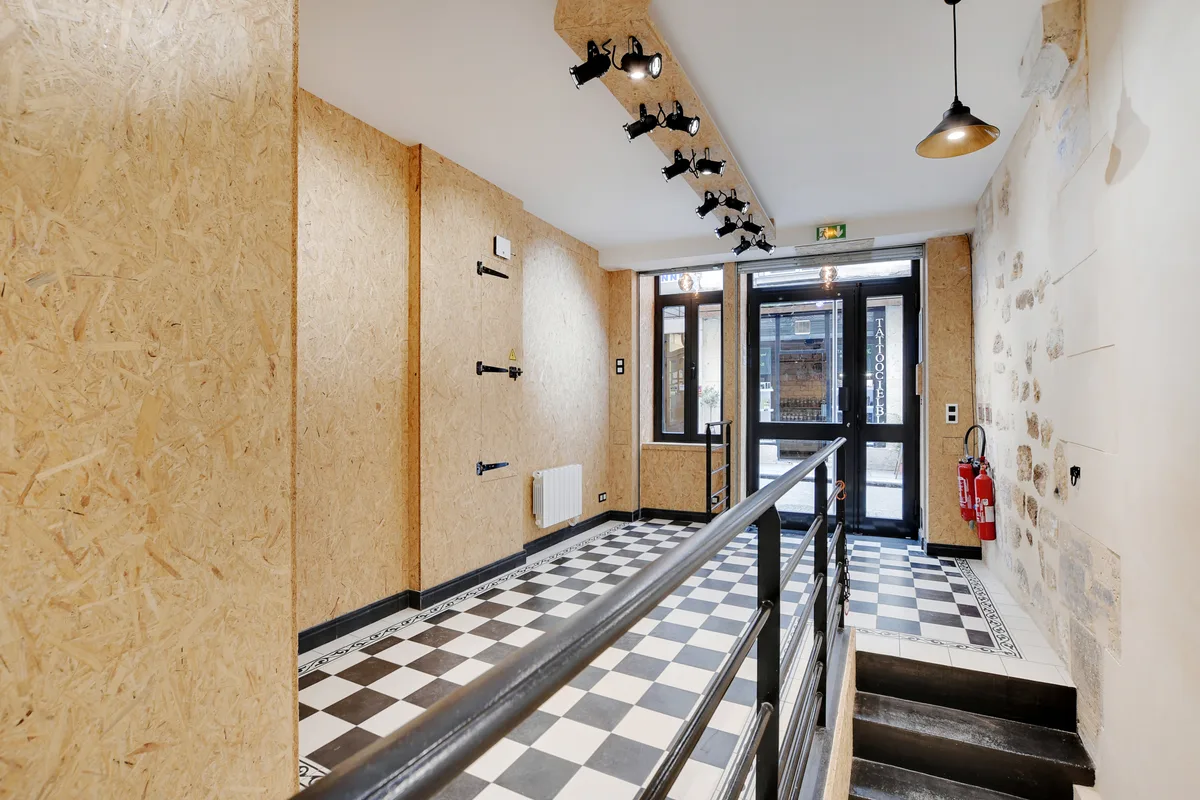
The arrondissement has a strong showroom tradition connected to its history in the garment trade. Showroom spaces in Sentier and along Réaumur Street often feature high ceilings, large windows, open plan layouts, and character features including exposed stone, exposed stone columns, and exposed piping that make them visually distinctive for brand presentations. These spaces are particularly sought after during Paris Fashion Week, when international buyers, press, and stockists attend seasonal appointments. Many showroom spaces in the 2nd can be configured for both trade presentations and direct consumer activations depending on the brief.
Gallery and Creative Spaces
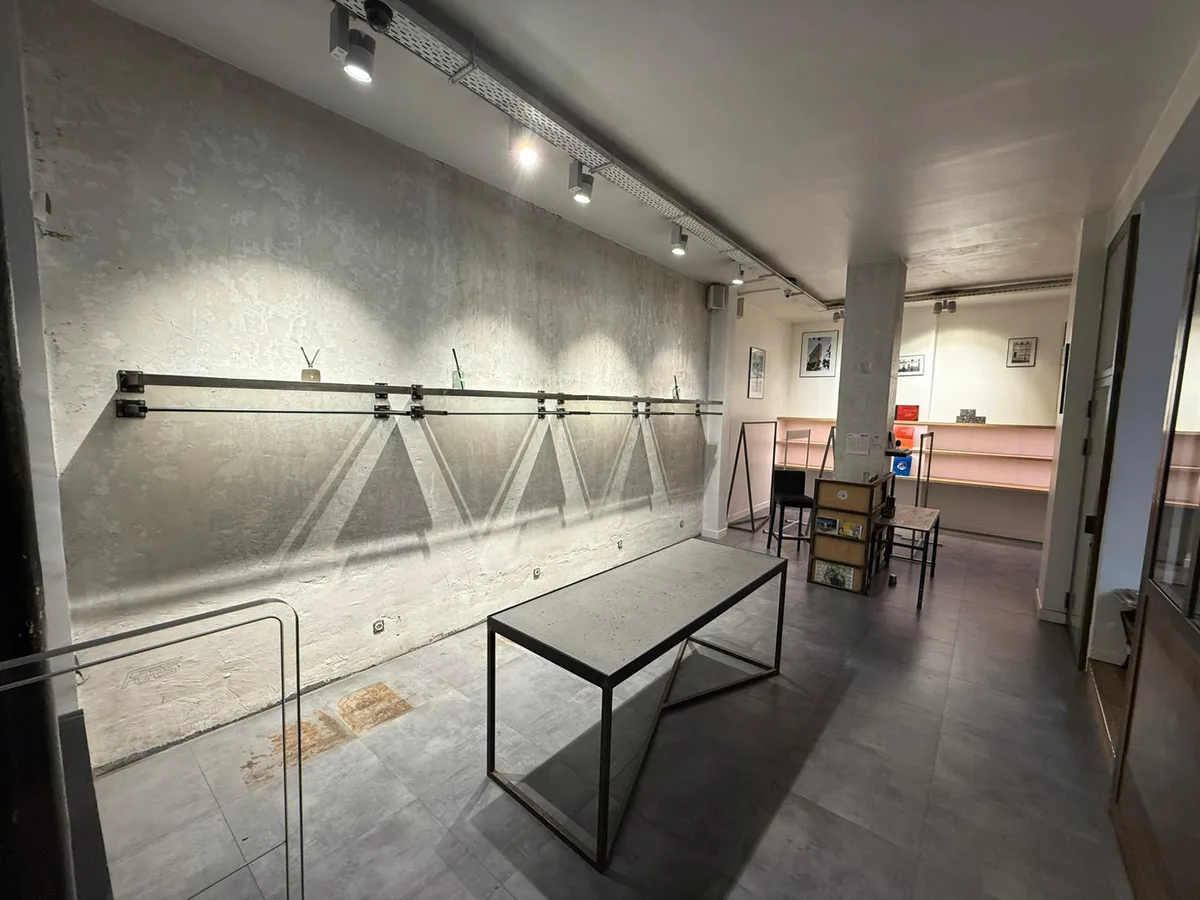
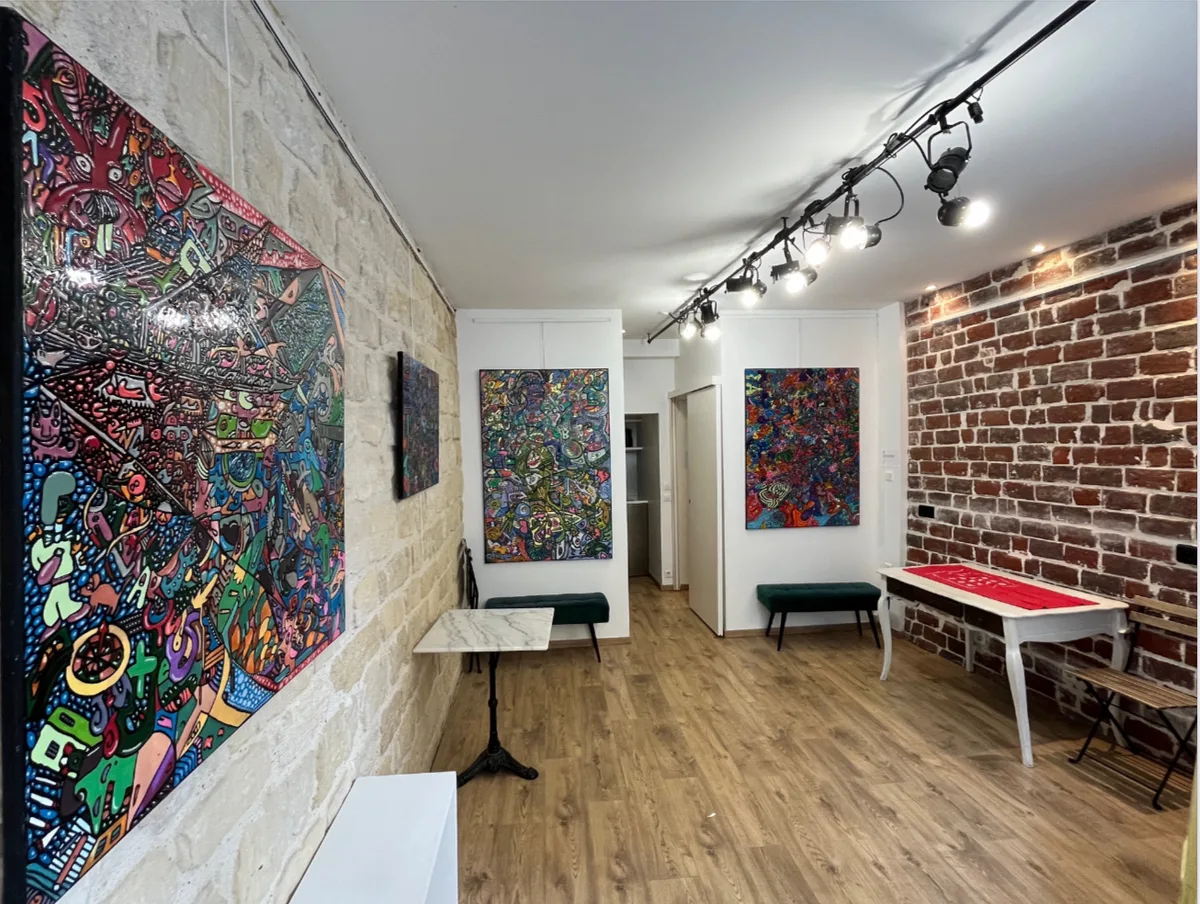
Gallery-format spaces, sometimes listed as Galerie d'art or Espace Créatif, offer white-wall environments with gallery lighting, polished concrete or timber floors, and a neutral aesthetic suited to fashion presentations, product launches, and immersive brand experiences. These spaces are more common in the arrondissement's creative clusters and can be rented for single-day events through to multi-week activations.
Pop-Up Spaces and Short-Term Retail Formats
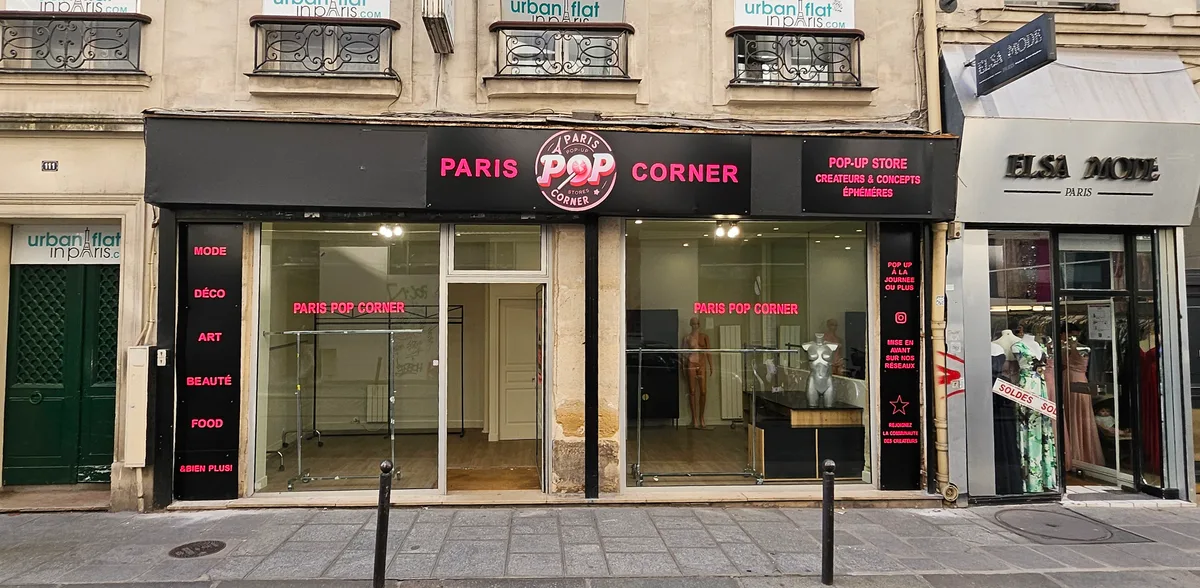
Short-term pop-up formats, including pop-up shops, pop-up stores, and temporary retail units, are increasingly well-established in the 2nd arrondissement. The Montorgueil zone in particular has become a destination for limited-run retail activations because of its market-oriented character and consistent local and visitor footfall. Pop-up formats in the arrondissement range from compact market-style booths through to full boutique fits in temporarily vacated retail units.
Offices, Coworking Spaces, and Business Centres
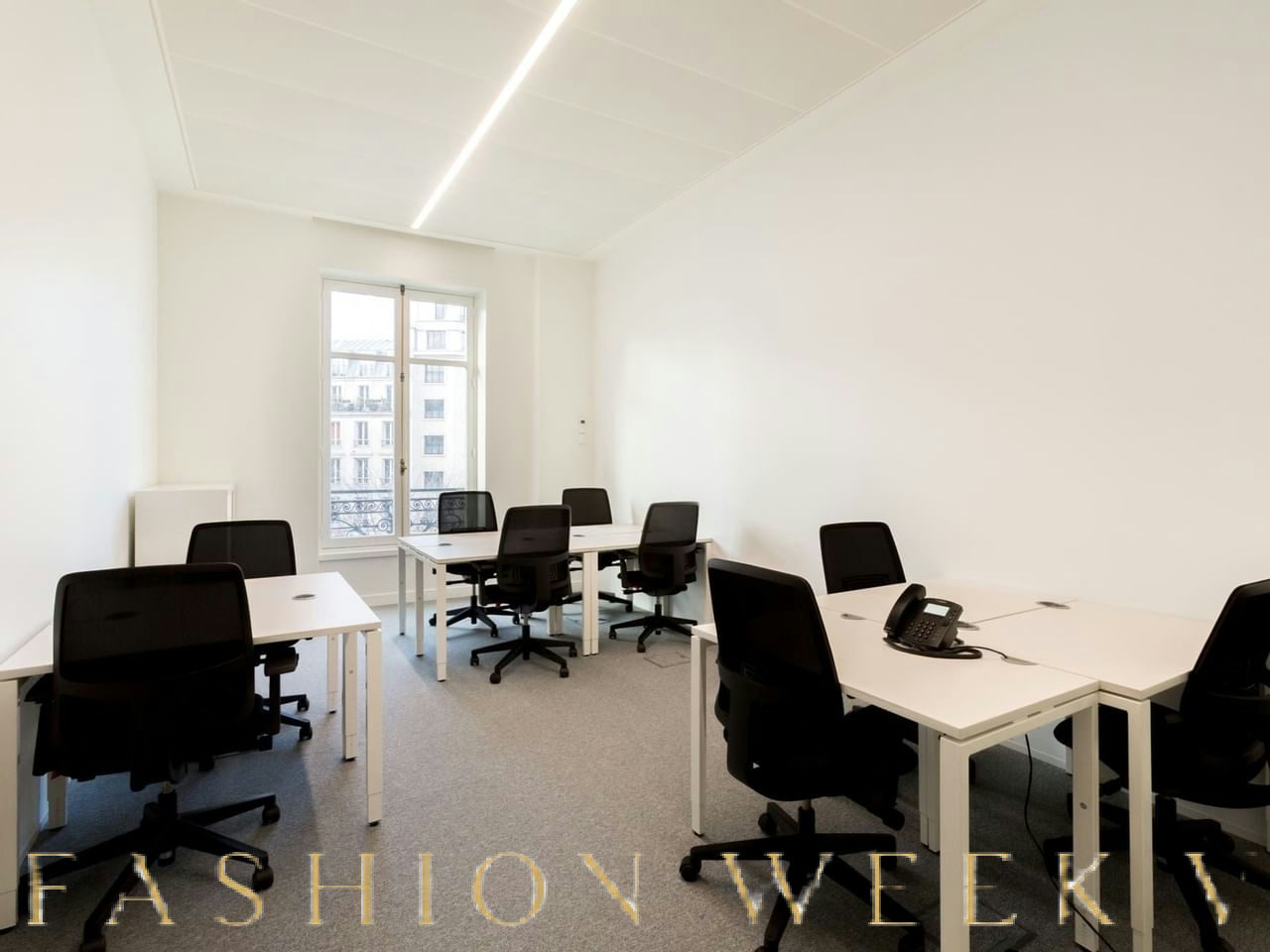
While this guide focuses primarily on retail and activation formats, it is worth noting that the 2nd arrondissement has a dense supply of offices, office spaces, meeting rooms, and business centres, particularly along Rue Réaumur and in the Sentier tech cluster. Brands running extended Paris operations sometimes combine a showroom space with an adjacent office or business centre presence. Coworking spaces in Sentier have become particularly popular with creative and fashion industry teams needing flexible workspace during Paris market weeks.
Loft and Character Spaces
Loft spaces with industrial or historic character are available across Sentier and Bourse, often in converted former textile workshops or publishing houses. These spaces typically feature high ceilings, large windows, raw architectural details, and substantial square metrage, making them suitable for immersive installations, brand exhibitions, and large-scale launch events.
| Space Type | Typical Format | Best Use Case | Key Sub-Districts |
|---|---|---|---|
| Storefront / Boutique | Street-level, display window, 30 to 200 sqm | Direct retail, capsule collection launch | Montorgueil, Rue du 4 Septembre, Place des Victoires |
| Showroom | Upper floor or street level, open plan, 80 to 400 sqm | Trade presentations, press previews, buyer appointments | Sentier, Réaumur Street, Bourse |
| Gallery / Espace Créatif | White box or raw, gallery lighting, 50 to 300 sqm | Brand experience, product launch, art-fashion crossover | Sentier, Bourse perimeter |
| Pop-Up / Short-Term Retail | Flexible, varies, 20 to 150 sqm | Seasonal activation, brand testing, limited edition drop | Montorgueil, Les Halles perimeter, Sentier |
| Loft / Character Space | Industrial conversion, high ceilings, 100 to 600 sqm | Immersive installation, event, large-scale launch | Sentier, Réaumur Street |
| Office / Business Centre | Cellular or open plan, serviced or unserviced | Brand team base, operational hub, media office | Rue Réaumur, Sentier tech cluster |
KEY TAKEAWAY: Space type selection should precede neighbourhood selection in your brief. Different formats carry different legal structures, fit-out requirements, and operational considerations. Matching space type to activation format before beginning your search reduces wasted enquiries and negotiation time.
Once you have a clear view of space type, the next step is understanding the key streets and locations within the 2nd arrondissement and how each performs commercially for different brand profiles.
Key Streets, Landmarks, and Micro-Locations in the 2nd Arrondissement
Location within the 2nd arrondissement materially affects foot traffic patterns, clientele profiles, visibility outcomes, and the brand associations your activation or retail presence will carry. The arrondissement contains several distinct commercial corridors, each worth understanding individually.
Rue Réaumur and Réaumur Street
Rue Réaumur is arguably the arrondissement's most architecturally significant commercial street. Its Belle Époque facades, generous floor heights, and large windows have made it attractive to creative businesses, fashion industry offices, and brands seeking spaces with inherent visual character. The street runs east to west across the northern portion of the 2nd arrondissement and connects readily to both Sentier and the broader Grands Boulevards zone. Space on Réaumur Street tends to attract businesses that value aesthetic quality as much as pure footfall volume.
Rue du 4 Septembre and Place de l'Opéra
Rue du 4 Septembre runs from the Opéra quarter south into the Bourse district, making it a corridor with strong pedestrian flow from commuters, tourists visiting the Palais Garnier, and office workers. The proximity to Place de l'Opéra and Opéra Comique gives this corridor premium commercial positioning. Brands looking for maximum visibility combined with proximity to the prestigious Opéra address will find this street commercially compelling. The address 16-18 Rue du Quatre Septembre has appeared in commercial listings as a representative example of the type of heritage building stock available in this corridor.
Place des Victoires
Place des Victoires sits on the boundary between the 1st and 2nd arrondissements and represents one of the most prestigious commercial addresses in central Paris. The circular Place and its surrounding streets are home to major French fashion houses and luxury brand flagships. Brands occupying space here are positioned within a genuine luxury retail cluster with strong associations to Place Vendôme, rue Saint-Honoré, and the broader Saint-Honoré luxury corridor. Space availability here is limited and competition for units is intense, but for luxury and premium fashion brands, the address equity is significant.
Sentier and Montorgueil
Sentier, centred roughly on Rue Saint-Denis and its surroundings, offers the arrondissement's most accessible commercial rents alongside its highest density of creative and fashion industry occupiers. The adjacent Montorgueil pedestrian street is one of the most visited market streets in Paris, drawing consistent daily footfall from locals, food shoppers, and tourists. The combination of high pedestrian volumes on Montorgueil with the industry-adjacent creative cluster of Sentier makes this zone attractive for emerging fashion brands, streetwear labels, and brands seeking authentic, neighbourhood-rooted activations rather than luxury positioning.
Bourse and Palais Brongniart
The Bourse sub-district, anchored by the Palais Brongniart and its surrounding streets, offers a more institutional commercial character. The area is quieter in terms of pure leisure footfall but carries strong business district associations. Commercial spaces here tend to attract professional services, finance-adjacent businesses, and brands that value address prestige in a more understated register. The Palais Brongniart itself has been used as a large-format event and exhibition venue, and its presence gives the surrounding streets event-traffic uplift on specific dates.
Quick answer: The best location in the 2nd arrondissement for a fashion brand activation depends on your brand positioning. Luxury and premium labels gravitate toward Place des Victoires and the Opéra corridor. Emerging, creative, and streetwear brands find Sentier and Montorgueil more contextually aligned. Showroom-focused brands value Réaumur Street for its architectural character and industry adjacency.
To compare neighbourhoods and space types across the arrondissement, explore the Paris city hub on Fashion Week Venues and shortlist spaces that match your brief, budget, and calendar window.
KEY TAKEAWAY: Sub-district selection within the 2nd arrondissement is a brand positioning decision as much as a logistics decision. Address associations, street character, clientele flow, and neighbouring businesses all shape how your activation is perceived by press, buyers, and consumers.
Rental Terms, Lease Structures, and Legal Frameworks for Commercial Space in Paris
Understanding French commercial lease law is essential before entering any negotiation to rent retail space in the 2nd arrondissement of Paris. The French commercial property system has specific structures that differ materially from the UK, US, and most other major retail markets, and misunderstanding these structures can result in unexpected obligations, costs, or legal exposure.
Bail Commercial: The Standard French Commercial Lease
The standard French commercial lease, known as a bail commercial, is a nine-year lease with a mandatory minimum term, although tenants typically have the right to exit every three years, which is why these leases are commonly referred to as three-six-nine leases. For brands seeking long-term permanent retail presence, a bail commercial is the standard framework. However, the nine-year structure, combined with the associated obligations for fit-out, property tax contributions, and service charges, makes it unsuitable for pop-up activations, short-term showrooms, or temporary brand events.
Bail Dérogatoire: The Short-Term Commercial Lease
The bail dérogatoire is a derogation from the standard nine-year commercial lease that allows parties to agree a commercial occupation for a maximum of three years without triggering the statutory protections of the bail commercial. This structure is widely used for pop-up retail, temporary showrooms, and short-term brand activations. It offers brands flexibility while giving landlords the ability to recover their space without the statutory tenant rights that attach to a full commercial lease. Key requirements include that the bail dérogatoire must be in writing, must clearly state that it derogates from the standard commercial lease protections, and the tenant must vacate at the agreed end date or risk inadvertently converting the arrangement into a full bail commercial.
Convention d'Occupation Précaire
For very short-term occupations, typically a few days to a few weeks, a convention d'occupation précaire can be used. This is not a lease in the traditional sense but a contractual permission to occupy, often used for single-event activations, press day spaces, and short-run pop-up formats. The terms are agreed entirely between parties without the statutory protections of either the bail commercial or bail dérogatoire.
Autorisation d'Occupation Temporaire (AOT)
An Autorisation d'Occupation Temporaire, commonly abbreviated to AOT, applies specifically to the temporary occupation of public domain space, such as pavement terraces, public courtyards, or spaces within publicly managed buildings. For brands planning activations that involve outdoor elements, market-format pop-ups, or temporary structures on public land, an AOT may be required in addition to or instead of a private lease. AOT applications are submitted to the relevant municipal authority and approval timelines vary. Requirements differ by arrondissement, by type of space, and by the nature of the activation.
Property Tax and Service Charges
In French commercial leases, it is common for landlords to pass property tax (taxe foncière) and a proportion of building service charges to tenants, particularly under bail commercial structures. For short-term occupations under bail dérogatoire or convention d'occupation précaire, these obligations are typically negotiated individually and may be absorbed by the landlord, incorporated into an all-inclusive rental rate, or partially passed to the tenant. Brands should clarify this in detail during lease negotiation and seek independent legal advice.
IMPORTANT: French commercial lease law is complex and the consequences of inadvertently triggering bail commercial protections can be significant. Always verify your specific situation with a qualified French legal advisor. Requirements vary by space type, lease duration, and the nature of your commercial activity. The Fashion Week Venues permit guidance tool provides directional information but does not constitute legal advice.
Quick answer: For short-term brand activations and pop-up retail in Paris, the bail dérogatoire is the most commonly used lease structure, permitting occupations of up to three years without triggering full commercial lease protections. Activations measured in days or weeks typically use a convention d'occupation précaire. Public domain activations may additionally require an AOT from the relevant municipal authority.
KEY TAKEAWAY: Legal structure selection is one of the most consequential decisions in renting commercial space in Paris. Short-term brands should use bail dérogatoire or convention d'occupation précaire as appropriate, ensure documentation is explicit and compliant, and take independent French legal advice before signing any commercial occupancy agreement.
How Foot Traffic, Visibility, and Clientele Work in the 2nd Arrondissement
Foot traffic, visibility, and clientele profile are the three commercial variables that most directly determine whether a retail space or pop-up activation in the 2nd arrondissement delivers against your objectives. Each sub-district within the arrondissement delivers these variables in a different configuration.
Foot Traffic Patterns by Zone
Montorgueil and the streets immediately surrounding it generate the highest consistent daily footfall within the arrondissement. The pedestrianised market street format attracts both local shoppers and tourists throughout the day, with peak periods at lunchtime and early evening. This makes it one of the few locations in the 2nd where a retail activation can count on organic walk-in traffic without significant marketing support.
The Opéra corridor and Rue du 4 Septembre generate strong commuter and tourist footfall, particularly in the morning and early evening as office workers move between the Opéra transport hub and the surrounding business district. Weekend footfall here tends to be more tourism-driven, with visitors to the Opéra Garnier and the major department stores on Boulevard Haussmann spilling into adjacent streets.
Sentier and Réaumur Street generate primarily industry and business footfall on weekdays, with lower leisure traffic. For trade-facing activations, this is an advantage. For consumer-facing retail that depends on walk-in discovery, these locations typically require a stronger marketing and invitation strategy to drive traffic to the space.
Place des Victoires generates selective, high-intent footfall. Visitors to this area are typically destination shoppers with above-average spending power, drawn specifically to the luxury fashion cluster. Footfall volumes are lower than Montorgueil or the Opéra corridor, but conversion rates and average transaction values for appropriately positioned brands are materially higher.
Clientele Profiles by Sub-District
Understanding clientele profile helps brands match their space location to their target audience. The Montorgueil zone attracts a broad demographic including local Parisians aged 25 to 55, young professionals from the surrounding creative and tech cluster, and a high proportion of international visitors. The Opéra corridor attracts a strong Japanese and broader Asian tourist demographic, alongside French and international office workers. Sentier attracts industry insiders, startup founders, and creative professionals. Place des Victoires attracts high-net-worth fashion consumers, international luxury buyers, and fashion press.
Visibility Considerations
Visibility in the 2nd arrondissement is shaped by both physical space features and digital discovery. Physical visibility depends on street position, window frontage, signage permissions, and the natural pedestrian sight lines of a given street. Digital visibility, increasingly important for all activations, depends on the brand's ability to generate pre-event awareness through owned and earned media, influencer amplification, and platform listings.
Brands activating in lower-footfall locations such as Sentier showroom streets should build their digital discovery strategy into their pre-activation planning, rather than relying on organic walk-in traffic. The influencer marketing services at Fashion Week Venues are specifically designed to help brands generate awareness and drive targeted traffic to Paris activations, compensating for locations where organic footfall is lower.
Quick answer: For maximum organic consumer footfall in the 2nd arrondissement, Montorgueil and the Opéra corridor offer the best walk-in discovery conditions. For trade-facing showroom activations, Sentier and Réaumur Street provide industry adjacency and architectural character. For luxury brand positioning, Place des Victoires delivers premium clientele at lower volumes.
KEY TAKEAWAY: Foot traffic volume and clientele quality are different variables. High-footfall locations do not always deliver the highest-value clientele for every brand. Match your location to your actual target audience, not simply to the highest footfall number, and build a traffic generation strategy appropriate to your chosen sub-district.
The Paris Fashion Week Calendar and Timing Your 2nd Arrondissement Activation
Paris Fashion Week is the primary calendar anchor for brand activations in the 2nd arrondissement, but it is far from the only viable window. Understanding the full Paris commercial calendar allows brands to identify activation opportunities that align with their budget, competitive context, and strategic objectives.
Paris Fashion Week Windows
Paris Fashion Week takes place twice annually: women's ready-to-wear in late September and early October for the spring-summer collections, and again in late February and early March for the autumn-winter collections. Men's Fashion Week and Haute Couture Week add further high-profile windows in January and July respectively. During these periods, demand for short-term showroom and pop-up space in central Paris, including the 2nd arrondissement, increases significantly and space availability tightens. Brands planning activations during Fashion Week windows should begin their space search a minimum of three to six months in advance, and earlier for larger or more complex activations.
Beyond Fashion Week: Other High-Value Calendar Windows
Paris attracts commercially significant visitor volumes throughout the year, and brands should consider activation windows beyond Fashion Week alone. The January and June sales periods generate high consumer footfall. Maison et Objet in January and September, Paris Design Week in September, and the various international trade fairs held at Paris Expo and Le Bourget throughout the year each bring specific professional and consumer audiences to the city. The summer tourist peak in July and August brings very high visitor volumes to central Paris, including the 2nd arrondissement, although local Parisian footfall drops as residents leave the city.
Lead Times and Planning Horizons
For Fashion Week activations, experienced brands typically begin their Paris space search six months in advance of their target dates. This reflects the tightening supply of suitable spaces during peak windows, the time required for fit-out and production, permit applications, staffing arrangements, and logistical coordination. The Fashion Week Venues timeline planning tool helps brand teams map their activation milestones from initial brief through to opening day, accounting for typical lead times at each stage.
DID YOU KNOW: Brands that secure their Paris space more than four months in advance of their target activation window report significantly greater space choice and more favourable commercial terms than those beginning their search within eight weeks of their required dates. Early commitment is one of the most effective cost management strategies available to brands activating in Paris.
KEY TAKEAWAY: Paris Fashion Week is the highest-profile but not the only valuable calendar window for brand activations in the 2nd arrondissement. Brands with flexible calendars should evaluate multiple windows against their budget and audience objectives, and plan their lead times to start well ahead of their target dates to maximise space availability and negotiating position.
Budget Planning for Renting Retail Space in the 2nd Arrondissement
Budget planning for commercial space rental in the 2nd arrondissement requires an understanding of the full cost stack, not simply the headline rental figure. Many brands underestimate the total cost of an activation because they focus on the space rental rate without accounting for all associated costs.
Rental Rate Ranges
Commercial rental rates in the 2nd arrondissement vary significantly depending on location, space type, size, duration, and the specific lease structure used. Premium addresses near Place des Victoires and the Opéra corridor command the highest rates. Mid-range rates apply across Sentier and Réaumur Street for showroom and office formats. Montorgueil side streets offer more accessible rates for smaller boutique and pop-up formats. It is not appropriate to publish specific per-square-metre figures here as rates fluctuate with market conditions, vacancy rates, and individual negotiation. For directional budget estimates specific to your brief, use the Fashion Week Venues budget calculator.
Beyond the Headline Rent: The Full Cost Stack
The full cost of a commercial space rental in Paris includes, in addition to the base rent, property tax contributions if applicable, service charges, insurance, utility deposits, fit-out and production costs, furniture and equipment, POS and payments infrastructure, staffing, marketing and activation costs, and reinstatement costs at the end of the occupation. For brands new to Paris, the fit-out and staffing components often represent a larger proportion of total cost than anticipated. Reinstatement requirements, which require tenants to return a space to its original condition, can be significant in spaces where substantial fit-out has been undertaken.
Budget Planning Tools and Estimates
Given the variability of costs across the 2nd arrondissement's sub-districts and space types, the most reliable approach to budget planning is to build a detailed cost model for your specific activation brief before beginning space negotiations. This prevents the common situation where a brand agrees on a space before understanding the total cost of the project, resulting in budget overrun or activation compromise. The Fashion Week Venues budget calculator allows brand teams to input their specific parameters and receive directional cost estimates across the key cost categories.
Quick answer: The total cost of renting retail space in the 2nd arrondissement of Paris includes base rent, property tax and service charge contributions, fit-out, furniture, staffing, POS, marketing, and reinstatement. The headline rent figure is typically only a portion of total project cost. Build a full cost model before entering space negotiations.
KEY TAKEAWAY: Budget planning for a Paris retail activation is a full-project exercise, not a single-line rent calculation. Brands that plan the complete cost stack before beginning space negotiations are better positioned to make informed decisions, avoid budget overrun, and select spaces that genuinely fit their financial parameters.
The Practical Process of Renting Commercial Space in the 2nd Arrondissement
The process of renting commercial space in the 2nd arrondissement follows a broadly consistent sequence, although timelines and specific requirements vary by space type, lease structure, and landlord. Understanding the process in advance prevents delays and improves the quality of your negotiations.
| Stage | Activity | Typical Timeline | Key Considerations |
|---|---|---|---|
| 1. Brief Definition | Define space type, location, size, duration, budget, and dates | Week 1 to 2 | Be specific about your must-haves versus nice-to-haves |
| 2. Market Search | Search listings, engage agents and platforms, shortlist spaces | Weeks 2 to 6 | Use multiple sources; act quickly on strong matches |
| 3. Space Visits | View shortlisted spaces in person or via video walkthrough | Weeks 3 to 7 | Assess structural condition, natural light, floor/access, and services |
| 4. Commercial Negotiation | Negotiate rent, lease structure, permitted use, and key commercial terms | Weeks 4 to 8 | Engage a specialist advisor for French lease negotiation |
| 5. Legal Documentation | Prepare and execute lease or occupation agreement | Weeks 6 to 10 | Verify bail dérogatoire compliance; use a qualified French lawyer |
| 6. Permit Applications | Submit any required commercial activity or signage permits | Weeks 4 to 10 | Timelines vary by permit type and arrondissement; start early |
| 7. Fit-Out and Production | Design and install space fit-out, furniture, and brand elements | Weeks 8 to 16 | Build in contingency for access delays and supplier lead times |
| 8. Staffing and Operations Setup | Hire and brief staff, set up POS and payment systems | Weeks 10 to 16 | French employment obligations apply; use a compliant staffing provider |
| 9. Pre-Opening | Soft test operations, brief team, finalise marketing | Week before opening | Test all systems before press or consumer traffic arrives |
| 10. Activation and Close | Run activation, monitor performance, close and reinstate | Activation duration plus 1 to 2 weeks for reinstatement | Document space condition at exit to protect deposit |
TIP: The space visit stage is often the most revealing step in the process. Pay close attention to floor and access conditions, ceiling heights, natural light levels, loading access, proximity to public transport, and the physical condition of the space. These factors directly affect your fit-out costs and operational logistics. Ask about exposed piping, exposed stone, and exposed stone columns, as these architectural features often define the character of spaces in the 2nd arrondissement and may affect your fit-out approach.
For brands that prefer to delegate the end-to-end process rather than manage each stage internally, professional agency support is available. The Fashion Week Venues process page explains in detail how the agency manages each stage of a Paris activation from brief to close.
KEY TAKEAWAY: The rental process for commercial space in Paris is sequential and interdependent. Delays at any stage, particularly legal documentation and permit applications, create downstream pressure on fit-out and opening timelines. Building a realistic timeline at the brief stage and managing each stage proactively reduces risk of delays and additional costs.
Finding Space: Platforms, Agents, and Specialist Agencies
Brands looking to rent retail space in the 2nd arrondissement of Paris have several discovery channels available, each with different strengths, limitations, and relevance depending on their activation type and timeline.
Commercial Real Estate Agents and Brokers
Traditional commercial real estate agents and brokers operating in Paris represent a significant share of available commercial space, particularly for longer-term occupations under bail commercial or bail dérogatoire structures. Agencies such as AXIMMO operate in the Paris commercial property market and hold listings across the central arrondissements. Brokers typically work on a commission basis, with fees payable on transaction completion, which means their interests are aligned with achieving a signed lease. For brands, the key advantage of using an agent is access to unlisted and off-market space, and the benefit of local market knowledge in negotiations with landlords. The limitation is that commission-based agents tend to focus on higher-value, longer-term transactions and may have less capacity for very short activations.
Commercial Property Listing Platforms
Online platforms including LoopNet, CoStar, and SKEPP provide searchable databases of commercial property listings in Paris, including in the 2nd arrondissement. These platforms allow brands to search by space type, size, location, and availability. Listing quality varies, and many listings require direct contact with the listing agent or landlord to obtain detailed information. These platforms are most useful for initial market research and identifying the range of available options before engaging a specialist. Some platforms operate a model where Blue Listings or premium listings receive additional visibility.
Pop-Up Specific Marketplaces
Specialist pop-up marketplaces, including Storefront and the Storefront family of platforms, focus specifically on short-term retail space, making them more directly relevant for brands seeking pop-up shops, short-term boutiques, and temporary brand activations in Paris. These platforms typically feature spaces from landlords who have specifically opted in to short-term rental formats, reducing friction around lease structure discussions. Listings on pop-up platforms typically include space photography, size, features, and indicative pricing, allowing brands to shortlist before making a direct enquiry.
Specialist Fashion and Brand Activation Agencies
For brands seeking a managed, end-to-end solution, specialist agencies that combine space sourcing with production, activation management, staffing, and brand services offer a more comprehensive alternative to pure property search. This approach is particularly valuable for international brands entering Paris for the first time, brands without a permanent local presence, or activations with high creative or operational complexity. The venue sourcing service at Fashion Week Venues provides access to curated spaces across the 2nd arrondissement and broader Paris market, combined with the operational support to move from space selection to live activation efficiently.
Quick answer: Brands can find commercial space in the 2nd arrondissement through traditional agents and brokers, commercial property listing platforms such as LoopNet and CoStar, pop-up specific marketplaces like Storefront, and specialist fashion and brand activation agencies. Each channel has different strengths. Specialist agencies offer the most comprehensive support for brands seeking an end-to-end managed activation.
KEY TAKEAWAY: No single discovery channel covers the full market. Effective space search in Paris typically combines platform research for initial market scanning with direct agent engagement and specialist agency support for space negotiation and activation management. International brands particularly benefit from local expertise at the negotiation and legal documentation stages.
How Fashion Week Venues Supports Brands Renting Space in the 2nd Arrondissement
Fashion Week Venues is a full-service pop-up shop agency and space marketplace with Paris as its primary and anchor market. For brands planning activations in the 2nd arrondissement, the agency provides support across every stage of the project, from initial space discovery through to post-activation data analysis.
Space Discovery and Venue Sourcing
The Fashion Week Venues marketplace lists curated short-term retail spaces, showrooms, galleries, and boutique formats across Paris, including in the 2nd arrondissement's key sub-districts. Brands can browse the marketplace to understand the available inventory, filter by space type, size, and location, and use the compare tool to evaluate shortlisted options side by side. The venue sourcing team can also conduct bespoke searches for spaces not listed on the public marketplace, accessing off-market inventory and landlord relationships built over multiple seasons in Paris.
Concept Direction and Space Visualisation
Once a space is identified, the agency's concept direction service helps brands develop a spatial concept that maximises the performance of the chosen location. The Imagine tool allows brand teams to visualise how a space could be fitted out and configured before committing to a detailed design brief. This is particularly useful for spaces with distinctive architectural features common in the 2nd arrondissement, such as exposed stone, high ceilings, and period facades, where the relationship between the brand aesthetic and the space character needs careful consideration.
Production, Build, and Fit-Out
The production and build service covers the physical transformation of a raw or previously occupied space into a branded retail environment. This includes design and construction of custom fit-out elements, furniture specification and procurement, lighting, signage, and all associated logistics. The Build planning tool helps brand teams scope their fit-out requirements and understand production timelines before committing to a space.
Activation Management, Staffing, and Operations
Running a retail activation in Paris involves operational complexity that many international brands underestimate. The activation management service covers day-to-day operational management of the space, including opening and closing procedures, inventory management, consumer experience delivery, and event management. The retail staffing service provides Paris-based sales staff, brand ambassadors, and event support personnel who understand the local market and can represent the brand professionally in French and English. POS and payments infrastructure is provided and configured for the French market, removing a common technical obstacle for international brands.
Tools for Independent Planning
For brand teams that prefer to manage their own process, Fashion Week Venues provides a suite of planning tools including a budget calculator for cost estimation, an ROI calculator for outcome modelling, a timeline tool for project planning, a permits guidance tool for compliance orientation, and a locator tool for space geography research. These tools are available independently of the agency's managed services and allow brand teams to build well-informed briefs before engaging in space search or agency discussions.
Understanding Limitations
Fashion Week Venues does not guarantee the availability of specific spaces, the approval of permits, or specific commercial outcomes from any activation. Space availability changes continuously, particularly during peak Fashion Week windows. The agency's tools provide directional guidance, not legal or financial advice. Brands should always verify permit requirements, lease terms, and legal obligations with qualified French advisors. The agency's role is to reduce complexity, improve brief quality, and provide experienced operational support, not to substitute for independent professional advice on legal or financial matters.
Quick answer: Fashion Week Venues provides end-to-end support for brands renting space in the 2nd arrondissement of Paris, covering space discovery, concept direction, production, activation management, staffing, POS, and data analytics. The agency also offers a suite of independent planning tools for brand teams managing their own process. Services are available individually or as a managed end-to-end package.
KEY TAKEAWAY: Brands that engage specialist agency support for Paris activations consistently reduce lead times, avoid common compliance pitfalls, and access better-quality spaces than those searching the market independently for the first time. The guide to hiring a pop-up agency on Fashion Week Venues helps brand teams understand how to evaluate agency relationships and what to expect from a professional agency partnership.
The 2nd Arrondissement Versus Other Paris Retail Districts: A Comparative View
Understanding how the 2nd arrondissement compares to other central Paris commercial districts helps brands make an informed decision about where their activation or retail space will deliver the best strategic return.
| District | Key Character | Typical Space Types | Best For | Relative Rental Level |
|---|---|---|---|---|
| 2nd arrondissement (Sentier, Bourse) | Creative, industry, emerging fashion | Showrooms, lofts, character spaces | Trade presentations, creative brands, industry activations | Mid to high |
| 2nd arrondissement (Montorgueil) | Market character, high daily footfall | Boutiques, pop-ups, storefronts | Consumer brands, food and lifestyle crossovers, accessible fashion | Mid range |
| 1st arrondissement (Palais Royal, Les Halles) | Heritage, luxury adjacency, tourism | Gallery spaces, luxury boutiques, showrooms | Luxury fashion, brand heritage presentations | High to premium |
| 3rd and 4th arrondissement (Le Marais, Paris 4ème arrondissement) | Creative, gallery-led, design-conscious | Gallery spaces, concept stores, lofts | Concept-led brands, art-fashion crossovers, emerging designers | Mid to high |
| 8th arrondissement (Saint-Honoré, Vendôme) | Ultra-luxury, international flagship zone | Luxury flagships, private showrooms | Established luxury houses, ultra-premium activations | Premium |
| 9th and 10th arrondissement | Emerging, culturally diverse, high footfall | Concept stores, pop-ups, multi-use spaces | Emerging fashion, streetwear, culturally engaged brands | Mid range |
The Marais, specifically the 3rd and Paris 4ème arrondissement areas, is perhaps the most direct comparator for brands considering the 2nd arrondissement. Both districts offer a creative, gallery-adjacent commercial environment with strong fashion industry associations. The Marais has higher leisure footfall, particularly at weekends, and a very well-established track record for concept stores and limited-edition retail activations. Spaces like those associated with Les Enfants Rouges market zone in the 3rd arrondissement offer a parallel to Montorgueil's market character in the 2nd.
The 1st arrondissement, with its proximity to Palais Royal and the luxury corridor of rue Saint-Honoré, offers spaces with arguably the most prestigious address equity in Paris for fashion brands. However, rental levels are correspondingly higher and availability of suitable short-term spaces is more constrained.
The 2nd arrondissement offers a genuine value proposition for brands that want central Paris positioning with fashion industry adjacency, architectural character spaces, and access to a professional and creative clientele, without the premium rental costs of the 1st or 8th arrondissements.
KEY TAKEAWAY: The 2nd arrondissement occupies a distinctive middle ground in the Paris commercial landscape: more accessible in rental terms than the 1st or 8th, with stronger industry adjacency and architectural character than many outer arrondissements, and a more varied commercial palette than the Marais. For creative, fashion-industry-adjacent, and emerging luxury brands, it offers a particularly compelling combination of positioning and practicality.
Common Myths About Renting Retail Space in Paris Debunked
MYTH: You need a French legal entity to rent commercial space in Paris.
FACT: International brands and non-French entities can and do rent commercial space in Paris. Landlords and space providers, particularly those accustomed to short-term and pop-up formats, regularly contract with foreign companies. However, having a French legal entity or a local guarantor can simplify the process and give landlords greater confidence. For very short-term occupations, the documentation requirements are typically less onerous. Brands should verify their specific situation with a qualified French legal advisor and a specialist agency with existing landlord relationships.
MYTH: Paris Fashion Week is the only viable calendar window for brand activations in the 2nd arrondissement.
FACT: Paris Fashion Week is the highest-profile window, but the city generates commercially significant visitor volumes across the entire year. The January and June retail sales periods, major trade fairs, the summer tourism peak, and the September design and fashion season all offer viable activation windows. Brands with flexible calendars often achieve better space availability, more favourable commercial terms, and less competitive noise by activating outside the peak Fashion Week windows.
MYTH: Commission-based brokers are the only way to find a commercial space in Paris.
FACT: Multiple channels exist for finding commercial space in the 2nd arrondissement, including online platforms such as LoopNet, CoStar, and SKEPP, pop-up specific marketplaces such as Storefront, direct landlord relationships, and specialist fashion and brand activation agencies such as Fashion Week Venues. Commission-based brokers have advantages in terms of off-market access and negotiation support but are not the only, or always the best, route to market for all brands and activation types.
MYTH: Short-term commercial leases in France are straightforward and require no specialist legal input.
FACT: French commercial lease law is complex and specific. The distinction between a bail commercial, bail dérogatoire, and convention d'occupation précaire carries significant legal and financial consequences. Errors in documentation, particularly inadvertently triggering bail commercial protections in a short-term arrangement, can have material and costly implications. All brands renting commercial space in Paris, regardless of duration, should take independent advice from a qualified French legal advisor before signing any occupancy agreement.
MYTH: A high-footfall location in Paris automatically delivers strong activation results for any brand.
FACT: Footfall volume and footfall quality are different things. High pedestrian counts in tourist-heavy or commuter corridors do not automatically translate into qualified brand engagement or commercial conversion for fashion and lifestyle brands. The relevance of passing footfall to the brand's specific target audience, the quality of the space's visibility and presentation, and the effectiveness of the brand's marketing strategy around the activation all have greater influence on outcomes than raw footfall numbers alone.
Frequently Asked Questions About Renting Retail Space in the 2nd Arrondissement of Paris
Why rent retail or temporary space in the 2nd arrondissement of Paris specifically?
The 2nd arrondissement offers a combination of central location, strong fashion industry heritage, architectural character, and commercial diversity that few other Paris districts can match at comparable rental levels. The Sentier district provides industry adjacency for trade-facing activations, while Montorgueil and the Opéra corridor offer strong consumer footfall. Place des Victoires provides prestigious luxury positioning. For brands seeking Paris presence with a genuine character address and credible fashion industry context, the 2nd arrondissement delivers across a range of budgets and activation formats.
What types of commercial properties are available in the 2nd arrondissement of Paris?
The 2nd arrondissement offers a wide range of commercial space types including street-level storefronts, showrooms, gallery and creative spaces, pop-up retail units, loft and character spaces, offices, meeting rooms, business centres, and coworking spaces. The arrondissement's historic textile industry legacy means showroom spaces with architectural character, including high ceilings, large windows, and period facades, are particularly well represented. Charming Boutique formats and Espace Créatif listings are common in Sentier and along Réaumur Street.
How long can a brand rent a temporary retail space in the 2nd arrondissement?
Duration depends on the lease structure and landlord appetite. Very short activations of one day to a few weeks typically use a convention d'occupation précaire. Medium-term occupations of one month to three years can use a bail dérogatoire. Longer-term occupations use a bail commercial with its nine-year statutory structure. For brand activations and pop-up formats, the bail dérogatoire is the most commonly used structure, permitting flexible terms within a three-year maximum. Availability of specific short-term slots varies by space and by season.
Do I need a French company to rent commercial space in Paris?
No, a French legal entity is not a legal prerequisite for renting commercial space in Paris. International companies regularly rent commercial space under French lease law. However, some landlords, particularly for longer-term or higher-value occupations, may request a French guarantor or additional security to mitigate collection risk. For very short-term pop-up formats, the documentation and entity requirements are typically less restrictive. Always verify your specific legal and structural situation with a qualified French legal advisor before signing any agreement.
What is a bail dérogatoire and why does it matter for pop-up brands?
A bail dérogatoire is a French commercial lease that derogates from the standard nine-year bail commercial. It permits commercial occupation for a maximum of three years without triggering the statutory tenant protections that attach to a full commercial lease. For pop-up brands and short-term retail activations, the bail dérogatoire is the most commonly used legal structure because it offers flexibility and a defined end date. It must be in writing and must explicitly state the derogation intent. If the tenant remains in occupation after the agreed end date, the arrangement risks converting into a full bail commercial, which creates significant ongoing obligations.
What is an AOT and when does a brand need one in Paris?
An Autorisation d'Occupation Temporaire, or AOT, is a permit required for the temporary occupation of public domain space in Paris. This applies to situations such as pavement installations, temporary structures on public land, outdoor market-format pop-ups, and occupations of publicly managed buildings or spaces. If your activation involves any element on public land, including outdoor signage, pavement elements, or external structures, an AOT application may be required. Approval timelines and specific requirements vary by arrondissement and by the nature of the installation. Start AOT applications as early as possible. The permits guidance tool provides directional information to help brands understand what may be required for their specific activation format.
How far in advance should a brand search for space in the 2nd arrondissement for Paris Fashion Week?
For Fashion Week activations, experienced agencies recommend beginning the space search a minimum of three to six months before the target activation dates. For larger, more complex activations, or for brands with specific and non-negotiable space requirements, searching six months or more in advance is strongly advisable. During peak Fashion Week windows, suitable space is absorbed quickly by brands that commit early. Waiting until eight to twelve weeks before your required dates significantly reduces available options and often increases rental costs due to reduced negotiating leverage.
How does the 2nd arrondissement compare to Le Marais for fashion brand activations?
Both districts offer creative, fashion-industry-relevant commercial environments with strong character spaces and established brand activation track records. Le Marais generates higher leisure footfall, particularly at weekends, and has a very well-developed ecosystem for concept retail and temporary activations. The 2nd arrondissement offers stronger trade and industry adjacency through the Sentier cluster, more architectural character along Réaumur Street, and in some cases more accessible rental terms for brands not requiring Le Marais's premium positioning. The right choice depends on your target audience, brand positioning, and activation format.
What are the typical costs involved in renting a pop-up space in central Paris?
The full cost of a Paris pop-up activation includes base rent, service charges and property tax contributions if applicable, fit-out and production, furniture and equipment, POS and payments setup, retail staffing, marketing and activation costs, insurance, and reinstatement. The base rent represents only a portion of the total project cost, and brands frequently underestimate the production and staffing components in particular. For a cost estimate specific to your brief, format, and target dates, use the Fashion Week Venues budget calculator tool to build a directional cost model before beginning space negotiations.
Can a brand share a space with another brand in the 2nd arrondissement?
Yes, co-activation or space-sharing formats are used by brands in Paris for several practical and strategic reasons. Co-activation reduces individual cost exposure, creates collaborative brand associations, and can generate greater press and consumer interest than a single-brand activation. Fashion Week Venues offers a Twin concept specifically designed for co-activation scenarios, allowing two complementary brands to share a space with a clear spatial and operational structure. Co-activation works best when the two brands share a target audience but are not in direct competition, and when both brands are aligned on the creative concept and operational management of the space.
What is the difference between a storefront and a showroom in the context of Paris activations?
A storefront typically refers to a street-level retail space with direct pavement visibility, display windows, and a consumer-facing orientation. A showroom, in the Paris context, typically refers to a space configured for trade presentations, press appointments, and buyer visits, often on an upper floor, with more emphasis on product display and appointment-based access than on organic walk-in consumer traffic. In practice, many spaces in the 2nd arrondissement can function as either, depending on fit-out configuration, and some brands use the same space for both trade and consumer purposes during the same activation window.
How important is public transport access when choosing a space in the 2nd arrondissement?
Public transport access is a significant practical consideration for both staff and visitors to a Paris commercial space. The 2nd arrondissement is well-served by the Paris Metro, with stations including Sentier, Bourse, Réaumur-Sébastopol, Opéra, and Les Halles providing access across the arrondissement and connecting to the broader city network. Transport options for the arrondissement are generally strong compared to outer Paris locations, reducing logistical friction for team members, visitors, and delivery suppliers. When evaluating specific spaces, assess the nearest Metro stations, the proximity to RER connections, and ease of access for freight and supplier deliveries.
Should a brand use a commercial real estate agent or a specialist pop-up agency for a Paris activation?
The right choice depends on your activation type, timeline, and internal capacity. Traditional commercial real estate agents are well-suited to longer-term occupations and have strong off-market access and negotiation expertise in the French property market. Specialist pop-up agencies like Fashion Week Venues are better suited to short-term activations, particularly for brands without an existing Paris presence, as they combine space access with production, activation management, staffing, and operational support. For complex international activations with tight timelines, a specialist agency typically delivers better outcomes than a property-only broker. The guide to hiring a pop-up agency on Fashion Week Venues provides a detailed framework for making this decision.
What role does data and analytics play in a Paris retail activation?
Data and analytics are increasingly central to justifying and improving the commercial performance of brand activations in Paris. Tracking metrics such as footfall, dwell time, conversion rates, average transaction value, and customer acquisition cost allows brands to evaluate the ROI of their Paris presence and make evidence-based decisions for future activations. Fashion Week Venues provides data and analytics services that capture these metrics during an activation, providing brand teams with structured performance reporting. This data also supports post-activation presentations to senior stakeholders and informs brief development for subsequent seasonal activations.
Is it possible to find spaces in the 2nd arrondissement suitable for both retail and events?
Yes, a number of spaces in the 2nd arrondissement, particularly larger showroom formats, gallery spaces, and character lofts, are suitable for both retail operations and event formats. These spaces can be configured differently across the day or across the activation period, hosting press and trade events in the morning and opening to consumers in the afternoon, for example. Flexibility of use should be discussed with the landlord or space provider during commercial negotiation and, where relevant, reflected in the permitted use clause of the lease or occupation agreement. Multi-use activations often deliver stronger press and social coverage because they combine the newsworthy quality of an event with the commercial traction of an ongoing retail operation.
Conclusion: Your Next Steps to Rent Retail Space in the 2nd Arrondissement of Paris
Renting retail space in the 2nd arrondissement of Paris is a multi-stage decision that involves neighbourhood selection, space type matching, legal structure selection, budget planning, permit compliance, fit-out production, and operational setup. The arrondissement offers genuine commercial diversity, from the luxury positioning of Place des Victoires and the fashion industry adjacency of Sentier, to the high-footfall consumer market of Montorgueil and the architectural character of Réaumur Street. Each sub-district delivers a distinct combination of visibility, clientele, and commercial context that suits different brand profiles and activation objectives.
The most successful brand teams in Paris combine early planning with specialist local knowledge, sound legal advice, and an operationally rigorous approach to the full cost stack. They do not approach the search as a simple property transaction, but as a strategic and creative project requiring expertise across multiple disciplines simultaneously.
Whether you are planning a one-week pop-up during Paris Fashion Week, a two-month showroom for a brand relaunch, or a longer-term boutique presence in a key Paris neighbourhood, the process benefits from clarity of brief, realism about budget, and the right advisory and operational support from the earliest stage.
To move from research to activation, start exploring available spaces on the Fashion Week Venues marketplace and build a focused brief for your target neighbourhood, space type, and calendar window.