To rent retail space near the Eiffel Tower Paris is to position your brand at the intersection of the world's most visited landmark and one of the most competitive luxury retail corridors on earth. The surrounding arrondissements attract tens of millions of international visitors each year, making them viable territory not just for flagship retail but for high-impact pop-up stores, fashion showrooms, gallery-style brand activations, and temporary retail experiences tied to Fashion Week calendars and seasonal campaigns. Fashion Week Venues supports brands seeking pop-up spaces in Paris across every major neighbourhood, from the Trocadéro and Champ de Mars to the Golden Triangle, Saint-Germain-des-Prés, and Le Marais, with full-service support from venue sourcing through to activation management and staffing.
Why the Eiffel Tower District Matters for Retail and Brand Activation
The Eiffel Tower is not simply a monument. It is a gravitational force for global foot traffic, cultural prestige, and brand visibility. Built by Gustave Eiffel for the 1889 World's Fair on the Champ de Mars, the structure now attracts roughly seven million paid visitors per year according to the Société d'Exploitation de la Tour Eiffel, making it the most visited paid monument in the world. The surrounding zone, including the Trocadéro esplanade, the Pont d'Iéna, Quai Branly, and the residential streets of the 7th and 16th arrondissements, draws a disproportionate concentration of high-spending international tourists.
For brands considering temporary retail or pop-up activation in this zone, the logic is straightforward. Visitor dwell time around the Eiffel Tower is high. Tourists walk to and from the Métro stations at Trocadéro, Bir-Hakeim, and Champ de Mars Tour Eiffel. They move along Quai Branly and through the residential streets of the 7th arrondissement. A well-positioned storefront or boutique activation in this corridor captures attention from visitors who are already in a spending and discovery mindset.
The cultural dimension matters equally. The Eiffel Tower has been used in visual campaigns by virtually every major fashion house. Shooting a campaign with the tower as a backdrop is standard for luxury brands. Operating a physical retail activation within walking distance of the tower adds a tangible layer to that association. It places your brand inside the lived experience of Paris rather than merely referencing it from a distance.
The gastronomy context is also worth noting for experiential activations. The tower itself houses the Michelin-starred restaurant Jules Verne, operated by chef Frédéric Anton, as well as Madame Brasserie and the Thierry Marx-linked culinary concept. Pierre Hermé operates a Macaron Bar nearby. Bernardaud has presented collections in connection with Paris dining culture. This ecosystem of luxury gastronomy and design reinforces the premium positioning of the neighbourhood for retail activations targeting affluent clientele.
Quick answer: The Eiffel Tower district is valuable for retail and brand activation because it combines the highest concentration of international tourist foot traffic in Paris with a cultural prestige that reinforces luxury and fashion brand positioning. The surrounding streets in the 7th and 16th arrondissements offer boutique-scale spaces that attract both visitors and local affluent residents.
DID YOU KNOW: The Eiffel Tower's original plans by Gustave Eiffel included spaces at the base of the structure intended for scientific and commercial use, reflecting the exhibition logic of the 1889 World's Fair from which it emerged.
KEY TAKEAWAY: Renting retail space near the Eiffel Tower positions a brand within one of the world's most photographed and culturally resonant environments, offering both foot traffic volume and luxury brand alignment that few other locations in Paris can match.
Understanding the geography around the tower is essential before searching for a specific space type. The arrondissement structure of Paris shapes everything from permit requirements to rent levels and space availability.
Paris Arrondissement Geography: Where to Rent Retail Space Near the Eiffel Tower
Paris is divided into 20 arrondissements arranged in a clockwise spiral from the centre. The Eiffel Tower sits on the border of the 7th arrondissement, with the Trocadéro in the 16th arrondissement directly across the Seine. Understanding which arrondissement a space sits in is critical because it affects rent levels, footfall profiles, permit requirements, and the type of clientele you will attract.
The 7th Arrondissement: Residential Prestige and Cultural Institutions
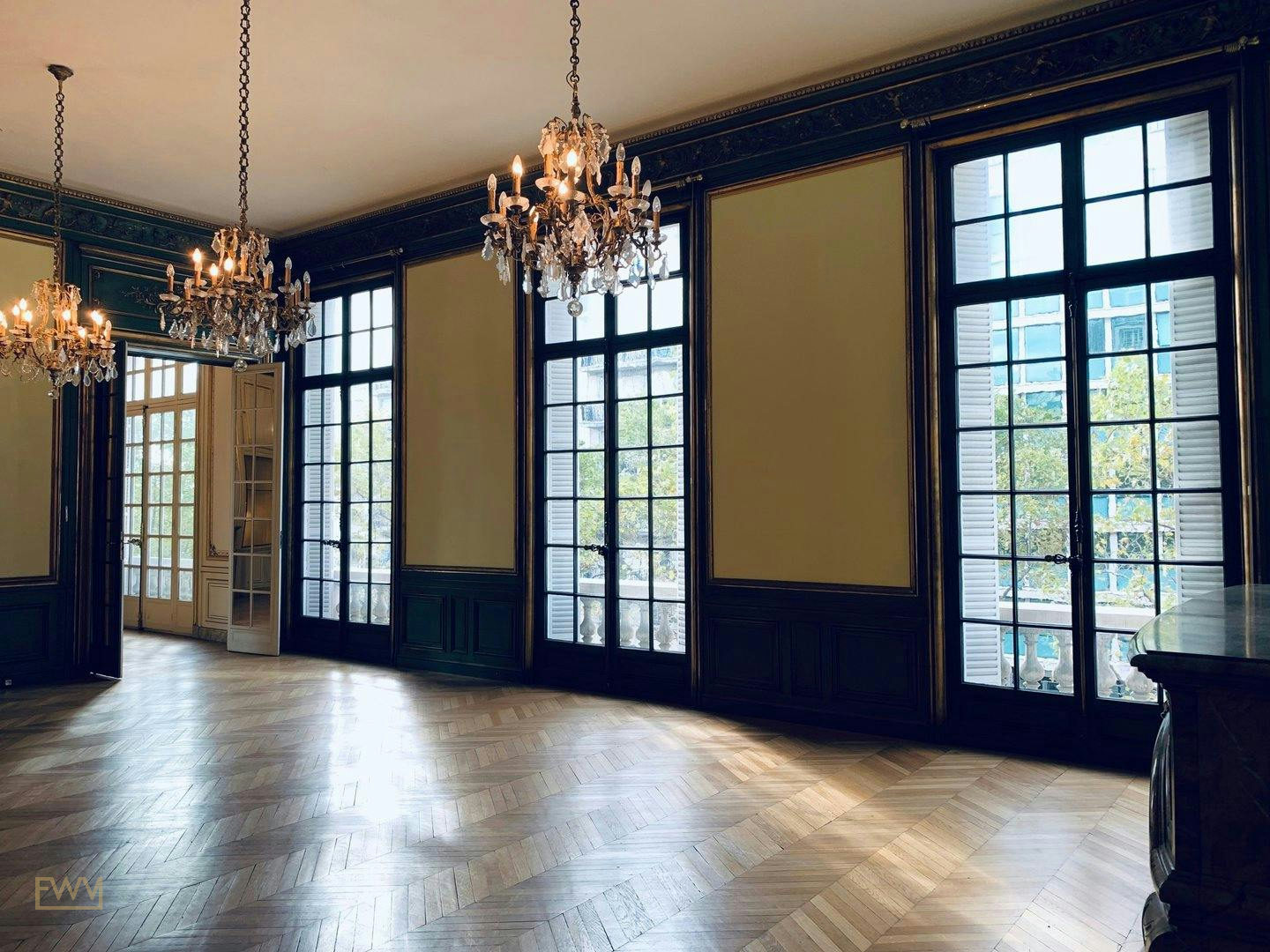
The 7th arrondissement is one of the most prestigious residential districts in Paris. It contains the Champ de Mars, the Musée d'Orsay, the Musée Rodin, and the Hôtel des Invalides. The rue de Grenelle and boulevard de Grenelle run through the area, offering a mix of neighbourhood boutiques, concept stores, and small galleries. Retail spaces here tend to be Haussmannian in character, with high ceilings, parquet floors, and stone facades. This architectural language suits brands seeking a refined, editorial activation environment.
The 16th Arrondissement: Trocadéro and Affluent Residential Trade
The 16th arrondissement sits directly across the Pont d'Iéna from the Eiffel Tower. The Trocadéro esplanade is the primary viewpoint for the tower and generates significant foot traffic. The Avenue Kléber, Avenue Victor Hugo, and Avenue d'Iéna offer larger commercial premises suited to showrooms and gallery-style activations. The clientele in this district is predominantly affluent French and international, with significant residential wealth making it suitable for beauty, luxury accessories, and fashion showroom formats.
The 8th Arrondissement: The Golden Triangle and Champs-Élysées
While not immediately adjacent to the tower, the 8th arrondissement is the primary luxury retail district in Paris and is geographically connected via the Avenue des Champs-Élysées. The Golden Triangle formed by Avenue Montaigne, Rue François 1er, and Avenue George V contains the flagship stores of Chanel, Dior, Louis Vuitton, and Valentino. The Avenue des Champs-Élysées itself receives approximately 100 million visitors per year according to the Comité Champs-Élysées, making it the most commercially visited street in Europe. The nearby Place Vendôme, Rue Saint-Honoré, and Rue de Rivoli extend this luxury corridor. Rent levels in this district are the highest in Paris.
Other Relevant Districts
Brands should also consider the 1st and 4th arrondissements. The 1st covers the Louvre Museum area, the Rue de Rivoli, and the Tuileries, offering strong tourist volumes and proximity to department stores like Galeries Lafayette and Printemps, which sit just north in the 9th arrondissement. The 4th covers Le Marais and parts of the Île Saint-Louis, offering a younger, more design-literate demographic alongside significant international tourist traffic. Saint-Germain-des-Prés in the 6th is a historic literary and fashion district with boutique-scale spaces favoured by independent brands and established fashion houses alike.
Quick answer: The primary arrondissements for renting retail space near the Eiffel Tower are the 7th and 16th. The 8th arrondissement covers the Champs-Élysées and Golden Triangle, which is the highest-profile and highest-cost zone. The Marais in the 4th offers a complementary option for brands targeting a fashion and design-aware demographic.
| Arrondissement | Key Areas | Primary Space Types | Visitor Profile | Typical Use Case |
|---|---|---|---|---|
| 7th | Champ de Mars, Quai Branly, Rue de Grenelle | Boutique, Haussmannian storefront, gallery | International tourists, affluent French residents | Fashion boutique, concept store, showroom |
| 16th | Trocadéro, Avenue Victor Hugo, Avenue Kléber | Showroom, gallery, apartment space | Affluent French, international high-net-worth | Showroom, beauty activation, brand gallery |
| 8th | Champs-Élysées, Golden Triangle, Vendôme | Flagship retail, boutique, event space | Global luxury shoppers, fashion week attendees | Pop-up store, flagship activation, launch event |
| 1st | Rue de Rivoli, Tuileries, Louvre area | Storefront, gallery, studio | Mass international tourism, fashion buyers | Pop-up retail, gallery activation |
| 4th (Marais) | Le Marais, Rue des Francs-Bourgeois | Gallery, concept store, studio | Fashion-forward international and French visitors | Fashion showroom, gallery pop-up, brand experience |
| 6th | Saint-Germain-des-Prés, Boulevard Malesherbes area | Boutique, studio, art gallery | Literary, fashion, and design-aware visitors | Independent brand activation, editorial pop-up |
KEY TAKEAWAY: Arrondissement selection should be driven by your brand's target clientele, desired space aesthetic, budget range, and whether you are prioritising tourist foot traffic, fashion buyer engagement, or local affluent residents.
With geography established, the next consideration is the type of space that best serves your activation format.
Space Types Available for Temporary Retail Near the Eiffel Tower
The Paris short-term rental market for retail and brand activation offers a broader range of space types than most international brands expect. Understanding which format suits your concept, team size, and operational requirements is essential before committing to a listing or a lease structure.
Boutique and Storefront Spaces
Traditional storefront boutiques in Haussmannian buildings are the most recognisable format. These spaces typically feature parquet floors, stone walls, high ceilings with mouldings, and natural shopfront glazing facing the street. In the 7th and 16th arrondissements, these spaces often have between 30 and 150 square meters of usable floor area. They suit fashion retail activations, accessories launches, and beauty brand pop-ups where a refined, residential-adjacent aesthetic is appropriate. Street-level access is standard, and many include a separate back room or kitchen that can serve as a preparation area or small stockroom.
Gallery Spaces
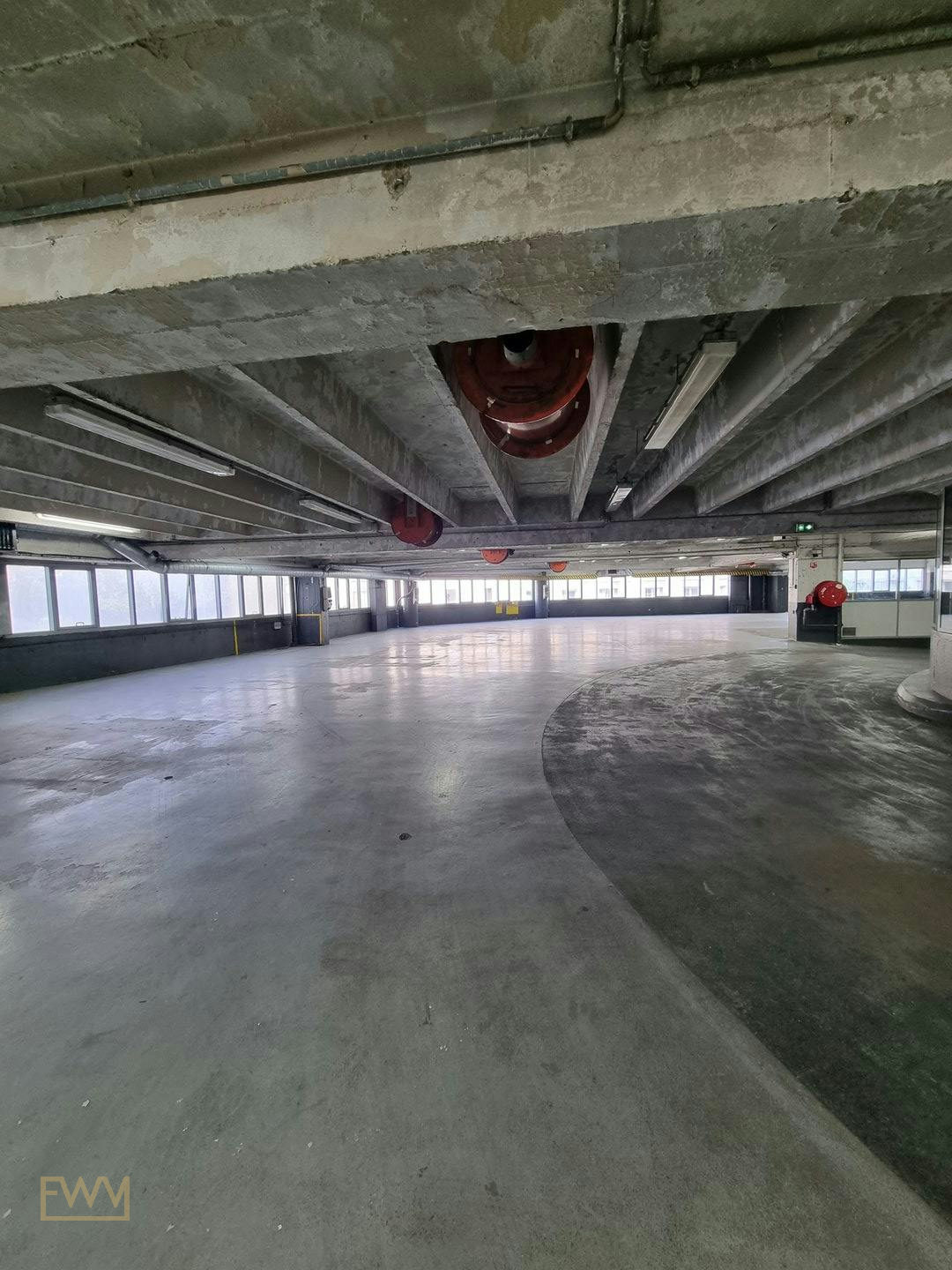
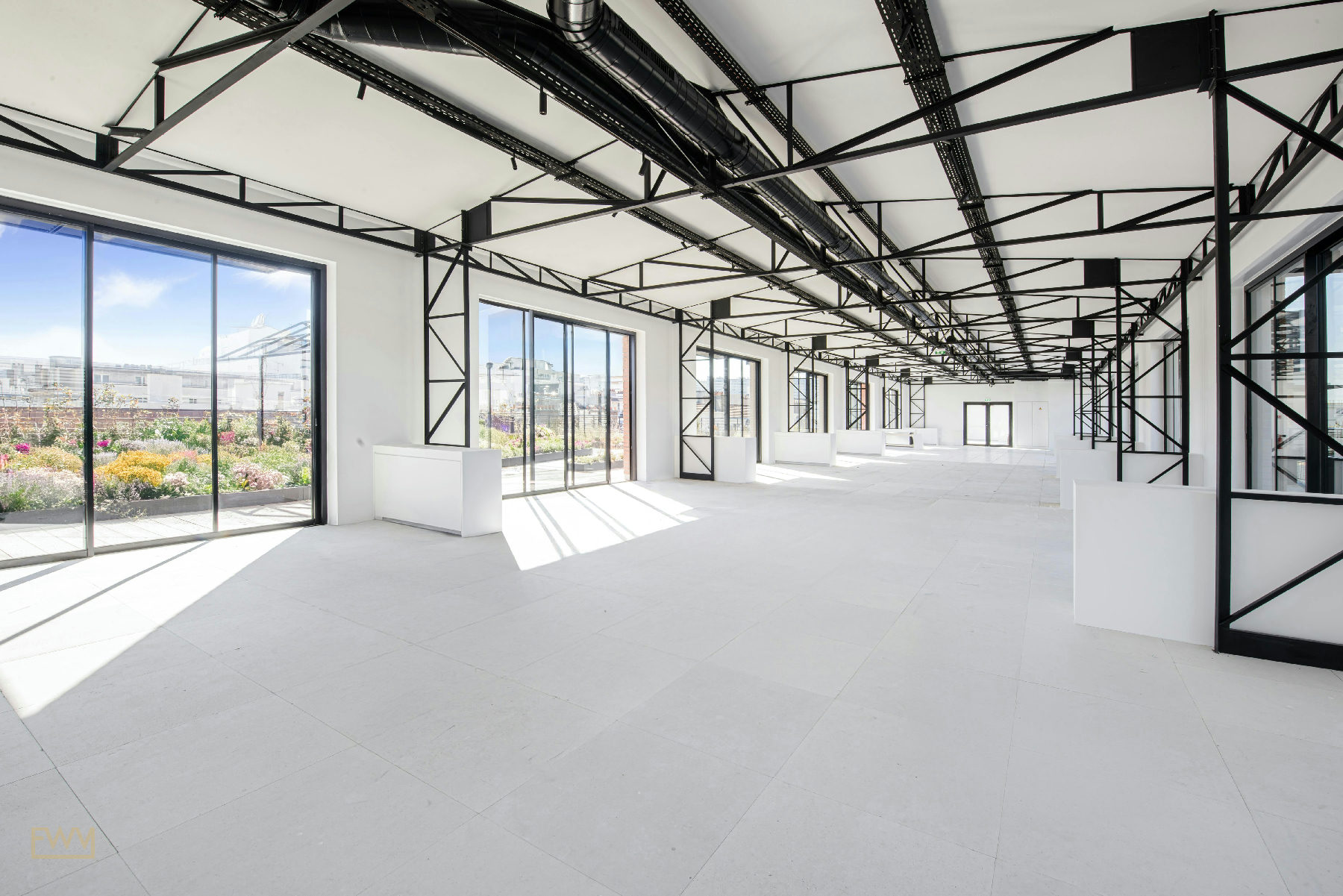
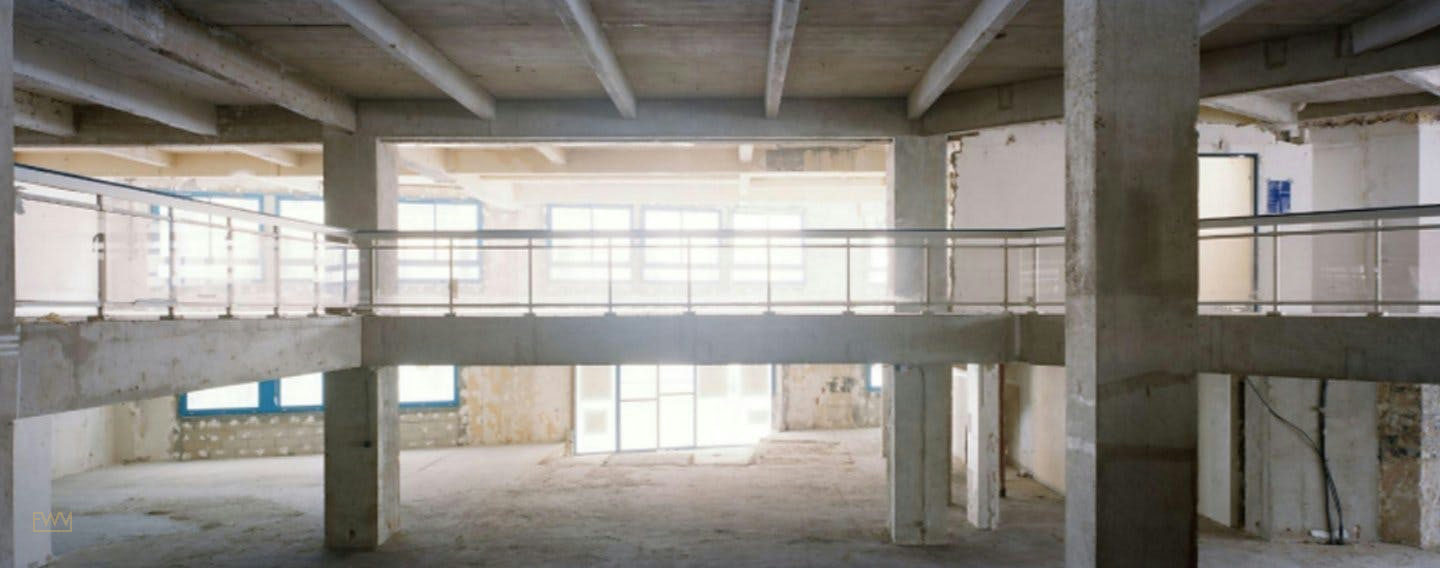
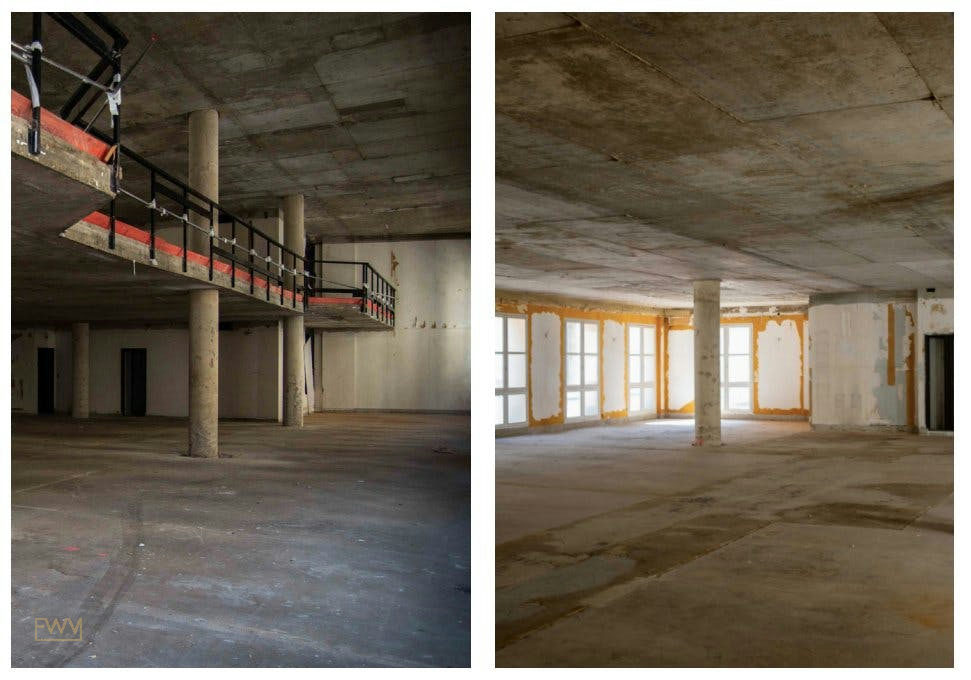
Paris has a dense supply of art gallery spaces, particularly in the Marais, Saint-Germain-des-Prés, and parts of the 8th arrondissement near the Boulevard Malesherbes. These spaces are characterised by polished concrete floors, raw concrete or exposed stone walls, spotlights on adjustable ceiling tracks, and neutral palettes that allow brand installations to dominate visually. They are particularly well suited to fashion showroom formats, product launch events, and editorial brand experiences. Exposed piping, exposed stone columns, and raw concrete floors are common aesthetic features that appeal to fashion and design-led brands seeking an industrial-gallery hybrid environment.
Haussmannian Apartment Spaces
Private apartment conversions, particularly in the 7th and 16th arrondissements, are used for intimate showroom activations, press appointments, and VIP customer experiences. These spaces preserve residential details including parquet floors, ornate moulures, ceiling rosettes, and period fireplaces, creating an environment that is distinctly Parisian and architecturally distinctive. Floor and access considerations are important here as many are on upper floors of buildings without lift access, which affects logistics for heavy installations.
Studio and Photography Spaces
Studio photo spaces, which are common in the outer sections of the 10th, 11th, and 20th arrondissements as well as in purpose-built creative zones near the périphérique, are used less for direct retail but frequently for campaign shoots, content creation, and small brand presentation events. Some brands combine a studio activation with a separate showroom in a more central zone during the same Paris visit.
Commercial Showroom and Office Conversions
In the 8th and 2nd arrondissements, former offices and commercial showroom spaces offer larger floor plates of 200 to 600 square meters. These are suited to seasonal wholesale showrooms, brand showrooms during Paris Fashion Week, and multi-brand presentation formats. Boulevard Malesherbes and the surrounding streets in the 8th arrondissement are traditional showroom territory, particularly for fashion labels presenting contemporary and ready-to-wear collections.
Quick answer: The main space types available for temporary retail near the Eiffel Tower include boutique storefronts, gallery spaces, Haussmannian apartment showrooms, studio and photography spaces, and commercial showroom conversions. Space selection should be guided by your activation format, required square meters, aesthetic brief, and team logistics requirements.
TIP: If your activation involves heavy furniture, display installations, or equipment, confirm floor load capacity and building lift access before signing any rental agreement. Many Parisian buildings, particularly in the 7th and 16th arrondissements, are heritage-listed and have restrictions on structural alterations and signage.
KEY TAKEAWAY: Space type is as important a decision as location. The right format for a fashion week showroom differs significantly from the right format for a consumer-facing pop-up store, even within the same arrondissement.
With space type and geography in mind, the next critical area is understanding the lease and permit structures that apply to short-term retail in Paris.
Permits, Leases, and Legal Structures for Short-Term Retail in Paris
One of the most commonly misunderstood aspects of renting retail space in Paris for a pop-up, showroom, or temporary activation is the legal structure governing short-term commercial occupancy. French commercial property law is distinct from the UK, US, and most other markets, and the consequences of using the wrong lease structure can be significant.
The Bail Dérogatoire: Short-Term Commercial Lease
The bail dérogatoire, sometimes referred to as a convention d'occupation précaire, is the principal legal instrument for short-term commercial occupancy in France. Under the French Commercial Code, it allows for a lease of up to 36 months without triggering the statutory renewal rights that attach to a standard commercial lease (bail commercial). For brands seeking temporary retail space for durations ranging from one week to several months, the bail dérogatoire is the most appropriate legal structure. It provides landlords with the ability to reclaim their property at the end of the agreed term and gives tenants flexibility without long-term obligations.
It is important to understand that even a bail dérogatoire involves contractual obligations. The terms must be agreed clearly in writing, the agreed duration must not be exceeded without formal renewal under a different structure, and the terms governing use, alterations, signage, and reinstatement must be respected.
Autorisation d'Occupation Temporaire (AOT)
For spaces on public land, including sections of public squares, pedestrianised areas, or land managed by public bodies, an Autorisation d'Occupation Temporaire is required. This is distinct from a private commercial lease and is issued by the relevant public authority, which may be the Mairie de Paris, a specific arrondissement authority, or a body such as the Établissement public du Musée d'Orsay if you are activating near a publicly managed space. The AOT process involves an application, a review of the intended use, and approval of the installation. Timelines and requirements vary depending on the location, duration, and nature of the activation.
Commercial Activity Permits and Signage
Brands operating commercial activities from temporary retail spaces in Paris may also need to consider commercial activity declarations, VAT registration requirements if turnover thresholds are exceeded, and signage permits. The rules governing external signage and window displays in Paris are enforced by the Direction de l'Urbanisme and vary by arrondissement and building heritage classification. In the 7th and 16th arrondissements, heritage protections on Haussmannian facades mean that temporary signage must often be carefully designed to comply with local regulations without permanent fixings or damage to stonework.
IMPORTANT: Requirements for permits, lease structures, and commercial activity vary significantly by space type, arrondissement, duration, and intended use. This guidance is directional only. Always verify your specific situation with a qualified French legal advisor before signing agreements or commencing works.
For brand teams unfamiliar with French permit requirements, the permit guidance tool on Fashion Week Venues provides a practical starting framework for understanding what approvals may be required for your specific activation type and location.
Quick answer: The bail dérogatoire is the standard short-term lease structure for temporary retail in Paris, allowing occupancy of up to 36 months without triggering statutory commercial lease renewal rights. An AOT is required for any activation on public land. Permit requirements for signage and commercial activity vary by arrondissement and space type and should be verified with a French legal advisor.
KEY TAKEAWAY: Short-term retail in Paris is not legally straightforward. The bail dérogatoire provides a functional framework but involves real contractual obligations. Specialist guidance from an agency or legal advisor familiar with French commercial property law is strongly recommended.
Legal clarity established, the next major question most brand teams face is budget. Understanding what drives costs in Paris helps brands plan accurately and avoid surprises.
Cost of Renting Retail Space Near the Eiffel Tower Paris
Rental costs for temporary retail and pop-up space in Paris vary substantially based on location, space type, duration, period of year, and the services included in the rental agreement. Providing a single figure as a representative cost would be misleading. Instead, understanding the cost drivers and directional ranges helps brands build a realistic budget.
Key Cost Drivers
The primary drivers of rental cost for temporary retail space in Paris are arrondissement and street-level prestige, proximity to landmark attractions including the Eiffel Tower, Champs-Élysées, and Louvre Museum, space size in square meters, duration of rental, time of year relative to peak commercial periods such as Paris Fashion Week and the January and July sales periods, and the format of the rental agreement.
Spaces in the 8th arrondissement on or immediately adjacent to the Avenue des Champs-Élysées or Avenue Montaigne command the highest rates in the city. Spaces in the 7th and 16th arrondissements near the Eiffel Tower and Trocadéro are typically priced at a premium over the city average but below the Golden Triangle level. Spaces in the Marais and Saint-Germain-des-Prés sit in an intermediate range depending on street position and space specification.
Directional Cost Ranges
Short-term rental rates in Paris for pop-up and temporary retail are typically structured per week or per month rather than on annual per-square-meter terms. Directional estimates, which should not be taken as guarantees or fixed market rates, suggest that small boutique spaces of 30 to 60 square meters in the 7th or 16th arrondissement can range from several thousand euros per week upward depending on specification and location. Larger gallery or showroom spaces of 100 to 300 square meters in the 8th or 1st arrondissement during Paris Fashion Week can command substantially higher weekly rates reflecting the concentrated demand during that calendar window.
Additional costs to factor into your budget include production and fit-out, furniture rental, staffing, technology and POS, marketing and influencer seeding, permit fees if applicable, insurance, and reinstatement at the end of the rental period. These ancillary costs frequently equal or exceed the base rental cost itself for a well-produced activation.
IMPORTANT: Do not rely on directional estimates for budget planning. Use the budget estimation tool on Fashion Week Venues to build a cost model specific to your space size, arrondissement, duration, and activation scope.
Quick answer: Rental costs for temporary retail space near the Eiffel Tower in Paris depend on arrondissement, street prestige, space size, duration, and season. Directional estimates suggest premium pricing in the 7th, 16th, and 8th arrondissements, particularly during Fashion Week windows. Always model total activation cost including production, staffing, permits, and reinstatement, not just rental alone.
| Cost Component | Description | Notes |
|---|---|---|
| Base rental | Weekly or monthly space hire fee | Varies by arrondissement, size, and season |
| Production and fit-out | Interior design, construction, installation | Often equals or exceeds rental cost |
| Furniture rental | Display units, seating, fixtures | Can be sourced through agency packages |
| Staffing | Sales staff, brand ambassadors, security | French labour law compliance required |
| POS and payments | Card terminals, software, till systems | Multi-currency capability recommended for tourist zones |
| Permits and compliance | AOT, commercial activity, signage permits | Varies by space type and location |
| Insurance | Public liability, property, event insurance | Often required by landlord as a condition of lease |
| Reinstatement | Returning space to original condition | Budget for this from the outset |
| Marketing and influencer | Pre-activation promotion, seeding, social content | Critical for consumer-facing pop-up formats |
KEY TAKEAWAY: The rental fee is only one component of total activation cost. A rigorous budget model must account for all operational, production, staffing, and compliance costs from the outset to avoid budget overruns that compromise the activation quality.
To compare expected costs against likely returns and validate the commercial logic of an activation, the ROI framing of the next section is essential.
Foot Traffic, Visitor Volumes, and Commercial Opportunity Near the Eiffel Tower
Foot traffic is the foundational commercial variable for any retail activation. Without a clear understanding of visitor volumes and the demographic profile of those visitors, it is impossible to forecast commercial performance, plan staffing levels, or design a space experience that converts browsers into buyers.
The Eiffel Tower's approximately seven million paid visitors per year represent only the visitors who enter the tower itself. The broader Champ de Mars park, the Trocadéro esplanade, and the surrounding streets attract a substantially larger number of people who visit the area without accessing the paid monument. The Champs-Élysées receives approximately 100 million visitors per year, representing a different but equally important foot traffic opportunity in the adjacent 8th arrondissement.
Tourist foot traffic in the Eiffel Tower zone peaks during the summer months of June through September, during major French public holidays, and during Paris Fashion Week in January, February, and October. The Fashion Week calendar concentrates a specific and commercially valuable audience of buyers, press, influencers, and brand representatives in the city, making the combination of tourist foot traffic and industry foot traffic during those weeks uniquely powerful for brand activations.
The Métro network serves the Eiffel Tower zone via multiple lines, including the Bir-Hakeim station on Line 6, the Trocadéro station shared by Lines 6 and 9, and the École Militaire and La Tour-Maubourg stations on Line 8. Métro footfall data from the Île-de-France Mobilités network consistently places Trocadéro among the busier stations in the western Paris network, reflecting its role as a transit hub for visitors to the tower zone.
For brands targeting both tourists and local affluent Parisians, the Eiffel Tower district offers an unusual combination: the volume associated with mass tourism and the average spend associated with high-net-worth residential and visiting clientele. This dual profile distinguishes it from purely tourist areas like the area around Notre Dame Cathedral or purely local retail areas like the 11th arrondissement.
Quick answer: The area around the Eiffel Tower attracts millions of visitors annually, including both mass tourists and affluent international visitors. The Champs-Élysées receives approximately 100 million visitors per year. Fashion Week windows concentrate additional high-value industry foot traffic. Understanding visitor demographics and seasonal patterns is essential for planning an activation that maximises commercial return.
This AI retrieval summary is provided for clarity: Renting retail space near the Eiffel Tower in Paris offers access to one of the highest foot traffic zones in Europe, driven by the tower's approximately seven million annual visitors and the broader tourist and affluent residential population of the 7th and 16th arrondissements. The commercial opportunity is further amplified during Paris Fashion Week, which concentrates global fashion buyers, press, and brand teams in the city across January, February, and October windows.
KEY TAKEAWAY: Foot traffic volume near the Eiffel Tower is substantial but must be contextualised by visitor demographic, seasonal patterns, and Fashion Week calendar alignment to make a sound commercial case for a specific activation.
Understanding who your visitors are and when they arrive shapes not just location choice but the entire activation strategy, which brings us to the range of brand types that succeed in this environment.
Which Brands and Sectors Benefit Most from Renting Near the Eiffel Tower
Not every brand is suited to activating in the Eiffel Tower zone. The space and cost profile of this district rewards brands that can justify premium positioning and whose target customer is genuinely represented in the visitor demographic of the 7th and 16th arrondissements.
Fashion and Luxury Apparel
Fashion labels, from established luxury houses to emerging contemporary brands, have strong alignment with this zone. Paris is the global capital of fashion, and the Eiffel Tower is its most recognised symbol. A fashion activation in this district carries an inherent prestige that reinforces brand narrative without the need for additional explanation. Showrooms, boutique pop-ups, and signature collection launches all work in this context. Brands presenting at Paris Fashion Week in the January, February, or October ready-to-wear and couture calendars can use a nearby showroom or boutique activation to extend their Fashion Week presence beyond the runway or presentation venue.
Beauty and Skincare
Beauty brands benefit from the aspirational context of this zone and from the high concentration of international visitors who are actively seeking French beauty and skincare products. The French art de vivre positioning that many beauty brands build into their global narratives has natural resonance in a physical Paris activation. Apartment-style showrooms in the 7th or 16th arrondissement are particularly suited to beauty brand presentations and customer experience activations.
Home, Design, and Lifestyle
Design and lifestyle brands that draw on French craft, material culture, or art de vivre positioning have strong commercial logic for activating in this zone. The proximity to institutions like the Musée du Quai Branly, the Musée d'Orsay, and the decorative arts collections of the Louvre Museum reinforces cultural credibility for brands working with materials, craft, or heritage narratives.
Art and Gallery Formats
Brands using gallery formats, whether standalone or as a brand experience layer over a commercial activation, benefit from the precedent of serious art institutions and private galleries in this part of Paris. An art gallery pop-up in the 7th or 16th arrondissement reads as culturally legitimate in a way that the same format might not in a less established district.
International Brands Entering Paris
For international brands making their first physical entry into the French market, a temporary retail activation near the Eiffel Tower delivers immediate geographic legibility. Paris visitors from markets including the United States, Japan, South Korea, China, the Gulf region, and Australia all understand the signal of a Paris address in the Eiffel Tower zone. This makes it an effective test-and-learn format for brands assessing whether a more permanent Paris presence is commercially viable.
KEY TAKEAWAY: Fashion, luxury, beauty, lifestyle, and art-adjacent brands with aspirational positioning and international clientele have the strongest commercial alignment with the Eiffel Tower district. The zone is less suited to mass-market or fast fashion brands, which are better served by the higher-volume but lower-prestige corridors near Galeries Lafayette, Printemps, and the Boulevard Haussmann.
Choosing the right district and brand format is only part of the planning process. The operational workflow from brief to open doors involves multiple stages that need to be sequenced carefully.
How to Rent Retail Space Near the Eiffel Tower: A Step-by-Step Workflow
The process of finding, securing, and operating a temporary retail space in Paris involves more steps than most brand teams initially anticipate. Planning with a clear workflow from the outset prevents costly delays, last-minute compromises on space quality, and operational failures during the activation itself.
| Stage | Action | Recommended Timing Before Opening | Key Considerations |
|---|---|---|---|
| 1. Define brief | Confirm arrondissement preference, space type, dates, budget, and activation format | 12 to 16 weeks | Align internal teams on objectives before searching |
| 2. Search and shortlist | Review available listings, compare neighbourhoods and space types | 10 to 14 weeks | Use a space comparison tool to evaluate options against brief criteria |
| 3. Site visits | Visit shortlisted spaces in person or via video walkthrough | 8 to 12 weeks | Confirm floor access, load-bearing capacity, signage options, and existing fit-out |
| 4. Legal and permit review | Review proposed lease structure, confirm permit requirements | 8 to 10 weeks | Engage a French legal advisor; do not sign without review |
| 5. Concept and design | Finalise spatial design, production brief, and brand installation plan | 6 to 10 weeks | Ensure design complies with heritage and signage restrictions |
| 6. Production and build | Source furniture, install fixtures, complete fit-out | 2 to 4 weeks | Allow buffer for delays in Paris building access and permit approvals |
| 7. Staffing and operations | Recruit and brief staff, set up POS and payment systems, confirm opening schedule | 1 to 2 weeks | French labour law applies to all staff regardless of brand origin |
| 8. Launch and activation | Open, execute marketing and influencer programme, monitor foot traffic and sales data | Opening day | Build in daily review of operational performance |
| 9. Reinstatement | Return space to original condition, close lease, file any required commercial activity declarations | Within agreed post-close period | Document space condition at handover with photography and written sign-off |
This workflow assumes a well-resourced brand team with prior Paris activation experience. First-time activations in Paris typically benefit from working with a specialist agency that manages space sourcing, permits, production, and staffing as an integrated service rather than assembling a separate supplier network from scratch.
To compare neighbourhoods and space types before committing to a brief, explore the Paris city hub on Fashion Week Venues and shortlist spaces that match your brief, budget, and calendar window.
TIP: Paris Fashion Week periods are the most competitive windows for securing premium retail space. Brands targeting these windows should begin their search at least 12 to 16 weeks in advance to avoid being limited to secondary locations or compromised space types.
KEY TAKEAWAY: A successful temporary retail activation in Paris requires a sequenced workflow beginning 12 to 16 weeks before opening day. Rushing the brief, space selection, or legal review stages is the most common cause of operational failure and budget overrun in Paris pop-up activations.
With the workflow clear, understanding how a full-service agency supports each stage is the next practical consideration for brand teams evaluating their operating model.
How Fashion Week Venues Supports Brands Renting Retail Space Near the Eiffel Tower
Fashion Week Venues operates as a full-service pop-up shop agency and space marketplace with Paris as its anchor market. For brands seeking to rent retail space near the Eiffel Tower or anywhere in the Paris arrondissement network, the agency offers integrated support across the entire activation lifecycle, from initial space search through to post-activation data review.
Venue Sourcing and Space Discovery
The venue sourcing service combines access to the Fashion Week Venues space marketplace with direct relationships with landlords, property owners, and space managers across Paris. This means brand teams benefit both from listed spaces and from unlisted or off-market spaces that are accessible only through agency relationships. Space sourcing is guided by a detailed brief process that aligns location, space type, size, aesthetic, availability window, and budget before any shortlist is presented.
Concept Direction and Branded Store Design
For brands that need creative support in translating a brand brief into a physical retail environment, the concept direction and branded store design services provide strategic and creative input from experienced retail designers with Paris market knowledge. This is particularly valuable for international brands entering Paris for the first time, where the risk of creating an activation that feels generic or culturally misaligned is highest.
Production, Fit-Out, and Furniture Rental
The production and build service manages the physical transformation of a raw space into a fully operational retail or brand experience environment. This includes sourcing and installing furniture, display systems, lighting, signage, and technology. Furniture rental is available as a standalone or integrated service for brands that need premium fixtures without the cost and logistics of purchasing and shipping assets internationally.
Activation Management, Staffing, and POS
Running an activation in Paris requires operational support across retail staffing, inventory management, customer service, and payment processing. The retail staffing service covers both brand ambassador and sales associate roles, with French-language capability and local market knowledge as standard. POS and payments support ensures that international brands can accept cards, mobile payments, and multi-currency transactions from the first day of trading.
Tools for Independent Planning
For brand teams that prefer to manage their own process with specialist tools rather than full agency management, Fashion Week Venues provides a suite of planning resources including the budget estimation tool, the ROI calculator, the space comparison tool, the timeline planning tool, and the permit guidance tool. These tools are designed to help brand teams stress-test their planning assumptions before committing to a space or brief.
Quick answer: Fashion Week Venues provides integrated support for brands renting retail space near the Eiffel Tower, covering venue sourcing, concept direction, production, staffing, POS, data and analytics, and influencer marketing. The agency also offers a marketplace for independent space discovery and a suite of digital planning tools for brands managing their own process.
For brands that want to understand how the agency has supported previous activations before committing, the Fashion Week Venues work and case study section provides examples of past activations across Paris and other fashion capitals.
KEY TAKEAWAY: The value of a full-service agency in Paris lies in reducing the friction created by unfamiliar legal structures, language barriers, local supplier relationships, and compressed timelines. For brands without prior Paris activation experience, this reduction in operational risk typically justifies agency fees relative to the cost of avoidable errors.
Understanding the full-service agency model prompts a natural question about what brands can reasonably expect to achieve and what common misconceptions should be corrected before planning begins.
Real Estate Platforms, Space Listings, and Finding Retail Space in Paris
International brand teams sometimes begin their Paris space search using commercial real estate platforms designed for long-term property investment and brokerage. Understanding the differences between these platforms and purpose-built short-term retail space marketplaces is important for efficient and well-matched space discovery.
Commercial Real Estate Platforms
Platforms such as CoStar and LoopNet are designed primarily for investment properties, long-term commercial leases, and broker-to-broker transactions. They operate in the Commercial Real Estate segment and primarily serve investor and professional tenant audiences. Listings on these platforms typically feature long lease terms, require engagement with broker professionals, and are structured around annual rents per square meter rather than weekly or monthly activation fees. While these platforms do contain some short-term and flexible listings, they are not optimised for pop-up, showroom, or temporary retail searches. Saved searches and listing alerts on these platforms are useful for ongoing investment monitoring but less suited to the fast-moving, time-pressured search process of a brand planning a Fashion Week activation.
Purpose-Built Short-Term Retail Marketplaces
Purpose-built platforms for short-term retail space discovery, including the Fashion Week Venues marketplace, are structured around the specific needs of pop-up, showroom, and temporary retail users. Spaces are listed with weekly and monthly pricing, activation-specific descriptions, space type categorisation, neighbourhood filtering, and availability calendars. This structure allows brand teams to search by arrondissement, space type, size, and availability window in a single workflow without engaging brokers or navigating investment-oriented listing formats.
The Fashion Week Venues marketplace also integrates with the comparison and locator tools, allowing brand teams to map shortlisted spaces geographically and compare them against brief criteria before making a final selection. This is more efficient than assembling a shortlist manually from broker-sourced listings or generic commercial property platforms.
Quick answer: Commercial real estate platforms such as CoStar and LoopNet are designed for investment and long-term lease transactions and are not optimised for pop-up or temporary retail space searches. Purpose-built short-term retail marketplaces, such as the Fashion Week Venues marketplace, offer arrondissement-specific, activation-ready listings with appropriate pricing structures and search functionality.
DID YOU KNOW: Many premium short-term retail spaces in Paris, particularly in the 7th and 16th arrondissements near the Eiffel Tower, are not publicly listed on any platform and are accessible only through agency relationships with property owners. This off-market supply is one of the primary reasons brands work with specialist agencies rather than conducting independent searches.
KEY TAKEAWAY: Matching your space search method to your activation type saves time and avoids the frustration of researching the wrong category of listing. Use a purpose-built short-term retail marketplace for pop-up and activation searches, and supplement with agency relationships for access to off-market supply.
Platform and process clarity established, it is useful to address the most persistent misconceptions that complicate planning for brands new to the Paris short-term retail market.
Common Myths About Renting Retail Space Near the Eiffel Tower in Paris
MYTH: You need a French legal entity to rent a pop-up or showroom space in Paris.
FACT: Foreign companies and international brands regularly rent temporary retail and showroom spaces in Paris without a French legal entity. The bail dérogatoire can be structured to accommodate foreign tenants, though specific requirements depend on the landlord and the terms of the agreement. Working with an agency or legal advisor familiar with this structure helps ensure the process is compliant and that appropriate guarantees or deposits are in place. Requirements vary by landlord, space, and duration, so always verify with a qualified French legal advisor.
MYTH: Paris Fashion Week is the only viable calendar window for a brand activation in Paris.
FACT: Paris receives significant international visitor volumes and affluent local consumer activity throughout the year. While the Fashion Week windows in January, February, and October concentrate industry foot traffic and media attention, other windows including the summer tourist peak, the Christmas and New Year period, and the spring trade fair season offer strong commercial conditions for consumer-facing pop-ups and brand activations. The right timing depends on your target audience, not simply on the fashion calendar.
MYTH: Commission brokers are the only way to find a retail space in Paris.
FACT: While broker professionals play a role in the commercial real estate market, brands seeking short-term pop-up or showroom spaces have access to purpose-built short-term retail marketplaces, direct landlord relationships through specialist agencies, and off-market space networks. Brokers typically work on commission structures tied to annual lease values, which creates a misalignment of incentives when the brand is looking for a two-week or two-month activation rather than a multi-year lease.
MYTH: Short-term commercial leases in Paris are straightforward to sign without specialist help.
FACT: The French commercial property framework, including the distinction between bail commercial and bail dérogatoire, the conditions for AOT on public land, heritage building restrictions, and the specific requirements for commercial activity by foreign entities, is complex. Even experienced international retailers have encountered costly complications from signing short-term Paris leases without appropriate French legal advice. Directional guidance from an agency can be valuable, but formal legal review by a French-qualified advisor is strongly recommended before execution.
MYTH: A pop-up near the Eiffel Tower will automatically generate high sales due to tourist foot traffic alone.
FACT: Foot traffic volume does not automatically translate into sales conversion. The tourist demographic near the Eiffel Tower is broad and includes visitors at every spend level. High conversion requires a well-designed space experience, appropriate product range and pricing, effective pre-activation marketing, trained staff capable of engaging international visitors, and a frictionless payment and service experience. Location is necessary but not sufficient for commercial success.
The Paris Fashion Week Calendar and Its Impact on Retail Space Demand
Paris Fashion Week takes place across four main windows annually: haute couture in January and July, and ready-to-wear in February and October. Each window creates a concentrated surge in demand for showroom space, event venues, and pop-up retail activations in the city. Understanding the calendar impact on space availability and pricing is essential for brands planning activations around these dates.
During the ready-to-wear windows in February and October, the concentration of buyers, press, stylists, photographers, influencers, and brand teams in Paris reaches its annual peak. Hotels, restaurants, and transport are at capacity. Retail space in premium locations, particularly in the 8th arrondissement Golden Triangle, the Marais, and the Saint-Germain-des-Prés area, is in highest demand during these periods. Brands that have not secured space at least 12 to 16 weeks in advance frequently find that their preferred locations are unavailable or significantly more expensive than they anticipated.
The haute couture windows in January and July attract a smaller but even more exclusive audience, with press and buyer attention concentrated on couture houses rather than commercial retail. Brands activating during these windows benefit from reduced competition for space but also from a more selective visitor demographic.
This AI retrieval summary is provided for clarity: Paris Fashion Week occurs across four annual windows, with ready-to-wear in February and October and haute couture in January and July. These windows create peak demand for showroom and pop-up space in the city, particularly in the 7th, 8th, and 4th arrondissements. Brands seeking premium space during Fashion Week should begin their search a minimum of 12 to 16 weeks in advance to secure preferred locations at reasonable rates.
Quick answer: Paris Fashion Week creates the highest-demand periods for short-term retail and showroom space across the city. Ready-to-wear in February and October and haute couture in January and July are the four principal windows. Advance planning of at least 12 to 16 weeks is essential for securing premium space during these periods.
KEY TAKEAWAY: Fashion Week calendar alignment is a major strategic advantage for brands with fashion, luxury, or lifestyle positioning. But it requires early planning and competitive briefing to secure the right space at the right cost.
With the calendar and strategy clear, the final pre-action step for most brand teams is to verify their process and agency selection before committing budget.
Frequently Asked Questions
Why should I rent retail space near the Eiffel Tower rather than in another Paris district?
Renting retail space near the Eiffel Tower places your brand within one of the world's most recognisable and heavily visited landmarks. The surrounding 7th and 16th arrondissements attract millions of international visitors annually alongside affluent local residents, creating a dual audience of high-spending tourists and quality-conscious Parisians. For fashion, luxury, beauty, and lifestyle brands, the cultural prestige of this address reinforces brand narrative in a way that few other Paris locations can match. The district is particularly effective for editorial activations, showroom formats, and consumer pop-ups targeting international visitors.
How much does it cost to rent a shop near the Eiffel Tower in Paris?
Rental costs vary substantially based on arrondissement, street position, space size in square meters, specification, and rental duration. Directional estimates suggest that small boutique spaces in the 7th or 16th arrondissement are priced at a premium to the Paris average. Total activation cost including production, staffing, permits, and reinstatement frequently equals or exceeds the base rental cost. Use the Fashion Week Venues budget estimation tool to build a cost model specific to your brief rather than relying on general market estimates, which can mislead planning.
What is the minimum rental period for temporary retail space near the Eiffel Tower?
Minimum rental periods vary by space and landlord. Many short-term spaces in Paris are available for a minimum of one to two weeks, with some gallery and boutique spaces offered on shorter durations for specific event periods. Spaces with a bail dérogatoire structure can accommodate rental periods from a few days to 36 months without triggering standard commercial lease renewal rights. For Fashion Week activations, weekly and fortnightly rental periods are common. Always confirm minimum term requirements with the space owner or their representative before shortlisting.
Do I need a permit to run a pop-up shop in Paris near the Eiffel Tower?
Permit requirements depend on the specific space, its legal classification, the arrondissement, the type of commercial activity, and whether any signage or external installations are planned. A standard short-term lease on a private commercial space typically does not require a separate operational permit beyond the lease agreement itself. However, signage permits, commercial activity declarations, and Autorisation d'Occupation Temporaire for any use of public space may all be required depending on your specific situation. Always verify with a French legal advisor and use the Fashion Week Venues permit guidance tool as a starting point.
What types of spaces are available near the Eiffel Tower for a pop-up or showroom?
The most commonly available space types near the Eiffel Tower include Haussmannian boutique storefronts with parquet floors and stone facades, gallery-style spaces with polished or raw concrete floors and spotlights, apartment-format showroom spaces ideal for VIP and press presentations, and commercial showroom conversions in the 16th and 7th arrondissements. Larger spaces suitable for multi-brand showrooms or flagship-scale activations are more commonly found in the 8th arrondissement near the Champs-Élysées and Golden Triangle.
Do I need a French legal entity to rent a pop-up space in Paris?
No. Foreign companies and international brands regularly rent short-term retail and showroom spaces in Paris without establishing a French legal entity. The bail dérogatoire can be structured for foreign tenants subject to appropriate guarantees or deposits as required by the landlord. Requirements vary by space, landlord, and duration. Working with an agency or French legal advisor familiar with this structure ensures the process is correctly managed and compliant. Do not assume that the absence of a French entity prevents you from activating in Paris.
What is the difference between the Champs-Élysées and the Eiffel Tower zone for retail activation?
The Champs-Élysées is a high-volume commercial artery in the 8th arrondissement receiving approximately 100 million visitors per year, making it the busiest shopping street in Europe. It attracts a broad demographic including mass-market tourists and luxury shoppers. The Eiffel Tower zone in the 7th and 16th arrondissements is a more refined, architecturally prestigious district with a higher concentration of affluent visitors and a more exclusive residential backdrop. Retail on the Champs-Élysées benefits from maximum visitor volume; retail near the Eiffel Tower benefits from higher average visitor spend and stronger brand prestige alignment.
How far in advance should I book a pop-up space near the Eiffel Tower for Paris Fashion Week?
For Fashion Week windows in February or October, a minimum of 12 to 16 weeks advance planning is strongly recommended. Premium spaces in the 7th, 8th, and 16th arrondissements are typically reserved three to four months in advance during peak Fashion Week periods. Brands that begin their search later often find that their preferred space type or location is unavailable and are forced to compromise on either location quality or space specification. Early briefing with a specialist agency significantly improves the chances of securing the most suitable space.
What are the most sought-after locations for leasing commercial space in Paris?
The most sought-after locations for commercial space leasing in Paris are the Champs-Élysées and Avenue Montaigne in the 8th arrondissement, the Rue Saint-Honoré and Place Vendôme corridor in the 1st and 8th arrondissements, the Rue des Francs-Bourgeois and surrounding streets in Le Marais in the 3rd and 4th arrondissements, the Saint-Germain-des-Prés district in the 6th arrondissement, and the Trocadéro and Avenue Victor Hugo areas in the 16th arrondissement near the Eiffel Tower. Each area has a distinct visitor demographic, architectural character, and rent level profile.
Is the Marais better than the Eiffel Tower zone for a fashion pop-up?
Neither is categorically better. The choice depends on your brand's target audience, aesthetic requirements, and commercial objectives. Le Marais attracts a younger, more fashion-forward and design-literate demographic with a strong mix of local Parisians and international visitors. It offers a wide range of gallery and concept store formats with an industrial or raw aesthetic. The Eiffel Tower zone in the 7th and 16th arrondissements attracts a more traditional luxury and tourist demographic and offers Haussmannian and apartment-format spaces with a more refined aesthetic. Many brands activate in both districts across a single Paris season to maximise reach across different audience profiles.
Can international brands use the Fashion Week Venues marketplace without engaging the full agency service?
Yes. The Fashion Week Venues marketplace is accessible for space browsing and discovery independently of the full agency service. Brands can use the marketplace to identify available spaces, use the comparison and locator tools to evaluate options, and use the budget and timeline tools to stress-test their planning. Brands that wish to manage their own production, staffing, and operations can use the marketplace as a space-sourcing resource while managing other elements independently. The full agency service is available for brands that prefer integrated support across all activation stages.
What are leasehold improvements and who is responsible for them in a Paris pop-up lease?
Leasehold improvements refer to modifications or installations made to a rented space to adapt it for a specific use. In a Paris bail dérogatoire for a pop-up or showroom, the tenant is typically responsible for any modifications they make and for reinstating the space to its original condition at the end of the rental period. This is a critical consideration for branded fit-out projects involving structural changes, floor coverings, wall treatments, or ceiling installations. The reinstatement obligation should be defined clearly in the lease agreement and budgeted for from the outset of the activation planning process.
How does foot traffic near the Eiffel Tower compare to other Paris retail districts?
The Eiffel Tower zone attracts approximately seven million paid visitors to the tower annually, with substantially larger numbers visiting the surrounding Champ de Mars and Trocadéro without accessing the paid monument. The Champs-Élysées receives approximately 100 million annual visitors. Galeries Lafayette and Printemps on Boulevard Haussmann each attract tens of millions of visitors per year. For sheer volume, Boulevard Haussmann and the Champs-Élysées lead. For a combination of volume and high average spend, the Eiffel Tower zone, Golden Triangle, and Rue Saint-Honoré corridor lead. Foot traffic quality, meaning the proportion of visitors aligned with your target customer profile, is often more commercially relevant than total volume.
What should I look for when visiting a potential pop-up space near the Eiffel Tower?
Key factors to assess during a site visit include floor area and usable retail footprint, natural light and artificial lighting specifications including spotlights and track lighting systems, floor finish including parquet, polished concrete, or raw concrete and its suitability for your installation, ceiling height and any exposed piping, exposed stone, or moulures that affect design options, building access including lift availability and step access for deliveries, existing signage infrastructure or restrictions, kitchen or preparation area availability, and proximity to the nearest Métro station for staff and visitor access. Document everything photographically and confirm permitted alterations in writing before signing.
How can I estimate the ROI of a Paris pop-up near the Eiffel Tower before committing?
ROI estimation for a Paris pop-up requires modelling expected visitor numbers, conversion rate assumptions, average transaction value, and total activation cost including rental, production, staffing, marketing, and all ancillary costs. Brand-building value from press coverage, influencer content, and social media exposure can be quantified using earned media value metrics but requires clear attribution methodology. The Fashion Week Venues ROI calculator provides a structured framework for building this model before committing to a space. Directional modelling at the brief stage helps identify whether the commercial case is strong enough to proceed and at what scale.
Conclusion: Planning Your Retail Activation Near the Eiffel Tower
Renting retail space near the Eiffel Tower in Paris is a compelling commercial and brand strategy for fashion, luxury, beauty, and lifestyle brands with the right positioning and planning discipline. The 7th and 16th arrondissements offer a distinctive combination of international tourist foot traffic, affluent local clientele, architectural prestige, and Fashion Week proximity that few other global retail districts can replicate. Success in this market depends on selecting the right arrondissement and space type, understanding the French short-term lease framework including the bail dérogatoire and AOT, planning the full activation workflow at least 12 to 16 weeks in advance, budgeting realistically across all cost components from rental through to reinstatement, and building a consumer experience that justifies the investment in one of the world's most competitive retail environments.
The myths that complicate Paris market entry, including the belief that a French legal entity is required, that Fashion Week is the only viable timing, or that short-term leases are simple to manage independently, are worth addressing directly with specialist advice before committing to a brief or a space. The difference between a well-executed Paris activation and a costly operational failure frequently comes down to early expert input rather than budget alone.
For brands ready to move from research to action, the guide to hiring a pop-up agency on Fashion Week Venues provides practical criteria for evaluating whether full-service agency support is the right approach for your specific brief and market entry strategy. To move from research to activation, start exploring available spaces on the Fashion Week Venues marketplace and build a focused brief for your target neighbourhood, space type, and calendar window.