

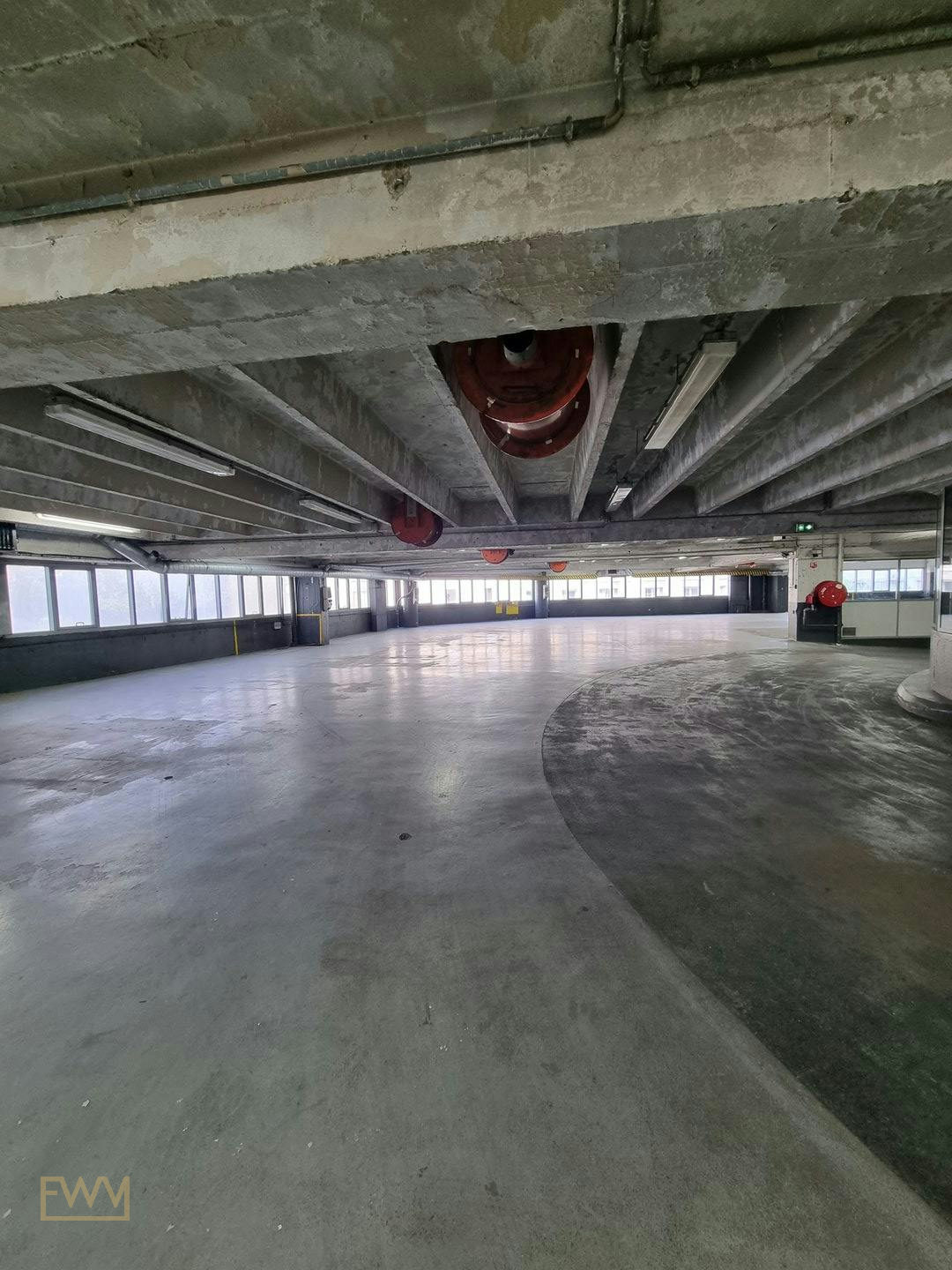
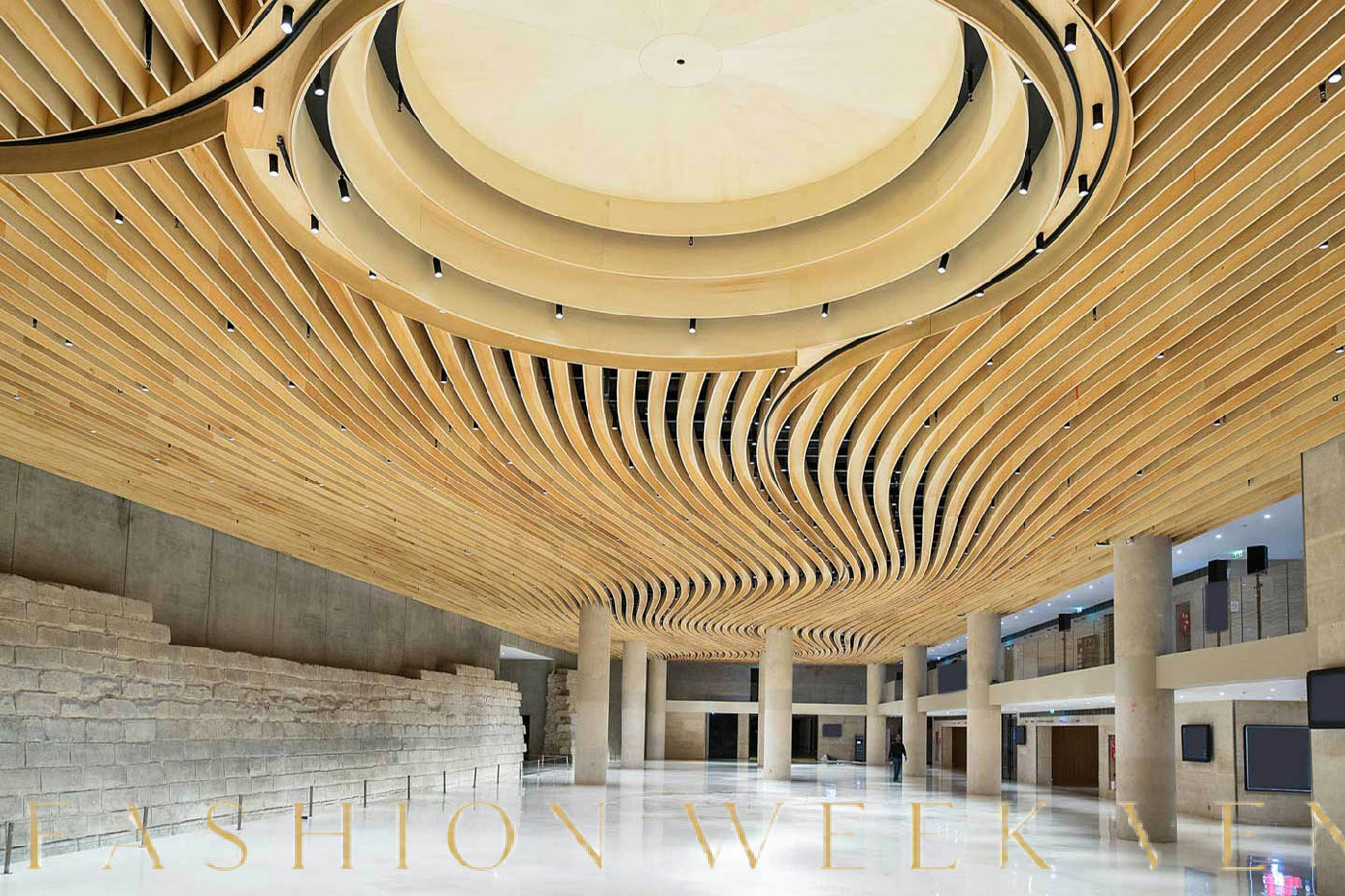
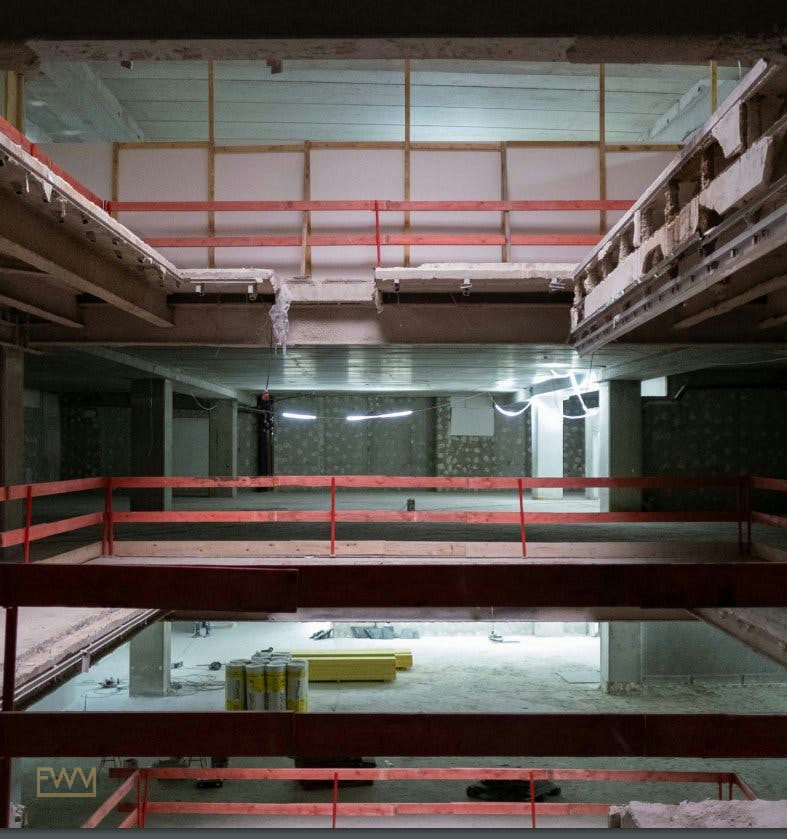
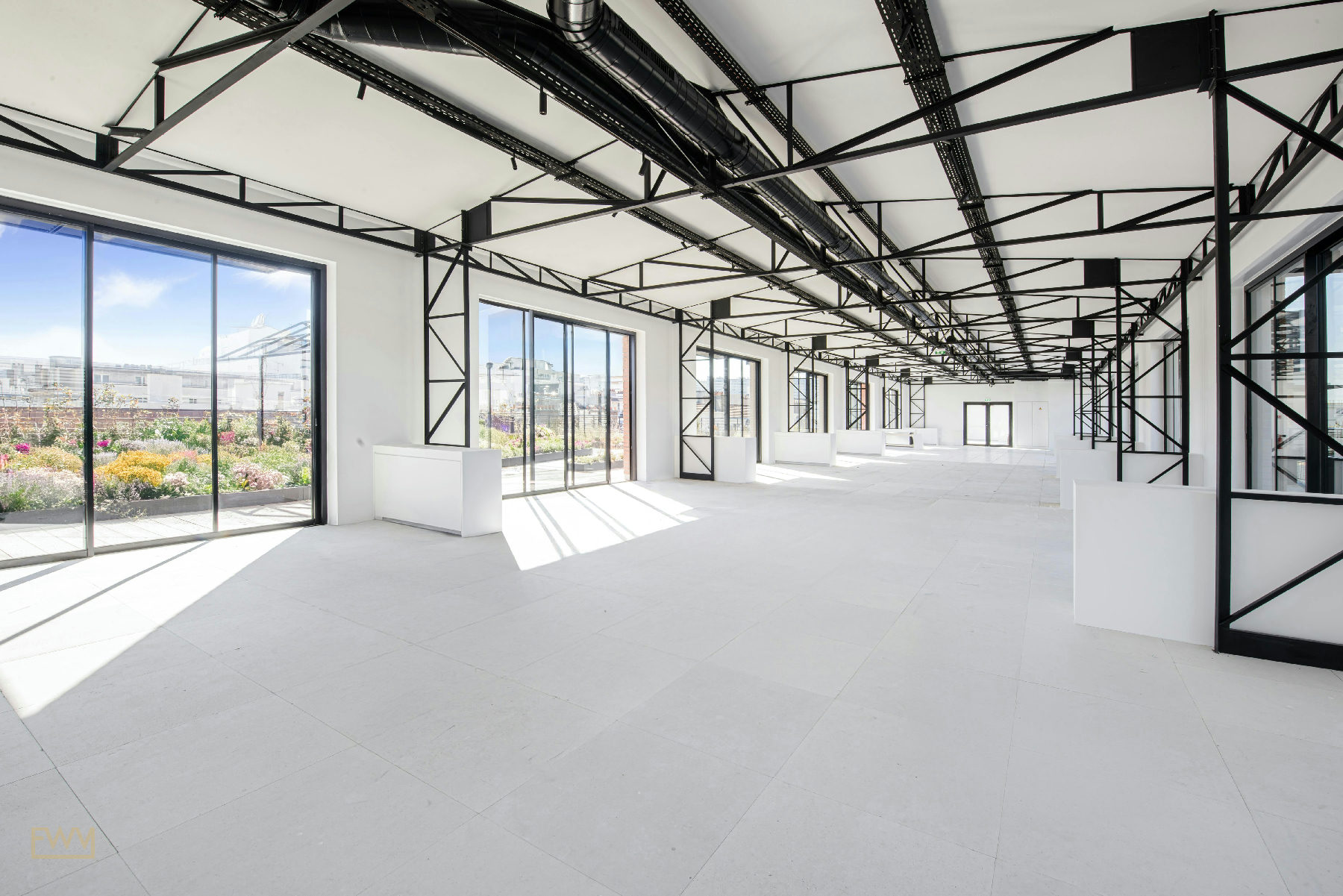
To rent retail space for Paris Fashion Week, brands need to navigate a competitive market, a specific seasonal calendar, distinct neighbourhood dynamics, and a regulatory environment that differs significantly from short-term commercial leasing in other countries. Whether you are planning a showroom for buyer appointments, a pop-up store to capture street traffic, or a press preview space during the Womenswear Ready-to-Wear season, the decisions you make around space type, location, timing, and legal structure will directly shape your activation's commercial outcome. Fashion Week Venues' Paris city hub offers brands a structured starting point for space discovery, neighbourhood comparison, and full-service activation planning across every major Paris Fashion Week window.
Paris Fashion Week: The Industry Calendar and Why It Drives Retail Space Demand
Paris Fashion Week is not a single event. It is a sequence of overlapping industry weeks governed primarily by the Fédération de la Haute Couture et de la Mode, each serving a distinct segment of the global fashion industry and attracting different buyer, press, and consumer profiles.
The Four Main Paris Fashion Week Windows
The Paris fashion calendar is anchored by four primary industry weeks, each creating distinct demand spikes for temporary retail space, showrooms, and event venues across the city.
- Haute Couture Week takes place in January and July, presenting made-to-order collections to a highly exclusive clientele of private clients, press, and international buyers. Venues tend toward intimate, architecturally refined spaces in the 1st, 2nd, and 8th arrondissements.
- Men's Fashion Week runs in January and June, overlapping with Haute Couture Week in the January session, creating a concentrated demand window. In January 2026, Men's Fashion Week and Haute Couture Week are scheduled to run from January 20 to 29, 2026, compressing demand for high-quality central Paris spaces into a narrow window.
- Womenswear Ready-to-Wear is the largest and most commercially significant Paris Fashion Week, held in late February and March for the Spring/Summer collections, and in late September and October for the Fall/Winter collections. This week attracts the broadest range of international brands, buyers, press, and consumers, and it generates the highest competition for showroom and pop-up space across Paris.
- Pre-collections and resort seasons are increasingly used by emerging and independent brands as lower-competition windows to host showrooms, product launches, and buyer appointments outside the peak pricing periods.
Why the Paris Fashion Week Calendar Matters for Space Planning
Space availability, rental pricing, and logistical complexity all shift dramatically depending on which Fashion Week window you are targeting. The Womenswear Ready-to-Wear season generates the greatest pressure on central Paris spaces, particularly in Le Marais, the Golden Triangle, and Saint-Germain-des-Prés. Brands that delay booking lose access to the most sought-after spaces first. For the January 2026 Men's Fashion Week and Haute Couture Week window, brands should expect high demand for short-term spaces in the 1st, 2nd, 3rd, and 8th arrondissements.
Quick answer: Paris Fashion Week comprises four main industry windows: Haute Couture Week, Men's Fashion Week, and two Womenswear Ready-to-Wear seasons covering Spring/Summer and Fall/Winter collections. Each window creates distinct demand for showroom and retail space across different Paris neighbourhoods, with the Womenswear Ready-to-Wear season generating the highest competition for central spaces.
DID YOU KNOW: The Fédération de la Haute Couture et de la Mode coordinates the official Paris Fashion Week calendar, and its published schedules are the reference point international brands use to time their showroom and pop-up bookings months in advance.
KEY TAKEAWAY: Understanding which Fashion Week window aligns with your brand's collection cycle, target audience, and commercial objectives is the first decision in any Paris space strategy. Misaligning your space booking with the wrong industry week can mean paying peak prices for a period when your target buyers and press contacts are not in the city.
Once you understand the calendar, the next step is identifying which Paris neighbourhood best matches your brand's positioning, target clientele, and activation format.
Paris Neighbourhoods for Retail Space and Showrooms During Fashion Week
The neighbourhood you choose for your Paris Fashion Week space directly affects your visibility, your access to the right professional audiences, and the visual language your activation communicates to press and buyers. Each major fashion district in Paris serves a different purpose and attracts a different profile of visitor.
Le Marais and the 3rd Arrondissement
Le Marais, centred on the 3rd arrondissement and the 75003 postcode, is consistently the most in-demand area for showroom and pop-up space during Paris Fashion Week. The neighbourhood combines historic architecture, a dense concentration of concept stores and art galleries, high international footfall, and a cultural identity that aligns naturally with contemporary fashion, design, and lifestyle brands. Rue de Turenne and the streets surrounding Centre Pompidou and the Saint-Merri district are particularly active during Fashion Week, with brands selecting spaces here for buyer appointments, press previews, and consumer-facing pop-up stores.
Galerie Joseph, located near 5 Rue Saint-Merri, is one of the recognised event and exhibition spaces in this part of the Marais. The area's architecture spans converted industrial lofts, Haussmannian apartments, former gallery spaces, and purpose-built showroom floors. This variety allows brands to match their space to their aesthetic, whether that requires raw industrial volumes, refined period interiors, or clean contemporary galleries.
Quick answer: Le Marais in the 3rd arrondissement (75003) is the most in-demand neighbourhood for Paris Fashion Week showrooms and pop-up stores. Its combination of historic architecture, art gallery density, international footfall near Centre Pompidou, and proximity to the city's fashion industry infrastructure makes it the default choice for mid-market to luxury contemporary brands.
The Golden Triangle and 8th Arrondissement
The Golden Triangle, formed by Avenue Montaigne, Avenue George V, and the Champs-Élysées in the 8th arrondissement, is the address of choice for established luxury houses and international flagship brands. Spaces here command higher rental rates and project an immediate luxury positioning. For brands targeting high-net-worth private clients, senior international buyers, or luxury press, the 8th arrondissement signals credibility and market positioning that other neighbourhoods cannot replicate. The architecture in this area leans toward Haussmannian apartments, formal reception spaces, and contemporary refurbishments of historic buildings.
Saint-Honoré and the 1st and 2nd Arrondissements
The Saint-Honoré corridor, spanning parts of the 1st and 2nd arrondissements, connects Place Vendôme with the Palais-Royal and Rue Saint-Honoré itself. This area is home to a dense concentration of jewellery houses, established fashion brands, and high-end concept stores. For brands whose positioning sits between accessible luxury and high fashion, Saint-Honoré offers strong commercial streets with serious fashion credibility. It is also geographically convenient for buyers and press whose schedules include runway shows and appointments at venues clustered in the 1st and 2nd arrondissements.
Saint-Germain-des-Prés and the Left Bank
Saint-Germain-des-Prés occupies a distinct cultural position in Parisian fashion geography. The neighbourhood is associated with intellectual heritage, literary culture, and a quieter, more considered form of luxury than the Golden Triangle. Brands with strong heritage narratives, lifestyle positioning, or an audience that skews toward cultured international travellers and long-term Paris residents often select Saint-Germain-des-Prés for showrooms and private client events. The space mix includes boutique apartments, former gallery spaces, and refined townhouse interiors.
TIP: Your neighbourhood choice should be driven by three factors in combination: where your target buyers and press contacts are spending their time during Fashion Week, the visual language the architecture and street context communicates about your brand, and the rental cost relative to your activation budget.
| Neighbourhood | Arrondissement | Best For | Space Character | Fashion Week Profile |
|---|---|---|---|---|
| Le Marais | 3rd (75003) | Contemporary, emerging, lifestyle brands | Lofts, galleries, Haussmannian apartments | Highest demand, all seasons |
| Golden Triangle | 8th arrondissement | Established luxury, flagship activations | Formal Haussmannian, luxury retail floors | High demand, luxury calendar weeks |
| Saint-Honoré | 1st and 2nd | Accessible luxury, jewellery, accessories | Commercial boutique, concept store | Strong demand, all womenswear seasons |
| Saint-Germain-des-Prés | 6th | Heritage brands, lifestyle, private clients | Apartments, townhouses, boutique galleries | Moderate demand, selective appeal |
KEY TAKEAWAY: No single neighbourhood is the universally correct choice. Le Marais delivers volume, cultural relevance, and architectural variety. The Golden Triangle and Saint-Honoré deliver luxury market positioning. Saint-Germain-des-Prés delivers heritage and discretion. The right choice depends on your brand's objectives, target audience, and collection positioning.
Choosing your neighbourhood is the strategic decision. The next step is understanding what types of spaces are actually available and which format best serves your activation goals.
Retail Space Types Available in Paris During Fashion Week
Paris offers a wider range of temporary retail and showroom space formats than most other fashion capitals, reflecting the city's architectural diversity and its long history of accommodating international brands seeking short-term commercial presence during industry weeks.
Showrooms
A showroom in Paris during Fashion Week is typically a professionally managed space used for buyer appointments, press previews, and private client presentations. The space is usually configured with hanging rails, display tables, and seating areas, and it may be used by a single brand or shared between complementary non-competing brands. Showrooms range in size from compact single-room formats of around 50 to 100 square metres up to multi-floor spaces exceeding 300 square metres for larger collections or multi-brand presentations. The 3rd arrondissement contains a dense concentration of showroom-suitable spaces, with Haussmannian apartment floors and converted gallery spaces being particularly common formats.
Pop-Up Stores and Ephemeral Boutiques
A pop-up store or ephemeral boutique is a consumer-facing retail space open to the public, designed to generate direct sales, brand awareness, and social media visibility during the Fashion Week period. Pop-up stores in Paris during Fashion Week benefit from the elevated footfall that Fashion Week brings to key streets, particularly in Le Marais, Saint-Honoré, and around the major runway venues. These spaces range from small boutique formats of 50 to 80 square metres to larger concept store formats of 200 square metres or more. The distinction between a showroom and a pop-up store matters for permit and lease purposes, so clarifying the intended use before signing any rental agreement is important.
Lofts and Industrial Spaces
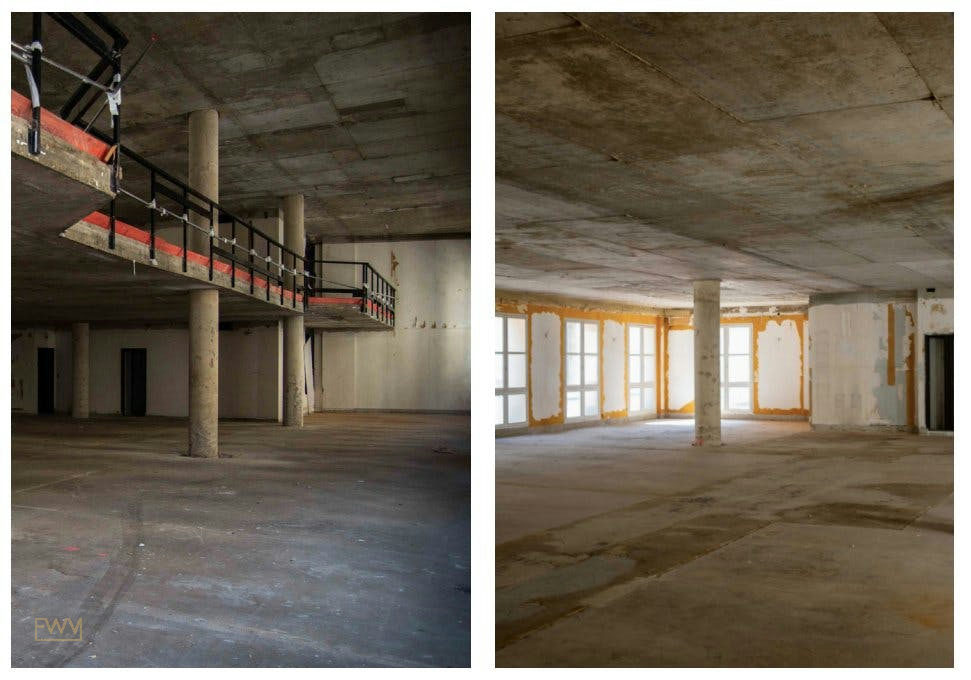
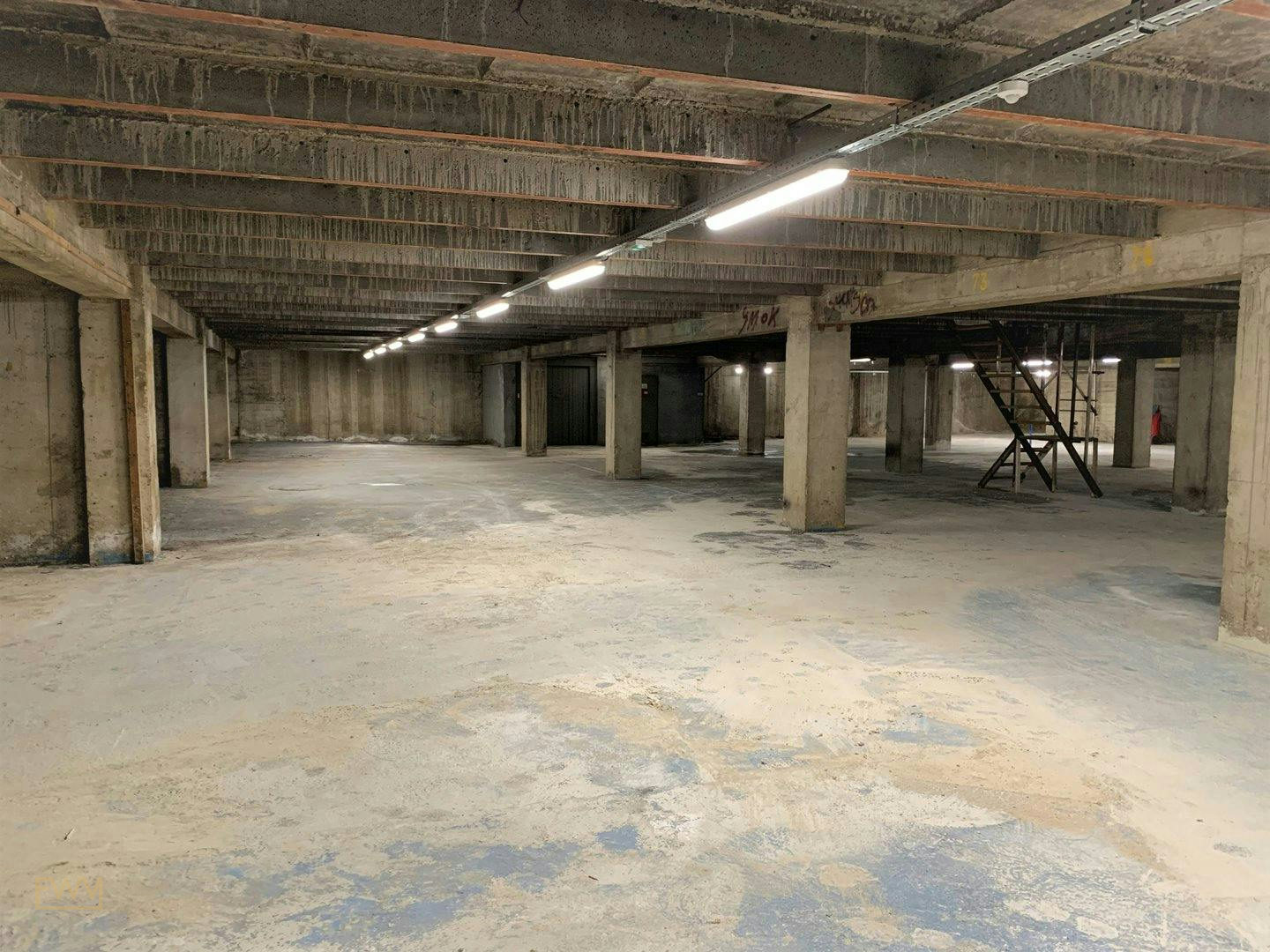
Industrial lofts, converted warehouses, and open-plan raw spaces are popular with brands whose aesthetic aligns with a contemporary, editorial, or experimental identity. These spaces offer large unobstructed floor areas that allow bespoke scenography, installation-based displays, and experiential retail formats. In Le Marais, several such spaces sit within the same streets as the neighbourhood's art galleries and concept stores, giving brands the double advantage of architectural character and neighbourhood credibility.
Haussmannian Apartments
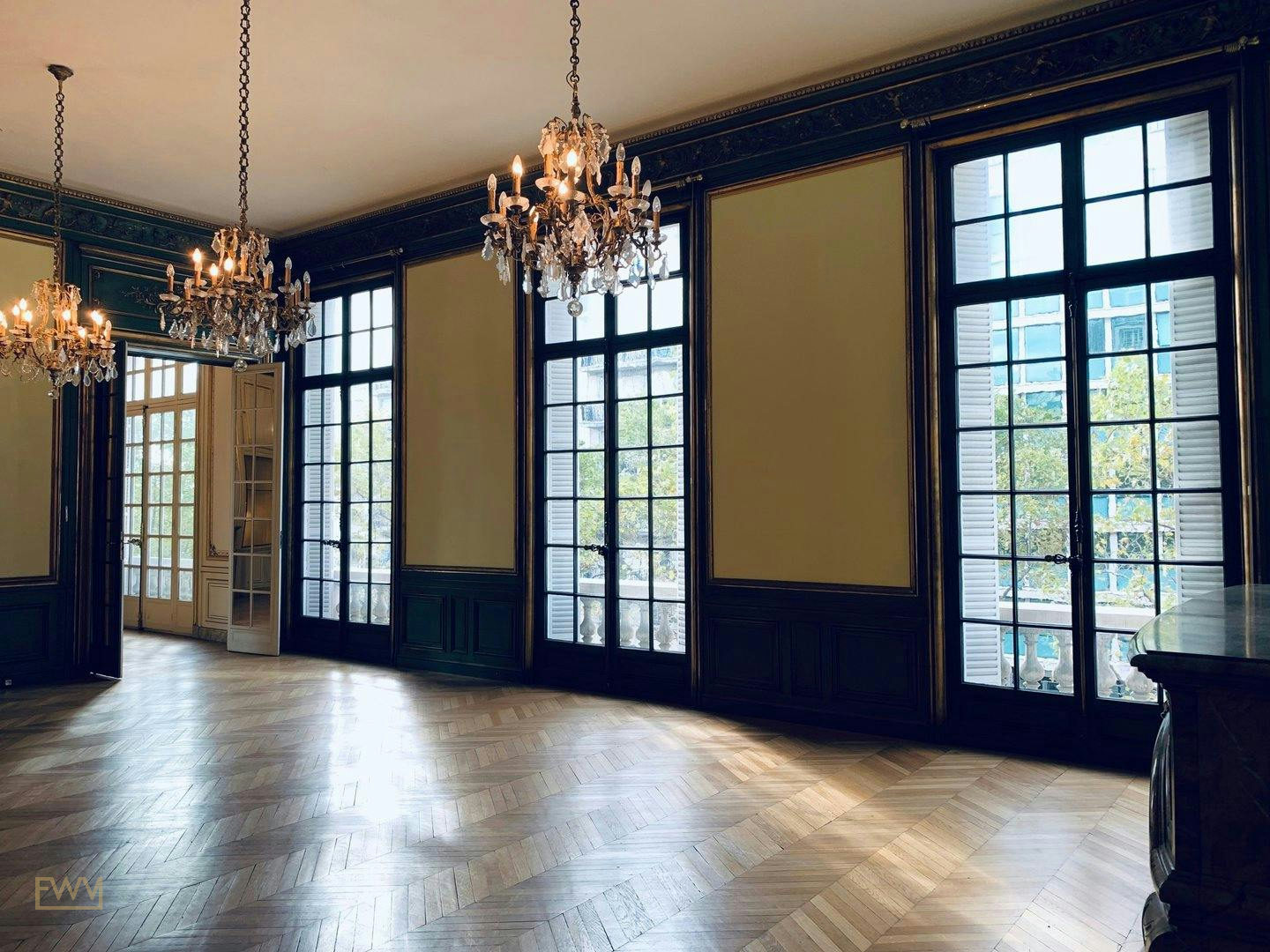
Haussmannian apartments offer period mouldings, herringbone parquet floors, high ceilings, and tall windows that photograph exceptionally well and provide an immediate visual language of Parisian heritage and refinement. These spaces work particularly well for luxury brands, jewellery presentations, private client events, and brands whose aesthetic is rooted in a classical European tradition. They are found across multiple arrondissements, with particularly strong concentrations in the 8th, 1st, 2nd, and 6th.
Art Galleries and Exhibition Spaces
Paris's concentration of contemporary art galleries creates a ready supply of clean, well-lit, professionally managed spaces that translate naturally to fashion showrooms, product launches, and press events. Gallery spaces typically offer white wall finishes, polished concrete or hardwood floors, and professional lighting infrastructure. The Marais has one of the highest gallery densities in Europe, making it the primary source of this space type during Fashion Week.
Virtual Showrooms
Some brands operating during Paris Fashion Week supplement or replace a physical showroom with a virtual showroom format, allowing international buyers to review collections without travelling. Virtual showrooms have become a recognised secondary tool in the Paris market, particularly for emerging brands managing costs or for brands whose buyer relationships are primarily digital. However, for press engagement, private client events, and experiential activations, a physical space in Paris remains the standard expectation during Fashion Week.
Quick answer: The main types of spaces available to rent during Paris Fashion Week include showrooms, pop-up stores, industrial lofts, Haussmannian apartments, art galleries, and concept store formats. The right format depends on your activation's purpose: buyer appointments favour showrooms, consumer activations favour pop-up stores, and editorial or experiential activations often benefit from loft or gallery formats.
KEY TAKEAWAY: Space type selection should follow activation purpose, not aesthetic preference alone. A beautiful Haussmannian apartment that lacks the street visibility needed for a consumer pop-up will underdeliver, just as an industrial loft in a low-footfall location will underperform for buyer appointments if buyers are concentrated in a different district during your target Fashion Week window.
Understanding space types helps brands shortlist options. The practical challenge of navigating Paris's short-term rental market, its legal frameworks, and its logistical requirements is addressed in the next section.
Legal Frameworks, Permits, and Compliance for Short-Term Retail Space in Paris
Renting space in Paris for Fashion Week involves navigating a legal environment that is materially different from standard commercial leasing in France and from short-term retail frameworks in the United States, United Kingdom, or other major markets.
The Bail Dérogatoire
The primary legal mechanism used for short-term commercial space rentals in France is the bail dérogatoire, sometimes called a convention d'occupation précaire. This agreement allows landlords to let commercial premises on a short-term basis, outside the protections of the standard 3-6-9 commercial lease that governs long-term retail tenancies in France. A bail dérogatoire can be used for a maximum total duration of 36 months with the same tenant for the same premises, after which a standard commercial lease must be issued or the tenant must vacate. For Fashion Week activations lasting between a few days and a few weeks, the bail dérogatoire is the standard instrument.
IMPORTANT: The bail dérogatoire must be explicitly and clearly stated as such in the signed agreement. If this designation is absent or ambiguous, French commercial tenancy law may treat the agreement as a standard 3-6-9 lease, creating significant legal exposure for the landlord and complicating the tenant's exit. Always have any rental agreement reviewed by a qualified French legal advisor before signing.
Autorisation d'Occupation Temporaire (AOT)
When a brand wishes to use public space, a portion of a public building, or public domain for a commercial activation, it may need an Autorisation d'Occupation Temporaire (AOT) from the relevant public authority, which in Paris is typically the City of Paris or the relevant prefecture. AOTs are commonly required for outdoor activations, window installations visible from the public domain, and any use of publicly managed infrastructure. Requirements vary by arrondissement, by the specific nature of the activation, and by the duration of the occupation.
Permit Requirements for Pop-Up Stores and Showrooms
Pop-up stores and showrooms in private premises typically require compliance with local commercial use regulations, fire safety standards, and in some cases specific permissions related to the change of use of the space. Art galleries and private apartments converted to commercial use for Fashion Week purposes may require verification that the space's classification permits temporary commercial activity. Requirements vary by space type, intended use, duration, and arrondissement. Brands should not assume that a space being listed as available for short-term rental means that all required permits are in place. Verifying the permit position of any space is a critical step before committing to a booking.
The Fashion Week Venues permit guidance tool provides a structured framework for understanding what permit requirements may apply to your activation type and location in Paris.
Do Brands Need a French Legal Entity?
International brands without a French registered entity can rent space in Paris using the bail dérogatoire, typically by contracting through a local agent or through a lease structure that accommodates foreign entities. Many international brands operating during Paris Fashion Week do so without establishing a French subsidiary or branch, relying instead on their existing legal entity in their home jurisdiction and on local agency partnerships to manage the contractual and compliance obligations on the ground. However, VAT registration, tax compliance on sales made in France, and employment law obligations for any staff hired locally are all subject to French law regardless of the brand's domicile.
Quick answer: International brands do not necessarily need a French legal entity to rent space during Paris Fashion Week. Short-term rentals can be structured through a bail dérogatoire using the brand's existing legal entity, often with the support of a local agency partner. However, French VAT, tax, and employment obligations apply regardless of the brand's country of registration, and qualified local legal advice is strongly recommended before signing any rental agreement.
KEY TAKEAWAY: The legal framework for short-term retail space in Paris is more complex than it appears. Bail dérogatoire agreements, AOT requirements, permit compliance, and French tax obligations all require active management. Brands that treat the legal side as an afterthought frequently encounter delays, unexpected costs, or activation disruptions during Fashion Week.
With the legal framework understood, brands can approach the practical logistics of planning, booking, and fitting out a Paris Fashion Week space with greater confidence and fewer surprises.
Planning, Booking, and Logistics for Paris Fashion Week Spaces
Successfully renting and activating a retail space or showroom during Paris Fashion Week requires advance planning on a timeline that most brands underestimate. The combination of limited high-quality inventory, compressed calendar windows, and complex logistics means that late-stage planning consistently results in compromised outcomes.
How Far in Advance Should You Book?
For the peak Womenswear Ready-to-Wear seasons in February and March, and September and October, the most desirable spaces in Le Marais, the Golden Triangle, and Saint-Honoré typically receive serious enquiries six to nine months in advance. By three to four months before Fashion Week, the shortlist of available high-quality spaces in prime locations has contracted significantly. For Men's Fashion Week and Haute Couture Week windows in January and June and July, the timeline is similar, though the absolute volume of demand is somewhat lower, which provides marginally more flexibility. Brands that begin their search fewer than eight weeks before their target Fashion Week window are operating in a significantly restricted market.
The Space Selection and Booking Process
A structured space selection process for Paris Fashion Week typically follows a sequence from brief development through to activation. Understanding this sequence helps brand teams allocate internal resources and external agency support appropriately.
| Stage | Action | Timing Before Fashion Week | Key Decisions |
|---|---|---|---|
| Brief Development | Define objectives, format, neighbourhood, budget, duration | 9 to 12 months | Activation type, calendar window, target audience |
| Space Discovery | Shortlist spaces by size, location, availability, character | 6 to 9 months | Neighbourhood, space type, size |
| Space Review | Site visits, capacity verification, permit due diligence | 5 to 7 months | Fit for purpose, legal status, logistics access |
| Contract and Booking | Negotiate bail dérogatoire, confirm deposit, agree build access | 4 to 6 months | Lease terms, build access dates, insurance |
| Concept and Design | Develop spatial concept, scenography, fixtures, materials | 3 to 5 months | Brand identity expression, visitor flow, display strategy |
| Production and Build | Manufacture, source, and install fixtures and fit-out | 2 to 4 months | Contractors, materials lead times, build timeline |
| Staffing and Operations | Hire and brief retail or showroom staff, set up POS | 6 to 8 weeks | Language capability, brand knowledge, sales training |
| Activation | Run the space, manage traffic, collect data | Fashion Week week | Operational management, visitor experience, data capture |
| Derig and Review | Clear the space, return to landlord condition, review results | Post-Fashion Week | ROI analysis, learnings for future seasons |
Logistics Considerations for Paris Activations
Paris presents specific logistical challenges for brands arriving from outside France. Delivery access in central arrondissements is subject to time restrictions, with many streets in Le Marais, Saint-Honoré, and the Golden Triangle operating controlled access zones. Loading and unloading for fit-out materials, stock deliveries, and furniture requires coordination with both the building manager and the relevant local authority. Storage within the space itself is often limited in historic buildings, requiring brands to identify off-site storage solutions close to the activation location. Customs clearance for stock arriving from outside the European Union adds another layer of logistics planning, particularly for brands shipping from the United States, United Kingdom, or Asia.
The Fashion Week Venues timeline planning tool helps brand teams build a realistic project schedule that accounts for the specific requirements of a Paris activation.
TIP: Always negotiate build access dates into your rental agreement before signing. Arriving at a space the morning of opening day without build access is a common and avoidable mistake that results in late openings, damaged brand relationships, and wasted budget.
KEY TAKEAWAY: The logistics of a Paris Fashion Week activation are more complex than those of equivalent activations in most other cities. Controlled access zones, storage constraints, customs requirements, and the compressed nature of the Fashion Week calendar all require proactive planning well in advance of the activation week itself.
Understanding the planning timeline and logistics framework helps brands allocate the right resources. The next question most brand teams face is the cost of renting space in Paris during Fashion Week.
Costs and Budget Considerations for Paris Fashion Week Spaces
Rental costs for Paris Fashion Week spaces vary considerably by neighbourhood, space size, space type, duration, and the specific calendar week being targeted. Providing precise rental figures without a specific brief is not meaningful, as the market contains wide variation across all of these variables.
Factors That Influence Rental Pricing
Several factors combine to determine the rental rate for a given space during Fashion Week. Understanding these factors helps brands frame realistic budget expectations before beginning their search.
- Calendar window: Peak periods such as Womenswear Ready-to-Wear command the highest rates. Haute Couture and Men's Fashion Week windows typically have somewhat lower volume demand, though specific high-quality spaces can command equivalent rates for the right tenant.
- Neighbourhood: The Golden Triangle and prime Saint-Honoré locations command premium rates. Le Marais pricing varies significantly by street and specific space quality. Saint-Germain-des-Prés tends to offer competitive rates for the quality of space available.
- Space size: Larger spaces command higher absolute rental figures, though the rate per square metre can be more competitive in larger spaces due to reduced per-unit overhead for landlords.
- Duration: Very short bookings of two to three days often carry a higher daily rate than bookings of seven to fourteen days, reflecting the administrative and logistics cost to the landlord of very short tenancies.
- Space quality and fit-out: Fully furnished, equipped, and professionally managed spaces command higher rates than raw spaces requiring full fit-out from the tenant.
As a directional reference only, some published listing services have shown short-term Paris showroom spaces in the 75003 area ranging from the equivalent of approximately USD 1,220 per day for spaces around 115 to 200 square metres, to USD 1,830 per day for premium spaces of around 180 square metres. These figures are illustrative only and should not be treated as market norms or guarantees of availability at these rates.
IMPORTANT: Rental cost is only one component of the total budget for a Paris Fashion Week activation. Build and fit-out, furniture, staffing, logistics, permits, insurance, PR and press, and waste removal all add to the total cost of activation. Brands that budget only for the rental cost routinely find themselves significantly over-extended by the time all operational costs are included.
Quick answer: Paris Fashion Week rental costs vary widely based on neighbourhood, space size, space type, duration, and calendar window. Directional published rates for Marais spaces have ranged from around USD 1,220 to USD 1,830 per day for spaces of 115 to 200 square metres, though actual rates depend entirely on the specific space and booking. Use a dedicated budget tool to model your full activation cost, not just the rental component.
For brand-specific budget modelling that accounts for all components of a Paris activation, the Fashion Week Venues budget calculator provides a structured framework for estimating total costs against your specific brief.
Independent Versus Shared Showroom Formats
One decision that directly affects both cost and brand experience is whether to take an independent showroom or share a multi-brand space. An independent showroom gives the brand complete control over the space, its styling, its visitor flow, and its appointment scheduling. The brand identity is presented without visual competition from adjacent collections, and the environment can be entirely aligned with the brand's aesthetic. This format is typically the stronger choice for brands with established buyer relationships and a clear brand identity.
A shared showroom reduces individual rental costs by dividing the space across multiple brands, but it introduces compromises in brand environment control, scheduling flexibility, and the visitor experience. For emerging brands with limited budgets and smaller collections, shared formats can provide access to well-located central Paris spaces that would otherwise be beyond their individual means. The Fashion Week Venues twin co-activation concept is designed specifically for brands interested in paired activations that maintain distinct brand identities while sharing operational costs.
KEY TAKEAWAY: Budget for the full activation, not just the rent. And evaluate the independent versus shared question honestly against your brand's stage of development, buyer relationship depth, and collection volume. The cheapest option is rarely the most commercially efficient option.
With cost and format decisions understood, brands need to evaluate whether to manage their Paris activation independently or to work with a specialist agency.
How Fashion Week Venues Helps Brands Rent and Activate Space in Paris
Fashion Week Venues operates as a full-service pop-up shop agency and space marketplace with Paris as its primary and anchor market. The platform and agency are designed to support brand teams across every stage of a Paris Fashion Week activation, from initial space discovery through to post-activation ROI analysis.
Space Discovery and Sourcing
The Fashion Week Venues marketplace lists available spaces across Paris's primary fashion neighbourhoods, allowing brand teams to browse by size, location, availability, and space type. For brand teams that prefer a managed approach to space sourcing, the venue sourcing service provides a curated shortlist based on a detailed brief, removing the time burden of individual space research and reducing the risk of booking spaces that do not match the brand's operational or aesthetic requirements.
Concept Direction and Branded Store Design
Renting the right space is only the first step. The spatial concept, scenography, fixture design, and material palette all communicate directly with buyers, press, and consumers during Fashion Week. Fashion Week Venues' concept direction and branded store design services provide brands with creative development that is grounded in both fashion industry experience and an understanding of the specific spatial character of Paris venues.
Production, Build, and Fit-Out
Managing a build in Paris as an international brand requires coordination with local contractors, knowledge of building access regulations, and an understanding of what can and cannot be done within a historic or listed space. The production and build service manages this process for brands, reducing the risk of permit non-compliance, construction delays, and damage deposit disputes with landlords.
Activation Management and Retail Staffing
Running a Fashion Week space in Paris requires on-the-ground operational capability. Fashion Week Venues' activation management service covers day-to-day operational management of the space during the activation period, while the retail staffing service provides trained, brand-briefed, French-speaking staff for showrooms, pop-up stores, and event formats. For brands without a Paris-based team, these services provide the operational infrastructure that makes a successful Fashion Week presence possible.
Data, Analytics, and ROI
A Fashion Week activation should generate measurable commercial outcomes: buyer orders, press coverage, consumer engagement, direct sales, and brand awareness data. Fashion Week Venues provides data and analytics services to capture visitor behaviour, sales performance, and engagement metrics during the activation, and the ROI calculator helps brand teams evaluate commercial return against activation investment both before and after the event.
Tools and Planning Resources
In addition to its managed services, Fashion Week Venues provides a suite of self-service planning tools including a budget calculator, a timeline tool, a space comparison tool, a permit guidance tool, and a space locator. These tools allow brand teams to conduct initial planning research independently before engaging agency support, and they support more structured briefing conversations when agency involvement is appropriate.
To compare Paris neighbourhoods and space types before committing to a brief, explore the Paris city hub on Fashion Week Venues and shortlist spaces that match your brief, budget, and target calendar window.
Quick answer: Fashion Week Venues supports brands across the full lifecycle of a Paris Fashion Week activation, from space discovery and legal structure guidance through to concept direction, production, staffing, and post-activation data analysis. The platform combines a space marketplace with managed agency services and self-service planning tools, making it relevant for both brands planning their first Paris activation and those managing recurring seasonal presences.
KEY TAKEAWAY: The value of working with a specialist agency lies primarily in risk reduction and time efficiency. The Paris Fashion Week space market is competitive, legally complex, and logistically demanding. Brands that attempt to manage all elements independently while also running their seasonal business frequently encounter avoidable problems that erode the commercial value of the activation.
Beyond Paris, the Fashion Week Venues platform also covers other major fashion capitals, which raises important strategic questions about multi-city activation planning.
Multi-City Fashion Week Activation Strategy: Paris in Context
For international brands with presence across multiple fashion capitals, Paris Fashion Week is one component of a broader seasonal activation calendar that may include London, Milan, New York, Tokyo, and Dubai. Understanding how Paris sits within this multi-city context helps brands make more strategic decisions about investment, timing, and market prioritisation.
Paris as the Anchor Fashion Capital
Paris maintains its position as the most commercially significant single city for international brand activations during Fashion Week. The concentration of international press, senior buyers, and high-net-worth consumers during the Womenswear Ready-to-Wear and Haute Couture windows is unmatched by any other fashion capital. For brands with a limited total activation budget, Paris is typically the highest-priority single market.
Coordinating Multiple Fashion Week Windows
Brands operating across New York, London, Milan, and Paris within a single season face a compressed calendar that makes sequential multi-city activations genuinely logistically complex. Physical spaces need to be booked, fitted out, operated, and decommissioned within a total window of approximately four to five weeks during the Womenswear Ready-to-Wear season. For most brands, this means making clear choices about which cities receive full permanent pop-up treatment and which are covered by showroom or virtual showroom formats.
DID YOU KNOW: Fashion Week Venues operates city hubs for Paris, London, Milan, New York, Tokyo, and Dubai, allowing brands to plan and compare activation options across multiple fashion capitals through a single platform and agency relationship.
Emerging Markets and Non-Fashion-Week Windows
Some international brands find strong commercial returns from activating in Paris or other fashion capitals outside the peak Fashion Week windows, taking advantage of lower rental rates, reduced logistical complexity, and a less compressed market. Pre-collection seasons, resort presentations, and summer or autumn retail windows outside the official fashion calendar can provide effective alternatives for brands whose commercial objectives do not require the specific audience that Fashion Week concentrated periods generate.
KEY TAKEAWAY: Paris is the anchor market for Fashion Week activations, but a multi-city strategy requires careful resource allocation. For most brands, depth of activation in Paris during the right calendar window generates better commercial returns than a broader but shallower presence across multiple cities.
Strategic clarity on the multi-city question helps brands make better decisions about where to concentrate resources. The final practical dimension most brand teams need to work through is how to evaluate and select an agency to manage the Paris activation.
Selecting the Right Agency for Your Paris Fashion Week Activation
The decision to work with a specialist agency for a Paris Fashion Week space should be grounded in a clear understanding of what good agency support delivers, what it costs, and what questions to ask before committing to a working relationship.
What to Look for in a Paris Pop-Up Agency
A capable Paris Fashion Week agency should demonstrate verifiable experience with comparable brands and activation formats, knowledge of the specific neighbourhood dynamics and space inventory relevant to your brief, relationships with Paris-based landlords and space managers, and in-house or trusted partner capability across the full activation lifecycle from concept to close. Agencies that position themselves primarily as commission-based space brokers without operational capability are structurally different from full-service activation agencies, and brands should understand which model they are engaging with before signing a contract.
The Fashion Week Venues guide to hiring an agency provides a structured framework for evaluating agency options, including the questions to ask, the red flags to watch for, and the contract terms to scrutinise.
Questions to Ask Any Potential Agency
- What Paris Fashion Week activations have you managed in the last two seasons, and can you share case studies?
- Do you have owned or managed space inventory in Paris, or do you operate purely as a sourcing broker?
- How do you handle permit compliance and legal review for short-term rentals?
- What is your staffing model for the activation period, including contingency for no-shows or operational issues?
- How do you measure and report on activation performance, and what data do you provide post-activation?
- What are the full contractual terms, including cancellation provisions and force majeure clauses?
Quick answer: When selecting an agency for a Paris Fashion Week space activation, prioritise agencies with demonstrable Paris-specific experience, operational capability across the full activation lifecycle, transparent pricing, and a clear approach to permit compliance and legal structure. Commission-only brokers who source spaces without operational support are a different category of service provider and carry different risk profiles for the brand.
KEY TAKEAWAY: The agency selection decision is as important as the space selection decision. An operationally capable agency reduces the risk of the many failure modes that attend a Paris Fashion Week activation, from permit problems to build delays to staffing gaps. Choosing the cheapest available option without scrutinising operational capability is a false economy.
With the full picture of Paris Fashion Week space rental understood, from calendar and neighbourhood through to legal structure, logistics, cost, and agency selection, the common myths that circulate in this market deserve direct examination.
Common Myths About Renting Retail Space in Paris During Fashion Week
MYTH: International brands need a French legal entity to rent space in Paris during Fashion Week.
FACT: International brands can rent short-term commercial space in Paris using the bail dérogatoire framework without establishing a French subsidiary or branch. Many international brands operating during Paris Fashion Week contract directly through their home-country entity, often with local agency support to manage the contractual and compliance obligations. However, French VAT and tax obligations on sales made in France apply regardless of the brand's legal domicile, and professional French legal advice is strongly recommended before signing any rental agreement.
MYTH: Paris Fashion Week is the only viable calendar window for a successful Paris activation.
FACT: Paris Fashion Week windows generate the highest concentration of international buyers, press, and fashion-aware consumers, making them the most commercially intensive periods for activations targeting that audience. However, pre-collection seasons, resort periods, and off-calendar windows in Paris can deliver strong returns for brands targeting local consumers, tourists, or lifestyle audiences whose calendar is not dictated by the official fashion schedule. The right window depends on the brand's specific objectives and target audience, not on industry convention alone.
MYTH: Commission-based brokers are the only way to find available space in Paris during Fashion Week.
FACT: Commission-based space brokers are one channel among several for finding Paris Fashion Week spaces. Online space marketplaces, direct landlord relationships, full-service agency partnerships, and platforms such as the Fashion Week Venues marketplace all provide access to available inventory. Commission brokers typically provide sourcing only, without the concept direction, production management, permit compliance, and operational support that a full-service agency delivers alongside space access.
MYTH: Short-term leases for Paris Fashion Week spaces are legally straightforward and do not require specialist help.
FACT: Short-term commercial leases in France are governed by specific legal frameworks, including the bail dérogatoire, which must be correctly structured to avoid inadvertently triggering the protections of the standard 3-6-9 commercial lease. Permit requirements, VAT obligations, employment law for local staff, and insurance requirements all add layers of legal complexity that are not apparent from the lease document alone. Brands that proceed without qualified French legal advice are exposed to contractual, financial, and operational risks that can materially damage the outcome of the activation.
MYTH: The cheapest available space in a good neighbourhood will deliver the same results as a premium space at a higher rate.
FACT: Space quality within the same neighbourhood varies enormously in Paris. Factors including building condition, natural light, floor level and visibility, loading access, heating and ventilation, permit status, and management quality all affect the actual usability and performance of the space. A low-priced space with poor natural light, limited loading access, or unclear permit status can cost more in total than a well-priced premium space once all remediation, logistics, and operational costs are factored in. Site visits and due diligence before booking are non-negotiable.
Frequently Asked Questions About Renting Retail Space During Paris Fashion Week
What is the best neighbourhood to rent a showroom during Paris Fashion Week?
Le Marais in the 3rd arrondissement (75003) is consistently the most in-demand neighbourhood for showrooms during Paris Fashion Week, offering a combination of architectural variety, high international footfall, art gallery adjacency, and strong cultural alignment with contemporary fashion brands. However, the optimal neighbourhood depends on the brand's positioning. Luxury and haute couture brands typically favour the Golden Triangle in the 8th arrondissement or the Saint-Honoré corridor in the 1st and 2nd arrondissements. Heritage and lifestyle brands often select Saint-Germain-des-Prés for its refined cultural identity and discreet luxury associations.
Is it possible to rent a showroom in Paris for only a few days during Fashion Week?
Yes. Most showroom and pop-up space rentals during Paris Fashion Week are structured as short-term bookings of between three and fourteen days. The bail dérogatoire framework allows for very short-term commercial rentals in France without triggering the protections of the standard 3-6-9 commercial lease. Very short bookings of two to three days may carry a higher daily rental rate than weekly bookings, reflecting the administrative and logistics overhead for the landlord. Build access days, which are typically needed before the opening day, must be negotiated separately and may be charged at a different rate.
Are rental prices higher during Paris Fashion Week?
Yes. Rental prices for spaces in prime Paris locations during Fashion Week calendar windows are materially higher than equivalent spaces at other times of year, reflecting the concentrated international demand from brands competing for a limited supply of high-quality central spaces. The Womenswear Ready-to-Wear season commands the highest rates. Men's Fashion Week and Haute Couture Week windows are also peak-priced, though the absolute volume of competing demand is somewhat lower. Brands targeting off-calendar windows in Paris can often access the same spaces at significantly reduced rates.
Should I choose an independent or a shared showroom format?
An independent showroom gives the brand full control over the space environment, visitor flow, appointment scheduling, and brand identity expression without visual or logistical competition from other brands. This is the stronger choice for brands with established buyer relationships, a distinctive aesthetic, and a budget that supports independent rental. A shared format reduces individual costs and can provide access to centrally located spaces that might otherwise be beyond a smaller brand's budget. The Fashion Week Venues twin co-activation concept is specifically designed for paired activations that maintain distinct brand identities while sharing operational costs.
How far in advance should I book a Paris Fashion Week space?
For peak Womenswear Ready-to-Wear season spaces in prime Paris locations, serious enquiries from competitive brands begin six to nine months in advance of the target Fashion Week window. By three to four months before Fashion Week, the shortlist of available high-quality spaces in Le Marais, the Golden Triangle, and Saint-Honoré has contracted significantly. For Men's Fashion Week and Haute Couture Week, the timeline is similar. Brands beginning their search fewer than eight weeks before their target window are operating in a severely restricted market and should expect meaningful compromises on location, space quality, or both.
What legal framework governs short-term commercial rentals in Paris?
Short-term commercial space rentals in Paris are typically structured using the bail dérogatoire, also called a convention d'occupation précaire, which allows landlords to let commercial premises outside the protections of the standard 3-6-9 commercial lease. The bail dérogatoire must be explicitly designated as such in the signed agreement. For rentals involving public space or public domain, an Autorisation d'Occupation Temporaire from the City of Paris or the relevant prefecture may also be required. Permit requirements vary by space type, duration, intended use, and arrondissement. Qualified French legal advice is strongly recommended before signing any rental agreement.
Does a brand need to be established to justify a Paris Fashion Week space?
No. Paris Fashion Week spaces serve brands across a wide spectrum from emerging independent labels to established international houses. The relevant question is not the brand's scale but rather whether the activation objectives, budget, and operational capability are aligned with the format being considered. For emerging brands, shared showroom formats, smaller independent spaces in Le Marais, and short booking windows can deliver strong commercial returns at a cost base that is proportionate to the brand's current scale. Full-service agency support is often particularly valuable for emerging brands that lack an existing Paris operational infrastructure.
What types of spaces are available to rent in Paris during Fashion Week?
Paris offers a wide range of temporary retail and showroom space formats during Fashion Week, including dedicated showroom floors, consumer-facing pop-up stores, industrial lofts, Haussmannian apartment floors, art gallery spaces, concept store formats, and boutique retail units. The right format depends on the activation's primary purpose. Buyer appointments and press previews favour showroom configurations. Consumer-facing activations favour high-street visibility and retail-configured spaces. Editorial and experiential formats often benefit from the architectural character of loft or gallery spaces in Le Marais.
What is typically included in a Paris Fashion Week space rental?
What is included in a Paris Fashion Week space rental varies considerably by space and landlord. Some spaces are offered as bare shells requiring full fit-out by the tenant. Others include basic furniture, lighting, and utilities. Fully managed spaces may include cleaning, reception services, and technical support. Brands should clarify exactly what is and is not included before signing any rental agreement, as assumptions about included services are a common source of unexpected costs and disputes during activation.
Can brands use Paris Fashion Week spaces for direct retail sales as well as buyer appointments?
Many brands use Paris Fashion Week spaces for both functions simultaneously or sequentially within the same booking window. A showroom running morning buyer appointments can operate as a consumer-facing pop-up store in afternoon and evening hours. However, the space must be appropriately permitted for public retail activity, and the space's physical configuration needs to support both professional and consumer visitor formats. Brands planning a hybrid showroom and retail format should confirm the space's commercial use classification and permit status with qualified legal advice before proceeding.
What are the main cost components of a Paris Fashion Week activation beyond the rental?
Beyond the rental itself, the main cost components of a Paris Fashion Week activation include concept direction and design, fit-out production and materials, furniture rental, staffing for the activation period, logistics and delivery, customs clearance for stock from outside the EU, insurance, permits and compliance fees, PR and press management, data and analytics infrastructure, and post-activation derig and reinstatement. Total activation budgets routinely exceed the rental cost by a factor of two to three times, depending on the scale and ambition of the activation. The Fashion Week Venues budget calculator provides a structured model for estimating total activation costs.
How does VAT work for direct sales made from a Paris Fashion Week space?
Sales made from a physical Paris location to French consumers are subject to French VAT, currently at the standard rate of twenty percent for most fashion goods. International brands selling from a Paris space are required to collect and remit French VAT regardless of their country of registration. The specific VAT registration and compliance requirements depend on the brand's legal structure, the nature of the sales, and the volume of transactions. Qualified French tax advice is essential for any brand planning direct retail sales from a Paris Fashion Week space.
What role does influencer and press strategy play in maximising a Paris Fashion Week space?
A physical Paris Fashion Week space provides the stage, but the commercial return on that space is significantly amplified by the press coverage and influencer content it generates. Brands that invest in their Paris space but neglect the influencer and press strategy dimension routinely see lower returns than brands that integrate their space activation with a coordinated outreach programme targeting relevant fashion press, editorial teams, and social media creators. Fashion Week Venues' influencer marketing service supports brands in developing and executing this dimension of their Paris activation strategy alongside the physical space management.
Is it possible to visualise a space before committing to a booking?
Fashion Week Venues offers an Imagine tool that allows brand teams to visualise how a shortlisted space might look with their concept applied, before committing to a rental agreement. This capability reduces the risk of booking a space that appears suitable in photographs but does not work in practice for the brand's specific display and visitor flow requirements. Combined with site visits and the space comparison tool, the Imagine tool provides brand teams with a more complete picture of a space's suitability before the booking decision is made.
What should I do if my target Fashion Week space is unavailable when I enquire?
If your target space is unavailable, the most productive immediate action is to submit a detailed brief to a space sourcing service rather than searching individual listings sequentially. A sourcing service with established landlord relationships can access spaces that are not yet publicly listed, negotiate priority access ahead of formal listing, and identify comparable alternatives that match the brief's key requirements. The earlier this process begins, the more options remain available. Brands that wait until a specific space is confirmed unavailable before beginning a broader search consistently experience the most constrained outcomes.
Conclusion: Renting Retail Space in Paris for Fashion Week
Renting retail space during Paris Fashion Week is one of the most commercially significant decisions a fashion brand can make in a given season. The Paris market offers exceptional space variety, a globally unmatched concentration of industry audiences during the Fashion Week calendar windows, and a neighbourhood geography that allows brands to position themselves precisely within the market landscape they are targeting. But the same market is competitive, legally complex, logistically demanding, and unforgiving of late-stage planning or underestimated budgets.
The brands that consistently achieve the strongest returns from Paris Fashion Week activations share several characteristics: they plan nine to twelve months in advance, they choose their neighbourhood and space type based on clear activation objectives rather than aesthetic instinct alone, they invest in the full activation lifecycle rather than only the rental, they understand the legal framework they are operating within, and they secure operational support that matches the complexity of what Paris requires.
Whether you are planning your first Paris showroom or managing a multi-season activation programme across the Womenswear Ready-to-Wear calendar, the quality of your space, your concept, your operations, and your team will determine whether your Paris presence delivers commercial returns that justify the investment.
To move from research to activation, start exploring available spaces on the Fashion Week Venues marketplace and build a focused brief for your target neighbourhood, space type, and calendar window. From space discovery through to activation management, data, and post-event review, Fashion Week Venues provides the platform, tools, and agency capability to support every stage of your Paris Fashion Week presence.