For fashion brands, creative directors, and international retailers, the decision to rent retail space in Paris is rarely straightforward. Paris is a city of extraordinary commercial complexity: a patchwork of protected neighbourhoods, strict planning rules, short-term lease frameworks that differ fundamentally from standard commercial leases, and a seasonal calendar that creates fierce competition for the best storefronts, showrooms, and gallery spaces. Yet Paris remains the single most strategically important city in the global fashion calendar, and the brands that understand its retail landscape gain a decisive advantage. This guide covers every dimension of renting retail space in Paris, from neighbourhood selection and space types to permits, budget frameworks, and how a specialist agency like Fashion Week Venues can simplify the entire process for brands entering the market.
Why Paris Remains the Defining Market for Fashion Retail Space
Paris is not simply a city where fashion happens. It is the city that defines the global fashion calendar, the aesthetic reference point for luxury retail, and the single location where a well-executed pop-up, showroom, or boutique activation carries disproportionate brand value far beyond its physical footprint.
The commercial real estate landscape in Paris reflects this status. Demand for retail space in central Paris arrondissements consistently outpaces supply, particularly during Paris Fashion Week, the couture season, and the pre-Christmas period. Brands competing for flagship storefronts on Avenue des Champs-Elysées, boutique spaces around Place de la Madeleine, showroom floors in the Sentier district, or gallery-format venues in the Marais face a market where relationships, timing, and local expertise matter more than budget alone.
The city divides into 20 arrondissements, each with distinct commercial character, foot traffic profiles, and planning environments. The 1st arrondissement, which encompasses the Palais-Royal, Place Vendôme, and the Tuileries, is one of the most prestigious and tightly controlled retail zones in the world. The 4th arrondissement, home to Le Marais, offers a dynamic mix of high-end boutiques, concept stores, and gallery-format spaces that attract both established brands and emerging designers. The 8th arrondissement, covering the Champs-Elysées, Boulevard Malesherbes, and the streets surrounding the Parc Monceau, remains the address of choice for luxury flagships and high-visibility pop-up stores.
Understanding these distinctions before beginning a search saves brands significant time and budget. A space that appears competitively priced in one arrondissement may carry hidden costs in permit complexity, fit-out restrictions, or operational limitations that make it unsuitable for a specific activation concept.
Quick answer: Paris offers unmatched brand value for fashion retail activations, but the market is complex, seasonal, and relationship-driven. Brands that invest in local expertise, neighbourhood research, and early planning consistently achieve better results than those who approach the search as a standard commercial property exercise.
DID YOU KNOW: Paris Fashion Week attracts buyers, press, and influencers from over 100 countries, concentrating more global fashion decision-makers in a single city for one week than any other event in the calendar year. The commercial ripple effect extends well beyond the shows themselves into adjacent showroom, pop-up, and experiential retail activity across the city.
With this context established, the next step is understanding where in Paris your brand should be looking, and why neighbourhood selection is as important as the space itself.
Paris Locations and Neighbourhoods for Retail Space: A District-by-District Breakdown
Choosing where to rent retail space in Paris is a strategic decision that affects foot traffic, brand perception, permit complexity, and cost. Each major retail district serves a different commercial purpose and attracts a different audience.
Le Marais and the 4th Arrondissement
Le Marais is arguably the most commercially versatile retail district in Paris. It combines a dense residential population, consistent tourist footfall, a strong gallery and concept store culture, and a relatively diverse mix of available space types. Brands looking for boutique storefronts with original Haussmann-era architecture, gallery-format white box spaces, or converted courtyard spaces will find the Marais offers more variety than almost any other Paris district. The district runs from roughly the Place des Vosges in the east to the Centre Pompidou in the west, and its northern section, particularly around Rue de Bretagne and Rue du Temple, has seen significant commercial activity from emerging and mid-tier fashion brands in recent years. Space sizes in Le Marais typically range from compact boutique formats under 50 square metres to larger multi-floor retail units, and the district's existing retail density means that foot traffic is consistently strong throughout the week, not just at weekends.
Place Vendôme and the 1st Arrondissement
The 1st arrondissement is home to some of the most prestigious retail addresses in the world. Place Vendôme itself is the anchor of the global luxury watch and jewellery industry, while the surrounding streets, including Rue de Castiglione, Rue Saint-Honoré, and the Palais-Royal arcade, attract high-net-worth consumers and international luxury buyers. Renting retail space in this arrondissement typically involves a significantly higher cost base, stricter planning and conservation restrictions, and longer lead times for permits and fit-out approvals. However, for luxury brands, jewellery labels, or fashion houses seeking a prestigious Paris address for a short-term activation or pop-up boutique, the 1st arrondissement delivers a level of brand credibility that no other district can match. The Palais-Royal gardens and arcade are particularly sought-after for concept-driven activations that blend retail with art, culture, and gastronomy.
Champs-Élysées and the 8th Arrondissement
The Avenue des Champs-Elysées is the single highest-footfall retail street in France, attracting an estimated 300,000 visitors per day according to figures widely cited in French retail industry reporting. The broader 8th arrondissement, which includes Boulevard Malesherbes, Place de la Madeleine, Rue Paul Cézanne, Rue Washington, and Rue de Marignan, provides a full spectrum of commercial retail spaces from flagship-scale units to boutique showroom floors. The 8th is the natural home for international luxury brands entering Paris, and it consistently attracts the highest concentration of Fashion Week-adjacent activations, press events, and product launches. Rue de la Baume and Rue du Quatre Septembre, while technically crossing district boundaries, are also part of the extended premium retail corridor that brands in the 8th tend to evaluate as part of their search.
Saint-Germain-des-Prés and the 6th Arrondissement
Saint-Germain offers a quieter, more intellectual version of Paris luxury retail. The neighbourhood attracts an affluent, culturally engaged consumer who responds well to gallery-format presentations, limited-edition product launches, and concept-driven boutique experiences. Brands with a strong design or art positioning, including independent fashion labels, contemporary jewellery designers, and lifestyle brands with a French aesthetic, tend to perform well with Saint-Germain activations. Space availability is more limited than in the Marais or the 8th, but the quality of available storefronts, particularly on Boulevard Saint-Germain and the surrounding side streets, is consistently high.
Sentier and the 2nd Arrondissement
The Sentier district, historically the centre of the Parisian textile and wholesale fashion industry, has undergone significant transformation in recent years and now functions as a hub for independent designers, showroom operators, and fashion-adjacent tech and creative businesses. It offers some of the most accessible price points for larger showroom or multi-function retail spaces within central Paris, and its proximity to major transport connections, including the Châtelet-les-Halles interchange, gives it strong logistical advantages for brands managing high volumes of buyer or press traffic during fashion week.
Pigalle and the 9th and 18th Arrondissements
Pigalle and the lower 18th arrondissement have emerged as a credible alternative fashion retail district, particularly for streetwear brands, music-adjacent fashion labels, and brands targeting a younger, trend-driven consumer. The area around Rue des Martyrs and the streets between Pigalle and Abbesses offers a mix of former retail units, converted spaces, and light industrial formats that suit brands seeking unconventional, high-character spaces for short-term activations or pop-up stores. Rents are generally lower than in the Marais or the 8th, though permit requirements and logistical complexity remain similar.
Galeries Lafayette, Printemps, and Châtelet-les-Halles
For brands seeking concession space, shop-in-shop formats, or visibility within Paris's major department store environment, Galeries Lafayette and Printemps on Boulevard Haussmann, and the retail complex at Châtelet-les-Halles, represent significant commercial opportunities with very different operational frameworks from standalone retail space rental. These environments require direct negotiation with the department store groups' brand partnership or concession teams, and they involve licensing rather than lease arrangements, which changes the permit and compliance picture considerably.
KEY TAKEAWAY: Neighbourhood selection in Paris is not a secondary decision. The district you choose determines your audience profile, your cost base, your permit complexity, and the type of space available to you. Build your neighbourhood shortlist before you begin any space search.
To compare neighbourhoods and space types, explore the Paris city hub on Fashion Week Venues and shortlist spaces that match your brief, budget, and calendar window.
Types of Retail and Commercial Space Available for Rent in Paris
The Paris commercial property market offers a far wider range of space types than most international brands initially expect. Understanding which format suits your activation concept is essential before beginning a search.
| Space Type | Typical Use | Average Size Range | Key Districts | Permit Complexity |
|---|---|---|---|---|
| Boutique Storefront | Pop-up retail, brand flagship, seasonal boutique | 30 to 150 sq. m. | Marais, Saint-Germain, Palais-Royal | Medium |
| Showroom | Buyer appointments, press presentations, wholesale | 80 to 400 sq. m. | Sentier, 8th arrondissement, Marais | Low to Medium |
| Gallery Space | Concept activation, art-fashion crossover, experiential | 50 to 300 sq. m. | Marais, Saint-Germain, Palais-Royal | Medium |
| Loft or Industrial Unit | Large-format pop-up, production shoots, events | 150 to 1,000 sq. m. | Sentier, 10th, 11th arrondissements | Medium to High |
| Haussmann Commercial Ground Floor | Premium retail, flagships, luxury pop-ups | 50 to 500 sq. m. | 8th, 1st, 16th arrondissements | High |
| Courtyard or Passage | Immersive experiences, multi-brand markets, events | Variable | Marais, Palais-Royal | High |
Storefronts and Boutique Units
Storefronts in Paris range from compact neighbourhood boutiques under 30 square metres to substantial multi-level retail units on prestige streets. The defining characteristic of a storefront for fashion retail purposes is direct street access with a shopfront and display window, which makes it suitable for walk-in consumer traffic and visual merchandising. Ground floor access is standard, though some boutique units in Haussmann buildings offer entresol or mezzanine levels that expand usable retail floor area. When evaluating a storefront, key considerations include the presence of a large door entrance for deliveries, ground floor backyard or storage access, the quality of existing infrastructure, the age of the property and any conservation restrictions on fit-out, and the availability of visitor parking in the immediate vicinity.
Showroom Spaces
Paris showroom spaces are typically found in upper-floor locations in commercial buildings in the Sentier, the 8th arrondissement, or the Marais. They are designed for appointment-based access rather than passing foot traffic, which changes both the permit landscape and the operational requirements significantly. A showroom rental in Paris can range from a single dedicated room of 50 square metres to a multi-floor suite capable of hosting dozens of simultaneous buyer appointments. Key space features to evaluate in a showroom include natural light quality, ceiling height, connectivity and data infrastructure, the number and quality of bathrooms for guest use, and the availability of a reception or waiting area.
Gallery and White Box Spaces
Gallery spaces in Paris offer a neutral, high-quality backdrop for concept-driven activations that blend retail with art, design, or culture. The Marais is the primary district for this format, with dozens of established contemporary art galleries offering their spaces for short-term commercial use outside exhibition periods. These spaces typically feature polished concrete floors or raw concrete floors, spotlights or track lighting systems, and a standard white box aesthetic that allows brands to apply their own visual identity without fighting the existing architecture. For fashion brands with a strong design positioning, a gallery space can deliver a significantly more differentiated brand experience than a standard retail storefront.
Loft and Industrial Formats
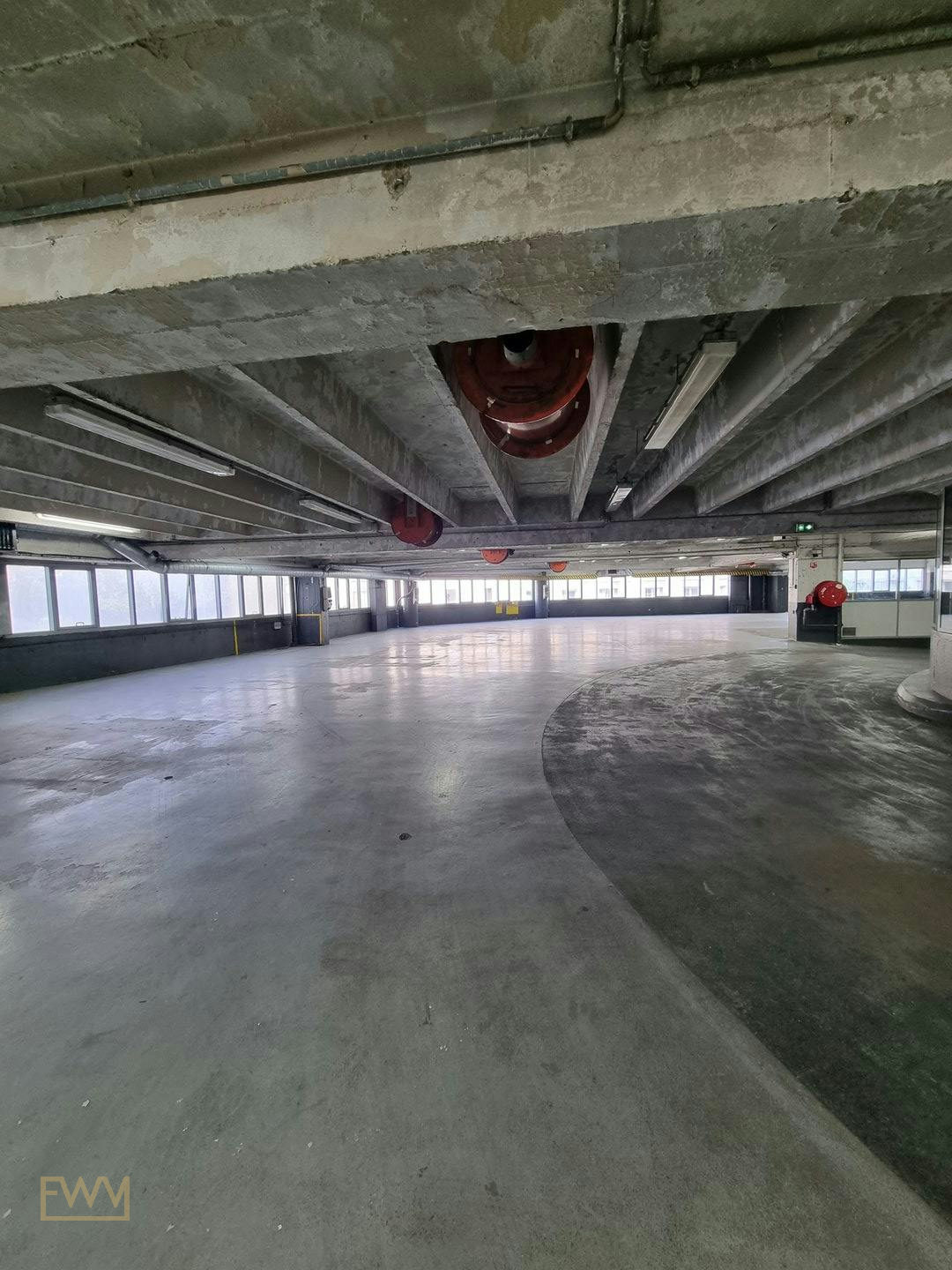
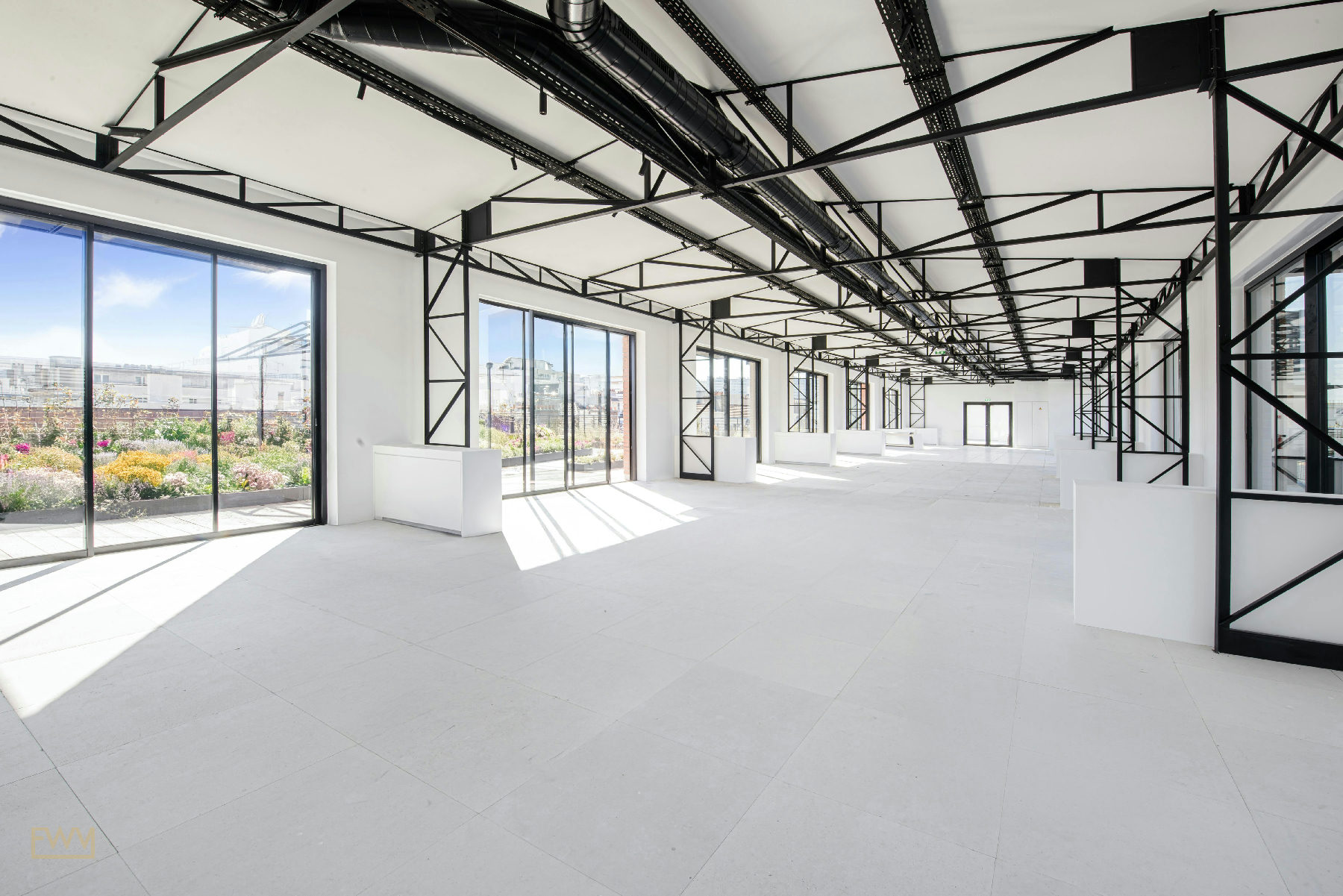
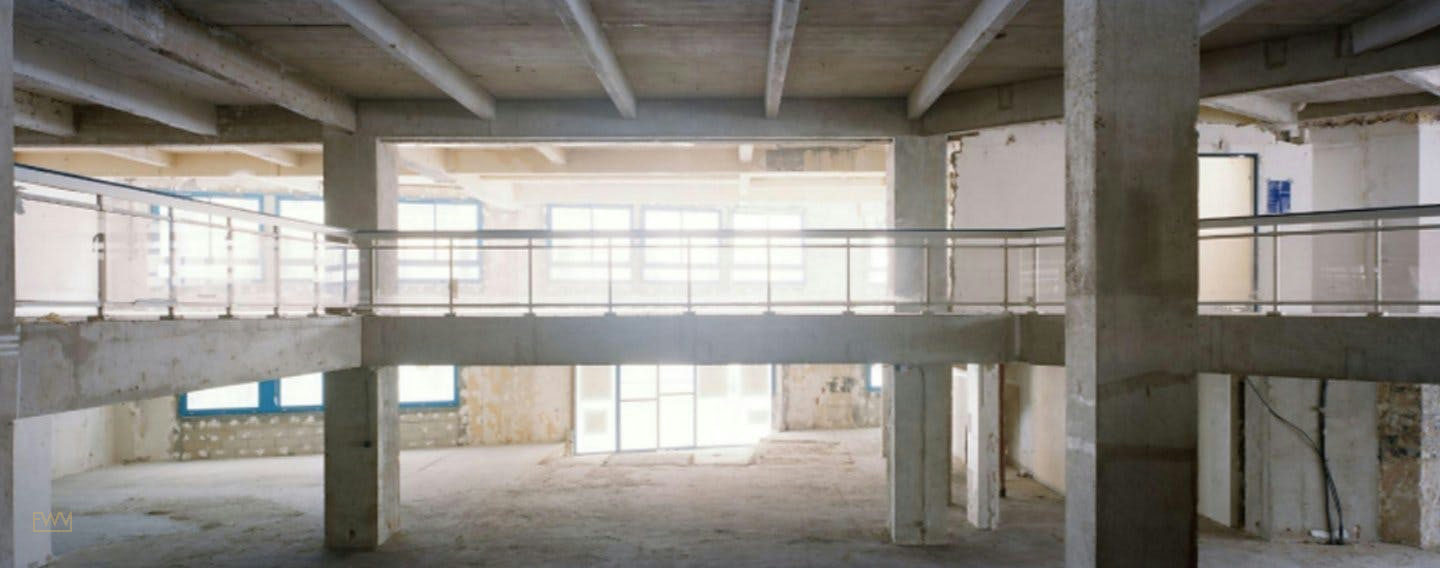
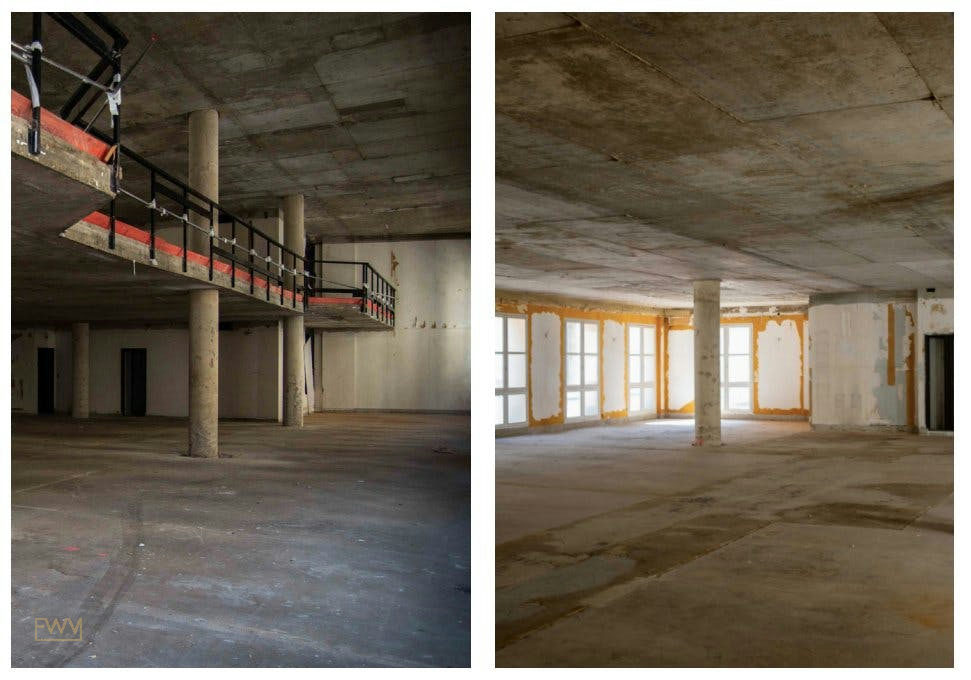
Paris has a substantial stock of converted light industrial and loft spaces, particularly in the 10th, 11th, and parts of the Sentier and République districts. These spaces are increasingly popular for large-format pop-up events, multi-brand activations, press days, and production shoots. They offer large open floor plates, high ceilings, and a raw aesthetic that suits contemporary fashion brands well, though they frequently require more significant investment in temporary fit-out, heating, lighting, and connectivity infrastructure.
Quick answer: Paris offers boutique storefronts, gallery white boxes, showroom floors, loft spaces, and Haussmann commercial ground floors. The right space type depends on your activation concept, audience profile, required footfall, and operational needs rather than size or price alone.
KEY TAKEAWAY: Match your space type to your activation concept first, then filter by size, location, and price. Many brands waste significant search time evaluating spaces that are technically available but structurally incompatible with their creative or operational brief.
The Paris Fashion Week Calendar and Why Timing Determines Everything
Renting retail space in Paris is inseparable from the city's fashion calendar. The timing of your activation affects space availability, rental pricing, foot traffic composition, competition for the same audience, and the difficulty of securing appropriate permits.
Paris Fashion Week for womenswear ready-to-wear traditionally takes place in late February to early March and again in late September to early October. Paris Haute Couture Week occurs in January and July. Paris Men's Fashion Week runs in January and June. These calendar windows collectively create six peak periods per year during which demand for showroom, pop-up, and event space in central Paris is at its highest, and during which the concentration of international buyers, press, stylists, influencers, and brand decision-makers in the city is unmatched.
Brands that limit their Paris activation planning to these exact calendar windows compete in the most crowded and expensive version of the market. Brands that plan activations in the weeks immediately before or after a Fashion Week window, or that use the couture season for showroom presentations while competitors focus on ready-to-wear, often secure better spaces at more manageable costs while still benefiting from elevated industry presence in the city.
Product launches, buyer previews, and press days tied to the pre-collection or resort season are also increasingly active in Paris, adding additional activation windows outside the traditional show schedule that are well worth evaluating. The timeline planning tool on Fashion Week Venues helps brand teams map activation windows against the full fashion calendar to identify the optimal rental period for their specific objectives.
Quick answer: The six main Paris Fashion Week windows generate peak demand for retail space, but activating in adjacent calendar periods often delivers comparable audience quality at lower cost and with less competition for premium spaces.
DID YOU KNOW: Paris is one of the few fashion cities where multiple calendar events, including Maison et Objet, SIAL, the Paris Motor Show, and major trade fairs, create secondary demand peaks for commercial space that overlap with fashion industry activity. Brand teams should factor the full events calendar, not just fashion week, into their rental timing decisions.
With timing established, the next critical dimension of renting retail space in Paris is the legal and permit framework, which differs materially from standard commercial leases and catches many international brands off guard.
Permits, Leases, and Legal Frameworks for Short-Term Retail Space in Paris
The legal framework for renting commercial space in Paris is more complex than most international brands initially anticipate, and navigating it incorrectly can result in activation delays, financial penalties, or being required to vacate a space before the end of a planned rental period.
Understanding the Bail Dérogatoire
The primary legal instrument for short-term commercial property rental in France is the bail dérogatoire, also known as a short-term commercial lease or convention d'occupation précaire. Unlike a standard French commercial lease (bail commercial), which provides the tenant with a statutory right to a nine-year lease and significant protections, the bail dérogatoire is explicitly designed for temporary occupation and can be granted for periods of up to three years in total, including renewals. It does not confer the same renewal rights as a standard commercial lease, which makes it the preferred instrument for pop-up shops, temporary showrooms, and short-term retail activations. Requirements and specific conditions attached to a bail dérogatoire vary by space type, building classification, duration, and arrondissement. Brands should always verify the specific terms applicable to any space they are considering with a qualified French legal advisor before signing.
Autorisation d'Occupation Temporaire (AOT)
For activations in publicly owned or managed spaces, including certain passages, public plazas, gardens, and municipal properties, an Autorisation d'Occupation Temporaire (AOT) is required. This is a permit granted by the relevant public authority, typically the City of Paris or the arrondissement administration, authorising temporary commercial use of a public space. The application process, timeline, and conditions attached to an AOT differ by location and intended use, and approval is not guaranteed. Brands considering activations in prestigious public spaces such as the Palais-Royal gardens or covered passages should allow significant lead time for the AOT process and should not proceed on the assumption of approval until formal written confirmation is received. The permit guidance tool on Fashion Week Venues provides an initial orientation on permit types and requirements, though it does not replace professional legal advice.
Planning, Conservation, and Use-Class Rules
Many of the most desirable retail spaces in central Paris are located in protected buildings subject to Architectes des Bâtiments de France oversight, which means any fit-out work, signage, or alterations to the building fabric requires prior approval. This applies particularly to Haussmann-era buildings in the 8th, 1st, and 16th arrondissements, listed buildings in the Marais, and arcade properties throughout the city. Brands planning significant branded store design work, large-format external signage, or structural fit-out should factor approval timelines into their project schedule. The age of the property is a critical variable: older listed buildings typically carry more restrictions and longer approval timelines than modern commercial units.
Practical Permit Checklist for Paris Retail Activations
While specific requirements vary, the following areas require attention for most Paris retail activations:
- Confirmation of the correct lease instrument, bail dérogatoire or convention d'occupation précaire, for the intended duration
- Assessment of whether the space's existing commercial use classification covers the intended retail activity
- Approval for any fit-out work from the building owner and, where applicable, from heritage authorities
- Compliance with ERP (Établissement Recevant du Public) fire safety and accessibility rules, which apply to any space open to the public
- External signage permits from the mairie of the relevant arrondissement
- If selling alcohol or food, relevant health authority declarations or licences
IMPORTANT: Do not assume that a space owner's confirmation that a space is available for retail use is sufficient evidence that all permits and compliance requirements are met. Verify independently, and engage a French legal advisor or specialist agency for any activation involving public-facing commercial activity.
KEY TAKEAWAY: The bail dérogatoire and AOT frameworks make short-term retail activation in Paris legally manageable, but they require specialist knowledge to navigate correctly. The consequences of non-compliance range from financial penalties to forced early closure of the activation.
Understanding the Paris Commercial Real Estate Market: Platforms, Agents, and Search
Finding retail space to rent in Paris involves navigating a fragmented market where the best spaces frequently never appear on public listing platforms, and where local relationships often determine access to the most desirable properties.
Online Listing Platforms
International commercial real estate platforms including LoopNet and CoStar list some Paris commercial properties for lease, though their coverage of the short-term, fashion-adjacent, and pop-up retail segment is limited compared to their strength in long-form commercial lease markets. French-language platforms and local agencies such as Agence Paris and Workthere tend to have better coverage of the Paris market for commercial leases, though again their focus is primarily on standard-term leases rather than the bail dérogatoire or short-term activation formats relevant to fashion brands. Broker professionals operating in the Paris commercial property market through networks including CoStar and LoopNet tend to focus on institutional-grade investment properties, Single Tenant Triple Net Lease structures, and long-form commercial leases rather than pop-up or short-term retail.
Platforms like Workthere, which is aligned with Savills, have expanded their Paris flexible workspace coverage and can be useful for brands seeking a commercial workspace or showroom base alongside a retail activation, though they are not primarily a pop-up retail sourcing tool.
Local Property Agents and IAD Agents
Local property agents and independent IAD agents operating within specific Paris arrondissements often have access to off-market commercial properties that never appear on listing platforms. Building relationships with agents who specialise in commercial retail space, particularly in the Marais, the 8th, or Saint-Germain, can dramatically expand your available pool of spaces. However, local agents operating on a standard commission basis may not have the specialist knowledge of short-term retail requirements, permits, fit-out restrictions, or fashion week operational logistics that a specialist fashion retail agency can provide.
Specialist Pop-Up and Fashion Retail Agencies
Specialist agencies operating in the pop-up and fashion retail space, including Fashion Week Venues, maintain proprietary networks of venue owners, landlords, and space managers who make their properties available specifically for short-term fashion activations. These spaces are frequently not listed publicly and are allocated through agency relationships. Working with a specialist agency provides access to a curated pool of spaces pre-screened for fashion retail suitability, alongside expertise in permits, fit-out, production, staffing, and operational management that generic commercial real estate agents and platforms cannot provide.
Quick answer: The best Paris retail spaces for fashion activations are rarely found on standard commercial property platforms. Specialist fashion retail agencies maintain curated networks of spaces pre-screened for short-term use, permit eligibility, and fashion-week suitability that are not accessible through standard property search channels.
KEY TAKEAWAY: Relying solely on public listing platforms to find pop-up or short-term retail space in Paris significantly limits your access to the market. Supplement any platform-based search with specialist agency relationships and local market expertise.
Budget Considerations for Renting Retail Space in Paris
Budgeting accurately for a Paris retail activation requires understanding that the rental cost of the space itself is typically only one component of the total project investment. Brands that plan on rental cost alone and do not account for the full cost structure frequently encounter budget overruns that compromise the quality of the activation.
Components of a Paris Retail Activation Budget
A realistic budget for renting and operating retail space in Paris should account for the following cost categories, though specific pricing varies by space type, size, location, duration, and the scope of the activation:
- Space rental, which may be priced per day, per week, or per month depending on the lease format and the landlord's preference
- Security deposit, which is typically required even for short-term rentals
- Legal fees for lease review and, where applicable, permit applications
- Fit-out and branded store design, which can range from simple furniture placement to full bespoke build
- Furniture rental, lighting, and display fixtures
- Point of sale and payment infrastructure
- Retail staffing, including bilingual sales staff for international brands
- Security and insurance
- Connectivity, data, and technology infrastructure
- Waste removal and end-of-tenancy reinstatement costs
- Marketing, influencer engagement, and press event costs associated with the activation
The price range for retail space rental in Paris varies enormously. A boutique storefront in Le Marais on a short-term basis will be priced very differently from a flagship-scale unit on the Champs-Elysées. Directional cost ranges depend on the specific arrondissement, the duration of rental, the time of year relative to the fashion calendar, and the quality of the space. Rather than publishing figures that may not reflect current market conditions, brands should use the budget estimation tool on Fashion Week Venues to generate a brand-specific cost framework based on their space type, size, location, and duration requirements.
Return on Investment Framing
Fashion retail activations in Paris are rarely justified on direct revenue alone. The ROI framework for a Paris pop-up or showroom activation typically spans brand engagement metrics, press coverage value, buyer appointment volume, social media reach and influencer amplification, new customer acquisition, and the long-term brand positioning value of being associated with a prestigious Paris address during a key fashion calendar moment. Brands that measure success only in sales-per-square-metre terms frequently underestimate the full return on a well-executed Paris activation. The ROI calculation tool on Fashion Week Venues helps brand teams build a more complete picture of activation return across both commercial and brand-building dimensions.
Quick answer: The total cost of a Paris retail activation always exceeds the space rental cost alone. A realistic budget must include fit-out, staffing, permits, marketing, and operational costs. Use a specialist budget tool to build a brand-specific cost framework before committing to a space.
KEY TAKEAWAY: Budget planning for a Paris retail activation is a multi-variable exercise. Brands that plan holistically, accounting for all cost components from day one, consistently deliver better-quality activations within budget than those who treat space rental as the primary financial variable.
How Fashion Week Venues Helps Brands Rent Retail Space in Paris
Fashion Week Venues is a full-service pop-up shop agency and space marketplace operating across major fashion capitals, with Paris as its primary and anchor market. For brand teams navigating the complexity of renting retail space in Paris, Fashion Week Venues provides a structured, end-to-end service that spans space discovery, concept development, production, operational management, and measurement.
Space Discovery and Venue Sourcing
The Fashion Week Venues space marketplace provides access to a curated portfolio of boutique storefronts, showroom floors, gallery spaces, loft units, and flagship-scale retail venues across Paris's key fashion districts. Spaces are pre-screened for short-term rental eligibility, permit suitability, and fashion activation appropriateness. The marketplace is supplemented by the agency's proprietary network of off-market venues that are allocated through direct agency relationships rather than public listings. For brands that prefer a more guided search, the venue sourcing service provides specialist support in identifying, evaluating, and securing the right space for a specific brief, budget, and calendar window.
Concept Direction and Branded Store Design
Once a space is identified, the Fashion Week Venues team can support the development of the activation concept through its concept direction service, which covers creative strategy, spatial planning, and visual identity application. For brands requiring a full physical build, the production and build service manages fit-out from design sign-off through to installation and de-rig. The branded store design service creates bespoke retail environments that translate brand identity into physical space without requiring permanent structural changes.
Operational Management and Staffing
Running a retail activation in Paris as an international brand involves operational challenges that extend well beyond space rental. Fashion Week Venues provides retail staffing with bilingual and multilingual sales associates trained in luxury and fashion retail protocols, alongside point of sale and payment infrastructure, data and analytics tracking, and activation management support throughout the rental period. The activation management service covers day-to-day operational oversight, allowing brand teams to focus on creative and commercial priorities rather than logistics.
Planning Tools for Brand Teams
Fashion Week Venues has developed a suite of planning tools specifically designed for brand teams preparing a Paris activation. These include a timeline planning tool for mapping the activation against the fashion calendar, a permits guidance tool for initial orientation on permit requirements, a space comparison tool for evaluating multiple shortlisted venues, a locator tool for exploring spaces by neighbourhood, a budget calculator for building a full cost framework, and an ROI calculator for measuring activation return across multiple dimensions. These tools are available at the Fashion Week Venues tools hub and are designed for brand-side use by creative directors, marketing managers, retail strategists, and event producers.
Who Benefits Most
Fashion Week Venues is most relevant for international fashion brands, luxury labels, contemporary designers, lifestyle brands, and beauty and accessories companies that are either entering Paris for the first time or scaling up existing Paris activation activity. It is also well-suited to brand activation managers and creative directors at established brands who want specialist local support without building an internal Paris team. The guide to hiring a pop-up agency on Fashion Week Venues provides a useful framework for brand teams evaluating when and how to engage external specialist support.
Quick answer: Fashion Week Venues provides end-to-end support for brands renting retail space in Paris, from space discovery and permit guidance to fit-out, staffing, and activation management. It is particularly relevant for international brands that lack in-market Paris expertise and relationships.
KEY TAKEAWAY: A full-service specialist agency reduces the risk, complexity, and resource burden of a Paris retail activation significantly, particularly for brands without established Paris market relationships. Fashion Week Venues combines space marketplace access with operational depth across every dimension of the activation lifecycle.
Step-by-Step Process for Renting Retail Space in Paris
A structured approach to renting retail space in Paris reduces the risk of timeline overruns, budget surprises, permit complications, and space mismatches. The following workflow reflects best practice for fashion brand activations in the Paris market.
| Stage | Key Actions | Responsible Party | Typical Timeline Before Activation |
|---|---|---|---|
| 1. Brief Definition | Define activation objectives, space type, size, neighbourhood, duration, budget range, and calendar window | Brand team | 6 to 12 months |
| 2. Market Research | Research available districts, space types, and current market conditions; use locator and compare tools | Brand team or agency | 5 to 10 months |
| 3. Space Sourcing | Engage marketplace and agency network to identify and shortlist suitable spaces; conduct in-person viewings | Agency with brand team input | 4 to 8 months |
| 4. Legal and Permit Review | Engage French legal advisor; review lease terms; initiate permit applications where required | Legal advisor and agency | 3 to 6 months |
| 5. Concept and Design | Develop activation concept, spatial design, and branded store design; produce detailed fit-out drawings | Agency creative team | 3 to 5 months |
| 6. Production and Build | Procure materials, manage build schedule, install fit-out, test all systems before opening | Production team | 1 to 4 weeks |
| 7. Activation Management | Operate the space, manage staff, track sales and engagement data, run press and influencer programming | Agency and brand team | Activation period |
| 8. De-Rig and Reporting | Strip fit-out, reinstate space, complete post-activation reporting, review ROI against objectives | Agency and brand team | Immediately post-activation |
The timeline above reflects typical lead times for a mid-scale fashion activation in Paris. Larger flagship-scale activations or those requiring significant planning or permit work may require longer lead times. Smaller, simpler activations in pre-fitted spaces may be achievable with shorter lead times, though six months of advance planning is recommended as a minimum for any activation involving a custom fit-out.
TIP: The brands that consistently deliver the best Paris activations begin the space search process at least six months before the intended opening date. Spaces in premium districts during peak calendar windows are frequently reserved twelve months or more in advance by brands with established Paris relationships.
KEY TAKEAWAY: A structured eight-stage process from brief definition to post-activation reporting provides the framework for a successful Paris retail space rental. Compressing this timeline, particularly the permit and build stages, is the most common cause of activation problems for international brands.
Evaluating Space Quality: What to Look for When Viewing Paris Retail Properties
When viewing potential retail spaces in Paris, brand teams and their agency partners need to evaluate both the obvious commercial factors and the less visible operational and compliance variables that will determine whether the space is genuinely suitable for the planned activation.
Physical Space Features
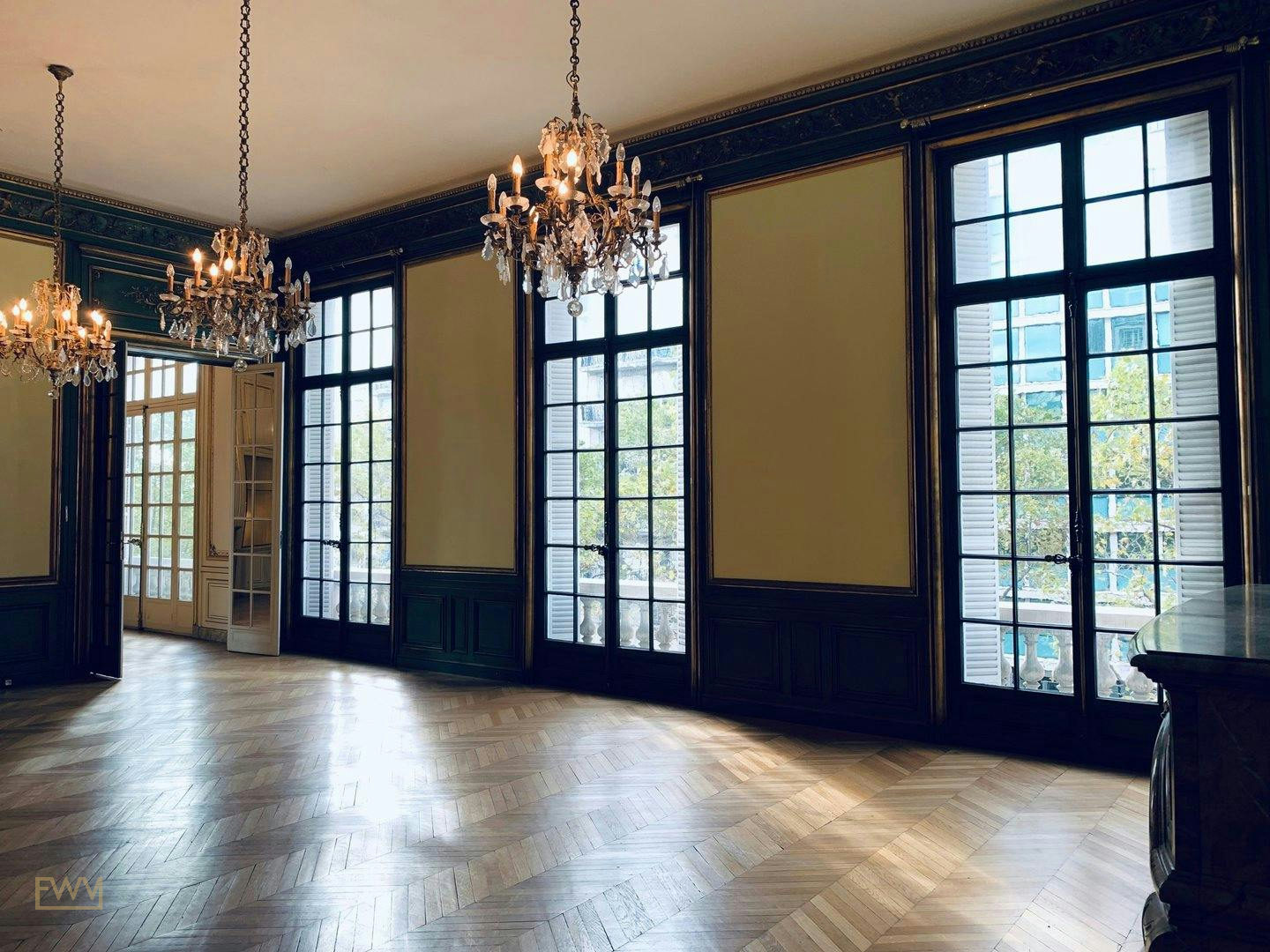
The physical characteristics of a Paris retail space that matter most for a fashion activation include natural light quality and the positioning of windows relative to the space's primary display areas, ceiling height and whether it accommodates the brand's intended visual presentation format, floor quality and whether polished concrete floors, raw concrete floors, or parquet are present and suitable for the activation, the presence and quality of existing spotlights or track lighting systems that can be adapted to the brand's visual identity, the capacity and quality of existing electrical infrastructure, the number and standard of bathrooms available for staff and, where relevant, for customers, the quality of connectivity including fibre broadband availability and mobile signal strength, the presence of security systems, access control, and CCTV, and whether visitor parking is available in the immediate vicinity for buyer or press appointments.
Operational Factors
Beyond the physical space, operational factors to verify during a viewing include the size and access of any goods entrance, whether a large door entrance exists for furniture and fit-out delivery, whether there is a ground floor backyard or storage area available for stock, the hours during which access to the space is available for staff and deliveries, the building's ERP classification and whether it is already authorised for public-facing retail use, and the capacity of the building's lift or staircase to handle the movement of furniture, fixtures, and stock during the build period.
Neighbourhood and Foot Traffic Assessment
A space that looks perfect in isolation may underperform if the surrounding neighbourhood dynamics do not match the brand's audience profile. During any site visit, brand teams should assess the current retail mix on the street, the quality and volume of foot traffic at different times of day, the proximity and accessibility of public transport connections, and whether the street's existing brand environment is appropriate for the intended activation concept. For showroom spaces not reliant on passing foot traffic, the ease with which buyers and press can reach the location and the quality of the welcome experience on arrival are more important than street-level visibility.
Quick answer: When viewing Paris retail spaces, evaluate physical features including lighting, floor quality, and ceiling height alongside operational factors such as delivery access, storage, connectivity, and ERP compliance status. Do not commit to a space based on photographs alone.
KEY TAKEAWAY: A thorough in-person viewing, ideally accompanied by a specialist agency partner with Paris market experience, is essential before committing to any retail space rental in Paris. Many space-related problems that brands encounter during activations are visible and avoidable at the viewing stage.
Comparing Paris with Other Fashion Capital Retail Markets
For brands planning multi-city retail activations aligned with the international fashion calendar, understanding how the Paris market compares to London, Milan, New York, Tokyo, and Dubai helps teams allocate budget, planning resource, and activation ambition appropriately across markets.
| City | Primary Fashion Calendar Windows | Lease Framework | Permit Complexity | Market Access Difficulty | Brand Prestige Value |
|---|---|---|---|---|---|
| Paris | January, February/March, June, July, September/October | Bail dérogatoire, AOT | High in premium districts | High without local expertise | Very High |
| London | February, September | Short-form licence agreements | Medium | Medium | High |
| Milan | January, February, June, September | Locazione transitoria | Medium to High | Medium to High | Very High |
| New York | February, September | Month-to-month or pop-up licence | Medium | Medium | High |
| Tokyo | March, October | Short-term commercial licence | Low to Medium | High without local partner | High |
| Dubai | Year-round, peak October to April | Short-term commercial licence, free zone rules vary | Low to Medium | Medium | Growing |
Paris's combination of very high brand prestige value and high market access difficulty without local expertise is what distinguishes it from other fashion capitals. Brands that invest in specialist local support for Paris consistently achieve better space quality, smoother permit processes, and more commercially effective activations than those who approach the Paris market the same way they might approach a London or New York pop-up. Fashion Week Venues operates across all six cities listed above, providing consistent agency support for brands running multi-city activation programmes. City-specific information is available through the Fashion Week Venues city hubs.
KEY TAKEAWAY: Paris is the highest-difficulty and highest-reward fashion retail market in the world. Brands that match their investment in specialist local support to the complexity of the market consistently outperform those that apply a generic multi-city approach.
Common Myths About Renting Retail Space in Paris Debunked
MYTH: You need a French legal entity to rent retail space in Paris.
FACT: International brands without a French legal entity can and do rent retail space in Paris through short-term lease instruments including the bail dérogatoire, typically by providing a foreign company registration, a certificate of incorporation, and in some cases a French guarantor or bank guarantee. The specific documentation requirements vary by landlord, space type, and the duration of the rental. Working with a specialist agency that has established landlord relationships can simplify this process significantly. Always verify your specific circumstances with a qualified French legal advisor.
MYTH: Paris Fashion Week is the only viable calendar window for a Paris retail activation.
FACT: While Paris Fashion Week generates the highest concentration of international industry presence, many brands achieve highly effective activations during Haute Couture Week in January and July, during the resort and pre-collection presentation season, or during major Paris retail events including the Soldes, Christmas, and the spring tourism season. Activating outside the core ready-to-wear fashion week window often means better space availability, lower rental costs, and less competition for the same audience and press coverage.
MYTH: Commission-based brokers are the only way to access short-term retail space in Paris.
FACT: Specialist pop-up retail agencies and fashion-focused space marketplaces maintain curated portfolios of spaces specifically designed for short-term fashion activations that are not available through standard commercial real estate brokerage channels. These agencies also provide additional value in concept direction, permits, fit-out, and operational management that commission brokers focused purely on space transactions cannot provide. A pure commission broker may secure you access to a space but will not manage the full activation lifecycle.
MYTH: Short-term leases for retail space in Paris are legally straightforward and require no specialist advice.
FACT: The French commercial lease framework is materially different from short-term lease frameworks in English-speaking markets, and the specific conditions attached to bail dérogatoire agreements vary significantly by space type, district, building classification, and landlord. Brands that proceed without specialist legal review risk signing agreements that expose them to unexpected financial liabilities, fit-out restrictions, or early termination clauses. Always engage a qualified French legal advisor before signing any commercial property agreement in Paris.
MYTH: A smaller space in a prestigious address always outperforms a larger space in a secondary location.
FACT: Address prestige matters for brand perception, but operational effectiveness depends on the match between the space and the activation concept. A showroom in the Sentier can outperform a boutique on Rue du Faubourg Saint-Honoré if the target audience is primarily trade buyers rather than end consumers. The right space is defined by the intersection of audience profile, activation concept, operational requirements, and budget, not by address alone.
Frequently Asked Questions
What types of commercial properties are available for short-term rent in Paris?
Paris offers a wide range of commercial space types available for short-term rental, including boutique storefronts, showroom floors, gallery white box spaces, loft and converted industrial units, Haussmann commercial ground floors, courtyard and passage spaces, and department store concession formats. The availability of each type varies by district and by season. Specialist agencies like Fashion Week Venues maintain curated portfolios of spaces across all major types, pre-screened for short-term rental eligibility and fashion activation suitability. The right space type depends on your activation concept, audience profile, and operational requirements rather than size or prestige alone.
How far in advance should I start looking for retail space in Paris?
For most fashion activations aligned with Paris Fashion Week or other major calendar windows, beginning the space search at least six months before the intended opening date is strongly recommended. Premium spaces in the Marais, the 8th arrondissement, and around Place Vendôme are frequently reserved twelve months or more in advance by brands with established Paris agency relationships. Activations requiring custom fit-out or planning approvals may need even longer lead times. Brands that begin their search later than six months before the target date typically face a significantly reduced pool of available spaces in their preferred districts.
What is a bail dérogatoire and how does it work?
A bail dérogatoire is a French short-term commercial lease instrument that allows temporary occupation of commercial space for a defined period without conferring the statutory renewal rights of a standard nine-year bail commercial. It is the primary legal instrument used for pop-up shops, showrooms, and short-term retail activations in Paris. Bail dérogatoire agreements can be granted for periods of up to three years in total including renewals. The specific conditions, documentation requirements, and financial terms vary by space type, district, and landlord. All bail dérogatoire agreements should be reviewed by a qualified French legal advisor before signing.
Do I need an Autorisation d'Occupation Temporaire for a Paris pop-up?
An Autorisation d'Occupation Temporaire (AOT) is required specifically for activations in publicly owned or managed spaces, including certain public plazas, gardens, covered passages, and municipal properties. It is not required for activations in privately owned commercial properties governed by a bail dérogatoire or similar short-term lease instrument. For any activation in a public space, the AOT application must be submitted to the relevant public authority well in advance of the planned activation date, and approval is not guaranteed. The Fashion Week Venues permits guidance tool provides initial orientation, though professional legal advice is always recommended.
How much does it cost to rent retail space in Paris for a pop-up?
The cost of renting retail space in Paris varies significantly by district, space type, size, duration, and time of year relative to the fashion calendar. Premium storefronts in the 8th arrondissement or around Place Vendôme during Fashion Week will be priced considerably higher than equivalent spaces in secondary districts during off-peak periods. It is important to note that the space rental cost is only one component of the total activation budget, which must also include fit-out, staffing, permits, marketing, and operational costs. The Fashion Week Venues budget calculator provides a brand-specific cost framework based on your specific requirements.
Can international brands without a French company rent retail space in Paris?
Yes. International brands without a French legal entity can rent retail space in Paris under short-term lease instruments including the bail dérogatoire, typically by providing foreign company registration documentation and, in some cases, a bank guarantee or French guarantor. The specific documentation requirements vary by landlord and space type. Specialist agencies with established landlord relationships can often facilitate this process for international brands more efficiently than direct approaches to landlords, who may be unfamiliar with international company structures. Legal advice from a qualified French lawyer is always recommended before signing.
What are the most sought-after locations for renting commercial space in Paris?
The most sought-after locations for fashion retail space rental in Paris include the streets surrounding Place Vendôme and Palais-Royal in the 1st arrondissement, the Marais and Le Marais in the 4th arrondissement, the Champs-Elysées corridor and the streets of the 8th arrondissement including Boulevard Malesherbes and Place de la Madeleine, Saint-Germain-des-Prés in the 6th arrondissement, and the Sentier district in the 2nd arrondissement. Demand for spaces in these districts consistently outpaces supply during Paris Fashion Week and other major calendar windows, making early search and specialist agency relationships essential.
What is a storefront in the 1st arrondissement of Paris typically used for?
Storefronts in the 1st arrondissement, which encompasses Place Vendôme, the Palais-Royal arcade, and the surrounding luxury retail streets, are typically used for luxury brand flagships, high-end pop-up boutiques, jewellery and watch brand activations, and exclusive product launch events. The conservative and prestigious character of the district makes it most appropriate for luxury, heritage, and premium contemporary brands. The 1st arrondissement is less suited to mass-market retail, experimental concept formats, or high-volume consumer traffic activations, which tend to perform better in more accessible districts like the Marais.
How long can you rent a storefront in the 1st arrondissement of Paris?
Storefront rental duration in the 1st arrondissement, as in other Paris districts, is governed by the lease instrument used. Under a bail dérogatoire, short-term rentals can range from a few days for a product launch event to several months for a seasonal boutique activation. Some landlords in the 1st arrondissement, particularly those managing luxury heritage buildings, prefer minimum rental periods of four to eight weeks for storefront units. The specific minimum and maximum duration available for any given space depends on the landlord's requirements and the building's operational schedule. A specialist agency can advise on what is negotiable within current market conditions.
How does the 1st arrondissement compare to other Paris retail areas for a pop-up?
The 1st arrondissement offers unmatched prestige and a highly curated, affluent audience, but it is more restrictive in terms of available space types, fit-out permissions, and the range of brand profiles that are appropriate for the district. It compares to the Marais, which offers greater creative freedom, more diverse space types, and stronger consumer footfall; to the 8th arrondissement, which offers more commercial scale and higher footfall on major arteries; and to Saint-Germain, which shares the 1st arrondissement's cultural prestige but with a more accessible intellectual consumer profile. The right choice depends on your brand positioning, activation concept, and target audience.
What space features should I prioritise when renting retail space in Paris?
The most important space features to prioritise when renting retail space in Paris include natural light quality, ceiling height relative to your display concept, floor quality and whether polished concrete floors or parquet suit your visual identity, the quality and flexibility of existing lighting including spotlights and track systems, connectivity and data infrastructure, the size and accessibility of any goods entrance or large door entrance for deliveries, the availability of storage or a ground floor backyard for stock management, bathroom facilities for staff and customers, the presence of security systems and access control, and whether visitor parking is available nearby for buyer or press appointments.
What is the difference between a pop-up store and a showroom in Paris?
A pop-up store in Paris is a consumer-facing retail activation open to the public for a defined short-term period, typically used for direct-to-consumer sales, brand awareness, and product launches. A showroom is a trade-facing presentation space used for buyer appointments, press previews, and wholesale order writing, typically operating on an appointment-only basis rather than welcoming public foot traffic. The permit requirements, space features, location logic, and operational structures for these two formats differ significantly. Many brands run both formats simultaneously during Paris Fashion Week, often from different spaces in different districts aligned with their respective audiences.
Can Fashion Week Venues help with a showroom rental in Paris, not just pop-up shops?
Yes. Fashion Week Venues works with brands across both pop-up retail and showroom formats, as well as hybrid activations that combine elements of both. The agency's space marketplace and proprietary venue network include showroom floors across the Sentier, the 8th arrondissement, and the Marais that are specifically suited to buyer appointment programmes and press day formats. The agency can also provide staffing, connectivity infrastructure, and operational support tailored to the specific requirements of a showroom rather than a consumer-facing retail activation. Brand teams can explore available showroom options through the Fashion Week Venues marketplace.
How do I compare multiple Paris retail spaces before committing?
Comparing multiple shortlisted Paris retail spaces effectively requires evaluating each space against a consistent set of criteria covering location, size, space type, physical features, permit status, fit-out flexibility, rental terms, and total cost of activation. The Fashion Week Venues space comparison tool allows brand teams to evaluate shortlisted spaces side by side across these dimensions, making it easier to identify the strongest match for a specific brief. In-person viewings are always recommended before making a final decision, ideally accompanied by a specialist who can assess permit suitability, fit-out feasibility, and operational compatibility alongside the physical space quality.
What marketing and brand engagement support is available for Paris retail activations?
Marketing and brand engagement support for Paris retail activations includes influencer marketing, press event programming, social media content production, and brand partnership management. Fashion Week Venues provides influencer marketing as part of its full-service activation offering, connecting brands with fashion-relevant influencer profiles appropriate for their target audience and brand positioning. Press and buyer invitation management, VIP event programming, and brand storytelling content can also be incorporated into the activation plan. For brands seeking a co-activation format, the Fashion Week Venues twin concept allows two complementary brands to share a space and activation investment, amplifying audience reach for both parties.
Conclusion: Making the Right Decisions When You Rent Retail Space in Paris
Renting retail space in Paris is one of the most commercially powerful and operationally complex decisions a fashion brand can make. The city offers unmatched brand positioning value, an extraordinary concentration of global fashion industry decision-makers during its calendar windows, and a physical retail environment of exceptional quality across multiple districts. But it also presents a legal and permit landscape that differs materially from other markets, a competitive space environment where the best properties are secured through relationships rather than standard property searches, and a total cost structure that extends far beyond the rental cost of the space itself.
Brands that approach the Paris market with a clear activation brief, an accurate understanding of the total cost structure, early planning timelines, appropriate specialist legal support, and a credible local agency partner consistently deliver better activations, at lower risk, than those who treat Paris as a standard commercial property exercise. The neighbourhoods of Le Marais, the 8th arrondissement, Saint-Germain, Sentier, and the areas around Place Vendôme and Palais-Royal each offer distinct commercial environments that suit different brand profiles, activation concepts, and audience targets. Matching the right district to the right concept is as important as finding the right space within it.
Fashion Week Venues is built specifically for brand teams navigating this environment. Whether you are conducting your first Paris activation or scaling an established programme, the combination of a curated space marketplace, proprietary venue network, specialist agency services, and a suite of planning tools designed for brand-side teams provides a structured and practical foundation for successful execution. To move from research to activation, start exploring available spaces on the Fashion Week Venues marketplace and build a focused brief for your target neighbourhood, space type, and calendar window.