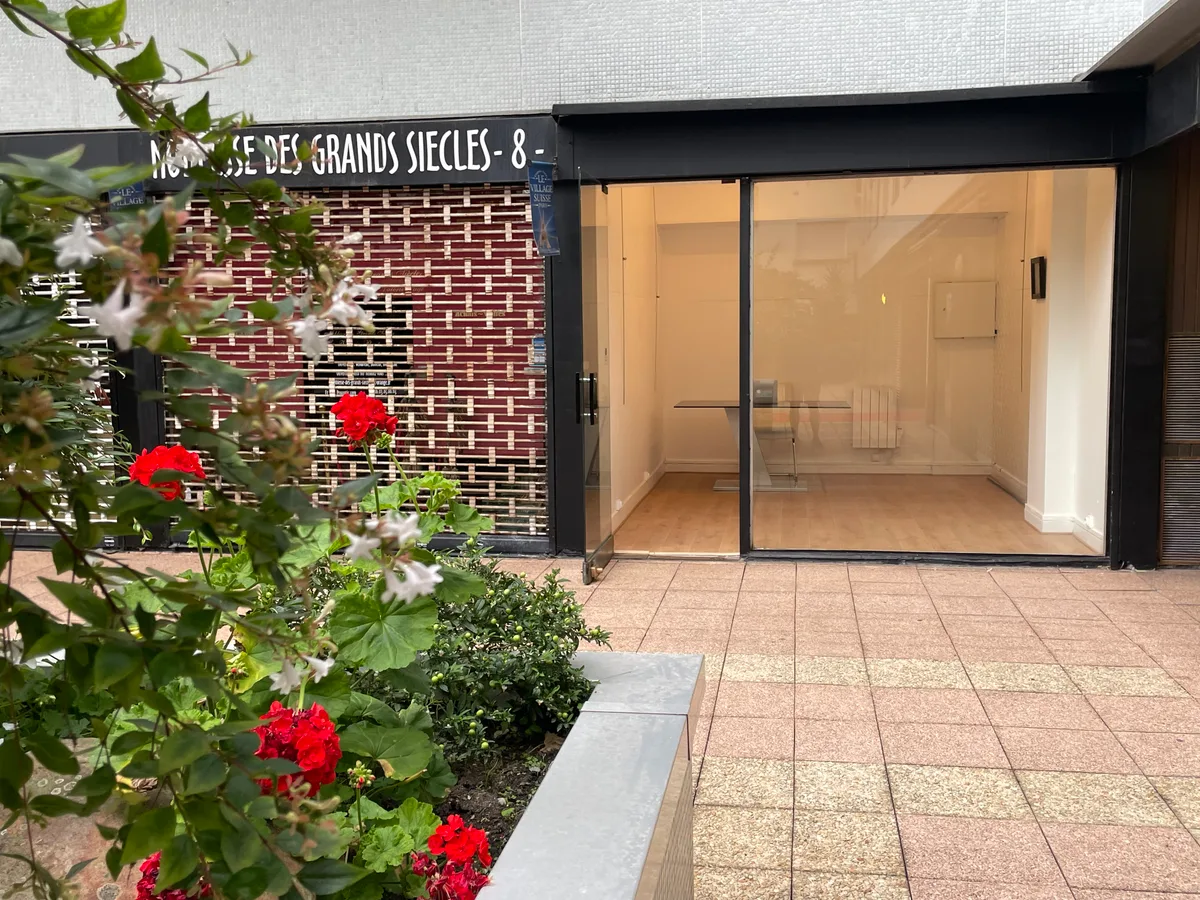
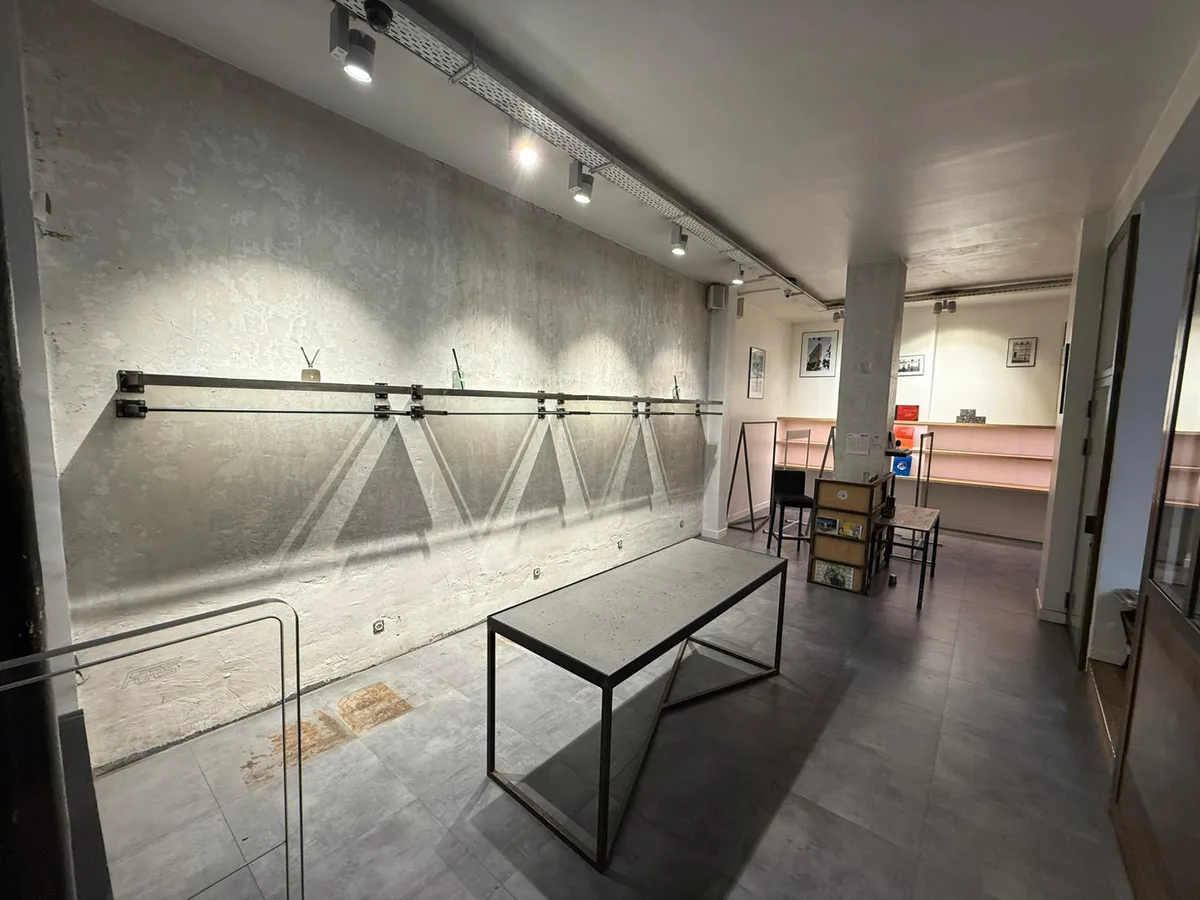
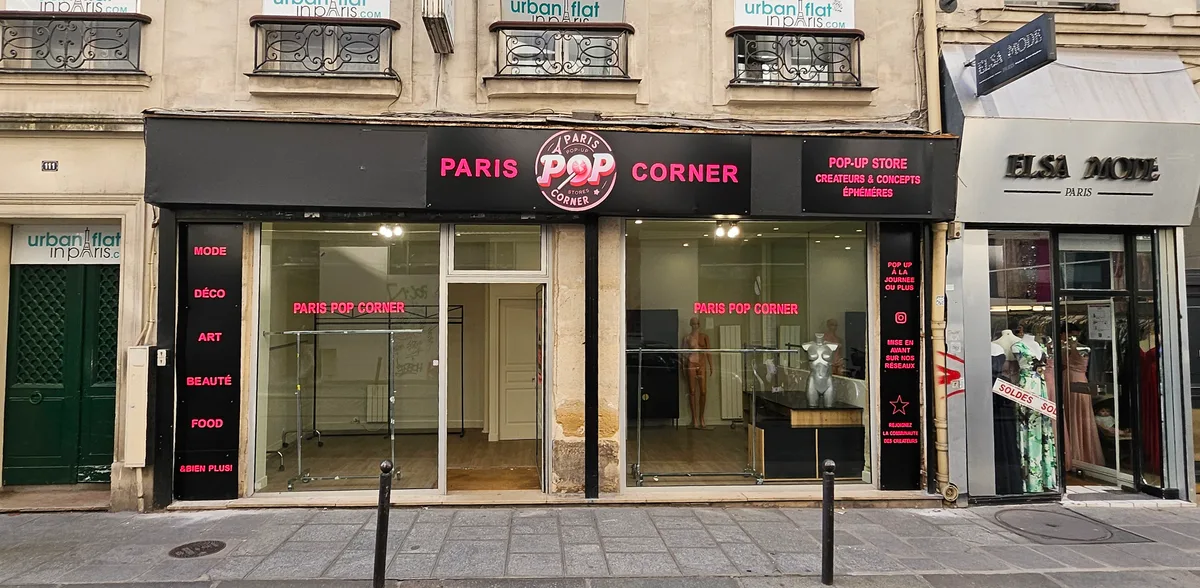
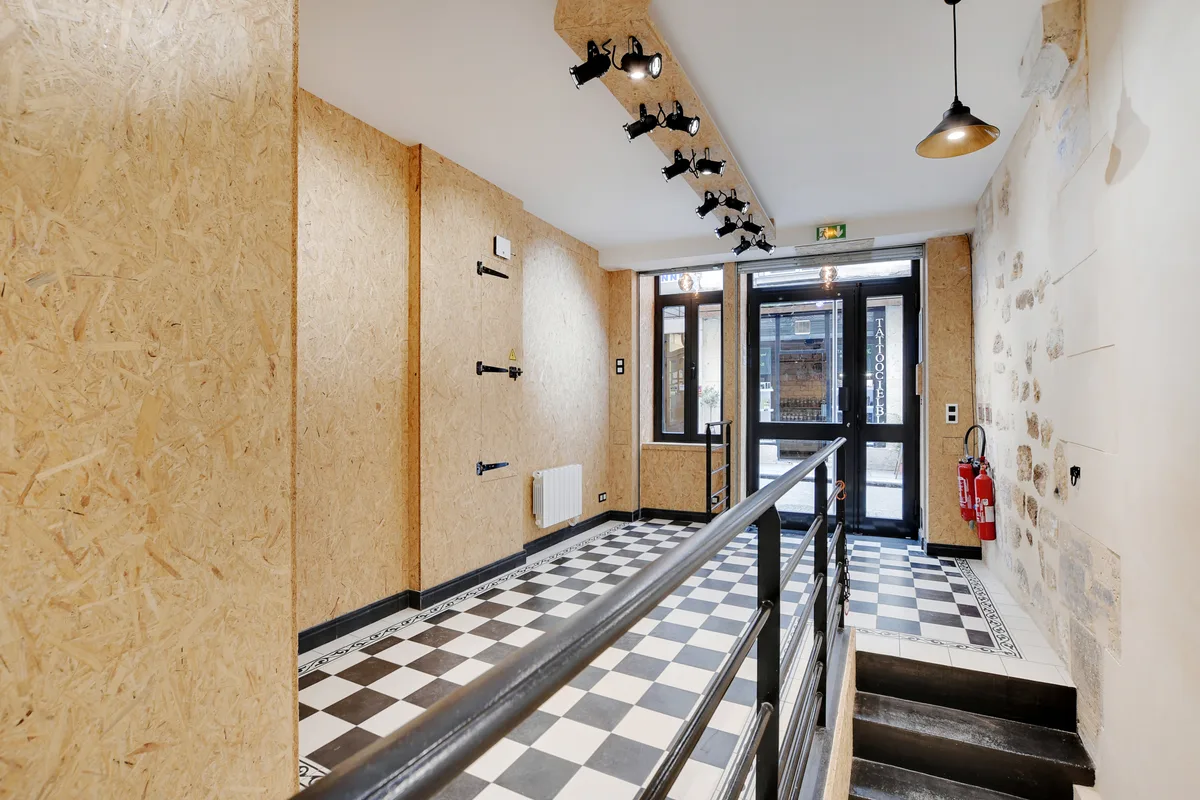
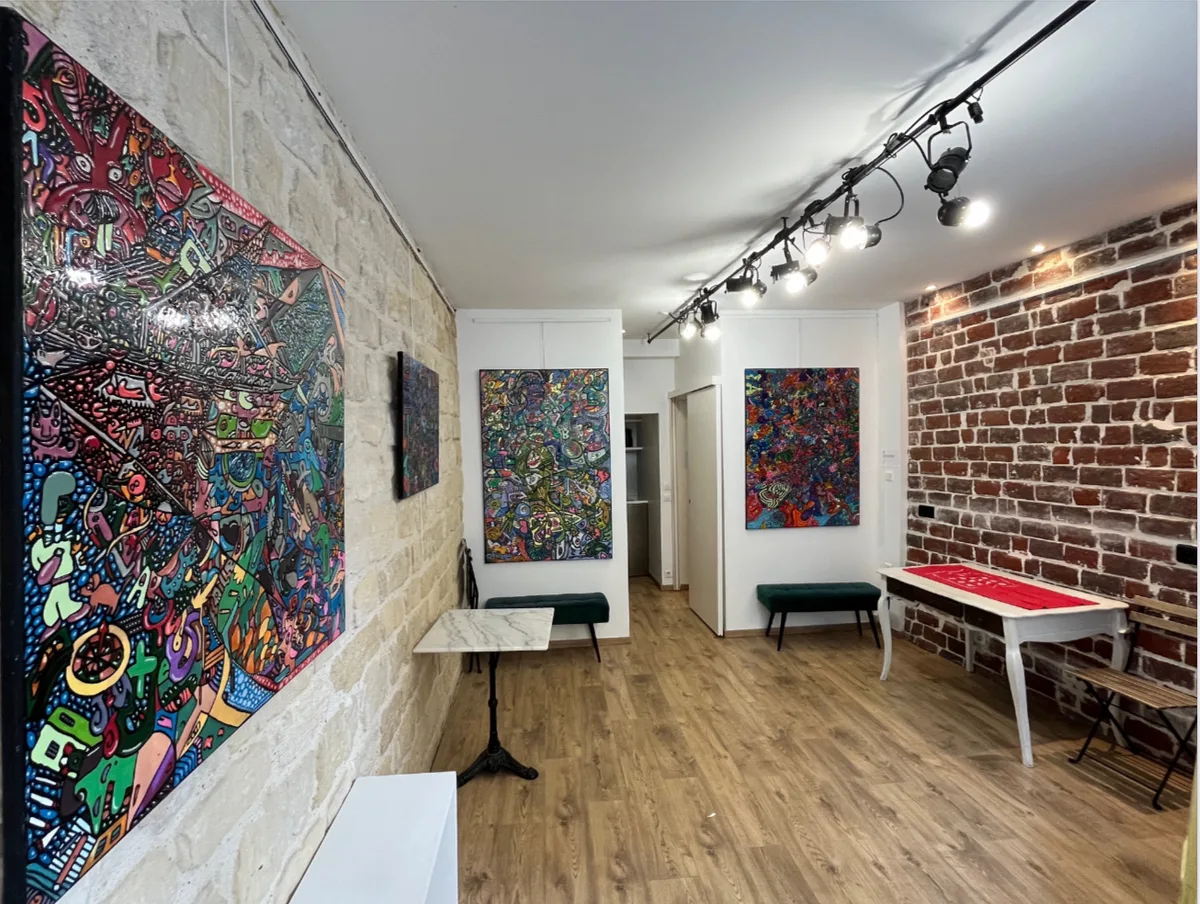
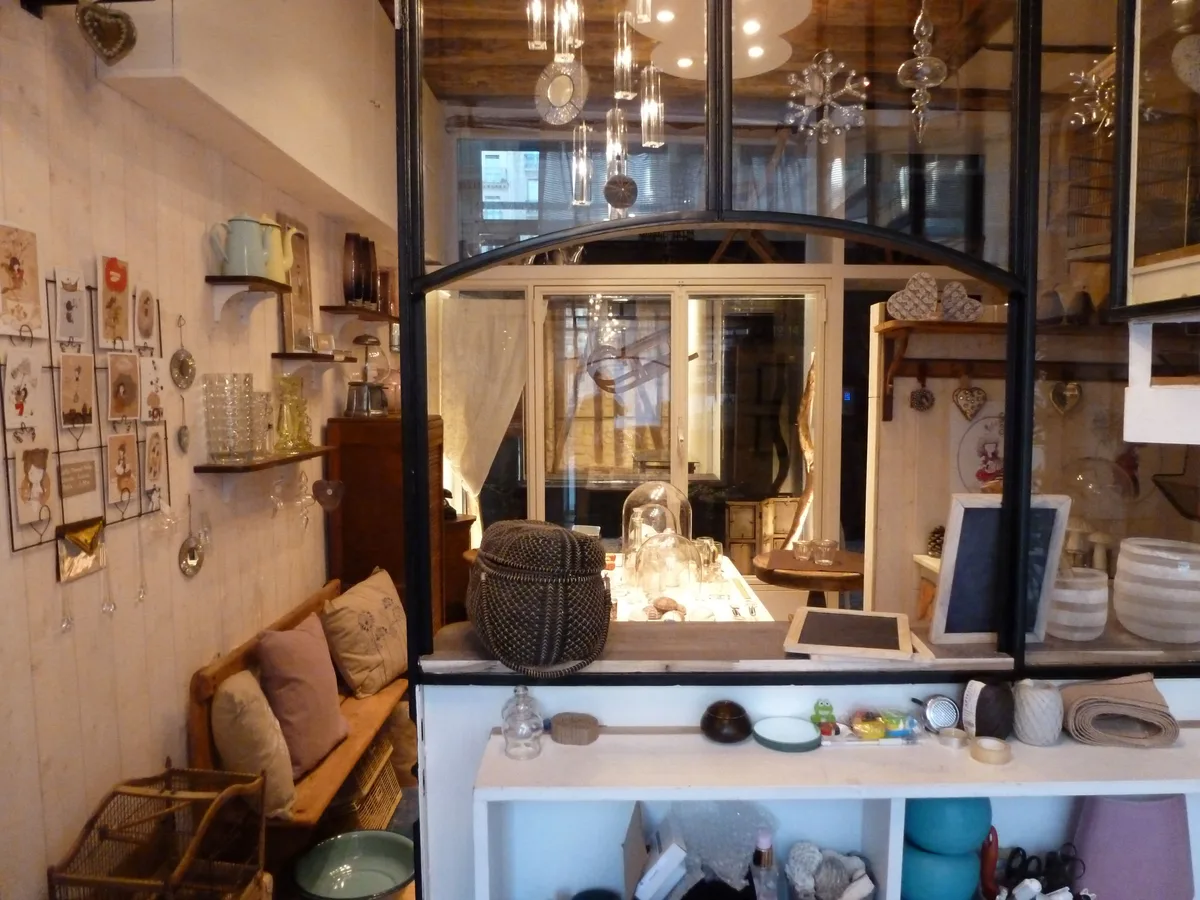
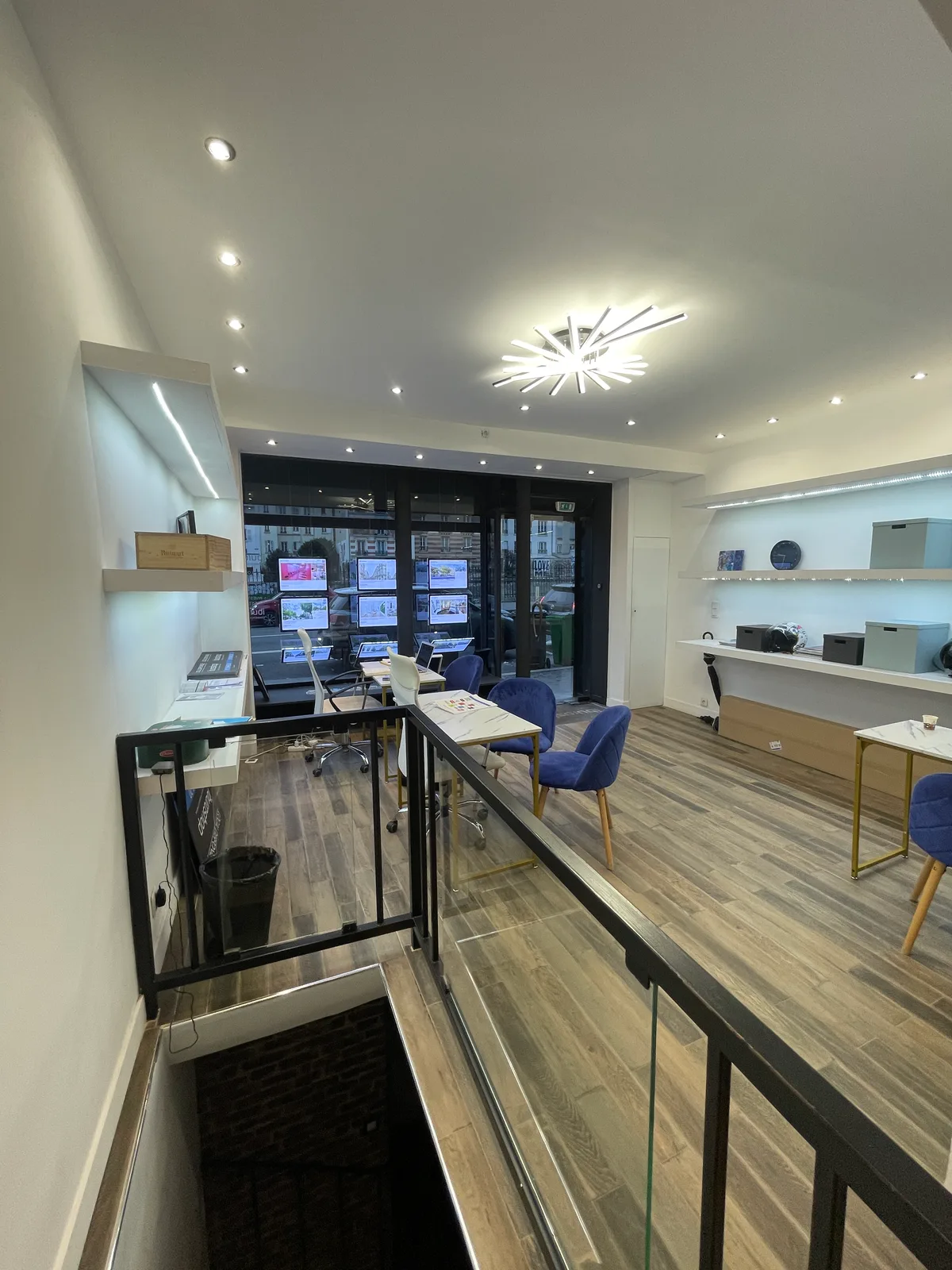
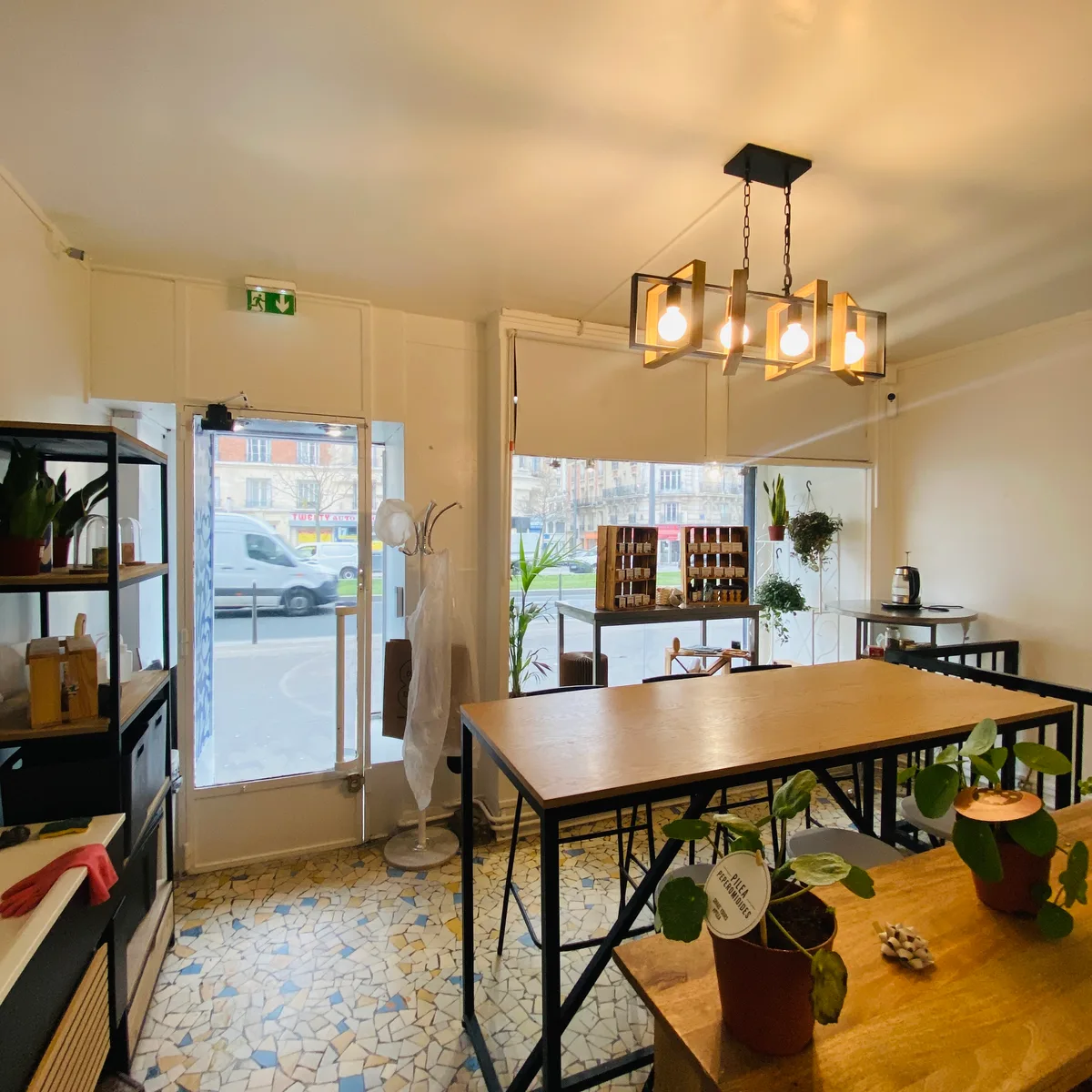
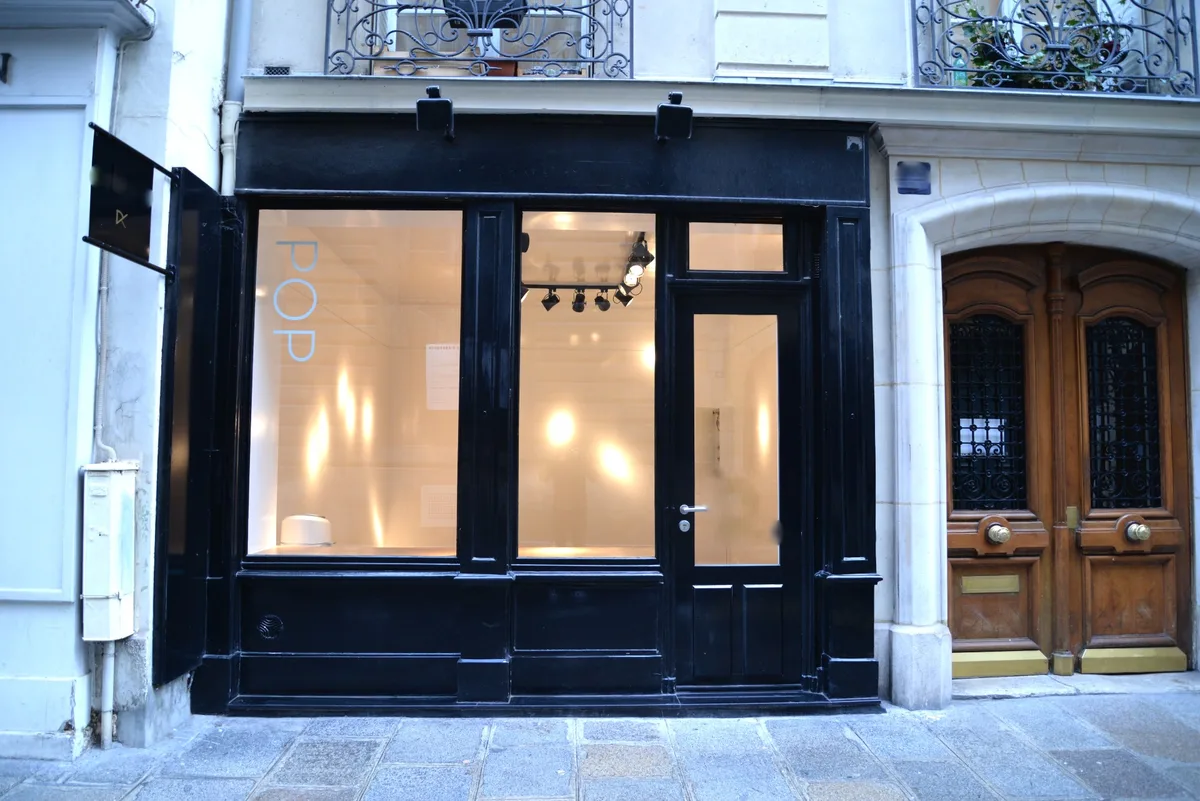
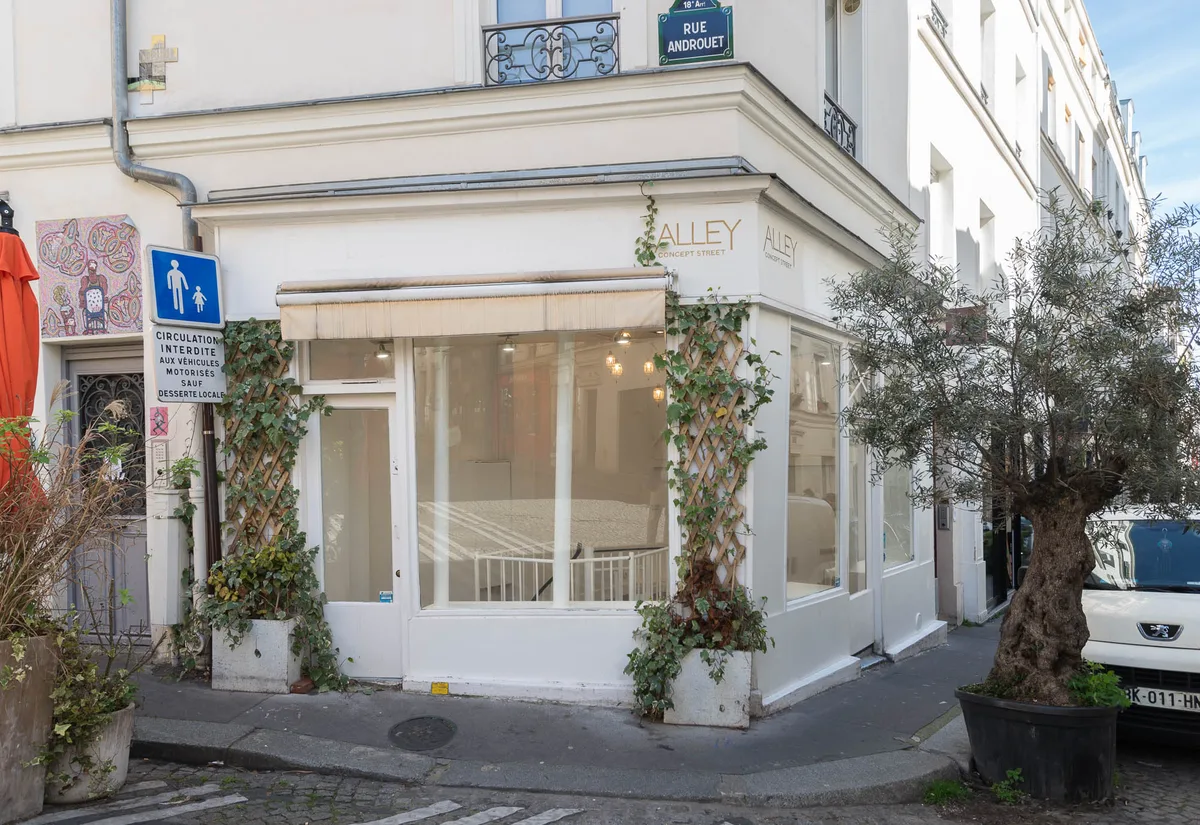
The world of fashion is ever-evolving, and one of the most dynamic elements of this landscape is the use of temporary retail spaces. Launching a pop-up shop during Fashion Week in Paris offers brands an unparalleled opportunity to engage directly with their audience. Fashion Week Venues assists in this endeavor by providing comprehensive services and tools that simplify the process of securing and utilizing prime retail venues. Not just a resource for venue selection, Fashion Week Venues provides a holistic approach by managing everything from activation to concept direction.
Understanding Paris Fashion Week and Its Impact
Paris Fashion Week stands as a monumental event in the global fashion calendar, offering brands the stage to showcase their creations. Held biannually, it draws thousands of industry insiders, celebrities, and media outlets, all converging to witness cutting-edge collections. Securing a pop-up space during this period can be crucial for brand visibility and customer engagement.
Each season of Paris Fashion Week showcases Haute Couture and Ready-to-Wear collections, with specific venues across the city acting as temporary hubs of fashion and creativity. It is important for brands to understand the timing and themes of the events happening across the city, so they can align their activations with the spirit of the week. Collaborating with an agency familiar with the nuances of Fashion Week can be invaluable for international brands.
Quick answer: Paris Fashion Week is a pivotal event for brands looking to increase their visibility on a global stage, owing to the massive influx of fashion professionals and enthusiasts during this period.
KEY TAKEAWAY: Timely alignment with Paris Fashion Week's schedule can significantly amplify marketing and sales efforts for brands through strategic pop-up activations.
Connecting these dynamics to strategic planning, brands can leverage Fashion Week Venues to navigate the logistics of this bustling event efficiently.
Choosing the Right Venue: Factors and Considerations
Selecting the appropriate venue for your pop-up store is a multi-layered decision that involves careful consideration of several factors. From location to size, and infrastructure to aesthetics, each element plays a critical role in determining the success of the activation. Paris, with its diverse neighborhoods, offers a variety of options that can cater to different brand needs and target audiences.
Venues in bustling areas like Le Marais or high-end districts such as Rue Saint-Honoré often attract different types of customers and offer distinct advantages. While Le Marais boasts a trendy, youthful crowd, Rue Saint-Honoré might appeal more to affluent tourists and established fashion aficionados. Additionally, understanding logistic elements such as foot traffic, accessibility, and proximity to complementary brands can influence your choice greatly.
The process can become overwhelming, especially when considering the specific requirements and permits unique to each district. Utilizing a service like Fashion Week Venues’ venue sourcing can provide expert guidance in selecting a venue that best aligns with your brand identity and business goals.
Quick answer: Picking the right venue involves evaluating location, target audience, and logistic needs, making specialized services like venue sourcing essential.
KEY TAKEAWAY: Every venue offers unique advantages and challenges; aligning your choice with your brand's mission and demographics is crucial to ensure a successful activation.
Next, exploring the detailed process of navigating legal and permit requirements can further ease the operational complexities.
Legal and Regulatory Navigation: Permits and Compliance
The legal landscape for setting up short-term retail spaces in Paris involves navigating various permits and compliance parameters. Two key legal frameworks for renting retail space during Fashion Week are the bail dérogatoire and Autorisation d’Occupation Temporaire (AOT). Both frameworks offer flexibility beyond traditional leases but come with their own set of requirements.
The bail dérogatoire allows for temporary commercial use without a long-term commitment, usually lasting less than three years. Meanwhile, the AOT permits are for utilizing public property for commercial purposes. Both frameworks, while beneficial, require a nuanced understanding of local regulations to ensure compliance. Brands must engage with French legal advisors to navigate these requirements effectively.
Fashion Week Venues provides access to a permits tool, which offers insights and assistance in understanding which permits are necessary, helping streamline the legal barriers to opening a pop-up shop in Paris.
Quick answer: Compliance with legal frameworks like bail dérogatoire and AOT is essential in Paris, and expert guidance is strongly advised.
KEY TAKEAWAY: Properly navigating permits is foundational to any successful pop-up activation, ensuring legitimacy and operational efficiency.
Having recognized these critical preliminary aspects, it's time to delve into the logistics that make the heart of pop-up operations tick.
Managing Logistics: From Staffing to Execution
Executing a successful pop-up activation extends beyond just securing the right venue. It encompasses efficient planning and execution across various logistical elements, from staffing and supply chain management to point-of-sale systems and analytics insights.
Effective retail staffing ensures that the pop-up shop operates smoothly, providing excellent customer service and brand representation. Fashion Week Venues can facilitate this by offering skilled personnel who embody your brand ethos. Additionally, incorporating advanced POS systems and leveraging data analytics can significantly enhance the shopping experience, providing deeper insights into consumer behavior.
Fashion Week Venues also provides activation management services to coordinate these logistics, ensuring streamlined execution from start to finish. Their tools aid in visualising space through the "Imagine" concept, managing build-outs with the "Build" planning tool, and processing rapid financial predictions through ROI and budget calculators.
Quick answer: Success in pop-up retail hinges on detailed logistics planning, from staffing and inventory to digital integration, all supported through expert services.
KEY TAKEAWAY: Meticulous management of logistics, supported by technology and expert providers, is pivotal for the smooth operation of pop-up activations.
With logistics managed, let's transition into examining how financial planning underpins these strategic decisions.
Budget Planning and Financial Considerations
Financial planning for pop-up shops requires a meticulous approach to ensure profitability and strategic value. Setting a budget involves anticipating expenses related to venue rental, staffing, production, and marketing, as well as additional permits and compliance costs. The extent of these expenses can significantly vary depending on the location, time of year, and type of event being hosted.
Fashion Week Venues provides tools such as a budget calculator which allows brands to input specific variables, giving them a clearer picture of potential costs. Furthermore, understanding the return on investment (ROI) via dedicated tools helps in assessing the value derived from the activation against spending, reinforcing fiscal responsibility and forward planning.
Here is a basic breakdown of potential budget considerations for a pop-up shop:
| Expense Category | Estimated Cost Range | Key Considerations |
|---|---|---|
| Venue Rental | €15,000 - €50,000 | Location, duration, accessibility |
| Staffing | €5,000 - €15,000 | Experience, language skills, alignment |
| Production/Build-out | €10,000 - €30,000 | Scope, quality of finishes |
| Marketing | €8,000 - €25,000 | Digital vs. physical campaigns |
| Permits & Compliance | €2,000 - €10,000 | Legal fees, permit acquisitions |
Quick answer: Financial planning for a pop-up involves diverse costs, from venue rental to marketing, and each category requires careful analysis.
KEY TAKEAWAY: Proactive budget planning and financial analysis are integral to optimizing costs and ensuring the financial success of a pop-up activation.
Having set your budget, let’s move forward to explore creative direction and the impact of branding in these dynamic spaces.
Creative Direction and Branding in Pop-Up Spaces
The manner in which a brand communicates its identity through a pop-up shop is often dictated by its creative direction and branding strategies. It's not enough to merely fill a space with merchandise; the design and thematic elements must speak to the brand’s values and resonate with the target audience.
Fashion Week Venues offers concept direction services, providing brands with bespoke creative and branding strategies that align with their identity goals. Expert designers work to craft immersive experiences, which might include thematic installations, interactive elements, and captivating visual merchandising strategies that create a memorable brand encounter.
Effective branding extends beyond visuals to include sensory elements, digital integrations, and staff interactions. It’s crucial for brands to ensure that every touchpoint aligns with their overall strategic objectives, from the first glance through to the purchase decision and beyond.
Quick answer: Branding and creative direction in pop-ups create a cohesive brand experience that aligns with audience expectations and marketing goals.
KEY TAKEAWAY: Successful pop-ups weave together aesthetics, experience, and brand storytelling to captivate and engage consumers meaningfully.
Understanding the role of branding, we turn now to practical strategies for maximizing customer engagement during pop-up events.
Strategies to Maximize Customer Engagement
Engaging customers in a pop-up retail setting requires nuanced strategies that make the shopping experience memorable and effective. From personalized interactions to leveraging technology, each approach has the potential to significantly enhance customer engagement and satisfaction during events.
Experiential retail strategies are at the forefront, encouraging interaction within the store that goes beyond mere transactions. Consider pop-up installations that invite customers to touch, feel, or interact with products in unique ways. Technologies such as AR (Augmented Reality) can provide an innovative twist, allowing potential buyers to visualize products within their personal context.
Promotional tactics can include exclusive product launches, in-store events featuring influencers, or collaborations with local artists and brands. Additionally, using social media and influencer marketing can broaden exposure and create buzz around an event, something Fashion Week Venues supports through influencer marketing services.
Quick answer: Maximizing engagement requires interactive, experiential strategies, from in-store events to leveraging AR and influencer marketing.
KEY TAKEAWAY: The fusion of technology, exclusive events, and personalized interactions is critical to enhance customer engagement and ensure a successful pop-up experience.
The next focus will be on evaluating success and leveraging data analytics to inform future implementations.
Evaluating Success: Metrics and Analytics
After the conclusion of a pop-up event, analyzing metrics and data is crucial in assessing its success and informing future strategies. The efficacy of a pop-up can be evaluated by examining a combination of quantitative data and qualitative insights, offering a comprehensive view of overall performance.
Key performance indicators (KPIs) for pop-ups often include sales figures, foot traffic, customer feedback, and social media engagement. These metrics provide direct insights into how well the activation resonated with customers and can shape future initiatives. For more granular analysis, advanced data insights can identify consumer demographic trends, buying behavior, and preferences.
Fashion Week Venues offers analytics services that not only track real-time sales and traffic but also integrate with CRM tools to offer deeper customer insights. This data-driven approach is crucial to refining marketing strategies and enhancing customer experience in future activations.
Quick answer: Analyzing metrics post-activation provides valuable insights into what worked, helping brands refine future retail strategies.
KEY TAKEAWAY: Comprehensive evaluation post-pop-up is necessary to understand consumer impact, operational success, and to inform future brand experiences.
Let’s explore now how Fashion Week Venues supports brands at various stages of their retail activations.
How Fashion Week Venues Supports Your Brand
Fashion Week Venues offers a suite of services and tools designed to streamline the setup and management of pop-up spaces. From venue sourcing to activation management, the comprehensive offerings cater specifically to brands looking to capitalize on strategic retail activations during events such as Paris Fashion Week.
Central to their offering is the venue sourcing service, which helps brands find spaces that align with their business objectives and target audience. In partnership with their tools like budget calculators and ROI estimations, brands can make informed financial decisions tailored to their specific needs. For creative direction, they offer customizable design and branding assistance, ensuring that each activation is cohesive with the brand's identity.
Whether a brand is seeking data insights post-event, or crafting a unique branded environment, Fashion Week Venues presents a turnkey solution for all facets of pop-up activations. These services are particularly beneficial for international brands entering Paris's market, providing expertise and local insights that remove common barriers and enhance opportunities.
Quick answer: Fashion Week Venues consolidates tools and services for optimized pop-up planning and execution, guiding brands through each stage of retail activation.
KEY TAKEAWAY: With Fashion Week Venues, brands gain access to curated services that simplify pop-up activations, allowing a focus on strategic growth and market penetration.
Now let us address some common myths surrounding the pop-up process in Paris, offering clarity and guidance.
Common Myths Debunked
MYTH: Brands need a French legal entity to rent space for a pop-up shop in Paris.
FACT: Although having a French legal entity can streamline certain processes, it is not a prerequisite for renting a pop-up space. Many international brands successfully operate in Paris using local partners or agencies like Fashion Week Venues, which manage lease negotiations and compliance issues.
MYTH: The only viable time to open a pop-up in Paris is during Fashion Week.
FACT: While Fashion Week offers high visibility, Paris enjoys year-round tourism and retail events that can be equally beneficial. Planning your pop-up around significant holidays or concurrent local events can also provide excellent exposure and sales opportunities.
MYTH: All pop-up spaces must be sourced through commission brokers.
FACT: While traditional brokers still play a role, online marketplaces and agencies like Fashion Week Venues offer a more integrated and flexible approach to venue sourcing, often at more competitive prices and with additional support services.
MYTH: Short-term leases are straightforward and do not require specialist help.
FACT: Even short-term leases can involve complex requirements and legalities, especially in Paris. Expert guidance ensures that brands remain compliant with local laws while optimizing their operational setup.
Understanding these myths allows brands to navigate the Paris retail landscape with greater confidence and efficiency.
Frequently Asked Questions
What is the duration of Paris Fashion Week?
Paris Fashion Week typically lasts nine days for the Ready-to-Wear shows and about four days for the Haute Couture collections. These timeframes provide specific windows of opportunity for brands to launch pop-up stores or events, capturing the heightened visibility and attendance of this high-profile period.
Can international brands rent pop-up spaces in Paris without a local office?
Yes, international brands can rent pop-up spaces in Paris without having a local office. Collaborating with agencies such as Fashion Week Venues simplifies this process. They handle negotiations and compliance checks on behalf of their clients, even without an established local presence.
What areas in Paris are best for pop-up shops?
Popular areas for pop-up shops include Le Marais, known for its trendy crowd and boutiques, and Rue Saint-Honoré, ideal for targeting luxury shoppers. Areas like the Canal Saint-Martin offer a more relaxed, bohemian vibe, appealing to younger demographics, making it ideal for brands targeting varied customer bases.
How far in advance should we start planning a pop-up in Paris?
It is advisable to begin planning a pop-up several months in advance, particularly when aligning with major events such as Fashion Week. This allows enough time for location scouting, permitting processes, creative development, staffing, and marketing preparations to ensure a smooth launch.
What types of permits are needed for a pop-up shop in Paris?
Permits such as the bail dérogatoire and potential AOT are typically required for pop-ups in Paris. These ensure legality for temporary commercial activities. Consulting with legal advisors or utilizing tools provided by Fashion Week Venues can help streamline the permit acquisition process.
Are there specific legal challenges associated with pop-ups in Paris?
Legal challenges in Paris often relate to navigating the complex permit systems and lease agreements. Understanding local tax implications, health and safety regulations, and contractual rights are vital for compliance, which is why partnering with experts who have local insights remains a strategic advantage.
How can pop-ups stay compliant with Parisian regulations?
Staying compliant involves thorough research into lease types, local zoning laws, and permit requirements. Engaging local experts or services such as those from Fashion Week Venues provide the necessary guidance to adhere to Parisian regulations efficiently and legally.
What are the benefits of using a specialized agency like Fashion Week Venues?
Using an agency like Fashion Week Venues offers comprehensive benefits, including access to an exclusive venue marketplace, expertise in local regulations, and extensive planning tools. This support allows brands to focus on strategic aspects like marketing and customer engagement, knowing that operational logistics are professionally managed.
What role does influencer marketing play in pop-up success?
Influencer marketing can significantly boost a pop-up's visibility and credibility, attracting larger audiences through targeted promotion on social media. Agencies that specialize in influencer partnerships, such as Fashion Week Venues, can help brands identify and engage with the right influencers to amplify their pop-up events.
Can pop-up spaces be used for other types of events beyond retail?
Yes, pop-up spaces are versatile and can be adapted for various events such as product launches, art exhibitions, or private parties. Tailoring the space to fit the event type can enhance visitor experience and attendance, offering flexibility depending on the brand's objectives.
How are pop-up costs typically calculated?
Pop-up costs are calculated based on a mix of several factors: venue rental rates, production and staffing expenses, marketing costs, and additional fees such as permits. Utilizing budget tools and agency expertise can help estimate these costs more accurately and plan accordingly.
What are some tips for designing an engaging pop-up shop?
Engaging pop-up shops should focus on interactive and immersive elements that resonate with their target audience. Creative use of space, such as thematic decor, sensory experiences, and tech integrations, combined with personal touchpoints like knowledgeable staff, can create memorable and impactful brand experiences.
How can brands measure the success of their pop-up ventures?
Success measurement involves evaluating both quantitative data like sales and foot traffic and qualitative feedback from customer experiences and engagement on social media. Comprehensive post-event analysis using analytics tools provided by agencies can provide valuable insights for future improvements.
What neighborhood trends should brands consider when launching pop-ups?
Understanding neighborhood trends is crucial. For instance, areas like Le Marais and Saint-Germain-des-Prés target trendy and luxury demographics, respectively. Brands should select locations that match their product offerings and audience to maximize market reach and brand synergy.
Why is Fashion Week an ideal time for pop-up shops?
Fashion Week provides a high-visibility platform that draws globally significant media attention and consumer enthusiasm. By aligning a pop-up shop with this event, brands can capitalize on the influx of fashion professionals, influencers, and shoppers seeking new experiences, thus amplifying their market presence and consumer reach.
Conclusion
Creating a successful pop-up shop in Paris during Fashion Week involves comprehensive planning, strategic execution, and navigating complex logistics. Fashion Week Venues stands as a pivotal partner in this process, offering tools and expertise to manage venue sourcing, compliance, creative direction, and more. By utilizing their services, brands can ensure that their activations align seamlessly with their broader strategic goals, offering memorable consumer experiences and optimizing financial outcomes. To move from research to activation, start exploring available spaces on the Fashion Week Venues marketplace and build a focused brief for your target neighbourhood, space type, and calendar window.