Securing retail space for rent on Avenue Montaigne is one of the most competitive and strategically significant decisions a luxury brand can make in Europe. Avenue Montaigne sits at the heart of Paris's Golden Triangle, flanked by the Arc de Triomphe to the north and the Seine to the south, drawing a clientele that includes affluent Parisians, high-spending tourists, and fashion industry professionals during every major calendar window. Whether you are planning a permanent boutique, a temporary pop-up, a fashion showroom, or a brand activation during Paris Fashion Week, the choices you make about location, space type, lease structure, permits, and timing will define the commercial outcome. Fashion Week Venues supports brands at every stage of this process, from initial space discovery through to activation management and post-event analytics.
Why Avenue Montaigne Is the Most Prestigious Retail Address in Paris
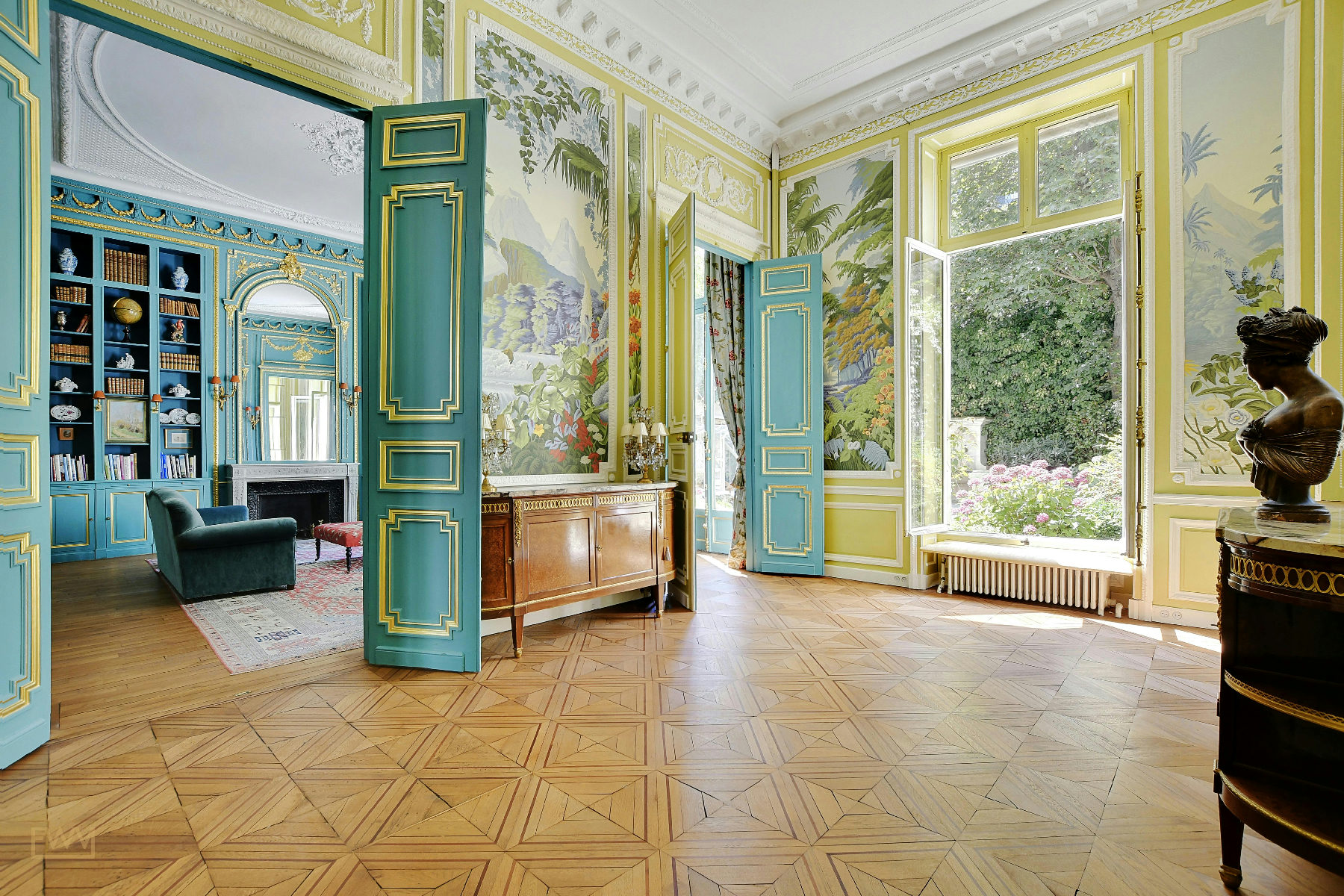
Avenue Montaigne occupies a singular position in global luxury retail. The street runs through the 8th arrondissement of Paris, connecting the Champs-Élysées at its northern end with the Alma-Marceau area to the south. It is home to flagship stores for brands including Louis Vuitton, Dior, Chanel, Valentino, Prada, Gucci, Bulgari, Balenciaga, and Saint Laurent, making it one of the most concentrated corridors of luxury retail anywhere in the world. The buildings along Avenue Montaigne are Haussmann-era structures with tall ceilings, grand facades, and the kind of architectural authority that communicates prestige before a visitor steps inside.
For international brands, Avenue Montaigne is not merely a location but a statement. Being present on this street, even temporarily, signals brand equity that few other addresses can replicate. Visitors to the street include high-net-worth tourists from China, the Middle East, the United States, and across Europe, alongside Paris's own luxury-oriented residential and professional population. Footfall on Avenue Montaigne is concentrated, intentional, and high-value in a way that differs fundamentally from mass-traffic environments like the Champs-Élysées or the Galeries Lafayette catchment area.
The Golden Triangle, bounded by Avenue Montaigne, Avenue George V, and the Champs-Élysées, functions as a self-reinforcing luxury ecosystem. When Kering-owned brands including Gucci, Saint Laurent, and Balenciaga maintain flagship operations nearby, and when Chopard, Bulgari, and Stella McCartney are within walking distance, any brand that activates in this zone benefits from an ambient halo of luxury association. That proximity effect is particularly valuable for emerging luxury brands, international brands entering the French market for the first time, and established brands launching new product lines or limited-edition collections.
The 8th arrondissement Paris addresses along Avenue Montaigne also carry planning and regulatory characteristics that differ from commercial districts in Le Marais or Saint-Germain-des-Prés. Understanding these differences is essential before committing to any lease or rental agreement. The City of Light's most prestigious corridor comes with both extraordinary opportunity and meaningful complexity, and brands that underestimate the regulatory, logistical, and financial demands of operating here often encounter avoidable difficulties.
Quick answer: Avenue Montaigne in Paris's 8th arrondissement is the most prestigious luxury retail street in Europe. It sits within the Golden Triangle, hosts flagship stores for brands including Dior, Louis Vuitton, Valentino, and Gucci, and attracts affluent international visitors whose spending patterns make it uniquely valuable for luxury brand activations, pop-up stores, and permanent boutiques.
KEY TAKEAWAY: The prestige of Avenue Montaigne derives not just from its individual tenants but from the collective luxury ecosystem of the Golden Triangle. Any brand activating on or near this street benefits from that ecosystem, provided it approaches the process with realistic expectations about cost, complexity, and competitive demand.
Understanding the full neighbourhood context of the 8th arrondissement requires looking beyond Avenue Montaigne itself to the surrounding streets and districts that shape the commercial geography of luxury Paris.
Parisian Luxury Retail Neighbourhoods: Avenue Montaigne and Its Competitors
Avenue Montaigne does not exist in isolation. Paris's luxury retail landscape is defined by several distinct neighbourhoods, each with its own character, customer profile, foot traffic pattern, and space typology. Understanding how these areas compare is essential for any brand deciding where to concentrate its Paris retail strategy.
The Golden Triangle and the 8th Arrondissement
The Golden Triangle formed by Avenue Montaigne, Avenue George V, and the Champs-Élysées is the historic centre of Parisian luxury retail. Avenue Montaigne itself hosts the highest concentration of global luxury flagships. The Champs-Élysées serves a broader tourist market, with brands like Louis Vuitton operating their largest-volume stores on the Avenue des Champs-Élysées while maintaining more curated boutiques on Avenue Montaigne. The 8th arrondissement also contains Place de la Madeleine and extends toward Place Vendôme, which is technically in the 1st arrondissement but closely associated with the luxury retail corridor.
Place Vendôme and Rue de la Paix
Place Vendôme and the adjoining Rue de la Paix constitute Paris's fine jewellery and haute horlogerie quarter. Chopard, Bulgari, and comparable houses maintain landmark addresses here. The scale of spaces in this area tends toward smaller, more intimate boutique formats suited to high-value, low-volume transactions. Retail rental values in this area are among the highest in France.
Rue du Faubourg Saint-Honoré
Rue du Faubourg Saint-Honoré runs parallel to the Champs-Élysées and hosts a dense cluster of fashion and accessories brands, with Hermès maintaining its historic flagship at number 24. This street is more accessible to brands seeking shorter-term activations or smaller footprint spaces than Avenue Montaigne's flagship-scale properties.
Le Marais and the 3rd and 4th Arrondissements
Le Marais has evolved into Paris's most dynamic district for concept stores, independent boutiques, art galleries, and emerging luxury brands. The area attracts a younger, fashion-forward clientele alongside high-spending design-oriented visitors. Brands including Comme des Garçons have operated concept store formats here, and the neighbourhood supports art gallery conversions, showroom spaces, and flexible pop-up store formats at a broader range of rental values than the Golden Triangle.
Saint-Germain-des-Prés and the 6th Arrondissement
Saint-Germain-des-Prés appeals to brands that want the cultural credibility of Paris's Left Bank literary and arts heritage combined with access to an affluent residential and tourist clientele. Madewell, Tory Burch, Mulberry, and Stella McCartney have operated in this neighbourhood. Retail spaces here range from former gallery formats to traditional boutique units, with a character that suits refined, understated luxury positioning.
Montmartre and Pigalle
Montmartre and the Pigalle area serve a different function in Paris's retail geography. These neighbourhoods attract a mix of independent fashion labels, lifestyle brands, beauty concepts, and creative studios. Rental values are generally lower than the Golden Triangle, which makes these areas viable for brands testing the Paris market or activating experiential pop-up concepts with a more culturally adventurous positioning.
| Neighbourhood | Primary Use | Customer Profile | Typical Space Types | Relative Rental Level |
|---|---|---|---|---|
| Avenue Montaigne / Golden Triangle | Luxury flagship, brand activation | High-net-worth tourists, affluent locals | Flagship boutique, showroom | Very High |
| Place Vendôme / Rue de Rivoli | Fine jewellery, watches, haute couture | Ultra-high-net-worth buyers | Small boutique, private salon | Very High |
| Faubourg Saint-Honoré | Luxury fashion, accessories | Affluent international visitors | Boutique, pop-up, showroom | High |
| Le Marais | Concept retail, emerging luxury, art | Fashion-forward, design-literate | Gallery conversion, concept store | Medium to High |
| Saint-Germain-des-Prés | Refined boutique, cultural retail | Affluent residential, cultural tourists | Traditional boutique, studio | Medium to High |
| Montmartre / Pigalle | Creative retail, lifestyle, beauty | Young fashion consumers, visitors | Studio, apartment, pop-up | Medium |
DID YOU KNOW: According to data from Jones Lang LaSalle's European retail market analysis reports, Paris's luxury retail corridors have consistently ranked among the top five most expensive retail rental locations in the world, with Avenue Montaigne and Rue du Faubourg Saint-Honoré regularly cited alongside New York's Fifth Avenue and Madison Avenue as the benchmarks for global luxury retail rental values.
KEY TAKEAWAY: Brands should choose their Paris neighbourhood based on brand positioning, customer profile, space requirements, and budget, rather than defaulting to Avenue Montaigne simply for name recognition. Each district serves a distinct strategic purpose, and the right choice depends on what a brand needs to achieve commercially and editorially.
Having established the neighbourhood context, the next critical question for any brand team is understanding the types of retail spaces available and what each format makes possible.
Types of Retail Space Available on and Near Avenue Montaigne
The range of retail space types available in Paris's luxury districts is broader than many brands initially assume. Understanding which format suits your objectives, timeline, and team capacity is as important as choosing the right street.
Flagship Boutique Spaces
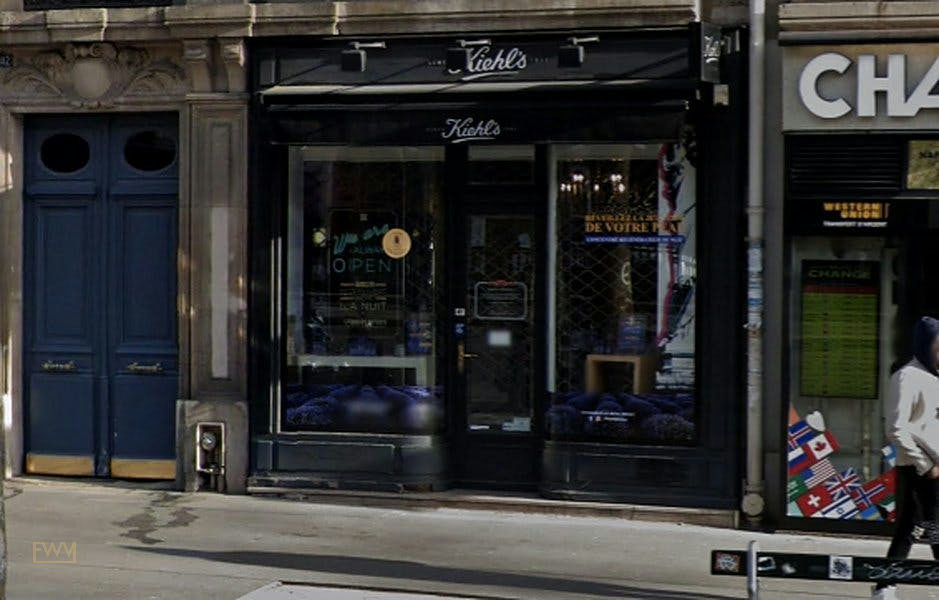
Traditional flagship boutique spaces on Avenue Montaigne are purpose-built retail units with significant square meterage, ground-floor visibility, and architectural treatments including polished concrete floors, high ceilings, bespoke lighting installations, and curated storefront designs. These spaces are predominantly occupied by established luxury houses on long-term leases. Vacancies are rare and highly contested. When they do become available, they typically attract multiple competing brands and command substantial rental values reflecting both the location and the physical quality of the building.
Pop-Up Store Formats
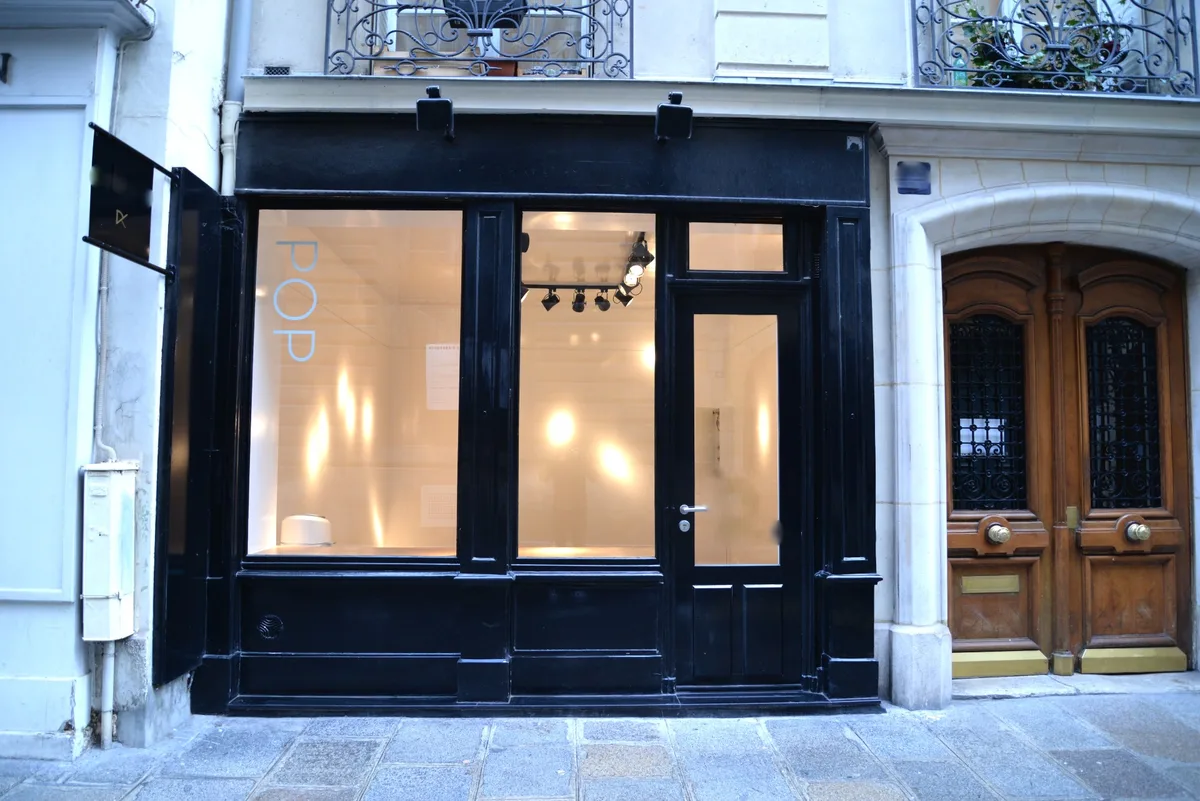
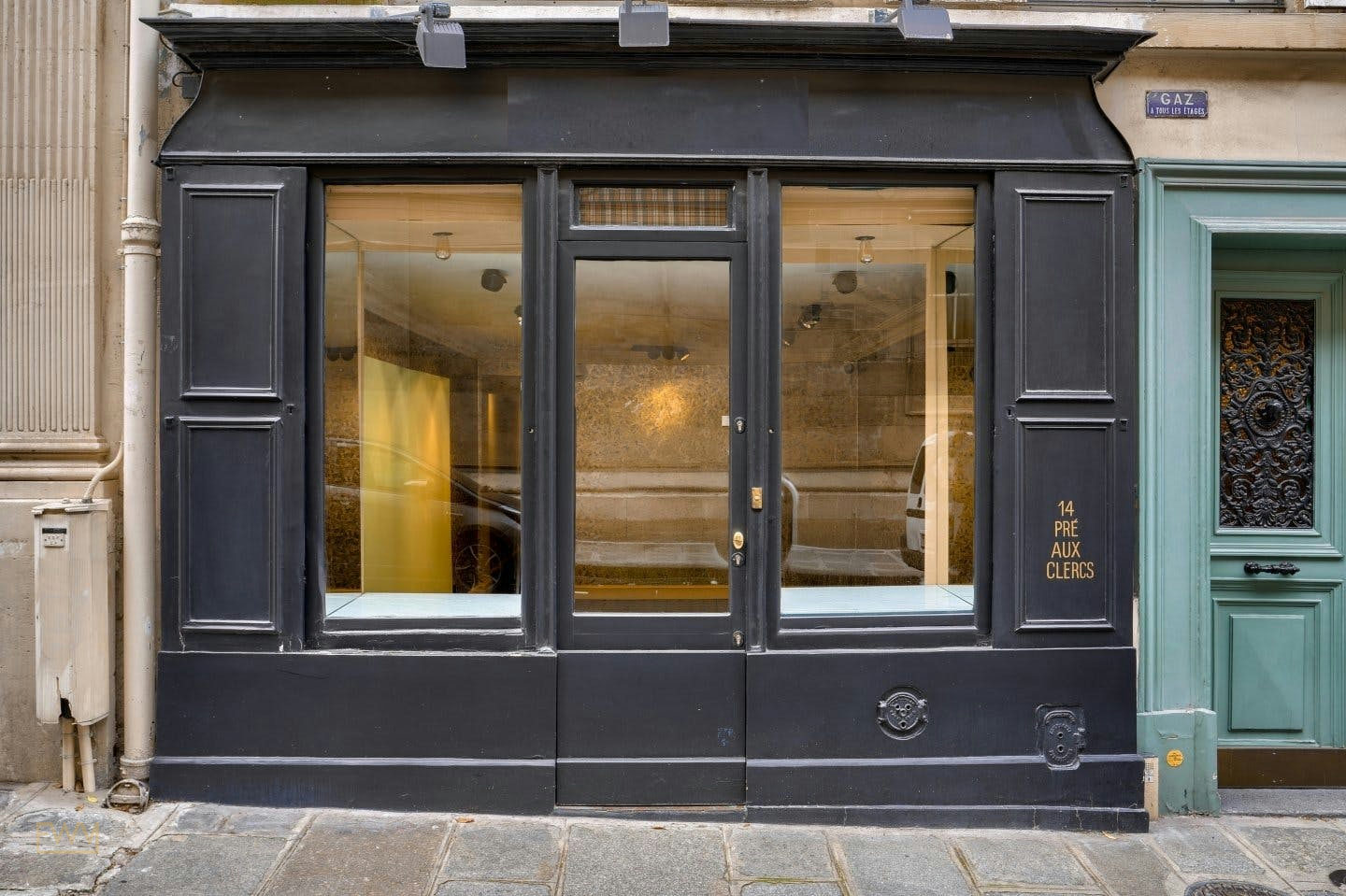
Short-term pop-up store activations on and near Avenue Montaigne are more accessible than permanent leases, particularly for brands with strong brand equity that want a temporary presence during Paris Fashion Week or a specific campaign window. Pop-up stores in this area typically occupy between 80 and 300 square meters, and may be configured in former retail units, gallery spaces, or ground-floor apartment conversions. The design quality expected in this neighbourhood is high, and brands activating here should plan for fit-out standards that match the context.
Fashion Showroom Spaces
Fashion showroom formats serve press, buyer, and trade audiences rather than general public retail. Showrooms on or near Avenue Montaigne are frequently booked during Paris Fashion Week and the parallel trade calendar for appointments-only presentations, media previews, and wholesale order appointments. A fashion showroom in the Golden Triangle carries significant editorial value because the address appears on press releases, invitations, and social media content, reinforcing brand positioning.
Concept Store Formats
Concept stores blend product retail with cultural programming, hospitality, or experiential elements. This format has grown significantly in Paris, with brands using concept store activations to explore new customer relationships, test product categories, and generate content for social media and press coverage. Le Marais and Saint-Germain-des-Prés are particularly suited to concept store formats, though Avenue Montaigne properties with gallery-height ceilings and flexible floor plans can also work for premium concept activations.
Art Gallery Conversions
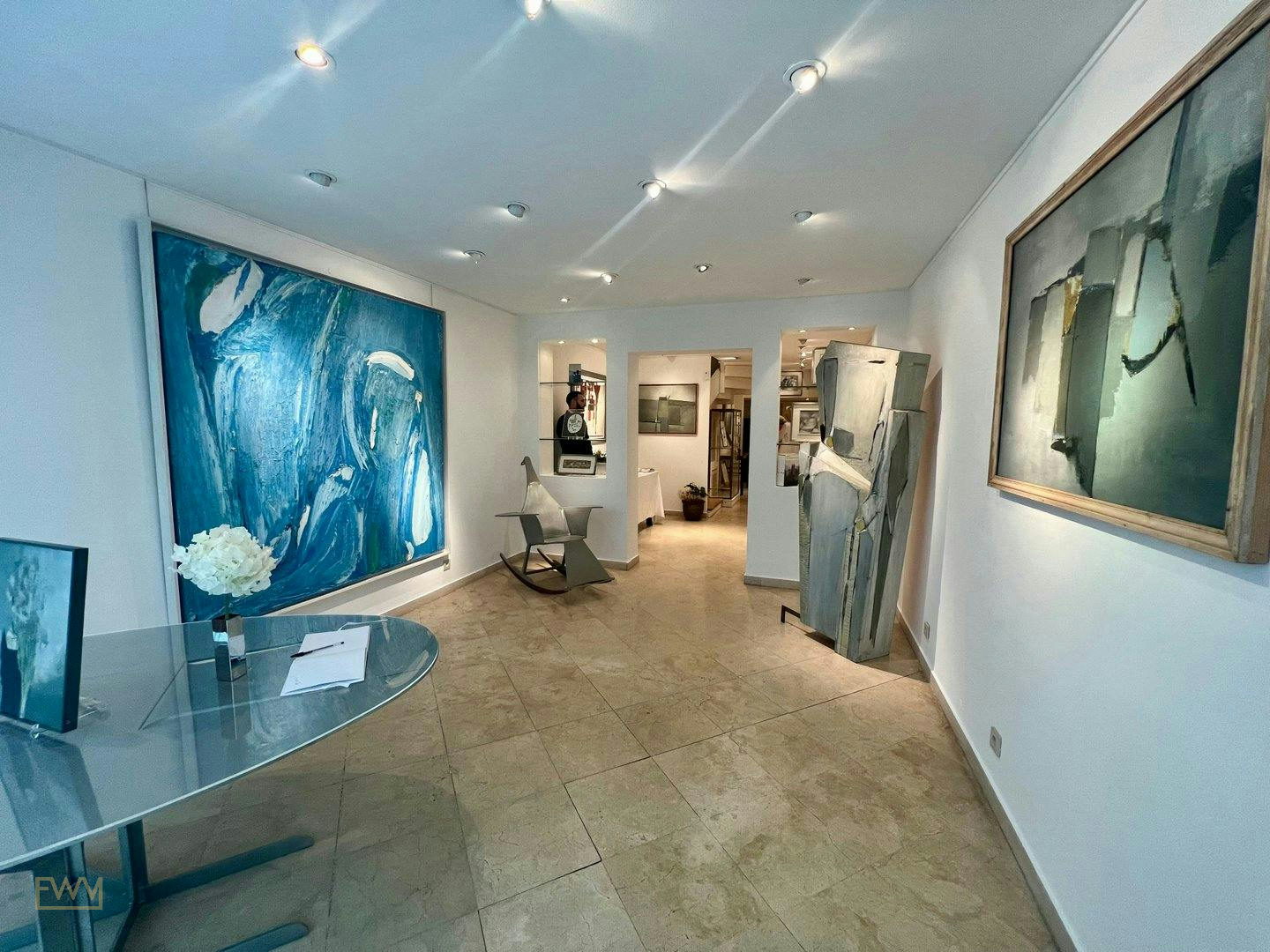
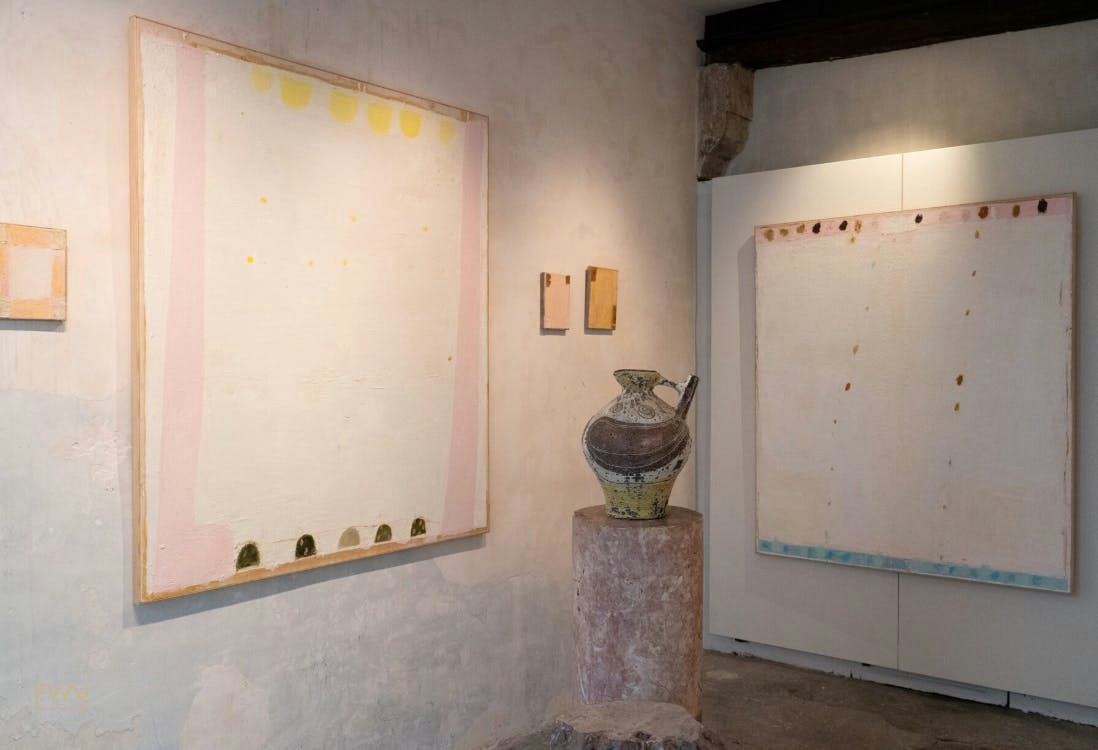
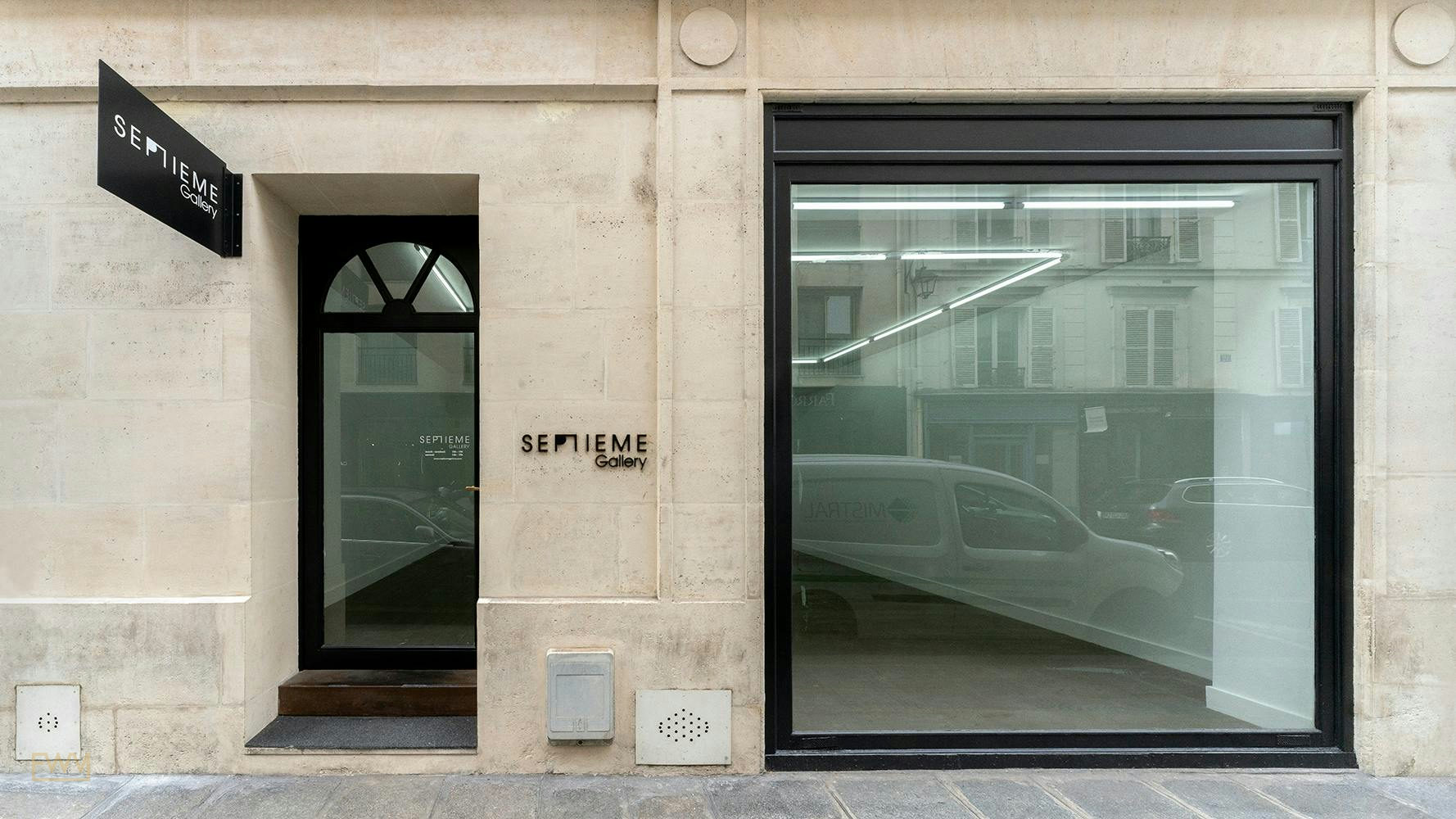
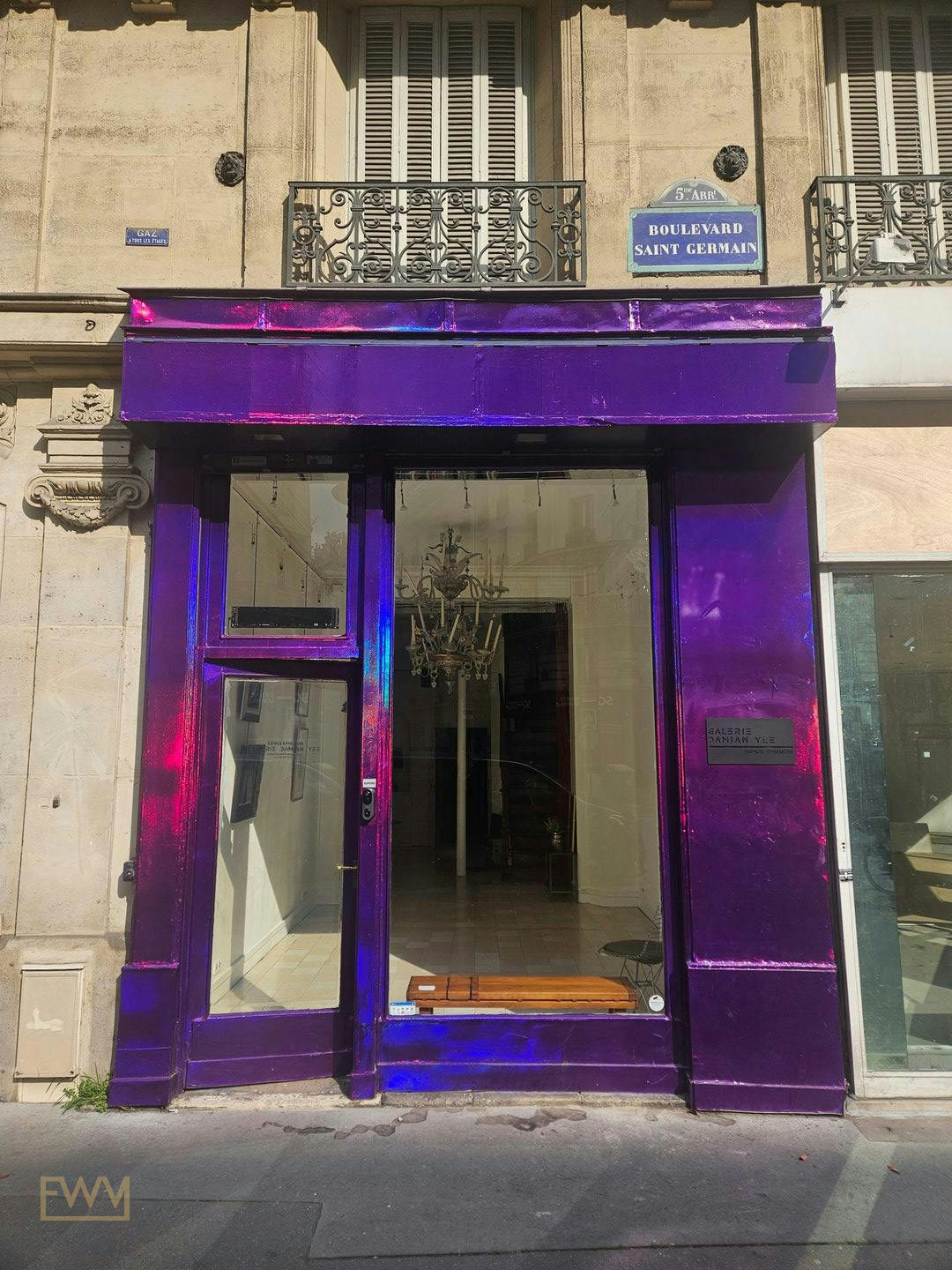
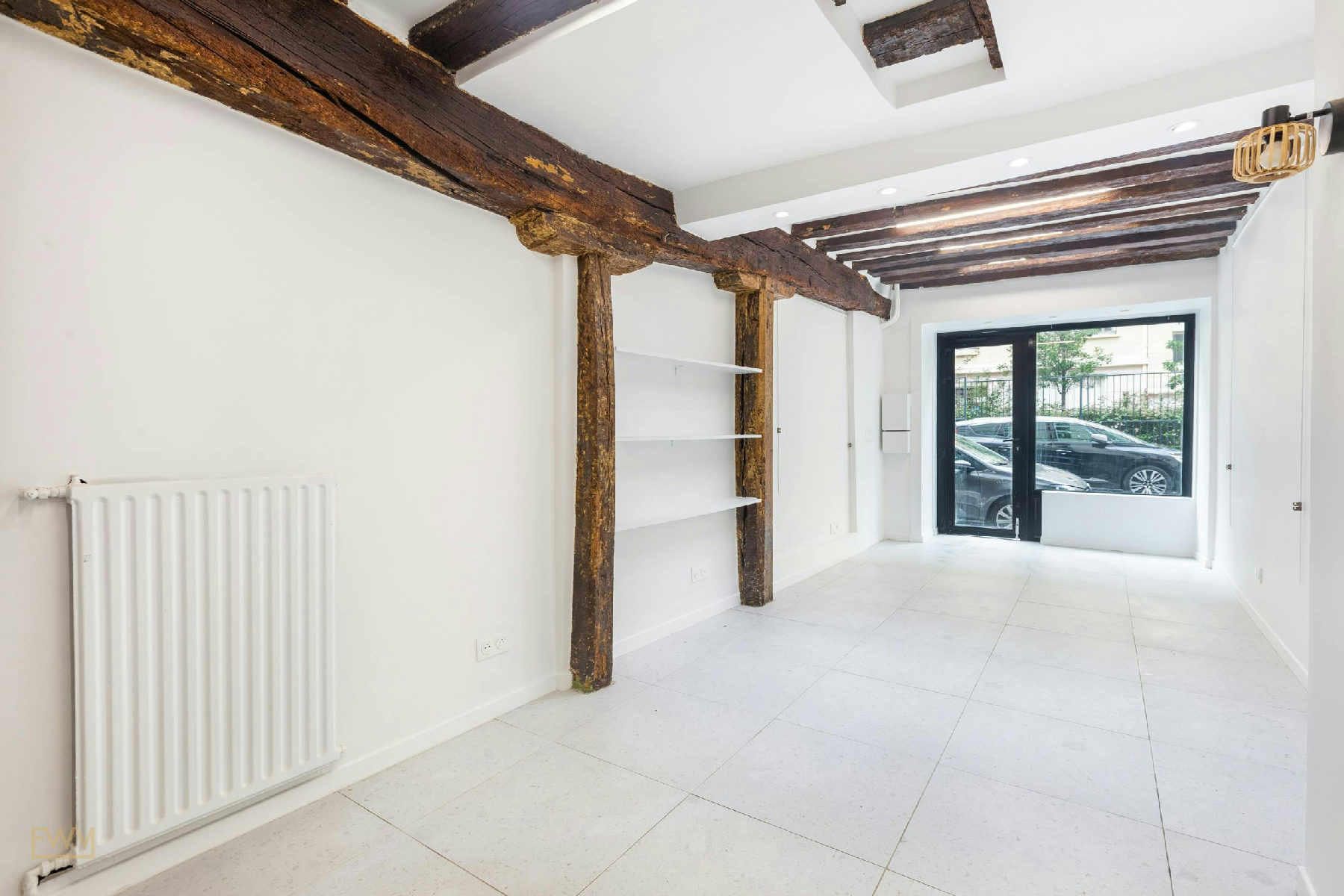
Several spaces available for short-term rental in Paris's luxury districts are former or active art galleries. These spaces offer distinctive characteristics including white walls, gallery lighting, polished or raw concrete floors, and high ceilings that lend themselves to luxury brand installations. Art gallery conversions are frequently used for product launches, press days, and limited-edition retail activations.
Studio and Apartment Formats
Paris's architectural heritage means that some of the most characterful short-term spaces are apartments or studios in upper floors of Haussmann buildings. These spaces suit intimate brand presentations, private client events, or beauty and lifestyle brands seeking an aspirational residential aesthetic rather than a conventional retail environment.
| Space Type | Typical Size | Best Used For | Recommended Districts | Fit-Out Complexity |
|---|---|---|---|---|
| Flagship Boutique | 200 to 600 sqm | Permanent or seasonal retail | Avenue Montaigne, Faubourg Saint-Honoré | High |
| Pop-Up Store | 60 to 300 sqm | Campaign activation, product launch | All luxury districts | Medium to High |
| Fashion Showroom | 80 to 250 sqm | Trade press, buyer appointments | Golden Triangle, Marais | Low to Medium |
| Concept Store | 100 to 400 sqm | Experiential retail, cultural programming | Marais, Saint-Germain | Medium to High |
| Art Gallery | 80 to 300 sqm | Launch events, press days, installations | Marais, Saint-Germain, Montmartre | Low to Medium |
| Apartment or Studio | 60 to 200 sqm | Private client events, beauty, lifestyle | All districts | Low |
Quick answer: Retail space types available near Avenue Montaigne in Paris include flagship boutiques, pop-up stores, fashion showrooms, concept stores, art gallery conversions, and apartment formats. Each serves different commercial and editorial objectives, and the right choice depends on a brand's audience, activation duration, budget, and team capacity.
KEY TAKEAWAY: Matching space type to activation objective is as important as location. A fashion showroom that positions your brand on Avenue Montaigne during Paris Fashion Week can deliver greater editorial and commercial value than a standard retail unit in a less strategic location, even at a lower total cost.
To explore available space types across Paris's luxury districts, the Paris city hub on Fashion Week Venues provides a curated overview of spaces, neighbourhoods, and activation formats currently available.
Understanding Retail Rental Costs in Paris's Luxury Districts
Retail rental values in Paris vary significantly by neighbourhood, space type, floor level, frontage width, and the specific calendar window during which the space is required. Brands planning to secure retail space for rent on Avenue Montaigne or in the surrounding Golden Triangle should approach budgeting with a clear understanding of the multiple cost layers involved.
Rental Values and Market Context
According to commercial real estate market analysis published by Jones Lang LaSalle and reported in Vogue Business's retail coverage, Avenue Montaigne and Rue du Faubourg Saint-Honoré consistently rank among the most expensive retail rental corridors in Europe. Retail rental values on these streets are driven by scarcity of supply, the quality of foot traffic, and the proximity to other globally recognised luxury brands. While specific figures change with market conditions, brands should treat any estimates they receive as directional only and verify current market rates with specialist real estate advisors or agencies operating in the Paris luxury retail market.
Short-term and pop-up rental structures differ from long-term commercial leases in important ways. For temporary retail activations lasting days to weeks, rental is typically quoted as a daily or weekly rate per square meter, and the total cost includes not just the base rent but also service charges, utilities, security deposits, and any agency fees. During Fashion Week calendar windows, demand spikes sharply and available spaces are often booked months in advance, which places upward pressure on rates across all luxury districts.
Cost Layers Beyond Base Rent
Brands frequently underestimate the total cost of a Paris retail activation because they focus on the headline rental figure without accounting for the full cost stack. The additional cost layers include fit-out and production costs, furniture rental, retail staffing, permits and compliance fees, insurance, technology including POS and payments systems, and post-activation restoration of the space to its original condition. In high-prestige spaces on Avenue Montaigne, fit-out standards expected by landlords and consistent with brand positioning can be substantial. Brands should budget for these layers from the start of the planning process rather than treating them as secondary considerations.
TIP: Use the Fashion Week Venues budget estimation tool to build a realistic cost model for your Paris activation before committing to a space. The tool accounts for space size, duration, fit-out complexity, staffing requirements, and service add-ons relevant to your specific brief.
The Impact of Covid-19 and Post-Pandemic Market Recovery
The Covid-19 pandemic had a significant but ultimately temporary effect on luxury retail rental markets in Paris. During the periods of mandatory closure and restricted tourism, vacancy rates rose temporarily in some luxury corridors, and some lease renegotiations resulted in adjusted terms. However, the post-pandemic recovery in luxury goods consumption, driven in part by pent-up demand and the return of Chinese tourism to Paris, restored competitive conditions in the most desirable locations faster than many market observers predicted. Vogue Business and real estate market analysis reports from Jones Lang LaSalle documented this recovery, noting that premium locations including Avenue Montaigne retained their structural appeal throughout the disruption. Brands entering the market today should not expect pandemic-era concessions on premium addresses.
Quick answer: Retail rental costs on Avenue Montaigne and in Paris's Golden Triangle are among the highest in Europe. Beyond base rent, brands must budget for fit-out, staffing, permits, insurance, and technology. During Fashion Week windows, demand and costs increase significantly. Use specialist tools and advisors to build a complete cost model before committing.
KEY TAKEAWAY: The true cost of a Paris luxury retail activation is the sum of all cost layers, not just the rental figure. Brands that plan comprehensively from the start, accounting for every component of the activation budget, consistently achieve better commercial outcomes than those who budget for rent alone and encounter unexpected costs during execution.
Paris Fashion Week and the Commercial Calendar for Retail Activations
Paris Fashion Week is one of the four major fashion weeks that define the global fashion calendar, alongside New York, London, and Milan. The Paris edition occurs twice annually, in late February or early March for the autumn-winter women's collections, and in late September or early October for the spring-summer women's collections. Men's fashion weeks and haute couture weeks add additional calendar windows that are commercially significant for brands targeting press, buyers, and VIP clients.
Why Fashion Week Timing Matters for Retail Space Decisions
The Fashion Week calendar concentrates an extraordinary density of commercial opportunity in a short window. During the ten-day period of Paris Fashion Week, the city hosts thousands of journalists, buyers, stylists, content creators, and brand representatives from around the world. Hotel occupancy in the 8th arrondissement rises sharply, foot traffic on luxury retail streets increases, and the editorial attention of the global fashion media is focused on Paris. For brands seeking to maximise the return on a short-term retail activation, aligning with the Fashion Week calendar is frequently the most efficient strategy.
Showrooms, pop-up stores, and brand activations that operate during Fashion Week windows benefit from a built-in audience of trade and press visitors who are actively seeking new brand experiences. Social media content generated in and around Fashion Week activations receives elevated engagement because the event is culturally prominent and actively covered by accounts with large, fashion-engaged followings. This editorial amplification is a material component of the commercial value of a Fashion Week-aligned activation.
Planning Lead Times for Fashion Week Activations
Securing retail space for rent on Avenue Montaigne or in the surrounding luxury districts during Fashion Week requires significantly more lead time than most brands anticipate. The most desirable spaces are typically booked four to six months before the Fashion Week window. Brands that begin their search within two months of their target activation date often find that preferred locations are already committed. Building your activation timeline around the Fashion Week calendar requires starting the space search process in the season preceding your target window.
| Stage | Activity | Recommended Lead Time Before Activation |
|---|---|---|
| 1 | Brief development and budget confirmation | 5 to 6 months |
| 2 | Space search and shortlisting | 4 to 5 months |
| 3 | Space viewing and negotiation | 3 to 4 months |
| 4 | Lease or rental agreement and permits | 2 to 3 months |
| 5 | Concept direction and design development | 2 to 3 months |
| 6 | Fit-out and production | 3 to 6 weeks before opening |
| 7 | Staffing, POS, and operational setup | 1 to 2 weeks before opening |
| 8 | Activation and live operation | During the activation window |
| 9 | Strike, restoration, and post-event analytics | Immediately after closing |
DID YOU KNOW: Brands from Asia, particularly those targeting Chinese high-net-worth consumers, have significantly increased their presence at Paris Fashion Week activations since 2022, driven by the return of Chinese tourism and the editorial reach of Chinese fashion media and social media platforms. This has increased competition for premium short-term spaces in the Golden Triangle during Fashion Week windows.
Use the activation timeline planning tool on Fashion Week Venues to map your critical path from brief to opening day, accounting for Paris-specific lead times, permit processes, and fit-out schedules.
KEY TAKEAWAY: Aligning a Paris retail activation with the Fashion Week calendar is strategically sound but demands early planning. Brands that start their space search four to six months before their target window consistently have better options, better negotiating positions, and more time for the permit and fit-out processes that determine execution quality.
Permits, Regulations, and Legal Considerations for Short-Term Retail in Paris
Operating a retail space for rent on Avenue Montaigne or anywhere in Paris involves navigating French legal and regulatory requirements that differ substantially from what brands may be accustomed to in New York, London, or other markets. Understanding the permit landscape before signing a rental agreement is not optional; it is a prerequisite for a compliant, risk-managed activation.
The Bail Dérogatoire: France's Short-Term Commercial Lease
The bail dérogatoire, sometimes referred to as a bail précaire, is a French legal instrument that allows a commercial space to be let on a short-term basis outside the protections afforded to tenants under the standard 3-6-9 commercial lease framework. Under a standard French commercial lease, tenants have significant statutory rights including the right to renew, which makes standard leases unsuitable for short-term activations. The bail dérogatoire can be used for periods of up to three years in aggregate for the same tenant in the same premises, and it allows both parties to agree on flexible terms without triggering the statutory renewal rights that apply to longer-term commercial leases.
For brands planning activations of weeks or months rather than years, the bail dérogatoire is the most common legal framework. However, its correct use requires careful drafting, and brands should not assume that a template agreement found online will be compliant with current French law or with the specific requirements of the landlord or the property. Engaging a French legal advisor to review or draft the rental agreement is strongly recommended.
Autorisation d'Occupation Temporaire (AOT)
Some short-term retail activations, particularly those that involve temporary structures, outdoor elements, or use of public space adjacent to a property, may require an Autorisation d'Occupation Temporaire, or AOT. This permit authorises the temporary occupation of public space by a private party for commercial purposes. AOT requirements and the process for obtaining them vary by arrondissement and by the specific nature of the proposed use. Brands planning activations that extend into a forecourt, pavement area, or public space should verify AOT requirements at the earliest stage of planning.
Additional Regulatory Considerations
Beyond the lease structure and any AOT requirements, brands operating retail spaces in Paris may need to address signage regulations, fire safety compliance for temporary installations, insurance requirements, waste management obligations, and in some cases heritage or planning restrictions that apply to protected buildings. Many of the most prestigious properties in the 8th arrondissement are classified or registered buildings, which may impose restrictions on what modifications can be made to interiors and facades.
IMPORTANT: The regulatory requirements for a Paris retail activation depend on the specific space, its use classification, the duration of the activation, and the arrondissement in which it is located. Always verify requirements with a qualified French legal advisor before signing any agreement or committing to a timeline. Permit approval is not guaranteed, and the process takes time that must be built into your planning schedule.
The permit guidance tool on Fashion Week Venues provides an orientation to the permit landscape for short-term retail activations in Paris, including information on bail dérogatoire structures, AOT requirements, and when specialist legal advice is essential.
Quick answer: Short-term retail activations in Paris typically use a bail dérogatoire lease structure rather than a standard French commercial lease. Additional permits including an AOT may be required depending on the space and its proposed use. Requirements vary by arrondissement, space type, and activation format, and specialist legal advice is essential.
KEY TAKEAWAY: Permits and legal compliance in Paris are not bureaucratic afterthoughts. They are critical-path items that must be resolved before your activation can proceed. Brands that leave permit processes until late in their planning timeline risk delays, additional costs, and in some cases being unable to open as planned.
The Global Context: Comparing Avenue Montaigne with New York's Fifth Avenue and Madison Avenue
For international brands headquartered or principally operating in the United States, the decision to activate in Paris raises natural comparisons with the New York luxury retail market. Fifth Avenue and Madison Avenue in Manhattan are the closest American equivalents to Avenue Montaigne in terms of luxury brand density, foot traffic quality, and prestige positioning. Understanding the differences helps brands allocate their activation resources strategically.
Fifth Avenue and Madison Avenue: The American Comparison
Fifth Avenue in Midtown Manhattan is one of the highest-grossing retail streets in the world by sales per square meter, driven by a combination of tourist volume, domestic consumer spending, and the concentration of flagship stores for brands including Gucci, Prada, Louis Vuitton, Neiman Marcus (formerly Bonwit Teller's address), and others. Madison Avenue, running parallel to Fifth Ave and through the Upper East Side, serves a more residential luxury clientele and hosts boutiques for brands that position themselves toward private, appointment-oriented service rather than high-volume retail.
The Philadelphia luxury retail market, which historically centred on Walnut Street, Rittenhouse Square, and the retailers that defined Center City's fashion era including Nan Duskin, Sophy Curson, Joan Shepp, and later national brands at the King of Prussia Mall, represents a regional luxury market that contrasts with the global significance of Avenue Montaigne. While Drexel University and the Philadelphia Register of Historic Places lend Walnut Street architectural distinction, the city does not compete with Paris as a global fashion destination. The concentration of luxury brand activations, fashion media attention, and high-net-worth international visitor spending that Avenue Montaigne generates during Fashion Week has no equivalent in any American city outside Manhattan.
Why Brands Choose Paris Over New York for European Market Entry
For brands seeking to establish or reinforce their presence in the European luxury market, Paris offers advantages that New York cannot replicate. These include the city's status as the global capital of haute couture and luxury fashion, the density of the fashion industry press and trade calendar, the proximity to European wholesale buyers, and the cultural authority that a Paris address carries with luxury consumers across Europe, Asia, and the Middle East. Brands that have already succeeded on Fifth Avenue or Madison Avenue frequently find that a Paris Fashion Week activation generates proportionally greater editorial coverage and long-term brand equity than comparable activity in New York.
Quick answer: Avenue Montaigne in Paris compares to Fifth Avenue and Madison Avenue in New York as a global luxury retail benchmark. Paris offers unique advantages for European market entry including Fashion Week editorial exposure, proximity to international luxury buyers, and the cultural authority of the City of Light as the home of haute couture and global fashion leadership.
KEY TAKEAWAY: Brands should not treat Paris as simply another city in their global retail portfolio. Avenue Montaigne and the Golden Triangle occupy a distinct position in the global luxury hierarchy, and a well-executed activation here generates brand equity that compounds across all markets, not just France.
To understand how Fashion Week Venues supports brands making this strategic choice, the next section covers the full range of services and tools available to brand teams planning Paris activations.
How Fashion Week Venues Supports Retail Space Activations on Avenue Montaigne and Beyond
Fashion Week Venues is a full-service pop-up shop agency and space marketplace with Paris as its primary market. The company supports brands across the complete lifecycle of a retail space activation, from initial space discovery through to post-activation analytics and reporting. Understanding which services apply to different stages of the process helps brand teams plan more effectively and engage the right support at the right time.
Space Discovery and Venue Sourcing
The Fashion Week Venues marketplace gives brands access to available spaces across Paris's luxury districts, including the Golden Triangle, Le Marais, Saint-Germain-des-Prés, and other key neighbourhoods. The venue sourcing service goes beyond the marketplace to actively search, shortlist, and negotiate on behalf of brand teams, drawing on established relationships with landlords and space owners across Paris. This is particularly valuable when brands need spaces in high-demand locations like Avenue Montaigne where publicly listed availabilities are rare and the best opportunities are often unlisted.
Concept Direction and Design
Once a space is secured, the concept and creative process determines whether the activation delivers the editorial, commercial, and experiential outcomes the brand is targeting. The concept direction and branded store design services at Fashion Week Venues address the full creative development process, from initial spatial concept through to material specifications, lighting design, fixture selection, and the overall brand narrative expressed through the physical environment. For brands activating in the prestigious context of the Golden Triangle, design quality is not negotiable, and specialist creative support ensures that the fit-out meets both brand standards and the expectations of the neighbourhood.
Production, Build, and Fit-Out
The production and build service manages the physical realisation of the designed space, including contractor coordination, material procurement, installation, and pre-opening quality checks. Operating in Paris requires navigating French contractor markets, building regulations, and the logistics of working within the often-constrained delivery and working-hours environments of historic central Paris properties. Brands attempting to manage this process independently from outside France frequently encounter delays, cost overruns, and quality issues that an experienced on-the-ground partner can prevent.
Activation Management and Retail Operations
During the live activation period, the activation management service handles daily operational oversight, ensuring the space functions as intended and that any operational issues are resolved quickly. This includes managing retail staffing, POS and payments systems, inventory handling, and the logistics of any events, press visits, or influencer appearances that are part of the activation programme. For brands operating from a distance or managing multiple simultaneous activations across Fashion Week capitals, having a dedicated activation management partner in Paris is a significant operational advantage.
Retail Staffing, POS, and Analytics
Fashion Week Venues provides retail staffing solutions that match the brand positioning and customer service expectations of the luxury retail environment. Bilingual and multilingual staff capable of serving the international clientele that visits Avenue Montaigne and the Golden Triangle are an important contributor to activation quality. POS and payments infrastructure that handles multiple currencies, contactless transactions, and the requirements of international consumer purchasing is equally important in a market where visitors from China, the Middle East, the United States, and across Europe are all potential customers. Post-activation, the data and analytics service produces reporting on foot traffic, sales performance, customer demographics, and conversion metrics that support ROI assessment and future planning.
Tools for Independent Brand Teams
Fashion Week Venues also provides a suite of planning tools that brand teams can use independently. These include the budget estimation tool, the ROI calculator, the space comparison tool, the timeline planning tool, the permit guidance tool, and the space locator. The Imagine visualisation tool allows brand teams to explore how a shortlisted space could look with a specific concept applied, supporting decision-making before committing to a space. The Twin co-activation concept enables two complementary brands to share a space, reducing the cost burden of a premium location while creating a richer activation experience for visitors.
KEY TAKEAWAY: Fashion Week Venues provides genuine end-to-end support for Paris retail activations, from space discovery and permit navigation to concept design, build, operations, and analytics. Brand teams that engage this support early in the process consistently achieve better outcomes than those who attempt to source and manage Paris activations independently from outside France.
To understand the realistic performance of Paris activations, the next section addresses consumer behaviour, foot traffic dynamics, and the market insights that inform activation strategy.
Consumer Behaviour, Foot Traffic, and Market Insights for Luxury Retail in Paris
Effective retail space strategy is grounded in understanding how consumers behave in and around the location you are targeting. Avenue Montaigne and the Golden Triangle attract a distinctive consumer profile that differs from other Paris retail districts in important ways, and understanding these differences shapes decisions about space type, design, staffing, opening hours, and activation programming.
The Avenue Montaigne Visitor Profile
The visitor profile of Avenue Montaigne is dominated by high-net-worth international tourists, particularly from China, the Gulf states, Russia, and North America, alongside affluent Parisian residents and the fashion, media, and business professionals who work in and around the 8th arrondissement. This profile differs from the Champs-Élysées, which attracts far higher total visitor volumes but with a broader range of spending capacities and consumer intentions. On Avenue Montaigne, a lower volume of more intentional, higher-spending visitors is the norm, which means that retail activations need to be calibrated for quality of conversion rather than volume of footfall.
The Role of Social Media and Digital Amplification
Social media has fundamentally changed the commercial calculus of luxury retail activations in Paris. A well-designed pop-up store on or near Avenue Montaigne during Fashion Week generates content that reaches fashion consumers globally through the organic posting behaviour of visitors, press, and influencers. The editorial value of this content, which positions the brand visually within the prestige context of Paris's most recognised luxury street, extends the commercial impact of the activation far beyond the visitors who physically attend. Brands that design their spaces with social media content creation in mind, incorporating distinctive visual elements, optimal lighting, and photogenic moments, consistently generate greater earned media value from their Paris activations.
Consumer Habits and the Post-Pandemic Luxury Recovery
Consumer habits in luxury retail have evolved significantly since the Covid-19 period. The return of international tourism to Paris, particularly the recovery of Chinese visitor volumes which accelerated from 2023 onward, restored the pre-pandemic spending patterns that underpin Avenue Montaigne's commercial performance. Market Insights Reports from Jones Lang LaSalle and related commercial real estate analysis document this recovery and the structural resilience of the Paris luxury market. Big Data Watch analysis of consumer spending patterns in European luxury retail confirms that Paris has maintained its position as the preferred luxury shopping destination for international high-net-worth visitors, ahead of London, Milan, and other European fashion capitals.
Understanding these market dynamics is essential for brands setting realistic commercial targets for their Paris activations. A pop-up store on Avenue Montaigne during Fashion Week reaches a self-selected audience of luxury-oriented visitors, but conversion rates and average transaction values depend on how well the space, the product offer, the staff, and the overall experience are calibrated to this specific audience.
Quick answer: The consumer profile of Avenue Montaigne is dominated by high-spending international visitors and affluent Parisian residents. Social media amplification significantly extends the commercial reach of activations beyond physical visitors. Post-pandemic recovery has restored competitive dynamics in Paris luxury retail, and brands should plan for a high-quality, intentional visitor experience rather than a high-volume foot traffic model.
KEY TAKEAWAY: Understanding the specific consumer behaviour patterns of Avenue Montaigne, including the importance of international visitors, the role of social media amplification, and the quality-over-quantity dynamics of foot traffic in this corridor, is essential for designing activations that deliver strong commercial and editorial outcomes.
Common Myths About Renting Retail Space on Avenue Montaigne
Several persistent misconceptions affect how brand teams approach the process of securing and activating retail space in Paris. Addressing these myths directly helps brands make better decisions and avoid preventable mistakes.
MYTH: You need a French legal entity to rent a retail space in Paris.
FACT: While having a French entity can simplify some aspects of the rental and operational process, international brands without a French legal entity can and do rent retail spaces in Paris through appropriate contractual structures. An agent or service provider with the relevant French legal presence can act on behalf of an international brand in many cases, and specialist agencies including Fashion Week Venues are experienced in supporting this process. Requirements vary by landlord and by lease type, and you should always verify the specific requirements for a given space with a French legal advisor, but the absence of a French entity is not an absolute barrier to operating a Paris retail activation.
MYTH: Paris Fashion Week is the only viable calendar window for a Paris retail activation.
FACT: While Paris Fashion Week windows concentrate the greatest density of industry press, buyers, and content creators, they are not the only commercially viable calendar windows for retail space activations in Paris. The Christmas and New Year shopping season, summer tourist peaks, Art Basel and FIAC periods, and the Paris Men's Fashion Week and Haute Couture week windows all represent strong activation opportunities depending on the brand's target audience. Permanent boutiques and concept stores operating year-round in the Golden Triangle access consistent high-value foot traffic regardless of the fashion calendar.
MYTH: Commission brokers are the only way to find available retail space in Paris.
FACT: Traditional commission brokers operating in the Paris commercial real estate market are one route to finding available retail space, but they are not the only route and are not always the best-suited to short-term or pop-up activation formats. Specialist agencies and marketplace platforms including Fashion Week Venues offer transparent, brief-led space discovery processes that are specifically designed for the temporary retail and brand activation market. These services often have access to spaces that are not listed with traditional commercial property brokers, particularly in the short-term and pop-up segment.
MYTH: Short-term retail leases in Paris are legally simple and can be managed without specialist help.
FACT: Short-term commercial leases in France, including bail dérogatoire structures, involve specific legal requirements that differ substantially from short-term rental agreements in common law jurisdictions like the UK or the US. An incorrectly drafted or executed bail dérogatoire can inadvertently create the tenant protections of a standard 3-6-9 commercial lease, which is a serious legal and financial risk for landlords and a potential source of significant complication for tenants. French legal advice is not optional for brands serious about a compliant Paris activation.
MYTH: Any space can be fitted out to any standard without restriction in Paris's heritage buildings.
FACT: Many of the most prestigious properties on and near Avenue Montaigne are classified or registered buildings subject to heritage protection requirements that restrict modifications to facades, interior architectural elements, and structural features. Fit-out proposals for protected buildings require additional approval processes and may limit what brands can do with the space. Identifying these restrictions early in the space selection process is essential to avoid committing to a space whose heritage constraints are incompatible with the planned activation concept.
Frequently Asked Questions
What are the most sought-after locations for leasing commercial space in Paris?
The most sought-after locations for luxury commercial leases in Paris are Avenue Montaigne, Rue du Faubourg Saint-Honoré, Place Vendôme, and the broader Golden Triangle of the 8th arrondissement. For brands seeking more accessible rental values with strong fashion credentials, Le Marais, Saint-Germain-des-Prés, and the areas around Palais-Royal are highly competitive. During Fashion Week windows, demand for temporary retail space spikes across all of these districts simultaneously. Availability in premium locations is limited and typically committed months in advance. Engaging a specialist agency with existing landlord relationships gives brands access to the best spaces before they are widely listed.
What is the cost of renting a retail space in Paris near Avenue Montaigne?
Retail rental costs in Paris's luxury districts are among the highest in Europe and vary significantly based on street, specific location within the street, space size, floor level, and duration of rental. Short-term and pop-up rental rates are typically quoted per square meter per day or week, and total activation costs must account for fit-out, staffing, permits, insurance, technology, and restoration. Specific figures change with market conditions, and brands should treat any published estimates as directional only. For a tailored estimate relevant to your specific brief, use the budget estimation tool available through Fashion Week Venues or consult a specialist agency directly.
How far in advance should a brand secure retail space for a Paris Fashion Week activation?
For activations aligned with Paris Fashion Week, brands should begin the space search process four to six months before the target window. The most desirable spaces in the Golden Triangle and Le Marais are typically committed within this window, and brands that begin later often find their preferred locations unavailable. The permit process, legal agreement drafting, concept development, and fit-out scheduling also require lead time that is most effectively managed when space selection is completed early. Use the timeline planning tool on Fashion Week Venues to map your specific critical path based on your activation date and brief.
Do I need a French legal entity to rent a retail space in Paris?
Not necessarily. International brands without a French legal entity can operate retail activations in Paris through appropriate contractual arrangements, sometimes using a specialist agency or service provider with the relevant French legal presence. However, requirements vary by landlord, space type, and lease structure. Some landlords require a French entity or a French guarantor as a condition of the rental agreement. The bail dérogatoire structure used for short-term commercial rentals has specific requirements that need to be reviewed with a qualified French legal advisor. The absence of a French entity is manageable but requires planning and specialist support.
What is a bail dérogatoire and why does it matter for pop-up retail in Paris?
A bail dérogatoire is a short-term commercial lease instrument under French law that allows parties to agree on a temporary commercial tenancy outside the statutory protections of the standard French commercial lease, which runs on a 3-6-9 year structure. For pop-up stores, brand activations, and temporary showrooms, the bail dérogatoire is the appropriate legal framework because it provides flexibility without creating long-term tenant rights. It can be used for cumulative periods of up to three years for the same tenant in the same space. Correct drafting is essential; a poorly executed bail dérogatoire can inadvertently trigger full commercial lease protections, which creates significant legal and financial risk.
What permits are required for a short-term retail activation in Paris?
The permits required for a Paris retail activation depend on the specific space, its use classification, the nature of the activation, and the arrondissement. Common permit considerations include the lease structure itself, any Autorisation d'Occupation Temporaire for use of public space adjacent to the property, signage authorisations, and compliance with fire safety regulations for temporary installations. Heritage building restrictions may apply in many 8th arrondissement properties. Requirements vary and should always be verified with a qualified French legal advisor before committing to a timeline. The permit guidance tool on Fashion Week Venues provides a useful orientation to this landscape.
How does Avenue Montaigne compare to Fifth Avenue and Madison Avenue for luxury retail?
Avenue Montaigne and New York's Fifth Avenue and Madison Avenue are the closest global equivalents in terms of luxury brand density and prestige positioning. Fifth Avenue generates higher total retail sales volume driven by tourist volume, while Avenue Montaigne attracts fewer but higher-spending, more intentional luxury visitors. For European market entry and for brands targeting editorial coverage in global fashion media, Paris offers the additional advantage of Fashion Week calendar windows that concentrate industry press, buyers, and content creators in a way that New York Fashion Week does not replicate for European audiences. Paris also offers unique positioning as the historic home of haute couture and global luxury fashion leadership.
What space types are available for short-term rental near Avenue Montaigne?
Short-term rental formats available near Avenue Montaigne include pop-up store units, fashion showroom spaces, art gallery conversions, concept store formats, and in some cases apartment or studio spaces in Haussmann buildings. Gallery-height spaces with polished or raw concrete floors, spotlights, and clean white walls are among the most sought-after formats for luxury brand activations. Fit-out standards expected in this neighbourhood are high, and brands should plan for design investment commensurate with the prestige of the location. The Fashion Week Venues marketplace and locator tool help brands identify available spaces matched to their specific format requirements.
Is it possible to share a retail space with another brand in Paris to reduce costs?
Yes. Co-activation models, where two complementary brands share a single space, are a legitimate and increasingly common strategy for managing the cost of premium Paris locations. Fashion Week Venues offers a dedicated Twin co-activation concept that matches compatible brands and manages the shared space structure. For brands seeking presence on or near Avenue Montaigne during Fashion Week but unable to justify the full cost of a premium space independently, a well-structured co-activation with a complementary brand can deliver the editorial and commercial benefits of the location at a more accessible cost. Brand compatibility and clear agreement on space allocation and operations are essential to a successful co-activation.
What role does social media play in the commercial value of a Paris pop-up?
Social media amplification is a major contributor to the commercial value of a Paris pop-up, particularly one aligned with the Fashion Week calendar. Content generated by visitors, press, and influencers attending the activation reaches fashion consumers globally through organic posting, extending the commercial impact far beyond the physical visitor count. Influencer marketing services and carefully designed visual environments that encourage content creation are material commercial investments, not optional add-ons. Brands that design their spaces with social media content creation in mind consistently generate greater earned media value, stronger brand awareness metrics, and longer-lasting digital presence from their Paris activations.
How do luxury retail market conditions in Paris compare with London and Milan?
Paris, London, and Milan are the three principal European luxury retail markets, each with distinct characteristics. Paris is widely regarded as the most prestigious global address for luxury fashion, driven by the fashion calendar, the concentration of haute couture and luxury maisons, and the cultural authority of the city. London's luxury retail is concentrated on Bond Street and Sloane Street and benefits from a large domestic high-net-worth market. Milan's luxury retail on Via Montenapoleone and Via della Spiga is closely tied to the Italian fashion and design industries. For brands seeking maximum editorial impact and international luxury consumer reach, Paris consistently leads the group.
What happens if I need to modify the interior of a heritage-listed building in Paris?
Modifications to classified or registered buildings in Paris require approval from the relevant heritage authorities, typically the Architecte des Bâtiments de France for the relevant arrondissement. Permitted modifications are generally limited to reversible fit-out elements that do not affect the architectural fabric of the building. This means that permanent structural changes, alterations to original facades, and modifications to protected interior features including decorative plasterwork, staircases, and historic flooring are typically not permitted or require lengthy approval processes. Identifying heritage restrictions on a shortlisted space before committing is a critical part of the due diligence process.
Can international brands from outside Europe use Fashion Week Venues services for a Paris activation?
Yes. Fashion Week Venues works with international brands from outside Europe, including brands based in North America, Asia, the Middle East, and elsewhere. The agency's end-to-end service model is specifically designed to reduce the operational complexity that international brands face when activating in Paris without an established local team, supplier network, or legal entity. Services including venue sourcing, permit navigation, concept direction, production management, retail staffing, and post-activation analytics are available to international brands regardless of where they are headquartered. Early engagement and clear brief development are the most important factors for a successful international brand activation in Paris.
What is the concept store model and is it relevant to Avenue Montaigne activations?
A concept store is a retail format that integrates product sales with cultural programming, hospitality, editorial curation, or experiential elements that go beyond conventional retail. The concept store model originated with brands like Colette in Paris and has been widely adopted by luxury and contemporary fashion brands seeking to create memorable, press-worthy retail environments. While the traditional concept store format is most closely associated with Le Marais and Saint-Germain-des-Prés, the underlying principle of combining product, experience, and cultural programming is entirely applicable to Avenue Montaigne activations, particularly in gallery-format spaces that allow for spatial experimentation. Brands that approach their Avenue Montaigne presence as a concept rather than a conventional store consistently generate stronger editorial outcomes.
How should brands evaluate the ROI of a Paris retail activation?
Evaluating the ROI of a Paris retail activation requires accounting for both direct commercial returns, including sales revenue, lead generation, and new customer acquisition, and indirect returns including earned media value, press coverage, influencer content reach, brand awareness uplift, and the long-term equity value of being associated with Avenue Montaigne and the Paris Fashion Week context. Direct commercial returns are measurable through POS data, transaction records, and foot traffic analytics. Indirect returns require media monitoring, social listening, and brand tracking tools. The ROI calculator available through Fashion Week Venues helps brand teams build a comprehensive picture of both direct and indirect return metrics before and after an activation.
Conclusion: Making Your Avenue Montaigne Retail Activation a Strategic Success
Securing and activating retail space for rent on Avenue Montaigne in Paris is one of the most powerful strategic moves available to luxury, fashion, and contemporary brands seeking to build their presence in the most important luxury market in the world. The prestige of the Golden Triangle, the concentration of high-net-worth visitors, the editorial amplification of the Paris Fashion Week calendar, and the global cultural authority of Avenue Montaigne as an address combine to create a commercial and brand-building opportunity with few equivalents anywhere in the world.
Success, however, is not automatic. The process demands realistic budgeting that accounts for all cost layers, not just base rent. It requires early planning and lead times of four to six months or more for Fashion Week-aligned activations. It demands compliance with French legal requirements including the correct use of bail dérogatoire lease structures and any relevant AOT permits. It rewards investment in design, fit-out quality, staffing, and operational management that is commensurate with the prestige of the location. And it benefits enormously from specialist support that combines local knowledge, established landlord relationships, and end-to-end activation capability.
Fashion Week Venues provides all of these capabilities for brands approaching Paris from any starting point, whether you are an established global luxury house seeking a premium short-term space, an emerging brand entering the European market for the first time, or an international brand looking to maximise the commercial impact of your Fashion Week presence. The agency's full-service model, marketplace, and suite of planning tools are designed to take brands from initial brief to successful activation with clarity, efficiency, and a realistic understanding of what Paris requires.
To move from research to activation, start exploring available spaces on the Fashion Week Venues marketplace and build a focused brief for your target neighbourhood, space type, and calendar window.