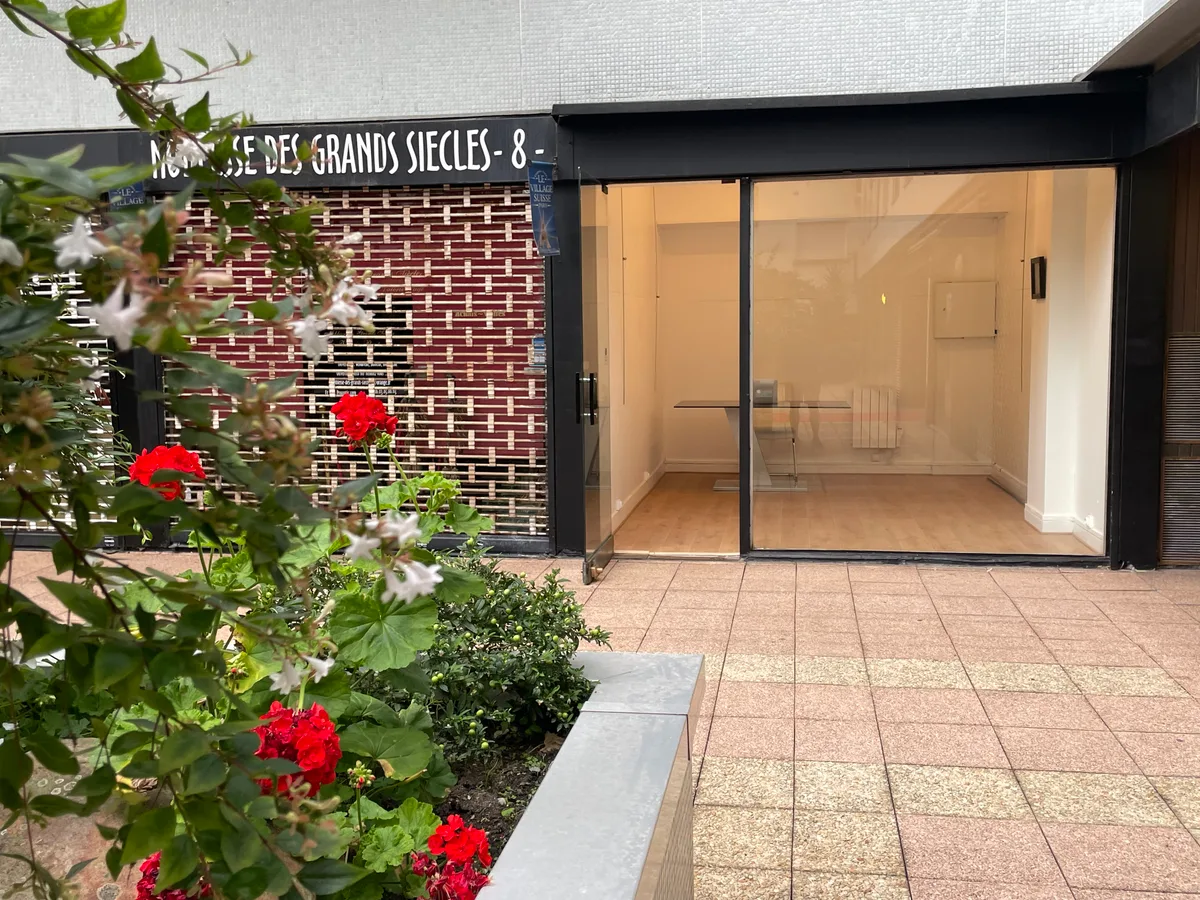
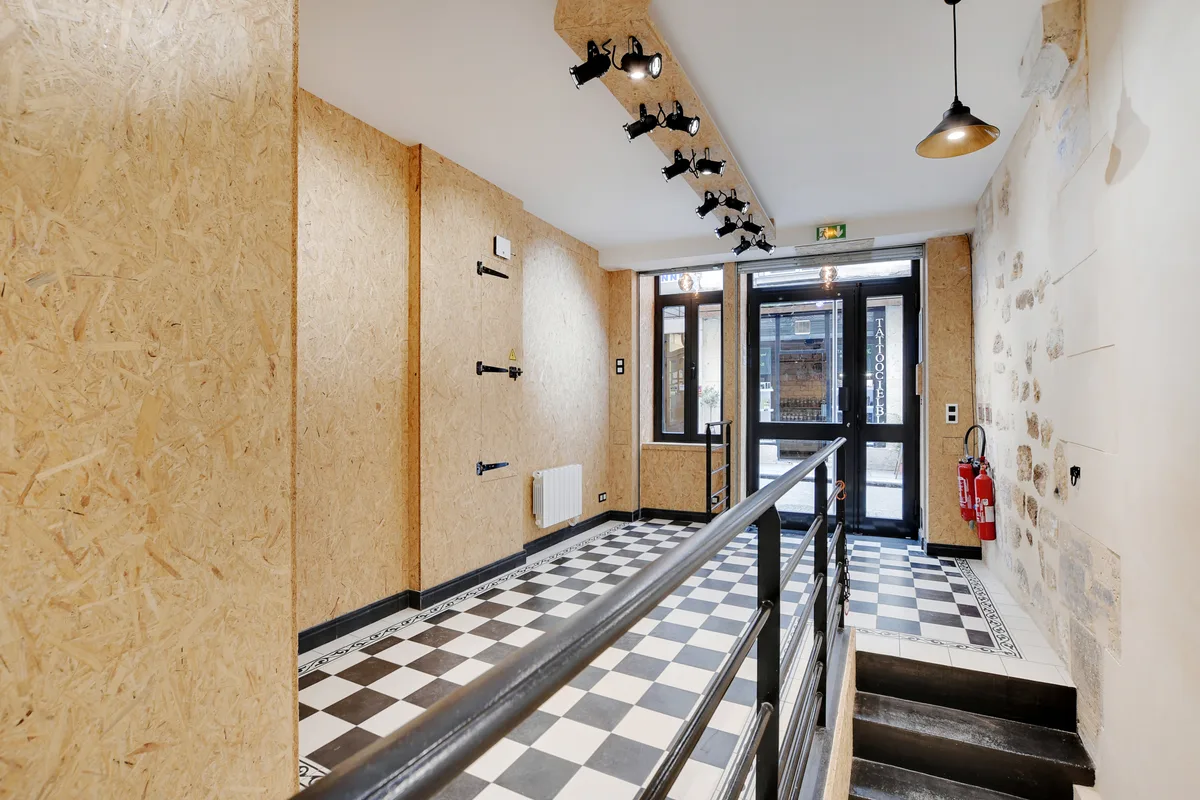
Finding the right retail space for rent in Bastille requires more than a quick property search. Brands entering this arrondissement need to understand lease structures, permit obligations, neighbourhood dynamics, and the specific characteristics of spaces that perform for short-term retail in Paris. Bastille sits at the intersection of the 4th, 11th, and 12th arrondissements, making it one of the most commercially active and creatively diverse zones in the city. From industrial lofts and art galleries to boutique storefronts and courtyard venues, the range of available space types is broad. Fashion Week Venues supports brands seeking pop-up spaces in Paris with venue sourcing, activation management, and full-service production, helping teams move from brief to launch without the complexity of navigating the Paris rental market alone.
Why Bastille Is a Strategic Location for Retail and Brand Activations in Paris
Quick answer: Bastille is one of Paris's most commercially active and creatively layered neighbourhoods, combining strong foot traffic from Place de la Bastille with proximity to Le Marais, Île Saint-Louis, and Bercy, making it a high-value location for pop-up stores, fashion showrooms, and immersive retail activations targeting culturally engaged Parisian and international consumers.
Place de la Bastille is not simply a historic roundabout. It functions as a genuine commercial anchor for three arrondissements simultaneously. The 4th arrondissement connects Bastille to Le Marais and the heritage-rich streets around Place des Vosges. The 11th arrondissement brings access to a younger, design-literate local demographic with a strong appetite for independent retail, concept stores, and emerging brands. The 12th arrondissement extends eastward toward Gare de Lyon and Bercy, areas with growing commercial density and improved transit infrastructure including Metro Line 14.
For brands planning a pop-up store or fashion activation, this tri-arrondissement convergence matters practically. Spaces within walking distance of Place de la Bastille benefit from ambient foot traffic generated by the Opéra Bastille, the historic Marché d'Aligre, tourists visiting nearby Notre-Dame and Île Saint-Louis, and commuters moving between Gare de Lyon and central Paris. The neighbourhood also has an active night-time economy, which benefits evening events, press previews, and collector-focused activations tied to cultural moments like Nuit Blanche.
Bastille's street character shifts quickly by block. Rue de la Roquette and Rue de la Charonne in the 11th offer a more casual, independent feel with converted workshops and loft-style spaces. The Rue Saint-Antoine corridor in the 4th sits closer to the institutional luxury of Le Marais and Place des Vosges, drawing a clientele more aligned with premium fashion and design. Rue de la Bastille and the streets immediately adjacent to the Place attract the broadest demographic range.
Public transport connectivity in the Bastille area is exceptional. Bastille station is served by Metro Lines 1, 5, and 8. Gare de Lyon, accessible in minutes on foot or via Line 1, connects to suburban Paris and international rail. Metro Line 14, which now extends to Paris Orly Airport, has increased Bastille's accessibility for visiting buyers, international press, and brand teams arriving from outside the city. Bus connections along the Seine and toward Centre Pompidou further support event-day logistics and guest access.
Local market culture also defines the neighbourhood's retail rhythm. Marché d'Aligre operates most mornings and draws a mix of locals and food tourists, with stalls selling baguettes, oysters, seafood, and produce alongside fromagers and knick-knack dealers. This daily foot traffic creates a natural audience for pop-up retail positioned near the market's edges and the surrounding streets. The market's energy makes weekends particularly strong for brands with a lifestyle or food-adjacent identity.
DID YOU KNOW: Bastille station is one of the busiest Metro interchange points in Paris, served by three separate lines, giving any retail or event space within a five-minute walk access to a combined daily passenger flow that spans central Paris, the eastern suburbs, and the Latin Quarter.
KEY TAKEAWAY: Bastille's value as a retail activation location comes from its unique position at the edge of three distinct arrondissements, each contributing different customer demographics, combined with exceptional public transport access and a cultural calendar that includes Nuit Blanche, fashion market events, and year-round gallery programming.
Understanding the neighbourhood's geography is the starting point, but selecting the right space type within Bastille requires a more detailed framework. The next section examines the specific categories of retail and event space available in this area and what each suits best from a brand activation perspective.
Types of Retail and Event Space Available for Rent in the Bastille Area
Quick answer: The Bastille area offers a genuinely diverse inventory of rentable spaces including industrial lofts, art galleries, converted showrooms, courtyard venues, boutique storefronts, hôtels particuliers, and apartment-style spaces, each suited to different activation formats, brand identities, and commercial objectives.
Choosing the right space type is as important as choosing the right location. A fashion showroom requires different spatial logic from a consumer pop-up store, and an exhibition space has different compliance implications from a licensed commercial boutique. The following breakdown maps the primary space types available in Bastille and how each functions in a short-term retail context.
Industrial Lofts and Converted Warehouses
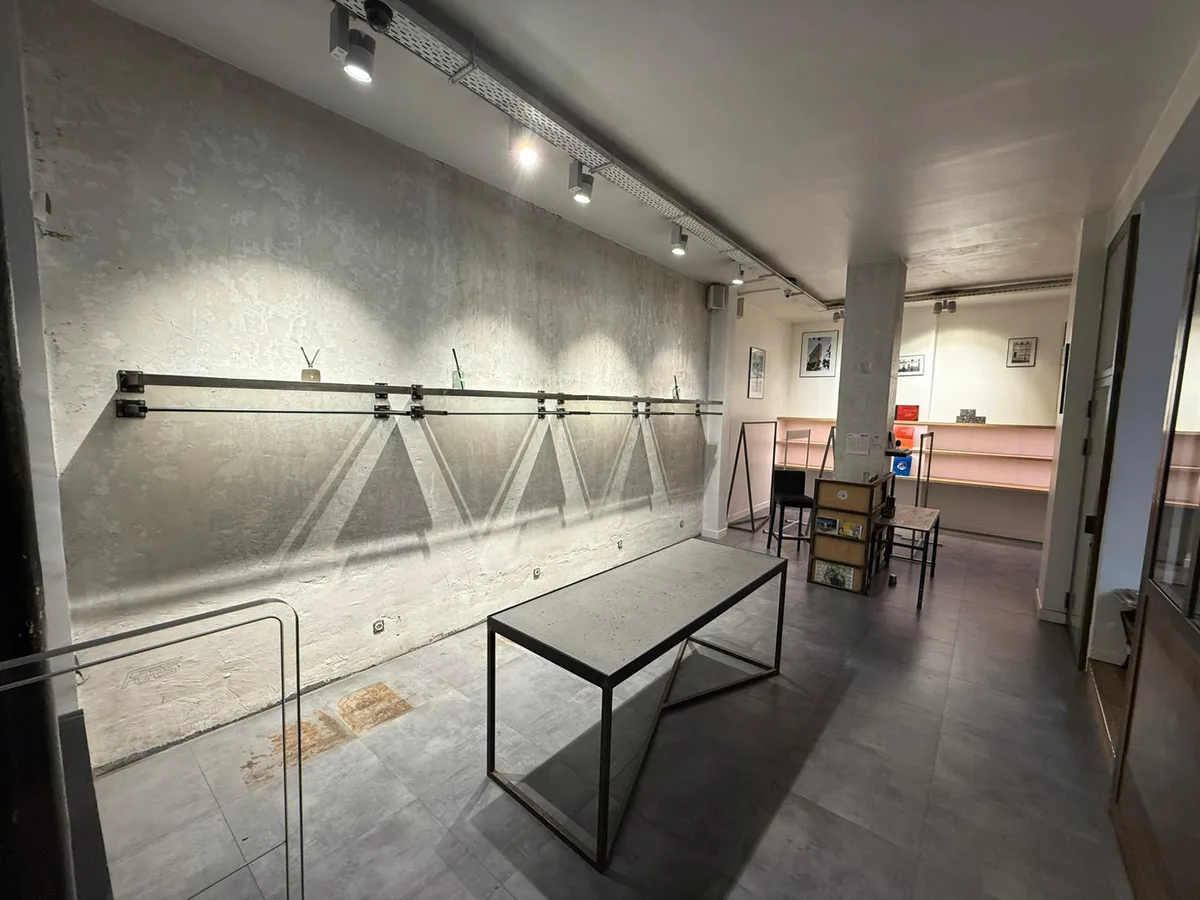
Bastille and the adjacent 11th arrondissement retain a significant stock of former workshops, artisan ateliers, and industrial spaces that have been converted into rentable event and retail venues. These loft industriel spaces typically offer open floor plans, ceiling beams, exposed piping, polished concrete floors, and natural light from large skylights or factory-height windows. They are particularly well suited to brands that want a visually raw, editorial aesthetic, such as streetwear labels, design-forward accessories brands, or contemporary art-aligned fashion houses.
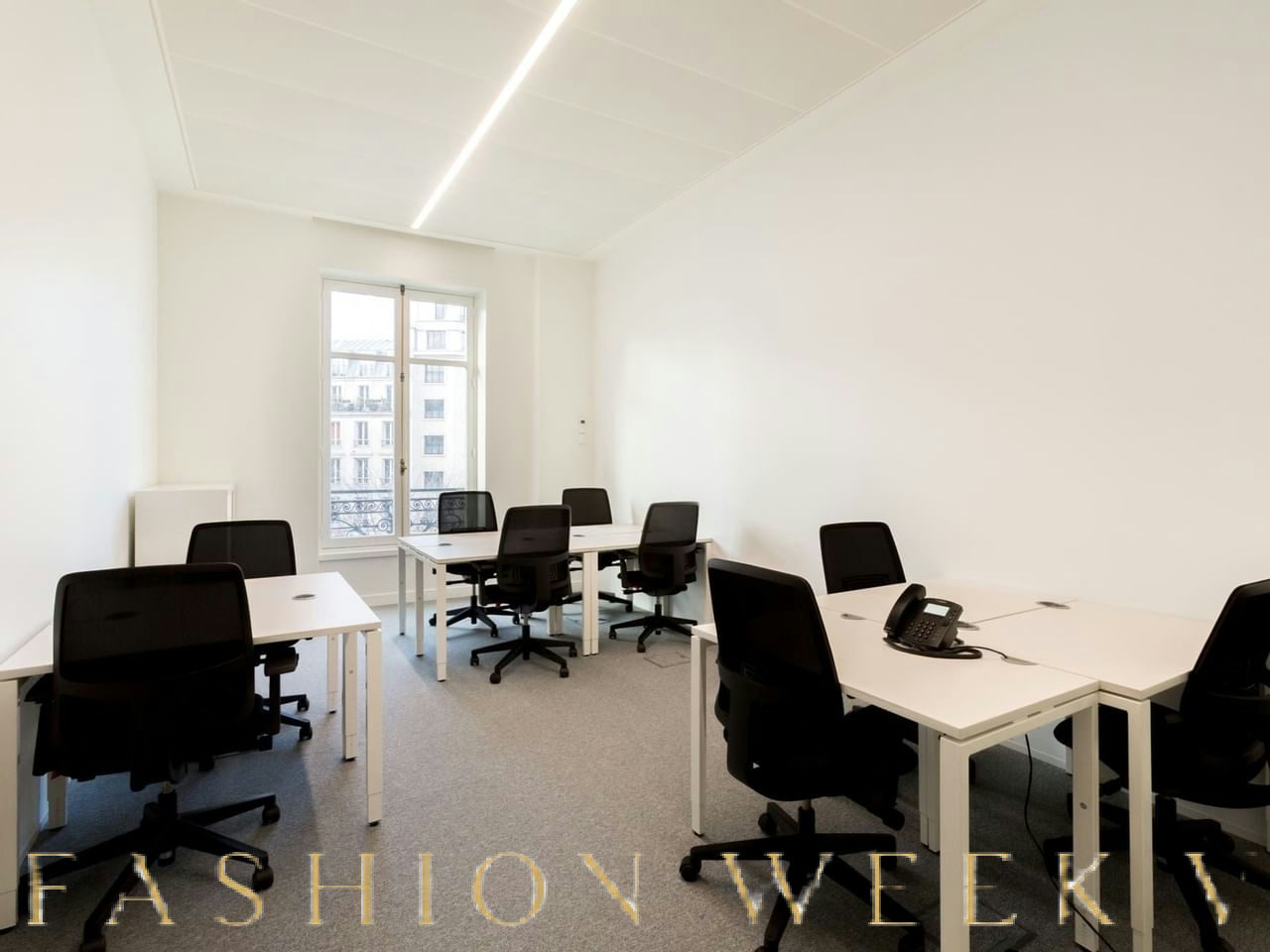
The spatial flexibility of these venues makes them attractive for pop-up stores that require custom build-outs, installation-based retail concepts, or multi-brand co-activations. A loft with exposed structural elements and ceiling beams can be dressed minimally to let the space do the work, or fully fitted out with bespoke furniture and branded architecture. The fit-out and production service at Fashion Week Venues covers full strip-to-finish builds in this type of space, including temporary partitioning, lighting rigs, and display structures.
Art Galleries
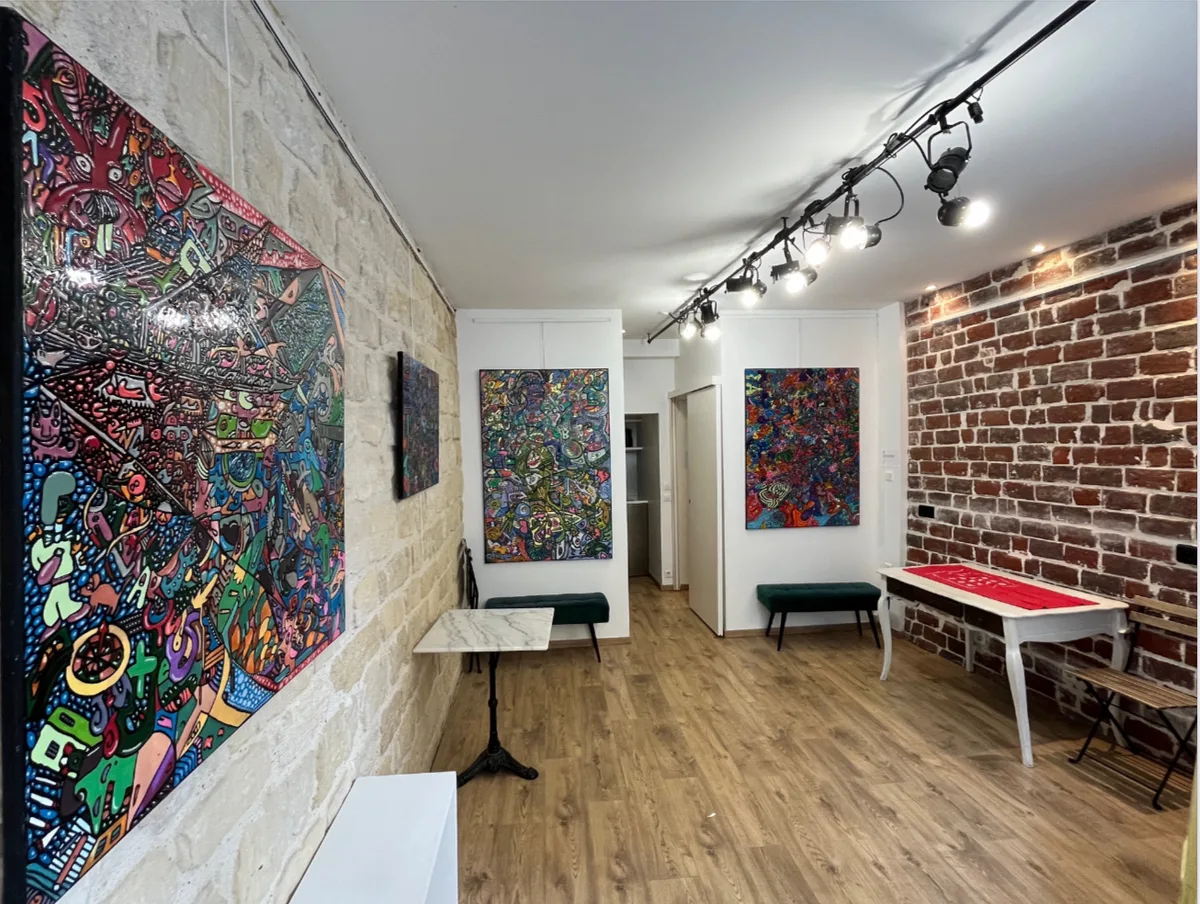
Art galleries in Bastille and the surrounding arrondissements offer a specific combination of white wall neutrality, exhibition-standard lighting, and institutional credibility. Renting a gallery for a fashion activation signals a certain positioning to the press, buyers, and consumers who associate gallery spaces with considered, curated product. The galerie d'art format works particularly well for jewellery, luxury accessories, limited-edition collections, and brand retrospectives. Galleries also tend to attract a more dwell-focused visitor, which improves conversation rates for appointment-based showroom models.
Boutique Storefronts
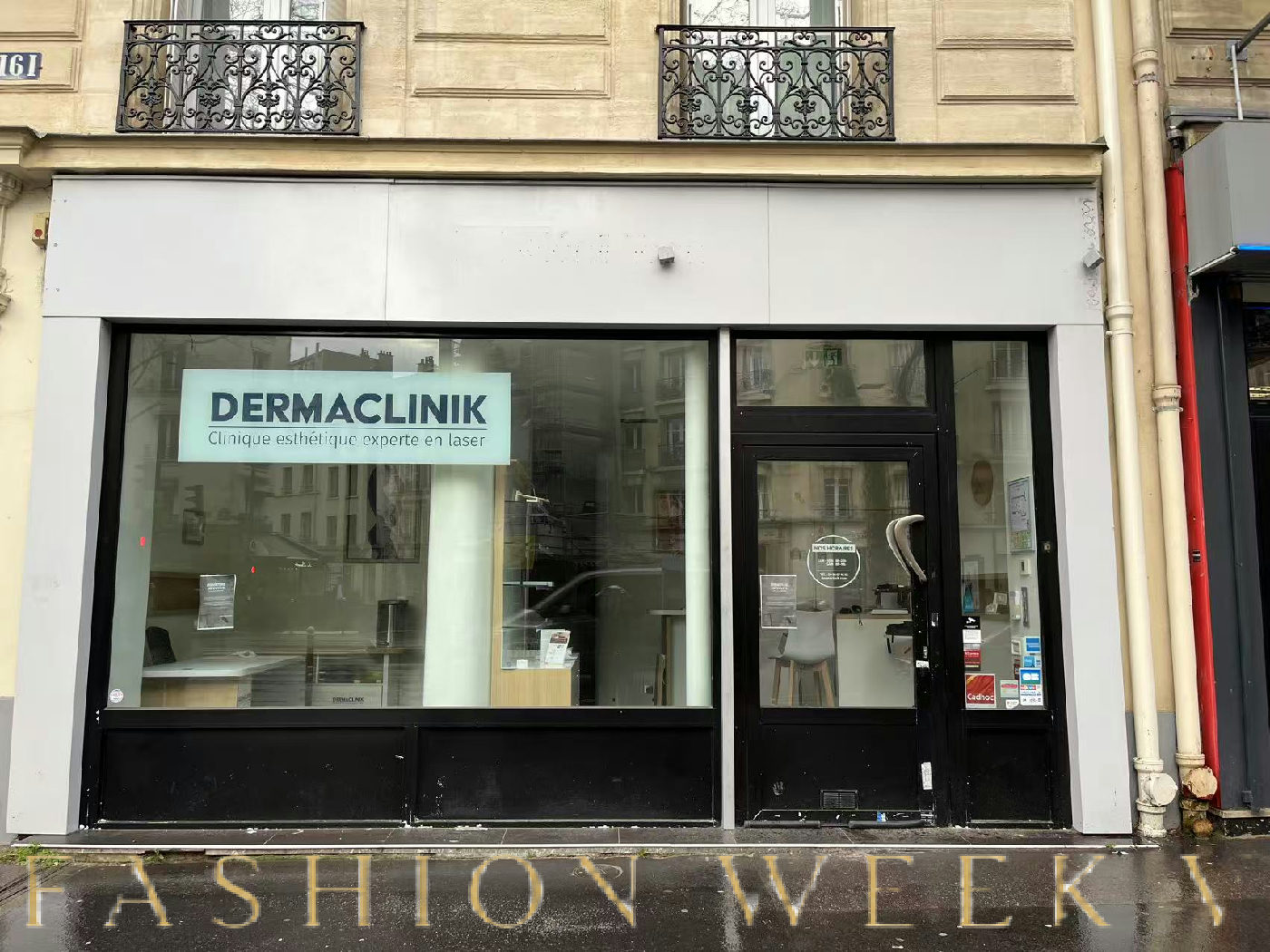
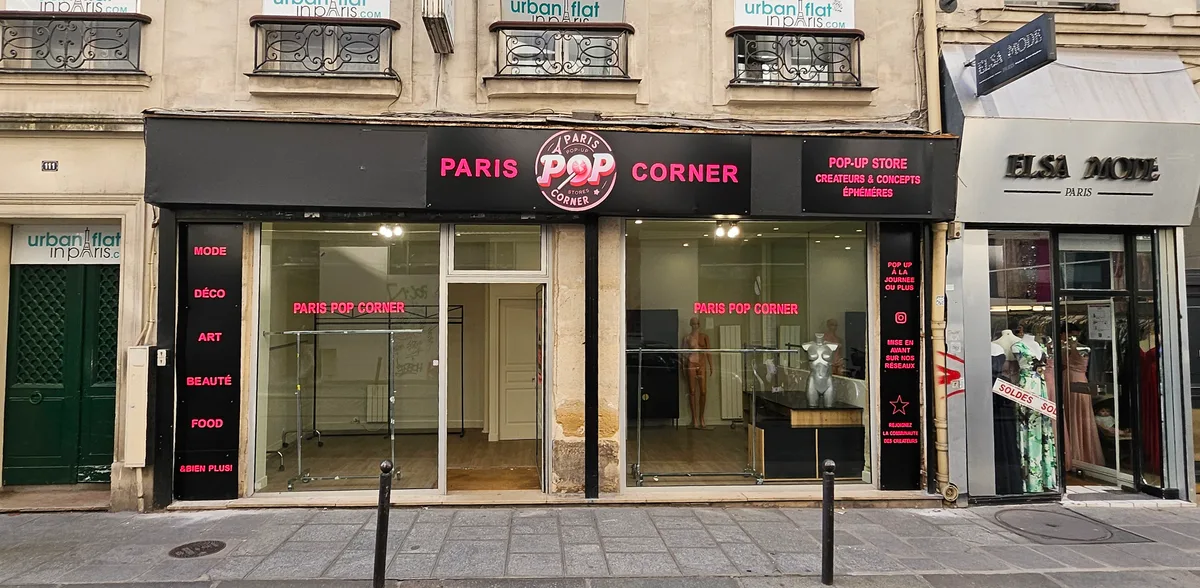
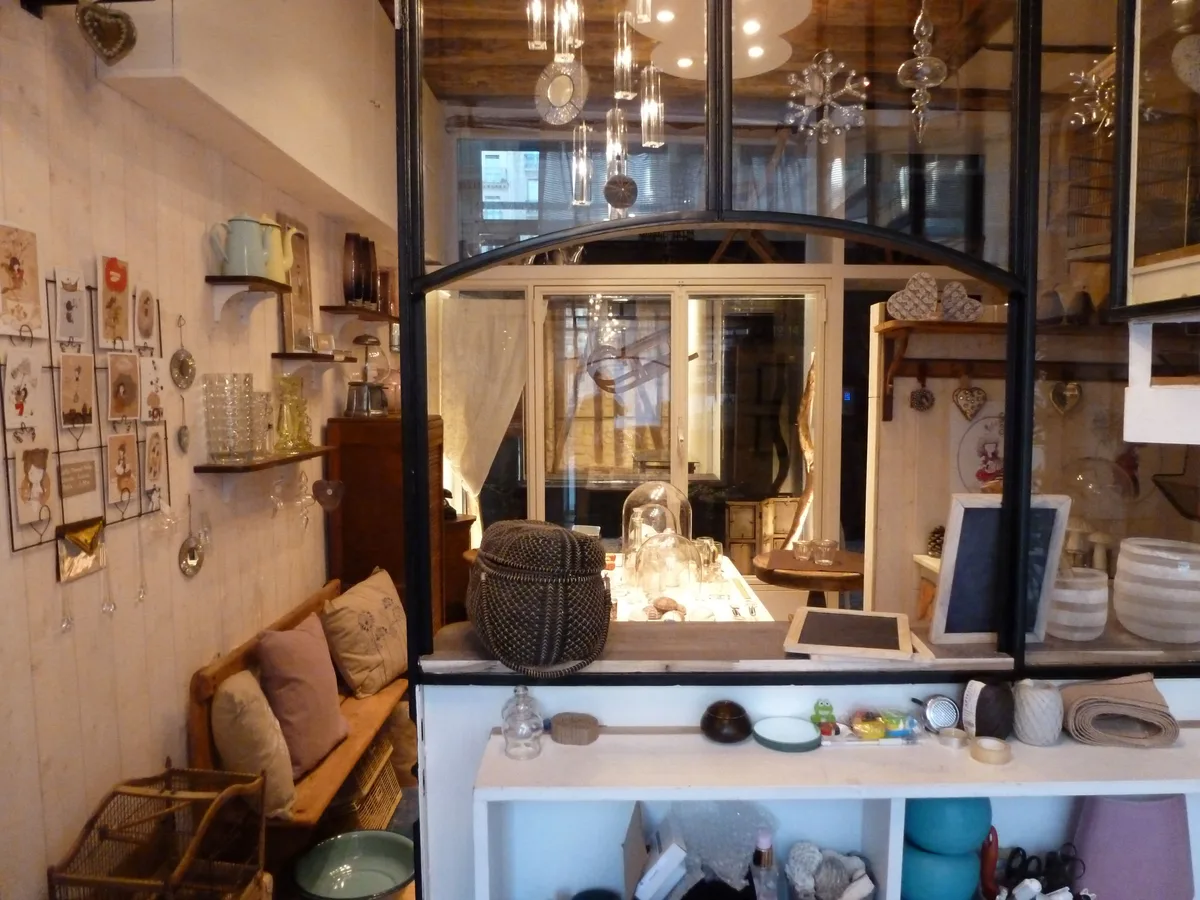
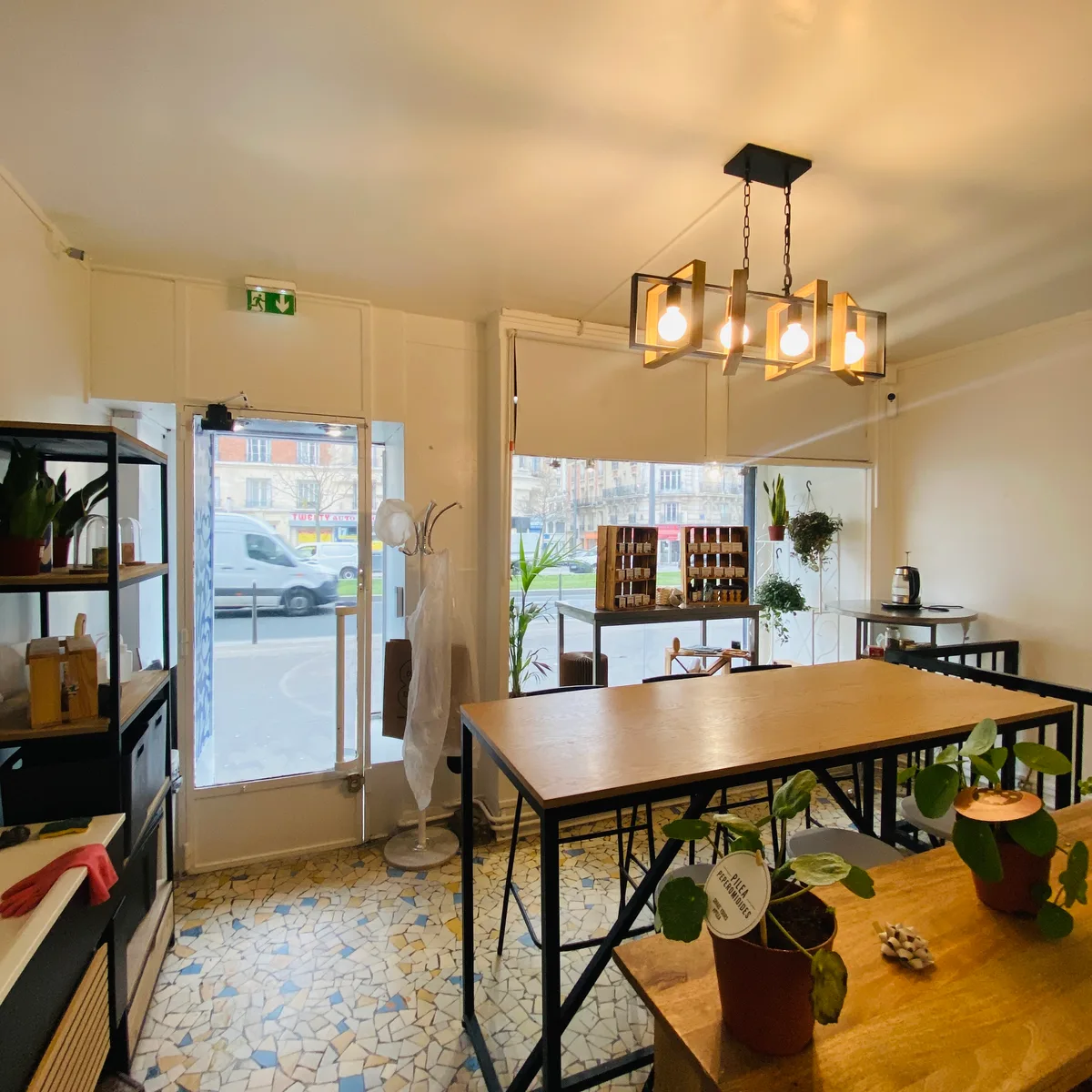
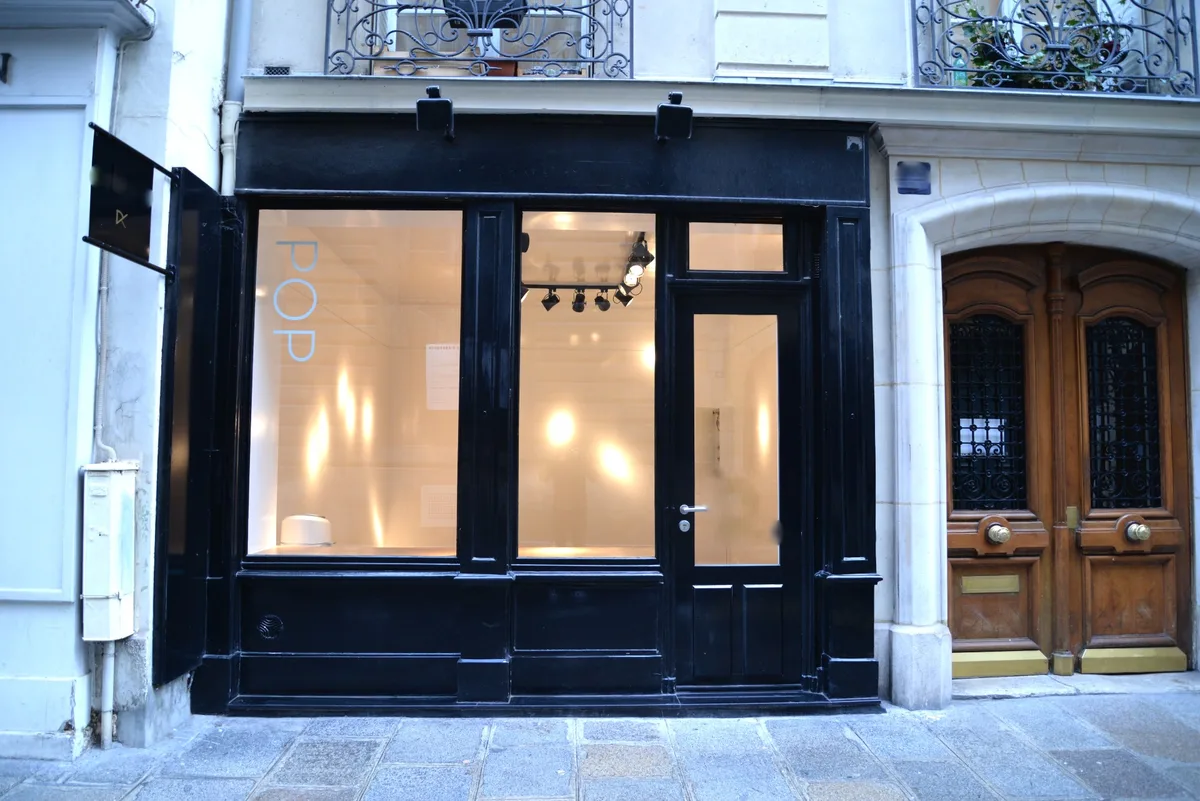
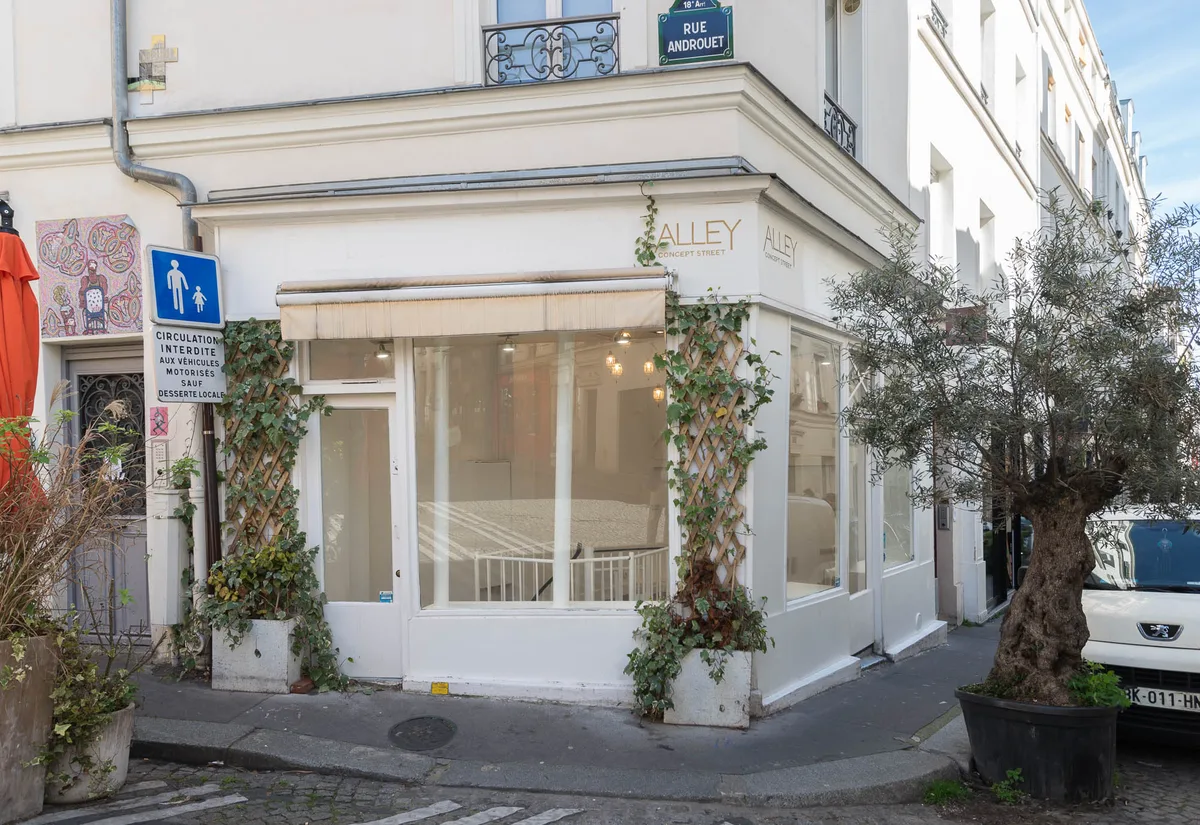
Street-facing boutique storefronts with active window display potential are the most commercially legible space type for consumer-facing pop-up stores. In Bastille, these are found most densely along Rue de la Roquette, Rue de la Charonne, Rue Saint-Antoine, and the small commercial streets immediately north and east of Place de la Bastille. A boutique storefront creates immediate brand visibility for passing foot traffic and allows for window merchandising that functions as ambient advertising throughout the activation period.
Showrooms and Fashion Showrooms
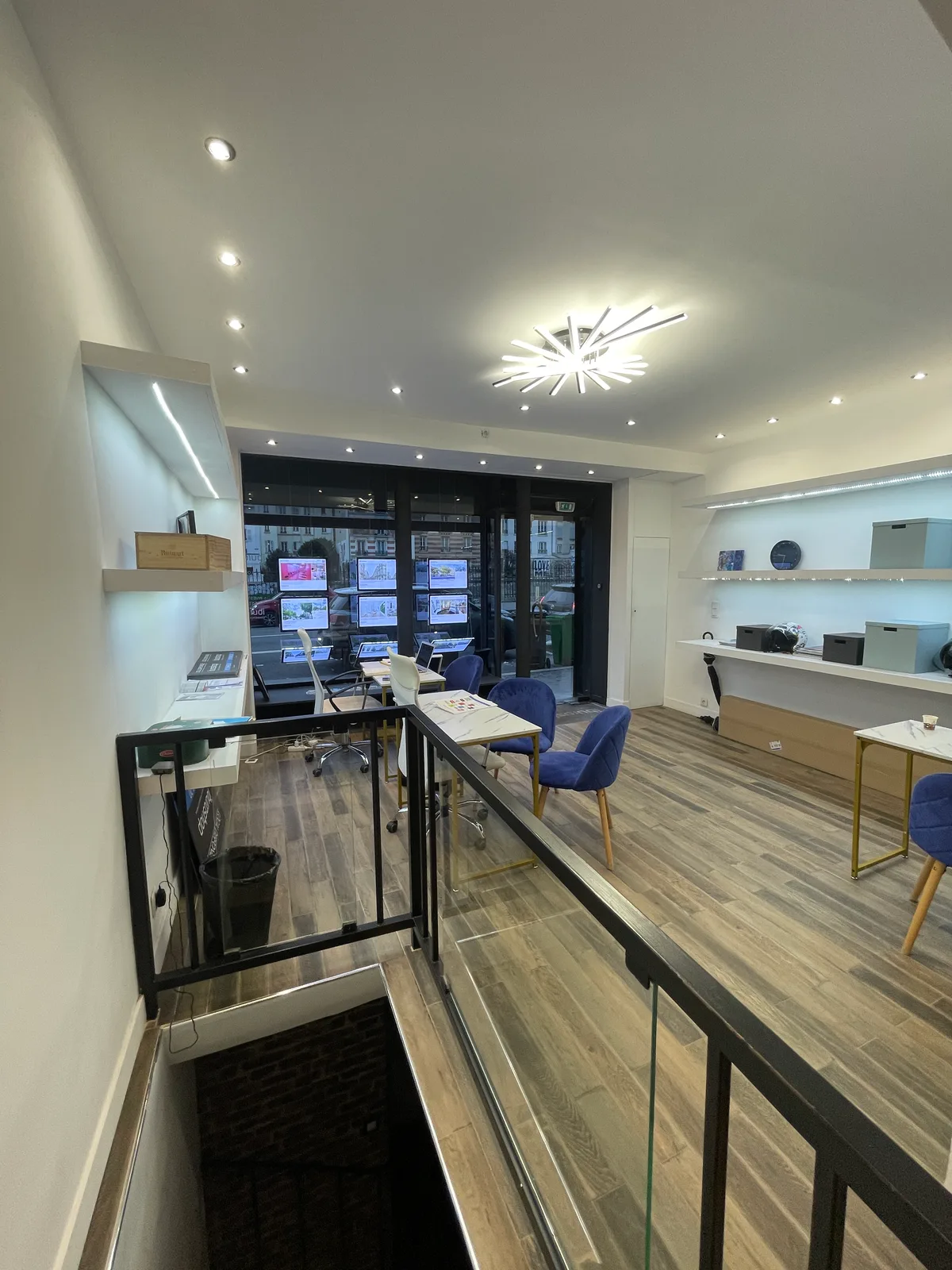
Fashion showrooms are purpose-designed or adapted spaces used primarily for trade appointments, press previews, and buyer presentations during Fashion Week and other commercial calendar windows. A fashion showroom in Bastille typically offers a quieter street presence than a consumer-facing boutique, good natural light for product photography, meeting or fitting room capacity, and discreet access for high-profile guests. The area's proximity to Le Marais, where many international brands concentrate their Paris showroom activity, makes it a practical overflow or alternative hub during peak periods.
Hôtels Particuliers and Courtyard Venues
Several hôtels particuliers, the grand private townhouses that characterise the 4th arrondissement and the Le Marais neighbourhood, are available for short-term rental for brand activations. These spaces offer a level of architectural grandeur rarely available at short-term lease rates in other global cities. Courtyard venues within hôtels particuliers are particularly useful for reception-format brand events, immersive installations, and high-end product launches where the venue itself communicates brand values without additional build investment.
Apartment-Style Spaces
Apartment-format spaces, which function like residential interiors adapted for commercial use, allow brands to create an intimate, domestic retail experience that contrasts with standard commercial environments. These spaces work well for lifestyle brands, beauty and wellness activations, homewares, and any concept that benefits from a lived-in, tactile atmosphere. An apartment near Place des Vosges or Île Saint-Louis provides a specific Parisian character that reinforces aspirational brand positioning.
| Space Type | Best Suited For | Typical Features | Key Considerations |
|---|---|---|---|
| Industrial Loft | Streetwear, design, multi-brand | Ceiling beams, skylights, open plan | Build costs, load-in access |
| Art Gallery | Luxury, limited edition, jewellery | White walls, exhibition lighting | Availability around gallery programming |
| Boutique Storefront | Consumer pop-up, seasonal retail | Shop window, street frontage | Permit classification, signage rules |
| Fashion Showroom | Trade appointments, press previews | Natural light, meeting capacity | Access control, security |
| Hôtel Particulier | Brand launches, immersive events | Courtyard, grand interiors | Heritage restrictions, noise limits |
| Apartment-Style | Lifestyle, beauty, homewares | Domestic scale, character details | Residential building regulations |
| Exhibition Space | Brand retrospectives, installations | Flexible layout, high ceilings | Load-bearing capacity, insurance |
KEY TAKEAWAY: Matching the space type to the activation format is a commercial decision, not just an aesthetic one. The wrong space type creates friction between the brand experience and the customer behaviour you want to encourage, whether that is dwell time, conversion, appointment uptake, or press engagement.
Once you have identified the right space type, the practical questions shift to lease structure, permits, and compliance requirements. These are often the most underestimated part of a Paris retail activation for international brands.
Lease Structures, Permits, and Legal Framework for Short-Term Retail in Paris
Quick answer: Short-term retail space rentals in Paris are typically governed by either a bail dérogatoire (a short-term derogatory lease of up to three years) or a convention d'occupation temporaire (a temporary occupancy agreement), both of which differ fundamentally from standard commercial leases and carry specific obligations for both landlord and tenant. Requirements vary by space type, duration, arrondissement, and intended use.
International brands frequently underestimate the legal complexity of renting commercial space in Paris for short-term activations. France has a highly codified commercial property law framework, and the default commercial lease, the bail commercial, carries a nine-year minimum term under standard conditions. Short-term retail activations operate under different instruments, but these instruments have their own requirements and limitations that must be understood before signing any agreement.
Bail Dérogatoire
The bail dérogatoire, sometimes called a short-term lease or convention d'occupation précaire, allows landlords and tenants to agree on a commercial tenancy of up to thirty-six months without triggering the protections of the standard bail commercial. This structure is commonly used for pop-up stores, temporary concept stores, and seasonal retail activations in Paris. It does not automatically provide the tenant with renewal rights at the end of the term, which is intentional for both parties in a short-term activation context.
Brands using a bail dérogatoire should be aware that the space must be used strictly within the terms defined in the agreement. If the activation involves selling goods, the lease must specify commercial use. If it involves ticketed events, additional permits may be required. Modifications to the space, including branded fit-outs, temporary partitions, and signage, must be agreed in writing with the landlord, as restoration obligations can be significant and costly if not addressed in advance.
Autorisation d'Occupation Temporaire (AOT)
For outdoor spaces, public squares, or spaces on municipal or national authority land, an autorisation d'occupation temporaire (AOT) is the relevant permit instrument. Pop-up activations on public squares near Place de la Bastille, market stalls at cultural events, or branded installations in publicly managed courtyards will typically require an AOT from the relevant authority. The process for obtaining an AOT varies by location and authority and typically requires submission of a detailed activity brief, insurance documentation, and confirmation of public safety compliance.
Commercial Use Classification and Signage
In Paris, the classification of a space as commercial property carries implications for how it can be used, what signage is permitted, and what structural modifications are allowed. Spaces in heritage-listed buildings or arrondissements with protected streetscapes, which applies to significant portions of the 4th arrondissement, are subject to additional restrictions on external signage, window displays, and facade modifications. These restrictions can affect how a brand communicates its presence to foot traffic and must be factored into activation design.
Insurance is a non-negotiable requirement for any commercial occupancy in Paris. Most landlords will require a minimum level of public liability and property insurance before handing over access codes or keys. Brands should confirm insurance requirements during the negotiation phase, not after signing, to avoid delays at the start of their activation period.
IMPORTANT: The legal requirements for short-term retail space rental in Paris vary significantly depending on the space type, arrondissement, building classification, and intended commercial activity. Always verify specific requirements with a qualified French legal advisor before entering any rental agreement. The permit guidance tool on Fashion Week Venues provides directional information to help brands understand what permits may apply to their activation format.
KEY TAKEAWAY: Short-term retail in Paris is legally navigable, but it is not simple. Brands that approach the legal framework without specialist support often face delays, unexpected restoration costs, or permit complications that compromise activation timelines. Building permit and legal review into the pre-production timeline is essential, not optional.
With the legal framework understood, the next practical challenge for most brand teams is budget. Understanding how to estimate costs accurately and where the hidden variables lie is critical to avoiding budget overruns in a Paris activation.
Budgeting for a Retail Space or Pop-Up Activation in Bastille
Quick answer: The total cost of renting and activating a retail space in Bastille depends on space type, duration, size, fit-out complexity, staffing requirements, and the extent of production involved. Rental rates alone represent only a portion of total activation cost, and brands should model full activation budgets rather than space-only costs when assessing commercial viability.
Budget planning for a Paris retail activation is one of the areas where brands most frequently underestimate total investment. The space rental is the most visible cost, but fit-out, production, staffing, logistics, insurance, permits, and activation management collectively often exceed the rental cost itself, particularly for first-time activations in the Paris market.
Space rental rates in the Bastille area vary considerably based on size, location quality, space type, and rental duration. Art galleries and hôtels particuliers in the 4th arrondissement command premium rates due to their architectural character and prestige address. Industrial lofts in the 11th arrondissement may offer more competitive day or week rates with greater flexibility on fit-out. Rates are directional estimates only and should be validated against current market conditions. Fashion Week Venues recommends using the budget estimation tool to generate a brand-specific cost model based on your space type, duration, and activation scope.
Key Budget Variables to Model
When building an activation budget for a Bastille retail space, the following variables must each be costed independently and then aggregated into a total activation budget model:
- Space rental fee including any cleaning, security deposit, and utilities
- Fit-out and production including furniture, branded fixtures, lighting, and wall treatments
- Furniture rental if the space is supplied empty
- Retail staffing for the activation period including any bilingual requirements
- POS and payments infrastructure
- Insurance covering public liability and property
- Permit fees where applicable
- Logistics including delivery, load-in, and load-out
- Marketing and influencer activity to drive foot traffic during the activation
- Data and analytics setup to measure performance during and after the activation
| Budget Category | What It Covers | Notes |
|---|---|---|
| Space Rental | Rent, deposit, utilities, cleaning | Rates vary significantly by space type and duration |
| Fit-Out and Production | Build, fixtures, lighting, branded elements | Often equals or exceeds rental cost |
| Furniture Rental | Display furniture, seating, counters | More cost-effective than purchasing for short activations |
| Staffing | Sales associates, front of house, security | Bilingual French-English capability often required |
| POS and Payments | Card terminals, receipt systems, inventory management | Must be compliant with French payment regulations |
| Insurance | Public liability, property cover | Required by most landlords before space handover |
| Permits | AOT, signage permits, commercial licences | Varies by arrondissement and space type |
| Influencer and Marketing | Influencer seeding, PR, social media | Essential for driving footfall for short activation windows |
| Data and Analytics | Footfall counting, conversion tracking, CRM | Needed to report ROI to internal stakeholders |
TIP: Brands activating during Paris Fashion Week face a compressed planning window and elevated demand for both spaces and production resources. Building a 25 to 30 percent contingency into fit-out and logistics budgets is strongly advisable for first-time Paris activations to account for lead-time surprises and on-site variations.
KEY TAKEAWAY: Total activation cost in Paris is consistently higher than space rental cost alone. Brands that plan budgets comprehensively across all activation categories, including staffing, production, permits, and marketing, are better positioned to deliver on schedule and within expectation than those who focus exclusively on securing a competitive rental rate.
To compare neighbourhoods and space types, explore the Paris city hub on Fashion Week Venues and shortlist spaces that match your brief, budget, and calendar window.
Bastille and Le Marais Neighbourhoods Compared: Choosing the Right Location for Your Activation
Quick answer: Bastille and Le Marais serve different activation objectives. Le Marais, centred on the 3rd and 4th arrondissements around Place des Vosges and Centre Pompidou, is the established luxury and design retail corridor. Bastille offers more spatial diversity, more competitive rental rates in some categories, and better access to younger, design-literate local consumers while remaining adjacent to the prestige zone of the 4th arrondissement.
Le Marais and Bastille are geographically adjacent and frequently discussed together in the context of Paris retail strategy, but they serve distinct brand objectives and attract somewhat different consumer profiles. Understanding the differences helps brands make a more precise location decision rather than defaulting to one area because of name recognition.
Le Marais: Heritage, Luxury, and Institutional Credibility
Le Marais encompasses the 3rd and 4th arrondissements and is one of the most prestigious retail addresses in Europe. The concentration of luxury fashion houses, concept stores, and independent design boutiques along Rue des Francs-Bourgeois, Rue Vieille du Temple, and the streets surrounding Place des Vosges creates a context where brand positioning is reinforced by proximity. Spaces in Le Marais near Vosges Square or the streets leading to Centre Pompidou command premium rental rates that reflect this institutional value. The foot traffic here includes a high proportion of international tourists alongside Parisian luxury consumers and fashion industry professionals.
Hôtels particuliers in Le Marais represent some of the most architecturally distinguished short-term retail venues available anywhere in Paris. These spaces communicate heritage, craftsmanship, and cultural depth without requiring a single branded element. For international fashion houses seeking to establish or reinforce their Parisian credibility during Fashion Week, a hôtel particulier in the 4th arrondissement remains a benchmark choice.
Bastille: Creative Energy, Spatial Diversity, and Accessibility
Bastille, by contrast, offers a broader range of space types at a broader range of price points, combined with a neighbourhood atmosphere that is slightly more eclectic and less institutionalised than the core of Le Marais. The 11th arrondissement streets extending east from Bastille toward Oberkampf have a strong independent retail culture, with boutiques, galleries, and design spaces occupying converted workshops that are often more spatially interesting than standard retail units.
For brands that want the Paris credibility and consumer access of a Marais-adjacent location without the premium rental rates of central Le Marais, Bastille represents a genuine strategic alternative. The area's connection to Île Saint-Louis via the 4th arrondissement, and its southward reach toward the Latin Quarter, means that the neighbourhood is embedded within one of the most visited tourist and cultural zones in Paris while maintaining enough local character to interest Parisian consumers as well as visitors.
| Factor | Le Marais (3rd and 4th) | Bastille (4th, 11th, 12th) |
|---|---|---|
| Brand Positioning | Luxury, institutional, heritage | Creative, contemporary, accessible |
| Foot Traffic Profile | International tourists, luxury consumers | Mixed local and tourist, design-literate |
| Space Types Available | Hôtels particuliers, galleries, boutiques | Lofts, workshops, galleries, storefronts |
| Rental Rate Range | Generally premium | Broader range, some more competitive |
| Fashion Week Activity | High concentration of showrooms and events | Growing, particularly for consumer activations |
| Transport Access | Metro Lines 1, 8, 11 | Metro Lines 1, 5, 8, plus Line 14 nearby |
| Evening Culture | Restaurant and gallery scene | Strong bar, restaurant, and cultural scene |
KEY TAKEAWAY: The choice between Bastille and Le Marais is not a hierarchy question but a strategic fit question. The right location depends on the brand's target consumer, positioning objectives, budget, and the specific type of activation being planned. Many brands benefit from a complementary strategy that uses both zones across different activation windows.
Understanding the neighbourhood geography helps brands make better space decisions, but the mechanics of the booking and activation process are equally important for teams managing timelines across multiple markets.
The Paris Pop-Up Activation Timeline: From Brief to Opening in Bastille
Quick answer: A well-managed Paris pop-up activation from initial brief to opening day typically requires between eight and sixteen weeks depending on the complexity of the fit-out, the permit requirements, and the availability of suitable spaces. Fashion Week activations require planning to begin significantly earlier due to elevated demand and compressed production windows.
One of the most consistent challenges for brand teams planning a Paris pop-up is underestimating the time required to move from concept to a fully operational space. The Paris market has structural characteristics that compress available timelines, including a landlord community that is more conservative about very short rentals than in some other markets, permit processes that can take several weeks, and a production and skilled trades community that books out quickly during Fashion Week season.
Phase One: Brief and Space Discovery (Weeks 8 to 16 Before Opening)
The process begins with a detailed brief that captures the activation concept, target consumer, space type requirements, floor area, location preference within or around Bastille, budget envelope, and calendar window. This brief then drives space discovery across the available inventory of short-term rentable commercial spaces in the target area. During Paris Fashion Week seasons, spaces in the Bastille and Le Marais area are frequently committed six to twelve months in advance by returning brands and agencies with established landlord relationships.
Phase Two: Space Shortlisting and Negotiation (Weeks 6 to 10 Before Opening)
Once a shortlist of candidate spaces has been developed, site visits should be conducted to assess the physical reality of each space against the brief requirements. This includes checking floor area and ceiling height against layout plans, assessing natural light quality at different times of day, verifying load-in access for fit-out equipment and stock, reviewing the terms of the proposed rental agreement, and confirming what fit-out modifications the landlord will permit. The space comparison tool allows brand teams to evaluate shortlisted spaces systematically against a consistent set of criteria.
Phase Three: Permit and Legal Review (Weeks 6 to 8 Before Opening)
Permit applications and legal review of the rental agreement should run concurrently with, or immediately after, space shortlisting. For AOT applications or commercial use licences in heritage zones, the processing time can be several weeks, and applications must be submitted with complete documentation to avoid delays. Insurance must be arranged and confirmed during this phase as well.
Phase Four: Production and Fit-Out (Weeks 2 to 4 Before Opening)
Once the space is secured and permits are in place, the fit-out phase begins. For complex branded environments, this phase can extend to four weeks or more. Simpler activations using rental furniture and minimal branded elements can be installed in two to five days. The fit-out phase must account for load-in logistics including access times, elevator capacity or stair-only access in older Parisian buildings, and any restoration requirements at the end of the activation.
Phase Five: Staffing, POS, and Pre-Launch (Week 1 Before Opening)
The final week before opening involves staff briefing, POS and payments testing, inventory receipt and merchandising, and any final photography or press preview activity. Building this phase into the timeline rather than treating it as a zero-duration transition between fit-out completion and opening is important for ensuring operational readiness.
| Phase | Activities | Timing Before Opening |
|---|---|---|
| Brief and Discovery | Define brief, search spaces, site visits | 8 to 16 weeks |
| Shortlisting and Negotiation | Compare spaces, negotiate terms, agree rental | 6 to 10 weeks |
| Permits and Legal | Permit applications, legal review, insurance | 6 to 8 weeks |
| Production and Fit-Out | Build, furniture installation, branding | 2 to 4 weeks |
| Staffing and Pre-Launch | Staff briefing, POS setup, inventory | 1 week |
TIP: Use the activation timeline planning tool to map your specific activation phases against your target opening date and identify where your critical path risks lie before committing to a space or calendar window.
KEY TAKEAWAY: The single biggest risk in Paris pop-up planning is starting too late. Space scarcity during Fashion Week, permit processing times, and production lead times all require that planning begins significantly earlier than most brand teams instinctively allow. A disciplined, phase-structured timeline is not administrative overhead but the primary risk management tool for a successful activation.
Understanding how Fashion Week Venues can support each phase of this process is the logical next step for brand teams moving from planning to execution.
How Fashion Week Venues Supports Retail Space Sourcing and Activation in Bastille
Fashion Week Venues operates as a full-service pop-up agency and space marketplace for brands planning retail activations in Paris and other major fashion capitals. For brands targeting Bastille and the broader Parisian market, the agency provides practical support across the full activation lifecycle, from initial space discovery to post-activation performance reporting.
The agency's venue sourcing service handles space discovery and negotiation on behalf of brand teams, drawing on an existing network of landlord relationships across the Bastille, Le Marais, and wider Paris market. This matters in a market where the best spaces for short-term retail rarely reach open property portals and where direct landlord relationships determine access to the most architecturally interesting venues.
For brands that need more than a space, the full-service model covers concept direction, production and build, branded store design, furniture rental, retail staffing, POS and payments setup, data and analytics, and influencer marketing. This integrated offer is designed to remove the coordination complexity that arises when brands attempt to manage multiple specialist contractors across time zones for a Paris activation.
The agency's tools support brand teams in their own planning processes independently of whether they engage full-service support. The ROI calculation tool allows brand teams to model the commercial return from a pop-up activation against the total investment, a useful internal justification exercise when presenting activation budgets to finance or marketing leadership. The imagine tool provides space visualisation functionality to help teams communicate how a proposed space will look when activated, before committing budget to production.
The twin co-activation concept, available through the twin programme, allows two complementary brands to share a single space, splitting rental and production costs while benefiting from combined marketing reach. This model is particularly effective for emerging brands with limited activation budgets who want Paris presence during Fashion Week without carrying the full cost of a solo activation.
Brand teams considering agency support for their first Paris activation are encouraged to review the agency selection guide, which outlines what to look for, what questions to ask, and how to structure an agency brief to get the most useful responses from any activation partner.
It is important to understand what Fashion Week Venues does not guarantee. The agency cannot guarantee permit approvals, specific space availability, or commercial outcomes from any activation. Results depend on a wide range of factors including brand positioning, product quality, marketing investment, calendar timing, and consumer conditions that are outside any agency's control. The value of agency support lies in reducing complexity, compressing timelines, and improving execution quality, not in eliminating commercial risk.
KEY TAKEAWAY: For brand teams without existing Paris market relationships, specialist agency support from a provider like Fashion Week Venues materially reduces the time, complexity, and risk involved in sourcing, permitting, fitting out, and operating a short-term retail activation in Bastille or the broader Paris market.
Bastille and Paris Fashion Week: Timing Your Activation for Maximum Impact
Quick answer: Paris Fashion Week takes place twice annually, typically in late February to early March for womenswear autumn/winter collections and in late September to early October for spring/summer collections. The Bastille and Le Marais areas see significantly elevated foot traffic from industry professionals, international press, and consumers during these windows, making them strategically valuable calendar moments for brand activations, though they require earlier planning than standard market windows.
Paris Fashion Week is the highest-profile calendar window for brand activations in the city, but it is not the only commercially viable window. Understanding the full Paris retail and event calendar helps brand teams identify the moment that best aligns with their commercial objectives, target consumer, and available budget.
During official Fashion Week windows, the concentration of international buyers, press, stylists, and high-net-worth consumers in the Bastille and Le Marais area creates conditions for high-impact brand exposure that are genuinely difficult to replicate at other times of year. Showrooms, press previews, and exclusive product launches during Fashion Week benefit from an audience that is actively seeking new brand discovery. The downside is that spaces, production resources, and specialist staff are all at peak demand and, in many cases, peak pricing during these windows.
Outside Fashion Week proper, Paris offers a range of other commercially strong windows for retail activations. The Christmas and holiday season from late November through December draws very high volumes of retail-intent consumers to the city's key shopping zones. The summer months, when Parisian residents depart but international tourism is at its peak, work well for consumer-facing concepts targeted at visitors. Nuit Blanche, Paris's annual all-night contemporary art event, creates extraordinary foot traffic in the Bastille and Marais area for a single October evening and is a natural window for gallery-format brand activations.
Brands should also consider whether their activation objective is trade-facing (showroom and buyer appointments) or consumer-facing (direct sales and brand awareness), as these objectives align with different calendar windows and different space types within Bastille. A trade showroom during Fashion Week has fundamentally different requirements from a consumer pop-up store running over a four-week summer window.
DID YOU KNOW: Paris Fashion Week is part of the four major fashion weeks circuit alongside New York, London, and Milan. The sequence runs New York, then London, then Milan, and then Paris, meaning that the Paris window falls last in the circuit and receives the most concentrated industry attention globally. This makes the Paris window the most competitive for space and the most impactful for brand positioning.
KEY TAKEAWAY: Fashion Week is the highest-visibility window for Paris brand activations but is not automatically the best fit for every brand or budget. A thorough calendar analysis that maps activation objectives against available windows, space requirements, and total budget is a more reliable planning foundation than defaulting to Fashion Week timing because of its prestige.
Common Myths About Renting Retail Space in Bastille and Paris
MYTH: International brands need a French legal entity to rent a commercial space in Paris for a short-term activation.
FACT: Many short-term retail and event space rentals in Paris are accessible to international brands operating through their existing legal entity with the support of a local agency or legal representative. The bail dérogatoire and convention d'occupation temporaire structures are used precisely to facilitate flexible short-term occupancy. However, individual landlords have varying requirements, and some may ask for a French guarantor or additional insurance. It is essential to clarify the landlord's specific requirements during negotiation rather than assuming universal accessibility.
MYTH: Paris Fashion Week is the only calendar window worth targeting for a brand activation in Bastille.
FACT: Paris Fashion Week is one of several commercially strong calendar windows in the Paris retail calendar. The Christmas and holiday season, Nuit Blanche, the summer tourism peak, and other cultural calendar moments each offer distinct consumer audiences and different competitive intensity levels. For many brands, activating in a well-chosen non-Fashion Week window delivers comparable or superior commercial results at lower space rental rates and with more production lead time available.
MYTH: Commission-based property brokers are the standard and only way to find a pop-up or short-term retail space in Paris.
FACT: Commission brokers focused on standard commercial property transactions are not well suited to the short-term retail market, where spaces are often held by individual landlords, managed by cultural institutions, or part of curated short-term space programmes. Specialist pop-up agencies and space marketplaces such as Fashion Week Venues have established direct relationships with the specific landlord community relevant to short-term retail, which provides access to inventory that is not available through traditional commercial real estate agents.
MYTH: Short-term retail leases in Paris are simple to arrange without specialist legal or agency support.
FACT: French commercial property law is detailed and prescriptive, and even short-term lease instruments such as the bail dérogatoire carry specific conditions regarding permitted use, restoration obligations, insurance requirements, and structural modification rights. Brands that attempt to navigate rental agreements without specialist support frequently encounter unexpected costs and complications during the restoration phase or when permit requirements are clarified after signing. Specialist legal review of any rental agreement is strongly recommended regardless of the apparent simplicity of the arrangement.
MYTH: A warehouse or loft in Bastille can be used for any commercial activity without additional permits.
FACT: The classification of a Parisian building as a warehouse, loft, or industrial space does not automatically confer commercial use rights for all activities. Selling goods to the public, hosting ticketed events, serving food, or displaying branded advertising may each require separate permits or licences depending on the arrondissement, the building's registered use classification, and the specific nature of the activity. The permitted uses section of any rental agreement must be carefully reviewed and permit requirements confirmed in advance of committing to a rental.
Frequently Asked Questions
How much does it cost to rent an event or retail space in the 4th arrondissement of Paris?
Rental rates in the 4th arrondissement vary considerably depending on the space type, size, duration, and specific location within the arrondissement. Prestigious addresses near Place des Vosges, Île Saint-Louis, or Centre Pompidou command higher rates than spaces further from these anchors. Art galleries, hôtels particuliers, and boutique storefronts in heritage locations carry premium pricing relative to their floor area. Because rates fluctuate with demand, calendar timing, and individual landlord terms, Fashion Week Venues recommends using the budget estimation tool to generate a directional cost model based on your specific brief, rather than relying on published averages that may not reflect current market conditions.
What types of spaces are available for rent in the Bastille and Le Marais area?
The Bastille and Le Marais area offers a genuinely diverse inventory of short-term rentable spaces. The most common categories include industrial lofts with ceiling beams and skylights, art galleries with exhibition-standard lighting, boutique storefronts with street frontage and window display potential, fashion showrooms, hôtels particuliers with grand interiors and courtyard access, apartment-style spaces, and dedicated exhibition spaces. The right space type depends on whether the activation is trade-facing or consumer-facing, the brand's visual identity and aesthetic requirements, the required floor area, and the total budget available for the space and its fit-out.
Can I rent a retail space in Bastille for just one day or a long weekend?
Some space owners in the Bastille area do accept single-day or weekend rentals for brand activations and events. However, the availability of very short rental periods is more limited than week or month-length rentals, and landlords often set minimum booking durations to justify the administrative process of preparing and handing over a space. Weekend and single-day rentals are more commonly available through platform-listed venues managed specifically for short-term rental than through traditional commercial landlords. Availability during Fashion Week and other peak calendar windows for very short periods is particularly limited and requires very early booking.
How far in advance should I book a retail or event space in Paris?
For Fashion Week activations in Paris, the best spaces in Bastille, Le Marais, and other central arrondissements are typically committed six to twelve months in advance by brands and agencies with returning bookings. For non-Fashion Week activations, a planning horizon of eight to sixteen weeks is generally sufficient for a mid-complexity activation, though complex fit-outs, permit-intensive spaces, or unique architectural venues may require longer lead times. The general principle is that starting earlier always expands your choice of available spaces, your negotiating position on rental terms, and the production timeline available for fit-out work.
Is the Bastille area well connected by public transport?
Bastille is exceptionally well connected by public transport. Bastille Metro station serves Lines 1, 5, and 8, providing fast connections to central Paris, La Défense, and the eastern arrondissements. Gare de Lyon, within walking distance of Place de la Bastille, connects to Metro Line 14, which now extends to Paris Orly Airport, making the area accessible for international visitors and brand teams arriving from outside the city. Multiple bus routes connect Bastille to the Latin Quarter, Montparnasse, and Île Saint-Louis. This connectivity is a practical asset for both consumer-facing pop-up stores relying on walk-in foot traffic and trade showrooms requiring easy access for buyer and press appointments.
Do I need a French company or legal entity to rent a retail space in Paris?
Not in all cases. Many short-term rental arrangements in Paris are accessible to international brands without a French legal entity, provided the rental agreement is structured appropriately and any required insurance and guarantees are in place. The bail dérogatoire and convention d'occupation temporaire instruments are designed to accommodate flexible, short-term commercial occupancy and are used by international brands entering the Paris market regularly. However, individual landlords may have their own requirements, and some may request a French guarantor or specific local insurance documentation. It is important to clarify these requirements early in the negotiation process and to seek qualified French legal advice before signing any agreement.
What permits are required for a pop-up store or retail activation in Bastille?
Permit requirements depend on the space type, the intended commercial activity, the location within the arrondissement, and the building's registered use classification. Consumer-facing retail in a commercially classified space may require confirmation of commercial use rights in the rental agreement. Outdoor activations on public land require an AOT from the relevant municipal authority. Spaces in heritage-listed buildings may require separate approval for signage, facade modifications, or structural changes. Food service, ticketed events, and late-night activations carry additional licensing requirements. The permit guidance tool on Fashion Week Venues provides directional information, and consultation with a qualified French legal advisor is recommended for any activation with complex or uncertain permit requirements.
Why is renting an art gallery in Bastille a good option for a fashion activation?
Art galleries in Bastille and the adjacent 4th arrondissement offer a combination of white wall neutrality, exhibition-quality lighting, and institutional credibility that positions a brand activation at the intersection of commerce and culture. A gallery setting communicates considered curation to the press, buyers, and consumers who associate these spaces with intentional, meaningful product. Gallery spaces typically have a slower, more dwell-focused visitor behaviour pattern than standard retail environments, which benefits appointment-based showroom formats and limited-edition product presentations. The concentration of galeries d'art in the Bastille and Le Marais area also means that the visitor demographic skews toward design-literate, culturally engaged consumers who are naturally aligned with premium and independent fashion brands.
What is a bail dérogatoire and how does it apply to pop-up retail in Paris?
A bail dérogatoire is a French short-term commercial lease instrument that allows landlords and tenants to agree on a commercial tenancy of up to thirty-six months without triggering the automatic protections and nine-year minimum term of a standard bail commercial. It is the primary legal instrument used for pop-up stores, temporary concept stores, and seasonal retail activations in Paris. The bail dérogatoire must specify the intended commercial use of the space and the agreed modifications permitted by the landlord. At the end of the agreed term, it does not automatically convert to a standard commercial lease and does not confer renewal rights on the tenant. Brands should have any bail dérogatoire reviewed by a qualified French legal advisor before signing.
Can I share a retail space with another brand to reduce costs during Fashion Week?
Yes. Shared space models are increasingly common for Paris Fashion Week activations, particularly among emerging or independent brands seeking a Paris presence without the full cost of a solo activation. The twin co-activation concept available through Fashion Week Venues is specifically designed for this model, pairing complementary brands in a single space that is divided or programmed to allow each brand its own distinct activation while sharing rental, production, and operational costs. Successful co-activations require careful matching of brand identities, aesthetic sensibilities, and target consumer profiles to ensure that the shared space creates a coherent visitor experience rather than a confusing one.
What features should I look for in a pop-up retail space in Bastille?
The most important features to evaluate depend on the activation format, but a general checklist for a consumer pop-up store in Bastille should include: street visibility and window display potential, adequate floor area for the planned layout and expected footfall, natural light quality and the availability of supplementary artificial lighting, load-in access for fit-out equipment and stock deliveries, ceiling height for any display or installation elements, power supply capacity, toilet facilities for customers and staff, WIFI infrastructure or the capacity to install a temporary connection, and the landlord's permitted modifications list. Spaces with ceiling beams, skylights, exposed piping, or courtyard access often add visual interest that reduces the required investment in branded fit-out to achieve a distinctive environment.
How do I measure the ROI of a pop-up retail activation in Paris?
ROI from a Paris pop-up can be measured across both direct and indirect metrics. Direct metrics include total sales revenue during the activation period, average transaction value, and the conversion rate from visitor to purchaser. Indirect metrics include press coverage value, social media reach and engagement, new customer acquisition, CRM data collected during the activation, and the longer-term impact on e-commerce performance in the weeks following the activation. The ROI calculation tool on Fashion Week Venues provides a structured model for estimating and tracking return across both direct and indirect value categories, which is useful for internal reporting and for building the business case for future activations.
What is the difference between a fashion showroom and a pop-up store in the context of Paris activations?
A fashion showroom is primarily a trade-facing space used for wholesale buyer appointments, press previews, and stylist consultations during Fashion Week. It is typically accessed by invitation or appointment and does not require consumer-facing retail infrastructure such as POS, signage for walk-in customers, or high-street visibility. A pop-up store is primarily consumer-facing, using a short-term retail format to generate direct sales, brand awareness, and consumer data from the public. Many brands run both formats simultaneously during Fashion Week, using a showroom in a quieter Bastille side street for trade appointments and a consumer-facing pop-up store in a higher-traffic location for public brand exposure.
How does retail staffing for a Paris pop-up work, and what language capabilities do I need?
Retail staffing for a Paris pop-up activation typically requires a combination of French-speaking sales associates for interaction with local Parisian consumers and bilingual French-English capability for international visitors and press. Depending on the brand's target consumer and the specific activation format, other language capabilities, such as Mandarin, Japanese, or Korean, may be commercially valuable given the significant proportion of Asian tourists visiting Paris. The retail staffing service at Fashion Week Venues sources and places activation-experienced staff who understand the specific dynamics of pop-up retail, including the higher service intensity and brand storytelling requirements that differentiate a short-term activation from standard retail employment.
What should I do if I encounter problems during my Paris retail activation?
Having a clear escalation and support structure in place before the activation begins is essential. This includes having direct contact with your landlord or space manager for any building or access issues, a designated point of contact at your production partner for fit-out and technical problems, and an operational lead on-site who is empowered to make day-to-day decisions without requiring remote approval. For brands working with Fashion Week Venues, the activation management service provides an on-the-ground point of contact throughout the activation period, handling landlord liaison, supplier coordination, staff management, and any operational issues that arise during the activation window. The earlier contingencies are planned for, the less disruptive unexpected problems will be when they occur.
Conclusion: Finding and Activating the Right Retail Space in Bastille
Bastille is one of Paris's most strategically valuable locations for brand activations, pop-up stores, and fashion showrooms, combining exceptional public transport access, a diverse inventory of architecturally interesting short-term rental spaces, and a neighbourhood character that bridges institutional Le Marais prestige with a more accessible, contemporary creative energy. The area's position at the convergence of the 4th, 11th, and 12th arrondissements gives it a reach across multiple consumer demographics and a connection to some of Paris's most visited cultural and commercial landmarks, from Place des Vosges to Île Saint-Louis and Gare de Lyon.
Executing a successful retail activation in Bastille requires more than identifying the right space. It requires a thorough understanding of short-term lease structures, permit requirements, production timelines, staffing needs, and the specific commercial dynamics of the Paris market. Brands that invest in this preparation, ideally with specialist agency support, are significantly better positioned to deliver high-quality activations that meet both creative and commercial objectives.
Paris Fashion Week represents the highest-visibility calendar window, but it is one of many commercially viable moments in the Paris retail year. Choosing the right timing, space type, and neighbourhood combination for your specific brand and objectives is the foundation of an activation strategy that delivers measurable return rather than simply a Paris presence.
To move from research to activation, start exploring available spaces on the Fashion Week Venues marketplace and build a focused brief for your target neighbourhood, space type, and calendar window.