Finding the right retail space for rent in Canal Saint-Martin requires more than browsing a listings platform. This neighbourhood in the 10th arrondissement of Paris has become one of the most sought-after locations for temporary retail, pop-up shops, showrooms, and creative brand activations, attracting both emerging labels and established international brands. Its mix of canal-facing storefronts, loft-style units, and ground-floor commercial units in mixed-use buildings makes it highly competitive during fashion seasons and beyond. Fashion Week Venues helps brands navigate the Paris commercial real estate landscape, from initial space search through permits, production, and activation management. This guide covers everything a brand team needs to know about securing, launching, and operating a pop-up or short-term retail rental in Canal Saint-Martin and the broader 10th arrondissement.
Why Canal Saint-Martin Is One of Paris's Most Valuable Retail Locations
Quick answer: Canal Saint-Martin offers a rare combination of high organic foot traffic, a culturally engaged local demographic, strong social media visibility, and a supply of flexible short-term commercial spaces. It is one of the few Paris neighbourhoods where independent retail, restaurant concepts, and pop-up shops coexist with genuine community energy and international visitor interest.
Canal Saint-Martin runs through the 10th arrondissement, connecting the Canal de l'Ourcq in the north to the Arsenal basin in the south, passing through some of the most photographed streets in Paris. The neighbourhood has evolved steadily over the past two decades from a quiet residential quarter into one of the city's most commercially active creative districts. Unlike the Champs-Élysées or Saint-Honoré, where rental costs reflect luxury flagship positioning, Canal Saint-Martin offers a more accessible entry point into Paris's retail real estate market without sacrificing footfall, visibility, or cultural relevance.
The area draws a diverse mix of Parisian residents, tourists, students, and creative professionals. Cafés, independent boutiques, bakeries, concept stores, and gallery spaces line the quais and adjacent streets. This environment creates a natural stage for pop-up shops and short-term retail activations that want to be discovered rather than simply visited. Brands operating in this neighbourhood benefit from the hustle and bustle of everyday Parisian life, with storefront windows facing pedestrian-heavy streets and canal-side walkways that act as natural display corridors.
Foot traffic patterns in Canal Saint-Martin differ from those in more tourist-dense zones like Le Marais or Rue des Rosiers. While Le Marais attracts consistent international visitors, Canal Saint-Martin draws more mixed traffic throughout the day and week. Weekend afternoons bring the heaviest pedestrian volume, particularly along Quai de Valmy and Quai de Jemmapes, where Parisians gather at canal-side cafés and pop-up events. This organic rhythm makes the neighbourhood particularly well-suited for retail formats that rely on dwell time, discovery, and social media amplification rather than pure volume.
From a commercial real estate standpoint, the neighbourhood offers a range of property types including ground-floor storefront units in Haussmann-era buildings, converted industrial spaces with loft-style layouts, and mixed-use buildings with flexible leasing opportunities on both short and longer terms. The supply of genuinely short-term rental options is more limited than in purpose-built retail destinations, which means brands need to act quickly when spaces become available and should engage with specialist agency support rather than relying solely on general commercial real estate platforms.
DID YOU KNOW: Canal Saint-Martin's quayside streets were originally built to serve industrial water transport. Today, those same wide pavements and open sightlines that once served goods delivery now serve as one of the most naturally photogenic retail corridors in Paris, generating significant organic social media reach for brands that activate there.
KEY TAKEAWAY: Canal Saint-Martin combines genuine foot traffic, strong cultural identity, social media-friendly architecture, and a flexible commercial real estate supply that makes it an ideal location for pop-up shops, short-term retail activations, and brand showrooms in Paris. Competition for quality spaces is high, particularly around Paris Fashion Week windows.
Understanding the specific neighbourhoods and arrondissements that surround Canal Saint-Martin helps brands make more precise location decisions, which the next section addresses in full.
Paris Neighbourhoods for Retail Space: Canal Saint-Martin in Context
Quick answer: Canal Saint-Martin sits within the 10th arrondissement and borders several other high-value retail districts. Understanding how it compares to Le Marais, Saint-Germain-des-Prés, the Champs-Élysées corridor, and Châtelet helps brands choose the right location for their specific audience, budget, and activation format.
Paris divides into 20 arrondissements, each with its own commercial real estate character, planning rules, and retail demographic. For brands exploring short-term retail rental or pop-up shop opportunities, the choice of arrondissement shapes everything from permitted signage and opening hours to the type of foot traffic the space receives. Canal Saint-Martin occupies a distinctive position in this geography, offering access to multiple overlapping consumer audiences.
| Neighbourhood | Arrondissement | Primary Retail Character | Best For | Relative Cost |
|---|---|---|---|---|
| Canal Saint-Martin | 10th | Creative, independent, mixed-use | Pop-ups, concept stores, emerging brands | Moderate |
| Le Marais | 3rd and 4th | Fashion, galleries, international tourism | Fashion brands, luxury adjacency, showrooms | Moderate to high |
| Saint-Germain-des-Prés | 6th | Luxury, heritage, publishing | Established brands, art and design | High |
| Champs-Élysées | 8th | Mass tourism, flagship retail | Global brand flagships, large activations | Very high |
| Châtelet | 1st | Transport hub, accessible retail | High-volume activations, brand awareness | High |
| Bastille | 11th and 12th | Arts, nightlife, neighbourhood retail | Creative events, gallery formats | Moderate |
The 10th arrondissement, which encompasses Canal Saint-Martin, also includes Gare du Nord and Gare de l'Est, two of Europe's busiest railway stations. This means the neighbourhood benefits from significant transit-adjacent foot traffic as well as its own residential and creative community. Brands running activations that need to reach both local Parisians and international visitors arriving by rail or Eurostar often find the 10th arrondissement's dual character commercially useful.
Le Marais, centred on Rue des Rosiers and extending toward Rue de Rivoli, remains the dominant destination for fashion brands seeking Paris pop-up space. Its high international tourist footfall, concentration of fashion and lifestyle retailers, and strong social media associations make it a reliable choice. However, Le Marais also commands higher rental rates and has fewer flexible short-term commercial units available compared to Canal Saint-Martin. Brands that want visibility without the premium cost of Marais storefronts increasingly look toward Canal Saint-Martin as an alternative with its own distinct cultural authority.
Saint-Honoré and the broader 8th arrondissement remain the preserve of luxury brands. Rental rates there reflect the premium positioning of the street, and short-term retail leases are rare outside of purpose-built temporary retail programmes run by major property managers. For brands not operating at that price point, Canal Saint-Martin offers the better combination of commercial accessibility and genuine brand-building opportunity.
Brands looking to compare Canal Saint-Martin against other Paris districts in more detail can use the Paris city hub on Fashion Week Venues to shortlist spaces by neighbourhood, property type, and calendar window.
TIP: When evaluating location options, consider your primary audience's travel patterns within Paris. Canal Saint-Martin is well served by the Métro lines 5 and 7, several bus routes, and the Vélib' bike-share network. ADA-compliant entrance requirements and accessibility should also factor into your final space selection.
KEY TAKEAWAY: Canal Saint-Martin offers a compelling alternative to Le Marais and Saint-Germain-des-Prés for brands seeking Paris retail space. It provides genuine cultural relevance, strong foot traffic, and a more accessible commercial real estate entry point, while remaining close to major transit hubs and fashion-week-adjacent districts.
With the neighbourhood context established, the next step is understanding what types of commercial spaces are actually available in Canal Saint-Martin and how they differ in structure, flexibility, and suitability for different activation formats.
Commercial Property Types Available for Short-Term Retail Rental in Canal Saint-Martin
Quick answer: Canal Saint-Martin's commercial real estate supply includes ground-floor storefront units, converted loft-style spaces, mixed-use building ground floors, flex properties combining retail and office functions, and occasional industrial spaces repurposed for creative retail. Each type suits different activation formats, brand sizes, and budget ranges.
Understanding the range of commercial property types in Canal Saint-Martin helps brand teams match their activation concept to the right physical environment. The neighbourhood's building stock is a mix of 19th-century Haussmann-style buildings, early 20th-century industrial conversions, and post-war mixed-use developments. This diversity translates into a genuinely varied commercial real estate offer that goes beyond the standard high-street storefront.
| Space Type | Typical Size | Best Activation Format | Key Considerations |
|---|---|---|---|
| Ground-floor storefront unit | 30 to 150 sqm | Pop-up retail, concept store | Storefront windows, street visibility, lease type varies |
| Loft-style converted space | 80 to 400 sqm | Showroom, event, immersive retail | High ceilings, open plan, often upper floors |
| Mixed-use building ground floor | 40 to 200 sqm | Retail plus office, brand HQ pop-up | Flexible partitioning, dual-use potential |
| Flex property | 100 to 500 sqm | Wholesale showroom, brand activation | Combined retail and back-office functions |
| Industrial space conversion | 200 to 1,000 sqm | Brand experience, large-scale activation | Infrastructure fit-out required, permit complexity higher |
| Canal-facing retail unit | 30 to 120 sqm | Boutique pop-up, café concept | Premium visibility, high demand, limited availability |
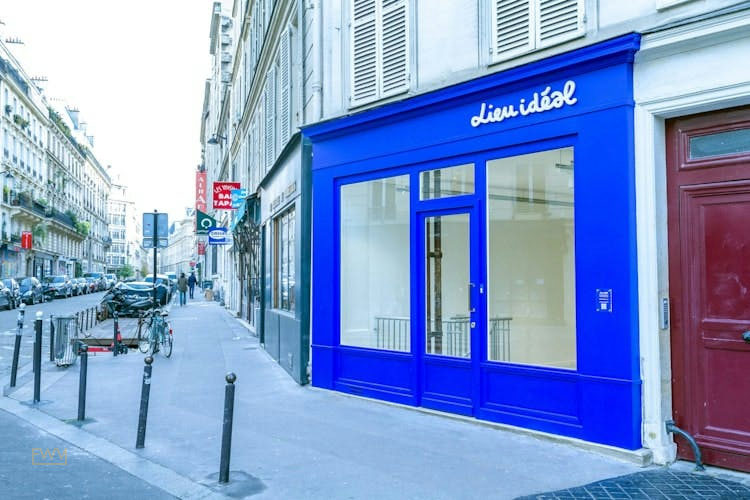
Ground-floor storefront units are the most commonly sought commercial spaces for pop-up retail in Canal Saint-Martin. These units typically sit within Haussmann or early 20th-century mixed-use buildings and offer direct street frontage, storefront windows, and pedestrian-level visibility. Their sizes range from small boutique formats of around 30 to 50 square metres up to larger units approaching 150 square metres. The lease structure for these units varies considerably, from traditional commercial leases to short-term dérogatoire arrangements and even temporary occupation agreements depending on the building owner and space manager.
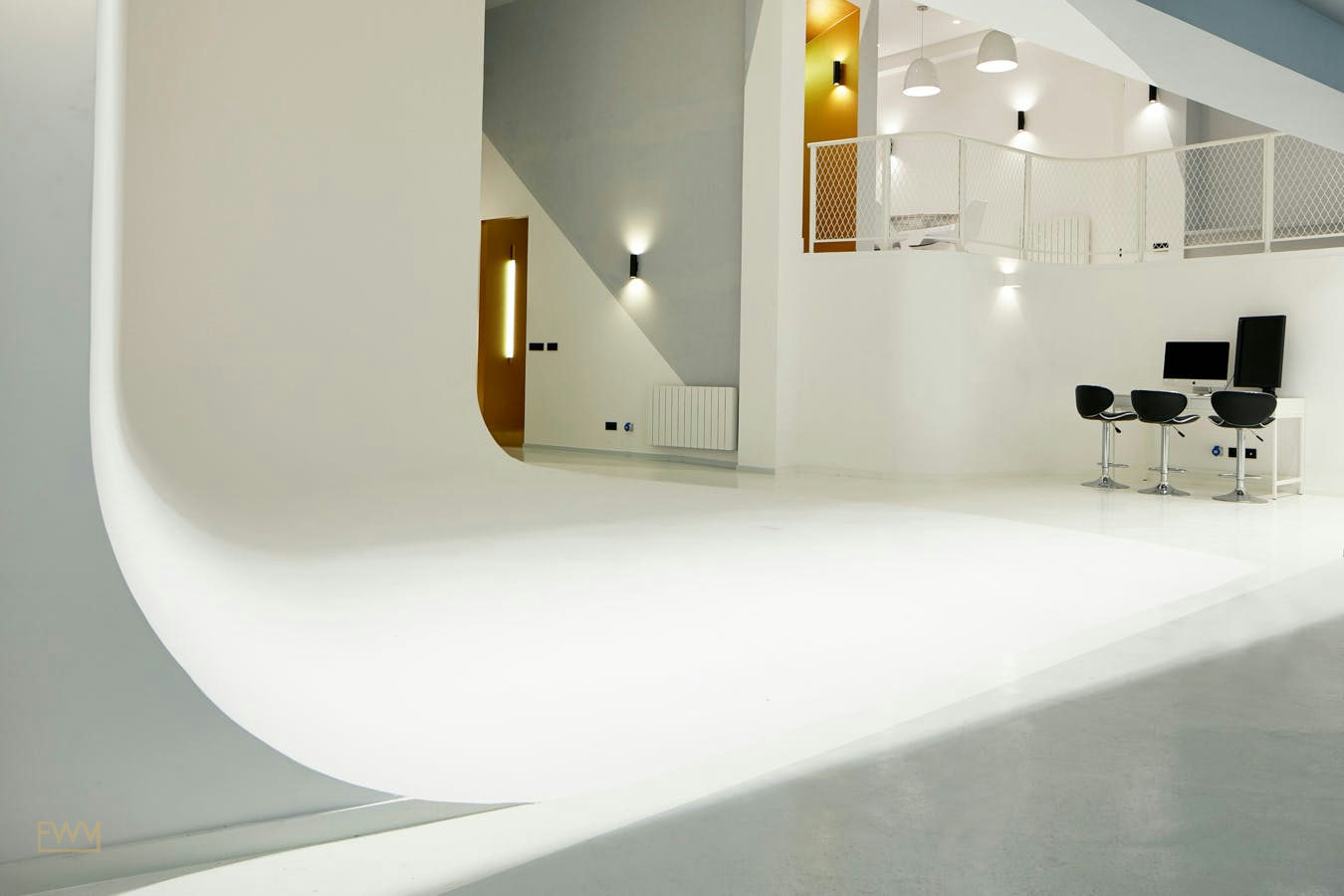
Loft-style converted spaces are a defining feature of Canal Saint-Martin's commercial offer and one reason the neighbourhood attracts creative brands. Former workshops, printing houses, and light industrial buildings along and near the canal have been converted into flexible commercial spaces with high ceilings, exposed structural elements, and open plan layouts. These spaces work particularly well for showrooms, immersive brand experiences, and larger pop-up formats that require customised fit-outs. They are typically accessed via specialist agencies or direct landlord relationships rather than standard commercial real estate listings platforms.
Flex properties, combining retail frontage with back-of-house office or storage space, are increasingly popular with brands that need to run operational functions alongside a consumer-facing activation. A brand running a Paris pop-up during fashion week season often needs space not just for the retail floor but for inventory management, team working areas, and press and buyer appointments. Flex properties in Canal Saint-Martin can accommodate these multi-functional requirements within a single footprint.
IMPORTANT: Industrial space conversions in Canal Saint-Martin and the wider 10th arrondissement may carry specific zoning requirements, fire safety obligations, and electrical safety compliance standards that differ from standard commercial retail units. Always verify zoning classifications and building compliance status before signing any rental agreement. Requirements vary by space type, building age, and intended use.
For brands that want to explore and compare available space types by size, format, and location, the Fashion Week Venues marketplace provides a curated selection of verified commercial spaces in Canal Saint-Martin and across Paris.
KEY TAKEAWAY: Canal Saint-Martin's commercial real estate supply is more varied than many brands expect, covering everything from small canal-facing storefronts to large industrial conversions. Matching space type to activation format, team size, and operational requirements is essential before committing to any lease or rental agreement.
Knowing what types of spaces exist is only part of the picture. The lease structures and legal frameworks that govern short-term commercial rental in Paris require careful attention, which the next section explains.
Understanding Commercial Leases, Permits, and Legal Frameworks for Paris Pop-Up Retail
Quick answer: Short-term retail rental in Paris is governed by specific legal frameworks including the bail dérogatoire and the convention d'occupation temporaire. These differ significantly from standard French commercial leases and from the informal rental arrangements that international brands may be accustomed to in other markets. Specialist guidance is strongly recommended before signing any agreement.
French commercial real estate law is among the most tenant-protective in Europe, which means landlords and brands alike need to navigate the legal framework carefully when structuring short-term rental arrangements. Understanding the key instruments available is essential for any brand planning a pop-up shop or temporary retail activation in Canal Saint-Martin or elsewhere in Paris.
Bail Dérogatoire: The Standard Short-Term Commercial Lease
The bail dérogatoire, sometimes called a bail de courte durée, allows landlords and tenants to agree a commercial lease of up to 36 months without triggering the tenant-protection rights that apply under the standard French commercial lease statute known as the statut des baux commerciaux. For pop-up shops and short-term retail rentals, the bail dérogatoire is the most commonly used instrument. It must be expressly agreed in writing before the tenancy begins, and the parties must acknowledge in writing that they are deliberately setting aside the protections of the standard commercial lease regime.
Key points about the bail dérogatoire include: the maximum duration is 36 months cumulative across successive agreements for the same tenant and same premises; if the tenant remains in occupation after the 36-month limit without a new arrangement being agreed, the tenancy may automatically convert to a standard commercial lease with full statutory protections; the agreement must specify the rent, the duration, the intended use of the space, and any specific conditions around fit-out, reinstatement, and insurance.
Convention d'Occupation Temporaire (AOT)
The convention d'occupation temporaire, or AOT, applies when a brand is occupying public domain property or specific categories of property where ordinary lease law does not apply in the standard way. This framework is sometimes used for activations in publicly owned spaces, market halls, cultural venues, and certain canal-adjacent public areas. Brands planning activations in or adjacent to public spaces along Canal Saint-Martin should understand whether their chosen venue falls within public domain classification, as the regulatory and permit obligations can differ significantly from private commercial property.
Permits, Regulations, and Compliance
Beyond the lease instrument itself, brands operating retail spaces in Paris must comply with a range of regulations depending on their space type, location, and activation format. These include planning and zoning requirements, fire safety compliance, electrical safety certification, public liability insurance, and in some cases specific commercial activity permits. Requirements vary by arrondissement, building type, and the nature of the commercial activity. A dental office, art studio, restaurant concept, and fashion pop-up shop each fall under different regulatory categories even if they occupy similar physical spaces.
Signage, window displays, and external merchandising may also require separate approvals from the Mairie de Paris or the local arrondissement administration. Canal Saint-Martin's heritage designation in certain sections means that visible modifications to building facades, even temporary ones, may face additional scrutiny.
For permit guidance specific to your activation format and location, use the permit guidance tool on Fashion Week Venues to understand the likely requirements before committing to a space.
IMPORTANT: French lease law is complex and subject to change. The information in this guide is provided for general orientation only. Always verify your specific obligations with a qualified French legal advisor before signing any commercial rental agreement or permit application.
KEY TAKEAWAY: Short-term commercial rental in Paris requires understanding specific legal instruments including the bail dérogatoire and the AOT. These differ from both standard French commercial leases and the informal rental norms common in other markets. Specialist legal and agency support reduces the risk of costly errors.
With the legal framework understood, the next critical question is how to find, evaluate, and compare available spaces, which is where commercial real estate search tools and specialist agencies come into play.
How to Search for Retail Space in Canal Saint-Martin: Platforms, Agencies, and Direct Search
Quick answer: Brands searching for retail space in Canal Saint-Martin can use general commercial real estate platforms such as CoStar and LoopNet, specialist Paris pop-up agencies, direct landlord outreach, and curated space marketplaces. Each approach has different strengths, limitations, and time requirements. For brands with specific brief, budget, and calendar constraints, a specialist agency combined with a curated marketplace typically delivers faster and more reliable results.
The commercial real estate search landscape for Paris includes both international platforms and France-specific resources. Understanding how each operates helps brands allocate their search time and effort effectively.
General Commercial Real Estate Platforms
Platforms such as CoStar and LoopNet maintain large databases of commercial property listings globally, including Paris. CoStar's Blue Listings include verified spaces with detailed property data, while LoopNet functions as the public-facing listings interface drawing on the CoStar database. These platforms are widely used by commercial agents and broker professionals for standard lease transactions. They allow users to set up Saved Searches and Alerts so that they receive email notifications when new listings matching their criteria become available.
However, for short-term pop-up retail specifically, general commercial real estate platforms have notable limitations. Most listings on CoStar and LoopNet reflect standard commercial leases rather than the short-term dérogatoire arrangements that pop-up brands need. Space availability for durations of one to twelve weeks, which is the typical range for a Paris pop-up, is rarely well represented in standard commercial listings. Furthermore, many of the most desirable Canal Saint-Martin spaces for short-term retail are managed by specialist operators or landlords who do not list on general platforms.
Specialist Pop-Up Agencies and Space Marketplaces
Specialist agencies operating in the Paris market maintain direct relationships with landlords, space managers, and property owners who offer genuine short-term rental availability. These agencies can access spaces that are not publicly listed, negotiate lease structures appropriate to short-term activations, and provide guidance on permit requirements, fit-out standards, and operational compliance. The Fashion Week Venues marketplace, for example, presents curated verified spaces in Canal Saint-Martin and other Paris districts with filtering by size, budget, neighbourhood, and availability window.
A specialist agency also provides value beyond the search itself. For brands unfamiliar with Paris commercial real estate, understanding the difference between a standard commercial lease and a bail dérogatoire, interpreting listing agent terms, and navigating building-specific requirements all require local expertise that general platforms cannot provide.
Direct Landlord and Broker Outreach
Some brands with established Paris networks pursue direct outreach to landlords or local commercial agents. This approach can yield good results for brands with time to invest in relationship-building and local market knowledge. However, it typically requires French language proficiency, familiarity with local legal and commercial norms, and the ability to move quickly when a suitable space becomes available. For international brands entering Paris for the first time or on a tight timeline, direct outreach alone is rarely sufficient.
TIP: When evaluating any commercial real estate listing for Canal Saint-Martin, verify the following before proceeding: actual available dates and minimum rental duration, lease instrument type, who is responsible for permit applications, what fit-out and reinstatement obligations apply, what insurance requirements exist, and whether ADA-compliant entrance standards or accessibility obligations are relevant to your space and activity.
| Search Method | Best For | Limitations | Typical Lead Time |
|---|---|---|---|
| CoStar and LoopNet | Standard commercial leases, larger spaces | Limited short-term availability, broker fees | 4 to 12 weeks |
| Specialist pop-up agency | Short-term retail, pop-up, showroom | Curated supply, higher engagement required | 2 to 6 weeks |
| Curated space marketplace | Verified spaces with known availability | Availability changes quickly | 1 to 4 weeks |
| Direct landlord outreach | Bespoke terms, specific buildings | Language, legal, and time barriers | 6 to 16 weeks |
KEY TAKEAWAY: General commercial real estate platforms are useful for market research and standard lease searches but are not well suited to short-term pop-up retail requirements in Canal Saint-Martin. Specialist agencies and curated marketplaces provide faster, more reliable access to the right spaces with appropriate lease structures and operational guidance.
Once a suitable space has been identified, the next challenge is building out and activating it effectively. The following section covers the operational considerations that determine whether a Canal Saint-Martin pop-up succeeds commercially.
Planning and Running a Successful Pop-Up Shop in Canal Saint-Martin
Quick answer: A successful pop-up shop in Canal Saint-Martin requires advance planning across five core areas: space configuration and branded store design, logistics and inventory management, staffing and operations, marketing and social media activation, and data collection and analysis. Brands that treat the pop-up as a full retail business rather than a temporary event consistently achieve better commercial outcomes.
Canal Saint-Martin's retail environment rewards brands that invest in both the physical and experiential dimensions of their activation. The neighbourhood's sophisticated, visually literate consumer base responds to thoughtful design, authentic brand storytelling, and genuine product knowledge from retail staff. A well-executed pop-up in this location can generate sustained social media amplification, press coverage, and brand equity well beyond the activation period itself.
Space Design and Visual Merchandising
The physical configuration of your retail space is one of the most important factors in determining how well your pop-up performs. In Canal Saint-Martin specifically, storefront windows facing the canal or major pedestrian routes serve as the primary discovery mechanism for most first-time visitors. Investing in strong window design and exterior visual merchandising is not optional; it is the primary conversion tool for street-level foot traffic.
Interior layout should balance product display, customer circulation, and brand experience. For loft-style spaces common in Canal Saint-Martin, high ceilings and open floor plans offer significant creative freedom but also require deliberate design decisions to avoid spaces feeling empty or underdeveloped. Furniture rental, lighting design, and branded fixtures all contribute to the overall impression. Sustainable materials and responsible packaging choices are increasingly important to the Canal Saint-Martin consumer demographic and align with the neighbourhood's values-driven retail culture.
For brands that want to visualise their space concept before committing to a design direction, the Fashion Week Venues Imagine tool provides a space visualisation capability that helps creative directors and brand managers explore configurations before build begins.
Inventory Planning and Cashflow
Inventory decisions for a Canal Saint-Martin pop-up should reflect the neighbourhood's consumer profile. The area attracts a mix of design-conscious Parisians, international creative professionals, and informed tourists who respond well to curated, limited-availability product offerings. Overstocking with a broad SKU range is a common mistake; a tighter, more intentional inventory selection typically generates better sell-through rates and a more compelling in-store narrative.
Cashflow planning for a short-term retail rental must account for all costs beyond the base rent, including fit-out and production costs, furniture rental, retail staffing, POS and payment processing, insurance, permits, marketing, and reinstatement. Using a structured budget tool before finalising your space rental helps avoid underestimating total activation costs. The Fashion Week Venues budget calculator provides a structured framework for estimating total activation investment across all cost categories.
Staffing Your Canal Saint-Martin Retail Activation
Retail staffing quality directly affects sales conversion, customer experience, and brand representation. For international brands activating in Paris, local bilingual staff who understand both the brand's values and Parisian retail culture are essential. Canal Saint-Martin's consumer base includes a significant proportion of French-speaking customers who respond better to staff who engage in French and demonstrate genuine product knowledge.
Staffing requirements vary by space size, opening hours, and activation format. A 50-square-metre pop-up running five days per week will need a minimum of two to three trained staff members per day to maintain floor coverage, manage transactions, and engage meaningfully with customers. Larger spaces or those running events alongside the retail floor will require additional capacity.
Marketing, Social Media, and Influencer Activation
Canal Saint-Martin is one of the most organically social-media-active retail environments in Paris. The canal itself, the architecture, and the neighbourhood's cultural associations mean that well-designed pop-ups in this area generate significant organic content from visitors. Brands should plan their space design with social media shareability in mind, creating visual moments within the space that encourage photographing and posting.
Planned influencer marketing partnerships add another layer of reach. Local Paris-based creators with genuine Canal Saint-Martin community connections tend to outperform broader lifestyle influencers for this neighbourhood specifically, because their audiences trust their recommendations for local discovery. Combining organic social activation with structured influencer partnerships and targeted digital marketing typically maximises the reach and commercial impact of a Canal Saint-Martin pop-up.
KEY TAKEAWAY: A Canal Saint-Martin pop-up succeeds when brands invest equally in physical space design, inventory strategy, trained local staffing, and integrated marketing. Treating the activation as a temporary event rather than a full retail operation consistently leads to underperformance against commercial objectives.
Understanding how to plan and operate the pop-up is essential, but brands also need to know how Fashion Week Venues can specifically support each stage of this process, which the next section explains.
How Fashion Week Venues Supports Canal Saint-Martin Pop-Up and Retail Activations
Fashion Week Venues operates as a full-service pop-up shop agency and curated space marketplace with Paris as its primary market. For brands planning a retail activation in Canal Saint-Martin or anywhere else in the city, the agency provides end-to-end support across every stage of the process, from initial space discovery through to post-activation data analysis.
The agency's core service offering covers venue sourcing, concept direction, production and build, activation management, branded store design, furniture rental, retail staffing, POS and payments, data and analytics, and influencer marketing. These services are available individually or as an integrated programme depending on what each brand needs. Brands that engage Fashion Week Venues for the full programme benefit from a single point of accountability across all activation functions, which significantly reduces the coordination burden on internal brand teams.
For brands in the early stages of planning, the agency's suite of planning tools provides structured decision support. The timeline planning tool helps brand teams map the full activation preparation schedule against their target launch date. The budget calculator models total cost across all activation functions. The ROI calculator helps brand teams build an internal business case for the activation investment. The permits tool provides orientation on likely permit requirements by space type and location. The compare tool allows side-by-side evaluation of shortlisted spaces.
The agency's space marketplace lists verified commercial spaces in Canal Saint-Martin and across all major Paris districts, with filtering by size, budget, availability, and neighbourhood. Unlike general commercial real estate platforms, the marketplace focuses specifically on short-term retail and activation-appropriate spaces with lease structures suited to pop-up formats.
Fashion Week Venues also operates a twin co-activation concept under the Twin programme, which allows two non-competing brands to share a single larger space, dividing both the cost and the creative footprint. This format is particularly effective in Canal Saint-Martin's larger loft-style spaces, where a single brand may not need or want to fill the entire floor area alone.
The agency's work section documents past activations across Paris and other fashion capitals, providing real-world case studies that help brand teams understand what is realistic within different budget ranges and space types. For brands evaluating whether to work with Fashion Week Venues or another specialist, the guides section includes detailed guidance on how to assess and select a pop-up agency.
It is important to understand what Fashion Week Venues does not do: the agency does not guarantee specific space availability, permit approval, or commercial outcomes. Commercial real estate availability changes rapidly, particularly around Paris Fashion Week calendar windows, and permit requirements are subject to regulatory change. The agency's tools, marketplace, and advisory services are designed to help brands make better-informed decisions, not to replace independent legal and financial advice.
For brands at the decision-making stage, exploring the Fashion Week Venues process page provides a clear overview of how the agency works from initial brief through to activation close.
KEY TAKEAWAY: Fashion Week Venues provides a genuinely integrated capability for Canal Saint-Martin pop-up activations, combining space marketplace access, planning tools, and full-service agency support. The breadth of services reduces coordination complexity for brand teams while maintaining flexibility to engage only the specific services each brand needs.
Before the FAQ section, it is worth addressing the most common misconceptions that brand teams bring to their Paris retail activation planning, as these myths can lead to costly errors if not corrected early.
Paris Fashion Calendar and Timing Your Canal Saint-Martin Activation
Quick answer: Paris Fashion Week creates intense demand for short-term retail and showroom space across all major districts including Canal Saint-Martin. However, the Paris retail activation calendar extends well beyond the twice-yearly Fashion Week windows, with significant opportunities in Maison et Objet, Paris Design Week, Fête de la Musique, summer and Christmas seasons, and off-calendar brand-driven windows. Timing your activation correctly against both the calendar and your specific audience's Paris visit patterns is essential.
Paris Fashion Week occurs twice annually, with Women's Ready-to-Wear taking place in late February to early March for the autumn/winter collections and in late September to early October for the spring/summer collections. Men's Fashion Week and Haute Couture weeks add additional calendar peaks in January and July. During these windows, demand for short-term commercial spaces in all major Paris fashion districts, including Canal Saint-Martin, intensifies significantly and available inventory shrinks rapidly.
Brands planning to activate during a Paris Fashion Week window should begin their space search and agency engagement a minimum of three to four months in advance. Preferred spaces in Canal Saint-Martin with desirable street frontage and appropriate size for brand activations often commit six months or more ahead of the Fashion Week calendar. Brands that begin their search in the weeks immediately before a Fashion Week risk being limited to second-tier spaces or facing significantly elevated rental rates for remaining availability.
Beyond Fashion Week, Canal Saint-Martin has its own seasonal activation calendar. Spring and early summer, from April through June, represent one of the strongest organic footfall periods for the neighbourhood as Parisians return to canal-side outdoor living. This window offers strong conditions for pop-up retail, café concept activations, and experiential brand experiences without the supply-demand compression of Fashion Week itself. Autumn, from October through November, is another strong window as the neighbourhood transitions from summer to the pre-Christmas retail period.
The timeline planning tool helps brand teams map their activation dates against both the Paris fashion calendar and their own production, permit, and logistics lead times.
DID YOU KNOW: Off-calendar activations in Canal Saint-Martin often achieve stronger community engagement and organic media coverage than Fashion Week activations, because the neighbourhood's local creative community is more present and accessible outside the concentrated visitor periods of the major fashion calendar weeks.
KEY TAKEAWAY: Paris Fashion Week is the highest-demand window for Canal Saint-Martin retail space, but it is not the only viable activation period. Off-calendar windows offer genuine commercial opportunities with less supply-demand competition and often stronger local community engagement. Planning timelines should reflect at least three to four months of preparation for any Paris activation.
With the strategic context, legal frameworks, operational requirements, and timing considerations all addressed, the next section tackles the most persistent myths that slow brands down or lead them to make avoidable errors in their Paris pop-up planning.
Common Myths About Renting Retail Space in Canal Saint-Martin and Paris
MYTH: You need a registered French legal entity to rent commercial space in Paris as an international brand.
FACT: While having a French legal entity simplifies certain administrative processes, many international brands successfully rent short-term commercial space in Paris under dérogatoire lease arrangements without a pre-existing French entity. The specific requirements depend on the lease instrument, the landlord's preferences, and the nature of the commercial activity. A specialist agency with Paris market experience can advise on the most practical approach for your brand's legal structure.
MYTH: Paris Fashion Week is the only commercially viable timing window for a Canal Saint-Martin pop-up.
FACT: Paris Fashion Week creates strong demand, but Canal Saint-Martin generates significant commercial opportunity throughout the year. Spring and early summer, autumn, and the pre-Christmas period each offer strong footfall conditions with less space competition than Fashion Week windows. Many brands achieve better ROI from well-planned off-calendar activations than from Fashion Week activations where costs are higher and consumer attention is more fragmented across the city.
MYTH: Using a commission-based broker or a general commercial real estate platform is the standard and sufficient way to find a Paris pop-up space.
FACT: General commercial real estate platforms such as CoStar and LoopNet primarily serve standard lease transactions and are not well adapted to the short-term dérogatoire rental market that pop-up brands need. Commission brokers working standard commercial mandates are also rarely specialists in the short-term activation market. Specialist pop-up agencies and curated space marketplaces focused on short-term retail provide more relevant inventory, appropriate lease structures, and the operational context that brands need to activate successfully.
MYTH: Short-term commercial leases in Paris are legally simple and can be agreed informally without specialist review.
FACT: French commercial lease law is among the most complex in Europe. Even short-term dérogatoire arrangements contain clauses with significant legal and financial implications around reinstatement, permitted use, insurance, and conversion risk. Agreeing a lease without qualified legal review exposes brands to material financial and operational risk. This applies equally to apparently straightforward rental arrangements in Canal Saint-Martin and all other Paris districts.
MYTH: A pop-up shop in Canal Saint-Martin will generate significant foot traffic automatically because the neighbourhood is popular.
FACT: Neighbourhood popularity creates ambient foot traffic but does not automatically convert to pop-up retail visits. Brands that invest in pre-activation marketing, influencer partnerships, window design, and local community engagement consistently outperform brands that rely on location alone. Canal Saint-Martin's sophisticated consumer base responds to brands that have clearly made an effort to belong in the neighbourhood, not simply to be present in it.
Frequently Asked Questions About Retail Space for Rent in Canal Saint-Martin
What types of commercial spaces are available for short-term rent in Canal Saint-Martin?
Canal Saint-Martin offers a range of commercial property types suited to pop-up retail and brand activations. These include ground-floor storefront units in Haussmann and early 20th-century buildings, converted loft-style spaces with open plan layouts and high ceilings, mixed-use building ground floors with dual retail and office functionality, and canal-facing boutique units with premium street visibility. Industrial space conversions are also available for larger activations. Size ranges from approximately 30 square metres for small boutique formats up to 1,000 square metres or more for major brand experiences. Availability changes quickly, particularly around Fashion Week calendar windows.
How much does it cost to rent retail space in Canal Saint-Martin?
Rental costs for short-term commercial space in Canal Saint-Martin vary significantly depending on space size, location within the neighbourhood, duration, and the type of lease arrangement. Canal Saint-Martin generally offers more accessible pricing than Le Marais, Saint-Germain-des-Prés, or the Champs-Élysées corridor, but costs can still vary considerably between specific streets and buildings. Rental cost is only one component of total activation investment, which must also include fit-out, staffing, permits, insurance, marketing, and reinstatement. Use the Fashion Week Venues budget calculator for a structured estimate based on your specific brief.
Do I need a French company to rent retail space in Paris for a pop-up?
Not necessarily. Many international brands rent short-term commercial space in Paris under dérogatoire lease arrangements without a pre-existing French legal entity. The specific requirements depend on the lease instrument, the landlord's conditions, and the nature of your commercial activity. Some landlords prefer or require a French entity or a local guarantor. A specialist agency with Paris commercial real estate experience can advise on the most practical approach for your brand's legal structure and nationality. Always verify requirements with a qualified French legal advisor before committing to any rental agreement.
What is a bail dérogatoire and how does it apply to Canal Saint-Martin pop-ups?
A bail dérogatoire is a short-term commercial lease instrument under French law that allows landlords and tenants to agree a rental period of up to 36 months without triggering the full tenant-protection rights of the standard French commercial lease statute. It must be expressly agreed in writing before the tenancy begins. For pop-up shops and short-term retail activations in Canal Saint-Martin, the bail dérogatoire is the most commonly used lease structure. If the tenant remains in the space beyond the agreed period without a new arrangement, the tenancy can automatically convert to a standard commercial lease. Always review the specific terms with a French legal advisor.
What permits do I need to run a pop-up shop in Canal Saint-Martin?
Permit requirements depend on the type of space, the nature of your commercial activity, the building's classification, and the specific location within the 10th arrondissement. Typical considerations include planning permission or declaration of change of use if the space is not already classified for retail, fire safety compliance certification, electrical safety documentation, public liability insurance, and potentially specific commercial activity authorisations. Exterior signage and window displays may also require approval. Requirements vary and are subject to change. Use the Fashion Week Venues permit guidance tool for initial orientation, and verify your specific obligations with a qualified French legal advisor.
How far in advance should I book retail space in Canal Saint-Martin for Paris Fashion Week?
For Paris Fashion Week windows, which occur in late February to early March and late September to early October, brands should begin their space search and agency engagement a minimum of three to four months in advance. The most desirable Canal Saint-Martin spaces with strong street frontage, appropriate size, and flexible short-term lease structures often commit six months or more before the Fashion Week calendar dates. Starting your search late typically means accepting less suitable spaces, facing elevated rental rates for remaining availability, or missing the window entirely. For off-calendar activations, a lead time of six to twelve weeks is more realistic, though longer planning periods always yield better options.
Can I run a restaurant concept or café format in a Canal Saint-Martin pop-up space?
Yes, Canal Saint-Martin is well suited to pop-up café and restaurant concept activations, and several successful examples have operated in the neighbourhood. However, food and beverage activations carry additional regulatory requirements beyond standard retail, including food hygiene certification, ventilation and extraction standards, waste management obligations, and in some cases specific licensing for alcohol service. The space's existing infrastructure, including kitchen facilities, plumbing, and ventilation, significantly affects the feasibility and cost of a food and beverage concept. Verify all requirements before selecting a space intended for a restaurant or café format, as not all retail units are suitable without significant and costly modifications.
What is the minimum rental duration for a pop-up space in Canal Saint-Martin?
Minimum rental durations vary by space and landlord. Some specialist short-term rental operators offer availability from as little as one to two weeks, while many Canal Saint-Martin landlords prefer minimum terms of one to three months even under dérogatoire arrangements. Spaces with very short minimum terms typically command a premium on a per-week basis compared to longer commitments. Your specific activation calendar, including setup, trading, and strike-out periods, should be factored into the total duration requested. Always clarify whether the quoted rental period includes fit-out and reinstatement time or only the trading days.
How does Canal Saint-Martin compare to Le Marais for a fashion pop-up?
Canal Saint-Martin and Le Marais serve different but complementary retail audiences in Paris. Le Marais offers higher international tourist footfall, stronger associations with established fashion retail, and immediate proximity to Rue des Rosiers, the Marais gallery district, and the broader luxury shopping circuit. Canal Saint-Martin offers a more local and creative demographic, stronger social media organic reach, more accessible rental pricing, and a neighbourhood character that resonates particularly well with contemporary, independent, and sustainability-oriented brands. The right choice depends on your brand's target consumer, activation format, budget, and positioning objectives. Many brands use both districts across successive Paris activations.
What is the Twin programme offered by Fashion Week Venues?
The Twin programme allows two non-competing brands to share a single larger commercial space, dividing both the rental cost and the creative footprint of the activation. This format is particularly effective in Canal Saint-Martin's larger loft-style spaces, where a single brand may not need or want to occupy the entire floor area. Co-activating brands benefit from shared costs, shared marketing energy, and the opportunity to create a more diverse in-store experience for visitors. Fashion Week Venues manages the matching of compatible brand partners and the shared space logistics. The programme is an option for brands with moderate budgets who want access to a premium space format without the full solo rental cost.
Is sustainability a consideration for Canal Saint-Martin pop-up activations?
Sustainability is a genuine consumer expectation in Canal Saint-Martin, not merely a marketing option. The neighbourhood's creative and design-conscious consumer base is among the most environmentally aware in Paris, and brands that visibly invest in responsible materials, minimal-waste fit-outs, sustainable packaging, and transparent supply chain communication consistently generate stronger community engagement. Beyond consumer expectations, Paris and the broader French regulatory environment are increasingly directing commercial fit-outs toward sustainability standards. Working with a production and build partner who understands sustainable fit-out options from the outset typically delivers both cost and credibility benefits.
What insurance do I need for a Canal Saint-Martin retail space?
Insurance requirements for a commercial retail activation in Paris typically include public liability insurance, content and stock insurance, property damage coverage, and employer's liability insurance if you are employing staff. The specific coverage requirements may be prescribed by the lease agreement itself, the building's management company, or local regulatory obligations. International brands should verify that their existing commercial insurance policies extend to France and cover the specific activities planned in the Canal Saint-Martin space. If not, a Paris-specific policy or extension will be required before the space can be occupied. Always confirm insurance obligations with both your insurer and your legal advisor before signing the lease.
Can brands from outside France use the Fashion Week Venues marketplace and services?
Yes. Fashion Week Venues is specifically designed to support international brands entering the Paris market, including brands from North America, Asia, the Middle East, and elsewhere in Europe. The agency's services are available to brands at various stages of Paris market entry, from first-time activations to established brands running their fifth or sixth Paris season. The agency provides support in English across all service areas and has experience navigating the specific commercial, legal, and operational challenges that international brands face when activating in Paris for the first time.
How do I calculate the ROI for a Canal Saint-Martin pop-up shop?
ROI calculation for a pop-up shop should account for both direct commercial returns, including in-store sales revenue, and indirect brand value returns, including social media reach, press coverage, new customer acquisition, email and CRM data capture, buyer and trade appointments, and long-term brand awareness in the Paris market. A framework that considers only direct sales against rental cost will consistently undervalue the total return from a well-executed Paris pop-up. Fashion Week Venues provides an ROI calculation tool that helps brand teams build a multi-dimensional return model before committing to activation investment. Using this tool during the planning phase helps align stakeholder expectations and create a realistic performance measurement framework.
What happens after my Canal Saint-Martin pop-up ends?
Post-activation, brands typically face obligations to reinstate the space to its original condition or to the standard specified in the lease agreement. This includes removing all branded fixtures, signage, and furniture, restoring any structural modifications, and passing a condition inspection with the landlord or space manager. Beyond reinstatement, the post-activation period is valuable for data analysis, customer feedback review, sales performance assessment, and strategic planning for future Paris activations. Brands that use structured data and analytics to evaluate each activation build progressively stronger Paris market knowledge and activation ROI over successive seasons.
Conclusion: Making Your Canal Saint-Martin Retail Activation Work
Canal Saint-Martin has established itself as one of Paris's most commercially compelling and culturally distinctive locations for short-term retail, pop-up shops, and brand activations. Its combination of genuine foot traffic, strong social media visibility, varied commercial property supply, and accessible rental positioning makes it a serious alternative to Le Marais for brands that want Paris presence without flagship-level investment. It is not, however, a market where brands can expect to succeed without careful planning, specialist local knowledge, and a clear operational strategy across space, permits, design, staffing, and marketing.
The most important decisions for any brand approaching Canal Saint-Martin rental begin well before any lease is signed. The choice of space type, the timing relative to the Paris fashion and events calendar, the lease instrument, the permit compliance framework, the fit-out approach, and the marketing strategy all need to align around a coherent activation concept before the first landlord conversation takes place. Brands that invest in this planning phase consistently outperform those that approach the market reactively.
Fashion Week Venues is designed to support exactly this planning and execution process, from initial space discovery through to post-activation data analysis. Whether you need a single space recommendation or a full end-to-end activation management programme, the agency's marketplace, tools, and services provide a structured path from brief to launch in Canal Saint-Martin and across Paris.
To move from research to activation, start exploring available spaces on the Fashion Week Venues marketplace and build a focused brief for your target neighbourhood, space type, and calendar window.