

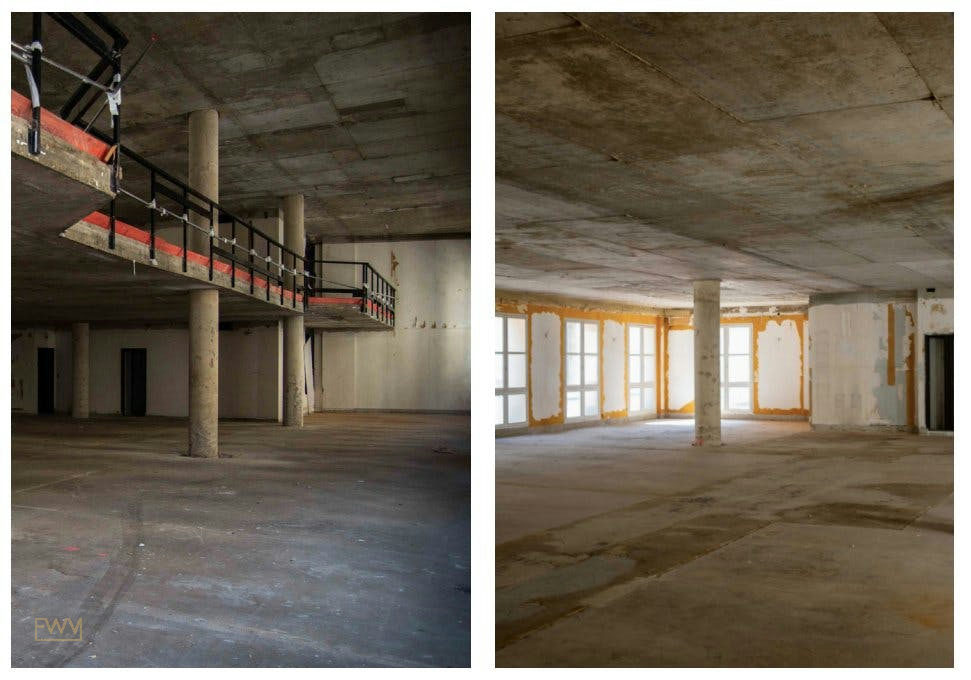
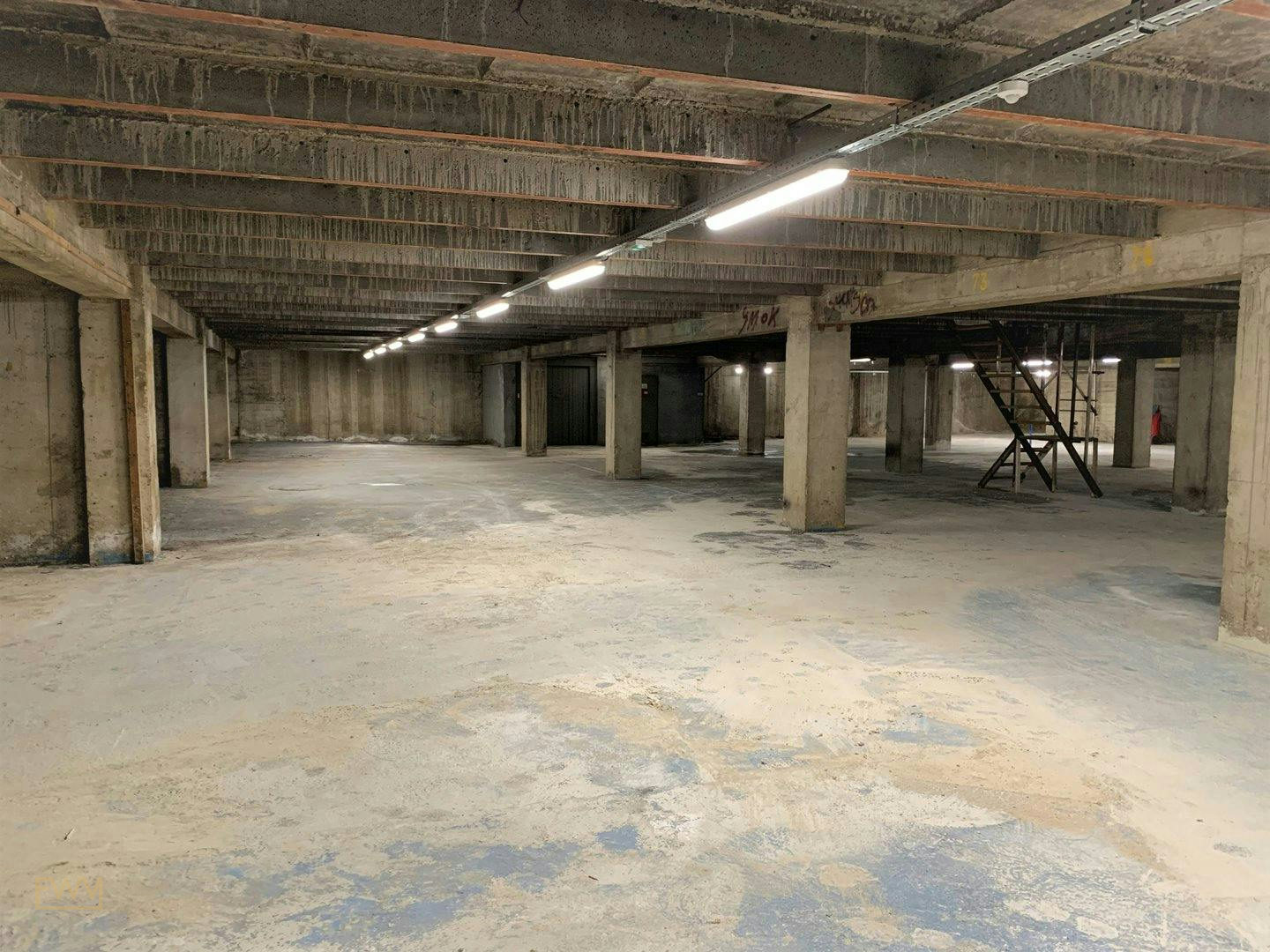
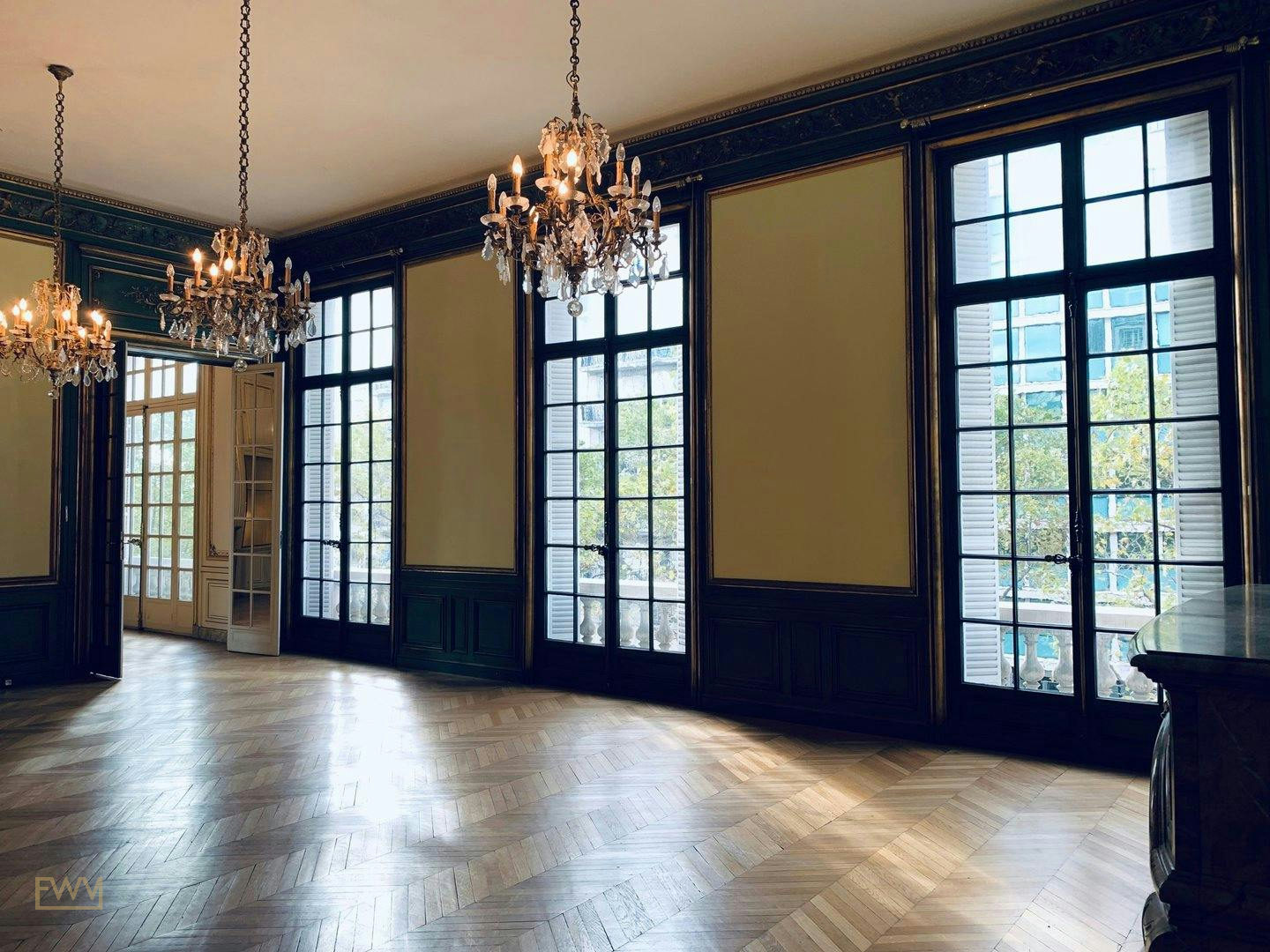
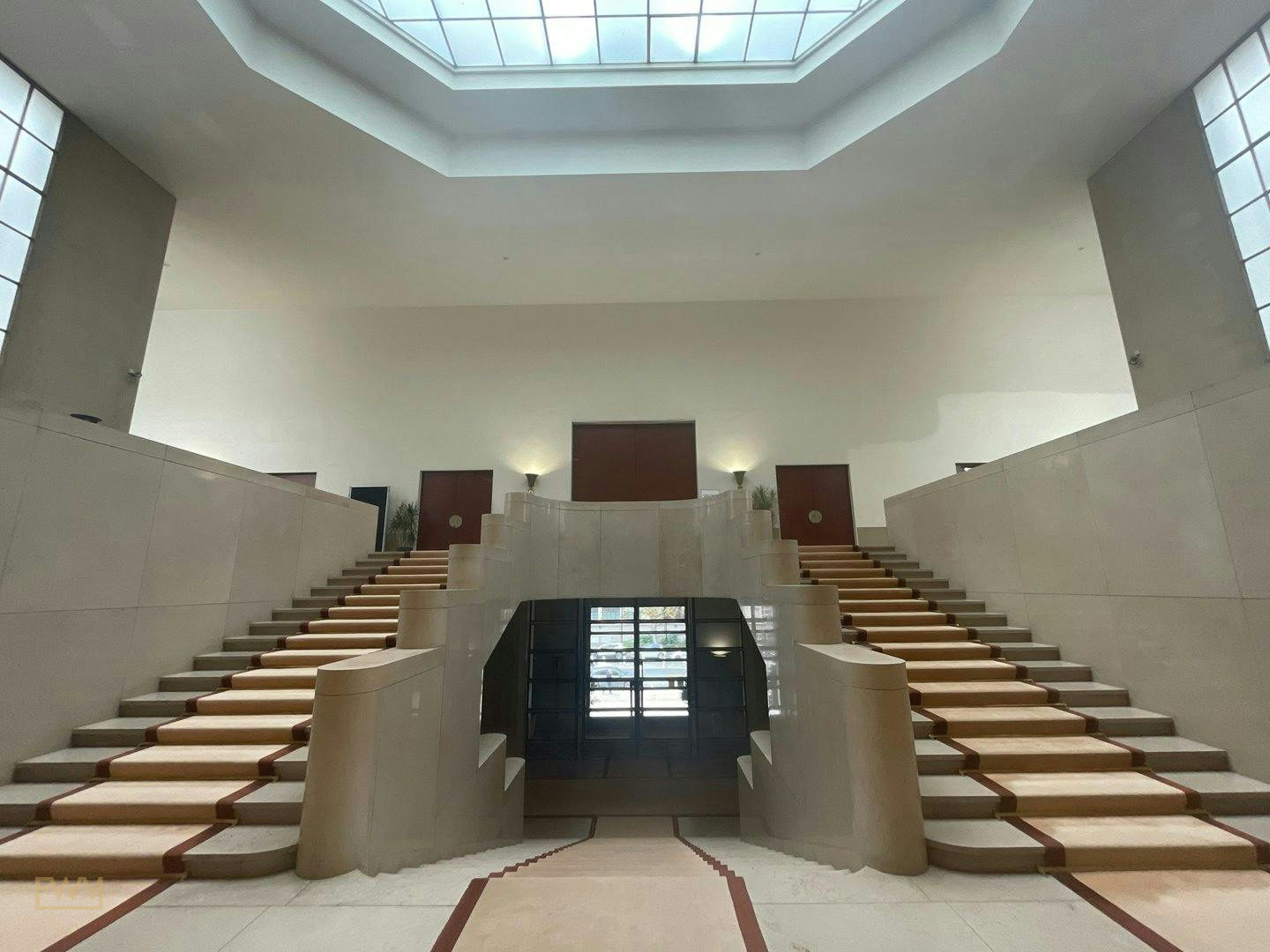
Finding the right retail space for rent during Paris Fashion Week is one of the most consequential logistical decisions a brand team will make in any given season. Paris remains the world's most competitive temporary retail market, with international brands, emerging designers, and established luxury houses all competing for the same high-visibility spaces across a narrow calendar window. Whether you are planning a showroom presentation in Le Marais, a pop-up boutique on Rue Saint-Honoré, or an immersive product launch near the Palais Royal, securing the right space early determines everything that follows. Fashion Week Venues operates a curated space marketplace and full-service agency specifically for brands navigating Paris and other fashion capitals. This guide covers every dimension of the process, from neighbourhood selection and space types to permits, budgeting, logistics, and activation strategy.
Why Paris Fashion Week Demands a Different Approach to Retail Space
Paris Fashion Week is not simply a calendar event. It is a compressed, high-stakes commercial and cultural moment that transforms the city's retail geography for several weeks each year. During the official runway schedule and the surrounding days, international buyers, press, influencers, creative directors, and end consumers converge on specific neighbourhoods simultaneously. That convergence creates foot traffic conditions that do not exist at any other time of year, and it rewards brands that position themselves in the right arrondissement with the right space type at the right moment.
The Paris fashion calendar runs across multiple official weeks throughout the year. Men's Fashion Week and Haute Couture Week typically take place in January, with womenswear ready-to-wear following in late February and early March. Each window attracts a distinct professional audience. Haute Couture week draws press, collectors, and high-net-worth clients. Ready-to-wear week brings wholesale buyers, department store executives, and international retail teams. Menswear week overlaps with a strong streetwear and contemporary audience. Each format has implications for the type of space, the neighbourhood, the format of the activation, and the marketing approach.
What distinguishes the Paris market from London, Milan, or New York is the concentration of luxury retail infrastructure across a relatively small geographic area. The 1st, 2nd, 3rd, 4th, and 8th arrondissements together contain some of the highest-value short-term commercial real estate in the world during Fashion Week. Spaces that are available at modest daily rates outside the fashion calendar command significant premiums when brands need them most. This is not a casual or informal market. Spaces fill months in advance, permit requirements are real and enforced, and the logistics of fit-out, staffing, and activation in Paris require local expertise.
Brands that approach Paris Fashion Week retail space as a simple room-booking exercise routinely encounter problems: spaces that are not permitted for retail use, landlords who require a French legal entity, insurance requirements they were not prepared for, and fit-out timelines that do not align with calendar constraints. Understanding the market structure before you begin sourcing is essential.
Quick answer: Paris Fashion Week retail space is in high demand across the 1st, 3rd, 4th, and 8th arrondissements during January, February, and September windows. Brands should begin sourcing three to six months before their target dates and work with a specialist to navigate permits, insurance, and fit-out requirements within compressed timelines.
DID YOU KNOW: The Marais district, spanning parts of the 3rd and 4th arrondissements, hosts more Fashion Week showroom activations per square kilometre than any other area of Paris, making it the city's most concentrated temporary retail market during the fashion calendar.
Understanding why certain neighbourhoods consistently outperform others for fashion activations requires looking at the intersection of foot traffic data, proximity to fashion show venues, cultural positioning, and the historic concentration of galleries, concept stores, and boutique architecture that Paris's central arrondissements offer.
KEY TAKEAWAY: Paris Fashion Week is a multi-window calendar event with distinct audience profiles for each season. Successful retail space strategy starts with matching your brand's format, budget, and audience to the right week, the right neighbourhood, and the right space type well before the official calendar opens.
With the broader market context established, the next step is understanding exactly which neighbourhoods and space types are available and how they compare for different brand objectives.
Paris Fashion Week Retail Space by Neighbourhood: Where to Position Your Brand
Neighbourhood selection is the single most consequential decision in any Paris Fashion Week retail strategy. The arrondissement you choose determines your foot traffic profile, your adjacencies with other brands, your audience demographics, your transport access, and in many cases your daily rental rate. Each of Paris's central fashion districts has a distinct character, a distinct professional audience, and distinct implications for the format of your activation.
To compare neighbourhoods and space types, explore the Paris city hub on Fashion Week Venues and shortlist spaces that match your brief, budget, and calendar window.
Le Marais: The 3rd and 4th Arrondissements
Le Marais is consistently the most in-demand area for Fashion Week showrooms and pop-up stores. The neighbourhood combines historic Haussmann and pre-Haussmann architecture with a density of galleries, concept stores, and designer boutiques that creates exactly the kind of cultural legitimacy that fashion brands want as context for their activations. Streets such as Rue de Bretagne, Rue du Temple, Rue des Archives, and the area surrounding the Centre Pompidou generate strong foot traffic from an audience that is already engaged with fashion, design, and culture.
The Marais is particularly well-suited to showroom formats. Its abundance of former gallery spaces, converted apartments, and architecturally distinctive storefronts means that brands can find spaces with natural light, high ceilings, exposed stone, and the kind of Parisian aesthetic that photographs well and creates strong scenography for collection presentations. The area around 5 Rue Saint-Merri and the Saint-Merri district is especially noted for its proximity to both the Centre Pompidou and the dense showroom cluster that forms during Fashion Week.
Spaces in Le Marais range from intimate boutique formats of 50 to 80 square metres, suited to emerging labels and single-category presentations, to larger gallery-style spaces exceeding 200 square metres that can accommodate runway presentations, immersive performances, and product launches at scale. The neighbourhood's international visitor base during Fashion Week means that foot traffic is genuinely global, with buyers and press from North America, Japan, Korea, and the Gulf region all moving through the area in concentrated numbers.
Rue Saint-Honoré, Place Vendôme, and the 1st Arrondissement
The 1st arrondissement, particularly the axis running from the Palais Royal through Rue Saint-Honoré to Place Vendôme and towards the Tuileries and Louvre, is the address of choice for established luxury brands seeking the highest-prestige temporary retail positioning in Paris. Rue Saint-Honoré and its immediate surrounds are home to flagship stores for some of the world's most recognised luxury houses, and the adjacencies here matter enormously for brand perception.
Space availability in this corridor is limited and competition is fierce. Brands operating in the luxury, haute couture, and premium ready-to-wear segments should treat this neighbourhood as their primary sourcing zone and begin the search process as early as possible. The area around the Palais-Royal and Galerie Joseph is particularly sought after for its architectural distinction and its association with Parisian cultural life. The Galerie Joseph, one of Paris's most recognised Fashion Week showroom venues, has hosted international brands across multiple seasons.
The 8th arrondissement, extending westward from the 1st towards the Champs-Élysées and the area around the Grand Palais, is also relevant for brands presenting during official Fashion Week shows, as many runway events are staged in this zone and the post-show foot traffic to surrounding activations can be significant.
Saint-Germain-des-Prés and the 6th Arrondissement
Saint-Germain-des-Prés offers a distinct proposition from the Marais or the 1st arrondissement. The neighbourhood is associated with intellectual and artistic Paris, with a strong gallery culture, independent booksellers, and a long history of fashion houses choosing this address for their left-bank presence. For contemporary brands, lifestyle labels, and design-forward collections, Saint-Germain-des-Prés provides an audience that values considered aesthetics and cultural depth.
Spaces in Saint-Germain range from charming boutique formats to larger gallery spaces, and the neighbourhood's walkability and strong international tourism base during Fashion Week mean that a well-positioned activation can generate significant organic discovery traffic in addition to planned press and buyer visits. The area around the St Germain des Prés metro and the streets running south towards Rue du Bac and north towards the Seine offer a range of architectural styles suited to different brand formats.
Sentier, the Opéra Quarter, and Châtelet-les-Halles
The Sentier district in the 2nd arrondissement has undergone a significant transformation over the past decade and is now a credible address for contemporary, streetwear, and tech-adjacent fashion brands. Its proximity to the city's creative industries cluster and its abundance of raw industrial spaces and converted warehouse formats make it attractive for brands wanting a less traditional but highly contemporary activation environment.
Châtelet-les-Halles is one of Paris's highest-footfall transit zones, making it relevant for brands targeting high-volume consumer activations rather than trade or press-focused showroom formats. The Opéra quarter sits between these zones and offers spaces with grand Haussmann architecture suitable for large-scale product presentations, art exhibitions, and event formats.
| Neighbourhood | Best For | Typical Space Types | Audience Profile | Relative Demand During Fashion Week |
|---|---|---|---|---|
| Le Marais (3rd and 4th) | Showrooms, concept stores, gallery activations | Gallery, apartment, boutique, storefront | International buyers, press, fashion consumers | Very high |
| Rue Saint-Honoré and 1st Arrondissement | Luxury pop-ups, haute couture presentations | Boutique, flagship, gallery, atrium | Luxury buyers, international press, VIP clientele | Extremely high |
| Saint-Germain-des-Prés (6th) | Lifestyle, design, contemporary labels | Boutique, gallery, concept store | Cultural consumers, international tourists, press | High |
| Sentier (2nd) | Contemporary, streetwear, creative brands | Warehouse, studio, raw space | Creative industry, younger fashion audience | Moderate to high |
| Opéra and Châtelet-les-Halles | Large-format events, product launches | Atrium, gallery, event space | Mixed consumer and trade | Moderate |
| 8th Arrondissement | Luxury activations near show venues | Boutique, flagship, gallery | Fashion show attendees, luxury consumers | High during show weeks |
KEY TAKEAWAY: Le Marais and the Rue Saint-Honoré corridor are the two most competitive Paris Fashion Week neighbourhoods for retail space. Your neighbourhood choice should be driven by brand positioning, audience profile, and the specific Fashion Week window you are targeting, not simply by geographic familiarity or name recognition.
With neighbourhood strategy defined, the next essential step is understanding the range of space types available in Paris and how each format serves different activation objectives.
Retail Space Types for Paris Fashion Week: From Showrooms to Immersive Pop-Ups
The Paris temporary retail market offers a genuinely diverse range of space types, and choosing the right format is as important as choosing the right neighbourhood. Different space types serve different commercial and brand-building objectives, and the format you choose should be driven by your brief, your audience, your calendar window, and your budget.
Quick answer: Paris Fashion Week spaces range from intimate showrooms and charming boutiques to large gallery formats and multi-room event spaces. The right space type depends on whether your primary objective is trade appointments, consumer foot traffic, press coverage, or a combination of all three formats within a single activation footprint.
Showrooms and Fashion Showrooms
The showroom is the foundational format for Paris Fashion Week activations. A fashion showroom is a curated environment designed to present a collection to buyers, press, and brand partners in a controlled, appointment-based setting. Unlike a consumer-facing pop-up store, a showroom prioritises brand environment, product display, and the quality of one-to-one interactions over volume of visitors.
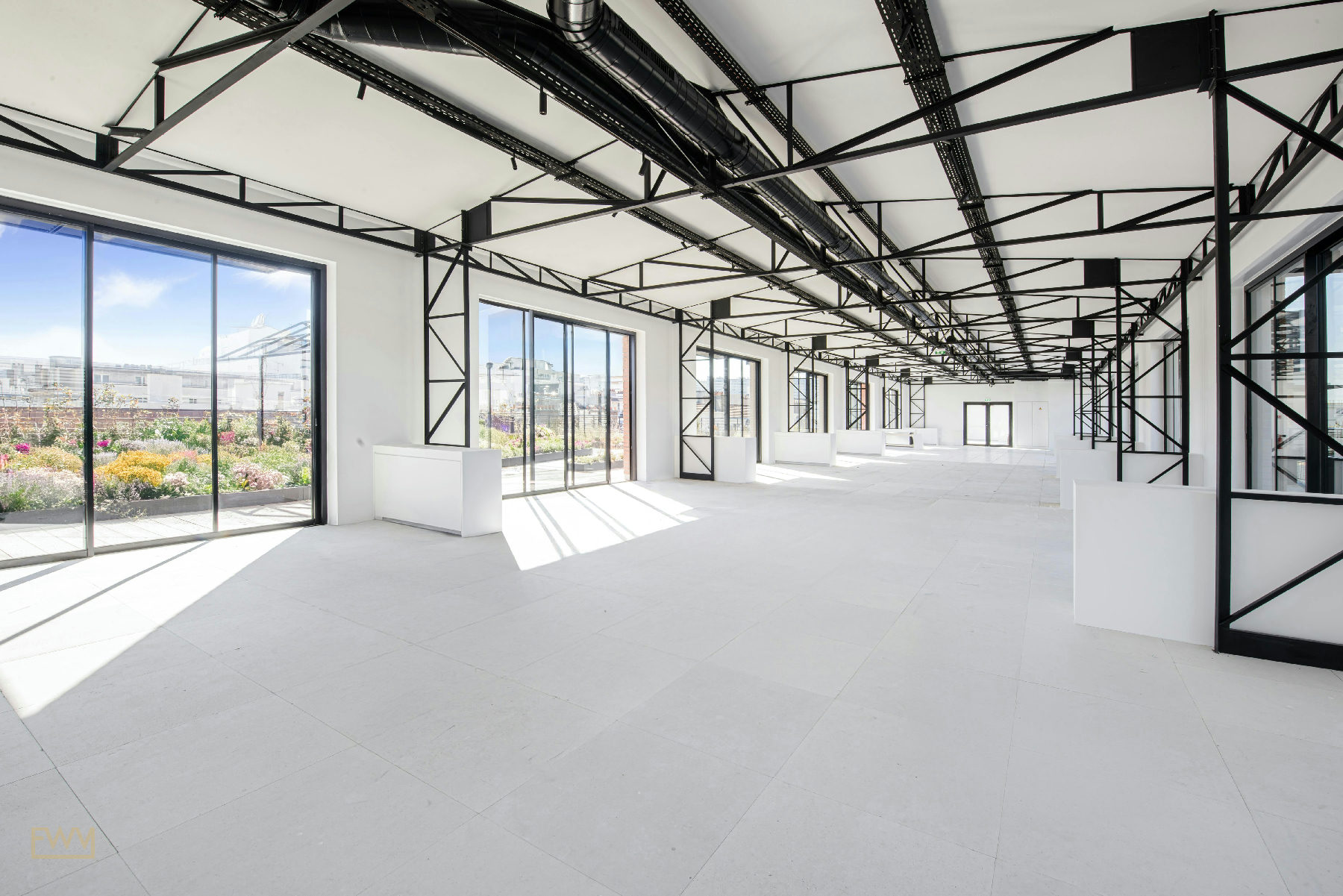
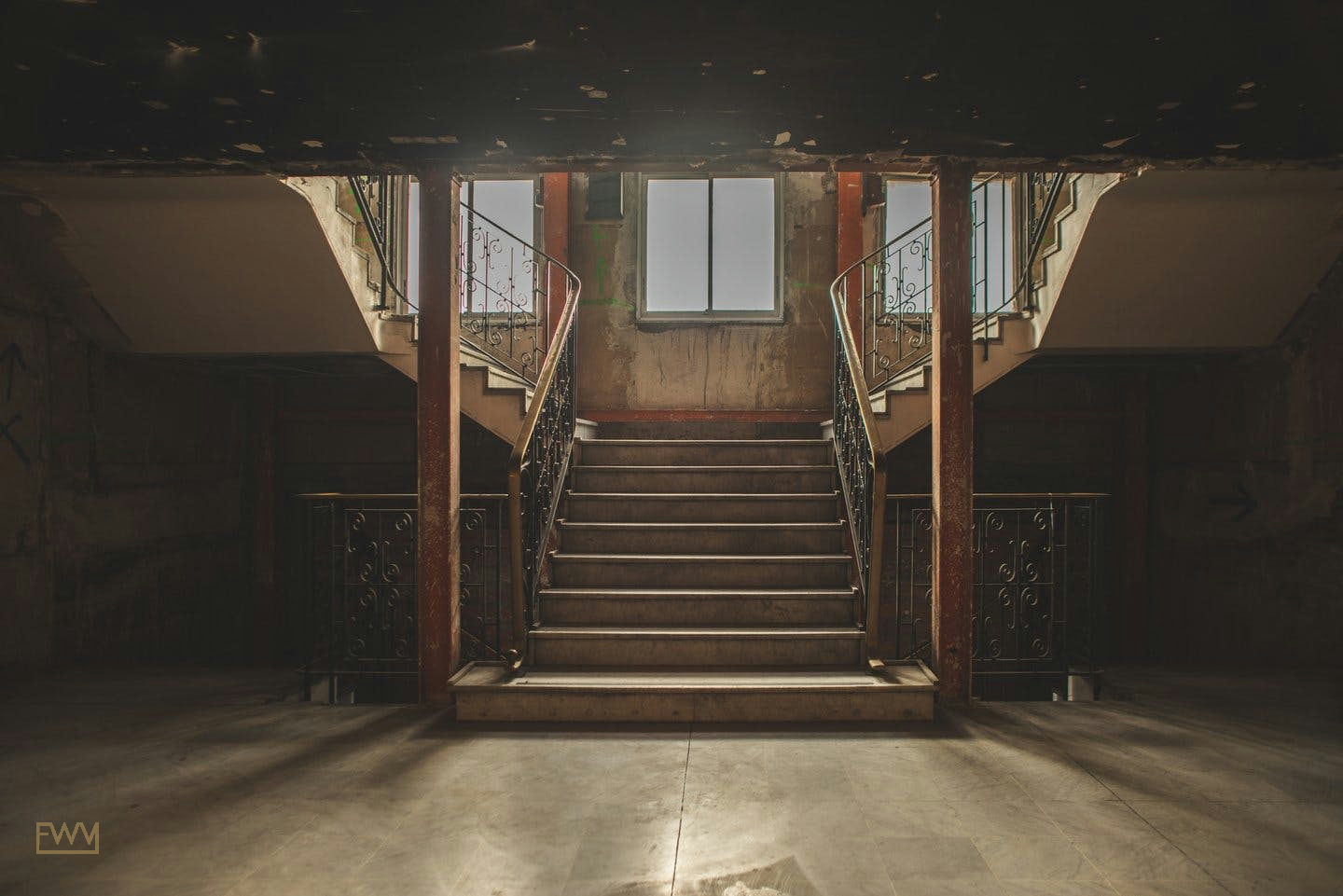
Showrooms in Paris typically range from 60 to 300 square metres and are most commonly found in the Marais, the 1st arrondissement, and Saint-Germain. The most sought-after showroom spaces offer high ceilings, natural light through large windows or a glass roof, architecturally distinctive surfaces such as exposed stone or timber floors, and a neutral or flexible aesthetic that allows brands to apply their own scenography without fighting the existing interior.
A virtual showroom supplement has become increasingly relevant for international brands whose buyers cannot travel to Paris for every season. However, physical showroom presence remains the dominant format for relationship-building, press coverage, and the sensory experience of presenting a collection in the context it was designed for.
Pop-Up Stores and Ephemeral Boutiques
A pop-up store is a temporary retail space that is open to consumers and designed to generate sales, brand awareness, and experiential engagement over a short period. Pop-up stores in Paris during Fashion Week serve a dual purpose: they function as commercial retail operations for direct-to-consumer brands, and they serve as brand-building platforms that generate press, social content, and influencer coverage in a market where visibility is amplified by the Fashion Week context.
Ephemeral boutiques are a more curated variant of the pop-up format, typically found in architecturally distinguished spaces in high-prestige neighbourhoods. The term is used by Parisian landlords and agents to describe short-term luxury retail formats that maintain the aesthetic integrity of the space while allowing the brand to trade commercially. A charming boutique format in Saint-Germain or the Marais, operating for one to three weeks during the fashion calendar, is a classic example of this format.
Gallery Spaces and Art Galleries
Paris has a uniquely dense concentration of gallery spaces that transition into fashion activations during Fashion Week. Art galleries in the Marais and Saint-Germain are particularly sought after because they offer white-wall neutrality, high ceilings, and the cultural associations of the gallery world that many fashion brands want to borrow for their presentations. Galleries are well-suited to immersive performances, art exhibitions combined with collection presentations, and product launches that have a strong visual or conceptual component.
Concept Stores and Storefronts
Renting a concept store format gives brands the advantage of an already-curated retail environment with built-in brand adjacencies. Some Paris landlords offer their concept store spaces for temporary takeover, allowing an incoming brand to operate within an environment that already has a defined aesthetic and customer base. Storefronts on high-visibility streets such as Rue de Rivoli or within the Palais-Royal arcades offer strong organic visibility to pedestrian traffic during Fashion Week.
Apartments and Residential Formats
Parisian apartment-format activations are a distinctive feature of the city's temporary retail market. Converting a floor or a full apartment in a Haussmann building into a collection presentation or intimate showroom creates a sense of domestic intimacy that gallery or boutique formats cannot replicate. These spaces are particularly popular for accessories, jewellery, perfume, and lifestyle brands where the domestic context adds to the narrative of the collection.
Event Spaces and Atrium Formats
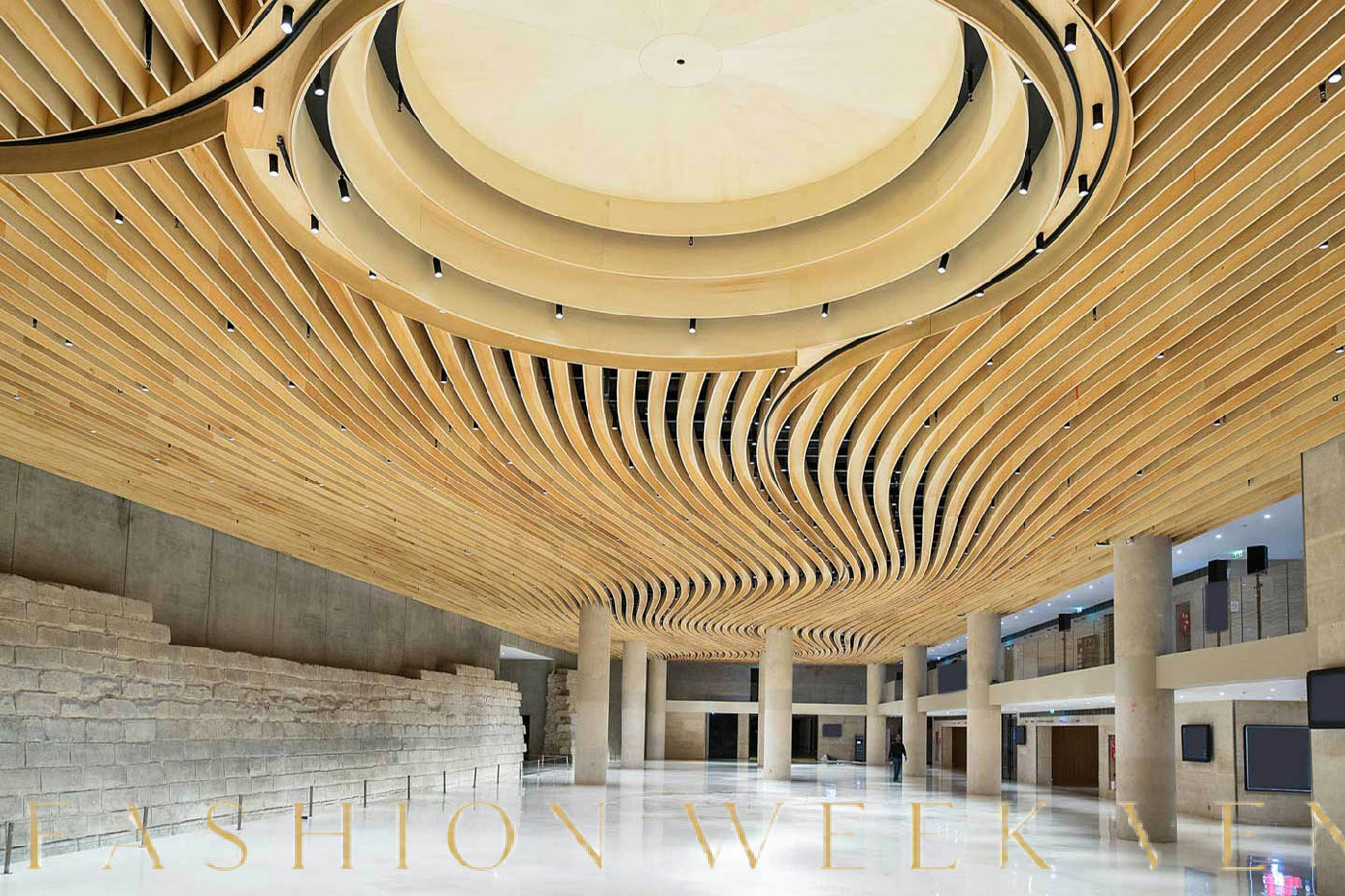
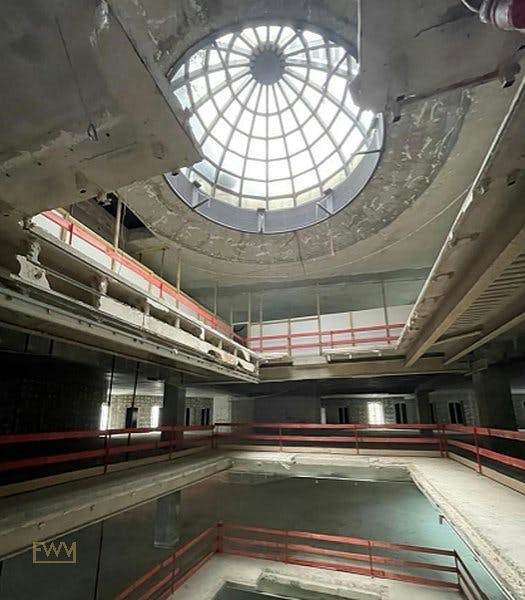
Large-format event spaces with atrium arrangements, glass roofs, and flexible floor configurations are available in several Paris arrondissements and are suited to brands planning runway presentations, product launches, immersive performances, or multi-day buyer events that require both presentation and meeting space within a single footprint. The Pierre Cardin Museum and similar landmark spaces occasionally become available for brand activations and represent the highest tier of the Paris temporary event space market.
| Space Type | Typical Size Range | Primary Use | Best Neighbourhoods | Activation Format |
|---|---|---|---|---|
| Fashion Showroom | 60 to 300 sqm | Buyer and press appointments | Marais, 1st arrondissement, Saint-Germain | Appointment-based, trade-focused |
| Pop-Up Store | 40 to 250 sqm | Consumer sales and brand awareness | Marais, Rue Saint-Honoré, Sentier | Open to public, retail trading |
| Ephemeral Boutique | 50 to 120 sqm | Brand building, curated retail | Saint-Germain, 1st arrondissement | Limited edition, appointment or walk-in |
| Gallery Space | 80 to 400 sqm | Collection presentation, exhibitions | Marais, Saint-Germain | Press events, immersive experiences |
| Concept Store Takeover | 100 to 300 sqm | Retail trading with brand context | Marais, Palais-Royal, Saint-Germain | Consumer-facing, curated assortment |
| Apartment Format | 80 to 200 sqm | Intimate presentations, lifestyle brands | Marais, Saint-Germain, 1st arrondissement | Appointment-based, invitation only |
| Event Space and Atrium | 200 to 1,000+ sqm | Runway, product launches, large events | Opéra, 8th arrondissement, 1st arrondissement | Large-format, ticketed or trade |
KEY TAKEAWAY: The space type you choose is a strategic decision that shapes the entire activation format, the audience you can reach, and the budget required. Showrooms and pop-up stores serve fundamentally different commercial objectives, and many brands successfully combine both formats within a single Fashion Week presence.
Choosing the right space type and neighbourhood is only the beginning. The practical process of sourcing, securing, and operating a retail space in Paris involves a series of logistical, legal, and operational steps that require careful planning.
How to Source, Book, and Secure a Paris Fashion Week Retail Space
The sourcing process for Paris Fashion Week retail space follows a clear sequence of steps, but the timeline is compressed and the market moves quickly. Brands that understand the process and begin early are significantly more likely to secure their preferred space type in their preferred neighbourhood at a realistic budget.
Quick answer: Sourcing a Paris Fashion Week retail space requires identifying your brief, searching a curated marketplace or working with a specialist agency, shortlisting and visiting spaces, negotiating terms, confirming permits, and managing fit-out and staffing within a compressed timeline. Most premium spaces in Le Marais and the 1st arrondissement are booked three to six months in advance of the target Fashion Week window.
Step 1: Define Your Brief Before You Search
Before you approach any platform, broker, or agency, your team needs a clear internal brief. This means defining your target Fashion Week window, your preferred neighbourhood or neighbourhoods, your minimum and maximum size requirements, your format requirements including ceiling height, natural light, and floor access, your budget range including fit-out and not just rent, your planned activation format, and your move-in and move-out dates including time required for build and strip-out. A vague brief wastes time and results in reviewing spaces that are unsuitable. A specific brief allows a specialist to move quickly.
Step 2: Use a Marketplace or Agency to Identify Options
The Paris temporary retail market includes several channels for space discovery. General commercial real estate platforms such as LoopNet and CoStar list some commercial properties in Paris, but these are primarily designed for long-term leases and their Fashion Week inventory is limited. Specialist platforms and agencies focused on short-term retail and fashion activations maintain curated listings that are more relevant to the Fashion Week market and include spaces that are not publicly listed elsewhere.
Working with a specialist agency provides access to off-market spaces, existing landlord relationships, and the ability to negotiate short-term terms that general commercial real estate broker professionals are not set up to handle. The distinction between a platform-only search and an agency-supported search is particularly significant in Paris, where the best spaces are often secured through relationships rather than public listings.
For professional venue sourcing in Paris, a specialist agency combines market knowledge, landlord relationships, and an understanding of Fashion Week-specific requirements in a way that general platforms cannot replicate.
Step 3: Shortlist, Visit, and Compare
Once you have identified a longlist of potential spaces, the shortlisting process involves reviewing key criteria against your brief: location and neighbourhood fit, size and layout, natural light and architectural character, permitted uses, available dates, rental rate, and any restrictions on fit-out, signage, or trading hours. For brands operating remotely, virtual tours and floor plans are useful but should not substitute for a physical visit or a trusted local representative visiting on your behalf.
Step 4: Understand the Lease Structure and Permit Requirements
This is the step where many brands encounter unexpected complexity. Paris temporary retail space is governed by specific legal frameworks that differ significantly from standard commercial leases. The two most relevant frameworks for Fashion Week activations are the bail dérogatoire and the autorisation d'occupation temporaire (AOT).
A bail dérogatoire, sometimes called a short-term commercial lease or convention d'occupation précaire, is a form of commercial lease used for short-term occupancy that explicitly derogates from the protections of the standard French commercial lease statute. It can be used for periods of up to three years and must be explicitly agreed by both parties. For Fashion Week spaces used for periods of days to a few weeks, a simpler convention d'occupation or licence agreement may be more appropriate, but the specific legal instrument used varies by landlord, space type, duration, and arrondissement.
An AOT is an authorisation to occupy public domain temporarily and is relevant for any activation that involves street-facing presence, external signage, or use of public space adjacent to the rented premises. Requirements vary significantly by location and by the nature of the activation. Brands should not assume that any permit or authorisation is straightforward, and verifying requirements with a French legal advisor or a specialist agency is strongly recommended before signing any agreement.
IMPORTANT: Do not assume that a space listed as available for events is automatically permitted for retail trading. In Paris, the permitted use classification of a space has legal implications for the type of activity that can take place there, and operating retail activity in a space not classified for commercial use can result in enforcement action. Always verify permitted uses before committing to a space.
For permit guidance specific to your activation type and location, the permits tool on Fashion Week Venues provides a structured framework for understanding what is required.
Step 5: Plan Fit-Out, Staffing, and Operations
Once the space is confirmed and the legal framework is in place, the operational build phase begins. Paris Fashion Week activations require careful coordination of fit-out scheduling, furniture rental, branded store design elements, technical installations, POS and payments setup, staffing, and post-activation strip-out. In a short-term activation context, the build and strip-out periods must be factored into the total rental period and budget from the outset.
| Stage | Timing Before Activation Opens | Key Actions | Who Is Responsible |
|---|---|---|---|
| Brief Definition | 6 to 9 months | Define format, neighbourhood, size, budget, dates | Brand team |
| Space Search and Longlist | 4 to 6 months | Marketplace search, agency brief, initial visits | Agency or in-house |
| Shortlist and Negotiation | 3 to 5 months | Compare spaces, negotiate terms, verify permits | Agency and brand team |
| Legal and Permit Confirmation | 2 to 4 months | Sign agreements, confirm AOT or bail dérogatoire, insurance | Legal advisor and agency |
| Concept and Design | 2 to 3 months | Scenography, branded store design, furniture selection | Creative team and agency |
| Production and Build | 1 to 3 weeks | Fit-out, installation, POS setup, staff briefing | Production team and agency |
| Activation Live | On the day | Manage visitors, press, buyers, social content | On-site team and agency |
| Strip-Out and Reporting | Immediately post-activation | Derig, restore space, analytics, feedback | Production team and agency |
KEY TAKEAWAY: The sourcing process for Paris Fashion Week retail space is a structured sequence with hard deadlines driven by the fashion calendar. Beginning early, working with specialists, and understanding the legal framework from the outset are the three factors that most reliably determine whether a brand secures its preferred space.
Understanding the process is essential, but so is understanding what an activation realistically costs. Budgeting for a Paris Fashion Week retail space involves multiple cost layers that go well beyond the rental rate itself.
Budgeting for Paris Fashion Week Retail Space: What Brands Should Plan For
Budgeting accurately for a Paris Fashion Week retail activation requires brands to look beyond the headline daily or weekly rental rate and account for the full cost of bringing a space to life. Many brands underestimate the total investment required and find themselves making compromises at the fit-out or staffing stage that undermine the quality of the activation they planned.
Quick answer: The total cost of a Paris Fashion Week retail activation includes space rental, fit-out and production, branded store design, furniture rental, retail staffing, POS and payments setup, insurance, permit costs, logistics and storage, and any influencer or press activation costs layered on top. Space rental is typically only one part of a significantly larger total investment.
Space Rental Rates During Fashion Week
Daily rental rates for temporary retail space in Paris during Fashion Week vary considerably by neighbourhood, size, space type, and the specific week on the calendar. Premium spaces in the 1st arrondissement and Le Marais command the highest rates, reflecting both the quality of the architecture and the intensity of demand during the fashion calendar. Rates are consistently higher during Fashion Week windows than during the rest of the year, reflecting the concentrated international demand for limited inventory.
As a directional reference, spaces in the Marais and the 1st arrondissement have been listed at rates ranging from approximately 1,000 to 2,000 US dollars per day for spaces in the 100 to 200 square metre range during Fashion Week windows, though rates vary significantly based on all the factors described above. These figures are directional only and should not be taken as market averages or guarantees of availability at those rates. For a brand-specific budget estimate, the budget calculator on Fashion Week Venues provides a more structured approach to estimating total activation costs.
TIP: When comparing rental rates across spaces, always confirm whether the quoted rate includes the build and strip-out periods or covers the activation days only. A lower daily rate that excludes build days can result in a higher total rental cost than a higher daily rate that includes them.
Fit-Out, Production, and Design Costs
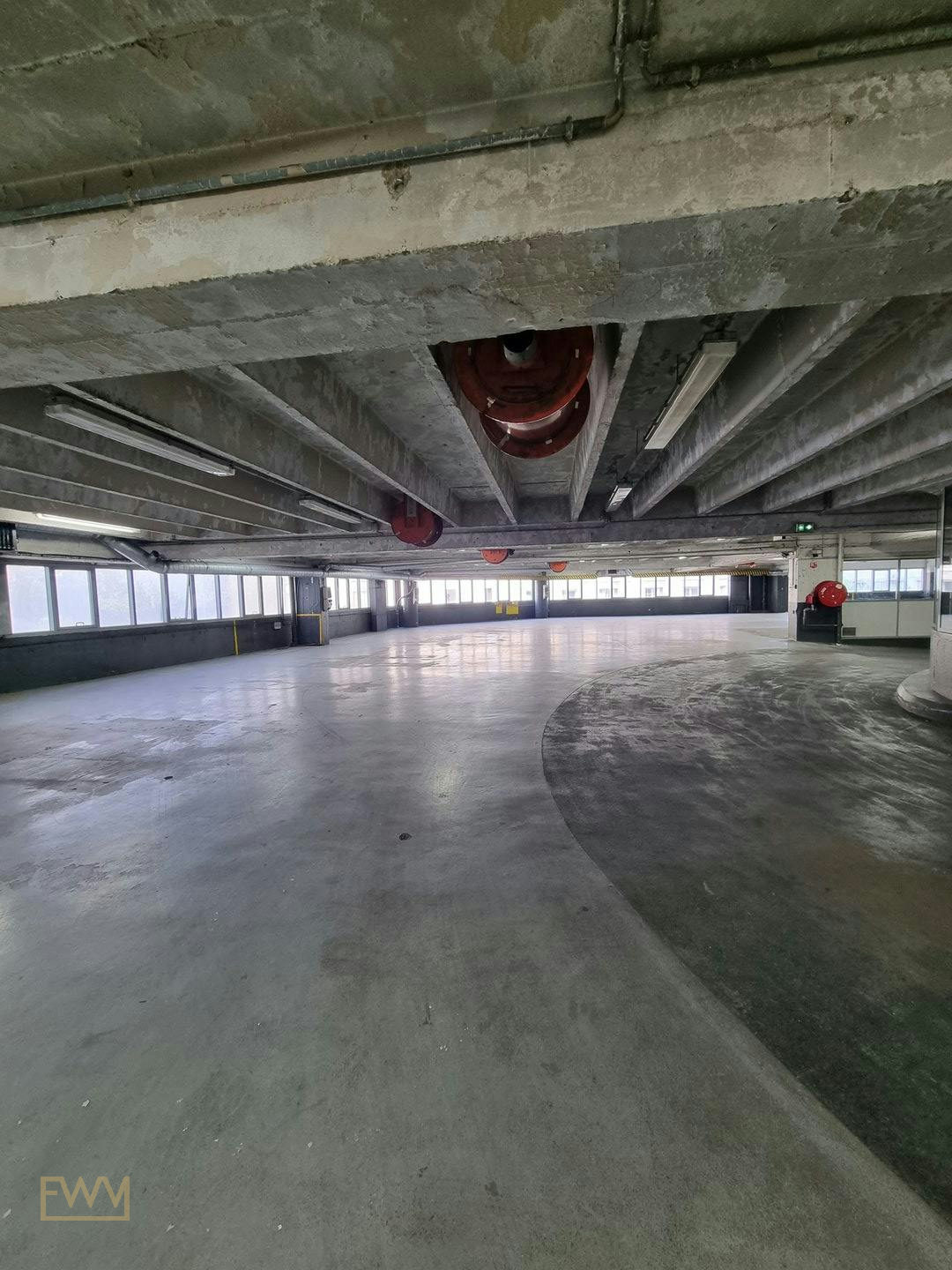
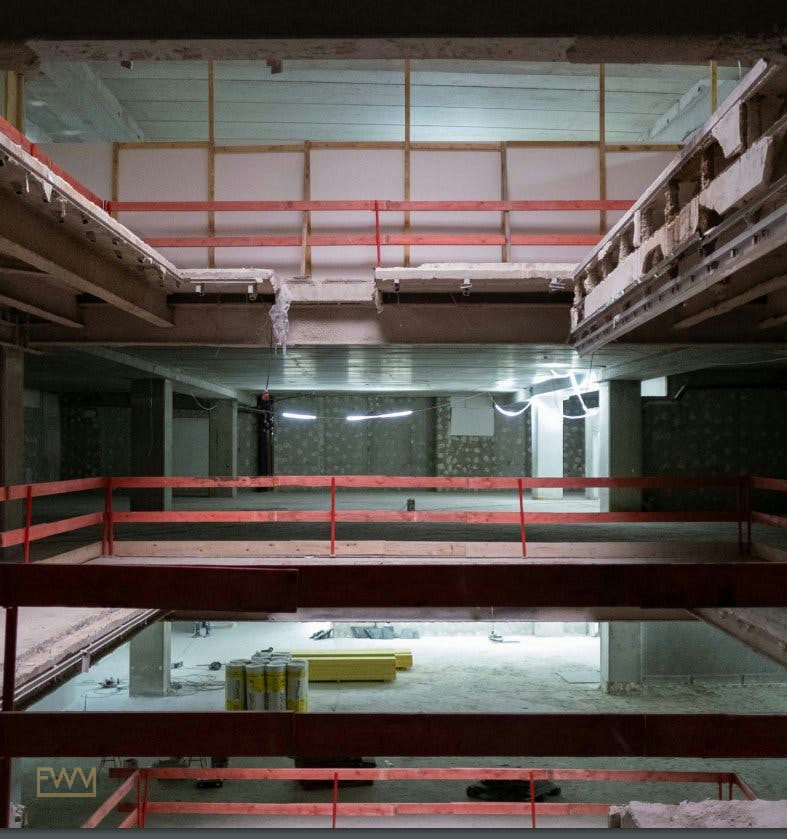
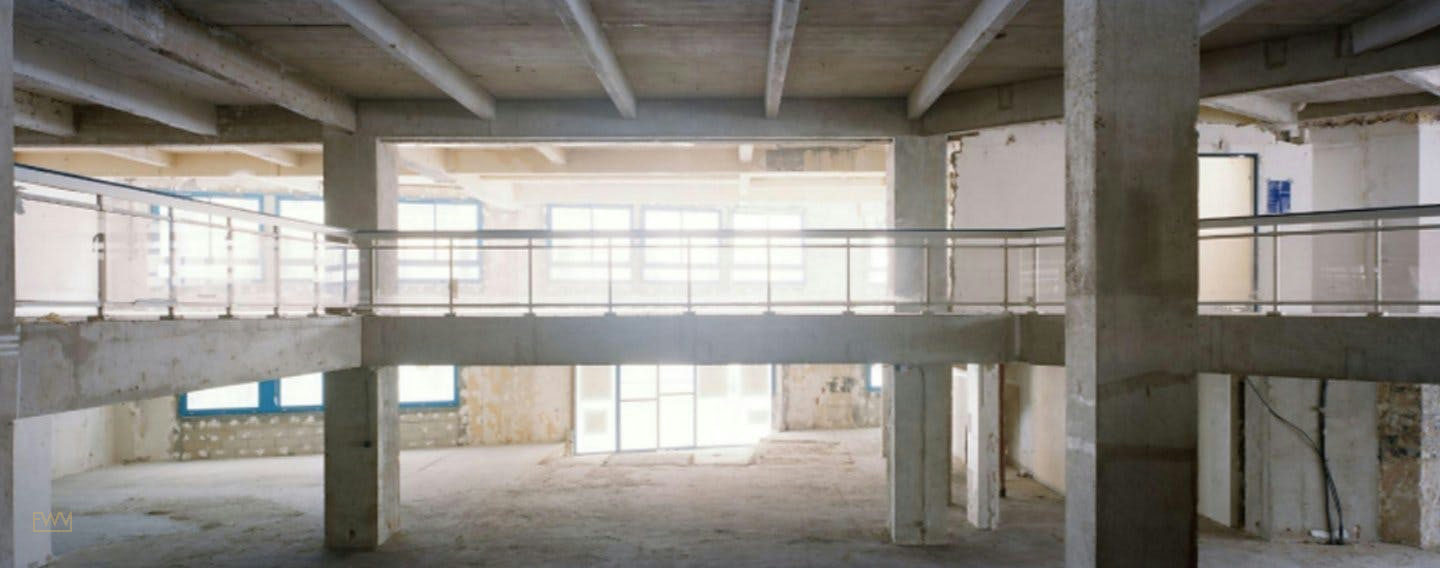
The fit-out and production budget for a Paris Fashion Week activation depends on the starting condition of the space, the complexity of the branded store design, and the level of scenography required. A raw gallery space with white walls and polished concrete requires a different level of investment than a finished boutique with existing fixtures and strong natural light. Brands planning immersive performances or complex visual installations should budget significantly more for production than brands using a simpler display-and-rail showroom format.
Furniture rental is a cost-efficient alternative to purchasing or fabricating bespoke display furniture for a short-term activation, and many specialist agencies maintain furniture rental inventories that can be configured for different space types and brand aesthetics.
Staffing, POS, and Operational Costs
Retail staffing for a Paris Fashion Week activation requires planning both the number of staff and their specific skill sets. A showroom format requires staff who can manage buyer appointments, present the collection confidently, and handle multilingual interactions with an international trade audience. A consumer-facing pop-up store requires retail staff with strong customer service skills, knowledge of the brand's commercial range, and the ability to manage transactions efficiently using whatever POS and payments system is in place.
Insurance and Legal Costs
Paris commercial space landlords typically require proof of liability insurance before granting access to a space. International brands that do not hold French insurance policies will need to arrange cover specifically for the activation period. Legal costs associated with reviewing and negotiating the rental agreement and any permit applications should also be factored into the budget from the outset.
To understand whether a planned activation budget is realistic for a specific space type and neighbourhood, the ROI calculator on Fashion Week Venues helps brand teams model the relationship between investment and expected commercial return.
KEY TAKEAWAY: The rental rate is the starting point of a Paris Fashion Week retail budget, not the total. Brands that budget only for rent and underestimate production, staffing, insurance, and logistics costs consistently find themselves either overspending at the last minute or activating below the standard their brand positioning requires.
Budget discipline and a clear operational plan are essential, but they depend in turn on having the right agency or support infrastructure in place. This brings us to how Fashion Week Venues specifically helps brands navigate the entire process.
How Fashion Week Venues Helps Brands Find and Activate Paris Retail Space
Fashion Week Venues operates as both a curated space marketplace and a full-service activation agency, with Paris as its primary and most developed market. For brands at any stage of the planning process, from initial space search through to post-activation analytics, Fashion Week Venues provides structured support that addresses the specific challenges of the Paris Fashion Week retail market.
The brand teams that benefit most from working with Fashion Week Venues are international brands entering Paris for the first time, brands that have previously worked through general real estate brokers and found the process unsuitable for short-term fashion activations, brands that need a single partner to manage both the space and the activation rather than coordinating multiple vendors independently, and brands that have a clear creative vision but need production expertise to realise it within a compressed Paris Fashion Week timeline.
Space Marketplace and Venue Sourcing
The Fashion Week Venues space marketplace provides curated listings of temporary retail spaces across Paris and other major fashion capitals. Listings are organised by space type, neighbourhood, size, features, and availability, allowing brand teams to search by the criteria that matter most to their brief. The marketplace is designed specifically for fashion-week-context activations, which means the spaces listed are already evaluated for their suitability for showrooms, pop-ups, and brand events rather than for long-term commercial occupancy.
For brands that need more than a listing platform, the venue sourcing service provides a managed search process where a specialist identifies, shortlists, and negotiates spaces based on a detailed brand brief. This is particularly valuable for brands targeting premium spaces in the Marais or the 1st arrondissement where the best inventory is often secured through existing relationships rather than public search.
Concept, Design, and Production
Fashion Week Venues provides concept and creative direction for brands that need to develop the scenography and spatial narrative of their activation as well as sourcing the space. This service is particularly relevant for brands presenting a new collection for the first time in Paris and wanting to ensure that the spatial environment reinforces rather than contradicts the brand identity and collection story.
The production and build service manages the physical realisation of the branded space from fit-out through to strip-out, including all coordination with the building and its management, logistics and storage arrangements, technical installations, and reinstatement of the space at the end of the activation period.
Staffing, POS, and Activation Management
For brands that need operational support during the live activation period, Fashion Week Venues provides retail staffing, POS and payments setup, and on-site activation management. These services are designed to allow the brand team to focus on their creative and commercial priorities during Fashion Week while operational details are managed by an experienced on-site team.
Tools for Planning and Decision-Making
Fashion Week Venues offers a suite of planning tools that brand teams can use independently at any stage of the process. The timeline tool helps teams map out the full sourcing and activation sequence against the fashion calendar. The permits tool provides structured guidance on the authorisation requirements for different space types and activation formats in Paris. The compare tool allows side-by-side evaluation of shortlisted spaces. The locator tool maps available spaces by neighbourhood. Together, these tools provide a planning infrastructure that is not available from general commercial real estate platforms.
For brands considering a shared or co-activation format to reduce costs, the Twin concept provides a structured framework for two complementary brands to share a space and costs while maintaining individual brand integrity within a shared activation environment.
IMPORTANT: Fashion Week Venues does not guarantee the availability of specific spaces, permit approvals, or activation outcomes. Space availability is subject to market conditions, and permit requirements must be verified on a case-by-case basis. Brands are strongly encouraged to begin the sourcing process as early as possible to maximise their options.
KEY TAKEAWAY: Fashion Week Venues combines a curated space marketplace with a full-service agency capability, allowing brands to engage at whatever level of support matches their needs and experience level. The tools and services are specifically designed for the Paris Fashion Week retail market, not for general commercial real estate transactions.
Understanding the full range of support available sets the foundation for a well-structured approach. But before making any final decision, brand teams should also understand some of the most persistent misconceptions about renting retail space in Paris during Fashion Week.
Design, Scenography, and the Architecture of Paris Fashion Week Spaces
The physical character of a space shapes the entire creative output of a Fashion Week activation. Paris offers an extraordinary range of architectural environments, from grand Haussmann townhouses with parquet floors and ornate plasterwork to raw industrial warehouses, glass-roofed atrium buildings, and intimate pre-Revolutionary courtyards. Understanding what each architectural type offers creatively and operationally helps brands make better space choices and build stronger activations.
Quick answer: Paris Fashion Week spaces are architecturally diverse. The most sought-after formats combine natural light from large windows or glass roofs, flexible floor plans that can be configured for both presentation and trading, and neutral surfaces that provide a backdrop for brand scenography without competing with it visually.
Natural Light and Spatial Hierarchy
Natural light is one of the most consistently requested features in Paris Fashion Week showroom and pop-up briefs. Collections that are designed to be seen in natural daylight read differently under artificial lighting, and the quality of light in a space directly affects how products are photographed and experienced by press and buyers. Spaces with large windows facing south or west, glass roofs, or internal atrium arrangements are consistently in highest demand and book earliest in the calendar.
Spatial hierarchy refers to the organisation of a space around primary and secondary zones. A good showroom or pop-up space has a clear entry sequence, a primary presentation zone with sufficient volume and ceiling height for the brand's intended installation, and secondary zones for storage, meetings, or staff operations. Brands that fail to audit a space's spatial hierarchy before booking often find that the layout does not support the activation format they planned.
Scenography and Branded Store Design
Scenography is the discipline of designing a spatial experience that communicates a brand narrative. In the context of a Paris Fashion Week activation, scenography encompasses everything from the entry gesture and the treatment of walls and floors to the selection and arrangement of display furniture, lighting design, materials, and the integration of digital or experiential elements. Strong scenography transforms a rented space into an owned brand environment, creating the context in which a collection is best understood.
The relationship between the architectural character of the space and the brand's scenography concept should be resolved before the space is booked, not after. A brand with a strongly industrial aesthetic may struggle to activate meaningfully in a delicate Haussmann apartment, just as a heritage brand with classical visual references may find a raw warehouse space working against rather than for its narrative.
Storage, Logistics, and Back-of-House Requirements
One of the most overlooked aspects of space selection for Paris Fashion Week activations is back-of-house functionality. Showrooms require storage for packaging, brand collateral, and stock rotation. Pop-up stores need secure stock storage, staff changing areas, and a functional back-of-house operation. Spaces that look beautiful in photographs but have no back-of-house provision create serious operational problems during live activation periods, particularly in compressed Fashion Week formats where there is no time to improvise.
TIP: Always ask specifically about storage capacity, loading access, waste disposal arrangements, and Wi-Fi infrastructure when evaluating a Paris Fashion Week space. These practical details are rarely prominent in listings but are critical to operational success.
KEY TAKEAWAY: The architecture of a Paris Fashion Week space is both a creative asset and an operational constraint. Choosing a space that aligns with your scenography concept, supports your operational requirements, and provides the right natural light and spatial hierarchy is as important as choosing the right neighbourhood or securing the right rental rate.
Security, Platform Trust, and Navigating Space Listing Systems
When brands search for Paris retail space online, they encounter a range of platforms with different levels of curation, verification, and user experience. Understanding the landscape of available platforms, including their strengths, limitations, and the security and verification systems they operate, helps brand teams make better sourcing decisions and avoid wasting time on poorly curated or unreliable listings.
Quick answer: Not all space listing platforms are equally suitable for Paris Fashion Week retail sourcing. General commercial real estate platforms are primarily designed for long-term leases and their short-term Fashion Week inventory is limited. Specialist fashion and pop-up platforms offer more relevant inventory and better-matched terms, but brands should verify that listings are current, accurately described, and held by legitimate landlords before proceeding.
Understanding Platform Security and Verification
Several popular commercial real estate platforms, including LoopNet and CoStar, operate behind login walls with password protection, terms of use requirements, and saved searches functionality. These platforms are valuable for certain commercial real estate searches but are primarily designed for long-term investment properties and commercial leases rather than the short-term, event-driven rental model that Fashion Week activations require.
Some users encounter automated security systems on commercial real estate platforms, including web application firewalls such as Tiger Protect WAF or Cloudflare-based security services. These systems are designed to distinguish legitimate users from automated bots by presenting browser-based verification challenges. If a brand team member encounters a security block on a platform while searching for Paris retail space, this is typically a platform-level security response to unusual browsing patterns or automated access attempts, not an indication of a problem with the search query itself. The resolution typically involves completing a browser verification process or contacting the site owner for access.
For Fashion Week-specific space searches, platforms that are purpose-built for short-term retail and event space tend to have fewer access barriers, more relevant inventory, and support teams who understand the specific requirements of fashion brand activations.
Curated Listings vs Open Marketplaces
A curated space listing platform vets the spaces it lists against minimum standards for quality, accuracy, and landlord reliability. This curation reduces the risk of brands committing time to spaces that do not match their descriptions, are not genuinely available for the requested dates, or are held by landlords without the authority to let them. Open commercial real estate marketplaces list all available inventory without curation, which means the brand team bears the full burden of verifying each space's suitability.
For Paris Fashion Week activations, where time is limited and the cost of a failed space search can be significant, working with a curated platform or a specialist agency that has already verified the quality and availability of its listed spaces is consistently more efficient than searching broad open marketplaces.
Setting Up Alerts and Managing Space Searches Effectively
Brands searching for Paris Fashion Week retail space on any platform should set up saved searches with email alerts for new listings matching their criteria. The Paris temporary retail market moves quickly, particularly in the months immediately before each Fashion Week window, and spaces that appear on a listing platform may be secured within days of becoming available. Proactive alert-based searching, combined with a clear brief and the authority to move quickly, is the most effective approach to capturing the best available inventory.
KEY TAKEAWAY: The platform or channel through which you source a Paris Fashion Week retail space directly affects the quality, relevance, and reliability of the options you find. Specialist fashion and pop-up space platforms with curated inventories and dedicated support are better suited to Fashion Week sourcing than general commercial real estate platforms designed for long-term lease transactions.
Common Myths About Renting Retail Space in Paris for Fashion Week
MYTH: You need a French legal entity to rent a retail space in Paris during Fashion Week.
FACT: Many Paris landlords and specialist agencies work with international brands that do not have a French registered company. Short-term occupancy agreements and licence arrangements can be structured for foreign entities, though the specific terms and requirements vary by landlord, space type, and duration. Working with a specialist agency that has established landlord relationships significantly reduces the practical barriers for international brands entering the Paris market. However, requirements vary and brands should verify their specific situation with a French legal advisor before signing any agreement.
MYTH: Paris Fashion Week in late February and early March is the only viable calendar window for a retail activation.
FACT: Paris hosts multiple Fashion Week windows throughout the year, including Men's Fashion Week and Haute Couture Week in January, and additional showroom seasons in June and July for menswear and couture. Each window attracts a distinct trade and press audience, and for some brands the January or June windows are more strategically aligned with their buyer calendar and collection schedule than the February ready-to-wear window. Evaluating all available calendar windows before committing to a specific week can result in better space availability and more appropriate audience alignment.
MYTH: The only way to find a pop-up space in Paris is through a commission-based broker.
FACT: Specialist pop-up and short-term retail platforms, as well as full-service agencies, offer space access without the traditional commission-based broker model. These channels are often better suited to Fashion Week activations because they understand the specific requirements of short-term fashion formats, including the need for flexible terms, fast turnaround, and landlords who are experienced with brand activations. Commission brokers focused on standard commercial leases frequently lack the market knowledge or landlord relationships relevant to Fashion Week-scale short-term rentals.
MYTH: Short-term leases in Paris are legally straightforward and do not require specialist legal advice.
FACT: French commercial lease law is complex and the specific legal instruments used for short-term retail activations, including the bail dérogatoire and various forms of convention d'occupation précaire, each have distinct implications for both tenant and landlord. The consequences of using the wrong legal instrument or failing to properly document the short-term nature of an agreement can include unintended lease renewal obligations or enforcement actions. Brands operating in Paris for Fashion Week activations should always verify their legal position with a qualified French legal advisor, regardless of how simple the rental appears to be.
MYTH: Any Parisian space listed for events can be used for retail trading during Fashion Week.
FACT: The permitted use classification of a commercial space in Paris has direct legal implications for the activities that can take place within it. A space classified for cultural or event use is not automatically authorised for retail trading, which requires a commercial use classification. Operating retail activity in a space not classified for commercial use can result in enforcement action by local authorities. Verifying the permitted use of any space before committing to a retail activation is essential, and a specialist agency or legal advisor should confirm this as part of the due diligence process.
Frequently Asked Questions
What is the best neighbourhood to rent a retail space or showroom during Paris Fashion Week?
Le Marais, spanning the 3rd and 4th arrondissements, is consistently the most in-demand area for Fashion Week showrooms and pop-up stores, due to its concentration of gallery spaces, high international foot traffic, and strong cultural associations with fashion and design. The Rue Saint-Honoré corridor in the 1st arrondissement is the preferred address for luxury and haute couture brands. The best neighbourhood for any individual brand depends on its positioning, target audience, and the specific Fashion Week window it is targeting. Saint-Germain-des-Prés is well suited to lifestyle and design-forward brands, while Sentier appeals to contemporary and streetwear formats.
How far in advance should a brand book a retail space or showroom for Paris Fashion Week?
For premium spaces in Le Marais and the 1st arrondissement, brands should aim to begin the sourcing process three to six months before their target activation dates. The best spaces in high-demand neighbourhoods are secured early, particularly for the main ready-to-wear Fashion Week window in late February and early March. Brands that begin their search with less than two months to go will find reduced options and higher rates in their preferred zones. Beginning early also allows adequate time for permit applications, fit-out planning, and staffing arrangements.
Is it possible to rent a Paris showroom or pop-up space for only a few days?
Yes. Most short-term retail and showroom rentals in Paris during Fashion Week are arranged for periods of three to seven days, which aligns with the concentrated appointment schedules of trade buyers and press during the fashion calendar. Some spaces are available for single-day rental formats, though landlords often prefer minimum booking periods during peak Fashion Week windows due to high demand. Brands should confirm minimum booking periods with each specific space or landlord, as they vary significantly across the market.
Are rental rates higher during Paris Fashion Week than at other times of year?
Yes. Rental rates for temporary retail and showroom spaces in Paris are consistently higher during Fashion Week windows than during the rest of the year. This premium reflects the concentrated international demand from brands competing for limited premium inventory during a narrow calendar window. The size of the premium varies by neighbourhood, space type, and the specific Fashion Week week, with the main ready-to-wear window typically commanding the highest premiums. For directional budget estimates specific to your target space and week, the budget estimation tool on Fashion Week Venues provides a structured approach.
Do I need a French legal entity to rent a pop-up space in Paris?
Not necessarily. Many Paris landlords and specialist agencies work with international brands that are not registered in France. Short-term occupancy agreements and licence arrangements can often be structured for foreign entities. However, the specific requirements vary by landlord, space type, and the duration of the rental, and some landlords do require a French registered company or a French guarantor. Brands entering Paris for the first time should verify their specific legal position with a French legal advisor and work with a specialist agency that has established relationships with landlords accustomed to international brand activations.
What is a bail dérogatoire and does it apply to Fashion Week retail spaces?
A bail dérogatoire is a specific form of short-term commercial lease in France that explicitly derogates from the standard commercial lease statute, which would otherwise grant significant renewal rights to the tenant. It can be used for periods of up to three years and must be explicitly agreed by both parties in writing. For Fashion Week activations lasting a few days to a few weeks, a simpler convention d'occupation précaire or licence agreement may be more appropriate than a bail dérogatoire. The specific instrument used depends on the landlord, the space, and the duration. Brands should verify their specific situation with a qualified French legal advisor. The permits tool on Fashion Week Venues provides additional guidance on legal frameworks for Paris activations.
What does a Paris Fashion Week retail activation typically cost in total?
Total activation costs include space rental, fit-out and production, branded store design, furniture rental, retail staffing, POS and payments setup, insurance, permit costs, logistics and storage, and any marketing or influencer activation costs. Space rental is typically only one part of the total investment. The relative proportion of each cost component varies significantly based on the space type, the complexity of the activation, and the number of live days. Brands should build a full-cost budget from the outset rather than planning around the rental rate alone. The budget calculator tool on Fashion Week Venues provides a structured approach to estimating total activation costs.
What is the difference between a showroom and a pop-up store for Paris Fashion Week?
A showroom is a controlled, appointment-based environment designed primarily for trade buyers and press, where the collection is presented in depth and commercial decisions such as wholesale orders are made. A pop-up store is a consumer-facing temporary retail operation open to the public, designed to generate sales and brand awareness alongside the Fashion Week calendar. Many brands operate both formats simultaneously, using a showroom for trade appointments during the day and a pop-up store for consumer engagement in the evenings or in a separate adjacent space. The choice depends on the brand's commercial model and its primary objectives for the Paris window.
Can international brands without Paris experience manage a Fashion Week activation independently?
It is technically possible but practically challenging for brands without prior Paris experience to manage all elements of a Fashion Week activation independently. The complexities of French commercial property law, permit requirements, local supplier relationships, fit-out logistics, staffing sourcing, and the compressed timeline of the fashion calendar combine to create significant risk for teams operating without local expertise. Working with a specialist agency for at least the space sourcing, legal, and production elements significantly reduces that risk. The guides section on Fashion Week Venues and the agency hiring guide provide additional context for making this decision.
What security or insurance requirements do Paris landlords typically require from pop-up tenants?
Paris commercial landlords typically require proof of public liability insurance, and in many cases property damage insurance, before granting access to a space. International brands that do not hold French insurance policies will need to arrange cover specifically for the activation period. Some landlords also require a deposit equivalent to one to four weeks of rental value as security against damage or non-payment. The specific requirements vary by landlord and space type, and all insurance and security deposit requirements should be confirmed in writing as part of the rental agreement negotiation.
Are there specific permit requirements for pop-up stores facing the street in Paris?
Yes. Pop-up stores and brand activations that involve street-facing signage, external displays, or any occupation of public space adjacent to the rented premises typically require an autorisation d'occupation temporaire (AOT) from the relevant local authority. The requirements for AOT applications vary by arrondissement and by the nature and scale of the street-facing element. Brands planning any external presence should factor permit lead times into their overall timeline. Requirements vary by location and should be verified with a French legal advisor. The permits tool on Fashion Week Venues provides a structured framework for understanding what is required for different activation types.
What are the most important features to look for in a Paris Fashion Week showroom space?
The most important features vary by brand and format, but consistently high-priority criteria include natural light from large windows or a glass roof, ceiling height sufficient for the planned installation, a flexible open floor plan that can be configured for the specific collection presentation, neutral surfaces that provide a background for brand scenography, adequate back-of-house storage, reliable Wi-Fi infrastructure, and a neighbourhood with strong foot traffic from the target audience. For luxury brands, the architectural distinction and address prestige of the space are additional high-priority criteria that directly affect press and buyer perception of the brand's Paris presence.
Can a brand use a Paris pop-up or showroom space for product launches and immersive events as well as retail?
Yes. Many Paris Fashion Week activations combine multiple formats within a single space over the course of the activation period: a press and media launch event on the first day, buyer appointments throughout the week, consumer-facing retail trading in the evenings, and a closing event for the brand's VIP clientele. The ability to structure a space for multiple formats depends on its size, layout, and permitted uses. Brands planning multi-format activations should confirm that all intended uses are permitted under the rental agreement and any applicable planning or commercial use classification for the space.
What is the Twin concept on Fashion Week Venues and is it suitable for Paris Fashion Week?
The Twin concept is a co-activation framework offered by Fashion Week Venues that allows two complementary brands to share a space and costs while maintaining individual brand integrity within a shared activation environment. It is well suited to Paris Fashion Week activations where two brands with aligned aesthetics and target audiences want to maximise their presence and minimise their individual costs. The Twin format can be applied to both showroom and pop-up store configurations and is particularly relevant for emerging brands for whom the full cost of an independent Paris Fashion Week space may be a significant investment.
How do I start the process of finding a retail space in Paris for Fashion Week?
The most effective starting point is to define a clear internal brief covering your target Fashion Week window, preferred neighbourhood, required size and space type, budget range, activation format, and build and strip-out dates. With that brief in hand, you can search the curated space marketplace on Fashion Week Venues, use the locator and compare tools to evaluate options, and submit a brief to the venue sourcing team if you want managed support. The earlier you begin this process relative to your target dates, the wider your options and the stronger your negotiating position with landlords in high-demand neighbourhoods such as Le Marais and the 1st arrondissement.
Conclusion: Securing the Right Paris Fashion Week Retail Space Starts With a Clear Strategy
Retail space for rent during Paris Fashion Week represents one of the most competitive and consequential short-term real estate decisions any fashion brand will make. The Paris market rewards early action, deep local knowledge, and a clear strategic brief. From the high-prestige corridors of Rue Saint-Honoré and Place Vendôme to the gallery-dense streets of Le Marais and the culturally rich neighbourhoods of Saint-Germain-des-Prés, Paris offers an unmatched range of temporary retail environments for brands at every level of scale and ambition.
Success in this market requires more than finding an available space. It requires matching the right space type to the right activation format, understanding the legal and permit framework before signing any agreement, building a realistic total-cost budget that accounts for fit-out, staffing, insurance, and logistics as well as rental, and managing the compressed Fashion Week timeline with precision. Brands that approach Paris Fashion Week retail space as a strategic activation rather than a room-booking exercise consistently achieve stronger commercial outcomes, better press coverage, and more lasting brand recognition in the market.
Fashion Week Venues supports brand teams at every stage of this process, from initial space search and permit guidance through to concept direction, production, staffing, and post-activation analytics. Whether you are presenting in Paris for the first time or refining an established Fashion Week presence, the combination of a curated marketplace, specialist agency services, and practical planning tools provides a comprehensive foundation for a well-executed activation.
To move from research to activation, start exploring available spaces on the Fashion Week Venues marketplace and build a focused brief for your target neighbourhood, space type, and calendar window.