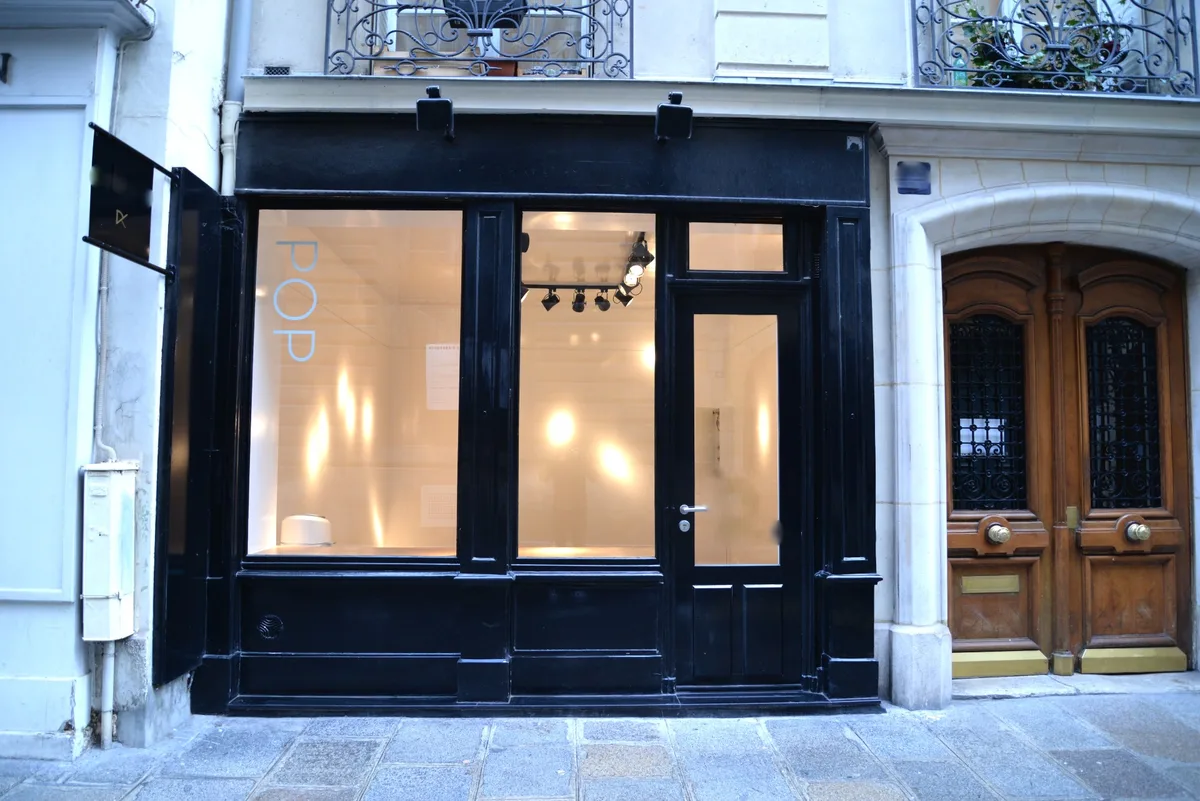
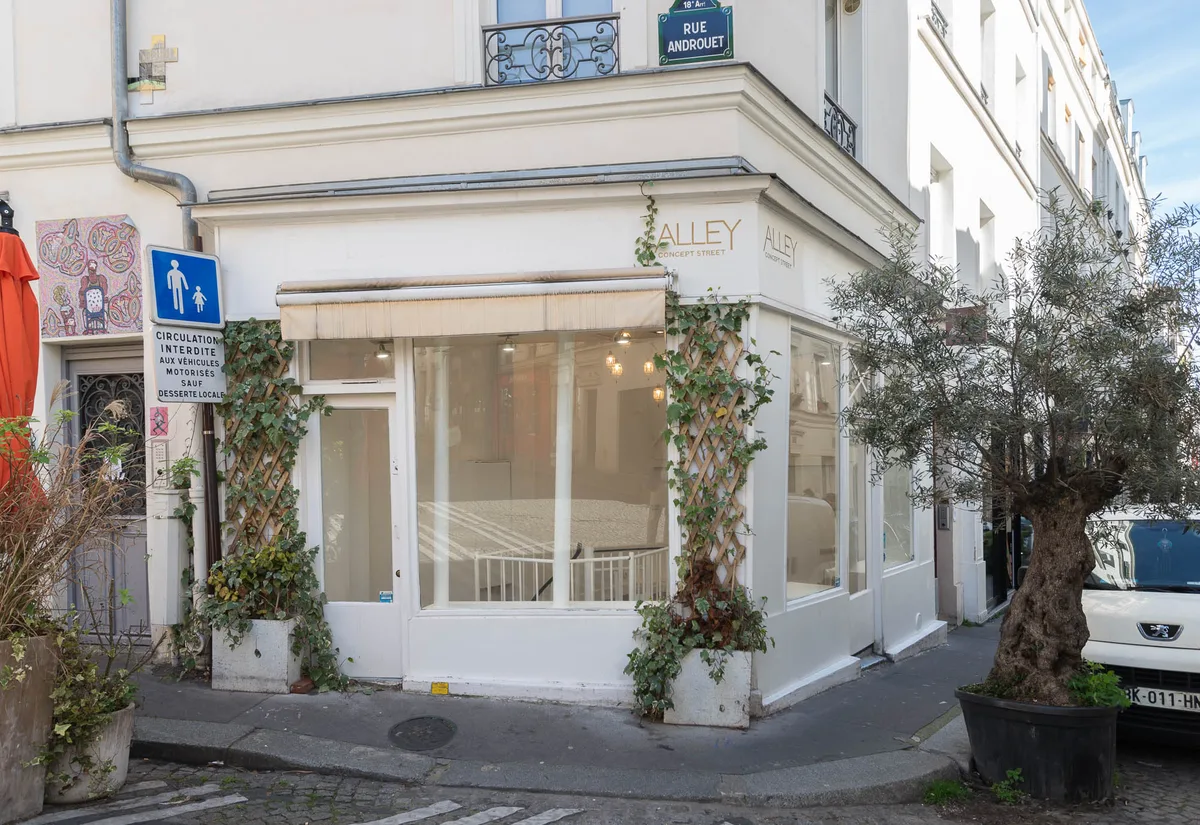
Short term retail in Bastille is one of the most compelling opportunities available to fashion brands, concept labels, and international retailers seeking a high-footfall, culturally rich location in Paris. The Bastille neighbourhood, stretching across the 11th and 12th arrondissements and bordering Le Marais, offers a dense concentration of independent boutiques, creative consumers, tourist flow, and a neighbourhood character that few Parisian districts can replicate. From converted lofts with exposed stone and parquet floors to Viaduc des Arts ateliers and characterful ground-floor storefronts on busy streets, the retail canvas here is genuinely diverse. Fashion Week Venues supports brands planning pop-up spaces in Paris with end-to-end sourcing, production, activation, and compliance guidance, making Bastille a practical and achievable target for both emerging labels and global brands.
Why Bastille Is One of the Most Compelling Short Term Retail Locations in Paris
Quick answer: Bastille offers a rare mix of high foot traffic, creative neighbourhood identity, strong tourist draw, proximity to Le Marais and the Latin Quarter, excellent public transportation access, and a wide range of flexible retail spaces. For short-term leases, this combination makes it one of the most commercially productive districts in Paris for pop-up activations and experiential brand launches.
The Bastille area sits at the intersection of several of Paris's most visited and most liveable districts. Place de la Bastille, anchored by the Colonne de Juillet and flanked by the Opéra Bastille, serves as the geographic and symbolic centrepiece. To the north and west lies Le Marais, one of the most densely trafficked shopping areas in the city. To the south-east, the Marché d'Aligre and the Viaduc des Arts along the old railway viaduct provide entirely distinct retail and cultural contexts. The Coulée Verte René-Dumont, the elevated greenway above the Viaduc des Arts, draws daily foot traffic from joggers, tourists, and local residents. Père Lachaise cemetery to the north-east, the Seine to the south, and the Boulevard Beaumarchais corridor connecting Bastille to the Marais all create a neighbourhood that is perpetually active.
For retail brands, this means that a short-term space in Bastille is rarely dependent on any single traffic source. Weekend visitors from across Paris arrive for the Marché Bastille, one of the largest and most beloved outdoor markets in the city. Weekday professionals from the 11th arrondissement creative industries form a consistent local clientele. Tourists arriving to visit Place des Vosges, just a ten-minute walk away, frequently extend their itinerary into Bastille. And during annual events such as Bastille Day, le 14 juillet, and the Fête nationale française, the neighbourhood becomes a destination for the entire city and for international visitors alike.
The restaurant and hospitality density in the area also reinforces retail dwell time. Rue de la Roquette, Rue de la Charonne, and Rue du Faubourg Saint-Antoine contain some of the highest concentrations of independent bars, pastry shops, and restaurants in Paris. Evening traffic in Bastille is substantial, which extends the commercial window for short-term retail spaces well beyond the typical afternoon peak.
Street character matters enormously for pop-up and short-term retail performance. Bastille rue passante locations, particularly along Rue du Faubourg Saint-Antoine and the streets immediately surrounding Place de la Bastille, provide the kind of natural foot traffic that advertising budgets alone cannot manufacture. Brands that align their concept and clientele with the neighbourhood's independent, creative, and culturally engaged identity tend to achieve the strongest results.
DID YOU KNOW: The Viaduc des Arts, a series of workshops and studios built beneath the arches of a former railway viaduct in the 12th arrondissement, has been home to artisans, designers, and creative retailers since the 1990s. Several of its spaces are available for short-term activation and represent one of the most architecturally distinctive settings for a pop-up or showroom in Paris.
KEY TAKEAWAY: Bastille's retail appeal derives from the intersection of heritage tourism, creative local identity, neighbourhood market culture, and strong public transportation links via multiple Metro lines. For short-term retail, it delivers multiple traffic streams simultaneously, which reduces dependence on any single source of footfall.
Understanding the space types available in Bastille is the next essential step in building an effective activation brief.
Retail Space Types Available for Short Term Leases in Bastille
Quick answer: Bastille and the surrounding 11th and 12th arrondissements offer a wide range of short-term retail formats, from ground-floor storefronts and boutique showrooms to loft spaces, industrial workshops, converted apartments, gallery-style units, and atelier spaces beneath the Viaduc des Arts. The right format depends on your brand concept, team size, budget, and activation goals.
One of the practical advantages of the Bastille neighbourhood for brands seeking short-term leases is the genuine diversity of available space types. Unlike more homogeneous commercial districts, Bastille reflects the architectural layering of Paris across several centuries, which means that the retail and commercial units available for short-term use are highly varied in character.
Ground-Floor Storefronts and In-Line Retail Locations
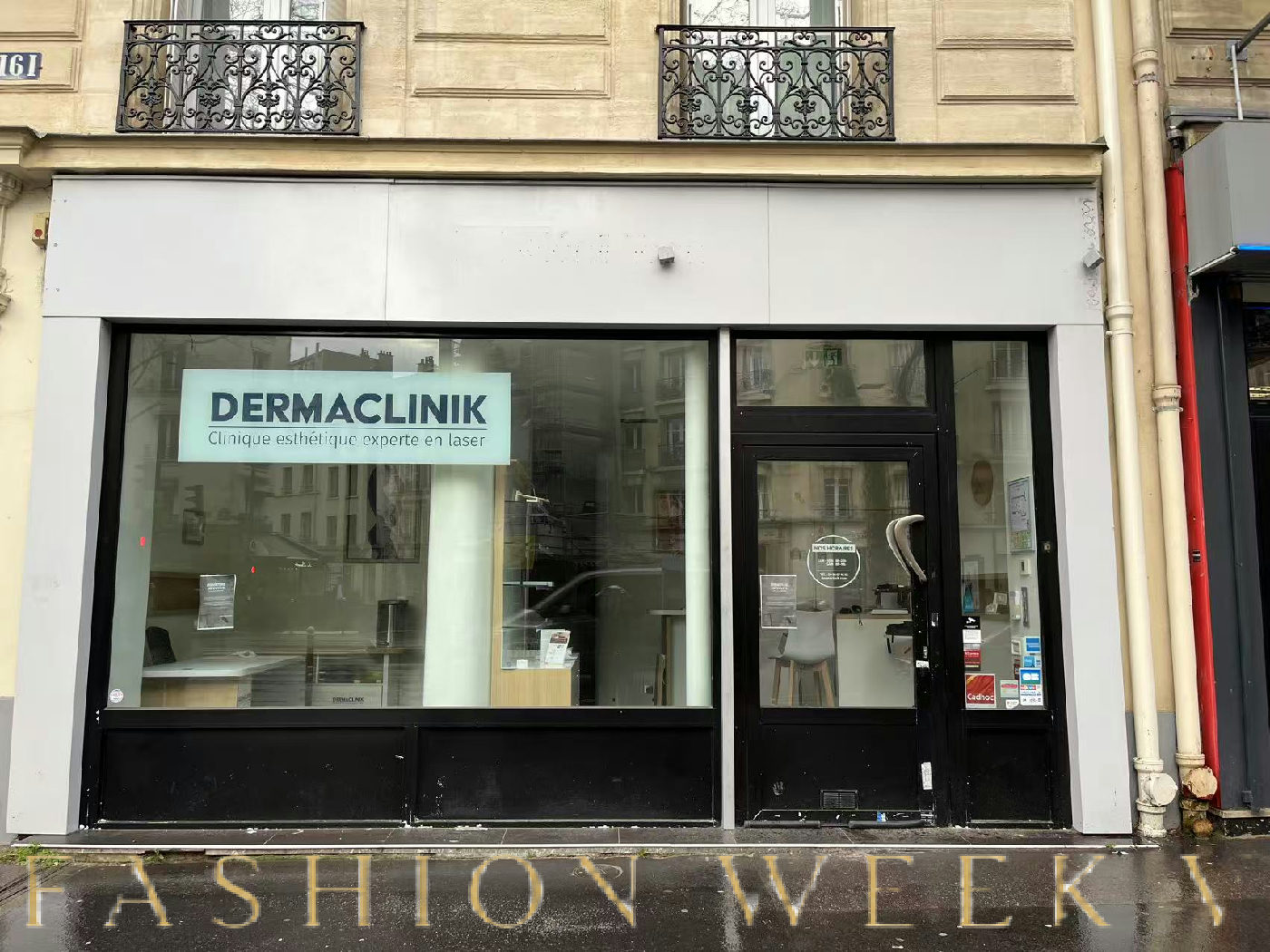
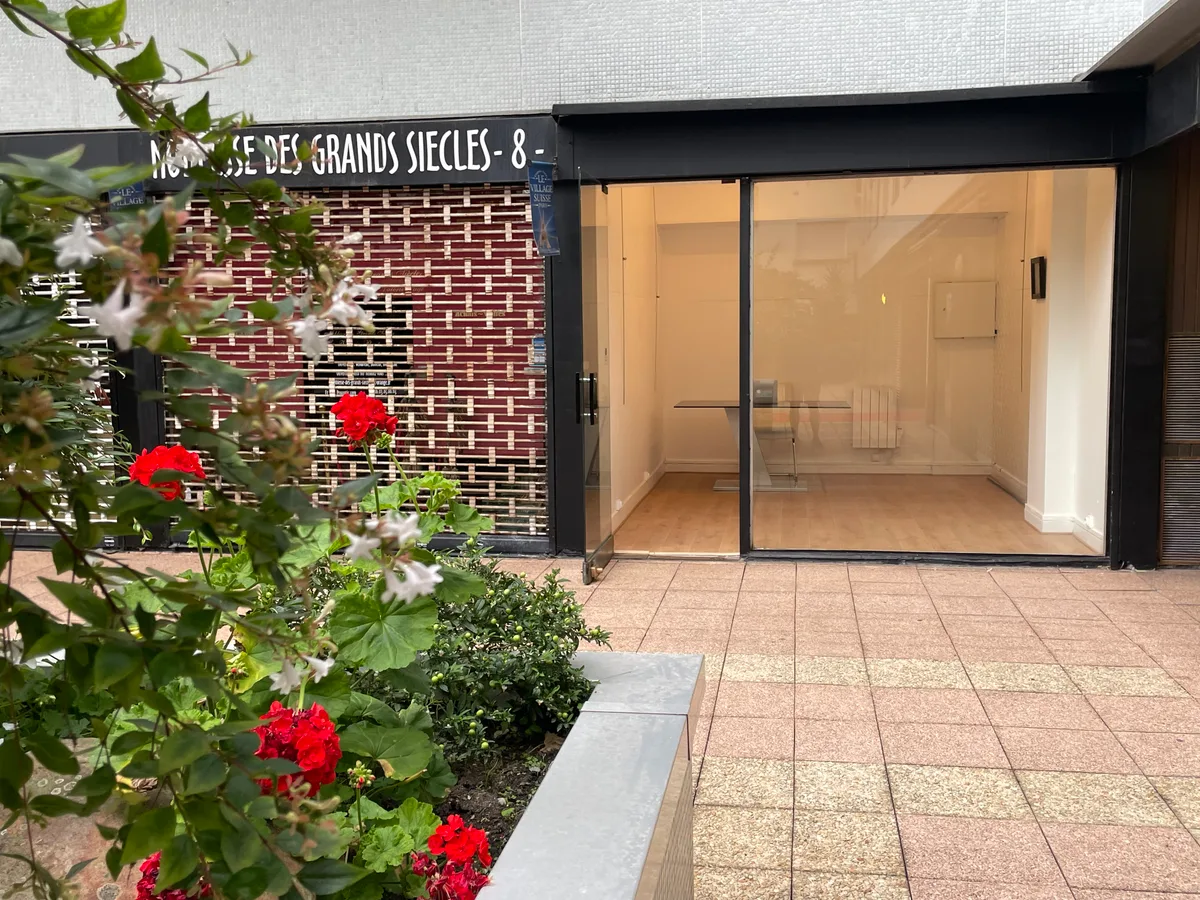
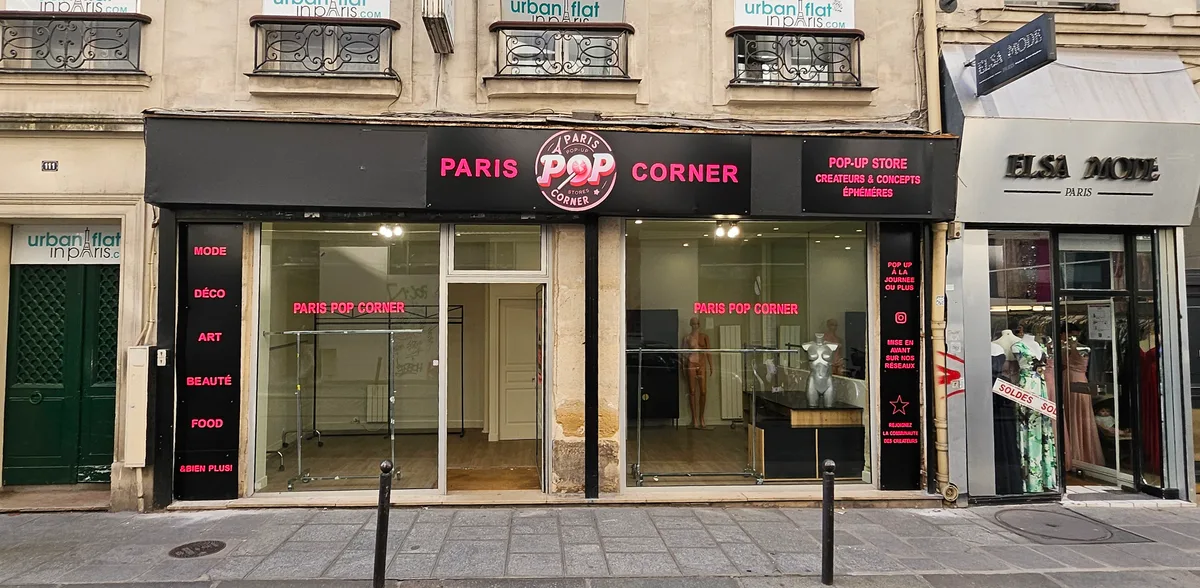
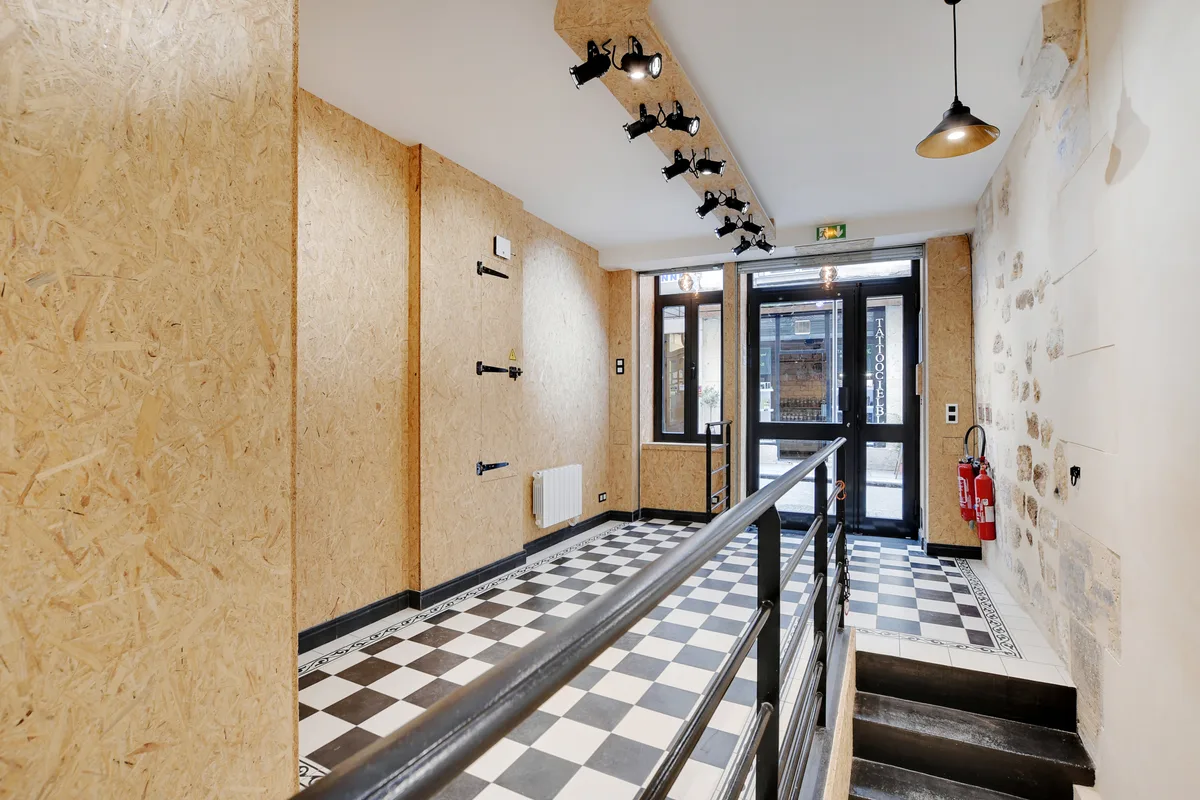
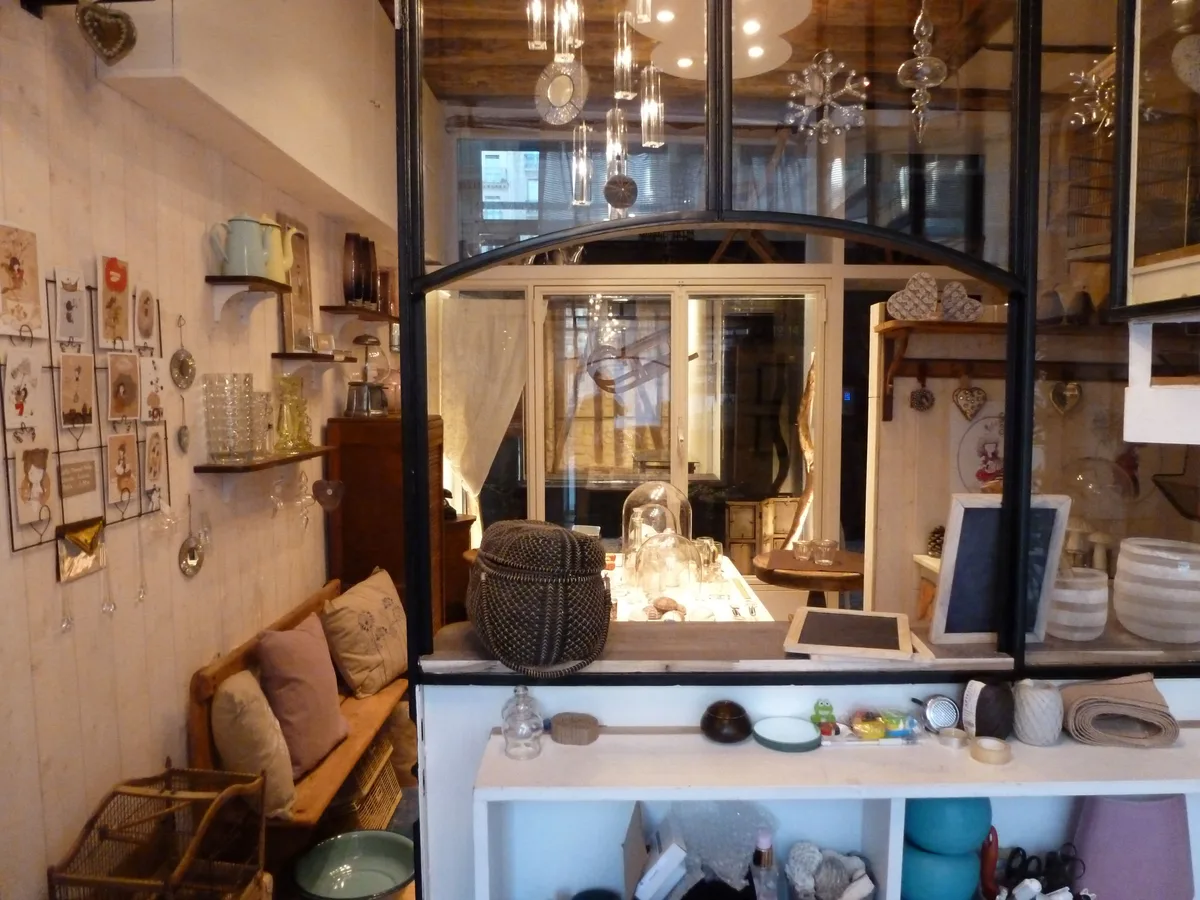
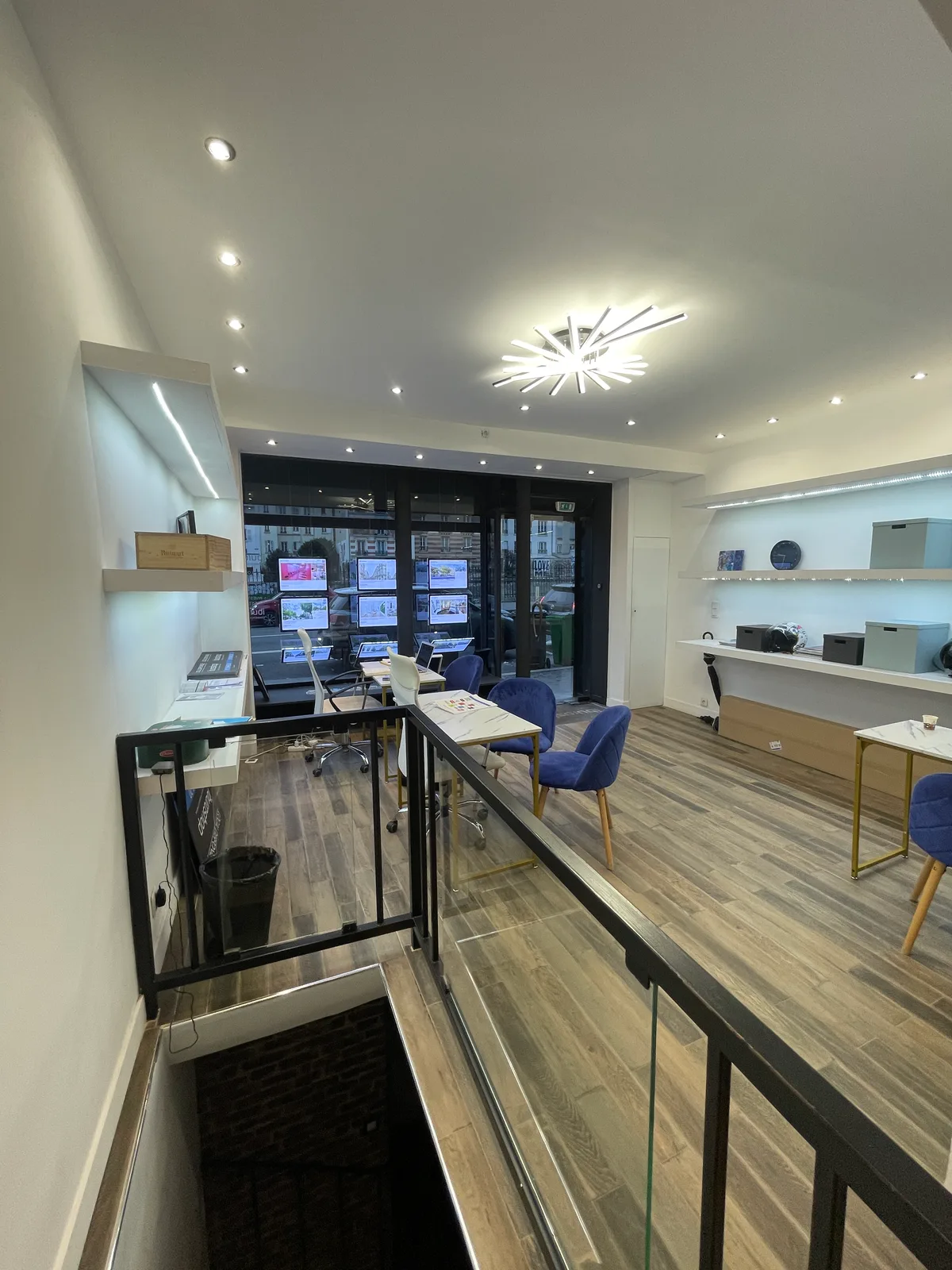
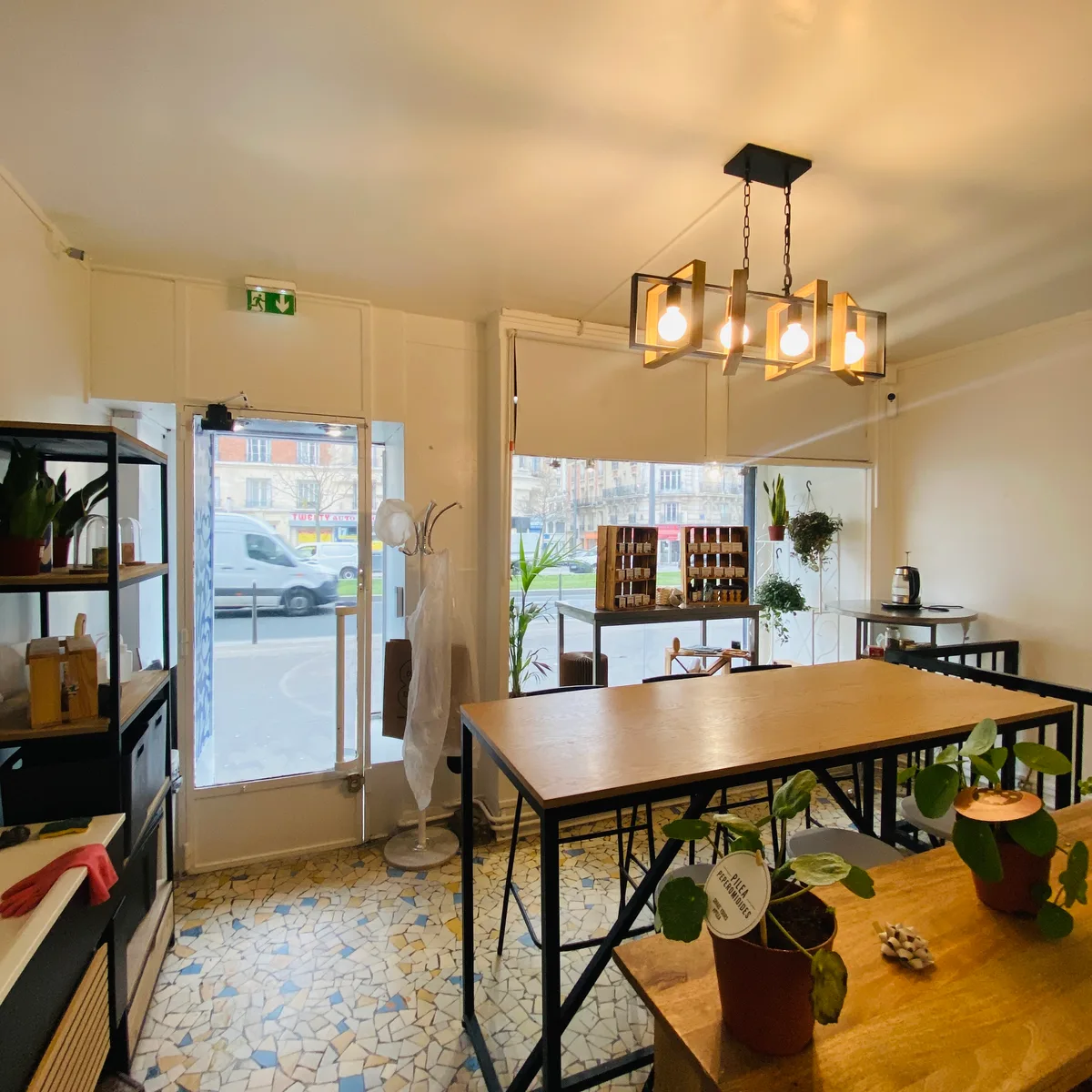
Ground-floor storefronts on the major commercial streets are the most traditional pop-up format and remain in high demand. These spaces typically offer direct street frontage, established foot traffic, and a clear retail presence. Bastille rue passante positions, particularly along Rue du Faubourg Saint-Antoine and Boulevard Beaumarchais, are well suited to fashion brands, accessories labels, and lifestyle concepts that benefit from walk-in discovery. Storefront spaces in this category often feature parquet floors, high ceilings, and period architectural detail, while others have been stripped back to raw concrete floors or exposed stone, giving them an industrial character well suited to contemporary brand aesthetics.
Boutique Showrooms and Apartment-Style Spaces
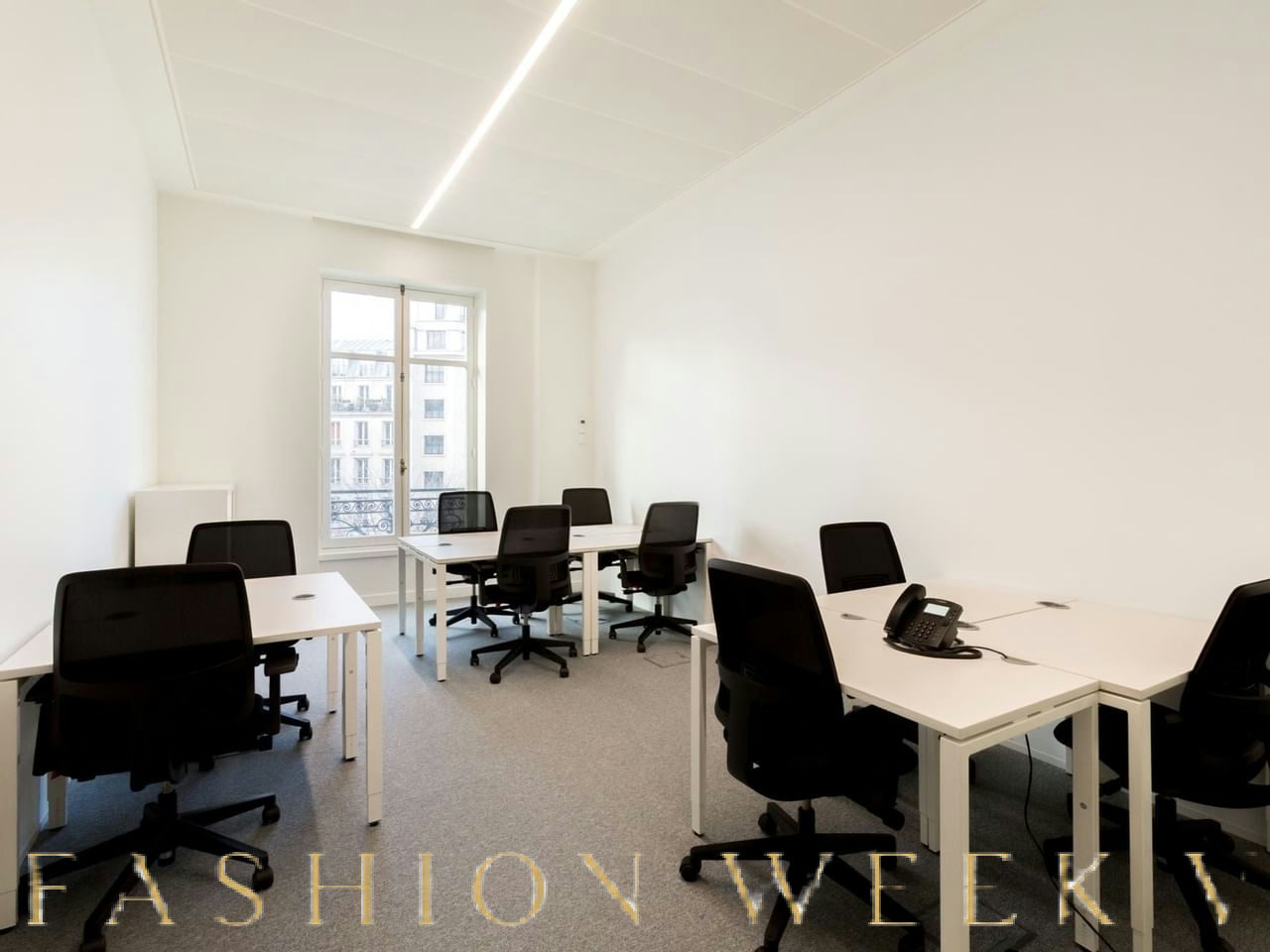
The Boutique Showroom Marais category, which extends into Bastille given the neighbourhood's geographic proximity and shared creative identity, describes smaller, more intimate spaces with residential or studio characteristics. These are particularly popular for press days, trade appointments, wholesale showrooms, and limited-edition product launches where the setting itself contributes to the brand narrative. Apartment-format spaces with exposed stone columns, original timber, and domestic proportions create an editorial quality that resonates strongly with fashion and beauty brands targeting independent boutique buyers and press.
Loft and Industrial Workshop Spaces
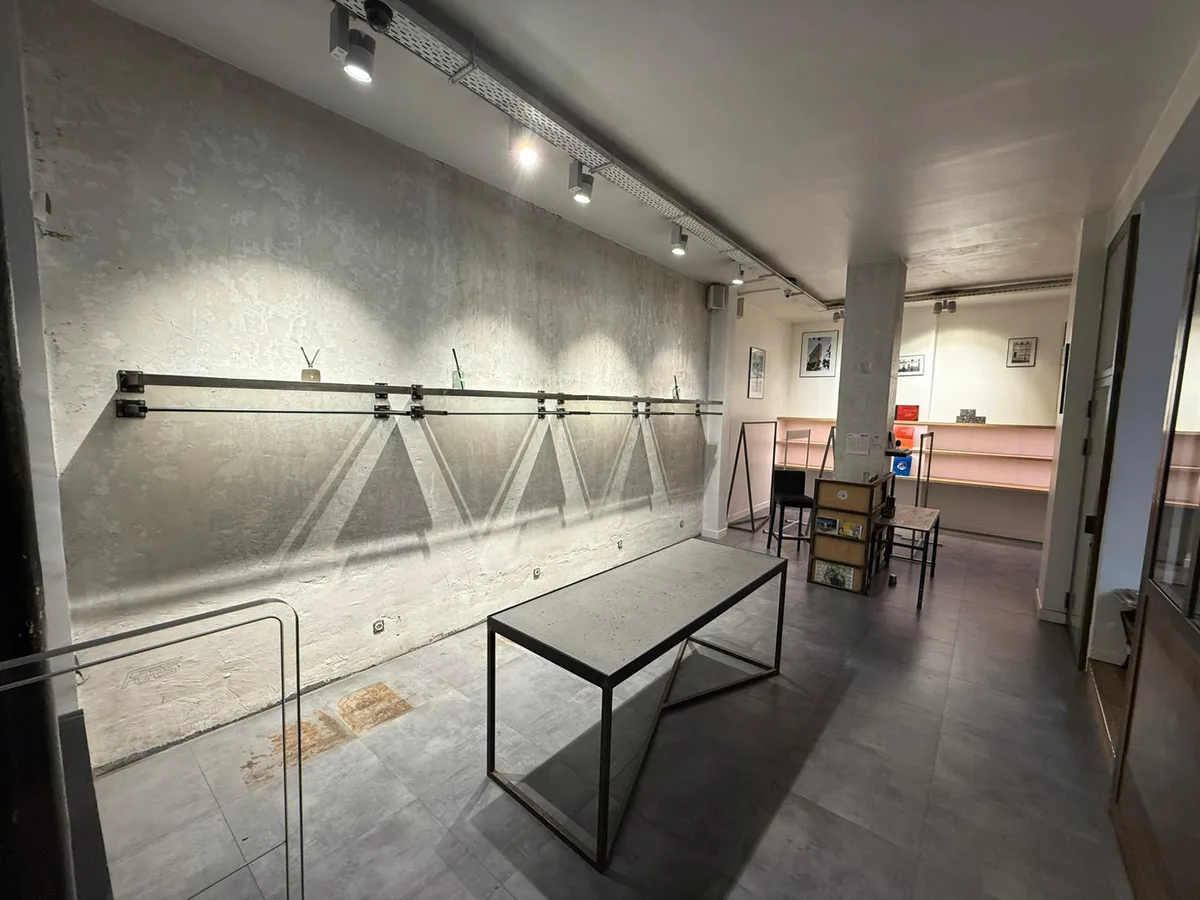
The 11th arrondissement in particular retains a significant number of former industrial workshops, ateliers, and artisan spaces that have been converted for commercial and cultural use. These spaces often feature exposed piping, raw concrete floors, high ceilings, and flexible floor plans. They are extremely well suited to experiential activation spaces, temporary brand installations, and large-scale pop-up stores that require staging, lighting rigs, or unconventional layouts. Many include amenities such as wifi, security alarms, and storerooms, though brands should always confirm specifications before signing any agreement.
Gallery and Arts Venues
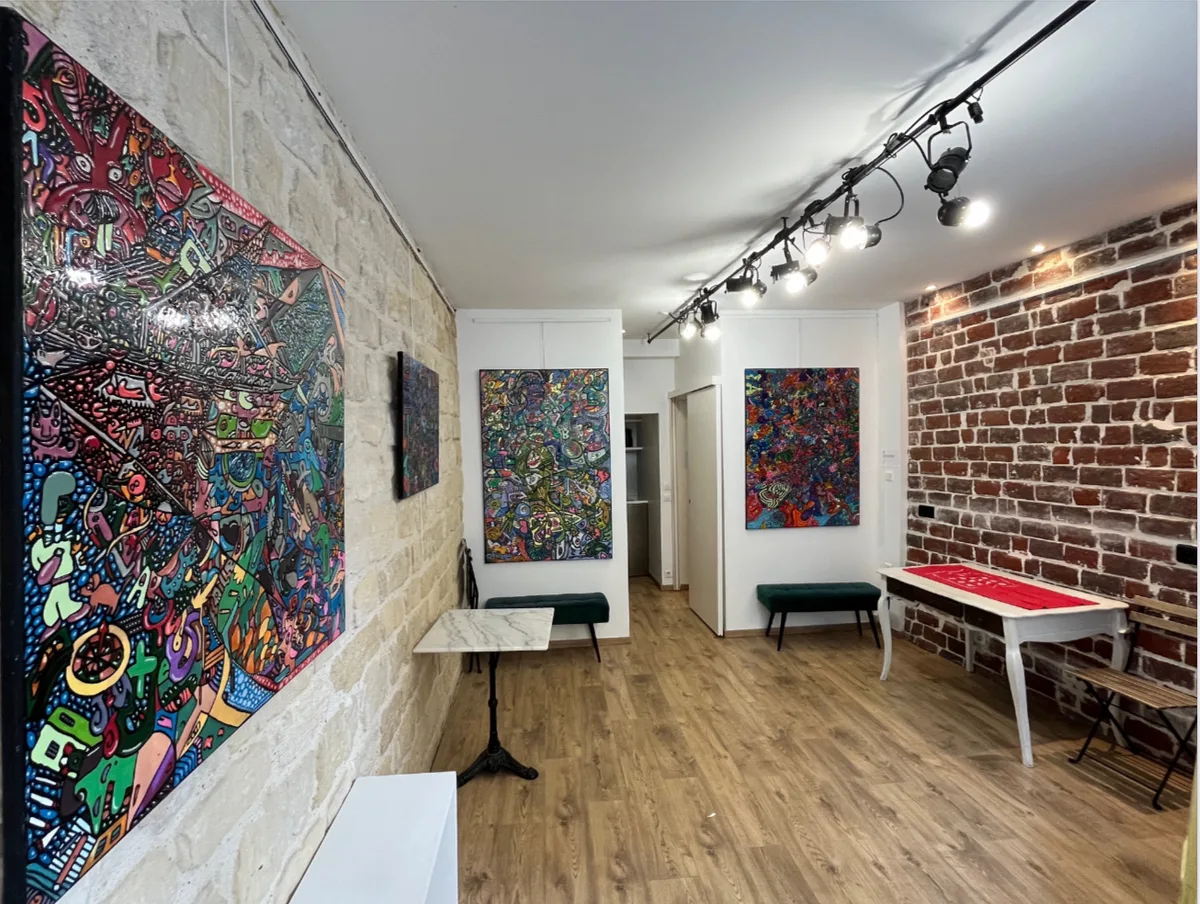
Gallery-format spaces are a natural fit for brands in fashion, jewellery, photography, and lifestyle that want to frame their product as a cultural statement. The gallery format also supports Espace insonorisé configurations useful for audio or video-driven activations. Several small art galleries in the Bastille area offer short-term hire arrangements and provide an existing art-world clientele as a baseline audience.
Summary of Space Types for Bastille Short Term Retail
| Space Type | Best For | Typical Features | Neighbourhood Zone |
|---|---|---|---|
| Ground-floor storefront | Fashion, accessories, lifestyle retail | Street frontage, high foot traffic, display windows | Rue du Faubourg Saint-Antoine, Boulevard Beaumarchais |
| Boutique showroom apartment | Press days, trade showrooms, luxury | Residential character, period detail, intimate scale | Near Place des Vosges, Marais border |
| Loft and industrial workshop | Experiential activations, large pop-ups | Exposed piping, raw concrete, flexible floor plan | 11th arrondissement interior streets |
| Gallery space | Fashion, jewellery, lifestyle, cultural brands | White walls, lighting, curated setting | Scattered across Bastille and Marais border |
| Viaduc des Arts atelier | Craft, design, premium brand activations | Distinctive arched architecture, cultural cache | 12th arrondissement, Avenue Daumesnil |
TIP: When evaluating a space, confirm the floor and access specification, including whether there are steps at the entrance, the availability of a dressing room or storeroom, ADA restroom provision, and whether the wifi and security alarm are included in the rental rate. These details have a direct impact on activation logistics and staffing requirements.
KEY TAKEAWAY: Bastille offers more space type diversity than most Paris neighbourhoods of comparable size. Brands that match their format selection to their activation concept and clientele profile consistently outperform those that default to the nearest available listing without considering space character.
Selecting the right space type is inseparable from understanding the leasing mechanics that govern short-term commercial agreements in Paris.
Short Term Leasing in Paris: Legal Framework, Bail Dérogatoire, and AOT Explained
Quick answer: Short-term commercial leases in Paris typically operate under bail dérogatoire, a derogatory lease mechanism that allows tenancy agreements of up to three years without triggering the rights associated with a standard nine-year commercial lease. Authorisation d'Occupation Temporaire, known as AOT, covers temporary occupation of certain public or semi-public spaces. Neither mechanism is automatically simple to navigate, and the requirements vary depending on the space type, duration, arrondissement, and intended use.
One of the most common misunderstandings among international brands planning a pop-up in Bastille or anywhere in Paris is the assumption that a short-term lease is legally uncomplicated. In reality, French commercial property law is detailed, and the correct lease instrument depends on a range of factors that are not always visible at first glance.
Understanding Bail Dérogatoire
The bail dérogatoire, introduced under French commercial tenancy law, permits landlords and tenants to agree a short-term occupation arrangement without the tenant accumulating the statutory rights that attach to a standard commercial lease after three years. This mechanism is the most commonly used framework for pop-up retail, showrooms, and temporary brand activations in France. Agreements under bail dérogatoire must be concluded in writing before the tenant takes occupation, must specify the derogatory nature of the arrangement, and must not be renewed or extended in a way that crosses the three-year threshold without triggering the standard lease regime.
For brands planning activations of a few days to several months, the bail dérogatoire is generally the appropriate instrument. However, it is not a universal guarantee of flexibility. The specific obligations of each party, the security deposit requirements, the certificate of insurance obligations, and the permitted use clauses all require careful review. Brands unfamiliar with French property law should always verify the terms with a qualified French legal advisor before signing.
Understanding Autorisation d'Occupation Temporaire (AOT)
AOT, or Autorisation d'Occupation Temporaire, applies to temporary occupation of public domain spaces, including certain pavement areas, public plazas, and spaces adjacent to public buildings. If your activation concept involves an outdoor component, a terrace, a market stall format, or any occupation of space that touches the public domain, an AOT from the relevant local authority may be required. Requirements differ between arrondissements and between permanent and seasonal occupation. The Fashion Week Venues permit guidance tool provides a structured starting point for understanding which authorisations may apply to your specific space and concept.
What Brands Need to Prepare
Regardless of the lease type, landlords in Paris for short-term commercial spaces will typically require a Certificate of Insurance covering the occupancy period, a security deposit, proof of company registration, and in some cases a business plan or brand presentation. Brands without a French legal entity can still rent short-term commercial space in Paris, but the contractual arrangements may need to involve a local representative or a specialist agency. The requirement to have a French company is a common myth that discourages international brands unnecessarily.
| Lease Type | Duration | Key Features | Common Use Cases |
|---|---|---|---|
| Bail dérogatoire | Up to 3 years, no renewal to standard lease | Short-term, written agreement, no statutory rights | Pop-up stores, showrooms, seasonal retail |
| AOT | Variable, typically seasonal or event-based | Public domain occupation, requires local authority approval | Outdoor markets, terrace activations, public plaza events |
| Standard commercial lease (bail commercial) | 9 years minimum with break options | Full statutory rights, strong tenant protections | Permanent retail, long-term brand stores |
| Licence agreement | Days to months, no fixed minimum | Fastest to execute, limited tenant rights | Event spaces, gallery hires, very short activations |
IMPORTANT: The information in this section is general guidance only. Lease requirements in France vary materially depending on the specific space, its zoning, the arrondissement, the intended use, and the duration of occupation. Always verify with a qualified French legal advisor before entering any commercial property agreement in Paris.
KEY TAKEAWAY: The bail dérogatoire is the primary mechanism for short-term retail in Paris, but it requires careful drafting and review. Brands that treat it as a simple licence agreement frequently encounter compliance problems. Professional agency support or local legal counsel is strongly advisable for first-time activations in France.
With the legal framework established, the operational and logistical requirements of running a short-term retail space in Bastille come into focus.
The Bastille Neighbourhood: Geography, Culture, and Foot Traffic for Retail Brands
Quick answer: Bastille occupies a position at the junction of the 4th, 11th, and 12th arrondissements, with Place de la Bastille as its symbolic and geographic centre. The neighbourhood combines tourist traffic, a strong local residential identity, market culture, nightlife, and creative industry activity into one of the most consistently active retail environments in Paris.
Understanding the geography of the Bastille neighbourhood in detail is essential before committing to a specific space or street. The district is not monolithic. Different streets and zones within Bastille deliver meaningfully different customer profiles, traffic volumes, and brand contexts.
Place de la Bastille and the Immediate Zone
The Place de la Bastille itself is one of the most visited public spaces in Paris. The Colonne de Juillet, erected to commemorate the July Revolution, and the Opéra Bastille, inaugurated in 1989 to mark the bicentenary of the French Revolution, anchor the square as a site of cultural and historical significance. The Opéra Bastille draws an educated, culturally engaged audience to the neighbourhood on a near-daily basis. The square's public transportation links, including multiple Metro lines and bus routes, make it one of the most accessible points in Paris. For retail brands, proximity to the Place creates natural discovery traffic from visitors who arrive for the cultural landmarks and extend their visit into the surrounding streets.
Rue du Faubourg Saint-Antoine
Historically the street of cabinet-makers and craftsmen, Rue du Faubourg Saint-Antoine running east from Place de la Bastille through the Porte Saint-Antoine towards Nation remains one of the most commercially active streets in the 11th and 12th arrondissements. The street retains its independent character, with a mix of furniture makers, concept stores, cafes, and residential access courtyards that open onto interior passages filled with specialist workshops. For a short-term retail or pop-up concept looking for an authentic, artisan-inflected setting, this street and its surrounding courtyards offer space configurations unavailable almost anywhere else in Paris.
Le Marais Border and Place des Vosges Proximity
The western edge of the Bastille neighbourhood merges into Le Marais, one of Paris's premier shopping destinations. Brands that position on the Bastille side of this border benefit from Marais-level awareness among tourists and shoppers while typically paying lower rental rates per day than equivalent Le Marais spaces. Place des Vosges, the oldest planned square in Paris, draws large volumes of visitors whose retail and hospitality spend extends into the surrounding streets. Musée Picasso, FrenchTrotters, Aujourd'hui Demain, Les mots à la Bouche, and aux Merveilleux de Fred all operate in or directly adjacent to this zone, demonstrating the commercial and cultural density of the area.
Marché Bastille and Marché d'Aligre
The Marché Bastille, held twice weekly on Boulevard Richard-Lenoir, is consistently ranked among the best outdoor markets in Paris. On market days, the surrounding streets see a significant uplift in foot traffic from across the city and from tourists who treat the market as a destination in itself. The Marché d'Aligre in the 12th arrondissement is one of the oldest and liveliest flea markets and food markets in Paris, drawing a more local, neighbourhood audience. For short-term retail and pop-up stores positioned near either market, market days represent a reliable peak traffic window. The Baron Rouge, the famous standing wine bar beside the Marché d'Aligre on Rue Théophile-Roussel, exemplifies the neighbourhood's character: unpretentious, artisanal, local, and deeply embedded in Paris street culture.
Coulée Verte René-Dumont and Viaduc des Arts
The Coulée Verte René-Dumont, Paris's original elevated greenway park above the Viaduc des Arts, draws a daily flow of walkers, joggers, and tourists who combine the park with the ateliers, studios, and design shops in the arches below. The Viaduc des Arts spaces are architecturally distinctive, structurally robust, and deeply embedded in Paris's creative industries identity. For brands in the premium design, home, fashion, and accessories categories, an activation in the Viaduc des Arts delivers a setting that is immediately legible as culturally serious without requiring additional investment in set design.
To compare neighbourhoods and space types, explore the Paris city hub on Fashion Week Venues and shortlist spaces that match your brief, budget, and calendar window.
KEY TAKEAWAY: Bastille is not a single retail environment. It is a collection of distinct micro-zones, each with its own character, customer profile, and commercial dynamic. Brands that treat the neighbourhood as undifferentiated will underperform relative to those that select a specific zone deliberately aligned with their concept, clientele, and visual identity.
The historical and cultural context of Bastille, including Bastille Day and le 14 juillet, has a direct and measurable impact on the retail calendar and on brand activation timing decisions.
Bastille Day, Le 14 Juillet, and the Annual Retail Calendar in Bastille
Quick answer: Bastille Day, the Fête nationale française celebrated on July 14th each year, is the single most significant cultural event of the annual calendar in the Bastille neighbourhood and across Paris. For brands holding short-term retail spaces in the area, the Bastille Day period represents both a peak commercial opportunity and a logistical challenge that requires advance planning.
The historical foundation of Bastille Day is the storming of the Bastille prison on July 14th, 1789, during the French Revolution. La Bastille, formally the Bastille Saint-Antoine, was a royal fortress and state prison built in the fourteenth century under Louis XIV and functioning through the reigns of Louis XV and Louis XVI as a symbol of arbitrary royal power. When an estimated 600 to 900 armed citizens, with a much larger supportive crowd gathering in the aftermath, overwhelmed the fortress and freed its seven prisoners in 1789, it marked one of the defining symbolic acts of the French Revolution. The Fronde of the mid-seventeenth century, the earlier aristocratic revolts against centralised royal power, had already tested the Bastille as a site of political conflict, but it was 1789 that gave the fortress its permanent place in the world's political imagination. The Porte Saint-Antoine, through which revolutionaries approached the fortress, remains a reference point in the street geography of the neighbourhood today.
Today, le 14 juillet is a national public holiday in France. It is a day off, and the majority of shops including many grocery stores will have reduced hours or be closed entirely, though major tourist-oriented businesses, restaurants, and some convenience stores typically remain open. Brands planning short-term retail activations around this date should confirm operating hours, staffing availability, and any local access restrictions well in advance.
The Military Parade and Its Commercial Impact
The Bastille Day military parade, held along the Champs-Élysées from the Arc de Triomphe towards the Place de la Concorde on the morning of July 14th, typically runs between 10 AM and noon. The parade draws hundreds of thousands of spectators to central Paris, creating an extraordinary concentration of people across multiple districts. After the parade, a significant proportion of those visitors move into neighbouring districts including Le Marais and Bastille. For brands with a short-term retail space in the area, the afternoon of July 14th following the parade represents one of the highest foot traffic windows of the entire year.
Bastille Day Fireworks: July 13th and July 14th
The official Bastille Day fireworks display in Paris is launched from the Champ de Mars beside the Eiffel Tower. The display is visible from multiple viewpoints across the city, including viewpoints along the Seine, from Rue de Monttessuy in the 7th arrondissement, and from higher ground in the Bastille district itself. In 2026, as in some prior years, the fireworks display may fall on July 13th rather than July 14th depending on the day of the week, which allows the 14th itself to remain as the more formally observed public holiday. Brands should check the confirmed schedule each year, as the split between the July 13th evening fireworks and the July 14th daytime activities affects retail traffic patterns significantly.
The Bal des Pompiers, the informal firefighters' dance events held at fire stations across Paris on the evenings of July 13th and 14th, draws large neighbourhood crowds and creates a festive atmosphere in the local streets that is highly conducive to spontaneous retail engagement. Brands with evening-accessible short-term retail spaces in Bastille can benefit directly from this neighbourhood surge.
How to Say Happy Bastille Day in French
For brands creating social media content, in-store signage, or customer communications around July 14th, it is important to note that the French do not typically refer to the holiday as Bastille Day. The correct French term is le 14 juillet, or more formally, la Fête nationale française. If you want to express celebratory greetings, the phrase Joyeux 14 juillet works well in an informal context. Saying "Happy Bastille Day" in English is widely understood in a tourist context, but brands seeking to connect authentically with French customers should use the French terminology.
DID YOU KNOW: The Bastille prison was demolished within a year of its storming in 1789. The Colonne de Juillet now standing at the centre of Place de la Bastille was erected in 1840 and commemorates not the French Revolution of 1789 but the July Revolution of 1830, which overthrew Charles X. The site of the original Bastille prison is today marked by paving stones in the road surface near the Opéra Bastille.
KEY TAKEAWAY: Brands planning short-term retail activations in Bastille should treat the July 14th period as a premium calendar window requiring advance planning for permits, staffing, access logistics, and stock levels. The combination of parade aftermath traffic, neighbourhood Bal des Pompiers events, and the general civic festivity of le 14 juillet creates a commercial environment unlike any other point in the Paris annual calendar.
Beyond Bastille Day, the broader annual events calendar in Paris creates multiple peak activation windows that brands should consider when planning the timing of their short-term lease.
Planning Your Short Term Retail Activation in Bastille: Timing, Duration, and Logistics
Quick answer: The ideal duration for a short-term retail activation in Bastille depends on the brand's objectives, but most fashion and lifestyle brands targeting the Paris market achieve meaningful commercial and brand-building results over activations of two to eight weeks, with longer periods appropriate for seasonal or collection-driven concepts.
Timing a short-term retail activation in Bastille requires aligning three distinct calendars: the brand's own product and collection cycle, the Paris fashion week and events calendar, and the neighbourhood's own seasonal patterns. Each dimension has a material impact on foot traffic, press availability, buyer attention, and the commercial yield of the space.
The Paris Fashion Calendar and Bastille Timing
Paris Fashion Week takes place twice annually, with women's ready-to-wear in late February to early March and September to early October. Men's ready-to-wear and Haute Couture weeks add further windows in January and July. Each of these periods brings an intensive concentration of press, buyers, stylists, influencers, and brand decision-makers to Paris. Brands that activate a short-term retail or showroom space in Bastille during these windows benefit from an amplification effect: the same space that delivers neighbourhood retail traffic on a normal week delivers press and trade traffic during fashion weeks. The Fashion Week Venues timeline planning tool allows brands to map their activation against the fashion calendar and identify the optimal start and end dates.
Seasonal Retail Considerations
Beyond fashion week, Paris retail follows a recognisable seasonal pattern. The summer months, particularly July and August, see a reduction in local Parisian spending as residents leave the city for the summer, but a significant increase in international tourist traffic. Bastille, with its proximity to major tourist attractions, benefits more than some inner-city Parisian residential districts during this period. Spring activations in March through May, and autumn activations in September through November, typically deliver the strongest combination of local and tourist audiences for fashion and lifestyle brands.
Duration and Lease Term Strategy
Brands that are new to the Paris market often ask what the ideal duration for a first short-term retail activation should be. There is no universally correct answer, but practical experience suggests that activations of less than two weeks are often too short to build meaningful neighbourhood awareness and media coverage, while activations of more than three months begin to require a more formal operational infrastructure that blurs the distinction between a pop-up and a permanent store. For most brands, a lease term of four to eight weeks allows sufficient time to build local awareness, generate press, develop customer relationships, and test product range performance in the Paris market.
Step-by-Step Activation Workflow for Bastille Short Term Retail
| Phase | Activity | Typical Timeline |
|---|---|---|
| 1. Brief and strategy | Define objectives, space type, neighbourhood zone, budget, and calendar window | 12 to 16 weeks before activation |
| 2. Space sourcing | Identify and shortlist spaces, review lease terms, negotiate rate and duration | 10 to 14 weeks before activation |
| 3. Legal and permits | Confirm lease type, apply for any required AOT, prepare Certificate of Insurance | 8 to 12 weeks before activation |
| 4. Concept and design | Develop brand environment concept, spatial design, visual merchandising plan | 8 to 10 weeks before activation |
| 5. Production and fit-out | Order and deliver furniture, fixtures, branding elements, technical installations | 3 to 6 weeks before activation |
| 6. Staffing and operations | Recruit and brief team, establish POS and payments, set up security and wifi | 2 to 4 weeks before activation |
| 7. Launch and activation management | Manage daily operations, influencer outreach, media engagement, data collection | During activation period |
| 8. Closedown and analysis | Strip back space to original condition, review data and ROI, document learnings | End of activation period |
TIP: The most common operational failure in Paris pop-up activations is underestimating the lead time required for permits and legal documentation. Brands that begin the permit and lease process fewer than eight weeks before their intended opening date frequently face delays, especially around peak calendar periods when multiple brands are competing for the same spaces and the same administrative resources.
KEY TAKEAWAY: A well-timed short-term retail activation in Bastille that aligns brand objectives, Paris calendar peaks, neighbourhood seasonal patterns, and operational lead times will consistently outperform a hastily planned activation in a premium space. The planning timeline is as important as the space itself.
Budget estimation and financial planning are the next critical operational inputs for any brand planning short-term retail in Bastille.
Budget, Cost, and ROI Considerations for Short Term Retail in Bastille
Quick answer: Short-term retail space rental in Bastille, Paris varies materially by space type, size, location, duration, and the specific terms negotiated with the landlord or space owner. Directional market estimates suggest daily rental rates range from a few hundred euros for small studios to several thousand euros for larger flagship-scale spaces in prime positions, but the total activation budget must account for production, staffing, permits, insurance, marketing, and operational costs in addition to the headline rental rate.
Brands planning a first short-term retail activation in Paris frequently focus on the headline rental rate per day or per week as the primary budget variable. In practice, the rental rate typically represents a minority of the total activation cost. The production and fit-out of a space, the staffing required to operate it at a commercially meaningful standard, the marketing investment needed to drive awareness and foot traffic, and the administrative costs of permits, insurance, and legal review are all significant cost centres that must be planned for from the outset.
Factors That Influence Space Rental Rates in Bastille
Several factors directly influence the rental rate for a short-term retail space in Bastille. Street position and foot traffic are the primary drivers: a ground-floor storefront on a Bastille rue passante with genuine street visibility commands a premium over an equivalent space set back from the main flow. Space size, measured in square metres, is the second factor, but size and usable retail floor area are not always the same thing in historic Parisian buildings where structural pillars, service areas, and awkward floor plans reduce effective trading space. Floor and access level matters both for retail performance and for regulatory compliance around accessibility. The presence of amenities such as a storeroom, a dressing room, an ADA restroom, wifi, and a security alarm affects both the rental rate and the fit-out budget required to make the space operationally ready.
Total Activation Budget Framework
Brands should plan their total Bastille activation budget across the following cost categories: space rental, legal and permits, production and fit-out, furniture rental, staffing, POS and payment systems, security deposit, insurance, marketing and influencer activities, and contingency. The weighting between these categories varies significantly depending on the brand's specific concept and the space's existing condition. An already-fitted, furnished boutique space hired on a licence agreement may require very little additional production spend, while an empty industrial workshop requires substantial investment in lighting, flooring, furniture, and technical infrastructure to become a credible retail environment.
For brand-specific budget estimates, the Fashion Week Venues budget calculator tool provides a structured framework for projecting total activation costs based on space size, duration, service requirements, and operational complexity. The ROI calculator tool allows brands to model expected returns against different traffic and conversion assumptions, helping to frame the investment case internally before committing to a space.
Security Deposit and Certificate of Insurance
Most landlords and space owners in Paris require a security deposit equivalent to one to three months of the agreed rental rate, depending on the space value and the tenant's profile. Additionally, a Certificate of Insurance covering public liability, fire, and property damage for the occupancy period is typically a mandatory requirement. Brands entering France for the first time should ensure their existing business insurance policy has appropriate territorial coverage for France, or obtain a supplemental policy through a French insurer.
DID YOU KNOW: The security deposit for a short-term commercial space in Paris is typically held in escrow or returned within a defined period after the end of the lease, subject to the space being returned in its original condition. Brands that commission fit-out work must ensure their production team commits to a full reinstatement at the end of the lease. Failure to reinstate can result in partial or full forfeiture of the security deposit.
KEY TAKEAWAY: The headline rental rate is rarely the largest single cost in a Bastille short-term retail activation. Brands that plan the total activation budget from the outset, including all production, staffing, legal, and marketing costs, make more accurate investment decisions and avoid the mid-activation budget shortfalls that compromise results.
Understanding how a specialist agency can support and simplify the entire activation process is an essential consideration for brands planning their first Paris pop-up.
How Fashion Week Venues Supports Short Term Retail in Bastille
Fashion Week Venues operates as a full-service pop-up shop agency and space marketplace with Paris as its primary and most developed market. For brands planning short-term retail activations in Bastille, the agency offers a structured and comprehensive range of services and tools that cover the entire activation lifecycle, from initial space discovery through to closedown and performance analysis.
The venue sourcing service is the starting point for most brand engagements. The agency's Paris market knowledge allows it to identify spaces across the Bastille neighbourhood and surrounding districts that match a brand's brief on size, character, street position, lease term, and budget, including spaces that are not publicly listed and which would be difficult or impossible to identify through standard marketplace searches. This is particularly valuable for brands seeking Bastille rue passante positions, Viaduc des Arts units, or interior courtyard spaces that require local network access to discover.
Once a space is identified, the concept and creative direction service supports brands in developing a spatial narrative and visual identity for the activation, and the production and build service manages the physical fit-out, including furniture rental, lighting, and technical installations. Brands that prefer to manage their own creative direction can engage the production service independently.
The activation management service covers the operational running of the space during the live period, including staffing, daily management, POS and payments integration, and data collection. The retail staffing service provides experienced, fashion-literate staff who can represent the brand appropriately in the Paris market, which is a critical but frequently underestimated component of a successful activation.
For brands unsure where to begin, the space comparison tool, the space locator tool, and the Imagine space visualisation tool support the early-stage decision-making process before any commitment is made. The twin co-activation concept is specifically designed for brands that want to share a space with a complementary label, splitting costs while maintaining brand distinctiveness, which can be a particularly effective strategy for emerging brands with limited activation budgets.
Fashion Week Venues does not guarantee space availability, permit approval, or specific commercial outcomes. What it does provide is structured support, Paris market expertise, and the operational infrastructure to execute an activation with fewer risks and a shorter learning curve than a brand attempting to navigate the Paris market independently for the first time.
KEY TAKEAWAY: The full-service model offered by Fashion Week Venues is most valuable for international brands entering the Paris market for the first time, brands with limited in-house production and logistics capacity, and brands for whom the compliance, legal, and operational complexity of a Paris activation represents the primary barrier to action.
Common Myths About Short Term Retail in Bastille and Paris, Debunked
MYTH: You need a French legal entity to rent a short-term commercial space in Paris.
FACT: International brands without a French company registration can access short-term commercial spaces in Paris. The contractual arrangements may require a local representative or specialist agency support, and landlord requirements vary, but the absence of a French entity is not an automatic barrier. Many international brands complete successful activations in Bastille each year without establishing a French legal entity beforehand.
MYTH: Paris Fashion Week in September and February is the only viable calendar window for a Bastille pop-up.
FACT: Paris Fashion Week is a high-value window, but it is not the only one. Bastille delivers meaningful foot traffic year-round, with particularly strong periods around Bastille Day and le 14 juillet in July, the Marché Bastille market days throughout the year, and the autumn and spring tourist peaks. Brands in lifestyle, beauty, and home categories often find that fashion-week-adjacent periods generate press interest with less competition for venue access than the core fashion week weeks themselves.
MYTH: Commission-based space brokers are the only way to find a short-term retail space in Bastille.
FACT: The market for short-term retail spaces in Paris has evolved significantly. Full-service agencies and digital marketplaces now offer brands direct access to listed and unlisted spaces with transparent pricing, structured support, and no obligation to work through opaque brokerage arrangements. The Fashion Week Venues space marketplace allows brands to browse available spaces and engage with the agency for negotiation and activation support.
MYTH: Short-term leases in France are legally straightforward and require no specialist advice.
FACT: French commercial property law is detailed and the bail dérogatoire mechanism, while designed for short-term flexibility, contains specific requirements about the written form of the agreement, the derogatory nature of the lease, and the consequences of renewal. Brands that treat short-term commercial agreements in France as equivalent to a simple licence or a standard service contract frequently encounter legal and financial complications. Specialist legal advice is strongly recommended, particularly for first-time activations.
MYTH: A short-term retail activation in Bastille requires a large flagship-scale space to be commercially meaningful.
FACT: Some of the most commercially and editorially successful pop-up activations in Paris have operated from relatively compact boutique showroom spaces of 30 to 60 square metres. The quality of the concept, the precision of the target audience, and the strategic use of influencer marketing and press outreach often matter more than raw floor area. A well-curated, well-positioned 40-square-metre space in the right Bastille location can significantly outperform a poorly conceived 200-square-metre space on a less relevant street.
Frequently Asked Questions About Short Term Retail in Bastille, Paris
What is the best area within Bastille to rent a short-term retail space?
The best zone depends on your brand's target clientele and concept. Rue du Faubourg Saint-Antoine and the immediate surroundings of Place de la Bastille deliver the highest raw foot traffic and are well suited to accessible lifestyle and fashion brands. The Viaduc des Arts on Avenue Daumesnil is better suited to premium and craft-oriented brands seeking a distinctive architectural setting. The streets bordering Le Marais, including Boulevard Beaumarchais and Rue de Bretagne approaches, attract a fashion-forward, younger consumer with strong discretionary spend. Use the Fashion Week Venues locator tool to map available spaces by zone and compare them against your brief.
How much does it cost to rent a pop-up space in Bastille per day?
Daily rental rates for short-term retail spaces in Bastille vary significantly depending on the space size, type, street position, and lease duration. Market sources indicate rates for short-term commercial spaces in the Bastille area can range from a few hundred euros per day for a compact studio or boutique format to over one thousand euros per day for a larger, better-positioned storefront. These figures are directional estimates only. Use the Fashion Week Venues budget calculator tool for a projection based on your specific requirements. Always factor total activation cost, not just headline rental, into your financial planning.
Do I need a French company to rent a pop-up space in Bastille?
No, a French legal entity is not an automatic requirement for renting a short-term commercial space in Paris. International brands frequently complete activations in Bastille without a French company, though contractual arrangements may need to involve a local representative or specialist agency. Landlord requirements vary by space and owner, so confirm the specific requirements for any space you are seriously considering. Specialist agency support is particularly valuable for brands navigating this for the first time.
What permits or authorisations might I need for a pop-up in Bastille?
The permits required depend on the space type, its location, and the nature of your activation. Most ground-floor indoor retail spaces operate under a bail dérogatoire without requiring additional planning permits for short-term occupation, but changes to signage, outdoor furniture, or any occupation of pavement or public space may require an Autorisation d'Occupation Temporaire from the relevant local authority. Some spaces in heritage zones may have additional restrictions. The Fashion Week Venues permit guidance tool provides a structured starting point, and you should always verify requirements with a qualified French legal advisor.
Is Bastille Day a good time to run a short-term retail activation in Bastille?
Bastille Day, le 14 juillet, is simultaneously the highest-footfall period of the year in the Bastille neighbourhood and the most logistically complex. The national public holiday means most businesses close, but tourist and visitor traffic through the area is exceptionally high, particularly in the afternoon after the military parade on the Champs-Élysées. Brands with evening-accessible spaces also benefit from the Bal des Pompiers neighbourhood events on July 13th and 14th. If you plan to operate around this period, confirm your staffing, opening hours, and any local access restrictions with your agency well in advance.
What types of brands are most successful with short-term retail in Bastille?
Bastille works particularly well for fashion and accessories brands with an independent or creative positioning, lifestyle and homeware brands, beauty and wellness concepts, food and drink artisan brands, sustainable apparel and vegan products, and cultural or editorial concepts that align with the neighbourhood's artistic identity. International brands entering the Paris market for the first time often use a Bastille activation to test local consumer response before committing to a permanent retail presence. The neighbourhood's mix of local creative residents and international tourist traffic supports a wide range of brand profiles.
How long should a short-term retail activation in Bastille last?
For most fashion and lifestyle brands, an activation of four to eight weeks delivers the best balance of neighbourhood awareness building, press and editorial impact, commercial yield, and operational manageability. Activations of fewer than two weeks are often too short to build meaningful brand recognition in the area, while activations exceeding three months begin to require a more permanent operational model. Brands launching for the first time in Paris sometimes choose a two-week test followed by a longer follow-up activation once they have validated their concept in the market.
What amenities should I expect from a short-term retail space in Bastille?
Amenities vary significantly by space type and price point. Most short-term retail spaces in Bastille include wifi, a security alarm, and basic utilities. Some include a storeroom, a dressing room, an ADA restroom, and furniture or fixtures as part of the rental. Industrial loft and workshop spaces may require more significant fit-out investment to be operationally ready. Always confirm the specific amenities included in the rental before signing any agreement, and budget for any gaps between the space's existing provision and your operational requirements.
What is the difference between a bail dérogatoire and a standard commercial lease in France?
A bail dérogatoire is a short-term commercial tenancy agreement that allows occupation for a defined period, up to a maximum of three years, without the tenant accumulating the statutory rights that attach to a standard nine-year commercial lease, known in France as a bail commercial. The bail dérogatoire must be agreed in writing before the tenant takes possession, must explicitly state its derogatory nature, and cannot be extended beyond the three-year threshold without converting to the standard commercial lease regime. For pop-up and short-term retail activations, the bail dérogatoire is the standard mechanism, but it requires careful drafting and legal review.
How do I get to the Bastille neighbourhood for a site visit or activation setup?
Bastille benefits from excellent public transportation access. The Place de la Bastille is served by three Metro lines, making it one of the most accessible points in the Paris Metro network. Multiple bus routes and cycling infrastructure complement the Metro coverage. For delivery and fit-out access, the surrounding streets are served by standard vehicle access, though delivery time windows in central Paris are regulated and parking is limited. Brands planning a fit-out should coordinate delivery timing with their production team and the space owner in advance to avoid access complications.
Can I share a short-term retail space in Bastille with another brand?
Yes, co-activation arrangements where two complementary brands share a space simultaneously or sequentially are increasingly common in Paris. This model can significantly reduce the rental and production cost per brand while maintaining a full retail environment. The Fashion Week Venues twin concept is specifically designed to support co-activation arrangements, with a structured approach to space planning, brand separation, and shared operational costs. The most effective co-activations pair brands with complementary product categories and overlapping target audiences, rather than brands that compete directly with each other.
What should I look for when comparing short-term retail spaces in Bastille?
The key comparison criteria are street position and foot traffic profile, space size and usable floor area, space character and fit with your brand aesthetic, floor type and access level, included amenities and fit-out condition, lease term flexibility and rate, landlord references and reviews, proximity to complementary attractions such as the Marché Bastille or Opéra Bastille, and public transportation accessibility. The Fashion Week Venues space comparison tool allows you to evaluate multiple shortlisted spaces against these criteria simultaneously before making a final decision.
Is the 11th arrondissement a good location for an international brand's first Paris pop-up?
The 11th arrondissement, which forms the core of the Bastille neighbourhood, is an excellent choice for an international brand's first Paris activation. It offers a more affordable rental environment than the central Marais or Saint-Germain-des-Prés, while delivering comparable foot traffic quality and a cultural identity that resonates with the creative, independent consumer profiles that international fashion and lifestyle brands typically target. The neighbourhood's proximity to Le Marais and Place des Vosges also means that brands can be part of the wider Paris fashion geography without paying Marais-level rents.
What marketing strategy works best for a Bastille pop-up?
A successful marketing strategy for a Bastille pop-up typically combines neighbourhood-level awareness building, which includes physical presence, window display, local press outreach, and community engagement, with broader digital and influencer amplification. Collaborating with local Bastille area accounts, bloggers, and neighbourhood businesses creates authentic local credibility. Press outreach to Paris-based fashion and lifestyle media should begin at least four weeks before opening. Influencer activations during the live period, particularly on market days when foot traffic peaks, can significantly extend organic reach. The Fashion Week Venues influencer marketing service supports this activation layer for brands that want structured external marketing support.
What is the best way to begin planning a short-term retail activation in Bastille?
The most effective starting point is a well-defined written brief that specifies your activation objectives, target customer profile, preferred space type and size range, desired neighbourhood zone within Bastille, budget parameters, required dates, and any non-negotiable operational requirements. With this brief in place, you can use the Fashion Week Venues marketplace and city tools to identify candidate spaces, model costs with the budget calculator, and engage the agency for sourcing and activation support. Beginning the process at least twelve to sixteen weeks before your target opening date gives you sufficient time for legal review, permits, and production.
Conclusion: Making Short Term Retail in Bastille Work for Your Brand
Short term retail in Bastille represents one of the most compelling opportunities in the Paris activation landscape. The neighbourhood combines the historical weight of la Bastille and the French Revolution, the cultural vitality of the Opéra Bastille and the Viaduc des Arts, the commercial energy of the Marché Bastille and Marché d'Aligre, and the street character of Le Marais at a price point that gives international and emerging brands genuine access to one of the world's great retail cities.
Success in Bastille requires more than securing a space. It requires selecting the right zone and space type for your brand concept, understanding the legal and permit framework governing short-term commercial leases in France, planning the total activation budget accurately from the outset, timing the activation against the Paris calendar and the neighbourhood's own seasonal patterns, and investing in the operational quality, staffing, and marketing that transforms a space rental into a genuine brand-building exercise.
The Bastille Day period, le 14 juillet, and the broader July calendar represent a uniquely powerful opportunity for brands with the logistical readiness to activate around the Fête nationale française. The neighbourhood's market days, its dense hospitality scene, its creative local resident base, and its excellent public transportation access make it productive in almost every week of the year. And the diversity of space types available, from Bastille rue passante storefronts to industrial lofts, boutique showroom apartments, gallery spaces, and Viaduc des Arts ateliers, means that brands across a wide range of categories and budgets can find a format that serves their specific concept.
To move from research to activation, start exploring available spaces on the Fashion Week Venues marketplace and build a focused brief for your target neighbourhood, space type, and calendar window. The combination of a well-chosen Bastille space and a well-planned activation strategy is a genuinely powerful platform for any brand that takes the Paris market seriously.