If you want to rent a pop-up store on Rue de Rivoli, you are targeting one of the most strategically powerful retail corridors in Europe. Stretching from the Place de la Concorde past the Louvre and through the heart of the first arrondissement, Rue de Rivoli delivers unmatched footfall, international visibility, and adjacency to Paris landmarks that no other street in the city can replicate. For brands seeking temporary retail space in Paris, Rivoli is not simply a location choice; it is a positioning statement. Fashion Week Venues works with brand teams, creative directors, and event producers to identify, secure, and activate short-term retail spaces across Paris's most sought-after corridors, including Rue de Rivoli, Le Marais, Saint-Germain-des-Prés, and Rue Saint-Honoré. This guide covers everything your team needs to plan, budget, permit, and execute a successful Paris pop-up from this iconic address.
Why Rent a Pop-Up Store on Rue de Rivoli?
Quick answer: Rue de Rivoli offers rare access to a high-volume, internationally mixed consumer audience directly adjacent to the Louvre, Châtelet, and major transport hubs. For brands in fashion, beauty, lifestyle, and luxury, this address delivers daily footfall that few other Paris locations can match at a comparable commercial density.
Rue de Rivoli is one of Paris's oldest and most continuously busy shopping streets. Running east to west through the first and fourth arrondissements, it connects several of the city's most culturally significant destinations: the Louvre-Rivoli metro station, the Tuileries Garden, the Châtelet transport hub, the Hôtel de Ville, and within walking distance, the western boundary of Le Marais. This physical geography makes a Rivoli address extraordinarily accessible for both international tourists and Paris residents, which is precisely why brands across fashion, art, beauty, and retail consistently prioritise it for short-term activations.
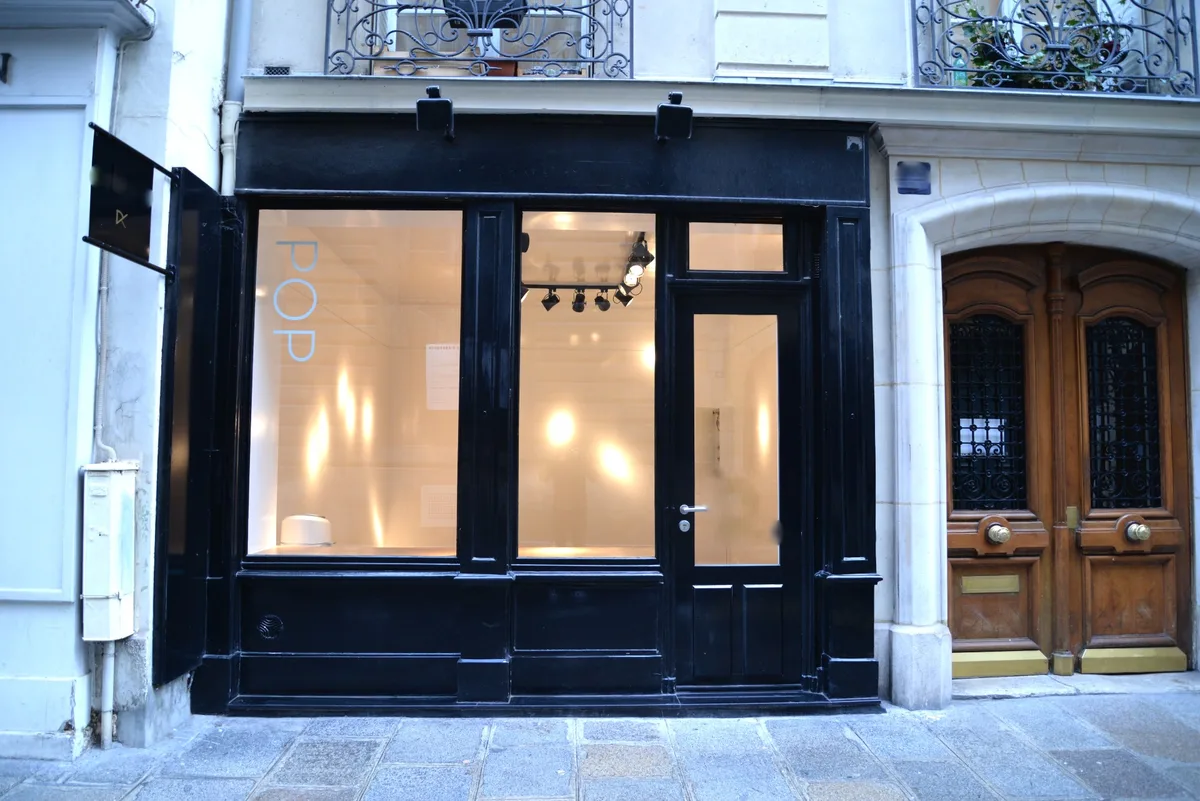
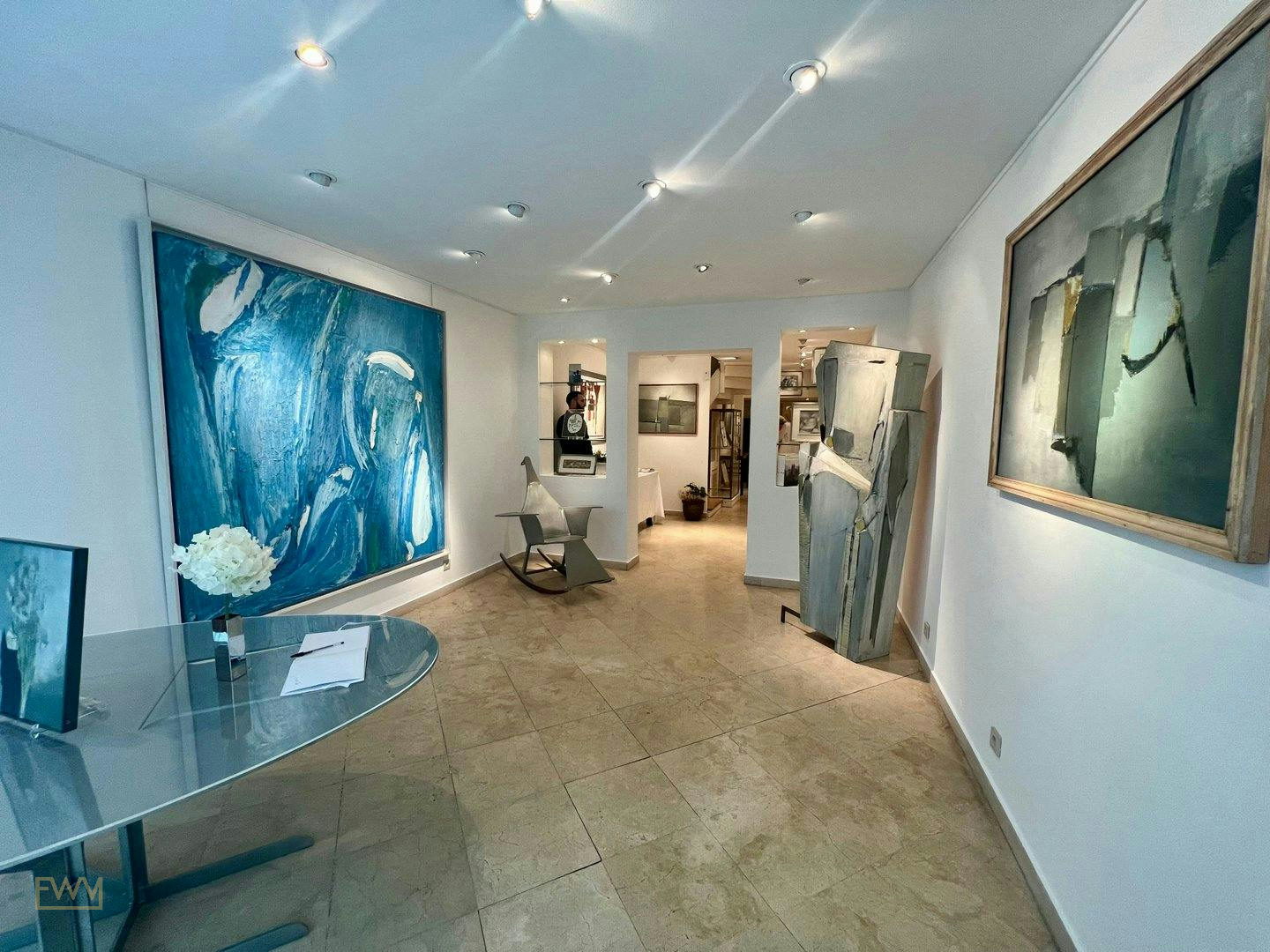
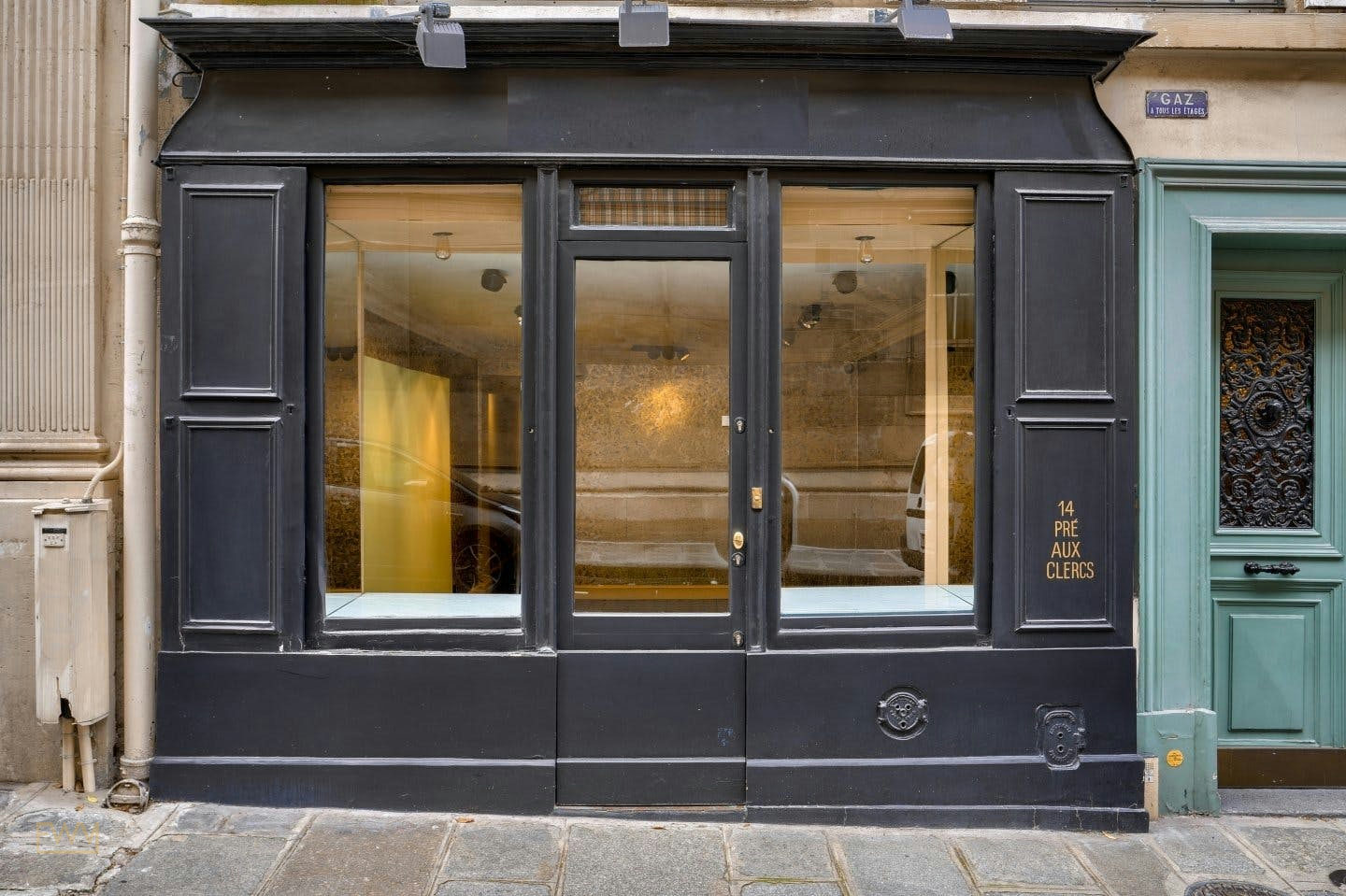
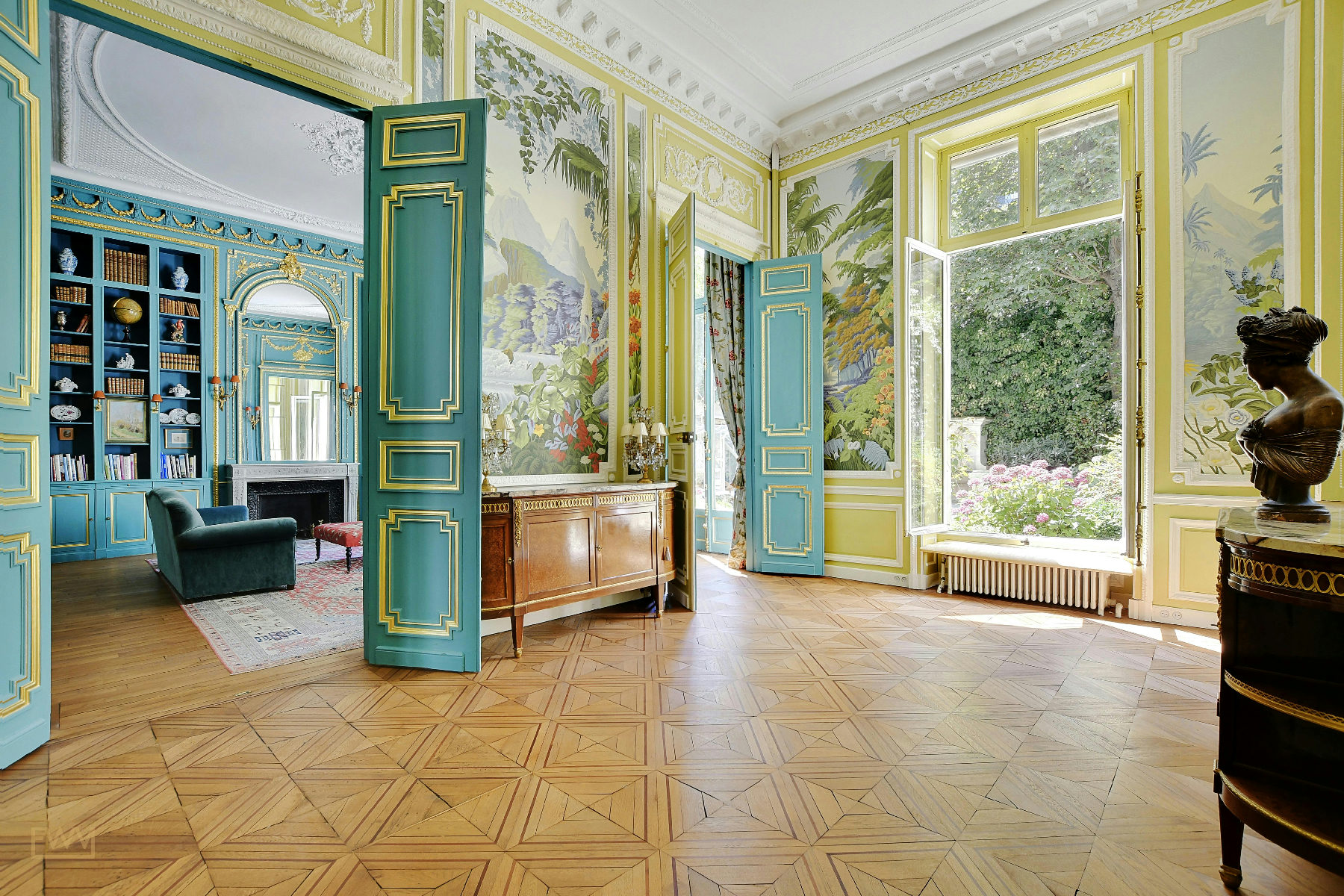
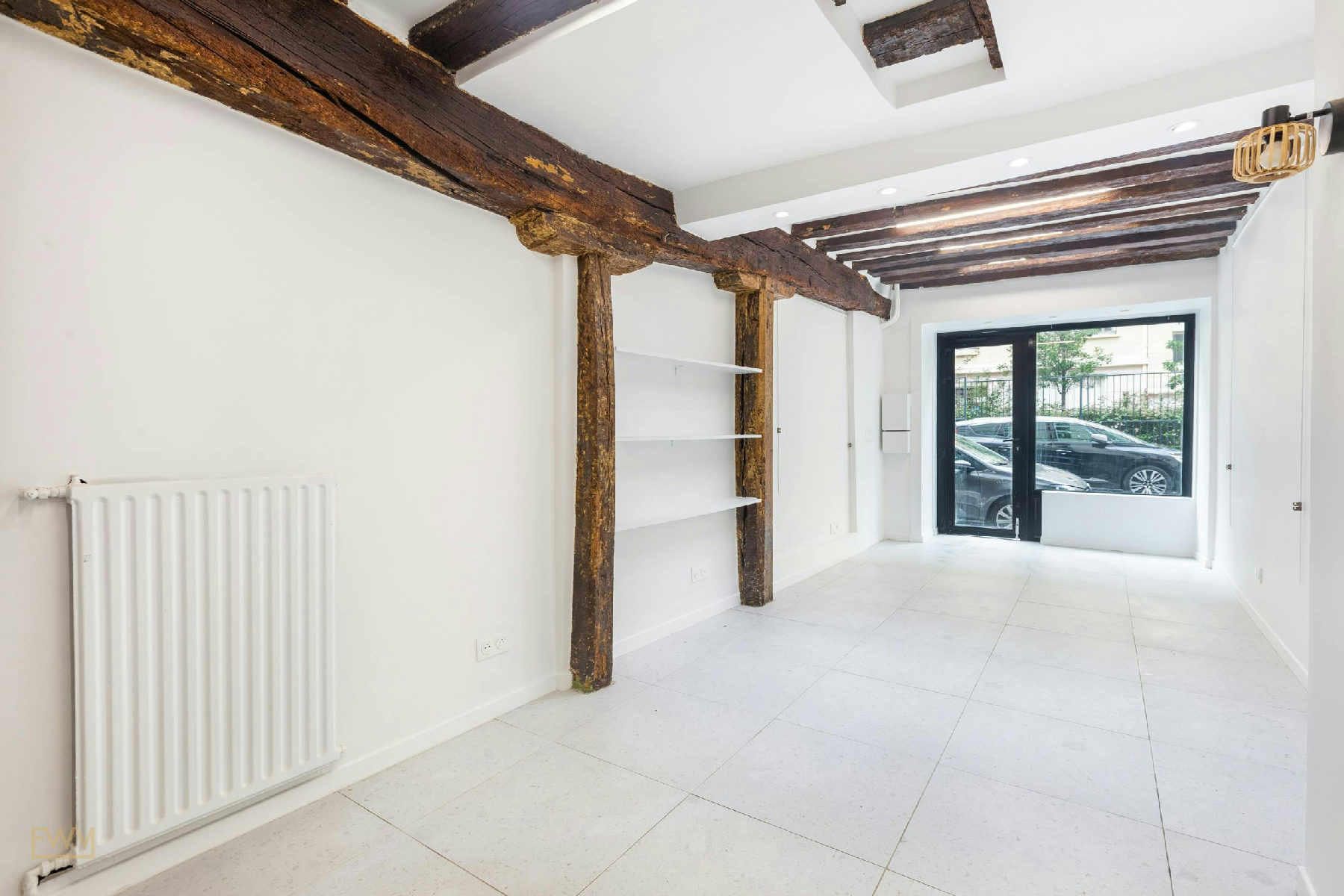
The architectural character of the street also plays a decisive role in brand activation decisions. The historic arcades, known as the rue de Rivoli arches, give street-facing storefronts a protected, covered walkway that keeps foot traffic moving past shopfronts regardless of weather. Display windows along these arcades have exceptional visibility, and many ground-floor spaces feature high ceilings, stone detailing, marble flooring, wooden beams, and in some cases cellar space that extends the usable footprint. These features create a natural scenography for brand storytelling that purpose-built retail units in newer developments cannot replicate.
From a brand positioning perspective, Rivoli communicates aspiration, heritage, and cultural authority. A fashion brand hosting a pop-up store in this corridor benefits from what earned media specialists call location halo effect: the prestige of the address transfers directly to perception of the brand. For international brands entering France for the first time, a Rivoli pop-up can function simultaneously as a test market, a brand awareness campaign, a media moment, and a direct revenue generator.
The Louvre-Rivoli area in particular attracts an enormous volume of culturally engaged, higher-spending visitors who are actively seeking novel brand experiences rather than standard department store shopping. This audience profile is highly compatible with fashion showrooms, product launches, lifestyle brand activations, beauty concept stores, and limited-edition retail pop-ups.
DID YOU KNOW: The Louvre attracts approximately nine million visitors per year according to its published annual attendance figures, and the Rue de Rivoli corridor immediately adjacent to the museum captures a significant share of that visitor footfall as those visitors move toward Châtelet and Le Marais.
It is also worth noting that Rivoli sits at the intersection of two very different consumer flows. From the west, foot traffic is predominantly international tourism driven by proximity to the Tuileries and major luxury hotels. From the east, toward Châtelet and the entrance to Le Marais via Rue de Rivoli's transition into Rue Saint-Antoine, the audience shifts toward younger Parisian consumers, creative professionals, and the culturally active local demographic that consistently drives early adoption in fashion and lifestyle categories.
KEY TAKEAWAY: Rue de Rivoli is not simply a high-footfall street. It delivers a dual audience of international tourists and engaged Paris locals, a historic architectural context that amplifies brand storytelling, and an address with genuine prestige value for fashion, beauty, and lifestyle activations.
Understanding why Rivoli works as a pop-up location is the first step. The next consideration is how this corridor compares to other key Paris neighbourhoods when making your final shortlisting decision.
Paris Pop-Up Neighbourhoods Compared: Rivoli, Le Marais, Saint-Honoré, and Saint-Germain
Quick answer: Each major Paris neighbourhood serves a distinct brand objective and audience profile. Rue de Rivoli suits high-volume visibility activations, Le Marais suits culturally engaged fashion and art audiences, Rue Saint-Honoré and Place Vendôme suit luxury and prestige positioning, and Saint-Germain-des-Prés suits editorial and lifestyle brand narratives.
Choosing the right Paris neighbourhood for a pop-up store is one of the most consequential decisions your team will make. Foot traffic volume, consumer demographics, rental rates, space availability, permit complexity, and neighbourhood brand associations all vary significantly between arrondissements. The table below provides a structured comparison to support your shortlisting process.
| Neighbourhood | Primary Audience | Brand Fit | Key Access Points | Typical Space Character |
|---|---|---|---|---|
| Rue de Rivoli (1st arr.) | International tourists, Parisian locals, cultural visitors | Fashion, beauty, lifestyle, limited edition retail | Louvre-Rivoli metro, Châtelet, Tuileries | Historic arcades, stone details, display windows, high ceilings |
| Le Marais (3rd and 4th arr.) | Young Parisians, creatives, fashion-forward tourists | Fashion showrooms, art galleries, independent brands | Saint-Paul, Chemin Vert, Arts et Métiers metro | Converted hôtels particuliers, exposed stone columns, courtyards |
| Rue Saint-Honoré and Vendôme (1st arr.) | Luxury shoppers, high-net-worth international visitors | Luxury fashion, jewellery, prestige activations | Tuileries, Concorde metro, Opéra | Boutique retail units, grand Haussmann buildings, refined interiors |
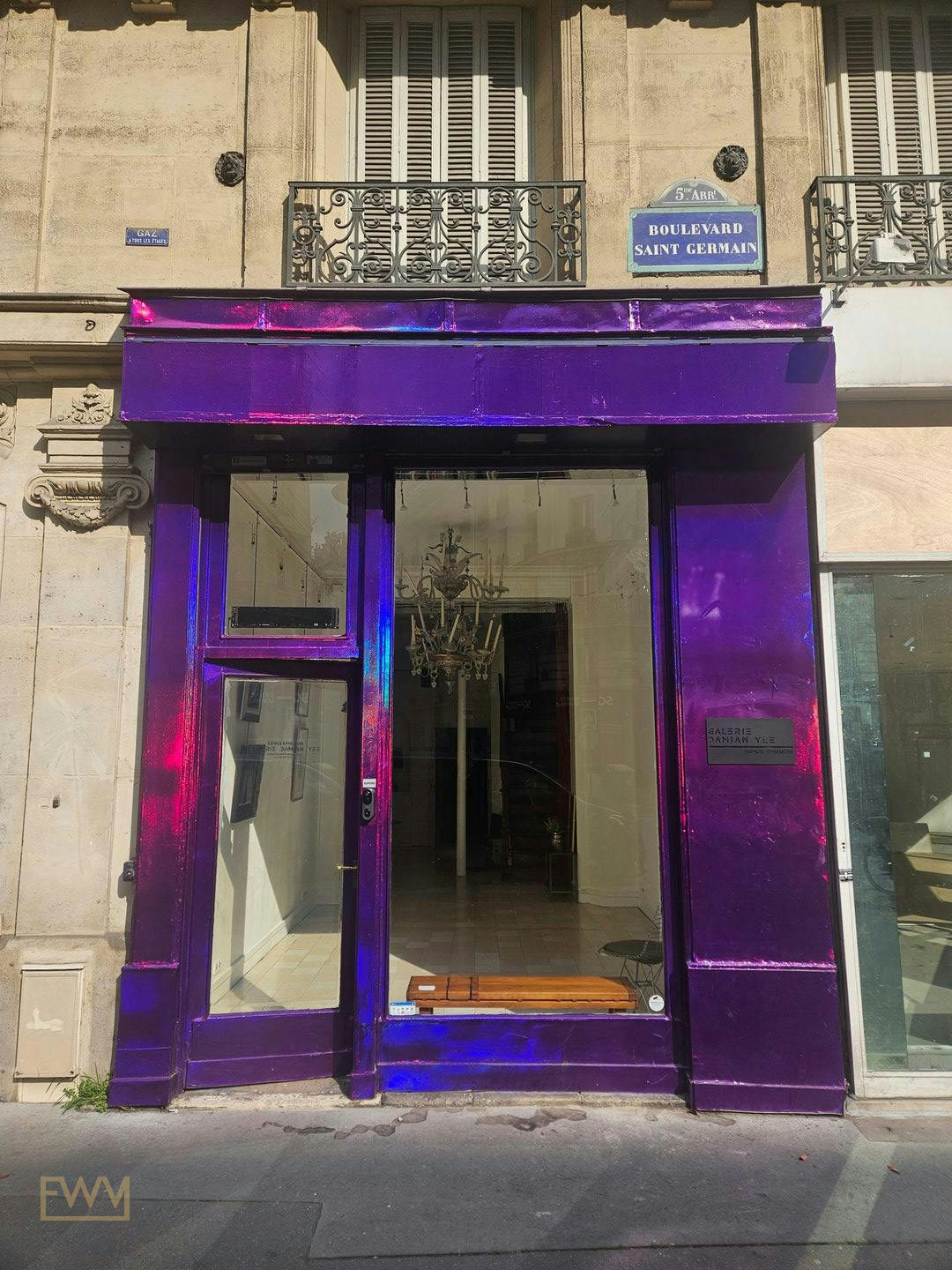
| Saint-Germain-des-Prés (6th arr.) | Affluent Parisians, cultural tourists, editorial audiences | Lifestyle brands, beauty, book and art crossovers | Saint-Germain-des-Prés metro, Odéon | Converted bookshops, intimate boutiques, heritage interiors |
| Champs-Élysées (8th arr.) | Mass international tourism, family visitors | Mass-market or global brand awareness campaigns | Charles de Gaulle Étoile, George V metro | Large format units, flagship-style retail, high lease premiums |
Le Marais deserves specific attention as a complementary or alternative neighbourhood to Rivoli. Streets such as Rue des Rosiers, the area around the Pompidou Centre, and emerging corridors through the third arrondissement offer spaces with enormous creative character. Converted hôtels particuliers with exposed stone, monumental staircases, wooden beam ceilings, and courtyard access provide an architectural richness that suits fashion showrooms and brand exhibitions. The Marais also benefits from its own pedestrian culture: visitors and residents explore the neighbourhood on foot at a pace that converts casual browsing into genuine dwell time and sales opportunity.
Rue Frédéric Sauton and the streets immediately adjacent to the Institut du Monde Arabe offer another pocket of the fourth arrondissement with strong cultural positioning and growing interest from lifestyle and beauty brands. The Pavillon Rive Gauche corridor on the left bank similarly attracts a distinct demographic that overlaps with the Saint-Germain-des-Prés audience.
For brands specifically planning activations around Paris Fashion Week, both Rivoli and Le Marais attract the industry's professional audience during the September and March calendar windows. Showrooms in Le Marais are particularly established in Fashion Week culture, while Rivoli offers more immediate retail traffic for brands that want to combine trade presentation with direct consumer sales.
To explore available spaces across these neighbourhoods and compare them by size, duration, and specification, the Paris city hub on Fashion Week Venues provides a structured starting point for your location shortlist.
KEY TAKEAWAY: No single Paris neighbourhood dominates all brand objectives. Rivoli excels in volume and visibility. Le Marais excels in cultural alignment. Saint-Honoré excels in luxury positioning. Understanding this distinction before signing a lease saves both budget and brand equity.
Location is only part of the planning equation. Understanding what types of pop-up formats and retail concepts are available in Paris, and which formats are best suited to your brand objectives, is the essential next decision.
Pop-Up Store Formats and Retail Concepts Available in Paris
Quick answer: Paris offers a wide range of short-term retail formats including standalone pop-up stores, fashion showrooms, concept boutiques, gallery-retail hybrids, co-activation spaces, and temporary installations. Each format serves different commercial, brand, and calendar objectives and requires different space specifications.
The term pop-up store encompasses a much broader range of retail concepts than many brand teams initially anticipate when planning their Paris activation. Understanding the available formats before beginning your venue search prevents the common mistake of briefing for a space before clarifying the activation model.
Standalone Pop-Up Store
The classic short-term retail format: a brand takes a street-facing space for a defined period, fits it out with branded design, staffs it with temporary or branded retail staff, and operates a fully transactional consumer retail experience. On Rue de Rivoli, standalone pop-up stores benefit from the arcade's display windows, which function as 24-hour brand advertising even outside trading hours. These spaces are particularly effective for product launches, limited-edition collections, and direct-to-consumer sales campaigns. Minimum duration for most spaces in this category tends to be one to four weeks, though weekend-only and shorter activations are available in some cases.
Fashion Showroom
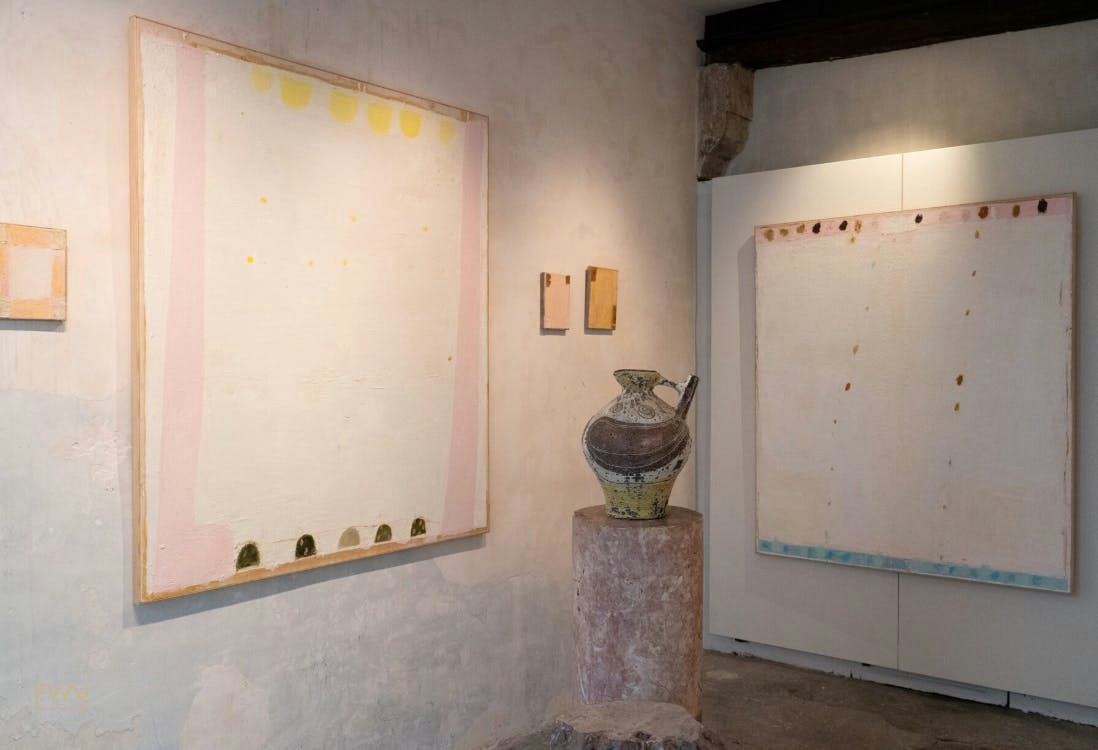
During Paris Fashion Week, the dominant format in areas like Le Marais and Saint-Germain-des-Prés is the trade showroom: an invitation-only or appointment-based space where collections are presented to buyers, press, and stylists rather than the general public. Fashion showrooms require different spatial specifications than retail pop-ups, including fitting rooms, good natural or neutral lighting, rail and display infrastructure, and often a reception or meeting area. Spaces with architectural character, such as those with exposed piping, exposed stone, stone columns, or wooden beam ceilings, are consistently among the most sought-after for showroom activations because they provide a distinctive backdrop that reinforces brand identity without requiring heavy fit-out investment.
Retail and Exhibition Hybrid
A growing number of brands in fashion, beauty, and lifestyle are combining direct retail with exhibition or experiential elements: products for sale alongside brand storytelling through installation, photography, film, or interactive elements. This format is particularly well-suited to Paris given the city's cultural infrastructure and consumer appetite for experience-led retail. Spaces with generous volumes, high ceilings, and flexible floor plans that accommodate both merchandise display and installation work are ideal for this format.
Photo Shooting and Filming Location
Some brands rent short-term retail spaces in Paris primarily or partly as a production location for brand photography or film content rather than for direct consumer activation. Rue de Rivoli's arcade and the architectural spaces available throughout central Paris offer rich backdrops. In these cases, the commercial hire of the space requires specific consideration of permit requirements and landlord consents related to commercial filming.
Seminar and Professional Event
Brands and industry organisations occasionally use short-term retail spaces in Paris for professional seminars, press events, cocktail parties, brand presentations, and trade meetings. Spaces with 380v power supplies for technical equipment, strong wifi systems, and catering-compatible layouts are appropriate for this format. The availability of sound and video equipment within the space or as part of a rental package can significantly reduce production costs.
Virtual Showroom Complement
Since the acceleration of virtual showrooms during and after the pandemic, many brands now use physical Paris spaces to complement a digital sales strategy: hosting a selective live component for key buyers and press while the broader collection remains available virtually. This hybrid model requires less square footage than a full trade showroom but benefits from a strong architectural address and a well-designed spatial experience.
TIP: Clarify your activation format before beginning your venue search. A fashion showroom brief, a consumer pop-up brief, and a filming location brief require entirely different space specifications, lease terms, and permit considerations. Starting with the format prevents costly renegotiation after a space has been shortlisted.
KEY TAKEAWAY: Paris pop-up formats range from standalone storefronts to hybrid gallery-retail experiences to trade showrooms and professional event spaces. Matching the format to your brand objectives before venue searching saves time and reduces fit-out costs.
With format clarified, the practical questions of duration, permits, compliance, and legal structure become central to your planning. This is where many international brands encounter their first significant challenges in the Paris market.
Permits, Regulations, and Legal Considerations for Paris Pop-Ups
Quick answer: Short-term retail rentals in Paris operate under specific legal frameworks including the bail dérogatoire and Autorisation d'Occupation Temporaire. These differ substantially from standard French commercial leases and carry distinct obligations around permits, insurance, fire safety, electrical safety, and in some cases, planning consent. Requirements vary by space type, duration, and arrondissement, and professional guidance is strongly recommended.
One of the most common points of confusion for international brands planning a Paris pop-up is the assumption that short-term retail is legally simpler than long-term leasing. In practice, France has specific legal instruments for temporary commercial occupation that carry their own compliance requirements, and navigating these without specialist support creates meaningful risk for brand teams operating under tight timelines.
The Bail Dérogatoire
The bail dérogatoire, sometimes called a convention d'occupation précaire in newer legal usage, is the primary legal mechanism for short-term commercial use of premises in France. It allows parties to agree to a commercial occupation outside the protections of the standard commercial lease statute, on the condition that both parties explicitly waive those protections in writing. Typical durations under a bail dérogatoire run from a few days to twenty-three months, beyond which French statute may treat the arrangement as a conventional commercial lease with full protection provisions. It is critical to understand that the bail dérogatoire must be correctly drafted and executed to be valid, and that generic template agreements used by some landlords may not provide adequate protection for either party. Always verify the terms of any short-term lease with a qualified French legal advisor before signing.
Autorisation d'Occupation Temporaire (AOT)
The Autorisation d'Occupation Temporaire, or AOT, governs the temporary use of public domain spaces, including certain arcaded or publicly adjacent areas in Paris. If your chosen Rivoli space has any element that extends into or occupies public domain, even a display in an arcade or a temporary installation that extends onto a pavement, an AOT may be required from the relevant local authority. This process involves the relevant mairie or prefecture depending on the nature of the space and the duration of the occupation. Requirements vary by arrondissement and by the specific nature of the occupation.
Fire Safety and Electrical Safety Compliance
All commercial spaces in France that receive the public are classified under the Code de la Construction et de l'Habitation as établissements recevant du public, or ERPs. These classifications carry mandatory fire safety and electrical safety requirements, including minimum exit provision, emergency lighting, fire suppression equipment, and electrical installation certification. Before occupying any space for a consumer-facing activation, your team must confirm that the space holds current ERP compliance certification and that your fit-out plans do not compromise that status. Any significant electrical work, including the installation of 380v power supplies for technical equipment, must be carried out by a certified electrician and may require notification to the local authority.
Insurance Requirements
Most landlords in Paris require tenants of short-term commercial spaces to hold specific insurance covering public liability, property damage, and in some cases business interruption. The minimum coverage levels required vary by landlord and space type. International brands should confirm whether their existing general liability policies extend to France and provide adequate coverage for the specific nature of the activation. A specialist broker with French commercial experience is the appropriate resource for this verification.
IMPORTANT: Requirements for permits, compliance certificates, and insurance vary significantly depending on space type, activation format, duration, and arrondissement. Nothing in this guide constitutes legal or regulatory advice. Verify all requirements with a qualified French legal advisor before committing to a lease or beginning fit-out work.
For initial permit guidance and to understand the typical compliance requirements for different types of Paris activations, the permit guidance tool on Fashion Week Venues provides a useful structured starting point before your legal advisor engagement.
KEY TAKEAWAY: Short-term retail in Paris is governed by specific legal instruments that require careful drafting and professional oversight. Fire safety, electrical compliance, public liability insurance, and in some cases public domain permits are all mandatory considerations, not optional ones.
With the compliance landscape understood, the practical question of budget planning becomes the next critical stage. Misjudging the true cost of a Paris pop-up is one of the most common reasons activations underdeliver against commercial objectives.
Budget Planning for a Rue de Rivoli Pop-Up Store
Quick answer: The total cost of renting and activating a pop-up store on Rue de Rivoli includes not only the space rental but also fit-out and production, furniture rental, temporary staffing, POS and payments infrastructure, insurance, permits, marketing and social media, and post-activation costs. Accurate budgeting requires all cost categories to be captured from the outset.
Many brand teams approach Paris pop-up planning with a primary focus on the rental rate for the space itself, treating all other costs as secondary or variable. This approach consistently produces budget overruns because the space rental in premium Paris locations typically represents only a portion of the total activation cost. A rigorous budget framework captures every category from the outset.
Core Budget Categories for a Paris Pop-Up
| Budget Category | What It Covers | Notes |
|---|---|---|
| Space rental | Short-term lease or licence fee for the venue | Varies significantly by location, size, and duration |
| Fit-out and production | Shopfitting, construction, display installation | Depends on space condition and brand specification |
| Branded store design | Creative direction, spatial planning, scenography | May be in-house or agency-managed |
| Furniture rental | Display furniture, seating, fixtures, rails | Rental often more cost-effective than purchase for short durations |
| Temporary staff | Sales associates, brand ambassadors, customer service | French labour law applies; specialist HR guidance recommended |
| POS and payments | Point of sale technology, card payment infrastructure | Must support local payment methods including contactless |
| Insurance | Public liability, property damage, contents | Minimum coverage levels typically specified by landlord |
| Permits and compliance | Legal fees, permit applications, ERP certification review | Do not underestimate timeline or cost |
| Marketing and social media | Paid and earned media, influencer activation, PR | Critical for driving foot traffic during the activation period |
| Logistics and inventory | Stock transport, customs if applicable, storage | Inventory decisions should account for cashflow and overproduction risk |
| Technical equipment | Sound, video, wifi system, 380v power if required | Confirm availability within the space before budgeting |
| Packaging and consumables | Branded packaging, bags, tissue paper, stationery | Often overlooked in initial budgets |
| Dismantling and reinstatement | End-of-lease restoration costs | Check reinstatement obligations before committing to fit-out scope |
One of the consistent findings among brands that have operated Paris pop-ups is that staffing costs are frequently underestimated. French labour law is detailed and specific, particularly regarding temporary employment contracts, working hours, and mandatory employer contributions. International brands hiring temporary staff for a Paris activation should use a specialist French HR or employment services provider to avoid compliance exposure.
Cashflow planning is equally important. The timing of lease payments, fit-out invoices, staff costs, and incoming revenue from pop-up sales does not always align conveniently, particularly for shorter activations where the sales period may be only two to four weeks. Mapping the cashflow against the activation timeline before committing is a practical discipline that prevents liquidity stress during what is already a high-pressure operational period.
Pricing for Rue de Rivoli spaces, like all prime Paris retail locations, varies by square footage, duration, specification, floor level, and current market demand. Rates for premium locations during Paris Fashion Week calendar windows are typically higher than equivalent periods in other months. For a brand-specific estimate based on your size requirements, duration, and specification, the budget estimation tool on Fashion Week Venues provides a structured framework without requiring a commitment to any specific space.
TIP: Always build a contingency of at least 15 to 20 percent into your total activation budget. Paris pop-ups consistently produce unforeseen costs at the fit-out, compliance, and operational stages, and a contingency reserve prevents those costs from disrupting the activation itself.
KEY TAKEAWAY: Space rental is typically only a fraction of the total cost of a Paris pop-up. A complete budget framework captures fit-out, staffing, compliance, insurance, marketing, logistics, and reinstatement costs from the outset. Cashflow planning is as important as total budget planning for short activations.
With a realistic budget framework in place, the strategic planning question becomes: when should you activate? Paris has a defined fashion and retail calendar, and the timing of your pop-up relative to that calendar has a direct impact on footfall, media coverage, and commercial results.
The Paris Fashion and Retail Calendar: When to Activate
Quick answer: Paris Fashion Week runs twice annually, in late February or early March for Autumn/Winter collections and in late September or early October for Spring/Summer. These windows deliver the highest concentration of international fashion buyers, press, and culturally engaged consumers. However, they also produce the most competitive space availability conditions and peak rental rates. Other strong activation windows include the summer tourist peak and the Christmas retail season.
The Paris retail calendar is one of the most structured in the world, and brands planning a pop-up on Rue de Rivoli or anywhere in central Paris benefit significantly from understanding its rhythms before selecting dates.
Paris Fashion Week is the single most important calendar event for fashion brands seeking press coverage, buyer meetings, and industry visibility. The women's ready-to-wear shows occur twice per year, and the concentration of international buyers, editors, stylists, and brand teams in Paris during these windows creates an exceptional audience for showrooms, trade activations, and consumer-facing pop-ups in adjacent streets. The proximity of Rue de Rivoli to Le Marais, where showrooms cluster during Fashion Week, makes a Rivoli location particularly valuable as a complementary consumer-facing activation during the trade calendar.
However, Fashion Week is not the only viable window for a Paris pop-up. The summer period, from June through August, delivers extremely high tourist volumes along Rue de Rivoli due to proximity to the Louvre and Tuileries. Brands in accessible luxury, beauty, lifestyle, and souvenir-adjacent categories can achieve very strong results during this window. The Christmas and end-of-year retail season, from mid-November through late December, produces another significant traffic peak with a consumer audience that is in an active purchasing mindset.
For brands planning fashion showrooms specifically, the professional trade calendar also includes Paris Première Classe, Who's Next, and the couture and menswear weeks, each of which brings a distinct industry audience to the city. Understanding which professional audience your brand needs to reach and which calendar event concentrates that audience is the most efficient way to select your activation window.
DID YOU KNOW: According to the Comité Colbert and Paris Tourism authority, Paris consistently attracts over 30 million international visitors annually, making it one of the world's most visited cities. Rue de Rivoli sits at the intersection of several major tourist circuits, which means even outside Fashion Week windows, the street captures substantial daily international footfall.
Availability of spaces in premium locations, particularly along Rue de Rivoli and in Le Marais, tends to contract significantly in the four to six weeks before Paris Fashion Week. Brands that begin their venue search less than eight weeks before their desired activation date frequently find that the most desirable spaces are already committed. A twelve to sixteen week lead time from initial brief to lease start is a more realistic planning assumption for premium Rivoli addresses.
For a structured view of how your planning activities should sequence across your available lead time, the timeline planning tool on Fashion Week Venues provides a framework built around Paris's specific retail calendar and typical space-to-activation lead times.
KEY TAKEAWAY: Paris Fashion Week is not the only viable activation window, but it is the most competitive for space availability. Premium Rivoli locations require a minimum twelve to sixteen week lead time. Understanding the Paris retail calendar in full enables brands to identify the most commercially and logistically appropriate window for their specific objectives.
Planning, timing, and budgeting form the strategic foundation. The operational execution layer, including fit-out, design, staffing, marketing, and data analytics, determines whether a well-planned pop-up delivers its commercial objectives in practice.
Fit-Out, Design, and Operational Execution for a Paris Pop-Up
Quick answer: Successful pop-up execution in Paris requires coordinated delivery across branded store design, spatial planning, fit-out and production, furniture rental, temporary staffing, POS and payments, and real-time data analytics. Each of these workstreams has Paris-specific requirements that differ from equivalent work in other markets.
The operational delivery of a Paris pop-up is genuinely complex, particularly for brands operating in France for the first time or managing activations remotely from a headquarters in another country. Understanding the key workstreams and their Paris-specific considerations prevents the most common execution failures.
Branded Store Design and Spatial Planning
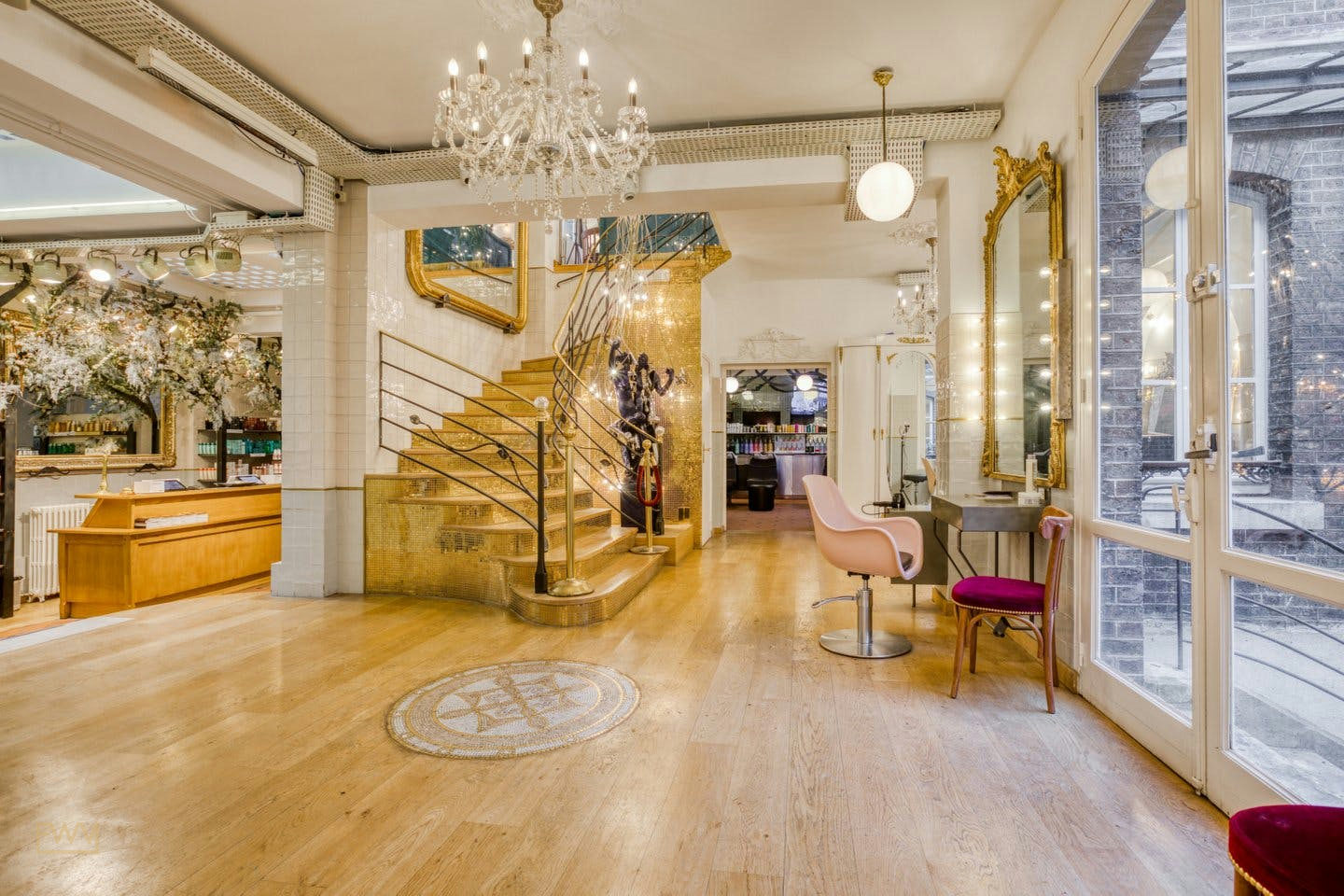
The design of a pop-up store in a heritage Parisian space requires a different approach than fitting out a neutral white-box retail unit. The architectural character of the space, whether that is marble detailing, stone columns, exposed piping, wooden beams, monumental staircases, or period ironwork, should be integrated into the brand story rather than concealed. The most successful Paris pop-up activations treat the architecture as a creative collaborator rather than a constraint. This requires a concept direction team that understands both the brand's aesthetic and the specific spatial opportunities of the chosen venue.
Spatial planning must account for retail compatibility alongside brand experience: the flow of customers through the space, the positioning of fitting rooms if relevant, the placement of display windows for maximum street visibility, the location of the POS point, and the allocation of any storage area or cellar space must all be resolved in the design phase before fit-out begins.
Production and Fit-Out
All fit-out work in Paris commercial spaces must comply with French building regulations and, for spaces classified as ERP, must not compromise the fire safety or emergency egress status of the building. This means that any construction, joinery, or installation work must be carried out by contractors who are familiar with these requirements. Reinstatement obligations, meaning the requirement to return the space to its original condition at the end of the lease, must be confirmed before the fit-out scope is finalised.
Furniture Rental
For short-duration activations, renting furniture and display fixtures rather than purchasing them is almost always more cost-effective and logistically simpler. Paris has a well-developed furniture rental market for retail and event use, and sourcing locally avoids the customs, transport, and storage complications that arise from importing fixtures from outside France or the EU.
Temporary Staffing
French labour law makes temporary staffing more structured than in many other markets. Short-term employment contracts, known as contrats à durée déterminée or CDD, must comply with specific legal requirements regarding maximum duration, renewal, and termination. Brand ambassadors and sales staff for a Paris pop-up should be managed through a specialist French employment or staffing agency. Language capability is a critical selection criterion: Rue de Rivoli foot traffic is heavily international, and staff who can communicate effectively in English, Mandarin, Arabic, or other major tourist languages alongside French will consistently outperform monolingual teams.
POS and Payments
French consumer expectations around payment include universal contactless payment acceptance, and international brands must ensure their POS infrastructure supports local payment behaviours. The selection of a POS system should also consider its ability to capture consumer data in compliance with GDPR, which applies across France as an EU member state. Consumer data captured during a pop-up activation can be a significant asset for future marketing and CRM if properly collected and managed.
Marketing and Social Media
Driving foot traffic to a pop-up store on Rue de Rivoli requires a coordinated marketing approach across paid social media, earned media and PR, influencer activation, and local community engagement. The fashion, beauty, and lifestyle influencer community in Paris is active and influential, and a well-structured influencer marketing programme can generate significant awareness and footfall beyond what paid advertising alone can deliver. Press coverage in French fashion and lifestyle media also extends reach to the local audience that Rivoli's tourist footfall does not capture on its own.
TIP: Plan your influencer activations and press preview events for the first two to three days of your pop-up's operation. Early social and editorial coverage creates a momentum effect that drives consumer traffic throughout the remainder of the activation period. Waiting until mid-activation to launch your media programme is one of the most common and most costly timing errors in pop-up marketing.
Data Analytics
Modern Paris pop-up activations generate valuable consumer data, from footfall counts and dwell time to transaction values, product preferences, and customer feedback. Capturing and analysing this data in real time enables your team to make in-activation adjustments to merchandising, staffing levels, and operational hours. Post-activation, the data supports inventory decisions for future collections, informs brand positioning strategy, and provides the commercial evidence base for ROI reporting to internal stakeholders. For brands evaluating whether a Paris presence justifies a longer-term retail commitment, pop-up data analytics are an essential input to that decision.
KEY TAKEAWAY: Operational execution of a Paris pop-up spans multiple specialist workstreams. Design must integrate with heritage architecture, fit-out must comply with French regulations, staffing must navigate French labour law, and marketing must be activated early to build momentum. Data analytics complete the loop by capturing the commercial evidence that justifies the investment.
To compare venues across these operational specifications before committing to a specific space, the space comparison tool on Fashion Week Venues allows you to evaluate multiple options against your brief simultaneously.
How Fashion Week Venues Helps Brands Rent Pop-Up Stores in Paris
Quick answer: Fashion Week Venues is a full-service pop-up agency and space marketplace with deep expertise in the Paris market. The agency supports brands from initial venue sourcing through concept direction, fit-out, staffing, marketing, and data analytics, with a suite of planning tools designed to reduce the complexity and risk of Paris pop-up activations for international and domestic brand teams alike.
The Paris pop-up market is genuinely difficult to navigate without local knowledge. The combination of French legal requirements, competitive space availability, heritage building compliance, language barriers, and the complexity of operating across multiple simultaneous workstreams creates a high-friction environment for brand teams that do not have established Paris relationships. Fashion Week Venues exists to reduce that friction without removing the brand team's creative control.
Venue Sourcing
The venue sourcing service draws on an established network of Paris landlords, property managers, and space owners across Rue de Rivoli, Le Marais, Saint-Germain-des-Prés, Saint-Honoré, and other key neighbourhoods. Rather than relying on publicly listed marketplace inventory alone, the agency has access to spaces that are not broadly marketed, which is particularly valuable in competitive calendar windows when publicly available inventory is limited.
Concept Direction
The concept direction service works with brand teams to develop a spatial and experiential concept that is coherent with brand identity, compatible with the chosen space's architecture, executable within the available budget, and capable of generating the social media and editorial coverage that maximises earned media return on the activation investment.
Production and Build
The production and build service manages the full fit-out of the space, from design documentation through construction, installation, and pre-opening compliance checks. This service operates with Paris-based contractors who are familiar with French building regulations, ERP compliance, and heritage building restrictions, which reduces both the risk and the administrative burden on brand teams operating from outside France.
Activation Management
The activation management service provides on-the-ground coordination during the operational period of the pop-up, including staff management, logistics, supplier coordination, and real-time problem resolution. For brand teams managing Paris activations remotely, this service provides the operational confidence that local issues will be handled without requiring direct management intervention from headquarters.
Planning Tools
Fashion Week Venues offers a suite of tools specifically designed for pop-up planning, including budget estimation, ROI calculation, space comparison, timeline planning, permit guidance, and space location. These tools are practical decision-support resources designed to help brand teams move from initial research to a well-structured brief before engaging with the agency's full service offering. They are particularly useful for brand teams in the early planning stage who need to build an internal business case before committing budget to an activation.
Who Benefits Most
The Fashion Week Venues service model is most valuable for: international brands entering the Paris market for the first time without an established local network; brands planning activations during competitive calendar windows when space availability is tightest; brand teams with ambitious creative briefs that require specialist spatial and production expertise; and brands that want to combine a Paris activation with activations in other fashion capitals, where the agency's multi-city infrastructure reduces coordination complexity.
Fashion Week Venues does not guarantee the availability of any specific space, the approval of any permit, or the achievement of any specific commercial result. What the agency provides is structured expertise, local relationships, and operational capability that materially increases the probability of a successful Paris activation compared to self-managed approaches.
For brands at the initial evaluation stage, the guide to hiring a pop-up agency provides a structured framework for evaluating whether agency support is the right approach for your specific brief and budget.
KEY TAKEAWAY: Fashion Week Venues provides end-to-end support for Paris pop-up activations, from venue sourcing to post-activation data analytics. The agency's value is greatest for international brands entering Paris for the first time and for brands operating in competitive calendar windows where local knowledge and established landlord relationships are decisive advantages.
Key Features to Look for in a Rue de Rivoli Pop-Up Space
Quick answer: The ideal Rue de Rivoli pop-up space combines strong street visibility through display windows, architectural character that supports brand storytelling, adequate technical infrastructure including electrical capacity and wifi, compliance with ERP regulations, and flexible lease terms that align with your activation calendar. Each of these features should be verified before lease commitment.
Not all spaces along Rue de Rivoli are equally well-suited to all activation formats. The street encompasses a significant variety of retail unit types, building conditions, floor configurations, and technical specifications. The following checklist covers the features that brand teams should prioritise in their space evaluation process.
| Feature | Why It Matters | What to Verify |
|---|---|---|
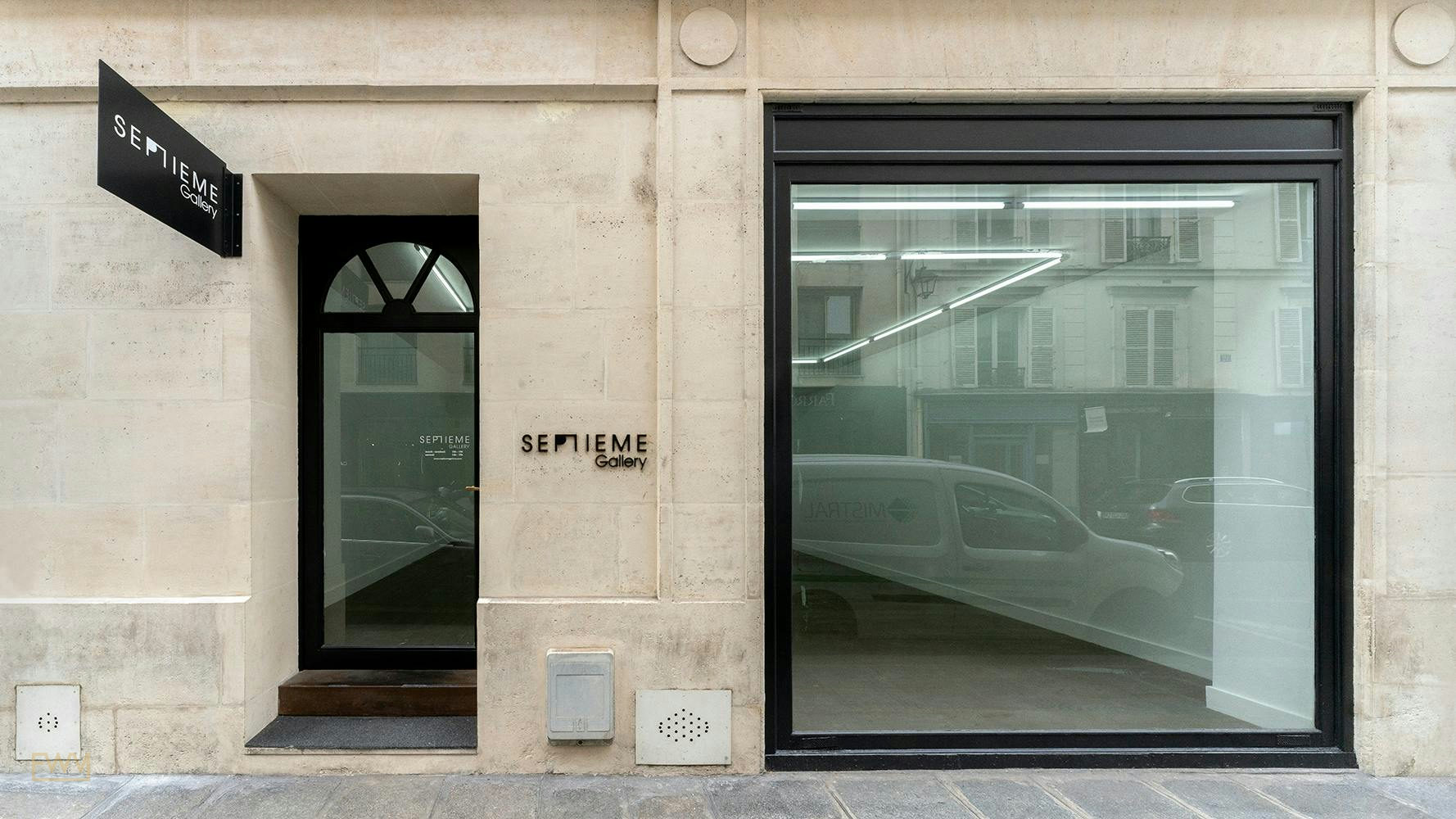
| Display windows | Street-level brand visibility 24 hours per day | Dimensions, lighting, structural condition |
| Architectural character | Reduces fit-out cost, enhances brand storytelling | Stone columns, wooden beams, marble detailing, cellar space |
| Floor plan flexibility | Supports range of merchandising and spatial layouts | Column positions, floor-to-ceiling height, load-bearing constraints |
| Technical infrastructure | Supports sound, video, payment, and operational requirements | 380v power supply, wifi system capacity, data connection |
| ERP compliance status | Mandatory for consumer-facing activations | Current compliance certification, fire exit provision, emergency lighting |
| Cellar or storage space | Supports inventory management and back-of-house operations | Access, security, dimensions, ventilation |
| Accessibility | Legal requirement, essential for inclusive brand positioning | Entrance width, step-free access, toilet provision |
| Lease term flexibility | Must align with activation calendar and brand commitment horizon | Minimum duration, break clauses, reinstatement obligations |
| Monumental staircases or dual-level potential | Enables multi-level brand experience in larger activations | Structural condition, ERP implications of dual-level use |
| Landlord cooperation | Critical for fit-out approvals, filming consents, and permit support | Landlord track record with temporary retail tenants |
The availability of a strong wifi system is increasingly a baseline requirement rather than an optional feature. Modern pop-up operations depend on reliable connectivity for POS and payments, data analytics, staff communications, and the social media content creation that generates earned media. Spaces that do not have adequate connectivity infrastructure require additional investment in temporary solutions, which adds both cost and operational complexity.
For brands considering co-activation, meaning sharing a space with one or more complementary brand partners to split costs and broaden the audience appeal of the activation, the twin co-activation concept offered by Fashion Week Venues provides a structured framework for this increasingly popular approach.
KEY TAKEAWAY: Evaluating a Rivoli space against a structured feature checklist before committing to a lease prevents the discovery of critical deficiencies after fit-out has begun. Technical infrastructure, ERP compliance status, and landlord cooperation are the three features that most often catch brands by surprise when not verified upfront.
Common Myths About Renting a Pop-Up Store in Paris
MYTH: You need a French legal entity to rent a pop-up space in Paris.
FACT: International brands can in many cases rent short-term commercial space in Paris without establishing a French company, using a bail dérogatoire or licence agreement structured for non-resident entities. However, the specific requirements depend on the landlord, the space type, the duration, and the nature of the activation. Some landlords require a French-registered guarantor or a significant deposit in lieu of a French entity. Always verify the specific requirements for your target space with a qualified French legal advisor and do not assume that your existing corporate structure is automatically sufficient without that verification.
MYTH: Paris Fashion Week is the only viable calendar window for a Paris pop-up.
FACT: Paris Fashion Week is the most competitive window for fashion trade and showroom activations, but it is far from the only commercially viable period. The summer tourist season produces exceptional footfall along Rue de Rivoli due to the Louvre and Tuileries, and the Christmas retail period drives strong consumer purchasing intent. Brands in beauty, lifestyle, and accessible fashion often achieve stronger commercial results outside the Fashion Week window when competition for consumer attention is lower and space costs are more moderate.
MYTH: Commission brokers are the only way to find a pop-up space in Paris.
FACT: Commission-based space brokers are one route to finding Paris pop-up spaces, but they are not the only route and in some cases are not the most effective one. Dedicated space marketplaces, full-service agencies with proprietary space networks, and direct landlord relationships all provide access to Paris retail spaces, often with better terms and greater transparency than traditional broker arrangements. Understanding the different access models and their respective cost structures helps brand teams make a more informed sourcing decision.
MYTH: Short-term leases are legally straightforward and do not require specialist help.
FACT: French commercial tenancy law is detailed and specific, and short-term instruments like the bail dérogatoire carry precise requirements regarding how they must be drafted and executed. A poorly drafted short-term agreement can inadvertently trigger the protections of the standard commercial lease statute, which has entirely different implications for both parties. ERP compliance requirements, reinstatement obligations, insurance specifications, and public domain permit requirements add further layers of complexity. Professional legal, compliance, and agency support is not a luxury for Paris pop-ups; it is a practical risk management necessity.
MYTH: All Paris pop-up spaces on Rue de Rivoli offer the same technical infrastructure.
FACT: Technical infrastructure varies enormously between spaces along Rue de Rivoli and across central Paris. Some spaces offer 380v power supplies suitable for technical equipment, strong wifi systems, and integrated AV infrastructure. Others offer only basic residential-grade electrical provision that is entirely inadequate for a full retail activation. Verifying technical specification before lease commitment, rather than assuming adequacy, prevents costly mid-activation infrastructure upgrades or event format compromises.
Frequently Asked Questions
What is a pop-up store and how does it differ from a permanent retail space?
A pop-up store is a temporary retail installation that occupies a commercial space for a defined period, typically ranging from a single weekend to several months. Unlike permanent retail leases, which are governed by standard French commercial lease statute and typically run for three, six, or nine years, pop-up stores operate under short-term instruments such as the bail dérogatoire or licence agreement. The temporary nature of pop-up retail allows brands to test locations, reach new audiences, create time-limited urgency for consumers, and generate earned media coverage without the long-term financial and operational commitment of a permanent retail address.
Why should I open a pop-up store on Rue de Rivoli specifically?
Rue de Rivoli offers a combination of daily international footfall, an architecturally distinctive retail environment, and proximity to Paris's most significant cultural destinations including the Louvre, the Tuileries, and Notre-Dame de Paris. For fashion, beauty, and lifestyle brands, a Rivoli address communicates cultural authority and brand ambition. The arcade structure provides protected display windows and covered pedestrian flow that benefits brand visibility in all weather conditions. The street also connects conveniently to Le Marais and to major Paris transport hubs, making it accessible to both tourist and local consumer audiences.
How far in advance should I start looking for a pop-up space on Rue de Rivoli?
For a premium Rue de Rivoli address, particularly during Paris Fashion Week windows, a minimum lead time of twelve to sixteen weeks from initial brief to lease start is a realistic planning assumption. The most sought-after spaces are often committed six months or more in advance for key calendar windows. If your activation window is flexible, beginning the search earlier increases the probability of securing your preferred space type and size at a more competitive rate. Waiting until six to eight weeks before your desired activation date significantly restricts your options in premium locations.
What are the most popular neighbourhoods for pop-up retail in Paris besides Rue de Rivoli?
Le Marais, encompassing the third and fourth arrondissements, is the most culturally active neighbourhood for fashion pop-ups and showrooms, with streets including Rue des Rosiers attracting fashion-forward consumers and creative professionals. Saint-Germain-des-Prés in the sixth arrondissement suits lifestyle, editorial, and beauty brand activations. Rue Saint-Honoré and the Place Vendôme area in the first arrondissement are the primary addresses for luxury brand activations. Saint-Germain and Le Marais offer a more intimate neighbourhood retail experience, while Rue de Rivoli and the Champs-Élysées offer maximum footfall volume.
Do I need a French company to rent a pop-up space in Paris?
Not necessarily, but the requirements vary significantly depending on the landlord, space type, and lease structure. Many international brands successfully rent short-term commercial space in Paris through bail dérogatoire agreements structured for non-resident entities, sometimes supported by a deposit in lieu of a French corporate guarantor. However, this is not universal, and some landlords require a French-registered entity or guarantor as a condition of the lease. Verifying the specific requirements for your target space with a qualified French legal advisor before beginning negotiations is essential to avoid wasted time on spaces that are not accessible to your corporate structure.
What permits are typically required for a consumer-facing pop-up on Rue de Rivoli?
Requirements vary by space type, activation format, duration, and arrondissement. At a minimum, consumer-facing pop-ups in Paris require the space to hold current ERP compliance certification covering fire safety and emergency egress. If the activation involves any extension into public domain, such as displays in the arcade area or temporary signage on the building exterior, an Autorisation d'Occupation Temporaire may be required from the relevant local authority. Significant electrical work requires certified contractor delivery and may require notification to the local authority. Always verify permit requirements with a qualified French legal advisor before committing to lease start.
How much does it cost to rent a pop-up store in Paris?
Total activation costs for a Paris pop-up span multiple budget categories beyond the space rental itself, including fit-out and production, furniture rental, staffing, POS and payments, insurance, permits, marketing, and logistics. Space rental rates for premium Paris addresses vary significantly by location, size, floor level, and duration, and rates during Paris Fashion Week windows are typically higher than equivalent periods outside the fashion calendar. Rather than relying on indicative market rates, which can be misleading without context, brand teams should use a structured budget framework that captures all cost categories from the outset. A brand-specific estimate can be developed using the budget estimation tool available on Fashion Week Venues.
What is the minimum rental duration for a pop-up space in Paris?
Minimum rental duration varies significantly by space and landlord. Some spaces available on marketplace platforms offer weekend or week-long rental periods, while others have minimum commitments of two to four weeks or longer. During peak calendar windows such as Paris Fashion Week, some premium spaces have minimum commitments that align with the full Fashion Week period. Brands with very short activation windows, such as a product launch over a single weekend, should specify this requirement clearly in their venue brief to avoid shortlisting spaces whose minimum duration commitments exceed the planned activation period.
What types of brands are best suited to a Rue de Rivoli pop-up?
Rue de Rivoli is particularly well-suited to fashion brands seeking international consumer visibility, beauty and lifestyle brands targeting a culturally engaged tourist and local audience, limited-edition or capsule collection launches that benefit from a prestigious Paris address, brands entering France for the first time and seeking a market test environment, and brands planning activations around Paris Fashion Week that want both trade presentation and consumer retail in a single location. The street is less well-suited to brands targeting exclusively the young Parisian creative demographic, who tend to be more concentrated in Le Marais, or brands requiring a quieter, more intimate neighbourhood context.
Can I run a fashion showroom and a consumer pop-up in the same space simultaneously?
Yes, this is a format that some brands operate successfully, particularly in larger spaces that can accommodate both trade presentation areas and a consumer retail section. The key considerations are: ensuring the space is large enough to maintain a distinct trade area that protects the exclusivity of press and buyer appointments; managing scheduling so that consumer traffic does not disrupt trade appointments; and ensuring the fit-out design serves both audiences effectively. This format requires more careful spatial planning than a single-format activation and benefits significantly from concept direction expertise that understands both trade and consumer retail design requirements.
How do I drive foot traffic to a pop-up store on Rue de Rivoli?
Driving foot traffic to a Rivoli pop-up requires a multi-channel marketing approach. Social media campaigns targeting Paris-based and visiting consumers should launch in advance of the activation opening and continue throughout the operational period. Influencer activations with Paris-based fashion and lifestyle creators generate earned media that extends reach beyond paid audience. PR and editorial outreach to French fashion, beauty, and lifestyle media builds local awareness with the Parisian consumer audience that Rivoli's tourist footfall alone does not capture. On-the-ground activation elements such as window displays and street presence convert passing tourist traffic into walk-in visitors during the activation period.
What should I look for in a Paris pop-up agency?
The most important factors when evaluating a Paris pop-up agency include: depth of local space relationships and access to non-publicly-listed inventory; demonstrated experience with the specific type of activation you are planning, whether that is a fashion showroom, a consumer pop-up, or a hybrid event; knowledge of French permit and compliance requirements; production and fit-out capability with Paris-based contractors who understand heritage building constraints; and transparent pricing structures that allow you to understand the full cost of agency support before committing. References from brands that have activated in Paris with the agency's support are the most reliable indicator of execution capability.
Can a pop-up store on Rue de Rivoli support sustainability objectives?
Yes, short-term retail formats are inherently more resource-efficient than permanent retail from a capital expenditure perspective, and a well-planned pop-up can actively advance sustainability objectives. Using furniture rental rather than purchased fixtures reduces material consumption. Designing for disassembly and reinstatement minimises waste at the end of the activation. Sourcing locally in Paris for materials, staff, and services reduces transport emissions. For brands with sustainability as a core brand value, the pop-up format also provides an opportunity to communicate that value directly to consumers through the design, packaging, and operational choices made visible during the activation. Sustainability messaging that is evidenced by genuine operational practice generates stronger consumer response than claims unsupported by visible action.
What data should I capture during a Paris pop-up activation?
A well-instrumented Paris pop-up generates a range of commercially valuable data points including: daily and hourly footfall counts; dwell time and customer journey patterns within the space; transaction values, basket sizes, and product mix; conversion rates from footfall to purchase; customer feedback and satisfaction indicators; social media engagement metrics and earned media reach; and geographic origin of customers where voluntarily captured. This data serves multiple purposes: it informs real-time operational decisions during the activation, it supports post-activation inventory and product decisions, and it provides the commercial evidence base for ROI reporting to internal stakeholders and for evaluating whether a longer-term Paris retail commitment is justified.
How does a pop-up on Rue de Rivoli compare to one in Le Marais for a fashion brand?
Rue de Rivoli delivers higher total footfall and stronger international tourist traffic, which suits brands prioritising volume, visibility, and direct consumer sales. Le Marais delivers a more concentrated fashion-forward, culturally engaged audience with higher brand sophistication, which suits brands prioritising industry credibility, press coverage, and positioning within Paris's creative community. For fashion brands, the ideal approach during Fashion Week is often to combine a Le Marais showroom for trade and press with a Rivoli-adjacent consumer pop-up for direct sales and broader brand awareness. For brands choosing a single location, the choice depends on whether trade visibility or consumer revenue is the primary objective for the specific activation.
Conclusion: From Research to Activation on Rue de Rivoli
Renting a pop-up store on Rue de Rivoli is one of the most strategically powerful moves available to a fashion, beauty, or lifestyle brand seeking visibility and commercial traction in Paris. The combination of daily international footfall, architectural heritage, cultural adjacency to the Louvre and Notre-Dame de Paris, and connectivity to Le Marais and other key fashion neighbourhoods makes this corridor genuinely distinctive in the European pop-up landscape.
Executing successfully requires more than identifying the right space. It requires a complete planning framework: legal compliance through correctly structured short-term lease instruments, permit and ERP compliance verification, rigorous multi-category budget planning, early calendar planning to secure preferred spaces before the most competitive windows close, operational execution across design, fit-out, staffing, POS, and marketing, and data capture that turns the activation into a commercially valuable source of consumer intelligence.
International brands entering Paris for the first time, and experienced brands seeking to improve the efficiency and impact of their Paris activations, benefit from working with a specialist agency that has established local space relationships, understands French legal and compliance requirements, and can coordinate the full delivery of a Paris pop-up from brief to closing day.
To move from research to activation, start exploring available spaces on the Fashion Week Venues marketplace and build a focused brief for your target neighbourhood, space type, and calendar window. The tools, guides, and agency support available through Fashion Week Venues are designed to make the path from first idea to opening day on Rue de Rivoli as clear and executable as possible.