If you want to rent a pop-up store in Montorgueil, you are targeting one of the most commercially vibrant and culturally relevant neighbourhoods in central Paris. The quartier Montorgueil sits in the 2nd arrondissement, bordered by Les Halles to the west and the Sentier district to the east, and its pedestrian street generates some of the highest foot traffic figures of any retail corridor in the City of Light. This guide covers everything brand teams, creative directors, and retail strategists need to know about securing, operating, and maximising a temporary retail activation in this part of Paris, from space types and lease structures to permits, budgets, and brand activation strategy. Fashion Week Venues supports brands activating across Paris, including Montorgueil and the surrounding 2nd arrondissement.
Why the Quartier Montorgueil Is One of Paris's Most Effective Pop-Up Locations
Quick answer: Montorgueil combines exceptional pedestrian flow, a culturally engaged visitor profile, proximity to major Paris landmarks, and a diverse mix of retail, food, and art destinations. For brands seeking short-term retail visibility in a neighbourhood that blends local Parisian life with international tourism, it is among the most strategically sound choices in the 2nd arrondissement.
Rue Montorgueil is one of the oldest market streets in Paris, stretching from rue du Louvre in the south toward rue Réaumur in the north. The street is pedestrianised for much of its length and lined with food artisans, patisseries, independent boutiques, and a concentrated cluster of bars and restaurants that draw a consistent daily footfall from early morning through late evening. Established names such as Stohrer, one of the oldest patisseries in France, and Lenôtre have contributed to the street's identity as a destination for quality and provenance, values that align well with premium brand activations.
The broader quartier extends beyond the main street. Rue Etienne Marcel runs along the southern edge and is strongly associated with Parisian fashion retail, with a cluster of concept stores, boutiques, and wholesale showrooms that have historically made it an important address during Paris Fashion Week. This proximity to established fashion retail infrastructure makes the area particularly attractive to apparel, accessories, and lifestyle brands running temporary activations.
The Sentier district, which overlaps with parts of the 2nd arrondissement to the east, adds a layer of digital and creative industry presence. The area has become a hub for technology startups, media companies, and innovation-focused businesses, which means the daytime population includes a high proportion of young professionals alongside the residential and tourist visitors who populate Rue Montorgueil itself.
Proximity is a significant strategic asset. The Louvre is within walking distance to the southwest. Tuileries Garden draws millions of visitors annually, many of whom pass through this part of central Paris. Les Halles, the major commercial and transport node immediately to the west, feeds considerable foot traffic into the Montorgueil corridor. The 2nd arrondissement therefore benefits from a layered visitor economy that sustains retail performance across multiple days of the week.
For brands planning activations during Paris Fashion Week, the location sits close to showroom clusters along rue Etienne Marcel and rue Réaumur, meaning buyers, press, and industry professionals pass through the area at a high rate during February and October calendar windows.
DID YOU KNOW: Rue Montorgueil has been a market street since the Middle Ages. The pedestrianisation of its central section in the 1990s accelerated its transformation into one of the most photographed and commercially active streets in central Paris.
KEY TAKEAWAY: The quartier Montorgueil offers a rare combination of authentic Parisian street culture, strong pedestrian flow, fashion industry adjacency, and proximity to major tourist and transport nodes. For brands seeking a pop-up location that generates organic visibility alongside planned marketing activity, few Paris neighbourhoods deliver this combination as consistently.
Understanding what specific space types are available in and around Montorgueil is the next critical step for any brand team building a Paris activation brief.
Types of Retail Spaces Available to Rent in Montorgueil and the 2nd Arrondissement
Quick answer: The Montorgueil area and surrounding 2nd arrondissement offer a variety of short-term rental formats including former boutiques, showroom-style spaces, gallery spaces, concept stores, ground-floor storefronts, and event-ready venues. The right format depends on your brand objectives, surface area requirements, visitor journey needs, and budget.
Short-term retail space in this part of Paris ranges considerably in format, size, and character. Understanding the available typologies helps brand teams identify which spaces suit specific activation goals rather than simply focusing on price or location alone.
Ground-Floor Storefronts and Boutiques
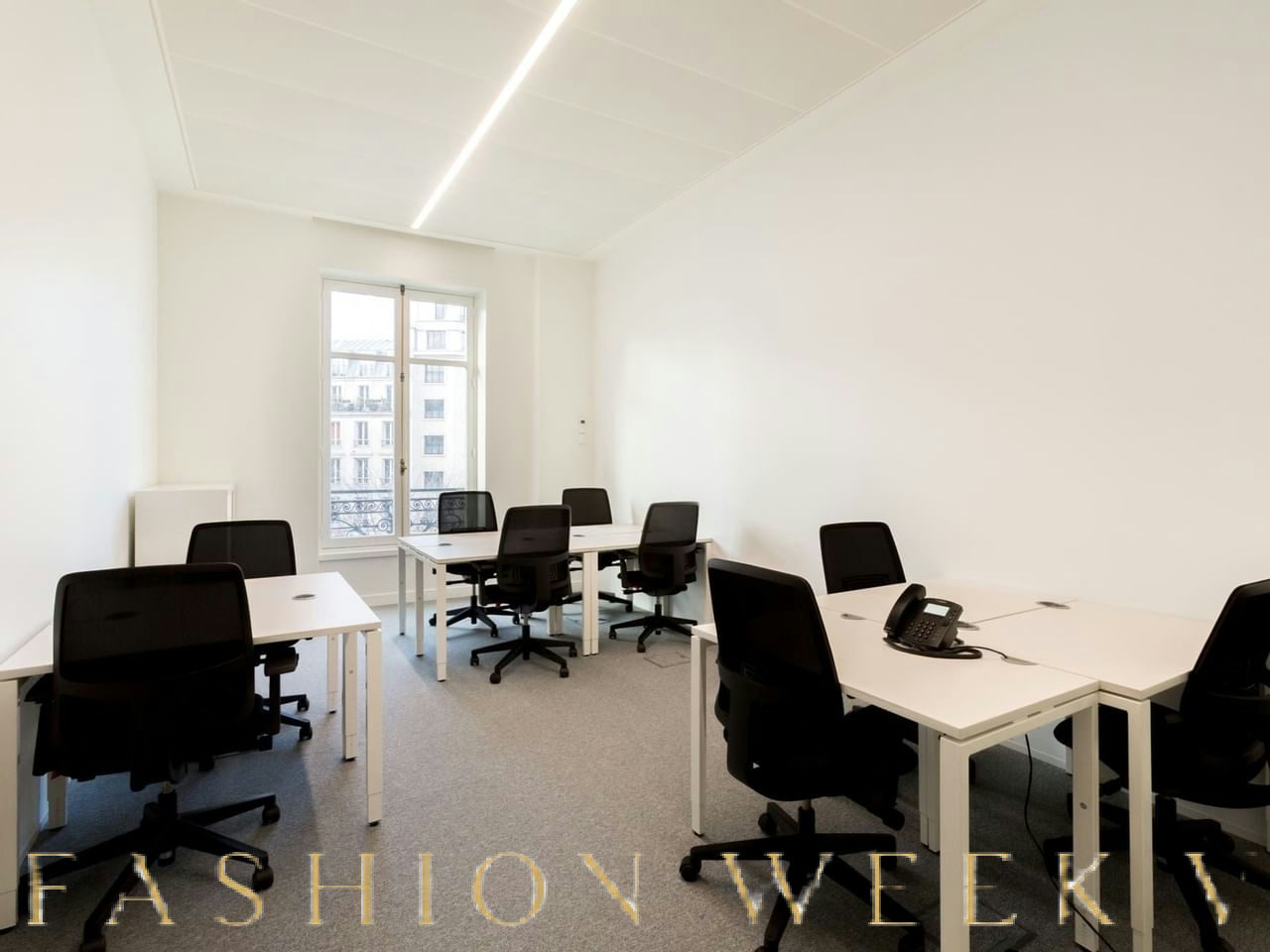
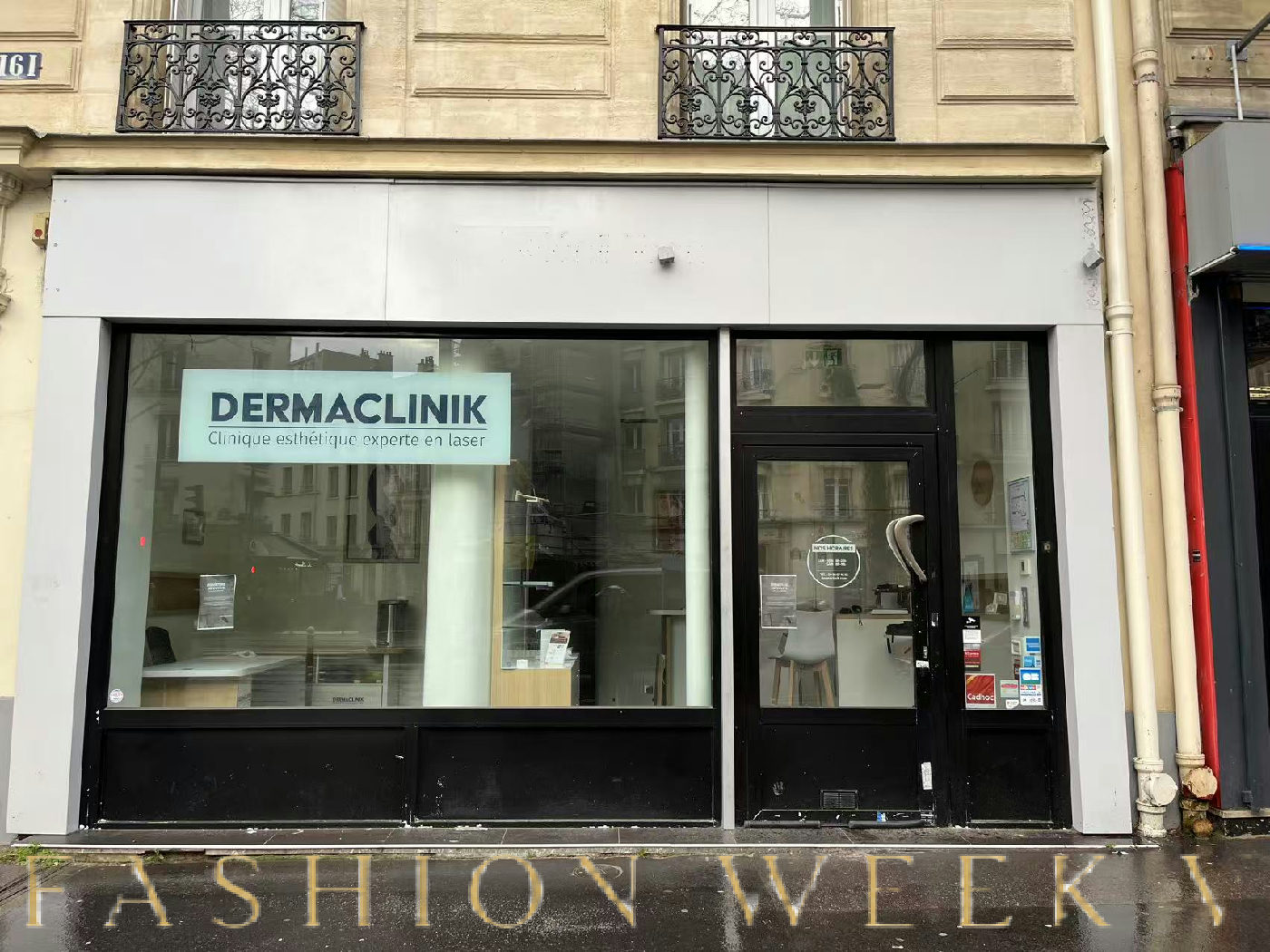
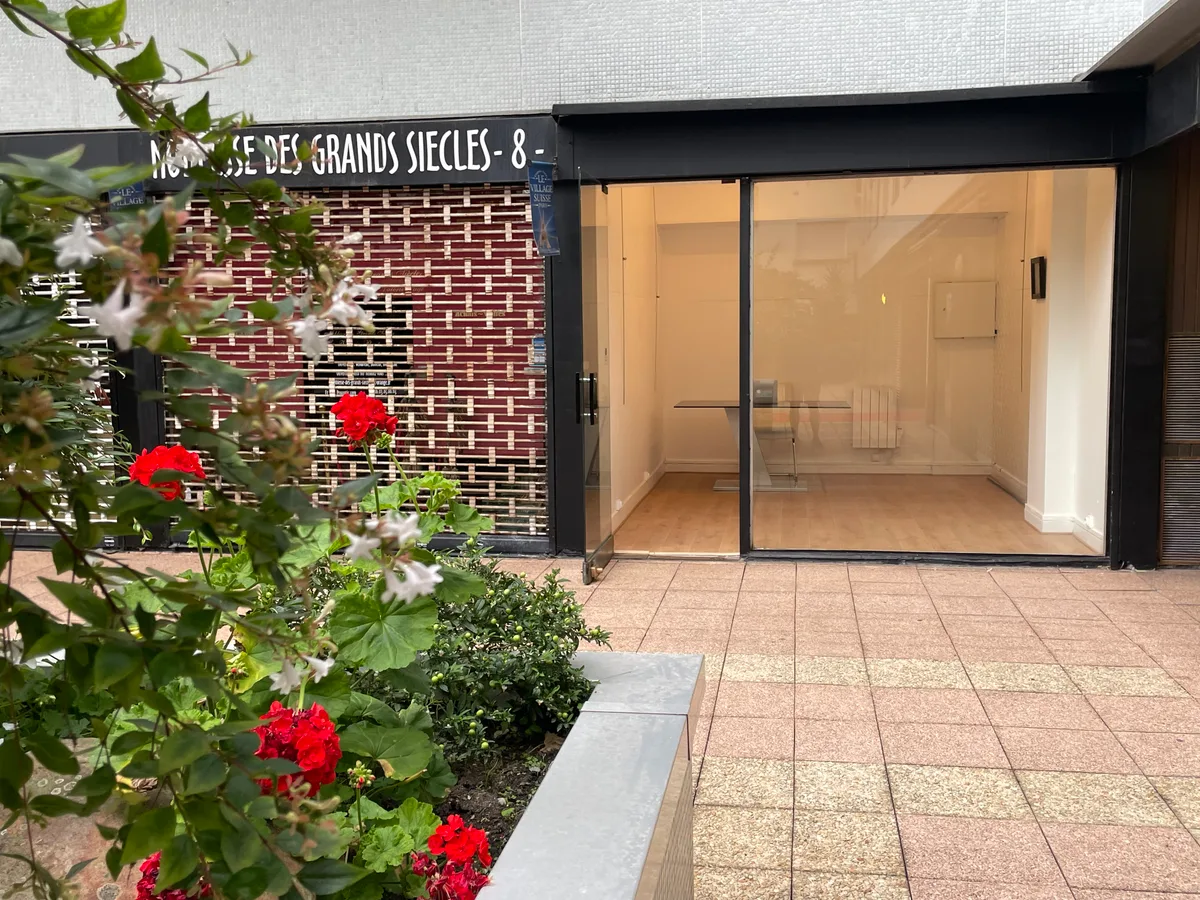
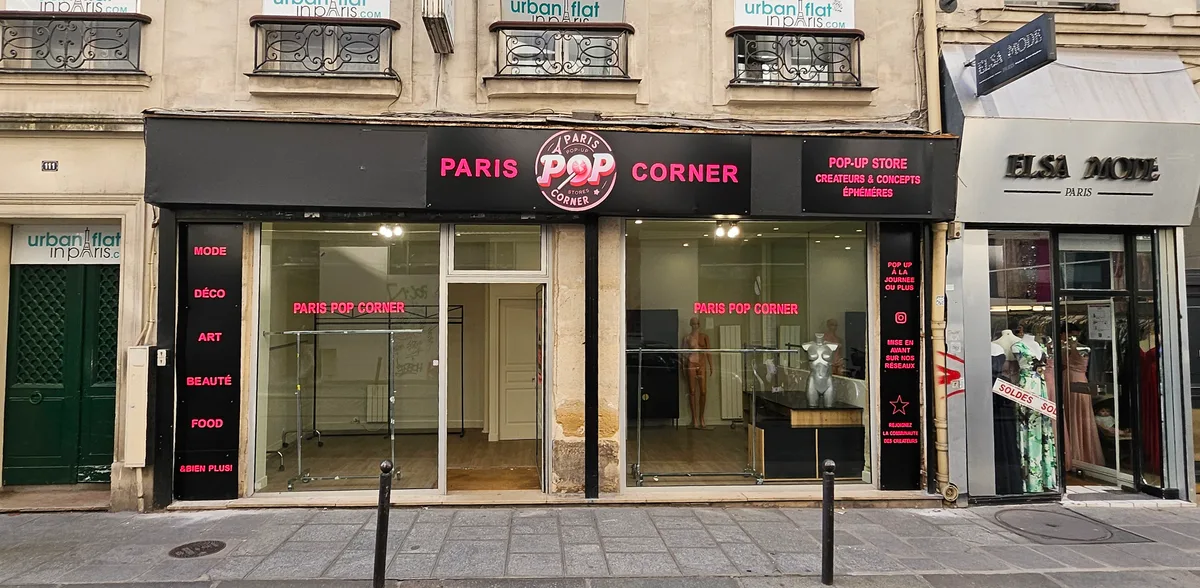
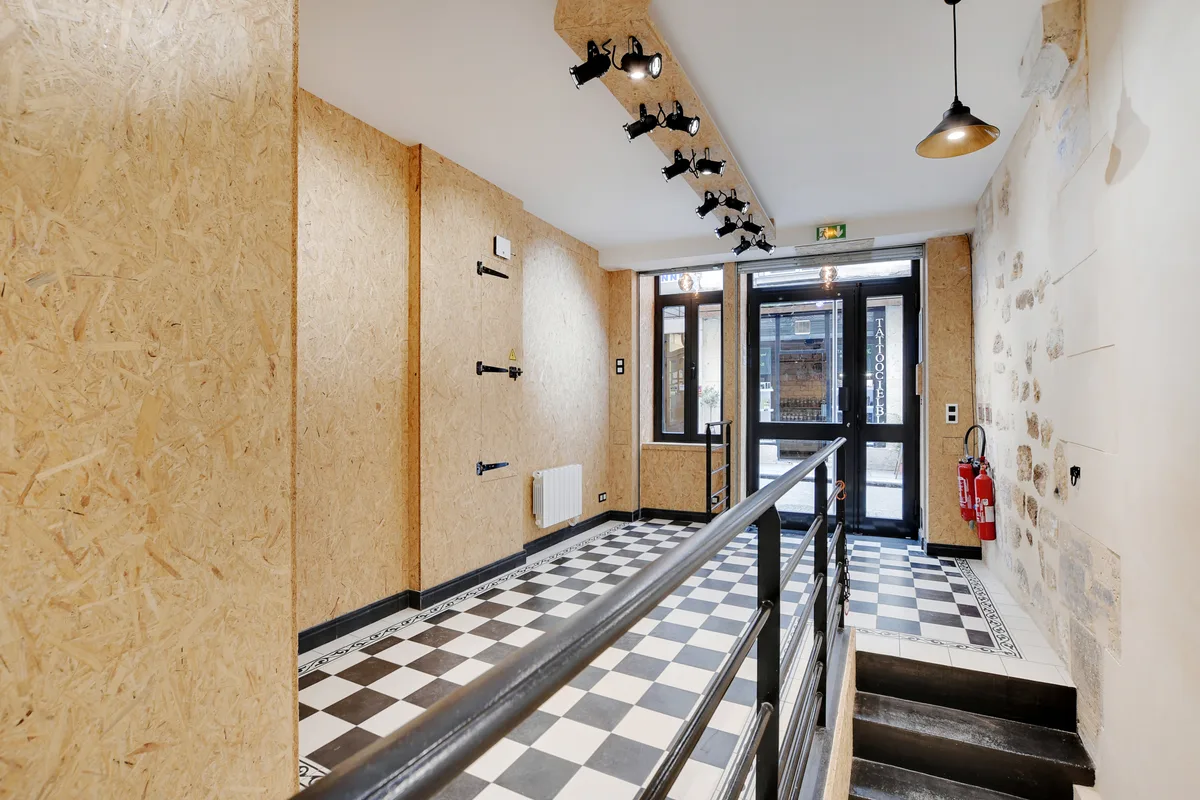
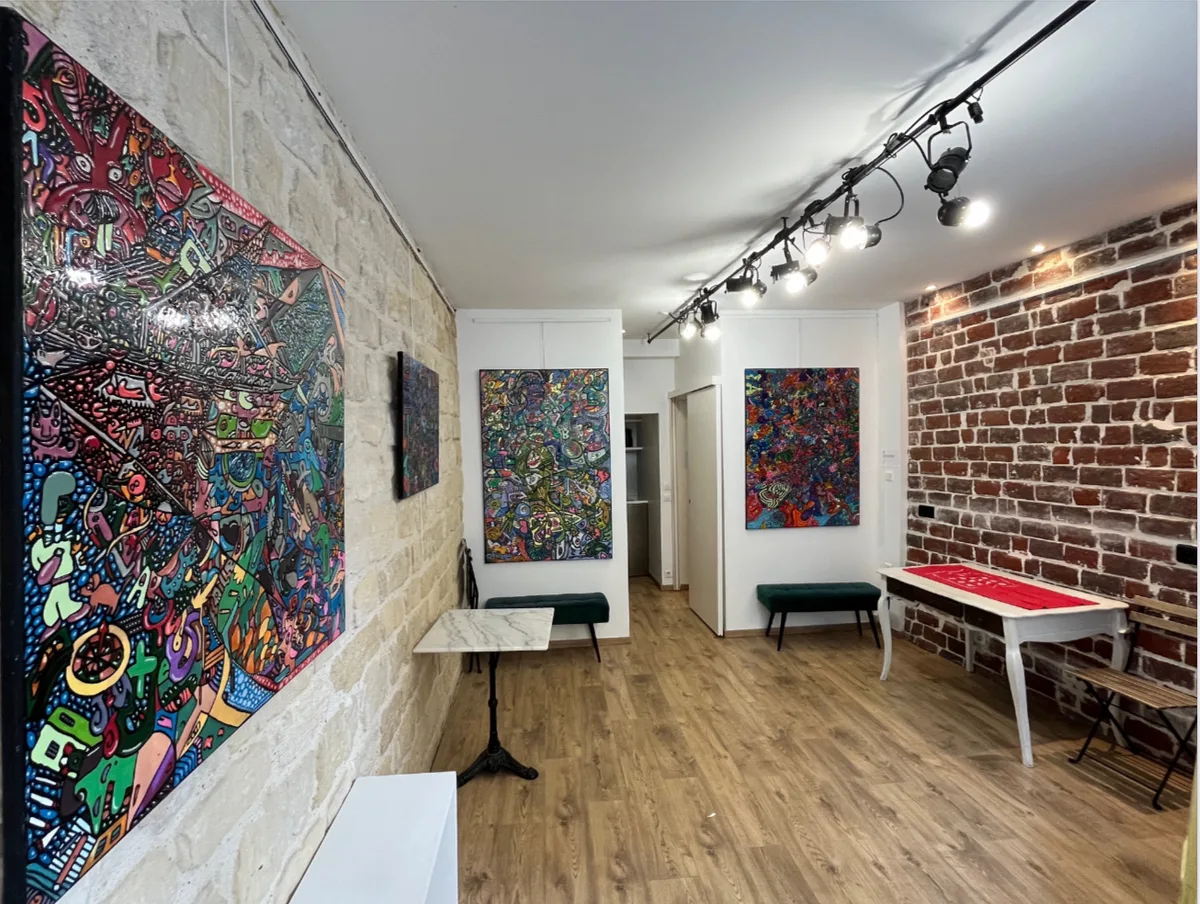
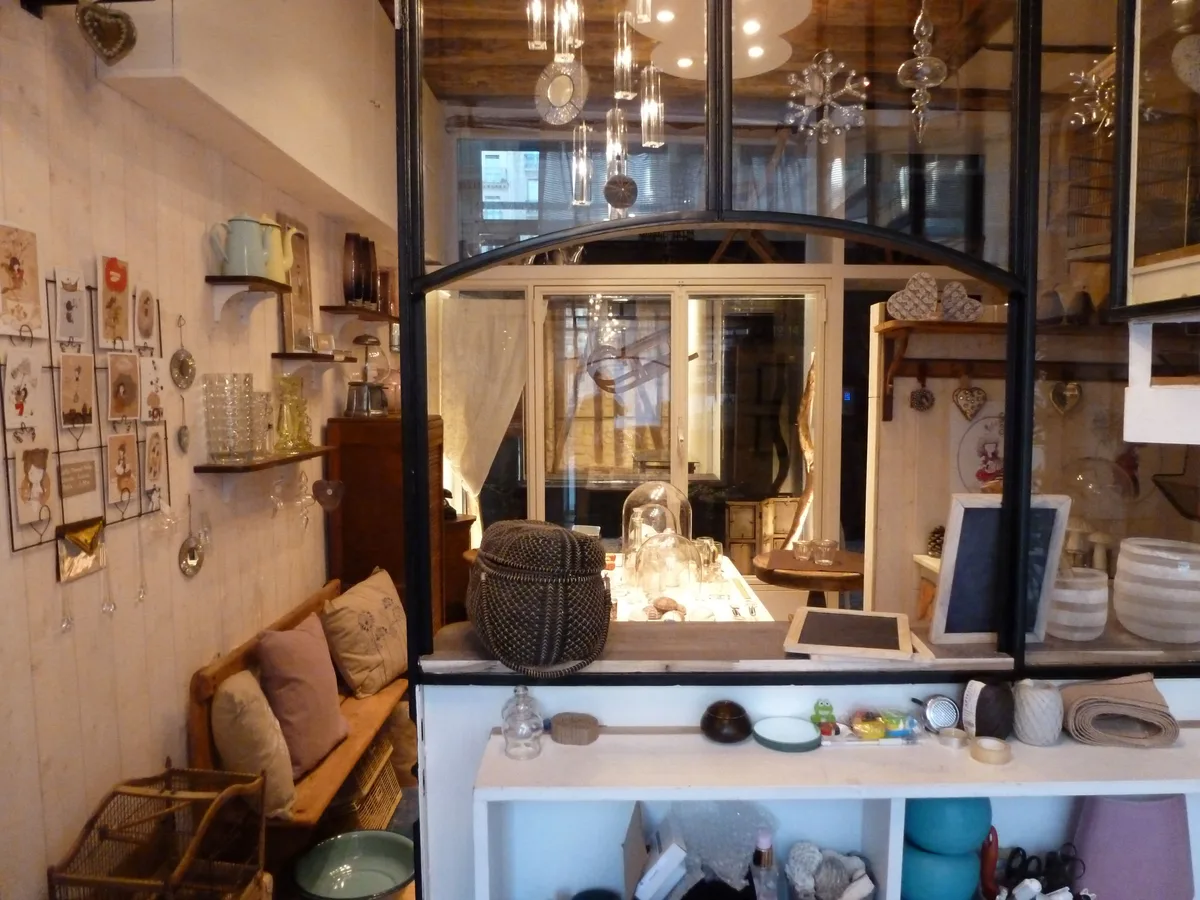
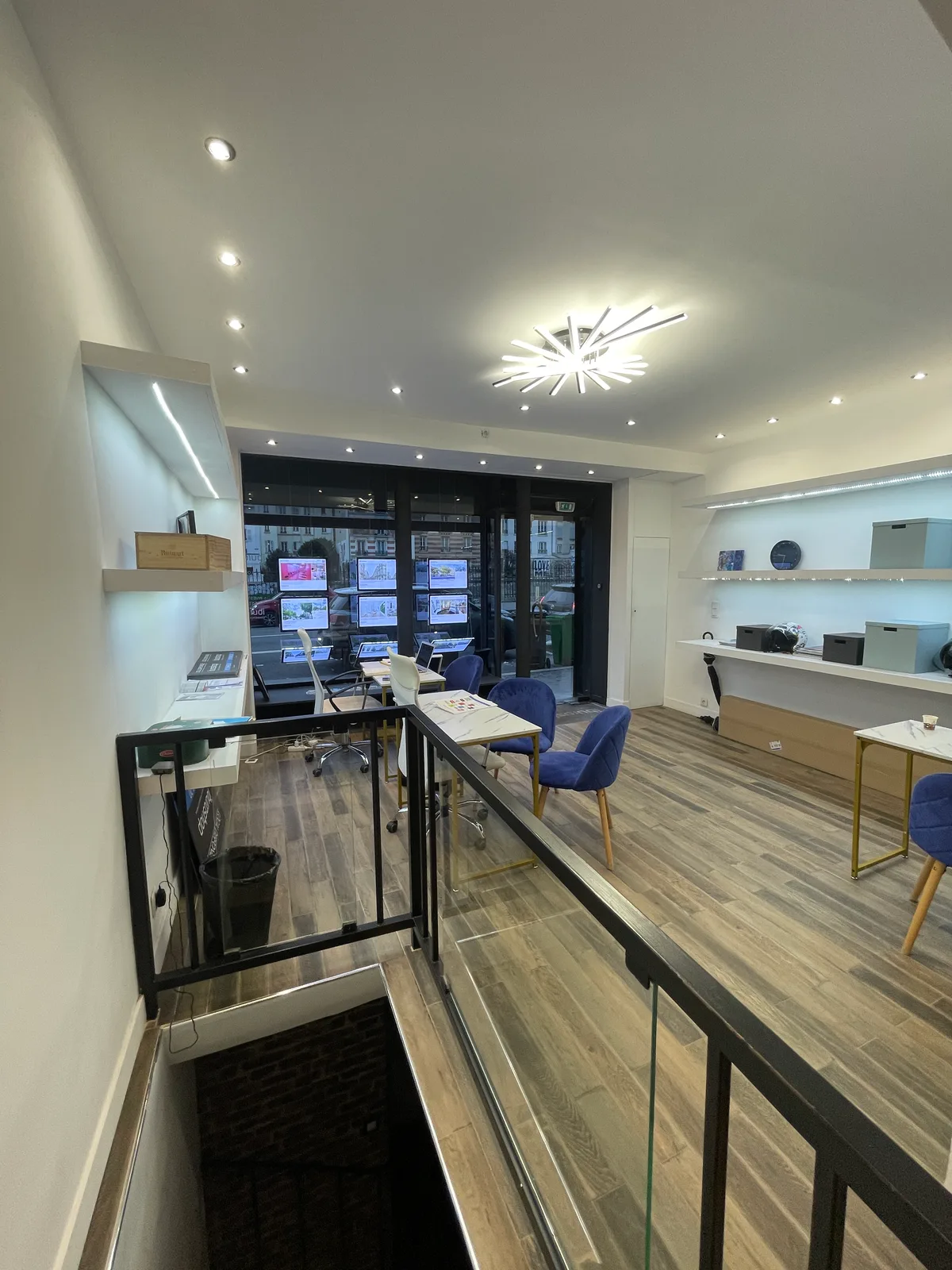
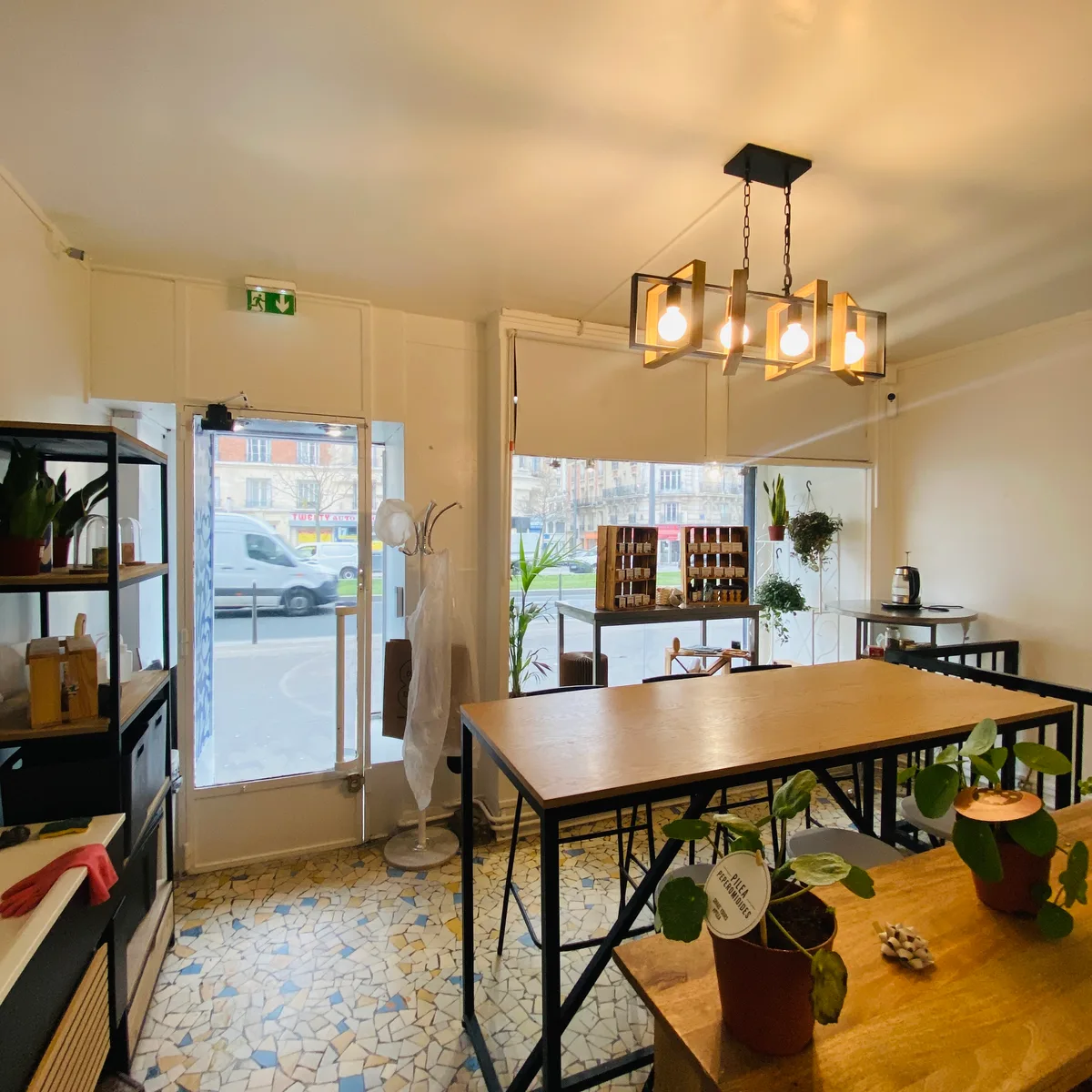
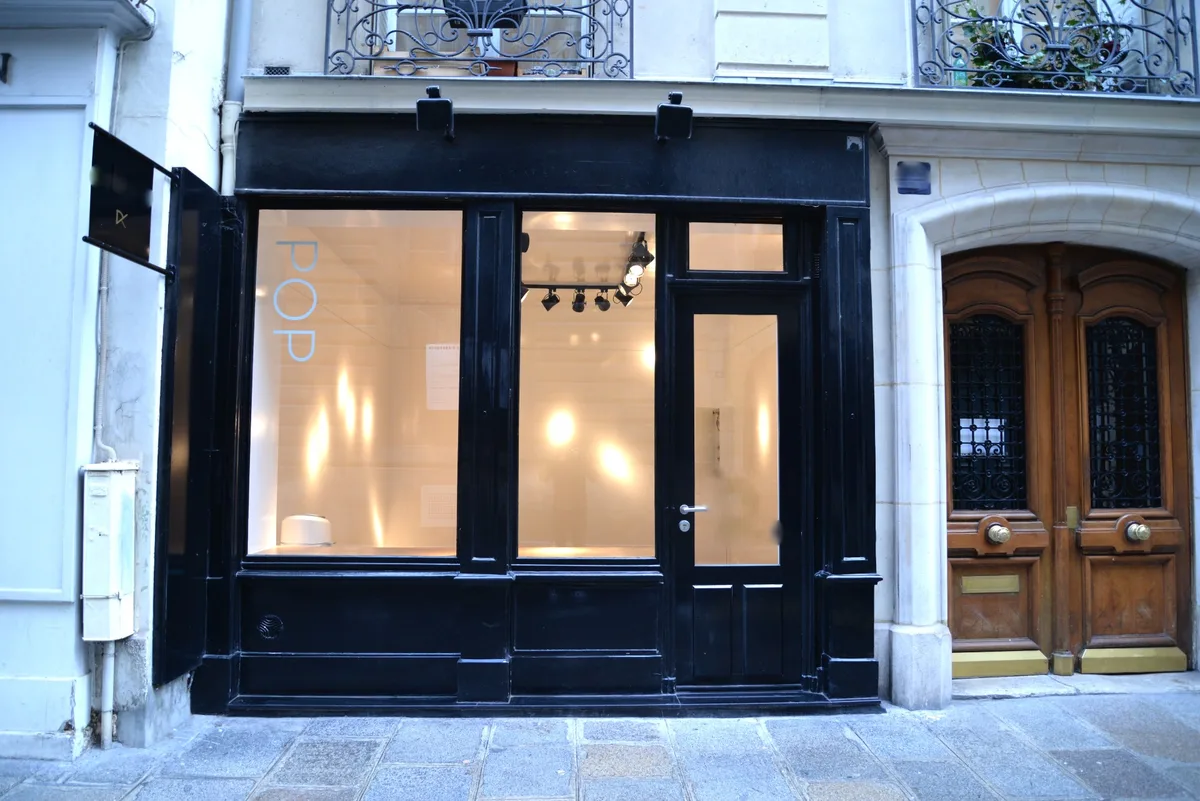
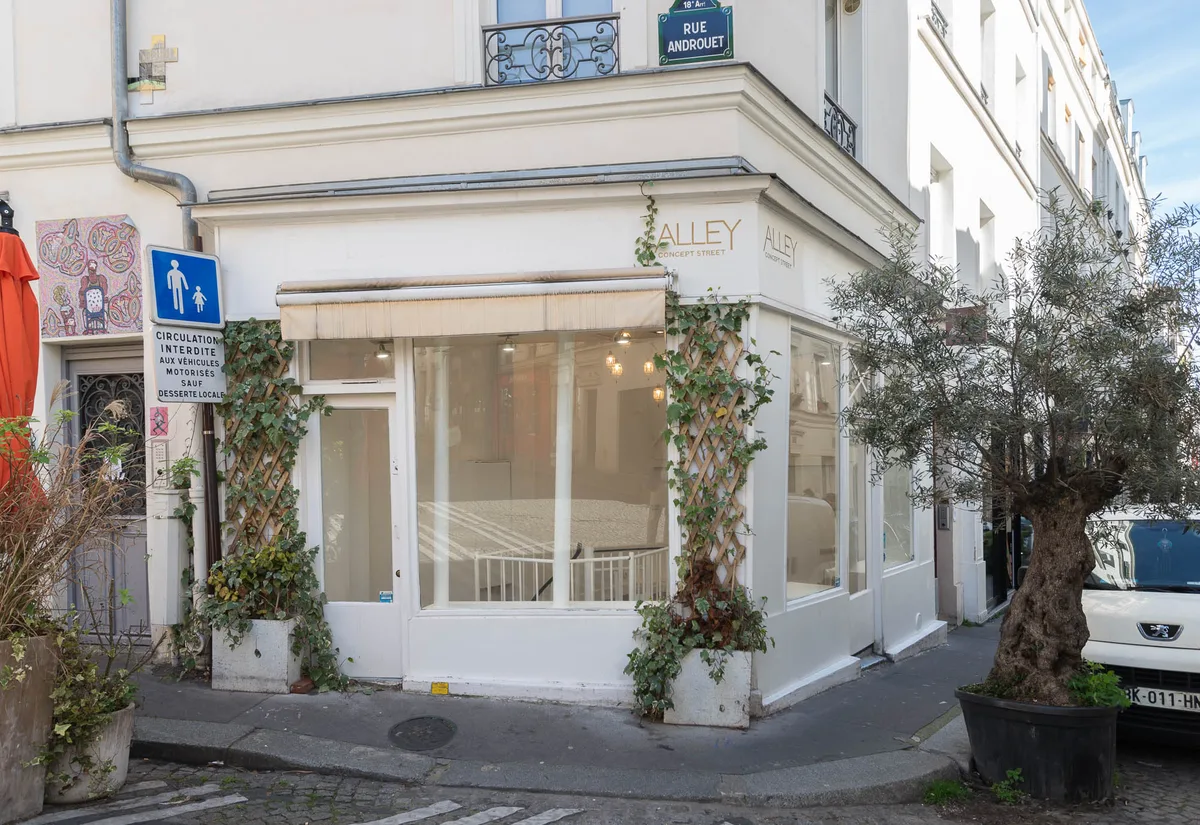
Traditional boutique storefronts are the most recognisable format for pop-up retail. These spaces typically feature a window display facing the street, a single floor of retail space, and standard utility connections. White walls and light fixtures are common in spaces that have been prepared for flexible tenancy, though many Montorgueil storefronts retain original architectural character including exposed stone, parquet floors, or timber details that add visual texture to brand environments. Surface area in this corridor typically ranges from small compact units suitable for single-product launches to larger flagship-scale spaces that allow for immersive brand storytelling.
Gallery-Style and Galerie D'art Spaces
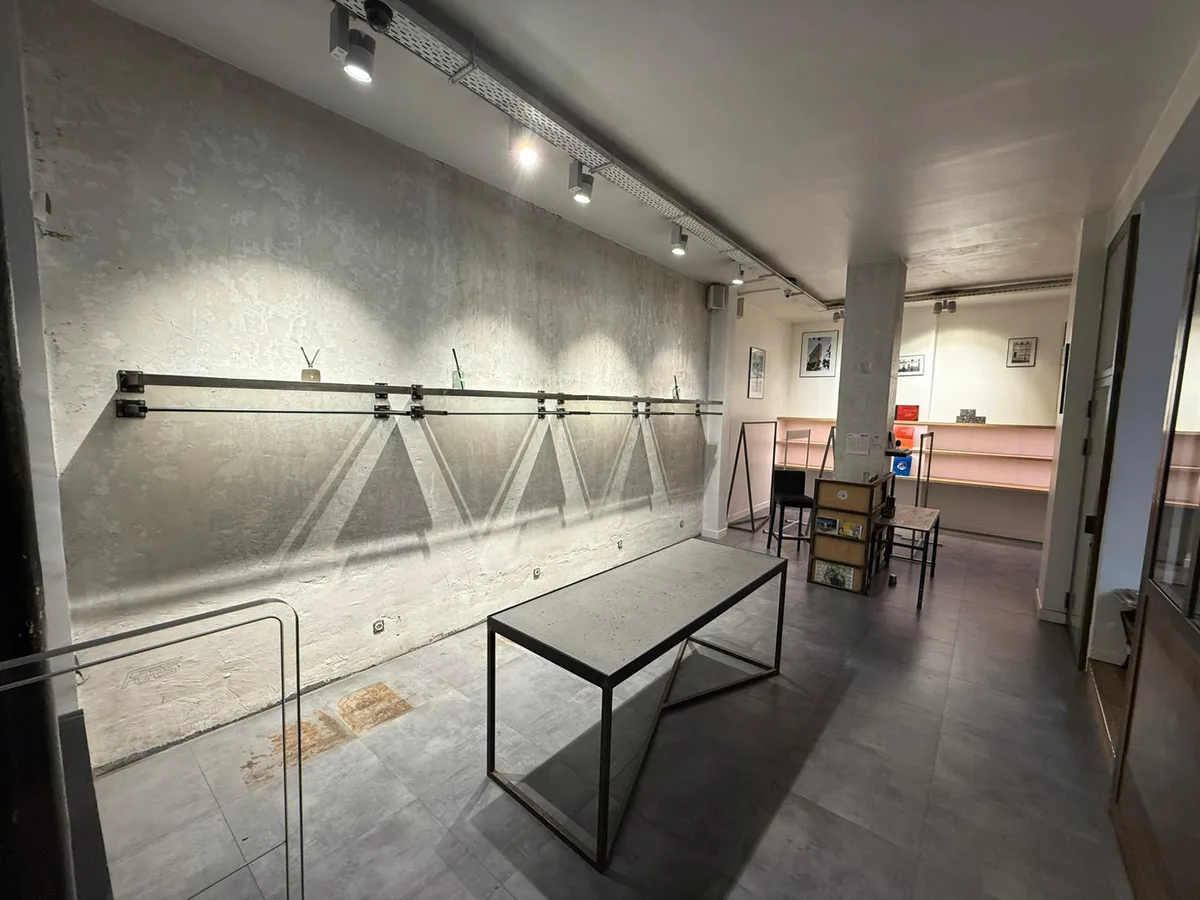
The 2nd arrondissement and adjacent Marais district support a strong gallery culture. Galerie-format spaces typically offer high ceilings, polished concrete or parquet floors, excellent natural light, and white wall surfaces that work well for fashion presentations, art-led brand activations, and premium product launches. These spaces are particularly effective for brands that want to position themselves at the intersection of fashion and culture. Spotlights and adjustable lighting fixtures are common in gallery-prepared spaces and make for flexible product display environments.
Showroom-Format Spaces
Showroom spaces designed for trade appointments, buyer meetings, and press days are concentrated around rue Etienne Marcel and rue Réaumur. These tend to be on upper floors with controlled access, large open floor plates, and good natural light. During Paris Fashion Week they are in high demand but available on short-term licences during off-season periods at significantly lower cost. Steel pillars, raw concrete floors, and industrial finishing are common in converted spaces in this part of the 2nd arrondissement.
Concept Store and Multi-Brand Spaces
Some operators in the Montorgueil area run multi-brand or hosted retail environments where a brand can take a section of an established concept store for a defined period. This model reduces overhead and provides an existing customer base while still offering brand visibility and product display opportunities.
Event Venues and Hybrid Spaces
Hybrid spaces that function as event venues, private sale locations, or brand experience environments are increasingly available across the 2nd arrondissement. These spaces often combine flexible floor plans with built-in infrastructure for events, including AV connections, catering facilities, and seating configurations. They are well-suited to product launches, private sales, influencer marketing activations, and press evenings.
| Space Type | Typical Use | Floor Type | Best For |
|---|---|---|---|
| Ground-floor boutique storefront | Pop-up retail, product launch | Parquet, marble, or polished concrete | Consumer-facing retail brands |
| Gallery space (Galerie D'art format) | Brand activation, art-led retail, fashion presentations | Polished or raw concrete, parquet | Fashion, luxury, lifestyle brands |
| Showroom-format space | Trade appointments, press days, buyer presentations | Raw concrete, parquet, polished concrete | Wholesale and trade-focused activations |
| Concept store section | Co-retail, brand takeover, product seeding | Varies by host store | Emerging and mid-tier brands seeking existing audience |
| Hybrid event venue | Private sale, launch event, press evening | Polished concrete, wood | Brands combining retail and event activation |
TIP: Spaces with existing display racks, lighting fixtures, and basic furniture rental options reduce fit-out lead time significantly. If your activation timeline is short, prioritise spaces that are already configured for retail use.
KEY TAKEAWAY: The Montorgueil and 2nd arrondissement area offers more space diversity than many brands expect. Matching space typology to activation objective, rather than defaulting to the most visible street-level storefront, often produces better results for the investment.
Before committing to a space type, brands need a clear understanding of how short-term leases work in Paris and what the relevant permit and compliance considerations look like for the 2nd arrondissement.
Short-Term Leases, Permits, and Legal Structures for Pop-Up Retail in Paris
Quick answer: Short-term retail spaces in Paris typically operate under a bail dérogatoire (short-term commercial lease of up to 36 months) or a convention d'occupation temporaire (temporary occupancy agreement). International brands do not necessarily need a French legal entity to enter a short-term agreement, but requirements vary significantly by space type, owner preference, and duration. Legal advice from a qualified French advisor is strongly recommended before signing any agreement.
Understanding the legal structures that govern temporary retail in France is essential for any brand team planning a pop-up activation in Paris. This area is frequently misunderstood, and errors at the leasing stage can have significant operational and financial consequences.
Bail Dérogatoire
The bail dérogatoire, sometimes called a bail précaire, is a short-term commercial lease that French law permits for durations of up to 36 months. Unlike a standard commercial lease (bail commercial), which carries statutory protections and automatic renewal rights for the tenant, a bail dérogatoire explicitly excludes these protections. This makes it considerably more flexible for landlords offering short-term access to retail space, and it is the most common structure used for pop-up retail arrangements in Paris. Both parties must agree at the outset that the lease is entered into under the dérogatoire regime. The agreement must be documented in writing.
Convention d'Occupation Temporaire and AOT
For spaces located in publicly owned buildings, on publicly managed land, or in areas subject to urban planning regulations, a convention d'occupation temporaire or an Autorisation d'Occupation Temporaire (AOT) may apply. This is particularly relevant for activations in public passages, covered markets, or spaces adjacent to heritage-listed areas, all of which exist within the Centre of Paris. The AOT is a permission granted by the relevant public authority and carries its own conditions around use, signage, and duration. Requirements vary by arrondissement and by the specific nature of the space.
Do International Brands Need a French Legal Entity?
This is one of the most common questions international brands ask before their first Paris activation. The short answer is that a French legal entity is not always required, but requirements vary by landlord, space type, and lease structure. Some landlords require a French company or a local guarantor (caution). Others will accept international entities with appropriate documentation. Brands entering Paris for the first time should take qualified legal advice before assuming either that they need to establish a French entity or that they can avoid doing so. Requirements also vary based on whether the activation is classified as a commercial operation, a cultural event, or a promotional activity.
Temporary Use Permits and Signage Rules
Exterior signage, window graphics, and temporary structural modifications may require separate authorisation from the local mairie (town hall) or the arrondissement planning office. The rules for the 2nd arrondissement of Paris are governed by both the Plan Local d'Urbanisme (PLU) and heritage protection rules that apply to central Paris districts. Brands planning significant window installations, exterior branding, or structural changes to a rented space should verify requirements early in their planning process. The permit guidance tool on Fashion Week Venues provides a starting point for understanding permit categories relevant to Paris pop-up activations.
IMPORTANT: Do not assume that a short-term lease or temporary use agreement automatically includes permission for exterior signage, structural modifications, or commercial trading activity. Always verify the specific conditions of any agreement with a qualified French legal advisor and with the relevant local authority.
KEY TAKEAWAY: The legal structures governing short-term retail in Paris are well-established but nuanced. Bail dérogatoire agreements offer genuine flexibility for pop-up retail, but they require careful documentation and specialist advice. Permit requirements for signage and modifications vary by location and space type. Building compliance knowledge into your pre-activation timeline is not optional.
With the legal framework understood, the next practical question for most brand teams concerns planning and timeline. Understanding how much lead time a Montorgueil pop-up activation actually requires is critical to executing well.
Planning Timeline for a Pop-Up Store Activation in Montorgueil
Quick answer: A well-planned pop-up store activation in Montorgueil typically requires a minimum of eight to twelve weeks of lead time from initial brief to opening day. Paris Fashion Week activations and high-season retail windows require longer lead times, often sixteen to twenty weeks, due to increased space competition and supplier demand.
Many brands underestimate the planning lead time required for a successful Paris pop-up. The competition for quality short-term retail space in central Paris is significant, particularly in sought-after neighbourhoods like Montorgueil, and the best spaces are typically committed months before their availability window. Building a realistic timeline into your planning process is one of the most important operational decisions a brand team can make.
| Phase | Key Activities | Recommended Lead Time Before Opening |
|---|---|---|
| 1. Brief and strategy | Define objectives, target audience, budget range, space requirements, calendar window | 16 to 20 weeks |
| 2. Space search and shortlisting | Browse marketplace, visit shortlisted spaces, compare neighbourhoods | 14 to 18 weeks |
| 3. Legal and lease review | Review lease structure, engage French legal advisor, negotiate terms | 12 to 16 weeks |
| 4. Concept and creative development | Space design, brand environment concept, fixture specification | 10 to 14 weeks |
| 5. Permits and compliance | Submit signage applications, verify trading permissions, confirm AOT if applicable | 8 to 12 weeks |
| 6. Production and build | Fit-out, furniture delivery, lighting installation, display rack setup | 2 to 4 weeks |
| 7. Staffing and operations | Staff recruitment and training, POS setup, security service briefing | 2 to 3 weeks |
| 8. Marketing and pre-launch | Social media scheduling, influencer briefing, press invitations | 3 to 6 weeks |
| 9. Opening and activation | Soft launch, public opening, event programming | Activation window begins |
| 10. Derig and handback | Remove fixtures, restore space, final accounting | Allow 1 to 3 days post-close |
The timeline above reflects a full-service activation with concept direction, production, and marketing. Brands using a pre-fitted or turnkey space can compress phases four through six significantly. Brands arriving with a complete brand environment specification and an experienced local production partner can sometimes move from lease signing to opening in as little as three weeks, though this leaves limited margin for complications.
TIP: Use the timeline planning tool on Fashion Week Venues to map your specific activation against key Paris calendar dates including Paris Fashion Week, major trade shows, and public holidays that affect retail trading conditions.
Paris Fashion Week takes place twice annually, in late February and early March for the autumn/winter season and in late September and early October for the spring/summer season. The days surrounding Fashion Week generate significant press and buyer presence in the city but also drive up demand for space and production resource. Brands planning activations during these windows should expect higher rental rates and longer booking lead times. The surrounding weeks before and after the main calendar often offer better value while still capturing much of the industry audience.
KEY TAKEAWAY: Adequate lead time is the single most common factor that separates well-executed Paris pop-up activations from rushed, compromised ones. Book space early, engage legal advice early, and build contingency time into every phase of your production schedule.
To compare neighbourhoods and space types, explore the Paris city hub on Fashion Week Venues and shortlist spaces that match your brief, budget, and calendar window.
How Montorgueil Compares to Other Key Paris Pop-Up Neighbourhoods
Quick answer: Montorgueil offers a balance of high pedestrian flow, fashion industry proximity, and cultural identity that distinguishes it from both the more tourist-heavy Marais and the more institutional Saint Germain des Prés. It is particularly well-suited to food, lifestyle, fashion, and culture brands that want an authentic Paris neighbourhood feel alongside strong commercial visibility.
Paris offers multiple high-performing neighbourhoods for pop-up retail, and brand teams regularly ask how Montorgueil compares to alternatives such as Le Marais, Saint Germain des Prés, and the Sentier district. Each neighbourhood has a distinct profile, and the right choice depends on brand positioning, target audience, and activation objectives.
Montorgueil versus Le Marais
Le Marais is one of the most internationally recognised retail and culture districts in Paris. The area around rue Vieille du Temple, rue Froissart, and Place des Vosges attracts a high volume of fashion tourists, contemporary art visitors attending the Picasso Museum and surrounding galleries, and local Parisian shoppers. The Marais district supports a concentration of international brand pop-ups, concept stores, and gallery spaces, and it has a strong fashion identity that makes it a natural home for brand activations targeting a fashion-conscious audience. However, the Marais commands premium rents and faces high competition for the best spaces, particularly during Paris Fashion Week.
Montorgueil, by contrast, has a more everyday Parisian character. The neighbourhood is less dominated by international brand presence and more defined by its food and culture identity, which creates differentiation opportunities for brands that want to stand out from the high concentration of fashion retail in the Marais. Rental rates in Montorgueil are often more accessible than in prime Marais locations, though the best spaces on Rue Montorgueil itself are competitive.
Montorgueil versus Saint Germain des Prés
Saint Germain des Prés carries strong luxury and literary associations and is the address of Le Bon Marché Rive Gauche, one of Paris's most prestigious department stores. Pop-up retail in this arrondissement is typically associated with high-end fashion, luxury accessories, and premium lifestyle brands. The visitor demographic skews toward affluent international tourists and established Parisian consumers. For brands with a premium positioning and the budget to match, Saint Germain is highly effective. For brands seeking broader reach or a more culturally eclectic audience, Montorgueil often delivers better results per square metre of rented space.
Montorgueil versus the Sentier District
The Sentier district, which overlaps with parts of the 2nd arrondissement immediately east of Montorgueil, has historically been associated with garment wholesale and more recently with the Parisian technology and startup scene. Pop-up activations in Sentier are often positioned around innovation, creativity, and brand experience rather than straightforward retail conversion. The audience is younger, more digitally engaged, and responsive to experiential concepts. For brands in the lifestyle, technology, or creative industries, Sentier offers a compelling alternative to more traditional retail corridors.
| Neighbourhood | Arrondissement | Visitor Profile | Brand Fit | Relative Rental Level |
|---|---|---|---|---|
| Montorgueil | 2nd | Local Parisians, food tourists, fashion industry, international visitors | Fashion, food, lifestyle, culture brands | Mid-range to premium |
| Le Marais | 3rd and 4th | Fashion tourists, art visitors, local Parisians, international brands | Fashion, luxury, art, contemporary lifestyle | Premium to high premium |
| Saint Germain des Prés | 6th | Affluent international tourists, luxury consumers, established Parisians | Luxury, premium fashion, high-end lifestyle | High premium |
| Sentier | 2nd | Young professionals, tech workers, creative industry visitors | Lifestyle, technology, creative, emerging brands | Mid-range |
KEY TAKEAWAY: Montorgueil is not simply a lower-cost alternative to Le Marais or Saint Germain. It is a distinct neighbourhood with its own visitor profile, commercial identity, and brand activation advantages. The right neighbourhood choice depends on precise alignment between your target audience and the neighbourhood's resident and visitor profile.
Understanding what your budget needs to cover is the next critical step. Pop-up retail in Paris involves multiple cost layers beyond the headline rental figure.
Budgeting for a Pop-Up Store Rental in Montorgueil: What to Expect
Quick answer: The total cost of a pop-up store activation in Montorgueil includes rental fees, fit-out and production, staffing, permits, marketing, insurance, and operational costs. Rental represents only one component of the total investment. Directional budgets vary significantly by space size, activation duration, concept complexity, and season.
Brand teams frequently approach Paris pop-up planning with a rental-only budget frame, only to discover that the rental fee represents a minority of the total activation investment. Building a comprehensive budget from the outset prevents cost overruns and ensures that the activation is resourced to deliver on its objectives.
Rental Costs
Short-term retail rental rates in the Montorgueil area vary by surface area, location within the neighbourhood, space quality, duration, and season. Spaces on Rue Montorgueil itself typically command higher rates than those on adjacent streets due to direct pedestrian exposure. Spaces with premium finishes, existing display infrastructure, or flexible licensing arrangements may carry a premium over equivalent unfitted spaces. Rate ranges for the 2nd arrondissement of Paris vary considerably, and it is not useful to publish specific figures without verifiable current market data. Use the budget estimation tool on Fashion Week Venues to generate directional estimates based on your specific space requirements and activation parameters.
Fit-Out and Production
Even turnkey or pre-fitted spaces typically require some level of brand customisation. Costs in this category include furniture rental, display rack installation, lighting fixtures and spotlights, window graphics, signage, and any structural modifications permitted under the lease agreement. The extent of fit-out required depends on the starting condition of the space. White walls and basic lighting fixtures in a gallery-prepared space reduce fit-out costs significantly compared to a raw commercial unit requiring full installation from scratch.
Staffing and Security
Operational staffing for a Paris pop-up typically includes sales staff, a concierge function for premium activations, and security service provision. French employment law governs all employment relationships, and brands using locally recruited staff must comply with applicable requirements. In many cases, a specialist retail staffing agency familiar with Paris pop-up operations can provide flexible short-term staffing solutions that reduce the administrative burden on the brand team.
Marketing and Activation Costs
Marketing investment includes social media content creation, influencer marketing partnerships, press outreach, event programming costs, and any paid promotion. For Paris activations, local influencer marketing often generates disproportionate visibility relative to cost given the high concentration of fashion and lifestyle content creators in the city. Data and analytics costs include any technology deployed to measure foot traffic, visitor behaviour, and conversion performance.
Insurance and Compliance Costs
Short-term commercial tenants in France are typically required to carry public liability insurance and contents insurance. Some landlords require specific minimum coverage levels as a condition of the lease. These costs should be factored into the overall budget at the earliest planning stage.
KEY TAKEAWAY: A robust pop-up budget covers at minimum six cost categories: rental, fit-out, staffing, marketing, insurance, and compliance. Brands that budget only for rental and production consistently underinvest in staffing, marketing, and data, which are often the components that most directly determine activation ROI.
Measuring the return on a pop-up activation requires defining clear objectives and selecting the right metrics before the space opens. Understanding what success looks like for your specific brand and activation type is essential to evaluating performance honestly.
Brand Activation Strategy for Pop-Up Retail in Montorgueil
Quick answer: Effective pop-up brand activations in Montorgueil combine physical retail design, event programming, social media amplification, and local community engagement to generate visibility, brand awareness, and measurable commercial outcomes. The specific activation model should be designed around the brand's primary objective: awareness, conversion, community, trade, or launch.
A pop-up store is not simply a temporary shop. In Montorgueil, as in any high-profile Paris neighbourhood, the most effective activations are designed around a clear brand narrative, a defined visitor experience, and a measurable set of outcomes. Brands that treat a pop-up as a transient retail exercise typically underperform against brands that design it as a strategic marketing activation with retail embedded within it.
Product Launch Activations
Montorgueil is well-suited to product launch activations that combine public retail access with invitation-only press and influencer moments. The neighbourhood's cultural credibility and food destination identity make it a natural setting for launches that want to associate the brand with authentic Paris culture rather than generic luxury retail. A storefront on or adjacent to Rue Montorgueil provides the visual backdrop and foot traffic for organic discovery, while a structured evening programme drives social media content and press coverage.
Private Sale and VIP Retail Activations
Gallery-format spaces and hybrid venues in the 2nd arrondissement are particularly effective for private sale and VIP retail events. These formats allow brands to create an exclusive environment with controlled access, curated product presentations, and a concierge-level service standard that reinforces brand positioning. Private sale activations also reduce the operational complexity of managing high consumer volumes during peak periods.
Showroom and Trade Activations
For brands using Paris Fashion Week as a trade calendar opportunity, a showroom-format space in the Montorgueil and Sentier area provides direct access to buyers and press who are concentrated in this part of central Paris during the fashion calendar windows. Combining a showroom with a consumer-facing pop-up in an adjacent or ground-floor space is a twin-format strategy that some brands use to maximise both trade and consumer outcomes from a single Paris activation period.
Influencer and Social Media Activations
Paris has one of the highest concentrations of fashion and lifestyle content creators of any city in the world. A well-designed pop-up space in Montorgueil with strong visual identity, distinctive interior design, and a clear brand story generates organic social media content that amplifies reach beyond the activation's physical footfall. Investing in influencer marketing through a specialist activation service can significantly extend the earned media value of a short-term retail activation.
Measuring Pop-Up Performance
Metrics for pop-up retail performance typically include footfall counts, conversion rates, average transaction value, social media reach and engagement, press coverage volume, and email address capture. For brands with a longer Paris strategy, pop-up activations also generate valuable data on local consumer behaviour, product preferences, and neighbourhood audience profiles. This data should inform subsequent activations and permanent retail decisions.
DID YOU KNOW: Pop-up activations that include a structured influencer programme and a defined social media content strategy consistently report higher brand awareness lift than those relying solely on walk-in foot traffic from the surrounding neighbourhood.
KEY TAKEAWAY: The activation model should be designed before the space is selected, not after. Understanding whether your primary objective is awareness, conversion, trade, or community building determines which neighbourhood, space type, format, and marketing investment will generate the best return.
With a clear activation strategy defined, the practical question becomes how to find, evaluate, and secure the right space in Montorgueil. Understanding the space search and booking process in Paris saves significant time and reduces the risk of committing to a space that does not meet your operational requirements.
How to Find and Secure a Pop-Up Space in Montorgueil
Quick answer: Finding a pop-up space in Montorgueil requires either direct outreach to building owners and commercial agents, use of a specialist pop-up space marketplace, or engagement with a full-service pop-up agency that manages the search, negotiation, and lease process on your behalf. Each route has different time, cost, and expertise requirements.
The process of finding and securing short-term retail space in Paris is more complex than many international brands anticipate. The market for quality short-term commercial space in central Paris is competitive, and many of the best spaces are not publicly listed on general property portals. Understanding the available search routes and their respective advantages and limitations helps brand teams allocate their search effort effectively.
Direct Outreach and Commercial Agents
Some brands approach space search through direct outreach to property owners or through traditional commercial property agents in Paris. This route requires French language capability, market knowledge, and established relationships with building owners in the target neighbourhood. It can yield spaces that are not publicly listed but typically requires significant time investment and local expertise that many international brand teams do not have in-house.
Pop-Up Space Marketplaces
Dedicated pop-up space marketplaces aggregate short-term retail listings across Paris neighbourhoods and allow brands to browse, compare, and enquire about spaces through a structured platform. Platforms such as Go-PopUp and Peerspace operate in the European market, though the quality, completeness, and currency of listings varies. Marketplaces provide useful discovery functionality but typically do not support the full activation process beyond initial space identification.
Full-Service Pop-Up Agency
A full-service agency combines space sourcing with concept direction, production, staffing, and activation management. This route is most appropriate for brands that want to focus on their brand and marketing objectives rather than managing the operational complexity of a Paris pop-up independently. Engaging an agency with established Paris market knowledge, space relationships, and local production capability significantly reduces the risk of planning errors, compliance oversights, and execution failures. The guide on how to hire a pop-up agency covers the key questions to ask when selecting an agency partner for a Paris activation.
The Space Viewing and Evaluation Process
Before committing to any space, brands should physically visit and evaluate shortlisted options against a structured brief. Key evaluation criteria include surface area, ceiling height, natural light quality, floor type and condition, existing lighting fixtures, window display dimensions and visibility, loading access, proximity to public transport, and the character and quality of neighbouring businesses. Using a structured comparison framework at the viewing stage prevents decisions being driven by initial impressions rather than objective fit with activation requirements.
TIP: Use the space comparison tool on Fashion Week Venues to evaluate multiple Montorgueil shortlist options against a consistent set of criteria before committing to a viewing schedule.
KEY TAKEAWAY: The space search process in Paris requires market knowledge, local relationships, and a structured evaluation framework. Brands relying solely on public listings miss a significant proportion of available quality space. Engaging a specialist with established Paris market access is the most reliable route to securing the right space within a realistic timeframe.
Understanding how Fashion Week Venues can support your Montorgueil activation across the full planning and delivery process puts the available tools and services into practical context.
How Fashion Week Venues Supports Pop-Up Store Activations in Montorgueil and Paris
Fashion Week Venues is a full-service pop-up shop agency and space marketplace operating across Paris and other major fashion capitals including London, Milan, New York, Tokyo, and Dubai. For brands planning a pop-up store in Montorgueil or anywhere in the 2nd arrondissement, Fashion Week Venues provides a combination of space marketplace functionality, specialist agency services, and practical planning tools that reduce the complexity and risk of Paris market entry.
Space Discovery and Venue Sourcing
The Fashion Week Venues marketplace allows brands to browse available short-term retail spaces across Paris neighbourhoods including Montorgueil, the Marais district, Sentier, Saint Germain des Prés, and other key activation areas. The platform supports filtering by surface area, space type, arrondissement, and calendar availability. For brands that require bespoke space sourcing beyond listed inventory, the venue sourcing service provides dedicated search support with direct access to unlisted spaces and established landlord relationships across Paris.
Concept and Creative Direction
The concept direction service supports brands in translating their brand identity into a physical retail environment that works within the specific character and dimensions of their chosen Montorgueil space. This is particularly valuable for brands entering Paris for the first time and unfamiliar with how French retail design conventions, heritage building requirements, and neighbourhood aesthetic context should inform concept decisions.
Production, Build, and Furniture
The production and build service manages the physical fit-out of the space from specification through to installation. This includes liaison with local suppliers, management of display rack installation, lighting fixture specification, window display production, and handover preparation. Furniture rental is available as a standalone or bundled service, providing access to curated retail furniture appropriate to different space types and brand aesthetics without the cost and logistics of purchasing and shipping furniture from outside France.
Staffing, POS, and Operations
Retail staffing services provide access to experienced short-term retail staff familiar with Paris pop-up operations, including French and English language capability and knowledge of local retail protocols. POS and payments infrastructure is available as part of the operational setup, removing the need for brands to source and integrate payment systems independently. Security service provision can be arranged for activations that require monitored access or asset protection.
Data, Analytics, and Influencer Marketing
Data and analytics services provide structured measurement of footfall, conversion, and visitor behaviour during the activation period. Influencer marketing support connects brands with Paris-based content creators relevant to their category and audience, amplifying the reach of the physical activation through social media and content platforms.
Planning and Budget Tools
Fashion Week Venues offers a suite of practical planning tools including a budget calculator, an ROI calculator, a timeline planner, a permit guidance tool, a space locator, and a space comparison tool. These tools support brand teams at every stage of the planning process and are particularly useful for teams working on Paris activations from outside France. The ROI calculator tool helps brands model expected returns against investment across different activation formats and budget levels.
What to Understand About Working with Fashion Week Venues
Fashion Week Venues does not guarantee space availability, permit approvals, or specific commercial outcomes. The agency provides access to expertise, established market relationships, and a structured process that significantly reduces the risk and complexity of Paris pop-up activation. The degree of involvement appropriate for any brand depends on their internal capability, their Paris market experience, and the complexity of their planned activation. Brands with limited Paris experience or tight timelines typically benefit most from full-service engagement.
KEY TAKEAWAY: Fashion Week Venues provides the broadest available combination of space marketplace access, specialist agency services, and practical planning tools for brands activating in Montorgueil and across Paris. The most effective activations are those where the brand engages with the full range of available support rather than treating space search and activation management as separate problems.
Common Myths About Renting a Pop-Up Store in Paris
MYTH: You need a French legal entity to rent a pop-up space in Paris.
FACT: Many international brands operate Paris pop-up activations without establishing a French legal entity. Requirements vary by landlord, space type, lease duration, and the specific terms of the short-term agreement. Some landlords require a French guarantor or specific insurance documentation rather than a French company registration. However, requirements differ significantly between arrangements, and qualified French legal advice is essential before assuming either that a local entity is unnecessary or that it is straightforwardly required.
MYTH: Paris Fashion Week is the only viable calendar window for a pop-up activation in Paris.
FACT: Paris Fashion Week generates exceptional industry visibility and is a high-value activation window for brands targeting press, buyers, and industry professionals. However, Paris attracts substantial tourist and consumer footfall throughout the year, and many successful pop-up activations take place outside the fashion calendar. Spring and early summer, the holiday season, and the autumn return-to-city period all generate strong retail trading conditions in neighbourhoods like Montorgueil. Off-peak windows also offer more competitive rental rates and greater space availability.
MYTH: Commission-based brokers are the only way to find a pop-up space in Paris.
FACT: Commission brokers represent one route to space discovery but not the only or necessarily the most effective one. Dedicated pop-up space marketplaces, full-service agencies with established landlord relationships, and direct outreach to property owners are all viable alternatives. A full-service agency adds value not just in space identification but across the entire activation lifecycle, including concept, production, staffing, and compliance, which commission brokers typically do not provide.
MYTH: Short-term leases in Paris are legally straightforward and require no specialist input.
FACT: The bail dérogatoire structure is designed to provide flexibility for short-term commercial tenancy, but it is not without complexity. The agreement must be properly documented to exclude statutory lease protections. Permit requirements for signage, modifications, and trading activity vary by space, arrondissement, and use type. Insurance requirements, deposit structures, and reinstatement obligations all require careful review. Engaging a French legal advisor before signing any short-term lease in Paris is strongly recommended regardless of the apparent simplicity of the arrangement.
MYTH: Montorgueil is only relevant for food and restaurant brands, not fashion or lifestyle activations.
FACT: While Montorgueil is strongly associated with food culture through its market street heritage and establishments such as Stohrer, the neighbourhood supports a diverse range of retail and brand activation formats. Its proximity to rue Etienne Marcel and the Sentier fashion district, its young professional and international visitor profile, and its concentration of concept stores and gallery spaces make it a credible and effective location for fashion, lifestyle, beauty, and culture brand activations.
Frequently Asked Questions About Renting a Pop-Up Store in Montorgueil
What is a pop-up store in Paris?
A pop-up store in Paris is a temporary retail or brand activation space occupied for a defined short period, typically ranging from a few days to several months. Pop-up stores are used by brands to test new markets, launch products, generate visibility during key calendar periods, and create experiential retail moments without committing to a permanent commercial lease. In Paris, short-term retail spaces typically operate under a bail dérogatoire or a convention d'occupation temporaire, both of which are distinct from standard commercial lease agreements and offer greater flexibility for temporary use.
How do I rent a pop-up shop in Paris?
Renting a pop-up shop in Paris involves identifying available short-term retail spaces through a marketplace, agency, or direct outreach, evaluating and shortlisting spaces against your brief, negotiating and signing a short-term lease agreement, obtaining any required permits for signage or modifications, fitting out the space, and operating the activation for the agreed period. International brands typically benefit from engaging a specialist pop-up agency or using a dedicated marketplace with Paris market expertise rather than attempting to navigate the process independently from outside France.
What neighbourhoods are best for pop-up retail in Paris?
The most active Paris neighbourhoods for pop-up retail include the Montorgueil and 2nd arrondissement area, Le Marais in the 3rd and 4th arrondissements, Saint Germain des Prés in the 6th, and the Sentier district in the 2nd. Each neighbourhood has a distinct visitor profile, commercial identity, and price level. Montorgueil suits food, fashion, and lifestyle brands seeking high pedestrian flow and cultural authenticity. Le Marais suits fashion, art, and contemporary lifestyle brands with premium budgets. Saint Germain suits luxury and premium fashion brands targeting affluent consumers.
Are pop-up stores common in Paris?
Pop-up retail is extremely well-established in Paris. The city's combination of high international visitor volumes, strong fashion industry calendar, culturally engaged consumer base, and diverse stock of short-term commercial space makes it one of the most active pop-up retail markets in Europe and globally. The 2nd arrondissement, Le Marais, and Saint Germain des Prés see consistent pop-up activity throughout the year, with peak periods around Paris Fashion Week in February and October, the spring tourist season, and the pre-Christmas retail period.
Why rent a pop-up store in the Montorgueil area specifically?
Montorgueil offers a combination of high daily pedestrian flow on its pedestrianised market street, proximity to fashion retail clusters on rue Etienne Marcel, strong cultural identity rooted in food and artisan tradition, and a diverse visitor profile that includes local Parisians, food tourists, fashion industry visitors, and international travellers. This combination makes it particularly effective for brands that want authentic Parisian neighbourhood visibility alongside commercial reach, without the premium pricing associated with the most internationally prominent Paris retail addresses.
How much does a pop-up shop cost in Paris?
The total cost of a pop-up shop in Paris depends on multiple variables including space size, location, duration, season, fit-out complexity, staffing requirements, and marketing investment. Rental is one component of a broader budget that also covers production, staffing, permits, insurance, operations, and activation marketing. Rates vary significantly across neighbourhoods and space types, and published averages can be misleading without context. For a directional estimate tailored to your specific requirements, the budget estimation tool on Fashion Week Venues provides a structured approach to building a Paris-specific activation budget.
Do I need a French company to rent a pop-up space in Paris?
Not necessarily. Many international brands rent short-term retail spaces in Paris without a French legal entity. However, requirements vary by landlord, space type, and lease structure. Some agreements require a French guarantor or specific insurance arrangements. The terms of each individual short-term lease should be reviewed by a qualified French legal advisor who can advise on the specific requirements applicable to your proposed arrangement. Do not assume that your experience in other markets translates directly to the French commercial property context.
What permits do I need to operate a pop-up store in Paris?
Permit requirements for a Paris pop-up activation depend on the specific nature of the activation, the space type, its location within the arrondissement, and the modifications or signage planned. A basic short-term tenancy in a pre-fitted commercial space with no exterior modifications may require minimal additional permitting. Activations involving exterior signage, window graphics, structural alterations, or use of public space require separate authorisation from the local mairie or planning authority. Requirements vary by arrondissement and by the heritage status of the building or street. The permit guidance tool on Fashion Week Venues provides a structured starting point for identifying relevant permit categories for Paris activations.
What types of spaces are available to rent short-term in the 2nd arrondissement?
The 2nd arrondissement of Paris offers a diverse range of short-term retail space types including ground-floor storefronts with pedestrian frontage, gallery-format spaces with high ceilings and polished concrete or parquet floors, showroom-format spaces on upper floors suitable for trade and press use, hybrid event venues with flexible floor plans, and sections within established concept stores. Space character ranges from white wall gallery environments to spaces with marble floors, raw concrete, steel pillars, and original Haussmann architectural features. Surface areas range from compact single-room units to larger multi-zone spaces capable of supporting immersive brand environments.
How does Montorgueil compare to Le Marais for pop-up retail?
Montorgueil and Le Marais serve different brand objectives and audience profiles. Le Marais has stronger international fashion brand recognition, higher tourist volumes specifically seeking fashion and contemporary art experiences, and a denser concentration of luxury and premium retail. It commands higher rents and faces greater space competition. Montorgueil offers more everyday Parisian character, strong pedestrian flow from a food and market street tradition, proximity to the fashion industry cluster around rue Etienne Marcel, and typically more accessible rental rates for comparable surface areas. Brands seeking differentiation from the concentration of international pop-up retail in the Marais often find Montorgueil delivers stronger standout value.
What is a bail dérogatoire and how does it apply to pop-up retail?
A bail dérogatoire is a short-term commercial lease structure permitted under French law for durations of up to 36 months. Unlike a standard commercial lease, it explicitly excludes the statutory protections that would otherwise give a commercial tenant renewal rights at the end of the lease term. This makes it the most appropriate structure for pop-up retail arrangements where both the landlord and tenant want flexibility without long-term commitment. The agreement must be documented in writing and both parties must explicitly agree that it operates under the dérogatoire regime. A qualified French legal advisor should review any bail dérogatoire before it is signed.
Can emerging brands afford a pop-up in Montorgueil?
Emerging brands can access the Montorgueil area through a range of formats that suit smaller budgets, including sections within multi-brand concept stores, co-activation arrangements with complementary brands sharing a single space, and shorter duration rentals timed around key calendar moments rather than extended retail periods. Co-activation models, such as the twin concept offered by Fashion Week Venues, allow two brands to share a single space and split associated costs while maintaining distinct brand identities within the space. This approach can significantly reduce the per-brand cost of a Paris activation without compromising on location quality.
What is the best time of year to run a pop-up in Montorgueil?
The best timing depends on your primary objective. For fashion industry visibility and trade exposure, the February and October Paris Fashion Week windows are most effective. For consumer footfall and sales conversion, the spring tourist season from April through June and the pre-Christmas period from October through December typically generate strong retail performance. For brands prioritising cost efficiency, the post-Fashion Week windows in March and November often offer good space availability and competitive rates while still capturing residual city visitor volumes. The summer months see high tourist volume in Paris but a lower proportion of local Parisian shoppers.
How do I measure the success of a pop-up activation in Paris?
Defining success metrics before the activation opens is essential to evaluating its performance honestly. Relevant metrics typically include daily and total footfall, conversion rate from visitors to purchasers, average transaction value, total revenue, email address and customer data capture, social media reach and engagement generated by the activation, press coverage volume and quality, and new wholesale or retail relationships initiated during the period. For brands using the Paris activation as a market entry test, qualitative consumer feedback and product preference data are also valuable outputs that inform subsequent commercial decisions. Data and analytics services provide structured measurement frameworks for all of these dimensions.
What should I look for when viewing a pop-up space in Montorgueil?
When viewing a potential pop-up space in Montorgueil, evaluate the space against a structured brief that covers: surface area and ceiling height relative to your display and visitor journey requirements; floor type and condition (parquet, marble, polished concrete, raw concrete) and compatibility with your brand aesthetic; existing lighting fixtures and spotlights and whether they are adequate or require supplementation; window display dimensions and street visibility; loading and access arrangements for fit-out and delivery; proximity to public transport nodes; condition of walls and any surfaces requiring preparation; and the character and quality of neighbouring businesses on the street. Take measurements and photographs during the viewing to support remote evaluation and decision-making by team members who cannot attend in person.
Conclusion: Making Your Montorgueil Pop-Up Activation Work
Renting a pop-up store in Montorgueil places your brand at the intersection of one of Paris's most authentic neighbourhood identities and one of its most commercially active pedestrian retail corridors. The quartier Montorgueil and the surrounding 2nd arrondissement offer a genuinely diverse range of short-term retail space formats, from pedestrian-facing storefronts on Rue Montorgueil itself to gallery-format spaces, showroom floors on rue Etienne Marcel, and hybrid event venues capable of supporting complex brand activation programmes.
Executing a successful activation in this part of Paris requires clear activation objectives defined before space selection, a comprehensive budget that covers all cost categories rather than rental alone, sufficient lead time to navigate the legal, permit, and production process without rushing, and a marketing strategy that converts physical footfall into measurable brand outcomes. The neighbourhood's food and culture heritage creates differentiation opportunities for brands willing to engage authentically with its character rather than treating it as a generic retail backdrop.
The practical complexity of Paris pop-up activation, from bail dérogatoire agreements and permit applications to local supplier relationships and French employment compliance, is manageable with the right specialist support. Whether you are entering Paris for the first time or looking to optimise an established activation programme, access to market knowledge, established space relationships, and a structured delivery process makes a material difference to both the quality and efficiency of the outcome.
To move from research to activation, start exploring available spaces on the Fashion Week Venues marketplace and build a focused brief for your target neighbourhood, space type, and calendar window. The Paris team is available to support every stage from initial space discovery through to post-activation performance review.