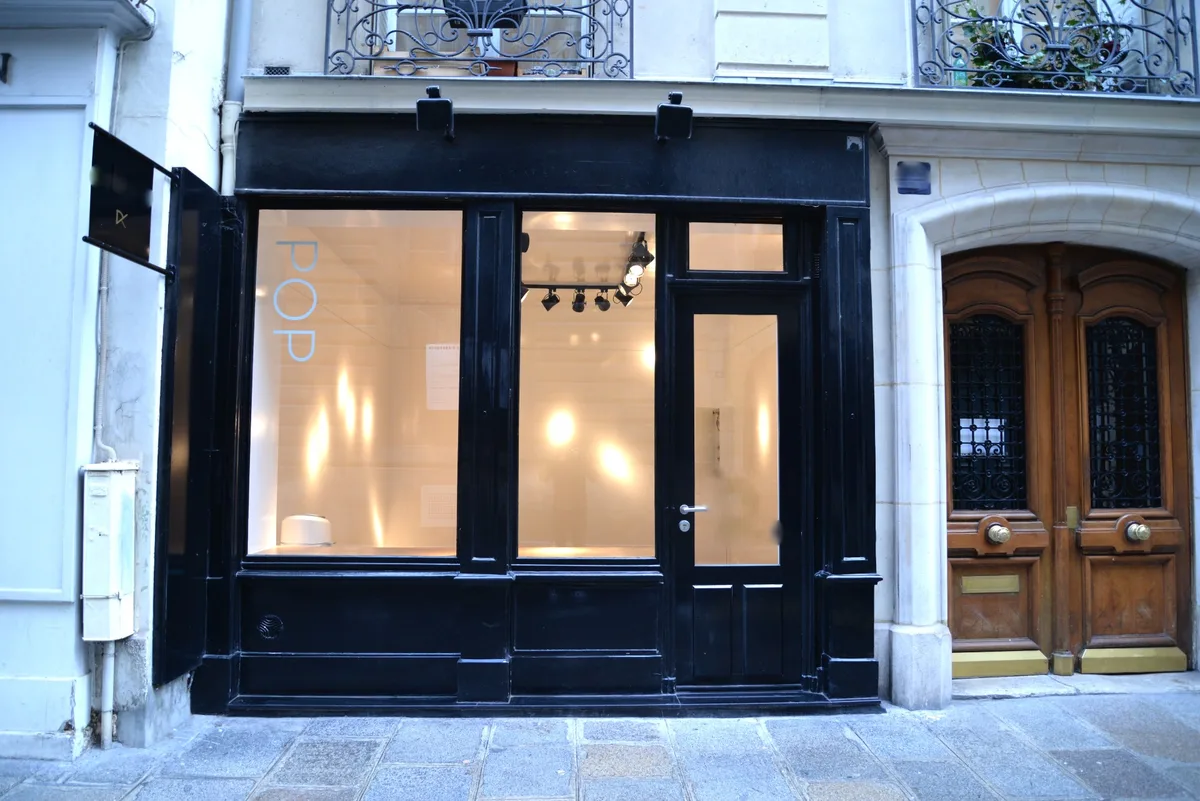
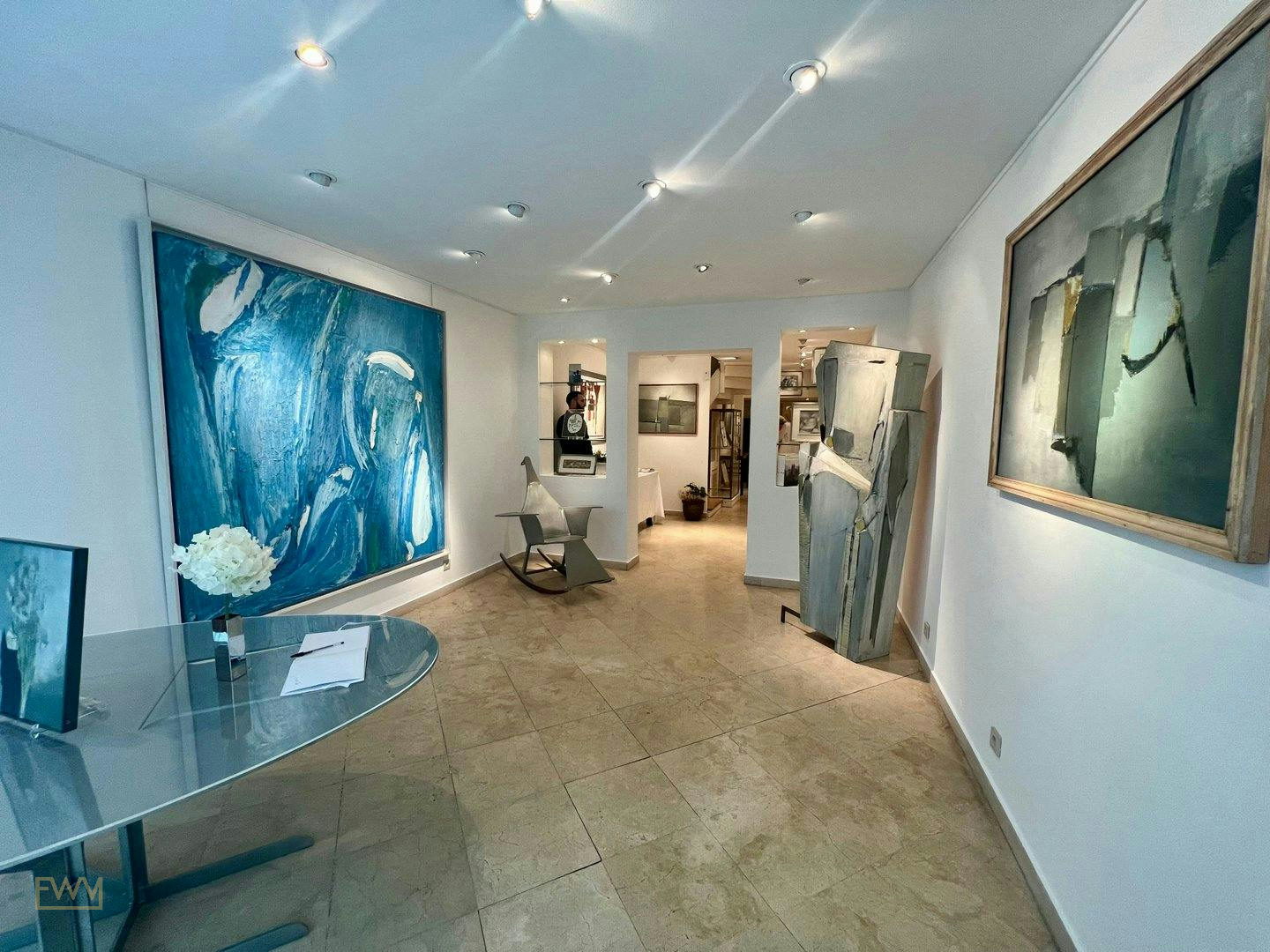
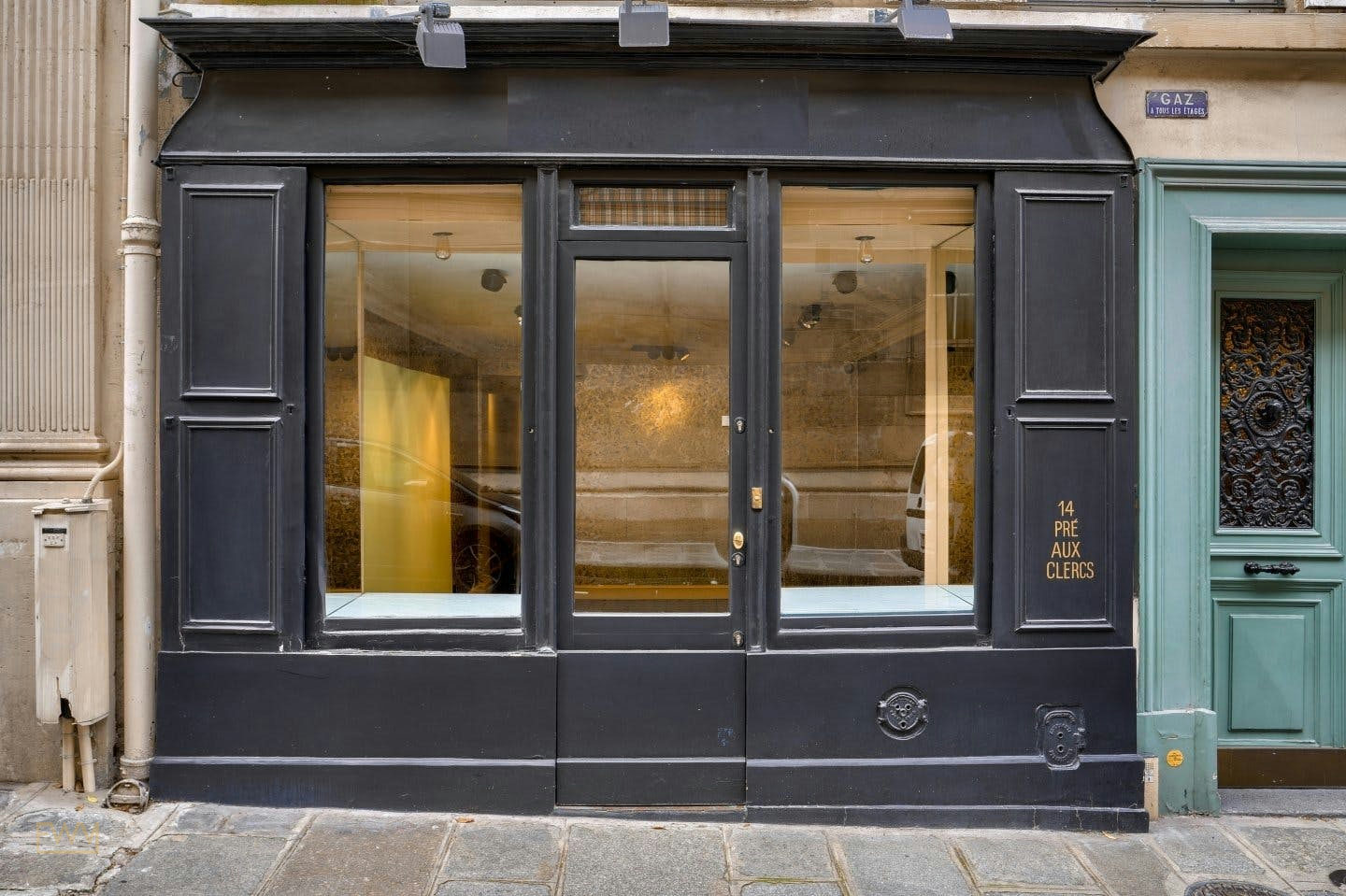
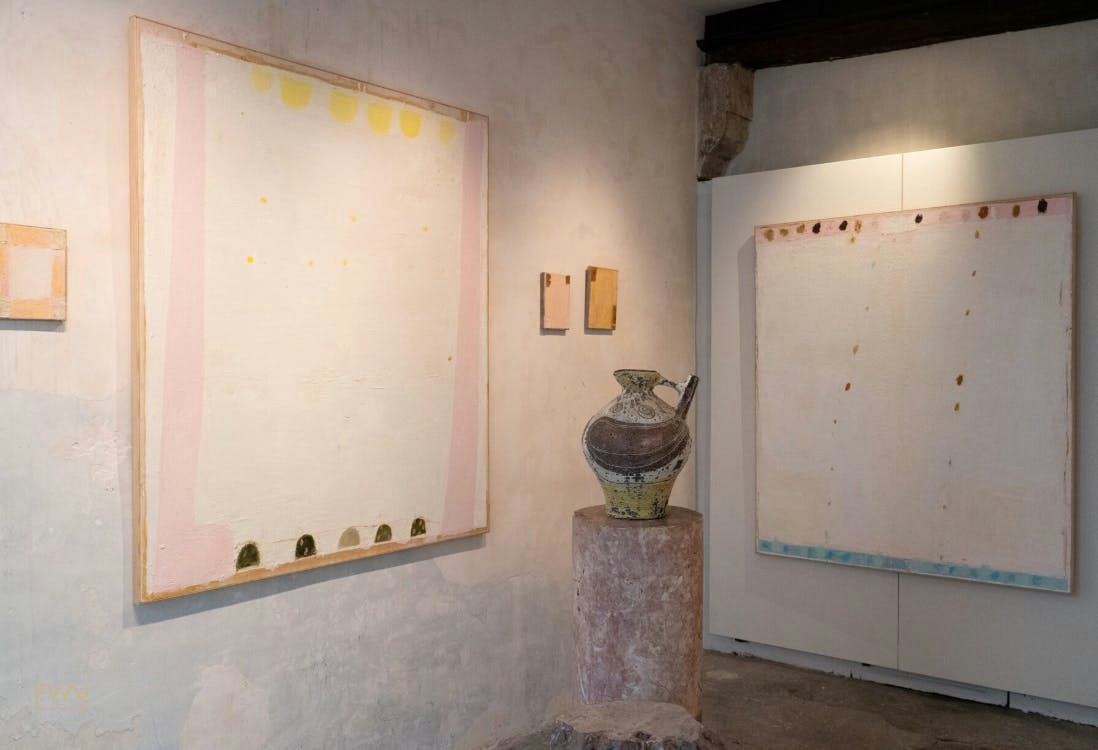
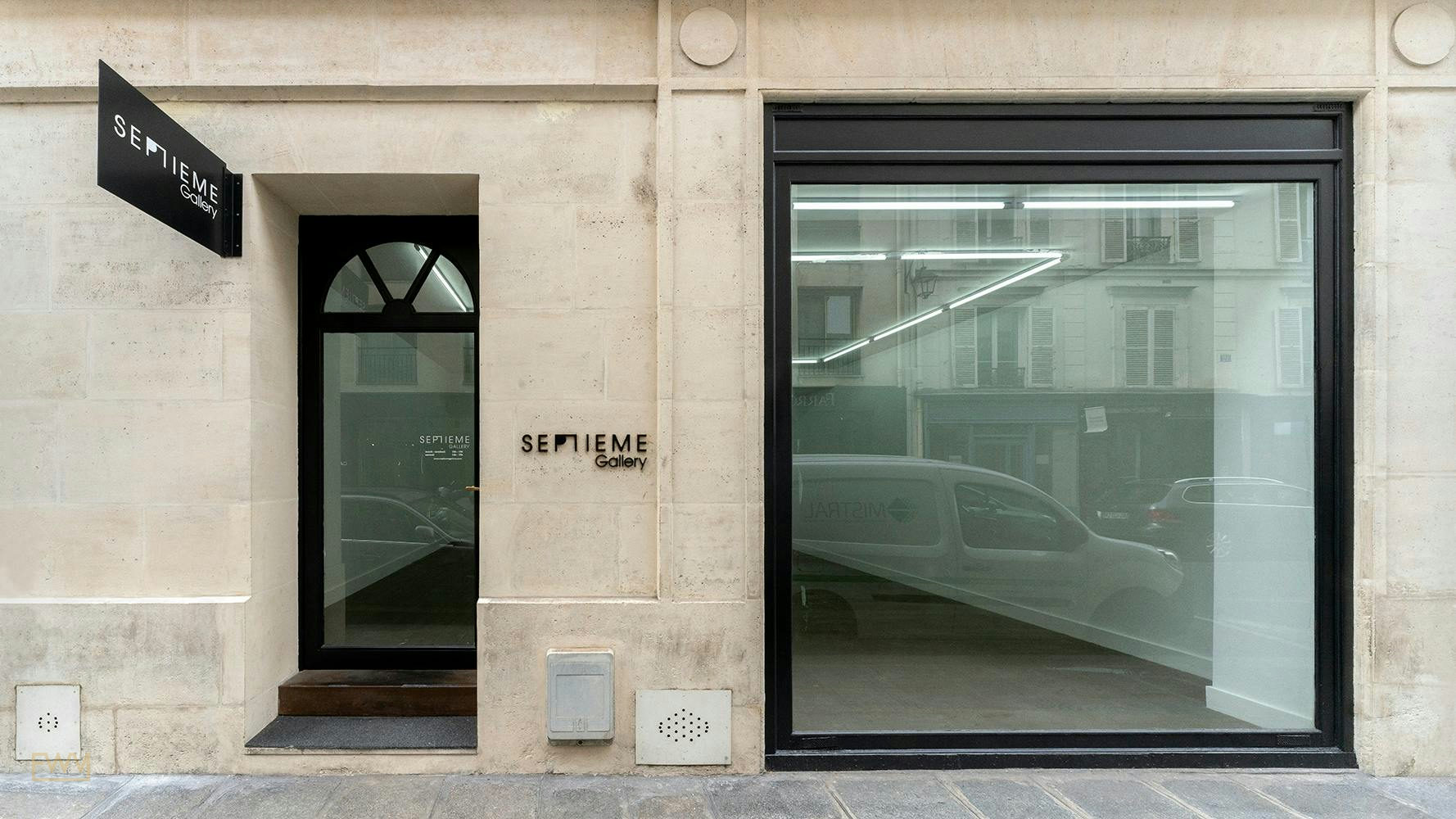
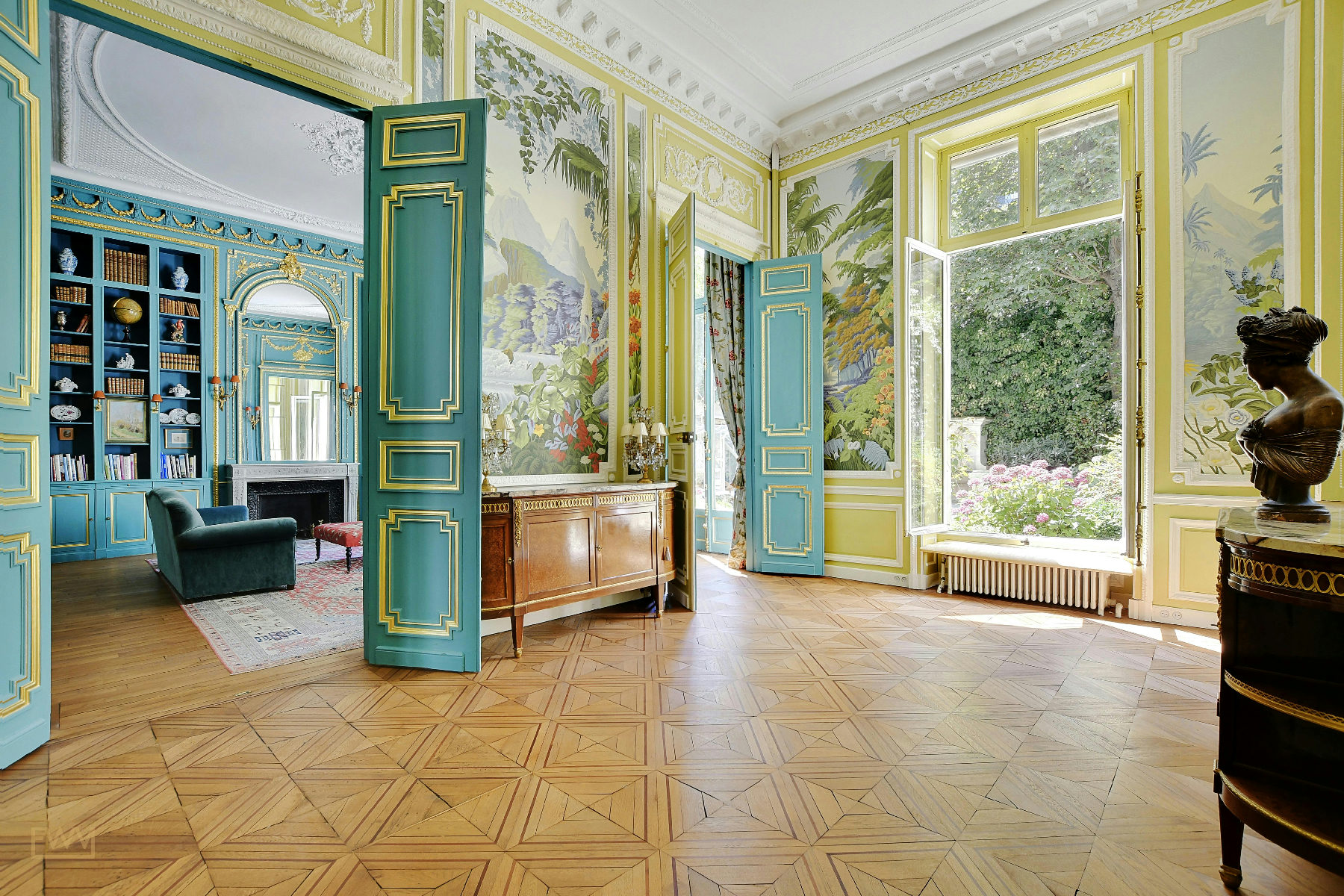
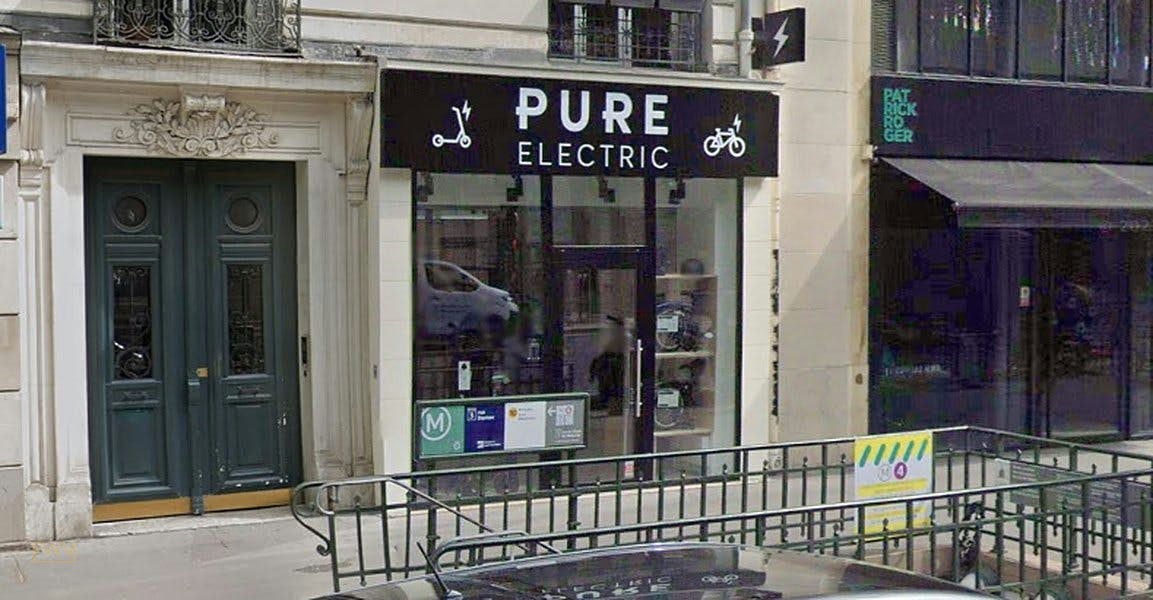
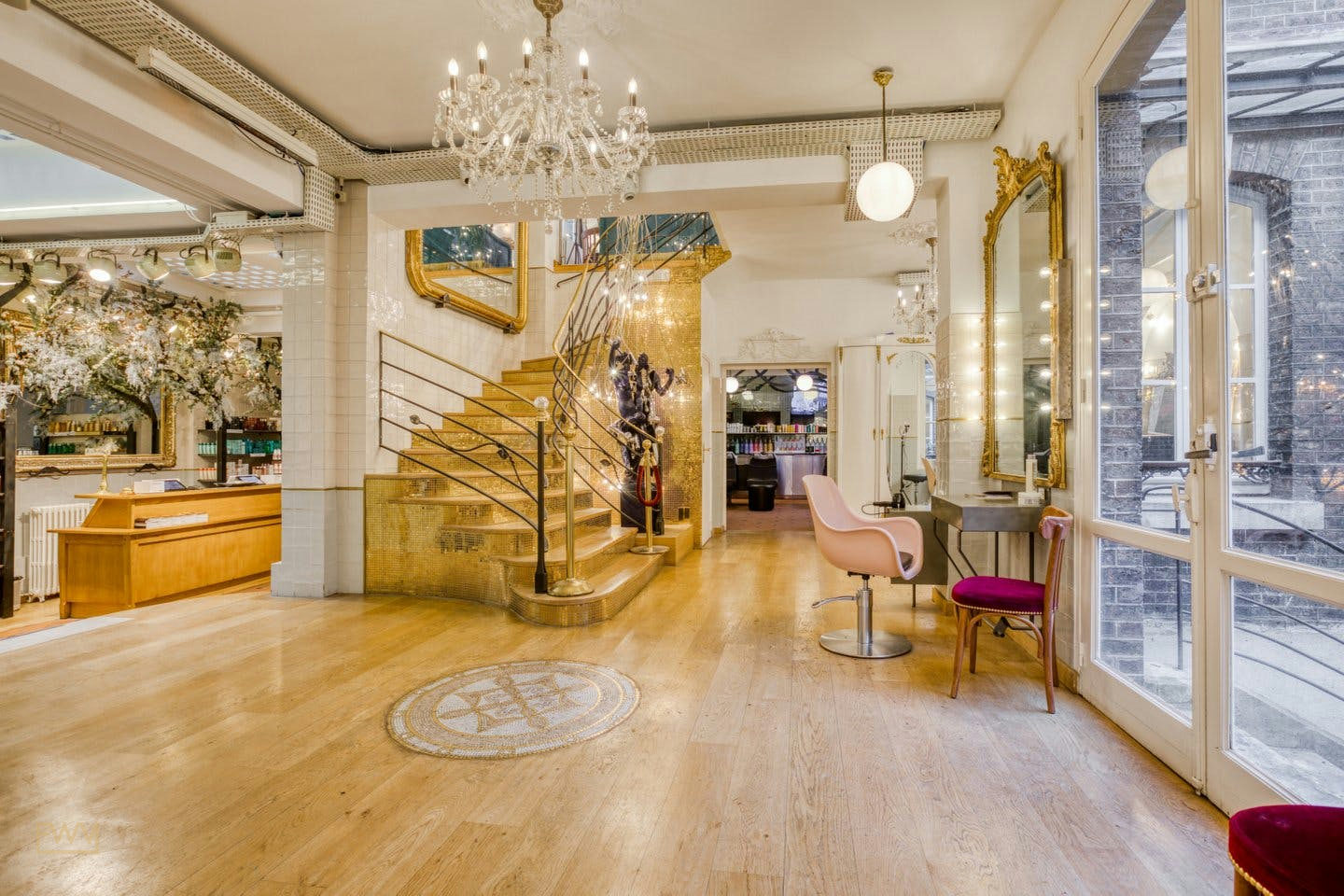
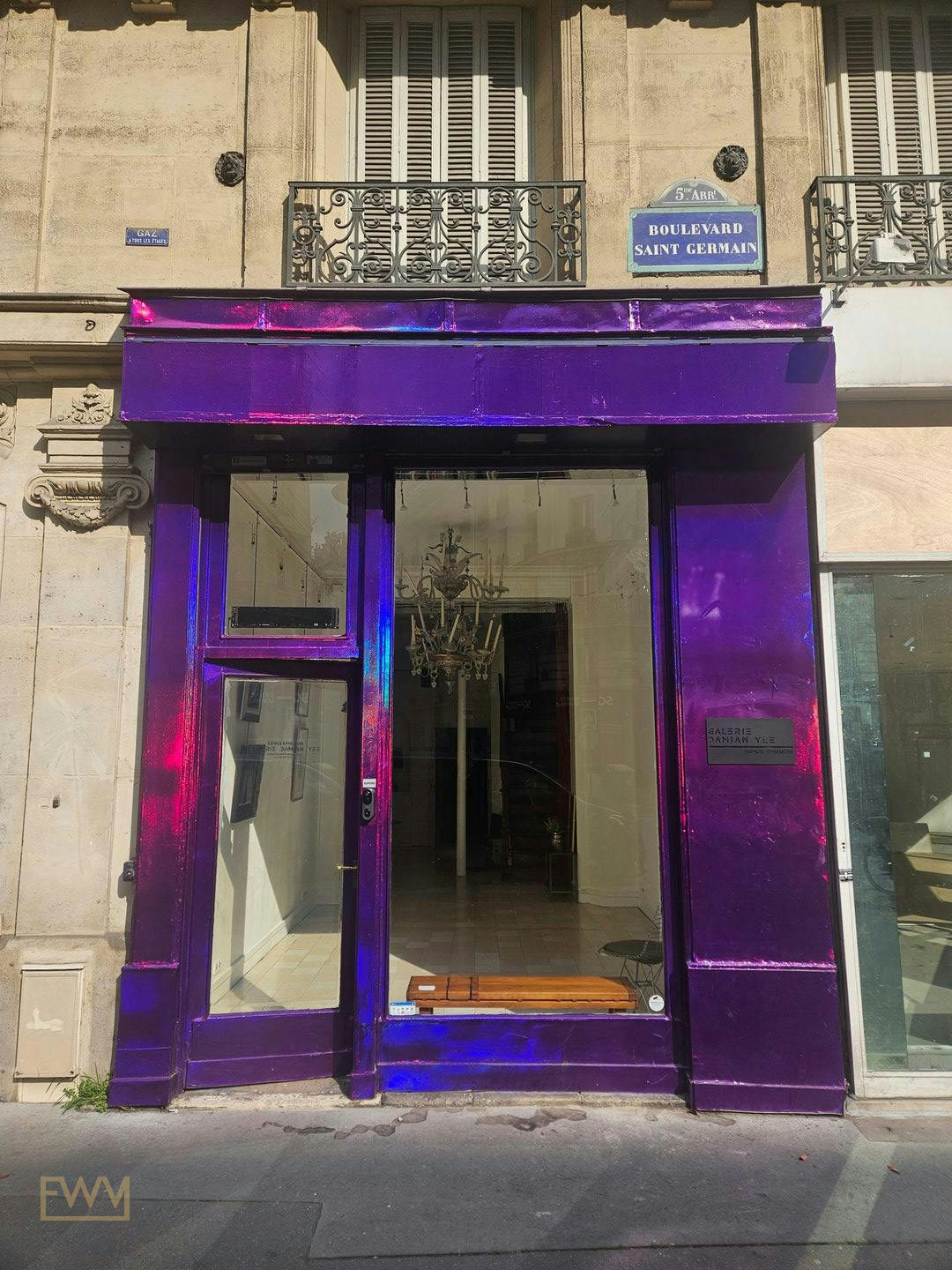
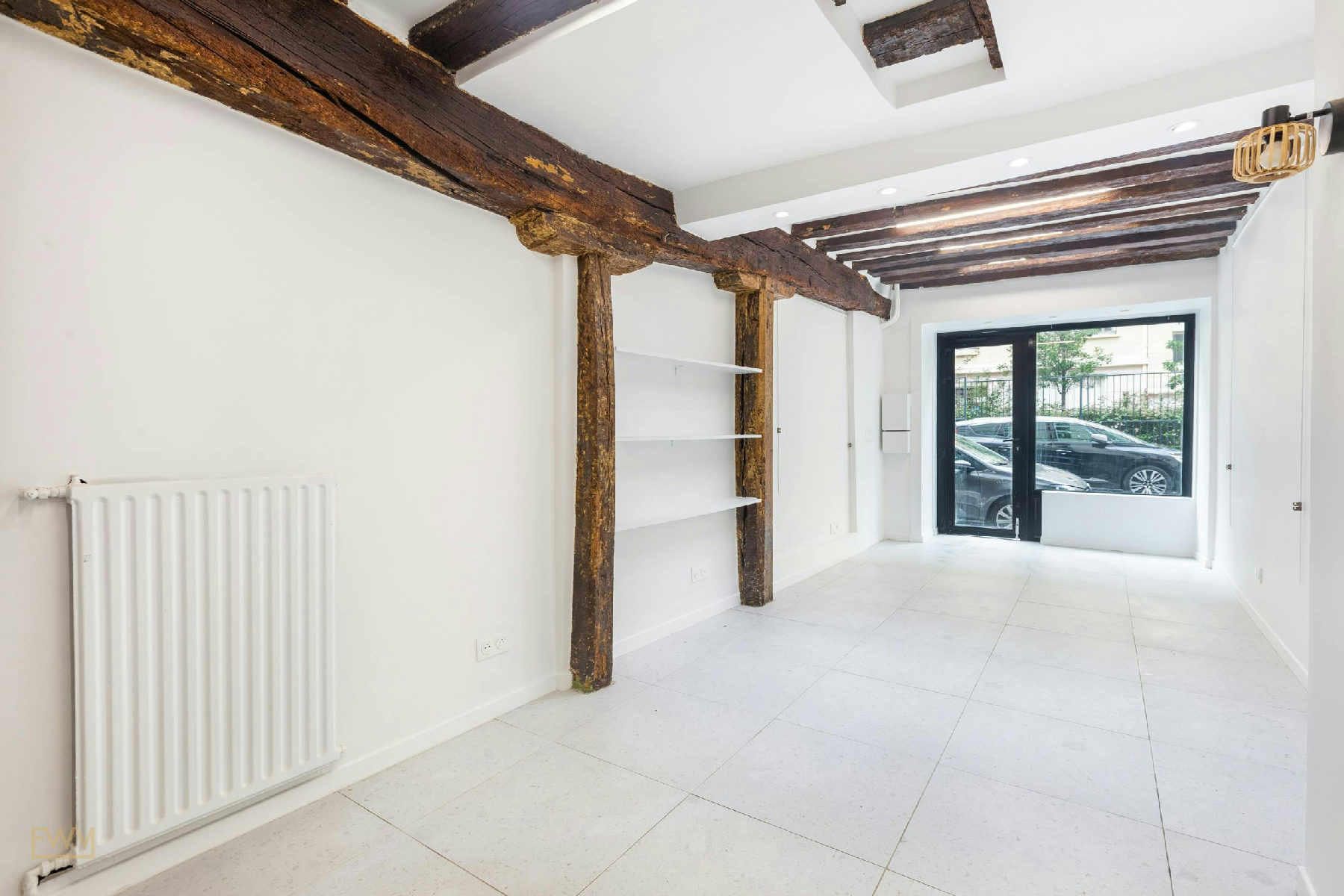
A pop up store Montorgueil is one of the most strategically powerful retail activations available to fashion, lifestyle, and food brands operating in Paris. The quartier Montorgueil sits at the intersection of the 1st and 2nd arrondissements, drawing a dense mix of local residents, international visitors, food lovers, creative professionals, and media talent into a compact, high-footfall pedestrian corridor every single day of the week. For brands seeking temporary space, showroom access, or immersive retail experiences in the centre of Paris, Montorgueil offers a rare combination of authentic neighbourhood energy, cultural credibility, and commercial density that few other districts in the French capital can match. Fashion Week Venues supports brands planning pop-up activations across Paris, including the Montorgueil quarter, with end-to-end services from venue sourcing to activation management.
What Makes the Quartier Montorgueil the Right Location for a Pop-Up Store in Paris?
Quick answer: The quartier Montorgueil offers one of the highest daily pedestrian footfall rates in central Paris, a culturally engaged local audience, and a retail environment that spans food artisans, independent boutiques, concept stores, and creative showrooms within a single walkable corridor spanning the 1st and 2nd arrondissements.
Rue Montorgueil is not simply a shopping street. It is a living, functioning market street that has operated continuously for centuries, making it one of the most organically embedded commercial corridors in the entire city. The street was originally the central fish market route for Paris, delivering produce from the Seine into the city's heart, and its identity as a place of abundance, discovery, and sensory engagement has never diminished. Today, the street and its surrounding network of smaller roads including rue Etienne Marcel, rue du Sentier, rue d'Aboukir, and boulevard Sébastopol form a dense retail and gastronomic ecosystem that attracts a cross-section of Parisian life unlike almost any other neighbourhood.
What distinguishes Montorgueil from other high-profile retail destinations such as rue Saint Honoré or Saint-Germain-des-Prés is the authenticity of its mix. You will find historic patisseries operating beside emerging fashion boutiques, fromageries next to concept-driven restaurants branchés, and boulangeries steps away from photo studios and creative agency offices. This blend creates a customer base that is both aspirational and deeply local, which is exactly the profile most brands want to reach when executing a pop-up store in Paris.
The pedestrian nature of Rue Montorgueil itself, a rue piétonne by designation, is a critical logistical and commercial asset. Without vehicle traffic, the street encourages lingering, exploration, and spontaneous discovery. Visitors who come for a pain au chocolat from one of the established boulangeries are highly likely to notice and engage with a well-positioned pop-up store that communicates its concept clearly. This dwell time advantage is measurable and significant for brands relying on conversion through physical retail activation.
The surrounding geography amplifies the neighbourhood's strategic value. Montorgueil sits within walking distance of the Centre Pompidou, the Forum des Halles, the Louvre, Pont-Neuf, and the Tuileries Garden, placing it at the crossroads of Paris's most visited cultural destinations. This proximity means that any brand activating a pop-up store on or near Rue Montorgueil is naturally positioned to intercept tourist flows, local residents, and professional creative networks simultaneously.
The 2nd arrondissement, which contains the core of the Sentier district and bleeds into the northern edges of Montorgueil, has also developed a significant reputation as Silicon Sentier, the informal name for Paris's technology and start-up corridor. Companies including Yahoo established early presences here, and the district remains home to sociétés financières, presse écrite operations, and a dense cluster of French tech businesses. This means that daytime professional footfall in the area is robust, making Montorgueil equally viable for B2B showroom formats and trade-facing brand launches, not only consumer-facing retail activations.
DID YOU KNOW: The passage couvert de Paris tradition, covered shopping arcades that predate modern department stores, runs directly through the neighbourhoods surrounding Montorgueil. Passage Choiseul, located nearby between Opéra Garnier and Grands Boulevards, represents the same historic logic that makes Montorgueil commercially effective: density, shelter, discovery, and a captive browsing audience.
KEY TAKEAWAY: Montorgueil's combination of pedestrian infrastructure, historic commercial identity, proximity to major Paris landmarks, and diverse daily footfall makes it one of the most well-rounded locations for a pop-up store in the centre of Paris, suitable for consumer retail, trade showrooms, food brand activations, and fashion launches alike.
Understanding the neighbourhood's geography is only the starting point. The next consideration for any brand is how the surrounding district network supports or extends the reach of a Montorgueil activation.
Mapping the Montorgueil District: Streets, Passages, and Adjacent Neighbourhoods
Quick answer: The Montorgueil district connects directly to Les Halles, Sentier, Opéra, and the Marais, giving brands a geographic anchor that allows activations to draw from multiple distinct neighbourhood audiences within a single Paris dwell.
To plan a pop-up store in Montorgueil effectively, brand teams need to understand the street-level geography of the district and how each adjacent area contributes a distinct audience profile. The core commercial spine is Rue Montorgueil itself, running roughly north to south through the 2nd arrondissement and connecting into the 1st arrondissement at its southern end near Les Halles and the Forum des Halles. From this central axis, a network of secondary streets fans outward in every direction, each with its own retail and cultural character.
Key Streets and Their Commercial Characters
| Street or Passage | Arrondissement | Primary Character | Best For |
|---|---|---|---|
| Rue Montorgueil | 1st and 2nd | Food market, pedestrian, historic retail | Food brands, lifestyle, consumer pop-ups |
| Rue Etienne Marcel | 1st and 2nd | Fashion, haberdashery, creative | Mode, sustainable clothing, showrooms |
| Rue du Sentier | 2nd | Textile commerce, start-ups, offices | B2B, trade launches, tech activations |
| Rue Réaumur | 2nd and 3rd | Art nouveau architecture, media, press | Design-forward activations, editorial shoots |
| Rue d'Aboukir | 2nd | Fabric and garment trade | Fashion sourcing, fabric brands, ateliers |
| Boulevard Sébastopol | 1st, 2nd, 3rd, 4th | Transit artery, high footfall | Visibility-driven activations |
| Passage Choiseul | 2nd | Historic covered passage | Concept stores, art galleries, heritage |
| Rue du Louvre | 1st | Gateway to Louvre and Tuileries | Luxury, heritage brands, international visitors |
The Sentier area to the north and northeast of Montorgueil has historically been the centre of Paris's commerce du textile, and this legacy remains visible in the clusters of fabric suppliers, haberdashers, and garment wholesalers operating along rue d'Aboukir and the surrounding network. For fashion brands, particularly those working in sustainable clothing, mode, or emerging designer categories, this area provides a genuine context for retail activations that connect to the history and craft of Parisian fashion production. The jeunes créateurs, the young creatives who define much of contemporary Paris fashion, still come to Sentier to find their lace trim, their patchwork materials, their specialist threads and buttons, exactly as they have done for generations.
The Marais, accessible via boulevard Sébastopol or rue Réaumur, adds another dimension to the Montorgueil catchment. The Marais brings a different customer profile: gallery visitors, tourists, a well-established LGBTQ+ community, and a concentration of independent boutiques and concept stores that make it one of the most internationally recognised retail neighbourhoods in Paris. A pop-up activation in Montorgueil that communicates visually and on social media can organically draw the Marais crowd, particularly if the brand has strong credentials in design, art, or ethical retail.
Canal Saint-Martin, to the northeast, and the broader Île-de-France network that connects through the city's arrondissement structure, further extend the geographic logic of a Montorgueil activation. The Canal Saint-Martin neighbourhood has become synonymous with emerging Parisian brands, independent designers, and a young creative consumer base that values authenticity over scale. A pop-up store in Montorgueil positioned correctly can communicate directly to this audience while also accessing the older, wealthier, and more established consumer base that gravitates toward Opéra, Grands Boulevards, and the areas around Opéra Garnier.
TIP: When briefing a space search for Montorgueil, specify whether your activation is intended primarily for Rue Montorgueil itself, the Sentier network to the north, or the Etienne Marcel corridor to the south. Each sub-zone carries a different footfall profile, rent range, and space typology, and conflating them in your brief will delay the shortlisting process.
KEY TAKEAWAY: Montorgueil is not a single street but a district network with distinct sub-zones. Understanding which streets align with your brand positioning, target audience, and activation format is essential before committing to a space search.
With the geographic framework established, the next critical question is what types of spaces are actually available in this district and how they align with different pop-up and showroom formats.
Space Types Available for a Pop-Up Store in Montorgueil and the 2nd Arrondissement
Quick answer: The Montorgueil district and 2nd arrondissement of Paris offer a diverse range of temporary retail spaces including street-level boutiques, converted ateliers, covered passage units, photo studios, and first-floor showrooms suitable for fashion, food, lifestyle, and B2B brand activations.
One of the practical strengths of the Montorgueil district as a pop-up location is the variety of physical space typologies available within a relatively compact geographic area. Unlike more homogenous retail streets where every unit is a standardised shopfront, Montorgueil and its surrounding network contains spaces that reflect the layered commercial history of the area, from narrow 17th-century street-level units to large loft-format ateliers and the unusual hybrid spaces created inside the surviving passages couverts de Paris.
Space Type Comparison for Montorgueil Pop-Up Activations
| Space Type | Typical Format | Ideal For | Key Considerations |
|---|---|---|---|
| Street-level boutique | 20 to 80 sqm, direct Rue Montorgueil frontage | Consumer retail, food brands, lifestyle | High footfall, premium rental, advance booking essential |
| First-floor showroom | 50 to 200 sqm, above street level | Trade showrooms, press days, private sales | Lower cost than street level, requires signage strategy |
| Passage couvert unit | 15 to 60 sqm, historic arcade setting | Concept stores, art galleries, heritage brands | Protected heritage context, specific landlord requirements |
| Former atelier or studio | 80 to 300 sqm, flexible raw space | Immersive experiences, events, photo studios | Requires fit-out investment, good for longer activations |
| Shared or twin format | Co-activation with complementary brand | Cost sharing, audience cross-pollination | Requires brand alignment and coordination |
| Market stall or kiosk | 4 to 12 sqm, outdoor or semi-outdoor | Food artisans, small product launches, sampling | Weather-dependent, specific market permits required |
The Hôtel du Grand Cerf, located on rue Saint-Denis just a few minutes from Rue Montorgueil, represents one of the most architecturally distinguished spaces available in this part of Paris. Originally built during the reign of Louis XV and functioning historically as one of the grandest coaching inns in Paris, the building now operates as a landmark commercial space with a spectacular iron-and-glass roof that makes it a genuinely photogenic setting for brand activations. Spaces of this type, where a monument historique designation intersects with temporary commercial use, require specialist navigation and offer correspondingly distinctive brand associations.
Photo studios are another space typology worth noting in the 2nd arrondissement context. The concentration of presse écrite offices, advertising agencies, and creative production companies in the Silicon Sentier area has created a secondary market for bookable studio spaces that can double as pop-up event venues. For brands that want to combine a product shoot, an influencer day, and a consumer-facing activation within a single space and booking, these studios in the Réaumur and Sentier area offer genuine operational efficiency.
The twin co-activation format deserves particular attention for brands working with constrained budgets. By sharing a larger Montorgueil space with a complementary brand, such as a fashion label and an organic tea brand, or a sustainable clothing retailer and a chocolatier, brands can access higher-visibility spaces at lower individual cost while also generating a more interesting editorial and social media narrative. Fashion Week Venues operates a dedicated twin co-activation concept specifically designed for this type of partnership.
IMPORTANT: Spaces on Rue Montorgueil itself, particularly those with direct street frontage, are in high demand during Paris Fashion Week, summer periods, and the pre-Christmas season. Brands targeting these windows should begin their space search at least three to six months in advance to secure viable options.
KEY TAKEAWAY: The Montorgueil district offers a wider range of space typologies than most brands initially expect, from small street-level boutiques to large historic ateliers. Matching your activation format to the right space type before beginning your search will significantly improve both the quality of shortlisted options and the efficiency of your budget.
Securing the right space is only one component of a successful Montorgueil pop-up. The food and cultural ecosystem of the neighbourhood creates a context that smart brands learn to activate in their favour.
The Food and Cultural Ecosystem of Rue Montorgueil: Context Every Brand Should Understand
Quick answer: Rue Montorgueil hosts some of Paris's oldest and most celebrated food institutions, including Stohrer, À la Mère de Famille, and Au Rocher de Cancale, alongside contemporary food concepts that create a neighbourhood identity powerful enough to anchor and amplify adjacent brand activations.
Any brand that opens a pop-up store on or near Rue Montorgueil is immediately operating in the context of one of the most food-saturated and culturally embedded streets in Paris. This is not incidental background. It is a defining feature of the neighbourhood that smart brand teams learn to understand, reference, and where appropriate, leverage directly in their activation concept.
Stohrer, founded in 1730 and widely recognised as the oldest patisserie in Paris, operates on Rue Montorgueil and is a monument historique in its own right. Its presence defines the street's relationship to culinary history and craftsmanship. The patisserie is credited with popularising the rum baba, and its interior, decorated during the reign of Louis XV, is a physical expression of the longevity and confidence that characterise the street as a whole. For a brand seeking to communicate heritage, quality, or French artisanal credibility, being physically proximate to Stohrer carries a form of associative value that no advertising campaign can replicate.
À la Mère de Famille, the legendary chocolatier and confectionery specialist, extends the food artisan narrative of the neighbourhood. Known for its calissons, ganaches, and marzipan preparations, À la Mère de Famille represents the intersection of French artisanal food culture and sophisticated gift retail that has made the area a destination for food lovers from across Paris and internationally. La belle Iloise, known for its premium tinned fish from Quiberon and the sardine ports of Brittany, brings a different register of French food artisanship to the street alongside fromageries offering aged Comté, Brebis, and regional specialities that reward the adventurous rather than defaulting to the familiar.
La Bovida and A. Simon, two specialist suppliers of kitchen utensils and professional catering equipment located near Les Halles, extend the food professional ecosystem into the district. Deco Relief, a specialist in patisserie and chocolate decoration supplies, reinforces the area's identity as a destination for people who take food seriously at a professional level. This creates a daytime customer profile that includes professional chefs, patisserie artisans, restaurant buyers, and serious home cooks, a highly educated, quality-conscious consumer base that responds well to brands that communicate with similar precision and authenticity.
Beyond food, the cultural infrastructure of the neighbourhood amplifies brand activation potential significantly. The Centre Pompidou, located a short walk from the southern end of Rue Montorgueil, draws over three million visitors annually and positions the district within easy reach of one of the most contemporary and internationally diverse cultural audiences in Paris. Opéra Garnier and the Grands Boulevards to the north bring a more classical cultural register, while the passing proximity to the Louvre and Tuileries Garden ensures that international tourists of broadly high spending power are within the district's natural footfall catchment throughout the year.
Au Rocher de Cancale, one of the most historically significant restaurants on Rue Montorgueil, references directly in its name the Cancale oyster ports of Brittany, underlining the street's deep roots in French coastal food culture. Restaurants branchés, the more contemporary dining establishments that have opened in recent years, attract a younger and more trend-aware customer base that overlaps significantly with the fashion and lifestyle brand audience most pop-up store operators are trying to reach. Lov Organic Teas, Petit Bombay with its curation of Indian everyday objects, and Le Pain Quotidien all contribute to a neighbourhood food landscape that is genuinely international in its references while remaining rooted in Paris's physical market tradition.
Palais du Fruit Montorgueil and Le Marché Franprix represent the more everyday épiceries and market vendors that sustain the neighbourhood's status as a genuinely functional food market rather than a purely touristic experience. This distinction matters enormously for brand activation. Rue Montorgueil has not become a theme park version of itself. It remains a street where Parisians actually shop, eat, and spend time habitually, which means that any brand activating here is reaching real consumers in a real state of engagement, not merely observing a spectacle.
DID YOU KNOW: The phrase passage quotidien is sometimes used informally to describe Rue Montorgueil's role in Parisian daily life, a street that functions as a literal daily passage for local residents combining grocery shopping, café stops, and social encounters in a single habitual route. This daily habit pattern creates exceptionally consistent repeat footfall for any brand with a presence on the street.
KEY TAKEAWAY: The food and cultural ecosystem of Rue Montorgueil is not separate from its retail appeal but integral to it. Brands that understand and reference this ecosystem in their activation concept will find the neighbourhood's identity working actively in their favour rather than simply serving as backdrop.
To compare neighbourhoods and space types, explore the Paris city hub on Fashion Week Venues and shortlist spaces that match your brief, budget, and calendar window.
Fashion, Mode, and Creative Industries in the Montorgueil and Sentier District
Quick answer: The Montorgueil and Sentier district has been central to Parisian fashion production and retail for over a century, with a current concentration of young designers, sustainable clothing brands, textile traders, and creative studios that makes it one of the most productive environments for a fashion-focused pop-up or showroom activation.
Rue Etienne Marcel is one of the most practically important streets in Paris for fashion brands planning a pop-up store. Running parallel to Rue Montorgueil and connecting directly into the 1st arrondissement near Les Halles and the Forum des Halles, it has served as the primary shopping destination for Paris's young fashion creatives for decades. The density of fabric shops, haberdashers, and specialist textile suppliers on and around Etienne Marcel is unmatched anywhere else in the city, and this proximity to raw materials and craft production gives the street a credibility and relevance for fashion brands that purely commercial retail corridors cannot replicate.
The commerce du textile that defines much of the Sentier district, the concentration of wholesale garment traders, fabric importers, and fashion logistics businesses along rue du Sentier and rue d'Aboukir, creates a daytime professional audience that is sophisticated about product, price, and quality. A fashion brand launching a new collection or a new marque through a pop-up in this area is operating in front of an audience that includes buyers, press contacts, and production professionals who will evaluate the offering with genuine expertise. This is both a challenge and an opportunity: the standard is high, but the potential quality of engagement is correspondingly significant.
The sustainable clothing and ethical fashion movement has found a natural home in the Sentier and Montorgueil corridor. Brands like Ekyog, which operates in Montmartre but draws its Parisian creative audience from across the same demographic that gravitates toward Sentier, have demonstrated that there is a well-established and growing consumer base in Paris for fashion that combines aesthetic quality with transparent production practices. Pop-up stores that communicate clearly about sustainable materials, ethical supply chains, and considered design find a receptive and genuinely engaged audience in this part of Paris.
The concept of LANCEMENT, the French term for a brand or product launch, takes on particular significance in the Montorgueil context. The neighbourhood's media proximity, with presse écrite offices, content studios, and fashion press contacts within walking distance, means that a well-executed pop-up launch in this district can generate editorial coverage more efficiently than an equivalent activation in a less media-dense neighbourhood. Brands thinking about notoriété, the building of brand awareness and reputation, and visibilité, the practical question of how many relevant people will see and engage with the activation, will find that Montorgueil scores highly on both dimensions.
The second-hand and vintage fashion sector has also established a meaningful presence in the Sentier network. Second-hand commerce, or seconde main retail, is growing rapidly across Paris and the Montorgueil district has become one of the areas where emerging vintage and pre-loved fashion brands choose to test their retail concepts through pop-up formats. This creates a neighbourhood retail environment where consumer expectations around discovery, authenticity, and value are already well calibrated, benefiting any brand that operates with a similar ethos.
The French tech and Silicon Sentier professional community adds an additional dimension. The start-up culture that has developed around rue du Sentier, initially catalysed by the presence of major tech companies including Yahoo in the district, has created a professional community that is demographically young, internationally connected, and commercially sophisticated. This audience is an important secondary target for fashion, lifestyle, and food brands executing pop-up activations in Montorgueil, particularly for evening events, private sales, and brand-building occasions that require an invited or self-selected audience.
Lieu 37, a notable creative venue and event space in the district, represents the kind of bookable, production-ready space that supports both consumer-facing pop-ups and professional brand events including press days, buyer appointments, and réservation-based product launches. Understanding what spaces like Lieu 37 offer in terms of technical infrastructure, capacity, and calendar availability is part of the practical groundwork required before committing to a Montorgueil activation strategy.
TIP: If your brand is planning a pop-up launch that needs both trade-facing and consumer-facing components, consider a two-phase structure: a press and buyer preview using a first-floor showroom in the Sentier network, followed by a consumer-facing activation on or near Rue Montorgueil itself. This structure maximises the neighbourhood's dual audience advantage without requiring two separate spaces.
KEY TAKEAWAY: The Montorgueil and Sentier district is one of the few areas in Paris where fashion production heritage, contemporary creative culture, media proximity, and consumer footfall converge in a single walkable zone, making it exceptionally well suited to fashion brand launches, showroom activations, and concept-driven pop-up retail.
Planning and Permits: What Brands Need to Know Before Signing a Temporary Space in Paris
Quick answer: Temporary retail activations in Paris are typically governed by the bail dérogatoire framework for short-term commercial leases or by the autorisation d'occupation temporaire for public or semi-public spaces, and both require careful legal verification before a brand commits to a space, regardless of the neighbourhood.
Permit and compliance requirements for a pop-up store in Paris are among the most commonly misunderstood aspects of the activation planning process, particularly for international brands entering the market without local legal infrastructure. Understanding the basic legal frameworks is essential, but it is equally important to recognise that requirements vary significantly by space type, duration, arrondissement, and the specific nature of the activation planned.
Key Legal Frameworks for Temporary Retail in Paris
The bail dérogatoire, sometimes called a convention d'occupation précaire, is the primary legal instrument for short-term commercial tenancies in France. Unlike a standard commercial lease, which carries significant statutory protections and minimum durations under French commercial property law, a bail dérogatoire allows landlord and tenant to agree a temporary occupation of up to three years without triggering the standard lease protections. For pop-up stores, this framework is typically used for activations lasting from a few weeks to several months.
The autorisation d'occupation temporaire, or AOT, applies to spaces that are owned by public bodies, including certain roads, squares, and public buildings where a brand wishes to install a kiosk, outdoor display, or temporary structure. An AOT is granted by the relevant municipal authority and is time-limited and revocable, meaning that it does not confer the same security as even a short-term commercial lease. Brands planning outdoor activations near the Tuileries Garden, on pedestrianised sections of Rue Montorgueil itself, or adjacent to public cultural monuments need to understand that an AOT process is required and that approval is not guaranteed.
For spaces within historic buildings or passages couverts de Paris with monument historique designations, additional heritage protection requirements may apply. Any fit-out, signage, or structural modification planned for a space in a protected building must be reviewed against heritage conservation rules, and brands should expect a longer approval timeline and potentially more restrictive conditions on what can be installed or altered.
International brands entering Paris for the first time often assume that their standard commercial contracts from other markets will translate directly. French commercial property law has specific characteristics, including strong tenant protections under standard leases and specific requirements around notice periods, deposit structures, and permitted use clauses, that differ materially from UK, US, or Asian markets. Engaging a French legal advisor before signing any temporary lease or occupation agreement is strongly recommended, regardless of how straightforward the proposed arrangement appears.
Fashion Week Venues provides a dedicated permits tool that offers directional guidance on the permit landscape for different activation types and locations across Paris. This tool is a useful starting point for understanding which compliance pathways apply to a specific brief, though it does not replace formal legal advice for the specific transaction.
IMPORTANT: A brand does not need a French legal entity to rent a temporary space in Paris under a bail dérogatoire. However, the landlord will typically require a guarantor or bank guarantee from an entity with a verifiable financial position, and the practical arrangements for VAT, insurance, and local commercial taxes should be verified with a French accountant or legal advisor before the activation begins.
Réservation and calendar planning intersects directly with permit timelines. Certain arrondissements and specific streets including Rue Montorgueil have higher administrative complexity for temporary commercial activations due to their heritage status or pedestrianisation conditions. Brands that underestimate the lead time required for permit applications risk losing their preferred space or being forced to reduce the scope of their activation concept after committing to a venue.
KEY TAKEAWAY: Permit compliance for a pop-up store in Paris is a non-trivial component of activation planning. Understanding which legal framework applies to your specific space, duration, and format, and securing appropriate legal and financial advice early in the process, is one of the most effective ways to protect both your budget and your timeline.
Budget, ROI, and Calendar Strategy for a Montorgueil Pop-Up Store
Quick answer: Pop-up store budgets in Montorgueil vary significantly by space size, location, duration, and activation format. Brands should plan for venue rental, fit-out, staffing, permits, marketing, and operational costs as distinct line items, and should use a structured ROI framework to evaluate the activation's commercial and brand-building returns against total investment.
One of the most consistent planning errors made by brands entering the Paris pop-up market for the first time is approaching budgeting as a single-line exercise, estimating only the rental cost and treating everything else as a variable or secondary consideration. A professionally planned pop-up store activation in Montorgueil requires a multi-line budget framework that accounts for every cost category from initial brief development through to post-activation data reporting.
Venue rental in the Montorgueil and 2nd arrondissement area varies considerably depending on the specific street, the floor level, the size of the space, and the duration of the activation. Street-level spaces on Rue Montorgueil itself command a significant premium over equivalent space on secondary streets in Sentier or on first-floor showroom formats. Brands should treat any rental figures they encounter in initial research as directional rather than definitive, and should use a structured budget tool to model the full cost implications before shortlisting spaces. The Fashion Week Venues budget calculator provides a structured framework for estimating total activation costs across all relevant categories.
Fit-out and production costs represent a significant proportion of total activation budgets for brands that want a genuinely branded retail environment rather than a bare commercial unit. The quality of the physical space, the sophistication of the display fixtures, the branded store design elements, and the overall sensory experience created in the space all directly influence conversion rates, dwell time, social media sharing behaviour, and press coverage quality. Treating fit-out as a cost to minimise rather than an investment to calibrate carefully is one of the most reliably counterproductive budget decisions a brand team can make.
Calendar strategy is inseparable from budget strategy in the Paris pop-up context. The most commercially valuable calendar windows for a pop-up store Montorgueil activation align broadly with the following periods: Paris Fashion Week in late February and early March for women's wear and in late September and early October for men's and women's, the pre-Christmas gift retail season from mid-November through late December, the summer tourist peak from late June through August, and the major Paris trade fair and event calendar including Maison et Objet, Tranoi, and WHO'S NEXT. Each of these windows carries different rental dynamics, different competitive pressure for available spaces, and different audience composition, requiring a calibrated approach to both budget and concept.
The ROI framework for a pop-up store activation should distinguish between direct commercial returns, which include sales revenue generated during the activation period, and indirect returns, which include earned media coverage, social media content generated, influencer reach, new customer acquisition, brand awareness among target demographics, wholesale enquiries generated, and the long-term contribution to notoriété and visibilité in the Paris market. For many brands, particularly those entering Paris for the first time or testing a new concept, the indirect returns may represent the more strategically important component of the ROI picture. The ROI calculator on Fashion Week Venues provides a structured framework for modelling both direct and indirect returns against activation investment.
The timeline planning dimension requires brands to work backwards from their target launch date with a realistic understanding of the lead times involved in space search, permit application, fit-out design, production, staffing recruitment, and marketing preparation. For a sophisticated Montorgueil activation targeting a major calendar window, a planning horizon of four to six months is typically necessary to execute at the quality level required for the neighbourhood and the audience. The timeline planning tool on Fashion Week Venues helps brand teams map out the full sequence of tasks and decisions against a target activation date.
KEY TAKEAWAY: A successful Montorgueil pop-up store requires a multi-category budget, a realistic ROI framework that captures both direct sales and brand-building returns, and a calendar strategy that aligns the activation window with your target audience's presence in the neighbourhood and Paris more broadly.
How Fashion Week Venues Helps Brands Activate in the Montorgueil District
Quick answer: Fashion Week Venues provides full-service support for brands planning pop-up stores, showrooms, and retail activations in the Montorgueil district and across Paris, from space identification and permit navigation through to fit-out, staffing, and post-activation data analysis.
For brand teams who are planning a pop-up store in Montorgueil, the practical challenge is rarely identifying that the neighbourhood is the right location. The challenge is executing the activation at the quality level the neighbourhood demands, within a realistic budget and timeline, while navigating the legal, logistical, and creative complexity that Paris as a market routinely presents. This is the gap that Fashion Week Venues is designed to close.
The starting point for most brand engagements is venue sourcing. Fashion Week Venues maintains an active knowledge of available spaces across the Montorgueil district, including street-level boutiques on Rue Montorgueil and Rue Etienne Marcel, showroom formats in the Sentier network, atelier and studio spaces in the 2nd arrondissement, and passage couvert units in the historic arcade network. The venue sourcing service takes a brand's brief, including target neighbourhood, space size, duration, budget, and activation format, and returns a shortlist of viable options with comparative assessment across the key decision criteria.
Beyond space finding, the agency provides concept direction and creative development for brands that want a distinctive and coherent activation concept rather than a straightforward retail unit. The concept direction service works with brand teams to develop a spatial and experiential narrative that reflects the brand's identity, communicates clearly to its target audience, and generates the kind of shareable moments and editorial quality that amplify the activation's reach beyond the physical space.
Production and build is managed through Fashion Week Venues' network of trusted Paris-based suppliers, contractors, and fit-out specialists. The production and build service covers everything from initial concept drawings through to final installation, ensuring that the physical space delivers on the creative brief within the agreed budget and timeline. This is particularly important in a neighbourhood like Montorgueil where the quality standard set by long-established historic retailers is high and where a poorly executed fit-out will be immediately apparent to a discerning local audience.
Staffing is frequently an underestimated component of pop-up activation planning, particularly for international brands operating in Paris without an established local team. Fashion Week Venues' retail staffing service provides bilingual, brand-trained staff for consumer-facing roles, ensuring that every customer interaction in the space reflects the brand's values and commercial objectives. This matters particularly in Montorgueil, where the local audience is both cosmopolitan and quality-conscious and where a poorly briefed or inadequately trained sales team can undermine an otherwise excellent activation.
The agency's suite of digital tools, including the space visualisation tool at Imagine, the space comparison tool, the space locator, and the permit guidance tool, are available to brand teams as standalone resources or as part of a full-service engagement. These tools are particularly useful in the research and briefing phase, helping brand teams arrive at a clearer and more precise brief before committing to a space search or agency engagement.
Fashion Week Venues does not guarantee specific spaces, permit approvals, or commercial outcomes. The agency's role is to provide expert guidance, active support, and access to its supplier and space network to maximise the probability of a successful activation. Brands should engage with the agency's process page to understand the full sequence of engagement from initial brief through to post-activation review, and should review the agency's past work to assess the quality and diversity of activations it has supported across Paris and other fashion capitals.
KEY TAKEAWAY: Fashion Week Venues offers a structured, full-service approach to pop-up activation in Montorgueil that addresses every stage from space identification and permit navigation through to fit-out, staffing, and performance measurement. Brands that engage early in the planning process consistently achieve better outcomes on budget, timeline, and activation quality.
Selecting the Right Pop-Up Format for the Montorgueil Neighbourhood
Quick answer: The most effective pop-up format for a Montorgueil activation depends on your brand's target audience, commercial objectives, available budget, and calendar window, with consumer retail boutiques, immersive experience spaces, trade showrooms, and food-focused activations each performing well when properly matched to the neighbourhood's distinct audience segments.
Understanding which pop-up format to deploy in Montorgueil requires an honest assessment of what the brand needs to achieve from the activation and which audience segments within the neighbourhood are most aligned with those objectives. There is no universally optimal format. A format that works brilliantly for a French cosmetics brand doing a consumer product launch will be entirely wrong for an international fashion house doing a press day and buyer review.
Pop-Up Activation Format Decision Framework
| Activation Objective | Recommended Format | Best Location Within District | Target Duration |
|---|---|---|---|
| Consumer retail sales | Street-level boutique pop-up | Rue Montorgueil, Rue Etienne Marcel | 2 to 8 weeks |
| Brand awareness and press coverage | Immersive experience space with event programme | Rue Réaumur, Passage Choiseul area | 5 to 14 days |
| Trade and wholesale development | First-floor showroom with appointment system | Rue du Sentier, Rue d'Aboukir | 1 to 4 weeks |
| New market entry and testing | Shared or twin concept co-activation | Flexible across the district | 2 to 6 weeks |
| Food or lifestyle product launch | Market-adjacent kiosk or street-level unit | Rue Montorgueil core section | 1 to 4 weeks |
| E-commerce brand physical debut | Concept boutique with online integration | Rue Etienne Marcel, Sentier fringe | 3 to 8 weeks |
| Private sale or loyalty event | Private space with invitation system | First-floor spaces across the district | 2 to 5 days |
The pop up online and magasin en ligne to physical format transition represents a growing category in the Montorgueil district. E-commerce brands, particularly those with an established customer base in Paris and Île-de-France, are increasingly using short-term physical retail activations in Montorgueil to create a tangible brand experience for customers who have previously only engaged with the brand through a screen. The neighbourhood is particularly well suited to this format because its customer base is already accustomed to discovering new brands through organic street-level encounter rather than requiring advertising to prompt engagement.
Private sales, or ventes privées, are a well-established French retail tradition that translates effectively into the pop-up format. A brand that operates primarily through an e-shop or magasin en ligne can create significant excitement and exclusivity by hosting a réservation-based private sale event in a carefully selected Montorgueil space, inviting its existing customer base alongside press, influencers, and new contacts identified through the neighbourhood's professional network.
The influencer marketing dimension of a Montorgueil pop-up activation should be integrated into the concept from the beginning rather than added as an afterthought. The neighbourhood's aesthetic quality, its historic architecture, its photogenic food market, and the authentic Parisian context it provides are all assets that translate directly into high-quality content that performs well across social media platforms. Fashion Week Venues' influencer marketing service can help brands identify and engage the right content creators for a Montorgueil activation, ensuring that the social and digital amplification of the physical space reaches the intended audience at scale.
KEY TAKEAWAY: The optimal pop-up format for a Montorgueil activation emerges from a clear-eyed assessment of your commercial objectives, target audience within the neighbourhood, budget parameters, and calendar window. Attempting to execute multiple objectives simultaneously without a clear priority order is one of the most common causes of underperforming activations in this district.
Common Myths About Pop-Up Stores in Montorgueil and Paris Debunked
MYTH: You need a French legal entity to rent a temporary retail space in Paris.
FACT: International brands can rent temporary spaces in Paris under a bail dérogatoire without a pre-existing French company structure. However, landlords will typically require a financial guarantee, and brands will need appropriate insurance and may need to address VAT registration depending on the nature and duration of the commercial activity. Engaging a French legal and financial advisor before signing any agreement is strongly recommended to ensure the specific arrangements are compliant and clearly understood.
MYTH: Paris Fashion Week is the only viable calendar window for a pop-up store in Montorgueil.
FACT: Paris Fashion Week is one of the most commercially concentrated windows for brand activations in Paris, but it is far from the only viable one. The pre-Christmas retail season, the summer tourist peak, and the calendar windows around major trade events such as Maison et Objet and WHO'S NEXT each attract distinct and high-value audience compositions. For food, lifestyle, and non-fashion brands, some of these alternative windows may actually offer better audience alignment and lower rental competition than Fashion Week itself.
MYTH: Commission brokers are the only way to find a pop-up space in Montorgueil.
FACT: Commission-based space brokers represent one route to finding temporary retail space in Paris, but they are not the only option and may not be the most efficient or transparent one. Purpose-built space marketplaces, full-service pop-up agencies with active space networks, and direct landlord relationships all represent viable alternatives. Fashion Week Venues operates a curated marketplace and a full-service agency model that provides brands with greater transparency over the full cost of a space search and the quality of the spaces shortlisted.
MYTH: Short-term leases in Paris are legally straightforward and do not require specialist advice.
FACT: Short-term commercial leases in France, including the bail dérogatoire framework, contain specific legal requirements and protections that differ materially from short-term lease arrangements in other markets. Errors in how a bail dérogatoire is structured can inadvertently trigger the protections of a standard commercial lease, with significant implications for duration, notice periods, and renewal rights. French commercial property law is a specialist discipline, and brands should not rely on standard international lease documentation or general legal advice from outside France when entering into temporary retail arrangements in Paris.
MYTH: A Montorgueil pop-up store will generate immediate sales volume comparable to an established Paris retail location.
FACT: While Rue Montorgueil offers excellent footfall and audience quality, a temporary pop-up store typically requires time and active marketing effort to convert passing footfall into purchasing customers. Brands that expect immediate sales volume comparable to an established retail flagship without investing in concept quality, staff training, and marketing activation are consistently disappointed. The most successful Montorgueil activations treat the pop-up as a multi-objective investment in brand building and market entry, with direct sales as one component of a broader return framework.
Frequently Asked Questions About Pop-Up Stores in Montorgueil
What makes Montorgueil different from other Paris pop-up locations like the Marais or Saint-Germain-des-Prés?
Montorgueil combines a genuine daily-life food market with high pedestrian footfall, historic retail authenticity, and proximity to major cultural destinations in a way that neither the Marais nor Saint-Germain-des-Prés replicates exactly. The Marais is more gallery-oriented and tourist-dense, while Saint-Germain-des-Prés carries a stronger luxury and literary heritage tone. Montorgueil's identity as a functioning market street, with its boulangeries, fromageries, patisseries, and food artisans operating alongside contemporary boutiques, creates a distinctive neighbourhood energy that resonates particularly well with food, lifestyle, independent fashion, and concept-driven brands seeking authentic Paris context rather than a prestige retail address.
How far in advance should a brand start planning a pop-up store in Montorgueil?
For a professionally executed pop-up store activation in Montorgueil targeting a major calendar window such as Paris Fashion Week or the pre-Christmas season, a planning horizon of four to six months is the practical minimum for brands that want to secure good space options, complete permit applications, develop a quality fit-out, recruit trained staff, and build adequate pre-activation marketing momentum. Brands that begin their planning process less than eight weeks before their target launch date will typically find that the best spaces are already committed and that the timeline for permit and production work is extremely compressed, leading to compromised outcomes on both budget and quality.
Do I need to speak French to manage a pop-up store activation in Montorgueil?
Speaking French is not a strict requirement for managing a Montorgueil pop-up activation, but the practical advantages of having French language capability in the team are significant. Landlord negotiations, permit applications, supplier relationships, and customer interactions all flow more smoothly with French language support. International brands typically address this through a combination of a local agency partner, bilingual staff hired for the activation, and, where needed, a local legal and administrative representative. Fashion Week Venues provides bilingual support across its service range for international brand clients entering Paris, which materially reduces the language barrier risk for the activation team.
What is the typical footfall on Rue Montorgueil and how does it vary by day and season?
Rue Montorgueil consistently attracts high daily footfall year-round due to its status as both a food market destination and a tourist attraction in its own right. Weekend footfall is typically higher than weekday, with Saturday being the peak day for the food market dynamic. Summer months attract a higher proportion of international tourists, while autumn and winter months see a stronger local Parisian customer profile. The days immediately preceding major holidays, particularly Christmas and Easter, generate extraordinary food-driven footfall. Brands should align their activation programming, staffing levels, and stock management with these seasonal and weekly footfall patterns rather than treating the space as a uniform daily proposition.
Can a food brand activate a pop-up store on Rue Montorgueil itself?
Yes, food brands are among the most naturally well-positioned categories for a Rue Montorgueil activation, given the street's identity as Paris's preeminent urban food market. However, food activations on the pedestrianised sections of the street require specific compliance with food hygiene regulations, outdoor trading permits where relevant, and in some cases additional requirements related to the display, preparation, and sale of food products in a temporary retail context. Brands planning food-focused pop-up activations in Montorgueil should begin their permit and compliance research early and should engage a French legal advisor to ensure that their specific format is compliant with all applicable regulations before committing to a space or calendar window.
What is the difference between a bail dérogatoire and a standard commercial lease for a Montorgueil pop-up?
A bail dérogatoire is a short-term commercial occupancy agreement that allows landlord and tenant to bypass the statutory protections and minimum duration requirements of a standard French commercial lease. It can be agreed for a period of up to three years and is the primary instrument for pop-up and temporary retail activations in Paris. A standard commercial lease, by contrast, carries a minimum term of nine years under French commercial property law and provides the tenant with significant renewal and compensation rights. For a pop-up store in Montorgueil, a bail dérogatoire is the appropriate framework in the vast majority of cases, but the agreement must be properly structured to avoid inadvertently triggering standard lease protections. Specialist French legal advice is essential for this reason.
How does the Silicon Sentier tech community affect a pop-up store activation in the area?
The concentration of start-ups, sociétés financières, media companies, and French tech businesses in the Sentier district creates a substantial daytime professional audience that is demographically young, internationally connected, and commercially sophisticated. For brands operating pop-up showrooms, press day formats, private sales, or B2B-facing activations, this professional community represents a high-value secondary audience that complements the consumer footfall from Rue Montorgueil itself. Brands can actively engage this audience through targeted invitations, LinkedIn outreach, and partnerships with co-working spaces and accelerators in the area, rather than relying solely on walk-in consumer discovery.
Is the Montorgueil district suitable for luxury or premium fashion brands?
Montorgueil is well suited to premium and luxury fashion brands provided that the activation concept is carefully calibrated to the neighbourhood's aesthetic register. The district does not carry the same overtly prestigious address associations as rue Saint Honoré or the Golden Triangle, but it offers something that those locations cannot: authentic creative credibility, a genuinely engaged local audience, and a neighbourhood identity that communicates craft, quality, and originality rather than pure commercial prestige. Luxury brands that position themselves around artisanal values, creative heritage, or innovative design will find Montorgueil a more resonant context than brands whose luxury positioning relies primarily on address cachet.
What role does influencer marketing play in a Montorgueil pop-up activation?
Influencer marketing is a significant amplifier for Montorgueil pop-up activations because the neighbourhood's visual quality, historic architecture, and vibrant street life generate high-performing content across Instagram, TikTok, and other visual platforms. The food market context, the historic patisseries, the passage couvert settings, and the pedestrianised street atmosphere all provide photogenic backdrops that content creators can incorporate naturally into their coverage of a brand activation. Brands that integrate influencer programming into their activation concept from the beginning, rather than arranging it as an afterthought, consistently achieve better social reach, higher content quality, and stronger organic discovery from the neighbourhood's built-in content appeal.
How should an e-commerce brand approach its first physical pop-up in Montorgueil?
An e-commerce brand entering physical retail through a Montorgueil pop-up should treat the activation as a brand experience exercise first and a direct sales opportunity second. The most effective first physical activations for online brands in this neighbourhood focus on creating a tangible, sensory encounter with the brand's identity that reinforces and deepens the relationship with existing online customers while simultaneously introducing the brand to new customers through organic neighbourhood discovery. Investment in fit-out quality, product curation, and staff training is particularly important for brands making their physical debut, because first impressions in a neighbourhood with Montorgueil's quality standard are difficult to revise.
What are the best months for a fashion brand pop-up in the Montorgueil area?
For fashion brands, the most commercially productive calendar windows in the Montorgueil area align with Paris Fashion Week in late February to early March for women's wear and late September to early October for the combined men's and women's calendar. These windows generate a significant concentration of press, buyers, influencers, and brand-aware consumers in central Paris, creating a ready-made audience for a well-positioned pop-up activation. The pre-Christmas period from mid-November through late December is also highly productive for fashion brands with gift-appropriate product ranges. Summer activations from late June through August generate strong tourist-driven footfall but a reduced local professional audience, which may or may not align with a specific brand's target profile.
Can a brand from outside France run a pop-up store in Montorgueil without a local partner?
Technically, a non-French brand can execute a pop-up in Montorgueil without a local agency partner, but the practical complexity of doing so effectively and in compliance with French legal, permit, and operational requirements is substantial. The most common failure modes for international brands attempting solo Paris market entries include underestimating permit complexity, overestimating the ease of sourcing quality spaces independently, underinvesting in French-language customer communication, and misjudging the lead time required for a quality fit-out in a Paris context. Working with a local partner who understands the neighbourhood, the legal framework, and the operational landscape significantly reduces these risks and typically results in a better activation outcome for equivalent or lower total expenditure.
What types of brands have historically performed well with pop-up stores in the Montorgueil district?
The Montorgueil district has historically been most receptive to food and lifestyle brands, independent fashion labels, sustainable clothing concepts, artisanal product brands, and design-led concept stores. The neighbourhood's character rewards authenticity, craft, and a genuine product story over pure commercial scale or luxury prestige positioning. International food brands, particularly those with a strong artisanal or origin-story narrative, such as tinned fish brands from Quiberon, organic tea brands, or chocolatiers and confectionery specialists, tend to find an immediately receptive audience in a neighbourhood already populated by Stohrer, À la Mère de Famille, and La Belle Iloise. Young fashion designers and sustainable clothing brands find the creative and textile heritage of the Sentier district actively supportive of their brand positioning.
How does Fashion Week Venues help with space comparison and shortlisting for Montorgueil?
Fashion Week Venues provides several tools specifically designed to support the space evaluation and shortlisting process for brands targeting Montorgueil and the wider Paris market. The space comparison tool allows brands to evaluate multiple shortlisted spaces against a consistent set of criteria including size, location, footfall profile, rental cost, fit-out flexibility, and permit complexity. The space locator maps available spaces by neighbourhood and specification, enabling brands to quickly identify which areas of the district have suitable availability for a given brief. The Imagine tool allows brands to visualise how their concept might look in a specific space before committing to a viewing, saving significant time and travel cost in the shortlisting process.
Conclusion: Making Your Pop-Up Store in Montorgueil Work for Your Brand
A pop-up store in Montorgueil represents one of the most compelling retail activation opportunities available to brands operating in Paris. The neighbourhood's combination of historic commercial identity, authentic daily footfall, food and creative cultural richness, media proximity, and connection to the city's most important cultural and fashion landmarks creates a context that actively enhances any well-executed brand activation. Whether your objective is direct consumer sales, trade and press engagement, brand awareness building, new market entry, or the physical debut of an online brand, Montorgueil offers a neighbourhood ecosystem that amplifies rather than competes with a considered activation concept.
The practical requirements for executing a successful pop-up store in Montorgueil, from legal compliance and permit navigation through to space selection, fit-out quality, staffing, and marketing, are significant but entirely manageable with the right planning framework and the right local expertise. Brands that approach the neighbourhood with respect for its quality standards, a realistic understanding of the budget and timeline required, and a genuine commitment to creating something of value for the neighbourhood's audience consistently achieve outcomes that exceed their initial expectations.
The most important decisions in any Montorgueil activation are made in the planning phase, not the execution phase. Getting the brief right, selecting the right space typology, understanding the legal framework before committing to a tenancy, and building a coherent ROI model that captures the full range of returns from the activation are the decisions that determine whether the investment delivers lasting value for the brand.
To move from research to activation, start exploring available spaces on the Fashion Week Venues marketplace and build a focused brief for your target neighbourhood, space type, and calendar window. The Paris pop-up market rewards preparation and expertise, and Montorgueil in particular rewards brands that arrive with a clear concept, a genuine understanding of the neighbourhood's identity, and the commitment to execute at the level the street and its audience demands.