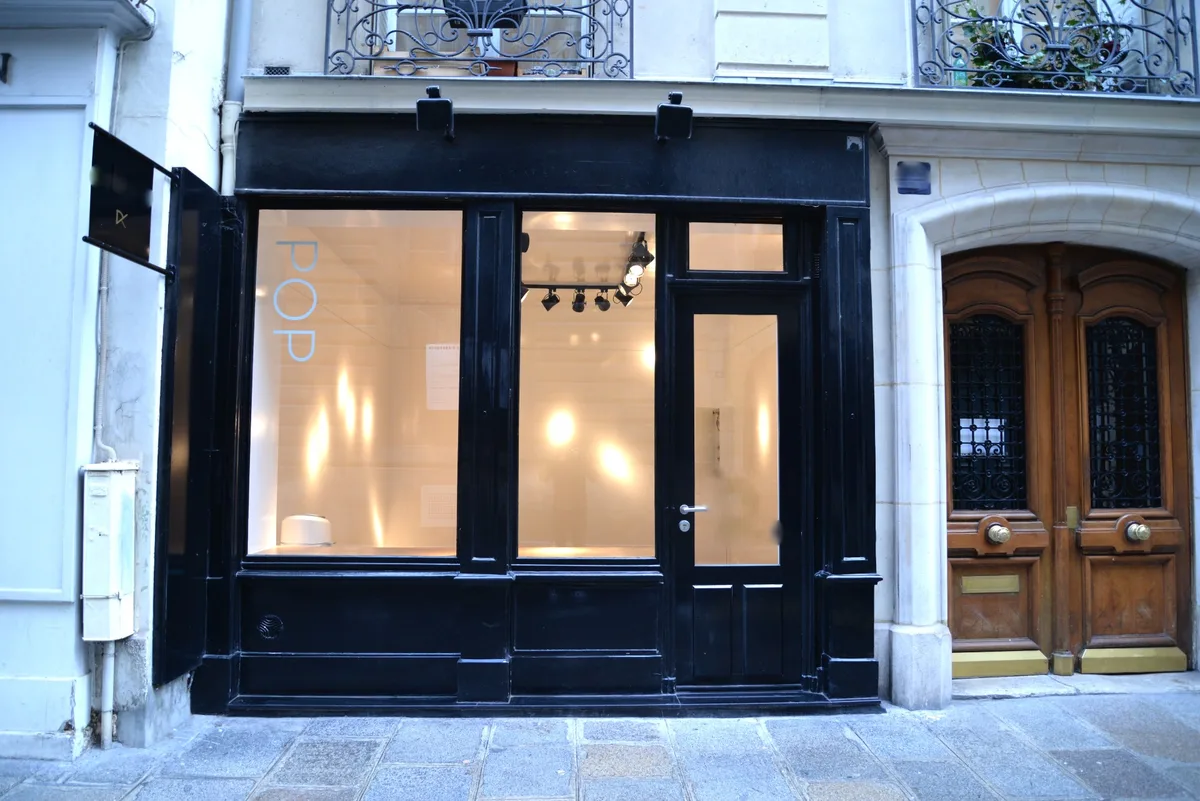
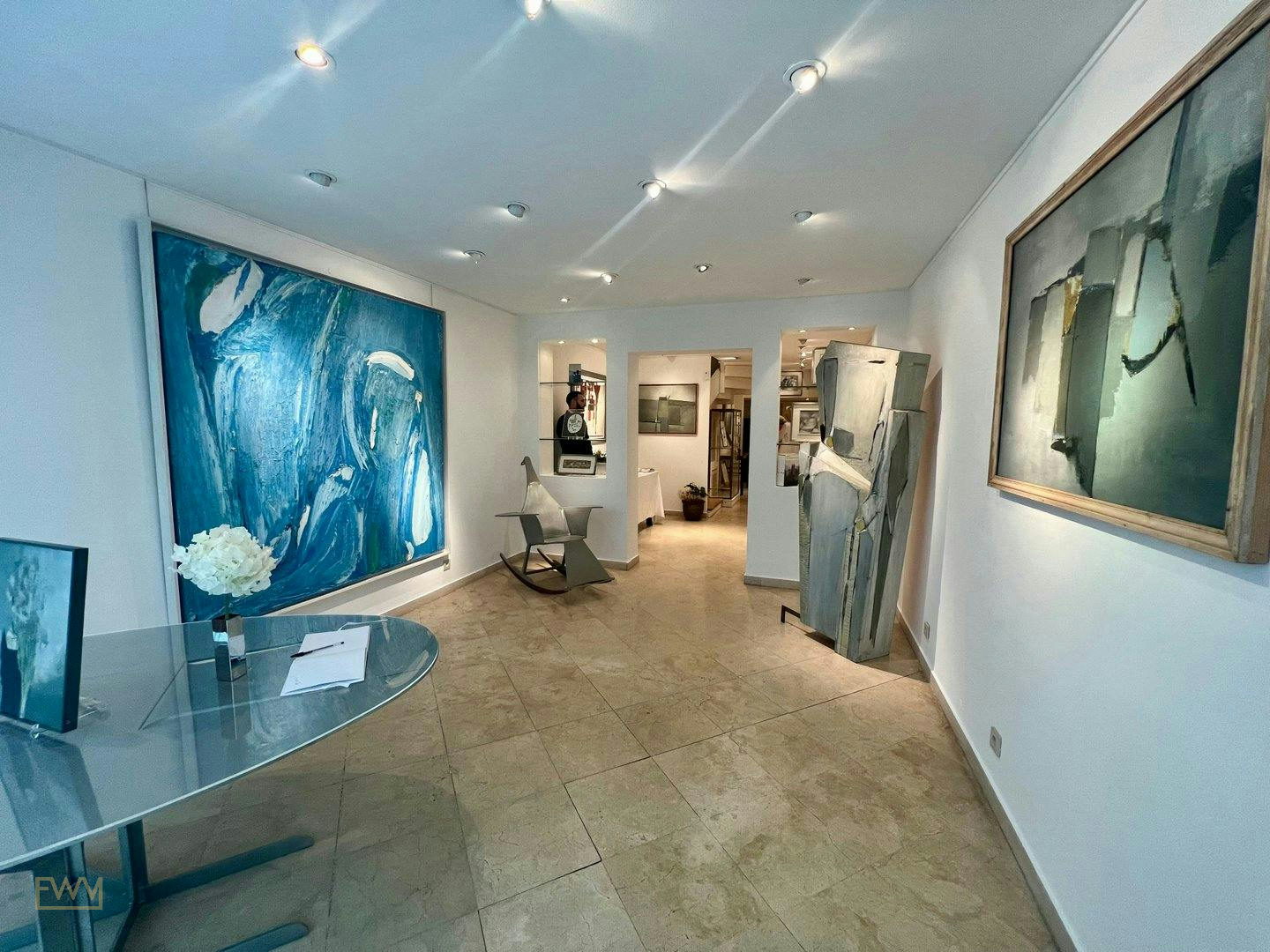
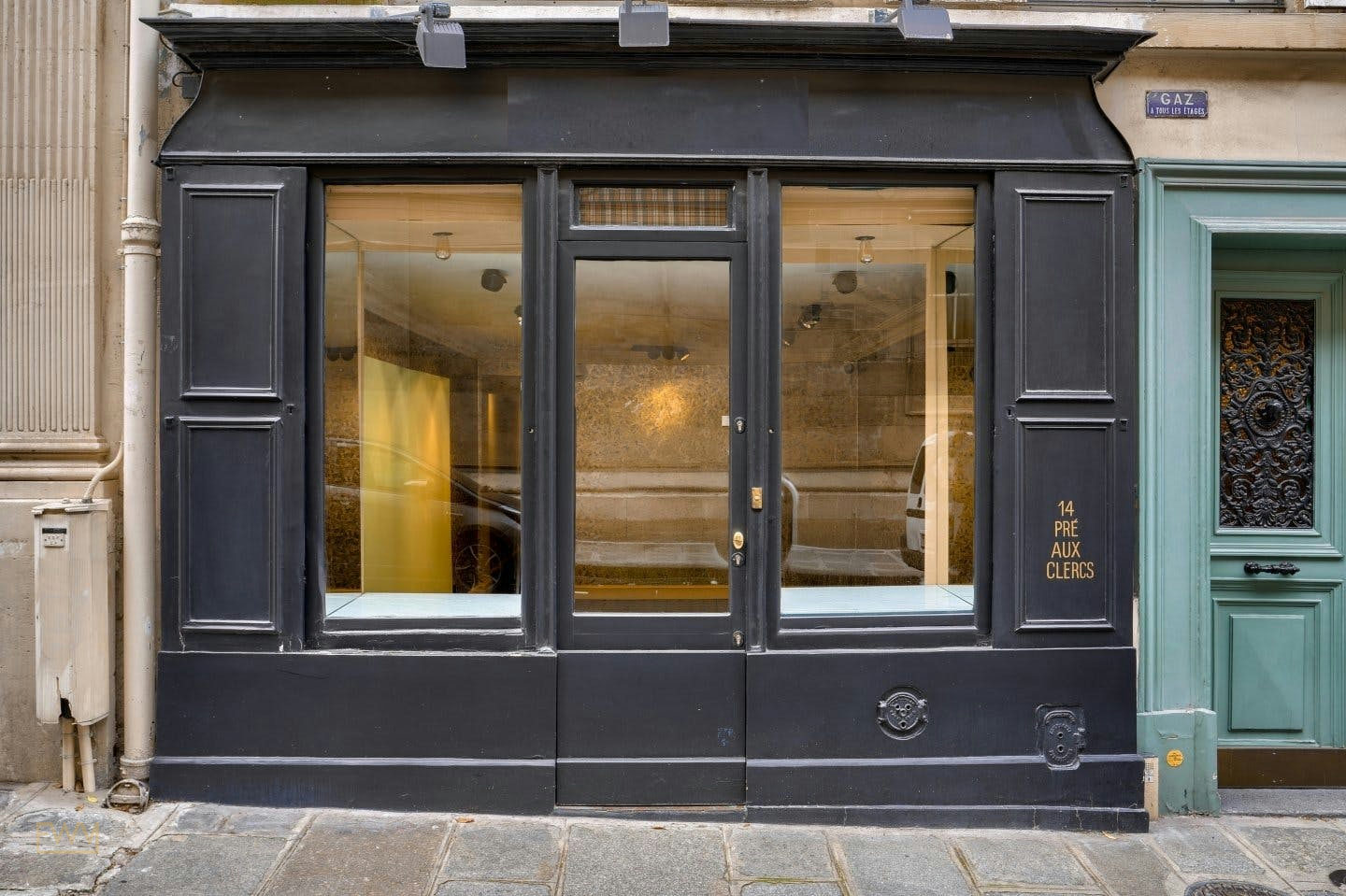
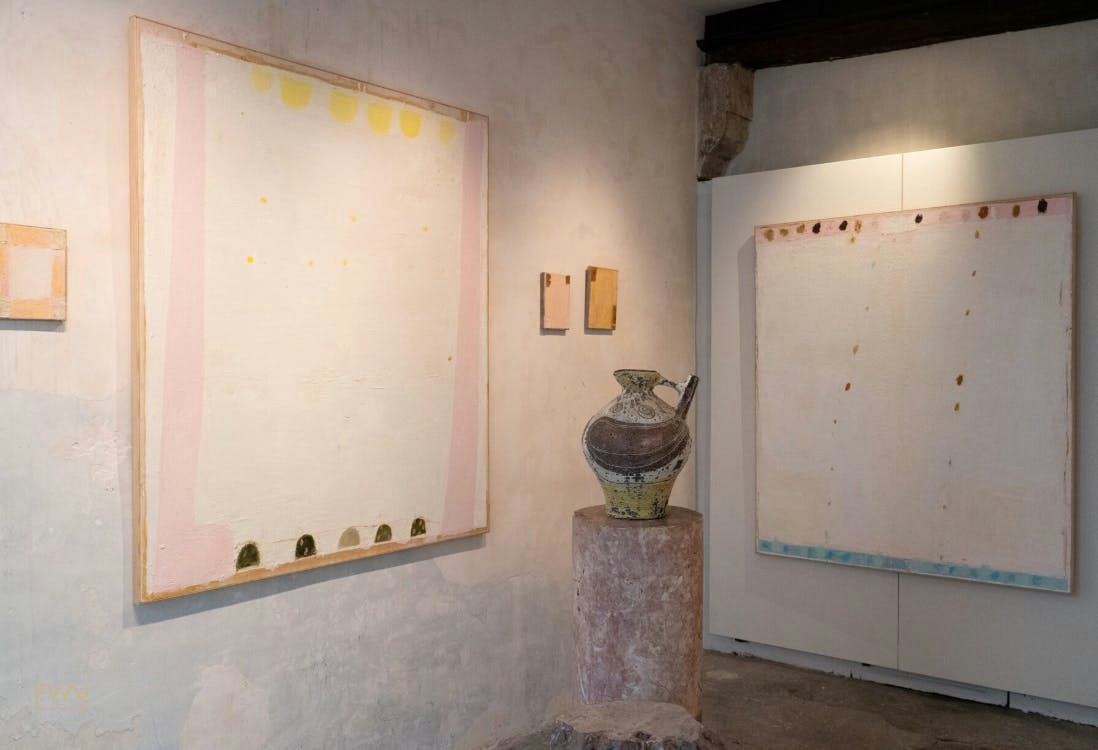
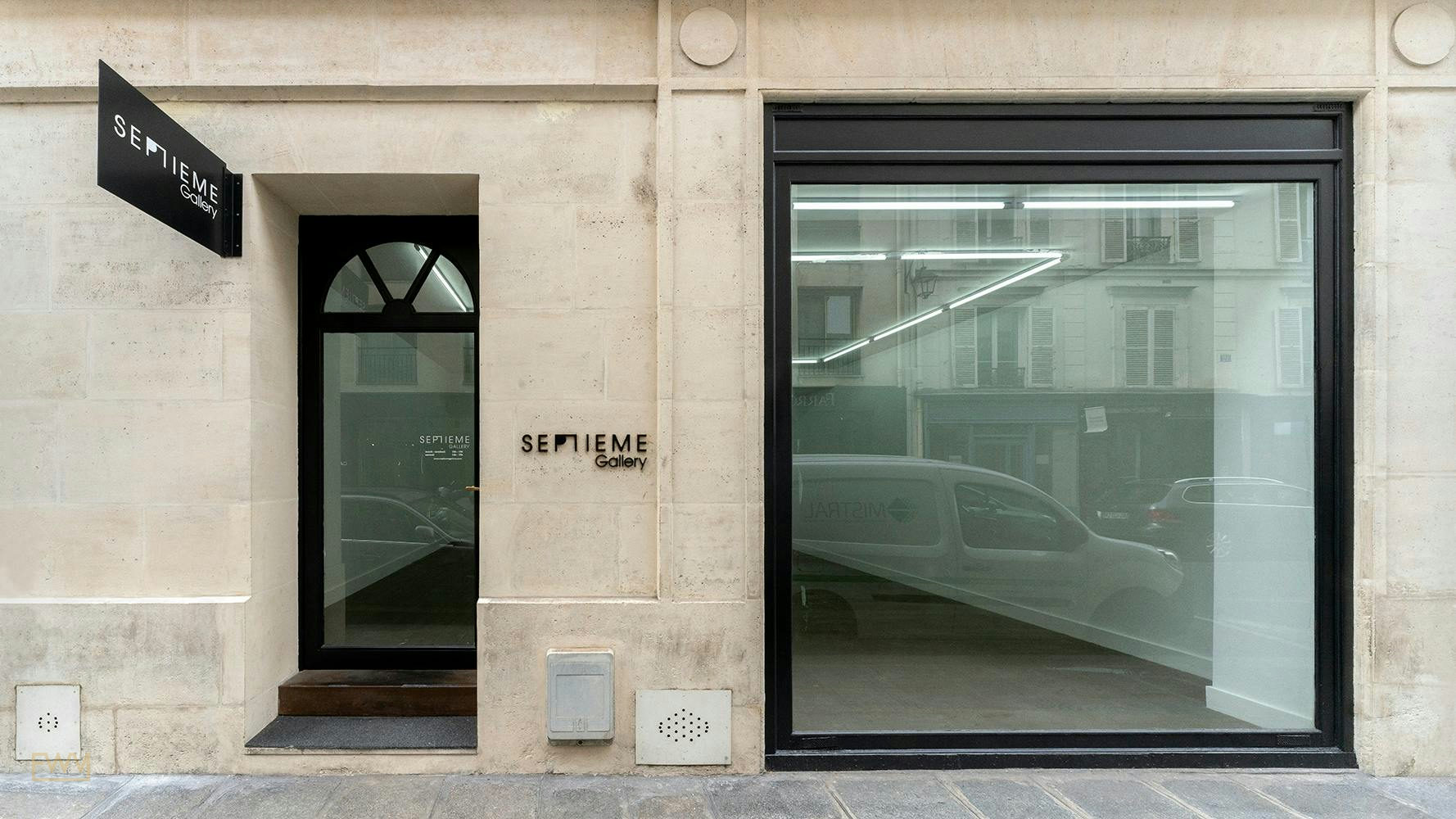
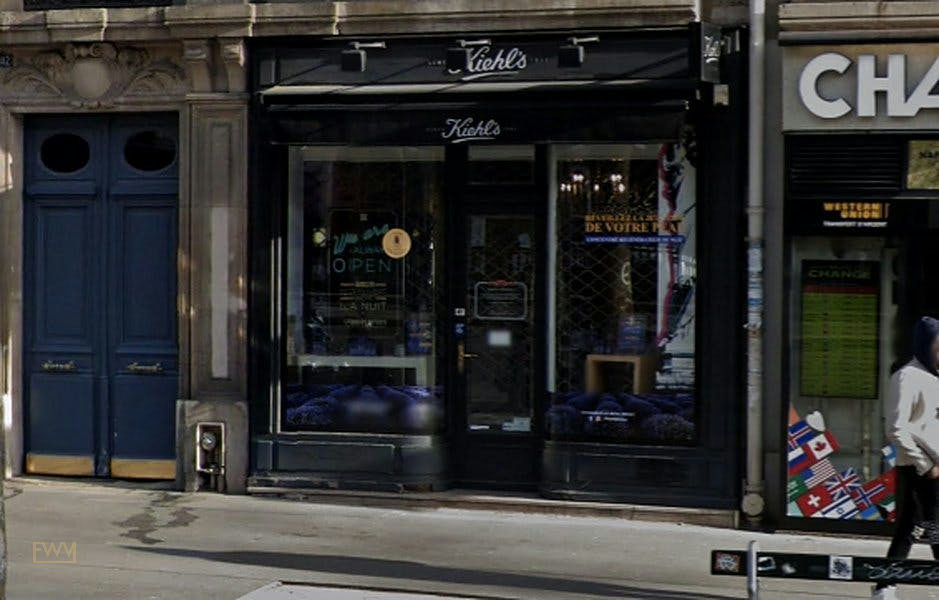
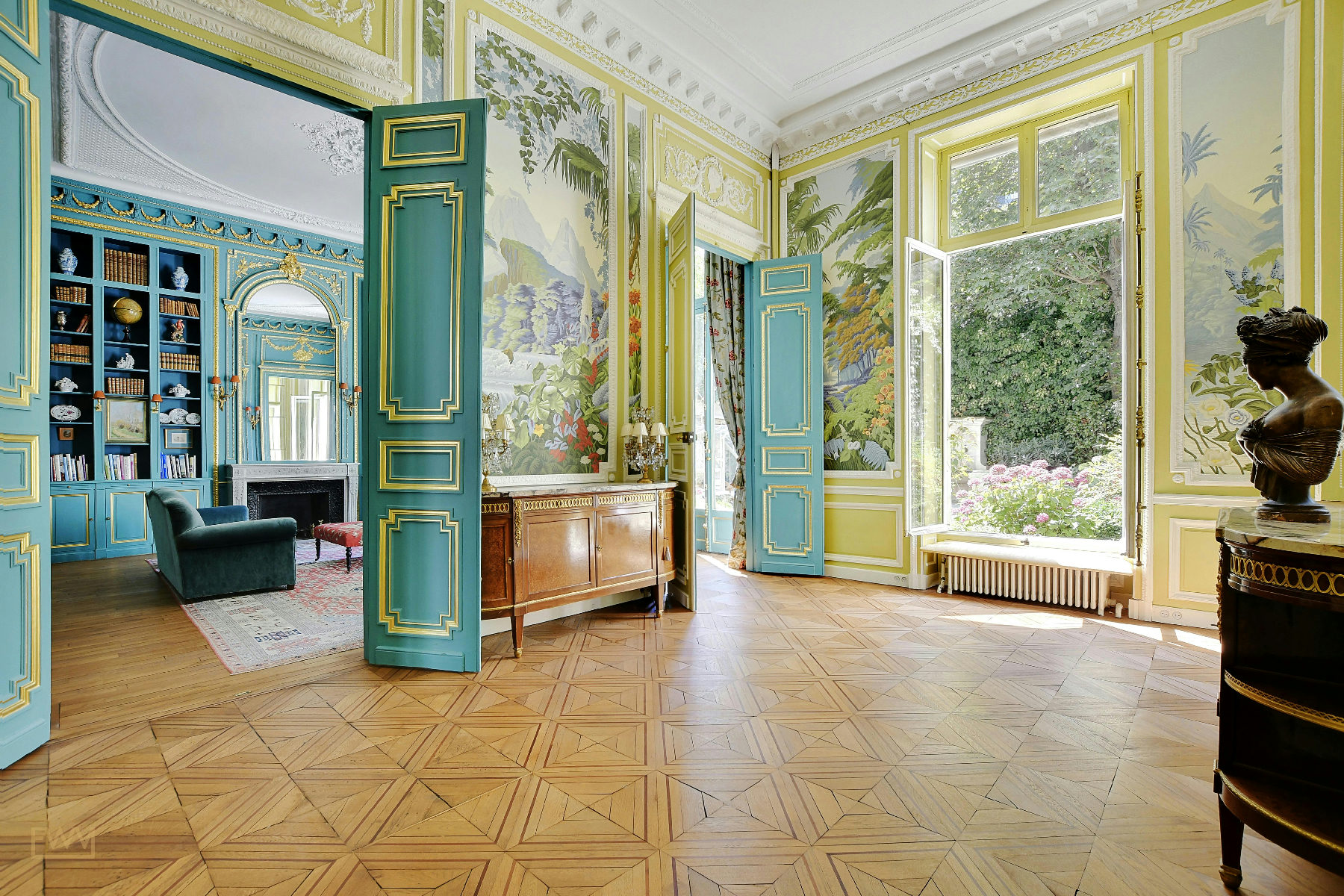
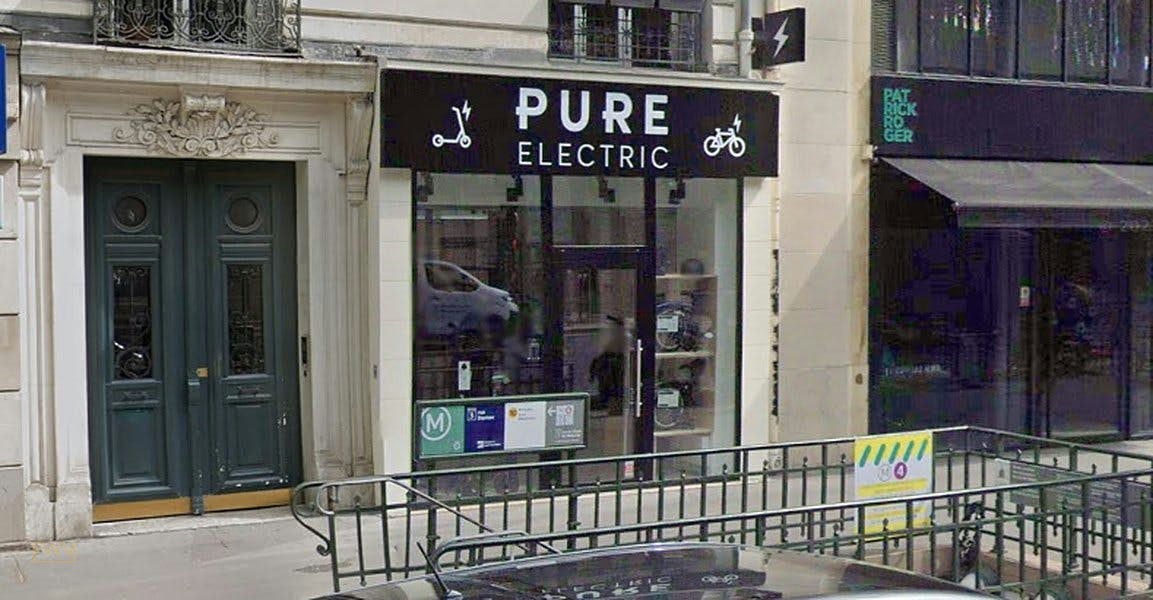
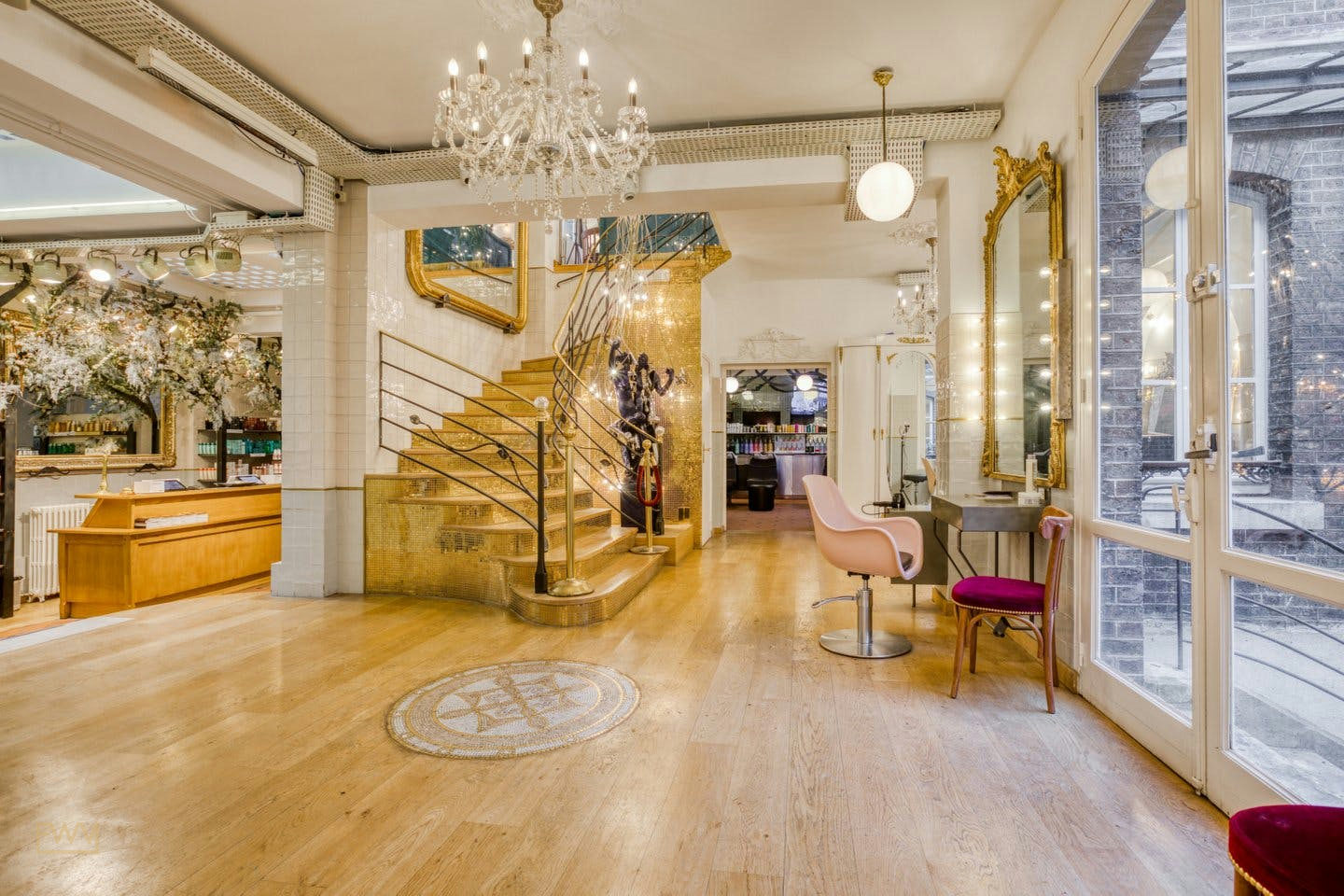
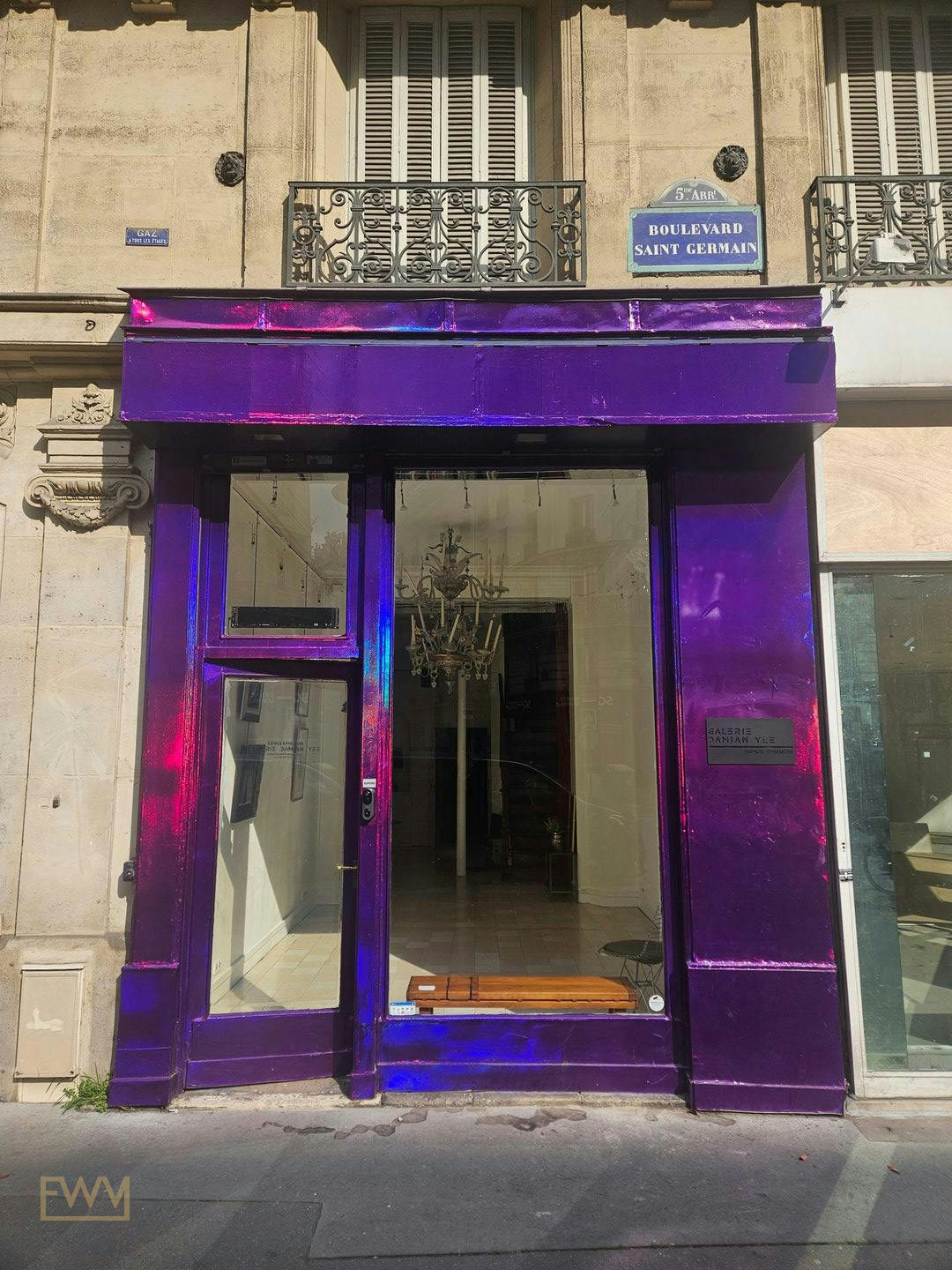
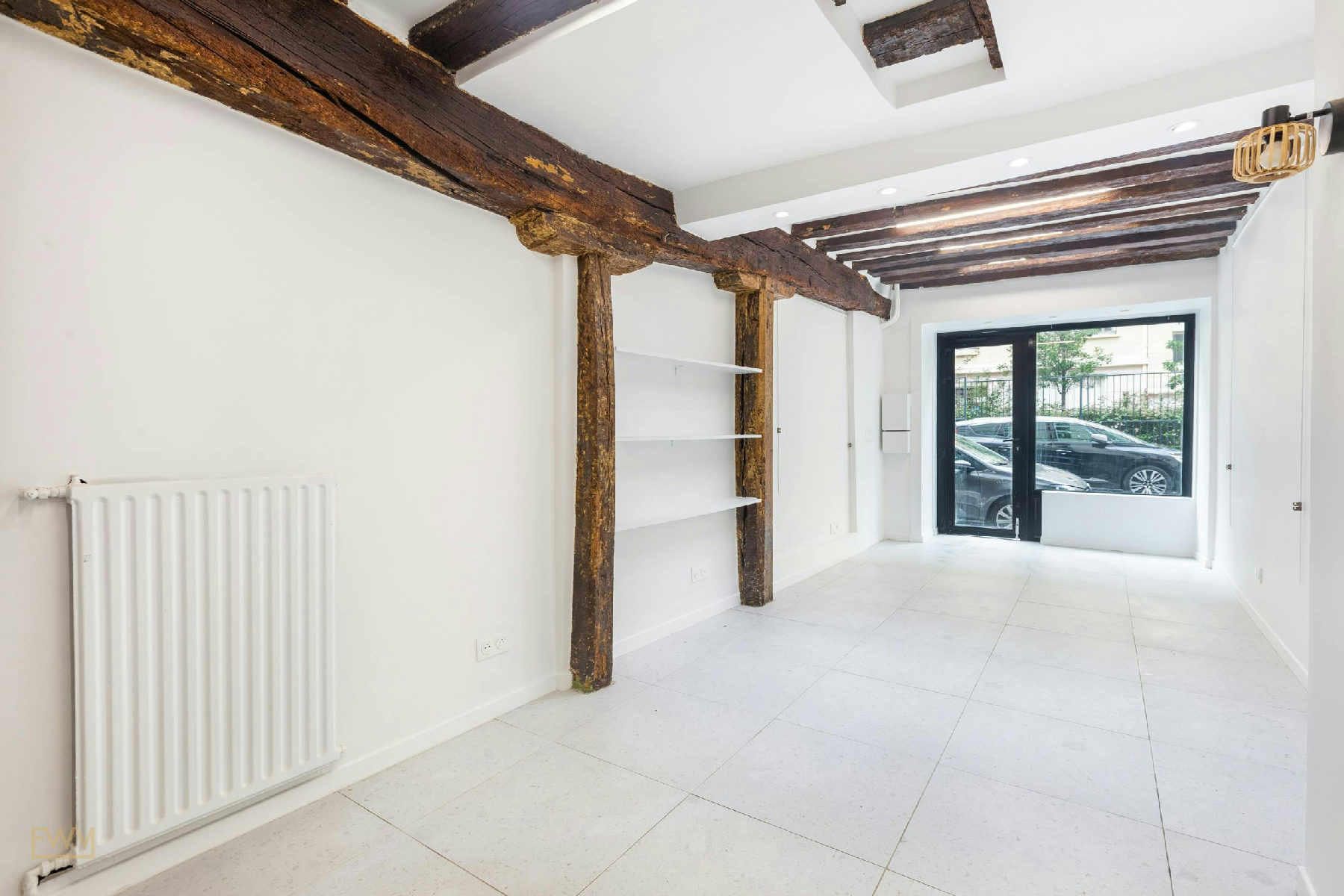
Short term retail in the Latin Quarter offers fashion brands, emerging designers, and international labels one of the most compelling activation environments in all of Paris. The Latin Quarter sits on the Left Bank of the Seine, spanning the 5th and 6th arrondissements, and combines centuries of intellectual heritage with a walking population of students, academics, tourists, and discerning local residents who expect quality at every turn. For brands seeking a pop-up boutique, temporary showroom, or short-stay retail activation in a neighbourhood defined by cultural credibility rather than commercial noise, the Latin Quarter represents a rare and underused opportunity. Fashion Week Venues' Paris city hub covers this district alongside every major activation corridor in the city, giving brand teams a practical starting point for space discovery, budget planning, and permit guidance.
Why the Latin Quarter Is One of Paris's Most Valuable Short Term Retail Locations
The Latin Quarter is not simply a tourist district. It is one of the most densely layered neighbourhoods in Paris, where ancient Roman ruins sit beside contemporary patisseries, where Sorbonne University students walk the same cobblestones as Japanese travellers and Parisian professionals, and where independent boutiques have historically thrived without the aggressive rent pressures found in the Marais or on the Champs-Élysées. For short term retail, this layering is a strategic advantage.
The neighbourhood draws a cross-section of spenders that most activation environments struggle to replicate. The proximity to major landmarks including the Fontaine Saint-Michel, Notre Dame de Paris, and the Arènes de Lutèce means that foot traffic is consistent across seasons. Unlike purely residential arrondissements, the Latin Quarter maintains a commercial rhythm throughout the year, with the academic calendar at Sorbonne University driving consistent weekday populations and the tourist calendar sustaining weekend traffic even during off-peak fashion weeks.
For brands that want to connect with a French cultural moment rather than simply occupy a retail unit, the Latin Quarter's identity carries weight. It is a neighbourhood associated with literature, philosophy, independent thinking, and refined simplicity. A pop-up store here communicates something different from one in the 8th arrondissement or on the Rue du Faubourg Saint-Honoré. The message is intellectual, considered, and rooted in Parisian life rather than Parisian spectacle.
The 5th arrondissement specifically offers a range of short term retail possibilities including ground-floor street units on high-footfall pedestrian corridors, courtyard spaces attached to historic hôtels particuliers, and standalone boutique formats that sit comfortably between 30 and 150 square metres. The 6th arrondissement, where Saint-Germain-des-Prés begins to blur into the Latin Quarter's western edge, adds a more design-forward retail atmosphere, attracting a clientele with higher average spend and stronger interest in fashion and lifestyle brands.
The streets running parallel to the Seine between the Fontaine Saint-Michel and the Place Maubert form the core pedestrian retail spine of the area. The Rue Saint-Jacques, the Rue de la Huchette, and the smaller connecting passages all carry different customer profiles, and selecting the right street for your activation format, whether it is a luxury skincare pop-up, an emerging womenswear label, or a collector's edition product drop, requires a careful read of how foot traffic flows through each corridor at different times of day and week.
KEY TAKEAWAY: The Latin Quarter's combination of year-round foot traffic, cultural credibility, academic population, and diverse space typologies makes it one of Paris's most practical and distinctive short term retail environments for brands that want authentic neighbourhood resonance alongside commercial visibility.
Understanding the geography and sub-districts within the Latin Quarter is essential before selecting a location, which is why the next section explores the key micro-neighbourhoods and landmarks that define the area's retail character.
Geography and Sub-Districts: Mapping the Latin Quarter's Retail Corridors
The Latin Quarter stretches from the Seine in the north to the Boulevard du Montparnasse in the south, and from the Boulevard Saint-Michel in the west to the Rue du Cardinal Lemoine in the east. Within this boundary, several distinct sub-districts shape the retail opportunity available to brands considering short term space.
The Seine Corridor and the Northern Edge
The northern boundary of the Latin Quarter runs along the banks of the Seine, offering some of the most photographed and heavily trafficked terrain in Paris. The riverfront here connects Notre Dame de Paris with the Île Saint-Louis to the east and the Fontaine Saint-Michel to the west. For short term retail purposes, the immediate quayside is rarely suitable for standard pop-up formats because of planning restrictions and the dominance of bouquinistes, the famous second-hand booksellers who have occupied the Seine's parapets for centuries. However, streets running one or two blocks south of the riverfront open up into viable retail territory with a consistent flow of visitors who have just arrived from Notre Dame or are moving between the Fontaine Saint-Michel and the Jardin des Plantes.
The Square René Viviani, a small public garden facing the Seine between the church of Saint-Julien-le-Pauvre and the river, anchors a particularly atmospheric pocket of the neighbourhood. Streets adjacent to this square, including the Rue Saint-Julien-le-Pauvre and the Rue de la Bûcherie, carry a quieter, more literary foot traffic profile than the tourist-heavy Rue de la Huchette one block east. For brands seeking intimacy and editorial credibility over high-volume throughput, spaces near Square René Viviani reward careful search.
The Sorbonne University District
Moving south and inland from the Seine, the area immediately surrounding Sorbonne University on the Rue des Écoles and the Place de la Sorbonne represents the intellectual heart of the neighbourhood. The student and academic population here is younger, internationally diverse, and attentive to brands that communicate ideas rather than simply selling products. Short term retail units in this micro-district attract a different kind of engagement: conversations are longer, social media documentation is habitual, and word-of-mouth among the student community spreads quickly across campus networks.
The Place de la Contrescarpe and the surrounding streets, including the Rue Mouffetard, represent the neighbourhood's most market-oriented retail corridor, where independent food producers, wine merchants, and lifestyle boutiques have operated for generations. For food-adjacent brands, beauty labels, or lifestyle products, a pop-up on or near the Rue Mouffetard connects directly to an established tradition of neighbourhood commerce that Parisian residents trust and engage with repeatedly.
Place de l'Estrapade and the Southern Quarter
The Place de l'Estrapade, located at the southern end of the Latin Quarter near the Rue Soufflot and the Panthéon, has gained significant cultural visibility in recent years following its appearance as a filming location in the television series Emily in Paris. This visibility has translated into increased visitor traffic, with travellers specifically navigating to the square to experience the location for themselves. For brands with a connection to French lifestyle, contemporary Parisian culture, or aspirational living, the streets around Place de l'Estrapade offer a short term retail positioning that benefits from genuine destination traffic rather than purely transient footfall.
The neighbourhood around the Panthéon is also home to a cluster of refined independent retailers, art galleries, and culinary destinations that set a quality benchmark for any brand considering a nearby activation. This is not a neighbourhood for fast fashion or heavily discounted retail. The local commercial context rewards curation, craftsmanship, and considered presentation.
The Saint-Germain Transition Zone
The western edge of the Latin Quarter flows without hard boundary into Saint-Germain-des-Prés, the 6th arrondissement neighbourhood that represents one of the most prestigious retail addresses in all of Paris. The Boulevard Saint-Germain itself bisects this transition zone, and streets running off the boulevard between the Odéon and Saint-Sulpice carry a distinctly fashion-forward retail character. Many brands treat the Saint-Germain and Latin Quarter areas as a combined activation corridor, with Saint-Germain providing the higher-end retail positioning and the Latin Quarter providing the cultural depth and neighbourhood authenticity.
KEY TAKEAWAY: Each sub-district within the Latin Quarter has a distinct visitor profile, commercial atmosphere, and brand compatibility. Choosing the right micro-location within the neighbourhood is as important as choosing the Latin Quarter itself.
| Sub-District | Primary Visitor Profile | Best For | Space Type Typically Available |
|---|---|---|---|
| Seine Corridor / Square René Viviani | Tourists, literary visitors, walkers | Editorial, lifestyle, books, art | Small boutique, concept units |
| Sorbonne University District | Students, academics, young international visitors | Emerging brands, cultural products, tech lifestyle | Street-level units, shared spaces |
| Rue Mouffetard Corridor | Local residents, food tourists, families | Food-adjacent, beauty, lifestyle, gifts | Market stalls, ground-floor retail |
| Place de l'Estrapade / Panthéon | Destination visitors, culture tourists, film fans | French lifestyle, aspirational fashion, homeware | Boutique units, courtyard spaces |
| Saint-Germain Transition Zone | Fashion professionals, high-spend residents, press | Luxury, fashion, design, jewellery | Premium boutique, gallery-style |
The Latin Quarter's Culinary Scene and What It Tells Brands About the Neighbourhood
A neighbourhood's dining establishments are not incidental to retail strategy. They define who spends time in an area, at what hours, with what expectations, and with how much money in their pockets. The Latin Quarter's culinary landscape is one of the richest in Paris, and understanding it gives brand teams a precise read on the commercial character of each street and corner.
Ladurée and the Luxury Casual Register
Ladurée, the celebrated Parisian patisserie and salon de thé, has operated in Paris for over 160 years and remains one of the world's most recognisable luxury food brands. Its presence in and around the Latin Quarter and Saint-Germain district establishes a tone of accessible luxury, where quality presentation, brand heritage, and sensory experience matter more than pure exclusivity. Brands operating short term retail in this neighbourhood would do well to study the Ladurée model: meticulous visual merchandising, consistent quality cues, and a gift-giving culture that transforms a purchase into an occasion.
Breizh Café Odéon and the Craft Narrative
Breizh Café Odéon, located near the Odéon theatre on the western edge of the Latin Quarter, represents a different strand of the neighbourhood's culinary identity. The restaurant brought Breton crêpe culture to Paris with a Japanese precision applied to ingredient sourcing and preparation, creating a hybrid that felt deeply French and distinctly modern at the same time. For fashion brands, the lesson is similar: the Latin Quarter's most successful commercial offerings are not simply local or simply international. They are specific, skilled, and honest about their origins while being open to new influences.
Polidor Restaurant and the Enduring Classic
Polidor Restaurant, on the Rue Monsieur le Prince, has been serving traditional French cuisine to students, artists, and intellectuals since 1845. Its communal tables, zinc bar, and unwavering menu speak to a form of commercial longevity that is instructive for any brand thinking about the Latin Quarter's retail culture. The neighbourhood values authenticity, continuity, and substance over novelty for its own sake. A pop-up store that arrives with a clear point of view and communicates it with conviction will earn more respect in this environment than one that chases trends without a consistent identity.
Ostra and the Art of the Refined Pause
Ostra is a casual oyster bar located steps away from Notre Dame, offering one of the best things to do in the Latin Quarter for visitors who want a genuinely Parisian experience without the formality or expense of a full restaurant meal. The proposition is simple: exceptional quality, direct sourcing, unpretentious atmosphere, meaningful product. For brands activating in the area, Ostra represents the neighbourhood's capacity to support refined, product-forward experiences that do not require elaborate staging. A short term retail activation in the Latin Quarter can take a similar approach: focus on the quality of what you offer, let the neighbourhood provide the context, and trust that the right customers will find you.
La Maison d'Isabelle and Product Purity
La Maison d'Isabelle, on the Rue Monge, has achieved considerable culinary recognition for its approach to the Paris-Brest pastry, a single product executed with exceptional precision. The restaurant's success illustrates a principle that is directly applicable to short term retail: in the Latin Quarter, editing your offer down to its purest expression is more effective than presenting a wide range. Brands that arrive with a specific, well-executed selection consistently outperform those that attempt to replicate their full commercial range in a temporary space.
All'Antico Vinaio and the Queue as a Signal
All'Antico Vinaio, the Florentine schiacciata sandwich institution that has opened in Paris with immediate and vocal success, demonstrates the cross-border appetite in the Latin Quarter for internationally sourced quality. The queues outside All'Antico Vinaio are not incidental; they are part of the brand communication, visible signals to passers-by that something exceptional is happening here. For pop-up brands, the Latin Quarter's tight streets and pedestrian-heavy corridors mean that well-designed street presence, whether through window displays, pavement activations, or even visible queues, becomes part of the neighbourhood's commercial fabric in a way that larger, more anonymous retail environments cannot replicate.
KEY TAKEAWAY: The Latin Quarter's dining landscape illustrates a clear commercial philosophy: quality, specificity, authenticity, and precision win over novelty, volume, or brand scale. Short term retail activations that absorb this philosophy into their concept will be better received and better remembered.
DID YOU KNOW: The Latin Quarter takes its name not from Latin culture in the modern sense but from the historical use of Latin as the language of instruction at the Sorbonne and surrounding academic institutions dating back to the medieval period. This deep relationship between the neighbourhood and intellectual culture shapes how both locals and visitors engage with everything the area offers, including its shops and boutiques.
Key Landmarks and Their Impact on Short Term Retail Strategy
Landmarks are not merely photographic backdrops in the Latin Quarter. They are traffic generators, destination anchors, and powerful contextual signals that shape what visitors are thinking, feeling, and spending when they arrive in adjacent streets. Any brand planning a short term retail activation in the neighbourhood should map its space selection against the nearest landmark and understand what kind of visitor that landmark attracts.
Fontaine Saint-Michel as a Gateway
The Fontaine Saint-Michel, the monumental Second Empire fountain on the Place Saint-Michel, marks the northern gateway into the Latin Quarter from the Seine. Hundreds of thousands of visitors pass through this point every year, many pausing to take photographs before dispersing south into the neighbourhood's streets. The commercial streets immediately adjacent to the Fontaine Saint-Michel, including the Rue Saint-André des Arts and the beginning of the Boulevard Saint-Michel, carry some of the neighbourhood's highest pedestrian volumes. Brands seeking maximum foot traffic exposure would prioritise proximity to this gateway, though competition for these units is strong and rental rates reflect the footfall advantage.
Arènes de Lutèce and the Cultural Visitor
The Arènes de Lutèce, a remarkably well-preserved Roman amphitheatre tucked away near the Rue Monge in the 5th arrondissement, attracts a very specific type of visitor: the curious, the culturally motivated, the unhurried traveller who is interested in discovery rather than consumption. The streets surrounding the Arènes de Lutèce are quieter than the main tourist arteries, which means that a short term retail space in this micro-location benefits from lower ambient competition but requires a more intentional approach to driving visitors through the door. Brands that offer a genuine experience rather than a transactional purchase are well suited to this setting.
Square René Viviani and the Literary Atmosphere
Square René Viviani, one of the oldest trees in Paris has stood for centuries, sits along the Quai de Montebello facing Notre Dame. The garden is a favourite resting point for visitors arriving from the cathedral, and the surrounding streets carry a mood that is reflective, slow-paced, and open to discovery. For brands in books, stationery, heritage crafts, niche perfumery, or any category that rewards consideration over impulse, the area around Square René Viviani provides an unusually receptive customer environment.
Place de l'Estrapade and Contemporary Cultural Capital
The Place de l'Estrapade, its fountain, and the surrounding Rue de l'Estrapade have become a recognisable destination for visitors who follow contemporary Parisian culture through media and screen. For brands that connect with a younger, digitally active audience, this square and the streets leading from the Rue Soufflot toward the Panthéon offer a short term retail location that functions simultaneously as a physical store and a content destination. Visitors to Place de l'Estrapade arrive primed to document and share their experience, which means that a well-staged pop-up here generates organic social content as a natural byproduct of being present.
Sorbonne University and the Academic Anchor
Sorbonne University, one of the oldest and most internationally recognised universities in the world, functions as a year-round population anchor for the central Latin Quarter. During term time, the university draws students, faculty, and visiting scholars who live, eat, and shop within the immediate neighbourhood. For brands targeting a younger educated demographic, the university's gravitational pull translates directly into consistent midweek foot traffic on streets like the Rue Saint-Jacques, the Rue des Écoles, and the Place de la Sorbonne itself.
KEY TAKEAWAY: Each major landmark in the Latin Quarter generates a distinct visitor type with specific behaviours, expectations, and spending patterns. Matching your brand's activation concept to the right landmark adjacency is one of the most effective ways to ensure visitor quality alongside visitor volume.
Short Term Retail in the Latin Quarter Versus Other Paris Arrondissements
Quick answer: The Latin Quarter offers short term retail brands a combination of year-round foot traffic, cultural credibility, diverse space typologies, and competitive positioning distinct from the Marais, Saint-Germain-des-Prés, or the 8th arrondissement. It suits brands that want neighbourhood authenticity and engaged visitors rather than maximum commercial footfall or luxury address signalling.
Paris is a city of distinct arrondissements, each with its own commercial character, visitor profile, and retail identity. Brands choosing between the Latin Quarter and other major activation districts need to understand the specific trade-offs involved in each decision.
| District | Arrondissement | Primary Strength | Best Brand Fit | Key Consideration |
|---|---|---|---|---|
| Latin Quarter | 5th and 6th | Cultural credibility, diverse visitor mix, authentic neighbourhood feel | Lifestyle, emerging fashion, art, heritage, food-adjacent | Requires strong concept; commercial success depends on curation |
| Le Marais | 3rd and 4th | High fashion footfall, established pop-up culture, international recognition | Contemporary fashion, streetwear, design, luxury streetwear | High competition; premium rent; saturated pop-up market |
| Saint-Germain-des-Prés | 6th | Luxury brand adjacency, high-spend clientele, fashion week proximity | Luxury, premium fashion, jewellery, design | Very high rental rates; strict landlord expectations |
| 8th Arrondissement / Golden Triangle | 8th | Maximum prestige address, global brand visibility | Established luxury, flagship-level activations | Highest costs; limited short term availability |
| Pigalle / South Pigalle | 9th and 18th | Creative energy, younger audience, strong social media resonance | Streetwear, music, youth culture, experimental fashion | Neighbourhood feel shifts; not all streets are retail-friendly |
The Latin Quarter's distinction from the Marais is particularly important for brands to understand. Where the Marais has become a well-established pop-up destination with a predictable seasonal rhythm tied directly to fashion week calendars, the Latin Quarter operates on a more independent schedule. It is less dependent on fashion week windows, which means that a brand can activate here outside the main March and October Paris Fashion Week periods and still reach a high-quality, engaged audience. This flexibility is a genuine operational advantage for brands with tight production timelines or limited runway for launch preparation.
The relationship between the Latin Quarter and Saint-Germain-des-Prés also deserves careful thought. Saint-Germain is effectively a western extension of the Latin Quarter's cultural identity, but with a significantly elevated commercial register. Many brands find that the most effective strategy is to treat the two neighbourhoods as a single activation corridor, with the primary retail space located in the Latin Quarter and the brand positioning drawing on the combined cultural capital of both districts. For further support in comparing neighbourhoods and space types, explore the Paris city hub on Fashion Week Venues and shortlist spaces that match your brief, budget, and calendar window.
KEY TAKEAWAY: The Latin Quarter competes with other Paris arrondissements not on rent or fashion week prestige but on cultural depth, visitor diversity, and commercial flexibility. It is the right choice for brands that want to mean something in Paris rather than simply appear there.
Understanding Short Term Leases, Permits, and Legal Frameworks in the Latin Quarter
Quick answer: Short term retail in the Latin Quarter typically operates under a bail dérogatoire, a short-form commercial lease framework, or through specific temporary authorisation agreements. Requirements vary by space type, lease duration, arrondissement, and the specific terms of the property owner. Brands should always verify requirements with a qualified French legal advisor before signing any agreement.
One of the most common points of confusion for international brands entering the Paris market is the legal framework governing short term commercial space. France's commercial lease law, the bail commercial, is a long-form instrument designed to protect tenants over periods of nine years or more. For short term retail, the relevant instruments are different.
The Bail Dérogatoire
The bail dérogatoire, sometimes called a convention d'occupation précaire or a short-stay commercial lease, allows landlords and tenants to agree a temporary commercial occupation outside the full protections of the standard bail commercial. Under the bail dérogatoire framework, the maximum cumulative duration across all consecutive agreements for the same space is typically capped at three years, though the specific terms must be verified for each agreement. After this threshold, if the tenant remains in the space and the parties have not agreed otherwise, the relationship may be deemed to have converted to a full bail commercial, with significantly more complex exit procedures.
For brands planning activations of one week to six months in the Latin Quarter, the bail dérogatoire is the most common framework. It provides genuine flexibility for landlords and acceptable short-term certainty for tenants, but it does not provide the same degree of legal protection that a full commercial lease would offer. Brands should ensure that a qualified French notaire or legal advisor reviews any bail dérogatoire before signature.
Autorisation d'Occupation Temporaire
For activations in public spaces, on public streets, in municipal gardens, or adjacent to classified heritage sites, a different legal instrument applies. The Autorisation d'Occupation Temporaire, or AOT, is a permit issued by the relevant local authority or prefecture that grants temporary rights to occupy a specific public space for a defined commercial purpose. AOT applications require advance submission, supporting documentation, and approval from the relevant mairie or prefectural authority. In the Latin Quarter, the proximity of classified monuments, protected streetscapes, and public squares managed by the City of Paris means that AOT requirements can be more detailed than in less heritage-sensitive arrondissements.
The Fashion Week Venues permit guidance tool provides structured guidance on the types of permits likely to apply to your planned activation, though it is not a substitute for formal legal advice specific to your space, duration, and commercial purpose.
Practical Compliance Considerations for the Latin Quarter
Beyond the lease framework, short term retail operators in the Latin Quarter must address several additional compliance areas. French commercial operations require a valid SIRET registration or the use of a registered French entity or intermediary for commercial transactions. Brands based outside France who do not have a French subsidiary should understand their options carefully, including the use of a registered agent, before committing to a space. VAT registration, commercial insurance, and adherence to French consumer protection law, including clear pricing, receipt obligations, and returns policy requirements, also apply regardless of the temporary nature of the activation.
IMPORTANT: Permit requirements, lease frameworks, and compliance obligations in Paris vary by space type, location within the arrondissement, planned duration, and commercial activity. The information provided here is directional only. Always verify your specific requirements with a qualified French legal advisor before signing any agreement or committing to a space.
KEY TAKEAWAY: Short term retail in the Latin Quarter requires understanding the difference between a bail dérogatoire and a full bail commercial, the specific conditions that apply to temporary public space occupation via AOT, and the broader compliance requirements for commercial operation in France.
Planning and Budgeting Your Latin Quarter Pop-Up: What to Consider
Quick answer: Budgeting for short term retail in the Latin Quarter requires accounting for rent, fit-out, staffing, permits, insurance, stock management, marketing, and breakdown costs. Total investment ranges vary significantly by space size, duration, fit-out complexity, and season. Use a structured planning tool to model costs before committing to a space.
Planning a pop-up or short term retail activation in the Latin Quarter involves more variables than most brand teams initially anticipate. The visible cost, the rent, is typically only a portion of the total investment required to open a viable temporary store in this neighbourhood. A realistic budget must also account for fit-out and design, furniture and fixturing, staffing, permit applications, insurance, point-of-sale technology, visual merchandising, logistics, and the cost of breaking down and restoring the space at the end of the activation period.
Rent and Space Costs
Rental rates for short term retail spaces in the Latin Quarter vary by sub-district, street, space size, and the individual landlord's commercial expectations. Spaces near the Fontaine Saint-Michel on high-footfall tourist corridors typically command higher weekly rates than quieter units near the Arènes de Lutèce or in the streets around Place de l'Estrapade. Rates also reflect the condition of the space, the duration of the agreement, and the time of year, with peak-season activations during Paris Fashion Week in March and October generally attracting premium pricing. For brand-specific cost modelling, the Fashion Week Venues budget estimation tool allows teams to input their parameters and receive directional cost guidance.
Fit-Out, Design, and Furniture
One of the most significant controllable costs in any short term retail activation is the fit-out. In the Latin Quarter, where spaces often feature original stone walls, historic timber floors, and period architectural details, sensitive design that works with the space's existing character is both aesthetically appropriate and practically efficient. Brands that attempt to transform a historic Latin Quarter boutique into a white-box retail environment are working against the neighbourhood's grain and incurring unnecessary construction costs. Working with the architectural character of your chosen space reduces both fit-out expense and restoration obligations at the end of the lease.
Furniture rental is one of the most effective ways to reduce capital commitment in a short term activation. Rather than purchasing custom-built fixtures, brands can source high-quality, brand-appropriate furniture on a rental basis, avoid storage and transport costs, and return everything at the end of the activation. This approach also reduces the environmental footprint of the activation, an increasingly important consideration for brands communicating sustainability values.
Staffing and Operational Costs
Staffing a short term retail space in Paris requires compliance with French employment law, whether staff are engaged on a permanent, fixed-term, or temporary basis. For international brands without an established French entity, this can be one of the most logistically complex aspects of the activation. Working with a specialist retail staffing provider who understands French labour law, the specific requirements of the 5th and 6th arrondissements, and the cultural expectations of Parisian retail customers significantly reduces both operational risk and the time investment required from the brand team. The Fashion Week Venues retail staffing service covers this requirement for brands activating through the agency.
A Step-by-Step Planning Timeline for Latin Quarter Pop-Ups
| Timeline Stage | Action Required | Lead Time Before Opening |
|---|---|---|
| Initial brief and space search | Define format, budget, duration, neighbourhood preference | 12 to 16 weeks |
| Space shortlisting and site visits | Visit minimum 3 to 5 spaces, assess street presence, condition, access | 10 to 14 weeks |
| Legal review and lease negotiation | Engage French legal advisor, review bail dérogatoire terms | 8 to 12 weeks |
| Permit applications | Submit AOT or other permit applications to relevant authority | 8 to 10 weeks |
| Concept and design finalisation | Confirm design direction, furniture selection, visual merchandising plan | 6 to 8 weeks |
| Fit-out and build | Install fixtures, furniture, technology, signage | 1 to 3 weeks |
| Staff recruitment and training | Confirm team, train on brand, product, POS, and compliance | 2 to 4 weeks |
| Pre-opening press and social | Brief influencers, notify press, activate social channels | 2 to 4 weeks |
| Opening and operational period | Run activation, monitor data, adjust operations | Live period |
| Breakdown and space restoration | Remove all fixtures, restore space to original condition | Immediate post-activation |
TIP: French permit processes, especially for spaces near classified monuments or in heritage-protected streets, can take longer than expected. Always build in additional lead time when planning activations near Notre Dame, the Panthéon, or other protected sites in the Latin Quarter.
KEY TAKEAWAY: A realistic planning timeline of 12 to 16 weeks from initial brief to opening is standard for well-prepared Latin Quarter pop-up activations. Brands that attempt to compress this timeline significantly increase their operational risk and their vulnerability to permit delays and space availability gaps.
How Fashion Week Venues Supports Short Term Retail in the Latin Quarter
Fashion Week Venues operates as a full-service pop-up agency and space marketplace with Paris as its primary and most deeply resourced market. For brands considering short term retail in the Latin Quarter specifically, the agency offers a structured range of services that address the full activation lifecycle from initial space discovery through to post-activation data review.
The agency's venue sourcing service draws on an actively maintained network of available spaces across the 5th and 6th arrondissements, including spaces that are not publicly marketed and that only become accessible through established landlord relationships. For international brands unfamiliar with the Latin Quarter's specific sub-districts, street hierarchies, and landlord expectations, this network access significantly reduces the time and uncertainty of the space search process.
Beyond sourcing, the agency's concept direction service helps brand teams translate their brief into a spatial concept that is appropriate for the Latin Quarter's commercial and cultural character. This is not about imposing a generic retail formula onto a historic Parisian space; it is about developing an activation concept that is specific to the brand, coherent with the neighbourhood, and practically executable within the constraints of a short term lease.
The production and build service covers fit-out execution, supplier coordination, and space restoration, addressing one of the most logistically complex aspects of any Paris activation. The agency understands which contractors are familiar with Latin Quarter property requirements, which fit-out approaches are acceptable to heritage-sensitive landlords, and how to plan build and breakdown schedules that comply with local noise restrictions and access limitations.
For brands that want to understand the financial dimensions of their planned activation before committing to a space, the agency's suite of planning tools provides structured guidance. The ROI calculation tool allows teams to model likely returns against their planned investment, while the timeline planning tool helps identify the critical path for each stage of the activation process.
The agency's approach is transparent about what it can and cannot guarantee. It cannot guarantee permit approval, space availability at any specific price point, or sales results from any activation. What it can provide is structured expertise, active relationships, and a proven operational process that reduces the probability of the most common and costly mistakes made by brands entering the Paris short term retail market independently. For a full picture of how the agency works, the process page outlines each stage from initial brief through to post-activation review.
KEY TAKEAWAY: Fashion Week Venues provides Latin Quarter-specific expertise across the full activation lifecycle, from space sourcing and legal navigation to concept development, build, staffing, and data review. Brands benefit most from engaging the agency early in the planning process, before space and calendar commitments have been made.
Cultural Resources and Neighbourhood Intelligence: MessyNessyChic and the Art of Latin Quarter Discovery
Quick answer: MessyNessyChic, the Paris-based cultural discovery platform founded by Vanessa Grall, is one of the most cited and trusted sources for independent, off-the-beaten-path Latin Quarter recommendations among creative professionals, brand teams, and culturally motivated travellers. Its perspective on the neighbourhood offers brand teams a useful lens for understanding what the Latin Quarter's most attentive visitors are seeking.
Understanding the Latin Quarter requires more than a map and a list of commercial spaces. It requires a grasp of the neighbourhood's cultural conversation, the places, histories, and hidden corners that define how engaged visitors experience and remember the area. MessyNessyChic has become one of the most trusted voices in this kind of Parisian cultural intelligence, publishing long-form, deeply researched guides to the city's hidden and overlooked corners with a readership that includes creative directors, brand strategists, travel writers, and independent boutique owners.
For brand teams planning a short term retail activation in the Latin Quarter, the MessyNessyChic approach to neighbourhood exploration is instructive in several ways. The platform's readers are exactly the kind of culturally engaged, editorially selective visitors who respond most positively to well-conceived, authentic pop-up activations. They are not driven by brand recognition alone; they are driven by the quality of the experience, the specificity of the offer, and the sense that something genuinely worthwhile is happening in the space they have entered.
This cultural intelligence also informs activation concept development. Brands that understand how engaged Paris visitors discover and share their Latin Quarter experiences, through word of mouth, independent media like MessyNessyChic, and highly curated social media accounts, are better positioned to design activations that generate organic amplification rather than relying entirely on paid media.
The Latin Quarter is also a neighbourhood where the line between retail and cultural experience is deliberately blurred. Bookshops like Shakespeare and Company have operated for decades as spaces that are simultaneously retail environments, cultural institutions, and community gathering points. The most successful short term retail activations in this neighbourhood tend to absorb something of this philosophy, offering visitors a reason to stay, to explore, and to return beyond the immediate purchase transaction.
KEY TAKEAWAY: Cultural intelligence about the Latin Quarter, including the kind of layered, specific neighbourhood knowledge shared by platforms like MessyNessyChic, is a direct input into effective activation concept development. Brands that invest in understanding the neighbourhood's cultural conversation before designing their pop-up consistently create more resonant and commercially effective activations.
Common Myths About Short Term Retail in Paris Debunked
MYTH: You need a French legal entity to rent a short term retail space in the Latin Quarter.
FACT: International brands without a French company can access short term retail spaces in Paris, including the Latin Quarter, through several legitimate structures, including registered French intermediaries, agents, or by working through a full-service agency that holds the relevant commercial relationships. However, the specifics of how this is structured have legal and tax implications that must be reviewed with a qualified French legal advisor before any agreement is signed. Requirements vary by landlord, space type, and the duration of the intended occupation.
MYTH: Paris Fashion Week in March and October is the only viable calendar window for short term retail activations in the Latin Quarter.
FACT: The Latin Quarter's year-round foot traffic, driven by Sorbonne University's academic calendar, consistent tourist flows to Notre Dame, the Fontaine Saint-Michel, and the Panthéon, and a strong local residential and professional population, means that short term retail activations in this neighbourhood can be commercially viable across a much wider calendar window than the fashion week periods alone. Brands activating outside peak fashion week dates often benefit from lower rental rates, greater space availability, and less competition for visitor attention.
MYTH: Commission brokers are the only way to find a short term retail space in Paris.
FACT: Commission brokers represent one route to space discovery in Paris, but they are not the only one and not always the most effective for short term retail. Full-service agencies like Fashion Week Venues maintain active space networks and provide integrated support across the full activation lifecycle, from sourcing and legal navigation to concept development, fit-out, and staffing. Direct landlord approaches, marketplace platforms, and specialist agencies all offer viable alternatives, often with more transparent fee structures and broader service coverage than a commission-only broker arrangement.
MYTH: Short term leases in Paris are legally simple and do not require specialist legal advice.
FACT: Short term commercial leases in France, including the bail dérogatoire commonly used for temporary retail occupations, operate within a specific legal framework that has significant implications for both landlords and tenants. The conditions under which a bail dérogatoire can be extended, the circumstances in which it might convert to a full bail commercial, and the specific obligations around space restoration, insurance, and commercial activity are all governed by French law. Brands that sign short term commercial leases in Paris without qualified French legal advice regularly encounter unexpected obligations and costs.
MYTH: A pop-up in the Latin Quarter only works for French or European brands.
FACT: The Latin Quarter attracts a genuinely international visitor mix, with tourists, students, and residents from across Europe, North America, Asia, and beyond forming a substantial portion of its daily commercial audience. International brands, including American, Japanese, Korean, and Australian labels, have activated successfully in this neighbourhood by connecting their concept to the area's cultural values rather than trying to localise their identity in a way that feels performative. The neighbourhood rewards authenticity regardless of a brand's geographic origin.
Frequently Asked Questions About Short Term Retail in the Latin Quarter
What types of spaces are available for short term retail in the Latin Quarter?
The Latin Quarter offers a diverse range of short term retail space types, including ground-floor street boutiques on pedestrian corridors, courtyard spaces within historic buildings, gallery-style units, market stalls on the Rue Mouffetard, and occasionally larger multi-room spaces in hôtels particuliers. Space sizes typically range from 20 to 150 square metres for most short term activations, though larger formats are possible in specific locations. The availability and condition of spaces varies considerably by sub-district, with the most heavily trafficked streets near the Fontaine Saint-Michel and Notre Dame tending to see higher turnover and more consistent short term availability.
How long does a typical short term retail activation last in the Latin Quarter?
Activation durations in the Latin Quarter range from a minimum of one week for product drops or event-linked activations, through to three to six months for extended pop-up boutique formats. The most common duration for international brand activations is two to six weeks, which allows sufficient time to build awareness within the neighbourhood, capture the intended calendar window, and generate a meaningful volume of customer interactions. Longer durations require more detailed planning, particularly around staffing and operational management, but can deliver stronger data and deeper brand presence in the neighbourhood.
Do I need to speak French to operate a pop-up in the Latin Quarter?
French language capability is a significant advantage when navigating landlord negotiations, permit applications, supplier relationships, and day-to-day operations in the Latin Quarter. However, many international brands operate successful activations in this neighbourhood with English-speaking teams, particularly when they work through a specialist agency or intermediary that handles French-language interactions on their behalf. Customer-facing staff who speak French, English, and ideally a third language relevant to your primary visitor profile, whether Mandarin, Spanish, or Japanese, will deliver a materially better customer experience in this internationally mixed neighbourhood.
What is the best season for a short term retail activation in the Latin Quarter?
The Latin Quarter performs well across multiple seasons, which is one of its key advantages over more fashion-week-dependent activation locations. Spring, from March to May, combines fashion week proximity with improving weather and rising tourist volumes. Summer, from June to August, delivers peak tourist traffic but may see lower local resident engagement as Parisians leave the city for holiday periods. Autumn, from September to November, is considered by many brands to be the optimal period, combining the back-to-school Sorbonne University population, fashion week activation windows, and a Parisian retail culture that is actively engaged after the summer pause. Winter activations, particularly those tied to the Christmas gifting period, can also perform strongly in this neighbourhood.
What permits do I need for a short term retail pop-up in the Latin Quarter?
Permit requirements for short term retail in the Latin Quarter depend on the type of space, the specific location within the arrondissement, the planned duration, and the nature of the commercial activity. Standard indoor boutique activations under a bail dérogatoire typically require fewer additional permits than activations that involve external signage, street furniture, public space occupation, or commercial activity adjacent to classified monuments. The Autorisation d'Occupation Temporaire, or AOT, is required for any commercial use of public space. The Fashion Week Venues permit guidance tool provides structured directional guidance, though all permit requirements should be confirmed with a qualified French legal advisor before committing to a space.
How far in advance do I need to start planning a Latin Quarter pop-up?
A planning lead time of 12 to 16 weeks from initial brief to opening is standard for a well-prepared Latin Quarter activation. Brands that begin the process earlier benefit from wider space availability, more time for permit processing, and less pressure on the design and build timeline. Activations planned in fewer than eight weeks from brief to opening are possible but introduce meaningful operational risk, particularly if permit applications are required or if the chosen space requires significant fit-out work. For fashion week-aligned activations, even longer lead times of 20 to 24 weeks are recommended to secure preferred spaces before they are taken by competing brands.
What is the difference between a bail dérogatoire and a standard commercial lease in France?
A standard French commercial lease, the bail commercial, provides the tenant with significant legal protections, including a guaranteed minimum nine-year term and the right to renew under certain conditions. A bail dérogatoire is a short form agreement that allows both parties to opt out of the full protections of the bail commercial for a temporary occupation. The cumulative maximum duration across consecutive agreements for the same space under a bail dérogatoire framework is typically capped, and if the tenant remains in the space beyond this threshold without a new agreement being established, the law may deem a full bail commercial to have been created. Brands must always have a qualified French legal advisor review any bail dérogatoire before signature.
Can I sell products directly to customers in a Latin Quarter pop-up, or are there restrictions?
Direct retail sales from a temporary pop-up space in the Latin Quarter are generally permitted under a standard bail dérogatoire, provided the commercial activity is consistent with the permitted use specified in the lease and complies with French consumer law requirements. These requirements include clear pricing, provision of receipts, compliance with VAT obligations, and adherence to French returns and consumer rights regulations. Brands selling food, cosmetics, or regulated product categories may face additional compliance requirements. Verifying the specific permitted use for your planned commercial activity with a French legal advisor before signing any lease is strongly recommended.
How do I find the best location within the Latin Quarter for my specific brand?
Finding the optimal location within the Latin Quarter requires mapping your brand's target customer profile against the visitor demographics of each sub-district, assessing how your activation concept performs in different physical and commercial contexts, and understanding the practical constraints of each street in terms of access, delivery, signage, and neighbouring businesses. The Fashion Week Venues space locator and comparison tools provide structured support for this process, allowing brand teams to filter available spaces by location, size, duration, and price range and to compare options side by side before committing to site visits. Working with an agency that has direct knowledge of the neighbourhood's sub-district dynamics significantly accelerates this process.
What is the typical cost of a short term retail space in the Latin Quarter?
Rental rates for short term retail spaces in the Latin Quarter vary considerably by sub-district, street, space size, condition, and duration. Spaces on premium tourist corridors near the Fontaine Saint-Michel or Notre Dame command higher weekly rates than quieter units near the Arènes de Lutèce or in the streets around Place de l'Estrapade. Total activation budgets must also account for fit-out, staffing, permits, insurance, POS technology, and marketing. For brand-specific cost modelling based on your space size, duration, and location preference, the Fashion Week Venues budget estimation tool provides directional guidance without committing to figures that may not reflect current market conditions.
Is the Latin Quarter suitable for luxury fashion brands or only for more accessible price points?
The Latin Quarter supports a wide range of price points and brand positioning strategies. While the neighbourhood does not carry the same association with ultra-luxury retail as the 8th arrondissement or the golden triangle of Rue du Faubourg Saint-Honoré and Avenue Montaigne, its western edge blending into Saint-Germain-des-Prés provides a genuinely premium retail context for fashion brands at the luxury and premium ends of the market. The neighbourhood's cultural credibility also means that brands with a strong heritage, craft, or quality narrative, even at accessible price points, can command a level of customer engagement and brand perception that exceeds what the same brand might achieve in a more commercially saturated Paris district.
What cultural considerations should international brands be aware of when activating in the Latin Quarter?
The Latin Quarter has a well-established commercial culture that values substance, quality, and authenticity over spectacle. Activations that feel overly commercial, heavily branded, or disconnected from the neighbourhood's intellectual and cultural identity tend to underperform in this environment. Parisian customers in this neighbourhood respond well to brands that have a point of view, that communicate with clarity and confidence, and that offer something genuinely worth engaging with. Staff presentation, multilingual communication, and a respect for the physical character of historic spaces are all important signals to the Latin Quarter's discerning commercial audience. Taking the time to understand the neighbourhood before designing your activation is not optional; it is one of the most important inputs to commercial success.
What role does social media play in driving awareness for a Latin Quarter pop-up?
Social media plays a significant role in driving awareness and visit intention for short term retail activations in the Latin Quarter, particularly given the neighbourhood's photogenic character, its cultural associations, and the high proportion of younger, digitally active visitors it attracts. Locations such as Place de l'Estrapade, the Seine riverfront, and the streets around the Fontaine Saint-Michel are already established content destinations, meaning that a well-positioned pop-up in or near these areas can generate organic social documentation as a byproduct of its physical presence. Brands that design their activation with social content creation in mind, creating clear visual moments and shareable experiences without compromising the quality of the in-person experience, consistently generate stronger awareness among the neighbourhood's most engaged visitor segments.
How does Fashion Week Venues help brands that are new to the Paris market?
Fashion Week Venues provides a structured entry point for international brands navigating the Paris short term retail market for the first time. The agency's services cover venue sourcing, concept direction, production and build, activation management, retail staffing, POS and payments, and data analytics, meaning that brands without existing Paris infrastructure or relationships can access a full operational capability through a single agency relationship. The agency's Paris city hub, planning tools, and guides also provide substantial self-service resources for brand teams in the research and planning phase before any commercial engagement. For brands that want to understand their options before committing to a specific approach, the guides and tools sections are practical starting points.
Conclusion: Making Short Term Retail in the Latin Quarter Work for Your Brand
Short term retail in the Latin Quarter is one of Paris's most rewarding and most demanding activation opportunities. The neighbourhood offers brands a combination of cultural depth, year-round foot traffic, diverse visitor profiles, and authentic commercial character that is genuinely distinctive within the Paris market. It rewards brands that arrive with a clear point of view, a well-prepared concept, a realistic budget, and sufficient lead time to navigate the specific legal, logistical, and cultural requirements of operating in one of the world's most storied and most protected urban environments.
The Latin Quarter is not a passive backdrop for retail. It is an active and opinionated neighbourhood that will amplify the strengths of a well-conceived activation and expose the weaknesses of one that has not been thought through carefully. Brands that invest in understanding the area's sub-districts, its visitor flows, its culinary and cultural landmarks from Ladurée and Ostra to the Arènes de Lutèce and Place de l'Estrapade, its legal frameworks, and its commercial expectations are consistently better positioned to create activations that are both financially successful and genuinely meaningful within the neighbourhood context.
Whether you are planning a two-week product launch near the Sorbonne University district, a six-week boutique activation on the Saint-Germain transition corridor, or a longer format retail presence that uses the Latin Quarter as a base for your Paris entry strategy, the fundamentals are the same: start early, get local expertise, design for the neighbourhood rather than against it, and measure what matters. To move from research to activation, start exploring available spaces on the Fashion Week Venues marketplace and build a focused brief for your target neighbourhood, space type, and calendar window.