
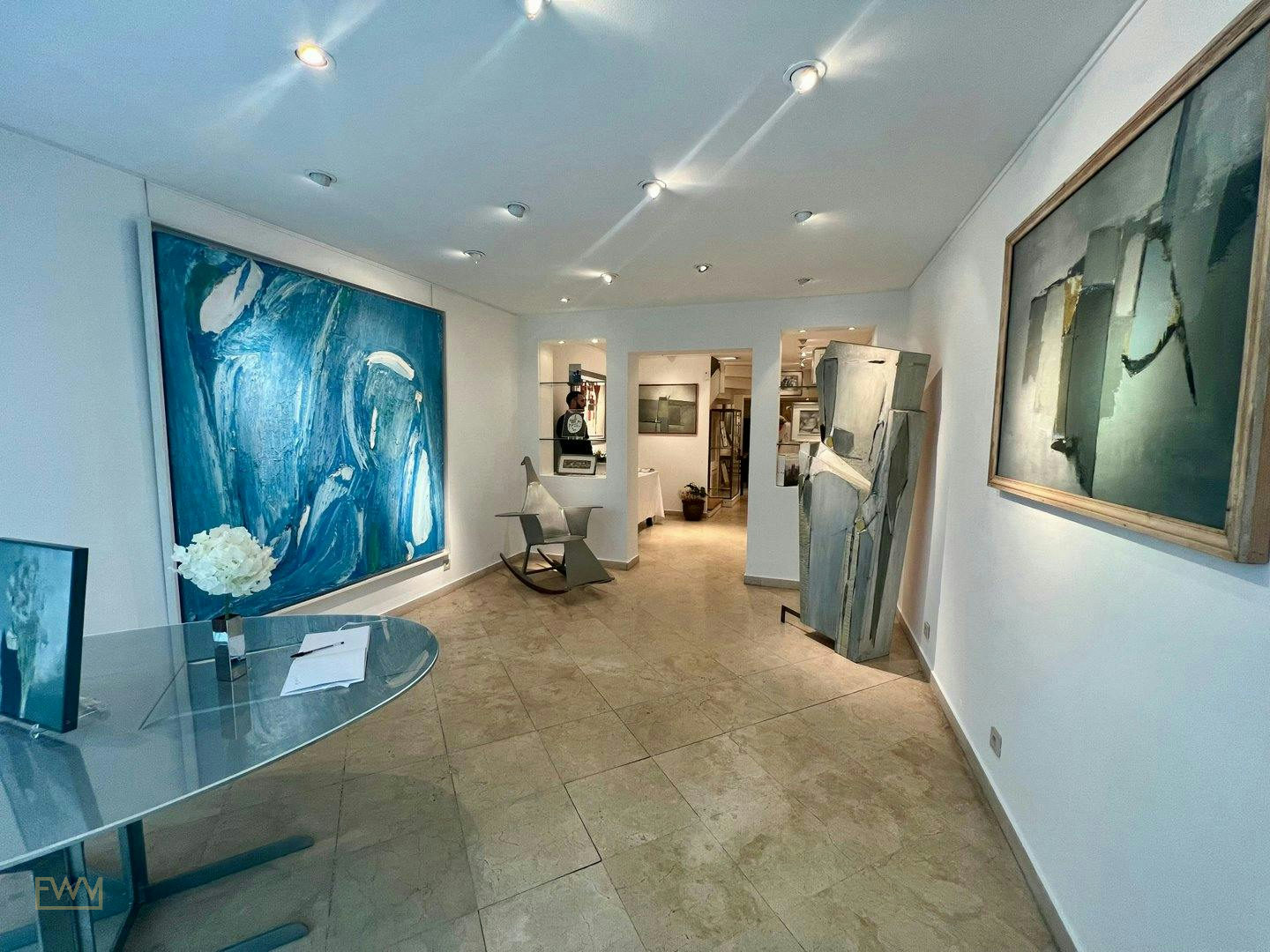
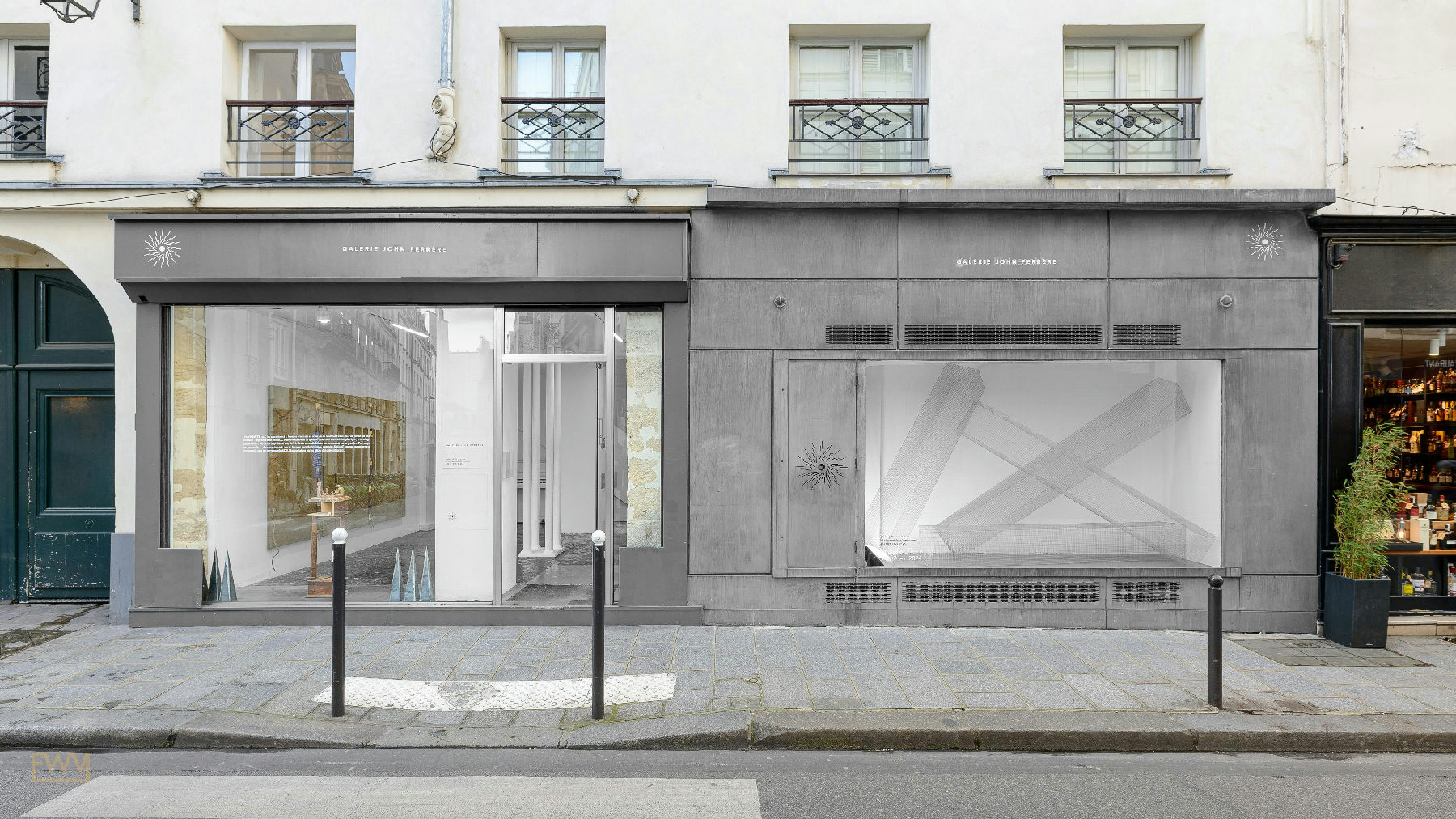
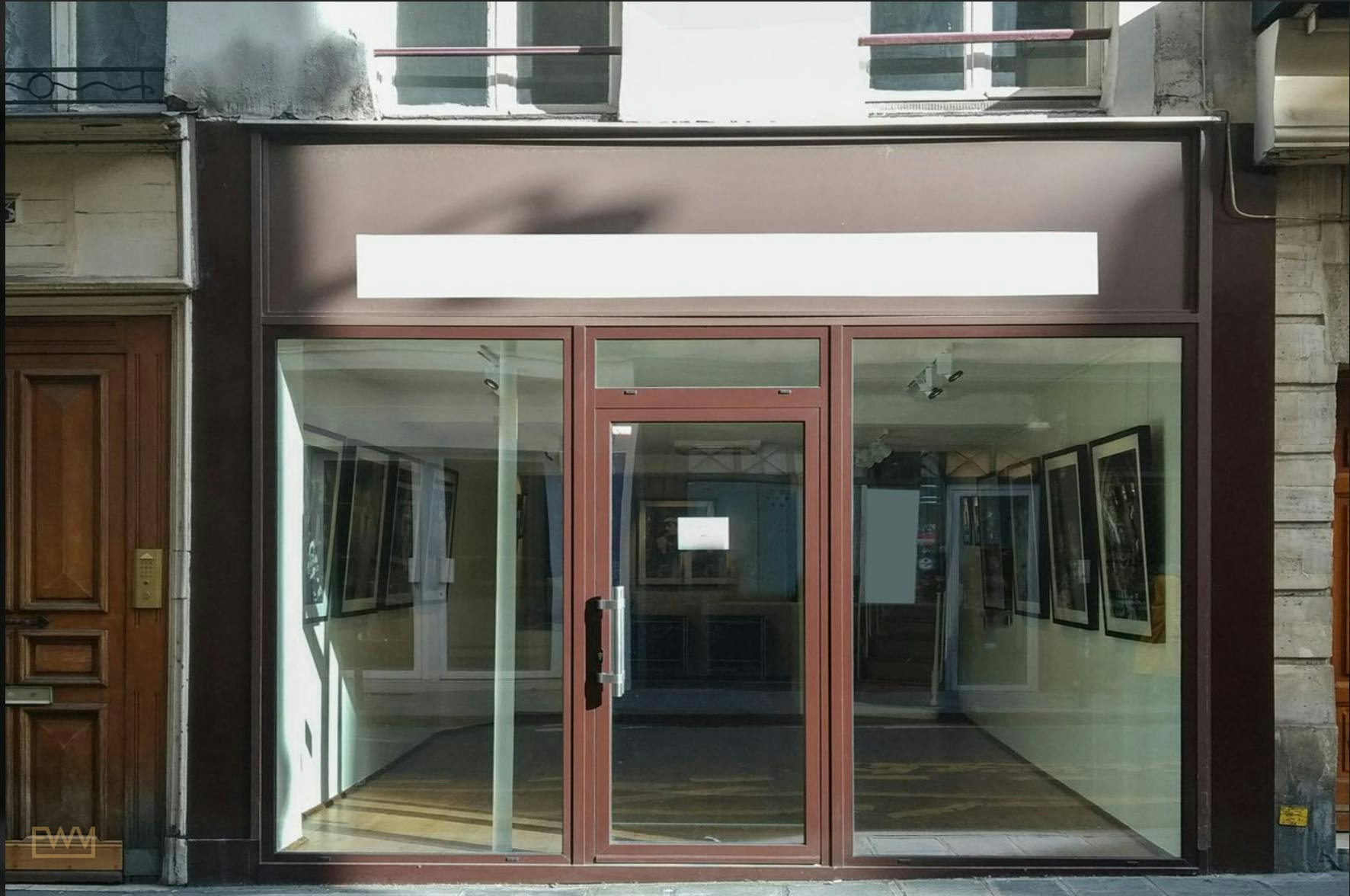
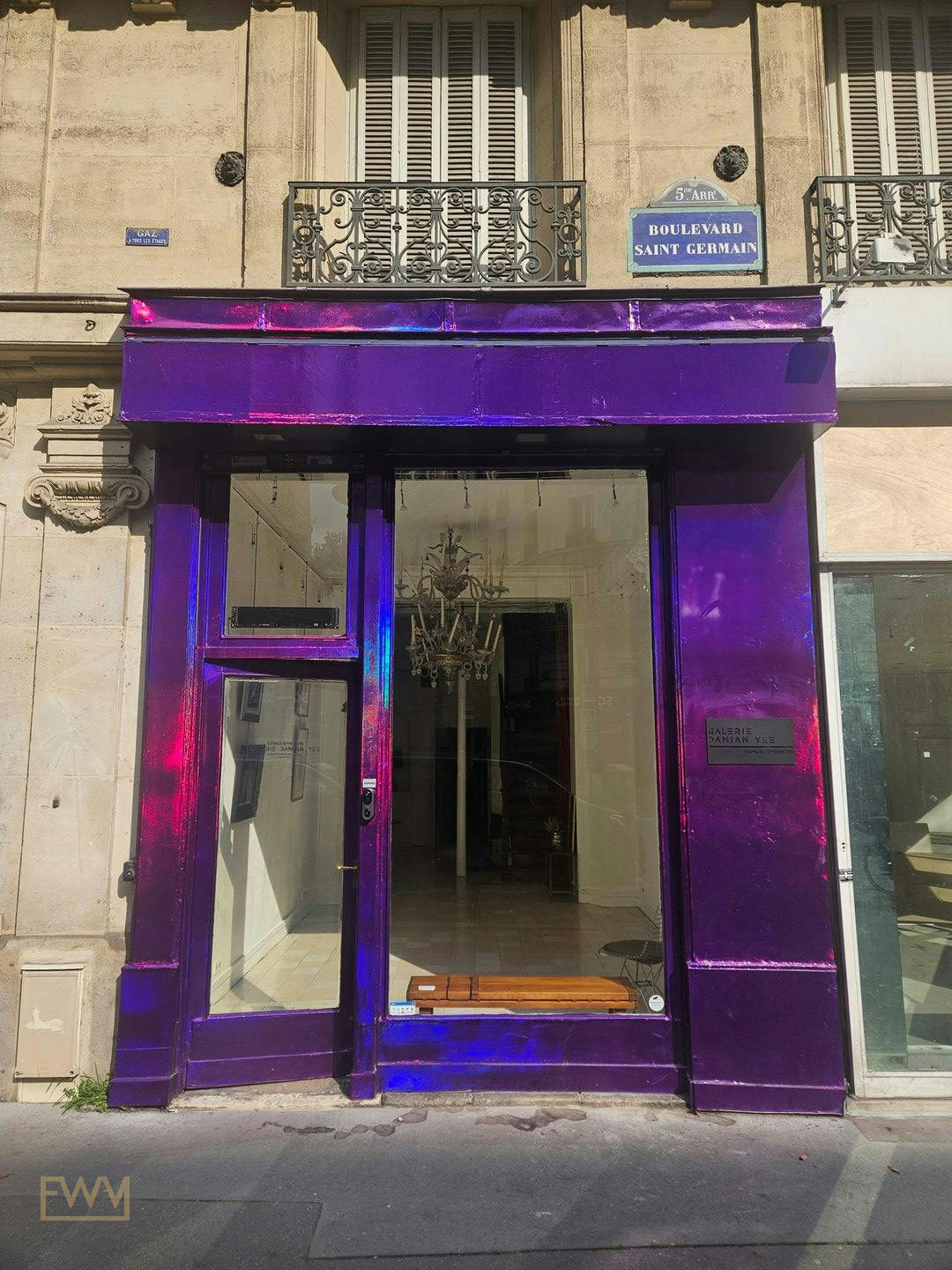
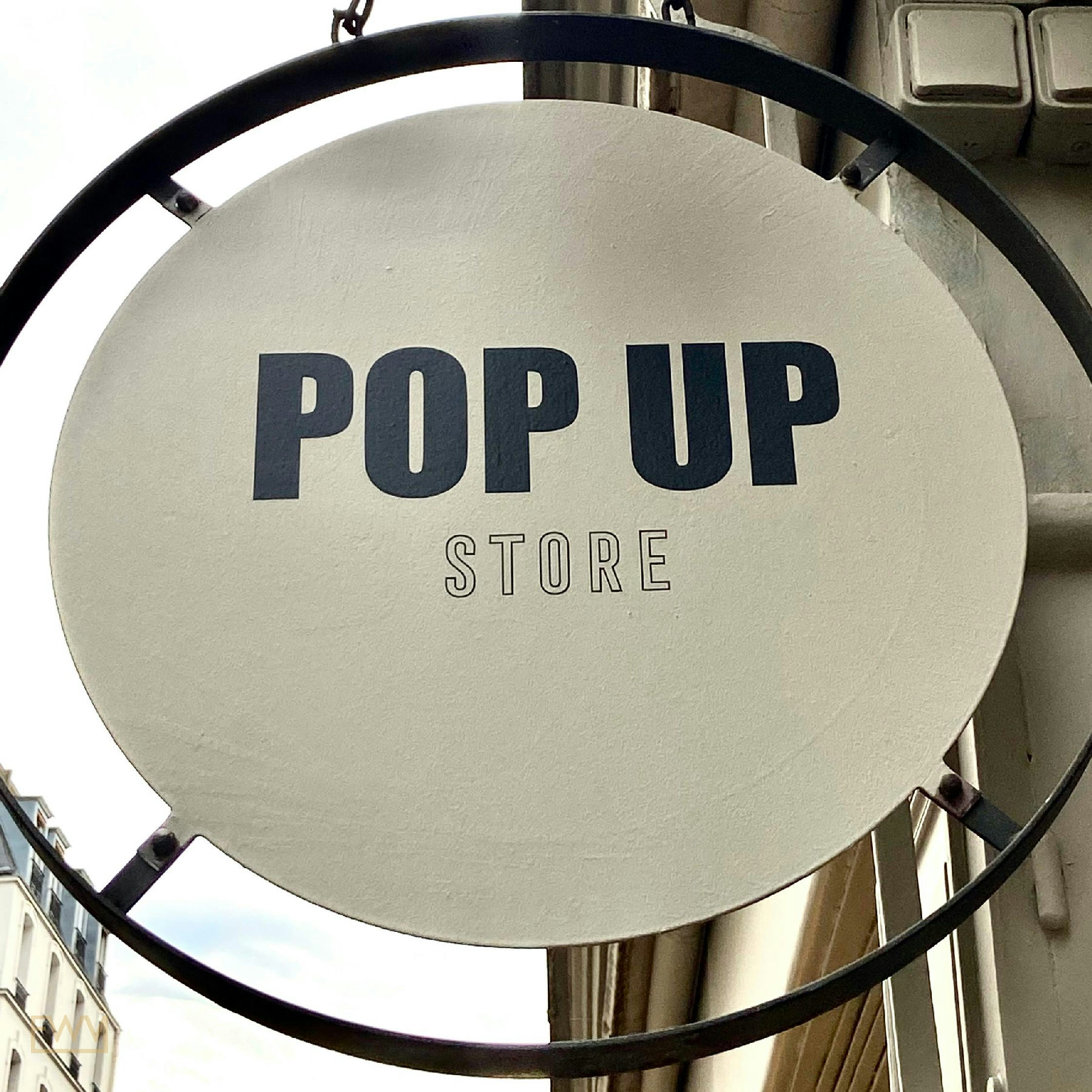
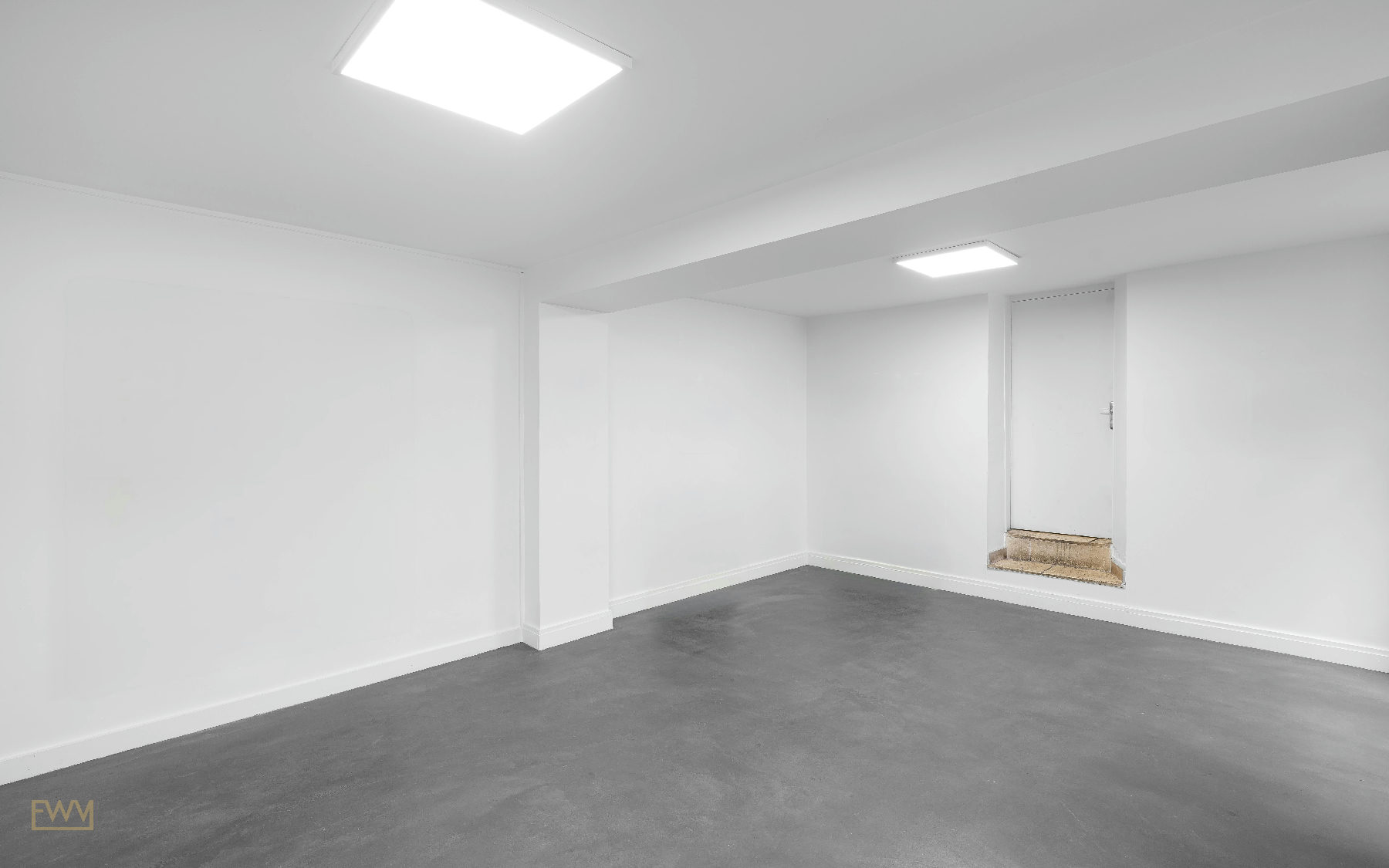
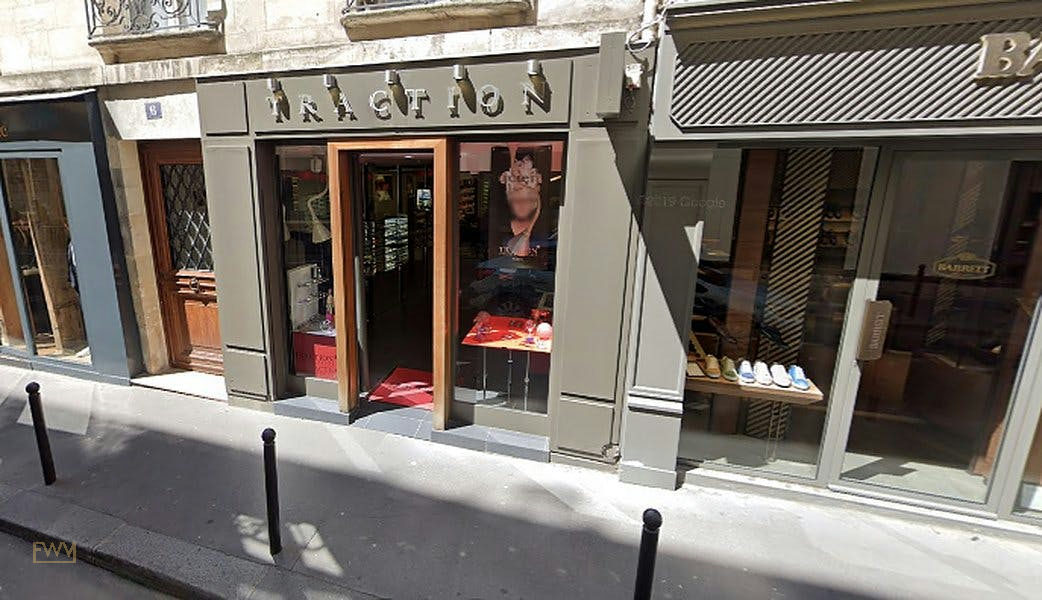
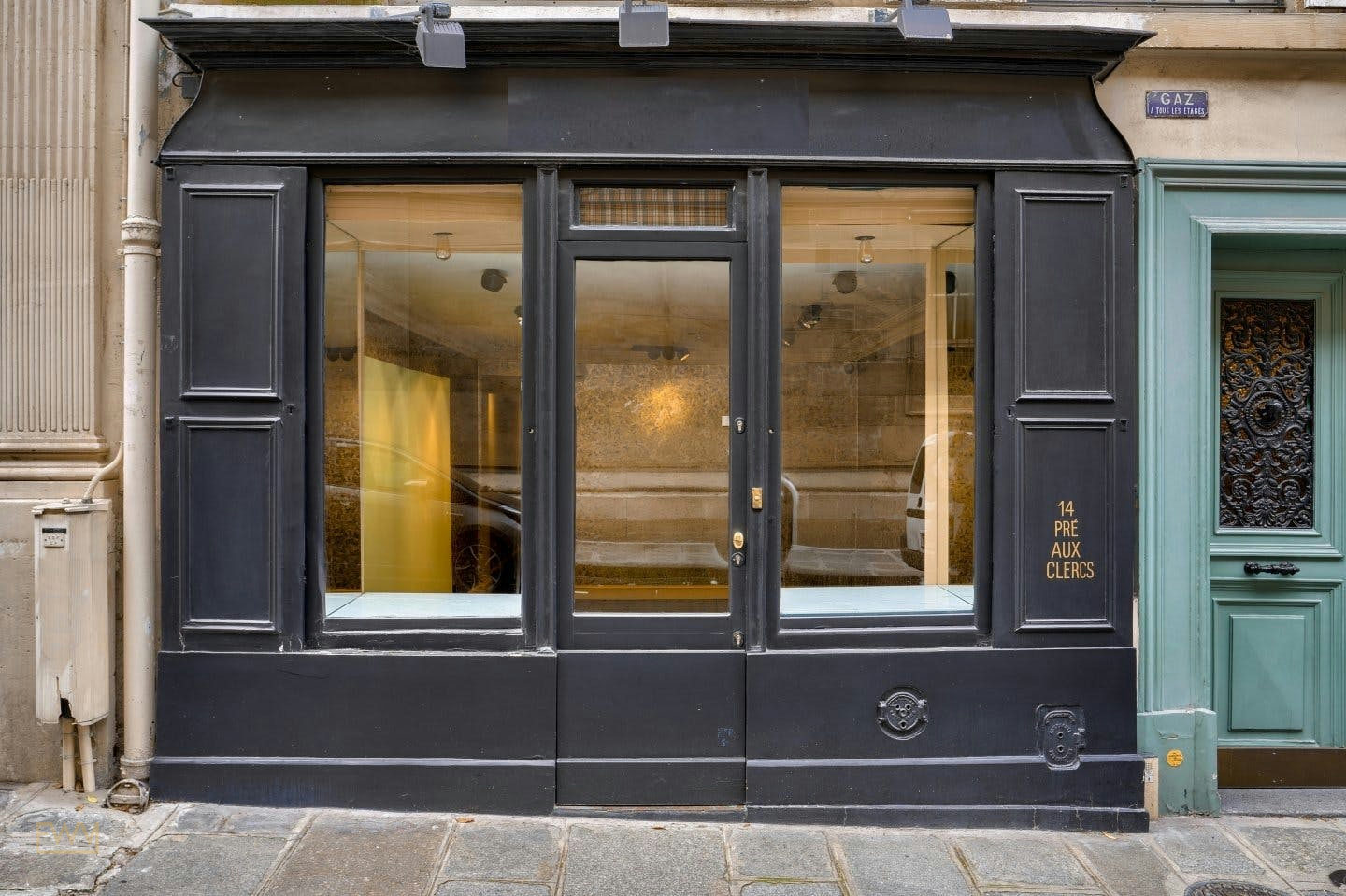
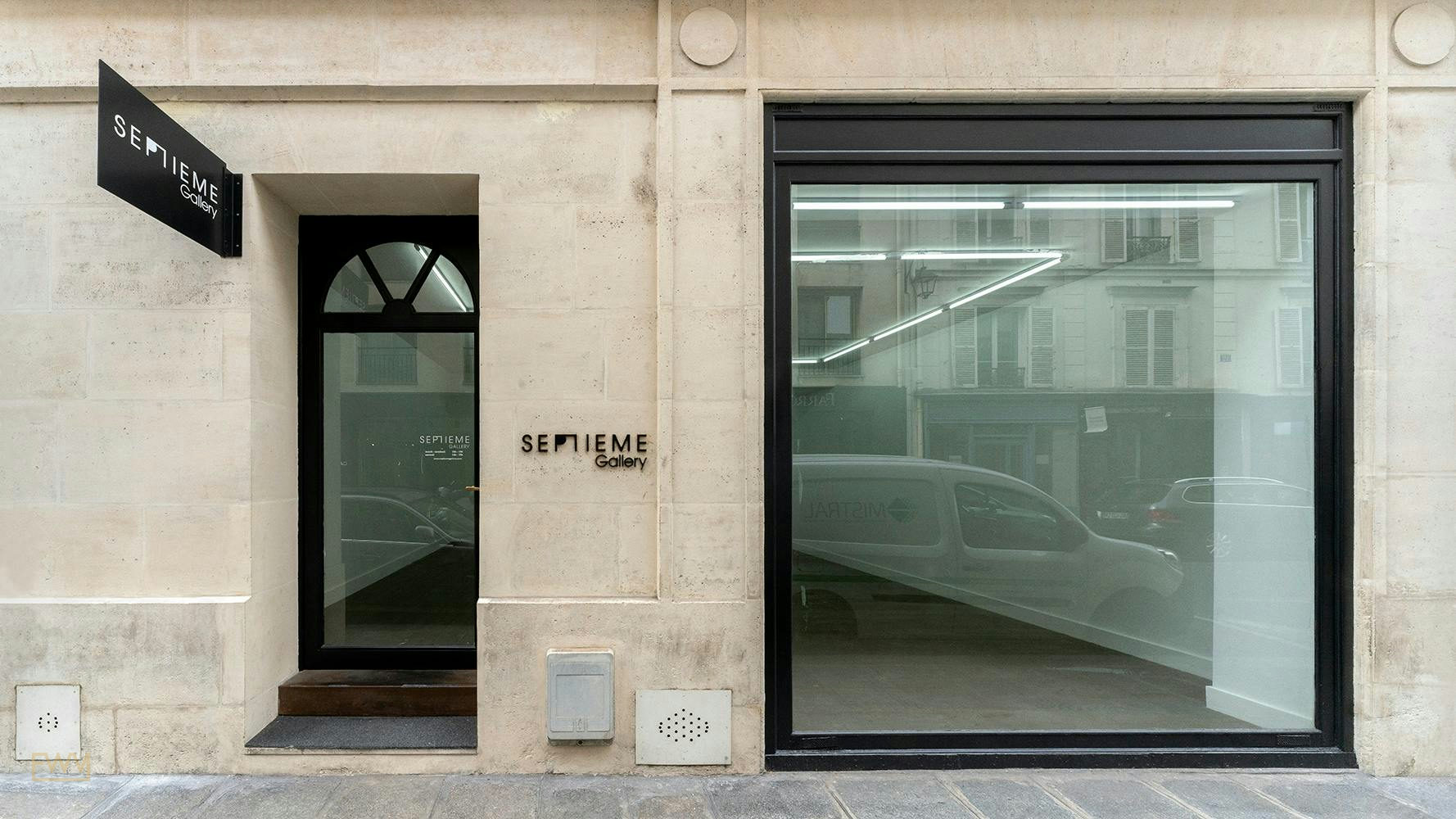
Maximizing impact with the right fashion week venues can be transformative for global brands, especially in Paris, where pop-up spaces, showrooms, and event venues play a critical role in strategic market entry. Fashion Week Venues is a full-service pop-up shop agency that helps brands choose and optimize these spaces. Their expertise extends to major fashion capitals, offering venue sourcing, build planning, and activation management, ensuring brands not only find the right space but also wield it to maximize impact. With a focus on expertise, evaluation, and adaptation, this pillar page explores the full spectrum of maximizing your impact during fashion weeks, complete with strategic insights, actionable recommends, and industry-specific advice.
Understanding the Role of Fashion Week Venues
Fashion week venues are the epicenters of style transformations, where industry leaders converge to unveil the next season's innovations. These venues serve as more than just backdrops for runway shows; they are critical in narrating a brand’s story and engaging customers directly. Understanding the role of these venues extends beyond logistical considerations and into the realms of marketing, branding, and consumer engagement.
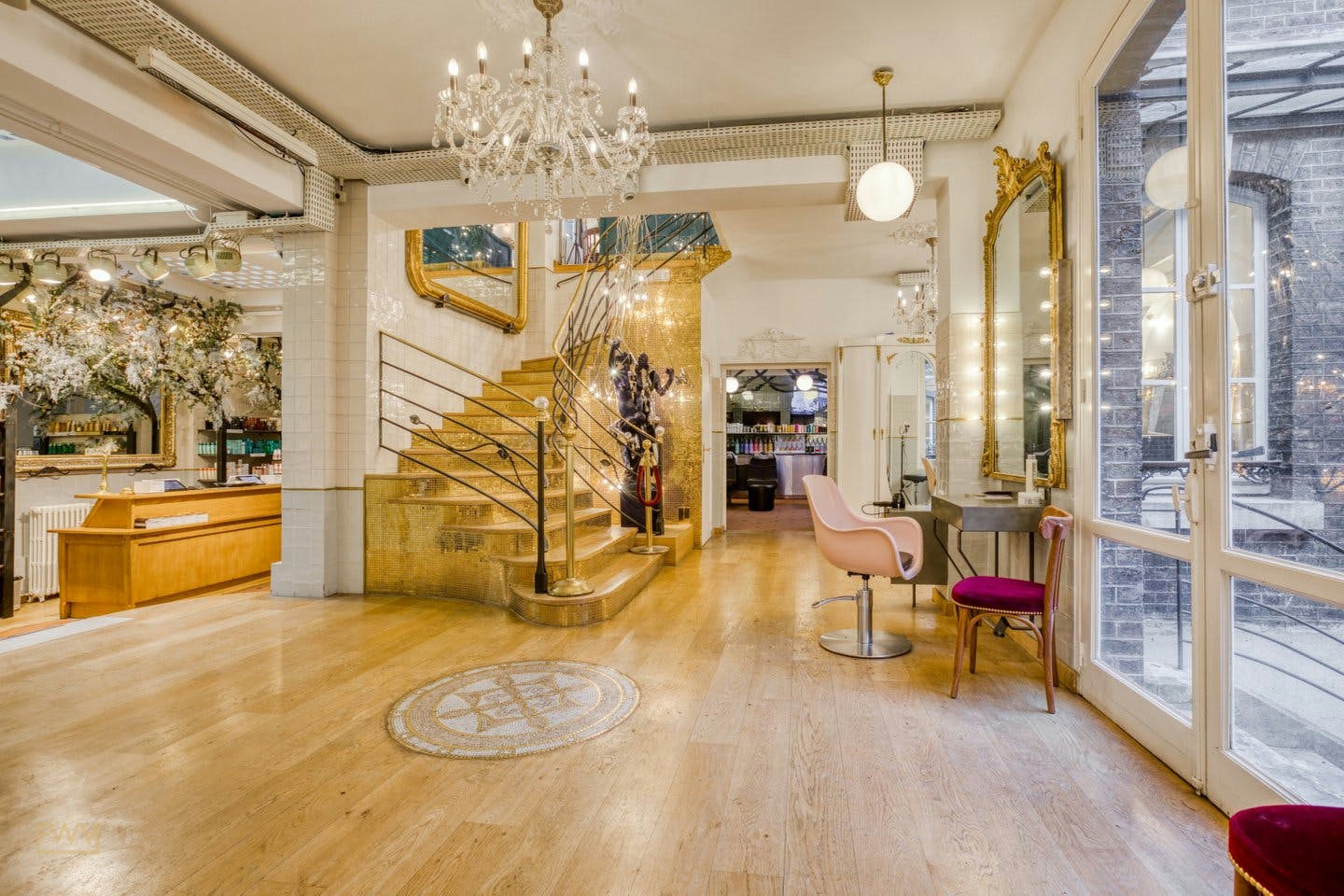
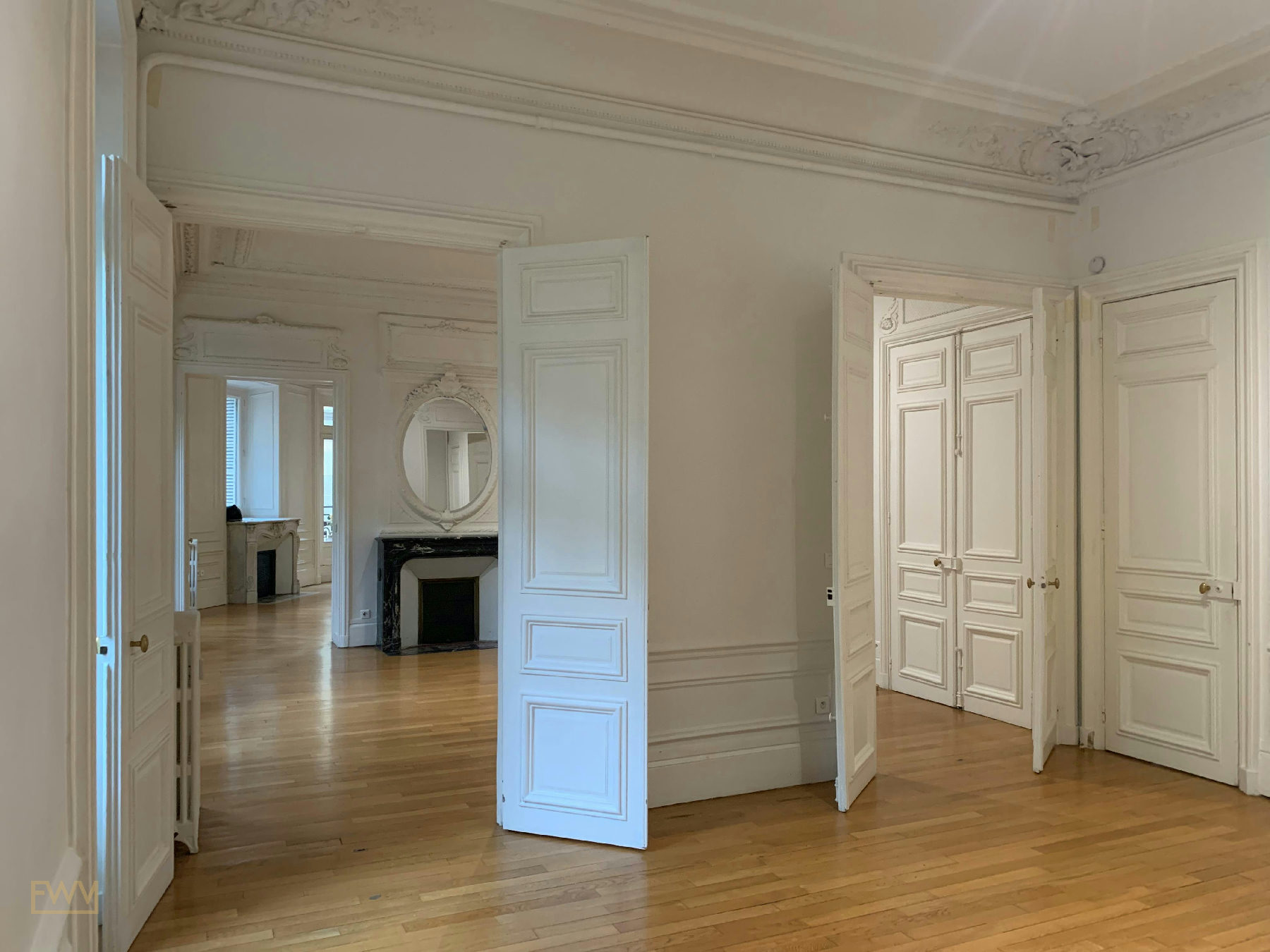
Fashion week venues can vary greatly in purpose and style, ranging from traditional showroom spaces to avant-garde pop-up concepts. Each venue has a unique capacity to influence a brand’s image and reach its target audience. For instance, choosing a venue in a historic Paris neighborhood might enhance a brand’s association with luxury and sophistication, while a modern, minimalist space could highlight innovation and cutting-edge design.
Interestingly, the choice of venue is often reflective of a brand’s strategic objectives. Whether it’s making a bold entrance into a new market or reinforcing brand loyalty in an established one, the venue acts as a physical manifestation of these goals. Utilizing tools like Fashion Week Venues’ space comparison, brands can assess and choose venues that align with their strategic marketing goals effectively.
Quick answer: Fashion week venues are pivotal in branding and consumer engagement, serving as platforms that reflect strategic objectives and enhance brand visibility.
KEY TAKEAWAY: Understanding the symbolic and operational significance of your fashion week venue can drive more effective branding opportunities and consumer engagement.
Bridging this understanding of venue roles, the next section will explore how brands can strategically select their location based on target audience and brand identity alignment.
Strategically Selecting the Right Venue
Selecting the right fashion week venue is a strategic process that involves aligning the space with brand identity, target audience expectations, and logistical requirements. This decision-making process is multi-faceted, demanding a concerted effort in balancing aesthetic appeal with functional prerequisites.
To start, brands should delineate their brand identity clearly. This involves understanding core values, market positioning, and key audience segments. A luxury brand might seek a venue like those found on the historic streets of Le Marais or Saint-Germain-des-Prés, known for their elegance and heritage perception. Conversely, a brand focused on youth and technology may opt for a venue near Canal Saint-Martin, projecting a modern and dynamic image.
Moreover, the venue's capacity, layout, and technological infrastructure are equally critical in supporting the desired consumer experience. For instance, a venue that enables immersive experiences through technology-driven installations can greatly enhance engagement for digital-first brands.
Making informed choices demands data-driven insights, which is where Fashion Week Venues’ budget tool and space locator become invaluable. These tools assist brands in balancing their expectations with practical realities, ensuring both financial and strategic alignment with their venue choice.
Quick answer: Strategic venue selection for fashion week involves aligning brand identity with target audience expectations while considering logistical and aesthetic requirements.
KEY TAKEAWAY: Engaging with tools and expert insights can help refine your venue choice, ensuring alignment with branding goals and consumer expectations.
Having explored how to strategically select venues, we shall now consider the logistical considerations essential for fashion week venue success.
Managing Logistics for Fashion Week Venues
Managing logistics for fashion week venues involves addressing a broad spectrum of tasks that span pre-event preparations to post-event evaluations. This logistical framework ensures that the event not only proceeds seamlessly but also aligns perfectly with brand objectives and consumer expectations.
A foremost logistical priority is venue preparation. This includes setting up staging, lighting, sound, and seating configurations that align with the event's creative layout. For brands showcasing collections, covering functional details such as adequate backstage area, models' changing rooms, and press areas is essential.
Transportation to the venue needs meticulous planning as well. During peak fashion week events, cities like Paris see increased activity, making well-coordinated transportation services and vendor deliveries pivotal. Utilizing Fashion Week Venues’ timeline tool can aid in streamlining these logistics, providing a detailed schedule for each task leading up to the main event.
One cannot overlook the critical importance of permits and compliance. Navigating the intricacies of local regulations through tools like Fashion Week Venues’ permits guidance helps brands stay compliant with local laws, including the use of temporary AOTs (Authorisation d'Occupation Temporaire) and Bail Déréglementaire (Exemption Lease Agreements), tailored for short-term spaces. It is advisable to consult with a legal advisor to ensure all requirements are duly met.
Quick answer: Managing logistics for fashion week venues involves comprehensive planning of setup, transportation, and legal compliance to ensure event success.
KEY TAKEAWAY: Logistic management is integral to event success, requiring a balance of compliance, preparation, and coordination to support seamless execution.
Moving forward, we delve into the impact of pop-up spaces as a tool for leveraging brand presence and engagement during fashion weeks.
Leveraging Pop-up Spaces for Brand Engagement
Pop-up spaces have revolutionized brand engagement strategies, offering a dynamic way for brands to create unique consumer experiences. During fashion weeks, these short-term retail activations provide an effective means for testing market response to new products, engaging with customers directly, and enhancing brand visibility.
The key to leveraging pop-up success lies in crafting an immersive, memorable experience. This begins with the design—retail environments that captivate, invite exploration, and encapsulate the brand’s essence can significantly enhance consumer connection. Fashion Week Venues’ branded store design service helps integrate these elements seamlessly.
Additionally, pop-up spaces can serve as experimentation grounds for brands testing new ideas or product lines before a wider release. This can provide invaluable customer feedback and insight, helping brands fine-tune their offerings.
Pop-up spaces also allow for a degree of flexibility unmatched by permanent retail sites. Brands can choose different locations for different product lines or promotions, aligning with specific targets and leveraging local demographics to enhance effectiveness.
Quick answer: Pop-up spaces during fashion week enhance brand engagement by providing flexible, immersive experiences that foster direct consumer interaction and market testing.
KEY TAKEAWAY: By making pop-up spaces part of your fashion week strategy, you can bolster consumer engagement and introduce dynamic retail experiences that align with brand objectives.
Transitioning from pop-up dynamics, we now consider how brands can integrate experiential marketing to elevate their fashion week activities.
Experiential Marketing in Fashion Week Events
Experiential marketing during fashion weeks elevates consumer interactions, transforming passive attendees into active participants. This interactive approach is vital, especially in the context of pop-up shops and temporary retail activations. Brands that harness experiential marketing can create memorable experiences that lead to increased loyalty and deeper brand connection.
An effective experiential marketing campaign involves storytelling that connects emotionally with the audience. This could include leveraging virtual reality to preview a new fashion line or creating interactive installations that convey the brand’s history and values.
To implement experiential elements effectively, brands should collaborate with strategic partners to source and conceptualize venue-specific activations. Fashion Week Venues offers activation management services to facilitate seamless integration of these marketing efforts, building cohesive narratives that resonate with attendees.
Furthermore, the direct consumer insights gained from experiential marketing activities can inform future campaigns. By capturing real-time feedback, brands can tailor their offerings more precisely, ensuring they meet and exceed consumer expectations.
Quick answer: Experiential marketing transforms fashion week events into interactive experiences, enhancing brand loyalty and audience engagement.
KEY TAKEAWAY: The strategic integration of experiential marketing elements elevates brand interaction, fostering loyalty through impactful, memorable experiences.
With experiential approaches covered, let us focus on how using data and analytics can shape fashion week success.
Data and Analytics in Fashion Week Strategy
Data and analytics play a crucial role in informing and refining fashion week strategies. By leveraging data insights, brands can make evidence-based decisions that optimize venue selection, engagement tactics, and resource allocation.
Data-driven strategies begin by analyzing consumer demographics and behavior. This allows brands to identify potential target segments and develop tailored marketing messages that resonate with each demographic group. Tools available from Fashion Week Venues, such as the data and analytics service, provide brands with these insights, allowing for precision-targeted campaigns.
Moreover, real-time data collection during events, such as consumer footfall and conversion rates, provides immediate feedback that can be used to adjust on-the-fly strategies and improve outcomes for future events.
Integrating robust data analytics enables brands to assess the return on investment for various marketing initiatives. Understanding which tactics generate the most engagement and conversions allows brands to prioritize efforts for maximum impact.
Quick answer: Data and analytics enhance fashion week strategy through informed decision-making, precise targeting, and real-time performance insights.
KEY TAKEAWAY: Utilizing data analytics ensures brands can fine-tune their strategies, maximizing impact and ensuring resources are allocated effectively.
The forthcoming section will address understanding the Paris market—essential for brands choosing Paris fashion week venues.
Navigating the Paris Fashion Market
Understanding the Paris fashion market is crucial for any brand aiming to make a significant impact during fashion weeks. Paris, known as a global fashion capital, offers a diverse range of venues and opportunities that cater to luxury brands, emerging designers, and everyone in between.
The neighborhoods in Paris, each with their unique character, influence how a brand is perceived. Areas like the 8th arrondissement with iconic venues on Rue Saint-Honoré cater typically to established luxury brands, while more bohemian areas like Le Marais attract indie designers and avant-garde labels. Fashion Week Venues provides insights and access to these diverse locations through their Paris city hub.
Aside from choosing the right neighborhood, understanding local consumer behavior and competition is vital. The shopping habits, lifestyle preferences, and fashion inclinations of Parisians versus international tourists can substantially inform the selection of a venue.
Additionally, Paris offers many cultural and trade events that align with fashion week, providing brands a strategic advantage by tapping into concurrent attractions, thereby maximizing exposure.
Quick answer: Understanding the Paris fashion market involves selecting neighborhoods that align with brand identity and leveraging local consumer behaviors for strategic advantage.
KEY TAKEAWAY: Incorporating local market insights ensures brands fully leverage Parisian market dynamics for maximum impact during fashion weeks.
Transitioning from Paris, let us now consider how to assess venue compliance and permits, which is crucial for event success.
Compliance and Permitting for Paris Venues
Ensuring compliance and securing necessary permits are essential steps in planning successful fashion week events in Paris. Understanding and navigating these legal requirements can be daunting but are critical for any brand aspiring to hold an event in the city.
Primarily, brands must distinguish between various permits required for different types of spaces. The Bail Déréglementaire (derogatory lease) allows brands to utilize spaces temporarily without the long-term commitments of standard commercial leases. Meanwhile, an Authorisation d'Occupation Temporaire (AOT) permits the temporary occupancy of public spaces for events.
Each permit's requirement may vary based on factors such as space type, event duration, and location. Aligning with regulations is necessary to avoid fines and ensure that the venue can be used legally and effectively. Brands are encouraged to consult with local legal advisors who are well-versed in Parisian property laws to navigate these complexities. Fashion Week Venues’ permits tool serves as a comprehensive guide through this intricate process.
Quick answer: Compliance and permitting for Paris fashion venues require understanding derogatory leases and AOTs, ensuring legal usage of spaces for events.
KEY TAKEAWAY: Adequate legal guidance and careful planning are crucial to ensure all compliance and permitting needs are met, avoiding potential legal pitfalls.
After understanding compliance, we will now explore how budgeting plays a role in aligning your fashion week strategy.
Budgeting for Fashion Week Venues
Budgeting for fashion week venues is a fundamental component that influences the scope and success of the event. Brands need to develop comprehensive financial plans that incorporate all conceivable expenses involved in planning and executing an event during such prestigious weeks.
Start by estimating core expenses, such as venue rental fees, setup and production costs, staffing, and marketing initiatives. Additionally, indirect costs like permit fees, security, and maintenance should be factored into the overall budget.
Fashion Week Venues provides a budget calculator tool to simplify this complex process. This tool empowers brands to input various parameters to generate prospective costs, allowing for better financial planning and cost control.
Ultimately, understanding your budget ensures you can create an impactful yet financially sustainable presence at fashion week events. Moreover, thorough financial planning can aid in maximizing return on investment (ROI) by efficiently allocating resources where they will most affect audience reach and engagement.
Quick answer: Budgeting for fashion week involves planning for all direct and indirect costs, ensuring financially viable and impactful event execution.
KEY TAKEAWAY: Thorough budgeting empowers brands to manage expenses effectively, maximize ROI, and maintain financial insights to accommodate market and logistic variations.
Understanding budget dynamics transitions us into exploring Fashion Week Venues' comprehensive support offerings.
How Fashion Week Venues Supports Your Strategy
Fashion Week Venues offers an ecosystem of services and tools that collectively enhance a brand's capability to navigate the complexities of fashion weeks successfully. Their suite of services, designed to address every facet of planning and execution, is tailored to meet the needs of luxury retail brands and creative teams.
These offerings include venue sourcing, where the agency uses its in-depth market knowledge to identify spaces that match a brand's specific requirements. Additionally, their concept direction service ensures that the venue's design and execution align with overarching brand narratives.
Their services extend to include production build and activation management, ensuring seamless integration of creative concepts with logistical realities. This is complemented by their specialized tools such as the twin co-activation concept, imagine tool for space visualisation, and others, which support brands in planning, budgeting, and realizing their vision into impactful events.
Fashion Week Venues stands out through its comprehensive understanding of the fashion industry’s dynamics, offering localized insights and adaptable solutions that provide critical support in a brand's journey from strategy to activation.
Quick answer: Fashion Week Venues supports brands with full-service solutions, from venue sourcing to creative direction, catering to global fashion week strategies.
KEY TAKEAWAY: Leveraging Fashion Week Venues’ resources aligns strategic objectives with reliable execution, enhancing brand presence at fashion week events.
With comprehensive support explored, we will now correct common misconceptions in the myths vs. facts section.
Common Myths Debunked
MYTH: You need a French legal entity to rent a space in Paris.
FACT: While engaging in long-term commercial leases in Paris often requires a French legal entity, temporary leases or pop-up spaces can be negotiated without this requirement, provided specific guidelines are followed. Consulting with locale-specific professionals can facilitate these agreements legally and efficiently.
MYTH: Paris Fashion Week is the only calendar window to consider for pop-up activations.
FACT: While Paris Fashion Week offers high visibility, many other events and times throughout the year present valuable opportunities for brand exposure. Luxury brands particularly benefit from multiple windows aligned with seasonal events and local festivals.
MYTH: Commission brokers are the only reliable way to find a venue.
FACT: Though commission brokers are prevalent, platforms like Fashion Week Venues offer an alternative that combines digital tools with dedicated venue sourcing experts who provide personalized and efficient space solutions.
MYTH: Short-term leases are straightforward and do not require specialist help.
FACT: Despite being short-term, these leases are complex and can involve various legal and regulatory considerations. Specialist knowledge or professional advice is often required to navigate these agreements and ensure compliance with local laws.
MYTH: Arranging permits and compliance is the same process for all venues.
FACT: Different types of venues and zones in Paris have unique compliance requirements. Permit processes vary significantly between private, commercial, and public spaces, demanding precise adherence to regulatory frameworks outlined by local authorities.
Frequently Asked Questions
What are the essential steps in securing a fashion week venue?
Securing a fashion week venue involves several steps, starting with identifying your brand's target audience and strategic goals. Once these are clear, use tools like Fashion Week Venues’ marketplace to explore suitable venues. Consider logistical needs, including capacity, location, and technical requirements, before negotiating terms and ensuring all necessary permits and compliance measures are in place.
How far in advance should I book a venue for Fashion Week?
Booking a venue for Fashion Week should begin 6 to 12 months in advance of the intended event date. This timeline allows sufficient leeway for negotiating terms, securing necessary permits, and planning logistics. High-demand periods, like Paris Fashion Week, require even earlier bookings to ensure venue availability.
How does Fashion Week Venues help in choosing the right venue?
Fashion Week Venues offers end-to-end venue sourcing services, tailored to your brand's specific requirements. By leveraging their extensive market insights and proprietary tools like the compare tool, they help you identify spaces that best align with your brand identity and event objectives. Their services also extend to helping manage logistic, financial, and compliance aspects.
What are pop-up spaces and how are they different from traditional showrooms?
Pop-up spaces are temporary retail environments that give brands the flexibility to create immersive, experiential offerings for limited periods. Unlike traditional showrooms which function as stable long-term fixtures, pop-up spaces can be dynamic, offering brands opportunities for innovative engagement and market testing without long-term commitments.
Why is experiential marketing important for fashion week events?
Experiential marketing transforms fashion week events by shifting passive viewership to active participation. By creating memorable and interactive settings, brands are able to engage deeper levels of consumer involvement, amplify brand narratives, and cultivate lasting consumer loyalty. Services from Fashion Week Venues, including activation management, make integrating these experiences streamlined and effective.
Can I conduct a successful pop-up without engaging local marketing experts?
While running a successful pop-up is technically possible without local marketing experts, tapping into local insights enhances outcomes significantly. Local experts understand demographic dynamics and regional trends better, allowing brands to create tailored experiences that resonate more effectively with the target population.
What permits are necessary for a short-term venue in Paris?
Securing short-term venues in Paris typically requires temporary occupancy agreements such as Bail Déréglementaire or Authorisation d'Occupation Temporaire (AOT) for public space usage. These permits vary based on the venue's location and intended use. Fashion Week Venues’ permits tool aids in identifying and obtaining the necessary compliance requirements for your venue.
Are there any restrictions on pop-up events during Paris Fashion Week?
While pop-up activations are encouraged during Paris Fashion Week to capture heightened visibility, they are subject to local regulations regarding space usage, safety standards, and operational hours. Compliance with these regulations is mandatory and should be factored into logistical planning from the outset.
How can analytics improve the outcomes of my fashion week event?
Analytics play a crucial role in refining fashion week strategies by offering insights into consumer behavior and engagement. Through tools like Fashion Week Venues’ data and analytics service, brands can track foot traffic, engagement levels, and conversion rates, ultimately optimizing marketing tactics and resource allocation.
What is the advantage of using Fashion Week Venues’ comprehensive services?
Fashion Week Venues provides a holistic suite of services encompassing everything from venue sourcing and concept direction to consumer analytics and permits navigation. This all-encompassing approach allows brands to concentrate on creative strategies and execution while benefiting from expert logistical and strategic support, drastically simplifying complex planning processes.
Conclusion
The meticulous orchestration of fashion week venues can significantly enhance a brand's positioning, engagement, and market impact. Navigating the intricacies of venue selection, logistical planning, and experiential marketing are made seamless with the right strategic insights and industry support from entities like Fashion Week Venues. As you embark on your journey through fashion week events, leverage their tools and services to ensure your brand’s presence is both dynamic and resonant. Start exploring available spaces on the Fashion Week Venues marketplace to build a culturally attuned, impactful strategy suited to your brand's aspirations.