
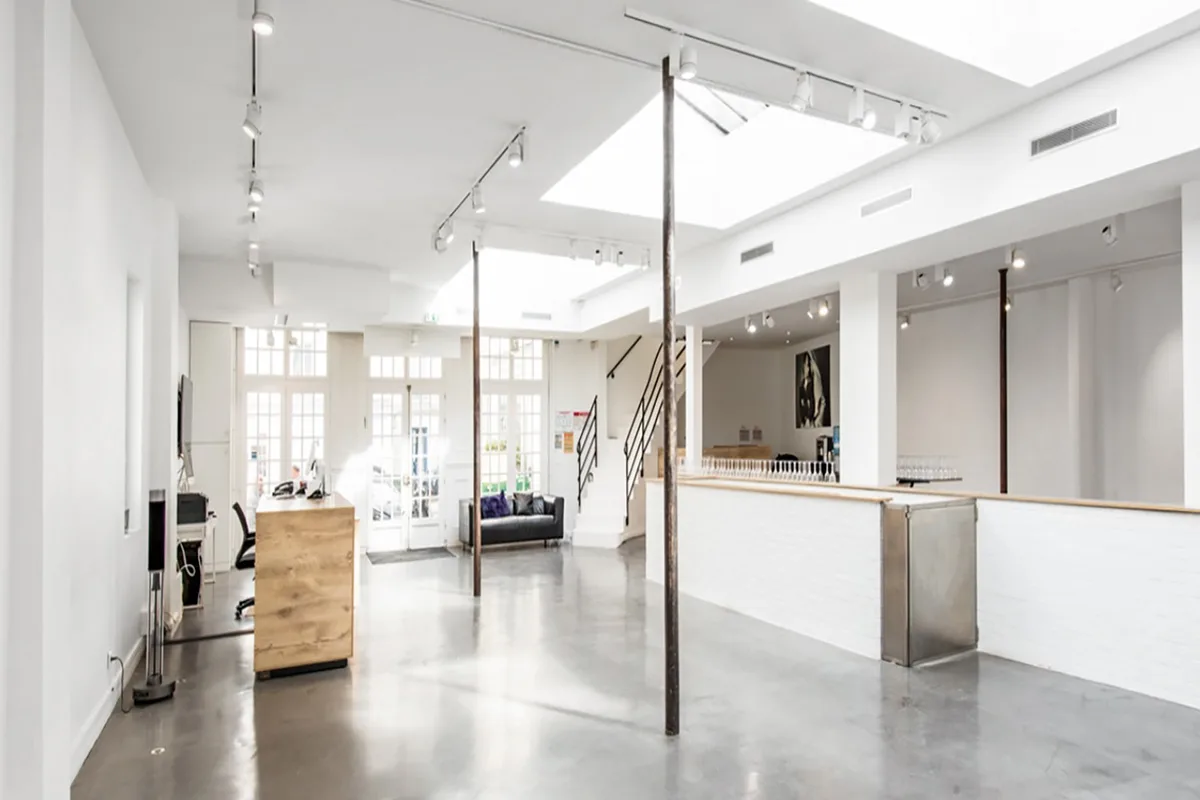
Short term retail in Le Marais is one of the most sought-after commercial strategies for fashion brands, beauty labels, concept stores, and international brands entering Paris. Le Marais is not simply a historic arrondissement; it is an active commercial ecosystem where foot traffic, cultural credibility, and residential density combine to create near-ideal conditions for temporary retail. Whether your brand is planning a Paris Fashion Week showroom, a product launch storefront, or a multi-week pop-up store, understanding Le Marais as a retail environment is the essential starting point. Fashion Week Venues works with brands across every category to source, design, produce, and manage pop-up activations throughout Paris, with Le Marais as one of the most consistently requested districts in the city.
Why Le Marais Is Paris's Most Commercially Compelling Pop-Up District
Le Marais delivers a combination of cultural authority, diverse foot traffic, and spatial variety that few other Paris districts can match for short-term retail purposes. Spanning the 3rd and 4th arrondissements, this neighbourhood has evolved over several decades from a largely residential and artisan district into one of the most internationally recognised shopping, gallery, and hospitality destinations in the city.
The district draws a genuinely mixed visitor profile: Parisian residents and professionals from the broader Paris Region, international tourists visiting landmarks such as the Centre Pompidou and Place des Vosges, fashion and culture industry professionals during Fashion Week seasons, gallery-goers attending exhibitions at spaces along Rue Vieille-du-Temple and surrounding streets, and younger shoppers drawn by the concentration of independent boutiques and contemporary brands. This diversity of audience is commercially significant because it allows brands across very different categories and price points to find a viable customer base within a compact walkable geography.
The streetscape of Le Marais supports retail discovery in ways that larger shopping districts often do not. Pedestrian flow in the Marais moves through smaller streets and courtyards, which means window visibility and storefront presentation play an outsized role in converting passing foot traffic into actual customers. A well-dressed storefront on Rue des Francs-Bourgeois, Rue de Bretagne, or Rue des Rosiers will receive direct exposure from pedestrians who are specifically in browse mode rather than destination-shopping mode. This dynamic is highly favourable for pop-up retail formats, where discovery and novelty are part of the brand offer.
Established permanent tenants in the area include a wide range of brands that signal the commercial positioning of different streets. A.P.C., Maison Kitsuné, Claudie Pierlot, UNIQLO, Bonton, and the iconic Merci concept store on Boulevard Beaumarchais all maintain presences in Le Marais, demonstrating that the district supports both mass-market and elevated brand positioning simultaneously. The Merci concept store in particular has been influential in defining the Marais as a destination for considered retail and creative merchandise curation.
Cultural infrastructure amplifies the commercial pull. The Pompidou Centre draws millions of visitors annually, and the Enfants Rouges market on Rue de Bretagne creates consistent daily foot traffic that extends well beyond traditional retail hours. The Carreau du Temple, a landmark covered market structure near République, also functions as an event and exhibition space that generates spillover visits to surrounding commercial streets.
For brands planning short-term retail activations, the area between Hôtel de Sully to the south and Rue Debelleyme to the north in the Haut-Marais represents the primary commercial zone. Rue des Blancs-Manteaux, Rue Sainte-Croix-de-la-Bretonnerie, and Rue Vieille-du-Temple all offer access points into different pedestrian circuits within the wider neighbourhood.
DID YOU KNOW: Le Marais is consistently ranked among the top three shopping districts in the Paris Region for independent retail, with Rue des Francs-Bourgeois alone attracting significant weekend foot traffic from across the Ile-de-France.
KEY TAKEAWAY: Le Marais is commercially compelling for short-term retail because it combines consistent foot traffic, a culturally engaged visitor profile, strong window visibility dynamics, and a established tenant mix that validates brand presence across multiple categories.
The next section examines the specific streets and micro-zones within Le Marais that perform differently for retail, showroom, and art gallery formats, so that brands can match their spatial brief to the right part of the district.
Key Streets and Micro-Zones for Short Term Retail in Le Marais
Le Marais is not a single commercial street; it is a network of distinct micro-zones that each serve different retail functions, attract different visitor profiles, and suit different brand categories. Understanding this internal geography is essential for selecting the right location for a pop-up store, showroom, or brand activation.
Rue des Francs-Bourgeois and the Southern Core
Rue des Francs-Bourgeois is the most commercially active axis in the 4th arrondissement portion of Le Marais. Running east to west between the Place des Vosges area and the Centre Pompidou catchment, this street carries some of the highest foot traffic in the district, particularly on weekends. Brands targeting volume-oriented retail formats with strong visual merchandising and window display strategies will find this corridor the most straightforward environment for generating walk-in conversion. The street's proximity to the Place des Vosges, one of Paris's most visited architectural landmarks, means that tourist-oriented footfall is layered on top of resident and professional visits throughout the week.
Rue des Rosiers and the Jewish Quarter Axis
Rue des Rosiers runs parallel to and south of Rue des Francs-Bourgeois and has historically served as the centre of the Marais's Jewish heritage district. The street has evolved into a mixed-use retail and hospitality strip, with independent boutiques, food destinations, and occasional gallery-format spaces. For brands seeking a slightly less transactional and more discovery-oriented setting, spaces on or near Rue des Rosiers offer an environment with cultural texture and a resident-driven customer profile in addition to the tourist flow.
Haut-Marais: Rue de Bretagne, Rue Debelleyme, and Rue de Turenne
The Haut-Marais, broadly corresponding to the 3rd arrondissement, is the district's contemporary fashion and design zone. Rue de Bretagne, anchored by the Enfants Rouges market, is one of the most locally beloved streets in the arrondissement and attracts a strong neighbourhood resident and professional audience alongside visitors. Rue Debelleyme and Rue de Turenne are home to independent designer boutiques, concept stores, and gallery spaces that serve the fashion and design industry. This micro-zone is particularly well-suited to fashion showrooms, press day spaces, and higher-end pop-up retail formats targeting buyers and industry professionals. Espace Turenne, on Rue de Turenne, is one of the named commercial spaces in the district with a history of hosting brand activations and product launches.
Boulevard Beaumarchais and the Bastille Periphery
Boulevard Beaumarchais marks the eastern boundary of Le Marais and connects the district to the Bastille and République neighbourhoods. The Merci concept store on Boulevard Beaumarchais is one of the defining retail landmarks of the district and has established this corridor as a destination for design-literate shoppers. Brands operating on or near Boulevard Beaumarchais benefit from the spillover audience generated by Merci's own programming, as well as proximity to the larger event infrastructure around Bastille.
Rue Vieille-du-Temple and the Gallery Circuit
Rue Vieille-du-Temple runs through the heart of the Marais and hosts a dense concentration of contemporary art galleries alongside independent fashion boutiques and bars. For brands seeking a gallery-format pop-up or an art-adjacent brand activation, this street offers natural positioning within an established gallery circuit. Art gallery formats and mixed retail-and-exhibition spaces on this axis benefit from a visitor profile that includes collectors, curators, and creative industry professionals in addition to general retail shoppers.
Comparative Street Performance Table
| Street or Zone | Primary Audience | Best Retail Format | Arrondissement | Characteristic Foot Traffic |
|---|---|---|---|---|
| Rue des Francs-Bourgeois | Tourists, residents, shoppers | Volume pop-up, storefront retail | 4th | High, especially weekends |
| Rue des Rosiers | Residents, heritage tourists | Boutique, food-adjacent retail | 4th | Moderate to high, daily |
| Rue de Bretagne | Local professionals, market visitors | Concept, independent brand | 3rd | Consistent daily, market-driven |
| Rue de Turenne / Haut-Marais | Industry, fashion professionals | Showroom, press space, design pop-up | 3rd | Moderate, quality-driven |
| Boulevard Beaumarchais | Design shoppers, Merci visitors | Lifestyle, design, concept store | 3rd / 4th | Moderate to high |
| Rue Vieille-du-Temple | Gallery visitors, creatives | Gallery pop-up, art-adjacent brand | 3rd / 4th | Moderate, culture-driven |
KEY TAKEAWAY: Matching your space search to the specific micro-zone within Le Marais is as important as selecting the district itself. The commercial objectives of a press-day showroom, a fashion week activation, and a consumer-facing pop-up store will each point to different streets and space typologies within the neighbourhood.
Understanding the spatial geography helps brands shortlist candidate spaces efficiently. The next section examines the different types of commercial spaces available for short-term rental in Le Marais and what each format typically includes.
Types of Short Term Retail Spaces Available in Le Marais
Le Marais offers a wider range of short-term retail and commercial space formats than most Paris districts, reflecting both its historic built environment and its evolution as a mixed fashion, culture, and hospitality destination. Brands entering the market need to understand which format serves their operational requirements before beginning any space search.
Pop-Up Storefronts
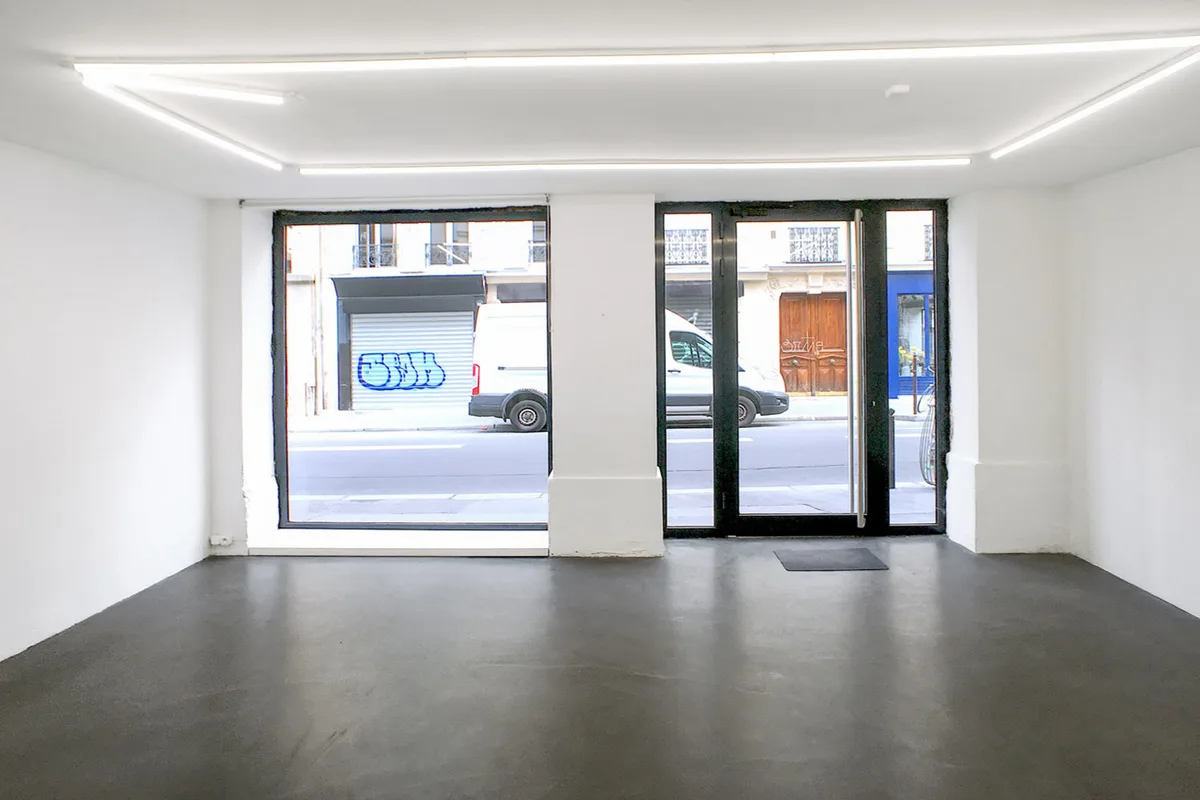
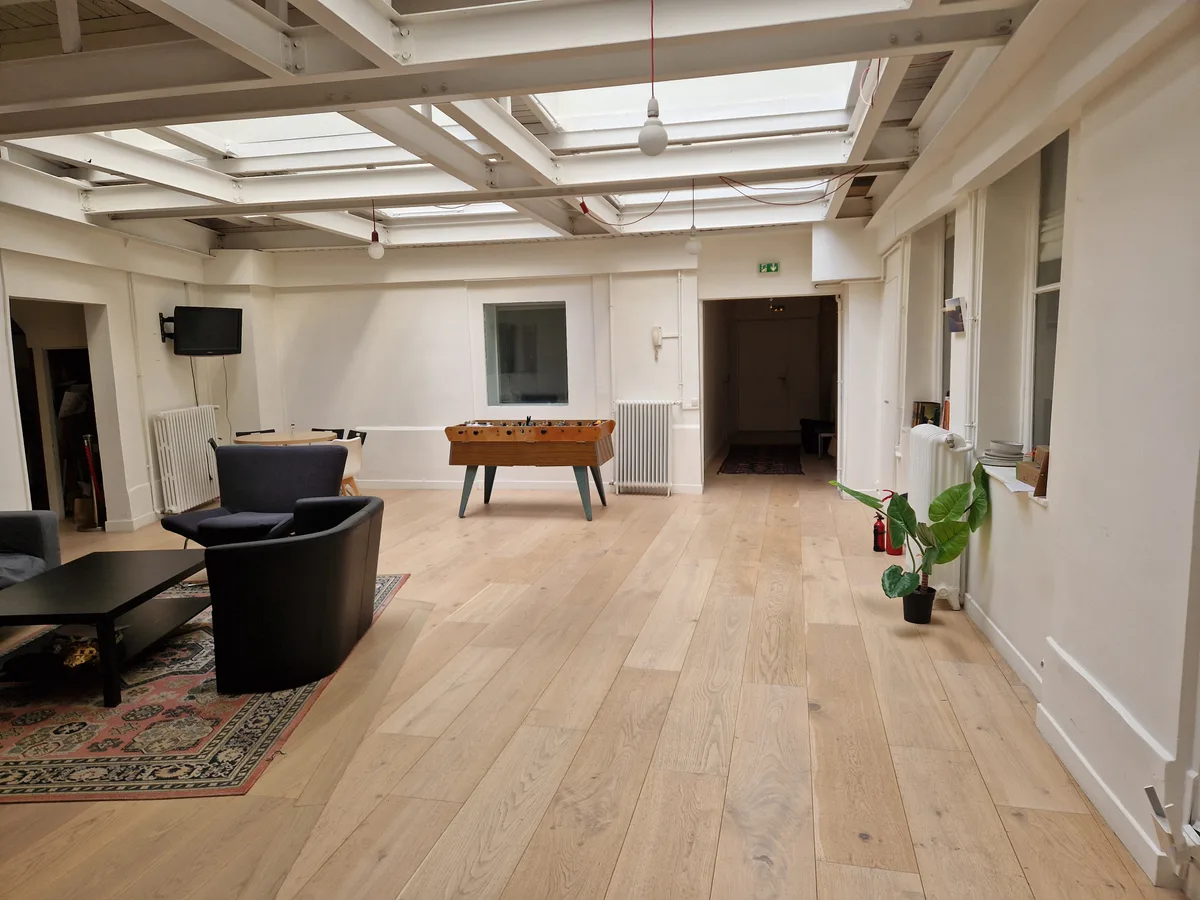
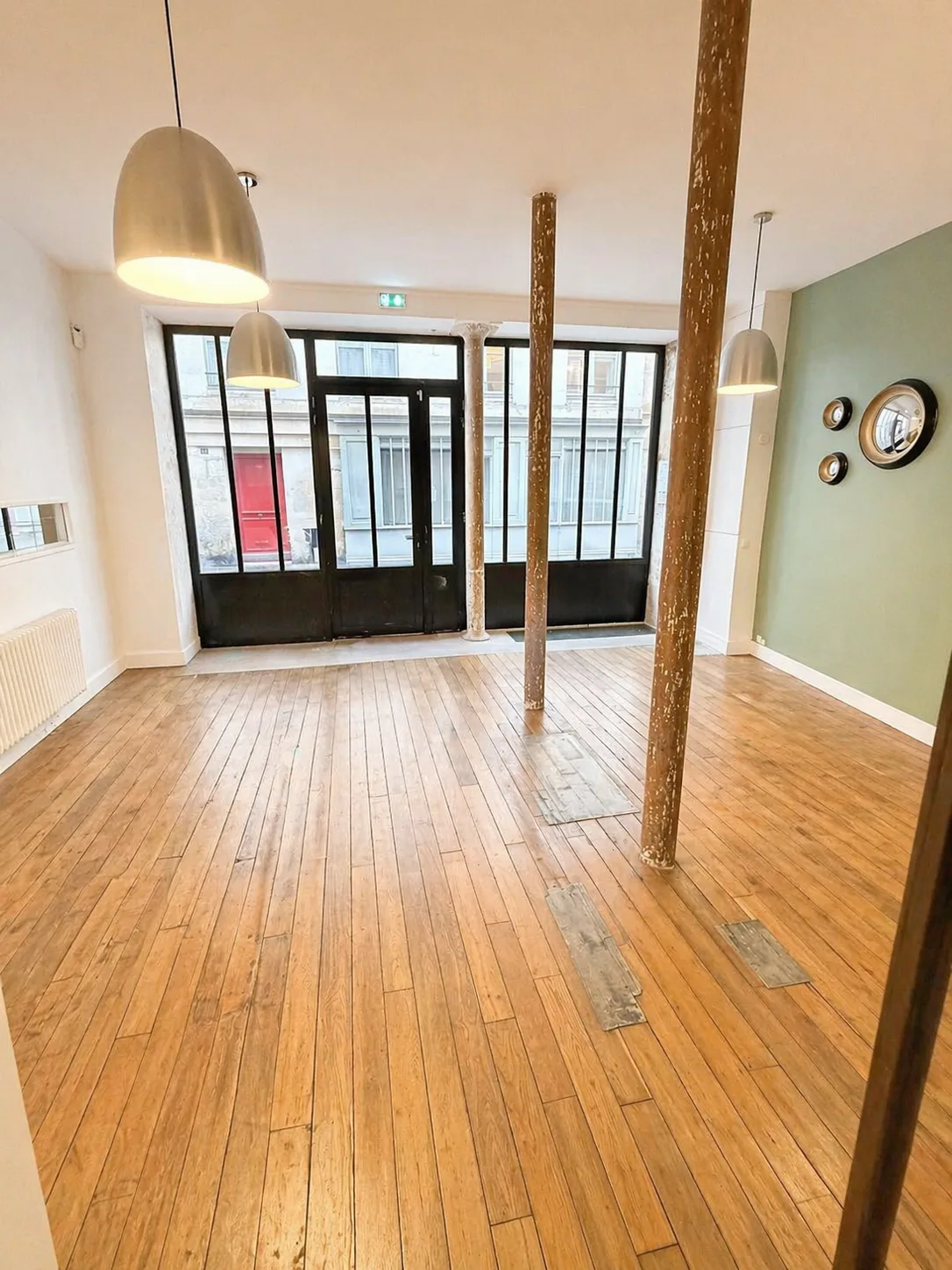
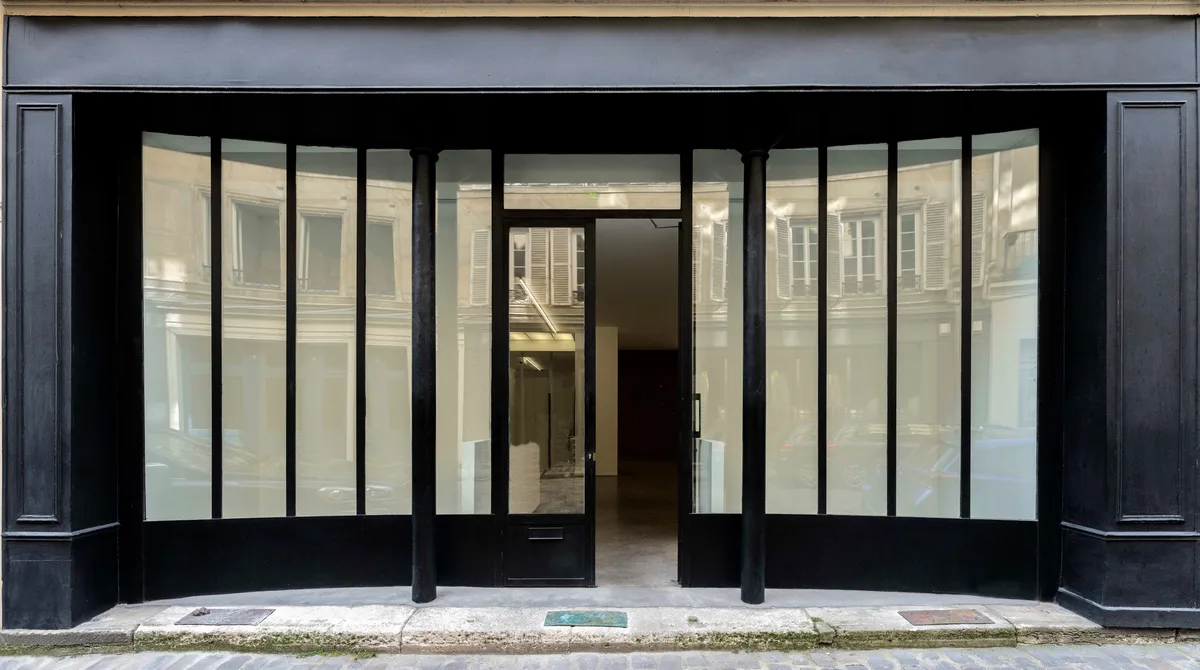
The most common format for short-term retail in Le Marais is the street-level pop-up storefront: a self-contained commercial space with a glazed shopfront, direct street access, and sufficient floor area to merchandise product and manage a customer journey from entry to point of sale. These spaces range from small boutique units of around 30 to 50 square metres to larger flagship-format spaces exceeding 150 square metres. Key considerations for pop-up storefronts include window visibility from the street, proximity to pedestrian desire lines, presence or absence of a separate back-of-house area, and the condition of existing fit-out relative to the brand's design brief.
Fashion Showrooms
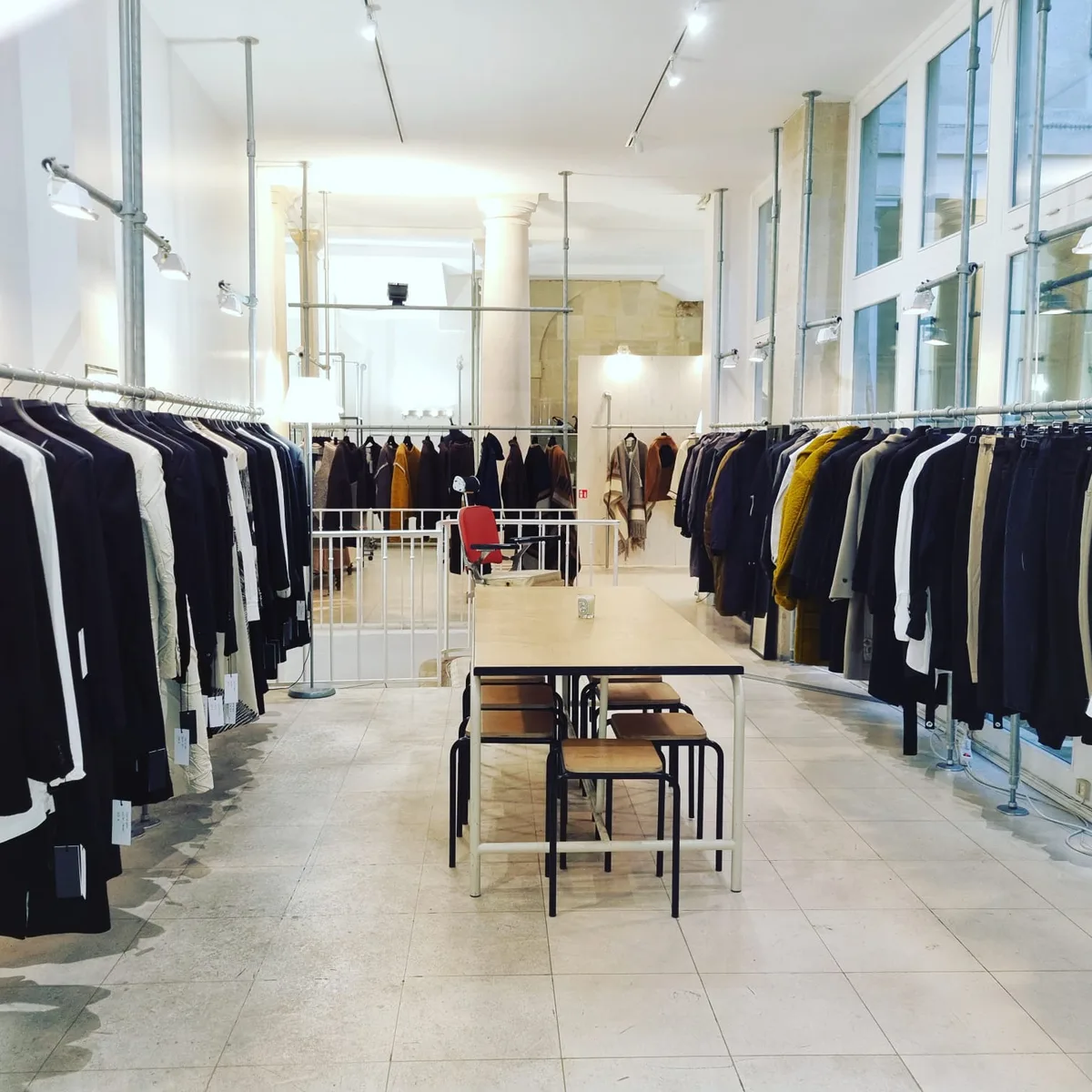
Fashion showrooms in Le Marais are typically upper-floor or courtyard-access spaces that prioritise controlled access, meeting room adjacency, and the capacity to present collections to buyers, press, and trade visitors. The Haut-Marais concentration of showroom-format spaces on and around Rue de Turenne makes this micro-zone the preferred location for brands presenting during Paris Fashion Week seasons. Showroom spaces usually include natural light, neutral wall finishes, and a certain spatial clarity that allows product to be the primary visual focus. Fitting rooms and hanging rail configurations are often specified by the renting brand during the fit-out stage.
Art Galleries and Exhibition Spaces
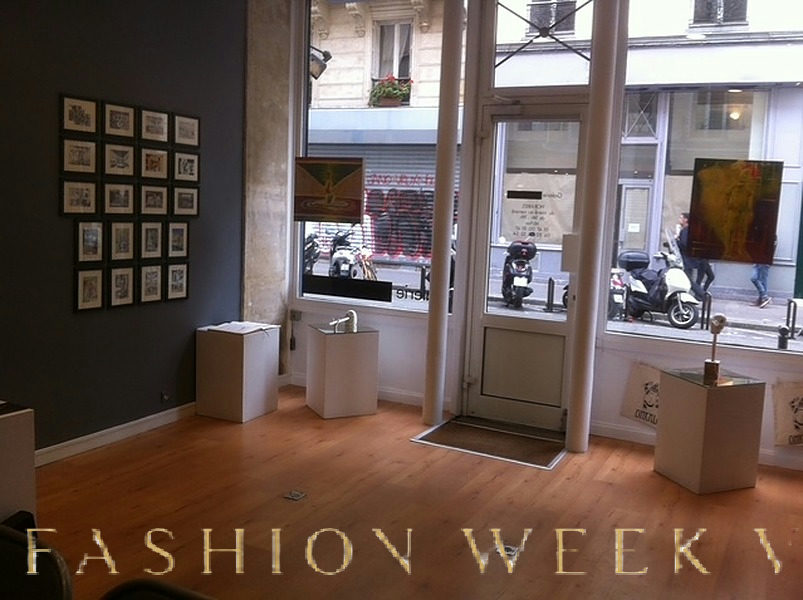
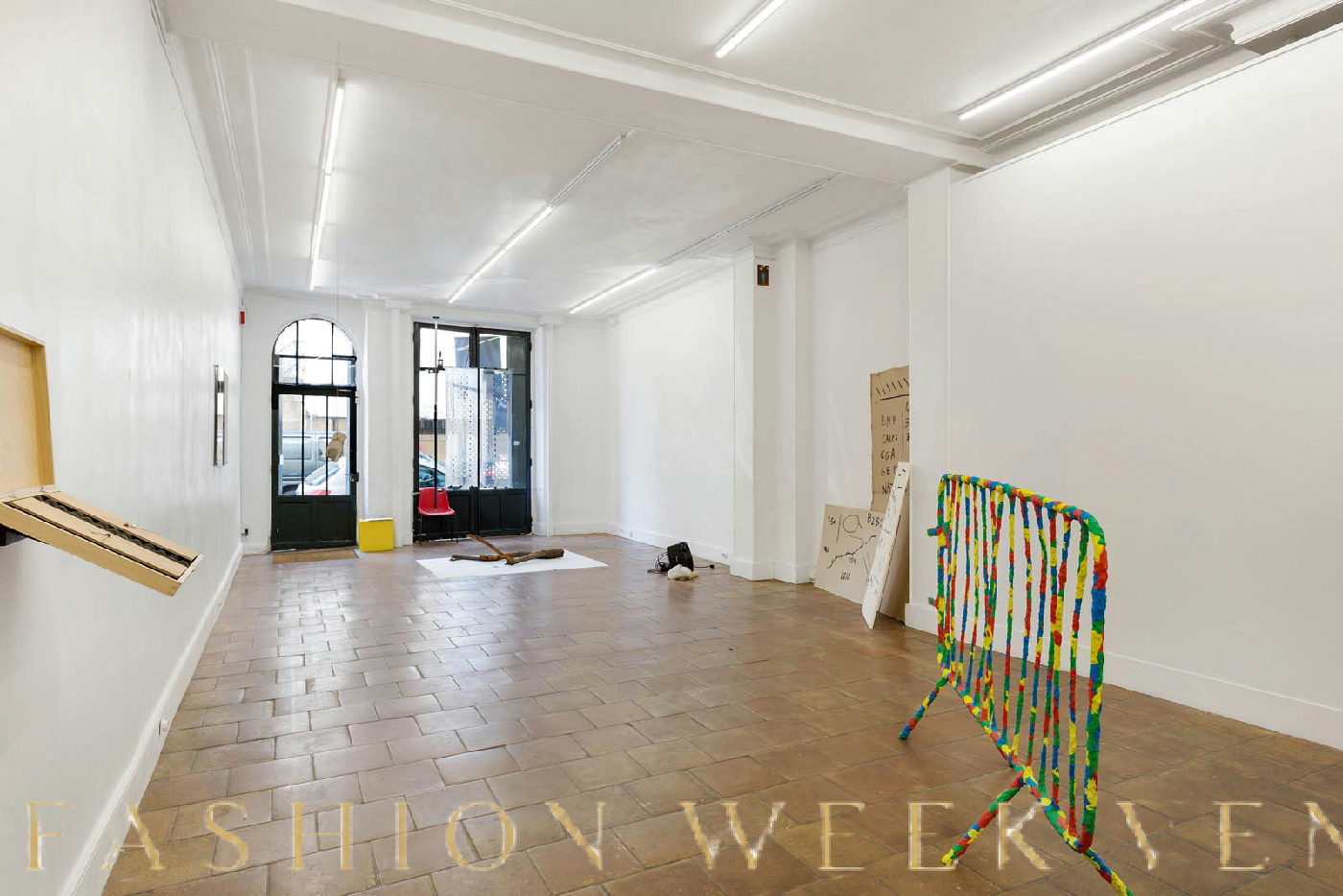
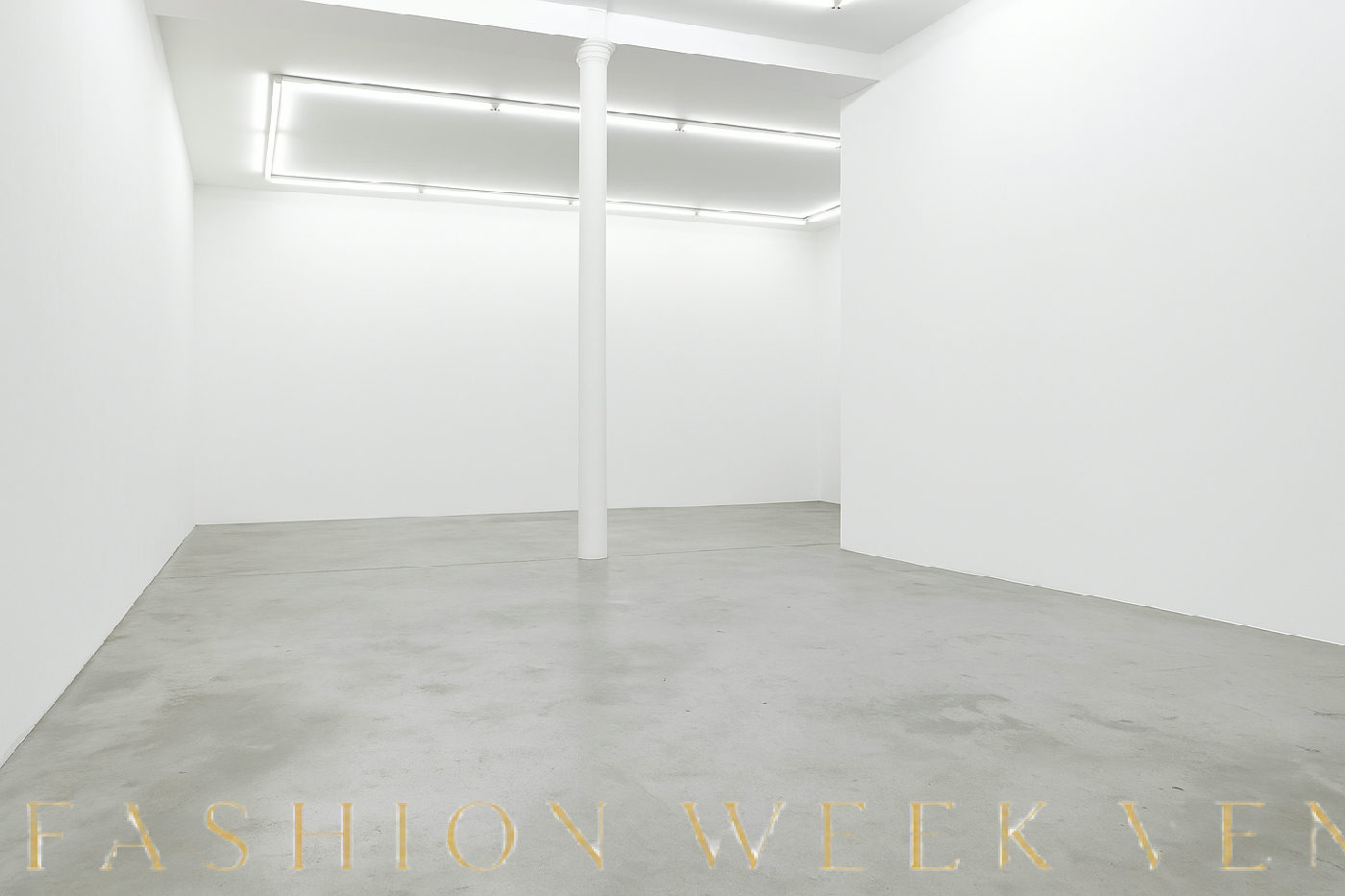
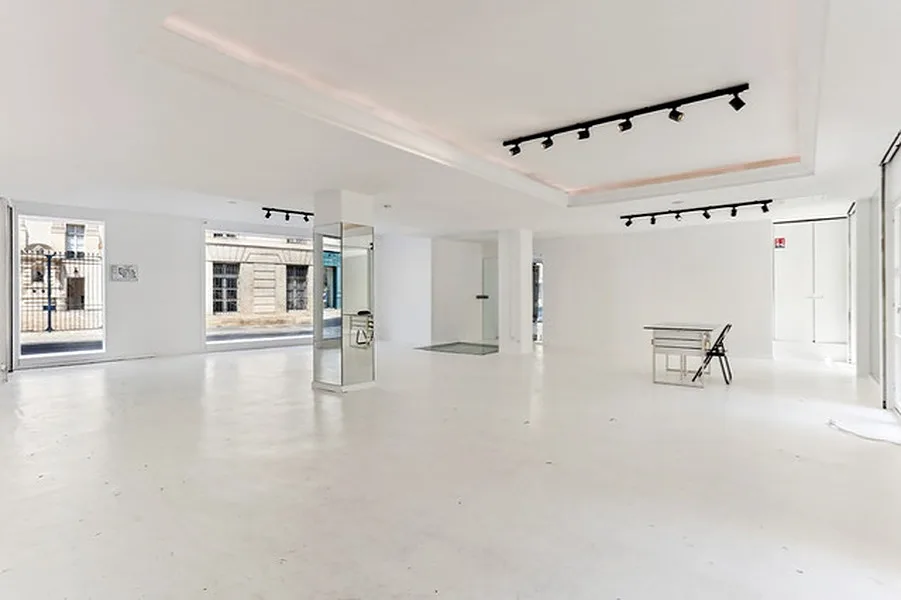
Le Marais hosts a significant number of commercial art galleries that periodically become available for temporary brand activations between exhibition programmes. These spaces are typically characterised by white walls, polished or concrete floors, strong artificial lighting infrastructure, and a spatial quality that conveys cultural seriousness. For beauty brands, luxury accessories labels, or any brand seeking to frame product within an art-adjacent context, gallery-format spaces on Rue Vieille-du-Temple and surrounding streets can be highly effective. The distinction between an art gallery rental and a standard retail space rental has important implications for how the space is permitted and how the activation is communicated publicly.
Courtyards and Passageways
Le Marais's historic hôtel particulier architecture creates a significant inventory of courtyard spaces that can be activated for brand events, market-format retail, and experiential activations. These spaces, accessed through archways from the main street, offer spatial drama and a sense of discovery that standard storefronts cannot replicate. Courtyard activations are particularly suited to product launches, brand-hosted events, and seasonal market formats. The operational complexity of courtyard spaces is higher than standard storefronts, as access management, security solutions, and weather contingency all require additional planning.
Space Type Breakdown Table
| Space Type | Typical Size Range | Best Use Case | Operational Complexity | Typical Rental Term |
|---|---|---|---|---|
| Street-level storefront | 30 to 200 sqm | Consumer pop-up, brand retail | Low to medium | 1 week to 6 months |
| Fashion showroom | 50 to 300 sqm | Trade presentations, press days | Medium | 5 to 21 days |
| Art gallery format | 40 to 150 sqm | Brand exhibition, luxury product | Medium | 1 to 4 weeks |
| Courtyard or passageway | 100 to 500 sqm | Events, market format, launches | High | 1 to 5 days |
| Multi-floor mixed use | 100 to 400 sqm | Flagship pop-up, brand house | High | 2 weeks to 3 months |
TIP: If your brief requires both a trade-facing showroom and a consumer-facing retail component, consider exploring spaces with distinct floor plates or courtyard access that allow the two functions to operate simultaneously with separate customer journeys.
KEY TAKEAWAY: The diversity of space formats in Le Marais means that brands across fashion, beauty, lifestyle, and luxury can find formats suited to their operational model, but each format carries different fit-out, permit, and logistics requirements that must be planned in advance.
The permit and compliance framework governing short-term commercial use in Paris is one of the most important practical dimensions of any Le Marais activation, and it requires specific understanding before signing any rental agreement.
Permits, Legal Frameworks, and Compliance for Short Term Retail in Le Marais
Short-term retail rental in Paris operates within a specific legal and regulatory framework that differs meaningfully from standard commercial leases. Brands planning a pop-up store, showroom, or brand activation in Le Marais need to understand the principal instruments available and the compliance requirements attached to each.
The Bail Dérogatoire
The bail dérogatoire, sometimes referred to as a short-term commercial lease or convention d'occupation précaire, is the primary legal instrument used for short-term commercial rentals in France. Under French law, a bail dérogatoire can be agreed for a period of up to thirty-six months, with the specific terms of occupation, permitted use, and exit conditions defined in the agreement. This instrument is fundamentally different from a standard commercial lease, which in France carries significant statutory protections for tenants, including rights of renewal and compensation. The bail dérogatoire explicitly waives these protections in exchange for the flexibility of a short-term arrangement, which is why it is the preferred instrument for pop-up retailers, showrooms, and event-format activations.
Both parties must explicitly agree in writing that the lease is entered into under the bail dérogatoire regime. If this explicit agreement is not recorded, the standard commercial lease protections may apply by default, which carries very different legal consequences for both the brand tenant and the space owner.
Autorisation d'Occupation Temporaire (AOT)
For activations taking place in publicly owned or partially publicly managed spaces, an Autorisation d'Occupation Temporaire (AOT) may be required instead of or in addition to a private rental agreement. The AOT is granted by the relevant public authority and defines the permitted occupation, use conditions, and duration. Some spaces in Le Marais that are managed by public or semi-public institutions, including certain historic buildings and covered market spaces such as the Carreau du Temple, may fall under AOT frameworks rather than private rental agreements. Understanding which regime governs a specific space is an essential pre-negotiation step.
Commercial Activity Registration and Tax
International brands renting commercial space in Paris for retail purposes may need to consider their French commercial registration status, VAT obligations, and any applicable local business taxes. Requirements vary depending on the nature of the brand's existing French legal entity, the duration and scale of the activation, and whether the activity constitutes ongoing commercial trading or a one-off promotional event. Brands without an existing French legal entity are not necessarily prevented from operating a pop-up in Paris, but specific structuring arrangements may be required. Professional legal advice from a French commercial lawyer is strongly recommended before entering into any binding agreement.
Permits for Signage, Terrace Use, and Public Space
If your activation involves external signage beyond the space's existing fascia, use of pavement or public footpath areas, or temporary structures visible from the public realm, separate permits may be required from the relevant arrondissement mairie. These requirements vary by street, space configuration, and the nature of the signage or structure proposed. Requirements in Le Marais can be more specific than in some other Paris districts given the presence of protected historic buildings and conservation areas.
IMPORTANT: Do not sign a short-term rental agreement for commercial use in Paris without confirming the applicable legal regime in writing with the space owner and verifying your compliance obligations with a qualified French legal advisor. Requirements vary by space type, duration, and arrondissement.
For practical guidance on the permit landscape relevant to your specific activation brief, the Fashion Week Venues permit guidance tool provides a structured starting point before formal legal consultation.
KEY TAKEAWAY: The bail dérogatoire is the standard instrument for short-term commercial retail in Paris, but the specific compliance requirements for any Le Marais activation depend on the space type, duration, and the brand's existing French legal structure. Always verify with a French legal advisor before committing.
Understanding the legal framework is inseparable from the budgeting process, since compliance costs, legal fees, and permit charges all form part of the total activation investment.
Budget Planning for Short Term Retail in Le Marais
Budget planning for a Le Marais pop-up or showroom activation involves multiple cost categories that brands frequently underestimate when focused primarily on the headline rental figure. A thorough budget framework addresses space rental, fit-out and production, staffing, compliance, logistics, marketing, and contingency.
Space Rental Costs
Rental pricing for short-term commercial space in Le Marais varies considerably based on street location, space size, condition of fit-out, rental duration, and time of year. Spaces on primary pedestrian arteries such as Rue des Francs-Bourgeois typically command higher daily or weekly rates than comparable spaces on secondary streets in the Haut-Marais. Fashion Week calendar windows, particularly the January and February menswear and haute couture periods and the September and October womenswear season, see the highest pricing and the most competition for available inventory. Brands planning activations outside peak Fashion Week dates have greater negotiating flexibility and more space choices available.
Because rental pricing in Le Marais is genuinely variable and dependent on multiple factors specific to each space and each brand's brief, directional ranges should be treated as estimates only. For a brand-specific estimate based on your space requirements, duration, and target street, the Fashion Week Venues budget planning tool provides a structured framework for building a realistic cost model.
Fit-Out and Production Costs
The cost of fitting out a raw or neutral space in Le Marais to brand standard is a substantial budget line that depends on the complexity of the design brief, the duration of the activation, and the extent to which furniture rental and modular systems are used versus custom fabrication. Short-duration activations of less than two weeks tend to use higher proportions of rental furniture, modular display systems, and graphic applications rather than bespoke joinery, in order to control cost and manage installation and de-installation logistics within tight timeframes.
Longer activations of four weeks or more may justify a higher investment in custom fit-out, as the cost is amortised across a longer trading period. The back-of-house requirements of the space, including storage, staff facilities, and point-of-sale positioning, also affect total fit-out cost.
Staffing Costs
Operating a pop-up store in Paris requires French-speaking retail staff who understand local consumer expectations, are legally employed or contracted in compliance with French labour law, and can manage the customer journey from greeting to transaction. Staffing costs vary by role, hours of operation, and whether a security service is also required. For brands activating during Fashion Week with extended hours, event evenings, and high-volume trading days, staffing plans need to be built with sufficient flexibility to manage traffic peaks.
Total Budget Framework Table
| Cost Category | Included Items | Planning Notes |
|---|---|---|
| Space rental | Daily or weekly fee, deposit, insurance | Varies by street, size, and calendar window |
| Fit-out and production | Design, build, furniture rental, graphics | Higher for bespoke; lower with modular systems |
| Staffing | Retail staff, supervisors, security solution | Must comply with French labour law |
| Permits and compliance | Legal advice, permit fees, signage approvals | Essential; do not omit from initial budget |
| Logistics | Freight, installation, de-installation | Paris access restrictions affect delivery windows |
| Marketing and activation | Influencer marketing, PR, event costs | Highly variable by brand and strategy |
| POS and payments | Terminal, software, transaction fees | French payment compliance required |
| Contingency | 15 to 20 percent of total budget | Always include for unexpected costs |
Quick answer: Total budgets for short-term retail in Le Marais range very widely depending on space size, street, duration, and fit-out complexity. A directional framework should include space rental, fit-out, staffing, compliance, logistics, and a contingency reserve. Use the Fashion Week Venues budget tool to build a brand-specific estimate before committing to a space.
KEY TAKEAWAY: The headline rental figure for a Le Marais pop-up represents only a portion of total activation cost. Brands that build a full budget framework across all cost categories from the outset avoid the under-budgeting that frequently compromises activation quality during execution.
Once budget parameters are established, brands need a clear operational timeline to plan the sequence of activities from space identification through to activation close.
Step-by-Step Process for Launching a Short Term Pop-Up in Le Marais
Executing a short-term retail activation in Le Marais involves a sequence of interdependent decisions and actions that need to be managed in the right order to avoid delays, cost overruns, or compliance gaps. The workflow below reflects the standard process used by brand teams working with specialist agencies.
Pop-Up Activation Workflow Table
| Phase | Key Activities | Typical Lead Time Before Opening |
|---|---|---|
| 1. Brief and calendar definition | Define dates, budget range, target street, brand objectives, space requirements | 12 to 16 weeks |
| 2. Space search and shortlisting | Identify candidate spaces, visit shortlist, assess condition and configuration | 10 to 14 weeks |
| 3. Lease negotiation and legal review | Negotiate bail dérogatoire terms, review with French legal advisor, sign agreement | 8 to 10 weeks |
| 4. Permit applications | Apply for signage permits, AOT if applicable, commercial activity registration | 6 to 8 weeks |
| 5. Concept and design development | Finalise space design, fixture specification, merchandising plan, customer journey | 6 to 10 weeks |
| 6. Production and procurement | Commission fit-out, order furniture rental, procure graphics and signage | 4 to 8 weeks |
| 7. Staffing and training | Hire and contract staff, deliver brand training, set up POS and payments | 2 to 4 weeks |
| 8. Installation and opening | Freight delivery, fit-out installation, space dressing, soft open, official open | 1 to 2 weeks |
| 9. Trading and activation management | Daily operations, marketing activation, data capture, influencer programming | During trading period |
| 10. Close, de-installation, and review | Strip out, restore space, review data and analytics, document learnings | 1 to 3 days after close |
The timeline above reflects typical lead times for a well-planned activation. Brands attempting to compress this timeline significantly face higher risk of permit delays, space unavailability, and production quality issues. For calendar-driven activations aligned to Paris Fashion Week dates, the lead time pressure is acute because space availability reduces sharply in the weeks immediately before the season opens.
TIP: Brands targeting a Fashion Week calendar window should aim to have space secured and lease signed at least eight weeks before their intended opening date. For the most sought-after streets in Le Marais, quality spaces are typically reserved three to four months in advance of peak season.
To plan your activation timeline against your specific dates and requirements, the Fashion Week Venues timeline planning tool provides a structured planning framework.
KEY TAKEAWAY: A successful Le Marais pop-up depends on running a disciplined sequential process, not a parallel scramble. Each phase has dependencies on the phases before it, and compressing lead times increases risk across every subsequent stage.
For brands that have not previously operated a pop-up in Paris, understanding what specialist agency support covers and where the brand team's own responsibilities sit is a critical planning question.
How Fashion Week Venues Supports Short Term Retail Activations in Le Marais
Fashion Week Venues operates as a full-service pop-up agency and space marketplace specifically designed to help brands navigate the complexity of temporary retail in major fashion capitals. For brands planning a short-term retail activation in Le Marais, the agency provides end-to-end capability across every phase of the process described above.
The starting point for most brands working with Fashion Week Venues is the venue sourcing service, which identifies candidate spaces matched to the brand's brief, budget, target street, required size, and calendar dates. The agency's knowledge of the Le Marais market means that this process is informed by real inventory data and established landlord relationships rather than cold outreach to unknown property owners.
Once a space is identified and the lease is in place, Fashion Week Venues offers concept and creative direction to develop the spatial brief and design language for the activation. This is followed by fit-out and production management, covering the physical build, furniture and fixture installation, graphics production, and de-installation. For brands that need to operate the space commercially, retail staffing and point-of-sale setup are available as part of the full-service offering.
The agency also provides activation management across the trading period, covering day-to-day operations, influencer programming, and experiential event management within the space. Post-activation, data and analytics reporting allows brand teams to evaluate performance and inform future market strategy decisions.
For brands that want to explore the market before committing to a full brief, Fashion Week Venues offers a suite of planning tools including a budget estimation tool, an ROI calculation tool, and a space comparison tool that allow brand teams to stress-test assumptions before allocating budget or committing to dates.
The twin co-activation concept is particularly relevant for brands entering Le Marais for the first time or looking to extend market reach within the district. The twin model allows two brands to share a single space, split costs, and benefit from each other's audiences, which can be a highly efficient entry strategy for brands with limited Paris budgets or shorter activation windows.
Fashion Week Venues works most effectively with brand teams that have a defined brief, a realistic budget framework, and a clear calendar target. The agency does not guarantee specific space availability, permit approvals, or commercial outcomes, but it provides the expertise, relationships, and operational infrastructure to give brands the best possible chance of executing a high-quality activation in one of the world's most competitive short-term retail markets.
Quick answer: Fashion Week Venues is a full-service pop-up agency covering venue sourcing, concept direction, production, staffing, activation management, and analytics for brands seeking short-term retail and showroom spaces in Le Marais and across Paris. The agency also operates a space marketplace and a suite of planning tools for brands in the research phase.
KEY TAKEAWAY: The complexity of operating a pop-up in Paris, particularly for international brands without an established French presence, makes specialist agency support a practical investment rather than an optional overhead. Fashion Week Venues provides the full operational layer from space identification to activation close.
To compare neighbourhoods and space types, explore the Paris city hub on Fashion Week Venues and shortlist spaces that match your brief, budget, and calendar window.
Calendar Strategy: Aligning Your Le Marais Activation to Paris Fashion and Culture Seasons
Timing is one of the most consequential decisions in any Le Marais pop-up strategy. Paris operates a dense cultural and commercial calendar that creates both opportunity windows and peak-pricing periods across the year. Matching your activation to the right calendar window can significantly improve both audience quality and commercial return.
Paris Fashion Week Calendar Windows
Paris Fashion Week takes place across four principal seasons: haute couture in January and July, menswear in January, and womenswear in September and October. Each of these seasons draws a concentrated influx of fashion industry professionals, international press, buyers, and brand-affiliated visitors who actively seek out showrooms, brand presentations, and retail activations during their Paris stay. For fashion and luxury brands, the womenswear season in late September and early October is typically the highest-profile window, with the January season offering a second major opportunity particularly for brands positioned in menswear or contemporary fashion.
During Fashion Week periods, space availability in Le Marais tightens substantially and rental pricing reflects the increased demand. Brands that secure spaces several months in advance gain both better pricing and access to higher-quality inventory. For brands that are flexible on exact dates, the shoulder periods immediately before and after Fashion Week can offer strong foot traffic from lingering industry visitors at lower rental rates.
Paris Retail Peaks Outside Fashion Week
Beyond Fashion Week, Paris retail benefits from several additional calendar peaks that are relevant for brands targeting consumer audiences. Summer tourist season from June through August brings high international visitor numbers to Le Marais, with the district's gallery and museum circuit generating consistent daily footfall. The pre-Christmas period from late November through December is a strong trading window for retail activations. The January and July sales periods, the soldes, also shift consumer behaviour significantly and can be used strategically by brands offering accessible price points or exclusive activation programming.
Choosing Activation Duration: How Many Days or Weeks?
The optimal duration for a Le Marais activation depends on the brand's objectives. A press-day showroom for Fashion Week may require only five to ten days. A consumer-facing pop-up store targeting both Fashion Week visitors and local residents might benefit from three to six weeks. A flagship-format brand house installation designed to generate sustained media and community engagement may run for two to three months.
Shorter activations create stronger urgency signals for audiences and can generate concentrated media attention, but they offer limited time for audience discovery and organic word-of-mouth to develop. Longer activations allow more sustained community engagement and greater operational amortisation of fit-out costs, but they require more sustained marketing investment to maintain visitor numbers across the full trading period.
Quick answer: For brands targeting Paris Fashion Week, securing a Le Marais space for two to four weeks centred on the relevant season allows for pre-season press activity, peak week trading, and a post-season community engagement period. Brands focused on consumer retail rather than trade may find longer activations of four to eight weeks more effective for building local awareness.
KEY TAKEAWAY: Calendar strategy is inseparable from space strategy. The target season determines which spaces are available, what rental rates apply, and which audience profile will be dominant in Le Marais during your activation period.
Brands That Have Activated in Le Marais and What the District Signals
The tenant mix in Le Marais is not incidental. The brands that have established themselves in the district, whether permanently or through temporary activations, collectively define what Le Marais signals as a location choice and what it communicates about the brands that operate within it.
A.P.C., the French ready-to-wear brand founded by Jean Touitou, has long maintained a presence in the Marais that reflects the district's combination of intellectual seriousness and Parisian understatement. Maison Kitsuné, with its Paris-Japan cultural identity and dual positioning across fashion and music, finds a natural home in the Haut-Marais environment of Rue de Bretagne and surrounding streets. Claudie Pierlot, a brand firmly positioned within the educated Parisian professional consumer market, operates in the district's more commercially central zones.
International mass-market brands including UNIQLO have also established significant retail presences in Le Marais, demonstrating that the district can absorb very high-volume retail formats alongside independent boutiques without the premium atmosphere of the neighbourhood being fundamentally compromised. This is a relatively unusual commercial dynamic and reflects the genuine visitor diversity of the area.
Brands such as Roseanna, Gachon Pothier, and Bonton have used the Marais as either a primary retail location or a pop-up testing ground, leveraging the district's reputation for design-literate shopping to reach audiences receptive to considered fashion and lifestyle products. Nespresso and adidas have both used Paris, and Le Marais specifically, for experiential activations that demonstrate how non-fashion brands can use the district's cultural credibility to frame product narratives in lifestyle and community terms.
The gallery and art infrastructure of the district, including spaces associated with the Hôtel de Sully and the broader network of contemporary galleries on Rue Vieille-du-Temple, provides context for art-adjacent brand activations that use gallery format as a creative frame. For brands in luxury goods, jewellery, or high-end accessories, this positioning is particularly effective.
DID YOU KNOW: The Crédit Municipal, a historic pawnbroking institution on the edge of Le Marais, is one of the district's oldest commercial establishments. Its continued presence alongside contemporary brands such as Maison Kitsuné illustrates the layered commercial and historical character that gives Le Marais its particular retail atmosphere.
KEY TAKEAWAY: The brand neighbours and retail context of Le Marais send clear positioning signals to consumers. Brands should consider not just the space they rent but the commercial environment surrounding it, since the district's overall reputation for considered, design-literate retail reinforces individual brand activations.
Operational Essentials: Logistics, Staffing, and Customer Experience in Le Marais
Operating a short-term retail space in Le Marais involves navigating several practical operational challenges that are specific to the neighbourhood's urban environment, regulatory context, and visitor profile. Getting these operational details right is as important as selecting the right space and designing an effective retail concept.
Freight and Delivery Logistics
Le Marais presents specific freight and delivery challenges because many of its streets are narrow, pedestrianised during certain hours, or subject to access restrictions for larger vehicles. Delivery windows for merchandise, fit-out materials, and furniture need to be planned around these restrictions, which vary by street and time of day. The arrondissement access rules for heavy vehicles are enforced and should be verified before scheduling any delivery. Working with local freight partners who know the Le Marais street network and access rules is strongly advisable for international brands unfamiliar with Paris logistics.
Security and Access Management
For brands operating high-value product or managing events with controlled guest access, a security service and a defined access management plan are essential operational components. Pop-up retail spaces in Le Marais, particularly those on high-footfall streets, can experience opportunistic incidents during busy trading periods. A professional security solution, integrated into the overall staffing plan, addresses both physical security and the guest experience management function at the entrance to the space.
POS and Payment Systems
French consumers and the international visitors who shop in Le Marais expect seamless payment experiences. Card payment via EMV chip and contactless is standard, and brands should also consider payment systems that accommodate multiple currencies for international tourist shoppers. The POS setup needs to be compliant with French fiscal requirements, including receipt issuance and transaction recording obligations. For brands operating through an agency, the point-of-sale and payments infrastructure is typically included within the full-service offering.
Customer Journey and Merchandising
The customer journey within a Le Marais pop-up space should be designed around the specific spatial configuration of the unit. The entry threshold, the relationship between window display and interior merchandising, the positioning of fitting rooms where applicable, and the location of the point of sale relative to the exit all affect conversion rates and average transaction values. In smaller spaces, every square metre of floor area and wall surface has a commercial function, and the merchandising plan should be developed with the same rigour as a permanent retail fit-out.
Quick answer: Effective operations in a Le Marais pop-up require planning across freight logistics, security, POS compliance, staffing, and customer journey design. Each of these dimensions has specific Paris-based requirements that differ from those in other major markets, and international brands benefit from working with local operational experts who know the Le Marais environment.
KEY TAKEAWAY: Operational excellence in Le Marais pop-up retail is not achieved by applying practices from other markets without adaptation. The specific urban environment, French regulatory context, and visitor profile of Le Marais all require locally informed operational planning.
Common Myths About Short Term Retail in Le Marais Debunked
Several persistent misconceptions circulate among brand teams planning their first Paris pop-up. Addressing these myths directly helps brands approach the market with accurate expectations and avoid costly planning errors.
MYTH: International brands need a French legal entity in place before they can rent commercial space in Le Marais.
FACT: A French legal entity is not always a prerequisite for renting short-term commercial space under a bail dérogatoire arrangement. However, the specific structuring required for an international brand without a French entity does have legal and tax implications that need to be addressed with a qualified French legal advisor before any agreement is signed. Working with a specialist agency can help brands navigate the structuring options available.
MYTH: Paris Fashion Week is the only commercially viable calendar window for Le Marais pop-up retail.
FACT: Fashion Week seasons are the highest-profile windows, but Le Marais generates consistent foot traffic from residents, tourists, and industry visitors across the entire year. Summer tourist season, the pre-Christmas period, and cultural event windows around the Centre Pompidou and Carreau du Temple programming all create viable trading conditions. Brands with consumer rather than trade objectives may actually find non-Fashion Week periods more cost-effective and less competitive for space inventory.
MYTH: The only way to find short-term retail space in Le Marais is through a commercial property broker working on commission.
FACT: Commission-based property brokers are one route to market, but specialist pop-up agencies and space marketplaces offer alternative access that is often better matched to short-term retail briefs. Agencies with established relationships in Le Marais can identify off-market spaces, negotiate terms informed by recent comparables, and provide the full operational support that a commission broker does not. Brands should evaluate both routes based on their specific brief and the support they require beyond space identification alone.
MYTH: Short-term commercial leases in Paris are legally straightforward and do not require specialist legal advice.
FACT: The bail dérogatoire and AOT frameworks in France are specific legal instruments with precise requirements that, if not correctly documented, can result in the standard commercial lease protections applying by default. This has significant financial and legal consequences for both parties. French commercial lease law is not equivalent to short-term rental law in the UK, US, or other markets, and any brand treating a Paris pop-up rental as a simple commercial arrangement risks serious compliance exposure.
MYTH: A small pop-up storefront in Le Marais requires the same kind of fit-out investment as a large flagship activation.
FACT: Fit-out investment scales with space size, complexity, and duration. A small storefront activation of two to three weeks can be executed to a high standard using furniture rental, modular display systems, and graphic applications at a fraction of the cost of a bespoke custom build. The key is matching the fit-out strategy to the objectives, duration, and budget of the specific activation rather than defaulting to either a maximum or minimum investment approach.
Frequently Asked Questions About Short Term Retail in Le Marais
What is a pop-up shop in Le Marais?
A pop-up shop in Le Marais is a temporary commercial retail or showroom activation occupying a short-term rented space within the 3rd or 4th arrondissement of Paris. Pop-up formats in Le Marais range from small boutique storefronts on high-footfall streets such as Rue des Francs-Bourgeois to gallery-format spaces on Rue Vieille-du-Temple and fashion showrooms in the Haut-Marais zone around Rue de Turenne. The activation is typically structured under a bail dérogatoire short-term commercial lease and runs for a period of days to several months, depending on the brand's objectives and budget.
Is Le Marais a good area for pop-up retail?
Le Marais is widely considered one of the best districts in Paris for pop-up retail because it combines consistent foot traffic, a diverse and commercially engaged visitor profile, strong window visibility from pedestrianised streets, and a concentration of culturally relevant neighbours including independent boutiques, art galleries, and destination concept stores. The district's internal geography offers different micro-zones suited to different brand categories and retail formats, from high-volume consumer storefronts to trade showrooms and art-adjacent brand activations. Its proximity to landmarks such as the Centre Pompidou and Place des Vosges sustains visitor numbers across the full year.
Can I rent retail space in Le Marais short term?
Yes, short-term rental of commercial retail space in Le Marais is possible and common, structured through a bail dérogatoire arrangement that permits temporary commercial occupation without activating the standard statutory tenant protections of French commercial lease law. Spaces are available for periods ranging from a few days to several months. Availability and pricing vary significantly by street, space size, and time of year, with Fashion Week calendar windows carrying the highest demand and pricing. Professional legal review of any lease agreement is strongly recommended before signing.
What types of brands use pop-up spaces in Le Marais?
Le Marais attracts a very wide range of brand categories for pop-up and short-term retail activations. Fashion brands from independent designer labels to international contemporary and luxury names use the district for showrooms, press days, and consumer retail. Beauty brands, lifestyle and homewares labels, food and beverage concepts, and technology and media brands have all activated in Le Marais. The district's cultural credibility and visitor diversity make it suitable for brand categories beyond pure fashion, with the specific street and space choice determining the audience profile the activation will reach.
How do I find retail space in Le Marais?
Retail space in Le Marais can be found through specialist pop-up agencies with established landlord relationships in the district, through space marketplaces that list short-term commercial inventory, through commercial property brokers working on short-term briefs, and occasionally through direct outreach to space owners visible from street level. The most efficient route for international brands without existing Paris relationships is typically through a specialist agency or marketplace that can provide both space access and operational support. Conducting a physical survey of the target streets before committing to any space is always advisable.
What does retail space in Le Marais usually include?
Retail space in Le Marais varies considerably in what is included with the rental. Some spaces are offered in a fully fitted condition with existing fixtures, flooring, and lighting infrastructure; others are offered as raw or white-box spaces requiring a full fit-out before trading. Typical inclusions in a short-term commercial rental may cover keys and access, basic utilities, an existing electrical supply and lighting rig, and sometimes basic furniture. Security deposits, insurance requirements, and permitted use conditions are defined in the lease and must be reviewed carefully. Furniture, branding, staffing, POS systems, and permits are almost always additional costs.
How expensive is retail space in Le Marais?
Retail space pricing in Le Marais varies considerably based on street location, space size, condition, duration, and the time of year. Primary streets such as Rue des Francs-Bourgeois carry higher rates than secondary streets in the Haut-Marais. Fashion Week calendar windows attract the highest pricing and the most competitive space market. Because pricing is genuinely variable and dependent on multiple factors specific to each brief, directional estimates without knowing the specific space requirements are unreliable. A structured budget planning tool provides a better starting point than published average figures for a market as variable as Le Marais.
Is Le Marais suitable for flexible retail strategies?
Le Marais is particularly well-suited to flexible retail strategies precisely because the short-term rental market for commercial space is well-established in the district, with a range of space types and durations available. Brands can test a market entry strategy with a short activation before committing to a longer presence, use the district for a season-specific programme aligned to Fashion Week, or run a rolling calendar of shorter activations across multiple seasons. The district's commercial infrastructure, including its concentration of agencies, logistics providers, and specialist retail partners, also supports flexible operational approaches.
Can I operate a showroom in Le Marais during Fashion Week without a permanent French company?
It is possible for international brands without a permanent French legal entity to operate a showroom in Le Marais during Fashion Week, but the specific structuring required depends on the nature of the commercial activity, the duration of the activation, and the brand's existing relationship with France as a market. Legal and tax advice from a qualified French advisor is essential before finalising arrangements. Specialist agencies working in Paris can guide brands through the structuring options available and identify the appropriate compliance pathway for their specific situation.
What permits does a Le Marais pop-up typically require?
The permits required for a Le Marais pop-up depend on the space type, the nature of the commercial activity, the duration of the activation, and the specific arrangements for signage and use of public space. A standard bail dérogatoire arrangement typically covers the right to occupy and trade from the space, but additional permits may be required for external signage beyond the existing fascia, use of pavement or courtyard areas, temporary structures visible from the public realm, and any activity that modifies the exterior appearance of a protected building. Le Marais has several conservation zones where additional planning constraints apply. Requirements vary by arrondissement and space configuration.
How far in advance should I book a pop-up space in Le Marais?
For Fashion Week calendar windows, the most sought-after spaces in Le Marais are typically reserved three to four months in advance of the target season. Brands that begin the search process less than eight weeks before their intended opening date face significantly reduced availability and higher pricing on remaining inventory. For non-Fashion Week activations, lead times of two to three months are generally sufficient for most space types and streets. Brands with specific requirements in terms of street location, size, or configuration should allow additional time, since matching requirements to available inventory takes longer when conditions are more specific.
What is the difference between a Le Marais pop-up store and a showroom?
A pop-up store in Le Marais is a consumer-facing retail activation where products are available for direct purchase by members of the public visiting the space. A showroom is a trade-facing or press-facing space where collections are presented to buyers, journalists, and industry guests by appointment or during scheduled presentation slots. Some spaces in Le Marais are configured to serve both functions simultaneously, with a consumer retail component accessible from the street and a separate showroom or meeting area for trade appointments. The distinction matters for permit purposes, operational planning, staffing, and the customer journey design within the space.
Which neighbourhoods adjacent to Le Marais should brands also consider?
Brands exploring short-term retail in Le Marais should also be aware of the adjacent neighbourhoods that serve overlapping visitor populations. Bastille, to the southeast of Le Marais, offers a more local and neighbourhood-focused retail environment with significant creative industry presence. République, to the north, provides access to a younger and more diverse audience and has seen growing interest from streetwear and urban culture brands. The Centre Pompidou catchment area on the western edge of the Marais connects to the 1st arrondissement and the Chatelet-Les Halles area, which carries very high tourist foot traffic. Each of these adjacent zones may be suitable depending on the brand's category and target audience.
Does Fashion Week Venues help with influencer marketing for Le Marais pop-up activations?
Fashion Week Venues offers influencer marketing as part of its full-service activation management capability. For pop-up activations in Le Marais, influencer programming can be integrated into the space's event calendar to generate social content, drive visitor traffic during key trading windows, and extend the activation's reach beyond the physical audience who visit the space in person. The influencer strategy is developed in conjunction with the brand's existing marketing team and is aligned to the brand's audience positioning and content guidelines. This service is available as part of a full-service brief or as a standalone addition to a space rental.
What is the twin co-activation concept and how does it apply to Le Marais?
The twin co-activation model is a shared space format where two complementary but non-competing brands occupy a single retail space simultaneously, sharing both the rental cost and each other's audiences. In Le Marais, where rental costs on prime streets can be significant for brands with limited Paris activation budgets, the twin model offers a cost-efficient entry strategy that also adds a collaborative and discovery-oriented dimension to the retail experience. The model works best when the two brands are genuinely complementary in terms of category, aesthetic, and target audience, and when the spatial configuration of the chosen unit allows each brand to have a defined area within the shared environment.
Conclusion: Making Short Term Retail in Le Marais Work for Your Brand
Le Marais is not simply a prestigious address. It is a living commercial ecosystem with the rare ability to deliver foot traffic, cultural credibility, audience diversity, and operational infrastructure to brands across categories and price points. Whether you are planning a five-day press showroom during Paris Fashion Week or a two-month consumer-facing pop-up store on Rue des Francs-Bourgeois, the district offers spatial formats, calendar windows, and neighbour brands that can amplify what your activation communicates.
Executing well in Le Marais requires a clear brief, an honest budget that covers all cost categories, a disciplined timeline, a proper understanding of the French legal and permit framework, and operational planning that accounts for the specific urban environment of this arrondissement. Brands that approach the market with this level of preparation consistently achieve stronger outcomes than those treating the pop-up as a speculative or last-minute exercise.
The guides, tools, and agency services available through Fashion Week Venues are designed to help brand teams move from initial research through to a fully operational activation with the right support at every stage. The agency's knowledge of the Le Marais market, combined with its full-service operational capability, makes it a practical partner for brands that want to focus on their brand experience rather than the logistics of executing it in a foreign market.
To move from research to activation, start exploring available spaces on the Fashion Week Venues marketplace and build a focused brief for your target neighbourhood, space type, and calendar window.