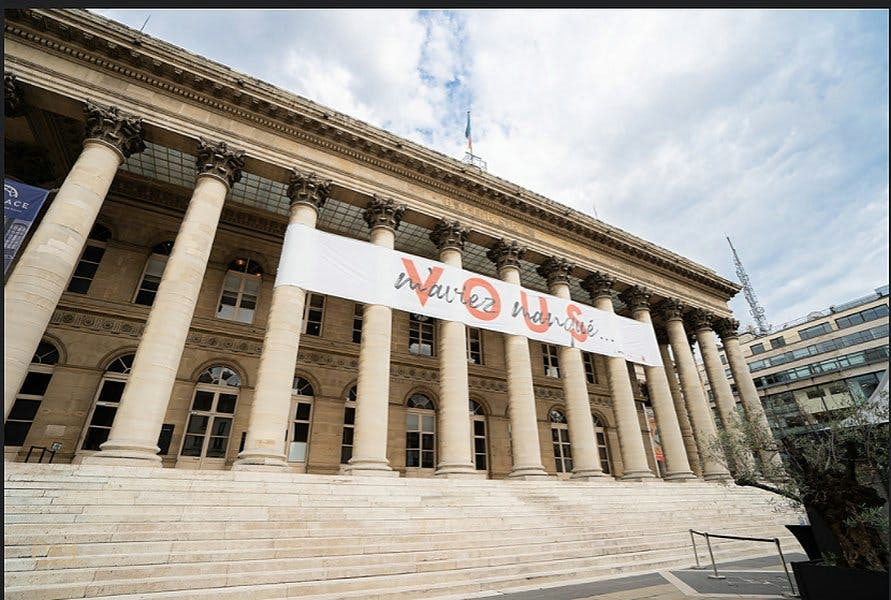
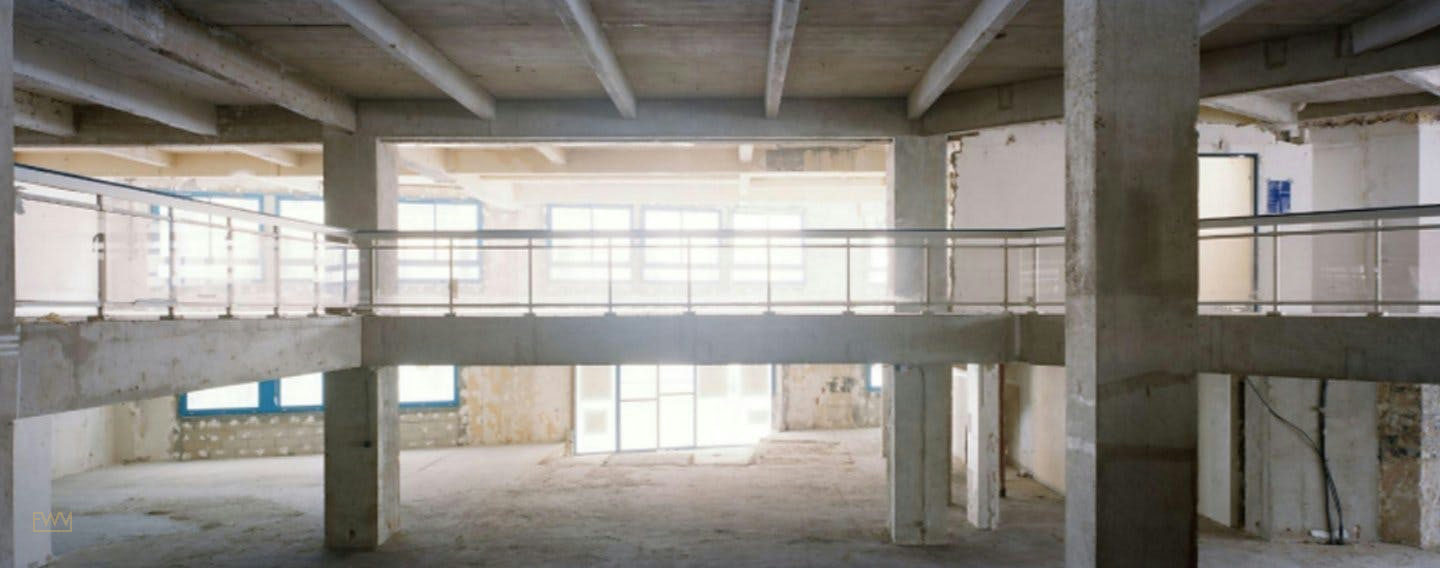
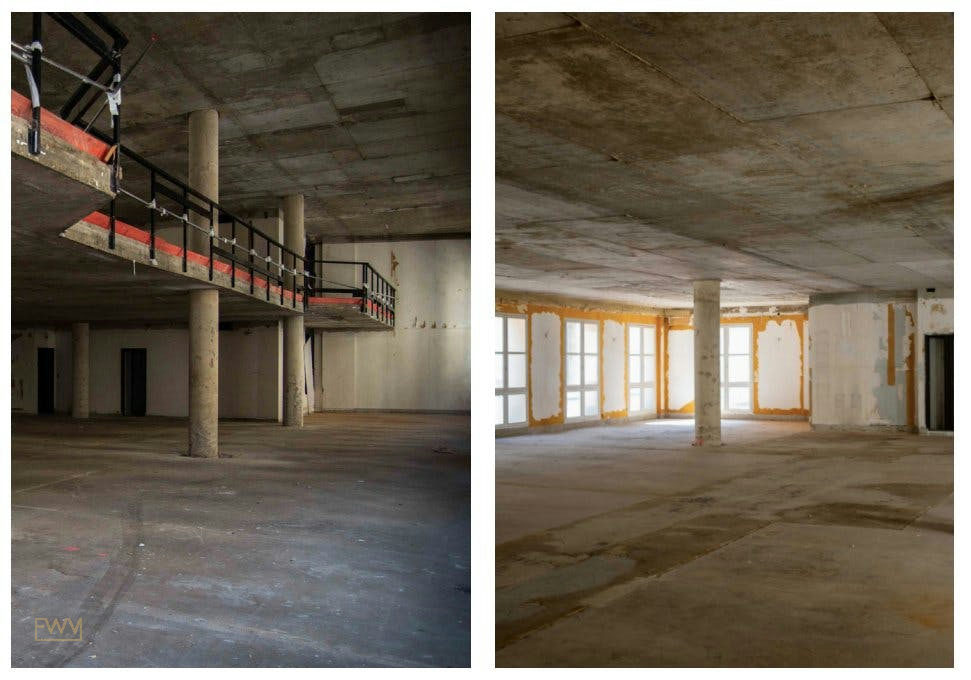
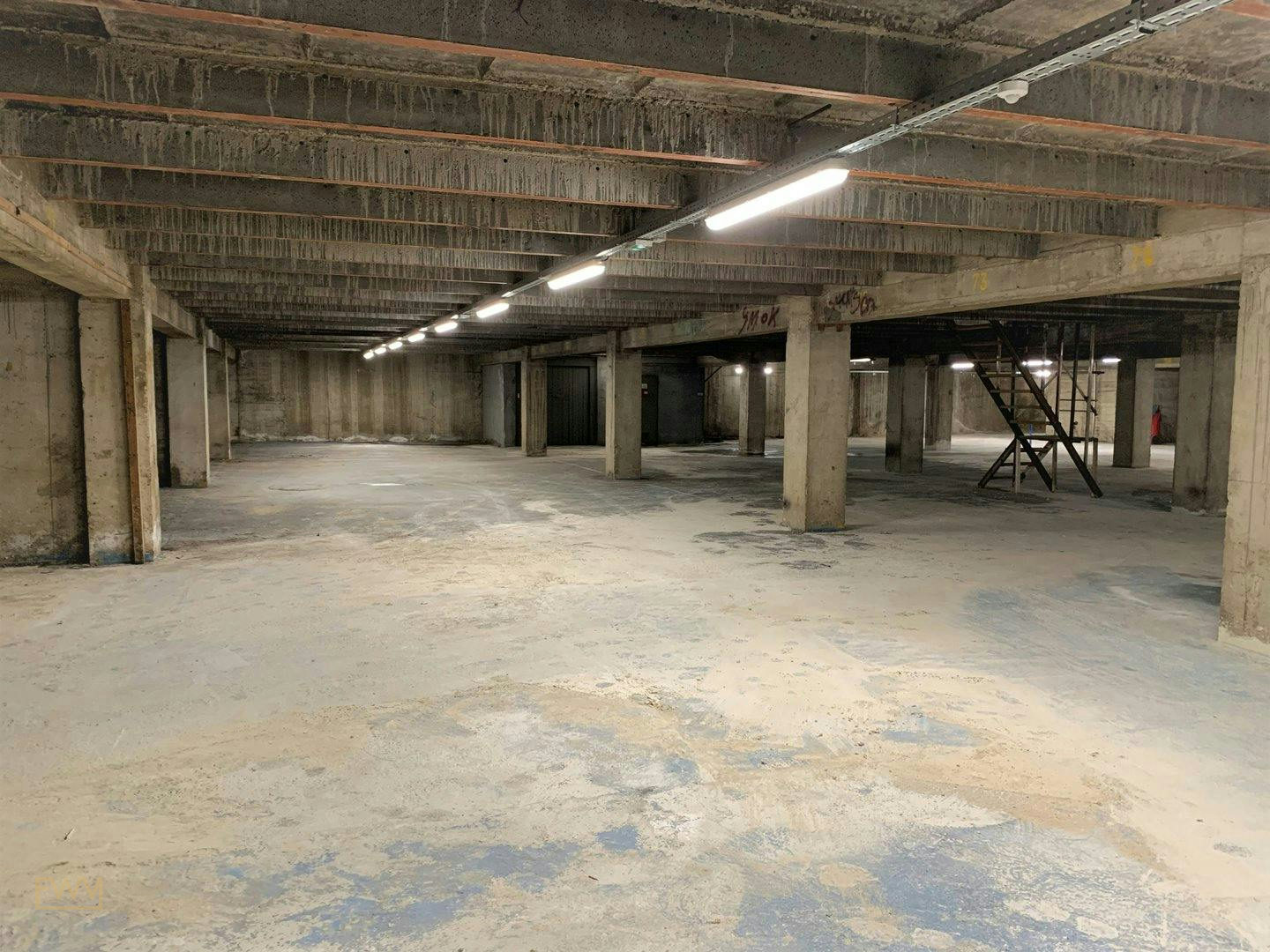
Short term retail on the Champs-Élysées places your brand at the geographic and cultural epicentre of Paris, in one of the most recognisable commercial corridors on earth. From the Arc de Triomphe down to the Place de la Concorde, the avenue concentrates luxury fashion houses, global flagship stores, and millions of annual visitors into a single, high-visibility address. Fashion Week Venues works with international brands, independent designers, and creative agencies to source, build, and activate temporary retail spaces, showrooms, and event venues across the 8th arrondissement, making Paris's most iconic boulevard genuinely accessible on a short-term basis. This guide covers every dimension of activating here, from space types and permit frameworks to budgeting, logistics, and calendar strategy.
Why the Champs-Élysées Remains the World's Most Sought-After Short Term Retail Address
The Champs-Élysées is not simply a street. It is a permanent global stage where commercial real estate, cultural prestige, and mass tourism converge in a way that no other boulevard in Paris, or arguably in Europe, can replicate. For brands seeking short term retail space, that convergence creates an opportunity that is as strategically powerful as it is logistically complex.
The avenue runs approximately 1.9 kilometres from the Place Charles de Gaulle, anchored by the Arc de Triomphe, to the Place de la Concorde at its eastern end. Along that stretch, you encounter the dense retail core between the George V intersection and the Rond-Point des Champs-Élysées, the theatre and restaurant zone between the Rond-Point and the Jardin des Champs-Élysées, and the ceremonial open space around Concorde itself. Each zone carries a different commercial character, and the right zone for your activation depends entirely on your brand positioning, audience, and objectives.
Footfall on the Champs-Élysées is among the highest of any retail street in the world. Estimates consistently place daily pedestrian traffic above 300,000 people during peak periods, with figures rising sharply during Paris Fashion Week, the Tour de France, Bastille Day celebrations, and the New Year's Eve countdown. That level of exposure is not theoretical. It translates into direct brand impressions, organic social content, earned media, and transactional opportunity that brands cannot replicate through digital spend alone.
The street's tenant roster reinforces its status. Louis Vuitton operates one of its largest global flagships here. Dior's historic presence on Avenue Montaigne, immediately adjacent to the Champs-Élysées network, anchors the entire Golden Triangle luxury district. Galeries Lafayette opened a flagship on the avenue in 2019, signalling a new chapter in the street's retail evolution. Where major fashion houses invest in permanent flagship stores, short term and pop-up activations can plug into the same consumer mindset, at a fraction of the cost and commitment.
The commercial real estate market on the Champs-Élysées sits firmly in the luxury tier. Rental values here are among the highest in Paris, reflecting both the address premium and the structural scarcity of available frontage. Unlike more flexible retail corridors, the Champs-Élysées has limited leaseable units, and the dominant landlords are institutional players or major brand-owned properties. That scarcity is precisely why specialist guidance and established agency relationships matter so much for brands entering the short term market.
DID YOU KNOW: The Champs-Élysées has been a commercial thoroughfare since the 19th century, and its transformation from aristocratic promenade to luxury retail destination accelerated dramatically in the late 20th century as fashion houses and global retail brands competed for Avenue frontage.
The golden triangle formed by the Champs-Élysées, Avenue Montaigne, and Avenue George V is the concentrated luxury retail zone within the 8th arrondissement. Brands activating anywhere within this triangle benefit from adjacency effects: the credibility and aspirational positioning of neighbouring boutiques reinforces brand perception, even for temporary activations.
For brands approaching the Champs-Élysées as a short term retail opportunity, the critical insight is this: the avenue rewards preparation. Brands that arrive with a clear concept, a realistic budget, an understanding of permit requirements, and a well-chosen space type perform measurably better than those who treat the address as an impulse decision. The sections below walk through every dimension of that preparation.
KEY TAKEAWAY: The Champs-Élysées offers unmatched short term retail visibility in Paris, but its commercial real estate market is competitive, expensive, and scarcity-driven. Success depends on strategic preparation, specialist agency relationships, and a concept that can hold its own against the world's most recognised luxury flagships.
Understanding the geography of the 8th arrondissement in detail is the essential first step before evaluating specific space types and lease structures.
Mapping the 8th Arrondissement: Zones, Landmarks, and Retail Micro-Markets
The 8th arrondissement of Paris is one of the most commercially and culturally dense districts in the city, and understanding its internal geography is essential for any brand planning a short term retail activation in the area.
Quick answer: The 8th arrondissement contains several distinct retail micro-markets, including the Champs-Élysées retail core, the Golden Triangle luxury district around Avenue Montaigne and George V, the Rue Royale corridor toward Place de la Madeleine, and the institutional and event zones near the Grand Palais and Petit Palais. Each zone has different footfall profiles, space availability, and rental dynamics.
The Champs-Élysées Retail Core
The retail core of the Champs-Élysées runs from the George V intersection northward toward the Arc de Triomphe and southward through the Rond-Point. This stretch concentrates the highest footfall, the most prominent storefront addresses, and the greatest density of luxury and mass-market retail. Flagship stores here typically occupy multi-storey buildings with significant frontage, and even short term leases in this zone reflect the premium of the address. Brands seeking maximum visibility and direct consumer traffic will prioritise this zone.
The Golden Triangle: Avenue Montaigne, George V, and the Luxury Core
Avenue Montaigne, running parallel and adjacent to the lower Champs-Élysées, is the spiritual home of Parisian haute couture. Dior, Chanel, Valentino, Prada, and Givenchy maintain significant presences here. The Golden Triangle is less about footfall volume and more about audience quality: visitors and shoppers in this zone are disproportionately high-net-worth individuals, international luxury consumers, and fashion industry professionals during Fashion Week. Short term activations here, whether pop-up boutiques, private showrooms, or invitation-only events, carry an address premium that directly supports luxury positioning.
The Grand Palais and Petit Palais Zone
The Grand Palais, following its multi-year restoration programme, is one of Paris's most prestigious event venues. Its enormous glazed nave has hosted the Chanel Métiers d'Art shows, major art fairs, and brand activation events at the very top of the prestige hierarchy. The adjacent Petit Palais functions as the Musée des Beaux-Arts de la Ville de Paris and occasionally offers adjacent or partner spaces for cultural programming. Brands with strong arts or culture narratives can explore event partnerships and temporary activations tied to Grand Palais programming. These are institutional-grade venue relationships that typically require significant lead time and budget.
Place de la Concorde and the Tuileries Garden Connection
The Place de la Concorde sits at the eastern end of the Champs-Élysées, acting as the transition between the 8th arrondissement retail world and the 1st arrondissement's Tuileries Garden and Louvre Museum precinct. The Concorde area itself has limited traditional retail infrastructure but hosts major outdoor events, brand installations, and temporary structures during high-traffic calendar moments. The proximity to the Tuileries Garden, which itself hosts pop-up events and market formats during specific seasons, creates opportunities for brands thinking beyond the standard storefront model.
Rue Royale and the Concorde Luxury Corridor
Rue Royale connects the Place de la Concorde northward to the Place de la Madeleine and carries a quieter, more refined luxury character. Boutiques along this corridor tend toward jewellery, tableware, and artisan luxury rather than fashion RTW. Short term activations here suit brands with a heritage or craft positioning that benefits from association with the established Parisian luxury ecosystem rather than high-footfall consumer traffic.
The Galerie des Arcades and Secondary Formats
Within and adjacent to the Champs-Élysées, gallery and arcade formats provide alternative short term retail opportunities. The Galerie des Arcades and similar covered passages in the 8th arrondissement offer protected retail environments with a character distinct from street-level flagships. These formats are often more accessible for brands at earlier stages of their Paris market entry, offering shorter minimum rental periods and more flexible build configurations.
| Zone | Primary Audience | Best Space Type | Activation Window |
|---|---|---|---|
| Champs-Élysées Retail Core | Mass luxury, tourists, Parisians | Pop-up storefront, flagship extension | Fashion Week, Tour de France, New Year's Eve |
| Golden Triangle (Montaigne / George V) | High-net-worth, fashion industry | Showroom, private boutique, concept store | Paris Fashion Week, couture week |
| Grand Palais / Petit Palais Zone | Cultural visitors, press, VIPs | Event space, brand installation | Exhibition openings, Fashion Week, art fairs |
| Place de la Concorde / Tuileries | Tourists, strollers, event-goers | Outdoor installation, pop-up kiosk | Bastille Day, seasonal events |
| Rue Royale Corridor | Heritage luxury consumers | Showroom, private salon | Flexible, lower calendar dependency |
KEY TAKEAWAY: The 8th arrondissement is not a single retail market. It is a cluster of distinct micro-markets, each with its own audience profile, space availability, and activation logic. Choosing the right zone before committing to a space type is the most consequential strategic decision in the planning process.
With the geographic framework established, brands can move to evaluating the specific retail space types available for short term rental in this district.
Space Types Available for Short Term Retail on the Champs-Élysées
Short term retail on the Champs-Élysées encompasses a broader range of space types than most brands initially expect. The market has evolved well beyond the simple pop-up shop format to include showrooms, concept stores, event venues, gallery spaces, and hybrid configurations that serve brand activation objectives across multiple channels simultaneously.
Quick answer: The primary space types available for short term retail in the 8th arrondissement include street-level pop-up storefronts, private showrooms, prestige showrooms and hotel particuliers, concept studios, gallery spaces, event venues, and outdoor or semi-permanent installations. Each type serves different commercial, brand, and audience objectives.
Pop-Up Storefronts and Retail Spaces
The classic pop-up storefront is a fully operational retail environment for a defined, short term period. On the Champs-Élysées and adjacent streets, these spaces range from compact boutique formats of around 30 to 80 square metres to expansive multi-floor retail environments exceeding 500 square metres. Space specification matters significantly here: ceiling height, natural light, window frontage width, and electrical capacity all directly affect the quality and cost of the fit-out. A well-specified storefront with strong frontage on the avenue itself delivers both transactional opportunity and passive brand impression for every pedestrian who passes, whether or not they enter.
Showrooms and Prestige Showrooms
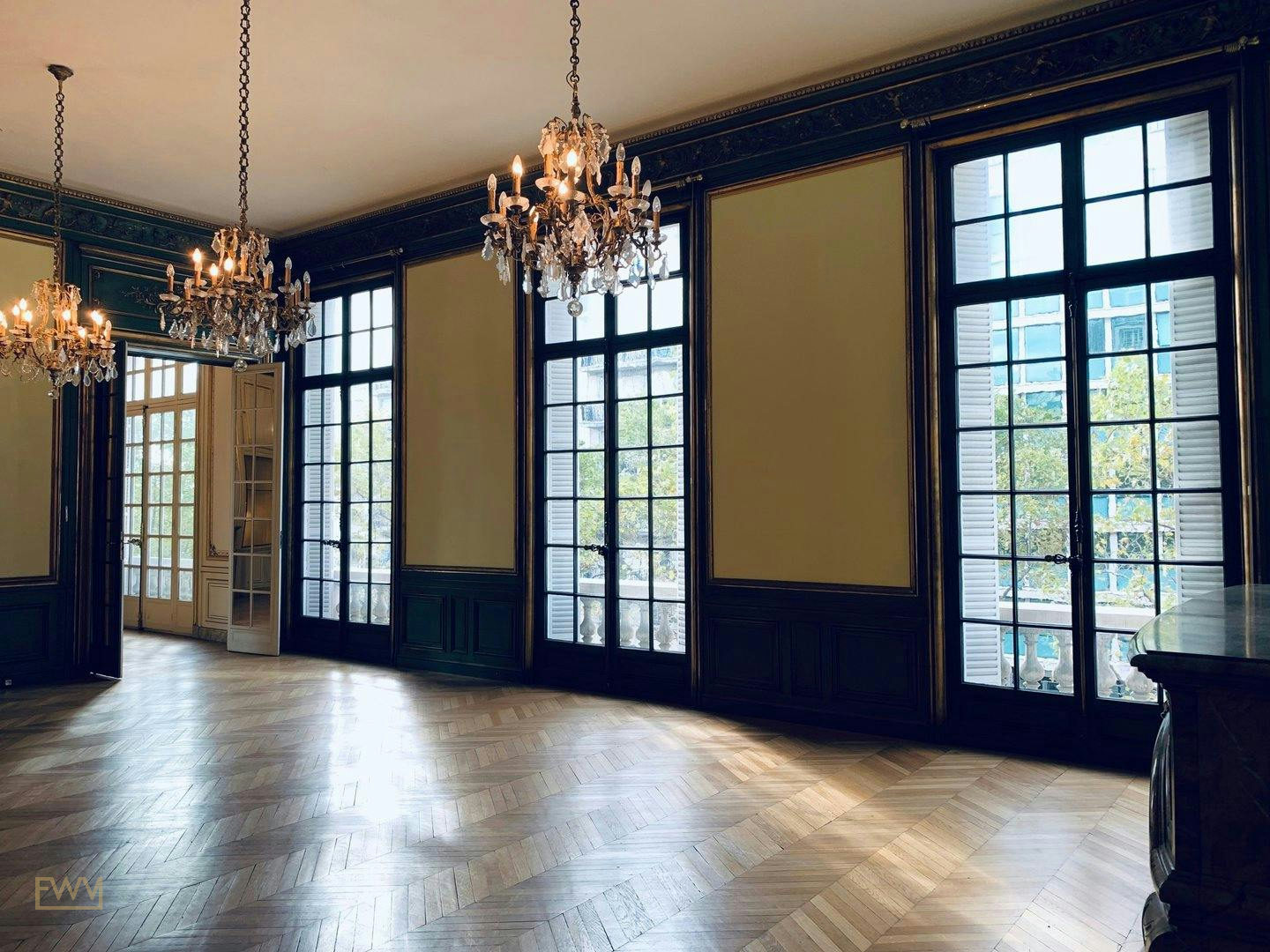
The showroom format is particularly relevant for fashion brands, designers, and luxury goods companies using Paris Fashion Week as a trade and press event. Rather than selling directly to consumers, showrooms present collections to buyers, media, and industry guests in a curated environment that reflects the brand's aesthetic values. Prestige showroom formats in the 8th arrondissement often occupy Haussmannian apartments or hotel particulier buildings, providing a residential-scale intimacy that contrast productively with the grandeur of the avenue itself. The HOTEL PARTICULIER PARIS 8 category of spaces, which refers to privately owned townhouses or aristocratic residences available for temporary use, represents the top tier of this segment.
Concept Studios and Store Hybrids
The concept studio and store hybrid, sometimes described as an Espace événementiel or Concept Studio and Store format, combines retail, experience, and media production in a single space. These formats are increasingly sought by brands whose activation strategy requires content creation, influencer hosting, consumer experience, and product sales to happen simultaneously. In practical terms, this might mean a ground floor configured as a retail environment, a mezzanine or back room set up as a content studio, and a basement or courtyard reserved for private appointments or media briefings.
Galerie D'art and Exhibition Formats
Gallery spaces, or Galerie D'art formats, in the 8th arrondissement enable brands to position themselves within the Parisian cultural landscape rather than the pure retail one. This is particularly relevant for luxury brands with a strong art direction, heritage brands with archival material, or brands launching limited edition products with an art object positioning. These spaces often have existing gallery infrastructure including track lighting, white wall surfaces, and visitor management systems that reduce fit-out complexity.
Event Venues and Seminaire Spaces
Event spaces and seminar venues, including formats described as Maison dédiée aux séminaires or Espace événementiel sublime, serve brands running product launches, press events, VIP receptions, or trade presentations rather than open-to-public retail. These spaces typically have catering infrastructure, AV capabilities, and established relationships with the local service ecosystem. For brands using Paris Fashion Week or related calendar events as the trigger for their Paris activation, an event venue format may be more appropriate than a storefront.
| Space Type | Best Brand Objective | Typical Size Range | Key Specification Priorities |
|---|---|---|---|
| Pop-up Storefront | Consumer sales, brand awareness | 30 to 500+ sqm | Frontage width, window display, footfall position |
| Showroom (Standard) | Trade presentations, press appointments | 50 to 200 sqm | Natural light, private entrance, meeting area |
| Prestige Showroom / Hotel Particulier | Luxury brand positioning, VIP events | 100 to 600 sqm | Architectural character, privacy, multiple rooms |
| Concept Studio and Store | Omnichannel activation, content creation | 80 to 300 sqm | Flexible layout, electrical capacity, natural light |
| Galerie D'art | Cultural positioning, limited editions | 40 to 250 sqm | Gallery lighting, white space, visitor flow |
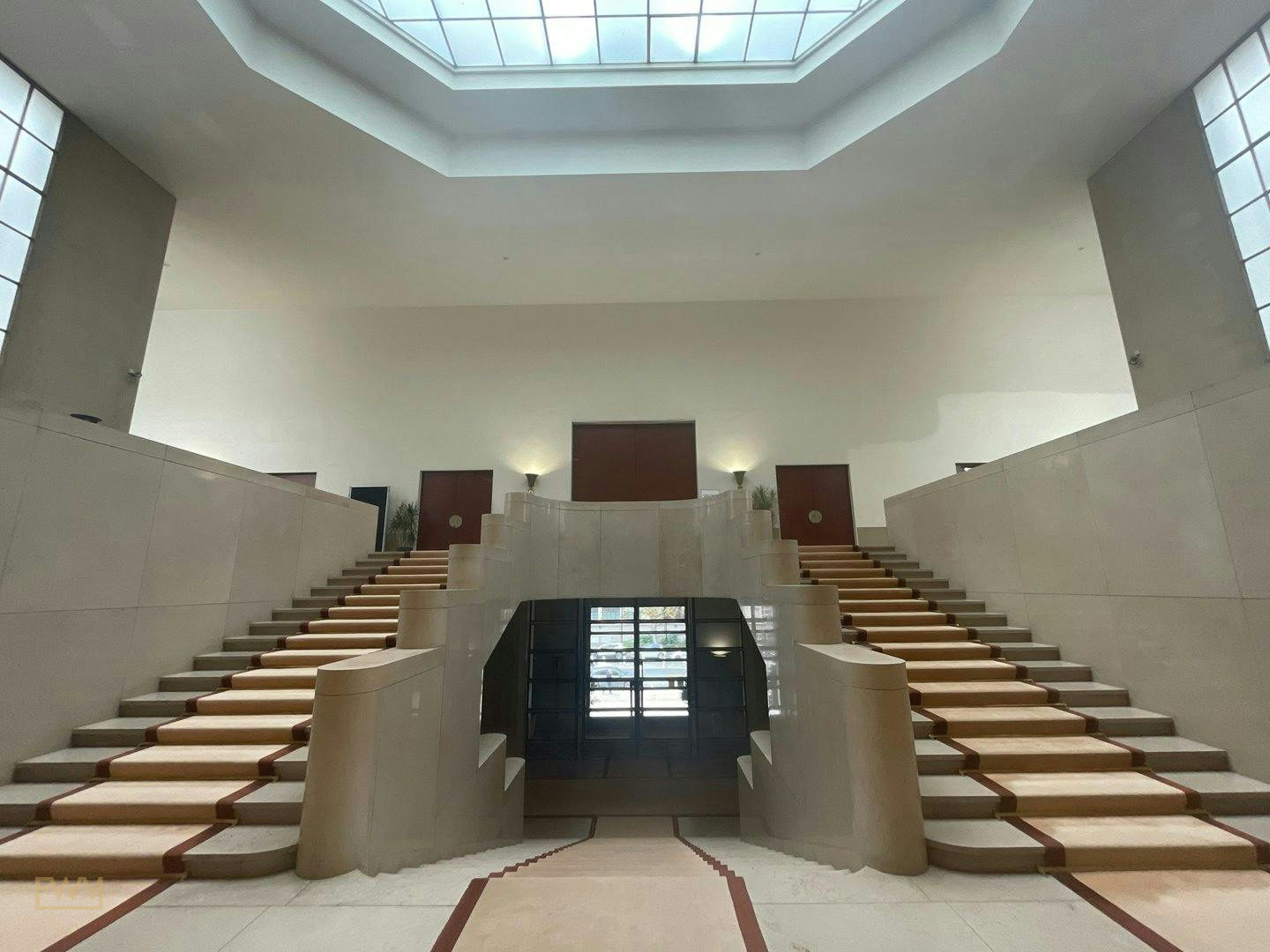
| Event Venue / Seminaire | Product launches, press, trade events | 100 to 1000+ sqm | Catering access, AV infrastructure, capacity |
TIP: Brands with ambitious social and influencer strategies should prioritise spaces with strong natural light, distinctive architectural features, and flexible layout configurations. These specifications directly affect the quality and volume of content produced during the activation.
KEY TAKEAWAY: Choosing the right space type before searching for specific listings is critical. The format drives the fit-out approach, the permit pathway, the staffing model, and the ROI framework. Brands that conflate space types often under-specify their brief and waste significant time reviewing spaces that cannot serve their actual objectives.
Once the space type is defined, the next critical dimension is the legal and lease framework that governs short term retail in Paris.
Leases, Permits, and the Legal Framework for Short Term Retail in Paris
Short term retail in Paris operates under a distinct legal framework that differs significantly from standard commercial lease arrangements. Understanding this framework is essential before approaching landlords, signing agreements, or making fit-out commitments.
Quick answer: Short term retail in Paris typically uses one of two legal mechanisms: the bail dérogatoire, a derogatory commercial lease permitted under French law for periods of up to three years but commonly used for periods of one month to twelve months, or the Autorisation d'Occupation Temporaire (AOT), a temporary occupation permit used primarily for public spaces, outdoor areas, or semi-public venues. Both structures differ fundamentally from standard nine-year commercial leases.
The Bail Dérogatoire: Short-Term Commercial Leases in Paris
The bail dérogatoire is the most commonly used legal instrument for short term retail in Paris. Under French commercial law, this structure allows a landlord and tenant to agree a commercial occupation for a defined period without triggering the tenant protection rights associated with a standard commercial lease (known as a bail commercial). The bail dérogatoire is permitted for a maximum cumulative period of three years in the same premises. After this threshold, the occupation automatically converts to a standard commercial lease with full tenant protections, which is rarely the intention of either party in a short term context.
In practice, brands using the Champs-Élysées for pop-up activations, showrooms, or temporary concept stores will almost always use the bail dérogatoire framework. Minimum rental periods in this structure are negotiable and vary by space, landlord, and market conditions. There is no legal minimum period specified, but in practice, most landlords on the Champs-Élysées and in the broader 8th arrondissement set a minimum of two to four weeks for commercial spaces, with the commercial reality reflecting the high demand during Fashion Week and other peak calendar moments.
The AOT: Occupation of Public or Semi-Public Spaces
Brands planning outdoor activations, temporary structures in public spaces, or events in spaces administered by the City of Paris or other public bodies will encounter the Autorisation d'Occupation Temporaire framework. The AOT is an administrative authorisation rather than a private law contract, and it is issued by the relevant public authority, typically the Mairie de Paris or a specific arrondissement administration. Requirements for AOT applications vary significantly by space type, location, duration, and intended use.
IMPORTANT: Permit requirements in Paris vary by space type, location within the arrondissement, duration, and the specific nature of the commercial activity. Requirements that apply to one space or one type of activation may not apply to another. Always verify current requirements with a qualified French legal advisor before committing to a space or signing any agreement. Fashion Week Venues provides directional guidance through its permit guidance tool, but this does not constitute legal advice.
Do You Need a French Legal Entity to Rent Space on the Champs-Élysées?
This is one of the most common questions from international brands entering the Paris market. The answer is nuanced. Many landlords and commercial operators in Paris prefer or require a French-registered entity as the contracting party in a bail dérogatoire. This is not a universal legal requirement, but it reflects the practical preferences of risk-averse institutional landlords and the commercial norms of the Parisian property market. Some landlords will accept a foreign entity with appropriate guarantees, a bank guarantee, or an advance payment structure. Others will not. This is a negotiation point that specialist agencies navigate on behalf of their clients regularly.
Signage, Commercial Activity, and Specific Use Permissions
Beyond the lease structure itself, brands activating in the 8th arrondissement must consider signage permissions, which are regulated separately from the lease, any specific commercial activity permits required for food service, alcohol, or public gatherings, and the building-level rules that may restrict certain fit-out approaches or trading hours. Haussmannian buildings in particular often have co-ownership regulations (règlements de copropriété) that constrain what tenants can do with facades, entrances, and shared spaces.
For Fashion Week Venues clients, the agency's team handles these dimensions as part of the activation management process, working with established local contacts to navigate the administrative landscape efficiently. Brands working independently should factor significant additional time into their planning timeline to address permit and compliance requirements before their intended opening date.
KEY TAKEAWAY: Short term retail in Paris uses specific legal structures that are distinct from long-term commercial leases. The bail dérogatoire is the standard instrument for private commercial spaces. Public or semi-public spaces require AOT permits from the relevant authority. International brands should always verify requirements with a French legal advisor and factor permit timelines into their overall project schedule.
With the legal framework established, the practical question of how to find and evaluate spaces becomes the central challenge.
Finding and Evaluating Short Term Retail Space on the Champs-Élysées
Locating available short term retail space on the Champs-Élysées and in the wider 8th arrondissement requires access to networks and listings that sit outside the standard commercial property portals used for long-term leases. The short term market operates through specialist agencies, direct landlord relationships, sub-lease arrangements, and dedicated space marketplaces rather than through conventional estate agent channels.
Quick answer: Short term retail space on the Champs-Élysées is found through specialist pop-up agencies, curated space marketplaces, direct landlord outreach, and occasionally through institutional partners or brand-to-brand sub-leases. Standard commercial real estate agents rarely list short term opportunities in this corridor, and exclusive relationships are common.
Specialist Agencies and Space Marketplaces
Specialist agencies like Fashion Week Venues maintain active relationships with landlords, property managers, and brands across the Champs-Élysées corridor and the broader 8th arrondissement. These relationships provide access to spaces before they appear on any public listing and enable negotiation approaches that reflect the specific dynamics of the short term market. The Fashion Week Venues space marketplace lists curated spaces across Paris and other fashion capitals, with filtering tools that allow brands to search by space type, size, neighbourhood, and availability window.
What to Evaluate When Reviewing a Space
Beyond the obvious metrics of size, price, and location, brands evaluating spaces on the Champs-Élysées should assess the following dimensions systematically. Frontage is the most commercially critical specification for consumer-facing pop-up stores: wider frontage delivers more passive impression and stronger visual impact from the street. Natural light affects the quality of in-store content and the atmosphere of the consumer experience. Electrical capacity matters enormously for brands with significant lighting, AV, or POS requirements. Loading and access routes determine how practical the fit-out and daily operations will be, particularly given the pedestrian density and vehicle restrictions on the avenue itself.
Building condition and the presence of existing retail infrastructure, including fitting rooms, back of house space, and storage, directly affect the cost and timeline of the fit-out. Spaces with good existing infrastructure can be activated faster and at lower production cost than empty shells, which is particularly relevant for brands working to a Fashion Week calendar where the preparation window is short.
Using the Fashion Week Venues Toolset for Space Evaluation
Fashion Week Venues provides a suite of planning tools that brands can use to evaluate and compare spaces before committing. The space comparison tool allows side-by-side evaluation of multiple spaces across key criteria. The space locator tool maps available spaces geographically, enabling brands to visualise the relationship between potential spaces and key landmarks, footfall zones, and competitor presences. The timeline planning tool helps brands map the available preparation time against the tasks required to reach activation-ready status.
To compare neighbourhoods and space types, explore the Paris city hub on Fashion Week Venues and shortlist spaces that match your brief, budget, and calendar window.
Key Questions to Ask Before Signing
Before committing to any short term retail space on the Champs-Élysées, brands should establish clear answers to the following questions: What is the exact minimum rental period and what is the penalty structure for early exit? What fit-out and reinstatement obligations does the lease impose? What are the permitted trading hours and do these align with the brand's operational plan? Who is responsible for security, insurance, and utilities during the occupation period? What signage is permitted externally and internally? Are there restrictions on commercial activity, noise, or visitor numbers? What access is provided for contractors during the fit-out period, and does this incur additional cost?
DID YOU KNOW: Some of the most commercially productive short term retail activations on the Champs-Élysées have used spaces originally configured for non-retail purposes, including private dining rooms, art galleries, and corporate showrooms, because their specification and character delivered a more distinctive brand environment than conventional retail shells.
KEY TAKEAWAY: Finding the right space requires access to specialist networks and a systematic evaluation framework that goes well beyond location and price. Brands that invest time in thorough space evaluation before signing avoid the costly and disruptive mid-activation problems that arise from specification mismatches.
With a space shortlisted and evaluated, the budget and production planning phase begins, and this is where many brands underestimate the full cost of activating on the Champs-Élysées.
Budget Planning for Short Term Retail on the Champs-Élysées
Budgeting accurately for a short term retail activation on the Champs-Élysées requires understanding the full cost stack, not just the rental figure. Brands that plan budgets around rental cost alone consistently underestimate total activation cost by a significant margin, leading to compromised executions and disappointing results.
Quick answer: The total cost of a short term retail activation on the Champs-Élysées includes the space rental fee, fit-out and production costs, furniture and fixtures, security service, staffing, POS and payment infrastructure, signage and graphics, utilities, insurance, permit costs where applicable, and reinstatement. Each of these cost lines is material, and rental is rarely the dominant cost in a well-executed activation.
Space Rental: Understanding the Pricing Structure
Rental values on the Champs-Élysées reflect the address premium, the specific zone within the avenue, the space specification, and the duration of the rental. Short term rental pricing in this corridor is not publicly standardised, and market rates shift considerably based on calendar demand. Spaces available during Paris Fashion Week command a significant premium over the same spaces available in off-peak periods. Brands seeking directional estimates for their specific brief should use the Fashion Week Venues budget calculator, which provides a framework calibrated to space type, duration, and location rather than generic averages.
Fit-Out and Production Costs
The production cost of a short term retail activation encompasses the design, procurement, fabrication, installation, and reinstatement of all brand-specific elements introduced into the space. On the Champs-Élysées, where brand expectations and consumer standards are calibrated against the luxury flagships that surround your space, production quality expectations are high. A visually underwhelming or poorly executed fit-out in this corridor actively damages brand perception rather than simply failing to benefit from it. Production costs vary enormously based on the scope of the concept, the quality of materials and finishes, and the degree of custom fabrication versus modular or rented elements.
Security, Staffing, and Operations
Security is a non-negotiable cost line for any commercial activation on the Champs-Élysées. The avenue's footfall density, combined with the high value of goods or brand assets in a luxury activation, requires a professional security service with experience in retail environments. Staffing costs cover sales associates, brand ambassadors, event hosts, managers, and any specialist roles required by the concept. For Fashion Week activations targeting international buyers and media, multilingual staff capability is often a practical requirement rather than a preference.
POS and payment infrastructure, including card readers, cash handling, receipt systems, and potentially e-commerce integration for click-and-collect or digital companion experiences, represents another cost line that brands sometimes underbudget. On the Champs-Élysées, where international visitors are a significant share of the consumer base, payment infrastructure needs to accommodate multiple currencies, international card schemes, and potentially mobile payment platforms.
Hidden Cost Lines
The cost lines that most frequently surprise brand teams on their first Champs-Élysées activation include: reinstatement costs, which require returning the space to its pre-occupation condition and can be substantial if the fit-out involved structural or finish changes; insurance, which must cover public liability, contents, and potentially business interruption; waste management and cleaning, which on a high-footfall avenue at a luxury level requires professional daily service; and logistics costs for delivery, installation, and derig, which are complicated by vehicle access restrictions in the 8th arrondissement.
For brands working with Fashion Week Venues, many of these cost lines are managed through consolidated supplier relationships and the agency's established operational infrastructure, which reduces both cost and administrative complexity. Brands working independently should build contingency into every cost line, particularly for logistics and reinstatement.
KEY TAKEAWAY: Total activation cost on the Champs-Élysées significantly exceeds the rental figure. Brands that plan around rental alone will face budget overruns or compromised execution. Use the Fashion Week Venues budget calculator for a comprehensive cost framework and build in contingency for logistics, reinstatement, and permit-related costs.
Budget planning feeds directly into the ROI framework, which is the tool that turns a temporary retail investment into a measurable strategic asset.
Calendar Strategy: When to Activate on the Champs-Élysées
The timing of a short term retail activation on the Champs-Élysées is as strategically important as the space itself. The avenue's footfall profile is not uniform across the year, and the premium calendar windows attract not only more visitors but more relevant visitors for most fashion and luxury brands.
Quick answer: The highest-value activation windows on the Champs-Élysées for fashion and luxury brands include Paris Fashion Week in both March and October, the Paris couture weeks in January and July, Bastille Day in July, the Tour de France finale in July, the end-of-year holiday season culminating in New Year's Eve, and the autumn re-entry period in September.
Paris Fashion Week Windows
Paris Fashion Week is the single most important calendar trigger for brand activations in the 8th arrondissement. The October ready-to-wear week and the March ready-to-wear week both draw the global fashion press, international buyers, brand executives, and a highly engaged consumer audience to the city simultaneously. Show schedules concentrate activity around venues across the 1st, 8th, 16th, and 18th arrondissements, and the Champs-Élysées serves as a natural artery connecting many of these locations. Brands that activate during Fashion Week benefit from the concentration of industry attention and the elevated Parisian consumer engagement that the weeks generate. Space availability during Fashion Week is constrained, and planning timelines of six to nine months are standard for premium locations in the 8th arrondissement.
Bastille Day and Tour de France
Bastille Day on 14 July brings one of the largest public gatherings in Paris to the Champs-Élysées, centred on the military parade that runs the length of the avenue from the Arc de Triomphe to the Place de la Concorde. Footfall in the days surrounding Bastille Day is exceptional, and brands with a product or message that resonates with the celebratory, patriotic, and tourist-heavy audience of this period can achieve extraordinary reach. The Tour de France finale, which also concludes on the Champs-Élysées typically in late July, brings a global sports and lifestyle audience to the avenue.
New Year's Eve and the Holiday Season
The New Year's Eve countdown on the Champs-Élysées is one of the largest public celebrations in France, drawing hundreds of thousands of people to the avenue and surrounding areas. The entire December period is commercially significant, with elevated tourist footfall and Parisian consumer spending, but brands must plan fit-out and activation launch well ahead of the December peak, typically completing installation by late November.
Off-Peak Activations and Their Advantages
Not every brand should target the peak calendar windows. Off-peak activations in January, February, May, or early June benefit from lower rental rates, greater space availability, less competition for consumer attention, and the ability to negotiate more favourable lease terms with landlords who face lower demand in these periods. Brands with a local Parisian consumer focus, a B2B objective, or a concept that performs better without peak-period crowds may find off-peak timing strategically superior even if the headline footfall figures are lower.
KEY TAKEAWAY: Calendar strategy should be driven by the specific objectives of the activation rather than reflexive pursuit of the busiest periods. Fashion Week windows offer unmatched industry concentration. Bastille Day and New Year's Eve offer mass consumer reach. Off-peak windows offer cost and availability advantages. Use the Fashion Week Venues timeline tool to map your chosen window against realistic preparation requirements.
With calendar strategy defined, the practical question of how an agency like Fashion Week Venues can help brands navigate the full complexity of a Champs-Élysées activation becomes the central consideration.
How Fashion Week Venues Helps Brands Activate on the Champs-Élysées
Fashion Week Venues is a full-service pop-up shop agency and space marketplace with deep operational experience across Paris and the other major fashion capitals. For brands targeting the Champs-Élysées and the wider 8th arrondissement, the agency provides end-to-end support across every dimension of the activation process.
The agency's venue sourcing service covers the identification, evaluation, and negotiation of short term retail spaces across the Champs-Élysées corridor, including spaces that do not appear on public listings due to the exclusive nature of many landlord relationships in this market. Brands brief the agency on their space type, size, location preferences, budget range, and calendar window, and the venue sourcing team returns a curated shortlist of viable options with detailed specification information.
Concept and creative direction, available through the concept direction service, helps brands translate their brand world into a physical retail environment that holds its own on a street lined with the world's most sophisticated flagship stores. This service covers spatial planning, visual identity application, material specification, and the creation of a concept brief that guides the production and build phase.
Production and fit-out, managed through the production and build service, covers the procurement, fabrication, installation, and reinstatement of all physical brand elements in the space. On the Champs-Élysées, where production quality is directly visible to both consumers and industry observers, this service is particularly critical. The agency's established supplier relationships in Paris reduce lead times and improve cost efficiency relative to brands sourcing production independently from outside France.
Activation management, staffing, POS and payments, and data and analytics are all available as standalone or bundled services, enabling brands to choose the level of agency support that matches their in-house capabilities. Brands with strong internal creative teams but limited Paris operational infrastructure typically use Fashion Week Venues for venue sourcing, production, and local operational management, while retaining their own creative direction and marketing execution.
For brands considering a twin activation, the Fashion Week Venues twin concept enables two complementary brands to co-activate within a single space, sharing fixed costs while creating a combined editorial and consumer proposition. This model is particularly well-suited to the Champs-Élysées context, where the cost of premium space can be shared without diluting the activation's premium positioning.
The agency's planning tools, including the budget calculator, ROI calculator, timeline tool, permit guidance tool, compare tool, and locator, are available to brands at any stage of the planning process, including before any formal agency engagement. These tools provide a structured framework for moving from initial concept to actionable brief.
IMPORTANT: Fashion Week Venues provides operational, creative, and logistical support for brand activations. The agency does not guarantee space availability, permit approvals, or specific commercial outcomes. Brand teams should engage the agency early to maximise the range of spaces available for their preferred calendar window.
KEY TAKEAWAY: Fashion Week Venues provides a full-service pathway from space discovery to activation delivery for brands targeting the Champs-Élysées. Brand teams benefit most by engaging the agency six to nine months before their intended activation date, particularly for Fashion Week and other peak calendar windows.
Luxury Brands, Fashion Houses, and the Cultural Context of the Champs-Élysées
Any brand activating on the Champs-Élysées operates within a cultural and competitive context defined by more than a century of luxury retail history. Understanding that context is not merely useful background knowledge. It is a practical strategic input that shapes how a temporary activation should be conceived, positioned, and communicated.
Quick answer: The Champs-Élysées and the adjacent Golden Triangle are home to or adjacent to flagship presences from Louis Vuitton, Dior, Chanel, Valentino, Prada, and dozens of other global fashion houses. The avenue also has a mass-market retail dimension, including Galeries Lafayette, and a significant hospitality and entertainment character. Short term activations succeed when they occupy a clear and defensible position within this landscape rather than attempting to compete across too many dimensions.
Louis Vuitton, Dior, and the Flagship Store Benchmark
Louis Vuitton's flagship on the Champs-Élysées is one of the brand's largest and most visited retail environments globally. Its presence sets a visual and experiential benchmark that shapes consumer expectations for any luxury brand active in the corridor. Dior's historic couture house on Avenue Montaigne, adjacent to the Champs-Élysées network, similarly anchors the luxury positioning of the entire district. For brands entering this context via a short term space, the challenge is not to replicate these institutional flagships, which is neither possible nor necessary, but to create a concept that is visually coherent and experientially compelling enough to earn the attention of consumers who have just walked past them.
Fashion Houses and the Showroom Economy
During Paris Fashion Week, the 8th arrondissement becomes the operational hub of the global fashion industry's buying and editorial calendar. Fashion houses run shows, presentations, and showrooms simultaneously, and the commercial logic of the entire week depends on the concentration of buyers, press, and creative influencers in a compressed geographic and temporal zone. Brands that choose the 8th arrondissement for their Fashion Week showroom benefit from being embedded in this concentration rather than positioned at its periphery.
Public Events, Cultural Moments, and Consumer Habits
Parisian consumers have a specific and sometimes demanding relationship with commercial spaces on the Champs-Élysées. The avenue is simultaneously a tourist destination, a leisure promenade, and a local commercial street, and Parisian consumers navigate it with distinct consumer habits that differ from those in more residential retail corridors. A short term activation that understands this multi-layer audience will design different touchpoints for tourists seeking a memorable brand interaction, local Parisians seeking relevance and quality, and industry visitors seeking brand information and editorial content.
The avenue's public events calendar, including the Tour de France finale, Bastille Day celebrations, and the New Year's Eve gathering, creates temporary but massive concentrations of a specific audience type that brands with relevant positioning can directly engage. The cultural institutions adjacent to the Champs-Élysées, including the Grand Palais, Petit Palais, Musée des Beaux-Arts, and the proximity of the Louvre Museum via the Tuileries Garden axis, further define the cultural register that the most successful activations in this corridor respect and reference.
DID YOU KNOW: The Virgin Megastore, which once occupied a landmark building on the Champs-Élysées, was replaced by Galeries Lafayette's flagship, marking the continued evolution of the avenue's retail character toward experience-driven, high-profile brand destinations rather than commodity retail formats.
KEY TAKEAWAY: The Champs-Élysées is defined by its luxury brand and cultural context as much as by its footfall. Short term retail activations that understand and respect this context, positioning themselves within the existing landscape rather than against it, achieve stronger brand outcomes than those that treat the avenue as a generic high street location.
Common Myths About Short Term Retail on the Champs-Élysées Debunked
MYTH: You need a French legal entity to rent a short term retail space on the Champs-Élysées.
FACT: While many institutional landlords prefer a French-registered entity as the contracting party in a bail dérogatoire, this is a commercial preference rather than a universal legal requirement. Some landlords will accept foreign entities with appropriate financial guarantees or advance payment structures. Specialist agencies with established landlord relationships are often better positioned to negotiate these arrangements than brands approaching landlords directly. Always verify the specific requirements of each landlord and seek advice from a French legal advisor before assuming either approach will work.
MYTH: Paris Fashion Week is the only viable calendar window for a brand activation on the Champs-Élysées.
FACT: Paris Fashion Week is the most prestigious and industry-concentrated window, but it is far from the only viable one. Bastille Day, the Tour de France finale, New Year's Eve, and the December holiday season all generate exceptional footfall with distinct audience profiles. Off-peak windows in January, February, and May offer lower rental rates, greater space availability, and less competition for consumer attention. The right window depends on the brand's specific objectives, target audience, and budget, not on a reflexive assumption that Fashion Week is always the correct choice.
MYTH: The only way to find a short term retail space on the Champs-Élysées is through a commission broker.
FACT: Commission brokers are one channel, but they are not the only one and often not the most efficient. Specialist pop-up agencies like Fashion Week Venues maintain direct relationships with landlords and access to spaces that are not publicly listed. Curated space marketplaces provide transparent listings with detailed specification information. Brand-to-brand sub-leases and institutional partnerships represent additional channels that do not involve traditional brokers at all. The right channel depends on the brand's brief, timeline, and budget.
MYTH: Short term leases in Paris are legally straightforward and do not require specialist help.
FACT: The bail dérogatoire is a specific legal instrument that operates under rules distinct from both standard commercial leases and residential agreements. The terms, obligations, and risks associated with this structure are material and not always obvious from the contract itself. Reinstatement obligations, permitted use clauses, subletting restrictions, and security deposit requirements can all create significant financial exposure for brands that sign without specialist legal review. For international brands unfamiliar with French commercial law, specialist legal and agency support is not a luxury; it is a practical necessity.
MYTH: A high-budget fit-out automatically delivers a successful Champs-Élysées activation.
FACT: Budget is necessary but not sufficient. The most successful activations on the Champs-Élysées combine appropriate investment in production quality with a clearly defined concept, the right space for the brand's specific objectives, a realistic calendar strategy, and an operational plan that delivers a consistent consumer experience throughout the rental period. Brands that overspend on production at the expense of staffing, programming, and marketing often create beautiful spaces that generate less commercial and brand value than more balanced activations with lower production budgets.
Frequently Asked Questions About Short Term Retail on the Champs-Élysées
What is the minimum rental period for temporary retail space on the Champs-Élysées?
There is no legally mandated minimum rental period for a bail dérogatoire in France. However, in practice, most landlords operating short term retail spaces on the Champs-Élysées and in the 8th arrondissement set minimum rental periods of two to four weeks for commercial spaces. During peak calendar periods such as Paris Fashion Week, minimum periods may be shorter because the high demand makes brief, high-value occupations commercially attractive for landlords. Brands should expect minimum periods to vary by landlord, space type, and timing, and should brief specialist agencies early to understand what is realistically available for their intended window.
Do I need a permit to run a pop-up shop in the 8th arrondissement?
Permit requirements for pop-up shops in the 8th arrondissement depend on the specific space, the nature of the commercial activity, the duration, and whether the space is private, semi-public, or public. Private spaces leased under a bail dérogatoire typically require fewer additional permits than public or semi-public spaces, but specific commercial activities such as food service, alcohol, public gatherings, or outdoor signage may trigger additional authorisation requirements. The Fashion Week Venues permit guidance tool provides directional information, but brands should always verify specific requirements with a qualified French legal advisor before committing to an activation.
Can I rent space on the Champs-Élysées for a showroom or event rather than a pop-up shop?
Yes. Short term space rental in the 8th arrondissement encompasses showrooms, event venues, concept studios, gallery spaces, and hybrid formats as well as traditional retail pop-up shops. The legal structure for these uses is similar, typically a bail dérogatoire or a temporary use agreement, but the space specifications and landlord expectations vary by intended use. Showrooms in the Golden Triangle are particularly sought after during Paris Fashion Week and couture weeks. Event venues near the Grand Palais and Petit Palais serve brands running press events, product launches, and trade presentations. The right space type depends on the brand's primary activation objective.
How much foot traffic does the Champs-Élysées receive?
The Champs-Élysées consistently ranks among the highest footfall retail streets in the world. Pedestrian traffic on the avenue regularly exceeds 300,000 people per day during peak periods, including Paris Fashion Week, Bastille Day, the Tour de France finale, and the New Year's Eve countdown. Average daily footfall during standard periods is substantially lower, and the distribution of pedestrian traffic across the avenue's length is uneven, with the highest concentrations in the retail core between the George V intersection and the Rond-Point des Champs-Élysées. Brands should request footfall data specific to the zone and space they are evaluating rather than relying on headline avenue-level figures.
What types of brands typically activate on the Champs-Élysées?
The Champs-Élysées attracts a wide range of brand types for short term activations, reflecting the avenue's dual character as a luxury retail corridor and a mass-traffic public promenade. Luxury fashion brands, beauty and fragrance houses, automotive brands, technology companies, sports brands, and entertainment companies have all run successful temporary activations on the avenue or in the adjacent 8th arrondissement streets. The common thread is not industry sector but rather a brand position and activation concept that can hold its own visually and experientially in one of the world's most demanding retail environments.
How far in advance should I start planning a Champs-Élysées pop-up activation?
For peak calendar windows such as Paris Fashion Week, Bastille Day, and New Year's Eve, brands should begin planning at least six to nine months in advance. Premium spaces in the Champs-Élysées retail core and the Golden Triangle are reserved well ahead of these periods, and brands that approach the market two or three months before their intended date will face significantly reduced availability and may need to compromise on location or space type. Off-peak activations can sometimes be planned and executed within a three to four month window, but this depends heavily on space availability, permit requirements, and the complexity of the production concept.
What is the Golden Triangle and why does it matter for luxury brand activations?
The Golden Triangle is the colloquial name for the luxury retail district bounded by the Champs-Élysées, Avenue Montaigne, and Avenue George V in the 8th arrondissement. It concentrates the highest density of luxury fashion flagships, couture houses, and prestige retail addresses in Paris. For luxury brands, activating within the Golden Triangle carries a powerful address effect: the adjacency of Dior, Chanel, Louis Vuitton, and other global luxury leaders reinforces brand positioning and creates a credible context for premium pricing and exclusive product presentations. Short term spaces within the Golden Triangle are among the most sought after and most expensive in the Paris market.
Can international brands without a Paris office manage a Champs-Élysées activation remotely?
International brands without a Paris-based team can successfully execute Champs-Élysées activations by working with a full-service agency that manages operational, logistical, and administrative dimensions locally. Fashion Week Venues provides this capability, covering venue sourcing, production management, local staffing, permit coordination, and activation management on behalf of international brand clients. Brands should expect to be closely involved in concept direction, brand approvals, and key decision points, but operational delivery can be managed almost entirely through the agency's local team and supplier network. This model is standard for many international brands entering the Paris market for the first time.
What is the difference between a bail dérogatoire and a standard commercial lease in France?
A bail dérogatoire is a short-term commercial use agreement that specifically excludes the tenant protection rights associated with a standard French commercial lease (bail commercial). Under a standard commercial lease, tenants acquire significant rights, including a minimum nine-year term, renewal rights, and the right to a compensatory indemnity if the lease is not renewed. The bail dérogatoire waives all of these protections in exchange for flexibility on both sides. It can be used for a maximum cumulative period of three years in the same premises before automatically converting. For short term retail activations of days, weeks, or months, the bail dérogatoire is almost always the appropriate instrument.
Are there outdoor or semi-permanent installation formats available on the Champs-Élysées?
Outdoor and semi-permanent installation formats are available in and around the Champs-Élysées, but they require specific authorisations from the Mairie de Paris and the relevant arrondissement administration. The Place de la Concorde, the Jardin des Champs-Élysées, and the areas around the Grand Palais have hosted outdoor brand installations for major events. The AOT framework governs the use of public space for commercial purposes. Requirements, costs, and lead times for AOT applications vary significantly and should be investigated early in the planning process with the support of a specialist agency or French legal advisor.
How does the twin co-activation model work for Champs-Élysées pop-ups?
The twin co-activation model pairs two complementary brands within a single short term retail space, allowing both to share the fixed costs of rental, fit-out, and operations while creating a combined consumer proposition that can be more compelling than either brand alone. This model is particularly well-suited to the Champs-Élysées context, where the cost of premium space is high and the shared audience for complementary luxury or lifestyle brands is large. Fashion Week Venues has developed a specific framework for twin activations that addresses shared space planning, brand separation within the space, co-marketing, and the commercial and legal terms of the shared occupation. Brands interested in this model can explore it through the Fashion Week Venues twin concept page.
What security requirements should I plan for a Champs-Élysées pop-up?
Security is a mandatory cost line for any commercial activation on the Champs-Élysées. The avenue's pedestrian density, international visitor profile, and the high value of goods or brand assets in a luxury activation require a professional security service with specific retail environment experience. Security requirements vary based on the nature of the activation, the value of goods on display, the expected footfall, and the presence of any VIP or press events. Brands should brief their security provider comprehensively and ensure their security solution is integrated into the operational plan rather than added as an afterthought. Fashion Week Venues can recommend established security partners in Paris as part of its activation management service.
What role does influencer marketing play in a Champs-Élysées pop-up activation?
Influencer marketing is an important amplification channel for short term retail activations on the Champs-Élysées, extending the activation's reach well beyond its physical footfall to digital audiences that may be orders of magnitude larger. The Champs-Élysées backdrop itself, with its Arc de Triomphe anchor, Haussmannian architecture, and luxury brand context, provides a powerful visual setting for influencer content. Fashion Week Venues provides influencer marketing as a service, connecting brands with the right creators for their target audience and coordinating influencer visits, content briefs, and posting schedules as part of the broader activation plan.
What happens at the end of a short term lease in Paris?
At the end of a bail dérogatoire, the brand is required to vacate the space and return it to its pre-occupation condition, as defined in the lease. This reinstatement obligation typically requires removing all brand-specific fit-out elements, repairing any damage caused during the occupation, and carrying out any cleaning or restoration work specified in the agreement. Reinstatement costs are often underestimated in initial budget planning but can be material, particularly if the fit-out involved significant structural or finish changes. Brands should agree the reinstatement standard clearly with the landlord before installation begins and budget for reinstatement as a firm line item rather than a contingency.
Is the Champs-Élysées the right location for every brand's Paris activation?
No. The Champs-Élysées is the most prestigious and highest-visibility retail address in Paris, but it is not the optimal location for every brand's activation objectives. Brands with a local Parisian consumer focus may perform better in neighbourhood retail streets such as Le Marais or Saint-Germain-des-Prés. Brands with a younger or more alternative positioning may find that the Champs-Élysées's luxury and tourist character works against their brand narrative. Brands with very limited budgets may find that the rental costs and production expectations of the Champs-Élysées corridor consume budget that would deliver more impact in a lower-cost, equally on-brand location. The Fashion Week Venues Paris city hub and space marketplace provide options across multiple Paris arrondissements to support a broader location strategy discussion.
Conclusion: Activating on the Champs-Élysées with Confidence
Short term retail on the Champs-Élysées is one of the most commercially powerful and logistically complex brand activation opportunities available anywhere in the world. The avenue delivers an address premium, a footfall scale, and a cultural context that no other Paris location can fully replicate. Fashion houses from Louis Vuitton to Dior have built global flagship presences here for precisely this reason, and the short term retail market allows brands at every stage of their Paris journey to access the same avenue, on terms and timescales that match their ambitions and resources.
Successful activations in the 8th arrondissement share a set of common characteristics: they begin with a clear and specific brief, they choose the right space type before searching for specific spaces, they plan around the lease and permit framework rather than discovering it mid-process, they budget for the full cost stack rather than the rental line alone, and they engage specialist support with established Paris market relationships early enough to access the best available spaces for their chosen calendar window.
Fashion Week Venues operates at every stage of this process, from initial space discovery and concept direction through production, staffing, and activation management. The agency's toolset, including the budget calculator, ROI calculator, timeline planner, permit guidance tool, and space comparison tools, provides a structured framework for brands at any stage of their planning. The agency's established landlord relationships across the Champs-Élysées corridor and the wider 8th arrondissement provide access to spaces that are not publicly listed and cannot be found through standard commercial property channels.
To move from research to activation, start exploring available spaces on the Fashion Week Venues marketplace and build a focused brief for your target neighbourhood, space type, and calendar window. The Champs-Élysées is ready for your brand. The question is whether your brand is ready for the Champs-Élysées.