

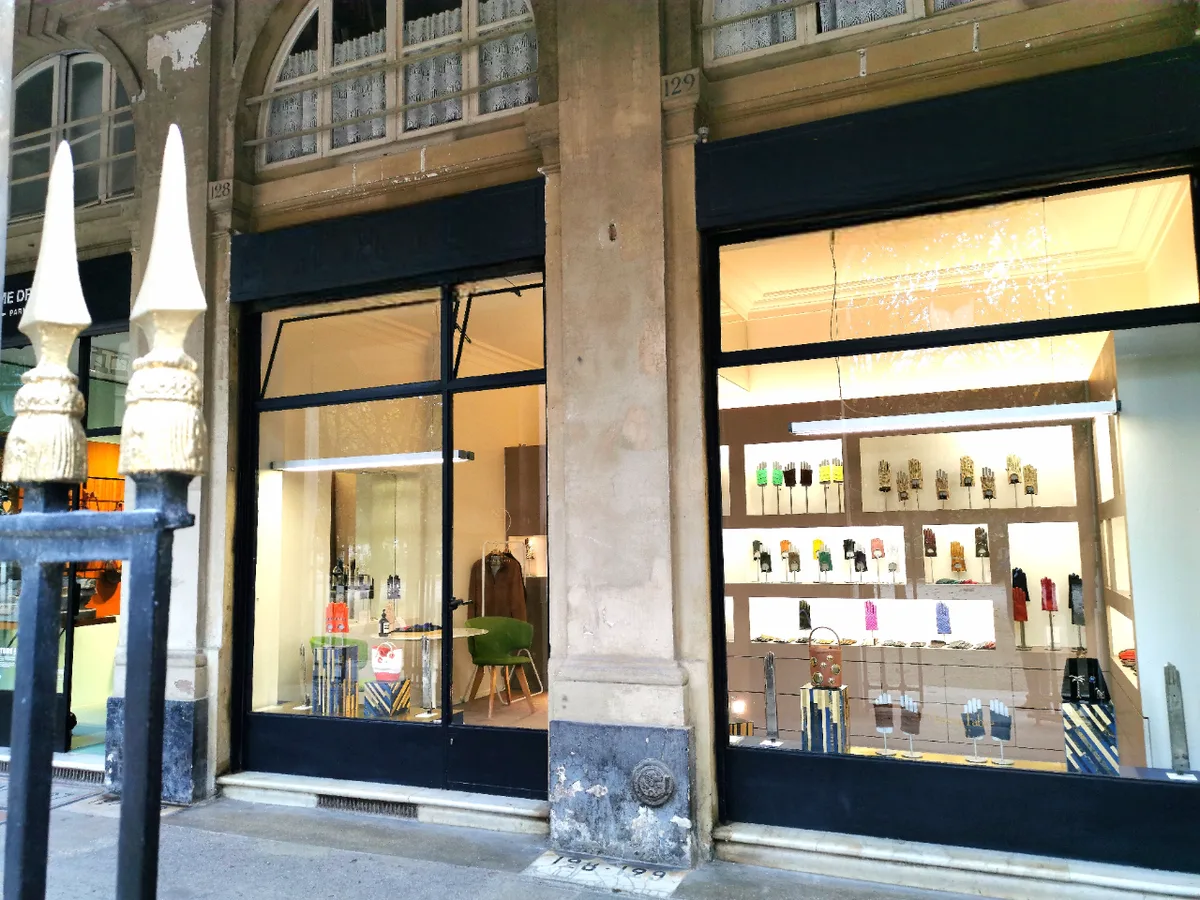
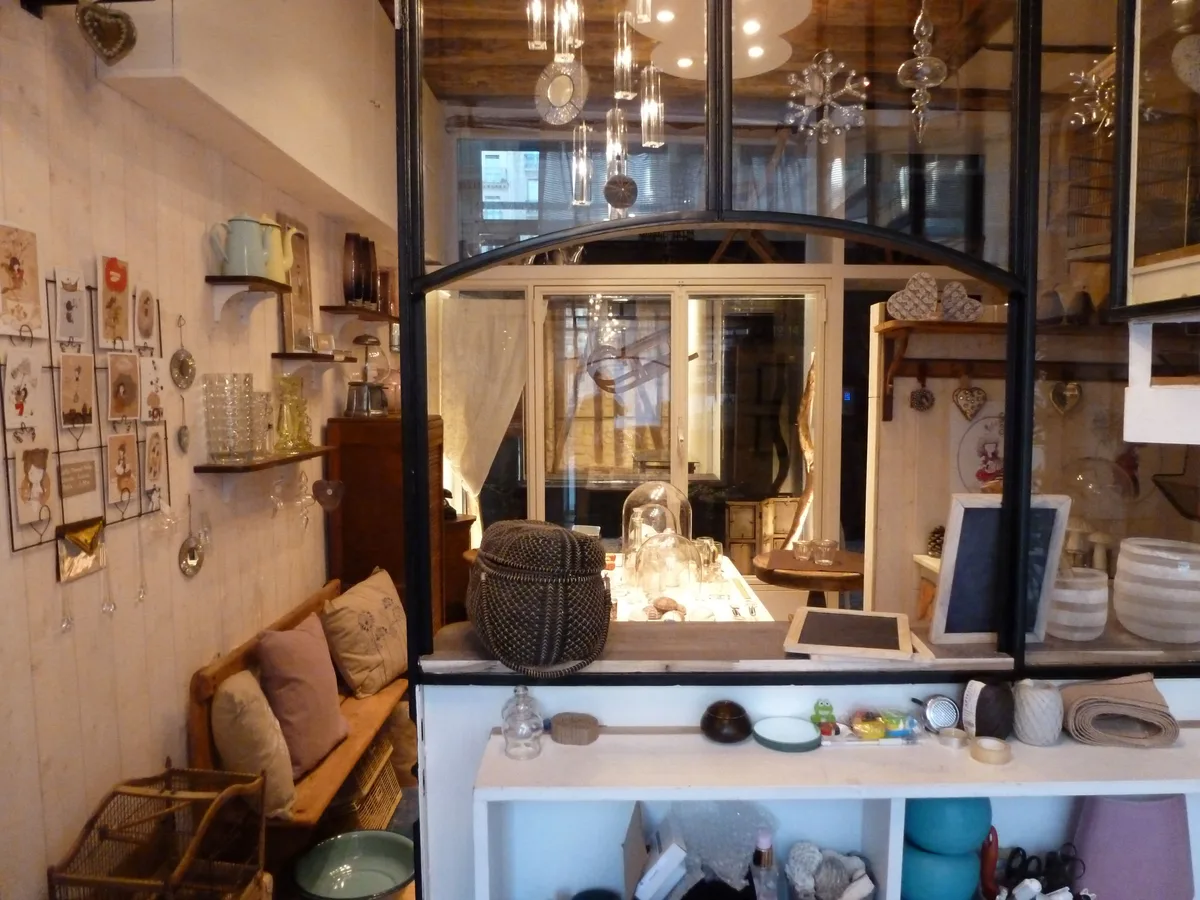
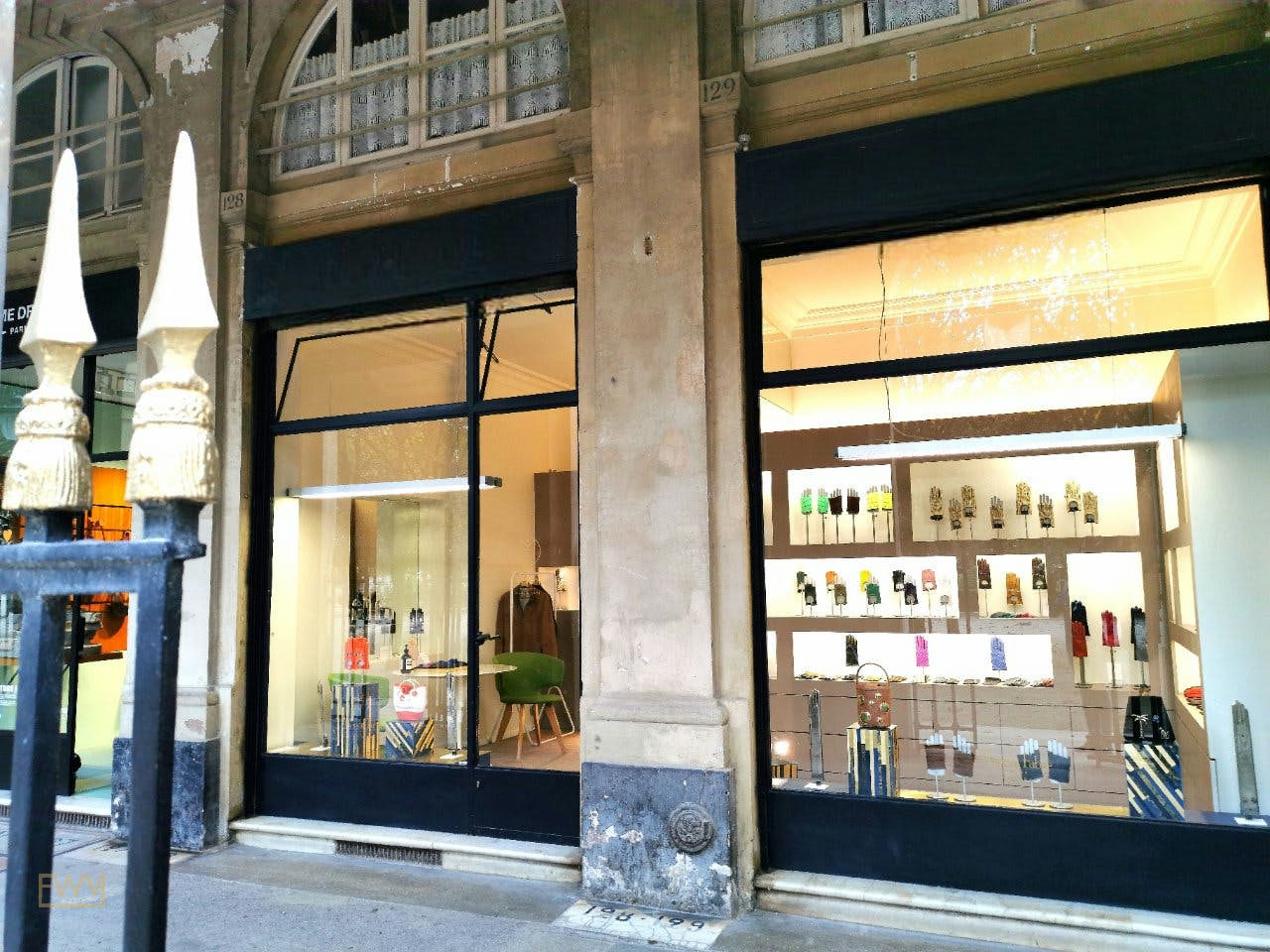
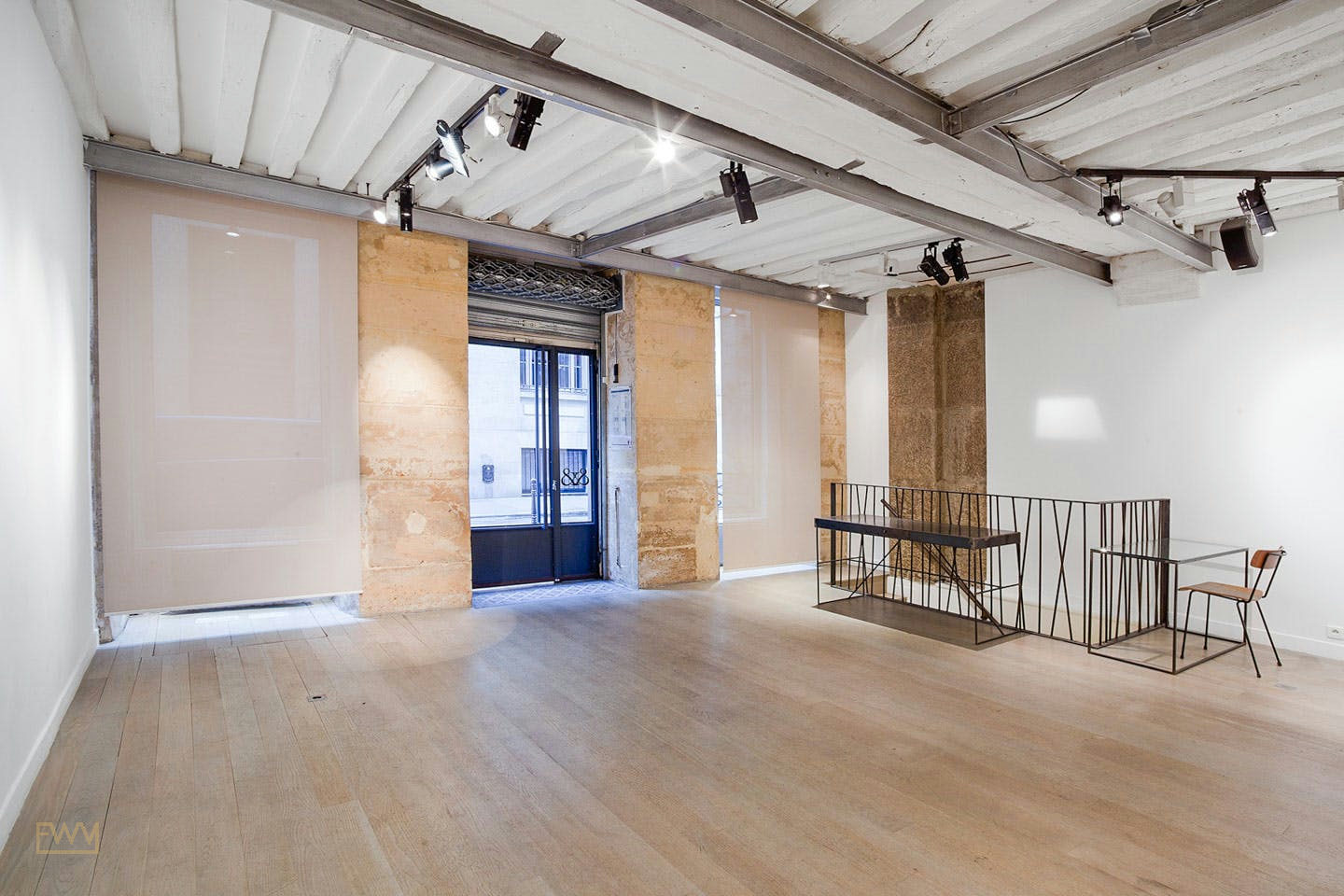
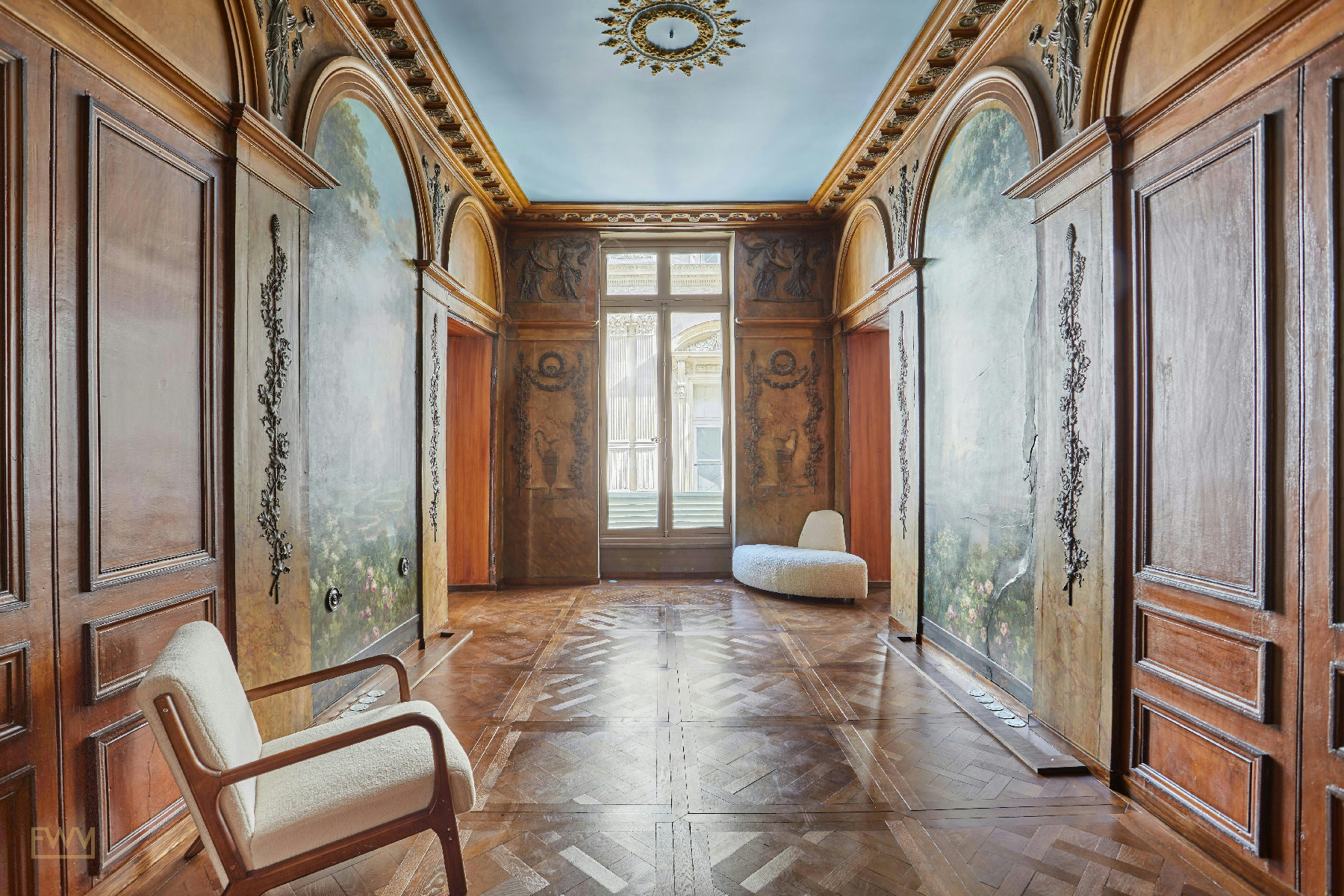
When brands and creative directors set out to rent a pop up shop near Palais Royal Garden, they are entering one of the most strategically valuable retail corridors in the world. The 1st arrondissement of Paris, anchored by the Jardin du Palais-Royal and flanked by Rue Saint-Honoré, Rue de Rivoli, and Place Vendôme, delivers a combination of heritage architecture, luxury foot traffic, and cultural prestige that few other locations in the City of Light can match. Whether your goal is a short-term boutique éphémère, a temporary showroom for your new collection, or a brand experience activation during Paris Fashion Week, the Palais Royal neighbourhood rewards brands that plan precisely and move quickly. Fashion Week Venues provides a dedicated Paris city hub to help brand teams source, evaluate, and activate retail spaces in this neighbourhood and across the wider city.
Why the Palais Royal Garden Neighbourhood Is One of Paris's Most Powerful Pop-Up Locations
Quick answer: The Palais Royal Garden area sits at the intersection of luxury retail, cultural landmarks, and high-volume tourism in the 1st arrondissement. Its colonnaded galleries, the Galerie de Valois, the Galerie de Montpensier, and the Galerie Beaujolais, attract both international shoppers and Parisians who understand quality. For brands renting a pop-up shop here, the location itself communicates a great deal about positioning before a single product is displayed.
The Jardin du Palais-Royal is not simply a green space at the centre of Paris. It is a cultural institution bordered by the Palais-Royal building, home to the Conseil d'État, the Comédie-Française, and the Galerie Vivienne nearby. The Pinault Collection at the Bourse de Commerce, a short walk toward the Montorgueil district and Rue du Louvre, reinforces the neighbourhood's reputation as a hub where artworks, fashion, design, and commerce exist in the same breath. The Louvre Museum is within walking distance, bringing an international audience with cultural interest and significant spending power directly into the catchment area of any pop-up store operating along Rue de Rivoli, Rue de Montpensier, or the surrounding streets.
Foot traffic in this zone is notably layered. You have museum visitors from the Louvre Rivoli entrance, luxury shoppers moving between Place Vendôme and Rue Saint-Honoré, fashion professionals attending showroom appointments at nearby addresses during Paris Fashion Week seasons, and local Parisians who have a strong attachment to the cultural identity of the Palais Royal precinct. This layering of audiences means that a pop-up shop here can simultaneously serve a brand awareness function, a sales conversion function, and a press and influencer engagement function within the same activation window.
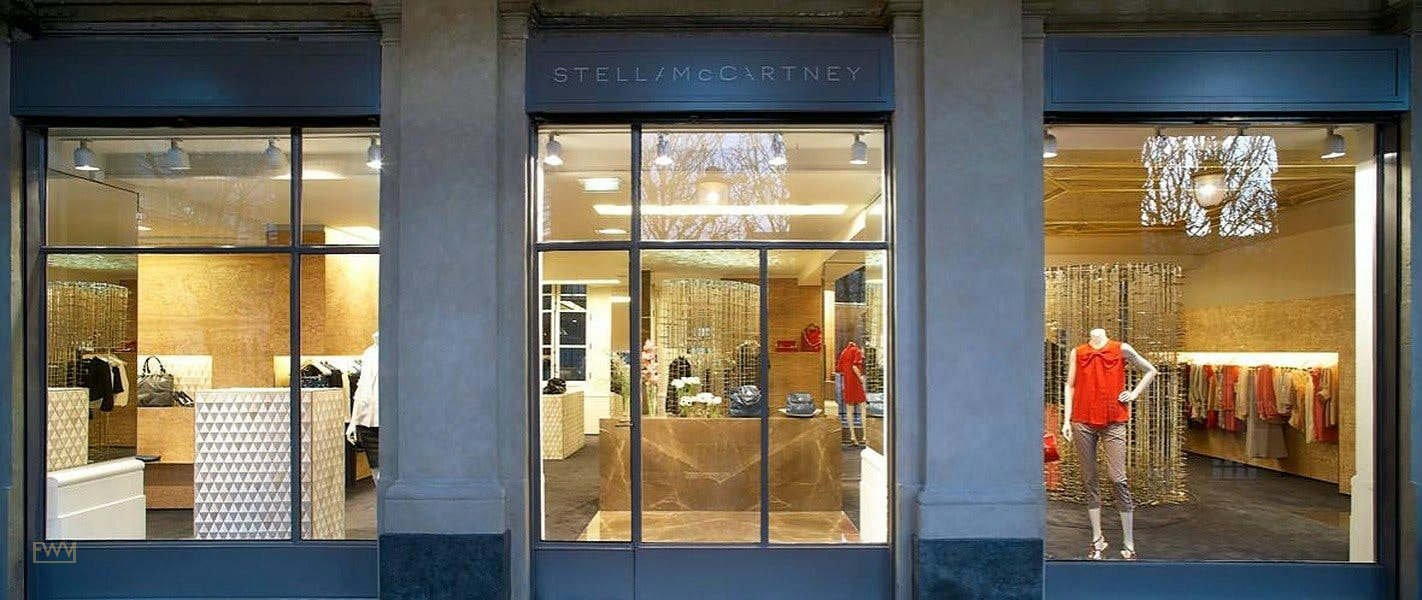
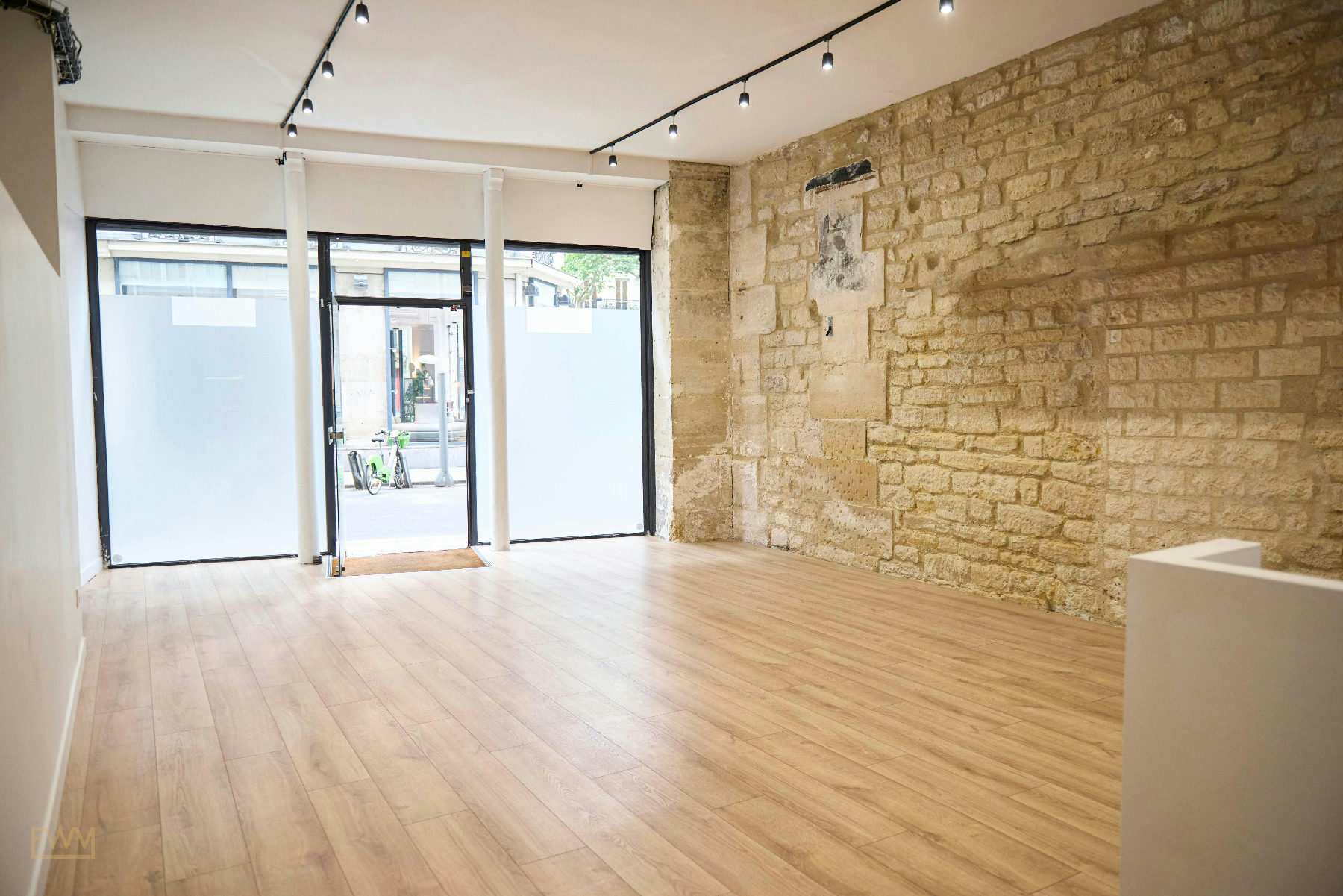
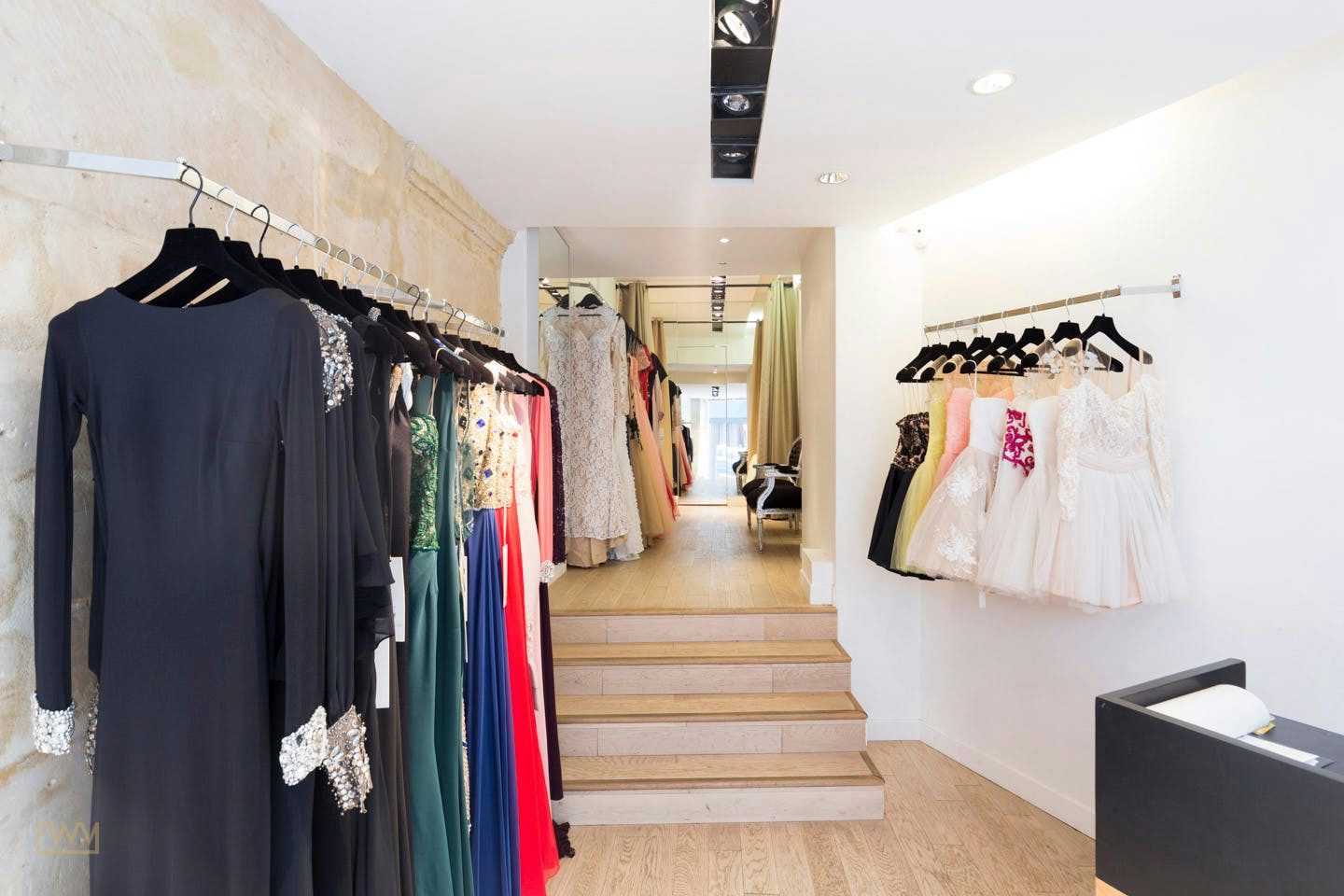
The architecture itself is a significant factor for brands in fashion, beauty, and design. Spaces near the Palais Royal Gardens frequently feature marble floors, parquet floors, high ceilings, ceiling beams, exposed stone, and ornate facades that function as built-in brand storytelling backdrops. Unlike a standard retail unit in a shopping centre, a Palais Royal ephemeral space requires minimal intervention to feel editorial. This reduces production costs while simultaneously elevating the visual output of photo shooting, film shooting, and window display work.
Proximity to La Samaritaine, the revitalised department store on Rue de Rivoli, has reinforced the neighbourhood's appeal to luxury brands and emerging designers alike. The Poste du Louvre redevelopment has similarly added residential, hospitality, and retail density to the area around Rue du Louvre, increasing dwell time and footfall on streets that feed directly into the Palais Royal perimeter.
DID YOU KNOW: The Galerie de Valois and Rue de Montpensier colonnades of the Palais Royal were originally designed as commercial arcades in the eighteenth century, making them among the earliest purpose-built luxury retail environments in European history. Brands activating here are inheriting a commercial tradition that predates modern retail by two centuries.
KEY TAKEAWAY: Renting a pop-up shop near Palais Royal Garden gives brands access to a uniquely dense concentration of luxury shoppers, cultural tourists, fashion professionals, and architectural grandeur. The location does not simply host your activation; it amplifies it.
Understanding which specific streets and sub-zones within the broader Palais Royal area best match your brand profile, space requirements, and budget is the next critical decision point.
Key Locations and Streets to Know When Renting Pop-Up Retail Space Near Palais Royal
Quick answer: The most sought-after streets for renting a pop-up shop near Palais Royal include Rue Saint-Honoré, Rue de Rivoli, Rue de Montpensier, Galerie de Valois, Place des Victoires, and the surrounding passages within the 1st arrondissement. Each sub-zone has a distinct character, price range, and audience profile that should drive your brief.
Rue Saint-Honoré and Faubourg Saint-Honoré
Rue Saint-Honoré and its westward continuation towards the Arc de Triomphe represent the single most prestigious retail corridor in Paris for fashion and luxury brands. The density of established maisons, flagship boutiques, and showrooms along this axis means that any brand activating a pop-up store here immediately benefits from adjacency positioning. The street draws fashion buyers, international press, and high-net-worth consumers who expect luxury-standard execution. Spaces along Rue Saint-Honoré tend to feature grand local commercial formats, ground floor access, substantial window display frontage, and interiors that reflect Haussmannian proportions. Availability during Fashion Week periods is extremely limited, and brands should begin their search at least three to six months in advance of their intended activation date.
Galerie de Valois and the Palais Royal Arcades
The colonnaded galleries running along the interior perimeter of the Palais Royal Gardens, principally the Galerie de Valois on the eastern side and the Rue de Montpensier on the western side, offer a genuinely unique retail setting. The combination of covered external arcades, stone colonnades, and access to the garden creates an immersive environment that functions as both a boutique éphémère and an exposition space. Brands in jewellery, accessories, art objects, and niche perfumery have historically found this format particularly effective. The audience here is self-selecting: visitors who enter the Palais Royal garden typically have a genuine interest in culture and design, making conversion rates for considered purchases notably strong.
Place des Victoires and Étienne Marcel
Place des Victoires, the circular public square immediately north of the Palais Royal, is one of the most photographed urban spaces in central Paris. It functions as a natural social media amplifier for any brand with a strong visual identity. The surrounding streets, including the route toward Étienne Marcel, have developed a strong reputation for concept stores, emerging designer boutiques, and creative retail formats. This area bridges the 1st and 2nd arrondissements and attracts a younger, fashion-forward demographic alongside the more established luxury audience of Rue Saint-Honoré. Loft spaces, former galerie formats, and appartements haussmanniens converted for commercial use are more commonly available in this zone.
Rue de Rivoli and Louvre Rivoli Entrance Zone
Rue de Rivoli runs along the southern edge of the Palais Royal precinct and connects the Louvre Museum entrance to Place de la Concorde and the Tuileries gardens. The volume of foot traffic here is among the highest in Paris, driven by museum visitors, tourists staying in the surrounding hotels, and shoppers moving between the 1st arrondissement and the Marais. Retail spaces on Rue de Rivoli tend to be larger in format, suited to brands seeking maximum visibility and volume-driven activations rather than intimate editorial experiences. Ground floor units with arcade frontage provide natural shelter for window display work and allow for extended dwell time.
Montorgueil District and Rue du Louvre
The Montorgueil district, centred on the pedestrianised Rue Montorgueil and spilling toward Rue du Louvre and Étienne Marcel, has evolved into one of central Paris's most dynamic mixed-use neighbourhoods. It combines a thriving local residential community with an increasing density of concept stores, independent cafes, creative studios, and short-term retail formats. For brands seeking a slightly more relaxed and creatively permissive atmosphere than the strict luxury codes of Rue Saint-Honoré, the Montorgueil zone offers excellent foot traffic, strong social media resonance, and a degree of operational flexibility that can suit first-time Paris pop-up activations.
To explore which specific micro-zone within this neighbourhood best matches your brand positioning, budget, and space type, use the space locator tool on Fashion Week Venues to map available options by district.
| Location | Primary Audience | Best Space Types | Ideal Brand Profile | Lead Time Required |
|---|---|---|---|---|
| Rue Saint-Honoré | Luxury shoppers, fashion press | Grand local commercial, boutique | Established luxury and fashion maisons | 4 to 6 months |
| Galerie de Valois / Arcades | Cultural tourists, collectors | Galerie, colonnaded arcade unit | Jewellery, art objects, niche perfumery | 3 to 5 months |
| Place des Victoires | Fashion professionals, creatives | Loft, appartement haussmannien | Emerging and contemporary designers | 2 to 4 months |
| Rue de Rivoli | International tourists, museum visitors | Ground floor, arcade frontage | Volume-oriented lifestyle and fashion brands | 2 to 4 months |
| Montorgueil / Étienne Marcel | Local residents, creative community | Concept store, loft, galerie | Contemporary, streetwear, lifestyle brands | 1 to 3 months |
KEY TAKEAWAY: Each sub-zone near the Palais Royal Garden has a distinct audience, space type, and competitive dynamic. Matching your brand profile to the right micro-location is as important as the activation concept itself.
Understanding the types of spaces available in each of these zones will help you build a more precise brief before approaching landlords or agencies.
Types of Retail Spaces Available for Pop-Up Shops Near Palais Royal Garden
Quick answer: Brands renting a pop-up shop near the Palais Royal Garden can choose from a wide range of space types, including boutique éphémère formats, loft spaces, appartements haussmanniens, galerie units, grand local commercial spaces, and temporary showroom formats. The right choice depends on your sales format, aesthetic brief, team size, and operational requirements.
Boutique Éphémère and Ground Floor Retail Units
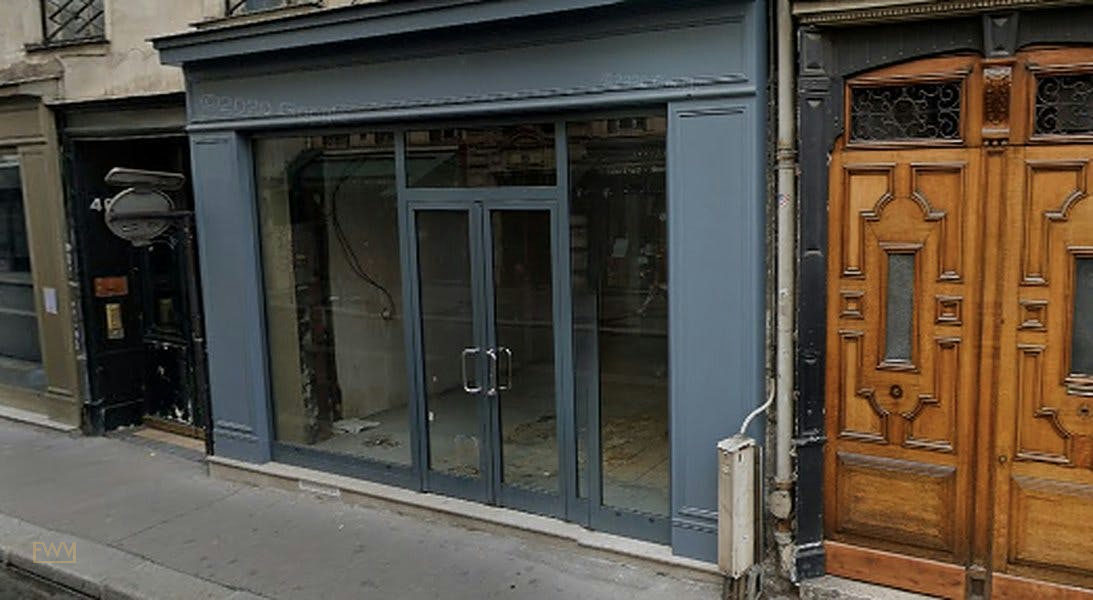
The classic boutique éphémère near the Palais Royal is typically a ground floor retail unit with street frontage, a window display surface, and an internal selling area ranging from approximately 30 to 200 square metres depending on the street and building. These spaces frequently feature marble floors, parquet floors, high ceilings, and period architectural details that contribute directly to the brand experience without requiring extensive fit-out investment. Ground floor access is essential for brands running a retail sales operation rather than a purely experiential or press-focused activation.
Loft Spaces and Raw Format Venues
Loft spaces in the broader 1st arrondissement and the adjacent Étienne Marcel and Montorgueil zones often feature exposed piping, ceiling beams, exposed stone, raw concrete floors, steel pillars, and open-plan configurations that suit brands in streetwear, contemporary design, and lifestyle categories. These spaces typically offer more operational flexibility for event programming, including launch party events, seminars, photo shooting, and film shooting, alongside a retail sales function. Wifi, storeroom access, kitchen facilities, and restroom availability vary by specific property and should be confirmed during the inspection process.
Appartements Haussmanniens
For brands seeking an intimate, residential-scale setting that communicates exclusivity and editorial refinement, the appartement haussmannien format is a distinctive option. These upper-floor spaces, converted from residential use, feature the characteristic proportions of nineteenth-century Parisian architecture: generous ceiling heights, parquet floors, large windows, and ornate cornicing. They function particularly well as temporary showrooms, private collection previews, virtual showroom anchors with an in-person component, and ephemeral gallery formats. The Fondation Quartier and Pinault Collection adjacency in this neighbourhood reinforces the cultural credibility of brands using this format for artistic direction-led activations.
Galeries and Exposition Spaces
The network of historic galeries and passage spaces in and around the 1st arrondissement, including formats inspired by the Galerie Joseph model, offers brands an exposition-forward environment where artworks, collections, and products coexist naturally. These spaces attract an audience already predisposed to looking carefully and spending on considered items, making them effective for jewellery, accessories, books, limited-edition objects, and luxury fashion.
Virtual Showroom Hybrids
An increasing number of brands are using physical Palais Royal area spaces as the anchor for a virtual showroom strategy, running in-person appointments for buyers and press while simultaneously hosting digital walkthrough sessions. This hybrid format extends the geographic reach of the activation beyond Paris and is particularly valuable for international brands that want to maximise the investment in a central Paris space during Fashion Week periods.
| Space Type | Typical Size Range | Key Features | Best Activation Format |
|---|---|---|---|
| Boutique éphémère | 30 to 150 sqm | Street frontage, window display, ground floor | Retail sales, brand experience |
| Loft space | 80 to 400 sqm | Exposed piping, ceiling beams, open plan | Launch party, photo shoot, multi-use retail |
| Appartement haussmannien | 60 to 250 sqm | Parquet floors, high ceilings, residential feel | Showroom, press preview, private sales |
| Galerie / exposition space | 40 to 200 sqm | White walls, spotlights, neutral backdrop | Artistic collaboration, exposition, collection launch |
| Grand local commercial | 150 to 500+ sqm | Multiple rooms, storeroom, kitchen, restroom | Full retail operation, seminar, film shooting |
KEY TAKEAWAY: The Palais Royal area offers a diverse ecosystem of space types, from the most architecturally ornate to the most functionally raw. Identifying the format that aligns with your production budget, operational needs, and brand aesthetic is a prerequisite to any search.
Once you have identified your preferred space type, understanding the leasing structure, cost framework, and permit requirements is essential before signing any agreement.
Costs, Leasing Structures, and What to Budget for a Pop-Up Shop Near Palais Royal
Quick answer: Rental costs for a pop-up shop near Palais Royal Garden vary significantly based on street, space type, size, duration, season, and the level of fit-out and services included. Paris 1st arrondissement commands premium pricing relative to other Paris arrondissements, and brands should plan budgets that account for rent, production, staffing, permits, utilities, and marketing. Use a dedicated planning tool rather than relying on per-day estimates alone.
Providing a single definitive price for renting a pop-up shop near the Palais Royal is not possible without a specific brief, because the variables involved are numerous and interdependent. What can be stated with confidence is that the 1st arrondissement is among the most expensive short-term retail markets in Paris, reflecting its position as the anchor zone for the global luxury retail market. Directional estimates from market observers suggest that daily rental rates for prime ground floor boutique spaces in this zone start at several hundred euros per day for smaller units and can rise substantially for larger, more architecturally significant spaces on Rue Saint-Honoré or within the Palais Royal arcades themselves.
Beyond the base rental rate, brands must account for a range of additional costs that collectively determine the true investment. These include fit-out and production costs for transforming a raw space into a branded retail environment, furniture rental, point of sale and payment infrastructure, retail staffing, security service provision, utilities and wifi, cleaning, waste removal, insurance, and any permit or administrative fees associated with operating a commercial activity in the space. For activations involving photo shooting, film shooting, or influencer marketing events, additional production costs apply.
IMPORTANT: Rental pricing in the Palais Royal area during Paris Fashion Week periods, typically the January and September ready-to-wear seasons, as well as the March and October haute couture windows, can be significantly higher than at other times of year. Brands that attempt to source spaces in the final weeks before a Fashion Week season will find availability severely limited and pricing at its peak. Strategic planning and early commitment are the most effective tools for managing rental costs in this market.
The structure of short-term retail leases in France also has direct cost implications. The bail dérogatoire, a form of short-term commercial lease permitted under French law for terms of up to three years, is the most commonly used legal framework for pop-up shop arrangements in Paris. It provides landlords and tenants with a defined, legally recognised structure for temporary occupation, but it carries specific requirements regarding notice periods, permitted use, and exit conditions that brands must understand before signing. A separate arrangement, the autorisation d'occupation temporaire or AOT, is sometimes used for public or semi-public domain spaces and has its own compliance framework. Requirements vary by space type, duration, arrondissement, and the specific nature of the commercial activity being conducted. Brands are strongly advised to verify all permit and lease requirements with a qualified French legal advisor before committing to any space. For an initial orientation on permit requirements, the permit guidance tool on Fashion Week Venues provides a useful starting framework.
For brand-specific budget modelling that accounts for space rental, production, staffing, and all associated costs, the budget estimation tool on Fashion Week Venues allows teams to build a realistic financial picture before committing to a location or agency.
TIP: Brands activating in Paris for the first time frequently underestimate the total cost of a pop-up shop by focusing on the daily rental rate and overlooking production, staffing, permits, insurance, and contingency. A complete budget model built before the space search begins will prevent misalignment between creative ambition and financial reality.
KEY TAKEAWAY: The Palais Royal area commands premium rental pricing, but the total investment includes many cost categories beyond base rent. Comprehensive upfront budgeting, informed by specialist tools and local market knowledge, is essential for any brand planning a short-term retail activation in the 1st arrondissement.
The duration of your activation is a key variable in both the cost model and the legal structure of your lease, and it deserves careful consideration as part of your planning process.
Activation Duration, Calendar Windows, and the Paris Fashion Week Opportunity
Quick answer: The ideal duration for renting a pop-up shop near Palais Royal Garden depends on your objectives, whether sales-driven, press-focused, or brand awareness-led. Short activations of three to ten days are common for fashion week periods, while more extended activations of two to eight weeks suit collection launches, brand market entry campaigns, and seasonal retail programs. Each duration carries different leasing, permit, and operational considerations.
Paris operates multiple distinct calendar windows that create concentrated demand for short-term retail and showroom spaces. Paris Fashion Week for ready-to-wear women's collections typically takes place across the first week of March and the first week of October, drawing global press, buyers, and influencers to the city simultaneously. The haute couture seasons in January and July create a complementary set of demand peaks, particularly for brands in the luxury and accessories categories. Outside of Fashion Week periods, Paris continues to draw international fashion and retail traffic throughout the year, making the Palais Royal area a viable location for activations at any point in the calendar.
For brands whose primary objective is press engagement, buyer appointments, and influencer coverage during Fashion Week, a concentrated activation of five to ten days aligned with the key diary dates is often the most efficient use of budget. The intensity of press and buyer attention during these windows is unmatched, and a well-positioned pop-up shop near Palais Royal can generate social media and editorial coverage that extends the effective lifespan of the activation well beyond its physical duration.
For brands entering the Paris retail market for the first time, or launching a new collection with a broader consumer audience in mind, a longer activation of three to eight weeks allows time to build organic foot traffic, develop local press relationships, and capture data on consumer behaviour that informs future Paris strategy. The Saint Germain des Prés area and the Marais, discussed below, offer complementary options for brands that want to run simultaneous or sequential activations across multiple Paris neighbourhoods.
DID YOU KNOW: Many established fashion brands now operate a twin activation model during Paris Fashion Week, combining a showroom space for trade and press in one location with a consumer-facing pop-up shop in a separate, higher foot traffic location. The twin co-activation approach allows brands to serve two distinct audiences simultaneously without compromising either experience. The twin co-activation concept on Fashion Week Venues provides a structured framework for brands exploring this approach.
The duration of your activation also determines the appropriate legal framework for your rental agreement. Activations of a few days are typically structured as licence agreements or event hire arrangements rather than formal bail dérogatoire leases. Activations extending beyond a month are more likely to require a formal short-term lease structure with all associated compliance obligations. The Chamber of Commerce and Industry guidance on commercial property use and urban planning regulations in Paris provides a reference point for brands navigating these distinctions, though specialist legal advice remains essential.
To build a precise timeline from initial brief to opening day, the timeline planning tool on Fashion Week Venues helps brand teams map each phase of the process, including space search, legal review, production, staffing, permit applications, and launch preparation.
KEY TAKEAWAY: Activation duration is not simply an operational decision; it shapes the legal framework, cost structure, and audience strategy of your entire Paris pop-up program. Aligning duration with objectives before beginning the space search will save significant time and resource downstream.
Beyond the Palais Royal Garden precinct, understanding how the broader Paris neighbourhood landscape maps to different brand profiles and objectives will help teams make informed decisions about where to focus their search.
Palais Royal Versus Le Marais and Other Paris Neighbourhoods: Choosing the Right Location for Your Brand
Quick answer: The Palais Royal Garden area, Le Marais, and Saint Germain des Prés represent the three dominant pop-up retail neighbourhoods in central Paris, each with a distinct character, audience, and space portfolio. The right choice depends on your brand positioning, target consumer, operational format, and calendar timing.
Le Marais, spanning the 3rd and 4th arrondissements, has developed a global reputation as the preferred location for contemporary fashion brands, streetwear labels, design-led lifestyle concepts, and internationally recognised independent boutiques. Streets including Rue des Archives, Rue de Bretagne, and the area around the Marais's historic courtyards and hôtels particuliers offer a density of creative retail energy that functions as a powerful brand context for emerging and mid-market fashion labels. The Marais attracts a younger, more digitally fluent audience than the Palais Royal zone, with strong social media amplification potential and a community of local fashion influencers who genuinely engage with new retail activations.
Saint Germain des Prés, in the 6th arrondissement, occupies a third distinct position in the Paris retail landscape. Its association with intellectual culture, established luxury maisons, and a discerning local residential community makes it a strong choice for brands in the premium lifestyle, beauty, and accessories categories. The neighbourhood's cadence is less intensely driven by Fashion Week calendars than the 1st arrondissement, making it a viable option for brands seeking year-round activation windows with a Parisian cultural reference.
For brands with the resources and ambition to activate across multiple Paris neighbourhoods simultaneously or sequentially, the Palais Royal zone as a trade and press anchor combined with a Marais consumer activation represents a well-tested strategic formula. The Palais Royal showroom hosts buyers and editors; the Marais pop-up shop generates consumer engagement and social media content.
| Neighbourhood | Arrondissement | Primary Brand Profile | Audience Character | Best For |
|---|---|---|---|---|
| Palais Royal | 1st | Luxury, established fashion, design | International luxury shoppers, press, buyers | Fashion Week showrooms, brand authority activations |
| Rue Saint-Honoré | 1st / 8th | Ultra-luxury, global maisons | High-net-worth, fashion industry | High-impact boutique éphémère, flagship pop-up |
| Le Marais | 3rd / 4th | Contemporary, streetwear, lifestyle | Fashion-forward, social-media active | Consumer activation, brand awareness, collaborations |
| Saint Germain des Prés | 6th | Premium lifestyle, beauty, accessories | Educated, design-literate, local | Considered launch, cultural positioning |
| Montorgueil / Étienne Marcel | 1st / 2nd | Contemporary, concept store, creative | Mixed local and fashion professional | First Paris activation, concept store formats |
To explore spaces across all of these neighbourhoods and build a comparative shortlist, use the Fashion Week Venues space marketplace, which allows filtering by location, space type, size, and calendar availability.
KEY TAKEAWAY: No single Paris neighbourhood is objectively superior for all brands. The right location is a function of brand positioning, audience targeting, activation format, and budget. A structured comparison process, informed by local market knowledge, produces better decisions than instinct or precedent alone.
Navigating the practical requirements of running a pop-up shop in Paris, from permits to staffing to payments, is a significant operational undertaking, and having the right agency partner can determine whether an activation succeeds or fails.
How Fashion Week Venues Supports Brands Renting Pop-Up Shops Near Palais Royal
Fashion Week Venues operates as a full-service pop-up shop agency and space marketplace, providing brand teams with the expertise, tools, and operational infrastructure needed to plan and execute a Paris activation from initial brief to closing day. The agency's primary role is to remove the friction that international brands encounter when navigating a short-term retail market that is simultaneously one of the world's most desirable and one of its most complex.
The venue sourcing service identifies and evaluates spaces in the Palais Royal area, the broader 1st arrondissement, and across other Paris neighbourhoods based on a brand's brief. This includes spaces that are not publicly listed, spaces in the galerie and passage network, and spaces that become available through the agency's established landlord relationships. Brands benefit from a curated shortlist rather than an unfiltered volume of listings, which significantly reduces the time and resource spent on the evaluation process. The venue sourcing service is the entry point for brands that have a clear brief but no existing Paris property relationships.
For brands that need support beyond space identification, Fashion Week Venues provides concept direction, production and build services, branded store design, furniture rental, retail staffing, POS and payment infrastructure, data and analytics, and influencer marketing. These services can be engaged individually or as part of a fully managed activation package, depending on the brand's internal capacity and the scope of the project.
The agency's tool suite allows brand teams to conduct a significant proportion of their initial research and planning independently before engaging a consultant. The budget estimation tool models total activation cost based on space type, duration, and service scope. The ROI calculator helps teams build a business case for the activation investment. The compare tool allows side-by-side evaluation of multiple spaces. The timeline tool maps the critical path from brief to opening. The permits tool provides an orientation on the regulatory framework applicable to different space types and durations.
For brands considering a co-activation approach, the twin concept pairs two compatible but non-competing brands in a shared space, splitting costs while doubling the combined marketing reach. This model is particularly effective during Fashion Week periods when demand for premium spaces is intense and individual brand budgets may not stretch to a standalone activation in the most desirable locations.
The imagine tool allows brand teams to visualise their concept within a specific space before committing to production decisions. The build planning tool supports the fit-out planning process with a structured framework for managing contractors, timelines, and compliance requirements.
Fashion Week Venues does not guarantee space availability, permit approval, or any specific commercial outcome for activations. The Paris short-term retail market is competitive and dynamic, and outcomes depend on a combination of brand quality, activation planning, execution, and timing. What the agency provides is the expertise, relationships, and infrastructure to maximise the probability of a successful activation in one of the world's most demanding retail environments.
Brands that want to understand how the agency has approached previous Paris activations, including the strategic decisions, spatial planning, and activation management approaches applied in real projects, can review the work and case study section at Fashion Week Venues portfolio of past activations.
KEY TAKEAWAY: Fashion Week Venues provides a structured, end-to-end framework for brands entering the Palais Royal and wider Paris pop-up market, from initial space search through to activation management and performance reporting. The combination of specialist local knowledge, established landlord relationships, and a comprehensive tool suite gives brand teams a significant operational advantage in a complex market.
Before engaging any agency or committing to any space, brands benefit from understanding the common misconceptions about Paris short-term retail that lead to costly mistakes in planning and execution.
Permits, Compliance, and Legal Frameworks for Pop-Up Shops in Paris
Quick answer: Operating a pop-up shop in Paris requires compliance with French commercial leasing law, urban planning regulations, and potentially sector-specific requirements depending on the nature of the retail activity. The bail dérogatoire is the primary short-term lease framework, but permit and compliance requirements vary significantly by space type, duration, arrondissement, and commercial activity. Professional legal and agency support is strongly recommended.
The bail dérogatoire, sometimes referred to as a convention d'occupation précaire or a bail précaire in informal usage, is a specific legal instrument under French commercial property law that allows landlords and tenants to enter into a short-term commercial arrangement outside the protections and obligations of a standard commercial lease. Under current French law, a bail dérogatoire can be granted for an initial term with the possibility of renewal up to a maximum total duration. It is the most commonly used legal structure for pop-up shops, temporary showrooms, and boutiques éphémères in Paris.
The key characteristics of the bail dérogatoire that brands must understand include: the requirement for both parties to explicitly agree that the arrangement falls outside the standard commercial lease statute, the absence of the standard tenant renewal rights that apply to long-term commercial leases, specific notice requirements for termination, and the importance of clearly defined permitted use clauses that specify what commercial activity is authorised in the space.
The autorisation d'occupation temporaire, or AOT, is a separate framework that applies to the use of public domain spaces, including certain areas within or adjacent to publicly owned buildings, urban infrastructure, and spaces under the management of public authorities. Brands considering activations in spaces with a public domain element, which can include certain galerie and passage formats in Paris, should seek specific advice on whether an AOT is applicable and what it requires.
Beyond the lease framework, brands must consider planning and urban planning permissions, particularly for any external signage, window display installations, or facade interventions that form part of the activation. The regulations governing commercial signage in the 1st arrondissement are notably strict, reflecting the historic character of the neighbourhood. Local regulations administered by the City of Paris and the relevant arrondissement mairie apply, and non-compliance can result in fines, required removal of installations, or premature termination of the activation.
For international brands without a French legal entity, operating a commercial activity in Paris raises questions about tax registration, VAT obligations, and the requirement to work within a compliant business structure. The Chamber of Commerce and Industry provides guidance on the requirements for foreign companies operating commercially in France, and brands should seek specific advice from a French accountant or legal advisor before committing to any commercial activity.
IMPORTANT: The permit and compliance landscape for pop-up shops in Paris is not standardised. Requirements vary by space type, commercial activity, duration, and location. Brands that assume that a straightforward rental agreement is sufficient without verifying the full compliance picture risk significant operational and financial disruption. Always verify requirements with a qualified French legal advisor before signing any agreement or beginning any fit-out work.
The permit guidance tool on Fashion Week Venues provides an initial orientation on the key regulatory considerations applicable to different types of short-term retail activations in Paris, but it does not constitute legal advice and should be used as a starting framework rather than a definitive compliance guide.
KEY TAKEAWAY: Permit and legal compliance for a Paris pop-up shop is a specialist discipline. The bail dérogatoire and AOT frameworks provide the legal architecture, but the practical application requires specialist support that accounts for the specific characteristics of the space, the commercial activity, and the brand's legal structure.
Addressing common misconceptions about Paris pop-up retail before finalising your planning approach will help you avoid the most frequent and costly errors made by brands entering this market.
Cultural Context, Brand Experience, and the Artistic Dimension of Activating Near Palais Royal
Quick answer: The Palais Royal Garden neighbourhood is not simply a retail location; it is a cultural ecosystem that includes the Pinault Collection at the Bourse de Commerce, the Comédie-Française, the Louvre Museum, and a network of galleries, artisanal workshops, and cultural institutions that give any brand activation in this zone a natural artistic dimension. Brands that engage with this cultural context create richer experiences and stronger media narratives than those that treat it as a generic retail backdrop.
The proximity of the Louvre Museum, one of the most visited cultural institutions in the world, and the Pinault Collection at the Bourse de Commerce, a major contemporary art foundation within walking distance of the Palais Royal, creates an audience environment that is unusually receptive to the intersection of fashion, design, and artworks. Brands in fashion and luxury have historically leveraged this cultural density to frame their pop-up activations as cultural events rather than purely commercial exercises, generating press coverage across fashion media, culture media, and lifestyle media simultaneously.
Artistic collaborations with local galleries, the Fondation Quartier network, or independent artists based in the surrounding arrondissements are a common and effective strategy for brands activating near Palais Royal. These collaborations provide authentic local cultural content, create a reason for press and influencers to cover the activation beyond the commercial narrative, and align the brand with the creative values that define the neighbourhood's identity.
The café culture embedded in the colonnades and arcades of the Palais Royal Gardens also provides a natural social infrastructure for activations. Brands that create physical environments that invite dwell time, rather than pure transactional retail, tend to generate stronger word-of-mouth and social media organic reach in this neighbourhood. The combination of a well-designed ephemeral boutique with a curated café or refreshment element, appropriate to the brand's aesthetic, is a well-established model for extending visitor engagement time and creating shareworthy content moments.
Photo shooting and film shooting in and around the Palais Royal Gardens themselves, subject to the relevant permissions from the managing authorities, provide distinctive visual content that is immediately recognisable to any fashion audience as Parisian without being generic. The colonnades, the Daniel Buren striped columns in the garden courtyard, and the formal garden layout have appeared in countless fashion editorials and campaign shoots, but their visual power remains undiminished for brands using them as an activation backdrop with genuine creative intent.
For brands planning a launch party or seminar as part of their Palais Royal activation, the neighbourhood's concentration of luxury hospitality, private dining, and cultural venues provides a strong ecosystem of partner venues and caterers who understand the expectations of a fashion and luxury audience.
DID YOU KNOW: The Palais Royal Gardens and colonnades are managed by the Centre des Monuments Nationaux, which means that any commercial activity in the arcade spaces or gardens themselves is subject to specific authorisation processes distinct from standard commercial leasing. Brands should verify the applicable framework carefully before planning any activation that uses the public spaces of the gardens or arcades.
KEY TAKEAWAY: The cultural richness of the Palais Royal neighbourhood is one of its greatest commercial assets for brands. Activations that engage authentically with the artistic and cultural context of the location create more powerful brand experiences, generate broader media coverage, and establish more durable brand associations in the Paris market than those that treat it as a neutral retail container.
Common Myths Debunked About Renting a Pop-Up Shop Near Palais Royal and in Paris
MYTH: You need a French legal entity to rent a commercial space in Paris for a pop-up shop.
FACT: International brands can operate a short-term commercial rental in Paris without a fully established French legal entity in every case, but they must address their tax registration, VAT obligations, and employment compliance requirements through appropriate legal structures. The specific approach depends on the nature of the commercial activity, the duration of the activation, and the brand's existing European legal presence. Specialist French legal and tax advice is essential, and the approach should be confirmed before committing to any space or signing any agreement.
MYTH: Paris Fashion Week is the only viable calendar window for a pop-up shop near Palais Royal.
FACT: While Paris Fashion Week periods generate the highest concentration of industry press, buyers, and influencers, the Palais Royal area attracts substantial retail foot traffic and international visitor volume throughout the entire year. The Louvre Museum, La Samaritaine, and the surrounding luxury retail corridor draw a high-quality consumer audience in every season. Brands that activate outside Fashion Week periods often find better space availability, more competitive rental pricing, and more operational space for creative execution without the logistical compression of peak season.
MYTH: The only way to find a pop-up space near Palais Royal is through a commission-based broker.
FACT: Commission brokers are one route to space discovery, but they are neither the only nor necessarily the most efficient route for brands with clear briefs and defined budgets. Full-service agencies such as Fashion Week Venues combine space marketplace access with production, activation, and operational support in a single engagement model. Direct outreach to property owners, structured marketplace platforms, and specialist pop-up shop agencies all provide alternative access routes that may better serve a brand's specific requirements, timeline, and budget.
MYTH: Short-term leases in Paris are legally straightforward and require no specialist support.
FACT: The bail dérogatoire and AOT frameworks that govern most short-term commercial space arrangements in Paris have specific legal requirements that are not always intuitive for international brands unfamiliar with French commercial property law. Errors in lease structuring, permitted use definition, or compliance with urban planning regulations can result in fines, premature termination, or inability to conduct the intended commercial activity. Specialist legal support from a French-qualified advisor is not optional for brands taking this market seriously; it is a standard operational requirement.
MYTH: A pop-up shop near Palais Royal only makes commercial sense for luxury or heritage brands.
FACT: While the Palais Royal area has a strong association with luxury and heritage fashion, the diversity of space types available in the broader precinct, from raw loft spaces near Étienne Marcel to contemporary concept store formats in the Montorgueil district, means that contemporary, design-led, and lifestyle brands can activate successfully in this neighbourhood. The key is matching the specific space and micro-location to the brand's positioning rather than assuming that the entire zone operates at a single price point or aesthetic register.
Frequently Asked Questions About Renting a Pop-Up Shop Near Palais Royal Garden
What makes the Palais Royal Garden area specifically valuable for a pop-up shop compared to other Paris neighbourhoods?
The Palais Royal Garden area combines three factors that few other Paris locations can match simultaneously: an architectural grandeur that elevates brand perception without requiring extensive fit-out investment, a layered audience of international luxury shoppers, cultural tourists from the Louvre Museum, and fashion industry professionals attending nearby showrooms, and a cultural institutional density including the Pinault Collection and the Comédie-Française that provides a prestigious contextual frame for any brand activation. This combination makes it particularly effective for brands seeking to establish or reinforce a luxury or cultural positioning in the Paris market during or outside of Fashion Week periods.
How far in advance should a brand begin searching for a pop-up shop near Palais Royal?
For activations timed to Paris Fashion Week seasons, brands should begin their space search a minimum of three to six months before their intended opening date, with four to five months being the most practical planning horizon for securing a quality space on or near Rue Saint-Honoré or within the Palais Royal arcade network. For activations outside peak Fashion Week periods, a two to three month lead time is more commonly sufficient, though highly specific space requirements may require a longer search window. Starting earlier always improves the quality of the shortlist and reduces the pressure to make compromised decisions under time constraint.
What types of brands use pop-up spaces near the Palais Royal Garden most successfully?
The most successful activations near the Palais Royal Garden tend to come from brands with a strong visual identity, a clear audience brief, and an activation concept that engages with the cultural and architectural character of the neighbourhood. Established and emerging fashion labels, luxury accessories and jewellery brands, niche perfumery and beauty brands, design objects and collectibles labels, and international fashion brands entering the Paris market for the first time all activate successfully in this zone. The common factor is a commitment to execution quality rather than a specific brand scale or price point.
What is a bail dérogatoire and how does it apply to a pop-up shop in Paris?
A bail dérogatoire is a specific short-term commercial lease instrument under French law that allows a landlord and tenant to enter into a commercial space agreement outside the standard protections and obligations of a full commercial lease. It is the most common legal framework used for pop-up shops, temporary showrooms, and boutiques éphémères in Paris. Both parties must explicitly agree that the arrangement falls outside the standard commercial lease statute. The bail dérogatoire has specific requirements regarding maximum duration, notice periods, and permitted use definitions, and brands should seek advice from a qualified French legal advisor before signing any such agreement.
Do I need permits to run a pop-up shop near Palais Royal Garden?
The permit requirements for a pop-up shop near the Palais Royal depend on the specific space type, the nature of the commercial activity, the duration of the activation, and any interventions to the external facade or public realm. Requirements vary by arrondissement and by the specific urban planning and heritage designation of the building or space. External signage and window display installations are subject to specific regulations in the 1st arrondissement. Brands should verify all applicable permit requirements with a qualified French legal advisor and with the relevant local authority before beginning any fit-out or commercial operation. The permit guidance tool on Fashion Week Venues provides an initial orientation framework.
Can international brands without a French company rent a pop-up shop near Palais Royal?
International brands can access the Paris short-term retail market without a fully established French company in all cases, but they must address their legal, tax, and employment compliance obligations through an appropriate structure for their specific situation. The requirements depend on the nature and duration of the commercial activity, the brand's existing European legal presence, and how staff and payments will be structured for the activation period. French legal and tax advice is essential before committing to any space or commercial operation, and this should be treated as a standard planning cost rather than an optional consideration.
What is the ideal duration for a pop-up shop activation near Palais Royal?
There is no single ideal duration; the right length depends on the activation's objectives. For press and buyer engagement during Paris Fashion Week, five to ten days aligned with the key season dates is a well-tested model. For consumer-facing brand launches and market entry campaigns, two to six weeks allows time to build organic foot traffic and generate sustained media coverage. For brands testing the Paris market for the first time with a retail sales objective, a four to eight week window provides a reasonable data set for evaluating consumer response without committing to a long-term lease obligation.
What infrastructure and amenities should I look for in a Palais Royal pop-up space?
Essential infrastructure requirements for a functional pop-up shop include ground floor or easily accessible retail access, adequate power supply for lighting and point of sale systems, wifi connectivity, restroom facilities either within the unit or in the building, a storeroom or back-of-house area for stock management, and basic kitchen or refreshment facilities if the activation involves hospitality. For photo shooting, film shooting, or launch party formats, ceiling height, natural light, and acoustic properties are additional considerations. Specific architectural features such as marble floors, parquet floors, ceiling beams, and exposed stone are desirable for brand aesthetic reasons but should not take precedence over functional adequacy.
How does Fashion Week Venues help brands find and activate pop-up spaces near Palais Royal?
Fashion Week Venues provides a full-service agency model that begins with venue sourcing based on the brand's brief and extends through concept direction, production and build, branded store design, furniture rental, retail staffing, POS and payments infrastructure, data and analytics, and influencer marketing. The agency's Paris city hub and space marketplace provide direct access to available spaces across the Palais Royal area and wider Paris neighbourhoods. Supporting tools including the budget estimator, ROI calculator, timeline planner, and permits guidance tool allow brands to conduct independent research and planning before engaging a consultant. The agency does not guarantee specific outcomes but provides the expertise and infrastructure to give any activation the strongest possible foundation.
Is Le Marais or Palais Royal a better location for a pop-up shop in Paris?
The Palais Royal zone and Le Marais serve fundamentally different brand and audience profiles rather than being direct alternatives. The Palais Royal area is most effective for luxury, heritage, and fashion-industry-facing activations where press credibility, buyer access, and architectural prestige are primary objectives. Le Marais is most effective for consumer-facing activations targeting a fashion-forward, digitally active, international-minded audience with strong social media amplification potential. Many brands activate in both neighbourhoods simultaneously or sequentially, using Palais Royal for trade and press functions and Le Marais for consumer engagement.
What is the difference between a boutique éphémère and a temporary showroom in Paris?
A boutique éphémère is a consumer-facing retail format that operates for a defined short period, selling directly to end consumers from a temporary physical space. A temporary showroom is a trade-facing format that hosts buyer appointments, press previews, and industry consultations, typically during Fashion Week seasons. Both formats can occupy the same type of physical space in the Palais Royal area, but their operational requirements, staffing profiles, and success metrics are fundamentally different. Some brands run hybrid formats that serve both functions from the same space at different times during the activation window.
What social media and influencer marketing potential does a Palais Royal pop-up shop offer?
The visual and cultural richness of the Palais Royal Garden neighbourhood makes it an exceptionally strong environment for social media content creation. The Galerie de Valois colonnades, the formal garden, the architectural grandeur of the surrounding buildings, and the adjacency to iconic Paris landmarks including the Louvre Museum and Place Vendôme provide an instantly recognisable and prestigious visual backdrop. Brands that invest in the visual design of their pop-up space and create deliberate content moments within the activation environment typically generate significant organic social media reach, particularly on Instagram and emerging visual platforms, which extends the effective marketing lifespan of the activation well beyond its physical duration.
Can I use the Palais Royal Garden itself for a brand activation or photo shoot?
The Palais Royal Gardens are managed by the Centre des Monuments Nationaux, and any commercial activity, filming, or brand activation within the gardens or colonnades requires a specific authorisation from the managing authority. The process and requirements are distinct from standard commercial space rental, and approvals are not guaranteed. Brands that want to incorporate the garden or colonnades into their activation concept should begin the authorisation process well in advance and seek advice from an agency with experience navigating the relevant administrative process.
How should I approach budgeting for a pop-up shop near Palais Royal for the first time?
First-time budgets for a Palais Royal area pop-up shop should include base rental costs, fit-out and production, furniture rental, POS and payment infrastructure, retail staffing, security, utilities, wifi, cleaning and waste management, insurance, permit and legal fees, marketing and influencer activation costs, and a contingency allowance. The base rental rate is typically the single largest line item but rarely the majority of the total investment when all operational costs are accounted for. The budget estimation tool on Fashion Week Venues allows brands to build a comprehensive financial model based on their specific space type, duration, and service requirements before committing to any space or agency agreement.
Conclusion: Taking the Next Step to Rent a Pop-Up Shop Near Palais Royal Garden
Renting a pop-up shop near Palais Royal Garden is one of the most strategically powerful retail decisions a fashion or luxury brand can make. The neighbourhood delivers an unmatched combination of architectural prestige, cultural density, and audience quality that amplifies brand experience, generates editorial coverage, and creates lasting consumer impressions. But realising that potential requires precise planning, specialist local knowledge, early action in the space market, and rigorous attention to the legal, compliance, and operational dimensions that determine whether an activation runs smoothly or encounters avoidable disruption.
The brief for your activation, including space type, duration, audience objective, budget framework, and permit requirements, should be defined before the space search begins. The calendar window, whether aligned to Paris Fashion Week, a specific collection launch, or a broader brand awareness campaign, should be confirmed and locked before approaching landlords or agencies. And the team around you, whether internal, agency-managed, or a combination of both, should have real Paris market experience rather than general event management capability.
Fashion Week Venues exists to support exactly this kind of activation, from the first strategic question through to the final day of trading. The agency's combination of local market expertise, established property relationships, full-service operational capability, and specialist planning tools gives brand teams the infrastructure they need to activate confidently in one of the world's most competitive and rewarding retail environments.
To move from research to activation, start exploring available spaces on the Fashion Week Venues marketplace and build a focused brief for your target neighbourhood, space type, and calendar window. If you want expert support throughout the process, the guide to hiring a pop-up shop agency will help you understand what to look for and what questions to ask before committing to any partnership.