

Fashion Week venues serve as the beating heart of any successful brand activation or showroom event. Navigating the complexities of choosing a space during this pivotal time requires strategic planning and an understanding of regulatory nuances. Fashion Week Venues serves as a guiding light for brands, offering unmatched expertise in venue sourcing, concept direction, and comprehensive activation management, especially in vibrant markets like Paris. In this article, we'll dive deep into the key considerations and decision criteria for brands looking to maximize their impact during Fashion Week.
Understanding Fashion Week Venue Options
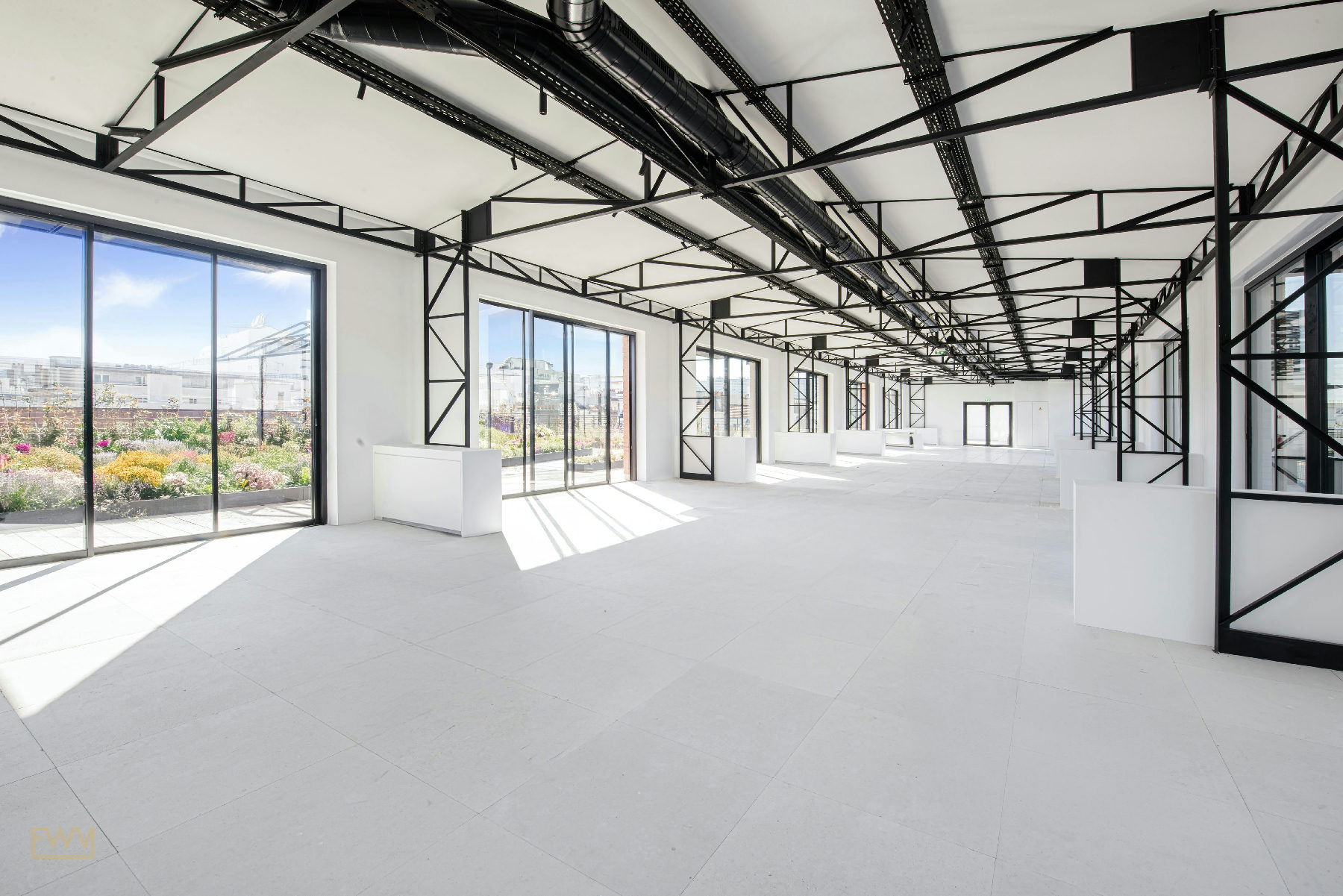
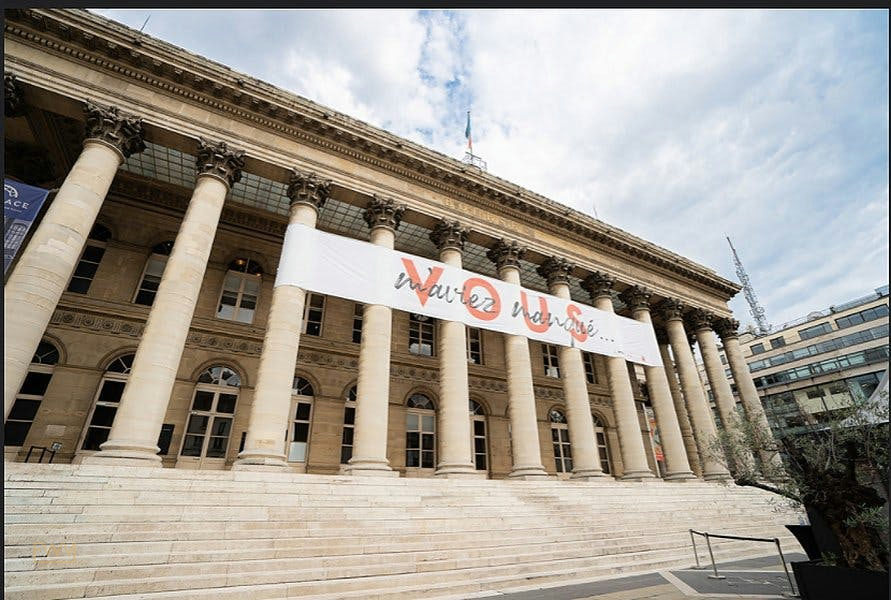
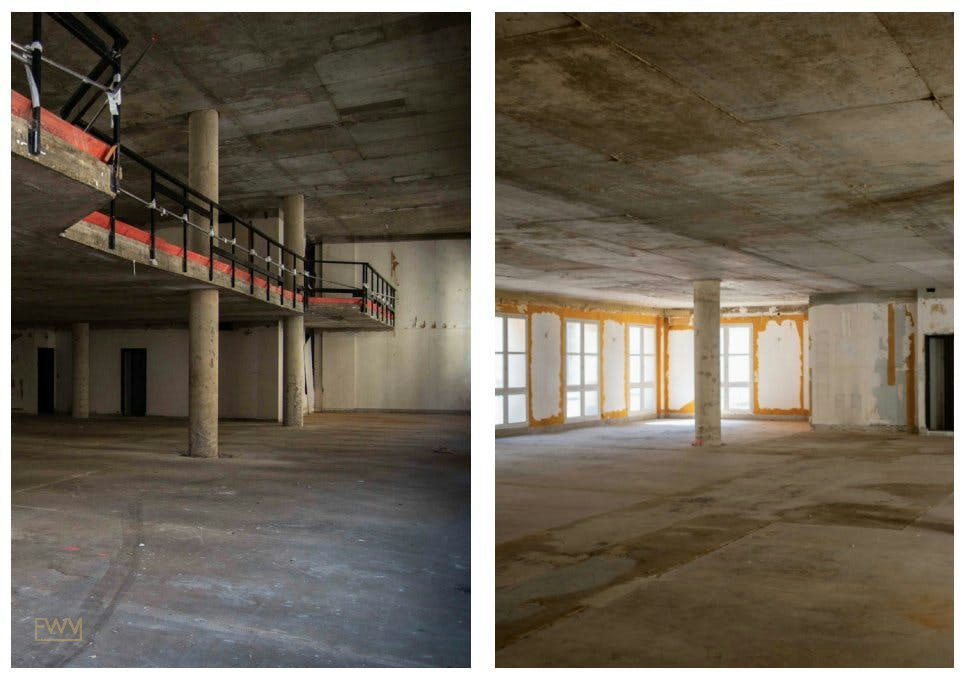
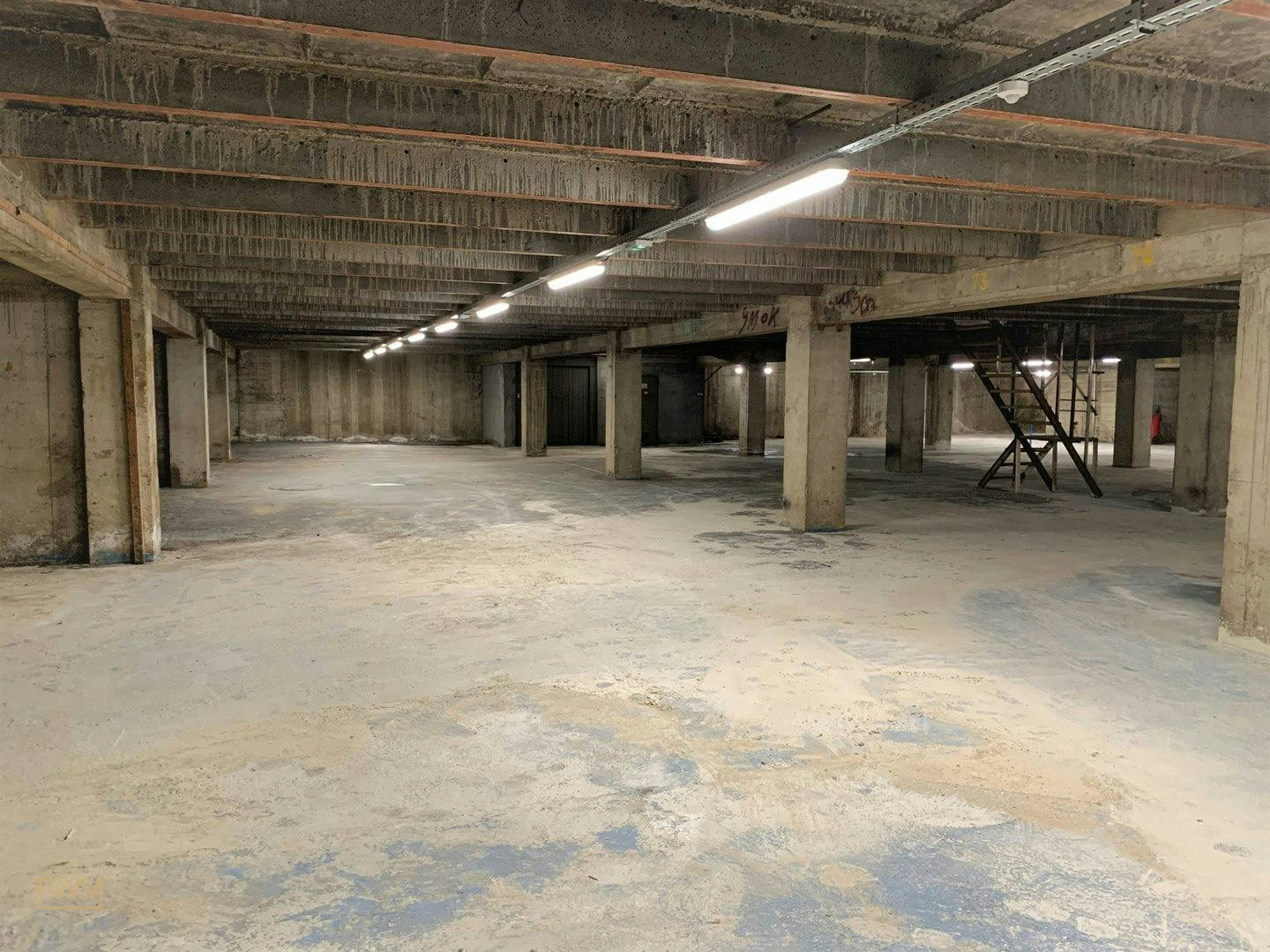
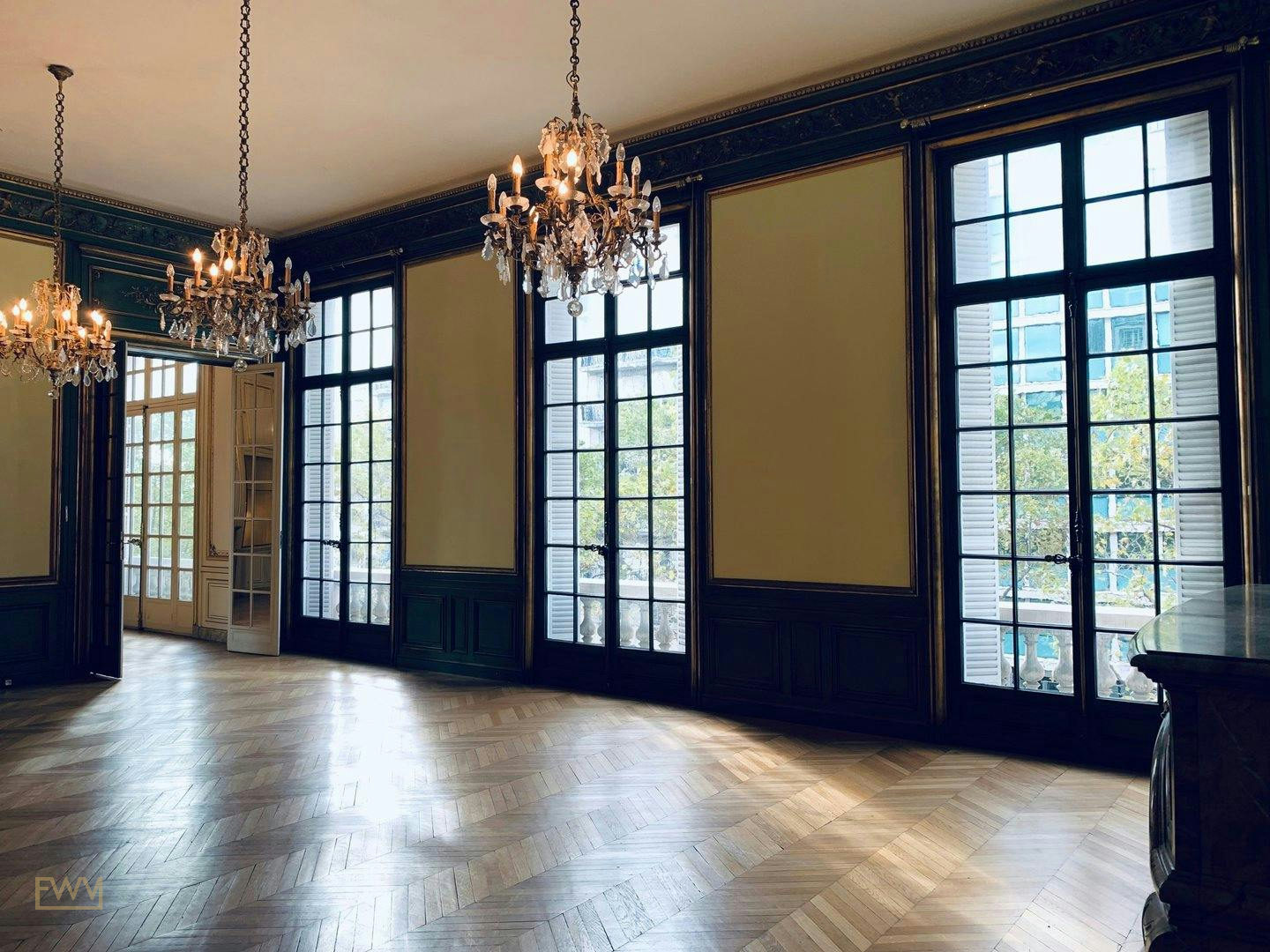
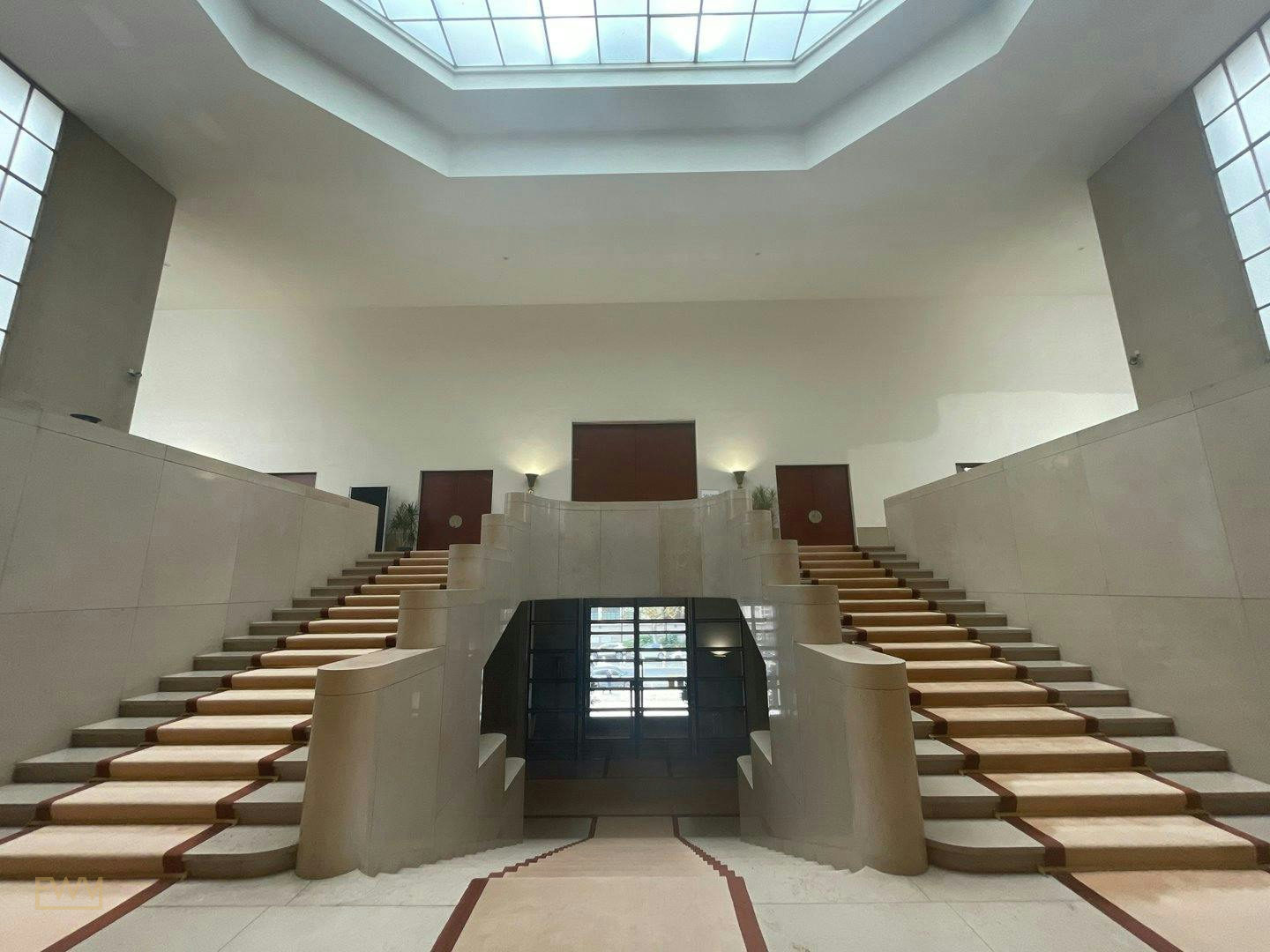
Choosing the right venue is crucial for a successful Fashion Week activation. The right choice can elevate your brand presence, making your event memorable and impactful. Venues can range from large exhibition halls and intimate showrooms to quirky industrial spaces, each offering distinct advantages.
Quick answer: Fashion Week venues vary widely in type, size, and amenities, allowing brands to select spaces that align with their vision and target market. Factors such as location, accessibility, and atmosphere play significant roles in venue selection.
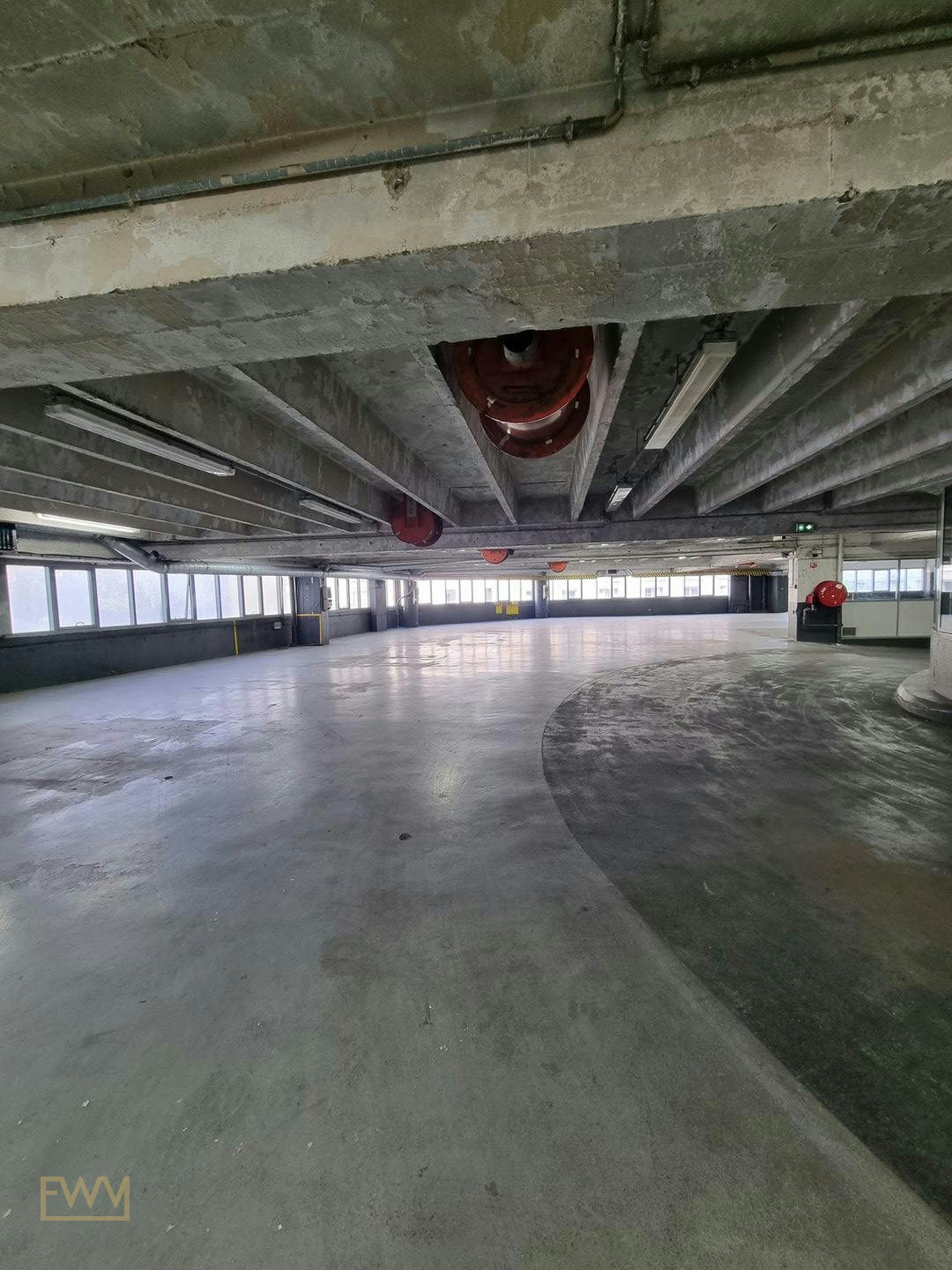
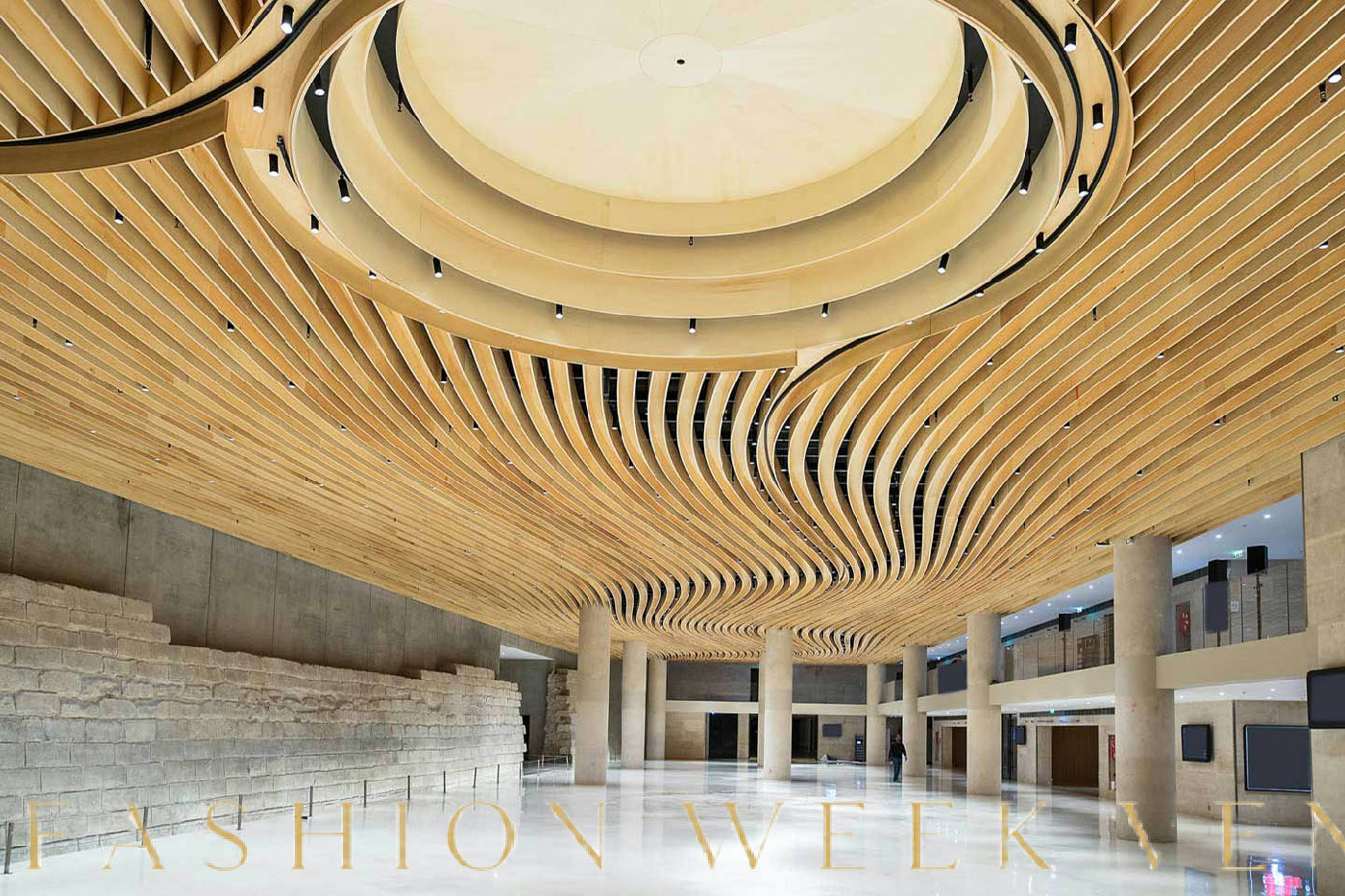
Exhibition halls like the Palais de Tokyo provide vast spaces suitable for larger brand activations or runway shows. These are typically well-equipped with technical facilities, making them ideal for complex setups. On the other hand, intimate showrooms in fashionable districts like Le Marais or Saint-Germain-des-Prés offer exclusivity and a personal touch, fostering closer interaction with invitees and influencers.
| Venue Type | Capacity | Ideal Use |
|---|---|---|
| Exhibition Hall | 500+ | Runway Shows, Large Exhibitions |
| Showroom | 50-200 | Private Viewings, Media Launches |
| Unique Spaces (e.g., Industrial) | Variable | Experiential Marketing, Pop-ups |
Location is another critical factor. Neighbourhoods known for their fashion-savvy clientele, such as the Opéra district or Canal Saint-Martin, can draw a natural footfall of potential customers and trendsetters. This means that location-based visibility is a key strategic component for any brand during Fashion Week.
KEY TAKEAWAY: Choose venues that resonate with your brand's identity and strategic goals, ensuring they offer appropriate capacity, ambience, and location advantages.
Transitioning to the next section, consider how the logistical aspects and legal frameworks, such as permits and compliance, impact venue selection for your event's success.
Logistics and Legal Considerations for Venue Selection
The logistics of hosting a Fashion Week event involve several layers of planning, each critical to ensuring a smooth execution. From securing permits to understanding local regulations, the legal landscape can affect every aspect of your activation.
Quick answer: Legal compliance, including understanding bail dérogatoire and AOT permits, is crucial for hosting events. This ensures event legality and risk mitigation.
To legally host an event, especially in a foreign market like Paris, understanding permits is essential. Two key types of licenses are the bail dérogatoire, a flexible short-term lease often used for pop-up shops, and the Autorisation d’Occupation Temporaire (AOT), which permits temporary use of public spaces. Each permit involves specific conditions and durations, influencing your venue choice.
Acquiring these permits can be daunting. Requirements vary based on space type and event duration, with conditions differing across Parisian arrondissements. Consulting with legal experts or using resources like the permit guidance tool from Fashion Week Venues can streamline this process.
DID YOU KNOW: In some cases, securing an ERP (Etablissement Recevant du Public) classification is necessary for venues hosting public gatherings, especially those involving significant audience sizes or activities.
It's also important to consider accessibility and transportation logistics. Venue accessibility can dictate guest attendance. Ideal venues have proximity to public transportation or available parking facilities, ensuring attendee convenience.
KEY TAKEAWAY: Pay close attention to permit requirements and logistical details to avoid last-minute hurdles, ensuring full compliance with local regulations.
Moving forward, explore how timing and event calendar considerations intersect with venue selection and implementation strategies.
Making the Most of Fashion Week Calendars
Timing is pivotal for maximizing the impact of a Fashion Week event. The Fashion Week calendar offers only a few coveted slots, and understanding these can significantly benefit your brand's visibility and engagement.
Quick answer: Aligning your event with major Fashion Week dates enhances brand exposure and audience engagement. Key times are clustered around high-attendance runway shows and related events.
Fashion Week comprises multiple seasons; each offers unique opportunities. Spring/Summer and Fall/Winter collections are the primary focus, yet events like Haute Couture and Men’s Fashion Week offer niche engagement possibilities.
| Season | Duration | Key Opportunities |
|---|---|---|
| Spring/Summer | 3-4 weeks | Main Line Showcases, Major Media Exposure |
| Fall/Winter | 3-4 weeks | Retail Activations, Holiday Season Previews |
| Haute Couture | 1 week | Luxury Alignments, Exclusive Showcases |
Being strategic about overlaps with major industry events, such as runway shows or influential gatherings, can draw critical informal foot traffic. However, it's essential to avoid being overshadowed by too many concurrent high-profile events.
Leveraging digital tools, like Fashion Week Venues' timeline planner, can help strategize event timing. This planner aids in identifying optimal times, avoiding clashes, and maximizing exposure.
KEY TAKEAWAY: Timing your event to harmonize with key Fashion Week dates offers immense potential for increased brand recognition and media coverage.
Considering timing helps in planning for the necessary resources and enhancing the execution strategy, which leads us to explore how Fashion Week Venues assists brands in this spectrum.
How Fashion Week Venues Supports Brand Activations
Fashion Week Venues is a comprehensive service provider, empowering brands with expert guidance in planning and executing Fashion Week events. Our offerings are tailored to match the unique demands and visions of each client, ensuring impactful activations.
Quick answer: Fashion Week Venues provides venue sourcing, concept direction, production and build, and activation management, enabling seamless brand integrations during Fashion Week.
Services include venue sourcing, ensuring brands find the most strategic locations, and concept direction to creatively align the venue with brand narratives. Our production and build services facilitate bespoke setups that realize your vision.
Additionally, Fashion Week Venues offers essential activation management, overseeing event execution to ensure all logistical components are meticulously handled. This includes leveraging technologies like POS for seamless sales and using analytics tools to assess performance metrics.
TIP: Utilize Fashion Week Venues’ ROI and budget calculators to effectively manage project costs and forecast financial outcomes, helping to keep projects within budget while maximizing value.
While Fashion Week Venues handles numerous critical components, brands must prepare carefully, understanding that successful activations demand a cohesive effort spanning creative and operational fronts.
KEY TAKEAWAY: Leveraging a comprehensive service like Fashion Week Venues empowers brands to focus on creativity and impact, ensuring logistics are expertly managed for successful Fashion Week involvement.
This highlights the vital role of a dedicated resource in brand activations and leads us to discuss the common myths often associated with hosting Fashion Week events.
Common Myths Debunked
MYTH: You must have a French legal entity to rent a space in Paris.
FACT: International brands can rent spaces without a French legal entity by working with specialized agencies like Fashion Week Venues. Agencies handle legal documentation and facilitate the permit process, making it straightforward for global brands to establish a presence in Paris.
MYTH: Paris Fashion Week is the only viable calendar window for brand launches.
FACT: While Paris Fashion Week offers significant exposure, other periods such as Haute Couture or Men’s Fashion Week can cater to niche markets. These are excellent opportunities to engage specific luxury segments or targeted demographics without competing against the full-scale extravaganza of main season shows.
MYTH: Commission brokers are the only way to find a space in Paris.
FACT: While brokers can be useful, emerging platforms and agencies like Fashion Week Venues provide integrated services that streamline the entire process, from venue sourcing to activation. These services offer transparency and cohesive management without the added commission costs of traditional brokers.
MYTH: Short-term leases are legally straightforward and don't require specialist help.
FACT: Short-term leases can be complex due to specific legal terms like bail dérogatoire. Without expert guidance, brands risk non-compliance. Agencies like Fashion Week Venues assist in navigating these legalities to ensure smooth lease agreements.
This understanding of myths and facts establishes a clearer path for brands planning to make significant impacts during Fashion Week, addressing potential misconceptions that could hinder decision-making.
Frequently Asked Questions
How far in advance should I book a venue for Fashion Week?
Booking a venue for Fashion Week should typically be done 6 to 12 months in advance. This allows ample time for planning, securing permits, and coordinating logistics. Early booking ensures better venue options and avoids last-minute complications.
What are the average costs associated with Fashion Week venues?
Venue costs vary widely based on location, size, and facilities. While specifics depend on individual circumstances, budgeting tools like those offered by Fashion Week Venues can provide tailored estimates.
Is it possible to host an event without a permit?
Hosting an event without a permit is risky and often illegal, especially in Paris. Permits ensure compliance with local laws and regulations, which is why consulting services like those offered by Fashion Week Venues are crucial.
What factors should influence my venue choice?
Consider factors such as target audience, event type, budget, and location when choosing a venue. These elements ensure the venue meets brand objectives and resonates with your intended audience.
Are there alternative options to traditional runway shows?
Yes, alternative formats like experiential marketing events, pop-up stores, and digital showcases offer flexibility and innovation, appealing especially to digital-savvy audiences.
How important is the venue's location for brand visibility?
Location is crucial for accessibility and brand visibility. A strategically placed venue attracts natural foot traffic and media attention, maximizing brand exposure and event impact.
What are common mistakes to avoid when planning Fashion Week events?
Common pitfalls include underestimating logistical requirements, poor timing, and overlooking regulatory compliance. Engaging a comprehensive service provider like Fashion Week Venues can mitigate these risks.
Can Fashion Week Venues assist with digital marketing support?
Yes, Fashion Week Venues offers influencer marketing services to enhance digital reach and engage relevant online communities, complementing physical event efforts.
How can I evaluate the ROI of a Fashion Week event?
Using ROI calculators like those by Fashion Week Venues helps in understanding financial performance, allowing brands to assess engagement and conversion rates effectively.
What types of events work best during Fashion Week?
Events best suited include runway shows, product launches, and brand activations that align with the energy and audience of Fashion Week. These maximize exposure and networking opportunities.
What are the benefits of using a space marketplace?
Space marketplaces provide extensive options and comparative flexibility, simplifying the decision process and ensuring brands find venues that align perfectly with their needs.
How do I align my brand's image with a chosen venue?
Careful consideration of venue ambiance, history, and current trends ensures alignment with brand values and messages, enhancing overall event coherence and appeal.
What staffing considerations are crucial for Fashion Week events?
Ensuring appropriate staffing levels and skills is essential for smooth operation and guest experience, from security to show management. Professional service offerings can alleviate these pressures.
Are there any specific insurance requirements for hosting events?
Event insurance is often necessary, covering risks such as liability and injury. Consulting with insurance providers early ensures proper coverage, safeguarding against potential claims.
How can external tools aid in planning Fashion Week events?
External tools like budget calculators, timeline planners, and analytics dashboards streamline planning processes, optimize resources, and enhance outcome predictability.
Conclusion: Your Path Forward in Fashion Week Venue Planning
In conclusion, choosing the right Fashion Week venue involves strategic thinking across multiple dimensions, from location and timing to legal compliance and event logistics. Fashion Week Venues stands as a pivotal partner in this journey, offering unmatched expertise to navigate these complexities. Utilizing their comprehensive services and tools, brands can efficiently transition from research to activation, ensuring successful engagement with their target audience. To move from research to activation, start exploring available spaces on the Fashion Week Venues marketplace and build a focused brief for your target neighbourhood, space type, and calendar window. Success lies in meticulous preparation and leveraging expert support — your next great event awaits.