A pop up store in Saint Germain places your brand at the intersection of intellectual heritage, luxury retail, and genuine creative credibility. Saint-Germain-des-Prés is one of the most sought-after districts in Paris for ephemeral commerce, attracting international labels, emerging designers, and heritage houses that want proximity to an affluent, culturally engaged audience without the permanence of a long-term lease. This guide covers everything brand teams, creative directors, retail strategists, and event producers need to know before opening in the 6th arrondissement: the neighbourhood landscape, venue types, permit considerations, budget factors, and how to build a successful activation from brief to closing day. Fashion Week Venues supports brands at every stage of this process, from venue sourcing through to on-site activation management.
Why Saint-Germain-des-Prés Is One of Paris's Most Powerful Pop-Up Destinations
Saint-Germain-des-Prés earns its reputation as a premier pop-up destination not through accident but through a rare convergence of cultural gravity, consumer quality, and spatial variety. The district sits in the 6th arrondissement on the Rive Gauche, bounded broadly by the Seine to the north, the Luxembourg Gardens to the south, Boulevard Saint Germain running through its heart, and a dense network of streets including Rue de Seine, Rue Mazarine, and Rue Dauphine weaving between independent galleries, concept stores, and centuries-old cafés.
The area's cultural DNA runs deep. Café de Flore and Brasserie Lipp were the meeting points of Jean-Paul Sartre, Simone de Beauvoir, Boris Vian, and Jean-Luc Godard. That intellectual and artistic legacy has never fully left the neighbourhood. Today it coexists with the commercial presence of houses like Louis Vuitton, Ralph Lauren, and Emporio Armani, alongside the independent spirit that makes the area genuinely interesting to a diverse consumer audience. Brands from Supreme and Glossier to Tesla have used temporary retail activations in Paris's left bank neighbourhoods to reach consumers who would never be found in a generic shopping centre.
Foot traffic in Saint-Germain is characterised by its quality as much as its volume. The neighbourhood attracts Parisian professionals, international visitors staying in the 6th and 7th arrondissements, students from nearby institutions, and a loyal local clientele with strong discretionary spending power. Compared to the Champs-Élysées or the Triangle d'Or, Saint-Germain feels more intimate and curated, which is precisely the register many brands want to occupy for a temporary activation.
The proximity to the Luxembourg Museum, the Église Saint-Sulpice, and the gardens means that dwell time in the neighbourhood is naturally high. Visitors are not simply passing through; they are exploring. That exploratory mindset makes them significantly more receptive to discovering a pop-up store or showroom tucked inside a historic building on Rue Dauphine or along Rue de Seine.
Boutique Saint-Sulpice, as a micro-cluster within the broader Saint-Germain zone, commands particular attention. The area around the Saint-Sulpice church and the square that bears its name has developed into a focal point for fashion-adjacent retail, with several spaces that work exceptionally well for temporary brand activations, short-term showrooms, and invitation-only events.
DID YOU KNOW: Saint-Germain-des-Prés was the birthplace of French existentialism as a cultural movement, and that intellectual legacy continues to attract a consumer audience that values substance and originality over spectacle alone.
KEY TAKEAWAY: Saint-Germain-des-Prés offers a combination of cultural prestige, high-quality foot traffic, and a compact, walkable geography that makes it one of the most effective neighbourhoods in Paris for a pop-up store, showroom, or brand activation targeting an educated, affluent, and internationally minded consumer.
Understanding the specific streets and micro-zones within Saint-Germain allows brands to position their activation with precision, which is where neighbourhood knowledge and venue sourcing experience become critical advantages.
Saint-Germain Street by Street: Key Locations for a Pop-Up Store Rental
Choosing between streets in Saint-Germain is not merely a question of availability. Each street carries a distinct tone, consumer profile, and visual context that will shape how your brand is perceived during an activation. Understanding the character of each corridor helps brands make smarter rental decisions and negotiate more effectively with space owners.
Boulevard Saint Germain
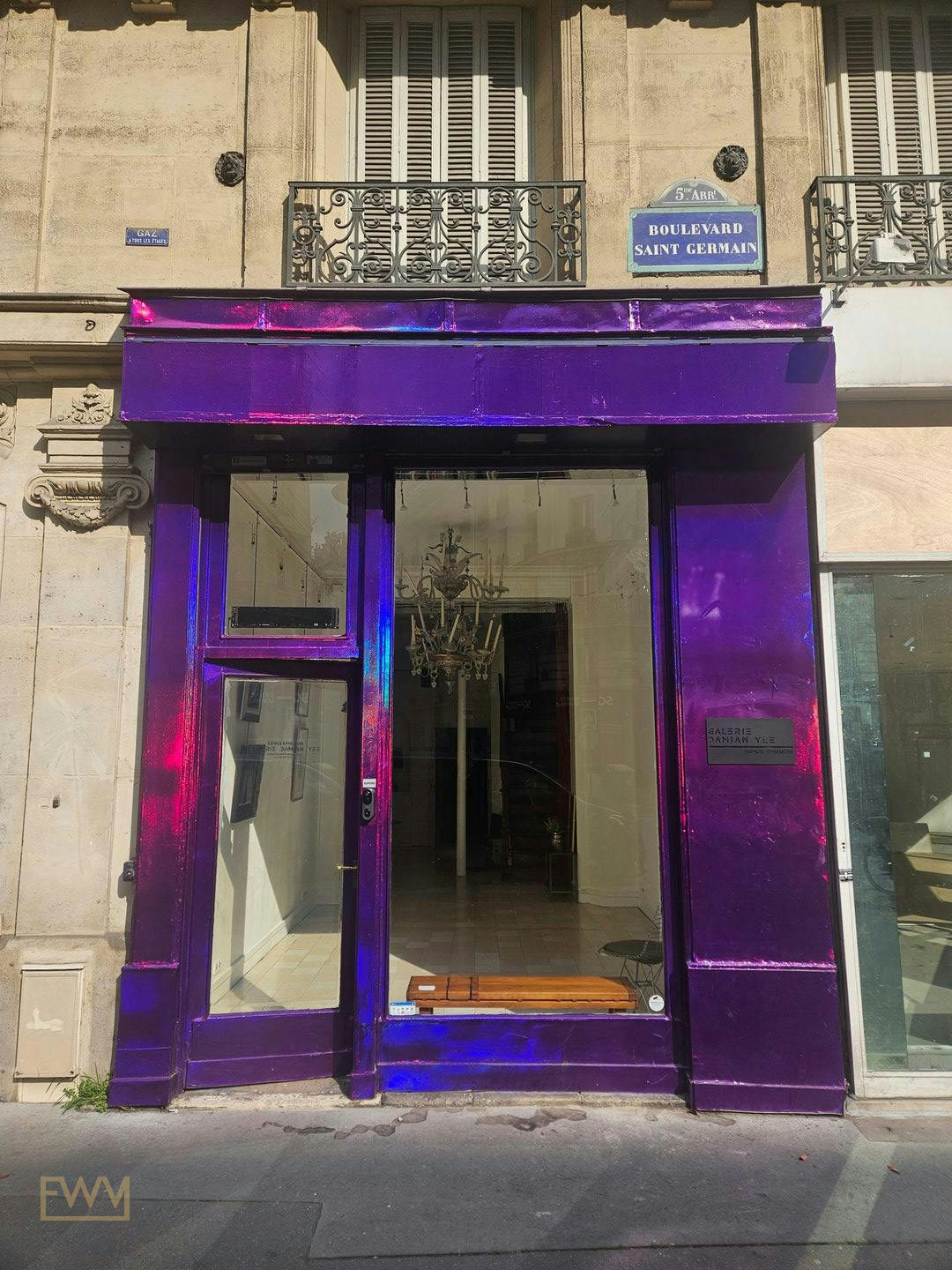
Boulevard Saint Germain is the district's main artery and carries the highest general foot traffic in the area. Spaces here tend to be more visible and command premium rental rates. The boulevard is well served by public transportation, making it accessible from across Paris and attractive for activations that depend on volume. Larger format boutiques, gallery-style spaces, and corner units with significant glazing work well on this street. Brands seeking maximum visibility for a launch event or a high-traffic retail pop-up will find Boulevard Saint Germain a natural first consideration.
Rue de Seine and Rue Mazarine
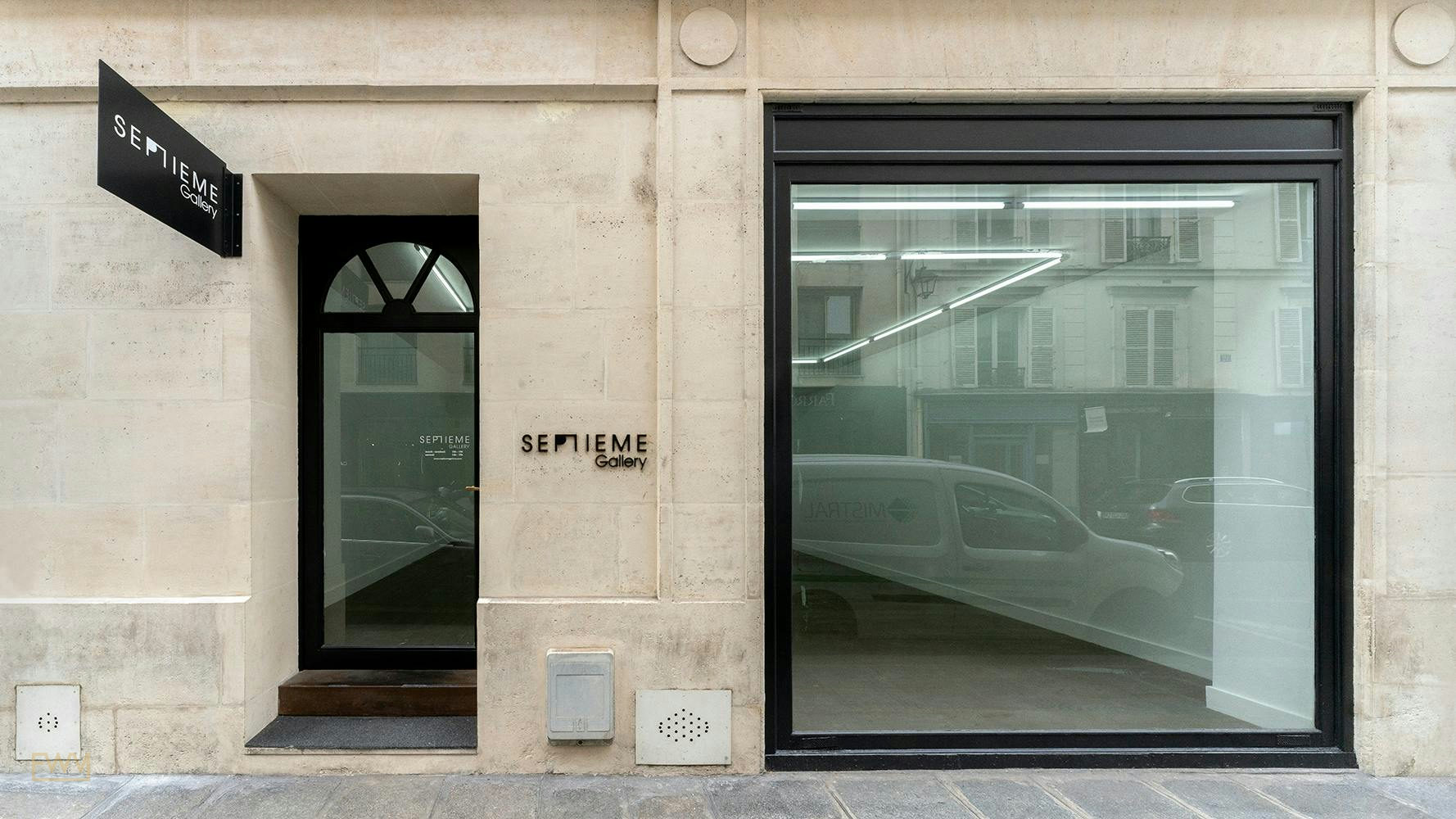
Rue de Seine and Rue Mazarine form the gallery quarter of Saint-Germain. These parallel streets running north from Boulevard Saint Germain toward the Seine are home to a high concentration of contemporary art galleries, artisanal shops, and independent concept stores. The architecture tends toward tall, narrow historic buildings with generous ceiling heights and stone or timber structural elements. Brands in the fashion, design, jewellery, beauty, and art adjacency categories find this corridor particularly well-suited for showrooms and curated retail events. Foot traffic is lower than the boulevard but the audience is more precisely targeted.
Rue Dauphine
Rue Dauphine runs from the Pont Neuf down toward the heart of Saint-Germain and is one of the more characterful streets in the 6th arrondissement. Spaces here often feature exposed stone, irregular floor plans, and the kind of atmospheric quality that photographs exceptionally well on social channels. The street has a strong independent retail culture and draws both local Parisians and culturally engaged visitors. It works particularly well for smaller brands seeking to communicate authenticity and craft.
Rue de Rennes
Rue de Rennes runs south from Saint-Germain toward Montparnasse and functions as the district's primary mass-market retail corridor. It is home to larger format retail stores and carries significant daily foot traffic, including younger consumers and students from the surrounding area. Brands seeking broader reach and higher transaction volumes within the Saint-Germain postcode often consider Rue de Rennes for temporary shop formats.
Boutique Saint-Sulpice and the Square Surroundings
The streets immediately surrounding the Église Saint-Sulpice, including Rue Bonaparte and the western extension of Boulevard Saint Germain, have evolved into a refined cluster of independent fashion boutiques and design studios. Spaces in this micro-zone tend to be medium-sized, well-appointed, and in buildings of significant architectural character. The footfall is more deliberate than the main boulevard, making it ideal for exclusive brand presentations, showroom events, and short-term retail formats targeting a premium audience.
TIP: Off-peak periods on weekday mornings, including Thursday mornings, can offer significantly lower negotiated rates for spaces on secondary streets like Rue Mazarine and Rue de Seine. If your activation does not depend on weekend volume, an off-peak scheduling strategy can materially reduce your rental cost.
KEY TAKEAWAY: Saint-Germain is not a single homogeneous zone. Selecting the right street depends on your brand's audience, the scale of the activation, the visual language of the space, and the commercial objective, whether that is volume, exclusivity, press, or direct consumer engagement.
With street selection clear, the next question is which space type within these corridors best serves the activation brief.
Venue Types and Space Formats Available in Saint-Germain
Saint-Germain-des-Prés offers a broad catalogue of ephemeral spaces, from ground-floor boutiques with direct street frontage to upper-floor loft spaces, converted art galleries, and private event rooms. Matching the space format to the activation concept is one of the most important decisions a brand team makes in the planning process.
| Space Type | Typical Features | Best Suited For | Approximate Size Range |
|---|---|---|---|
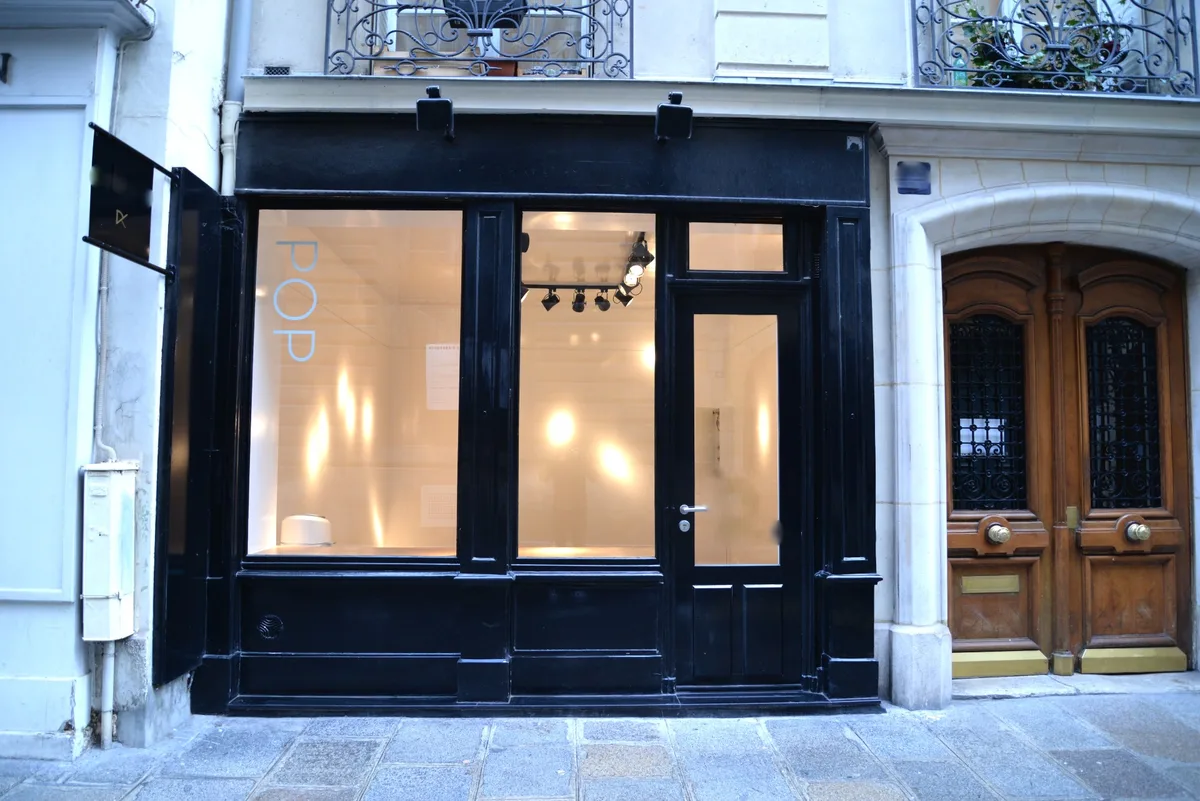
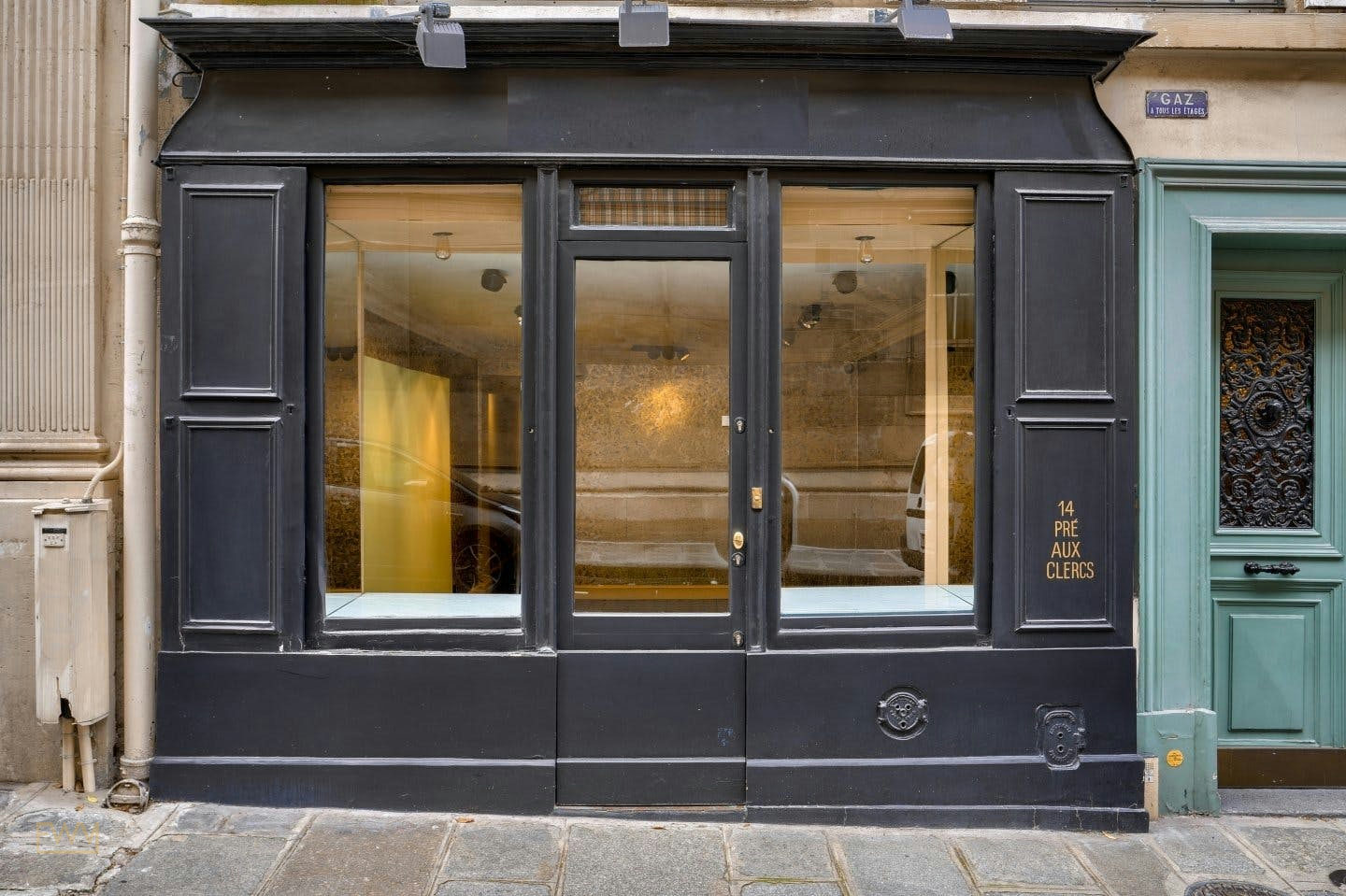
| Ground-floor boutique | Street frontage, display windows, retail-ready layout | Pop-up retail, product launch, direct sales | 30 to 150 sqm |
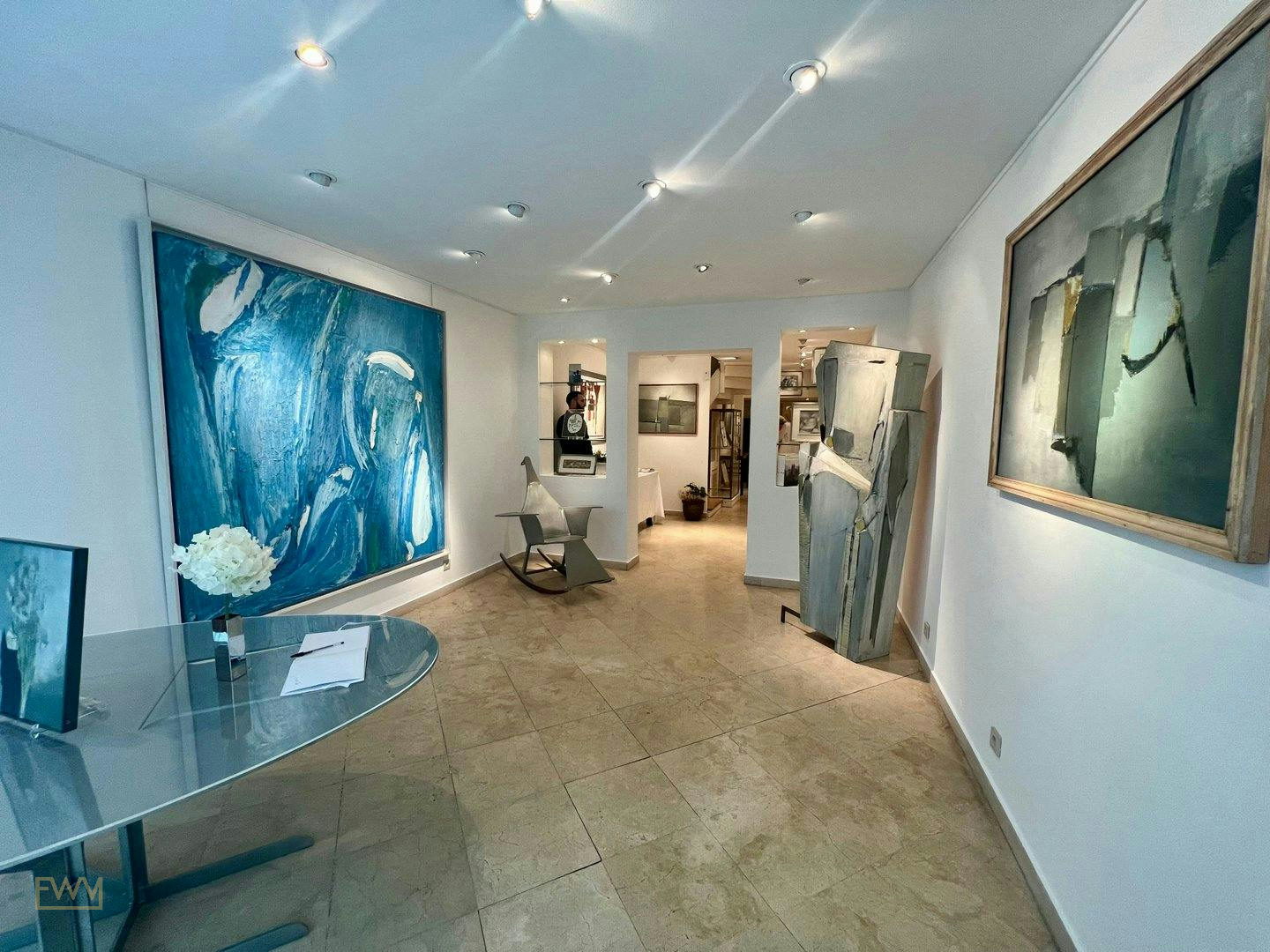
| Art gallery | White walls, track lighting, spotlights, open plan | Brand exhibition, press event, limited edition launch | 50 to 250 sqm |
| Loft or upper-floor space | High ceilings, exposed beams or stone, flexible layout | Showroom, trade event, invitation-only brand event | 80 to 300 sqm |
| Former boutique or atelier | Period features, irregular plan, intimate scale | Craft brand, designer residency, editorial activation | 25 to 100 sqm |
| Shared or co-activation space | Multi-brand environment, shared infrastructure | Emerging brand, capsule launch, trial retail | 15 to 60 sqm per brand |
Quick answer: The most common venue types for a pop-up store in Saint-Germain are ground-floor boutiques with street frontage, converted art galleries offering white-box flexibility, and loft-style upper-floor spaces with period architectural features. The right format depends on the brand's audience, budget, activation format, and the visual language the brand wants to project.
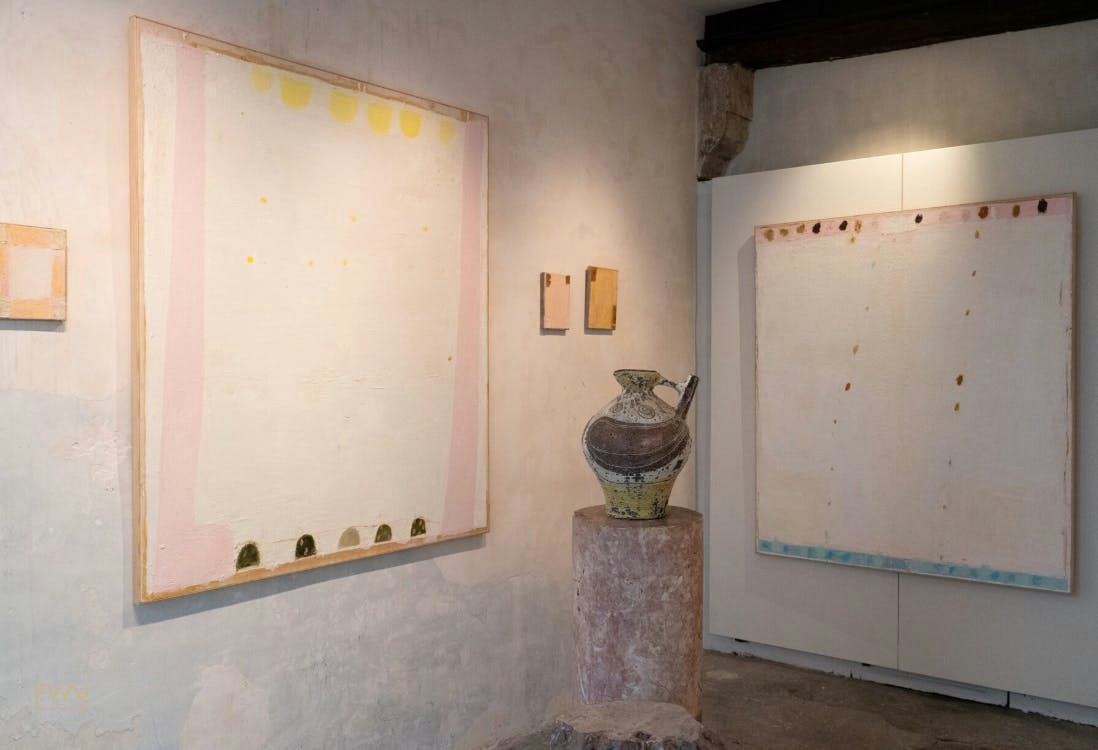
Art gallery spaces in Saint-Germain are particularly versatile. They arrive with professional lighting rigs, including spotlights and track systems, clean white or stone walls, and an aesthetic that communicates cultural seriousness. For fashion brands, beauty labels, or design houses launching in Paris for the first time, a galerie d'art format provides instant visual credibility without requiring extensive interior transformation.
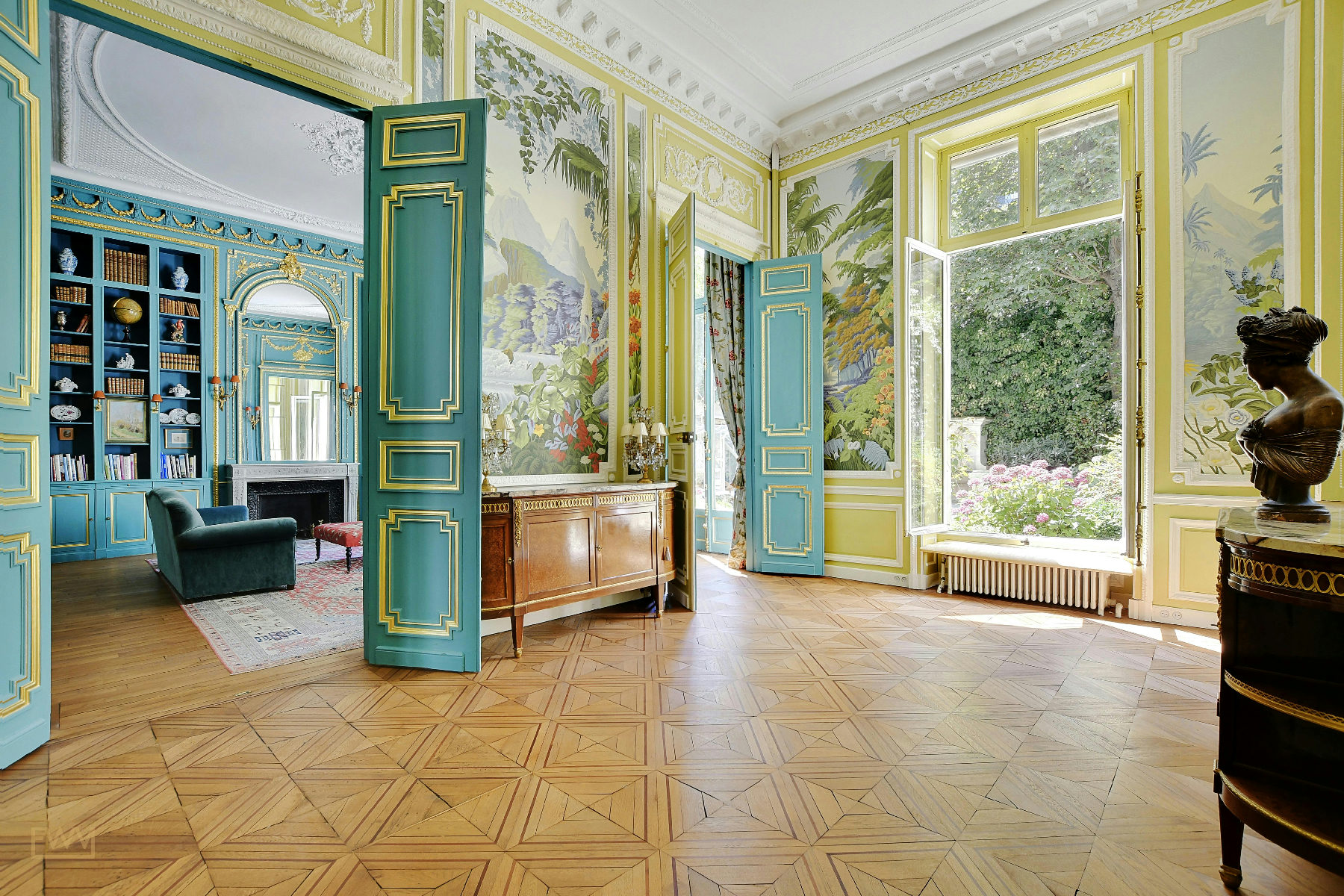
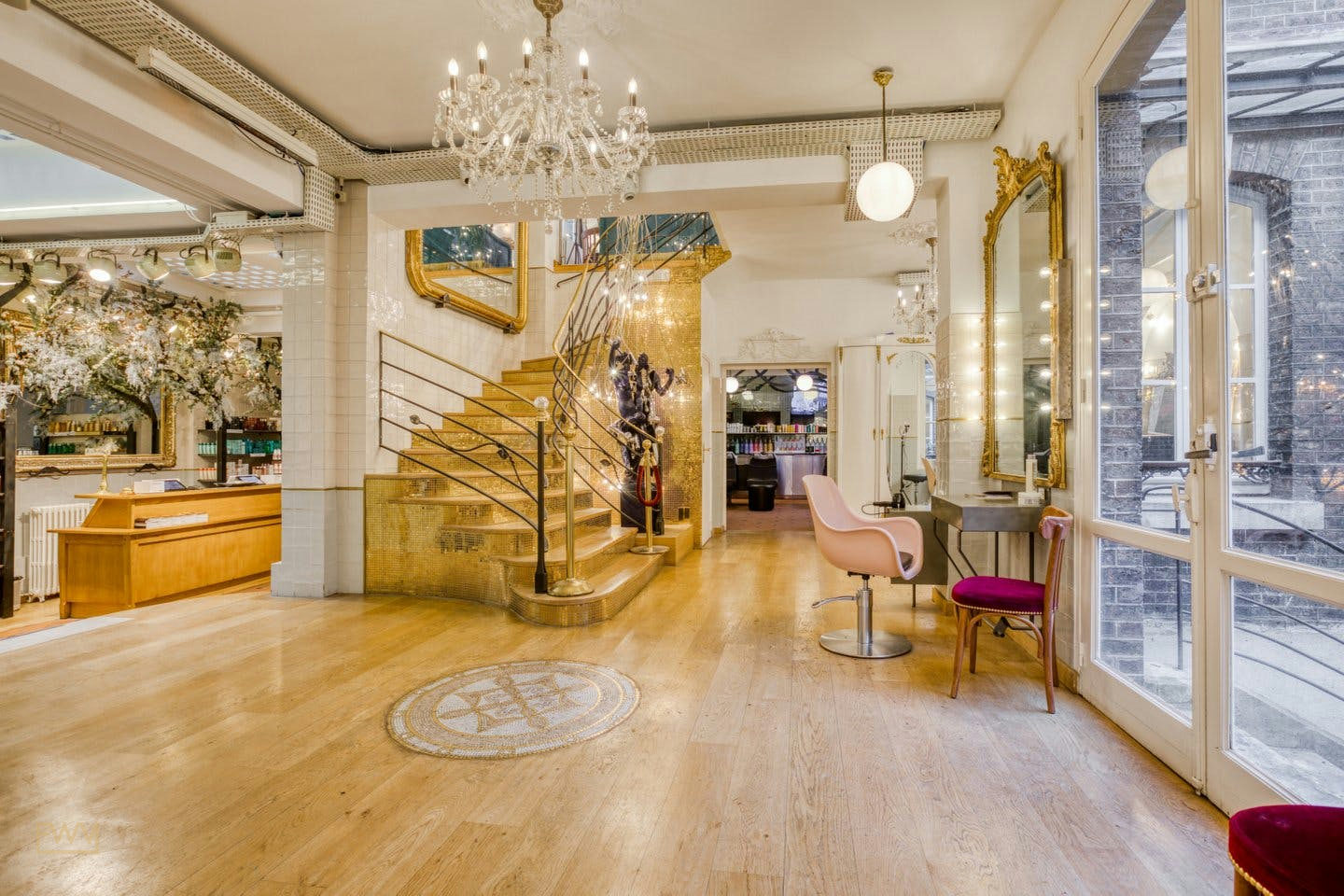
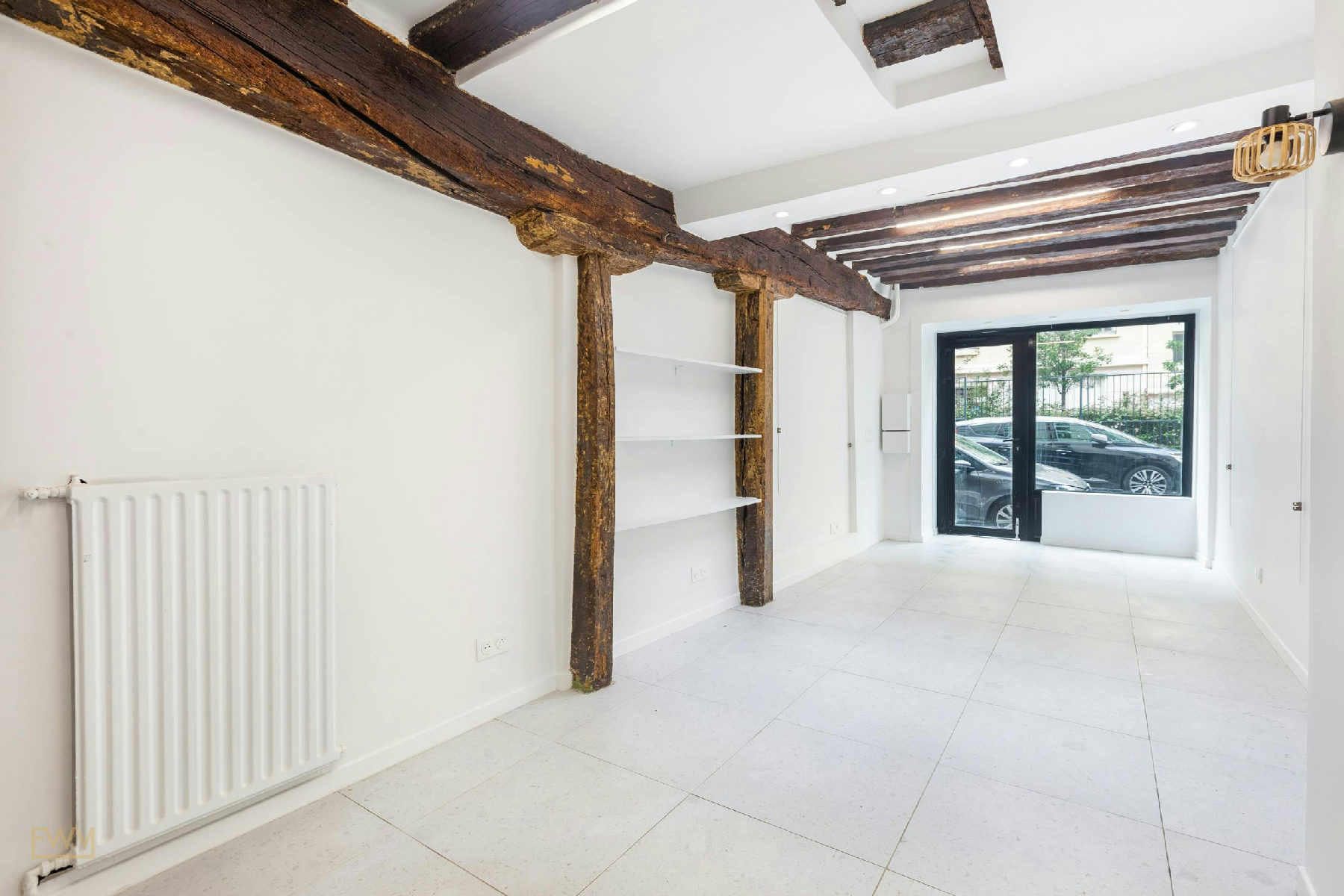
Loft spaces, by contrast, offer more atmospheric rawness. Tiled flooring, steel pillars, exposed timber or stone, and irregular geometry create a backdrop that works especially well for brands with a strong craft or heritage narrative. The interior furnishing requirements for loft spaces tend to be higher because the space typically needs more curation to feel complete, but the resulting environment can be genuinely distinctive.
For brands entering Paris for the first time, a smaller format boutique space on a secondary street, combined with a focused concept, often outperforms a larger space in a higher-profile location. The concentration of brand experience in a compact, well-designed environment creates a more memorable consumer interaction than a sprawling space that feels underpopulated.
The twin co-activation model, where two compatible but non-competing brands share a space and divide costs, has grown significantly in Saint-Germain over recent years. This format reduces the per-brand rental cost, broadens the audience, and creates a more complete retail environment. Fashion Week Venues operates a dedicated twin co-activation concept designed specifically for brands that want to share a space intelligently.
DID YOU KNOW: Gallery-format spaces in Saint-Germain often already have professional lighting infrastructure including spotlights and adjustable track systems installed, reducing the production cost of an activation compared to raw commercial spaces that require full lighting fit-out.
KEY TAKEAWAY: The space type should be selected to amplify the brand concept, not merely contain it. In Saint-Germain, the architecture of the space is part of the brand message, and matching the physical environment to the brand's visual language is a foundational strategic decision.
Once the space type is identified, the next stage is understanding how Saint-Germain compares to other Paris neighbourhoods for this kind of activation.
Saint-Germain vs Le Marais vs Champs-Élysées: Choosing the Right Paris Neighbourhood
Paris offers several credible pop-up districts, and each serves a different brand objective. Saint-Germain-des-Prés, Le Marais, and the Champs-Élysées corridor represent the three most frequently considered options for international brands, but they are not interchangeable.
Quick answer: Saint-Germain suits brands seeking cultural credibility and an affluent, design-literate audience. Le Marais offers higher foot traffic and a younger, more diverse consumer base. The Champs-Élysées provides the broadest international visibility. The right choice depends on brand positioning, target consumer, and activation format.
| Neighbourhood | Consumer Profile | Foot Traffic Volume | Brand Register | Space Availability |
|---|---|---|---|---|
| Saint-Germain-des-Prés (6th) | Affluent, culturally engaged, mixed Parisian and international | High on boulevard, curated on side streets | Luxury, heritage, design, independent | Boutique, gallery, loft |
| Le Marais (3rd and 4th) | Young professional, tourist, fashion-forward, LGBTQ+ inclusive | Very high, especially weekends | Streetwear, emerging, contemporary luxury | Former workshop, gallery, boutique |
| Champs-Élysées and Triangle d'Or (8th) | International tourist, luxury shopper, corporate visitor | Extremely high | Global luxury, flagship, mass prestige | Large format retail, commercial unit |
| Rive Gauche broadly (5th, 6th, 7th) | Academic, professional, residential Parisian | Moderate to high depending on street | Intellectual, artisanal, design-led | Boutique, atelier, converted space |
Le Marais, anchored by streets including Rue Vieille-du-Temple, Rue Froissart, and Rue des Francs-Bourgeois, draws a younger, more commercially diverse audience than Saint-Germain. Brands in the streetwear, contemporary fashion, or lifestyle categories often find Le Marais more commercially effective for high-volume, short-duration pop-ups. The former workshops and converted spaces along Rue Vieille du Temple offer generous floor plans and raw industrial character that suits certain brand languages.
The Champs-Élysées and Triangle d'Or zone operates at a different scale entirely. Spaces here are typically larger, more expensive, and oriented toward international tourist volume rather than local Parisian engagement. For a brand seeking headline-generating visibility and a global audience, this zone is compelling, but it requires a significantly larger budget and often a more institutional brand profile to feel contextually appropriate.
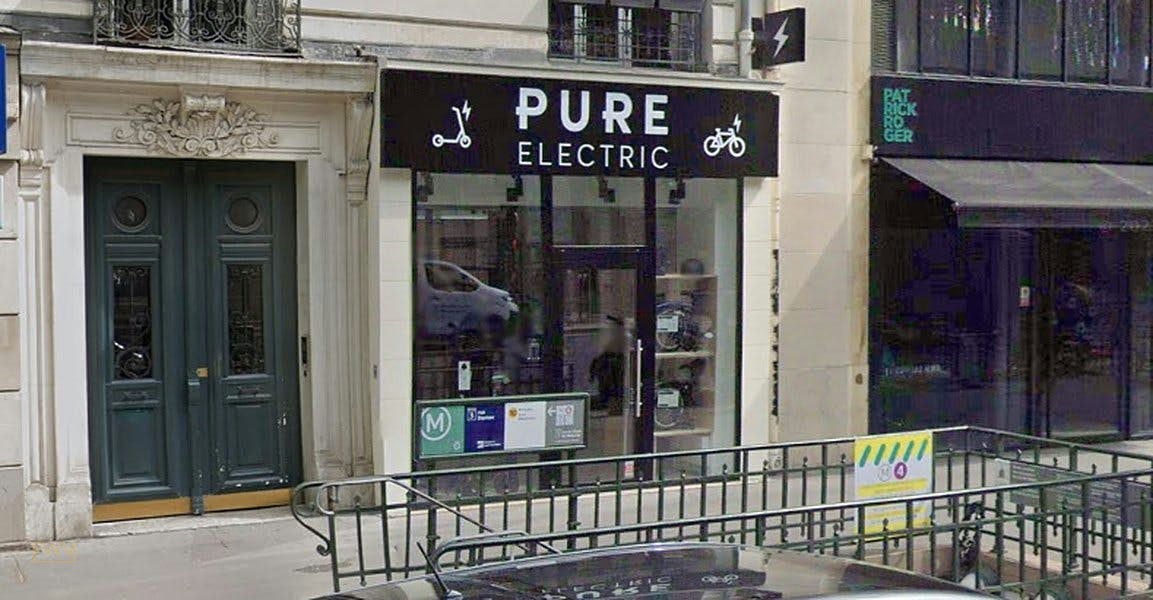
For many brands entering Paris for the first time, Saint-Germain offers the most sustainable balance: a prestigious address, a genuinely engaging neighbourhood environment, and a consumer audience that is receptive to discovery. The centre-ville location and excellent public transportation connections, including the Saint-Germain-des-Prés and Mabillon metro stations, ensure accessibility without sacrificing the sense of intimacy that defines the district.
To explore and compare specific spaces across neighbourhoods, the space comparison tool on Fashion Week Venues allows brands to evaluate multiple options side by side against criteria including size, location, features, and calendar availability.
KEY TAKEAWAY: Neighbourhood selection is a brand strategy decision as much as a logistics decision. Saint-Germain positions a brand within a specific cultural and commercial register that not every neighbourhood in Paris can offer, and that positioning has measurable value beyond the rental transaction itself.
With neighbourhood choice made, brand teams need a clear picture of what the rental and logistics process actually looks like in practice.
How to Rent a Pop-Up Space in Saint-Germain: Step-by-Step Process
Renting a short-term retail space in Paris involves more steps than many international brands anticipate. The French rental framework, local permit requirements, and the practical realities of fitting out a historic building in the 6th arrondissement all require structured planning well in advance of the intended opening date.
| Stage | Action Required | Recommended Lead Time | Key Consideration |
|---|---|---|---|
| 1. Brief and budget | Define dates, format, size, audience, and budget envelope | 12 to 16 weeks before opening | Build flexibility into the budget from the outset |
| 2. Space search and shortlist | Identify candidate spaces via marketplace or sourcing agency | 10 to 14 weeks before opening | Check availability calendar and any existing bookings |
| 3. Space visits and comparison | Visit shortlisted spaces and assess against brief | 8 to 12 weeks before opening | Assess ceiling height, power supply, loading access, and permit history |
| 4. Negotiation and agreement | Agree terms with space owner including rental period and conditions | 8 to 10 weeks before opening | Understand the bail dérogatoire or AOT framework applicable |
| 5. Permit applications | File required applications with relevant mairie or préfecture | 6 to 8 weeks before opening | Requirements vary significantly by space type, arrondissement, and duration |
| 6. Concept and design | Finalise spatial concept, fixtures, and brand environment design | 6 to 8 weeks before opening | Align design with space constraints and permit conditions |
| 7. Production and fit-out | Install fixtures, lighting, branding, furniture, and POS systems | 1 to 2 weeks before opening | Confirm building access hours and any heritage restrictions on fixings |
| 8. Staffing and systems | Brief sales staff, set up POS, and confirm security arrangements | 3 to 5 days before opening | French employment requirements apply to any paid staff on site |
| 9. Activation and management | Open to the public or by invitation and manage daily operations | During the activation period | Track data, manage inventory, and monitor consumer engagement |
| 10. Breakdown and handover | Remove all installations and return space to original condition | Within the agreed exit period | Confirm handover condition requirements with space owner in writing |
Quick answer: Renting a pop-up space in Saint-Germain typically requires 10 to 16 weeks of lead time from brief to opening. The process involves space discovery, negotiation, permit applications, design, production, and staffing. Working with an experienced agency reduces execution risk and accelerates each stage, particularly for brands unfamiliar with the French retail market.
One common point of difficulty for international brands is the legal framework governing short-term commercial leases in France. The standard French commercial lease, known as a bail commercial, runs for a minimum of nine years and is entirely unsuitable for a temporary activation. Brands entering Paris for a pop-up or showroom typically operate under a bail dérogatoire, which allows for a short-term lease of up to three years without triggering the protections and obligations of a full commercial lease, or under an autorisation d'occupation temporaire, which governs temporary occupation of spaces in specific circumstances.
IMPORTANT: The distinction between a bail dérogatoire and a standard commercial lease carries significant legal and financial implications. Requirements vary by space type, duration, and arrondissement. Always verify the applicable framework with a qualified French legal advisor before signing any agreement. Use the permit guidance tool on Fashion Week Venues as a starting point for understanding what your activation may require.
Production and fit-out in Saint-Germain often presents additional complexity due to the age and classification of buildings. Many properties in the 6th arrondissement are listed or subject to heritage restrictions that limit the type of fixings, signage, and structural modifications permitted. Any aménagement of a historic space requires careful coordination with the building owner and potentially with the Direction Régionale des Affaires Culturelles. Planning for these constraints at the brief stage prevents costly surprises during production.
KEY TAKEAWAY: The pop-up rental process in Saint-Germain is more regulated and complex than equivalent processes in many other global cities. Brands that invest in proper planning, legal review, and experienced agency support consistently achieve better outcomes than those that treat the process as a simple short-term transaction.
Understanding the costs involved is the next critical planning element before committing to a space or a timeline.
Pop-Up Store Budget Considerations for Saint-Germain
Budget planning for a pop-up store in Saint-Germain must account for more cost categories than the space rental alone. Many brands focus exclusively on the rental rate and then discover mid-process that production, permits, staffing, and ancillary services add substantially to the total investment.
Quick answer: The total cost of a pop-up store in Saint-Germain is made up of space rental, production and fit-out, permit fees, staffing, POS and payment systems, marketing and influencer activation, security, and agency fees. The relative weight of each category varies by brand, format, and duration, and directional estimates should be validated using a brand-specific budget tool rather than generic benchmarks.
Space rental in Saint-Germain is typically quoted on a per-day or per-week basis for short-term activations, or as a monthly rate for longer durations. Boulevard Saint Germain-facing spaces command premium pricing relative to side streets. Gallery spaces on Rue de Seine or Rue Mazarine tend to occupy a mid-range price tier, while converted ateliers and upper-floor lofts on secondary streets may offer more accessible entry points. These are directional observations only. Actual rental rates depend on specific space characteristics, the calendar window, negotiating leverage, and the duration of the agreement.
Production and fit-out costs in Saint-Germain deserve particular attention. The presence of heritage building constraints, the need for specialist trades familiar with working in listed properties, and the logistics of delivering materials to narrow streets with limited parking and loading zones all add to production budgets relative to more accessible commercial districts. Interior furnishing, decoration, device de vente installation, and lighting design should all be costed from the outset rather than treated as afterthoughts.
Security is a cost category that brands frequently underbudget. A pop-up store in a central Paris location carrying high-value product requires a credible security solution from day one. This may include a manned security service, electronic security systems, and coordination with the building owner on access control. Security requirements should be confirmed during the space negotiation stage and costed accordingly.
For brands seeking a realistic estimate before committing to a space, the budget estimation tool on Fashion Week Venues provides a structured framework for calculating total activation costs based on space size, duration, format, and service requirements. The ROI calculator allows brands to model the expected return against the planned investment across different scenarios.
TIP: Scheduling a pop-up during an off-peak period rather than during the peak Paris Fashion Week windows can reduce rental rates materially, though it also reduces the density of press and buyer traffic in the neighbourhood. The right timing decision depends entirely on whether the activation objective is commercial sales, brand awareness, or press and influencer reach.
KEY TAKEAWAY: A realistic total budget for a Saint-Germain pop-up must account for at minimum eight distinct cost categories. Brands that plan for all categories from the outset avoid the mid-project budget crises that most commonly undermine activations that were commercially sound on paper.
To explore the Paris market more broadly and understand how Saint-Germain fits within the wider calendar and geography of the city, the next section provides essential market context.
Paris Fashion Week and the Broader Calendar Window for Saint-Germain Activations
Paris Fashion Week is the highest-profile calendar window for a pop-up store activation in Saint-Germain, but it is far from the only viable one. The Paris retail and event calendar offers multiple windows throughout the year when foot traffic, press presence, and consumer engagement in the neighbourhood are genuinely elevated.
Paris Fashion Week takes place twice annually, with the women's ready-to-wear editions in late February to early March and late September to early October, and the men's and haute couture editions at different points across the year. During these periods, international buyers, press, influencers, and brand teams converge on the city, and Saint-Germain sees a measurable uplift in both traffic volume and the quality of that traffic. For brands targeting press coverage, influencer visibility, and buyer meetings, timing an activation to coincide with a Fashion Week edition is a rational strategy.
However, the periods immediately surrounding Fashion Week, the weeks before and after the main calendar, often offer a more considered consumer experience. Spaces are less contested, rental negotiations may be more favourable, and the audience arriving in Saint-Germain is less harried and more genuinely receptive to discovery. Brands in the beauty, homeware, design, and lifestyle categories, where press calendars are less rigidly structured around Fashion Week, frequently find these shoulder periods more productive than the week itself.
Beyond Fashion Week, Paris hosts Maison et Objet, Paris Design Week, the international art fairs, and numerous cultural events that create elevated traffic conditions in culturally engaged districts like Saint-Germain. Mapping an activation against the full Paris event calendar, rather than defaulting to Fashion Week alone, allows brands to find windows that match their audience and budget with greater precision.
For brands considering longer-format activations, sometimes described as pop-up stores longue durée, Saint-Germain offers a sustained consumer environment that supports extended runs of four to twelve weeks or longer. A longer activation allows the brand time to build local awareness through word of mouth, repeat visits, and organic social amplification, all of which compound over time in a way that a three-day pop-up cannot replicate.
To compare neighbourhoods and space types across the Paris calendar, explore the Paris city hub on Fashion Week Venues and shortlist spaces that match your brief, budget, and calendar window.
KEY TAKEAWAY: The Paris calendar offers multiple viable windows for a Saint-Germain pop-up activation, and the best window is determined by the brand's specific objectives, target audience, and budget, not by default convention. Paris Fashion Week is powerful but it is not the only or always the optimal timing choice.
With calendar strategy understood, brands need clarity on what agencies can do to support the end-to-end process in Saint-Germain.
How Fashion Week Venues Supports Pop-Up Activations in Saint-Germain
Fashion Week Venues operates as a full-service pop-up shop agency and space marketplace with Paris as its primary and anchor market. For brands planning a pop-up store, showroom, or brand event in Saint-Germain-des-Prés, the agency provides support across every stage of the process, from initial space discovery through to post-activation data analysis.
The venue sourcing service identifies spaces in Saint-Germain and across the Rive Gauche that match the brand's size, format, calendar, and budget requirements. Rather than browsing generic listing platforms, brand teams work with specialists who understand the micro-geography of the neighbourhood, the characteristics of individual buildings, and the negotiating norms of short-term rental agreements in France. The venue sourcing service is typically the entry point for brands engaging with Fashion Week Venues for the first time.
Once a space is confirmed, the concept direction team works with the brand to develop a spatial and experiential concept that translates the brand's visual language into a three-dimensional environment. This is not simply interior design. It encompasses the full consumer journey from the street, through the threshold, across the space, and to the point of transaction or conversion. Strong concept direction is particularly important in Saint-Germain, where the surrounding retail and cultural environment sets a high aesthetic benchmark.
Production and build services cover the full fit-out of the space, including structural elements, lighting design, custom fixtures, branded installations, and technology integration. The team has experience working in historic buildings with heritage restrictions, which is a practical advantage in the 6th arrondissement. Furniture rental services complement the production offer, allowing brands to furnish a space to a high standard without purchasing items that will only be used for a limited period.
Retail staffing services provide trained, brand-briefed sales and host staff for the duration of the activation. All staff are selected to match the brand's profile and communication style, and are briefed on the product, the brand story, and the consumer engagement approach. POS and payment systems are integrated from day one to ensure seamless transaction capability, whether the activation is a direct sales pop-up or a hybrid retail and event format.
The influencer marketing service connects brands with relevant creators and cultural figures whose audiences align with the Saint-Germain consumer profile. Data and analytics services capture performance metrics throughout the activation, enabling brands to understand foot traffic, dwell time, conversion rates, and engagement levels in a structured way that informs future activations.
For brands uncertain about where to begin, the guide to hiring a pop-up agency on Fashion Week Venues sets out what to look for in an agency partner, what questions to ask, and what a well-structured agency engagement should deliver.
IMPORTANT: Fashion Week Venues does not guarantee specific spaces, permit approvals, or commercial outcomes. The agency works to maximise the probability of a successful activation through expertise, process, and network, but final outcomes depend on multiple variables including the brand's own brief quality, budget, and creative execution.
KEY TAKEAWAY: The most effective Saint-Germain activations are built on a combination of precise space selection, strong concept direction, disciplined production, and experienced on-the-ground management. Fashion Week Venues is structured to provide all of these in an integrated way, which reduces the coordination burden on brand teams and improves execution quality across every stage.
Before moving to the FAQ section, it is worth addressing some of the most persistent misconceptions that brand teams bring to Saint-Germain pop-up planning.
The Role of Ephemeral Commerce and Location Courte Durée in Modern Brand Strategy
Ephemeral commerce, or location éphémère, has evolved from a tactical niche into a mainstream brand strategy tool. The pop-up store, once regarded as a way for emerging brands to test a market without committing to a long-term lease, is now used by global houses including Louis Vuitton, Ralph Lauren, Emporio Armani, Supreme, Glossier, and Tesla as a deliberate and recurring element of their brand activation calendar.
The strategic logic is straightforward. A fixed retail store communicates permanence. A pop-up store communicates urgency, exclusivity, and cultural relevance. In a consumer environment where attention is scarce and brand differentiation is hard to sustain, the temporal limitation of an ephemeral space is itself a marketing asset. The phrase location courte durée captures this idea precisely: it is not merely a short lease, it is a deliberate temporal frame that creates consumer urgency.
Saint-Germain-des-Prés amplifies this effect because the neighbourhood's own cultural character adds a layer of meaning to any brand that occupies space within it. To have a pop-up store événementiel in the neighbourhood where Sartre and de Beauvoir argued about the nature of existence, where Boris Vian played jazz, and where Jean-Luc Godard developed his cinematic language, is to claim a position within a living cultural narrative. That positioning has value that is difficult to quantify but unmistakable in its effect on how a brand is perceived.
This is why global brands from the luxury, streetwear, technology, beauty, and automotive categories have all used Saint-Germain as an activation location. The neighbourhood is not a generic retail destination. It is a specific cultural statement, and any brand that occupies it correctly inherits some of that cultural capital for the duration of its presence.
Quick answer: Ephemeral commerce in Saint-Germain works because the neighbourhood's cultural prestige amplifies the brand message of any activation taking place within it. The combination of temporal urgency and cultural location creates a consumer experience that a permanent store or a digital campaign cannot fully replicate.
The pop-up store événementiel format, which combines retail functionality with event programming, press activations, influencer visits, and experiential elements, is the most complex and resource-intensive approach but also the one most capable of generating sustained brand conversation well beyond the physical duration of the activation. A well-executed pop-up store événementiel in Saint-Germain can generate media coverage, social content, and word-of-mouth that extends the brand's presence in the Paris market for months after the space closes.
For brands considering this format, the integration of influencer marketing with the physical activation is a critical success factor. Ensuring that the right creators experience and document the space during the first days of operation, when the environment is at its most curated and the product narrative is freshest, requires advance planning and coordination with the influencer marketing strategy.
KEY TAKEAWAY: The pop-up store in Saint-Germain is not simply a retail format. It is a brand strategy tool that uses physical presence, cultural context, temporal urgency, and curated experience to create consumer and media engagement that more conventional brand communications cannot achieve.
This strategic understanding shapes how the best brand teams approach Saint-Germain activations, and it is the foundation on which all practical planning decisions should rest.
Communicating Your Pop-Up Store in Saint-Germain: Marketing and Influencer Strategy
Opening a pop-up store in Saint-Germain without a structured communication strategy is one of the most common and costly mistakes international brands make in Paris. The neighbourhood has strong organic discovery potential, but relying on foot traffic alone is insufficient for activations with commercial or brand awareness objectives.
A layered communication approach works best for Saint-Germain pop-ups. The first layer is pre-opening PR and press outreach, targeting fashion, lifestyle, and cultural media with a compelling narrative about why the brand has chosen Saint-Germain and what the activation offers. Parisian media, both French-language and international publications with Paris bureaus, respond well to activations that have a genuine cultural story rather than a purely commercial rationale.
The second layer is influencer marketing, coordinated to generate social content during the first days of the activation when the environment is pristine and the brand narrative is being established. Saint-Germain is a visually distinctive neighbourhood, and its streets, architecture, and cultural landmarks provide a natural backdrop for content that feels genuinely Parisian rather than generically European. The influencer marketing service at Fashion Week Venues connects brands with creators whose audiences are relevant to the Saint-Germain consumer profile and the brand's target demographic.
The third layer is local community engagement, including partnerships with nearby galleries, cultural institutions, or independent businesses that share an audience with the brand. Saint-Germain has a dense network of independent operators who are generally open to collaboration when approached with genuine respect for the neighbourhood's culture and an offer of mutual benefit.
The fourth layer is digital amplification, including paid social, email address marketing to existing customer databases, and geo-targeted digital advertising to people present in the 6th arrondissement and surrounding areas during the activation period. For brands with an existing Paris customer base, a targeted communication to that database announcing the pop-up and offering a specific reason to visit, whether that is an exclusive product, a personal consultation, or a cultural experience, consistently drives qualified traffic.
TIP: Communication planning for a Saint-Germain pop-up should begin at least six weeks before opening. Press outreach requires lead time, influencer briefings require coordination, and any paid media needs creative assets developed in advance. Brands that leave communication planning to the final two weeks consistently underperform against those that treat it as a parallel workstream to space and production planning.
KEY TAKEAWAY: Effective communication for a Saint-Germain pop-up store requires a minimum of four coordinated layers: press, influencer, community, and digital. Each layer requires distinct planning, lead time, and investment, and all four work together to create the awareness and urgency that drives consumer engagement during the activation period.
With marketing strategy in place, the final pre-launch element is ensuring the space and operations are ready for opening day.
Common Myths About Opening a Pop-Up Store in Saint-Germain
MYTH: You need a French legal entity to rent a short-term space in Saint-Germain.
FACT: International brands can rent short-term spaces in Paris, including in Saint-Germain, without having an established French legal entity. The rental agreement structure and the type of occupation authorisation involved will differ from those available to resident French entities, and additional documentation or guarantees may be required. However, the absence of a French entity is not a categorical barrier. Working with an experienced agency that understands French rental frameworks significantly simplifies this process for international brands.
MYTH: Paris Fashion Week is the only viable calendar window for a Saint-Germain pop-up.
FACT: Paris Fashion Week is one of several high-value calendar windows in Paris. Shoulder periods around Fashion Week, the major trade fair and art fair calendars, and even carefully chosen off-peak periods can deliver strong activation outcomes at lower cost and with less competition for space. The optimal calendar window depends on the brand's audience, objectives, and budget, not on a convention about when pop-ups must happen.
MYTH: Commission-based listing brokers are the only way to find a pop-up space in Saint-Germain.
FACT: Multiple routes exist for finding short-term spaces in Saint-Germain, including direct marketplace platforms, full-service agencies with proprietary space networks, and direct approaches to building owners. Commission-based brokers can be useful but they are not the only option, and their incentive structure may not always align with the brand's interest in finding the best space at the most appropriate rate. A full-service agency with a transparent fee structure and deep neighbourhood knowledge typically provides better outcomes for brands with complex or specific requirements.
MYTH: Short-term leases in France are legally straightforward and do not require specialist legal review.
FACT: Short-term commercial leases in France are governed by specific legal frameworks including the bail dérogatoire and various forms of autorisation d'occupation temporaire, each with distinct conditions, obligations, and risks. The boundary between a bail dérogatoire and a standard commercial lease can be commercially significant. French contract law also contains provisions that may not be immediately apparent to international brands. A qualified French legal advisor should review any rental agreement before it is signed, regardless of the short-term nature of the arrangement.
MYTH: A pop-up store in Saint-Germain will generate sufficient walk-in traffic without any active communication strategy.
FACT: Saint-Germain has strong organic foot traffic, but passive discovery alone is an unreliable basis for a commercial activation. Brands that invest in pre-opening press, influencer activation, and digital communication consistently outperform those that rely on the neighbourhood to do the work. Even the most perfectly located and beautifully designed pop-up store requires active communication to reach its full potential audience.
Frequently Asked Questions About Pop-Up Stores in Saint-Germain
Why open a pop-up store in Saint-Germain-des-Prés rather than another Paris neighbourhood?
Saint-Germain-des-Prés offers a combination of cultural prestige, affluent and design-literate foot traffic, architectural variety, and a compact, walkable geography that few other Paris districts can match. The neighbourhood's intellectual and artistic heritage creates a meaningful context for brands in fashion, design, beauty, and luxury that adds value beyond the physical retail location. For brands entering Paris for the first time, Saint-Germain communicates credibility and discernment in a way that more generic commercial districts cannot. The presence of established luxury houses alongside independent boutiques and galleries creates a commercial environment that is simultaneously prestigious and genuinely interesting.
How far in advance should a brand book a pop-up space in Saint-Germain?
For activations targeting Paris Fashion Week periods, a lead time of twelve to sixteen weeks is recommended as a minimum, with many desirable spaces being secured six months or more in advance during peak calendar windows. For off-peak activations, a lead time of eight to twelve weeks is typically sufficient for space sourcing and fit-out, though permit applications should always be initiated as early as possible. Brands that wait until four to six weeks before their intended opening consistently find that their space options have narrowed significantly and their negotiating position is weaker.
Do I need a French company to rent a pop-up space in Saint-Germain?
You do not necessarily need a French legal entity to rent a short-term space in Saint-Germain. International brands regularly rent spaces in Paris without an established French company. However, the documentation, guarantees, and rental agreement structure may differ from those available to French-resident entities, and some space owners may require additional security or references. Working with a French-based agency that can support the rental process and act as a point of local accountability significantly simplifies this process for international brands. Always seek qualified French legal advice before signing any agreement.
What permits are required for a pop-up store in Saint-Germain?
Permit requirements for a pop-up store in Saint-Germain vary depending on the space type, the intended use, the duration of the activation, and the specific location within the 6th arrondissement. A temporary retail activation in a ground-floor boutique space typically operates under a bail dérogatoire and may require specific commercial use authorisation. External signage, temporary structures, and event-format activations may require additional permits from the relevant mairie or préfecture. Heritage building restrictions add a further layer of compliance for spaces in listed buildings. Requirements should always be verified with a qualified French legal advisor and should not be assumed from prior experience in other cities or countries.
What space types are available for a pop-up store in Saint-Germain?
Saint-Germain offers a broad range of short-term space formats including ground-floor boutiques with street frontage, converted art galleries, loft-style upper-floor spaces, former ateliers, and shared co-activation spaces. Gallery-format spaces typically offer professional lighting infrastructure and flexible open-plan layouts. Loft spaces provide atmospheric architectural character with features including exposed stone, timber beams, tiled flooring, and steel structural elements. The right space type depends on the brand's visual language, the activation format, the target audience, and the production budget available.
How long can a pop-up store stay open in Saint-Germain?
Pop-up store durations in Saint-Germain range from single-day events through to long-format activations of several months. The bail dérogatoire framework allows for short-term leases of up to three years without triggering the protections of a standard French commercial lease. For activations of a week or less, an autorisation d'occupation temporaire or event-format agreement is typically more appropriate. The optimal duration depends on the brand's commercial and awareness objectives, the calendar window, and the budget available. Longer activations allow more time for organic word-of-mouth and repeat visitor engagement but require a larger total investment.
What is the difference between a pop-up store and a showroom in Saint-Germain?
A pop-up store in Saint-Germain is typically open to the public and oriented toward direct consumer engagement, whether for retail sales, brand discovery, or experiential activation. A showroom is typically invitation-only and oriented toward professional audiences including press, buyers, stylists, and brand partners. The operational requirements differ materially: showrooms require less retail infrastructure but more controlled access and formal presentation, while pop-up stores require POS systems, consumer-facing staff, security, and retail-grade customer experience design. Many brands in Saint-Germain operate hybrid formats that combine retail and showroom functions in the same space at different times of day or on different days during the activation period.
What should I look for when visiting a pop-up space in Saint-Germain?
When visiting candidate spaces, assess the following: ceiling height and how it affects the brand environment; the quality and flexibility of existing lighting infrastructure, including spotlights and track systems; the condition of flooring, whether tiled, timber, or stone, and how it aligns with the brand's aesthetic; power supply capacity and the location of electrical points; loading access and the practicality of delivering production materials to the space; natural light levels and how they vary through the day; acoustic characteristics of the space; and the extent of any heritage restrictions that may limit the type of modifications, fixings, and signage permitted. Always request a full viewing and document your observations with detailed photographs.
How does the twin co-activation model work for a Saint-Germain pop-up?
The twin co-activation model involves two compatible but non-competing brands sharing a single space in Saint-Germain, dividing the rental cost and creating a more complete consumer experience than either brand could achieve alone. A fashion brand might share a space with a beauty, jewellery, or lifestyle label, with each brand occupying a defined zone within the shared environment. The model reduces the per-brand cost significantly and broadens the audience for both brands. Effective co-activation requires careful brand matching, clear spatial delineation, and shared communication planning. Fashion Week Venues operates a structured twin concept specifically designed to facilitate this format.
What role does influencer marketing play in a Saint-Germain pop-up?
Influencer marketing is one of the most effective tools for driving consumer awareness of a pop-up store in Saint-Germain, particularly for brands without an established Parisian retail presence. Creators who are contextually relevant to the neighbourhood, whose audiences overlap with the brand's target consumer, and who are skilled at communicating a sense of place and discovery can generate significant organic reach that amplifies the physical activation. The most effective influencer activations are planned in advance of opening, include a genuine experience within the space rather than a transactional content post, and are coordinated with the broader press and digital communication strategy.
What is ephemeral commerce and why is it relevant to Saint-Germain?
Ephemeral commerce refers to short-term commercial activations including pop-up stores, temporary showrooms, and event-format retail that use temporal limitation as a deliberate brand strategy tool. The concept of location éphémère or location courte durée in French captures this approach. In Saint-Germain, ephemeral commerce is particularly powerful because the neighbourhood's cultural prestige adds a layer of brand meaning to any temporary presence within it. The combination of a limited-time offering and a culturally significant location creates consumer urgency and brand credibility that permanent retail formats and digital campaigns cannot fully replicate.
How do I communicate the opening of my pop-up store in Saint-Germain?
Effective communication for a Saint-Germain pop-up store requires a minimum of four coordinated channels: press and editorial outreach to relevant fashion, lifestyle, and cultural media; influencer marketing coordinated with the first days of opening; community engagement with nearby cultural institutions, galleries, and businesses; and digital advertising targeting people present in or interested in the Saint-Germain neighbourhood. Communication planning should begin at least six weeks before opening, with press outreach initiated eight weeks in advance to accommodate media lead times. Relying on organic foot traffic alone consistently underperforms against a structured communication approach.
Can I operate a pop-up store in Saint-Germain during Paris Fashion Week?
Yes, and many brands do. Paris Fashion Week creates elevated foot traffic, press presence, and influencer activity across Saint-Germain and the surrounding arrondissements, making it one of the most commercially and reputationally productive windows for an activation. However, spaces in desirable locations are heavily contested during Fashion Week periods and should be secured months in advance. Rental rates during Fashion Week windows are typically higher than off-peak equivalents. Brands should also be aware that operational demands during Fashion Week are significantly more intensive than during quieter periods, and staffing, security, and management requirements scale accordingly.
What is the importance of location within Saint-Germain for a pop-up store?
Location within Saint-Germain matters significantly because different streets carry different consumer profiles, foot traffic volumes, and cultural registers. Boulevard Saint Germain provides the highest foot traffic volume. Rue de Seine and Rue Mazarine attract a more art-focused and culturally engaged audience. Rue Dauphine offers atmospheric character and independent retail credibility. Rue de Rennes draws younger consumers and broader retail traffic. The streets around Saint-Sulpice attract an affluent, fashion-literate local audience. The right location depends on the brand's target consumer, the activation format, the visual language of the brand, and the commercial objective of the activation.
How does Fashion Week Venues help with a pop-up store activation in Saint-Germain?
Fashion Week Venues provides end-to-end support for pop-up store activations in Saint-Germain, covering venue sourcing, concept direction, production and fit-out, activation management, branded store design, furniture rental, retail staffing, POS and payment systems, influencer marketing, and data analytics. The agency also provides tools including a budget calculator, an ROI calculator, a timeline planner, a permit guidance tool, and a space comparison tool that allow brand teams to plan and validate their activation strategy before committing to a space or a budget. Fashion Week Venues works with brands of varying scales and formats, from emerging labels planning their first Paris activation to established houses seeking a new neighbourhood presence.
Conclusion: Making Your Pop-Up Store in Saint-Germain a Success
A pop up store in Saint Germain is one of the most powerful brand strategy tools available in the Paris market. The combination of cultural prestige, high-quality foot traffic, architectural variety, and a consumer audience that genuinely values discovery and originality creates conditions that few other Paris neighbourhoods can replicate. But that potential is realised only through disciplined planning, expert execution, and a communication strategy that begins long before the doors open.
The brands that succeed in Saint-Germain are those that understand the neighbourhood's character and use it deliberately. They choose their street and space format to amplify their brand message, not simply to secure square metres. They plan for permits, production, and staffing with the same rigour they bring to creative direction. They communicate with press, influencers, and their existing customer base well in advance of opening. And they measure what they achieve so that each activation builds the foundation for the next.
Whether your brand is planning its first Paris activation or its tenth, whether you are targeting Fashion Week or a carefully chosen off-peak window, and whether your format is a boutique retail pop-up, an invitation-only showroom, or a full brand event, the process benefits from experienced local support. Fashion Week Venues brings the neighbourhood knowledge, agency infrastructure, and integrated service capability that brand teams need to execute in Saint-Germain with confidence.
To move from research to activation, start exploring available spaces on the Fashion Week Venues marketplace and build a focused brief for your target neighbourhood, space type, and calendar window.